INTERNACIONAL
Six Kurdish fighters killed in IRGC ambush as clashes spread across western Iran

NEWYou can now listen to Fox News articles!
Iran’s Islamic Revolutionary Guard Corps said Thursday it killed five members of the Democratic Party of Iranian Kurdistan, while the Kurdish opposition group told Fox News Digital that six of its Peshmerga — a term commonly used for Kurdish fighters — were killed in what it described as an Islamic Revolutionary Guard Corps ambush in northwest Iran.
The clash marks another escalation in Iran’s Kurdish-majority west after days of reported attacks and clashes involving Iranian security forces, the Islamic Revolutionary Guard Corps and Kurdish armed factions.
It also underscores the current position of Iranian Kurdish opposition groups that recently were viewed by U.S. and Israeli officials as a possible pressure point against Tehran during the U.S.-Israeli war with Iran but ultimately stayed out of the conflict amid mixed signals from Washington and pressure from both Iran and Turkey.
WAVE OF ATTACKS ON IRAN’S IRGC RAISES QUESTIONS ABOUT RENEWED KURDISH INSURGENCY
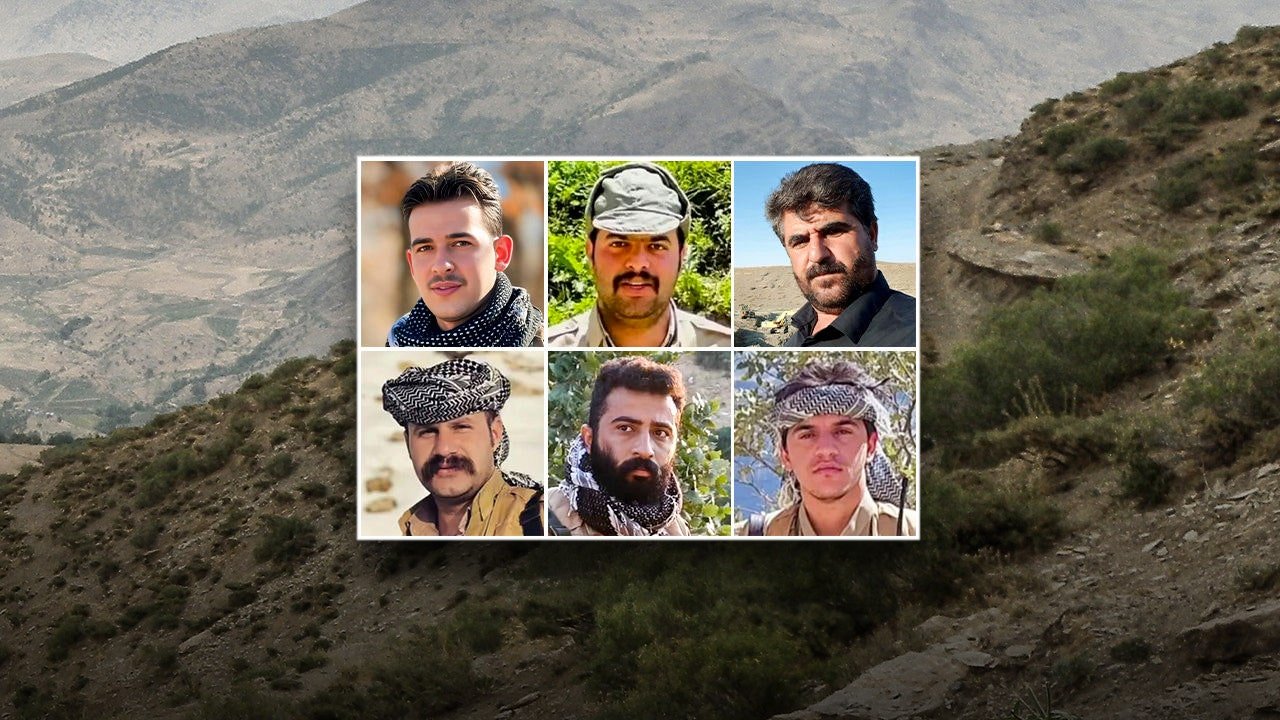
The Democratic Party of Iranian Kurdistan said six of its Peshmerga — Karo Hormuziari, Fardin Changizi, Mohammad Khaki, Abdullah Mohammadpour, Twana Osmani and Mohammad Amin Bayezidi — were killed in a clash with Iran’s Islamic Revolutionary Guard Corps near Piranshahr in Iranian Kurdistan July 1, 2026. (The Democratic Party of Iranian Kurdistan)
Majeed Gly, president of the American Kurdish Committee, told Fox News Digital the latest clashes should not be read as a full-scale uprising, but also should not be dismissed as routine border violence.
«What I’m hearing is, this is not business as usual,» Gly said. «This is not like periodic clashes on the border. This is operations, and it seems to be deep inside.»
Gly said Kurdish frustration has grown sharply after months of Iranian attacks on Kurdish areas and opposition-linked sites, including in the Kurdistan Region of Iraq. He said the region has been hit by more than 850 attacks since February, leaving at least six civilians dead and dozens more wounded.
Hejar Berenji, the U.S. representative of the Democratic Party of Iranian Kurdistan, or PDKI, confirmed to Fox News Digital that six PDKI Peshmerga were killed in a clash with IRGC forces in the Piranshahr area of Iranian Kurdistan.
Iran’s Revolutionary Guard said it had killed five members of the banned PDKI in northwest Iran, Reuters reported Thursday, citing state media. The IRGC said the group was ambushed after entering Iranian territory in mountainous border areas near Piranshahr in West Azerbaijan Province.
WAVE OF ATTACKS ON IRAN’S IRGC RAISES QUESTIONS ABOUT RENEWED KURDISH INSURGENCY
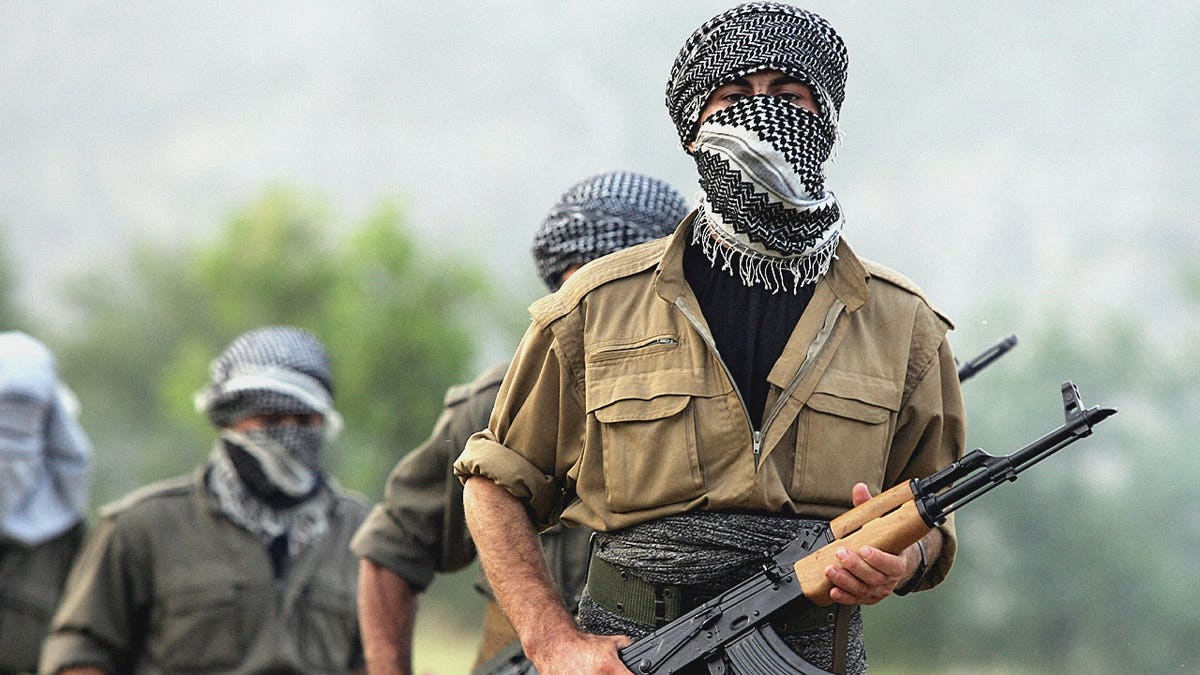
Kurdish separatists attempted an Iran crossing from Iraq amid protests. (Mustafa Ozer/AFP via Getty Images)
Berenji identified the six Peshmerga as Karo Hormuziari, Fardin Changizi, Mohammad Khaki, Abdullah Mohammadpour, Twana Osmani and Mohammad Amin Bayezidi. He said the incident took place Wednesday night in the village of Qizqapan, near Piranshahr, and said the PDKI unit was on a «political and organizational mission» when it was «ambushed by a large and heavily equipped IRGC force.»
«This should be understood in the broader context of the Islamic Republic’s continued repression in Iranian Kurdistan and its repeated attacks on Iranian Kurdish civilian camps in the Kurdistan Region of Iraq, even during ceasefire and negotiation periods,» Berenji said. «The regime has increased pressure on Kurdish communities because it understands that Iranian Kurds remain among the most organized and determined democratic forces inside Iran.»
The PDKI is one of Iran’s oldest Kurdish opposition movements. The group has been involved in decades of intermittent conflict with the Islamic Republic, while Tehran has long viewed Kurdish armed groups as separatist threats, while others describe it as a historic, centrist and nationalist Iranian Kurdish opposition group that Iran has targeted for years, including through assassinations of its leaders decades ago.
The Kurds are one of the largest stateless ethnic groups in the Middle East with communities spread across Iran, Iraq, Syria and Turkey. In Iran, many Kurds live in the country’s mountainous west and northwest, where Kurdish opposition groups have long accused Tehran of repression, executions, forced assimilation and military crackdowns. Iranian authorities view armed Kurdish factions as separatist or «terrorist threats.»
The latest clash followed several days of violence in western Iran. A similar incident near Piranshahr was reported by Iranian state media Tuesday, with the IRGC saying it had killed six members of what it called an «opposition and separatist group.»
Two IRGC members were killed and two wounded in a shooting in Kermanshah Province Monday evening, an attack claimed by a newly formed Kurdish armed group seeking retaliation for the IRGC’s role in suppressing the 2022–2023 protest movement, according to the Kurdish rights group Hengaw.
Iran also appeared to be expanding pressure on Kurdish opposition groups beyond PJAK, the Kurdistan Free Life Party, after days of clashes between PJAK and the IRGC, The Jerusalem Post reported Thursday.
Berenji said the latest clash was not a response to ongoing U.S.–Iran memorandum of understanding negotiations, which remain unresolved as talks continue without a finalized agreement.
WAVE OF ATTACKS ON IRAN’S IRGC RAISES QUESTIONS ABOUT RENEWED KURDISH INSURGENCY
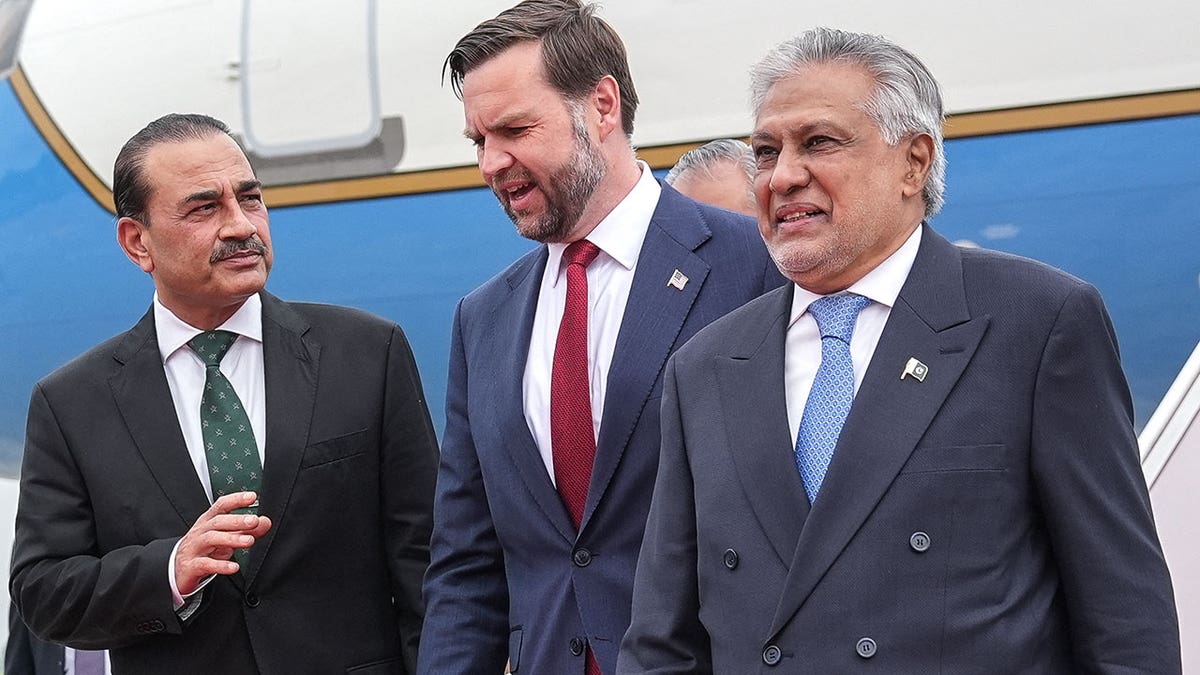
Vice President JD Vance (center) speaks with Army Chief and Field Marshal Syed Asim Munir (left) and Pakistan Foreign Minister Ishaq Dar after arriving for the U.S.-Iran peace talks in Islamabad April 11, 2026. (Jacquelyn Martin/Pool/AFP via Getty Images)
«The Kurdish struggle for freedom, democracy and national rights predates the current negotiations and is not dependent on them,» Berenji said. «At the same time, any agreement that ignores the Kurdish question, the regime’s attacks on Kurdish civilians and the repression inside Iran will not bring real stability.»
Gly said Kurdish anger has been compounded by language in the U.S.–Iran memorandum of understanding that critics interpret as Washington agreeing not to interfere in Iran’s internal affairs.
KHAMENEI BODY IN COLD STORAGE AS FEARED BASIJ MOBILIZES AHEAD OF HISTORIC IRAN FUNERAL
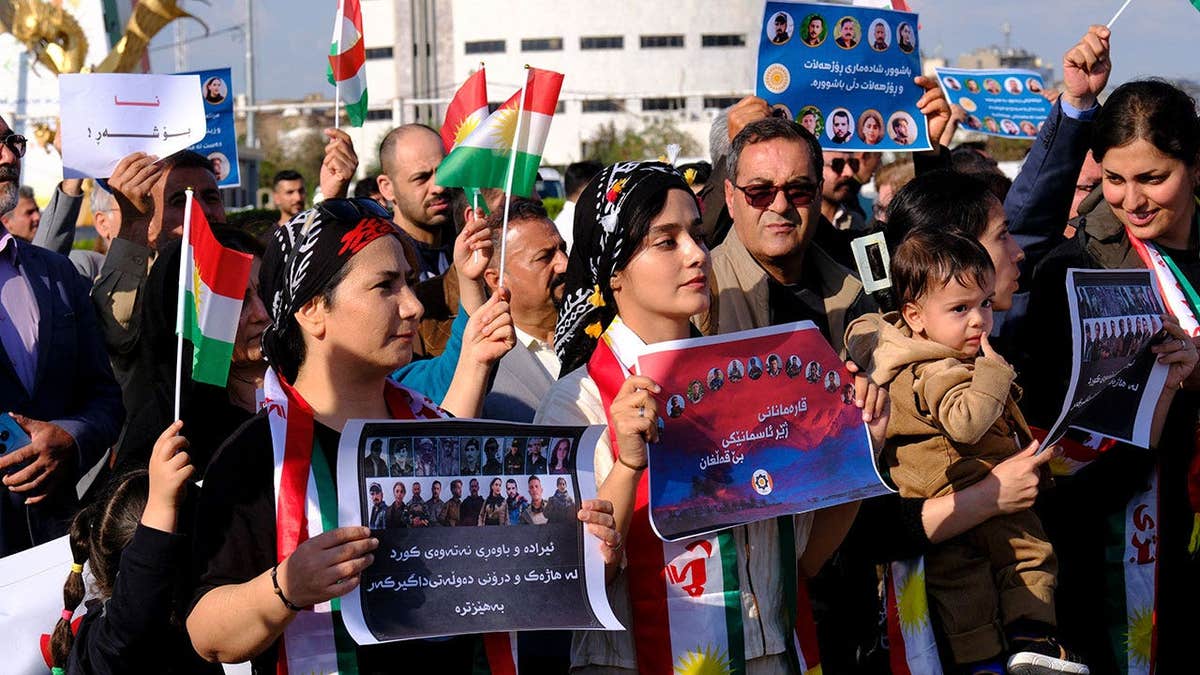
People take part in a march in Erbil, Iraq, April 21, 2026, expressing support for the unity of Iranian Kurdish parties and condemning Iranian missile strikes and military actions against Kurdish groups in the Kurdistan Region of Iraq. (Rasul Gawhari/Middle East Images/AFP via Getty Images)
«This sentence has taken every Iranian opposition group the wrong way, especially the Kurds,» Gly said.
He argued that even during negotiations with hostile powers, the United States should not abandon its public support for freedom movements, invoking former President Ronald Reagan’s approach to the Soviet Union during the Cold War.
Gly said he does not see clear evidence that Kurdish groups have gained major new military capabilities but said the perception of Iran’s strength has changed.
«What has changed is the perception of weakness of Iran,» Gly told Fox News Digital. «They are less afraid of the regime.»
The new violence carries broader significance for Washington because Iranian Kurdish opposition groups were recently discussed as a possible ground pressure point against Tehran.
U.S. officials and Kurdish groups had discussed a potential military operation against Iranian security forces in western Iran, Reuters reported in March, while a separate report said Israel was backing Iranian Kurdish plans to seize Iranian border areas, though such an operation would likely require U.S. and Israeli support.
But those expectations quickly faltered. In April, Kurdish fighters ultimately stayed out of the war because of mixed signals from Washington and Israel and Iranian threats and strikes against Kurdish positions in Iraq. Turkish President Recep Tayyip Erdogan urged President Donald Trump during the conflict to prevent Kurdish forces from launching a ground operation inside Iran, reflecting Ankara’s longstanding opposition to Kurdish armed movements gaining ground in the region, Reuters also reported.
During the conflict, Trump told Reuters he would be «all for it» if the Kurds wanted to move against Iran and said their objective should be «to win,» but Kurdish commanders were frustrated by the lack of a clear U.S. or Israeli strategy.
Berenji said the PDKI does not seek chaos, but insisted Kurdish forces have the right to defend themselves.
CLICK HERE TO DOWNLOAD THE FOX NEWS APP
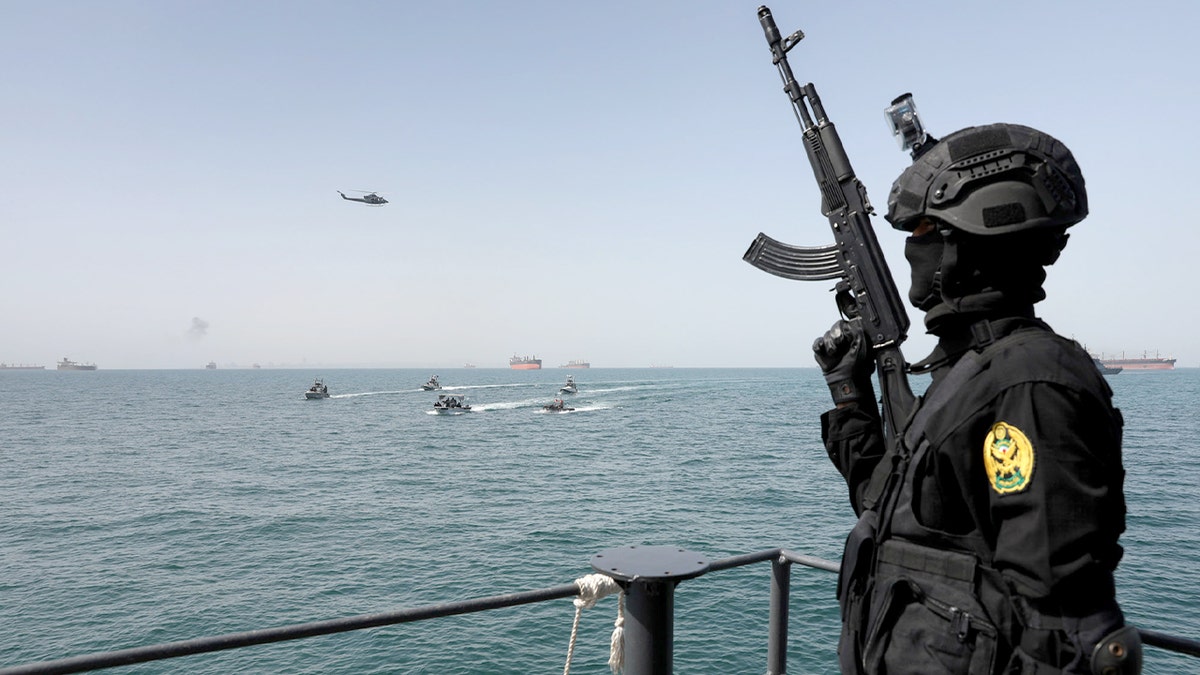
Naval units from Iran and Russia simulate the rescue of a hijacked vessel during joint drills at the Port of Bandar Abbas in Hormozgan, Iran, on Feb. 19, 2026. (Iranian Army/Handout/Anadolu via Getty Images)
«We seek a democratic, pluralistic, secular and federal Iran where all nations and communities can live with dignity and rights,» he said. «But the Kurdish people also have the right to defend themselves against repression, intimidation, and attacks by the IRGC.»
Fox News Digital has reached out to Iran’s mission to the United Nations for comment.
middle east, war with iran, middle east foreign policy, iraq, iran







INTERNACIONAL
El régimen iraní amenazó a las tropas de EEUU en Medio Oriente: “Preparamos billetes de ida gratis al infierno”
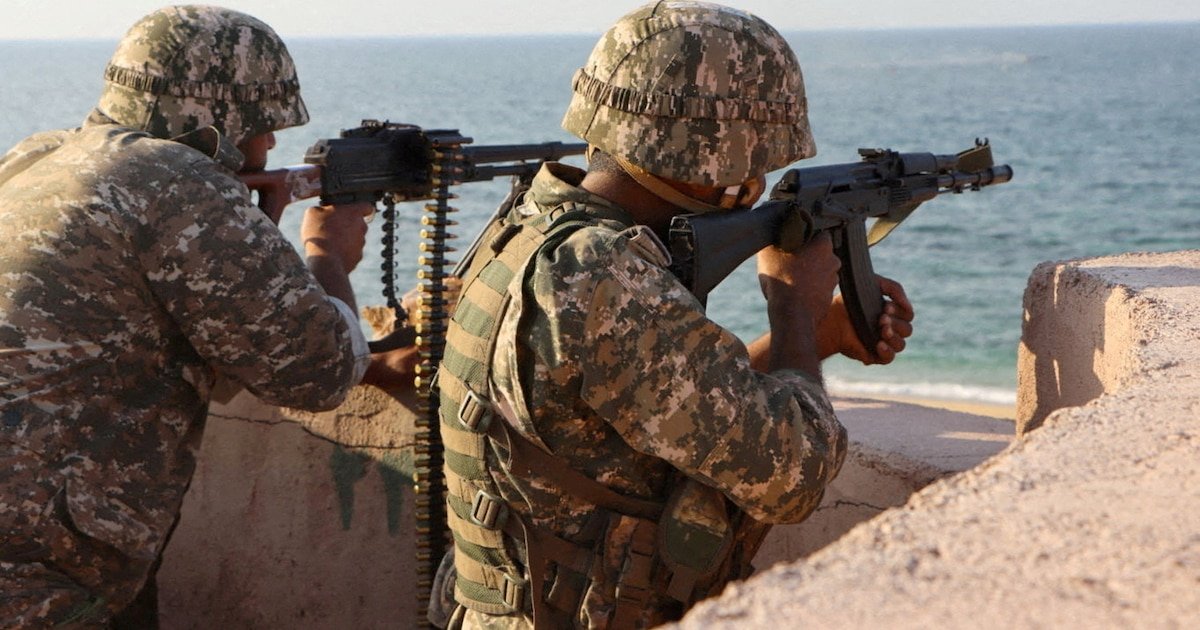
Ali Abdollahi, comandante del Cuartel General Central de Khatam al-Anbiya en Irán, amenazó este sábado con que, por cada iraní muerto durante la guerra en Medio Oriente, moriría un militar estadounidense, balance al cual describió como una nueva “ecuación” en el campo de batalla.
“Ahora consideramos una ecuación definitiva y declarada del campo de batalla que por cada orgulloso ciudadano iraní martirizado, una fuerza estadounidense será enviada al infierno”, afirmó el general de división en un mensaje publicado por la agencia estatal de noticias IRNA.
Además, amenazaron con enviar “al infierno” a las tropas militares del Comando Central de Estados Unidos (CENTCOM) que operan en la región y llevan adelante el bloqueo contra los puertos iraníes a causa del cierre de facto del estrecho de Ormuz por parte de Teherán: “Les hemos preparado billetes de ida gratis al infierno”.
Durante la noche del viernes y la madrugada del sábado, el CENTCOM no brindó novedades acerca de una nueva ola de ataques contra el territorio iraní tras 13 noches continuas de bombardeos a infraestructura militar.

Las declaraciones del comandante iraní de alto rango militar surgieron luego de que el presidente de Estados Unidos, Donald Trump, mencionara que Irán mantiene actualmente conversaciones con Washington. Las negociaciones cautivaron al mandatario, quien aseguró estar dispuesto a escuchar propuestas, aunque subrayó que no permitirá que Teherán desarrolle un arma nuclear bajo ningún concepto.
“Están hablando con nosotros ahora mismo; les encantaría llegar a un acuerdo. No creo que estén preparados. No creo que sea el momento todavía, pero estoy dispuesto a escuchar, aunque no pueden tener un arma nuclear”, declaró Trump durante su intervención en la cena anual de corresponsales en Washington.
El mandatario afirmó que la acción militar estadounidense ya debilitó considerablemente a las fuerzas iraníes. “Hemos golpeado muy duro a Irán allí”, indicó. En ese sentido, afirmó que la Armada iraní “ha desaparecido” y su fuerza aérea también, tras especificar que ya no hay 250 aviones para las fuerzas iraníes y tampoco 159 barcos que estarían “en el fondo del mar”.
“No tienen radar, les quedan muy pocos drones, a pesar de lo que se ve de vez en cuando; van a instalar algunas cosas, pero no les queda mucho”, añadió el presidente. Trump insistió: “Se trata de que no les permitiremos tener un arma nuclear”, y advirtió: “La usarían. La usarían si la tuvieran”.

El viernes, el inquilino de la Casa Blanca negó haber tomado una decisión sobre el lanzamiento de ataques a gran escala contra Irán, aunque reconoció que Teherán muestra señales de mayor seriedad en las negociaciones con Washington. “No, no lo he hecho”, respondió ante periodistas en el Despacho Oval cuando fue consultado sobre una posible acción militar.
La declaración se produjo después de que The New York Times informara que Trump se reunió con asesores para analizar una operación militar de gran magnitud, y tras reportes de Axios en los que el presidente consideró la opción de un “ataque masivo” contra el país persa.
Ante las versiones, expuso abiertamente las alternativas que baraja su administración: “Hay una salida militar en la que simplemente seguimos como estamos, e incluso podemos darle una dosis más fuerte, eliminando todo lo que tienen. O hay una estrategia más inteligente, y esa es hacer un acuerdo”. El presidente consideró que Irán desea negociar, aunque todavía no lo admitiría públicamente. “A veces no quieren decir que quieren hacer un trato. Quieren ser los duros, pero sí quieren hacer un trato”, sostuvo.
En paralelo, los rebeldes hutíes de Yemen reivindicaron este sábado un ataque con misiles contra las ciudades de Jizan, en el sur de Arabia Saudita, y Yanbu, al este, luego de haber prometido represalias por los recientes ataques saudíes.

El incidente ocurrió después de la ofensiva de Riad contra objetivos militares hutíes el viernes, acción que siguió al anuncio del grupo yemení de un bloqueo marítimo contra Arabia Saudita y ataques a embarcaciones en el mar Rojo. La milicia respaldada por Irán calificaron la respuesta saudí como una “escalada peligrosa” y advirtieron que “no quedará impune”.
El medio Ansarollah, vinculado a los rebeldes, informó a través de Telegram que se registraron incendios en Jizan tras un “ataque con misiles yemeníes”. La agencia de defensa civil de Riad emitió alertas de “peligro potencial” para los residentes de Jizan y Yanbu, que fueron levantadas minutos después. El mismo medio señaló: “Los ataques del enemigo saudí contra instalaciones civiles en Hodeida y la isla de Kamaran constituyen una peligrosa escalada”.
El recrudecimiento de la violencia abrió un nuevo frente en la guerra de Medio Oriente, intensificada tras los bombardeos estadounidenses e israelíes contra Teherán en febrero, y el bloqueo de facto impuesto por Irán en el estrecho de Ormuz.
Middle East
INTERNACIONAL
From locker rooms to Congress: Jay Feely latest athlete seeking to take lessons in leadership to Capitol Hill
Ex-NFL kicker Jay Feely wins Arizona GOP primary
Former NFL kicker Jay Feely, R-Ariz., celebrates his congressional primary win, setting up a unique general election battle against Democrat Dr. Amish Shah, his former New York Jets team doctor. Feely outlines their fundamental political differences, criticizing Shah’s support for single-payer healthcare, abolishing capitalism, and the Green New Deal.
NEWYou can now listen to Fox News articles!
Former NFL placekicker Jay Feely is the latest professional athlete poised to transition to a congressional career, where leadership, performing under pressure and handling public scrutiny are essential in both arenas.
Fox News Digital reached out to Feely, who spent time with the New York Giants and Arizona Cardinals before becoming an «NFL on CBS» commentator, for his take on why professional sports prepared him for public life as he seeks the seat of retiring Rep. David Schweikert, R-Ariz.
«Especially as a kicker — to be a successful kicker in the NFL, you have to be able to handle pressure, and you have be able handle failure. And I think those two attributes are very tangible attributes that will help you as you try to navigate the political field and try to be effective,» Feely said Friday in an interview with Fox News Digital.
He said the NFL also exposed him to teammates from different backgrounds and viewpoints, helping prepare him to represent a diverse constituency.
STATE OF PLAY: DEMS BATTLE FOR SHOT AT CRUCIAL ARIZONA HOUSE SEAT AMID GOP’S RAZOR-THIN MAJORITY
Giants place kicker Jay Feely kicks the game winning field goal in overtime during the game between the New York Giants and the Philadelphia Eagles at Lincoln Financial Field in Philadelphia, Pennsylvania on Sunday, December 11, 2005 (Hunter Martin/Getty Images)
«[T]he greatest advantage of being an NFL player was to be in those locker rooms where racial walls were broken down and conversations happened and you got to know people which otherwise you might not ever get to know.»
He recalled rooming with LeVar Arrington and Brandon Short while with the Giants in East Rutherford, sharing stories about their different life experiences and personal views as they played chess and other games.
NFL GREAT PATRICK PETERSON SAYS LOCKER ROOM POLITICAL DISCOURSE WAS ‘UNNECESSARY,’ MOST PLAYERS ARE UNINFORMED

CBS Sports sideline reporter Jay Feely during the game between the Carolina Panthers and the Los Angeles Chargers at SoFi Stadium. The Panthers defeated the Chargers 21-16. (Kirby Lee-USA TODAY Sports)
«Your job is to represent everybody and i think those experiences certainly are an asset,» Feely said.
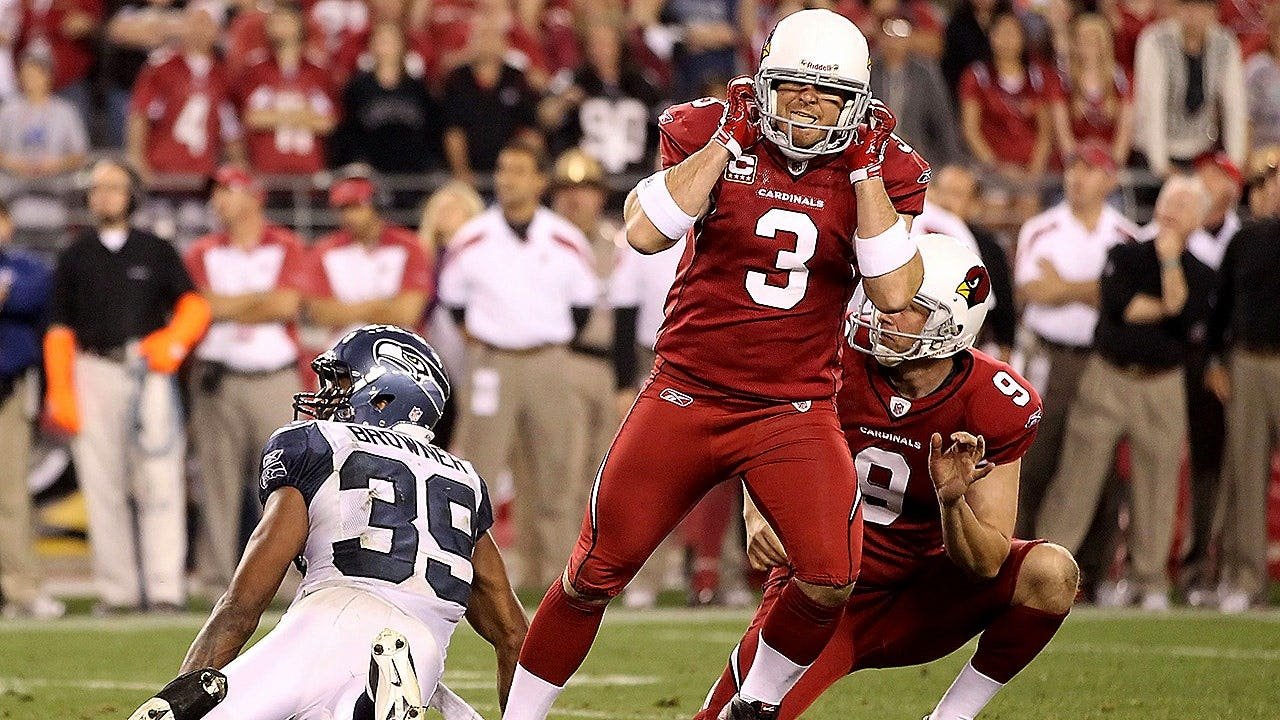
He also mentioned a trip to the infamously unfriendly confines of Lincoln Financial Field to play the Philadelphia Eagles right after the «worst game of [his] career» against the Seahawks.
The prior night he had been «spoofed» on «Saturday Night Live,» and while preparing for what was a game-winning kick after an apparent icing timeout, Philadelphia played a montage of his Seattle misses on the Jumbotron to mock him.
HALL OF FAMER TONY DUNGY ENDORSES MICHELE TAFOYA IN CROWDED MINNESOTA REPUBLICAN PRIMARY FOR U.S. SENATE
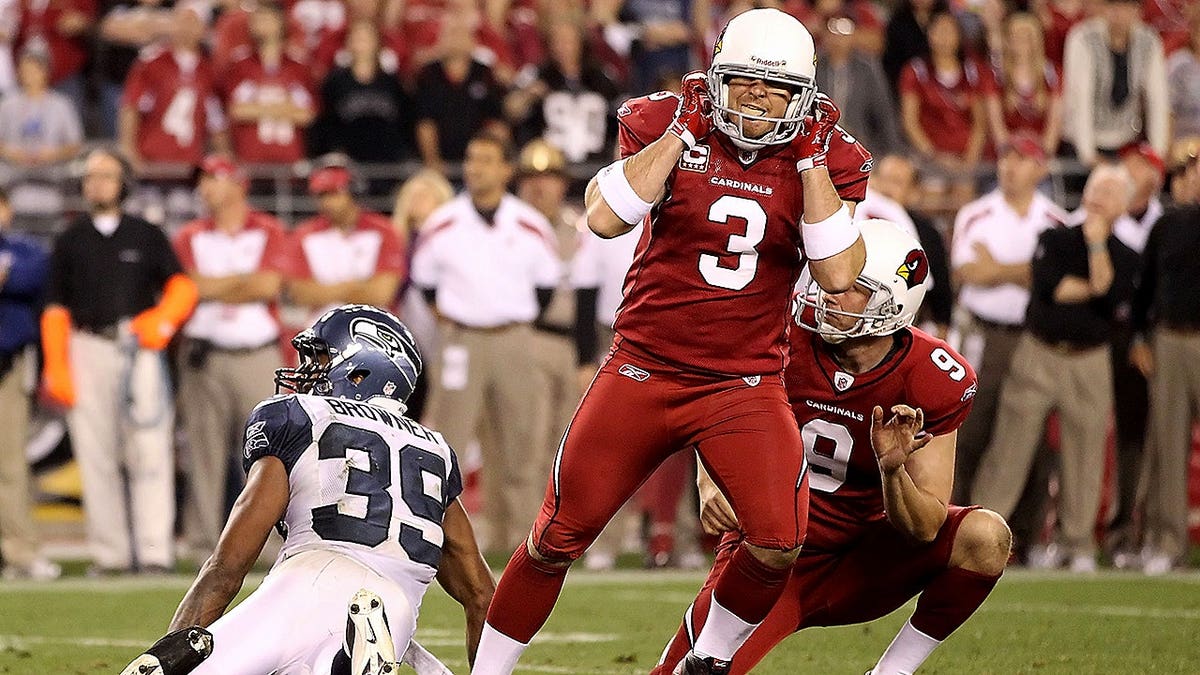
Kicker Jay Feely of the Arizona Cardinals celebrates after kicking the game-winning field goal in overtime against the Seattle Seahawks at University of Phoenix Stadium in Glendale, Ariz., on Jan. 1, 2012. The Cardinals defeated the Seahawks 23-20 in overtime. (Christian Petersen/Getty Images)
«They tried to deter me, but I made the kick and my career goes on for another nine years – you learn a lot through those processes,» Feely said.
Feely added that he got to know another athlete-turned-public official through their time with the NFL Players Association (NFLPA).
«There’s so many different correlations with the people in sports, and a lot of the best people I know that I met in sports have thought about getting into politics,» he said, reflecting on his time working with HUD Secretary Scott Turner, a former Washington Redskin.
He said he also hopes to see other athletes regardless of viewpoint who have acted on issues close to them, like former New Orleans Saints Drew Brees and Benjamin Watson.
Feely will face former state Rep. Amish Shah, D-Phoenix, who also worked for about two years as the New York Jets’ team doctor.
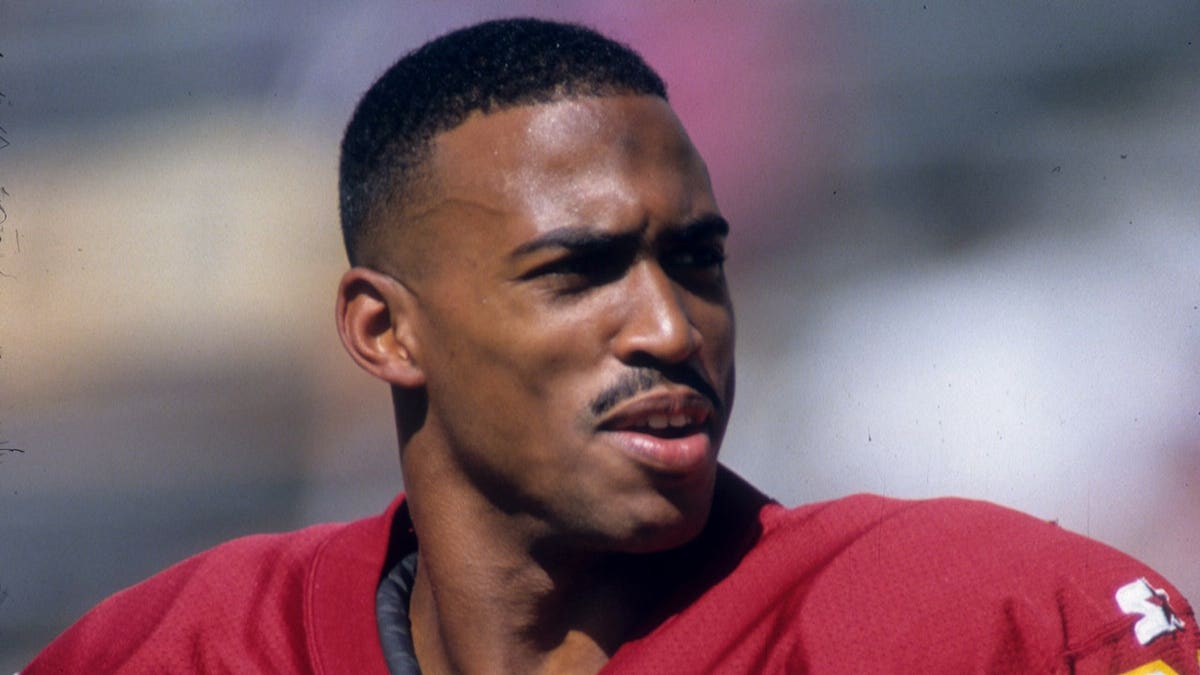
Scott Turner is seen in Redskins red on the field in 1995 (Joseph Patronite/Getty Images)
Just over two decades ago, Housing and Urban Development Secretary Scott Turner was on the NFL gridiron, playing cornerback for the Washington Redskins and then-San Diego Chargers.
The skills and lessons learned on the field helped Turner grow into his new role at HUD, which was also preceded by a stint in the Texas House of Representatives.
«The Lord used football to change the course of my life, and through the game,» Turner told Fox News Digital.
«He taught me lessons that continue to guide me every day in public service: discipline, teamwork, perseverance, humility, and working toward a mission bigger than yourself.»
«Those values inform how I served in the Texas state legislature and how I lead HUD today. My experience on football teams shaped how I lead, how I serve, and the example I hope to set for the next generation.»
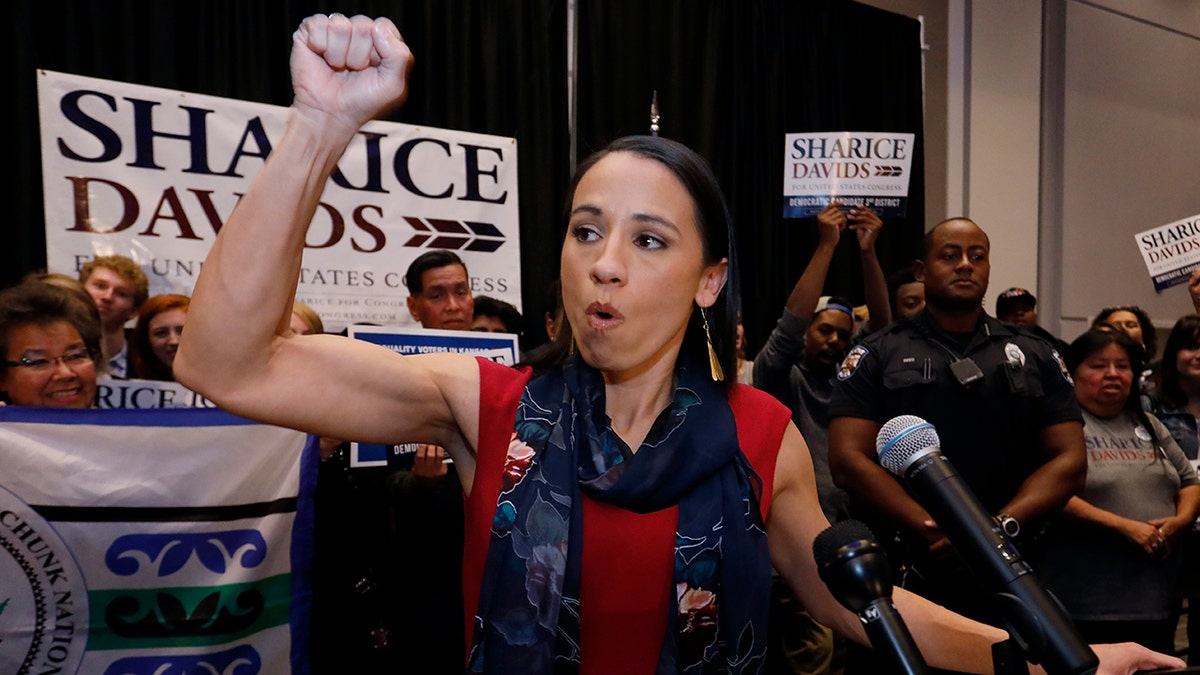
Democrat house candidate Sharice Davids reacts as she gives a victory speech to supporters at a victory party in Olathe, Kan., Tuesday, Nov. 6, 2018. Davids defeated Republican incumbent Kevin Yoder to win the Kansas’ 3rd Congressional District seat. (AP Photo/Colin E. Braley)
Rep. Sharice Davids, D-Kan., had a successful mixed martial arts career before shifting from dodging fists to political blows on Capitol Hill.
Davids, who tried out for «The Ultimate Fighter,» compiled a 5-1 amateur record before a brief professional MMA career in 2013, when she went 1-1.
«Turns out getting punched in the face is pretty good preparation for Congress,» Davids told Fox News Digital on Friday.
She first left the octagon to support Native American communities, focusing on community development and expanding economic opportunities for Native people.
Davids later won her 2018 congressional bid in an upset against Rep. Kevin Yoder, R-Kan., in the largely red state.
«But really, fighting professionally taught me that you don’t solve every challenge by throwing punches. You have to stay disciplined, work hard, respect your opponent, and keep moving forward — and that’s how I approach this job, too,» she told Fox News Digital.
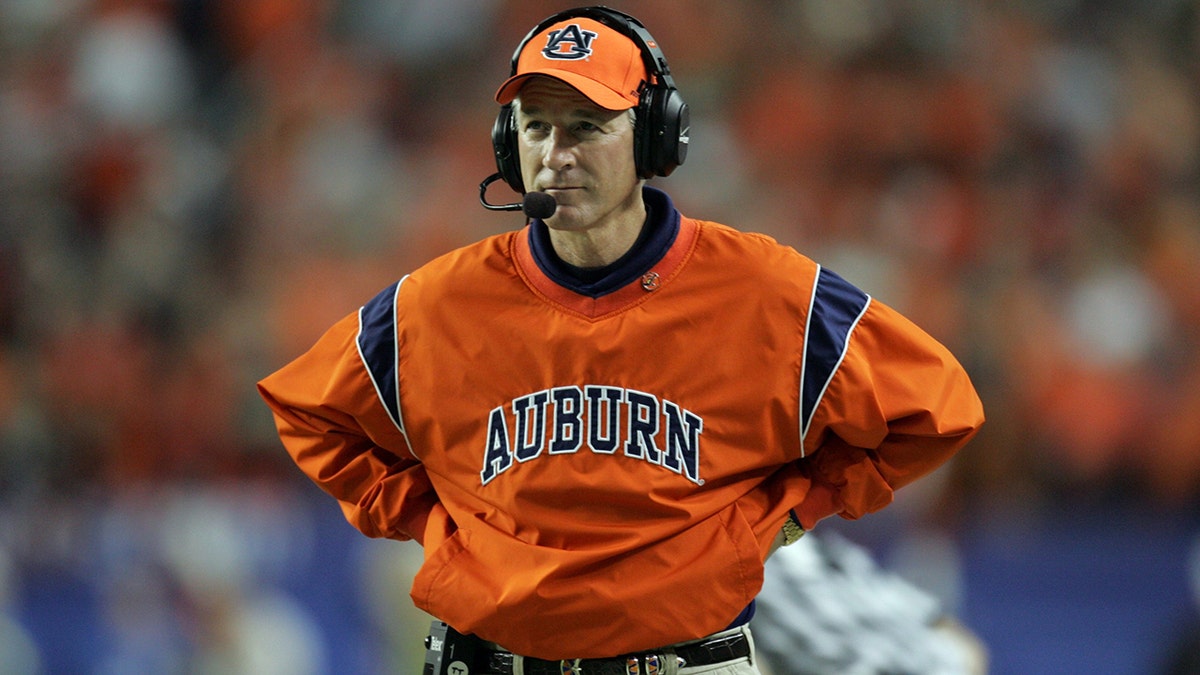
Closeup of Auburn coach Tommy Tuberville during game vs Tennessee, Atlanta, GA on Dec. 4, 2004. (Bob Rosato/Sports Illustrated via Getty Images)
Former Auburn Tigers Coach Tommy Tuberville transitioned to the U.S. Senate in 2021 after compiling a slew of outstanding stats as a head coach.
The Republican — now running for governor of Alabama — declined comment for this story but spoke in 2020 about the parallels between success in athletics and government.
Asked about his then-11-month campaign against incumbent Democrat Sen. Doug Jones, Tuberville told the Alabama Daily News he had to approach it at «full speed» just like a football coach.
«We put together a good, good team. And a lot of people told me when I first got started they said, coach, this is just like being a head coach. You’re only as good as the team around you,» he said.
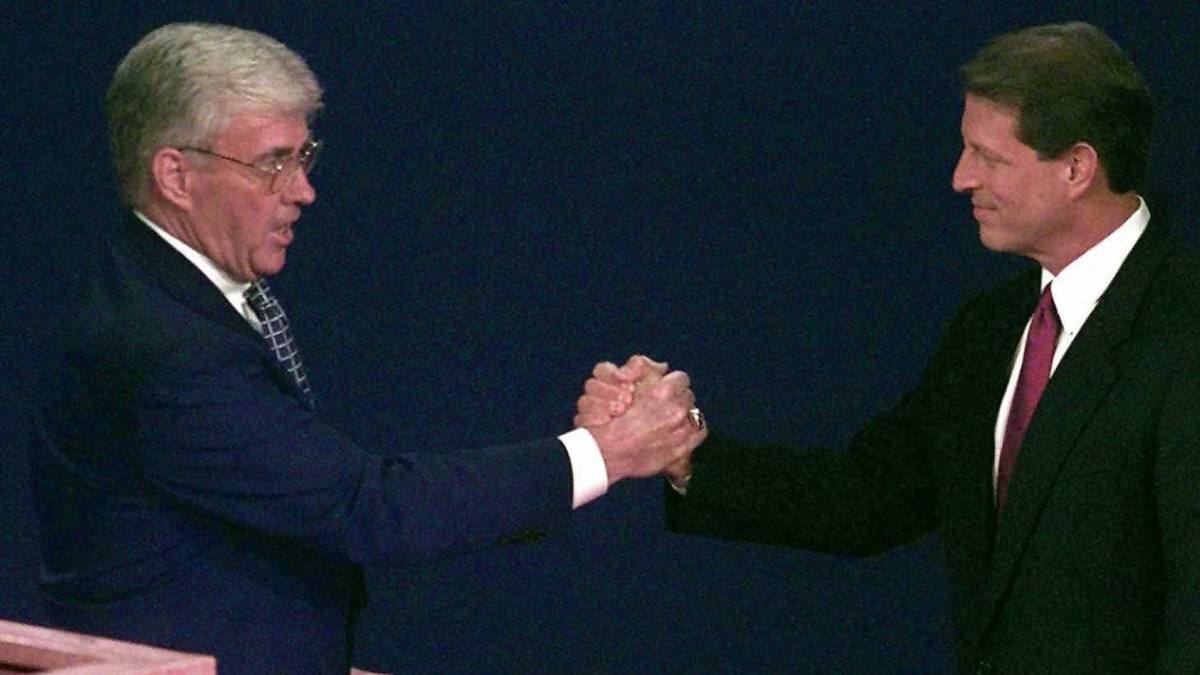
ST PETERSBURG, FL – OCTOBER 9: Republican vice presidential candidate Jack Kemp(L) shakes hands with US Vice President Al Gore(R) moments before initiating their debate at the Mahaffey Theater at the Bayfront Center in St Petersburg, Florida 09 October. (ELECTRONIC IMAGE) (Photo credit should read ROBERTO SCHMIDT/AFP via Getty Images) (ROBERTO SCHMIDT/AFP via Getty Images)
One of the most recognizable Republican figures of the last century was former HUD Secretary and former Congressman Jack Kemp.
Kemp’s political peak came in 1996 when he was the vice presidential running mate of Sen. Bob Dole, R-Kan., against President Bill Clinton.
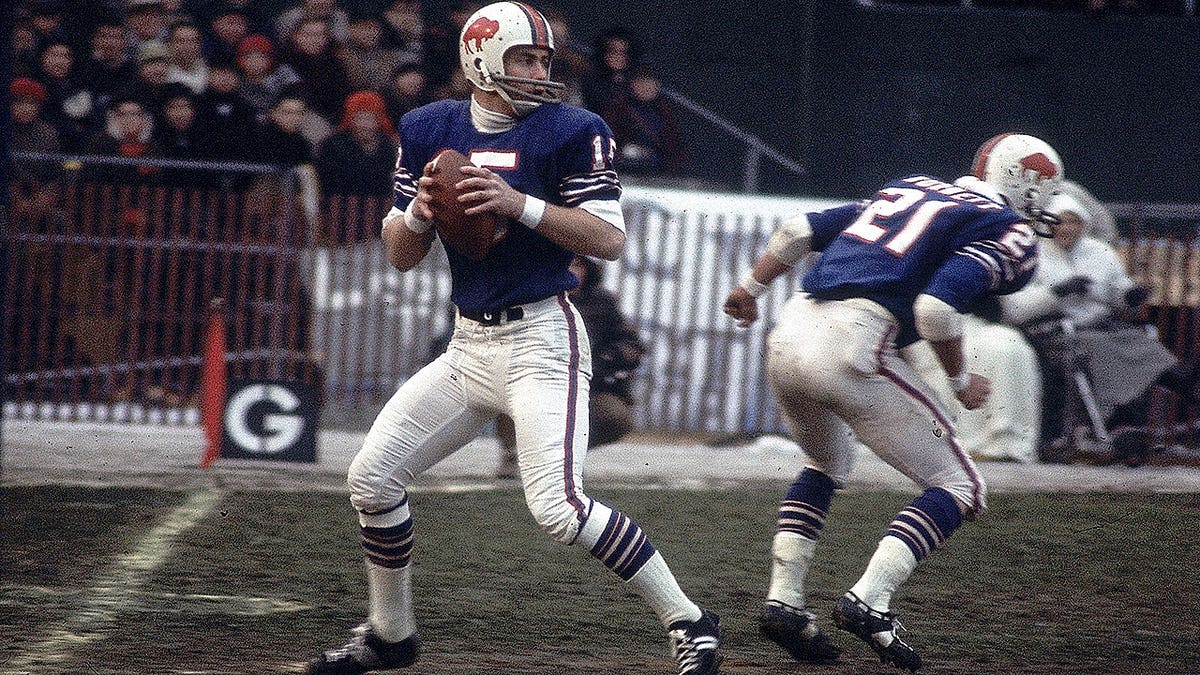
Jack Kemp, No. 15, of the Buffalo Bills passes against the Kansas City Chiefs in the 1966 AFL Championship Game on Jan. 1, 1967, in Buffalo, N.Y. (Herb Scharfman/Sports Imagery/Getty Images)
Prior to that, Kemp led the same agency Turner did under the first Bush administration, and previously represented western New York in Congress for almost 20 years.
Kemp’s first public role, however, was as a journeyman NFL quarterback in the 1950s and 1960s. He played for the Pittsburgh Steelers, Los Angeles Chargers and Buffalo Bills, among others, and also spent time in the Canadian Football League with the Calgary Stampeders.
NFL Commissioner Roger Goodell — whose father Charles Goodell represented Kemp’s area as a Republican in Congress in the 1960s — was quoted as calling Kemp an «extraordinary American leader who became a trusted colleague and exceptional friend to countless NFL owners, team personnel and commissioners after his MVP playing career with the Buffalo Bills.»
Kemp, who died in 2009, said that professional football gave him a «good perspective» for politics.
«When I entered the political arena, I had already been booed, cheered, cut, sold, traded, and hung in effigy,» he said, according to the Bills.
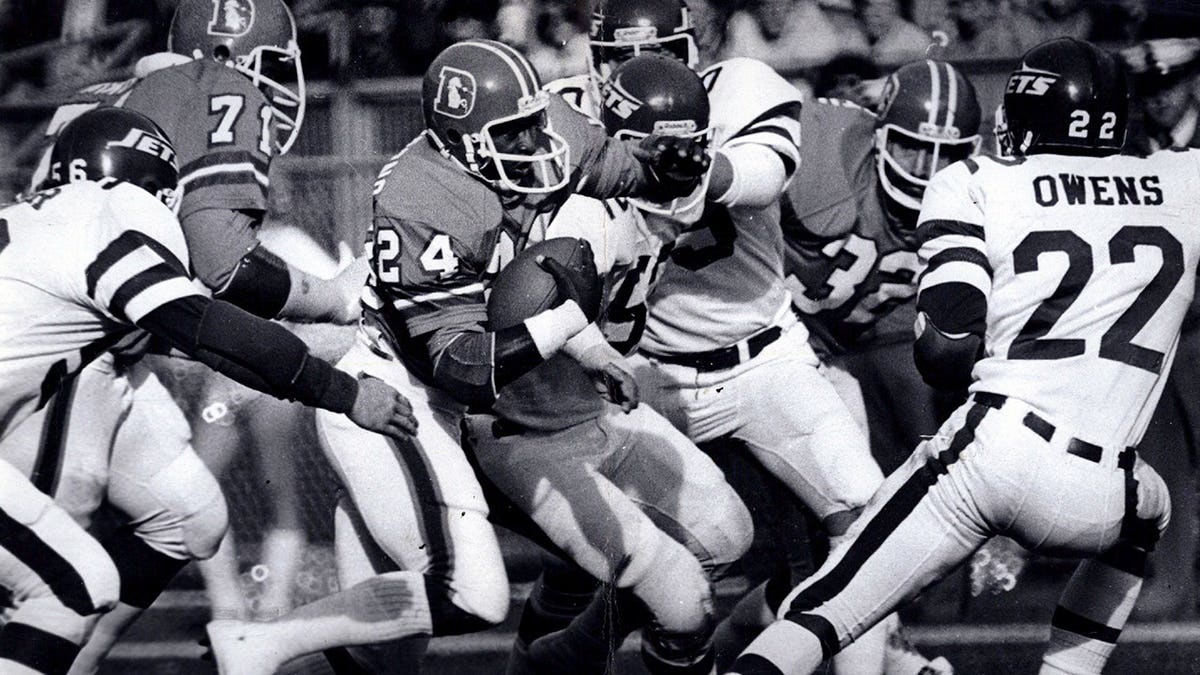
Burgess Owens, right, defends for the New York Jets against the Denver Broncos. (Denver Post via Getty Images)
The only active member of Congress with an NFL history is Rep. Burgess Owens, a retiring Republican from Utah.
Owens, a former New York Jets safety, has alluded to his NFL career at times, largely focusing on criticizing the politicization of sports.
He previously told Fox Business during a time when players were kneeling for the national anthem that he would be boycotting games until Goodell was fired.
«I’m done,» he told host David Asman in 2020. «It’s time for these young men who make millions of dollars to say thank you [and respect the country].»
Owens did not respond to a request for comment.
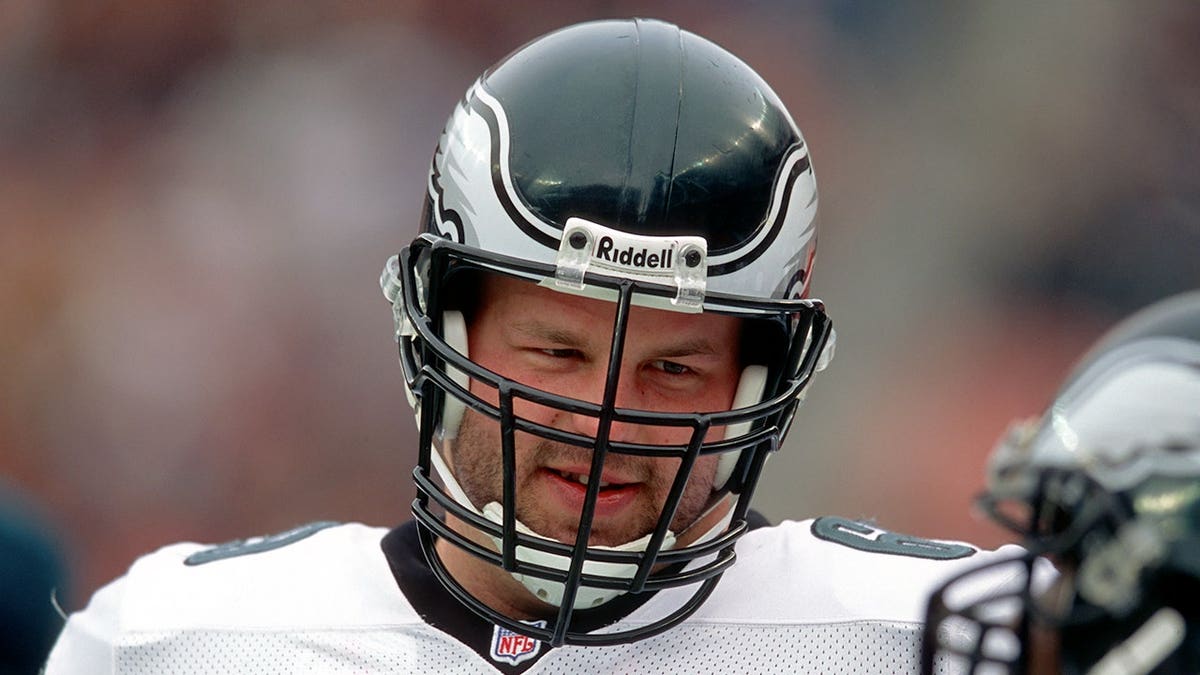
Jon Runyan with the Philadelphia Eagles is seen. (George Gojkovich/Getty Images)
Former longtime Philadelphia Eagles offensive tackle Jon Runyan Sr. also parlayed his playing career into one on Capitol Hill.
The Republican represented part of South Jersey for two terms in a district now represented by Rep. Herb Conaway, D-N.J., that covers part of the Pine Barrens and Philadelphia suburbs.
Runyan is now a vice president of policy and rules with the NFL and his son Jon Jr. is a guard with the Giants. He did not respond to a request for comment.
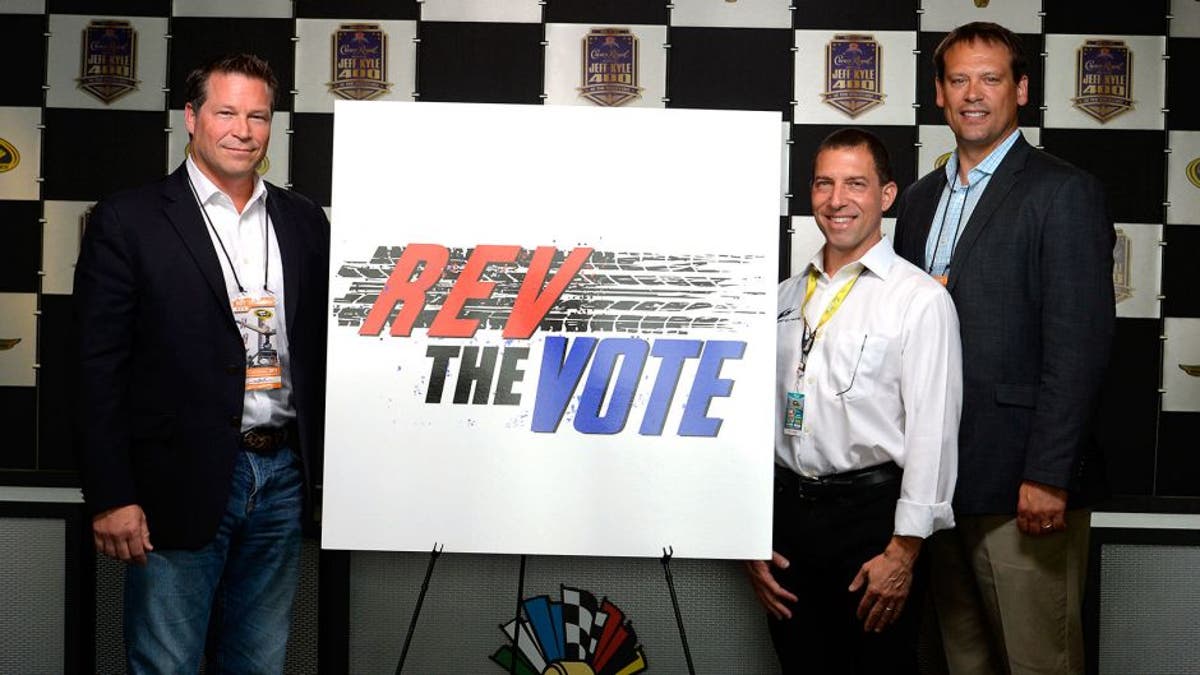
INDIANAPOLIS, IN – JULY 24: (L-R)Connie Mack, Rob Kauffman, and Heath Shuler pose for a photo opportunity prior to practice for the NASCAR Sprint Cup Series Crown Royal Presents the Jeff Kyle 400 at the Brickyard at Indianapolis Motorspeedway on July 24, 2015 in Indianapolis, Indiana. (Photo by Robert Laberge/Getty Images)
Another NFC East player who went on to serve in Congress was former Rep. Heath Shuler, D-N.C.
Shuler, who played quarterback for the franchise now known as the Washington Commanders, parlayed his playing career into a congressional career in 2006 before being succeeded by Republican Mark Meadows, a later close ally of President Donald Trump.
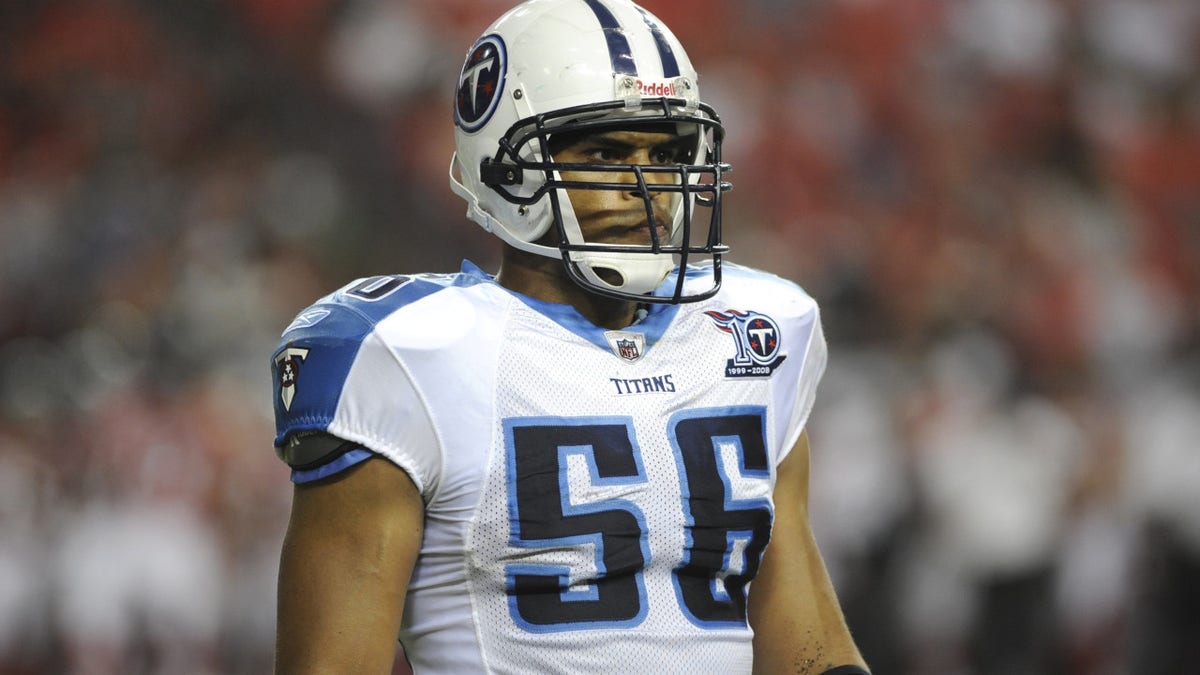
ATLANTA – AUGUST 22: Linebacker Colin Allred #56 of the Tennessee Titans sets for play against the Atlanta Falcons at the Georgia Dome on August 22, 2008 in Atlanta, Georgia. (Photo by Al Messerschmidt/Getty Images) (Al Messerschmidt/Getty Images)
Colin Allred, a former Tennessee Titan, also moved on to Congress, where he served until 2025.
This cycle, he unsuccessfully challenged state Rep. James Talarico and U.S. Rep. Jasmine Crockett, D-Texas, for Sen. John Cornyn’s seat.
Cornyn lost his primary earlier this year to Texas Attorney General Ken Paxton who now faces Talarico.

PHILADELPHIA – AUGUST 7: Former Philadelphia Phillies pitcher Jim Bunning takes part in the Alumni Night celebration before a game between the Philadelphia Phillies and the New York Mets at Citizens Bank Park on August 7, 2010 in Philadelphia, Pennsylvania. The Mets won 1-0. (Photo by Hunter Martin/Getty Images)
There have been several other top-name lawmakers who themselves were former professional athletes.
Rep. Anthony Gonzalez, an Indiana Republican who chose not to seek re-election in 2022 over political fallout from voting to impeach Trump, was a former Indianapolis Colts wide receiver.
Former Seattle Seahawks wide receiver Steve Largent — an NFL Hall of Famer — went on to represent Oklahoma in Congress.
Former Philadelphia Phillies pitcher Jim Bunning went on to have a lengthy political career.
He was elected to the Kentucky State Senate in 1979, Congress in 1986 and later the U.S. Senate in 1999.
Sen. Rand Paul, R-Ky., now holds his seat.
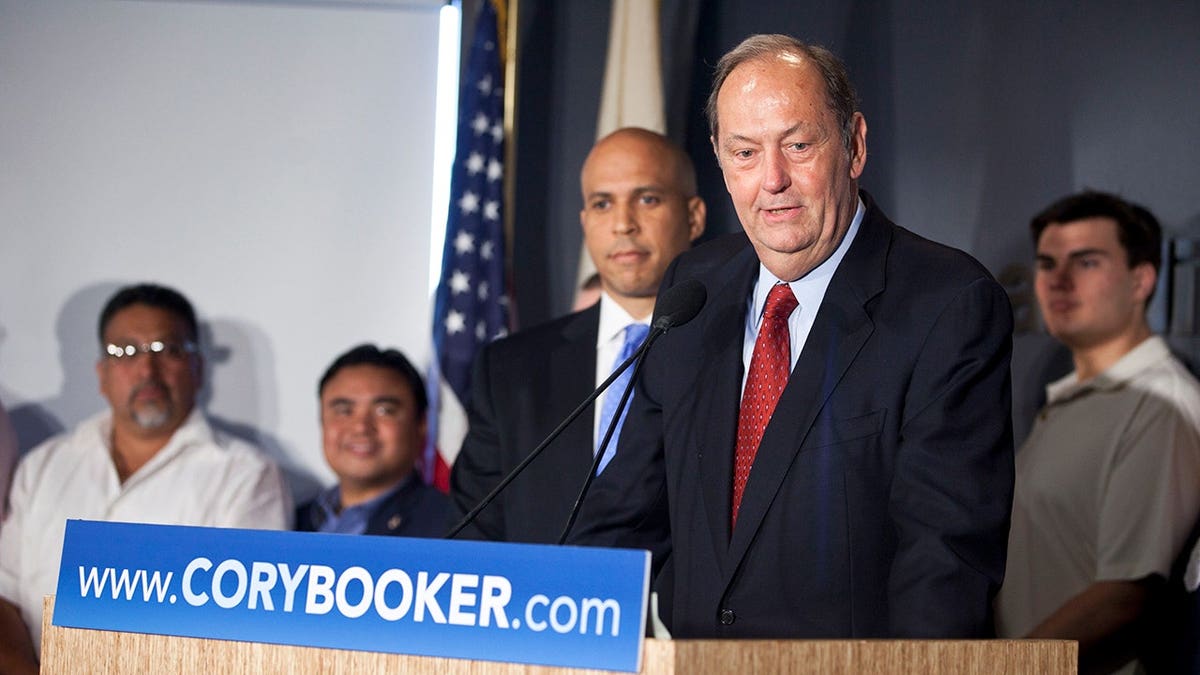
Former U.S. Senator Bill Bradley speaks as Newark Mayor Cory Booker listens during a news conference to discuss Booker’s plans to campaign for the Democratic nomination to run for the seat of late U.S. Sen. Frank Lautenberg on June 8, 2013 in Newark, New Jersey. (Ramin Talaie/Getty Images)
New York Knicks star Bill Bradley, whose number 24 has been retired in MSG, went on to serve New Jersey in the U.S. Senate as a Democrat in the 1980s and 90s.
He also mounted an unsuccessful presidential primary bid against former Sen. Al Gore, D-Tenn.
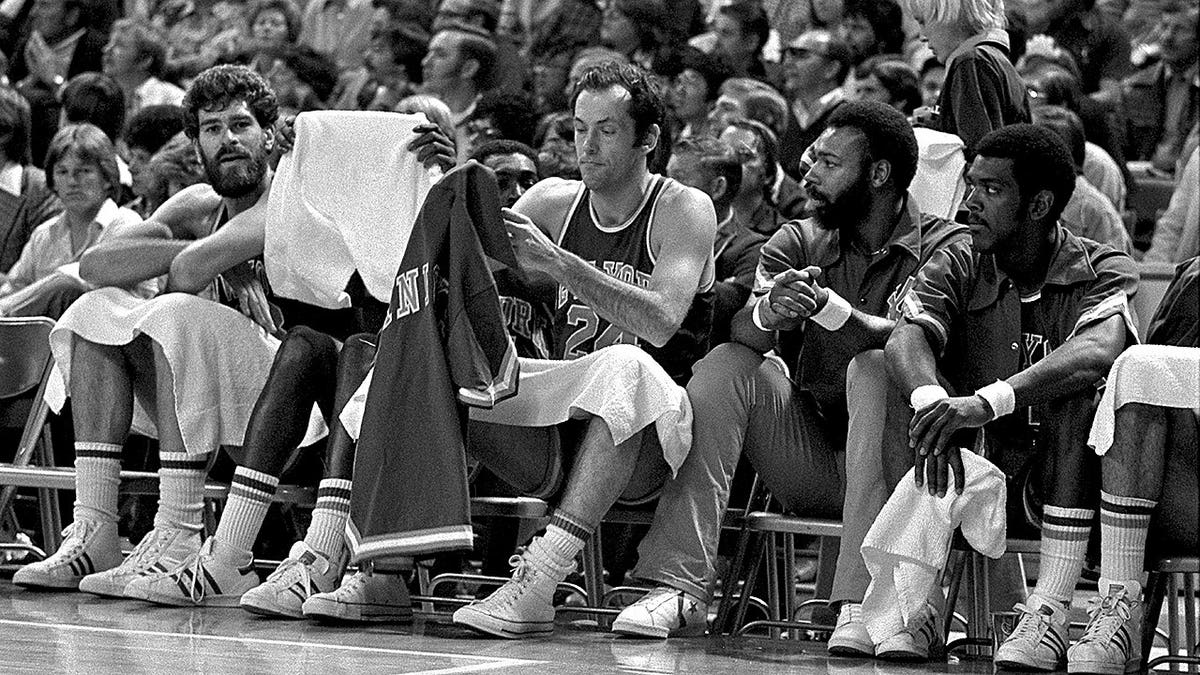
New York Knicks forward Bill Bradley puts on his warmup jersey while seated on the bench during an NBA game against the Denver Nuggets at McNichols Arena on Nov. 3, 1976, in Denver, Colo. Also visible on the bench are Phil Jackson, Earl Monroe, Mel Davis and Mo Layton. (Mark Junge/Getty Images)
SIGN UP TO GET THE POLITICS NEWSLETTER
Ex-Nebraska Cornhuskers head coach Tom Osborne – who briefly played for the Redskins – also served his college’s home state in Congress in the early 2000s.
Former Rep. Adam Wyant, R-Pa., had a 10-year career in the early days of professional football. He played for the Greensburg Athletic Association in the 1890s.
Laverne Dilweg, an early Green Bay Packer, also represented Wisconsin in Congress as a Democrat in the 1920s and 30s.
CLICK HERE TO DOWNLOAD THE FOX NEWS APP
Former Arizona Democratic Congressman Mo Udall — whose family is considered political royalty throughout much of the Mountain West — spent three decades in Congress after a brief stint with the Denver Nuggets.
Olympic gold medal-winning decathlete Bob Mathias returned to the United States after the Helsinki Games and represented California as a Republican for about a decade beginning in 1967.
elections, politics, arizona, pennsylvania, new jersey, kansas, nfl, sports
Al abordar Medio Oriente, es común adoptar una visión generalista que se basa en categorías lingüísticas o religiosas. Así, hablamos de “árabes”, “persas” o “turcos”, o de “judíos”, “musulmanes sunitas” o “musulmanes chiitas”, convirtiendo estas categorías en actores y fuerzas explicativas dentro de las relaciones internacionales de la región.
No obstante, esta perspectiva coexiste sin aparente contradicción con otra de carácter estatocéntrico. Desde este enfoque, la religión y la lengua ayudan a explicar comportamientos: Irán podría actuar de cierta manera por la influencia del islam chiita en sus decisiones, Arabia Saudita por el islam sunita y Turquía por su idioma y cultura.
Ese enfoque, debemos reconocer, nos sirve como marco explicativo debido a su capacidad para organizar y simplificar, mientras nos permite usar categorías familiares: lengua y religión.
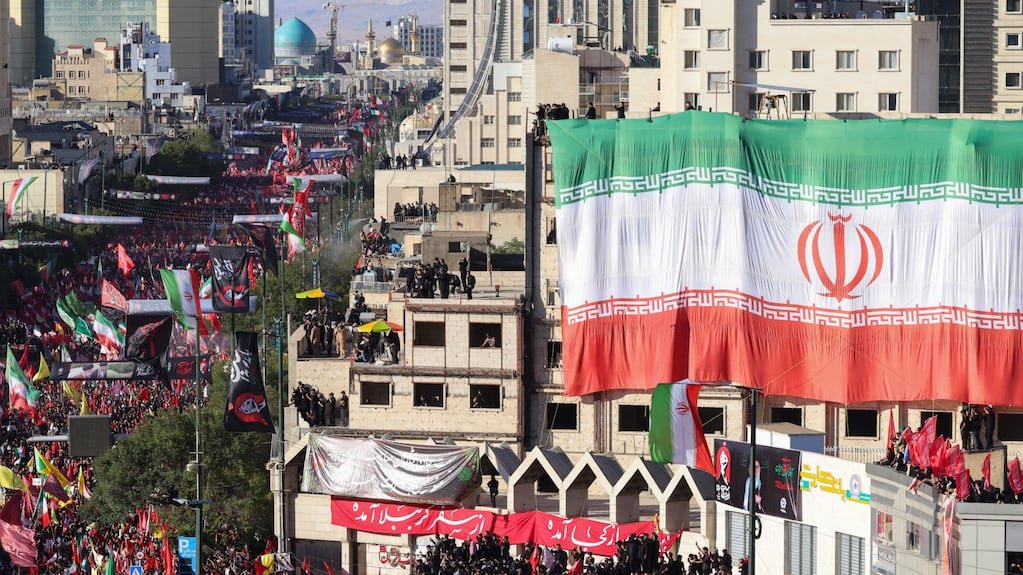
Sin embargo, los cambios que están ocurriendo en el sistema internacional, especialmente en el Medio Oriente, indican un mundo donde el estado es el actor principal y los intereses nacionales son las principales motivaciones de sus acciones. Irán busca consolidar el nacionalismo en medio de la guerra con Estados Unidos. (Foto: Emile Ducke/The New York Times)
Al aceptar esta perspectiva, comprenderemos mejor lo que está sucediendo en el Medio Oriente: un sistema regional donde los estados actúan en función de sus intereses nacionales en lugar de hacerlo en función de criterios lingüísticos y religiosos.
El fortalecimiento de la tendencia nacionalista en la región sigue siendo una constante y ofrece una mayor capacidad explicativa en comparación con otros factores mencionados anteriormente. No obstante, esto no significa que invalide completamente esos otros factores; en algunos casos, incluso los utiliza como una fachada para encubrir intereses más concretos.
Leé también: Donald Trump se reunirá con Benjamin Netanyahu en la Casa Blanca en medio de la guerra con Irán
Por ejemplo, asumir que los “árabes”, es decir, aquellos cuya lengua materna es el árabe, forman una unidad homogénea es ignorar tanto la historia como la realidad actual. Las diferencias entre los estados árabes, donde el árabe es la lengua oficial, han sido una característica permanente del sistema regional, especialmente en tiempos recientes.
Desde el acuerdo del Egipto de Anwar el-Sadat con Israel para recuperar los territorios ocupados durante la Guerra de los Seis Días, pasando por la expulsión de las milicias palestinas de Jordania, la larga y brutal guerra civil libanesa, hasta las tensiones entre Qatar y Arabia Saudita entre 2017 y 2022, o la actual competencia entre Abu Dabi y Riad.
No se trata de fenómenos completamente comparables, pero evidencian una realidad innegable: los estados árabes actúan según sus intereses nacionales, sin basarse en la noción difusa de una lengua común.

Los países del Golfo juegan un rol central en la reconfiguración de poder regional. (Foto: REUTERS/Amr Alfiky)
Algo similar, que resulta claro al analizar Iberoamérica, es que los países de nuestra región no operan como un grupo homogéneo a pesar de su historia, lengua compartida o instituciones de integración. Precisamente eso, que entendemos tan bien al examinar nuestra propia región, a menudo no lo aplicamos al analizar otras áreas.
Una de las regiones donde la tendencia nacionalista está ganando fuerza es la zona del golfo. Durante el último conflicto, no se han escuchado voces saudíes sugiriendo que los ataques iraníes podían explicarse por la división entre sunitas y chiitas o que el respaldo a Riad se basara únicamente en la defensa de la monarquía saudí como “guardián de los dos lugares más sagrados del islam”.
Por el contrario, Arabia Saudita ha destacado su identidad nacional, sus intereses particulares y las diferencias con Irán e incluso con otros estados árabes del golfo, como Emiratos Árabes Unidos o Qatar.
Leé también: Donald Trump amenazó con atacar un complejo nuclear subterráneo en Irán: “No hemos terminado en absoluto”
Irán ha comenzado los ataques contra los países árabes del golfo durante el sagrado mes de Ramadán, sin que ello limitara su accionar hacia otros musulmanes que creen lo mismo. En el ámbito político y social del país, se observa una notable nacionalización, más que referencias al islam chiita.
Por su parte, Arabia Saudita se enfoca en su liderazgo regional basándose en sus capacidades nacionales, más que en su identidad como país islámico. Irán también destaca su posición en la región priorizando sus intereses nacionales antes que el chiismo.
Una tendencia observable en la región es la construcción de un sistema regional fuertemente centrado en el estado, donde los intereses nacionales prevalecen sobre otros elementos. El principe heredero saudí, Mohammed bin Salman, durante una visita del Emir de Qatar, Sheikh Tamim bin Hamad Al Thani. (Foto: Bandar Algaloud/Courtesy of Saudi Royal Court)
Sin embargo, seguimos viendo numerosos análisis que intentan explicar el comportamiento de los estados en función de la religión que profesan sus líderes o el idioma que hablan. Necesitamos liberarnos de estas perspectivas simplistas para comprender mejor a los países, sus sistemas de toma de decisiones, intereses y diferencias burocráticas y organizacionales, así como a sus líderes.
Conocer la historia, el idioma y la religión es tremendamente relevante, pero insuficiente por sí solo. No podríamos entender la situación política actual de Argentina solo haciendo referencia a la creación del Virreinato del Río de La Plata, las obras de Borges o los tangos de Piazzolla. Esto se aplica igualmente a otros países.
Es cierto que muchos estados del Medio Oriente tienen orígenes marcados por una cierta artificialidad debido a las fuerzas externas que configuraron la región, especialmente durante el periodo de entreguerras y después de la Segunda Guerra Mundial. Esto es un hecho innegable. Sin embargo, tras décadas intensas, esas sociedades y sistemas políticos han alcanzado una gran relevancia propia. Por ello, debemos conocer su historia, pero aún más su realidad actual.
Los países árabes son diversos, cada uno con características únicas y con intereses específicos. Existen tensiones constantes entre la coordinación e integración y la competencia y conflicto. Hoy en día, estos últimos parecen prevalecer sobre una lengua o religión compartida.
La nacionalización de la agenda política es una realidad palpable.
Entender el Medio Oriente requiere un esfuerzo profundo enfocado en el estudio de los estados, considerando sus particularidades e intereses.
Esta tarea es exigente, demandante en detalles y conocimientos específicos, pero es esencial para lograr una comprensión genuina.
Las universidades, los centros de estudio y los medios de comunicación deben avanzar hacia una mayor especialización. Solo mediante la colaboración de estos actores sociales podrán los organismos del estado enriquecerse realmente con sus aportes en la toma de decisiones.
*El autor es Director del Comité de Medio Oriente en el Consejo Argentino para las Relaciones Internacionales (CARI)
Medio Oriente, arabia saudita, Irán

La impactante oferta del Arsenal de Inglaterra por Julián Álvarez

El mundo vuelve a condicionar a economía argentina y hay cautela en el mercado | Panorama Financiero

Juan Román Riquelme sobre una posible reeleción: «Espero poder estar por mucho tiempo»

Descartaron que Micaela Albornoz esté en Córdoba y la búsqueda quedó en manos de la Justicia de Santa Fe

Nicolás Maiques contó cómo se protegía del bullying escolar: “Yo fingía demencia”

El régimen iraní amenazó a las tropas de EEUU en Medio Oriente: “Preparamos billetes de ida gratis al infierno”

Escándalo Mundial: Las presiones secretas, la amenaza de la FIFA por Malvinas y la verdad detrás del partido contra España

Jorge Berredo, general retirado de las FFAA, asumió como Secretario de Seguridad en San Isidro

Sin la anestesia mundialista, aflora la crisis del conurbano y Milei necesita reconectar con lo popular
Marc Stanley destacó el potencial de Vaca Muerta para “estabilizar la economía” y evitó hablar de política interna

 POLITICA2 días ago
Jorge Berredo, general retirado de las FFAA, asumió como Secretario de Seguridad en San Isidro
- POLITICA2 días ago
Sin la anestesia mundialista, aflora la crisis del conurbano y Milei necesita reconectar con lo popular
- POLITICA2 días ago
Marc Stanley destacó el potencial de Vaca Muerta para “estabilizar la economía” y evitó hablar de política interna