INTERNACIONAL
“Solo quedaba el más pequeño y débil”: la conmovedora historia del gato de las arenas que fue hallado solo en el desierto de Marruecos

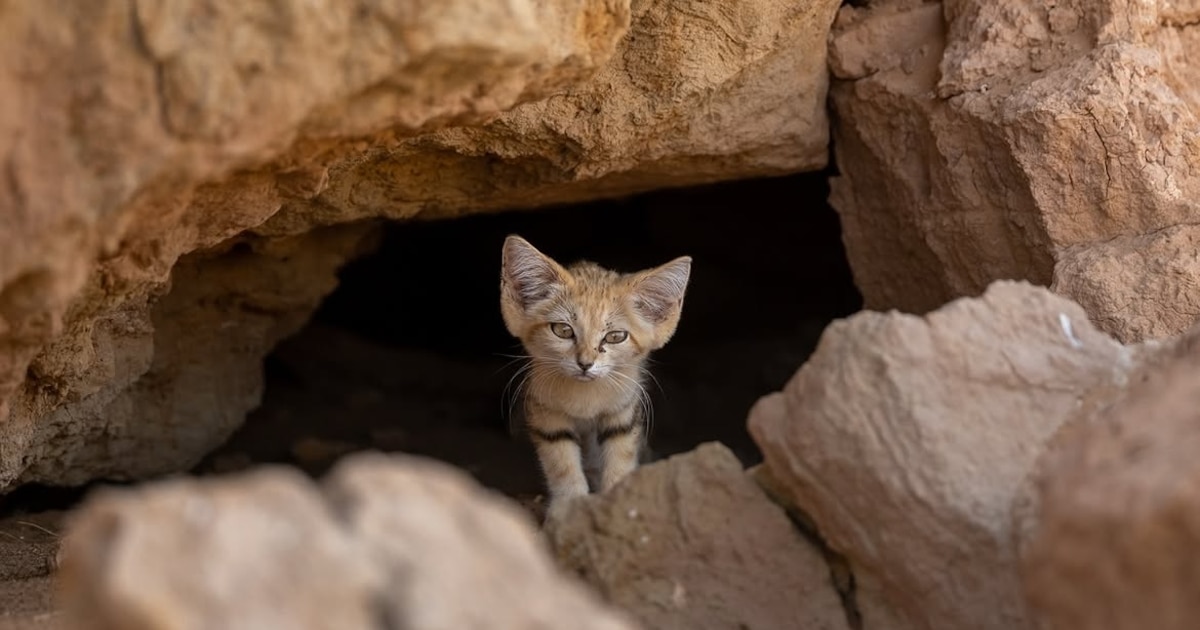
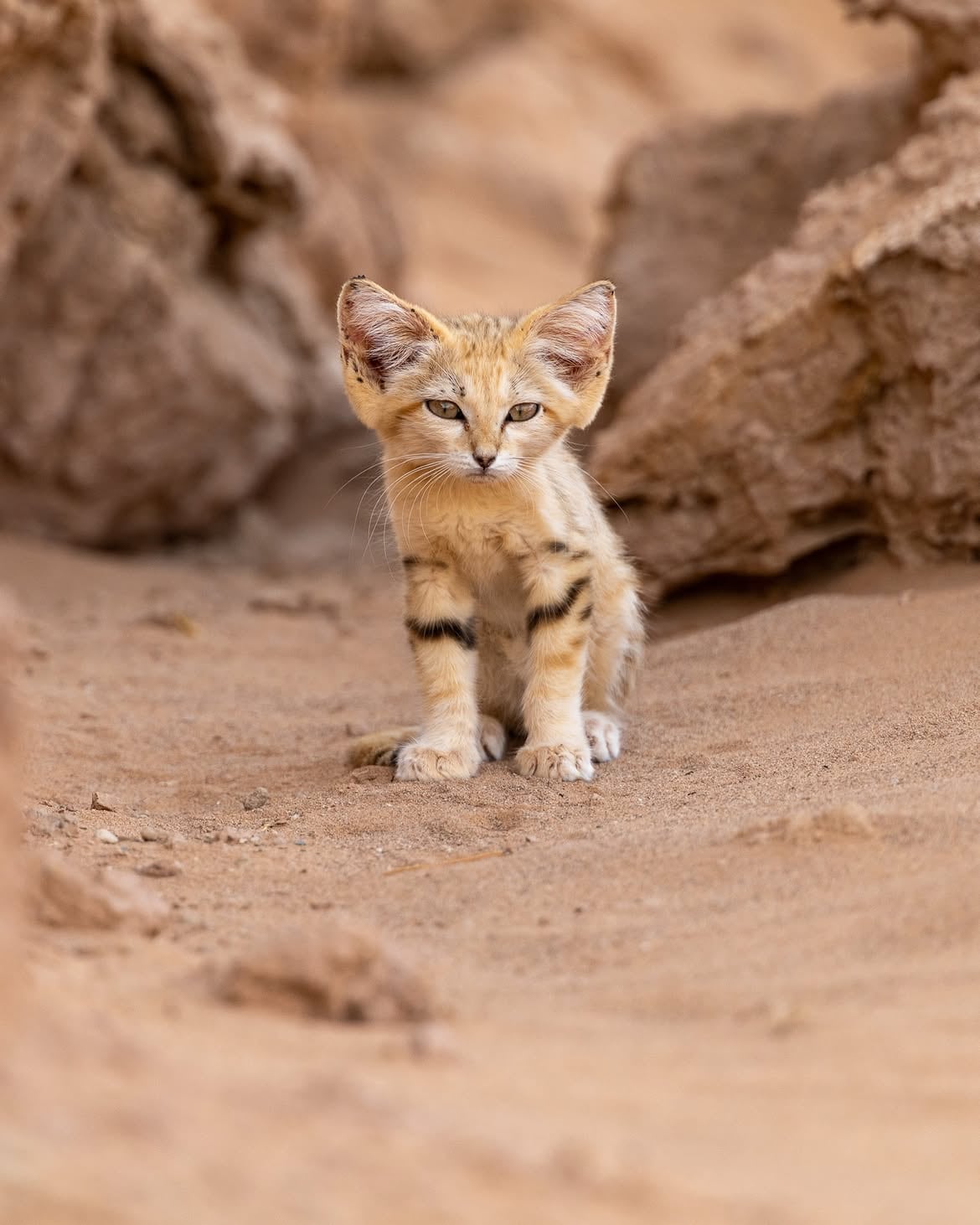
El desierto no dio respuestas durante varios días. Frente a una guarida, entre la arena y las piedras de una zona remota de Marruecos, un pequeño felino salía y volvía a desaparecer. Estaba solo, delgado y con garrapatas. Nadie podía saber si su madre regresaría. “No había huellas ni nada que nos indicara que la madre volvía por la noche”, le cuenta a Infobae el fotógrafo francés Rémi Vacher. Unas cámaras trampa registraron la espera hasta que, finalmente, captaron el reencuentro entre una cría de gato de las arenas y su madre.
Vacher conoció la existencia de una camada de cinco crías de esta especie en el desierto marroquí y viajó hasta allí para fotografiarla. Cuando llegó, la escena ya había cambiado: los otros ejemplares se habían alejado y un cachorro permanecía cerca de la madriguera. “Solo quedaba el más pequeño que era el más débil del grupo”, explica.
El fotógrafo de vida silvestre compartió la historia en su cuenta de Instagram y, en cuestión de segundos, sus imágenes pusieron ante miles de personas a un animal que rara vez aparece en registros de fauna: el gato de las arenas, también conocido por su nombre científico, Felis margarita.
Una cría quedó sola en el desierto
Antes de la llegada de Vacher, una familia de cinco cachorros de gato de las arenas había sido detectada en un punto aislado del desierto. Durante algunas semanas, aquel refugio ofreció una oportunidad poco habitual para observar los primeros meses de vida de una especie difícil de encontrar. Pero el grupo ya no estaba completo cuando el fotógrafo llegó. “Ella había desaparecido quizá dos semanas antes y este pequeño estaba solo. Fue un desafío, no sabíamos muy bien qué hacer”, confesó.
El animal que quedó en la zona parecía vulnerable. Según contó Vacher, estaba flaco y tenía garrapatas en la cara. La incertidumbre aumentó ante la ausencia de rastros de la madre. Las cámaras trampa registraron que la cría salía de la guarida durante dos o tres días consecutivos, aunque las imágenes no permitían reconstruir sus desplazamientos ni establecer si el resto de la familia seguía en los alrededores. “No había huellas ni nada que nos indicara que la madre volvía por la noche”, expresó Vacher a Infobae.
“Fue un poco preocupante, pero al mismo tiempo vigilábamos la situación, lo que nos permitió asegurarnos de que seguía bien”, agregó.
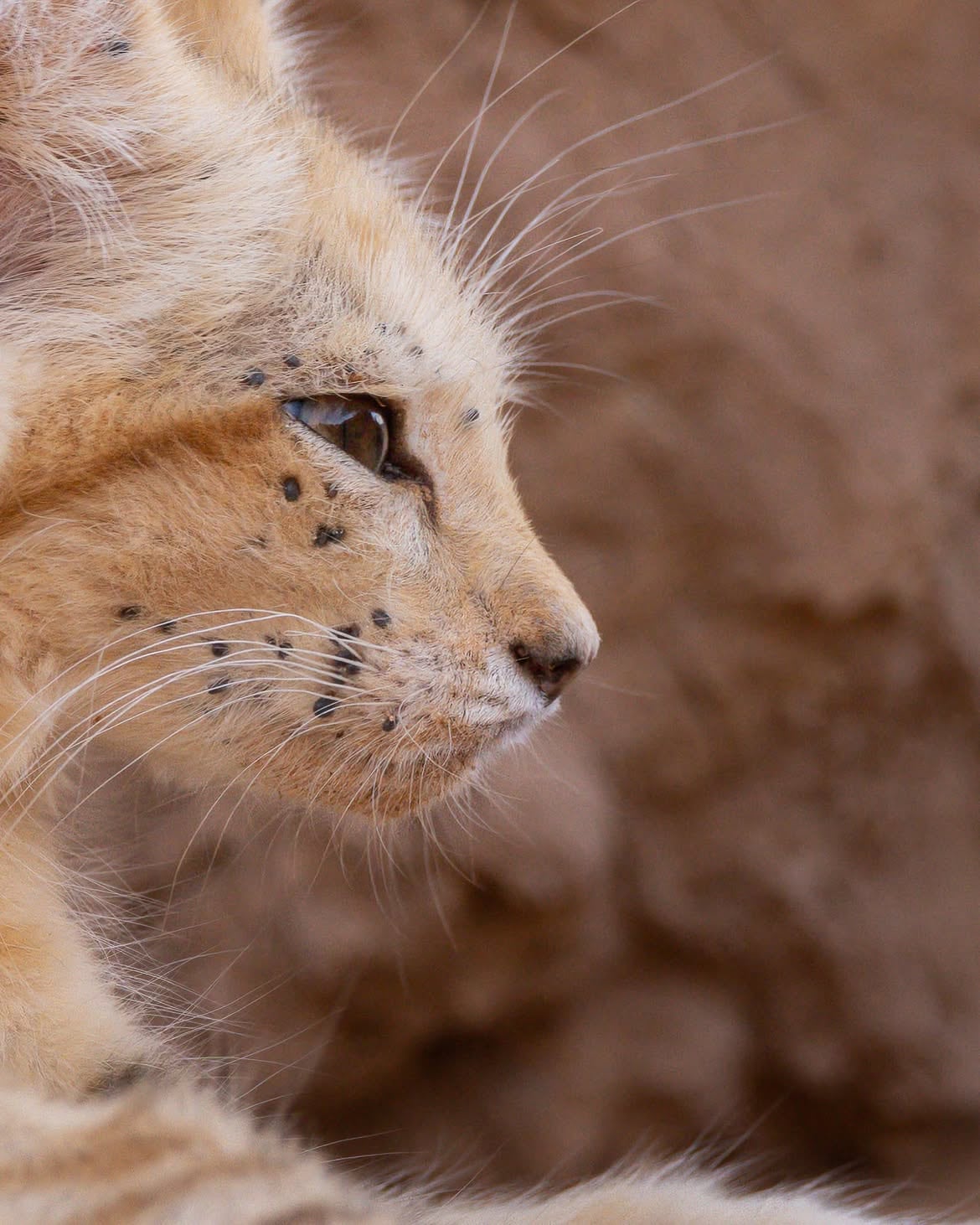
La preocupación entre sus seguidores fue en aumento. Algunos le pidieron que alimentara al felino o que lo retirara del lugar. La posibilidad de intervenir parecía inmediata, pero suponía otro riesgo: separar de forma definitiva al cachorro de su entorno y de la madre, si todavía estaba viva y podía volver.
Al respecto, el fotógrafo explicó: “No queríamos darle comida ni siquiera agua, porque normalmente obtiene el agua de los alimentos que consume. No es un animal que vaya a beber como un gato doméstico”.
Las cámaras trampa permitieron vigilar al gato sin alterar su vida silvestre
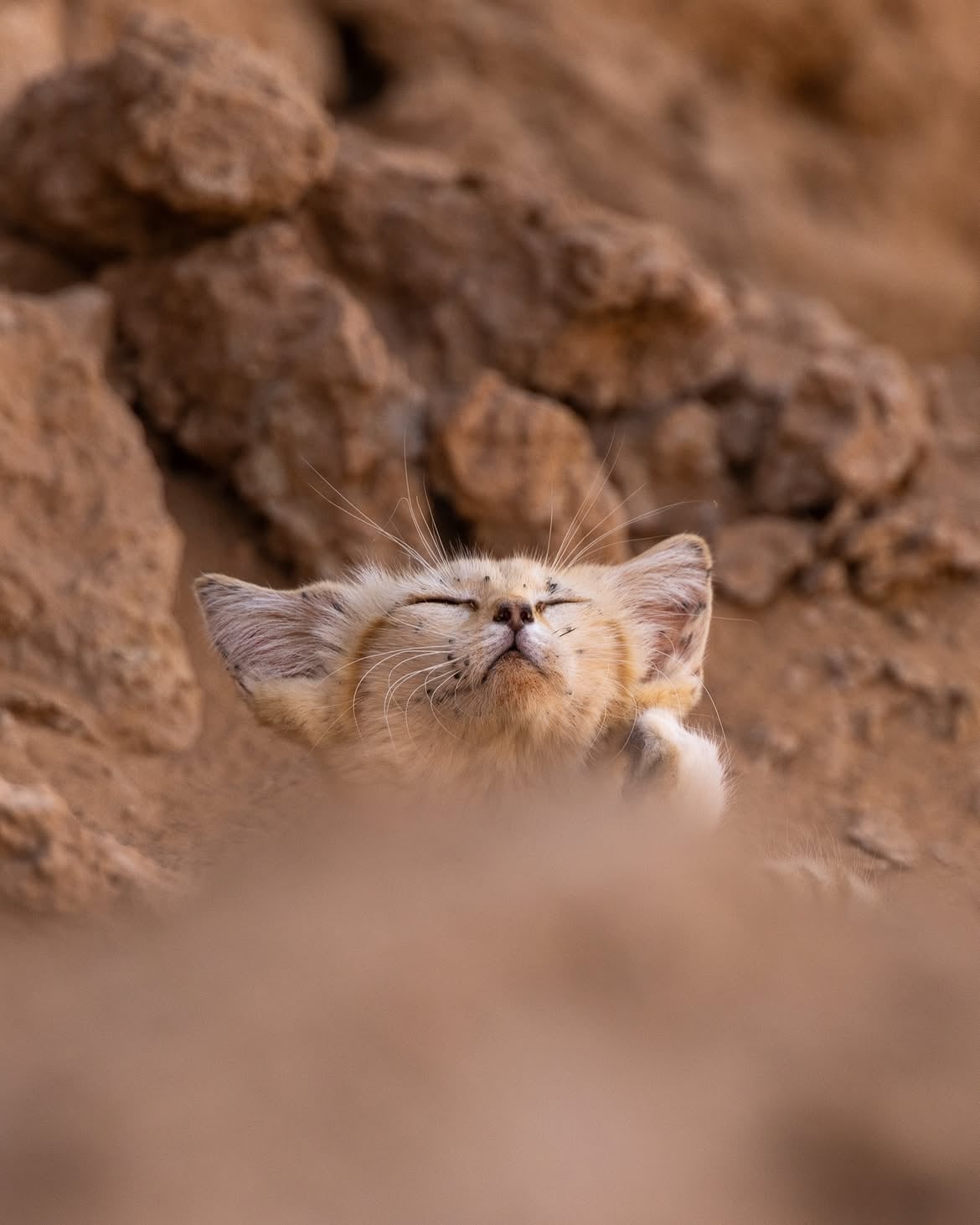
Vacher y sus contactos locales optaron por una observación a distancia. Instalaron cámaras trampa, aparatos que se activan cuando detectan movimiento. De ese modo, pudieron seguir al animal sin transformar la guarida en un sitio de tránsito humano. “Como era bastante débil, tampoco queríamos molestarlo demasiado. Le tomábamos fotos durante un día, luego lo dejábamos tranquilo algunos días. Regresábamos y tratábamos de vigilarlo principalmente mediante la cámara trampa”, aclaró.
La decisión buscó evitar que la presencia de personas alterara el comportamiento de la madre o dificultara el regreso al refugio. En ese sentido, explicó que intervenir por completo podía tener consecuencias para la cría. Un animal criado por personas puede perder parte de la cautela que necesita para sobrevivir en libertad. En el caso de los felinos silvestres, el aprendizaje junto a la madre incluye la búsqueda de alimento, la identificación de peligros y el reconocimiento del territorio.
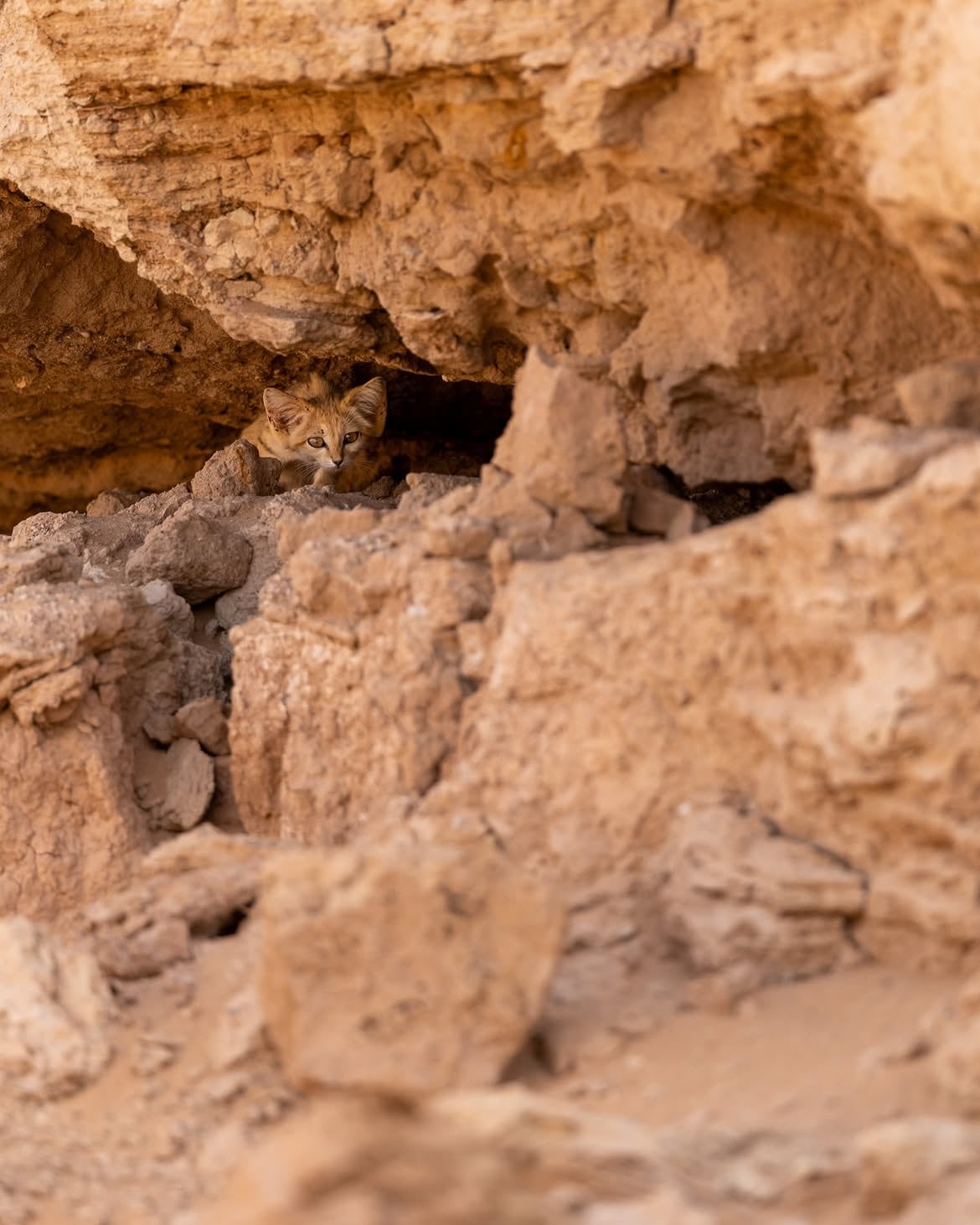
El gato de las arenas está adaptado a un ambiente donde el agua escasea y las temperaturas varían de manera marcada entre el día y la noche. Su dieta se compone principalmente de pequeños roedores y reptiles. Gran parte de la hidratación proviene de esas presas.
No se trata de un gato doméstico perdido en un paisaje hostil, sino de un felino que depende de habilidades específicas para vivir en el desierto, aunque una cría aislada y debilitada pueda despertar la necesidad inmediata de ayudarla.
La madre regresó y el cachorro empezó a recuperarse
Después de días de incertidumbre, las cámaras registraron la señal que el equipo esperaba. La madre volvió a la guarida y la cría mostró una mejora física.
El fotógrafo señaló que algunas situaciones decisivas de la vida silvestre ocurren fuera del alcance de una lente: “Unos diez días después de que dejé Marruecos, la madre regresó. Volvió, se reunieron y luego se fueron. Probablemente todavía estén en la zona, pero ya no sabemos dónde están”.
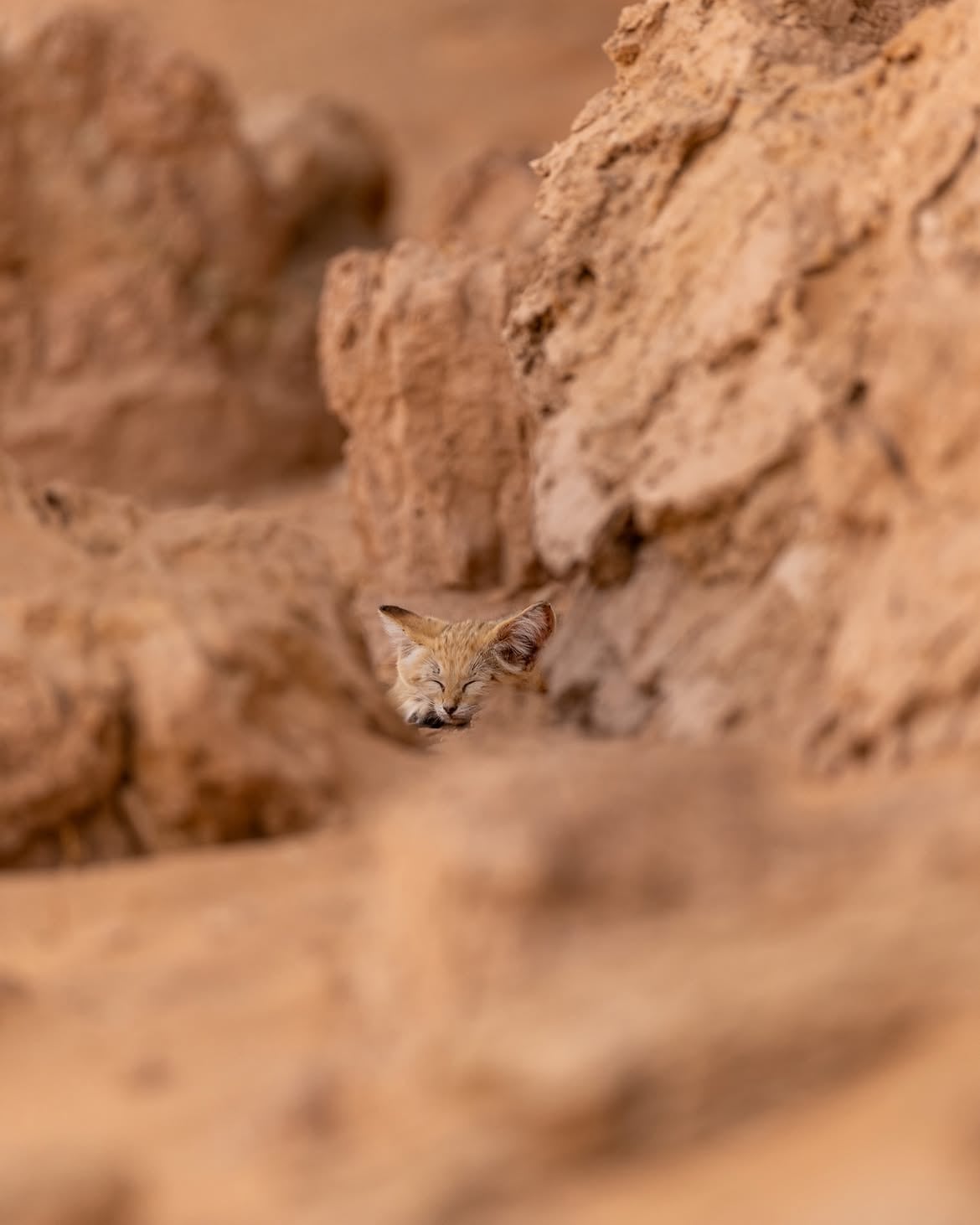
Poco después, los gatos dejaron la madriguera. Vacher indicó que ese desplazamiento forma parte de un comportamiento habitual: las madres pueden trasladar a sus crías a nuevos refugios, sobre todo cuando un lugar ya ha sido ocupado durante un tiempo o existe una exposición mayor de la esperada.
El gato de las arenas vive oculto entre dunas y madrigueras
El Felis margarita habita regiones áridas del norte de África, la península arábiga y Asia Central. Su cuerpo pequeño, el pelaje de tonos claros y sus hábitos nocturnos lo vuelven difícil de detectar incluso en las áreas donde está presente.
Durante el día, suele resguardarse en madrigueras. Cuando baja la temperatura, sale a buscar alimento. Sus patas están cubiertas de pelo, una adaptación que lo protege del suelo caliente y reduce la marca de sus huellas sobre la arena. Sus orejas grandes cumplen otra función: amplifican sonidos débiles y facilitan la localización de presas bajo tierra o entre los matorrales.
“Puede detectar sonidos a gran distancia y también frecuencias muy bajas. Por ejemplo, si hay un roedor que se mueve bajo tierra, puede saber que está ahí”, detalló el fotógrafo.
Vacher definió a la especie como uno de los felinos silvestres más difíciles de observar. “Llevo muchos años buscándolos en los Emiratos Árabes Unidos, pero hasta ahora no tuve suerte. Por eso realmente quería ver uno”.
Tras el reencuentro entre la cría y su madre, Vacher siguió con sus expediciones en busca de especies esquivas. “Viajaré al norte de India para intentar encontrar un leopardo nublado”, concluyó, en referencia a su próximo destino para fotografiar a otro felino difícil de observar en libertad.

INTERNACIONAL
“Los demonios”, la película maldita que Huxley inspiró, fue censurada y destrozada por la crítica conservadora, regresa 50 años después con su versión original
Quizás la proyección más solicitada del Festival de Cannes en mayo no tuvo alfombra roja ni requirió vestimenta formal. La película, que se proyectó solo una vez en una sala abarrotada con capacidad para 300 personas, tampoco tenía ninguna posibilidad de ganar un premio.
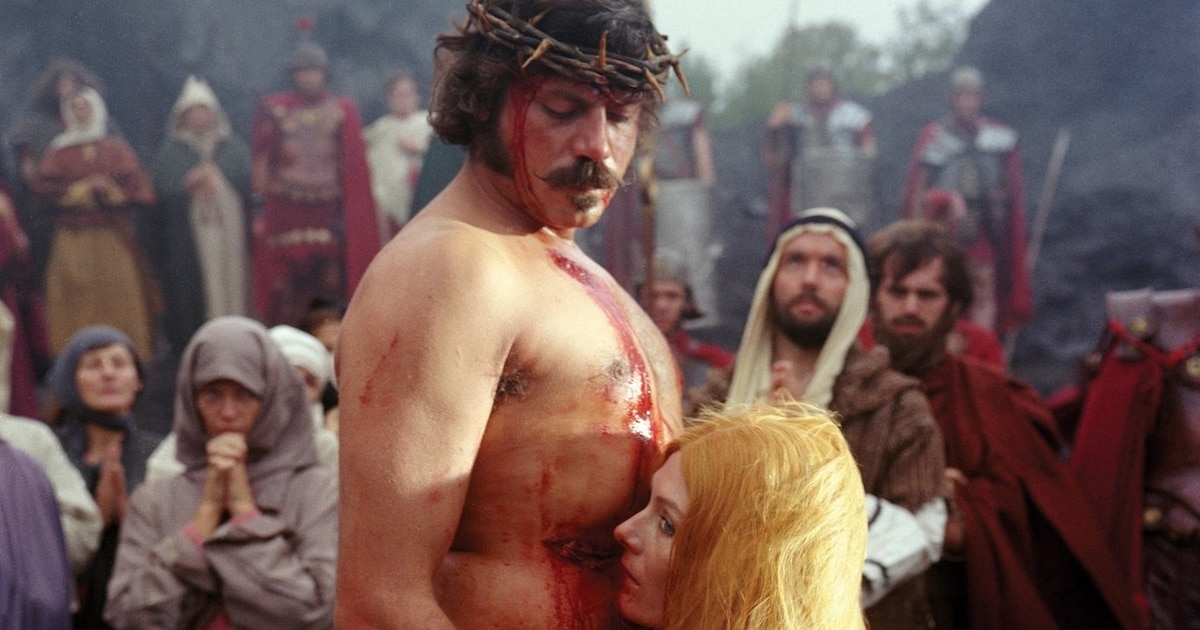
La ocasión fue la presentación de una nueva restauración de Los demonios de Ken Russell, o Los demonios de Ken Russell, como la distribuidora Warner Bros. Clockwork la ha titulado para su estreno el 16 de octubre. Esta película de época, que trata sobre un sacerdote libertino del siglo XVII (Oliver Reed) perseguido por supuestamente instigar un caso de posesión demoníaca entre monjas, fue recibida en algunos círculos como un escándalo en 1971. Pero desde hace tiempo es objeto de interés para los cinéfilos, quienes se han sentido intrigados por su estética modernista, sus problemas con la censura y sus largos periodos de inaccesibilidad.
En cierto modo, esta es la primera vez que la visión del director británico se apreciará en todo su esplendor. La restauración incluye escenas censuradas que se creían perdidas, como monjas desnudas y frenéticas retorciéndose sexualmente sobre un crucifijo gigante o una Madre Superiora (Vanessa Redgrave) haciendo el amor con un fragmento de hueso fálico. Estas escenas se mostraron por primera vez en 2004. Pero ni siquiera este material se había visto con la máxima calidad visual hasta ahora.
En 1971, Los demonios fue objeto de furia y rechazo generalizado. En su reseña para The New York Times, Vincent Canby escribió que la película era “tan superficial, obscena o no, que solo puedo creer que los miembros de la Motion Picture Association, que la clasificaron como ‘X’, deben estar aliados con Belcebú o con Warner Brothers”. Russell se enfrentó en televisión con el crítico del London Evening Standard, Alexander Walker, quien había criticado duramente la película, y lo golpeó en la cabeza con un periódico.
El revuelo cobra sentido en su contexto. “Cuando la gente vio la película, debido a la crudeza de las imágenes de Ken, quedaron impactados”, dijo el crítico Mark Kermode, quien entabló amistad con Russell en la década de 1990 y fue fundamental para encontrar el metraje perdido y reintegrarlo al montaje del director, que proporcionó a Clockwork. “Esto generó una especie de escándalo. Los censores tuvieron problemas, el estudio tuvo problemas, y la historia se convirtió en: ‘Esta es una película escandalosa’”.
Sin embargo, Russell, que falleció en 2011 a los 84 años , estaba adaptando un respetado libro de no ficción de 1952, Los demonios de Loudun de Aldous Huxley, y una versión teatral de John Whiting que le siguió en 1961.
La trama gira en torno a Urbain Grandier (Reed), un sacerdote católico que mantiene relaciones sexuales con mujeres sin ningún pudor, pero que también gobierna la ciudad amurallada de Loudun como una especie de bastión laico donde católicos y protestantes conviven pacíficamente. El autogobierno de la comunidad representa una amenaza para las aspiraciones autoritarias del cardenal Richelieu de una Francia unificada. Y cuando la hermana Jeanne (Redgrave), reprimiendo su deseo por Grandier, insinúa que el sacerdote ha participado en actividades demoníacas, las autoridades ven una oportunidad.
En resumen, esta película puede ser famosa por estar repleta de monjas sexualizadas, pero su éxtasis es forzado. El padre Barré (Michael Gothard) tortura a la hermana Jeanne e incita a las demás monjas, cuyas vidas corren peligro, a un estado de delirio orgiástico.
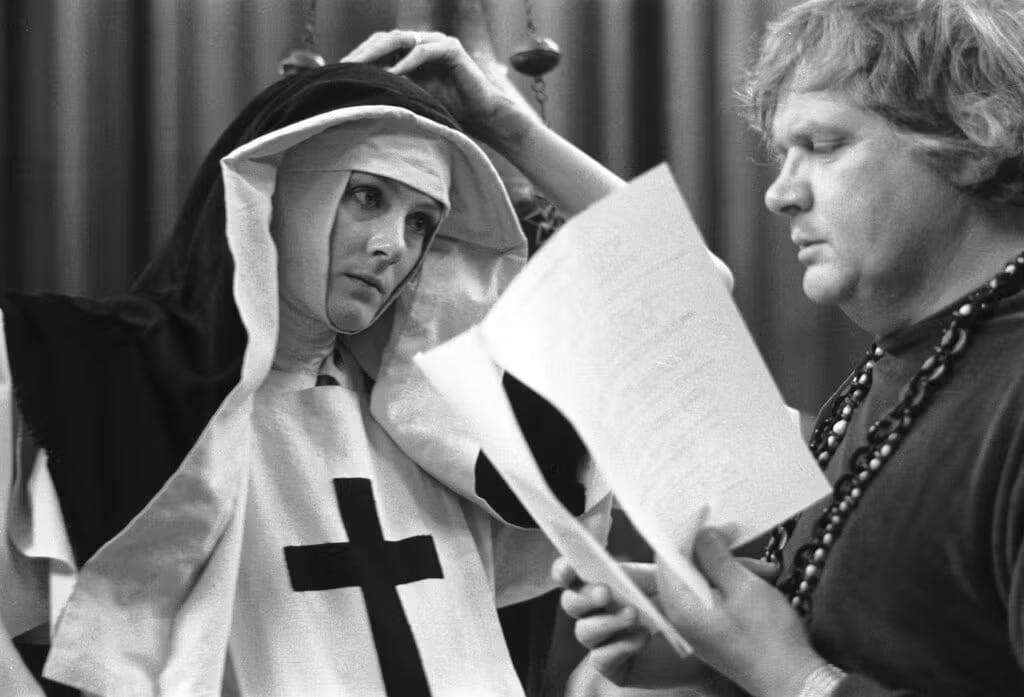
“Es una historia brillante, seria y conmovedora sobre el lavado de cerebro, la politización de la religión y el uso de la histeria”, dijo Kermode en una videollamada. Señaló que este es un tema recurrente en la obra de Russell, un converso al catolicismo que tuvo una relación compleja con su fe.
“A Ken le interesaba mucho la religión, pero también la religión falsa, los falsos mesías”, dijo Kermode. “Si nos fijamos, por ejemplo, en algo como Tommy” —la adaptación cinematográfica de Russell de 1975 de la ópera rock de The Who— “Tommy es sin duda una historia sobre falsos mesías”.
El uso de la religión, o al menos la percepción de cómo se utilizaba, influyó sin duda en la recepción. Los demonios se estrenó cinco años después de la mucho más conservadora Un hombre para la eternidad, ganadora del Óscar a la mejor película, sobre el mártir del siglo XVI Sir Thomas More. Ambas películas terminan con un hombre en juicio obligado a elegir entre sus creencias y su vida en una disputa que ha fusionado la iglesia y el estado. Pero More, a diferencia del sudoroso y visceral Grandier, nunca se muestra como un hipócrita, y Russell trata la hipocresía de Grandier como algo profundamente humano, digno de compasión.
En una entrevista, Richard Crouse, autor de Raising Hell: Ken Russell and the Unmaking of The Devils, señaló otro acontecimiento de 1966: la publicación en la revista Time de una portada con la inscripción “¿Ha muerto Dios?”. Crouse afirmó que los temas satánicos también se estaban abriendo paso en películas como El bebé de Rosemary’s Baby (1968) y El exorcista (1973).
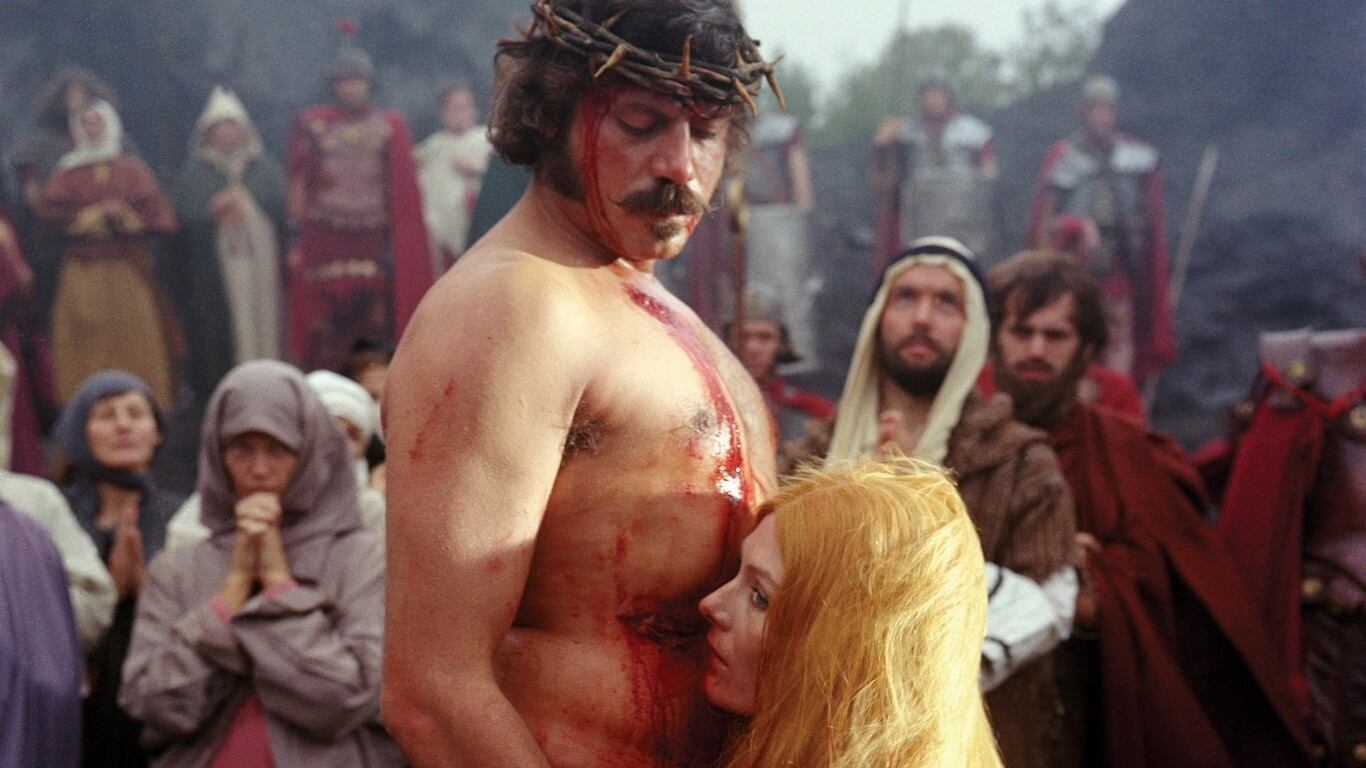
Pero en su libro, Crouse señala que Los demonios nunca alcanzó el éxito popular de esas películas. La diferencia, según explicó en una entrevista, radicaba en la absoluta crudeza de la película de Russell. “Fue ampliamente condenada como sacrílega cuando se estrenó”, afirmó Crouse, mencionando las objeciones del Vaticano y de la activista conservadora británica Mary Whitehouse.
Y añadió que la película “libró y perdió más batallas con las juntas de censura que casi cualquier otra película que se me ocurra, producida por un gran estudio, protagonizada por grandes estrellas internacionales y dirigida por un director como Ken Russell, que ya había tenido grandes éxitos antes”.
Russell pasó página rápidamente. Sorprendentemente, Los demonios fue la segunda de las tres películas que estrenó en 1971, junto con The Music Lovers y The Boy Friend. Durante mucho tiempo, la única versión para el hogar disponible era una versión para mayores de 18 años en una cinta VHS de pésima calidad. En los últimos años, Los demonios ha aparecido en DVD en algunos territorios y de forma intermitente en plataformas de streaming como Criterion Channel, pero nunca en su versión completa ni sin modificaciones visuales.
La sensibilidad visual transgresora de Russell podría ser la mayor revelación de esta restauración. Dos años después del éxito de crítica de su refinada adaptación de D.H. Lawrence, Mujeres enamoradas (1969), que pasó relativamente fácilmente por la censura, Russell utilizó Los demonios para comenzar a desarrollar el estilo más alucinatorio que definiría películas posteriores como Lisztomania (1975) y Estados alterados (1980).
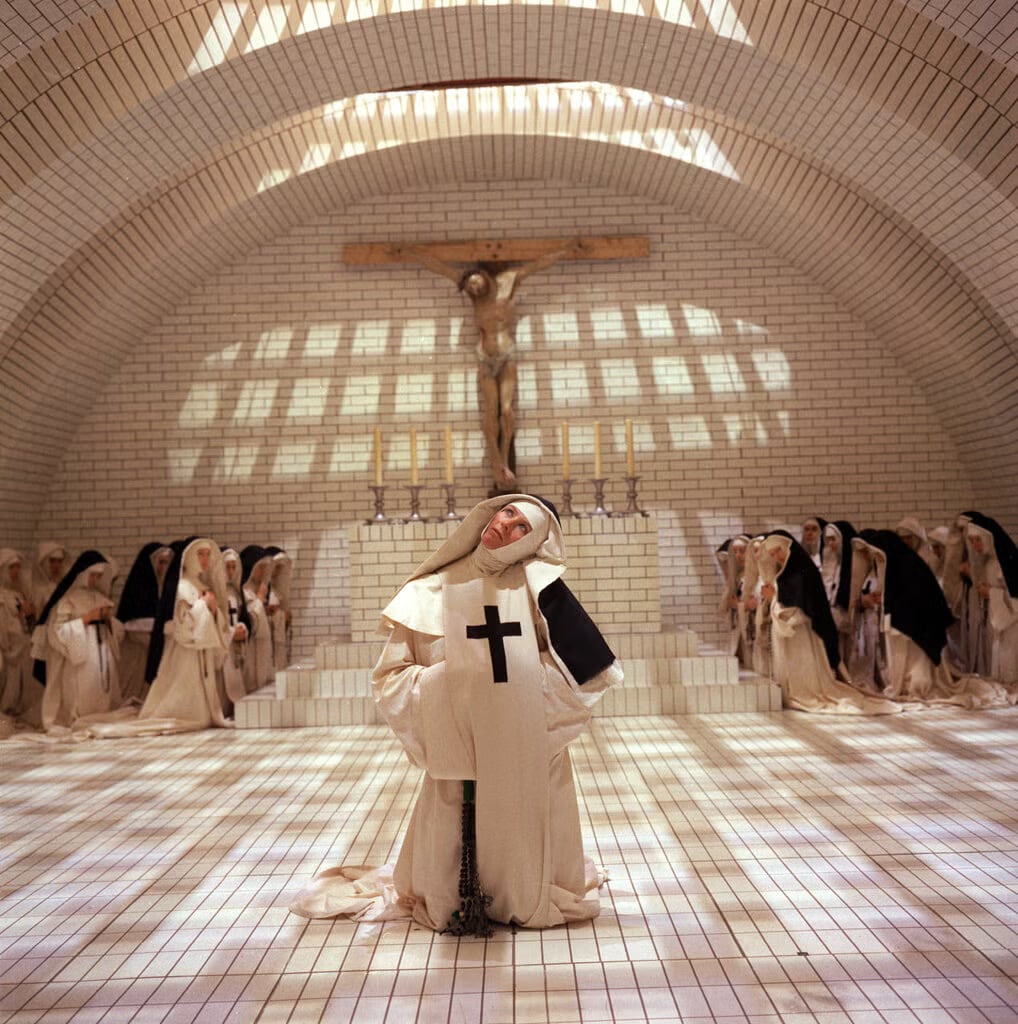
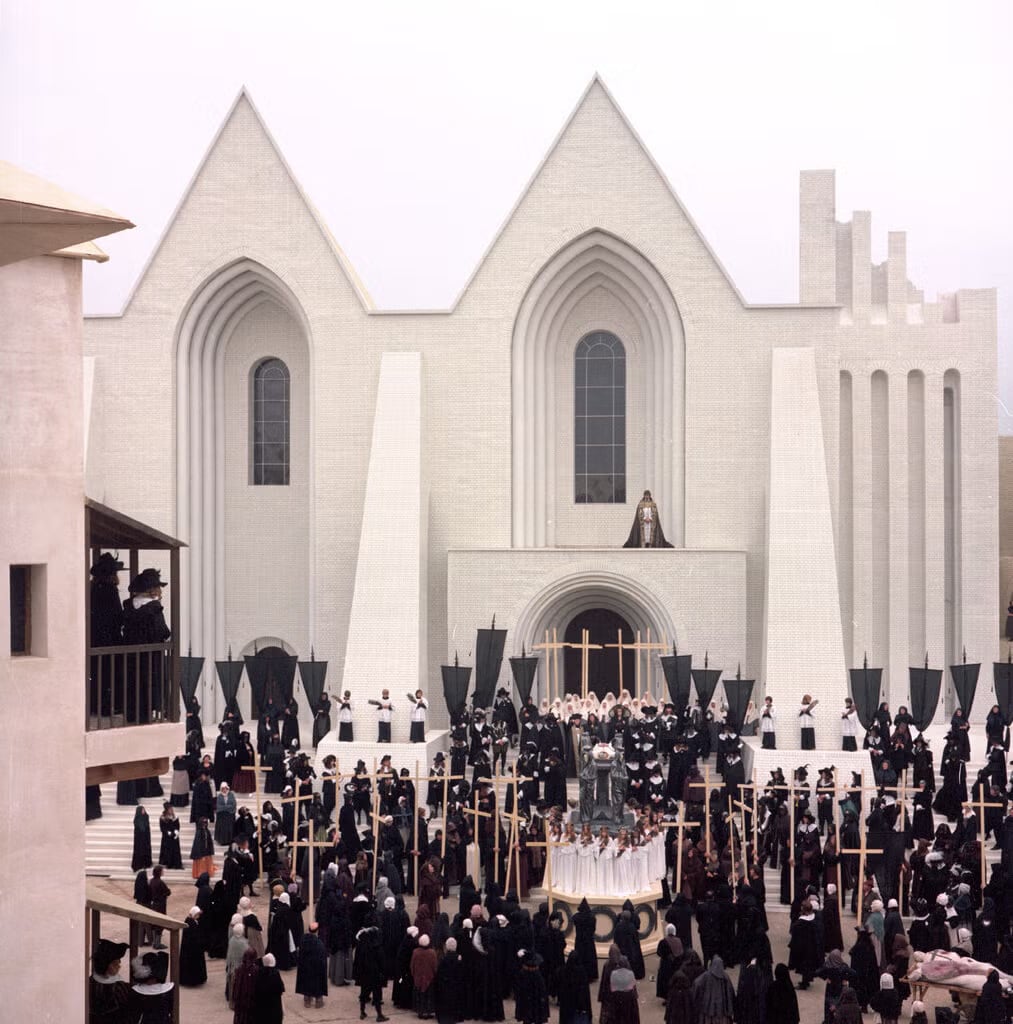
Su diseñador de producción fue Derek Jarman, quien más tarde se convertiría en un importante cineasta experimental y que creó un interior de convento que se asemeja mucho a una casa de baños con azulejos blancos, una imagen que, según Kermode, derivaba de Huxley.
Kermode añadió que para Russell era importante que Los demonios tuviera un aspecto contemporáneo. “Si hubieras estado en Loudun en aquel entonces, no habría parecido una ciudad vieja y cubierta de musgo”, dijo. “Parecía una ciudad moderna. Quería que los espectadores vieran la película como algo moderno”.
Eso también explica los anacronismos deliberados. A algunos espectadores les resulta chocante que el padre Barré, con gafas de sol tintadas, se parezca a John Lennon. “Quería mostrar que esto siempre había sucedido”, dijo Lisi Trebble Russell, quien conoció a Russell en la década de 1970 y estuvo casada con él durante la última década de su vida, en la videollamada con Kermode. “Por eso, eligió intencionadamente a alguien que no pertenecía en absoluto al círculo íntimo de los Beatles”.
Si bien Trebble Russell mencionó otros rasgos distintivos de la época que podrían haber estado presentes en la mente de Russell —la guerra de Vietnam, los experimentos de control mental del proyecto MKUltra— , hizo hincapié en que la música clásica fue su primer amor.
En Cannes, le contó al público que cuando Russell recuperó el metraje perdido para la película, respondió: “Ahora he recuperado mi ritmo”.
Fuente: The New York Times
Cine,Cultura
INTERNACIONAL
How a foreign government helped accused Saudi spy’s family flee US after OpenAI bug scandal
A former OpenAI engineer accused of secretly planting listening devices inside the artificial intelligence giant’s facilities was communicating with Saudi royalty and searching company records involving the Kingdom before his arrest, according to federal prosecutors who are investigating whether his alleged surveillance was intended to benefit a foreign government.
In a detention filing Sunday, prosecutors revealed that Saudi government officials helped arrange international travel for Abdulrahman Alfozan’s wife and three-month-old son shortly after his arrest.
They also raised concerns about Alfozan’s potential access to foreign government assistance if released.
Prosecutors disclosed that Alfozan had been in frequent contact with a member of the Saudi royal family who sought to recruit him for a Saudi artificial intelligence initiative. The filing does not allege that Saudi Arabia directed his alleged surveillance.
TRUMP INTEL CHIEF WARNS AI FIRMS ON HACKS, SAYS NEW DEPARTMENT IS THE ‘COP ON THE BEAT’
The investigation remains ongoing and «may result in additional serious charges,» prosecutors said. Investigators are examining whether Alfozan sought to record sensitive OpenAI meetings to advance his own business interests, aid a foreign government or both.
According to the filing, Alfozan spent weeks researching how to construct an encrypted recording device with live-listening capabilities and where inside OpenAI he could capture sensitive conversations.
He allegedly used an internal OpenAI tool to identify meeting rooms used by company executives and outside partners before concealing a customized audio recorder behind a television in an executive conference room in late September.
The room regularly hosted leadership meetings, technical and product discussions, and briefings with government officials and business partners. Conversations frequently involved proprietary research, OpenAI’s technical capabilities, strategic decisions, government engagements and commercial relationships, according to prosecutors.
Government officials met with OpenAI executives in the room around the time of the alleged surveillance, prosecutors said, warning that Alfozan’s conduct «could pose a danger to the national security of the United States.»
Investigators also uncovered evidence suggesting his alleged surveillance extended beyond a single device.
OpenAI security personnel discovered a second similar recorder inside a bag Alfozan left in a printer room. Searches of his home and electronic devices subsequently uncovered similar components and photographs that appeared to show reconnaissance of other locations inside OpenAI, including another conference room used for sensitive meetings.
Investigators say Alfozan was also showing particular interest in OpenAI’s dealings with Saudi Arabia.
His browsing history showed that he accessed a folder titled «Saudi Gov Docs» on Oct. 4, 2026, and used an internal OpenAI tool to search for engagements involving Saudi Arabia’s Ministry of Communications and Information Technology.
Among the subjects he searched were planned OpenAI visits to Saudi Arabia, an upcoming visit by the Saudi ministry and a meeting labeled «HUMAIN x MCIT @OpenAI,» according to prosecutors.
At the same time, Alfozan maintained frequent contact with an unidentified member of the Saudi royal family, including just four days before his arrest.
«Saudi needs you more then [sic] the US!» the royal told Alfozan in May, according to the filing. Alfozan responded «100,» which prosecutors interpreted as agreement.
The royal repeatedly tried to recruit Alfozan for an artificial intelligence initiative in Saudi Arabia and asked when he planned to leave OpenAI. Alfozan said he would not leave until his stock vested, according to prosecutors. He was also allegedly pursuing other opportunities in Saudi Arabia, including applying to the Mohammed bin Salman Foundation’s «2030 Leaders» program.
GOOGLE ENGINEER STOLE AI SECRETS FOR CHINA, SENATE HEARS IN EXPLOSIVE TESTIMONY
The Saudi connections have become a focus of prosecutors’ argument that Alfozan poses a serious flight risk.
At the time of his arrest, Alfozan had one-way tickets from San Francisco to Riyadh for Oct. 12, 2026, and was scheduled to begin two months of parental leave from OpenAI. The FBI arrested him Oct. 9, 2026.
The accused’s wife and infant son initially had a one-way flight to Saudi Arabia booked and paid for by the Saudi government, prosecutors said. Then a Saudi military official purchased business-class tickets for the pair en route to Qatar. They departed San Francisco roughly 36 hours after Alfozan’s arrest.
Prosecutors cited the travel arrangements as evidence that Alfozan could receive substantial assistance from the Saudi government if released.
Digital has reached out to the Saudi Embassy, OpenAI and Alfozan’s attorney for comment.
The government also pointed to a previous federal case in which prosecutors alleged that a former Twitter employee received Saudi assistance leaving the United States after being confronted over his access to internal user data.
After Twitter confronted employee Ali Alzabarah in 2015, prosecutors alleged, calls were exchanged with a Saudi foreign official and the Saudi consul general in Los Angeles to coordinate a flight to Saudi Arabia the following day.
Alzabarah later went to work for the Misk Foundation, according to the filing. Charges against him remain pending.
Prosecutors argued that Alfozan similarly has access to «considerable support from a foreign government» with no extradition treaty with the United States and the resources to provide extraordinary travel assistance.
Alfozan, a legal permanent resident, was earning $385,000 annually at OpenAI and had received a $2.2 million equity grant, according to prosecutors. OpenAI fired him following his arrest.
He is charged with using or attempting to use a device to intercept oral communications. Prosecutors are asking a federal judge to keep him behind bars pending trial, arguing that he poses a serious flight risk and an ongoing danger to the community.
saudi arabia, politics, fbi, security, investigations, tech, artificial intelligence
INTERNACIONAL
El presidente de Guatemala Bernardo Arévalo recibe reclamos de justicia durante el velatorio de Juan Francisco Solórzano Foppa
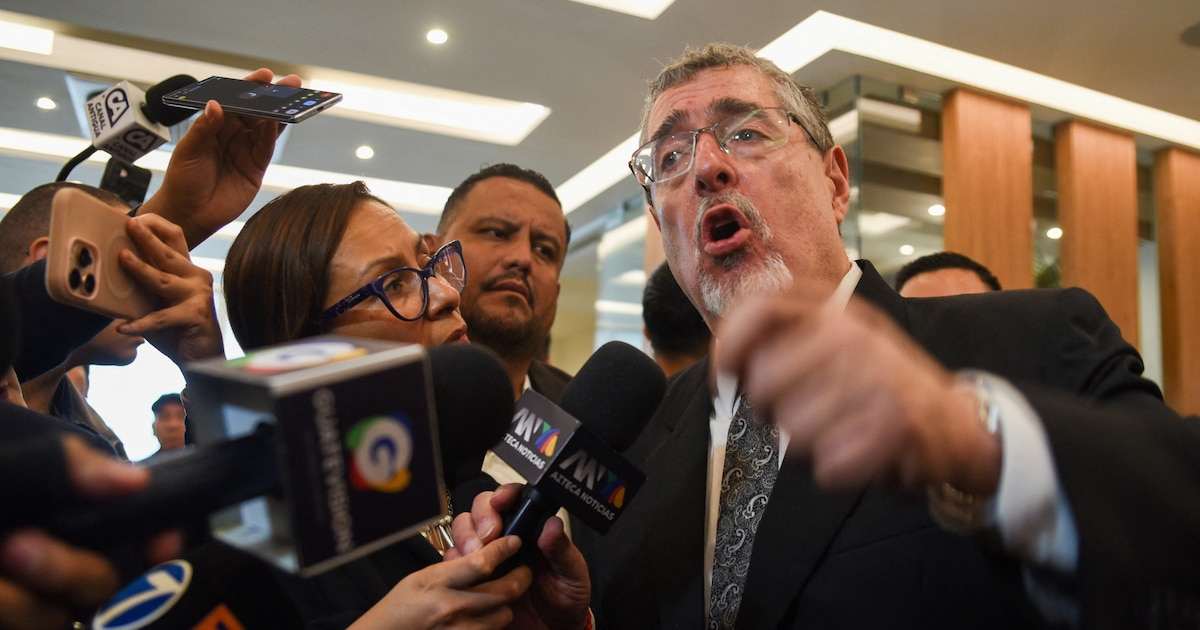
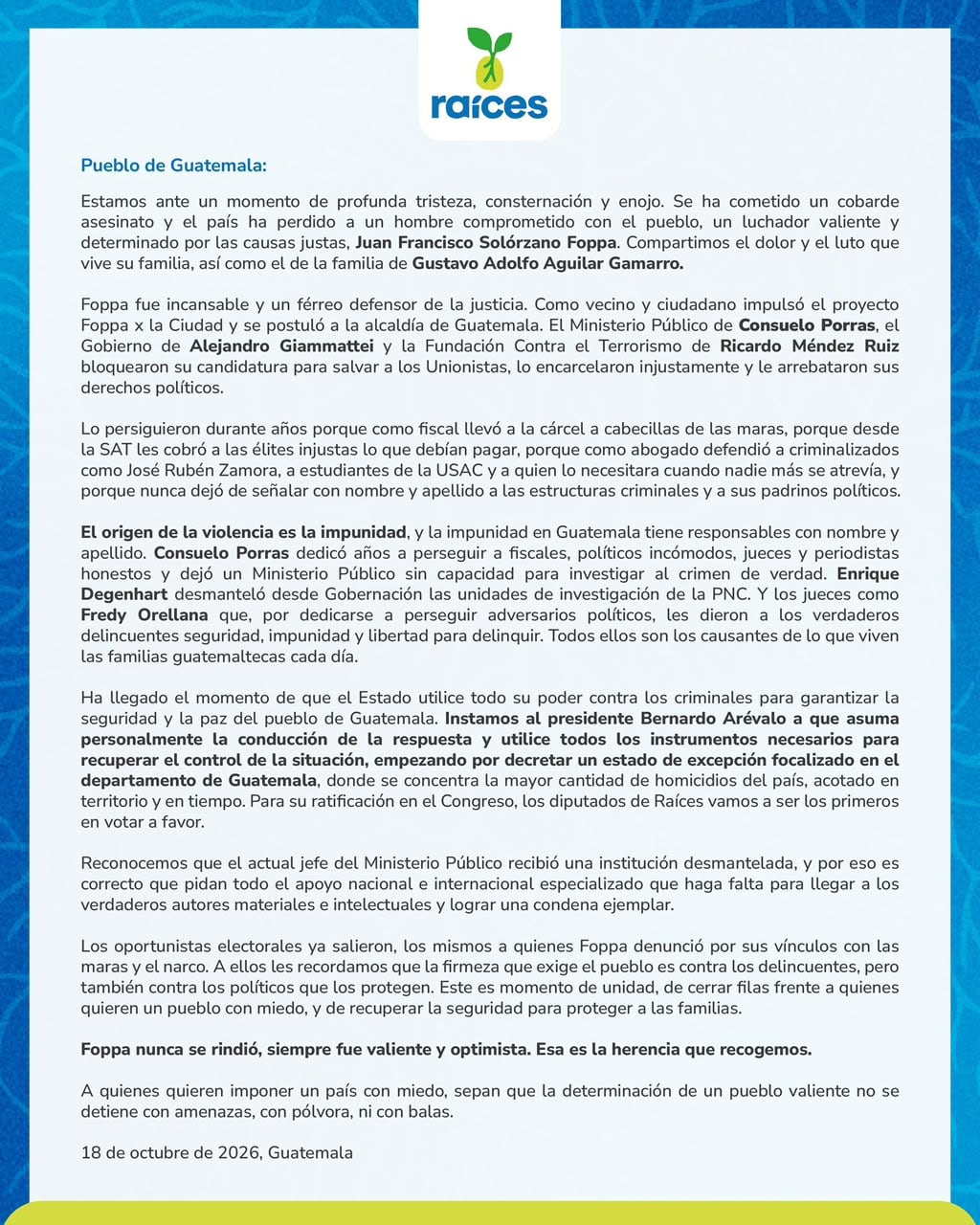
El presidente de Guatemala, Bernardo Arévalo, acudió al velatorio del abogado y exfiscal Juan Francisco Solórzano Foppa. A su llegada, algunos asistentes lo increparon con gritos de “¡Justicia para Foppa!”, en medio de reclamos por el avance de la investigación y por las detenciones que luego derivaron en la liberación de dos hermanos señalados inicialmente por el crimen.
El ataque ocurrido el sábado 17 de octubre en la Ciudad de Guatemala también causó la muerte de Gustavo Adolfo Aguilar Gamarro, de 53 años e integrante de la Federación de Judo.
La Fiscalía mantiene el expediente bajo reserva mientras analiza los indicios para identificar a los autores materiales e intelectuales.
Al ser increpado por algunos asistentes, el mandatario aseguró: “También exigimos justicia y vamos a hacer todo lo que sea necesario para que este crimen horrible se esclarezca y las personas que sean responsables tengan el castigo que les corresponde”.
Según dijo, el Gobierno está colaborando con el Ministerio Público para facilitar la investigación y lograr que se esclarezcan los autores materiales e intelectuales del crimen contra el abogado.
Arévalo descartó un estado de excepción y cuestionó las fallas en la seguridad de Foppa
Consultado sobre la posibilidad de decretar un estado de excepción en el departamento de Guatemala, Arévalo afirmó que esa medida no resulta necesaria.
Argumentó que no existen protestas sociales ni un escenario de conflictividad que impida el desarrollo de las diligencias judiciales.
“El estado de excepción no es necesario en la medida de que no existen condiciones que estén obstaculizando la investigación”, declaró.
Añadió que el Ejecutivo busca facilitar el trabajo de las instituciones responsables para que identifiquen “lo más rápido posible” a los responsables del doble homicidio.
El futuro de David Custodio Boteo quedó sujeto a las investigaciones
Arévalo evitó anticipar cambios en la cúpula de la Policía Nacional Civil (PNC), incluido su director general, David Custodio Boteo.
“De momento estamos esperando el resultado de la investigación de la Inspectoría General y del Ministerio Público y, a partir de ahí, se tomarán las decisiones correspondientes”, respondió.
El presidente indicó que pidió a la Inspectoría General de la PNC investigar la actuación de los agentes que intervinieron en la captura de los primeros sospechosos.
Aseguró que las autoridades actuarán según las conclusiones de esa pesquisa y de las diligencias del Ministerio Público (MP).
El presidente también fue interrogado por medios de comunicación por la protección asignada a Solórzano Foppa y la efectividad de ese esquema.

“Quien haya incumplido con su trabajo, ya sea en dar la seguridad a Solórzano Foppa o si es que hubieron irregularidades en el arresto de los hermanos Choc, sufrirán las consecuencias”, afirmó.
De acuerdo con las primeras versiones, los escoltas del exfiscal custodiaban a su hijo menor, a una distancia de entre 30 y 40 metros, por una instrucción atribuida al propio abogado. Ese aspecto forma parte de las dudas planteadas después del ataque.
Los hermanos Choc Toz podrían recibir apoyo económico y sicológico
El mandatario guatemalteco también se refirió sobre la detención de los hermanos Rigoberto Choc Toz y Daniel Zaqueo Choc Toz señalados en un principio del ataque contra Solórzano Foppa, quienes señalaron a la Policía Nacional Civil de implantarles un arma de fuego.
Aunque estuvieron detenidos, un juzgado ordenó su liberación tras determinar que no existían elementos suficientes para mantenerlos vinculados al proceso. La decisión se produjo menos de 24 horas después de su captura.
Ante esta situación Arévalo afirmó que la liberación inmediata fue la respuesta institucional ante una detención que no se justificó ante el juez.
“Quienes estén intentando usar el sistema para criminalizar a las personas por cualquier razón, están viendo que esa posibilidad ya no existe”, dijo el presidente.
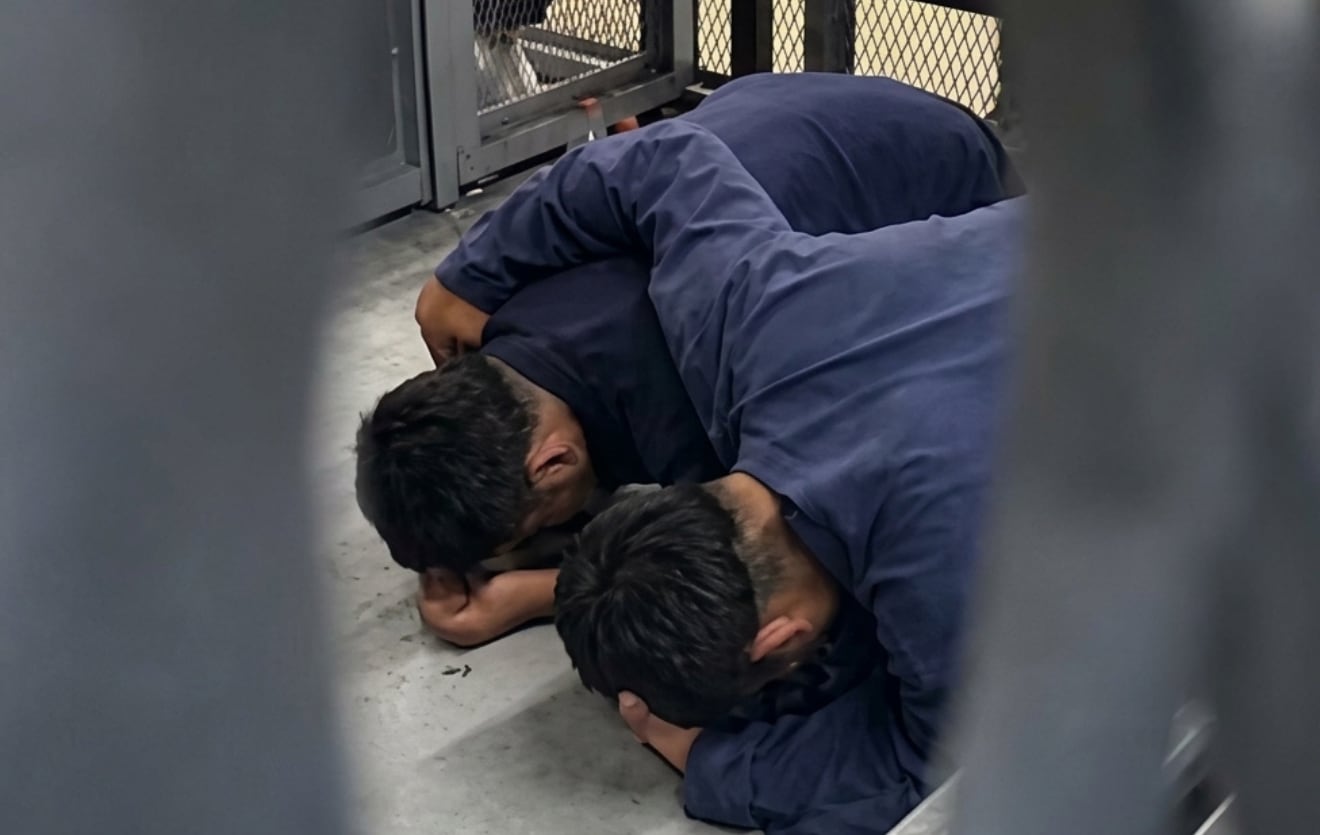
También señaló que la información sobre la posible responsabilidad de los policías permanece reservada por decisión del MP, para evitar interferencias en la investigación.
El mandatario añadió que el Gobierno evaluará si existen mecanismos de apoyo psicológico o económico para los hermanos Choc Toz, según las circunstancias en las que se encuentren y el desarrollo de las investigaciones.
Arévalo señala de utilizar el crimen de Solórzano Foppa de manera política
Al finalizar su intervención, el mandatario guatemalteco pidió que el asesinato del exfiscal no sea utilizado con fines partidarios en el contexto electoral y reclamó una respuesta institucional contra el crimen y la desestabilización.

“Dejen de intentar utilizar (el homicidio de Solórzano Foppa) para beneficio de partidos políticos en el contexto electoral”, dijo.
Agregó: “Tenemos que entender que este hecho nos convoca a reunirnos para reafirmar los principios de lucha contra el crimen, por la democracia, por la libertad y en contra de todos aquellos que ahora están intentando utilizar esto para crear desestabilización y miedo. Tenemos que unificarnos para rechazarlo”.
Civil Conflict,Demonstrations,Domestic Politics,Riots,South America / Central America,Government / Politics,Civil Unrest

Las proyecciones oficiales para las jubilaciones de Anses en 2027 y cómo se actualizarán

PSG vs. Barcelona, por la Champions League: hora, cómo ver y probables formaciones

La sorprendente sentencia de Dani Alves sobre cómo trataban a Messi en Argentina antes de los títulos

El Gobierno no se muestra preocupado por los gestos de unidad del peronismo y ratifica que Javier Milei compite contra sí mismo

El Gobierno postergó hasta diciembre la puesta en marcha de los Fondos de Asistencia Laboral

“Los demonios”, la película maldita que Huxley inspiró, fue censurada y destrozada por la crítica conservadora, regresa 50 años después con su versión original

El futuro será inteligente, pero inconsciente

Alerta roja en Sudamérica por el Súper Niño: cambio climático, inundaciones extremas y el hallazgo de microplásticos y metales en el granizo

Nacho Fernández rompió en llanto al hablar de la cinta de capitán con la imagen de Maradona: “Me acompaña todos los partidos”

La ANMAT prohibió un dispositivo de depilación definitiva por irregularidades sanitarias

 CLIMA13 horas ago
Alerta roja en Sudamérica por el Súper Niño: cambio climático, inundaciones extremas y el hallazgo de microplásticos y metales en el granizo
- POLITICA9 horas ago
El Gobierno pone en marcha un nuevo plan de retiros voluntarios y busca que haya 20.000 empleados menos en el Estado
- CHIMENTOS2 días ago
“Feliz día a la mejor mamá del mundo”: el doble gesto del Chato Prada con Lourdes Sánchez y la reacción de ella