INTERNACIONAL
Supreme Court rejects Trump bid to revive strict mail-ballot rules before midterms

NEWYou can now listen to Fox News articles!
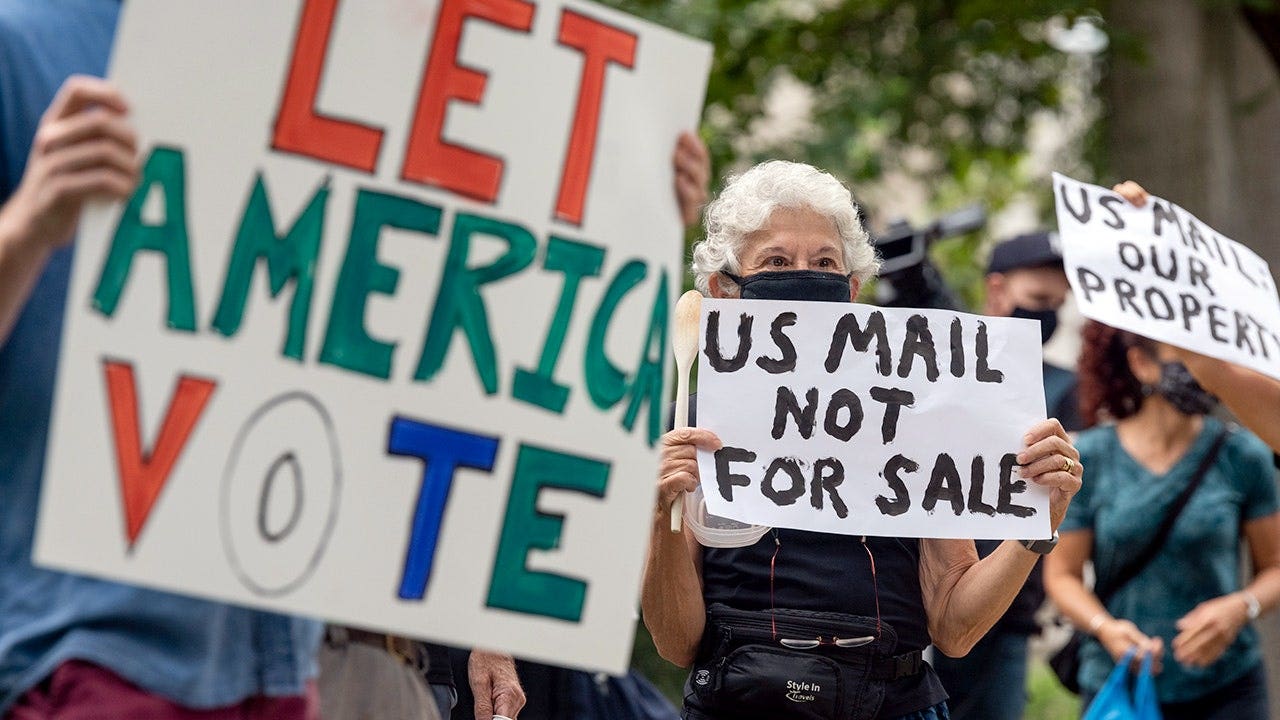
The Supreme Court on Monday rejected the Trump administration’s emergency bid to enforce new U.S. Postal Service (USPS) restrictions on mail-in ballots ahead of the 2026 midterm elections, leaving a lower court’s nationwide block in place.
In a brief order, the court said the government was «unlikely to succeed on the merits» for purposes of obtaining emergency relief and had not shown that the legal and practical considerations warranted a stay.
The rules would require federal ballot mail to be sent in envelopes bearing an election-mail logo, capable of being scanned by high-speed equipment and carrying a barcode unique to each voter.
State and local election officials would also be required to submit envelope designs to the Postal Service for review and upload basic voter information to an online USPS portal.
USPS PUBLISHES RULE TO BLOCK MAIL-IN BALLOTS FROM STATES THAT DON’T PROVIDE VOTER LISTS
A large box of pre-assembled mail-in ballots at the Wake County Board of Elections on Thursday, Sept. 3, 2026, in Raleigh, N.C. (Matt Ramey/AP Photo)
Under the USPS rule, mailings that failed to comply would not be accepted and would instead be returned to election officials to correct and resubmit.
FEDERAL JUDGE BLOCKS TRUMP ADMINISTRATION FROM RESTRICTING MAIL-IN BALLOTS AHEAD OF MIDTERMS
A federal judge previously blocked the USPS from implementing the rules, including the online portal that could be used to track millions of mail ballots.
Justice Brett Kavanaugh agreed with the Supreme Court’s decision but indicated the USPS may ultimately have the authority to impose the requirements.
TRUMP SCORES SUPREME COURT WIN ON MAIL-IN VOTING RESTRICTIONS BEFORE MIDTERMS

Oregon residents drop off their ballots near the Multnomah County Elections building in Portland, Oregon, on Nov. 3, 2020. (Ankur Dholakia/AFP via Getty Images)
«In my view, based on the briefing the Court has received at this interim stage, there is at least a fair prospect that the final rule falls within the Postal Service’s statutory authority,» Kavanaugh wrote.
However, he said attempting to apply the rules during the 2026 elections would be «arbitrary and capricious» under the Administrative Procedure Act because state and local election officials do not have enough time to reasonably implement them.
JACKSON RIPS INTO SUPREME COURT COLLEAGUES’ ‘SERIOUS LEGAL ERROR’ ON TRUMP MAIL-IN VOTING ORDER
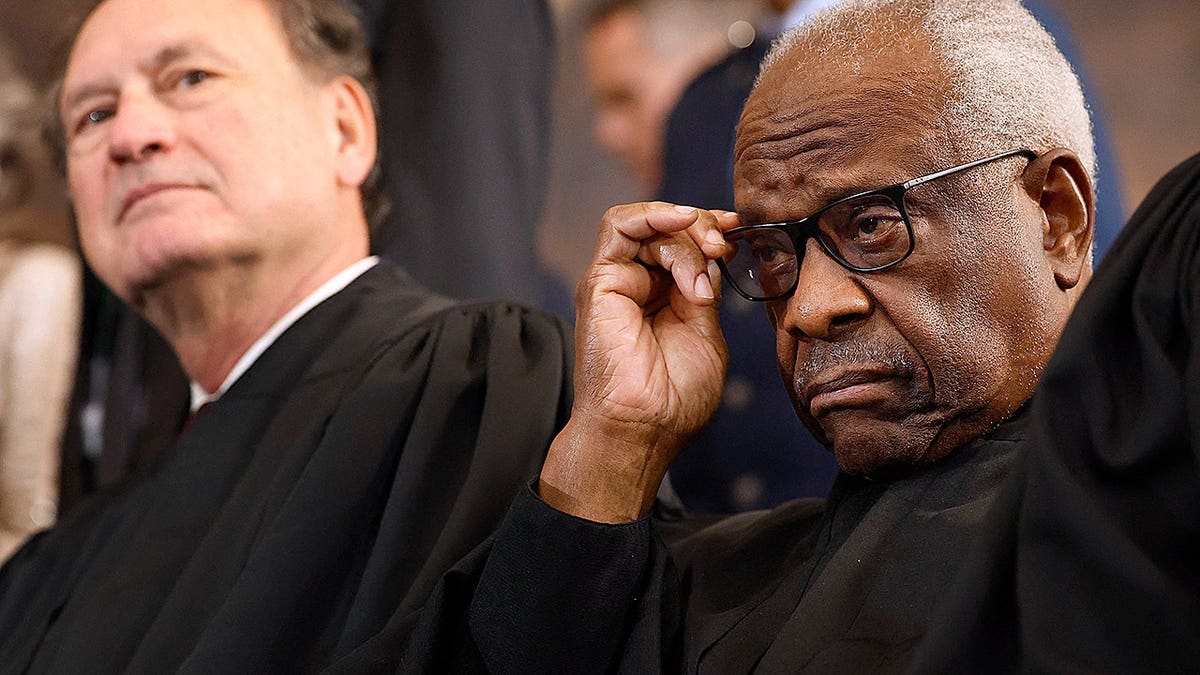
Supreme Court Associate Justices Samuel Alito and Clarence Thomas wait to leave the stage after the inauguration ceremonies in the Rotunda of the U.S. Capitol in Washington, D.C., on Jan. 20, 2025. (Chip Somodevilla/AFP via Getty Images)
Justice Samuel Alito dissented from the decision, joined by Justice Clarence Thomas.
Alito argued that some of the plaintiffs lacked legal standing and that the remaining challengers were pursuing what the court has previously called a «Hail Mary pass» that «rarely succeeds.»
ALABAMA AG MARSHALL FIRES BACK AT USPS MAIL-BALLOT ORDER CRITICS: ‘THIS IS ABOUT SECURING ELECTIONS’
«The Government has made the showings necessary for a stay, so I respectfully dissent,» Alito wrote.
Alito said the USPS has broad authority to regulate the collection, handling, transportation and delivery of mail. He also argued that the government would suffer irreparable harm because any reversal of the lower court’s injunction would come too late for the midterms.
New York Attorney General Letitia James, whose office helped lead the legal challenge, celebrated the decision as a victory for voters.
«Today, the Supreme Court protected one of our most fundamental, inalienable rights – the right to make your voice heard at the ballot box,» James said. «This last-minute change could have thrown our elections into chaos, and I am truly relieved the Court granted this reprieve.»
«Voters should never have to wonder whether a ballot they legally cast will be counted because the federal government suddenly changed the rules,» she added. «We will keep fighting to make sure every eligible ballot is counted come November.»
Senate Minority Leader Chuck Schumer, D-N.Y., also praised the ruling, calling it «one of the most important cases to protect voting rights before the Supreme Court.»
«Trump’s plan to make it harder to vote was obviously unconstitutional,» Schumer said. «The Supreme Court had no choice but to make the right decision.»
«The President’s attempt to screw around with vote by mail was obscene,» he added. «Finally, his scheme is dead. Trump: you lost another one.»
FEDERAL JUDGE AGAIN BLOCKS TRUMP’S MAIL BALLOT ORDER JUST BEFORE MIDTERMS
President Donald Trump directed the USPS earlier this year to develop new standards for handling election mail. The agency finalized the requirements in late August.
The administration and the USPS then asked the Supreme Court to intervene after a federal judge converted a temporary restraining order into a nationwide preliminary injunction.
The decision leaves the preliminary injunction in place, preventing the USPS from enforcing the new requirements for the 2026 elections while the litigation continues.
donald trump, voting, federal courts, supreme court, midterm elections

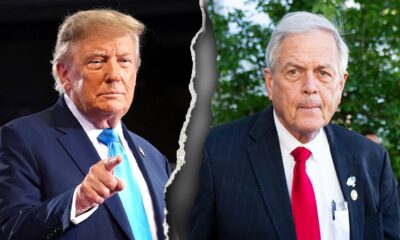








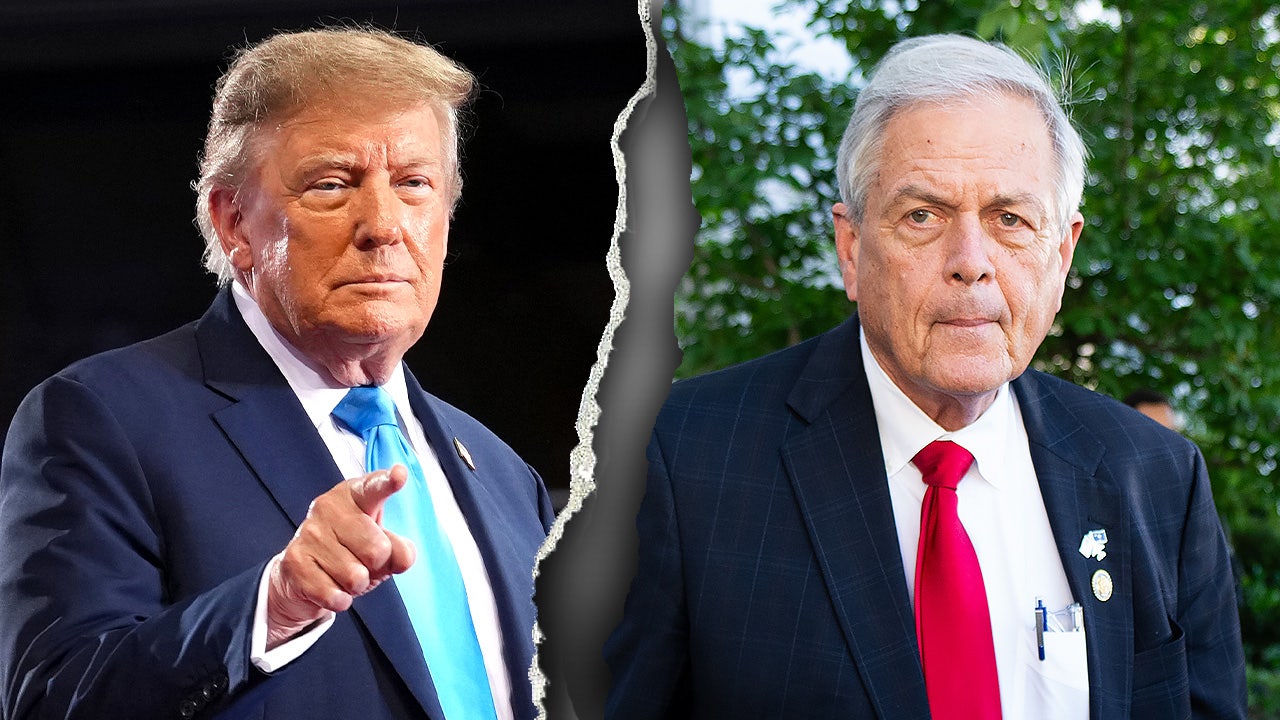
A growing intraparty fracture is roiling the South Carolina Senate race as a Republican congressman is accusing President Donald Trump of trying to force his hand-picked candidate on Palmetto State voters.
Rep. Ralph Norman, R-S.C., who lost to Sen. Darline Graham, R-S.C., in a runoff for the Senate GOP nomination earlier this year, told Digital on Tuesday that he has no plans to help Graham in the final week before Election Day.
«The voters in S.C. are not buying the argument that everyone has to ‘settle’ for a candidate that has been propped up by special interest groups and a Republican president spending millions of dollars spreading false narratives about why Darlene [sic] Graham is qualified to be elected to the U.S. Senate for the next six years,» Norman told Digital via text message in all capital letters.
He said the general election «is about attempts to ‘force’ a candidate on the voters of S.C. and regardless of the outcome, it didn’t have to be this way as the great people living in South Carolina deserve ‘better!!’»
TRUMP ENDORSEMENT BOOSTS SISTER OF LATE LINDSEY GRAHAM TO HISTORIC RUNOFF VICTORY
«Elections have consequences,» Norman ended the message.
It’s a pointed attack at the leader of the Republican Party just a week before voters decide who controls Congress for the final two years of Trump’s presidency.
Graham, who was appointed to replace her brother, the late Sen. Lindsey Graham, R-S.C., is running a closer-than-expected race in her Republican home state.
THE NINE KEY RACES THAT WILL DECIDE WHO CONTROLS THE SENATE, AND WHERE THEY STAND
Norman said he would refuse to campaign with or for Graham, no matter who asked him to help. He told Digital her campaign manager had asked his chief of staff if he would campaign with her, but that Norman refused.
That’s despite pressure from fellow House Republicans like Rep. Russell Fry, R-S.C., who told reporters this week, «As somebody who carried the conservative banner as long as he has, he should step into the arena,» according to Politico. Like Norman, Fry lost his own bid for the GOP nomination for the late senator’s seat.
National Republicans are making the case for Graham, too, arguing that the GOP is united behind her.
«At the end of the day, Republicans are unified on beating Annie Andrews,» Republican National Committee spokeswoman Emma Hall told Digital. «Democrats’ socialism has no place in South Carolina, and that’s why President Trump supports Darline Graham.»
SC DEM SENATE CANDIDATE CLAIMS SHE WILL STAND UP TO HER PARTY AS GRAHAM TIES HER TO ‘SOCIALIST DEMOCRATS’
Norman’s decision comes after a bitter, whirlwind primary where he ultimately lost to the political novice in August.
Since then, Trump has returned to the Palmetto State to support Graham, holding a rally in Clemson, S.C., last week as election forecasters have signaled a more competitive race. The nonpartisan Cook Political Report shifted the contest from «Likely Republican» to «Lean Republican» last week.
And Trump isn’t the only one trying to boost her candidacy. The Senate Leadership Fund, a political action committee closely aligned with Senate Majority Leader John Thune, R-S.D., pledged $5 million in ad spending in South Carolina earlier this month.
Other big political names in the state are jumping ship from Graham, too. Two former South Carolina governors, Republican David Beasley and Democrat Jim Hodges, are reportedly backing Graham’s opponent, Annie Andrews.
TRUMP WON THIS RELIABLY RED STATE BY DOUBLE DIGITS. NOW A DEADLOCKED RACE IS BRINGING HIM BACK
Norman’s son, Warren, bucked Graham in an op-ed for FITS News last week. He wrote that he would «not be voting» for the lawmaker and contended that he was leaning toward Andrews.
«As of today, I’m leaning her way. It will be the first time in my life I’ve voted for a Democrat in a partisan election,» he wrote.
«I know the concern many conservatives will have: isn’t a vote against Graham a vote for the liberal agenda? I’ve thought hard about that. Unfortunately, there is no true conservative to vote for in this election.»
Norman previously told «The Nashional Briefing with Kelly Nash» that he would vote for Graham, but his family would not.
When reached for comment on Tuesday, the White House pointed Digital to Trump’s comments at his South Carolina rally.
«You must vote for Darline and Republicans, and just — you’re going to be happy,» Trump said. «I tell you, you’re going to look back years from now. You’re going to say it was truly one of the greatest votes you ever made. High-quality person, and she’s going to be great.»
Digital reached out for comment from Graham’s campaign.
politics, south carolina, senate, house of representatives politics, midterm elections, donald trump
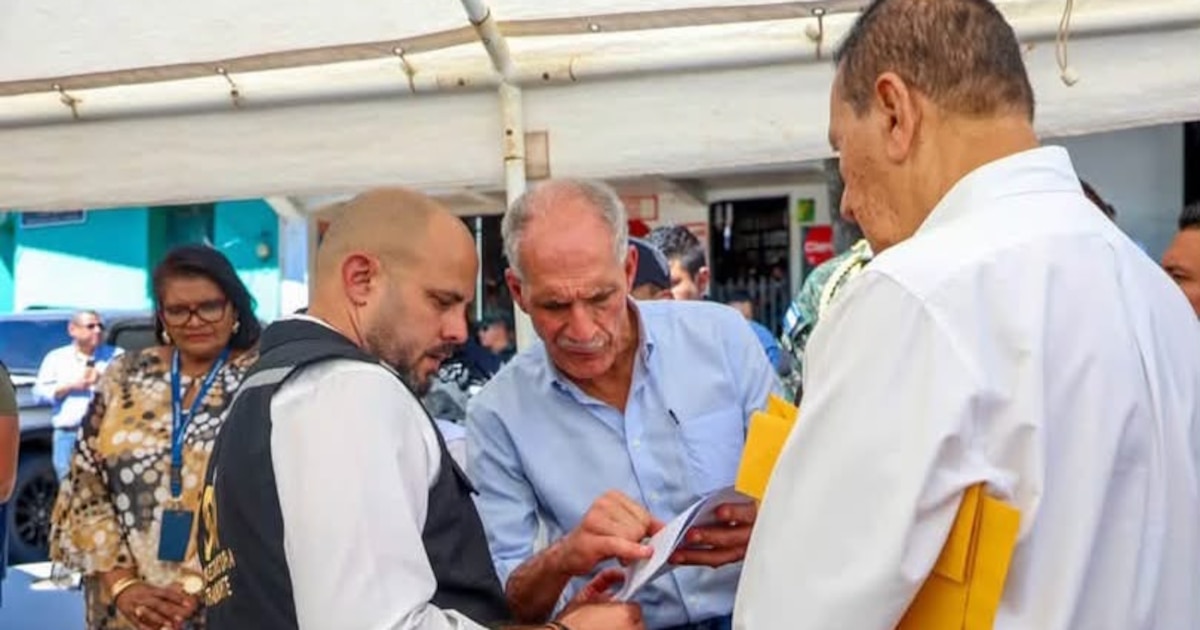
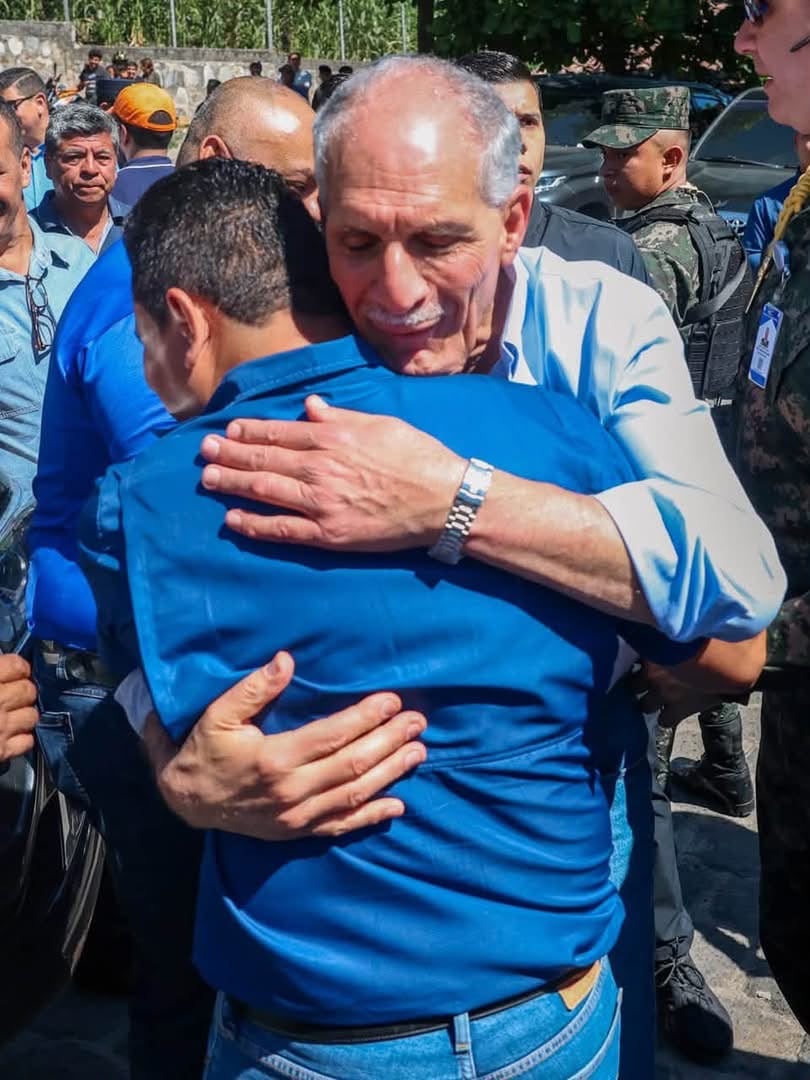
El presidente de Honduras, Nasry Asfura, aseguró este martes que su administración continúa trabajando para cumplir con las deudas pendientes de años anteriores, al tiempo que anunció avances en proyectos de infraestructura vial destinados a mejorar la conectividad de varios municipios del departamento de Intibucá.
El mandatario destacó que las obras buscan facilitar el transporte de productos, fortalecer las actividades económicas y mejorar el acceso de la población a servicios esenciales.
Durante una actividad relacionada con la apertura de ofertas para proyectos de pavimentación, Asfura afirmó que su Gobierno mantiene el compromiso de atender las obligaciones financieras heredadas y avanzar en iniciativas que contribuyan al desarrollo del país.
“Hoy cumplimos nueve meses de Gobierno. Estamos tratando la mayor brevedad posible de salir adelante, cumplir con nuestras deudas, que vienen de muchos años atrás, poder cumplir y poder servirle”, expresó.

El mandatario resaltó la importancia de mejorar las carreteras en el sur de Intibucá, donde las condiciones de las vías inciden en el traslado de personas, mercancías y productos agrícolas.
Entre los proyectos mencionados figuran trabajos para conectar Camasca, Magdalena y Santa Lucía, además de intervenciones previstas en San Antonio y Colomoncagua.
En el proceso de recepción de ofertas para las obras entre Camasca, Magdalena y Santa Lucía participaron cinco empresas, con un proyecto que comprende aproximadamente 10,9 kilómetros, según información difundida este martes por medios hondureños.
Asfura señaló que la infraestructura vial puede generar beneficios para distintas actividades productivas y sociales, debido a que las carreteras pavimentadas facilitan la movilidad y reducen las dificultades que enfrentan las comunidades para trasladarse entre municipios.
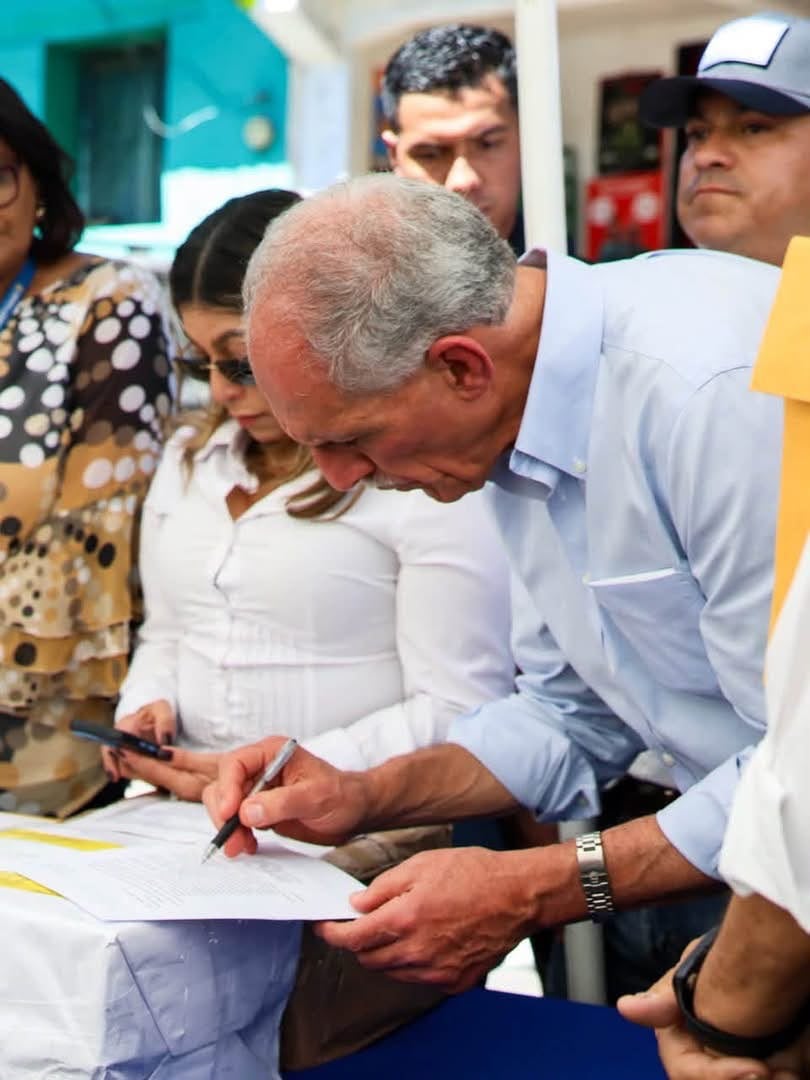
“Entonces todo eso va a cambiar enormemente”, manifestó el presidente al referirse a las transformaciones que espera generar con los proyectos.
También sostuvo que la mejora de las vías contribuirá al comercio, la agricultura, la salud y la educación, al permitir que las personas y los productos lleguen con mayor facilidad a sus destinos.
Durante su intervención, el presidente insistió en que uno de los objetivos de su administración es avanzar en el cumplimiento de las obligaciones financieras acumuladas de años anteriores.
El mandatario también hizo un llamado a los alcaldes para que trabajen de manera coordinada con las autoridades nacionales, con el propósito de atender las necesidades de sus localidades y promover oportunidades de desarrollo.

“Es un gran compromiso de todos para sacar nuestros municipios adelante. Ténganlo por seguro, alcaldes, que estamos para servirles, para que trabajemos juntos, para que logremos que el país salga adelante”, expresó.
Asfura se refirió a las transferencias destinadas a las municipalidades y afirmó que su administración se mantiene al día con esos recursos.
Estos fondos representan una fuente de financiamiento para que los gobiernos locales puedan atender distintas necesidades, aunque su ejecución depende de los presupuestos y proyectos de cada municipio.
Otro de los asuntos abordados por el mandatario fue el comportamiento de los precios de los combustibles, particularmente el diésel.
Asfura afirmó que el Gobierno está absorbiendo la totalidad de los incrementos correspondientes a ese carburante mediante recursos vinculados a los impuestos, con el objetivo de evitar que las variaciones internacionales se trasladen directamente al consumidor.
Según las cifras mencionadas por el presidente, el diésel había acumulado un incremento de 32,63 lempiras durante las cuatro semanas anteriores. Asimismo, anticipó que para el lunes 2 de noviembre se esperaba un nuevo aumento de 8,68 lempiras, cuyo costo, aseguró, también sería asumido por el Gobierno.
“Estamos tratando de hacerlo mejor para servirle a desarrollar el país”, manifestó Asfura al explicar la medida.
Asfura reiteró que su administración pretende trabajar junto con las autoridades municipales para mejorar la conectividad y ampliar las oportunidades económicas de las comunidades beneficiadas. Los resultados dependerán del avance efectivo de las obras, de los recursos disponibles y de la capacidad de mantener la infraestructura una vez concluida.
corresponsal:Desde Tegucigalpa, Honduras
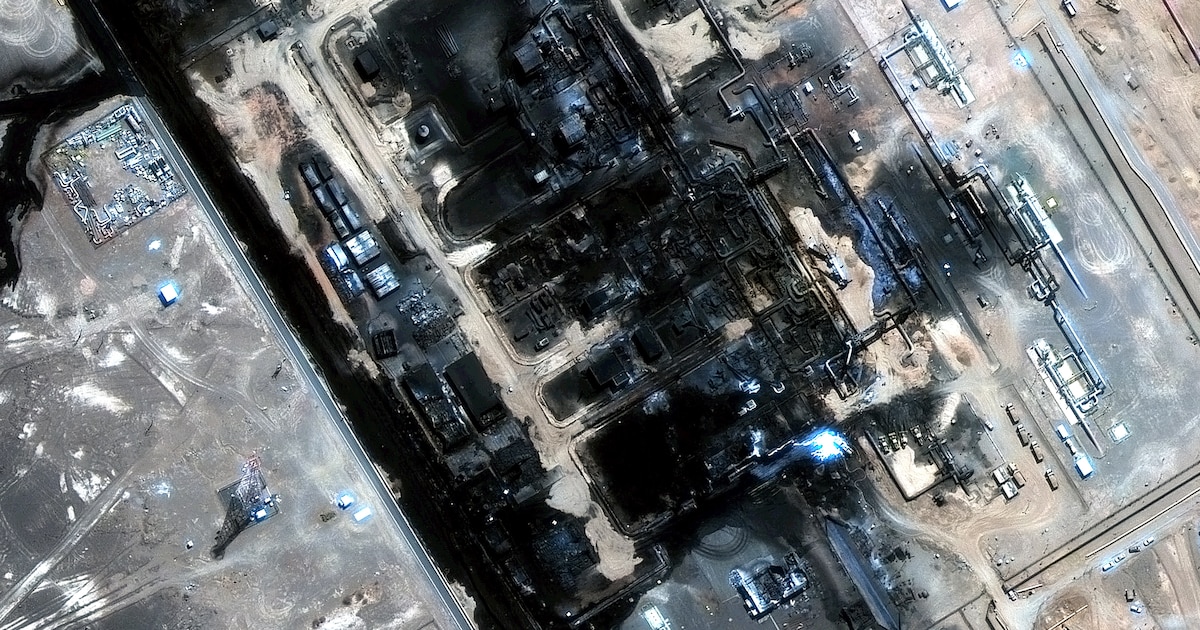
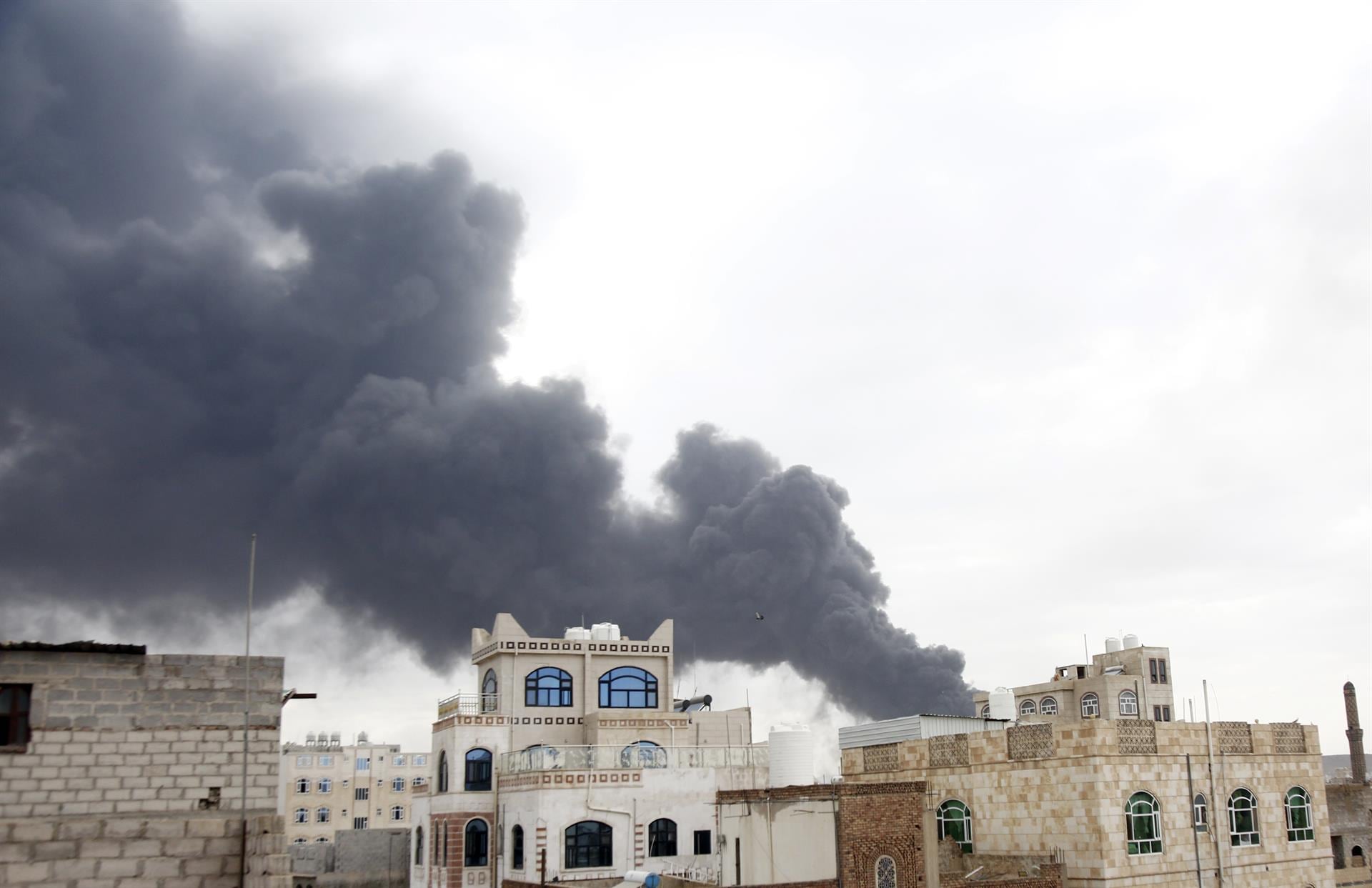
Grupos armados respaldados por Irán llevaron a cabo el mes pasado un ataque de precisión que alcanzó las estaciones de bombeo del oleoducto más importante de Arabia Saudita. Días después, otro ataque golpeó una base aérea militar del reino y dañó un caza italiano dentro de un hangar.
Lo que ocurría en los cielos fue crucial para el éxito de los ataques: en días previos, una constelación de satélites espía rusos convergió sobre el oleoducto y la base aérea para recopilar inteligencia.
Una empresa privada de inteligencia geoespacial afirmó haber examinado 40 ataques con misiles y drones contra Arabia Saudita realizados por los rebeldes hutíes de Yemen, respaldados por Irán, y por milicias en Irak entre el 1 de julio y el 19 de octubre. En todos los casos, la empresa halló el mismo patrón: satélites del gobierno y del ejército rusos orbitando sobre las zonas durante días antes y después.
“Lo que encontramos es una coincidencia del 100%” entre las actividades satelitales y los ataques, afirmó Nawaf Obaid, fundador de AURORAH Geosignal Intelligence, con sede en Ginebra.
Los hallazgos ilustran la forma en que se piensa que Rusia ayuda a Irán y a sus aliados en la región a atacar la infraestructura petrolera y militar de Arabia Saudita, en ataques que han contribuido a elevar los precios mundiales de la energía.
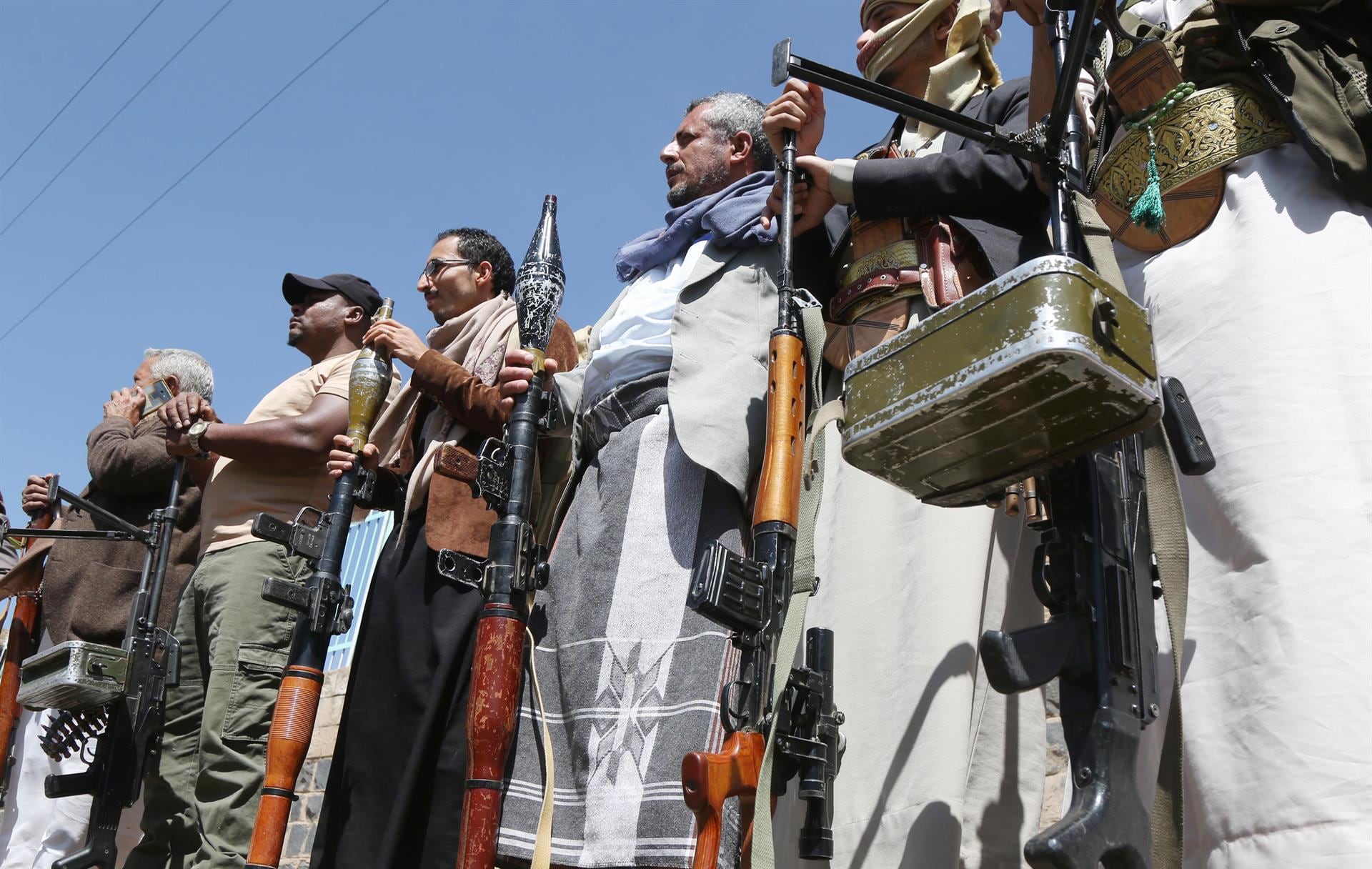
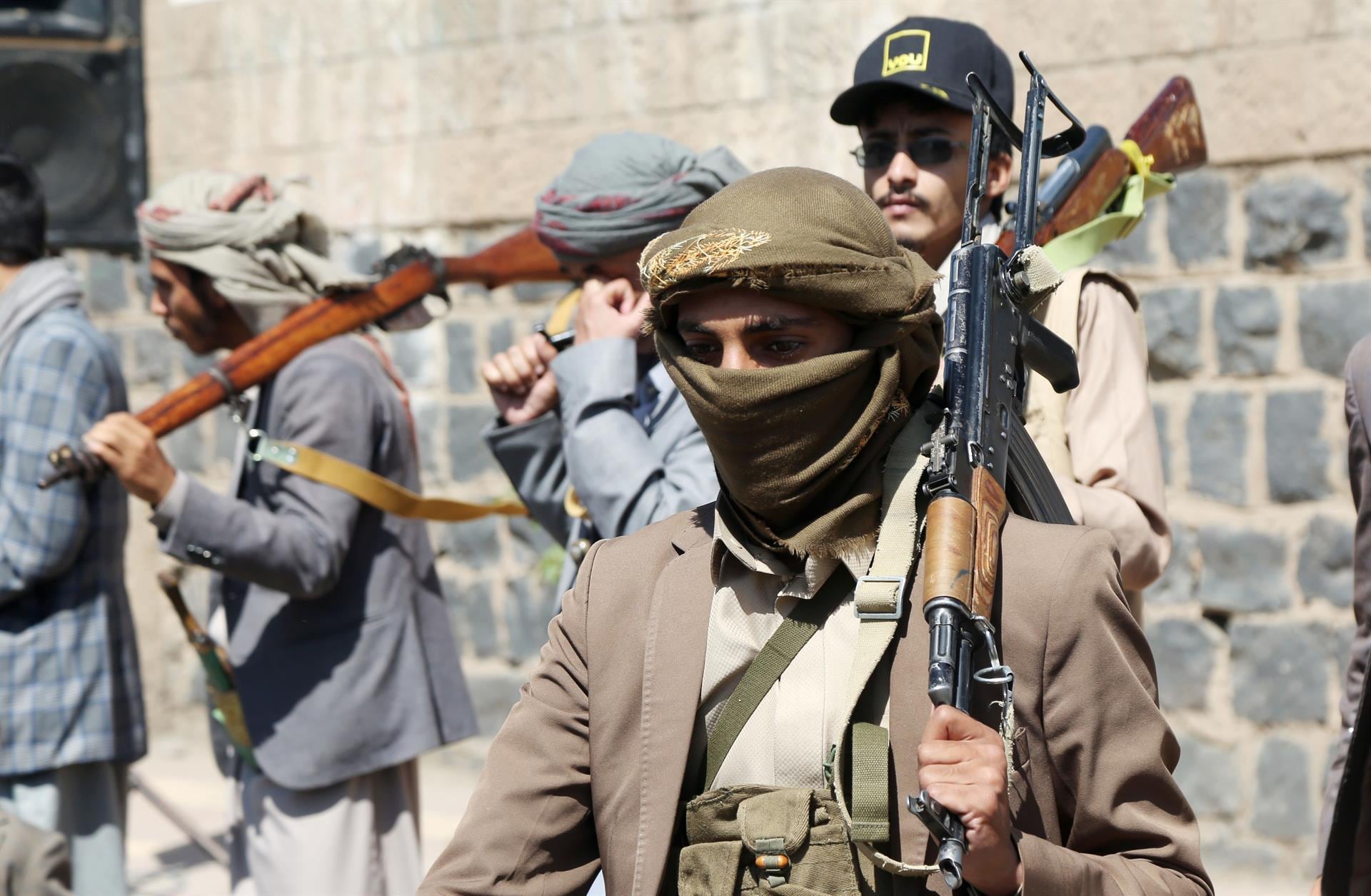
Tres funcionarios —entre ellos, uno de Arabia Saudita y otro de los rangos más altos de los hutíes—, así como un analista privado de inteligencia, dijeron a The Associated Press que los rebeldes yemeníes y otros aliados de Irán se han beneficiado de la inteligencia rusa, además de capacidades chinas. Asesores iraníes sobre el terreno analizaron y transfirieron la inteligencia a sus aliados, según reportes de la AP.
El viceministro saudí de Relaciones Exteriores para la diplomacia pública, Rayed Krimly, declaró a reporteros la semana pasada que Irán y los hutíes reciben inteligencia de “elementos en Rusia y China, incluso, en ocasiones, elementos comerciales”.
“Abordamos estos asuntos periódicamente con China y Rusia, y seguiremos haciéndolo”, señaló.
Hasta el momento, las autoridades rusas no han hecho comentarios cuando se les preguntó sobre las acusaciones, incluidos los hallazgos de AURORAH.
Desde hace tiempo, Rusia e Irán mantienen un acuerdo de cooperación militar, que incluye la transferencia de tecnología de drones. Aunque el Kremlin no ha estado involucrado directamente en las guerras de la región, funcionarios estadounidenses y europeos han dicho que Moscú ha compartido inteligencia con Irán.
Los grupos respaldados por Irán pudieron realizar ataques milimétricos
La mañana del 10 de septiembre, varios ataques con drones lanzados desde Irak alcanzaron tres importantes estaciones de bombeo a lo largo del Oleoducto Este-Oeste de Arabia Saudita, interrumpiendo de inmediato el flujo de petróleo. El oleoducto, de 1.200 kilómetros (746 millas) que atraviesa el reino, ha sido una ruta alternativa vital para llevar su crudo al mercado en medio de los ataques de Irán contra el transporte marítimo en el estrecho de Ormuz.
Las estaciones de bombeo son esenciales para impulsar el petróleo a través del oleoducto, que se eleva más de 1.100 metros (3.608 pies) al ir desde el este de Arabia Saudita a través de la meseta de Najd y luego vuelve a descender hasta la costa occidental del reino en el mar Rojo, explicó Obaid, investigador del Departamento de Estudios de Guerra del King’s College, quien también se desempeñó como asesor de varios funcionarios saudíes de 2004 a 2016.
“Ahí es donde los grupos armados de Irak decidieron atacar”, indicó.

A partir de julio, su empresa observó que 11 satélites rusos de la serie Cosmos 2600 se concentraban en esas tres secciones del oleoducto. Los sobrevuelos aumentaron en las semanas previas a los ataques y en las horas alrededor de los mismos, lo que mostró que hubo reconocimiento antes y después, detalló.
Una semana después, la Base Aérea Rey Fahd en Taif, Arabia Saudita, fue atacada con múltiples proyectiles disparados por los hutíes respaldados por Irán. Además de los hangares de la base, un avión Eurofighter Typhoon de la fuerza aérea italiana resultó dañado, según el Ministerio de Defensa de Italia. Durante años, el ejército italiano ha desplegado activos en Arabia Saudita como parte de las campañas de la coalición liderada por Estados Unidos en Irak y Siria.
En ambos casos, la empresa de Obaid monitoreó un aumento del 50% en el número de satélites rusos que orbitaban sobre los objetivos durante un periodo de 72 horas antes y después de los ataques, en comparación con julio.
De forma notable, el ataque en Taif alcanzó con precisión el avión de guerra italiano, en lugar de las aeronaves saudíes estacionadas en la misma base, lo que sugiere “un apoyo de inteligencia altamente especializado que los hutíes y los iraníes simplemente no tienen”, sostuvo Obaid.
Los hutíes han advertido a potencias extranjeras que no ayuden a Arabia Saudita.
Se observa un patrón claro de satélites
AURORAH utilizó información de fuentes abiertas, así como otras fuentes de inteligencia, para identificar 72 satélites rusos de reconocimiento entre más de 11.000 artefactos espaciales que orbitan la Tierra, explicó Obaid. Luego rastreó sus trayectorias y maniobras mientras las comparaba con la actividad militar en tierra.
La empresa no ha interceptado ninguna transmisión real de inteligencia a Irán o a sus aliados, precisó Obaid. En lugar de ello, estableció un patrón definitivo de posiciones de satélites rusos y actividad de reconocimiento alrededor de objetivos estratégicos antes de los ataques, lo que indica que se está recopilando y transfiriendo inteligencia para la selección de objetivos por parte de los hutíes y milicias iraquíes, añadió.
Obaid señaló que se presentaron los mismos patrones satelitales en relación con ataques iraníes contra bases de Estados Unidos en Oriente Medio durante la guerra entre Estados Unidos e Irán, que comenzó en febrero.
“Esa es la transformación fundamental en el equilibrio militar regional: el sistema de inteligencia detrás del arma está volviéndose tan importante como el arma misma”, afirmó.
Adam Marsh, vicepresidente de soluciones tecnológicas de Leolabs, una empresa de inteligencia orbital con sede en California, dijo que la concentración de satélites es lo que cabría esperar con el propósito de recopilar inteligencia. Los rusos pueden negar que lo estén haciendo, dijo, pero subrayó que solo existe una política general y no hay un organismo regulador: “¿Cómo se podría detener a cualquiera?”
La inteligencia satelital también ha ayudado a los hutíes en su lucha dentro de Yemen
Un funcionario que posee información sobre las investigaciones en Arabia Saudita acerca de ataques recientes dijo que la inteligencia mostró que satélites rusos habían ayudado a los hutíes y a grupos armados iraquíes a atacar objetivos sensibles, entre ellos, las estaciones de bombeo del Oleoducto Este-Oeste. El funcionario declaró bajo condición de anonimato porque no estaba autorizado a hablar con periodistas.
Los satélites también ayudaron a Irán a realizar ataques en marzo contra la Base Aérea Príncipe Sultán de Arabia Saudita, donde un avión de vigilancia de Estados Unidos resultó gravemente dañado, y contra una unidad de la CIA dentro del complejo de la embajada estadounidense en Riad, indicó el funcionario.
En las investigaciones se encontró que los misiles y drones utilizados por los hutíes en sus ataques tenían componentes fabricados en Rusia y China, agregó el funcionario.
La inteligencia satelital rusa también ha ayudado a los hutíes en los notables avances que lograron contra oponentes respaldados por Arabia Saudita en la guerra civil de Yemen, según Obaid y un líder hutí.
AURORAH identificó configuraciones satelitales sobre objetivos en relación con un ataque hutí del 15 de octubre contra el palacio presidencial en la ciudad portuaria sureña de Adén, en Yemen, y un centro de mando cercano utilizado por la coalición liderada por Arabia Saudita, así como una ofensiva contra un centro de reclutamiento gubernamental en la provincia de Shabwa, en el que murieron 75 nuevos reclutas, dijo Obaid.
Asesores iraníes sobre el terreno en Yemen han proporcionado a los rebeldes datos basados en inteligencia satelital rusa para ayudar en la selección de objetivos, declaró a la AP un alto dirigente hutí, quien habló bajo condición de anonimato para abordar el papel confidencial de los asesores.
Mzahem Alsaloum, analista de seguridad que ha dado seguimiento a grupos respaldados por Irán durante casi una década y que ahora dirige una empresa privada de inteligencia, explicó que los asesores usan información de satélites espías rusos para proporcionar a los iraníes listas de objetivos e información operativa.
El líder hutí también afirmó que los iraníes proporcionaron a los rebeldes equipo más avanzado, que incluye sistemas para pilotar drones y para ayudar a los misiles a evadir las defensas aéreas.
El equipo fue desarrollado por los iraníes, comprado comercialmente o proporcionado por Rusia y China, sostuvo, aunque dijo no saber si esos países sabían que el equipo se estaba utilizando en la guerra de Yemen.
Associated Press

Por qué el triunfo de Lula lleva al Gobierno y a la oposición a revisar su estrategia electoral para 2027

Romano Floriani Mussolini, bisnieto del dictador, marca su primer gol con la Lazio: ‘Es un jugador muy serio y con un talento y un futuro prometedor’

Camilo Ugo Carabelli venció a Coria y avanzó a los octavos de final en Guayaquil

Argentina Fintech Forum reunirá a más de 5.000 participantes para debatir la digitalización financiera

Quién fue el último eliminado de MasterChef Celebrity: el desafío del lemon pie que dejó afuera a un famoso

José Luis Espert pidió ser sobreseido en la causa por lavado de dinero: “Es un delito que no ocurrió”

CFK, Axel Kicillof, Sergio Massa y otros referentes del PJ celebraron el triunfo electoral de Lula da Silva

El riesgo país volvió a superar los 700 puntos y la volatilidad internacional golpeó a los bonos argentinos

Medios brasileños afirman que Flávio Bolsonaro escapó del país y está en vuelo a Estados Unidos

Julián Álvarez le dio el triunfo al Atlético Madrid y terminó con otra extensa racha negativa: el gesto de los fanáticos

 POLITICA2 días ago
CFK, Axel Kicillof, Sergio Massa y otros referentes del PJ celebraron el triunfo electoral de Lula da Silva
- INTERNACIONAL11 horas ago
Medios brasileños afirman que Flávio Bolsonaro escapó del país y está en vuelo a Estados Unidos
- SOCIEDAD3 días ago
Edgerunners 2 ha vuelto a poner a David Martinez en el centro de la conversación. Su showrunner tiene algo que aclarar sobre su destino