INTERNACIONAL
The Soros political machine is putting millions to work before Election Day — and zeroing in on key races

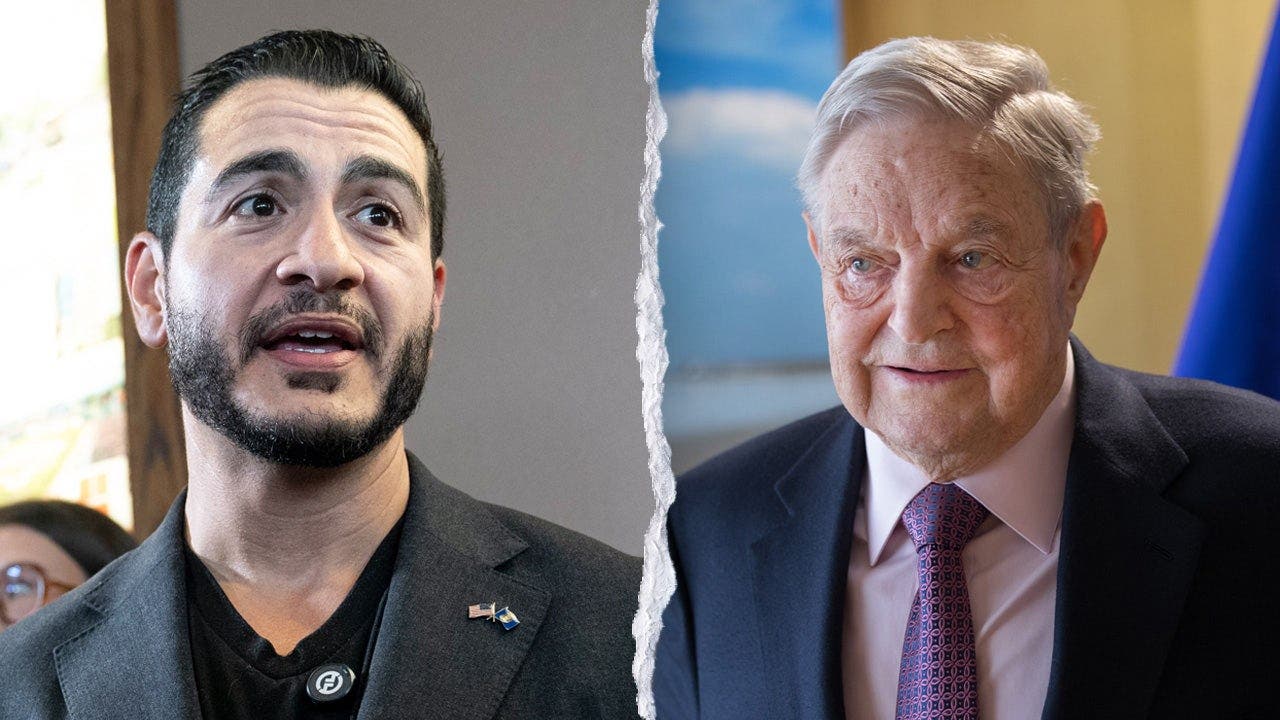
Tens of millions of dollars in Soros-linked money are pouring into key Democratic campaigns and political groups as Election Day approaches, campaign finance records show.
As of the end of June, Democracy PAC and Democracy PAC II — a pair of political committees created and funded by the Soros network — have disbursed over $40 million in donations to their Democratic allies, a review of campaign finance records show. Among the largest beneficiaries of the Soros-linked funding have been the Schumer-aligned Senate Majority PAC, House Majority PAC and the J Street Action Fund, the political arm of J Street, a vocal critic of Israeli government policies.
Michigan Democratic Senate nominee Abdul El-Sayed, who has made getting money out of politics a pillar of his Senate campaign, is also indirectly benefiting from Soros-linked money flowing into the Michigan Senate race through outside Democratic groups.
MICHIGAN SENATE HOPEFUL CALLS AIPAC DONATIONS ‘LEGALIZED BRIBERY,’ REMAINS SILENT ON OTHER DONATIONS
Senate Majority PAC, which has received $9 million from the Soros-funded Democracy PAC this cycle, has pledged $30 million in spending to help elect El-Sayed in Michigan.
«The fundamental corruption of our politics has been the system that allows corporations and would-be oligarchs and billionaires to buy politicians,» El-Sayed said during a 2025 interview with a local news outlet.
«I want to get money out of politics, put money in your pocket, pass Medicare for all,» he told a reporter during a follow-up interview.
El-Sayed’s campaign did not respond to a request for comment when reached by Digital on Monday. The Senate hopeful is also scheduled to attend a Sept. 28 California fundraiser hosted by Jeffrey Soros – who is the nephew of billionaire George Soros.
«Abdul El-Sayed is only for ‘money out of politics’ when it isn’t being spent on him. He’s wining and dining Soros billionaires and begging Chuck Schumer for money while Mike Rogers is taking on Big Pharma and calling for a suspension of the gas tax to lower costs for working families,» Alyssa Brouillet, a spokeswoman for Republican Senate nominee Mike Rogers, told Digital. «Mike Rogers is fighting for Michigan. Abdul El-Sayed is cozying up to billionaires and lying to Michiganders.»
The full scale of the Soros family’s 2026 political spending will become clearer as additional campaign-finance reports are filed.
FBI RAIDS SOROS-BACKED VOTER GROUP’S HEADQUARTERS IN REPORTED FRAUD PROBE
Another major beneficiary of the Soros family’s largesse has been the federal and non-federal arms of its Justice & Public Safety PAC, the primary vehicle behind its efforts to elect progressive prosecutors across the United States. The criminal justice-focused committees have so far pulled in close to $2 million.
The Soros family, chiefly through George Soros’ Open Society Foundations and political committees, has funded efforts to reduce the number of criminals in prison, end cash bail, elect progressive prosecutors, expand rights for illegal immigrants and address alleged racism among law enforcement — efforts that have made Soros a frequent target of criticism from conservative politicians and activists.
Other causes to receive support from the Soros family during the 2026 cycle have included the League of Conservation Voters Action Fund, Fair Fight, which is a voter mobilization organization founded by Stacey Abrams and focused on helping Democrats in Georgia, and the Working Families Party PAC, which works to help elect progressives primarily in New York.
Democratic Govs. Josh Shapiro, of Pennsylvania, and Abigail Spanberger, of Virginia, also received financial support from the Soros family’s political committees during their 2025 campaigns.
ABDUL EL-SAYED DUBBED ‘VETERAN’ BY SOROS-LINKED PROPAGANDA NEWSPAPER DISTRIBUTED IN MICHIGAN
The true extent of the Soros family’s 2026 political operation won’t be fully known until roughly a year after elections wrap up, as much of its spending is routed through 501(c)(4) nonprofits, a type of organization that can spend money on politics but is only required to release disclosures annually, often a year or more after the spending itself occurs.
George Soros gradually transferred control of his political and philanthropic empire to his son, Alex, between 2022 and 2023.
A spokesperson for the Soros family did not respond to a request for comment when reached by Digital on Monday.
abdul el sayed, george soros, politics, chuck schumer, congress







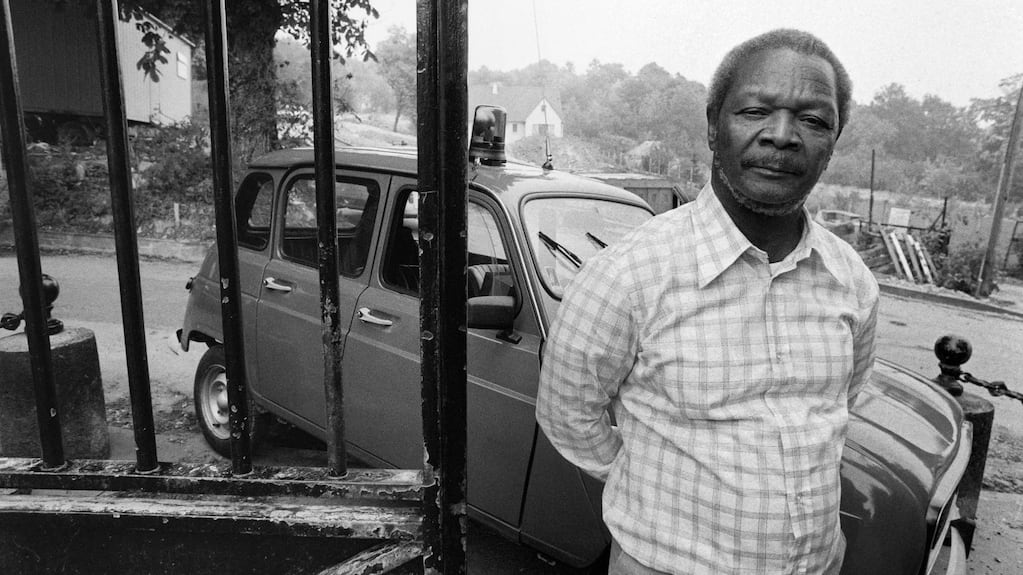
Dicen que en la mansión de Bokassa, el tirano de la República Centroafricana durante los años 70, se comía como en ningún otro lugar. La afirmación parece estrictamente cierta. Porque en algunos otros lugares se podía tomar el champagne exclusivo que se hacía traer de París, o utilizar la vajilla de lujo, o ser atendido por decenas de sirvientes o disfrutar platos realizados por los mejores chefs del mundo. Lo distintivo en los banquetes de Bokassa era el menú: en los platos, cocinados y sazonados de manera conveniente, estaban sus opositores políticos. Bokassa les daba de cenar a sus invitados (embajadores, políticos africanos y hasta presidentes) carne humana. Se comía a sus enemigos.
Hubo muchos dictadores africanos en los años de la Guerra Fría. Todos han sido megalómanos, excéntricos, arbitrarios, corruptos, crueles, asesinos.
Bokassa fue todas esas cosas y le agregó una característica exclusiva: era caníbal.
Jean Bedel Bokassa había nacido en 1921 en lo que después sería la República Centroafricana que estaba bajo la dominación colonial de Francia. Durante la Segunda Guerra Mundial y durante la Guerra de Indochina combatió para el ejército francés y fue condecorado en diversas oportunidades por su coraje.
Tras la independencia de su país, quien quedó al mando de la República Centroafricana fue su primo David Dacko. Bokassa fue ascendido a coronel y nombrado al frente del ejército. Un par de años después derrocó a su primo Dacko. Mientras todos brindaban para recibir 1966, en pleno festejo de Año Nuevo, Bokassa tomó el poder, en una maniobra veloz e incruenta, y quedó al frente del país. Lo gobernaría trece años, hasta 1979. Muy rápidamente disolvió el poder legislativo y recortó todo tipo de libertades políticas y civiles.
Francia vio con buenos ojos el cambio de mano. Eran los tiempos de la Guerra Fría y Dacko estaba volcándose hacia China y la Unión Soviética. Bokassa, soldado prestigioso del ejército francés hasta hacía muy poco, era una garantía para ellos. Era conocido el amor de Bokassa por todo lo que fuera francés. En pocos días rompió relaciones con China y echó a decenas de consejeros chinos que trabajaban en su país.
El país tenía dos recursos naturales que provocaban mucho interés en las potencias y también en los países limítrofes, y que le daban muchísimo rédito económico y político: el uranio y los diamantes. Bokassa supo hacer uso de ellos.
¡Quién puede negar que Bokassa ha sido un hombre que logró ascender! Primero fue presidente. A los pocos meses no le alcanzó con el status presidencial y reunió en sí mismo todos estos cargos: presidente, primer ministro, comandante en jefe del ejército, líder del único partido político legal. Fue por más. Con el paso del tiempo se convirtió en Mariscal, después en Presidente vitalicio y por último se proclamó Emperador. Cada cambio de estatus, por supuesto, fue exclusivamente decidido por él, aunque luego de cada ascenso autoinfligido agregara la fórmula “por voluntad del pueblo centroafricano”.
También recibió muchas condecoraciones y honores de parte de su país. Lo extraño es que era él mismo quién las otorgaba. En el colmo del ridículo, varias de esas distinciones llevaban su propio nombre. Una de las fórmulas: “El imperio Centroafricano otorga su máximo galardón la Orden Imperial Bokassa I a Bokassa I”.
Bokassa era un hombre de familia. Tanto que llegó a tener 17 esposas. De una de ellas no se divorció; se la comió: la hizo asesinar y luego sirvió sus restos en un gran banquete sin que los invitados supieran ni el motivo de tan fastuosa fiesta, ni los ingredientes de su plato.
Nadie sabe con exactitud cuántos hijos tuvo. Algunos dicen 58; otros están convencidos de que fueron muchos más.
Hay que ser justos. Bokassa no se comía (y hacía comer a sus invitados) a todos los disidentes, ministros que no cumplían sus órdenes, maridos de las mujeres que deseaba, exesposas o simplemente personas que lo incomodaban o le caían mal. Con sus cuerpos, la mayoría de las veces alimentaba a los cocodrilos y leones que tenía en el zoológico privado de su estrafalaria e inmensa mansión de Villa Kolongo.
Cuando en 1976 convirtió a la República Centroafricana en un imperio, organizó una fastuosa fiesta de coronación. Gastó alrededor de 180 millones de dólares de la actualidad. Hizo construir un trono gigante e imponente —de tres metros de alto, más de dos de ancho y dos toneladas de peso—, de oro macizo y con forma de águila. Una corona con cientos de diamantes y una capa de terciopelo y armiño de 6 metros de largo. Los invitados especiales se movilizaron en 60 Mercedes Benz recién comprados e importados de Alemania. El champagne, 60.000 botellas, llegó en avión desde Francia. También, varios chefs internacionales. Lo que más le costó conseguir fueron diez caballos blancos con el pelaje perfecto que llegaron de Europa. Intentó que quien oficiara la coronación fuera el Papa Paulo VI; ni siquiera recibió respuesta a la solicitud. Los principales mandatarios invitados (el Sha de Irán, todos los reyes europeos, presidentes de decenas de países) declinaron la invitación. Nadie quería una foto con Bokassa. La única celebridad fue el líder libio Muammar Gaddafi que a esa altura era su gran (y único) socio comercial. La ceremonia fue larga y extremadamente lujosa. Replicó paso a paso (sólo le faltó que el Papa aceptara dirigirla) la coronación de Napoleón. Hacía años que estaba obsesionado con la figura del francés, con seguir sus pasos. Era su sueño y lo cumplió. Ya no era Bokassa. Ahora era el emperador Bokassa I.
Con o sin corona, Bokassa se manejaba por decreto y en base a la fuerza y a la exposición de esa fuerza para disciplinar a la población. Sus medidas eran salvajes y arbitrarias. Había ejecuciones públicas y en varios de los apaleamientos a los detenidos participaba el mismo jefe del estado para dar el ejemplo y, por supuesto, para saciar su sadismo.
Convirtió en norma obligatoria que se le cortara una oreja a quien era encontrado robando. Otro decreto: estaba prohibido tocar tambores durante buena parte del día.
Cuando sus excesos se difundieron por Occidente y ya no había alineamiento que los justificara, Francia intentó quitarle apoyo. La respuesta de Bokassa fue inmediata. Se cobijó en Libia. Gaddafi estaba interesadísimo en el uranio para desarrollar armas nucleares. Fue él quien financió el Imperio Centroafricano en sus últimos años. Bokassa como un gesto de buena voluntad hacia Gaddafi se convirtió al islamismo. Años después, regresaría al cristianismo. Pero, como todo en Bokassa, tenía que tender a la megalomanía. No se conformó con regresar a su religión original. Dijo que él era el décimo tercer apóstol.
La caída de Bokassa se inició con un asunto menor, como suele suceder; un capricho más, un negociado nuevo que, esta vez, provocó la reacción de la gente. Antes del inicio del ciclo escolar de 1979, el gobierno decretó la obligación de que todos los estudiantes del país utilizaran un mismo uniforme escolar. Era muy formal y bastante caro. Lo confeccionaba la empresa de la esposa de Bokassa en ese momento. Por primera vez en años hubo protestas callejeras. Los estudiantes se organizaron y expresaron su descontento, ellos encabezaban las manifestaciones. Bokassa actuó como siempre. Ordenó reprimir con brutalidad. Apalearon, detuvieron y asesinaron a muchos adolescentes. Un centenar de estos chicos murieron en prisión. Hubo testigos que, tiempo después, declararon que Bokassa los visitó en la prisión y los castigaba con su bastón de caoba con mango de marfil. Se dice que en el sótano del palacio real había una especie de morgue que rebalsó de cadáveres. Y que algunos fueron cocinados y servidos en un banquete con invitados extranjeros.
En los medios europeos salieron algunas fotos de esa morgue imperial. Y ese fue el principio del fin.

Francia se cansó de su dictador y el 20 de septiembre de 1979 envió a 700 de sus hombres a derrocarlo. Aprovecharon una de las frecuentes visitas de Bokassa a Libia para ingresar al país. Tomaron Bangui, la ciudad capital del imperio, casi sin oposición. La operación fue sencilla y para nada cruenta: el ejército centroafricano estaba muy poco armado porque Bokassa temía que si los generales tenían armas a disposición, lo derrocaran (hubo varios intentos sofocados a lo largo de los años: los responsables fueron asesinados); y además ya nadie tenía la convicción necesaria para defender al tirano, nadie se jugaba la vida por él. Más que derrocar al emperador cruento, el verdadero problema que enfrentó Francia fue conseguir un sucesor: Bokassa había eliminado a casi todos los opositores y todos los que habían osado mostrar la menor disidencia. El único que quedaba en pie era Dacko, aquel primo que había sido derrocado por Bokassa en 1966. Él quedó, nuevamente, a cargo del país.
Gaddafi no le dio asilo a Bokassa ya que sin poder no le servía para nada, ya no era la llave de accesos al uranio. Tampoco lo hizo Francia. Bokassa recibió con alivio la hospitalidad de último momento de Costa de Marfil. Allí vivió durante unos años hasta que se trasladó a Francia y se alojó en un castillo majestuoso, donde se sacaba fotos orgulloso. Ese material gráfico luego lo hacía circular por las redacciones de diarios y revistas europeas porque quería que todo el mundo viera lo bien que vivía.
En Francia a esa altura ya gobernaba Mitterrand y no su examigo Valerie Giscard d’Estaing. Con este último había ido de caza varias veces y comió muchas veces en el palacio imperial de Bokassa. Pero fue también el que ordenó la invasión y el derrocamiento. Bokassa se vengó un par de años después de su caída. En 1981 cuando se acercaban las elecciones francesas, contó en diversos medios que en esas visitas de Giscard a la República Centroafricana durante los años setenta, Bokassa le regaló al francés varios costosísimos diamantes. Esa noticia hirió de muerte las chances electorales de Giscard que fue derrotado por Mitterrand.
En 1986, de manera sorpresiva, Bokassa regresó a su país. Fue detenido apenas bajó del avión y juzgado por múltiples cargos. La acusación de canibalismo fue desestimada porque la fiscalía no presentó pruebas contundentes. Fue encontrado culpable de múltiples homicidios y por malversación de fondos. El tribunal lo condenó a muerte. La pena luego fue cambiada a reclusión perpetua y meses después recibió una nueva reducción, que la fijó en 20 años de cárcel.
Cuando regresó la democracia a la República Centroafricana y al término del primer mandato constitucional, André Kolingba, antes de dejar de ser presidente en 1993, dictó una amnistía para Bokassa. Al salir de la cárcel fue aclamado por cientos de personas.
De a poco, su imagen interna se fue rehabilitando y, de nuevo, muchos lo consideraron un héroe nacional.
Bokassa murió de un infarto el 3 de noviembre de 1996, treinta años atrás.
Fue despedido con un funeral de estado.
África, dictador
INTERNACIONAL
‘Big difference’: Dem’s last-minute endorsement gives GOP new hope in crucial Senate battle
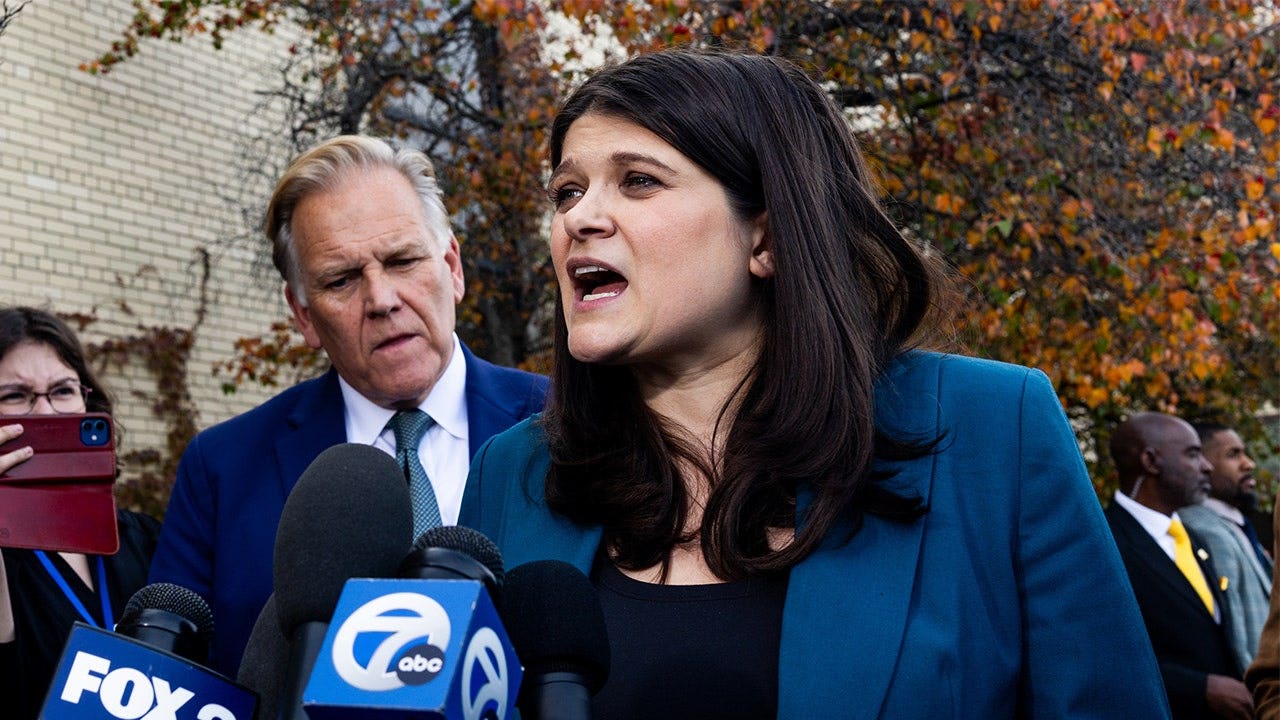
OAKLAND COUNTY, MICHIGAN — Michigan’s Republican ticket had a clear message for voters preparing to vote in the midterm elections: Their path to victory relies on winning over voters who typically don’t align themselves with the GOP.
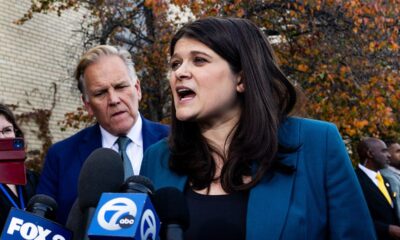
That prospect appeared to be buoyed by Democratic Rep. Haley Stevens’ 11th-hour endorsement of Republican Senate candidate Mike Rogers over her primary rival, Abdul El-Sayed. Early Monday afternoon, Republican operatives in Michigan blasted out a press release advertising an event just hours later intended to tout Stevens’ endorsement and its purported impact on Black and Jewish voters.
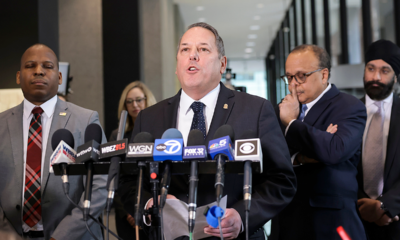
In front of a throng of press at the Michigan GOP’s headquarters, six community leaders representing African Americans and Jews criticized what they saw as El-Sayed’s excesses and lauded Stevens’ endorsement of Rogers. Broadly, they argued that El-Sayed had insufficiently distanced himself from some of his radical associations, that Stevens’ endorsement had real significance for the race and that they were seeing an unprecedented groundswell of support for Republicans among their peers.
MIKE ROGERS DISHES ON HOW SHOCK HALEY STEVENS ENDORSEMENT UNFOLDED HOURS BEFORE ELECTION DAY
In addition to the community leaders, close to two dozen others — many of whom were Black or Jewish — attended the event as well. While some political observers have cast doubt on the impact of Stevens’ endorsement and the degree to which African Americans and Jews are defecting from the Democratic Party, members of those communities told Digital the shift is happening.
«I believe it’s going to make a big difference that she came out,» Michelle Nard, an African American former Democrat running for state Senate, told Digital. «She had a big following. She’s a great congresswoman, a great state representative for the United States.»
BLACK VOTERS RIP DEMS OVER TAKING THEM FOR GRANTED IN EL-SAYED’S BACKYARD: ‘HUSH US UP’
Nard recounted how she had recently spoken to a Black woman who highlighted that her community makes a big deal of going to the polls on Election Day, a point she used to stress that Haley’s endorsement, though late in the cycle, could still influence last-second voters.
«You have strong Haley Stevens supporters in our community that will support her to the end, and then you have some that feel betrayed,» Marcus Bowman, a metro Detroit school board trustee, told Digital.
Bowman, who says he knows Stevens personally, said: «True supporters of Haley Stevens, they know her as a person and they know what she represents. I think they will follow her and respect her for her decision based off some of the radical things we’ve heard about Abdul El-Sayed.»
While those who spoke were handpicked for a Republican news conference, there is some data to back up Black voter defection. Between August and September, El-Sayed’s support among African Americans held steady at around 75%, well below the party’s typical benchmark.
POLL: MICHIGAN VOTERS SPLIT BETWEEN EL-SAYED AND ROGERS
The Arab American community in the Detroit metropolitan area has historically been at odds with African Americans in the areas across a number of issues, a theme that has come up occasionally during El-Sayed’s campaign.
While comparable polls have not found similar trends among Jewish voters, who are a much smaller part of Michigan’s electorate, a number of high-profile members of the communities, including top donors, have flocked to the Rogers camp.
«Haley, what she did was give a lot of Jews permission, hardcore left-wing Democrats, permission to now say, you know what, if Haley can endorse him, I can vote for him,» Aaron Tobin, a conservative Jewish community leader, told Digital in reference to Mike Rogers. «Now I think she’s broken that wall down, and now they can see that a hardcore Democrat — and she was very successful and very popular in Michigan — if she said Mike Rogers is good enough for her, I think a lot of Jews are going to say, ‘I’m going to vote for him because Abdul just says the worst things.’»
Ezra, another Jewish voter, told Digital that he believes Jews have increasingly been abandoned by the Democratic Party and, even if Stevens’ endorsement doesn’t move the needle, he’s grateful that she took a stand.
«The [March 12] terrorist attack in [a] West Bloomfield [synagogue], I believe was the starting point of the Detroit Jewish community being afraid and that fear was not alleviated over the next [six months]. That fear has not been alleviated by Abdul El-Sayed in any sort of way, which is why I think you’re seeing this,» he said. «We’re waiting for something and it’s not coming. And so that’s why I think you’re seeing so many in the Jewish community moving for Mike Rogers because they’re like, you know what, that guy’s going to keep my family safe. The other guy’s not.»
MAMDANI, HASAN PIKER AMONG RADICAL LEFT-WING VOICES ERUPTING OVER HALEY STEVENS’ ENDORSEMENT SWITCH
«I think in some ways, it’s, it’s more brave because it’s at the last minute. In some ways, you know what, who knows, even if it, if it’s 100 votes or 1000 votes, then it makes a difference,» he added.
These alleged breakthroughs with traditionally Democratic constituencies took center stage at Rogers’ closing rally on Monday night. At one point, the campaign invited six Black and Jewish voters, most of them former Democrats, to take the stage where they explained why they believed El-Sayed to be too extreme for their support. Rogers himself praised the group during his final campaign speech, invoked the need for unity and thanked Stevens at length for her endorsement.
Conservatives at the rally were clearly grateful to Stevens for her endorsement, with nearly every mention of her name being met with cheers or chants of her name. Republicans are even optimistic that Stevens’ endorsement could trickle down to their down-ballot races.
MICHIGAN DEM CLAIMS STEVENS SHOT DOWN ROGERS ENDORSEMENT RUMOR HOURS BEFORE TURNING ON EL-SAYED
«I was on the ground last week in Michigan and Ohio, and the momentum in Michigan is real. It was real before Haley Stevens endorsed Mike Rogers, even more real now,» Adam Piper, executive director of the Republican Attorneys General Association, told Digital.
Piper said he «absolutely» believes Stevens’ endorsement will move the needle for Michigan Republican attorney general nominee Doug Lloyd.
«You know, around the Detroit area, Grosse Pointe, Detroit, elsewhere, I saw homemade yard signs in the yards of Black churches that said African Americans and Jews stand together. And that was powerful.»
Lloyd said he is optimistic that Stevens’ endorsement of Rogers could give him a boost.
«Well, I saw something today in the news that basically said 50% of the available voters have voted through absentee and early voting. We still have one day left. And as we’ve said, you know, the race isn’t done until 8 o’clock tomorrow night when the polls close,» he said. «So, if this made a difference for someone who had been sitting on the sideline and they decided they were going to get out and vote because of it, I’m excited for that.»
Democrats have argued Stevens’ endorsement could strengthen, rather than weaken, El-Sayed’s support. Michigan Democratic Party Chair Curtis Hertel said he expected the episode to galvanize Democrats, while El-Sayed’s campaign reported raising $2.4 million Sunday, its largest fundraising day of the campaign.
While cutting into the Democratic Party’s margins by successfully pulling away Black and Jewish voters could prove valuable to the GOP, a reversion among Arab voters — who swung toward Republicans in 2024 but strongly favor El-Sayed — could erase such gains. Fox News’ final power ranking rated Michigan’s Senate race as a toss-up, meaning that, as voters head to the polls, neither party holds a clear edge.
politics, abdul el sayed, michigan, midterm elections, senate elections
INTERNACIONAL
Ukraine’s Zelenskyy on defying US in attacking Russian oil: ‘Our response must be painful’
NEWYou can now listen to Fox News articles!
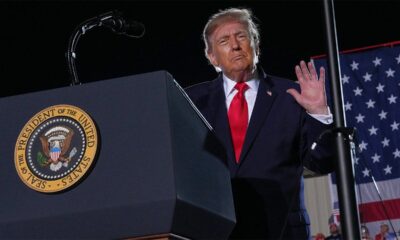
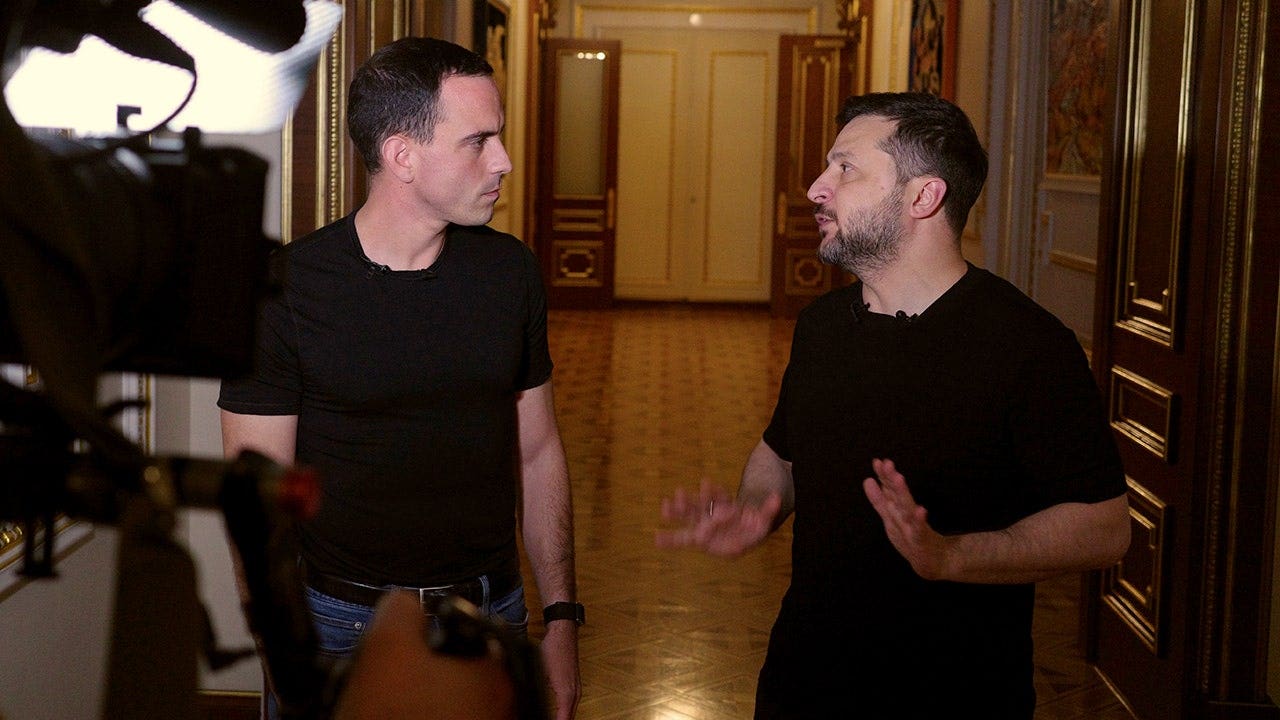
KYIV, Ukraine — Ukrainian President Volodymyr Zelenskyy is defying calls from the Trump administration for his armed forces to stop attacking Russian oil refineries, telling Fox News: «Our response must be painful.»
In an interview in Kyiv, Zelenskyy acknowledged holding discussions with the Trump administration about targeting oil facilities, attacks President Donald Trump has pinned as being partly to blame for high gas prices in the U.S.
«We had different conversations — different, and several — with President Trump and with his team about attacks on refineries,» Zelenskyy said.
«We said that if you want us not to attack Russia’s refineries, they have not to attack our energy system.»
TRUMP TELLS ZELENSKYY TO STOP DOING ‘ONE THING’ DURING ATTACKS ON RUSSIA
During an interview with Fox News, Ukrainian President Volodymyr Zelenskyy urged President Donald Trump to pursue an energy cease-fire with Russia as Washington pressures Kyiv to halt attacks on Russian oil refineries. (Fox News)
Ukraine has reported near-daily Russian strikes on energy infrastructure, triggering power outages just as temperatures dip ahead of winter.
«That’s why we have to respond. But our response has to be painful for Russian military people,» Zelenskyy said. «If we will not respond on energy, they will continue.»
U.S.-Ukraine relations took a further hit in October when Trump struck a deal to import millions of tons of Russian diesel to the United States.
ZELENSKYY ACCUSES PUTIN OF DEFYING TRUMP’S CEASEFIRE PUSH, SENDS POINTED MESSAGE TO WHITE HOUSE

Zelenskyy warned President Donald Trump against helping Russia while praising first lady Melania Trump’s role in securing a humanitarian evacuation from Russian-controlled territory. (Fox News)
Zelenskyy suggested Ukraine might be encouraged to hold off on further attacks on Russian oil facilities if the United States were to deliver more U.S.-made Patriot missile interceptors to protect Ukrainian skies. Pressed by Fox News on whether that might be seen as an attempt to leverage Trump, Zelenskyy said: «I don’t have any concerns when I share the truth between partners.»
«Our countries are huge partners. American society (is a) huge supporter.»
«And that’s why I have to share with (the) president the truth, the real situation: that America can’t help Russia. (The) president can’t help Putin.»
US WILL MEDIATE UPCOMING UKRAINE-RUSSIA TALKS IN ABU DHABI, WITKOFF SAYS

Ukrainian President Volodymyr Zelenskyy told Fox News that Ukraine will continue targeting Russian oil refineries despite objections from the Trump administration. (Pier Marco Tacca; Chip Somodevilla/Getty Images)
Ahead of planned peace talks in the United Arab Emirates, Zelenskyy urged Trump to launch another push for a targeted ceasefire where both Russia and Ukraine refrain from attacks on energy facilities.
«If the American president thinks that this war has influence on the prices,» Zelenskyy said, «he can ask, energy ceasefire, during (the) Abu Dhabi trilateral meeting: energy ceasefire.»
Zelenskyy spoke with Fox News hours before starved and exhausted residents left the Russian-controlled town of Oleshky and crossed into Ukraine under a humanitarian truce brokered by first lady Melania Trump, the first of its kind in more than four years of war.
Zelenskyy welcomed the first lady’s initiative, calling the evacuations «a huge result,» and adding: «I don’t know how many such steps will be available for us, but if the First Lady can do it … it’s very helpful. I’m very thankful to her.»
ukraine, volodymyr zelenskyy, russia, donald trump, geopolitics, foreign policy

Masters 1000 de París: Tomás Etcheverry eliminó a Rublev y Francisco Cerúndolo abandonó por lesión cuando estaba cerca del triunfo

El principal ejecutivo de la droguería Suizo Argentino fue indagado en la causa Andis: presentó un escrito y no contestó preguntas

Enfurecida por las críticas a su boda, Lali Espósito denunció un ataque feroz: su descargo

Cómo es el primer fondo que permite invertir en todas las acciones del índice Merval con una única inversión

Mourinho acertó con Mastantuono

Polémica por una óptica que hizo un video en el que meten a una mujer en una bolsa de consorcio

Qué pasó con el Refugio de Eli y por qué hizo enfurecer a Santi Maratea: «Fue un desastre, él nunca más le contestó y le prohibió…»

El secretario de Culto dijo que Milei recibirá al Papa en el aeropuerto y habló de una cadena nacional

El “efecto Lula” sigue pegando en Argentina: los bonos sintieron el impacto, pero el tipo de cambio aguantó

Estrella de Star Trek, Patrick Stewart confesó que fichó por la saga de ciencia ficción por una razón

 CHIMENTOS1 día ago
Qué pasó con el Refugio de Eli y por qué hizo enfurecer a Santi Maratea: «Fue un desastre, él nunca más le contestó y le prohibió…»
- ECONOMIA3 días ago
El “efecto Lula” sigue pegando en Argentina: los bonos sintieron el impacto, pero el tipo de cambio aguantó
- POLITICA2 días ago
Agustín Caulo: “El Gobierno sigue trabajando para que no se politice la visita de León XIV a la Argentina”