INTERNACIONAL
Ukraine targets Russia with over 1,000 drones, killing 2 as Moscow holds last day of elections

NEWYou can now listen to Fox News articles!
Ukraine delivered a barrage of missiles and more than 1,000 drones on Russia, which Moscow is calling the «largest ever» of the war and an attack on its parliamentary elections.
Ukrainian President Volodymyr Zelenskyy hailed the strike at the «dollars that support the war machine» as a push for Russia to «end its brutal war and choose peace.»
«Tonight in the Moscow region, our long-range responses were felt very acutely,» Zelenskyy wrote early Sunday morning on X. «One of the key enterprises of the Russian Federation’s oil industry and an aggressor’s logistics facility have been struck. These are billions of dollars that support the war machine.»
UKRAINE UNLEASHES MORE THAN 400 DRONES NEAR MOSCOW IN ONE OF WAR’S BIGGEST ATTACKS
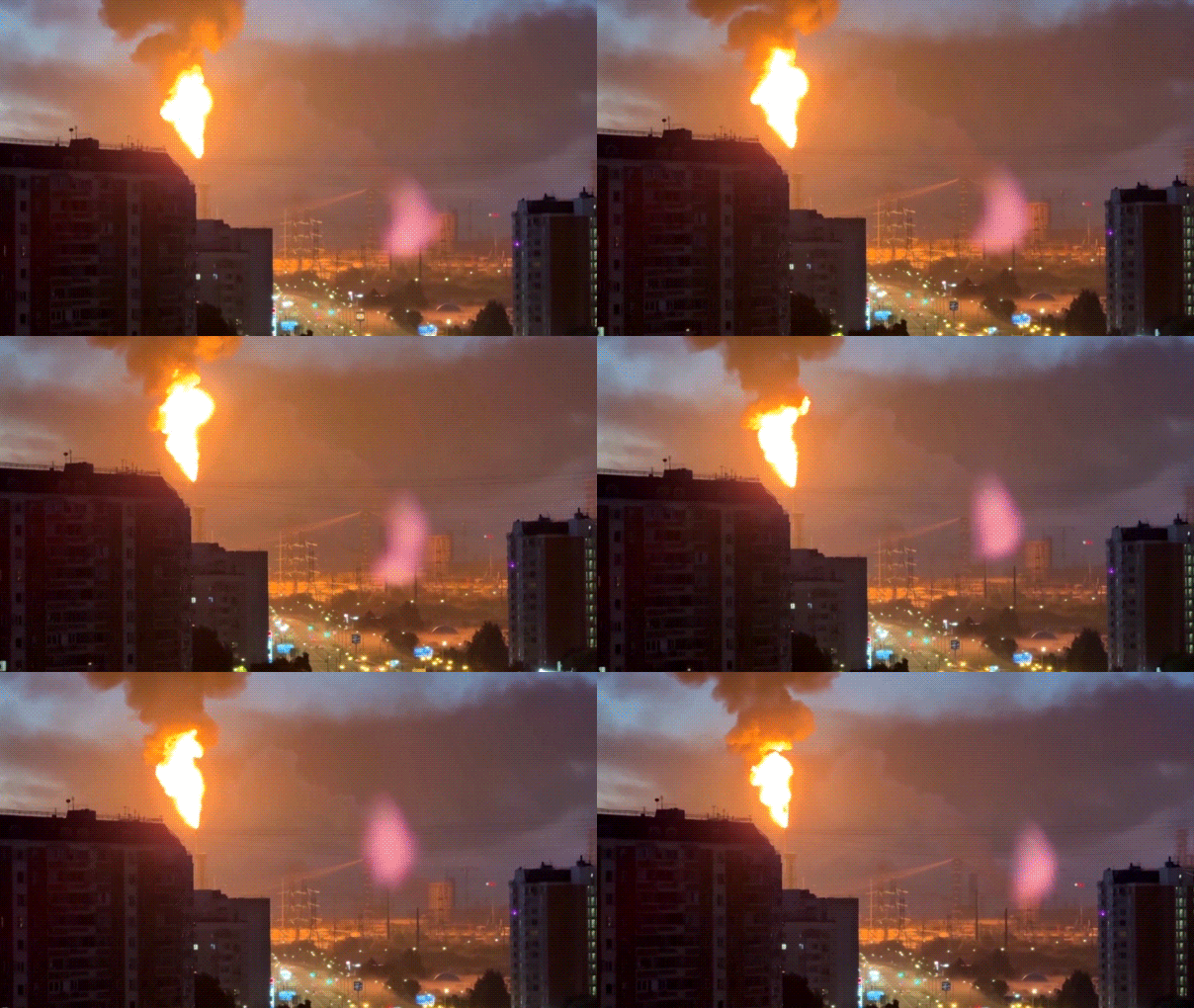
Flames and smoke rise from Moscow’s oil refinery in southeast Moscow following a large-scale Ukrainian drone attack Sept. 20, 2026. (AP)
Zelenskyy added that the Ukraine attack was a stern response to Russian aggression, making a future call for the U.S., Europe and the G7 to deliver «new sanctions.»
«This week alone, Russia has launched more than 2,000 attack drones against us, most of them jet-powered, as well as 1,700 aerial bombs and 19 missiles of various types,» he wrote on X. «Ukraine is constantly looking for and finding ways to defend itself and respond to these attacks on life.
«It is important that our partners also look for and find ways to make Russia feel its war. Now is the right moment to take new sanctions steps against the aggressor and force peace through strength. The United States has the means to do this, Europe has them, and so does every G7 country. We are counting on new, strong steps.»
The Kremlin was wrapping up the third and last day of its parliamentary elections this weekend and said two were killed and 20 wounded, according local Gov. Andrei Vorobyov.
UKRAINE LAUNCHES WHAT APPEARS TO BE ONE OF ITS LARGEST DRONE ATTACKS AGAINST RUSSIA: REPORT

Plumes of smoke rise from fires at an oil refinery following what authorities said was a Ukrainian drone strike during the Russia-Ukraine conflict in Moscow, Russia, on Sept. 20, 2026. (REUTERS/Stringer)
«The biggest attack by enemy drones has been repelled,» Moscow Mayor Sergei Sobyanin wrote on Telegram. «This unprecedented attack was clearly planned with the aim of disrupting the elections. The enemy did not succeed.»
Russia’s Ministry of Defense said that its forces shot down a total of 1,110 Ukrainian drones across the country, as well as over the peninsula of Crimea and the waters of the Black Sea.
Moscow Mayor Sergei Sobyanin said that 450 drones had been destroyed en route to the Russian capital, and that the attack had damaged the Moscow Oil Refinery and a residential building.
«Moscow must end its brutal war and choose peace instead of building layered rings of air defense at the expense of other regions,» Zelenskyy wrote in a second X post. «Steps toward de-escalation are on the table – in energy and food security. What is needed is political will. I thank everyone who is strengthening Ukraine’s long-range capabilities. I am grateful to everyone who complements our long-range responses with responses through sanctions.»
Ukraine continued to fend off Russian attacks, according to Zelenskyy. A Russian drone strike hit a monastery in Ukraine’s Kherson region Saturday, killing a member of the clergy and wounding four people, he said.
BRINGING THE WAR TO PUTIN’S FRONT DOOR: IS UKRAINE’S ENERGY STRIKE STRATEGY WORKING?
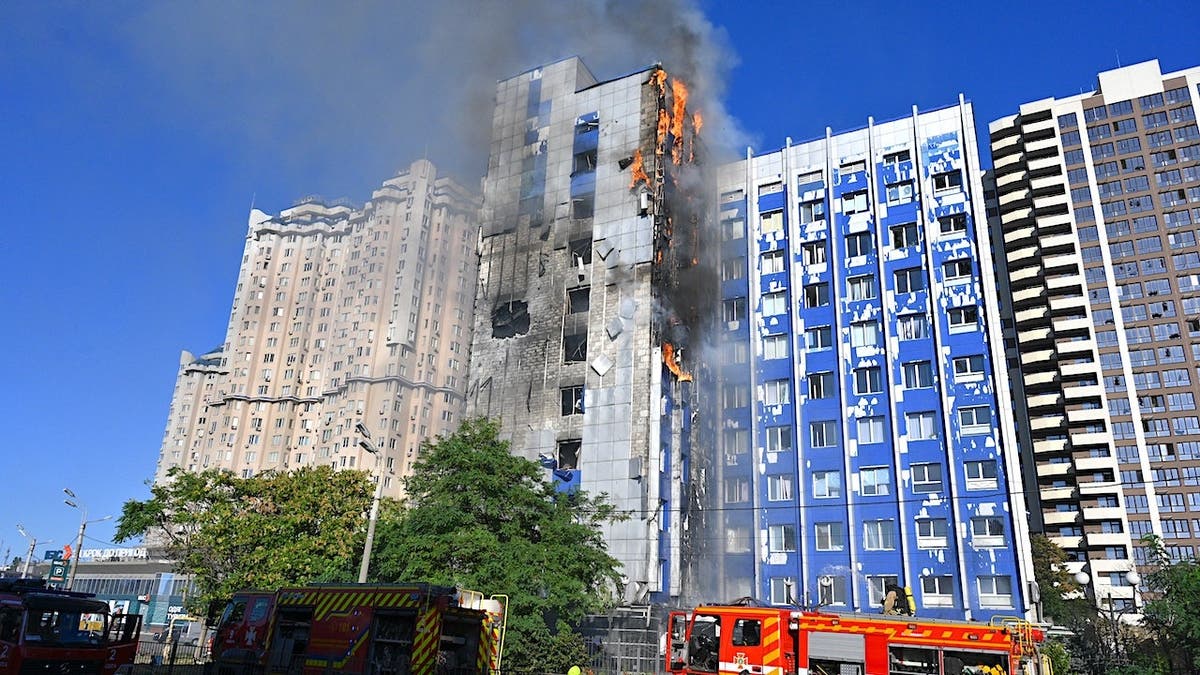
An office building burns following a Russian drone attack in central Odesa, Ukraine, on Friday, Sept. 18, 2026. (Michael Shtekel/AP)
A Russian attack on the Ukrainian capital of Kyiv also killed three children and their mother Saturday night, according to Tymur Tkachenko, head of the Kyiv regional state administration.
Ukraine’s latest drone strikes took place on the final day of Russia’s first wartime parliamentary election — balloting that has been virtually devoid of opposition to President Vladimir Putin’s policies.
Russia was also holding the vote in the four Ukrainian regions that Moscow claimed after the war began but still does not fully control, and in Crimea, the Black Sea peninsula that was Russia invaded in 2014.
Putin accused Ukraine of trying to interfere in the election, citing what he said was a Ukrainian strike that killed an election official in her home in the Russian-controlled part of Ukraine’s Zaporizhzhia region Tuesday. Reuters could not independently verify details of the attack and there was no comment from Kyiv.
Putin told the nation in a televised address before the election that the vote would underline support for Russian troops fighting in Ukraine.
«Your choice, and your will, will once again demonstrate that millions of people stand behind our soldiers, that we are a united people bound together by shared values, historical memory, and love for our homeland, and that no one will succeed in dividing or intimidating us,» Putin said.
The Associated Press and Reuters contributed to this report.
ukraine, russia, volodymyr zelenskyy, vladimir putin, wars, elections, drones












INTERNACIONAL
How a lobsterman’s privacy fight reached SCOTUS — and could ripple far beyond the water: ‘Ain’t over yet’
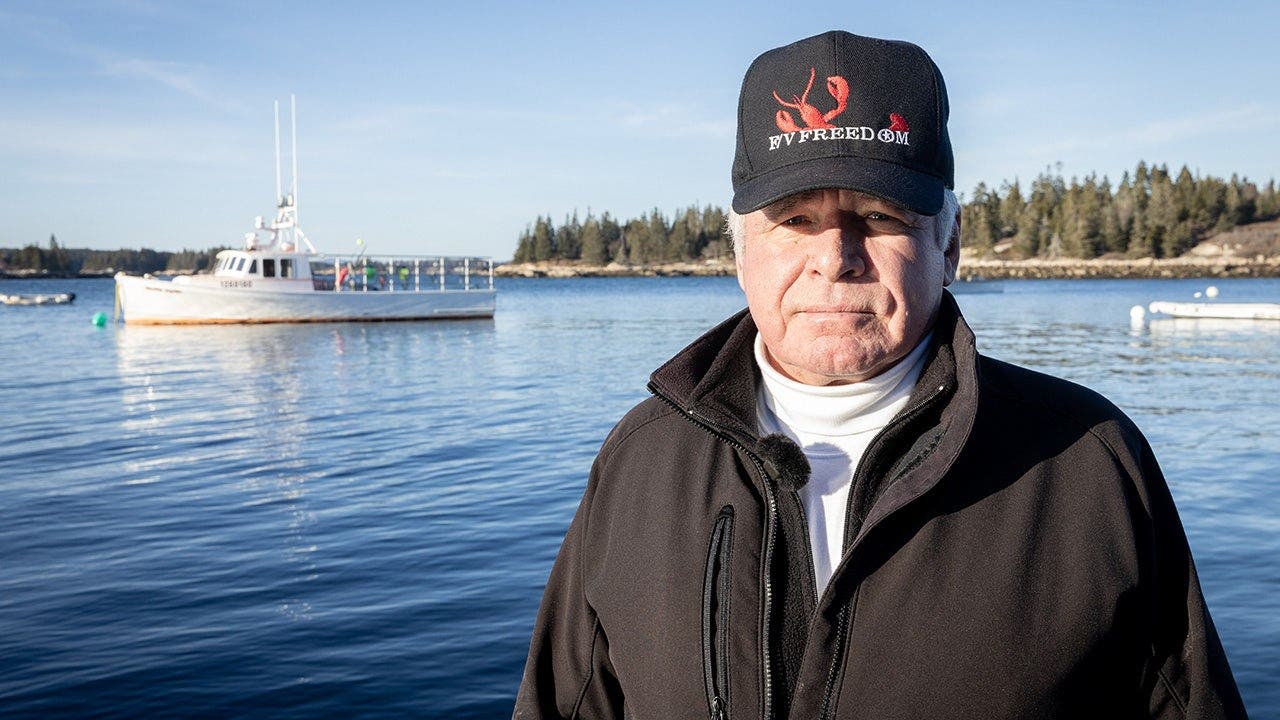
One Maine lobsterman isn’t ready to give up after the Supreme Court declined to hear his challenge to a GPS vessel-tracking requirement Monday, fearing it threatens a way of life passed down for generations and could ripple across other industries.
For decades, fifth-generation lobsterman Frank Thompson has driven his boat from Vinalhaven, a small island off the Maine coast, into deeper waters to set traps and haul in lobsters. Now, he says a GPS tracking mandate has turned his boat into a government-issued 24/7 «ankle bracelet,» sparking a years-long legal battle over constant surveillance and Fourth Amendment rights.
«This is totally against the Fourth Amendment, and somebody’s got to hear it one way or another,» Thompson told Digital. «This black box that they’re putting aboard the boat is not legal, in my mind, and I’m not a criminal.»
Thompson, who also owns Fox Island Lobster Company with his wife and two sons, was out fishing earlier this month when one of his sons texted him, letting him know the Supreme Court had declined his petition to hear the case and left in place a First Circuit ruling that said the GPS tracking requirement did not violate the Fourth Amendment because lobstering is a closely regulated industry.
THE SURVEILLANCE CAMERA ON YOUR STREET CORNER: LAWFUL SPYING OR CONSTITUTIONALLY PROBLEMATIC?
«I just told myself, I said, ‘Well, it ain’t over yet,’» he said.
The mandate, requiring a small electronic box to be installed aboard federally licensed lobster boats in Maine, has flipped Thompson’s life upside down, he said.
According to the Maine Department of Marine Resources (Maine DMR), the devices collect a boat’s location once per minute while moving and every six hours while docked. The tracking doesn’t stop there, Thompson said, with the device collecting data even during personal trips, a key concern in his case.
Whether Thompson is traveling back to the mainland or having a family picnic, he said the device gives him «a creepy feeling» about who has his information and who is possibly watching.
«Freedom is gone. What else can they do to us?» he said.
Thompson said there is even more at stake. He described how his first boat ride happened two days after he was born and how his sons and grandchildren are following in his footsteps today.
FLOCK SURVEILLANCE SPREADS ACROSS THE SOUTH AS RED-STATE LAWMAKERS SEEK TO AX ‘1984’-STYLE TRACKING TOOLS
«Fishing’s been in my blood and I always want to be on the water and it’s something that I couldn’t explain to you the feeling that you get out fishing and stuff,» he said. «It’s just a way of life.»
Thompson equated the feeling of pulling up the line of a trap and catching dozens of lobsters to «opening a present at Christmas time.»
«This is what I like,» he said.
Matthew Gilliam, Thompson’s attorney at Pacific Legal Foundation, said lobstermen must carry the trackers «as a condition of earning a living and keeping their lobster license,» arguing the mandate infringes on Fourth Amendment rights «because it was warrantless.»
«That forced trespass was a violation of the Fourth Amendment because it’s an unreasonable search and seizure,» he said.
Maine DMR implemented the rule in 2023 at the direction of the Atlantic States Marine Fisheries Commission. State officials and conservationists have since backed the mandate as necessary to protect endangered North Atlantic right whales, monitor lobster populations and sustain the industry for years to come.
«They’re bringing it up because it’s for the whales,» Thompson said. «Well, the government’s lying through their teeth like they always do, and I’m not a criminal.»
FORMER PENTAGON AI CHIEF WARNS FLOCK CAMERAS COULD CREATE ‘CHINA-LIKE SURVEILLANCE STATE’ IN THE US
Shortly after the mandate took effect, a federal lawsuit was filed by Thompson and four fellow lobstermen, claiming the device subjected them to tracking they never consented to.
A federal judge dismissed the case, and the U.S. Court of Appeals for the First Circuit upheld that decision, finding the tracking requirement did not violate the Fourth Amendment under an exception for closely regulated industries.
Thompson said the privacy concerns extend beyond fisheries, with the American Farm Bureau Federation (AFBF), which represents farmers and ranchers, standing behind his Supreme Court appeal. The group filed an amicus brief arguing the lower court’s reasoning could weaken Fourth Amendment protections for farmers, ranchers and others in regulated industries.
«Everybody’s got cell phones, they can track us if they want to,» Thompson said. «But put a black box on a tractor, seeing how many days that he’s out in the field or whatever, it’s just, the independence is gone.»
Although the AFBF supported Thompson’s challenge, the Conservation Law Foundation, which filed a separate brief in favor of the tracking requirement during the First Circuit appeal, praised Monday’s decision.
«This decision is a valuable step toward appropriately managing this iconic species,» CLF Associate Attorney Sarah Shahabi said in a press release. Digital reached out to CLF for comment but did not hear back before publication.
TEXAS GOV. GREG ABBOTT MOVES TO CUT STATE FUNDING FOR AI-POWERED FLOCK CAMERAS AMID PRIVACY CONCERNS
Maine DMR also responded to the decision, maintaining its support for the tracking requirement in a statement on Monday.
«DMR continues to believe this data collection requirement is critically important to the long-term sustainability of the lobster fishery and resource,» Maine DMR Commissioner Carl Wilson wrote.
Gilliam said that despite the Supreme Court declining to hear the case, lobstermen and others in regulated industries should not lose their privacy rights simply for doing their jobs.
«Lobstermen and others have Fourth Amendment protections and we’ll continue fighting against government overreach,» he said.
Thompson said he still wants answers about why the government is treating lobstermen like they have done something wrong.
«We’re just out there making a living and we’re taking good care of the resource,» Thompson said. «You can’t believe the steps that we’ve done to take care of it and we don’t get credit for nothing.»
He warned that if government regulations continue to be adopted across different fisheries, it could «ruin us.»
«People just don’t think before they react to it,» he said. «All these rules and regulations and it’s taking away a lifestyle of generations of freedom.»
As for what comes next, Thompson said he will continue to work with his lawyers to try to remove the tracking requirement once and for all.
«I’m fighting for everybody, not just myself,» Thompson said. «I’m just fighting for freedom for everybody.»
politics, maine, privacy, gps, fishing, regulation, law, personal freedoms, supreme court
INTERNACIONAL
Uruguay desalienta el ahorro en dólares: la estrategia del Banco Central para favorecer la moneda local
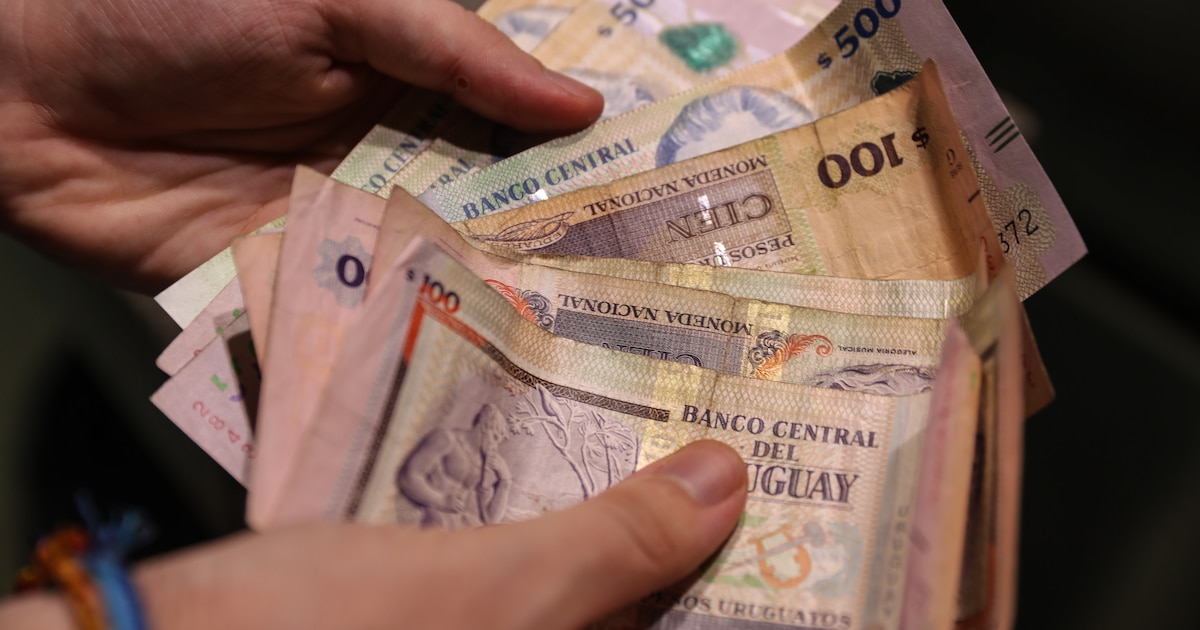
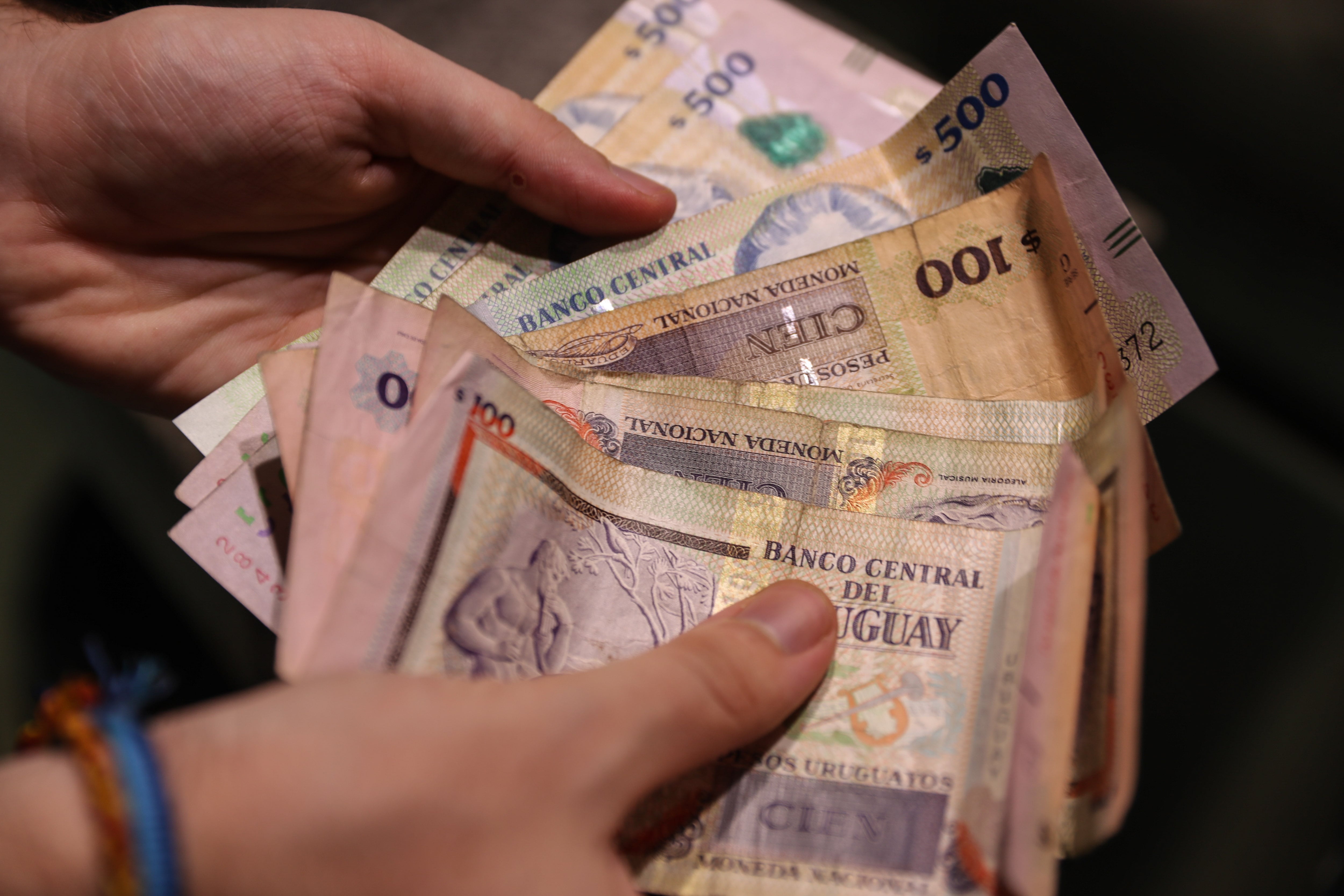
El Banco Central del Uruguay (BCU) ha iniciado una ofensiva para desalentar el ahorro en dólares de la población y favorecer el peso uruguayo. La tarea no es sencilla en un país en el que los habitantes suelen privilegiar la divisa estadounidense para colocar su dinero en los depósitos de bancos. La autoridad monetaria uruguaya publicó esta semana el informe Uruguay: profundización financiera en moneda nacional en el que presenta datos para mostrar que es más conveniente el ahorro en pesos uruguayos.
Los uruguayos confían en el dólar para colocar su dinero. Lo consideran una herramienta segura, que les ofrece cobertura ante cualquier riesgo externo. En otras palabras, es una suerte de seguro. Pero, ¿qué tan caro es este seguro?
“El costo que surge del perfil de retornos observados excede lo que sería razonable pagar por un seguro ante dichos eventos extremos”, dice el informe presentado por el Banco Central. Para argumentar este “costo” la autoridad monetaria recurrió a cifras. La opción de ahorro preferida por los uruguayos son los depósitos de dólares a la vista, cuyos ahorristas perdieron entre 1972 y 2026 un 6% anual de poder adquisitivo local.
Para alguien que deposita ahorros en moneda extranjera, la probabilidad de experimentar una pérdida de poder de compra es superior a 60% en todos los horizontes y aumenta de 63% a un mes a 80% a 10 años y a 93% a 12 años, considerando ese período, según surge de datos históricos que consideran las series mensuales de la cotización del dólar y de la inflación.
“El ahorro en dólares presenta una mayor volatilidad en términos reales: en el período 2005–2026, la volatilidad del poder de compra del ahorro en dólares, medida como el desvío estándar de su variación interanual, fue de 9,8%, frente a 1,5% para los depósitos en moneda nacional”, defiende el BCU en su informe.
De los ahorros en dólares más altos del mundo
Los depósitos de los uruguayos continúan siendo “altamente dolarizados”, se concentran en “instrumentos a la vista” y todavía “sigue siendo limitado” el desarrollo de mercados financieros vinculados al peso uruguayo, dice este documento.

De hecho, Uruguay sigue siendo uno de los países más dolarizados de América Latina pese a la reducción que hubo a lo largo de los años.
La dolarización de los depósitos a comienzos de los años 2.000 era del 90% y se redujo al 72% en julio de 2026, considerando los depósitos del sector privado. Este proceso no fue lineal y se intensificó en el último año cuando los depósitos en el billete verde fueron tres puntos porcentuales menos.
Uruguay aparece en el puesto nueve de 108 países, solo detrás de Armenia, el Congo, Macao, Camboya, Nicaragua, Sin Maarten, Lituania y Canadá. El promedio de todos los países es de 29%.
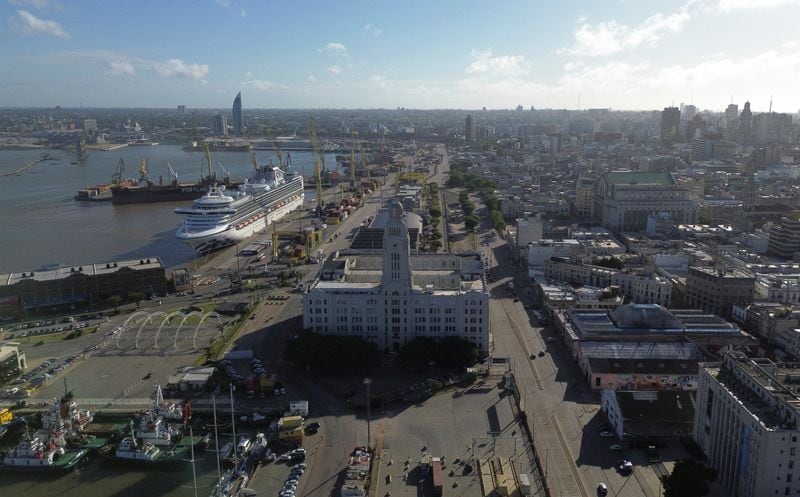
Este porcentaje significa que Uruguay “continúa exhibiendo uno de los niveles más altos de depósitos de América Latina, ubicándose sistemáticamente en el exterior superior del rango regional y muy por encima del promedio de los países comparables”.
La notificación que deben enviar los bancos
Parte de la estrategia que dispuso el BCU para desdolarizar la economía entró en vigencia este mes e implica que los bancos tengan que enviar una notificación a sus clientes que los alerte del riesgo que implica la operación. Con esto, las autoridades buscan que las personas “dispongan de más información al momento de decidir cómo ahorrar” y que se haga visible “que las variaciones del tipo de cambio pueden aumentar o reducir el poder de compra de sus ahorros en Uruguay”.
Otra de las medidas en carpeta a futuro es para el mercado de vivienda. Lo que pretenden las autoridades es que algunos proyectos inmobiliarios estén nominados en moneda nacional. Lo mismo pretende sobre portales y plataformas comerciales.

“La complementariedad entre las medidas y su adecuada calibración resultan fundamentales para favorecer una mayor intermediación en moneda nacional, ampliar las posibilidades de ahorro y financiamiento de hogares y empresas y, por esa vía, contribuir al crecimiento y desarrollo económico del país”, analiza el Banco Central.
Una economía “más resiliente”
Históricamente, los uruguayos se preocuparon por la “resiliencia de la economía frente a los shocks”, dice el informe. Una depreciación abrupta de la moneda –como puede suceder en una crisis– perjudica especialmente a quienes se endeudan en dólares pero tienen ingresos en pesos. Un ejemplo de esto fue lo que sucedió en la crisis financiera del 2002.
Pero en algo más de dos décadas la incidencia de estos shocks externos ha cambiado, algo que las autoridades adjudican a una macroeconomía más sólida. Una de las explicaciones es que el sistema bancario tiene un mayor nivel de capitalización, “amplios colchones” de liquidez y “una menor sensibilidad de las variables financieras y macroeconómicas”.
El informe del BCU enumera otra serie de episodios que explican que la economía uruguaya sea “más resiliente”, como una mayor diversificación de los destinos comerciales y de las fuentes de financiamiento, así como una matriz energética menos dependiente de los precios internacionales.
Hubo, además, una consolidación del régimen de metas de la inflación (fijado actualmente en 4,5%), una tasa que desde el 2023 ha estado dentro del rango de tolerancia fijado por las autoridades.
Otra de las claves, según la visión del equipo económico, es la “plena flexibilidad cambiaria”: desde 2021 no hay intervenciones en el mercado de cambios. Esto se puede considerar como una política de Estado, dado que desde que sucede han pasado dos gobiernos: el de Luis Lacalle Pou y el de Yamandú Orsi.
billetes,economía,inflación,interior
INTERNACIONAL
Los países árabes condenaron el ataque hutí contra Arabia Saudita que dejó 12 muertos: “Deben cesar de inmediato”
Varios países árabes condenaron este domingo el ataque de los rebeldes hutíes de Yemen contra el Aeropuerto Internacional Rey Khalid de Riad, que dejó al menos 12 muertos y 309 heridos. Los gobiernos advirtieron que la ofensiva supone riesgos para la seguridad regional y para la aviación civil, ante el impacto del ataque sobre una infraestructura aeroportuaria de Arabia Saudita.
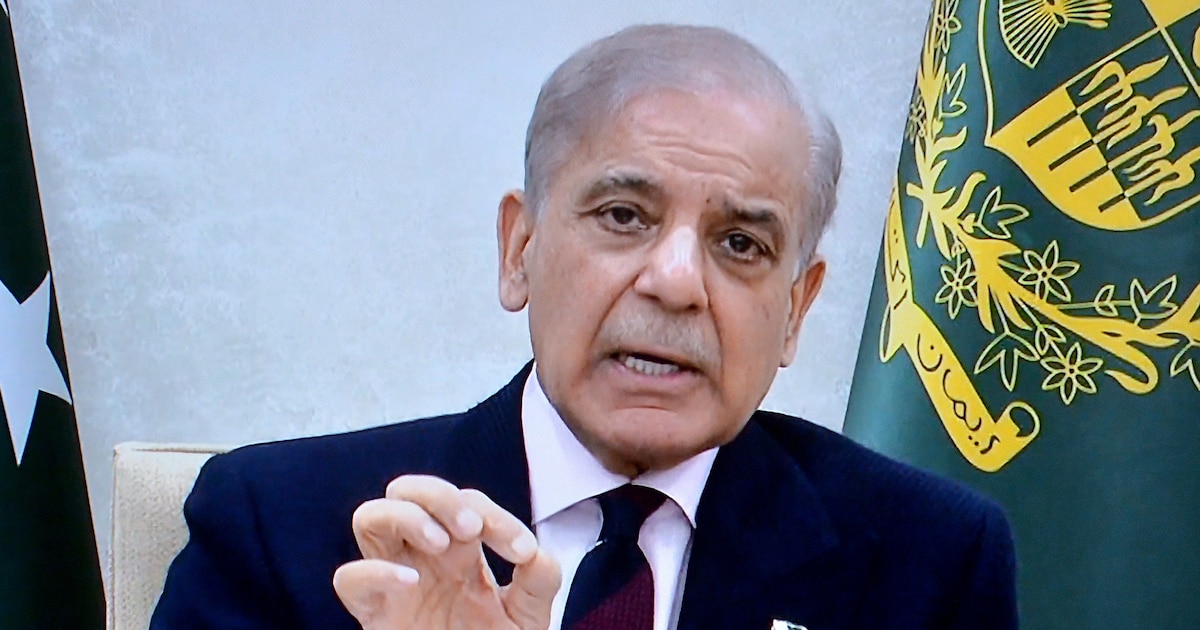
El primer ministro de Pakistán, Shehbaz Sharif, condenó la ofensiva sobre Riad, y reafirmó el respaldo de su país a Arabia Saudita en el marco del Acuerdo de Defensa Conjunto de La Meca. “Condeno enérgicamente el ataque atroz perpetrado por la milicia hutí contra el Aeropuerto Internacional Rey Khalid en Riad”, expresó Sharif en una publicación en la red social X. El jefe del Gobierno paquistaní transmitió sus condolencias a las familias de las víctimas y pidió una pronta recuperación para los heridos.
Sharif sostuvo que los ataques contra civiles e instalaciones esenciales son “absolutamente inaceptables” y constituyen una amenaza para la paz y la estabilidad regionales. “Estos actos de violencia deben cesar de inmediato, ya que constituyen una flagrante violación del derecho internacional”, insistió el primer ministro.
Además, afirmó que Pakistán mantiene una “solidaridad inquebrantable” con Arabia Saudita, sus autoridades y su población. El mandatario reiteró el compromiso de Islamabad con la soberanía saudita, la integridad de su territorio y su seguridad.
La comunidad internacional también repudió el ataque de los rebeldes hutíes. La Liga Árabe, integrada por 22 países, calificó de “flagrante violación del derecho internacional” los bombardeos. Por su parte, Qatar condenó la ofensiva y recordó que la seguridad del reino árabe “es una parte integral de la seguridad de Catar y del sistema de seguridad colectiva de los Estados del Consejo de Cooperación del Golfo (CCG)”.
Kuwait, país ubicado en Medio Oriente, y que fue atacado en reiteradas ocasiones por el régimen iraní, tildó la operación hutí de “atroz y cobarde”. Además, Bahréin subrayó “el derecho inherente de Arabia Saudita a la legítima defensa.
El presidente del Consejo Presidencial de Liderazgo de Yemen, Rashad al-Alimi, afirmó que su Gobierno mantendrá la operación “Amanecer de Yemen”, una campaña militar que busca poner fin al control de los hutíes y restablecer las instituciones estatales bajo dominio rebelde. El Ejecutivo encabezado por Alimi opera principalmente desde territorio de Arabia Saudí, en medio del conflicto con los insurgentes que controlan parte de Yemen. La ofensiva gubernamental tiene como objetivo recuperar las instituciones estatales que permanecen bajo control hutí.
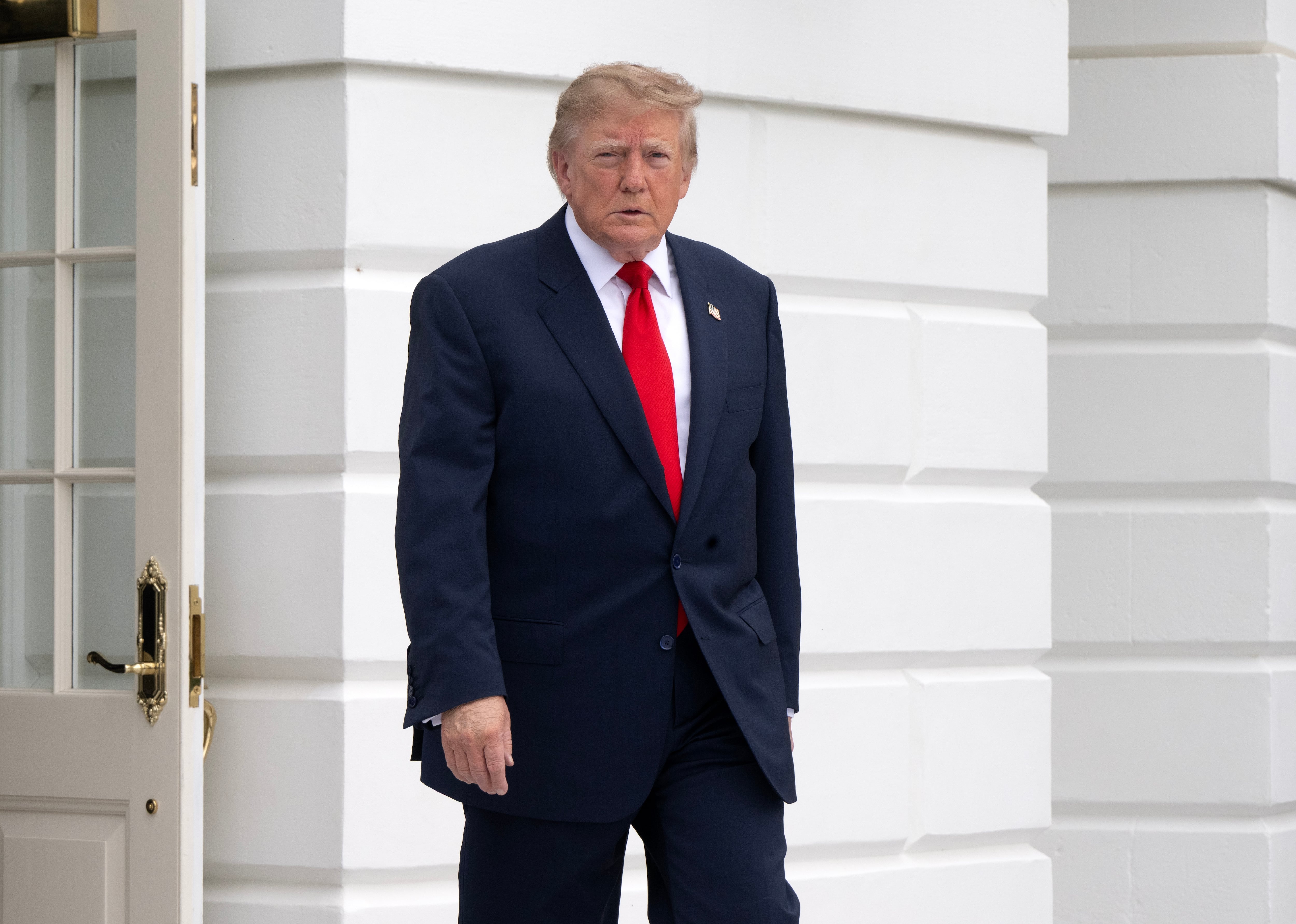
Por su parte, el presidente de Estados Unidos, Donald Trump, calificó de “inaceptable” el ataque que dejó al menos 12 muertos en la terminal aérea de Riad y anunció que hablará con el príncipe heredero de Arabia Saudita, Mohammed bin Salman.
“Puede que sí. Vamos a analizarlo. Acabamos de enterarnos del ataque reciente, así que tomaremos una decisión. Nos movemos muy rápido”, señaló el mandatario republicano al ser consultado sobre una posible intervención de EEUU en el conflicto en Yemen.
La embajada de Estados Unidos en Arabia Saudita anunció este domingo que el personal que trabaja en el reino deberá solicitar permiso para utilizar los aeropuertos de las ciudades de Yeda y Dammam. “Los empleados del gobierno estadounidense que trabajan en Arabia Saudita necesitan una autorización especial para utilizar el Aeropuerto Internacional Rey Khalid en Riad, así como los aeropuertos de Yeda y Dammam”, precisó la sede diplomática
Cabe mencionar que el Gobierno paquistaní envió cientos de tropas adicionales a Arabia Saudita ante la escalada del conflicto con los hutíes de Yemen, según confirmaron fuentes de seguridad a la agencia EFE el viernes. “Pakistán tiene un despliegue de tropas desde hace décadas en Arabia Saudita para fines de entrenamiento y logística, pero ahora se han enviado cientos de tropas adicionales al Reino bajo el Acuerdo de Defensa de La Meca”, afirmó bajo condición de anonimato un funcionario de seguridad.
La fuente indicó que las Fuerzas Armadas paquistaníes preparan un nuevo envío de efectivos, aunque no precisó cuántos militares ya llegaron al país ni en qué bases se encuentran. También evitó brindar detalles sobre un posible despliegue de aviones de Pakistán en instalaciones militares de Riad.
El despliegue ocurrió después de que Arabia Saudita, Turquía y Pakistán acordaran el lunes activar de inmediato el pacto de defensa conjunta suscrito en agosto. El mecanismo establece que una agresión contra uno de los integrantes de la alianza equivale a un ataque contra todos y prevé el envío urgente de personal militar a suelo saudí.

El Ministerio de Información de Pakistán rechazó este jueves versiones de prensa sobre el empleo de aeronaves paquistaníes contra los hutíes, que calificó como “falsos y fabricados” “Los detalles de cualquier empleo así, si fuera necesario, serán facilitados por las autoridades correspondientes”, señaló el ministerio.
Antes de la firma del Acuerdo de Defensa de La Meca, Pakistán mantenía más de 10.000 soldados desplegados en Arabia Saudí, de acuerdo con fuentes de seguridad consultadas por EFE. El área de comunicación del Ejército paquistaní no respondió a las solicitudes de información sobre el nuevo envío.
La participación paquistaní en la alianza tripartita tomó impulso a finales de septiembre, cuando el teniente general retirado Nauman Mahmood asumió como jefe de la Secretaría General en Riad por un período de tres años. El cargo rota entre los tres países miembros.
Mahmood cuenta con experiencia en operaciones contra grupos terroristas y en el control de fronteras, entre ellas la de Afganistán durante la retirada de las tropas de Estados Unidos. Antes de retirarse en 2023, dirigió el área de análisis del servicio de inteligencia paquistaní, el ISI, y presidió la Universidad Nacional de Defensa en Islamabad.
(Con información de EFE)
el primer ministro de pakistán se dirige a la nación,políticos,se espera que islamabad acoja delegaciones de alto nivel de estados unidos e irán

La estrategia silenciosa que separa a las empresas que sobreviven de las que quedan atrapadas en la crisis

Ariadna Palacios debutó como árbitra principal en la Primera B Metropolitana y marcó un nuevo hito en el fútbol argentino

Gilda antes de la fama: la historia de Miriam Bianchi, la mujer que aprendió a cantar mientras la vida le exigía crecer

Messi volvió a convertir en Inter Miami: cómo está la pelea con Cristiano Ronaldo y a cuánto quedó de los 1.000 goles

How a lobsterman’s privacy fight reached SCOTUS — and could ripple far beyond the water: ‘Ain’t over yet’

El "mata mata" de Milei: las tres batallas incómodas camino a la reelección

Escándalo total en la AFA: reventa millonaria, un homenaje paupérrimo a Messi y el pedido urgente de renuncia a Chiqui Tapia

El presidente de Burkina Faso, duro tras el amistoso con la Selección: «Nuestro fútbol está enfermo» :: Olé

100-shot Somali gang gun battle rocks Minnesota as sheriff warns ‘we’re in trouble’

Tobey Maguire se quedaba ciego con el traje de Spider-Man y casi se desmaya durante una prueba: fabricar su disfraz fue una pesadilla

 INTERNACIONAL3 días ago
GOP accuses Walz allies of burying $52M Medicaid fraud report before election
- DEPORTE3 días ago
El crudo diagnóstico de Tagliafico sobre la derrota con España en el Mundial y la revelación del himno contra Inglaterra
- POLITICA3 días ago
La CGT sale a la calle “en defensa de la industria nacional” y posterga la definición sobre un paro general