INTERNACIONAL
Ukraine’s Zelenskyy open to freezing front lines in ceasefire with Russia

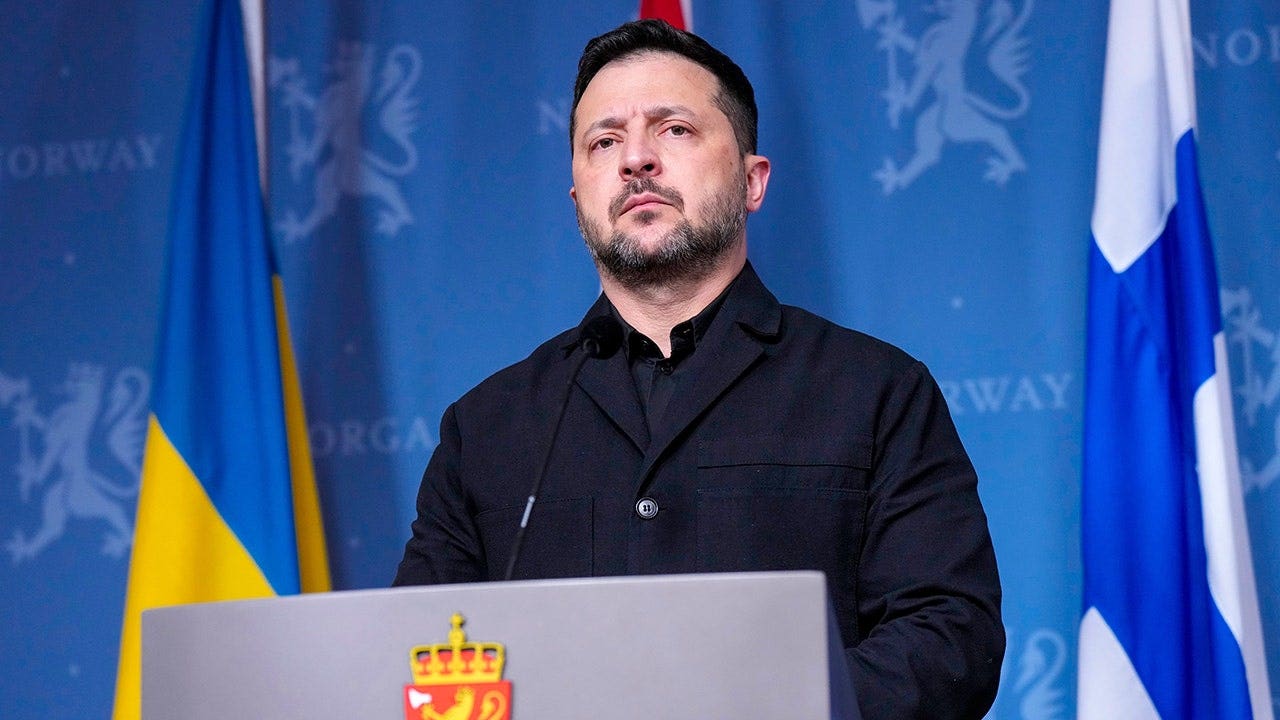
Zelenskyy opens door to battle line ‘freeze’ to end war with Russia
Russia’s release of retired American teacher Stephen Hubbard prompts reaction from Zelenskyy during an interview with Brian Kilmeade. The Ukrainian president details negotiations to end the war with Russia, the impact of the Starlink showdown and more during ‘Fox & Friends.’
NEWYou can now listen to Fox News articles!
Ukrainian President Volodymyr Zelenskyy told «Fox & Friends» on Wednesday that he is open to freezing the front lines of the Ukraine-Russia war in an effort to bring the long-running conflict to an end.
Zelenskyy made the remark after being asked by Brian Kilmeade if he would «accept a peace deal that freezes everything the way it is right now, where you still keep 75% or more of your country, regardless of how it started.»
«Yes, right now, we have to freeze,» Zelenskyy responded. «And I think this is [a] real way to end this war. We call it ceasefire or ‘stop killing’ like President Trump called it.
«Freeze and stop. And, of course, this is the minimum of what we need from Russia today. Then, of course, we will go to [the] president and to Europeans and we’ll ask security guarantees,» he continued.
RUSSIA RELEASES AMERICAN TEAHCER IMPRISONED ON UKRAINE MERCENARY CHARGES AFTER TRUMP PRESSED PUTIN
Ukrainian President Volodymyr Zelensky speaks during a press conference on Tuesday, Oct. 20, 2026, in Oslo, Norway. (Cornelius Poppe/NTB Scanpix via AP)
«This is the most important…not to be afraid,» Zelenskyy also said. «We need 9.5 million people [who have] lost their houses, which are abroad, everywhere. We need them to come back to Ukraine just to live and to build their country.»
Russia has often rejected ceasefire deals with Ukraine, saying they would give Kyiv time to rearm themselves.
VIDEO: TRUMP SUGGESTS ZELENSKYY DOES NOT WANT TO END WAR WITH RUSSIA
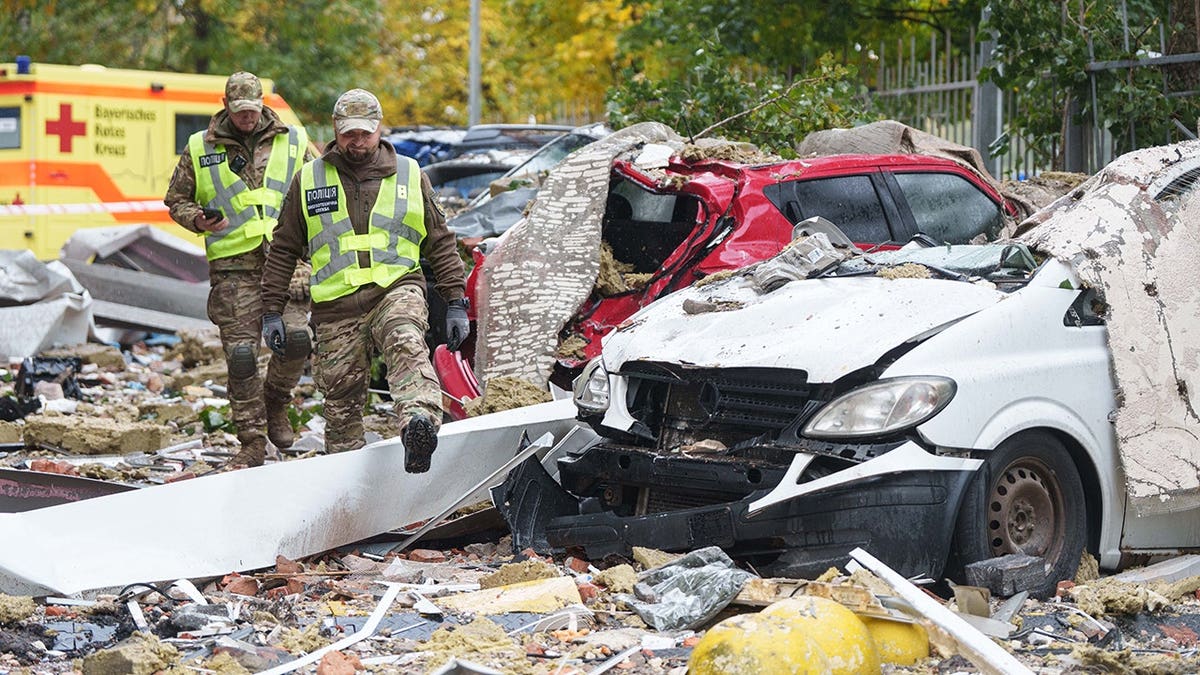
Policemen walk in front of destroyed cars in the yard of a multi-story residential building damaged by a Russian drone strike in Kyiv, Ukraine, on Wednesday, Oct. 21, 2026. (Evgeniy Maloletka/AP)
«There will be no ceasefire to bring him back to his senses and pump him full of weapons,» Russian Foreign Minister Sergey Lavrov said last week, according to the Interfax news agency.
Zelenskyy said on X on Wednesday that «Russia strikes our country virtually every hour.»
«Of course, we are not losing this war. But we are losing people. Because of the Russian attacks, we’re losing people and time. It’s such a pity, because our children don’t have a real life and childhood. Not only children, but all people,» he wrote in another post.
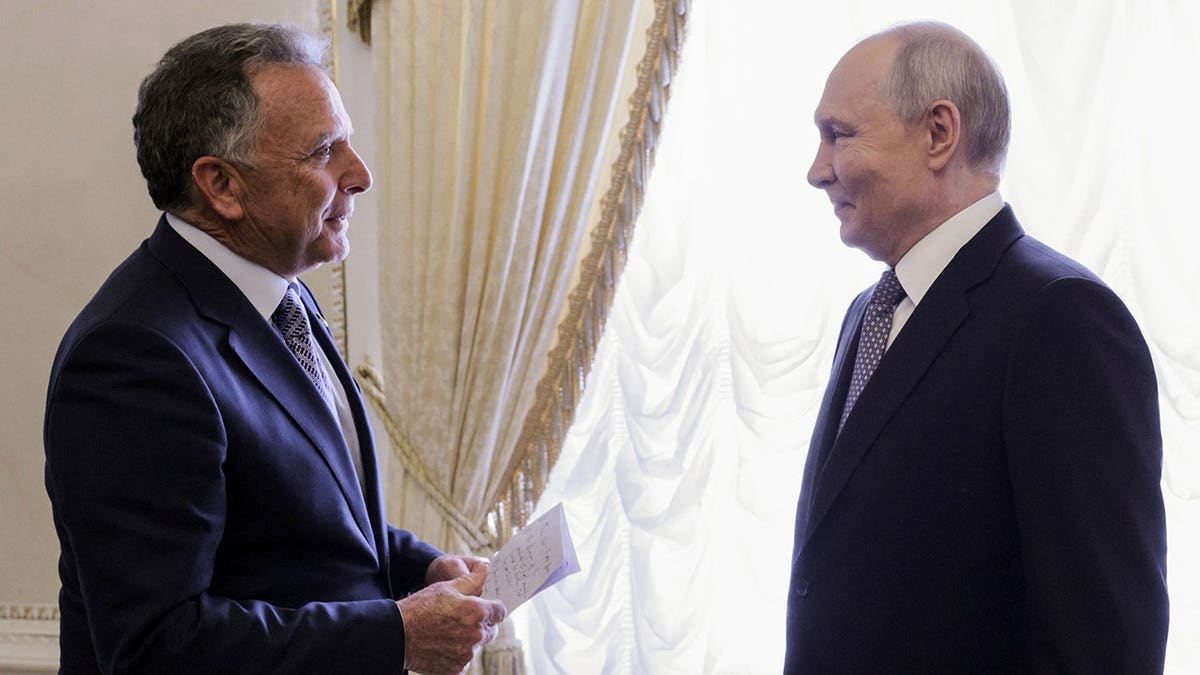
President Donald Trump’s special envoy Steve Witkoff, left, holds a paper while speaking to Russian President Vladimir Putin at the Konstantin Palace in Strelnya, outside St. Petersburg, Russia, on Wednesday, Oct. 21, 2026. (Gavriil Grigorov/Pool Sputnik Kremlin via AP)
«That’s why we need to end this war as quickly as possible. I hope that our partners, Americans and Europeans, will help us. God bless, our strong soldiers stay strong on the battlefield. It helps me stay strong during any kind of negotiations,» Zelenskyy added.
The remarks come as President Donald Trump on Wednesday secured the release of Stephen Hubbard from Russia, a retired U.S. teacher who was locked up on charges of fighting as a mercenary in Ukraine.
Russian President Vladimir Putin also agreed Wednesday «in principle» to resume trilateral negotiations with the U.S. and Ukraine after Nov. 10, Putin’s foreign affairs adviser Yuri Ushakov said, according to The Associated Press.
Fox News Digital’s Alex Nitzberg contributed to this post.
volodymyr zelenskyy, ukraine, russia, wars, foreign policy, geopolitics, world







INTERNACIONAL
Trump delivers $1 billion to Marines to relieve decades-long suffering of American heroes and their families
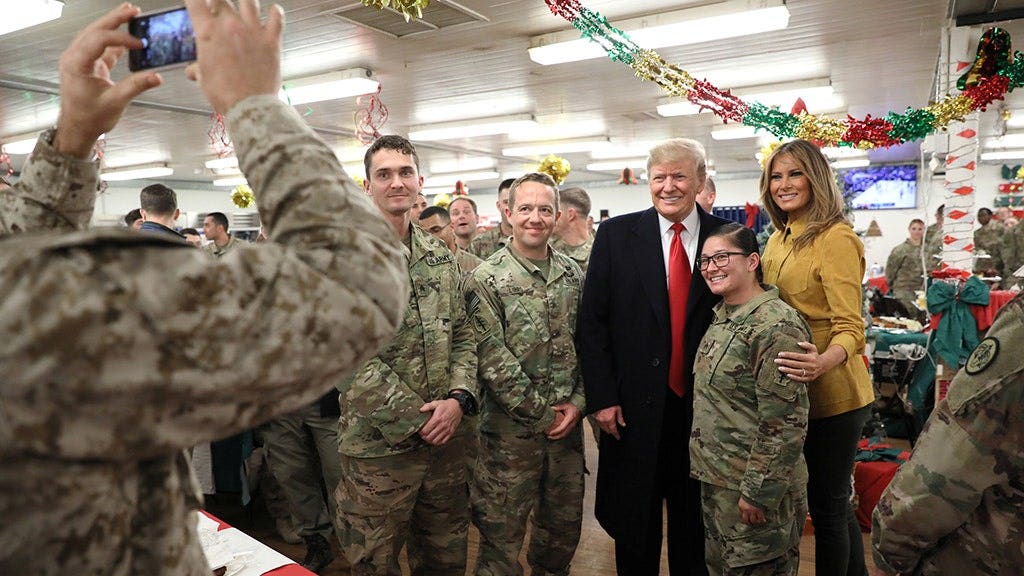
The Trump administration is closing in on $1 billion in payments to American veterans, families and civilian employees who were exposed to toxic drinking water at Marine Corps Camp Lejeune in North Carolina between 1953 and 1987.
For many, the payouts would finally rectify a decades-long battle for justice.
According to the Department of Justice (DOJ), claimants have received more than $919.7 million since President Donald Trump began his second term in office in January 2025. The administration has paid out about 3,300 people who made claims under the 2022 law. From that year to the beginning of 2025, before Trump retook office, only 459 settlements had been paid, totaling $59.6 million.
Payments under the program range from $100,000 to $550,000, depending on the illness.
«Tonight I’m pleased to announce my administration has delivered $1 billion in cash settlements to these veterans and their families, in addition to 3.1 billion for the VA and ordering the DOJ to settle all remaining legitimate claims as soon as possible,» Trump said at a rally in North Carolina on Tuesday night. «We don’t want to give any to the trial lawyers, we want it all to go to the families.»
The claims are due to be paid out under a 2022 law, the Sergeant First Class Heath Robinson Honoring our Promise to Address Comprehensive Toxics Act, which includes the Camp Lejeune Justice Act. Under the law, victims who developed cancer or other illnesses from the drinking water on the base are entitled to relief.
MILITARY FAMILIES WANT DOJ TO DISTRIBUTE NEARLY $800M FROM FRENCH CEMENT COMPANY FOUND GUILTY OF BRIBING ISIS
The Trump administration in March announced that it was making settlements a priority, and made a concerted effort to accelerate the pace of the payouts.
Ed Bell is a South Carolina-based attorney who spearheaded the charge to pass the law. He’s been an attorney for 44 years, and for half of that time has been fighting for justice for the Camp Lejeune victims. He’s the lead counsel on the case, helping victims to get the payouts they’re owed.
«A lot of these people have been waiting a long time, and quite frankly, I think a lot of them are relieved,» Bell told Digital. «A lot of them feel like the government has finally said, ‘we’re sorry,’ by helping with the settlements, so I think it’s very positive.»
Bell estimates that about 300,000 claims will eventually be paid out, acknowledging that there’s a long way to go to completely remedy the wrong that was done.
But he was complimentary of the team of people in the Trump administration dedicated to justice.
«I have to say, I’m very bullish on what the Department of Justice has been doing,» he said, noting that he works closely with Associate Attorney General Stanley Woodward, who he says is «working his tail off» on the settlements.
RARE CANCER CASES STRIKE IN CALIFORNIA COMMUNITY AS FAMILIES DEMAND ANSWERS
«[Woodward] is excellent, but you have to remember, this case and any resolution involves hundreds and hundreds of details, and it is a laborious process,» Bell said. «I am pleased to work with [the DOJ], and I think that eventually we’ll get this resolved. I think that’s the intent of the Department of Justice.»
MILITARY FAMILIES DEMAND DOJ DISTRIBUTE NEARLY $800M FROM FRENCH CEMENT COMPANY FOUND GUILTY OF BRIBING ISIS
Bell, who took his first case on the Camp Lejeune drinking water contamination in 2007, explained that each settlement is based on the level of harm caused to the victim. So, he explained, someone diagnosed with stage one cancer would ultimately be paid out less than someone who had stage four cancer.
«It’s a fair system,» Bell said.
Between 1953 and 1987, three of the base’s eight water systems contained contaminated water.
Bell said that even after the government found out the water was toxic, it did nothing, allowing troops to continue drinking the hazardous mix. Pregnant women drank the water, leading to the death of their babies. The contamination was found to cause four incurable diseases, according to Bell.
The Justice Department and the Department of the Navy launched the «Elective Option» settlement program in 2023.
That program is designed as an alternative to litigation and offers quicker payouts to people with qualifying illnesses.
politics, veterans, justice department, us marines, white house
INTERNACIONAL
How Saudi Arabia’s defense vulnerabilities could become Trump’s problem amid Houthi onslaught
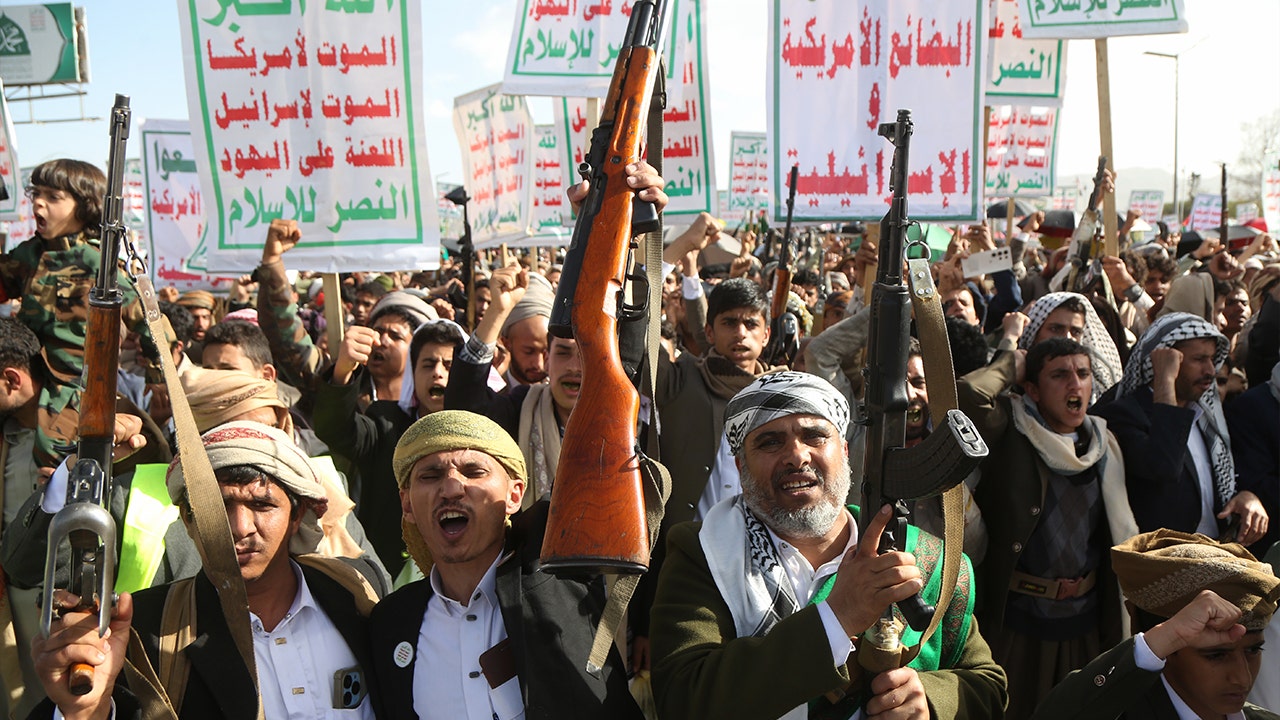
Saudi Arabia is turning to foreign allies to fend off Houthi missiles and drones, exposing a military vulnerability that could soon become President Donald Trump’s problem.
Britain announced Tuesday it would send Typhoon fighter jets to defend Saudi cities and critical infrastructure. Egypt is already assisting the kingdom and Israel has offered to step in to help.
Riyadh, meanwhile, is asking Washington for more interceptors, and Trump is weighing whether the U.S. should intervene and strike the Iran-backed Houthis directly.
The reinforcements could help shield Saudi cities and critical infrastructure. They do little, however, to eliminate the Houthi launchers and weapons threatening them from Yemen.
SAUDI FOREIGN MINISTER WARNS HOUTHI THREAT GOES GLOBAL AS TRUMP HOLDS FIRE
«The theme right now, I think, is defensive or defensive-minded,» Jason Campbell, a senior fellow at the Middle East Institute, told Digital.
The question, he said, is whether that evolves into something «more offensive or kinetic.»
The Houthis have already demonstrated their ability to punch through Saudi defenses. Their strikes and attempted strikes on the kingdom more than doubled in a single week this month, according to the Armed Conflict Location & Event Data Project, with airports in Riyadh, Jizan, Najran, Dammam and Abha targeted since Oct. 5.
SAUDI ARABIA ON EDGE: ICONIC KINGDOM CENTRE SENDS WORKERS HOME AMID HOUTHI ATTACKS
The most devastating barrage struck King Khalid International Airport in Riyadh, killing at least 13 people and wounding more than 300.
Other attacks have targeted Saudi energy infrastructure, turning the Houthi campaign into a threat not only to the kingdom’s security but also to the economic stability Riyadh has spent years trying to project.
Saudi Arabia has spent decades building one of the region’s most sophisticated militaries. Riyadh spent an estimated $83.2 billion on defense last year, making it the eighth-largest military spender in the world, according to the Stockholm International Peace Research Institute. Its arsenal includes U.S.-made F-15 fighter jets, Patriot missile defenses and advanced radar systems.
Yet the Houthis are exploiting a mismatch between the defenses Saudi Arabia and its partners spent years building and the weapons now coming at them.
Campbell said the U.S. and its regional partners had been comparatively well-prepared to confront the higher end of Iran’s arsenal, including ballistic missiles and other advanced weapons.
PENTAGON RACES TO BUY 10X MORE MISSILES AS IRAN WAR DWINDLES ARSENAL, THREATENS READINESS FOR CHINA AGGRESSION
«What the region was decidedly less prepared for was an array of lower end of the spectrum … threats posed by Iran and now the Houthis,» Campbell said.
The volume is part of the problem. Campbell said Saudi Arabia and other U.S. partners have burned through significant numbers of high-end interceptors against ballistic missiles and other threats, while lower-flying weapons can also challenge radar and early-warning systems that were not necessarily designed or calibrated to detect them.
Secretary of State Marco Rubio said Tuesday that Riyadh is competing with allies around the world — and the U.S. military itself — for a limited supply of the interceptors needed to defend against missile attacks.
«I also talked to Saudi Arabia today; they’d like interceptors. Israel would like interceptors. We would like interceptors. Every country in the world would like interceptors,» Rubio said, calling them «probably the most in-demand product right now in the defense field.»
The U.S. cannot meet every request, Rubio acknowledged. American forces must maintain minimum air-defense requirements at bases around the world, while the sophisticated interceptors are expensive and take time to manufacture even as production increases.
«We have our own needs too,» Rubio said.
Saudi Arabia’s sheer size compounds the challenge. The kingdom stretches across more than 800,000 square miles, leaving cities, airports, oil facilities and military installations spread across a vast territory.
«Saudi Arabia is a huge geography to protect, and this speaks to a larger threat we’re facing globally: a relatively small nonstate actor can pose a serious challenge to even a sophisticated and extremely expensive military,» Farea Al-Muslimi, a research fellow at Chatham House, told Digital. «The Houthis can impose enormous costs without having to spend very much themselves.»
That imbalance helps explain why Saudi Arabia is increasingly looking beyond its own military for protection. But outside assistance may have limits.
«Many years later, everyone is realizing that the Houthis are not just Saudi Arabia’s problem, but everyone’s problem — whether that’s Turkey, Egypt, France, the UK or others,» Al-Muslimi said. «But I don’t think this outside support will make a significant military difference unless the U.S. is directly involved.»
That leaves Trump facing a potentially consequential decision: whether to continue helping Saudi Arabia defend against incoming attacks or go further and target the Houthis directly.
Trump has kept direct U.S. military action on the table. Asked earlier this month whether the U.S. could join Saudi strikes against the Houthis, he said, «We may. We’re gonna look at it.»
«We’ll make a decision,» Trump said. «We move very quickly.»
But direct U.S. intervention would not be without precedent — or questions about what another bombing campaign could accomplish.
Operation Rough Rider targeted Houthi positions across Yemen for roughly two months in 2025 before Trump halted the operation after Oman brokered an agreement with the group.
«We’ve already seen the U.S. conduct a 60-day bombing campaign of Houthi strongholds in Yemen with limited, if any, real strategic benefits,» Campbell said.
A new campaign would also compete for U.S. military resources amid the war with Iran. Campbell said taking on the Houthis would require clearer objectives and likely contributions from a broader coalition.
Israel has also offered to help defend Saudi Arabia, an offer Trump has publicly encouraged Riyadh to accept. But bringing Israel openly into the fight could create a different problem for the kingdom.
«If I were Saudi, I would never accept help like that,» Al-Muslimi said. «The optics are enormously difficult. Saudi Arabia is the custodian of the two holiest mosques in Islam, and appearing alongside Netanyahu to fight another Yemeni group would be a nonstarter for much of Saudi society.»
For now, the U.S. continues to provide intelligence and targeting support to Saudi Arabia as its allies focus on defending the kingdom.
«The collective effort seems to be at stemming the threat to the Saudi kingdom itself,» Campbell said.
But as Al-Muslimi cautioned, even a stronger defensive coalition may not eliminate the danger.
«It can make Saudi Arabia safer, but it doesn’t solve the larger problem of dismantling the Houthi threat.»
The latest fighting is another chapter in a war that has torn through Yemen for more than a decade. The Houthis seized the capital, Sanaa, in 2014, prompting Saudi Arabia to lead a military intervention the following year against the Iran-backed group and in support of Yemen’s internationally recognized government.
Years of Saudi airstrikes failed to dislodge the Houthis, while the group steadily expanded its missile and drone capabilities with support from Tehran. The conflict eventually settled into an uneasy truce before erupting again this year, with Saudi-backed forces fighting Houthi advances on the ground and the Houthis increasingly taking the war across the border into Saudi Arabia.
Yemeni civilians are again bearing much of the cost. More than 250,000 people have fled the renewed fighting, according to the United Nations. WHO recorded at least 674 deaths and nearly 3,000 injuries in just six weeks of fighting between August and September, while millions were already facing severe hunger and displacement after more than a decade of war.
war with iran, saudi arabia, politics, foreign affairs, middle east foreign policy, world, iran, donald trump
INTERNACIONAL
Honduras: DAET niega detenciones de policías tras operativo en San Pedro Sula y alerta sobre posible atentado
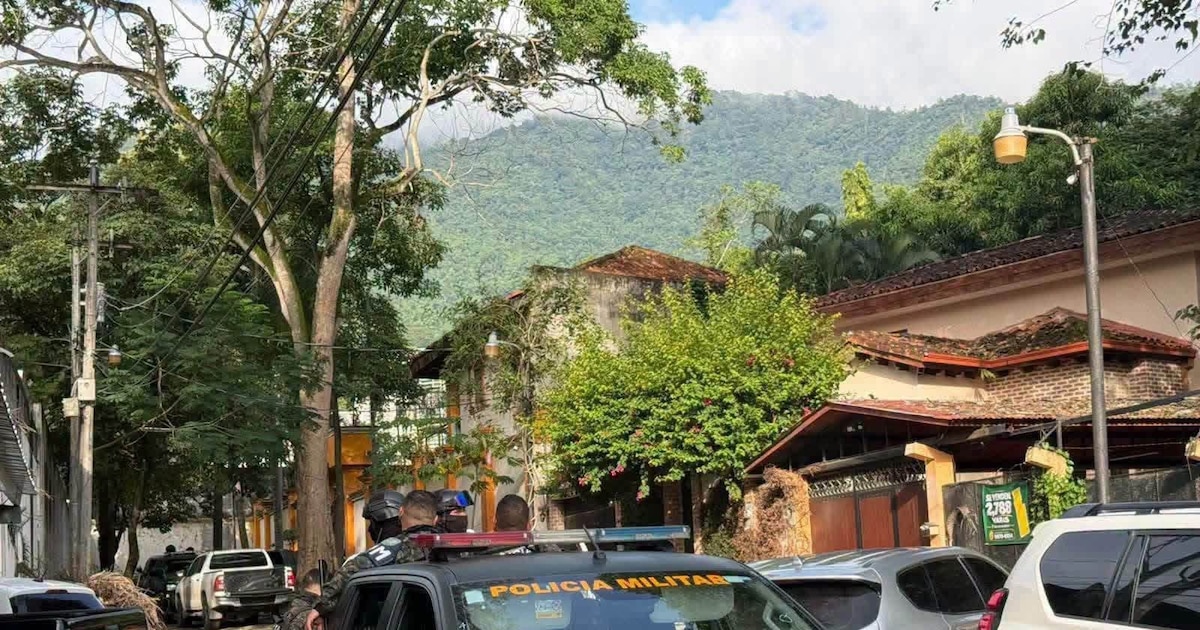
La División Antiextorsión y Asociaciones Terroristas (DAET) rechazó que sus agentes enfrenten detenciones o requerimientos fiscales tras el operativo realizado en San Pedro Sula, Cortés, donde el Ministerio Público reportó el hallazgo de presuntas drogas, municiones y otros objetos vinculados con una investigación.
La postura de la institución policial contrasta con la información divulgada por el ente acusador sobre los indicios localizados durante un allanamiento en Villas del Merendón.
En declaraciones, una portavoz de la DAET sostuvo que ningún funcionario permanece detenido por este caso y pidió que las evidencias sean investigadas para establecer su procedencia y posible relación con actividades ilícitas.
La controversia se centra, entre otros elementos, en varios parches e insignias policiales que aparecieron entre los objetos relacionados con el operativo. La vocera afirmó que esos artículos pertenecían a una bodega de la división y que habrían sido sustraídos por otras personas.
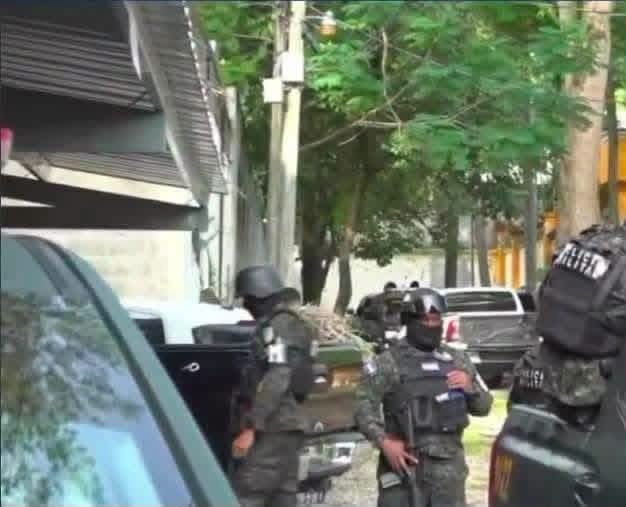
Durante la entrevista, la portavoz aseguró que los parches encontrados estaban almacenados en una bodega de la institución. Según su versión, personas ajenas a la división habrían sustraído los artículos, aunque no detalló quiénes serían los responsables ni cuándo ocurrió la supuesta sustracción.
La funcionaria también sostuvo que la presencia de insignias policiales entre las evidencias no demuestra, por sí sola, que agentes de la DAET hayan participado en actividades delictivas.
En ese sentido, señaló que corresponde a los organismos de investigación determinar cómo llegaron esos objetos al inmueble intervenido y si existe alguna conexión entre su procedencia y los hechos investigados.
El pronunciamiento se produce después de que el Ministerio Público difundiera información sobre los indicios que sus investigadores habrían encontrado en la propiedad.
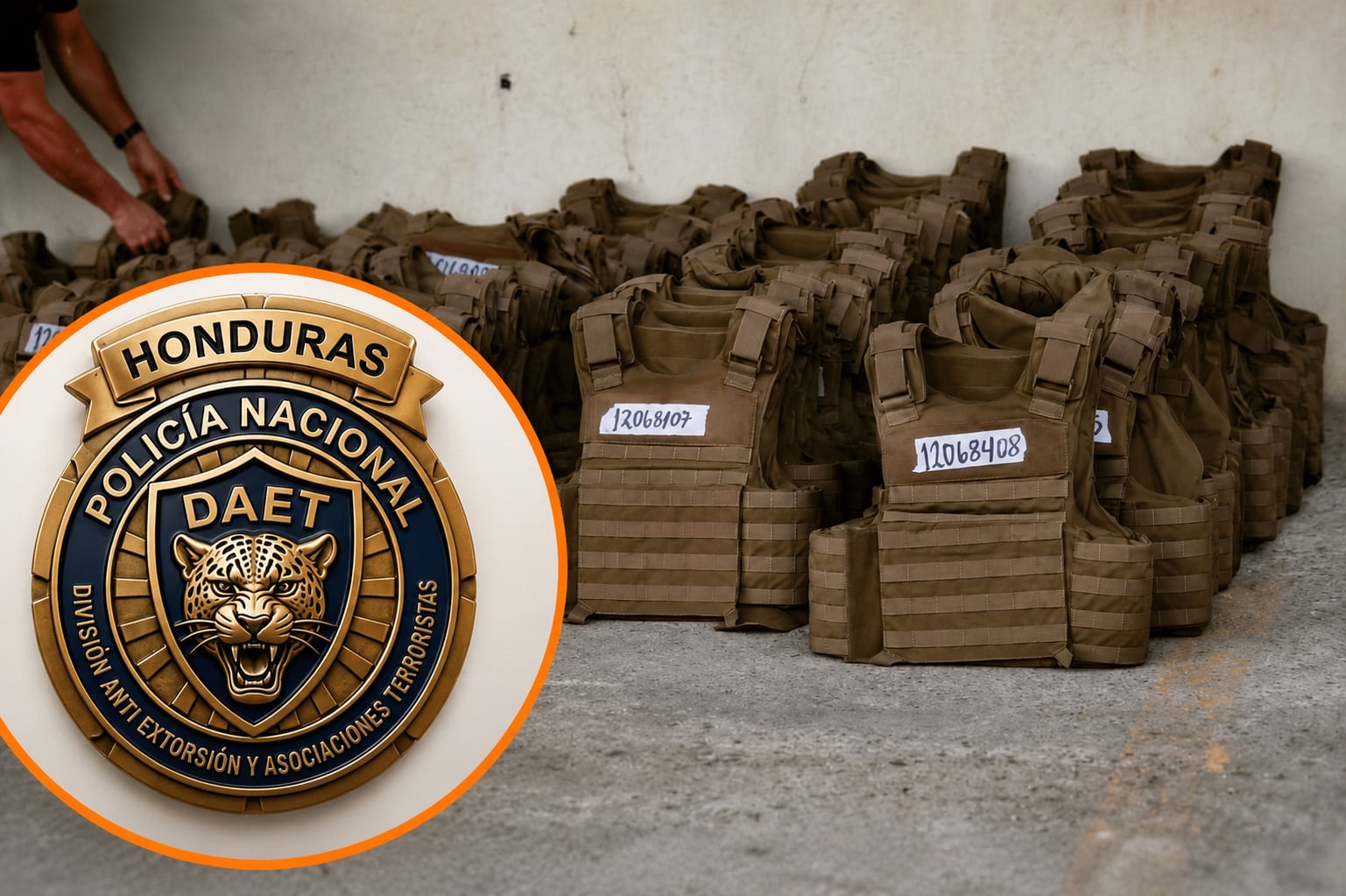
Las diferencias entre ambas versiones mantienen bajo escrutinio el origen de los artículos y las posibles responsabilidades que puedan establecerse durante las diligencias.
La investigación deberá precisar si los parches fueron sustraídos de la bodega policial, quiénes tuvieron acceso a ellos y si su presencia en el inmueble tiene alguna relación con las actividades que son objeto de investigación.
La funcionaria manifestó que desconoce dónde se encuentran actualmente esas sustancias y remitió las consultas al Ministerio Público, institución que divulgó imágenes de las presuntas evidencias.
De acuerdo con la información compartida por el ente acusador, entre los objetos localizados en el inmueble figuran presunta droga, 181 municiones, cargadores, un silenciador, prendas tácticas y documentos.
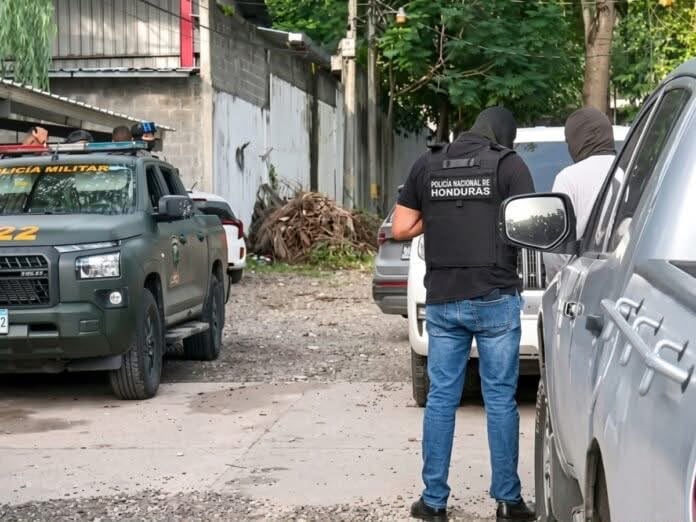
Para determinar si hubo participación de agentes policiales u otros individuos, las autoridades deberán sustentar sus conclusiones mediante las diligencias correspondientes.
Además de referirse al operativo en Villas del Merendón, la portavoz informó que una agencia internacional de inteligencia advirtió sobre un posible atentado contra varias instalaciones de la DAET, incluida la sede regional ubicada en San Pedro Sula.
Según explicó, la institución recibió la alerta aproximadamente a la 1:27 de la tarde del martes. Tras conocer la información, los agentes reforzaron la vigilancia en las instalaciones señaladas, como medida preventiva ante una eventual amenaza.
La vocera relacionó la advertencia con la captura de un hombre conocido con el alias de “Zombie”, detenido el sábado anterior en Choloma, Cortés.
Según su versión, los informes de inteligencia apuntan a posibles amenazas contra el detenido para impedir que revele información sobre la estructura criminal Mara Salvatrucha (MS-13).
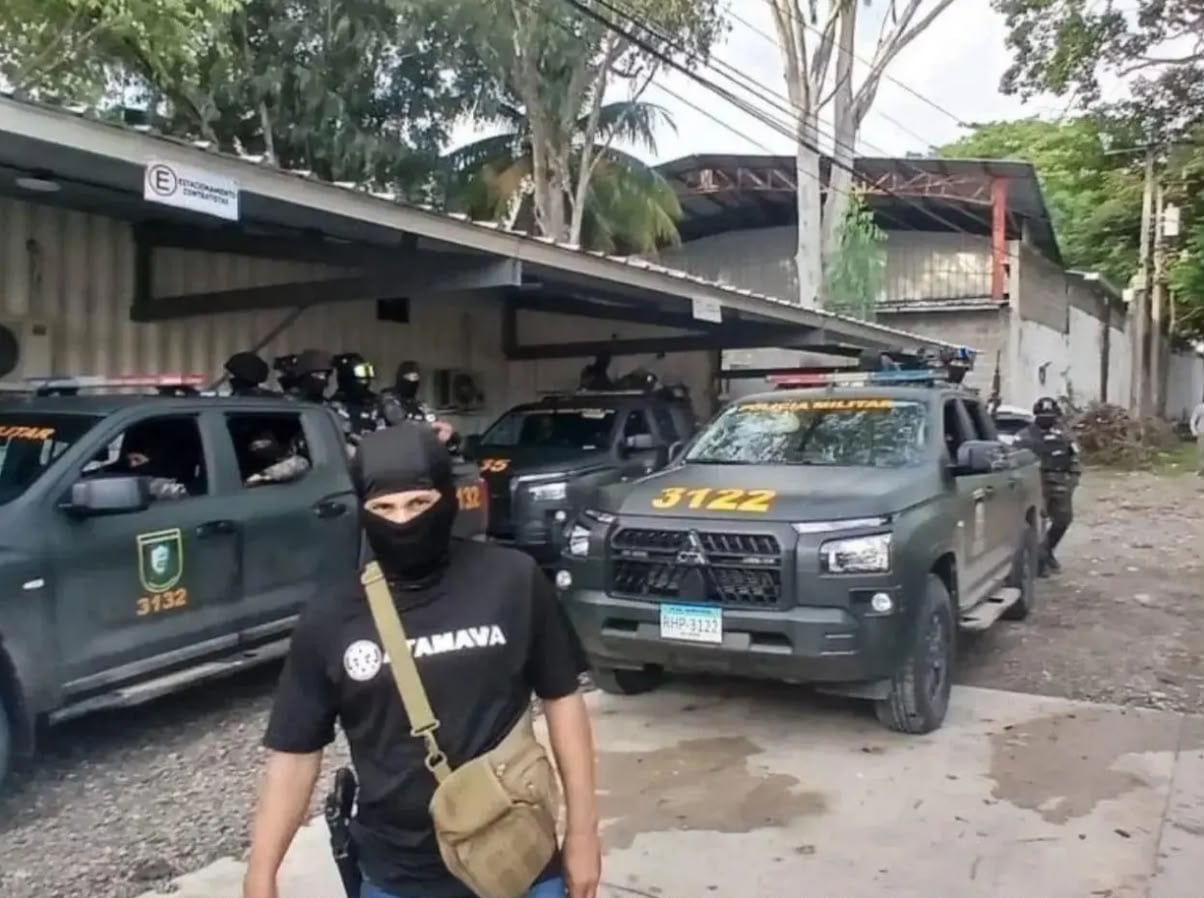
Sin embargo, los detalles sobre la naturaleza de la amenaza, sus posibles responsables y el alcance de la alerta no fueron precisados en la información proporcionada por la portavoz.
La negativa de la DAET sobre las supuestas detenciones y la explicación ofrecida acerca de los parches policiales deberán contrastarse con la información que maneja el Ministerio Público y los organismos encargados de las diligencias.
corresponsal:Desde Tegucigalpa, Honduras

Tras los insultos de Milei, Pedro Sánchez le respondió con una canción de Lali Espósito – Nexofin

Las acciones y los bonos argentinos cotizan en alza y cede el riesgo país

Chaco: condenaron a cuatro “cueveros” que escondían millones en los paneles de un auto y a la sociedad que usaron como fachada

Revés contra una intendenta de Pro y continúa el proceso para su destitución

Qué pasará con la obra de Fabián Gianola luego del accidente: “Le pedí al cirujano que me deje trabajar”

El arzobispo de San Juan cuestionó los recortes en Discapacidad: “Estigmatizar a un grupo vulnerable me duele mucho”

El Gobierno pone en marcha un nuevo plan de retiros voluntarios y busca que haya 20.000 empleados menos en el Estado

Alerta roja en Sudamérica por el Súper Niño: cambio climático, inundaciones extremas y el hallazgo de microplásticos y metales en el granizo

“Feliz día a la mejor mamá del mundo”: el doble gesto del Chato Prada con Lourdes Sánchez y la reacción de ella

De cara al debate por el endeudamiento familiar, el Gobierno sostiene un discurso duro y considera que funciona para la imagen de Milei

 POLITICA2 días ago
El Gobierno pone en marcha un nuevo plan de retiros voluntarios y busca que haya 20.000 empleados menos en el Estado
- CLIMA2 días ago
Alerta roja en Sudamérica por el Súper Niño: cambio climático, inundaciones extremas y el hallazgo de microplásticos y metales en el granizo
- DEPORTE3 días ago
¿Dónde ver EN VIVO y ONLINE el Ferro vs Racing de Córdoba?