INTERNACIONAL
Un documental israelí recibe ovaciones en el extranjero pero rechazo en su país


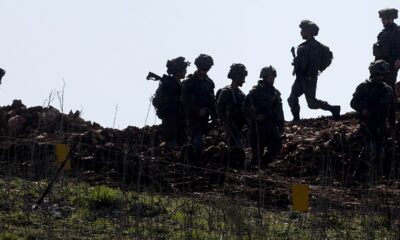
Cuando NAZA, un documental sobre la muerte de civiles palestinos a manos de las fuerzas israelíes en Gaza, se estrenó en el Festival Internacional de Cine de Venecia la semana pasada, sus directores israelíes recibieron una ovación de pie de 25 minutos. La película también ganó el Premio Especial del Jurado.
Pero en Israel, la película ha desatado una tormenta de críticas oficiales, además del rechazo del ejército, que rara vez opina sobre cine. El lunes, el jefe del ejército israelí, el teniente general Eyal Zamir, consultó con generales de alto rango sobre cómo responder a la película, a la que calificó de estar “basada en libelos de sangre” y “distorsiones deliberadas de la realidad”. Dijo que el ejército estudiaría posibles medidas legales contra quienes fueran sospechosos de difundir acusaciones falsas y revelar información clasificada.
El ministro de Cultura de Israel, Miki Zohar, llegó al extremo de pedir a las autoridades que investigaran si los directores, Yuval Abraham y Rachel Szor, podrían ser despojados de su ciudadanía israelí por “traición al Estado de Israel”.
Los representantes de Abraham y Szor declinaron responder de manera específica a la acusación y amenaza de Zohar, pero Abraham respondió a las críticas de su país el domingo en una declaración en video, en la que dijo que era importante que la sociedad israelí se enterara de las acciones del ejército en Gaza y que los soldados habían hablado en hebreo “porque quieren llegar al público israelí”.
El documental de 80 minutos, coproducido por The Guardian, consiste en entrevistas con 24 personas descritas como oficiales de inteligencia y soldados israelíes que, según la sinopsis de la película, revelan en detalle “los sistemas detrás de la matanza masiva y calculada de civiles palestinos en Gaza por parte de Israel”.
Los entrevistados, que podrían enfrentar consecuencias legales en Israel y en el extranjero, no fueron identificados.
Casi tres años después del ataque encabezado por Hamas contra Israel el 7 de octubre de 2023, que desató la devastadora guerra en Gaza, la reacción en Israel cristaliza el marcado contraste entre la imagen que el país tiene de sí mismo y la manera cada vez más frecuente en que se le ve desde el exterior.
El ambiente sobrecargado de una campaña política de cara a las elecciones nacionales en octubre ha intensificado aún más el rechazo.
Los israelíes están profundamente divididos a la hora de asignar la culpa de los fracasos políticos, militares y de inteligencia que precedieron al ataque y a la guerra. Pero aún se ven a sí mismos, en gran medida, como las víctimas del 7 de octubre. El ataque de los militantes causó la muerte de unas 1200 personas en Israel, y unas 250 más fueron tomadas como rehenes, según las autoridades israelíes. Fue el día más mortífero en la historia del país.
Solo una pequeña minoría de israelíes ha protestado contra la conducta del ejército en la guerra; la mayoría la ve como una campaña justa de defensa.
Por el contrario, muchos en el extranjero ven la contraofensiva de Israel como excesiva. Más de 70.000 palestinos han muerto, incluidos miles de niños, según el Ministerio de Salud de Gaza, cuyos datos no distinguen entre combatientes y civiles. Gran parte de Gaza ha quedado en ruinas y grupos de derechos humanos y gobiernos extranjeros han acusado a Israel de crímenes de guerra.
La indignación por la película estalló en Israel a pesar de que aún no ha sido distribuida y pocos en el país la han visto.
NAZA es un acrónimo de nezek agavi, que significa daño colateral en hebreo. En la película, este se utiliza para referirse a la flexibilización de las restricciones para seleccionar objetivos, lo que aumentó el número de civiles no involucrados que podían quedar expuestos a los ataques militares israelíes en Gaza, llevados a cabo a partir de una vigilancia masiva con ayuda de inteligencia artificial.
gaza








INTERNACIONAL
Costa Rica inició traslado de 123 reclusos a megacárcel CACCO: ingresaron rapados y con uniformes naranja
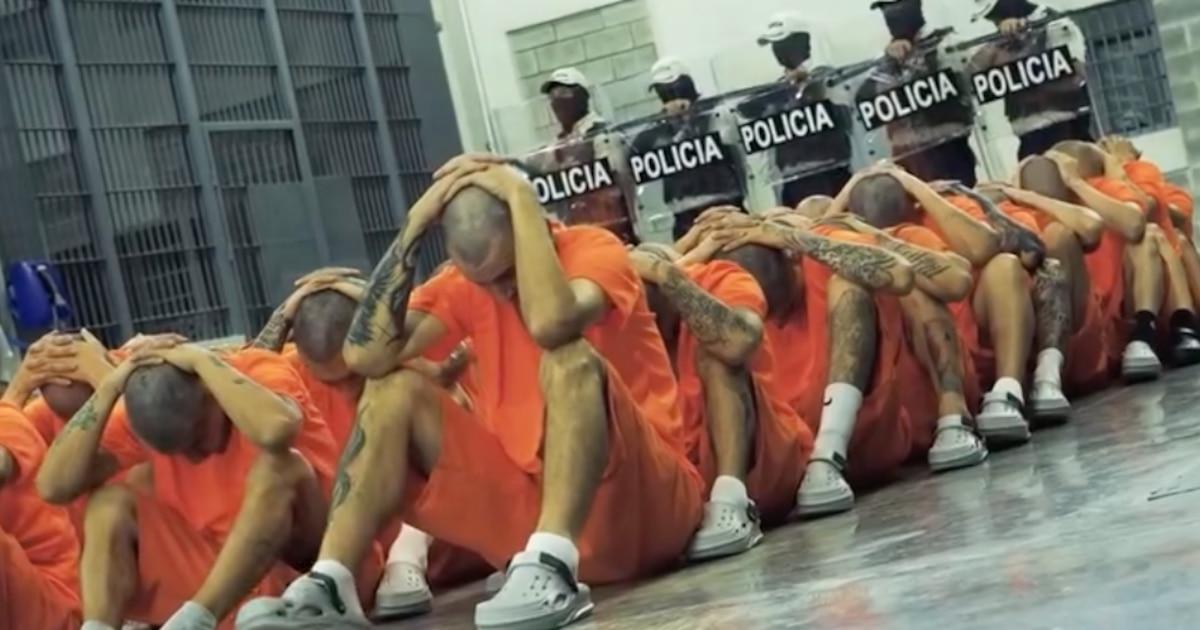
El Gobierno de Costa Rica inició el traslado de los primeros 123 privados de libertad al Centro de Alta Contención y Crimen Organizado (CACCO), una nueva prisión de máxima seguridad construida para albergar a personas consideradas de alta peligrosidad y vinculadas con estructuras criminales.
Uno de los aspectos que más llamó la atención fue la apariencia de los reclusos. Las imágenes difundidas por las autoridades muestran a los internos con la cabeza rapada, vestidos con uniformes de color naranja y arrodillados, mientras mantenían la mirada hacia el suelo durante el procedimiento de ingreso.
Las escenas guardan similitudes con las difundidas desde el Centro de Confinamiento del Terrorismo (CECOT) de El Salvador, una instalación que sirvió de inspiración para el proyecto penitenciario costarricense.
Reclusos ingresaron con el cabello rapado
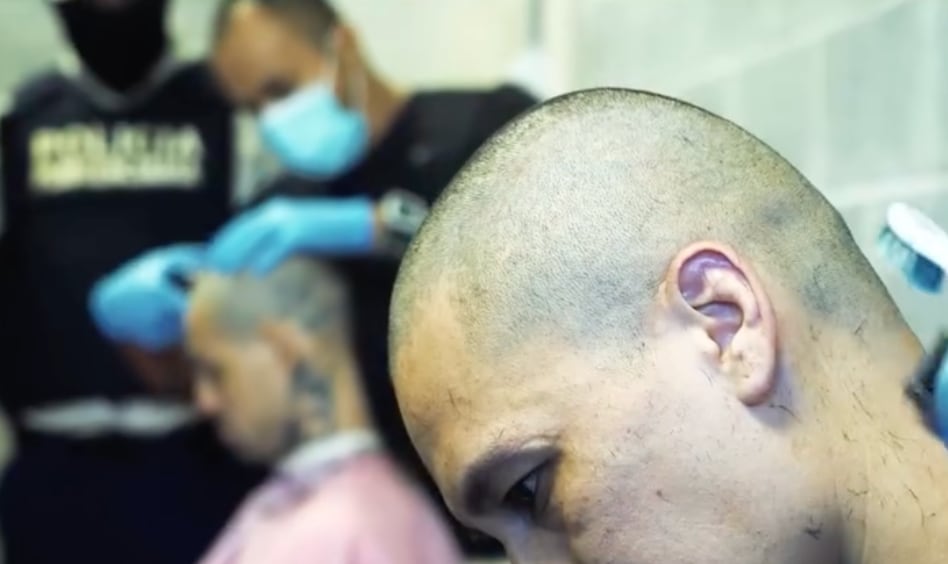
El corte de cabello fue uno de los elementos más visibles del primer operativo. Los privados de libertad aparecieron con el pelo cortado prácticamente al ras, una imagen que contrasta con la presentación habitual de los internos en otros centros penitenciarios del país.
Aunque las fotografías y grabaciones permiten confirmar que los primeros trasladados estaban rapados, la información difundida hasta ahora no establece si todos fueron sometidos al corte durante el procedimiento de traslado, si se trata de una disposición obligatoria para futuros ingresos o cuáles son las excepciones que podrían aplicarse.
Los nuevos internos también fueron presentados con la vestimenta naranja contemplada para el funcionamiento del CACCO. Este uniforme forma parte de las medidas de identificación y control establecidas para la población penitenciaria que permanecerá en las instalaciones.
Sospechosos del asesinato de un policía estuvieron entre los primeros trasladados
Entre los primeros internos que ingresaron al CACCO se encuentran tres sospechosos del asesinato del oficial de la Fuerza Pública Gerson Rosales Cascante, ocurrido el 13 de mayo en Batán, Limón.
Los hombres, identificados por los apellidos Menocal, Mora y Vílchez, permanecen bajo prisión preventiva por su presunta participación en el crimen.
Su traslado había sido solicitado expresamente por la presidenta de Costa Rica, Laura Fernández Delgado, durante la inauguración del establecimiento penitenciario, realizada el pasado 14 de octubre.
El ministro de Justicia y Paz, Gabriel Aguilar Vargas, anunció posteriormente que este grupo estaría entre los primeros en ingresar al complejo, como parte de la estrategia gubernamental para fortalecer el control sobre personas vinculadas con delitos de especial gravedad.
Una megacárcel con capacidad para 5,100 personas
El CACCO está ubicado dentro del complejo penitenciario de La Reforma, en San Rafael de Alajuela. Su construcción representó una inversión de aproximadamente 33.1 millones de dólares, equivalentes a ₡16,774 millones.
La infraestructura tiene capacidad para 5,100 privados de libertad, distribuidos en cinco módulos de 1.020 espacios cada uno. Las celdas están diseñadas para alojar hasta 60 personas e incluyen literas de tres niveles.
Entre las medidas de seguridad se encuentran cámaras de vigilancia, controles biométricos, equipos de escaneo y pasarelas de supervisión para los agentes penitenciarios.
Según el Ministerio de Justicia, el objetivo es impedir que cabecillas de organizaciones criminales continúen dirigiendo actividades ilícitas desde las prisiones y mejorar la capacidad de respuesta del sistema penitenciario.

Traslados continuarán durante las próximas semanas
La llegada de los primeros 123 internos representa el comienzo de un proceso que las autoridades pretenden desarrollar de manera progresiva, con la expectativa de alcanzar la capacidad total del establecimiento durante diciembre.
El Gobierno sostiene que la ocupación del CACCO contribuirá a reducir la sobrepoblación penitenciaria. Sin embargo, el proyecto también ha generado cuestionamientos.
La Asociación Ayudando a los Privados de Libertad y sus Familias presentó un recurso de amparo ante la Sala Constitucional, en el que cuestionó las condiciones de temperatura, privacidad, seguridad y atención médica del establecimiento.
La agrupación solicitó suspender los traslados mientras se analizan los riesgos denunciados. Por su parte, el Ministerio de Justicia sostiene que las nuevas instalaciones permitirán fortalecer la vigilancia y el control de la población penitenciaria considerada de mayor riesgo.
Con el inicio de las operaciones, Costa Rica puso en funcionamiento uno de sus proyectos penitenciarios más ambiciosos.
corresponsal:Desde San José, Costa Rica
NEWYou can now listen to Fox News articles!
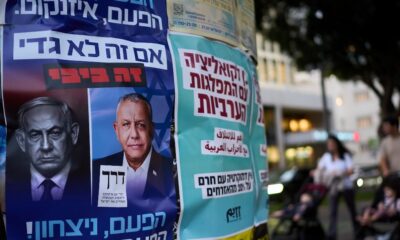
TEL AVIV, ISRAEL — Campaign banners bearing the faces of Israel’s political leaders cover buildings and roadsides, while in homes, coffee shops and family gatherings, the same question dominates conversations: Will Prime Minister Benjamin Netanyahu remain in power?
With Israelis heading to the polls Tuesday, the country is bracing for a closely contested election that could end in another political deadlock. But this vote is unlike any other in Israel’s recent history.
For many Israelis, the election has become a referendum on accountability for the failures that allowed Hamas terrorists to carry out the Oct. 7, 2023, massacre — the deadliest attack in Israel’s history.
TRUMP SAYS NETANYAHU NEEDS TO BE RE-ELECTED, OR ELSE US WILL HAVE TO ‘FINISH THE JOB’ AGAINST IRAN ALONE
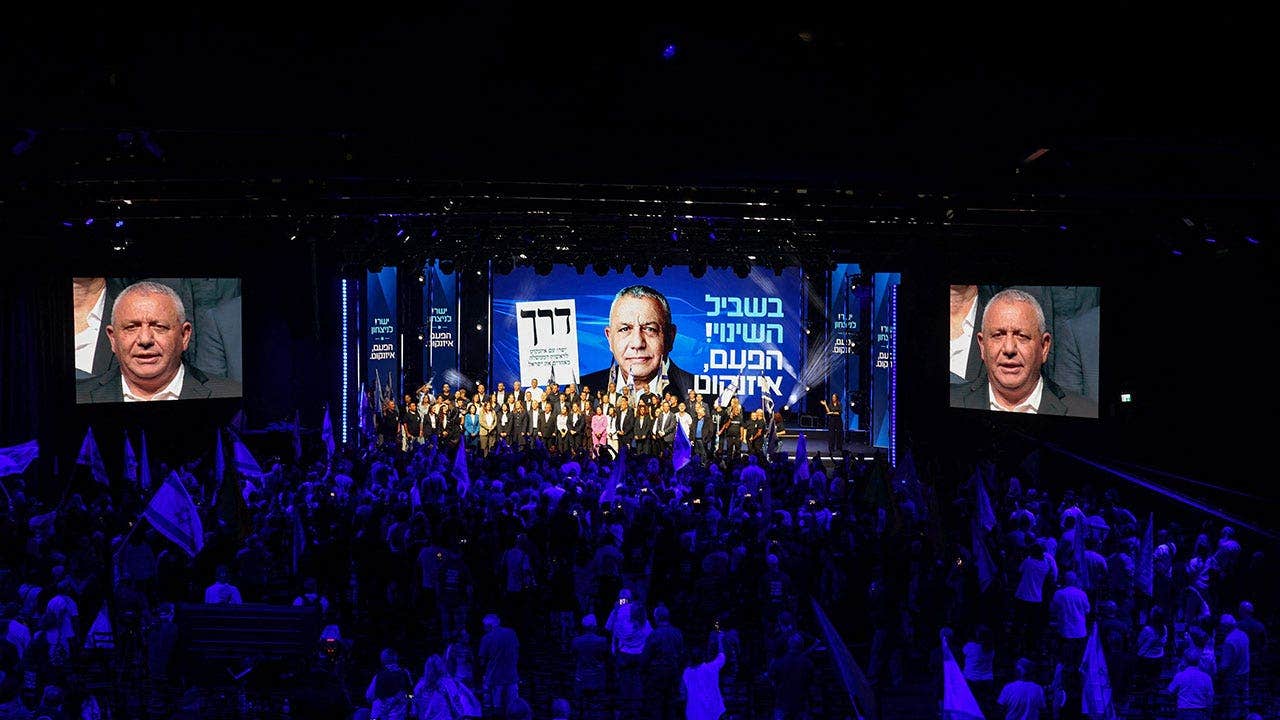
Former Israeli military chief Gadi Eisenkot attends an event for his Yashar party, ahead of Israel’s national election in Tel Aviv, Israel, October 25, 2026. (Ronen Zvulun/Reuters)
Netanyahu, who has dominated Israeli politics for decades, has resisted calls to accept personal responsibility for the security failures and establish an independent state commission of inquiry. His government instead sought a politically appointed investigation, a proposal fiercely opposed by many bereaved families.
Yet Israel’s divisions began long before Oct. 7.
In the months preceding the attacks, hundreds of thousands of Israelis took to the streets to protest Netanyahu’s proposed judicial overhaul, which critics argued would undermine the country’s democracy. The confrontation spilled into the military, where reservists threatened to suspend volunteer service, raising alarms about Israel’s preparedness. Some critics have argued that the turmoil projected weakness to the country’s enemies, although the extent to which it influenced Hamas’s decision to attack remains disputed.
Three years after the massacre, those divisions have only deepened, transforming Tuesday’s vote into something intensely personal. Political allegiances have strained friendships and divided families, with much of the national debate reduced to a single question: Are you for Netanyahu, widely known as «Bibi,» or against him?
DANNY DANON: FROM OCT 7 TO FLIGHT 1073: THE RESILIENCE THAT KEEPS ISRAEL STANDING
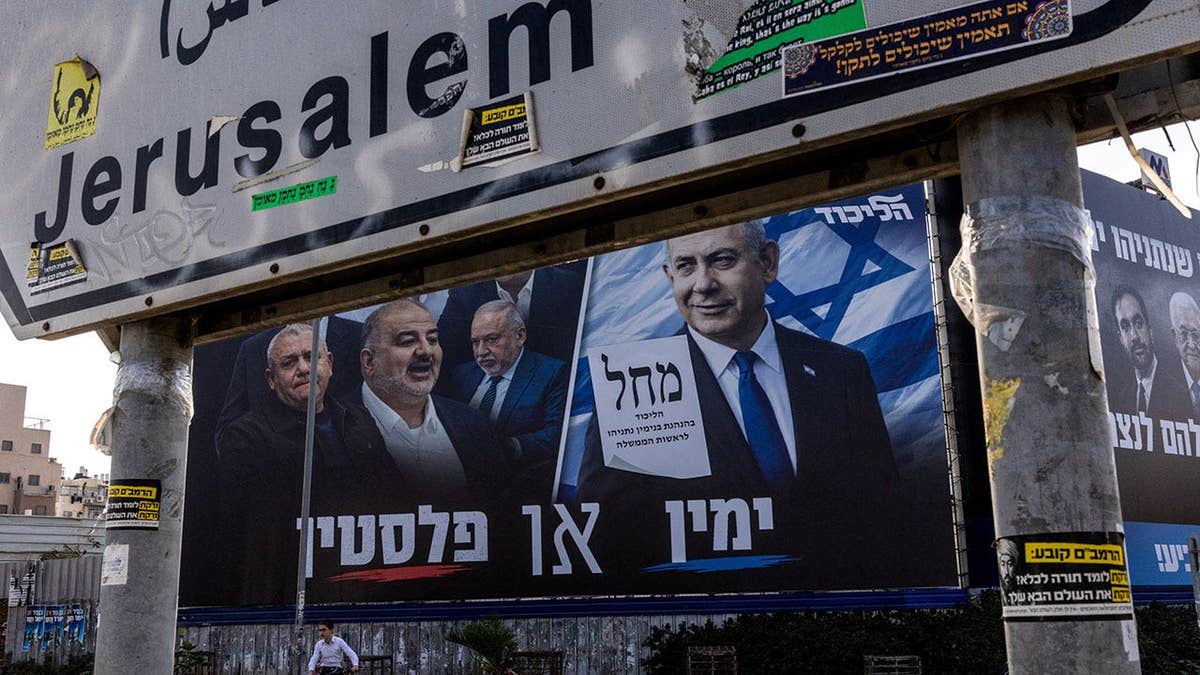
A boy sits on his bicycle next to a campaign banner of Netanyahu’s Likud party, ahead of the Israeli parliamentary election, in Bnei Brak, Israel, October 25, 2026. (Nir Elias/Reuters)
For some families who lost loved ones on Oct. 7, the answer is painfully clear.
Shir Shai, whose brother Yaron Shai, an Israeli soldier, was killed battling Hamas terrorists that day, delivered a stark message to those considering another vote for Netanyahu.
«If you nevertheless decide to vote again for the man who brought disaster upon us and his accomplices, I have one personal request: Don’t come here anymore,» Shai said over her brother’s grave in his memorial ceremony on October 7
«You still have 20 days to be part of the process of putting things right. But if you choose to perpetuate the failure rather than honor the fallen, it would be better if you stayed home next year,» she added.
NETANYAHU PRAISES TRUMP’S ‘WICKED SENSE OF HUMOR,’ DEFENDS IRONCLAD ALLIANCE AHEAD OF HISTORIC ISRAEL VOTE

A woman looks on as people attend a rally to demand the establishment of an independent state commission of inquiry into the October 7, 2023, Hamas-led attacks and the events leading up to them, ahead of Israel’s parliamentary election on October 27, in Tel Aviv, Israel, October 24, 2026. (Nir Elias/Reuters)
Yet other bereaved families have reached the opposite conclusion, crediting Netanyahu with standing firm through years of war on multiple fronts and arguing that Israel’s military and intelligence establishment bears the principal responsibility for failing to anticipate the Hamas assault.
The deeply polarized atmosphere has been intensified by an increasingly bitter campaign. Just two days before the election, Netanyahu shared an AI-generated image depicting a nuclear explosion over Tel Aviv, warning of the existential threat posed by Iran if the country elects a leader unable to confront Tehran.
Concerns now extend beyond the election results themselves. Israeli police are preparing for possible unrest after the polls close, while experts have warned about the potential for disputes over the legitimacy of the results — including an extreme scenario resembling the Jan. 6, 2021, attack on the U.S. Capitol.
With the opposition united in its ambition to replace Netanyahu but divided over how to govern afterward, neither political bloc is assured of a parliamentary majority and the final outcome could take weeks to determine.
JD VANCE DECLINES TO ENDORSE NETANYAHU DESPITE TRUMP’S STRONG BACKING
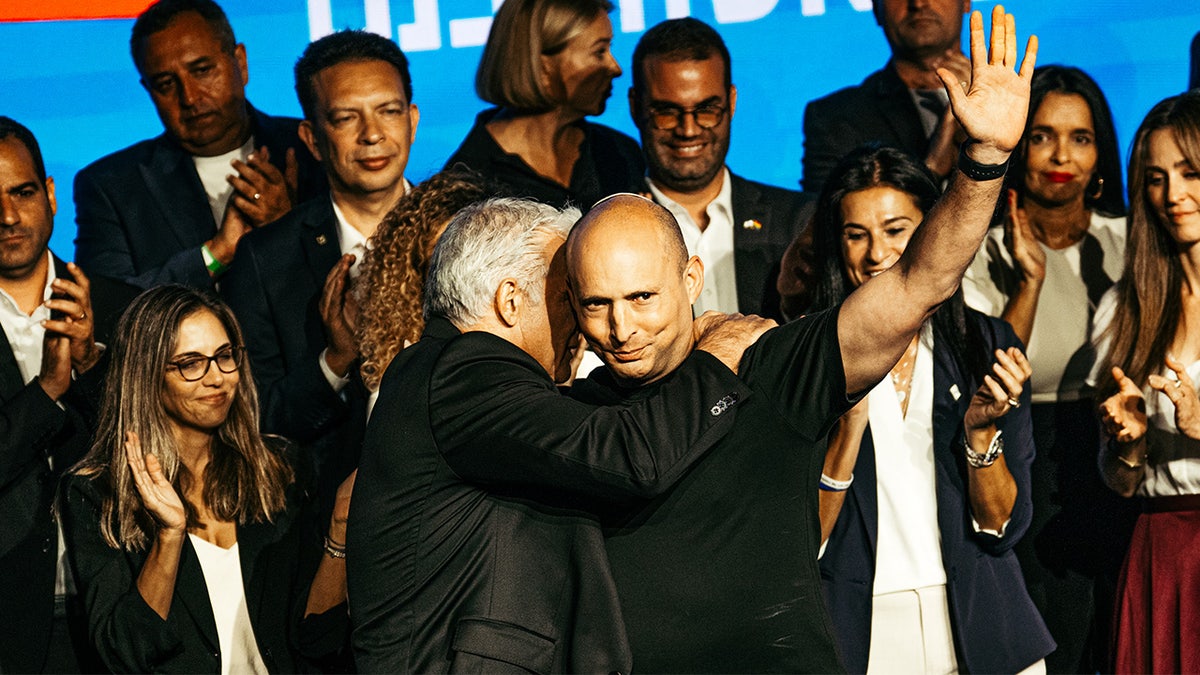
When do polls open and close?
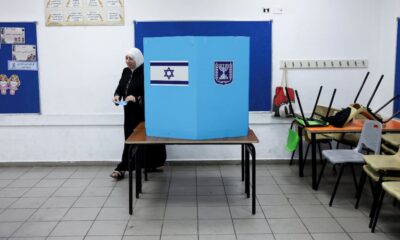
Israelis will vote Tuesday, Oct. 27, with most polling stations opening at 7 a.m. and closing at 10 p.m. local time.
Election Day is a national holiday in Israel, giving voters the opportunity to cast their ballots. Some smaller communities and special polling locations operate on different schedules.
Eligible voters must be Israeli citizens at least 18 years old and generally vote at their assigned polling station. Most Israelis living abroad cannot vote remotely, although exceptions apply to certain official representatives overseas.
How does Israel’s election system work?
Israel has a parliamentary system in which voters select a political party rather than an individual candidate for prime minister.
The country’s parliament, known as the Knesset, has 120 seats, distributed through a system of nationwide proportional representation.
Each party submits a ranked list of candidates, and the number of seats it receives depends on its share of the national vote.
To enter parliament, a party must win at least 3.25% of the valid votes. Parties falling below that threshold receive no seats, potentially changing the balance between rival political blocs.
IRAN IS TRYING TO ‘CREATE A ROT FROM WITHIN’ THROUGH ‘INFORMATION WARFARE,’ ANALYST WARNS
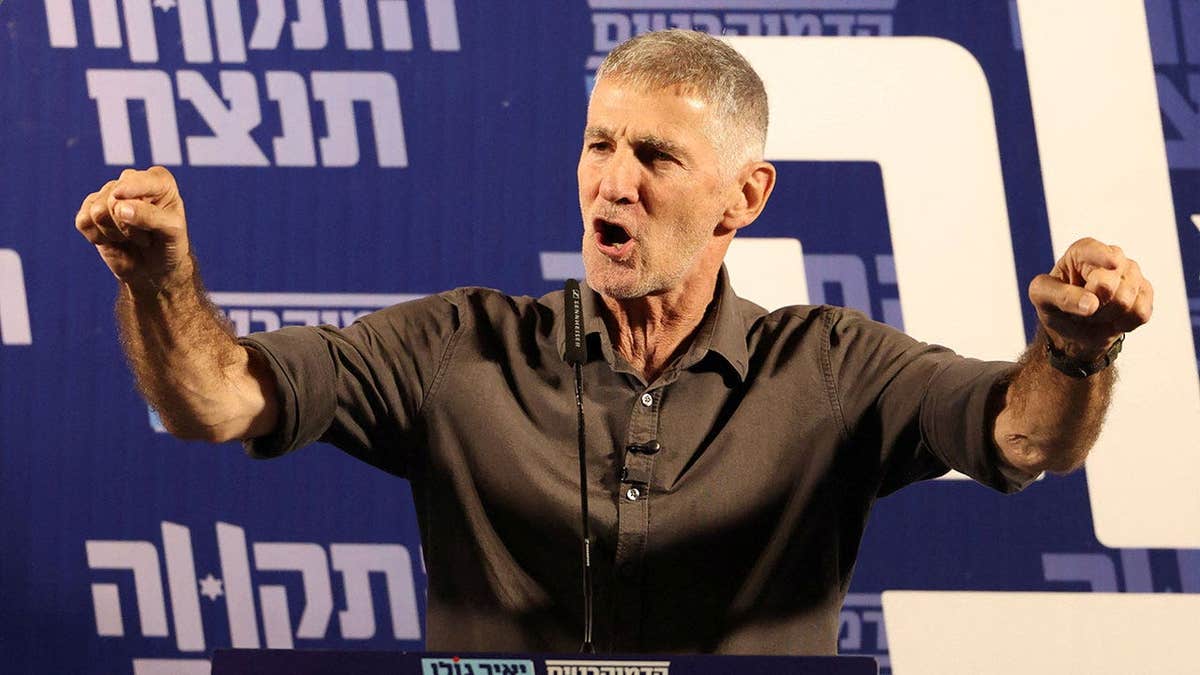
Yair Golan of the Democrats party speaks during a rally to demand the establishment of an independent state commission of inquiry into the October 7, 2023, Hamas-led attacks and the events leading up to them, ahead of Israel’s parliamentary election on October 27, in Tel Aviv, Israel October 24, 2026. (Kevin Coombs/Reuters)
When will election results be announced?
Israel’s major television networks are expected to release exit polls immediately after voting ends at 10 p.m. Tuesday (4 p.m. EST).
Those projections will provide the first indication of how many seats each party may win and whether Netanyahu or his rivals appear better positioned to assemble a coalition.
But exit polls are not official results, and even small differences in the final vote could determine whether parties cross the electoral threshold.
Actual vote counts will emerge as ballots are counted, with preliminary results developing after polls close and over the following days.
Israel’s Central Elections Committee has scheduled the publication of official results for Wednesday, Nov. 4 , eight days after the election.
Who are the main candidates?
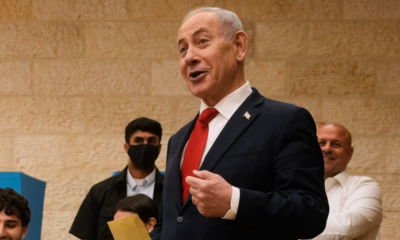
Prime Minister Benjamin Netanyahu, 77, leads the conservative right-wing Likud party and is seeking to extend his record tenure as Israel’s longest-serving prime minister.
His main challenger is Gadi Eisenkot, 66, a former chief of staff of the Israel Defense Forces who leads the centrist Yashar party and has positioned himself as an alternative to Netanyahu’s leadership.
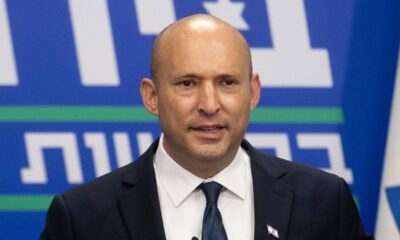
Former Prime Minister Naftali Bennett, 54, is also seeking a political comeback, running on a joint ticket with former Prime Minister Yair Lapid.
Other significant political figures include former Defense Minister Avigdor Lieberman, Democrats leader Yair Golan, and Netanyahu’s right-wing populist allies Itamar Ben-Gvir and Bezalel Smotrich.
Arab political parties, including Ra’am and the Joint List, could also play a crucial role in determining the final parliamentary balance.
How many seats does a party need to win?
The key number in Israeli politics is 61 — a majority of the 120-seat Knesset.
No single Israeli party has ever won enough seats to control parliament alone, meaning parties generally need to form coalitions with other political factions.
This means the party that wins the most seats does not automatically get to lead the government.
Instead, the decisive question is which political leader can secure enough parliamentary support to govern.
How is Israel’s next prime minister chosen?
Once the official results are published, Israeli President Isaac Herzog will consult representatives of the newly elected parliamentary factions.
Within seven days, the president must assign a member of the Knesset the task of forming a government.
The president generally selects the politician considered most likely to assemble a governing coalition, who is not necessarily the leader of the largest party.
That candidate initially has 28 days to reach agreements with other parties, with the possibility of an extension of up to 14 additional days.
The proposed government must then win a confidence vote in the Knesset before taking office.
What happens if nobody can form a government?
If the first candidate fails, the president can ask another lawmaker to attempt to form a government, giving that person 28 days without an extension.
If that effort also fails, a majority of 61 lawmakers can request that another candidate be given 14 days to try.
If no government emerges, Israel could face another national election.
Coalition negotiations can take weeks or months. According to the Israel Democracy Institute, the process of forming an Israeli government has historically taken between 20 and 100 days.
Until a new government is sworn in, the outgoing government remains in office.
Why is this election particularly consequential?
Tuesday’s vote is the first national election since the Oct. 7, 2023, Hamas-led attacks, which triggered the war in Gaza and raised profound questions about Israel’s security leadership.
Beyond Netanyahu’s political future, the next government will face decisions over Israel’s national security, the future of Gaza, military conscription, relations with the United States and the country’s regional diplomatic relationships.
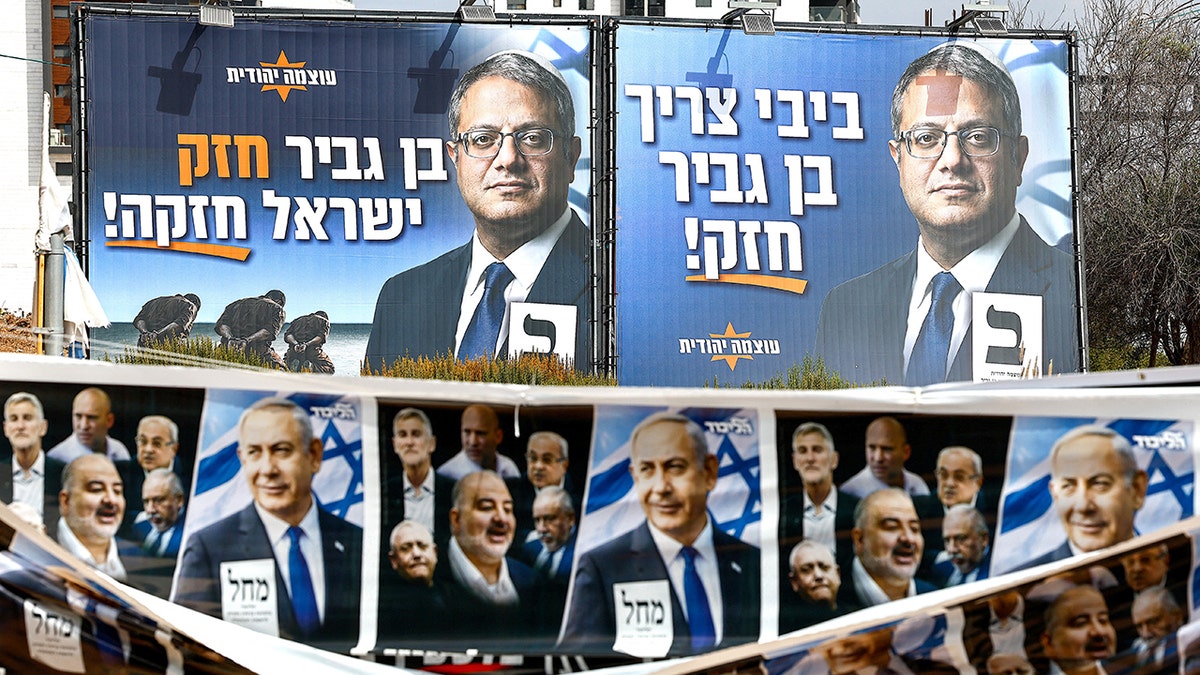
With pre-election polling showing no clear path to a parliamentary majority for either major political bloc, the contest could remain unresolved long after Tuesday’s votes are counted.
israel, elections, benjamin netanyahu, politics, world
INTERNACIONAL
Obama cozies up to Dem Party’s socialist wing as former president makes surprising midterm moves
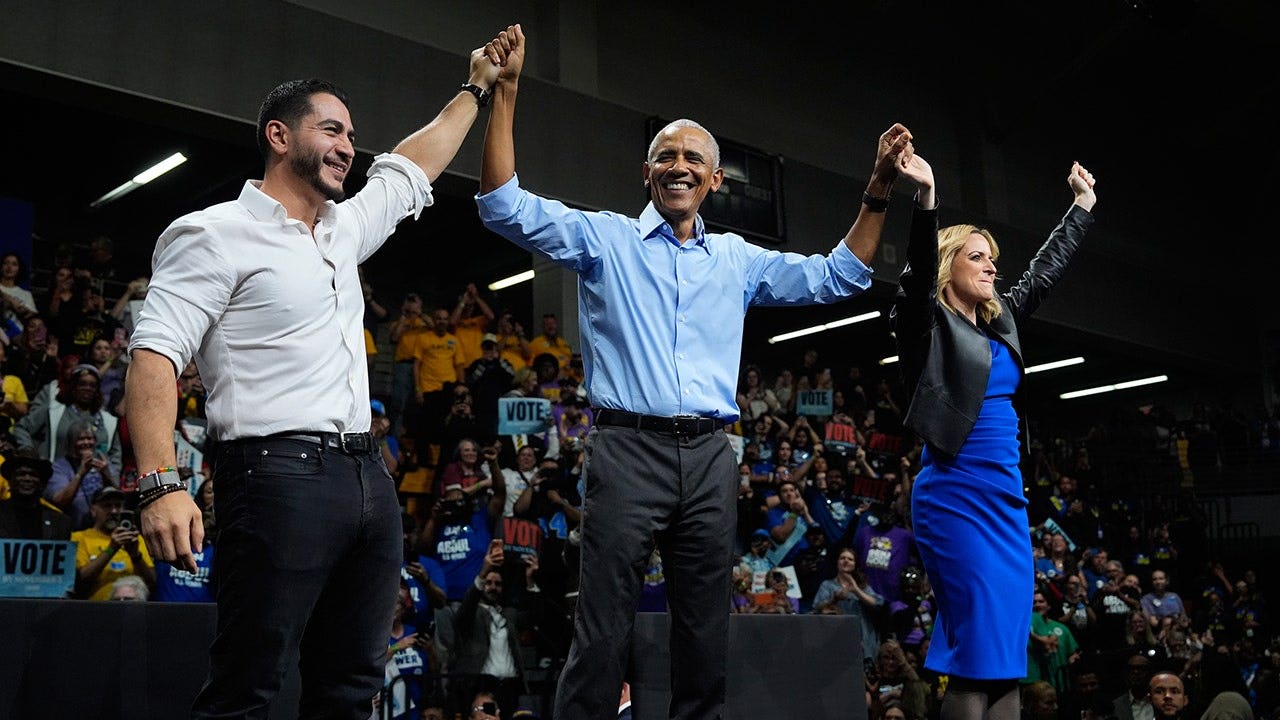
Former President Barack Obama is increasingly throwing his political weight behind socialist and socialist-aligned Democrats as the party’s left wing gains ground ahead of the midterm elections.
Democratic Socialists of America-backed candidates have scored several notable primary victories this year, adding to signs of the left wing’s growing influence in Democratic politics ahead of November’s midterms. While Obama is not backing every socialist candidate, his recent endorsements and campaign appearances show he is willing to bring some of the party’s most progressive figures into the Democratic coalition.
«President Obama remains the most popular figure in Democratic politics and a kingmaker whose support candidates actively seek,» Democratic strategist Kevin Walling told Digital of the president who left office nearly a decade ago. «He understands that a Democrat who can win in New York City and a Democrat who can win in Michigan and Ohio have different politics, and the ability to bring those people into the same coalition is exactly what makes him so valuable.»
BIDEN CONSPICUOUSLY ABSENT FROM CAMPAIGN TRAIL AS OBAMA, HARRIS STEP UP FOR MIDTERM PUSH
Obama’s embrace of the party’s progressive wing was on display Saturday in Michigan, where he campaigned alongside Democratic Senate nominee Abdul El-Sayed, while also lending his support to Florida Senate nominee Angie Nixon in a campaign video.
While El-Sayed does not identify as a democratic socialist or a member of the Democratic Socialists of America, he has embraced progressive policies, including Medicare for All, that have become central to the party’s left wing.
During the Michigan rally, Obama invoked healthcare to defend Democrats against accusations that the party has moved too far to the left.
«What is so radical about wanting everybody to have health care?» Obama asked, as he promoted El-Sayed’s pledge to expand access to affordable coverage.
Obama’s comments prompted critics to revisit his own Obamacare-era promises and question the affordability of health care under his signature law. One X commenter sarcastically asked, «I thought someone fixed health care. What happened?» Another responded, «Who’s going to tell him?»
Obama praised Nixon for championing a $15 minimum wage and opposing Republican-backed congressional redistricting maps, calling her a leader «willing to stand up again and again for what’s right» who would make «an outstanding U.S. Senator.»
Nixon, a DSA member, is campaigning on Medicare for All, universal child care, rent protections and higher taxes on billionaires.
The former president has also campaigned with Texas Senate candidate James Talarico, whom Republicans have branded a democratic socialist. Talarico has emphasized economic populism, universal health care, stronger unions and campaign-finance restrictions, but does not identify as a socialist.
OBAMA’S STAR POWER GETS A REALITY CHECK FROM BLACK VOTERS IN CRUCIAL SENATE RACE: ‘IT’S A TURNOFF’
Obama’s outreach comes amid a series of primary victories by democratic socialists and other left-wing challengers this year. In Colorado, Melat Kiros defeated longtime Democratic Rep. Diana DeGette, while Donavan McKinney ousted Rep. Shri Thanedar in Michigan. Socialist-backed candidates also won congressional primaries in New York, building on Zohran Mamdani’s 2025 mayoral victory.
Obama’s support for the party’s socialist left is not new. The former president endorsed Rep. Alexandria Ocasio-Cortez in her 2018 congressional race and former Rep. Jamaal Bowman in 2020, both of whom received backing from the Democratic Socialists of America.
Obama’s public praise of figures tied to communist movements also extends beyond his current campaign allies.
He has repeatedly celebrated Nelson Mandela, who had documented ties to South Africa’s Communist Party, and wrote warmly in «Dreams from My Father» about Frank Marshall Davis, a former Communist Party USA figure who served as a mentor during Obama’s youth.
Obama also reached out to Mamdani during his 2025 campaign for New York City mayor, praising the democratic socialist’s campaign and offering to serve as a sounding board without formally endorsing his candidacy.
DSA’S GROWING GRIP ON DEM PARTY HITS NEW TERRITORY AS ESTABLISHMENT FALLS IN LINE
Democratic strategist Mally Smith defended Obama’s campaign activity, arguing that his support reflects an effort to build a broad coalition rather than a wholesale endorsement of every progressive policy.
«President Obama is, by far, the most popular politician in America. He is traveling around the country supporting Democrats from across the party,» Smith told Digital. «He understands we need a big-tent coalition, and that is why he is helping Democrats as diverse as Josh Turek in Iowa to El-Sayed in Michigan.»
«The Republicans have no equivalent when it comes to Obama’s broad appeal across the electorate,» Smith said. «They are stuck with Trump, who is on a red-state desperation tour because he can’t step foot in any swing state since at-risk Republicans don’t want to be anywhere near him.»
At a campaign rally in Kansas, President Trump called Obama «a rotten president,» while dismissing his planned appearance with El-Sayed.
«I love Michigan. I don’t believe that Michigan values are gonna allow this guy to get in. He’s an arrogant guy. But Barack Hussein Obama is going up there to help him campaign,» said Trump.
WHO IS ANGIE NIXON? BULLHORN-WIELDING SOCIALIST UPSETS ESTABLISHMENT FAVORITE IN SUNSHINE STATE STUNNER
Walling said Obama’s strength comes from his ability to support candidates with different political profiles while keeping them under the same Democratic umbrella.
«The former president doesn’t ask which wing of the party a nominee comes from. He asks whether they can win, and he’s helping Democrats build a party broad enough to compete to do just that,» Walling said.
Obama’s return to the campaign trail comes as Democrats debate whether the party can turn the energy of its socialist and progressive movements into a national coalition — and whether candidates backed by the party’s left can win beyond deep-blue cities and districts.
Digital reached out to Obama’s office for comment but did not immediately receive a reply.
barack obama, politics, democratic party, rise of socialism, democrats elections, democrats senate, abdul el sayed, zohran mamdani

The Luxury Outlet The Palace ofrece descuentos de hasta el 60% y zapatillas desde $29.000

El Gobierno prepara un congreso nacional de La Libertad Avanza en Rosario con Milei para fortalecer el armado de 2027

Alejandro Elorriaga, el médico español que está detrás del Balón de Oro de Harry Kane

Estudiantes perdió y se alejó de la zona de Sudamericana: así quedaron las posiciones y la clasificación a las Copas

La China Ansa explotó contra Nora Colosimo por vincularla con Pablo Migliore: “Me cagó la vida”

Brutal crimen en Río Negro: bajó de un vehículo, atacó a tiros a una mujer y escapó

Escándalo con Sancor Salud: Cuotas millonarias por un servicio nefasto que abandona a los pacientes en urgencias

CFK, Axel Kicillof, Sergio Massa y otros referentes del PJ celebraron el triunfo electoral de Lula da Silva

El golazo de Edwin Cardona desde mitad de cancha que sorprendió hasta a James Rodríguez

Fue mamá por primera vez a los 30 años, se separó a los 3 meses y el papá de su hija es el hermano mellizo de su ex novio: «Es lo peor que te puede pasar»

 POLITICA1 día ago
CFK, Axel Kicillof, Sergio Massa y otros referentes del PJ celebraron el triunfo electoral de Lula da Silva
- POLITICA3 días ago
Javier Milei ratificó su intención de buscar la reelección en 2027: “No veo a los argentinos votando para atrás”
- DEPORTE3 días ago
Julián Álvarez le dio el triunfo al Atlético Madrid y terminó con otra extensa racha negativa: el gesto de los fanáticos