INTERNACIONAL
Un matrimonio volvió de trabajar y encontró a sus hijos asesinados: el caso sin resolver de la familia Tan

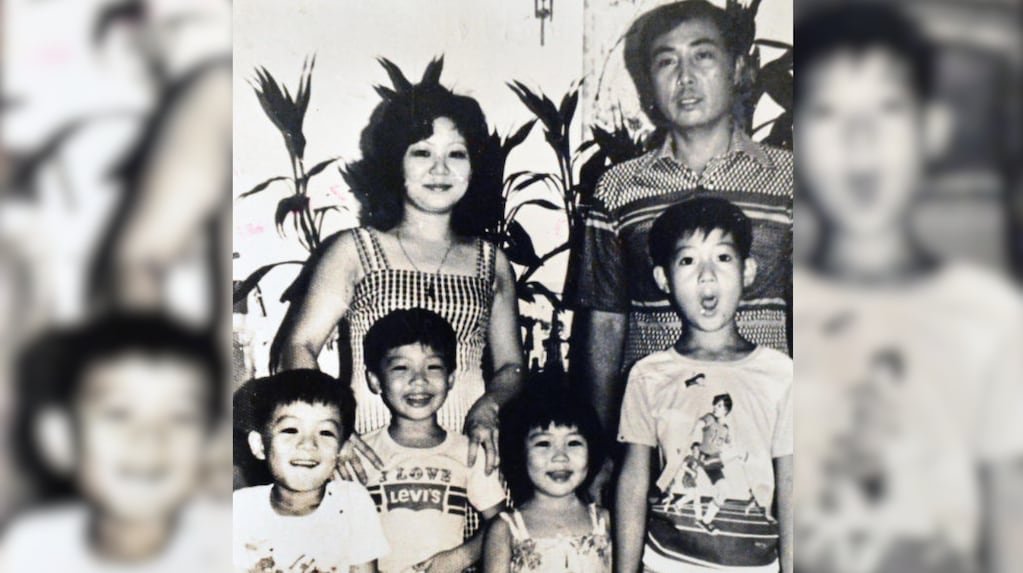
El 6 de enero de 1979, Singapur quedó conmocionado por un crimen que, décadas después, todavía sigue sin resolverse. Esa mañana, Tan Kuen Chai y su esposa Lee Mei Ying salieron de su departamento en el barrio de Geylang Bahru para trabajar, como hacían todos los días. Ambos manejaban un micro escolar y debían comenzar temprano su jornada.
Antes de irse, dejaron durmiendo a sus cuatro hijos pequeños. Horas más tarde, al volver a la casa, encontraron una escena aterradora: los chicos habían sido asesinados de manera brutal.
Las víctimas eran Tan Kok Peng, de 10 años; Tan Kok Hin, de 8; Tan Kok Soon, de 6; y Tan Chin Nee, de apenas 5 años, la única nena de la familia. Los tres mayores asistían a la escuela primaria Bendemeer Road, mientras que la menor iba a un jardín de infantes.
Según la reconstrucción de los investigadores, los padres dejaron el departamento cerca de las 6:35 de la mañana. Poco después, Mei Ying intentó llamar por teléfono para despertar a los chicos, algo que hacía con frecuencia. Sin embargo, nadie respondió.
Preocupada, la mujer le pidió a un vecino que golpeara la puerta del departamento para ver si los nenes seguían durmiendo. El hombre fue hasta el lugar, pero tampoco obtuvo respuesta.
Una imagen del matrimonio Tan luego del crimen de sus hijos. (Foto: SPH)
Si bien comenzaron a inquietarse, los padres siguieron trabajando hasta regresar a la casa después de las 10:00. Fue entonces cuando descubrieron una escena de horror: los cuerpos de los cuatro chicos estaban en el baño del departamento, acostado boca arriba y apilados uno encima del otro.
Un ataque brutal
El crimen no solo impactó por la edad de las víctimas, sino por la brutalidad con la cual fue cometido. De acuerdo con los informes policiales, todos los chicos tenían múltiples heridas provocadas por armas blancas. Cada uno había recibido al menos 20 puñaladas.
El mayor de los hermanos, Kok Peng, presentaba lesiones defensivas y el brazo derecho casi amputado, por lo que los peritos sospecharon que intentó defenderse o proteger a los demás durante el violento episodio. La menor, Chin Nee, tenía varios cortes en la cara.
Rápidamente, los investigadores concluyeron que no se había tratado de un robo, ya que no había señales de ingreso forzado y no faltaba ningún objeto de valor en el departamento. Además, no había signos de desorden, lo que reforzó la teoría de que el atacante había actuado con un objetivo específico.
La policía también determinó que el crimen había sido planificado. Las armas utilizadas nunca fueron encontradas, aunque se cree que el asesino usó un machete y otro cuchillo o daga. Aun así, la escena dejó algunos rastros inquietantes, como el hallazgo de manchas de sangre en la bacha de la cocina. Por ello, se sospechó que el asesino se lavó antes de escapar.

Nunca se supo quién asesinó a los cuatro chicos ni el motivo. (Foto: SPH)
Otro detalle clave fue que Kok Peng tenía mechones de pelo atrapados en una de sus manos. Para la policía, eso indicaba que el chico probablemente había forcejeado con el asesino. Sin embargo, las limitaciones tecnológicas de la época impidieron avanzar demasiado con esa evidencia.
Por otra parte, los peritos también remarcaron la ausencia de ruidos durante el hecho. A pesar de que los departamentos de ese barrio estaban muy cerca entre sí y las paredes eran delgadas, ningún vecino escuchó gritos ni forecejos.
En esa línea, surgió un testimonio clave: un taxista informó a la policía que, cerca de las 8:00 de esa mañana, un joven de unos 20 años subió a su vehículo cerca del bloque 58. Según el conductor, el hombre tenía manchas de sangre en el lado izquierdo de su cuerpo y, al bajar, el chofer notó que llevaba un objeto punzante que golpeó contra la puerta del auto. Si bien este testigo ayudó a realizar un identikit, el sospechoso nunca fue localizado.
Una carta escalofriante
La investigación quedó en manos del Departamento de Investigación Criminal de Singapur. Durante semanas, los agentes interrogaron a más de cien personas entre vecinos, conocidos y personas cercanas a la familia. A pesar de eso, nunca lograron identificar a un sospechoso concreto.
Con el paso de los días, la principal hipótesis comenzó a apuntar a una venganza personal. La teoría cobró todavía más fuerza dos semanas después de los asesinatos, cuando la familia recibió una carta para el Año Nuevo chino firmada por alguien que decía ser “el asesino”.
La tarjeta mostraba imágenes de chicos felices jugando y tenía escrito un mensaje: “Ahora no puedes tener más descendencia, ja-ja-ja”. La frase hacía referencia a que Mei Ying se había sometido a una ligadura de trompas después del nacimiento de su hija menor.

El padre de las víctimas luego de enterarse de la tragedia. (Foto: SPH)
Para los investigadores, ese detalle era fundamental, ya que quien había enviado el mensaje conocía información íntima de la familia que no era pública. Además, la carta utilizaba los apodos personales de los padres, “Ah Chai” y “Ah Eng”, algo que reforzó la sospecha de que era alguien cercano a la familia Tan.
A pesar de estas pistas, la policía nunca pudo rastrear su origen ni identificar a la persona que la había enviado.
Entre los cientos de interrogados, la policía puso bajo la lupa a un amigo de la familia, a quien los chicos llamaban “Tío” de manera cariñosa. Este hombre solía visitar la casa con frecuencia para usar el teléfono y participar en apuestas de lotería con el padre.
Incluso, fue sometido a una rueda de reconocimiento frente a un vecino que afirmó haber visto a un hombre caminar por el pasillo del edificio la mañana del crimen. Sin embargo, tras dos semanas de detención, fue liberado por falta de pruebas contundentes.
Un misterio que sigue sin respuestas
El crimen provocó una enorme conmoción en Singapur y generó temor entre los vecinos del barrio de Geylang Bahru. Durante semanas, el caso fue el tema principal de los diarios locales y se convirtió en uno de los episodios criminales más impactantes de la historia del país. Los cuatro hermanos fueron enterrados juntos. (Foto: Enanyang)
Los cuatro chicos fueron enterrados un día después de los asesinatos en el cementerio de Choa Chu Kang. Junto a ellos, la familia colocó algunos de sus juguetes favoritos, mochilas escolares y libros de estudio.
Leé también: Un triángulo amoroso y un crimen brutal: el caso de la ciclista asesinada por la novia de su amigo
Después de la tragedia, los padres dejaron el negocio del transporte escolar y comenzaron una nueva vida trabajando en una empresa dedicada a fabricar materiales de PVC. Años más tarde, Mei Ying logró revertir la esterilización y volvió a tener un hijo.
Singapur, Asesinato, hijos













INTERNACIONAL
Polo Carrera, el delantero ecuatoriano que jugó 24 años con un solo ojo, se consagró en tres países y atravesó un cáncer de huesos
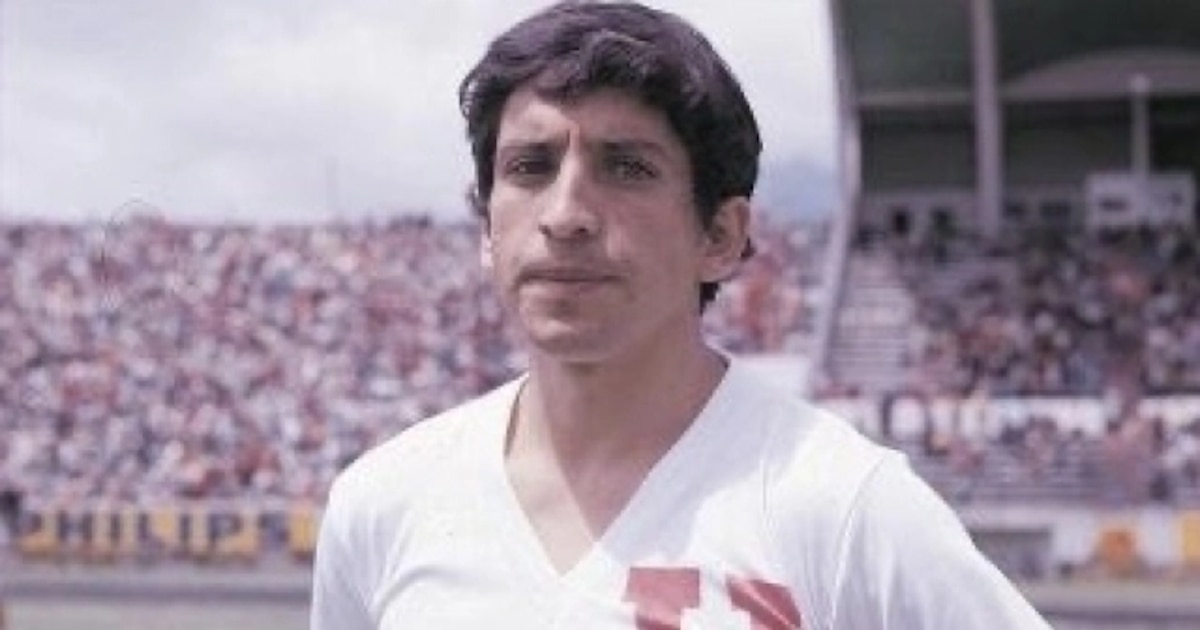
Paúl Fernando Carrera Velasteguí, más conocido como Polo Carrera, nació en Quito el 11 de enero de 1945 y tiene 81 años. Casi nadie en la historia de Liga Deportiva Universitaria de Quito vio tanto fútbol desde tan cerca como él, y sin embargo lo vio, durante toda su carrera, con un solo ojo. Tenía ocho años y estudiaba en la escuela Vicente Rocafuerte de Quito cuando un dardo, lanzado en un juego escolar, le impactó en el ojo derecho. La lesión le dejó una ceguera permanente que ningún especialista logró revertir. Él mismo ha contado que en ese momento pensó que tal vez no volvería a jugar fútbol. No fue así: aprendió a vivir y a jugar con la visión reducida a su ojo izquierdo, y llegó a modificar su ubicación en la cancha para compensar la pérdida de campo visual por el lado derecho.
Durante buena parte de su carrera, ni siquiera sus entrenadores conocían la magnitud de esa limitación. Carrera ha relatado que fue en Uruguay, al tramitar su licencia de conducir, cuando los responsables se sorprendieron al comprobar que veía únicamente con un ojo. Con esa condición debutó como profesional en Liga en 1960: algunas fuentes, incluido el propio Carrera en entrevistas, sitúan ese debut a los 15 años, y se retiró en febrero de 1984, tras enfrentar al Grasshopper de Suiza. Entre un punto y otro pasaron 24 años, aunque no fueron 24 temporadas continuas: hubo salidas, regresos y pasos por media docena de clubes.
Esa itinerancia lo llevó a tres países. En Ecuador vistió las camisetas de Liga de Quito, Deportivo Quito, Barcelona, El Nacional, Universidad Católica y América de Quito. En 1966, con apenas 21 años, se convirtió en uno de los primeros ecuatorianos en jugar en Brasil, cuando el Fluminense de Río de Janeiro lo fichó para una etapa de unos nueve meses. Era, según sus propios recuerdos, prácticamente el único ecuatoriano en su entorno, y tuvo que adaptarse al idioma y a una cultura futbolística que le resultaba ajena. Con Fluminense disputó el Campeonato Guanabara y enfrentó al Santos de Pelé, a quien volvería a cruzarse años más tarde vistiendo otra camiseta. Su paso brasileño, sin embargo, no terminó en título: es una etapa central para entender el alcance internacional de su carrera, pero no un campeonato ganado allí.
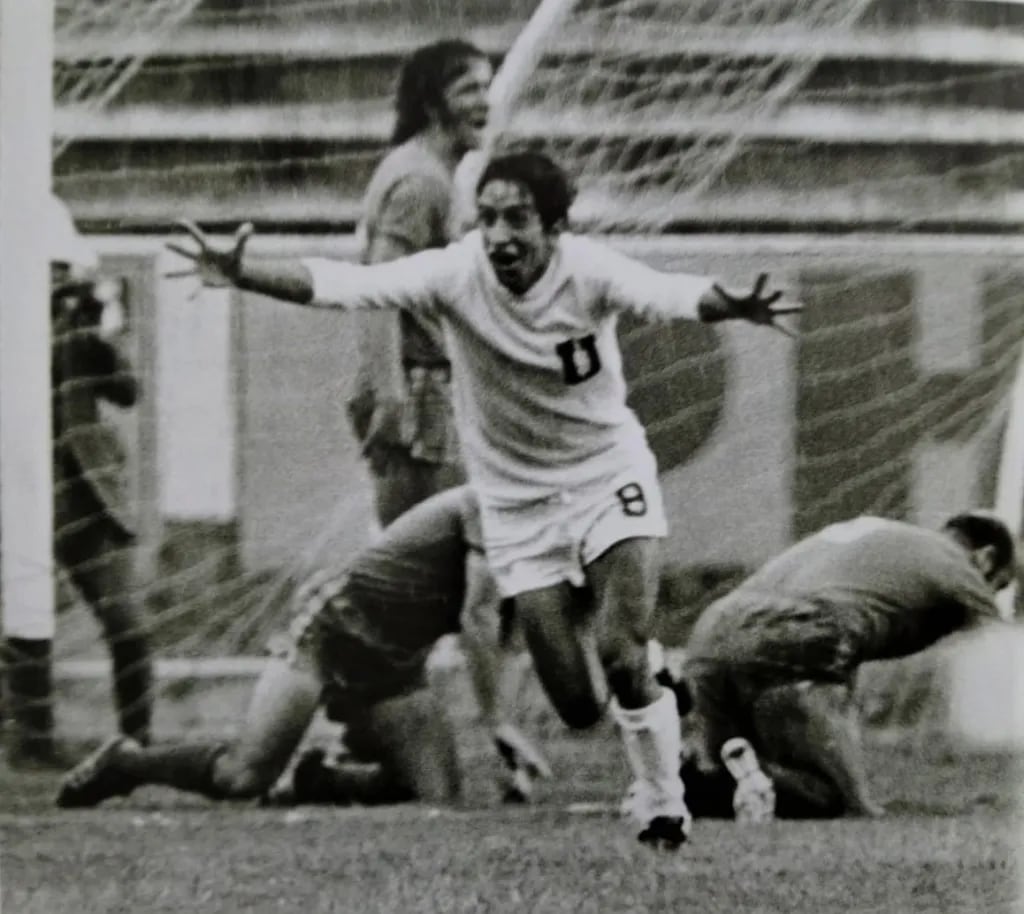
El título fuera de Ecuador llegó en Uruguay. En 1968 Peñarol lo incorporó a un plantel que Carrera describiría después como extraordinario: Alberto Spencer en el ataque, Elías Figueroa en la defensa, Ladislao Mazurkiewicz bajo los tres palos. Ese equipo conquistó el Campeonato Uruguayo ese año, con un gol decisivo de Spencer de cabeza en la victoria sobre Nacional que definió el título. La relación entre los dos ecuatorianos trascendió la cancha: Carrera recordó a Spencer no solo como un gran futbolista, sino como una persona excepcional, y con el tiempo la amistad los llevó incluso a compartir negocios.
De vuelta en Ecuador, la lista de títulos siguió creciendo. Con El Nacional fue campeón del torneo correspondiente a 1973, definido en febrero de 1974. Luego regresó a Liga, justo cuando el club iniciaba una de las etapas más importantes de su historia: en 1975 se coronó campeón nacional con Carrera como una de sus figuras, y esa misma generación llevó a Liga a semifinales de la Copa Libertadores en 1975 y 1976, algo inédito para un equipo ecuatoriano en esa época.
Fue en esa competición donde Carrera dejó la marca que lo definiría por casi veinte años: 12 goles en la Copa Libertadores con la camiseta de Liga, un récord histórico del club que solo caería cuando Patricio Urrutia lo superó, ya en la generación que en 2008 conquistaría el título continental que a Carrera se le había escapado. Ese registro conviene no confundirlo con otro, igual de notable: los 92 goles que anotó con Liga en todas las competiciones a lo largo de sus distintos ciclos en el club, una cifra que lo mantiene como máximo artillero histórico de la institución y que Hernán Barcos, con 91, no logró alcanzar.
Con la selección ecuatoriana, Carrera jugó las eliminatorias rumbo al Mundial de Inglaterra 1966, sin clasificación para Ecuador, y las copas sudamericanas de 1967, 1975 y 1983. Las estadísticas disponibles le atribuyen 20 partidos internacionales y tres goles, aunque las bases modernas varían según los criterios que aplican para considerar un encuentro oficial.
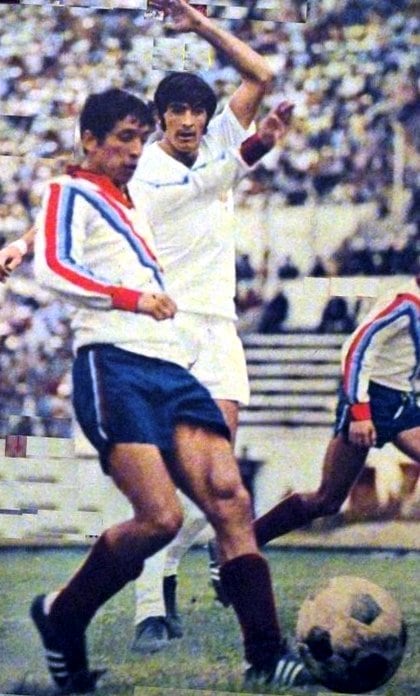
Su historia con los títulos no se cerró cuando colgó los botines. En 1990 asumió como entrenador de Liga, entonces al borde del descenso, y lo condujo al campeonato ecuatoriano, el primero del club en quince años. Carrera pasó así a ser campeón nacional con Liga tanto de jugador, en 1975, como de técnico, en 1990. Después dirigió a Espoli, El Nacional, Aucas, Deportivo Quito y a la selección, y en 1993 logró con Espoli el ascenso a la Serie A.
La historia, además, no terminó en el terreno deportivo. En diciembre de 2025 la Federación Ecuatoriana de Fútbol lo recibió en la Casa de la Selección para su rehabilitación tras una cirugía de rodilla, y en marzo de 2026 relató, en una entrevista concedida en su casa, que desde 2023 había enfrentado un cáncer de huesos en remisión, un infarto y complicaciones posteriores en las rodillas. A los 81 años, el hombre que aprendió a jugar sin visión en un ojo describió esa recuperación como una nueva batalla personal, distinta a las que libró en las canchas de Quito, Montevideo y Río de Janeiro, pero librada con la misma insistencia.
corresponsal:Desde Quito
INTERNACIONAL
Indonesian passenger ship carrying 240 people loses contact in Java Sea, search underway

NEWYou can now listen to Fox News articles!
A passenger ship carrying 240 people vanished from contact in the Java Sea on Sunday local time, triggering an urgent search as Indonesian crews raced to locate the vessel.
The Virgo Transport 8 was traveling from Surabaya, East Java, to Banjarmasin on the island of Borneo when communications with the ship were lost, the Associated Press reported, citing Indonesia’s Banjarmasin Search and Rescue Office.
Authorities said the vessel was last tracked roughly 92 miles from a pier in Banjarmasin, the capital of South Kalimantan province.
MOM LOSES GRIP ON DAUGHTER AS PASSENGER FERRY CAPSIZES WITH 20 PEOPLE STILL MISSING
Authorities are searching for the Virgo Transport 8 after the passenger ship lost contact while traveling from East Java to South Kalimantan. (EyesWideOpen/Getty Images)
Search-and-rescue teams launched an operation after receiving a report that the ship had suffered a communications failure during the voyage, according to the AP.
Officials had not reported any deaths or injuries as of Sunday, and it was not immediately clear what caused the vessel to lose contact or whether weather conditions were affecting the search.
MULTIPLE RESCUED FROM PONTOON BOAT NEAR ALCATRAZ AS SEARCH CONTINUES FOR MISSING PERSONS

The Virgo Transport 8 lost contact while traveling from Surabaya to Banjarmasin, according to officials. (EyesWideOpen/Getty Images)
The Virgo Transport 8 departed Surabaya, Indonesia’s second-largest city, before losing contact while crossing the Java Sea toward South Kalimantan.
The search remains underway.
The Associated Press contributed to this report.
world, asia world regions, missing persons
INTERNACIONAL
‘Trump-level’ smackdown earns Vance roaring praise as 2028 buzz builds at GOP convention

NEWYou can now listen to Fox News articles!
Republicans reached a consensus that Vice President JD Vance solidified his position as the presumptive 2028 presidential candidate with his «Trump-level» smackdown of a foreign flag-waving protester who disrupted his speech at the Republican National Convention.
Vance did not hesitate after a protester interrupted his primetime speech in Dallas on Thursday by waving the flags of the Palestinian Authority and Mexico. He recalled to those watching his speech on TV: «What the people at home missed is that we just had a protester interrupting us and waving the Mexican flag.»
«Well, my friend, if you love Mexico so much, get your a– over there. I’ll buy you the plane ticket,» the VP said, to which the crowd erupted into applause.
«JD Vance just MIC DROPPED a leftist heckler who interrupted him waving a Mexican flag…this place is DEAFENING,» conservative commentator Eric Daugherty wrote on X, adding, «TOTAL PANDEMONIUM.»
CROWD ERUPTS AS VANCE SMACKS DOWN PROTESTER WAVING MEXICAN FLAG: ‘GET YOUR A– OVER THERE’
A protestor throws a Mexican flag as Vice President JD Vance speaks during the second day of the Republican National Committee midterm convention at the American Airlines Center in Dallas, Texas on September 10, 2026. (Brendan SMIALOWSKI / AFP via Getty Images)
Popular conservative pundit Benny Johnson called Vance’s quick wit an «epic response.» President Donald Trump supporter and activist Scott Pressler similarly praised Vance for reacting «without missing a beat,» and called it «an iconic moment.»
«This was masterful. A Trump-level move from JD Vance,» wrote Overton, a conservative commentary and news account. «Vice President Vance perfectly handled a protestor waving a Mexican flag at the RNC in Dallas. Then he fired back with a savage one-liner that sent the American Airlines Center into absolute bedlam.»
The moment was capped off with a «USA!» chant from those in the crowd at the GOP Midterm Convention.
Students for Trump co-founder Ryan Fournier wrote, «JD Vance just absolute [sic] WIPED THE FLOOR with a leftist heckler who interrupted his rally waving a Mexican flag.»
«The crowd went completely WILD. Unbelievable energy,» wrote Fournier.
VANCE DECLARES DEMOCRATS ‘PARTY OF HATRED,’ SAYS PARTY HAS MOVED BEYOND BIG GOVERNMENT, CENSORSHIP

Vice President JD Vance introduces U.S. President Donald Trump to speak on stage on the second day of the 2026 Republican National Convention at the American Airlines Center on September 10, 2026, in Dallas, Texas. (Justin Sullivan/Getty Images)
«JD Vance just notched the most iconic moment of the RNC when he told a protester waving a Mexican flag exactly what all red blooded Americans were thinking,» wrote Turning Point USA spokesman Andrew Kolvet.
Commentator Brilyn Hollyhand put it simply, posting on X, «Yea JD for President after this.»
Vance recovered from the interruption quickly, telling the crowd, «Ladies and gentlemen, I had a whole speech written. But I think I’ve got to change it because we just discovered the symbol of the far left — an idiot waving … a Mexican flag at a protest when he should be waving the flag of the United States of America.»
«Now, we all know, of course, that as much as that person might wave around a foreign flag, he’d much rather live in Dallas, or in Cincinnati, or in any one of our great cities than Mexico,» President Donald Trump’s No. 2 continued. «But while we wave the American flag and fight for the American dream, we have to remind ourselves tonight that the good life that is the foundation of this country’s promise is not guaranteed.»
CHARLIE KIRK HONORED AT GOP CONVENTION WITH CALL TO REJECT ‘COMFORTABLE LOSING’

People hold signs on the first day of the 2026 Republican National Convention at the American Airlines Center on September 9, 2026, in Dallas, Texas. (Photo by Tasos Katopodis/Getty Images)
«Every generation of Americans has had to fight for these things when it’s our turn,» he went on.
«And this fall, the Democrats are running candidates who will tell your children what they’re allowed to say, how they’re allowed to live, and importantly, who they ought to hate, because that’s what the Democrat Party is about in 2026,» Vance continued. «It’s not about you, it’s about foreign fraudsters, and it’s about who they hate. And we got to send their a–es back in November.»
Speculation has swirled over who will be the heir to Trump’s MAGA throne in 2028. The consensus so far among Republicans appears to be split between Vance and Secretary of State Marco Rubio — but a lot could change before the next presidential election.
jd vance, republican convention, politics, dallas fort worth, texas, donald trump, us protests

Polo Carrera, el delantero ecuatoriano que jugó 24 años con un solo ojo, se consagró en tres países y atravesó un cáncer de huesos

Salario mínimo garantizado: una mala idea

Uno por uno, quiénes son los gobernadores que ingresaron a la casa Rosada en lo que va de este año y los que nunca fueron

Facundo Díaz Acosta avanzó a su séptima final del año en el Challenger de Sevilla

Tormenta en el Banco Nación: un crédito de $52.600 millones, una empresa bajo sospecha y el traslado del gerente que se negó a firmar la financiación

Guillermo Andino: “Mi vocación nació a partir del momento más triste de mi vida”

El día que Owen Wilson se emocionó por el abrazo que le dio Lionel Messi tras un partido

Berni se diferenció de Kicillof en la aplicación de la baja de la edad de imputabilidad

Cuánto cuesta comprar una pick up en la Argentina y cuáles son los modelos más baratos en septiembre

La desafiante aventura de Carolina Baldini en moto por Europa: desde Edinburgo a Liverpool en dos ruedas

 ECONOMIA3 días ago
Así es la primera pickup compacta nacional: diseño, cuándo empezará a venderse y el novedoso sistema híbrido que tendrá
- DEPORTE3 días ago
Alarmante frase de Pierre Gasly antes del estreno del circuito de Fórmula 1 en Madrid
- POLITICA2 días ago
“¿Dónde está Kicillof?”: Patricia Bullrich cruzó al gobernador por la inseguridad en la Provincia