INTERNACIONAL
Unearthed clip exposes how far Talarico was willing to go on raising taxes during COVID era

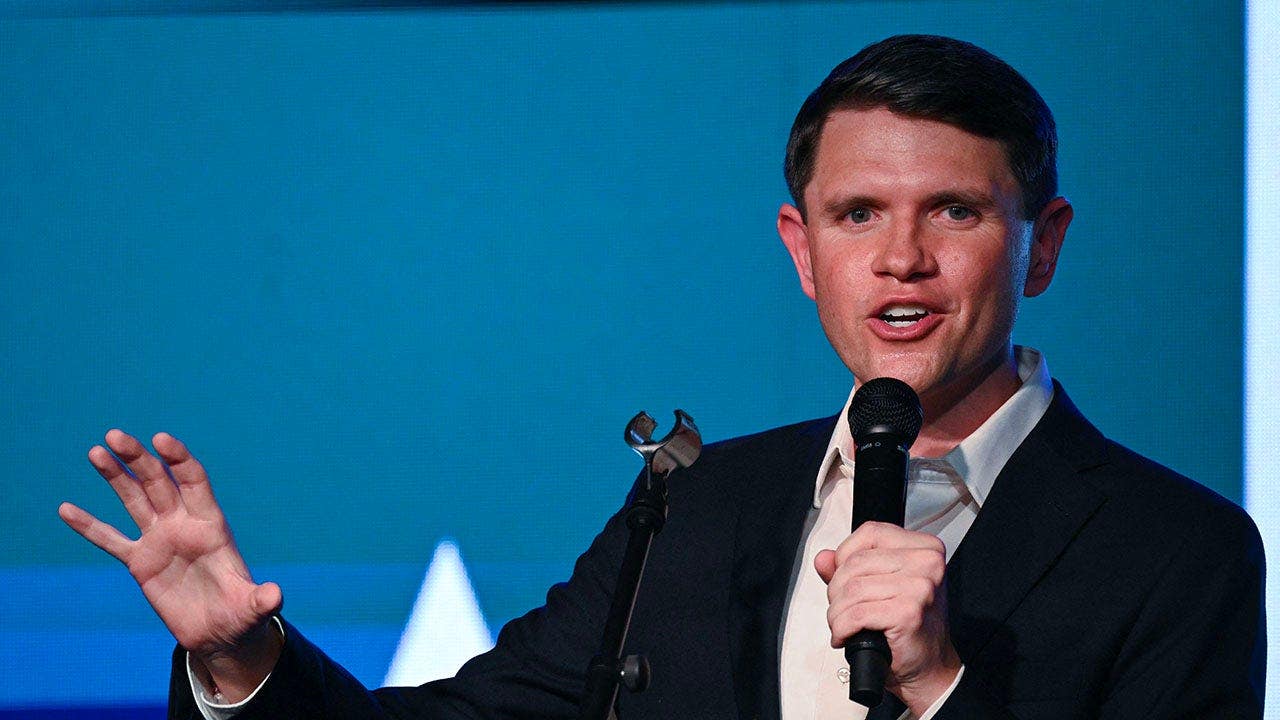
James Talarico, the Democratic nominee for the Senate in Texas, once pressed Democrats to consider cuts to healthcare benefits a nonstarter — regardless of the consequences for the state’s finances.
The remark came during a podcast interview in which Talarico discussed how Texas might balance its budget amid COVID-related shortfalls. He feared Republicans would look for savings in healthcare services.
«I don’t care where you get the revenue. I don’t care what taxes you have to raise,» Talarico said in a 2020 appearance with Texas Rising, a progressive YouTube channel focused on political engagement among younger voters.
The resurfaced moment adds to the pile of past statements dealing with gender, immigration and fiscal management, complicating the political calculus for Talarico as he aims to convince voters in Texas that he could represent a Republican-leaning constituency, even as a Democrat.
TALARICO SAYS HE ‘MISSED THE MARK’ AS HE BACKTRACKS ON CONTROVERSIAL WOKE STATEMENTS
At the time, Texas was facing a bleak financial outlook.
The pandemic had crippled key sections of the state’s regular revenue streams. As oil demand crashed nationally, tax revenue that would normally come from hotels, bars and restaurants also faced steep reductions. Texas Comptroller Glenn Hegar projected a $4.6 billion shortfall.
«The economic contraction associated with COVID-19 has resulted in revenue collection this fiscal year that is much lower than our earlier projections,» Hegar said in a statement.
«This estimate also assumes that restrictions on businesses and individuals will be lifted before the end of this calendar year and that economic activity will strengthen.»
As a part of the COVID response, Texas ordered most agencies to look for ways to cut their spending by 5% in the 2020 – 2021 budget.
In a letter, Governor Greg Abbott largely shielded Health and Human Services (HHS) from the reductions, sparing the state’s Medicaid program, the Children’s Health Insurance Program, the foster care program and disability services, among others. Even so, $2.6 billion of HHS’s budget remained subject to cuts, according to the agency’s estimations.
That left the Health and Human Services Commission with a target of $132,716,600 in cuts.
‘FAKE’ MODERATE TALARICO’S TEXAS SURGE TESTS PAXTON IN FIGHT TO HOLD CRUCIAL GOP SENATE SEAT
Despite the reduced figure, Talarico blasted the idea of making spending reductions geared towards healthcare.
«You’re not going to make our students and our teachers — you’re not going to make the sick and the elderly pay for this pandemic we are not going to balance our budget off of the most vulnerable people in this state,» Talarico said.
He argued that Democrats should create a similar kind of stigma against cuts to HHS as the one surrounding raising taxes.
«Sometimes you get the reaction in the capitol that’s an unreasonable position to take. But the other side of the aisle has already taken revenue increases off the table. They’ve done a good job of making certain options taboo, so I think our coalition, not just Democrats but progressives, and anybody with a functioning heart should be able to make cuts to health and education taboo and take them off the table,» Talarico said.
The moment has brought on criticisms from at least one Republican onlooker.
«High-tax Talarico never saw a tax hike he didn’t love in the Texas Legislature, and he is promising to continue that if elected to the Senate. James Talarico will raise taxes on every Texan to fund his radical agenda of taxpayer-funded sex changes for kids and free healthcare for illegal immigrants,» Zach Kraft, a spokesperson for the Republican National Committee said in a statement to Digital.
As he wages his bid for U.S. Senate, Talarico has advocated for an expansion of U.S. health policy.
On his website, Talarico has called for universal eligibility for Medicare, to regulate medical debt and expand veteran care. His views on Medicare, which overlap with many other progressives in the party, have prompted criticism from Republicans who believe such an expansion would cripple the federal budget with cost.
Skeptics of the plan have argued for years that such an expansion is too expensive and does little to address existing inefficiencies in the American healthcare system.
In 2019, Sen. John Barrasso, R-Wyo., took to the Senate floor to blast the idea, calling it a straitjacket solution that would undermine healthcare quality.
«The [Congressional Budget Office] projects in its report on a single-payer plan that government spending on health care would increase substantially. They go on to say to cover the massive cost of government-run care, income taxes would have to at least double. Income taxes, American families — at least double,» Barrasso said.
SHOCK POLL: TALARICO TIES PAXTON IN TEXAS SENATE RACE, THREATENING GOP STRONGHOLD
Talarico’s campaign did not address questions on whether his designs for healthcare are shaped by the national deficit, but noted that his plan includes increases in taxes on the country’s top earners.
«James supports making billionaires pay their fair share so we can cut taxes for middle class Texans and fund healthcare for working families — which is why he has unveiled plans to end special tax handouts to corporations and billionaires to help fund healthcare, while proudly voting for the largest property tax cut in Texas history to make sure middle class families get a break,» the Talarico campaign told Digital. «Ken Paxton has worked to enrich himself and his billionaire mega-donors, amassed 15 properties on a taxpayer-funded salary, and was impeached by his own party for his corrupt abuse of office.»
Having cleared the party primary, Talarico will face off against Republican Senate nominee Ken Paxton in the state’s Nov. 3 general election.
politics, greg abbott, republicans elections, domestic policy










FIRST ON FOX: A bipartisan group of lawmakers is eyeing adding a tax to internet usage throughout the country to help subsidize telecommunications services in rural areas.
Sens. Deb Fischer, R-Neb., and Ben Ray Luján, D-N.M., have quietly been working on draft legislation that would add up to $100 extra on Americans’ internet bills to bolster the Universal Service Fund (USF), a decades-old program meant to subsidize broadband access, a source shared with Digital.
Fischer and Luján formed a bipartisan and bicameral working group for USF reform last year with Reps. Doris Matsui, D-Calif., and Richard Hudson, R-N.C. to find fixes for the program, which was first launched in 1996.
FCC LAUNCHES SWEEPING REVIEW OF $3B SCHOOL INTERNET SUBSIDY PROGRAM OVER SCREEN TIME CONCERNS
The draft legislation, which has yet to be officially filed in the Senate and is still subject to change, included proposals to create a USF tax on households and businesses with broadband connections. The draft legislation, which was reviewed by Digital, would also increase the current USF tax on cell phone lines and impose no cap on USF spending — meaning there’s wiggle room to raise the tax down the line.
«I’m not commenting on gossip intended to undermine USF reform, particularly when a bill hasn’t even been filed,» Fischer said in a statement to Digital.
Another source familiar with the negotiations around the yet-to-be revealed legislation told Digital that they had «no reason to believe» that the fee had been removed from the draft bill.
«My understanding is it just adds a tax on broadband,» they said.
Luján’s office told Digital that discussions were still ongoing, that the «bipartisan working group continues to evaluate options to modernize the Universal Service Fund, ensure its long-term sustainability, and keep internet and communications services affordable for all Americans.»
«No proposal has been finalized, and any claims otherwise are premature,» they said.
Congress does not directly fund the program, which instead relies on user fees from telecommunications and broadband companies to stay afloat in order to subsidize broadband services in rural areas.
FCC CHAIRMAN CARR SAYS SPECTRUM AUCTION WILL MAKE WIRELESS FASTER, CHEAPER WHILE RAISING BILLIONS FOR TREASURY
Last year, according to data from the Congressional Research Service, the USF doled out over $8 billion in subsidies.
Part of the problem with the program is that the stream of funding that props USF up is shrinking, according to a report from the Computer & Communications Industry Association.
The report found that «the current contribution base for USF fell 41% between the first quarter of 2018 and the first quarter of 2026, from $12.9 billion to $7.6 billion.» That is spurred by shifts in the industry and contribution base, like more communications happening over the internet through WhatsApp, FaceTime and Zoom instead of phone calls, for example.
And tacking on a new tax to bolster the program is a touchy subject, particularly for outside groups.
TOP SENATE DEM’S NEW TAX IDEA GETS TORCHED AS CRITICS WARN NEARLY EVERY AMERICAN COULD PAY
Over two dozen outside groups led by Grover Norquist’s Americans for Tax Reform demanded in a letter to Congress sent in August that lawmakers «oppose any attempts to impose new taxes on broadband service, including by assessing broadband for contributions» to the USF.
«Rather than impose new taxes on broadband providers, raising costs yet further for consumers, Congress should reform eligibility for the program and retire the broadband subsidies, if not the entire program,» they wrote. «USF is outdated and ill-suited for its purpose. Passing off its ballooning costs is not a solution.»
Congress did enact a new infrastructure-expansion focused internet program under former President Joe Biden in 2021 as part of his Infrastructure Investment and Jobs Act.
That program, called the Broadband Equity, Access, and Deployment (BEAD), included a one-time pot of just over $42 billion to spread internet access across the country.
The Trump administration overhauled the program, removing hurdles and adding new guidelines for states and territories to gain access to the funding.
politics, congress, taxes, domestic policy, economic policy
INTERNACIONAL
German chancellor warns Islamic immigrants, others to honor nation’s Holocaust legacy or leave
NEWYou can now listen to Fox News articles!
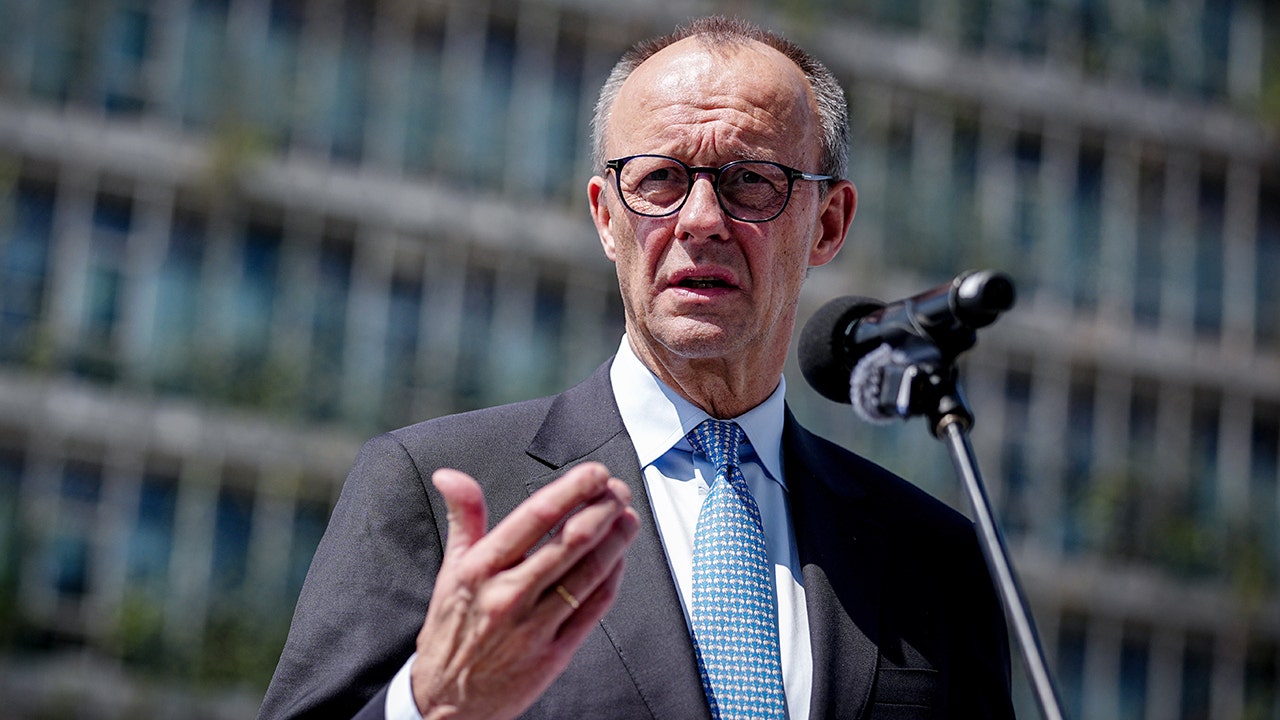
Eight decades after the Holocaust, Germany’s conservative Chancellor Friedrich Merz warned that accepting the nation’s responsibility for the Nazi genocide is an obligation that extends fully to immigrants arriving from Islamic countries.
During an official reception for Germany’s Maccabiah Jewish sports delegation in Berlin on Nov. 6, Merz said the «historical responsibility of our country applies just as much to those who come here to Germany from Islamic countries, and anyone who fails to abide by this must leave our country.»
His response came after a basketball coach told him athletes feared being attacked if they wore their red Maccabi training jackets bearing the Star of David on German streets.
The German Press Agency, dpa, reported that Merz quoted former German President Richard von Weizsäcker, who in 1985 told the Bundestag that «young people are not responsible» for the crimes of the Nazis, «but they are responsible for what becomes of it in history.» Merz said the principle was «set in stone,» and that, «given the current circumstances,» von Weizsäcker’s words «also apply to immigrants who come to Germany,» referring to recent antisemitic offenses committed by Muslim immigrants.
GERMAN OFFICIALS WARN ISLAMIST, FAR-LEFT RHETORIC DRIVING SPIKE IN ANTISEMITIC ATTACKS
German Chancellor Friedrich Merz sparked backlash while remarking about the country’s migration policies. (Thomas Traasdahl/Ritzau Scanpix via AP)
The chancellor’s office released his prepared remarks from the event, but did not include comments made in a question-and-answer session with the athletes. When asked by Fox News Digital about his statement, a German government spokesperson said, «The chancellor’s words speak for themselves.»
«Chancellor Merz is not only right to make these remarks,» said Sweden-based political scientist Daniel Schatz, «he is fulfilling Germany’s historical responsibility.» Schatz, who holds a doctorate from Berlin’s Humboldt University, says Merz’s statement reflects the German concept of «Staatsräson,» or reason of state, «which places Germany’s historical responsibility for the Holocaust and its commitment to Israel’s security at the heart of German national and foreign policy.»
Schatz said Merz’s remarks point to a broader challenge for Germany. «When Jewish athletes in Germany and other parts of Europe are afraid to wear clothing displaying the Star of David, we are confronting something far more serious than a failure of integration,» he said. «We are witnessing a failure of the state to guarantee that Jewish citizens can live openly and securely.»
«A country that has made ‘Never Again’ a cornerstone of its national identity cannot accept a situation in which Jewish identity must be concealed for reasons of personal safety.»
ITALY’S SCHOOL VEIL BAN EXPOSES EUROPE’S ASSIMILATION FIGHT AS EXPERT WARNS US COULD BE NEXT

Protesters attend a pro-Palestinian demonstration in Leipzig, Germany, Jan. 17, 2026. (Christian Mang/Reuters)
Simone Rodan‑Benzaquen, senior envoy to Europe at the Foundation for Defense of Democracies, told Fox News Digital, «Merz is right: everyone who makes Germany their home must accept the responsibility to protect Jewish life. You do not have to inherit Germany’s guilt to share that responsibility.»
«This is a fundamental question of integration,» she added. «Learning German and finding a job matter, but integration also means accepting that your Jewish neighbor has the same right to live openly and safely as you do. That requires transparent foreign funding, scrutiny of what publicly supported organizations teach, enforcement against threats and violence, and support for Muslims challenging antisemitism within their own communities.»
SIGN UP FOR ANTISEMITISM EXPOSED NEWSLETTER

A timeline of World War II and historical documents detailing the Holocaust are displayed at the Crossroads of Civilizations Museum in Dubai, United Arab Emirates. The exhibition commemorates the 6 million Jews murdered by Nazi Germany and its collaborators. (Efrat Lachter/Fox News Digital)
Since the Oct. 7, 2023, terrorist attack by Hamas, Janek Treiber, a Dresden University of Technology research fellow, said Germany «has seen a sort of culture war between those who argue for solidarity with Palestinians and view Israel as an oppressive state, and those who stand firmly with Israel. In Germany, this debate is naturally conducted with even greater intensity due to the country’s history.»
Despite the strength of Merz’s remarks, Treiber said the comments have not generated the kind of reaction that has accompanied some of Merz’s previous comments on migration. «Most people would likely agree that anyone moving to Germany… must respect the constitutional order and come to terms with Germany’s historical legacy,» Treiber said.
«Merz’s words should not be a surprise to anyone,» Rodan-Benzaquen said. «The measure of success will be whether those athletes can wear their team jackets on German streets without fear.»
Germany’s 2026 Maccabiah Games delegation was the most successful European team at the competition in Israel — a sporting event akin to the Olympics for Jewish athletes worldwide.
anti semitism, germany, holocaust, israel
INTERNACIONAL
Honduras y Estados Unidos firman acuerdos por 13.5 millones de dólares para reforzar la defensa y la seguridad fronteriza
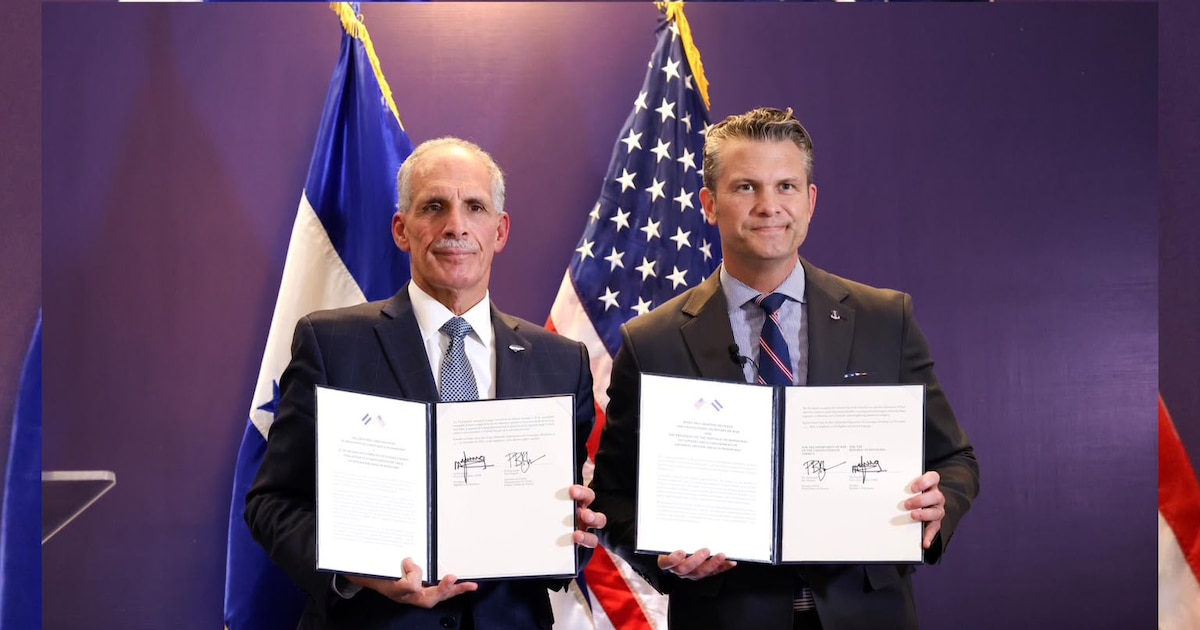
Honduras y Estados Unidos suscribieron este jueves dos acuerdos de cooperación bilateral valorados en aproximadamente 13.5 millones de dólares, con los que buscan fortalecer las capacidades de defensa, la ciberseguridad y la protección de sus fronteras, en medio de las preocupaciones por el avance del narcotráfico y el crimen organizado.
Los documentos fueron firmados por el presidente hondureño, Nasry Asfura, y el secretario de Guerra de Estados Unidos, Pete Hegseth, durante un encuentro en la base aérea coronel José Enrique Soto Cano, en Comayagua. La cooperación corresponde al periodo 2026-2027 y contempla acciones para ampliar el intercambio de información, mejorar las capacidades tecnológicas y reforzar las operaciones de seguridad.
Durante su intervención, Asfura agradeció el respaldo del Gobierno estadounidense y destacó la importancia de mantener la alianza entre ambos países para enfrentar las amenazas que representan el narcotráfico, las maras, las pandillas, el crimen organizado y las organizaciones terroristas.
El mandatario afirmó que Honduras atraviesa momentos difíciles y aseguró que su administración mantendrá los esfuerzos para recuperar la paz y la tranquilidad de la población.
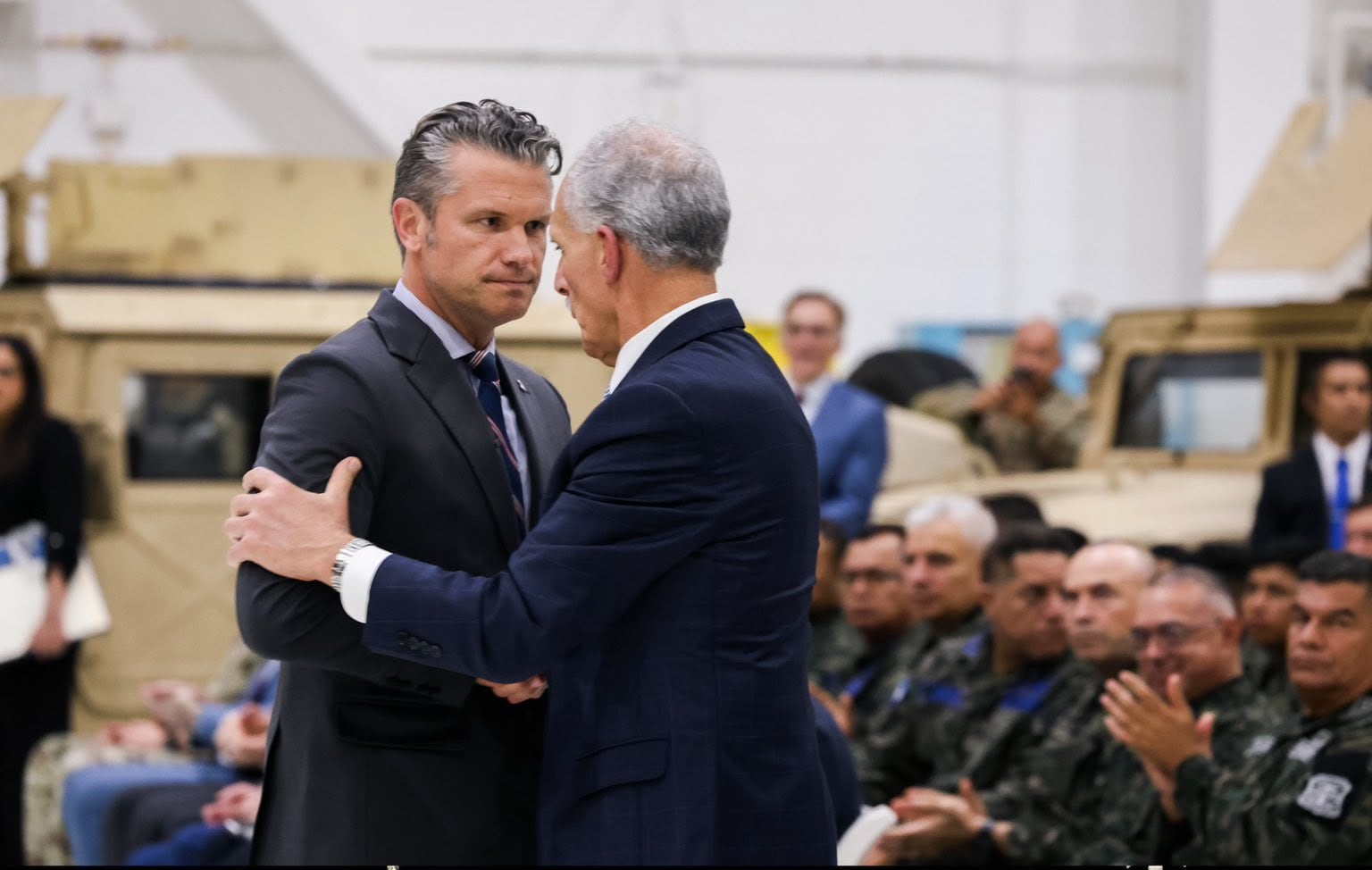
Sus declaraciones estuvieron marcadas por la reciente masacre en el departamento de Yoro, donde 12 personas perdieron la vida en hechos violentos.
“El día de ayer tuvimos un día de luto en Honduras, pero quiero que sepan, todas las maras, pandillas, terroristas, estamos firmes para seguir adelante y darle paz y tranquilidad a Honduras. Honduras no se merece eso y estamos de frente para poder luchar y dar esa paz, esa paz a cada hondureño”, expresó.
Asfura también hizo referencia a las dificultades económicas que enfrenta el país por factores como la crisis del petróleo y la sequía, situaciones que, según señaló, repercuten en la economía nacional y en las condiciones de vida de las familias hondureñas.
El presidente agradeció el acompañamiento de Washington y recordó los 196 años de relaciones entre ambas naciones, a las que calificó como socios comerciales y aliados. En ese contexto, sostuvo que la cooperación resulta fundamental para responder a los desafíos de seguridad y desarrollo que enfrenta Honduras.
Por su parte, Hegseth manifestó que ambos gobiernos comparten el propósito de imponer “costos reales a los cárteles”, desarticular sus operaciones y limitar sus desplazamientos para evitar que estas organizaciones representen una amenaza para la seguridad nacional de ambos países.
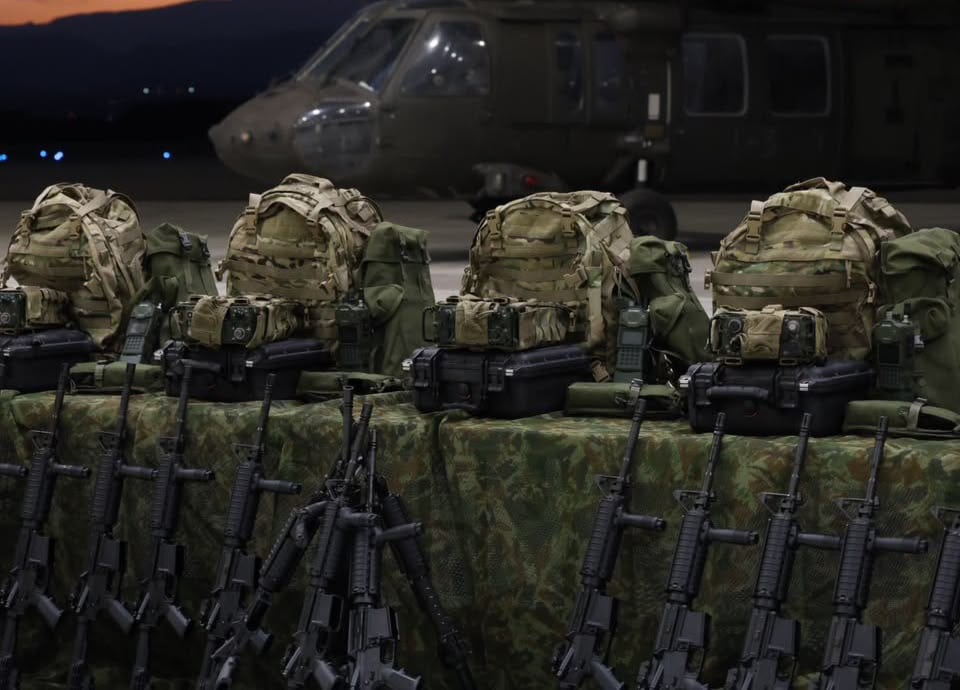
El funcionario estadounidense también destacó el trabajo de la Fuerza de Tarea Conjunta Bravo, instalada en la base de Soto Cano y activa desde 1982. Señaló que esta unidad constituye una plataforma de cooperación militar y asistencia humanitaria entre Honduras y Estados Unidos.
Hegseth expresó además sus condolencias por las 12 víctimas de la violencia en Yoro y aseguró que él, su esposa y su familia oraban por los familiares de las personas asesinadas. Asimismo, reconoció la respuesta del Gobierno hondureño, que desplegó a más de 500 policías y militares para perseguir a integrantes del denominado Cártel del Diablo.
El Gobierno hondureño designó a esa organización como terrorista, junto con la Mara Salvatrucha (MS-13) y Barrio 18, en el marco de las medidas anunciadas para enfrentar a las estructuras criminales.
El primer instrumento es un memorándum de entendimiento en materia de ciberdefensa, que busca mejorar la capacidad de Honduras para proteger sus sistemas críticos, compartir información sobre amenazas digitales y desarrollar las capacidades de defensa tecnológica de las Fuerzas Armadas.
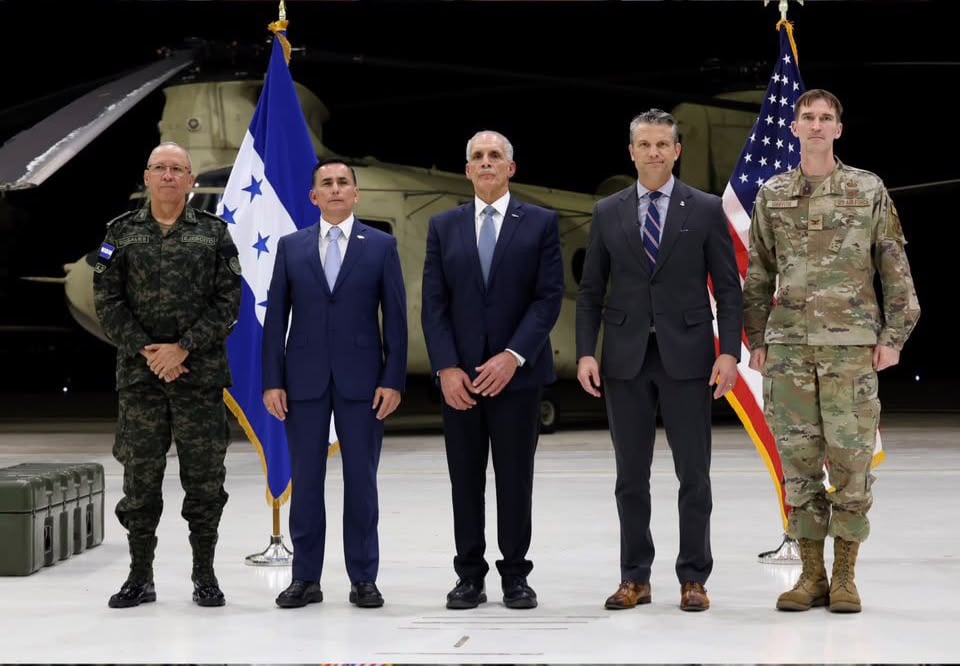
Uno de los puntos de atención será la infraestructura eléctrica nacional, considerada un sistema estratégico cuya protección resulta fundamental ante posibles ataques cibernéticos.
El acuerdo permitirá fortalecer los mecanismos de prevención y respuesta frente a amenazas que puedan comprometer el funcionamiento de servicios esenciales.
El segundo documento consiste en una Declaración Conjunta de Áreas de Defensa Nacional, enfocada en reforzar la seguridad fronteriza y limitar el desplazamiento de estructuras criminales, drogas, armas y otros elementos que puedan poner en riesgo la seguridad de ambos territorios.
Hegseth explicó que Estados Unidos estableció áreas de defensa nacional a lo largo de su frontera sur, que actualmente abarcan casi 1,000 millas. Según el funcionario, esa estrategia ha contribuido a registrar el nivel más bajo de cruces fronterizos ilegales en siete décadas.
El secretario de Guerra felicitó a Asfura por su compromiso de impulsar medidas similares en Honduras y sostuvo que el control de las fronteras es indispensable para proteger la soberanía y evitar que las organizaciones criminales utilicen el territorio como corredor para sus actividades.
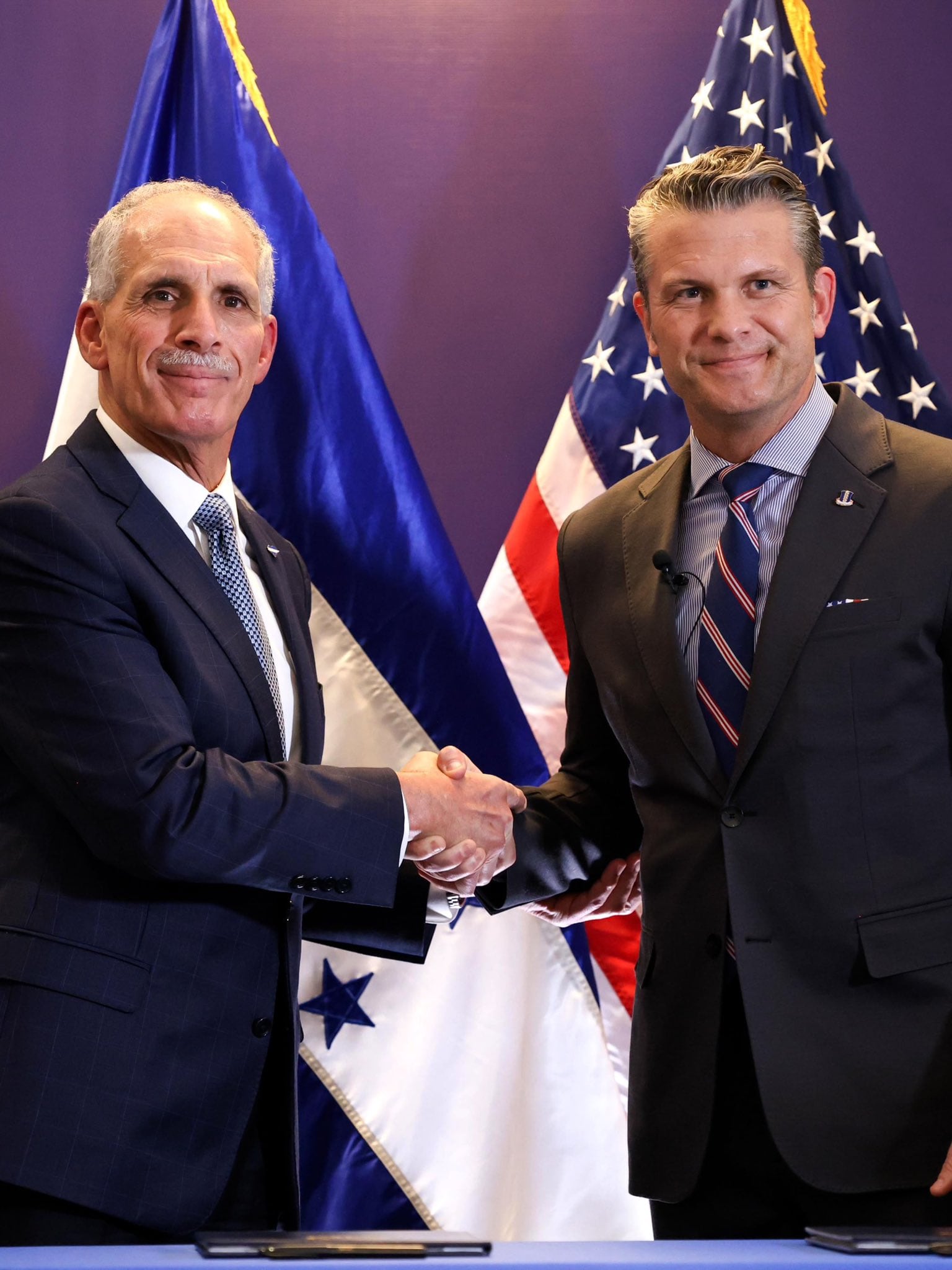
“Si no controlamos nuestras fronteras, no controlamos nuestro país”, afirmó Hegseth, al advertir que las pandillas, las drogas, las armas y la violencia representan amenazas que trascienden los límites nacionales.
El funcionario agregó que Washington está dispuesto a trabajar “hombro con hombro” con las autoridades hondureñas para fortalecer la defensa territorial, proteger a la población y evitar que las organizaciones criminales encuentren refugio seguro.
La firma de estos instrumentos se produce en un contexto de preocupación por la violencia en Honduras y por las operaciones de estructuras delictivas en distintas zonas del país.
La masacre registrada en Yoro, que dejó 12 personas asesinadas, elevó la presión sobre las autoridades para reforzar la respuesta de seguridad y perseguir a los responsables.
Aunque los acuerdos establecen áreas de cooperación en ciberdefensa y seguridad fronteriza, su alcance dependerá de la coordinación entre las instituciones de ambos países y de la aplicación de las medidas contempladas durante el periodo 2026-2027.
El Gobierno hondureño busca que el respaldo estadounidense contribuya a mejorar las capacidades de sus fuerzas de seguridad frente a amenazas que operan dentro y fuera de sus fronteras.
corresponsal:Desde Tegucigalpa, Honduras

Insólito: en Europa empezaron a vincular a Nico Paz con un equipo que pelea por no descender…

Interna macrista: en la Ciudad le bajan el precio al desafío de Fernando De Andreis y ya apuntan contra el líder de Pro

El Senado aprobó el tratado de patentes y la Ley de Inviolabilidad de la Propiedad Privada

Ángel de Brito se enteró en vivo que las angelitas tienen un chat paralelo a sus espaldas y se armó

Qué es el Tratado de Patentes y qué cambia con la adhesión de la Argentina tras la aprobación del Senado

Americans could face $100 hike in internet bills under plan eyed by lawmakers

Javier Milei y sus medidas, en vivo: “Hoy discutimos si crecemos un punto más o menos”, dijo el Presidente

Encontraron muerto a un trabajador en el Observatorio de La Plata

Milei dijo que el riesgo país sube por el miedo a "Orcolandia" y afirmó: "Los argentinos no van a votar hacia el pasado"

¡Bomba! Sofía Jujuy Jiménez confirmó su primer embarazo a los 35 años: tras pasar una escandalosa infidelidad, conoció a su nuevo novio y será mamá

 POLITICA1 día ago
Javier Milei y sus medidas, en vivo: “Hoy discutimos si crecemos un punto más o menos”, dijo el Presidente
- DEPORTE3 días ago
¿Dónde ver EN VIVO y ONLINE el Boca Juniors vs Banfield por la Copa Argentina?
- INTERNACIONAL3 días ago
Fallas en los sistemas de Estados Unidos: cuando las actualizaciones tecnológicas salen mal