INTERNACIONAL
Uruguay busca equiparar a ciudadanos naturales y legales por ley: “Que el país termine de abrazarte”

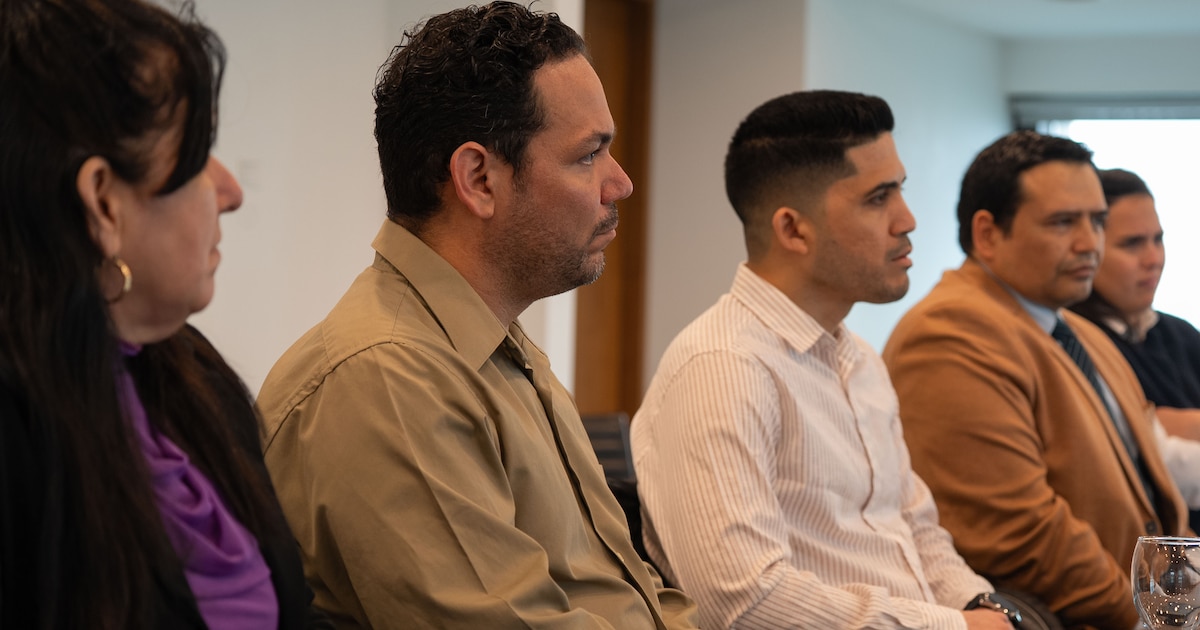
El gobierno de Yamandú Orsi enviará en los próximos días al Parlamento un proyecto de ley interpretativo de la Constitución para igualar a los ciudadanos naturales uruguayos de los ciudadanos legales y que ambos puedan tener nacionalidad, informó el prosecretario de Presidencia, Jorge Díaz.
Esta iniciativa surgió por el reclamo de organizaciones sociales, que alertaron que tenían algunos problemas prácticos por la interpretación que se hace de los conceptos de nacionalidad y ciudadanía. En particular, los mayores inconvenientes se generaban en la expedición de los pasaportes.
La Constitución de Uruguay establece dos categorías: los ciudadanos naturales –nacidos en territorio uruguayo o hijos de ciudadanos naturales nacidos en el extranjero– y los ciudadanos legales –quienes, habiendo nacido en el extranjero, adquieren la ciudadanía–.

La carta magna no habla de nacionalidad, pero se entiende que quienes tienen nacionalidad uruguaya son los que la Constitución considera ciudadanos naturales. Y no se cree que son nacionales los legales.
Con este proyecto de ley interpretativo de la Constitución, lo que el gobierno busca es que los ciudadanos legales también sean considerados nacionales uruguayos.
“Muchos de estos ciudadanos al adquirir la ciudadanía uruguaya se ven obligados a renunciar a su nacionalidad de origen porque hay países que no reconocen la doble nacionalidad. Por ende quedan prácticamente en una situación de apátridas”, explicó Díaz el viernes 9, en conferencia de prensa.

Si se aprueba el proyecto de ley, pasarán a ser nacionales y uruguayos tanto los ciudadanos legales como los naturales.
Díaz sostuvo que el artículo 2 del referido documento también resuelve la problemática planteada con los menores de edad, mediante una habilitación para que accedan a la Carta de Ciudadanía a través de sus representantes legales, que luego deberán ratificar cuando cumplan la mayoría.
Son entre 16.000 y 20.000 personas que se encuentran en esta situación, informó Díaz, en base a datos de la sociedad civil. Una de las organizaciones que presentó este reclamo fue la ONG Todos somos uruguayos.
“Podemos hablar de 1.000 formas en la que esto nos impacta, pero la principal que nos afecta a todos es el sentido de pertenencia. Es hacer vida, echar raíces en este lugar, en este país, trabajar y buscarse una mejor vida acá, pero que haya algo del país que no termine de abrazarte”, comentó Adriana Ovalle, integrante de esta organización, en el programa Puesta a punto de Canal 12.

Ovalle comentó que el proceso para obtener la ciudadanía legal en Uruguay es “justo y robusto”, e incluye varias etapas pero no tiene el final que esperan porque no pueden decir “somos uruguayos”.
Uno de los problemas se da con los menores de edad, que tienen que esperar unos 20 años para iniciar el trámite de la ciudadanía. “Estamos hablando de niños que no conocen otra tierra que no sea Uruguay y son considerados extranjeros”, explicó.
“Hemos sabido de casos de niños que no han podido ser abanderados por ser extranjeros. Por suerte este tipo de casos son pocos, pero no deja de ser la infancia de un niño que se ve afectada por algo completamente aleatorio”, expresó.

Otro ejemplo que mencionó Ovalle es el de una futbolista de Peñarol que fue convocada a la Selección Uruguaya y no pudo porque era menor de edad y extranjera.
La integrante de la organización señaló que el lugar de nacimiento es “completamente distinto” al concepto de nacionalidad y relató que la inclusión de estos conceptos en el pasaporte les genera inconvenientes.
“Si en el campo de nacionalidad ponés el lugar de nacimiento va a saltar error cuando lo pasás por la máquina (…) Se han visto casos que acusan a la persona de un documento falso y eso no se refleja necesariamente en la realidad de la persona que tiene el pasaporte. Estamos expuestos a la arbitrariedad del agente migratorio”, comentó.
Representantes de la sociedad civil Todos Somos Uruguayos reunidos recibieron con agrado ley interpretativa de la Constitución
pasaporte











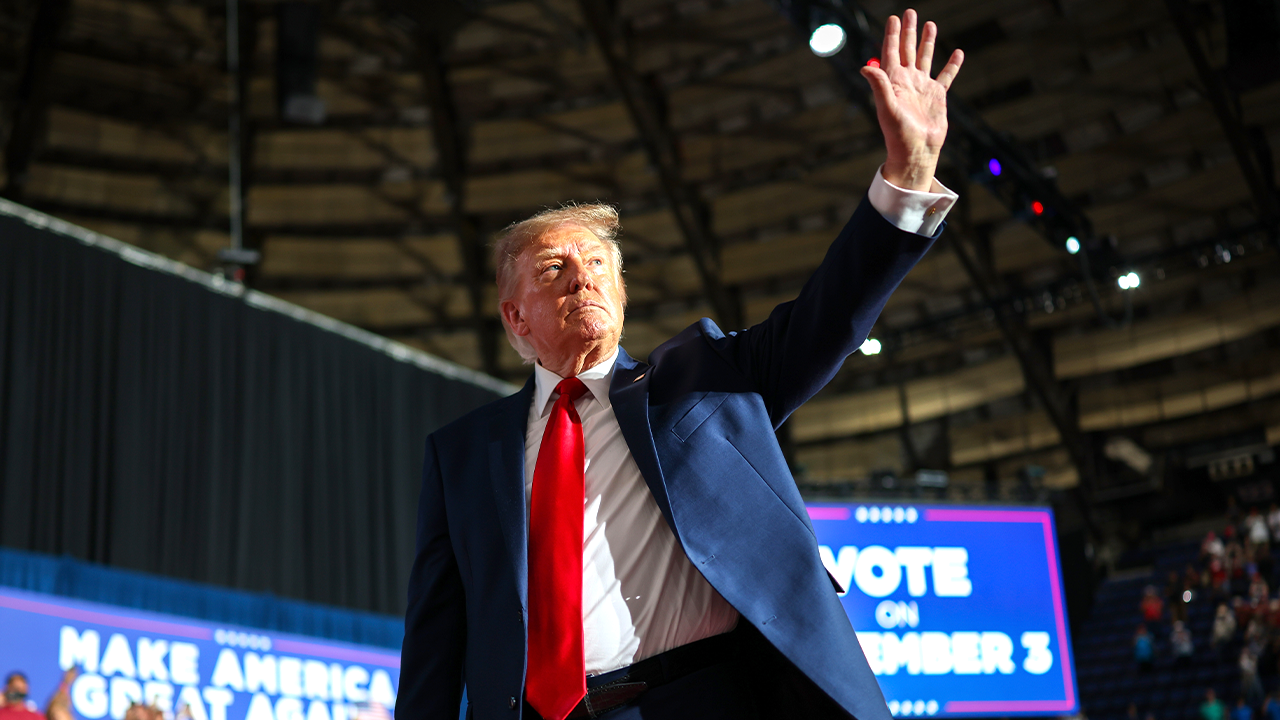
After the midterm elections, attention will turn to the 2028 race for the White House. What is on voters’ minds as they look ahead to the next presidential election?
Most Republicans want the next president to follow President Donald Trump’s policies, if not his style. Nearly 4 in 10 MAGA Republicans want Trump’s successor to emulate both, and about half want the next president to follow his policies alone. Non-MAGA Republicans are less enthusiastic: 45% want his policies to continue, but only about 15% of non-MAGA Republicans want a president with the same style.
Independents prefer something entirely different: 6 in 10 want the next president to break with both Trump’s policies and his style. Likewise, few Democrats want to see either his style or his policies repeated.
Even as the Democrats have won control of the Senate and the House of Representatives, and Trump finds his approval rating at 39%, a bloc of voters remains loyal to the president and is likely to influence the 2028 campaign. While half of voters want a successor who does not emulate his style or follow his policies, 26% want a president who will carry on his policies, and another 12% want the next president to copy his policies and his style.
VOTER POLL: 2026 MIDTERM ELECTIONS USHER IN A BLUE WAVE AS DEMOCRATS WIN CONTROL OF CONGRESS
Looking ahead, voters across party lines say improving economic conditions is the most important issue for the country to address over the next five years. Six in 10 voters feel they are holding steady financially while about 3 in 10 feel they are falling behind. Few, about 1 in 10 voters, feel they are getting ahead financially. Voters who describe their own financial situation as less than satisfactory, or say they are falling behind, are more likely to name the economy as the top issue.
What should Tuesday’s winners prioritize once sworn into office? When asked what is most important for newly elected officials to work on first in 2027, 3 in 10 voters want elected officials to address grocery costs. About 2 in 10 want action on gas prices, and a similar share say they should work on healthcare and prescription drug costs.
Slightly fewer are concerned about housing costs, while about 1 in 10 want officials to address electricity and other utility costs.
Voters are closely divided on whether the country can look forward to better days or if the good days are behind us. And it’s linked to how they’re feeling financially. About two-thirds of those who say they are getting ahead financially are optimistic about the future. However, about two-thirds of voters who are falling behind financially think the country’s best days are in the past.
Beyond the economy, priorities diverge. About 1 in 5 Democrats point to access to affordable healthcare, while about a similar share of Republicans say protecting individuals from government overreach is the top issue. About 1 in 10 independents say the country should address the affordability of healthcare, and about the same share say government overreach.
Voters are divided over AI’s effect on the U.S. economy during the next 10 years. About 4 in 10 say it will be harmful, while 3 in 10 expect benefits. About 1 in 10 expect AI to make no difference, while slightly more, about 2 in 10, are unsure. About 4 in 10 expect AI to negatively affect the environment and the arts and entertainment industry.
About half of voters want substantial changes in how the country is run. Party identification shapes how much change voters want and which branches of government they think most need reform. Democrats are about three times as likely as Republicans to want complete upheaval of how the country is run. Half of democratic socialists favor complete and total upheaval, compared with about 1 in 10 MAGA Republicans.
In the 2024 Voter Analysis conducted for the presidential election, most Republican voters said they wanted substantial change or total upheaval. Now, with a Republican in the White House and their party controlling both houses of Congress, they are less eager for major change.
VOTER POLL: HOW DEMOCRATS TOOK CONTROL OF THE SENATE
Overall, 4 in 10 voters think Congress should be substantially reformed, including three-quarters of MAGA Republicans and half of non-MAGA Republicans. Democrats are less likely to say Congress needs reform, but half say the executive branch should be improved. Few voters in either party want changes to the Constitution. Democrats are more likely than Republicans or independents to say the Supreme Court needs reform.
Voters across party lines support term limits for Congress and Supreme Court justices. Democrats favor abolishing the Electoral College, but Republicans and independents are less enthusiastic. Most Republicans support limiting mail voting to people physically unable to vote in person. MAGA Republicans are more supportive of limiting mail voting than non-MAGA Republicans (63% vs 40%). Democrats oppose the idea, regardless of whether they support the Democratic Socialists of America.
AMERICANS CLASH OVER SUPREME COURT EXPANSION AS FIGHT OVER 9 JUSTICES HEATS UP: ‘LET’S PACK IT NOW’
The expansion of artificial intelligence has triggered some public backlash against AI data centers. Voters are divided on whether AI will help or hurt during the next 10 years. More Democrats say the technology will be harmful while more Republicans expect benefits.
Among Republican voters, MAGA Republicans are more enthusiastic about AI than non-MAGA Republicans. Forty-five percent of MAGA Republicans believe AI will help the U.S. to compete with other countries, and another 4 in 10 feel AI will do more to help the economy.
Among Democrat voters, supporters of democratic socialism and those who do not support the movement are similarly likely to feel AI will help aspects of American society. However, supporters of democratic socialism are more likely than other Democrats to feel AI will do more to hurt than help.
Overall, 6 in 10 voters are extremely or very concerned about the effect of data centers on the price of utilities in the communities where they are being built. About half are concerned about the effect of data centers on pollution of natural resources, land development or the health of the local population, regardless of whether they live near a data center. Democrats are more concerned about the effects of data centers than Republican voters, again, regardless of their proximity to the facilities.
Voters across party lines support requiring companies to pay for electric grid upgrades needed for their data centers, increasing government regulation of AI, and limiting AI in schools. Most Democrats and independents oppose building a data center in their community. Most voters also oppose local construction, whether their county already has a data center.
AMERICA’S MULTI-BILLION TECH BOOM COMES INTO FOCUS AS 7 KEY STATES PUT IT TO A MIDTERM TEST
The economy is a top issue for most voters, yet 4 in 10 say they could support a candidate whose economic views differ from their own.
After the economy and jobs, nearly 6 in 10 voters see healthcare as an important issue, and about 6 in 10 would not support a candidate who disagrees with them on healthcare policy. About half could not back a candidate whose views on Israel and the Palestinians differ from theirs. Overall, about 6 in 10 say they could never support a candidate they disagree with on abortion, guns, or immigration.
Explore the results here: https://civichealth.norc.org/crosstabs.html
The NORC Civic Health & Elections Project (CH&EP) is a national survey of registered voters conducted Oct. 26 through Nov. 3, 2026, with 113,020 interviews. Interviews were conducted in English and Spanish. The margin of sampling error for the national sample, including the design effect, was ±0.5 percentage points for voters and ±1.2 percentage points for nonvoters. Margins of sampling error for individual states and subgroups vary based on sample size.
politics, polls, donald trump, republicans elections, economy, midterm elections
INTERNACIONAL
Crisis bancaria en Paraguay: pidieron el juicio político contra Santiago Peña y la Policía reprimió las protestas

Diputados opositores de Paraguay presentaron este miércoles ante el Congreso un pedido de juicio político para destituir al presidente Santiago Peña y al vicepresidente Pedro Alliana, en medio de una crisis bancaria que dejó a unos tres millones de personas con sus depósitos congelados. La iniciativa provocó una nueva escalada de tensión política, mientras cientos de manifestantes salieron a las calles de Asunción para reclamar la devolución de su dinero y se enfrentaron con la Policía, que utilizó gases lacrimógenos y camiones hidrantes para dispersarlos.
La presentación fue impulsada por legisladores opositores y disidentes del oficialismo, después de que el Banco Central de Paraguay interviniera Ueno Bank, una de las mayores entidades financieras del país, por insuficiencia de capital.
El diputado Mauricio Espínola, oficialista disidente, confirmó a la agencia AFP que el pedido de destitución reunió las firmas necesarias para ser tratado en la Cámara de Diputados. La sesión fue convocada para este jueves a las 10 (hora local).
La acusación presentada ante el Congreso solicita iniciar un juicio político contra Peña por “el mal desempeño de sus funciones en el ejercicio del cargo”. El mandatario también enfrenta cuestionamientos por un presunto conflicto de intereses y por el aumento de su patrimonio.
Peña había tenido acciones de un grupo empresarial que controlaba Ueno Bank, aunque se desvinculó de esa participación en 2025.
La crisis estalló el martes, cuando el Banco Central decidió intervenir la entidad y suspender sus servicios. Casi la mitad de los 6,4 millones de habitantes de Paraguay tienen cuentas en ese banco.
El escándalo también provocó la renuncia del presidente del Banco Central, Carlos Carvallo, y derivó en la detención de ocho directivos de Ueno Bank, entre ellos su presidente, Miguel Vázquez, después de una denuncia presentada por el organismo regulador ante la Justicia.
Incidentes en Paraguay: la Policía reprimió las protestas por los depósitos congelados
Cientos de personas volvieron a manifestarse este miércoles por segunda noche consecutiva en Asunción, donde reclamaron la devolución de sus ahorros y exigieron la salida del presidente.
“Devuelvan nuestra plata” y “juicio a Santi Peña” fueron algunas de las consignas que se escucharon durante la movilización, según constató la agencia AFP.
La protesta derivó en enfrentamientos entre manifestantes y efectivos policiales, que intentaron dispersar a la multitud mediante camiones hidrantes y gases lacrimógenos. Pese al operativo, numerosas personas continuaron con la movilización.
Más temprano, se habían registrado largas filas frente a las sucursales de Ueno Bank, donde los clientes intentaban recuperar su dinero.
“Es el dinero de nuestra jubilación que ahora no sabemos si lo vamos a cobrar”, expresó a la AFP Teresa Montiel, una médica de 50 años que participó de la protesta con una pancarta que decía “unidos somos más fuertes”.
El martes, otro de los afectados, Marcelino Vergara, de 68 años, había relatado entre lágrimas la situación que atravesaba tras el congelamiento de sus depósitos.
“Perdí los ahorros de toda mi vida, solo tengo 8.000 guaraníes (casi un dólar). Todos deben ir presos”, denunció.
Ante la magnitud de la crisis, el Gobierno paraguayo anunció un mecanismo para devolver una parte de los depósitos congelados.
Peña promulgó este miércoles una ley aprobada rápidamente por el Congreso que, según explicó, “permitirá a los ahorristas cobrar en el menor tiempo posible una parte de los fondos de garantía a fin de que los recursos vuelvan a las manos de quienes corresponde”.
La norma establece que los pagos deberán realizarse en los próximos cinco días.
El Banco Central precisó que los afectados recibirán un primer desembolso de hasta 10 millones de guaraníes, equivalentes a unos 1675 dólares.
Qué puede pasar con Santiago Peña tras el pedido de destitución en el Congreso
El futuro del presidente paraguayo dependerá de las negociaciones parlamentarias y, especialmente, de la posición que adopten los legisladores del Partido Colorado.
La oposición necesita conseguir el respaldo de una parte del oficialismo para avanzar con el juicio político, ya que el partido gobernante tiene mayoría propia tanto en Diputados como en el Senado.
Si la Cámara baja aprueba la acusación, el procedimiento pasará al Senado, que será el encargado de desarrollar el juicio.
Para concretar la destitución de Peña y Alliana, se necesitarán al menos 30 votos de los 45 senadores.
Sin embargo, la posibilidad de alcanzar esa mayoría es incierta. Aunque el Partido Colorado controla ambas cámaras, existen diferencias internas y su presidente, el exmandatario Horacio Cartes, está distanciado del Gobierno.
Los legisladores que impulsan el juicio político acusan a Peña de haber tomado “decisiones regulatorias presuntamente favorables a Ueno Bank” y cuestionan la concentración de fondos previsionales en la entidad, debido a sus anteriores vínculos comerciales con el grupo que la controlaba.
Paraguay tiene un antecedente de destitución presidencial mediante un juicio político. En 2012, el Congreso removió del cargo a Fernando Lugo tras una masacre que dejó 11 campesinos y seis policías muertos.
BANCOS
INTERNACIONAL
Florida congressman diagnoses GOP’s blue tsunami losses: ‘We failed to make them think we cared about them’
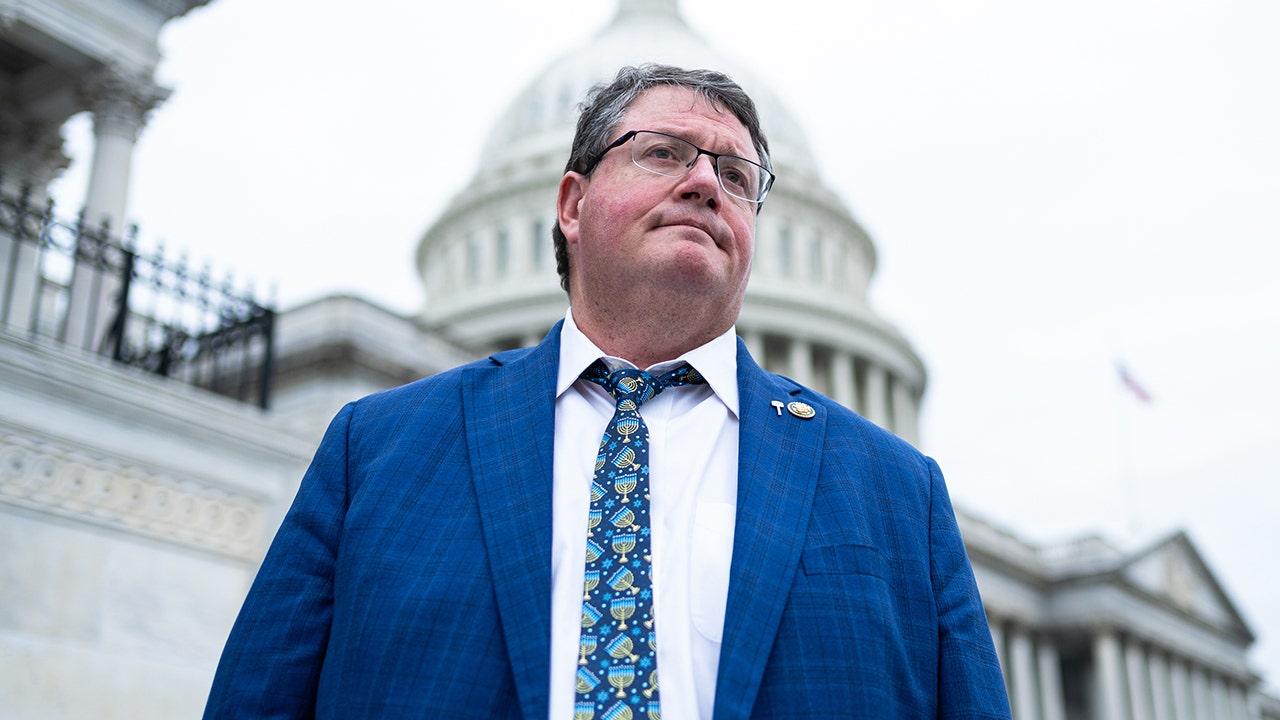
As Republicans sift through the wreckage of a devastating election night that handed Democrats control of both chambers of Congress by large margins, one Florida Republican who bucked the national trend says the GOP fundamentally misread the electorate.
In an exclusive interview with Digital, Congressman Randy Fine — who expanded his own winning margin by five points despite the national backlash — offered a candid assessment of his party’s shortcomings and warned that Republicans must now prepare for an «ugly two years» battling Democrats over immigration and other contentious issues.
While Republicans held their ground in Florida, winning the governor’s mansion, the Senate race, and maintaining their 20-8 edge in the US House, nationally the GOP got crushed under the weight of a blue tsunami.
ILHAN OMAR HIT WITH EXPULSION THREAT AS GOP LAWMAKER VOWS TO BOOT HER FROM CONGRESS OVER DOJ PROBE
Congressman Fine presents no easy answer to the GOP’s divergence in fortunes between Florida and the rest of the country:
«You know, I think that’s a hard question to answer. What I would say, I can speak to my race, and I’m actually one of the few Republicans in the country whose margin increased from my last election. I won my special election after having $14 million spent against me. I won it by 14 points. I won last night by 19 points. And so what I can tell you is what worked for me.
«My constituents want a fighter, someone who says what they believe. They know it’s not driven by polls or anything else and fights for them, whether it’s fighting for their constituent service issue or fighting on illegal immigration or fighting to bring money to the district. And that’s why I went up so much. I took my race seriously because I knew the winds were against us.
«And so, Florida, I think just people know how good we have it and they don’t want to screw up the state. I think that’s why we won all 20 of these races.»
Fine refuses to single out anyone in GOP leadership for the electoral outcome, and believes the Republicans must approach each election cycle as a unified team:
«Well, look, I’m not a finger pointer, but what I would say is this. We’re a team and the team lost. And so then the whole team bears responsibility and that includes me. I mean, while I did well, my team lost, and I’m not going to be here pointing the fingers at anybody.
FROM CAMPUS RADICALS TO BEIJING’S AI SABOTAGE: REP RANDY FINE SAYS ‘US FIGHTING TO SAVE WESTERN CIVILIZATION’
«I think that what we did is we failed to understand what the American people wanted. I think we failed to make them think we cared about them. Now, I didn’t fail in my district, but I think nationally people came to believe that we weren’t interested in them and that’s wrong.
«We were, but we failed to communicate it, and maybe that’s part of my special sauce is I know how to communicate better than many of these people.»
With Democrats firmly in control of both chambers of Congress, Fine anticipates two years of playing defense, and a continuous fight to explain why Democrats’ policies will be harmful to the country:
«I don’t know that we’re going to push the agenda. I think what we’re going to be is we’re going to be on defense. We’re going to have to fight back. And you know, as my father told me this morning, he goes, ‘Randy, you’ve been a fighter your whole life. You were built for the fight.’
«So we’re going to be having to fight against stupid policies that they will be pushing. And it’s going to be an ugly two years, but we’re gonna have to explain why all of the things that they said they would do during the campaign are so bad. We obviously didn’t succeed in doing that. But as they put those policies forward, we’re going to have to make the argument for why they would damage America.»
Immigration is the single issue that Fine identifies as having the greatest potential to harm the country:
«I think they will seek to reopen the border and allow illegals to flood in. I think they will seek mass amnesty, rewarding all of the illegals that are here. And I think they will stop any requirement for people who come to this country to assimilate. They believe in the ‘third worldification’ of America. And that’s going to be the number one thing we have to fight back against.»
Florida and Texas painted a particularly stark contrast in electoral outcomes. Fine suggests the Sunshine state GOP was better prepared to face headwinds:
«Well, I think maybe our candidates at the top of the ticket were better. You know, Byron Donalds is an incredible spokesman for the conservative movement. Ashley Moody is a multiple-time winner statewide. And I think Texas allowed itself to slide on a lot of these things.
«They had a big influx of illegal immigrants. And they also really didn’t fight back against the Islamification of their state in a way that we have in Florida. Demographics are destiny. And I think, to some degree, Texas was overtaken by that yesterday.»
Fine has long been an outspoken critic of Michigan Senator-elect Abdul El-Sayed, and believes he represents a danger to the country:
«Of all the races last night, that one breaks my heart the most. I mean, someone who literally supports Muslim terror, someone whose family is embedded in so many aspects of Muslim terror. Someone who’s really a danger to this country being elected to the United States Senate. It’s an unspeakably horrible thing, a historically bad thing. Someone who doesn’t support the United States. Someone who supports the Muslim Brotherhood.
«It breaks my heart. I’m not from Michigan, I don’t know what they were thinking, but it’s a terrible, terrible, terrible day. Look today for me has been a hard day. You know I won my election last night, I was super excited. My margin went up. It’s unheard of in this cycle and so I’m super excited, then I watched the bottom fall out of the election results and realized so many good people lost today.
«So it’s a challenging day for me, the high of winning so decisively with the low of realizing the battle that we have ahead of us, but God puts us where he wants us to be and I’m a fighter and I am ready for the fight.»
Finally, as it appears that either Jim Jordan or Steve Scalise is likely to be the next House Minority Leader, Fine declined to weigh in:
«No, I mean, these are discussions. I’ve not spoken with either Scalise or Jordan at this point. They’ve got a lot of phone calls to make, and we’ll get to that when we get to that. But it won’t be Mike Johnson. He’s taken himself out of consideration.»
midterm elections, congress, house of representatives politics, house of representatives, florida

Viaje histórico: así será el megaoperativo de seguridad para blindar al Papa durante su visita a la Argentina

Marcha de las Velas en la UBA: docentes y estudiantes exigieron el cumplimiento de la Ley de Financiamiento Universitario

Fox News/NORC Study: Voters look to 2028 focused on the economy

Con dos cambios obligados: La formación de River Plate vs. Aldosivi, por la fecha 16 del Torneo Clausura

Challenger Villa María: La Serna, Zárate y Kicker avanzaron a los cuartos de final

Marta Fort sorprendió al contar que Madonna quiso conquistar a Ricardo Fort: “Era muy gay para ella”

Qué pasó con el Refugio de Eli y por qué hizo enfurecer a Santi Maratea: «Fue un desastre, él nunca más le contestó y le prohibió…»

La oposición cuestionó la suspensión de embargos a las pymes y criticó el plan económico: “Llegaron tarde”

Milei parte nuevamente a España y en el gobierno dicen que no bajará el tono de sus críticas a Pedro Sánchez

Agustín Caulo: “El Gobierno sigue trabajando para que no se politice la visita de León XIV a la Argentina”

 CHIMENTOS3 días ago
Qué pasó con el Refugio de Eli y por qué hizo enfurecer a Santi Maratea: «Fue un desastre, él nunca más le contestó y le prohibió…»
- POLITICA20 horas ago
La oposición cuestionó la suspensión de embargos a las pymes y criticó el plan económico: “Llegaron tarde”
- POLITICA1 día ago
Milei parte nuevamente a España y en el gobierno dicen que no bajará el tono de sus críticas a Pedro Sánchez