INTERNACIONAL
Uruguay puso en marcha los patrullajes con blindados militares en los barrios de mayor criminalidad de Uruguay

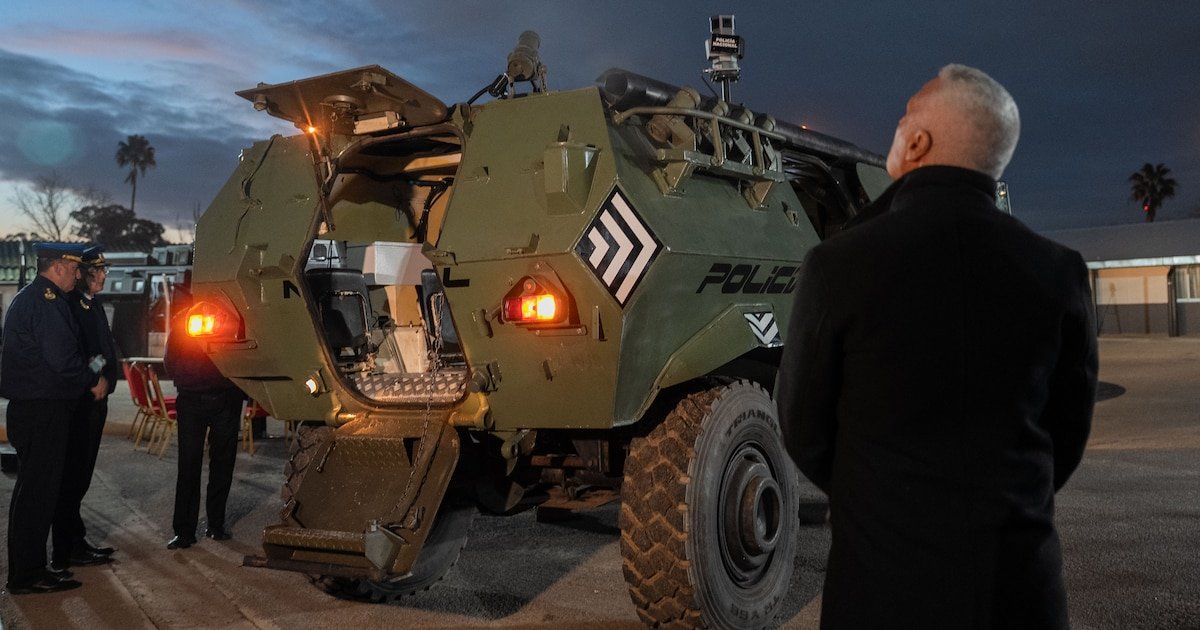
Vehículos militares comenzaron a patrullar los barrios con mayores niveles de criminalidad en Uruguay. El primer día de tarea el equipo tuvo un problema: quedó fuera de servicio por ajustes técnicos tras su primera recorrida. Este domingo, el vehículo Cóndor ya había vuelto a patrullar el barrio Marconi de Montevideo.
El viernes, el Ministerio del Interior había presentado uno de los vehículos blindados tipo Cóndor que serán incorporados a los operativos de seguridad pública y al patrullajes de zonas definidas como de “mayor complejidad” por las autoridades.
El ministro Carlos Negro explicó que viernes que la incorporación de estos blindados fortalece “la protección de la ciudadanía” y la “seguridad de los funcionarios policiales”, según la información divulgada por Presidencia de la República. “Lo que queremos es, por un lado, la protección de los vecinos con mayores recursos materiales y, por otro, la protección de los funcionarios policiales que llegan a las zonas más complejas”, expresó el jerarca.

Esta unidad fue decida por el Ministerio de Defensa Nacional y es parte de un total de cuatro vehículos que se desplegarán progresivamente en la capital uruguaya.
El peso del vehículo es de 9.000 kilos, según informó el director general de Operaciones Especiales, Jorge González. Está pensado para que sea utilizado en tareas de patrullaje preventivo, en el traslado seguro de efectivos y en la respuesta a situaciones de enfrentamientos armados
“La idea es proteger a los ciudadanos, concurrir a lugares de enfrentamientos armados y tener una protección adecuada para nuestros propios policías”, señaló González.

El Cóndor fue equipado con cámaras y una tecnología adicional que mejora la visibilidad en el entorno y facilita la conducción durante los operativos, según la comunicación oficial. Los choferes debieron completaron una capacitación específica de tres semanas en el Batallón de Florida, a unos 100 kilómetros de la capital uruguaya.
Los capacitados fueron un total de 19 efectivos.
El primer vehículo ya está operativo, pero hubo un problema en su primer día.
Según informó Montevideo Portal, el primer blindado sufrió varias fallas mecánicas y quedó fuera de servicio en menos de 24 horas de haber comenzado a utilizarse. Una de las fallas fue la rotura de una manguera. Esto motivó algunos cuestionamientos de parte de la oposición.

“Así gobiernan. Son un libreto de murga no divertido. Cantinflas no lo haría nunca mejor. País roto”, escribió el senador Sebastián Da Silva, integrante del opositor Partido Nacional. “Cerrá y vamos”, criticó el presidente de esa fuerza política, Álvaro Delgado.
Tras esta controversia política, el Ministerio del Interior informó que el vehículo Cóndor “se encuentra plenamente operativo y realizando tareas de patrullaje en la zona oeste de Montevideo”.
Está previsto que los otros tres blindados sean incorporados de forma paulatina, a medida que finalicen los trabajos de mantenimiento. “Esperamos que en el correr de agosto estén prontos los otros tres vehículos”, declaró el ministro.

El despliegue diario o para operativos específicos será definido por la Policía Nacional, según las necesidades que haya.
El presidente de la República, Yamandú Orsi, había anunciado el 22 de junio la nueva medida de seguridad. “A partir de un encuentro con los ministros de Defensa, Interior y Economía resolvimos redoblar el combate contra el crimen organizado. Para esto direccionamos la infraestructura de seguridad del país a este fin”, expresó.
Después, el ministro descartó que esta medida signifique una militarización de las calles de Montevideo y el área metropolitana. “Si hay algo que teníamos previsto era despejar cualquier duda que se pudiera generar con ese tipo de términos. Solamente se trata de contar con infraestructura que posibilite en una coyuntura específica y una circunstancia especial que el Ministerio del Interior tenga los vehículos apropiados para patrullar, con sus funcionarios”, dijo el secretario de Estado.

INTERNACIONAL
Exposed Fauci diary shows he estimated COVID-19 death rate to be much lower than what he told Congress
NEWYou can now listen to Fox News articles!
Entries from early 2020 in a now-exposed personal diary kept by Dr. Anthony Fauci during the COVID-19 pandemic show that he privately estimated the death rate from the illness was significantly lower than what he told Congress under oath only weeks later.
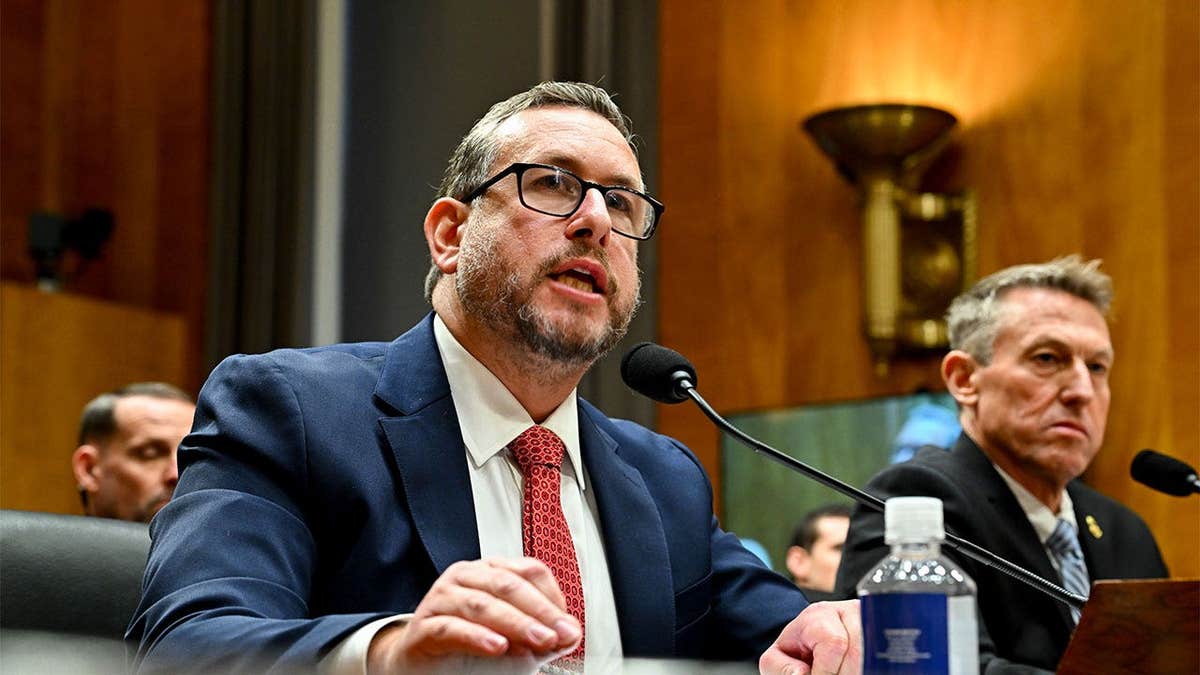
Fauci, 85, has come under intense scrutiny for years regarding his approach leading the U.S. response to the coronavirus pandemic, and his alleged links to the Chinese lab where the virus originated. He will return to Capitol Hill on Wednesday before the Senate Homeland Security and Governmental Affairs Committee to speak about his newly publicized personal records.
«The stated mortality over all of this when you look at all the data including China is about three percent. It first started off as two and three,» Fauci said in testimony before the House Oversight Committee on March 11, 2020, according to a transcript of the hearing.
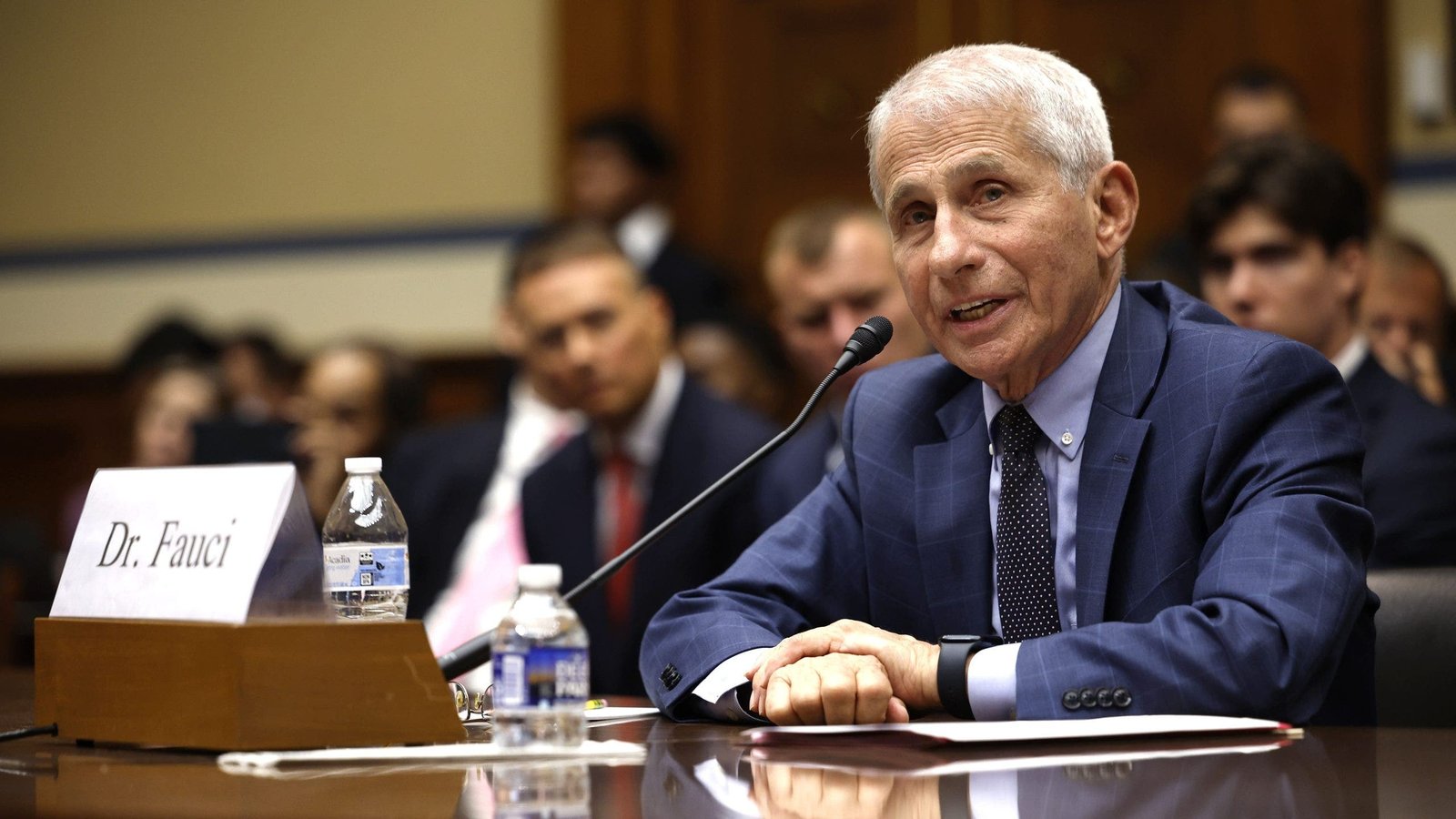
National Institute of Allergy and Infectious Diseases Director Anthony Fauci prepares to testify before the Senate Health, Education, Labor, and Pensions Committee about the ongoing response to the COVID-19 pandemic in the Dirksen Senate Office Building on Capitol Hill on November 4, 2021, in Washington, D.C. Senators questioned Fauci and other witnesses about the approval of the Pfizer-BioNTech coronavirus vaccine for children between 5 and 11 years old this week. (Photo by Chip Somodevilla/Getty Images)
LEGACY MEDIA IGNORES MASSIVE ANTHONY FAUCI DOCUMENT RELEASE ALLEGING HE MISLED CONGRESS ON COVID ORIGINS
During the hearing just weeks into the virus reaching the U.S., he was asked by Rep. Michael Cloud, R-Texas, to compare the mortality from COVID-19 to the mortality of the seasonal flu.
«I think if you count all the cases of minimally symptomatic or asymptomatic infection, that probably brings the mortality rate down to somewhere around one percent, which means it is 10 times more lethal than the seasonal flu,» Fauci continued. «I think that is something that people can get their arms around and understand.»
But on Feb. 8, 2020, about a month before that congressional testimony, Fauci expressed privately that he believed the virus’s mortality rate was much lower than what he later told lawmakers.
«[Former CDC Director] Tom Frieden called me this AM and we discussed various aspects of the outbreak,» Fauci wrote. «He and I are on the same page in thinking tht [sic] this is acting like a bad influenza in its transmissibility and that the denominator is much greater than 34,867 (above) making the case fatality rate (CFR) more like 0.2-0.3 % rather than 2.0%.»
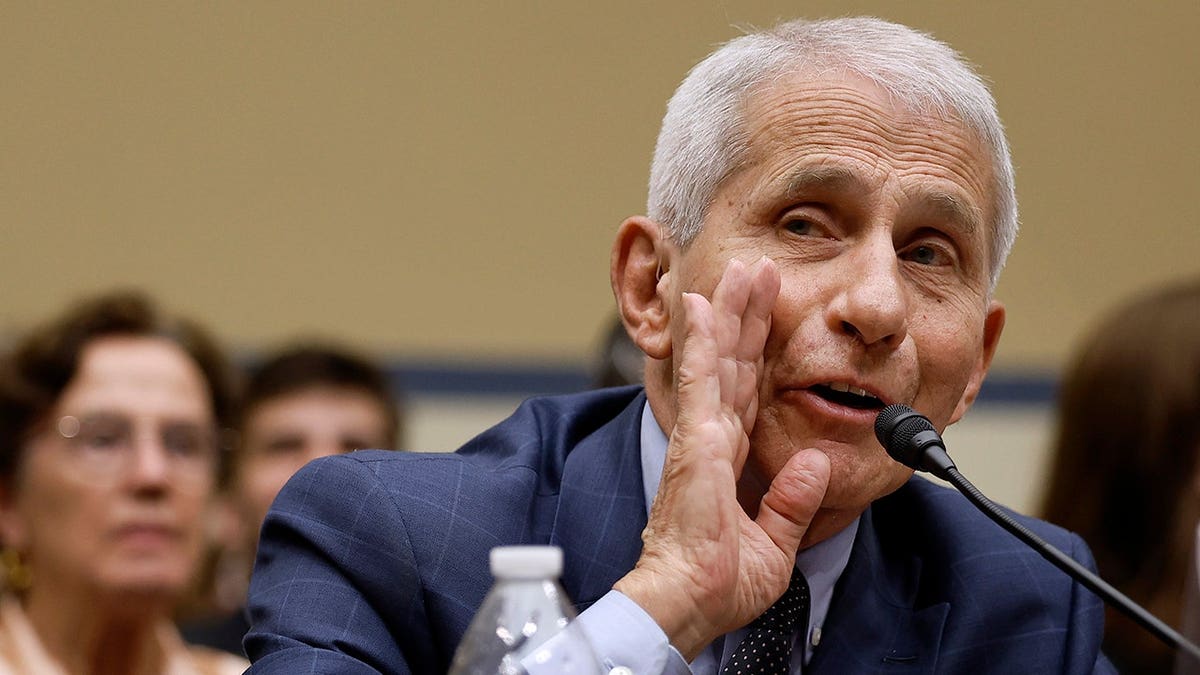
Dr. Anthony Fauci testifies before the House Oversight and Accountability Committee Select Subcommittee on the Coronavirus Pandemic at the Rayburn House Office Building in Washington, D.C., on June 3, 2024. The hearing covers findings from a 15-month Republican-led probe into Fauci and the origins of the COVID-19 pandemic. (Chip Somodevilla/Getty Images)
FAUCI’S NEWLY RELEASED COVID DIARIES REVEAL BIZARRE FIXATION ON FAME AS PANDEMIC DEATHS MOUNTED
At that time, Fauci had counted 34,687 cases of the virus and 724 fatalities, according to his diary, which equals just over 0.2%.
Fauci was the director of the National Institute of Allergy and Infectious Diseases (NIAID) during the pandemic, and first became the face of combatting COVID-19 at the onset of the pandemic during President Donald Trump’s first term, and remained in the role under President Joe Biden until retiring in 2022.
The very influential position wasn’t lost on Fauci. His diary entries tracked his rising influence and press appearances, and he meticulously kept track of how he was portrayed.
«Big front page article abut me appeared in the Washington Post. Very flattering. The situation with my national and international fame is explosive and really unimaginable,» he wrote in a diary entry on May 21, 2020.
«It is not hyoperbole [sic] to say that today I am the most famous and talked about person in the country and one of the most recognizable peson in the world,» he continued.

Dr. Anthony Fauci, director of the National Institute of Allergy and Infectious Diseases, throws out the ceremonial first pitch before the game between the New York Yankees and Washington Nationals at Nationals Park on July 23, 2020, in Washington, D.C. (Getty Images)
INSIDE FAUCI’S PRIVATE DIARY: WHAT HE WROTE ABOUT TRUMP, TV PERSONALITIES AND CELEBRITIES
Fauci noted that he was developing a «very unique and interesting relationship» with Trump.
His diary is adorned with screenshots of headlines that mentioned him, including a New York Times story from March 2020 titled, «Not His First Pandemic, Dr. Anthony Fauci Sticks to the Facts.»
He referenced another Washington Post article in his diary on Aug. 8, 2020, titled, «As Fauci battles the pandemic and politics, his grateful neighbors celebrate him as a hero.»
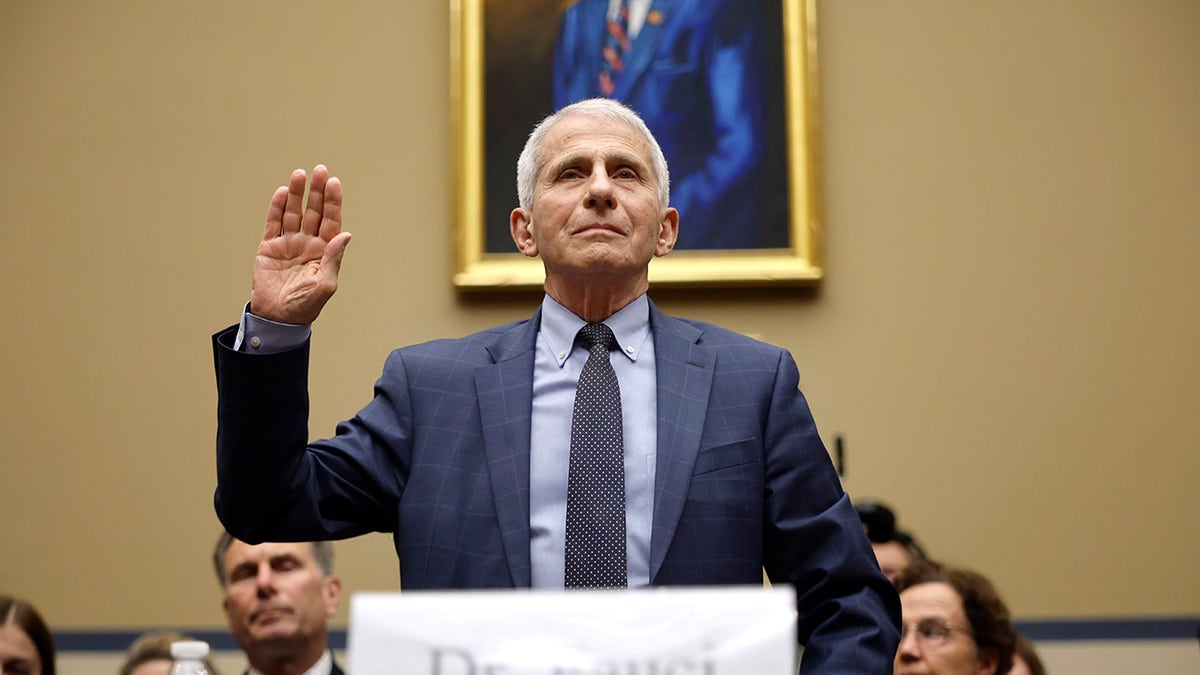
Dr. Anthony Fauci, former Director of the National Institute of Allergy and Infectious Diseases, is sworn-in before testifying before the House Oversight and Accountability Committee Select Subcommittee on the Coronavirus Pandemic at the Rayburn House Office Building on June 3, 2024, in Washington, D.C. The Subcommittee is holding a hearing on the findings from a 15-month Republican-led probe of former Director of the National Institute of Allergy and Infectious Diseases Dr. Anthony Fauci and the COVID-19 pandemic’s origins. (Chip Somodevilla/Getty Images)
CLICK HERE TO DOWNLOAD THE FOX NEWS APP
Fox News Digital reached out to Georgetown University and the Georgetown University Department of Public Health, where Fauci serves as a distinguished professor at the university’s school of medicine, seeking comment on the journal entries versus public statements.
Fox News Digital also reached out to Paul’s office but did not hear back by time of publication.
anthony fauci, health, politics, white house, fox news media, coronavirus

NEWYou can now listen to Fox News articles!
FIRST ON FOX: The Trump administration is changing how some asylum claims move through the immigration system, allowing U.S. Citizenship and Immigration Services (USCIS) to refer certain applications directly to immigration judges without first interviewing applicants in an effort to reduce the nation’s asylum backlog.
The interim final rule, which takes effect immediately, gives USCIS the authority to send some asylum applications to immigration court without conducting an affirmative asylum interview, eliminating what the administration called an unnecessary step in the adjudication process.
The change applies to affirmative asylum claims, which are filed by immigrants who are not in removal proceedings. Defensive asylum claims, in contrast, are raised before an immigration judge after the government has initiated removal proceedings.
TRUMP PUTS ASYLUM LAWYERS ‘ON NOTICE’ WITH NEW FRONT IN WAR ON FRAUD
FILE – USCIS generally interviews affirmative asylum applicants before either granting asylum or conducting a separate review, which DHS said allows immigrants to «get a second chance at asylum.»
Currently, USCIS generally interviews affirmative asylum applicants before either granting asylum or referring the case to an immigration judge for a separate review. The Department of Homeland Security (DHS) told Fox News Digital the process can result in some applications being reviewed twice — first by USCIS and then again by an immigration judge — adding to the agency’s growing backlog.
Under the new rule, USCIS can refer certain asylum applications directly to immigration court without first conducting an interview, a change administration officials said will allow both asylum officers and immigration judges to process cases more efficiently while directing resources toward applicants with legitimate claims of persecution.
The rule is the latest step in the Trump administration’s broader effort to tighten the asylum system and speed up immigration enforcement, with officials arguing the current process has been exploited by immigrants seeking to delay removal proceedings and obtain work authorization.
HOUSE REPUBLICANS MOVE TO MAKE TRUMP’S BORDER POLICIES PERMANENT
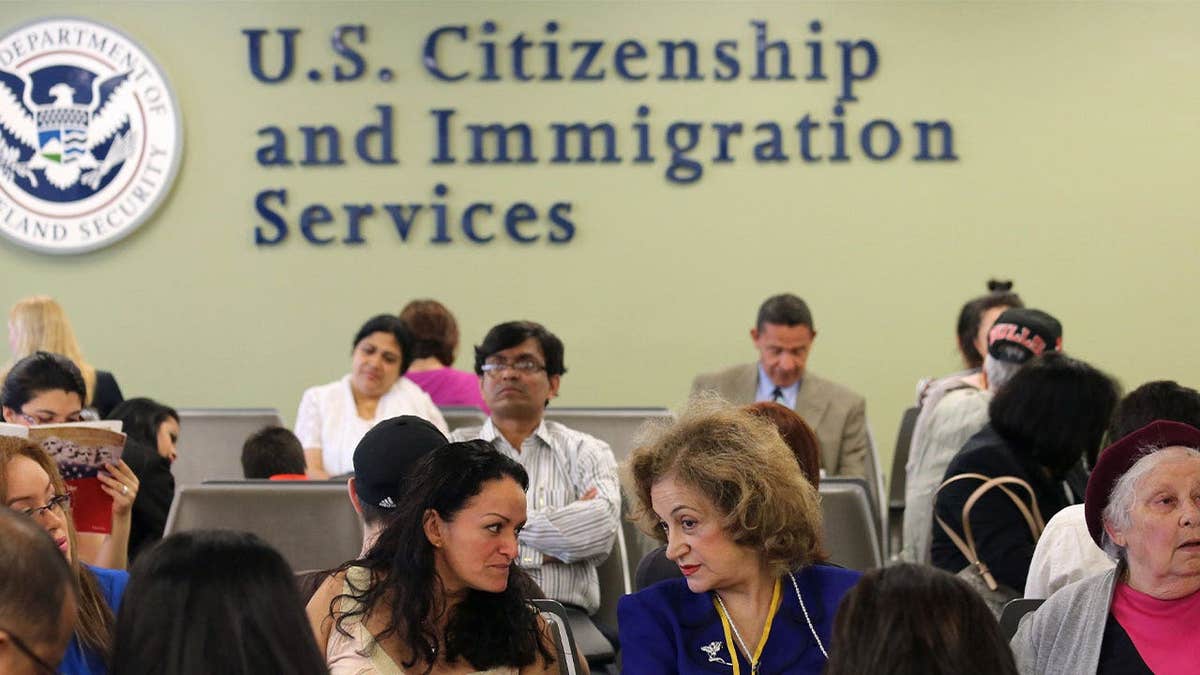
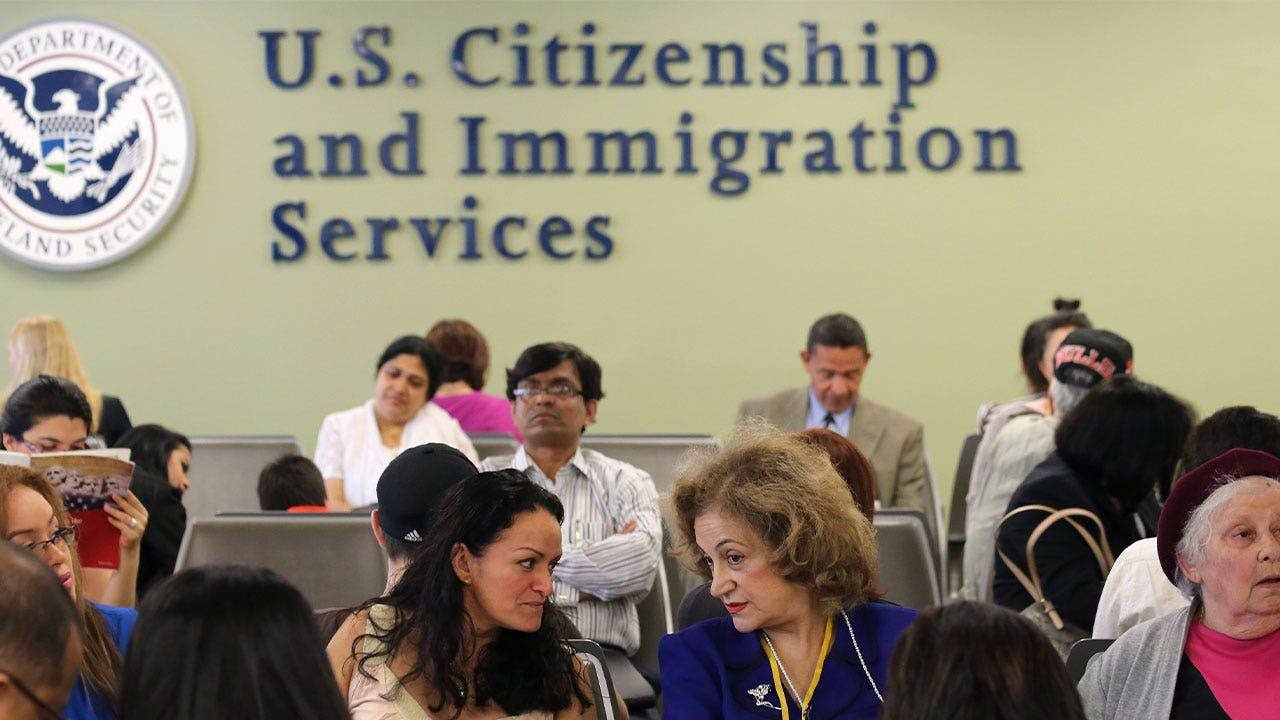
FILE – People wait inside a U.S. Citizenship and Immigration Services office. The Trump administration issued a new rule allowing USCIS to refer certain asylum applications directly to immigration judges without first conducting an affirmative asylum interview. (John Moore/Getty Images)
«For far too long, the asylum system has been exploited for purposes of delay and work authorization, not legitimate claims of protection,» USCIS Director Joseph Edlow told Fox News Digital. «America’s asylum system exists to protect individuals who genuinely fear persecution and this rule will help ensure that resources are directed to the timely adjudication of those claims instead of to those seeking to use the system as a loophole.»
DHS General Counsel James Percival said delays within the asylum system have hindered immigration enforcement.
FILE – USCIS Director Joseph Edlow said a new rule allowing certain asylum applications to be referred directly to immigration judges without first conducting an affirmative asylum interview will help reduce the asylum backlog. (Graeme Sloan/Bloomberg via Getty Images)
CLICK HERE TO DOWNLOAD THE FOX NEWS APP
«One of the greatest barriers to effective immigration enforcement is intentional delay by illegal aliens and the open borders attorneys who represent them,» Percival told Fox News Digital. «My office works every day with the immigration components of DHS to improve efficiency and fulfill the president’s mandate. The rule would do just that.»
The rule takes effect immediately, though USCIS said it will continue accepting public comments before issuing a final version, responding to the feedback it receives.
immigration, politics, justice department, homeland security, illegal immigrants

Dólar hoy en vivo: a cuánto se operan todas las cotizaciones minuto a minuto este lunes 27 de julio

Infantino saca pecho del Mundial: ‘Estabais tan consumidos por el odio, que os lo perdisteis todo’

Karina Milei inaugura la nueva sede bonaerense de LLA: funcionará en San Telmo

Exposed Fauci diary shows he estimated COVID-19 death rate to be much lower than what he told Congress

Adiós al baño chico y desordenado: el mueble vintage que decoradores de vanguardia volvieron a hacer tendencia

La titular del FMI llega con fuerte respaldo a Milei para atravesar el año electoral

Senado: Bullrich y Sturzenegger cierran filas para tratar de avanzar con la extranjerización de tierras

Recuperaron ADN de un tenedor plástico y acusaron a una mujer de haber apuñalado 100 veces a su mejor amiga hace 14 años

Khanna demands answers from CCP-linked company accused of undercutting US manufacturers

La mayor estafa ganadera de Uruguay dejó un rojo de USD 272 millones: Justicia confirmó cifras de Conexión Ganadera

 ECONOMIA3 días ago
Vocero de Milei dijo que un dólar a $1.800 es «posible» y la City alerta por fin de la paz cambiaria
- POLITICA3 días ago
Convivencia pacífica o tensión administrada: el PRO define cómo pararse frente al gobierno de Milei rumbo a 2027
- POLITICA2 días ago
Cuentapropismo emocional en lo profundo del conurbano