INTERNACIONAL
¿Vacaciones de invierno en Europa? Entrar y salir de la UE puede ser un «vía crucis» para los no europeos

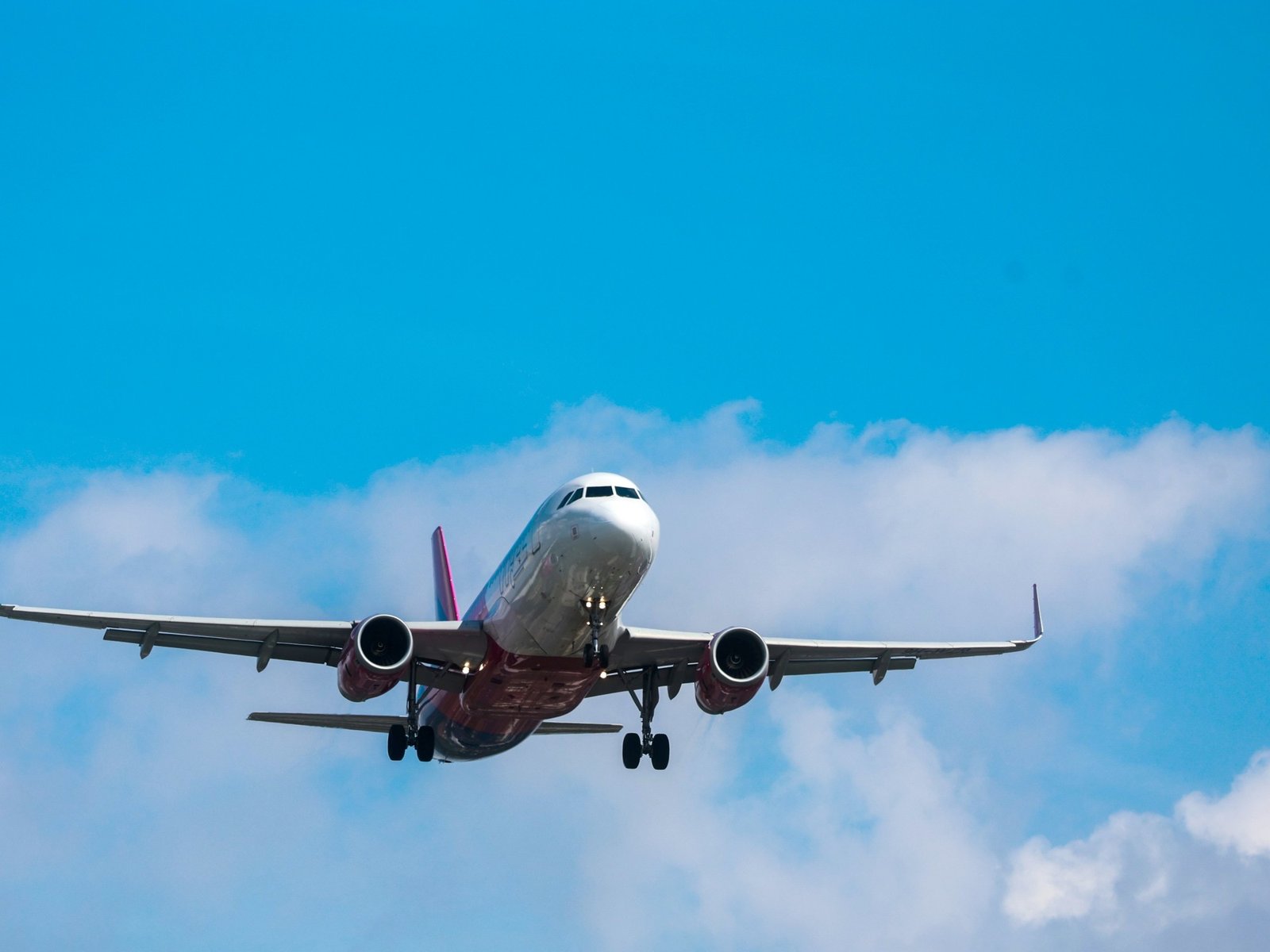
Este verano europeo puede convertirse en una pesadilla para quienes tengan que entrar o salir del espacio Schengen de libre circulación que comparten la mayoría de los 27 países de la Unión Europea.
La entrada en vigor del Sistema Europeo de Entrada y Salida (EES, en sus siglas en inglés), basado en un registro biométrico de los viajeros extra-comunitarios como medida de seguridad pero sobre todo para luchar contra la inmigración irregular, está provocando importantes retrasos en muchos aeropuertos europeos justo cuando empieza la temporada alta de turismo estival.
Quienes durante años entraron con un trámite más o menos rápido, británicos, estadounidenses, canadienses, japoneses, australianos, buena parte de latinoamericanos, entran ahora después de pasar horas en la fila.
Los aeropuertos y las líneas aéreas protestan, pero por ahora la Comisión Europea y los gobiernos nacionales no se mueven y aseguran que ha habido tiempo de sobra para prepararse.
En algunos aeropuertos, los más concurridos de países como España, Portugal, Italia, Grecia y Bélgica, las colas son de horas en la fila de los viajeros que no residen dentro del espacio Schengen. Algunos viajeros han pasado hasta cinco horas esperando por el control. Los aeropuertos más señalados por ahora son Palma de Mallorca, Tenerife Sur, Lisboa, Roma y Bruselas.
El EES es un sistema que sustituye al tradicional sellado manual del pasaporte por un registro digital que guarda la fotografía de la cara, las huellas dactilares y los datos del documento con el que viaje cualquier ciudadano no residente legal en la Unión Europea que vaya a pasar hasta 90 días en el espacio Schengen.
Más allá de 90 días es necesario un permiso de residencia. El sistema busca alimentar una base de datos común para los países participantes.
El problema en los aeropuertos es que el proceso de copiar de forma digital todos los datos es más lento que el antiguo proceso de sellar el pasaporte y la eventual visa para quien la necesitara. Sobre todo si es el primer viaje del pasajero en cuestión y nunca había sido registrado en Europa.
En ese caso se lo debe fotografiar y tomar las huellas dactilares para ser digitalizadas. Si por alguna razón no funciona, hay que pasar a un control manual que ralentiza aún más el proceso.
Las aerolíneas llevan meses advirtiendo a la Comisión Europea que el sistema no estaba preparado para entrar ya en vigor. Alegan que falta personal y que en los quioscos de registro automáticos hay continuamente problemas técnicos.
La Asociación Internacional de Transporte Aéreo (AITA, la gran asociación mundial de aerolíneas) pidió incluso a la Comisión Europea que aplazara la entrada en vigor del nuevo sistema o que permitiera suspender temporalmente los controles cuando las filas de pasajeros son demasiado largas.
El viajero puede completar parte del registro en su celular antes de llegar al control, pero a debe detenerse igual porque necesita hacerse una fotografía y verificar sus huellas dactilares.
La Comisión Europea sigue rechazando la suspensión. El brazo ejecutivo de la Unión Europea asegura que no habrá suspensión generalizada y que el EES es un instrumento esencial para la seguridad europea.
Además, recuerda que ya se registraron más de 100 millones de movimientos fronterizos y se detectaron varias decenas de casos de incumplimiento de las normas de estancia.
La inmensa mayoría son casos de personas que pasaron más de los 90 días de estancia máxima para turistas. La Comisión sí reconoce que en unos 20 pasos fronterizos hay problemas mayores, pero recuerda que el sistema ya permite excepciones específicas en algunos casos.
Además de en los aeropuertos, hay problemas en algunos puertos, como el británico de Dover para registrarse para viajar hacia el continente europeo. Y en el Eurotúnel, el tren que cruza bajo tierra el Canal de la Mancha entre la ciudad francesa de Calais y la inglesa de Folkestone.
Los ciudadanos de la Unión Europea no están sujetos a estos registros, por lo que las filas son sólo para quien no tiene residencia legal en la Unión Europea.
La Comisión Europea pide tiempo. Fuentes comunitarias explican que los problemas se irán solucionando en cuanto los sistemas informáticos se corrijan y el personal en los puestos fronterizos vaya tomando experiencia con el nuevo sistema de control.
Mientras tanto, la recomendación es ir al control fronterizo varias horas antes de lo habitual y chequear la información que publican en sus sitios webs los aeropuertos.

INTERNACIONAL
Guatemala declara alerta roja en el Trifinio por crisis de sequía: vicepresidenta Karin Herrera ordena medidas urgentes
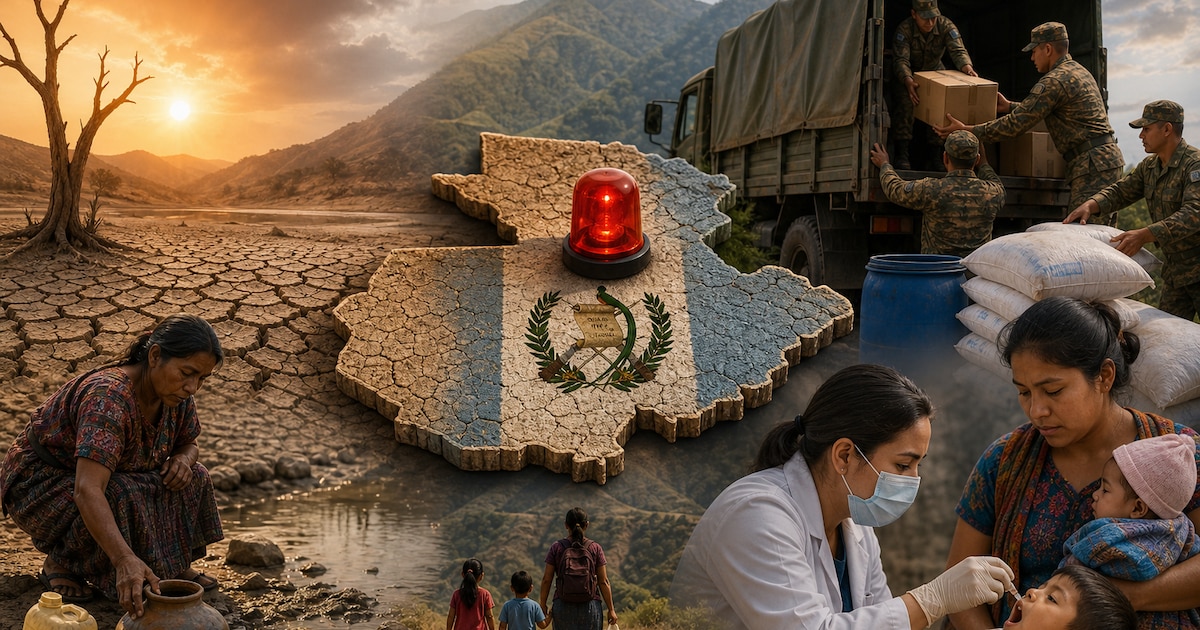
Guatemala declaró alerta roja en la región del Trifinio por los efectos agroclimáticos de El Niño, mientras la vicepresidenta Karin Herrera ordenó medidas urgentes para contener la escasez de agua y alimentos en municipios de Chiquimula y Jutiapa. La decisión, tomada el 11 de septiembre de 2026, busca reforzar la atención sanitaria, sostener el abastecimiento alimentario y proteger a las familias expuestas a la sequía en el corredor seco ampliado.
La alerta roja se activó después de que el Consejo Nacional de Seguridad Alimentaria y Nutricional declarara alerta naranja en todo el país ante el riesgo de afectaciones en la disponibilidad de agua y alimentos. La medida nacional antecedió a la elevación de la emergencia en la zona fronteriza del Trifinio.
La instrucción fue dirigida a la Coordinadora Nacional para la Reducción de Desastres durante dos reuniones extraordinarias encabezadas por Herrera. La Vicepresidencia informó que los encuentros buscaron coordinar a las instituciones responsables de atender las consecuencias de la sequía.
Un plan para el Trifinio y el corredor seco ampliado
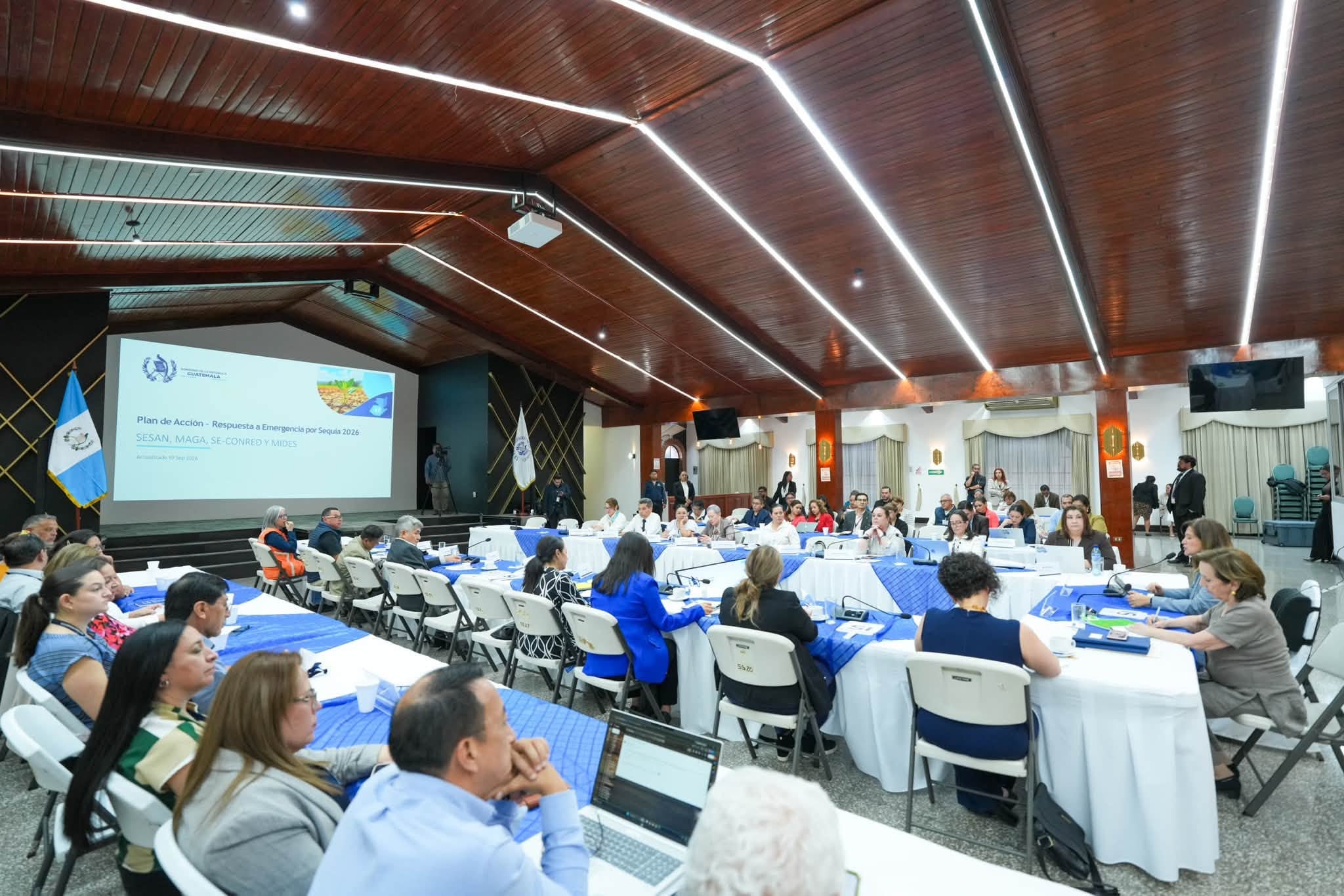
La primera reunión correspondió al Gabinete Específico de Desarrollo Social, que revisó los acuerdos alcanzados con el Gabinete Específico de Desarrollo Económico. Allí se presentó el Plan de Acción–Respuesta a Emergencia por Sequía 2026, diseñado para la Región Trifinio y el corredor seco ampliado, donde se concentra una parte de la vulnerabilidad alimentaria guatemalteca.
Cinco ministerios recibieron tareas específicas. El Ministerio de Economía deberá fijar precios de referencia y actuar frente a aumentos injustificados en productos de la canasta básica y combustibles.
El Ministerio de Salud Pública y Asistencia Social deberá sumar medidas de vigilancia y respuesta ante enfermedades relacionadas con la falta de agua o su mala calidad. También deberá incorporar al Consejo Nacional de la Juventud en las brigadas sanitarias.
El plan dispone el despliegue de 124 brigadas de salud y nutrición con equipos multidisciplinarios. Su labor incluirá suplementación, desparasitación y vacunación de niñas, niños y mujeres embarazadas, además del monitoreo comunitario de la calidad del agua, de acuerdo con el Consejo Nacional de Seguridad Alimentaria y Nutricional.
El Ministerio de Desarrollo Social tendrá que asegurar que los bonos conserven su carácter condicionado y alcancen a todos los beneficiarios prioritarios. A su vez, el Ministerio de Finanzas Públicas deberá identificar recursos disponibles y analizar medidas legislativas que permitan acelerar la ejecución presupuestaria.
Las autoridades asignaron al Ministerio de Agricultura, Ganadería y Alimentación la reducción de los plazos de entrega de alimentos. La cartera también deberá definir acciones para asegurar agua y alimentación al ganado afectado por la ausencia de pastos.
Reservas de alimentos, pozos y asistencia para productores
La emergencia contempla reservas estratégicas de alimentos y la activación del seguro agrícola como compensación ante la pérdida de cosechas. También prevé reservorios artesanales para captar agua de lluvia, raciones destinadas a la ganadería y la rehabilitación de pozos comunitarios.
Los productores rurales podrán acceder a crédito con tasas nulas mediante inversión de capital en cajas rurales. La medida busca evitar que los campesinos abandonen sus tierras por la pérdida de cultivos y la falta de recursos para sostener su actividad.
La Secretaría de Seguridad Alimentaria y Nutricional, Sesan, deberá mantener el seguimiento de las familias que atraviesan inseguridad alimentaria y actualizar la estimación de población afectada. Desde el Conasan también continuará la verificación del estado nutricional de la niñez y de la evolución de la crisis en los hogares más expuestos.
Herrera convocó a alcaldes y gobernadores del Trifinio y del corredor seco ampliado para que eleven las alertas necesarias ante los Coordinadores de Emergencia municipales y departamentales. El objetivo es garantizar el acceso al agua y la asistencia para las familias alcanzadas por la sequía.
Los gobiernos locales deberán utilizar recursos de los Consejos de Desarrollo en cocinas escolares y centros de recuperación nutricional, conforme a la tipología de seguridad alimentaria aprobada por el Consejo Nacional de Desarrollo Urbano y Rural. La instrucción busca dirigir fondos hacia los espacios donde se atiende a población con mayor riesgo nutricional.
“Cada día cuenta; tenemos que proteger la salud y la vida de la población guatemalteca”, afirmó Herrera durante la reunión del Gabinete Específico de Desarrollo Social. La vicepresidenta sostuvo que la respuesta debe situarse por encima de las banderas políticas y concentrarse en las familias vulnerables.
La producción nacional de granos resulta insuficiente, por lo que Guatemala deberá recurrir a importaciones para garantizar el abastecimiento oportuno. Herrera ordenó anticipar y agilizar esos procedimientos, además de fortalecer el monitoreo de caudales, embalses y generación hidroeléctrica con escenarios que permitan activar medidas preventivas.
“Es indispensable garantizar transparencia y trazabilidad en la entrega de la asistencia, verificando que llegue efectivamente a las familias que la necesitan”, señaló la vicepresidenta, según la Vicepresidencia. Las instituciones convocadas deberán presentar en 15 días calendario un informe escrito sobre los avances en la aplicación de las medidas.
Guatemala,reunión gubernamental,ministerios
NEWYou can now listen to Fox News articles!
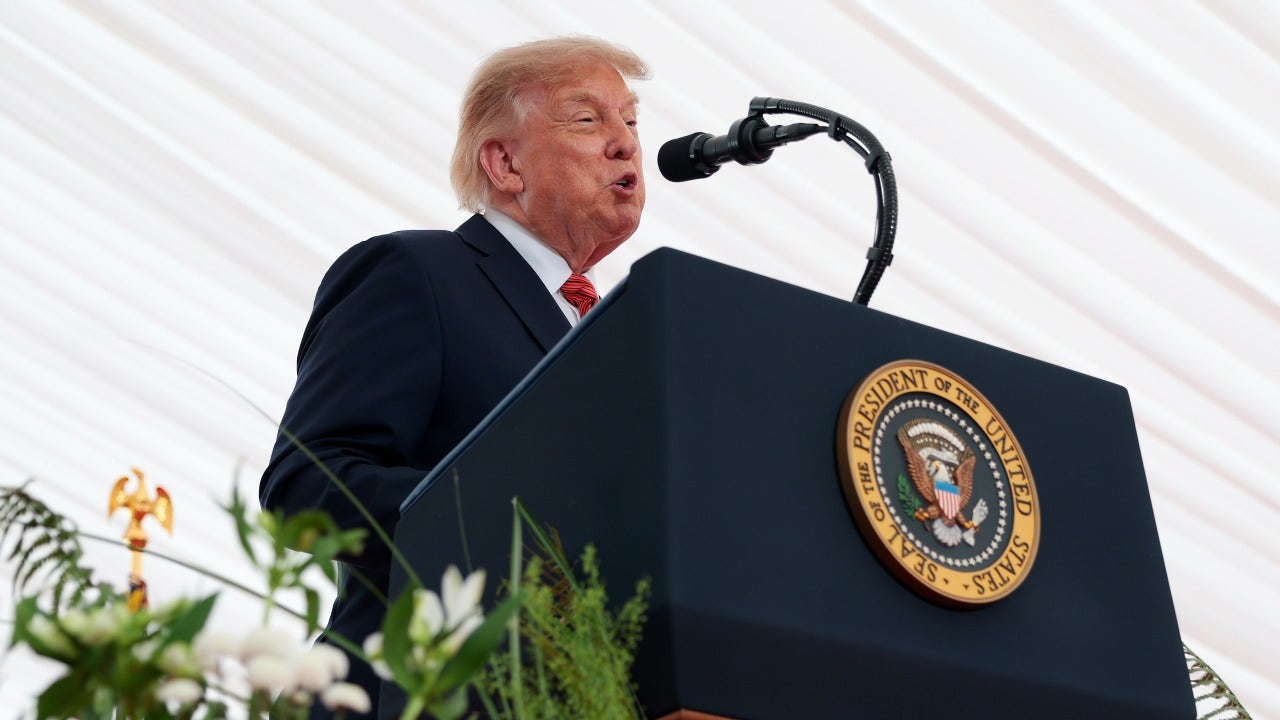
President Donald Trump said Saturday during a trip to Ireland that he would love to see the country unified.
The Republic of Ireland gained independence from the United Kingdom in 1922, while Northern Ireland, established in 1921, has remained part of the U.K.
«I don’t want to cause any problems, but I will tell you, I’d love to see it unified. I have friends on both sides, great people. They’re Irish people. How can they be bad, right?» Trump said in Dublin while on stage with Ireland’s prime minister, Micheál Martin. «I’d like to see a unified country. I think it would be a great feather in everybody’s cap if that happened. It’s going to happen eventually.»
He added that the U.K. «will have something to say about it obviously,» but reiterated that unification would be a «great thing.»
TRUMP SAYS IRAN CONFLICT COULD END AFTER MIDTERMS
President Donald Trump meets with Ireland’s Prime Minister Micheál Martin at Farmleigh House in Phoenix Park in Dublin on Sept. 12, 2026. (Brendan Smialowski/AFP via Getty Images)
In response to Trump’s comments, British Prime Minister Andy Burnham said in a statement that the U.K. government’s stance on reunification remains unchanged.
«I am not aware that there is majority public support for another referendum, and until that changes, there will not be one,» Burnham told reporters in Parliament, according to Reuters.
Later Saturday, Trump addressed a crowd at the Deerfield Residence, the official home of the U.S. ambassador to Ireland.
U.S. Ambassador Edward S. Walsh introduced the president, who took the stage to the sound of Lee Greenwood’s «God Bless the USA.»
Early in his remarks, Trump revisited the question a reporter had asked during his meeting with Martin about the prospect of Irish reunification.
«That’s one of those questions where no matter what you say, no matter how well you say it, there’s no good answer, right?» he said, before saying reunification would be a «cool thing.»
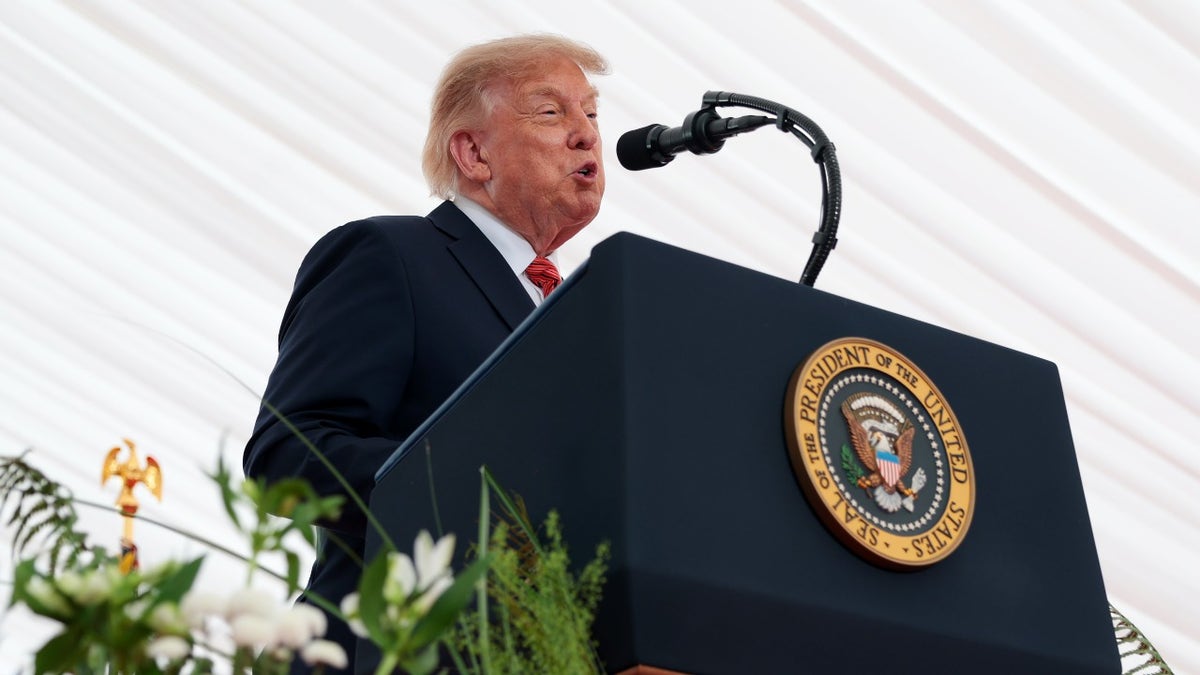
President Donald Trump delivers remarks to U.S. Embassy personnel and business leaders at Deerfield Residence on Sept. 12, 2026, in Dublin, Ireland. (Anna Moneymaker/Getty Images)
IRISH AUTHORITIES SEEK EXTRADITION WARRANT FOR SUSPECT IN MURDER OF AMERICAN MOM JAMEY CARNEY: REPORT
The debate over whether Ireland should be one country has been one of the island’s most divisive political issues for decades.
At times, it was far more than a war of words. From the late 1960s through the late 1990s, Northern Ireland was gripped by decades of sectarian violence known as «the Troubles.»
Irish nationalists and republicans — drawn largely from Northern Ireland’s Catholic minority — sought to reunite the island under a single Irish state.
Unionists and loyalists, who mostly belonged to the Protestant majority, wanted Northern Ireland to remain part of the U.K.
Throughout the conflict, more than 3,500 people were killed in violence involving Irish republican and loyalist paramilitary groups, as well as British security forces.
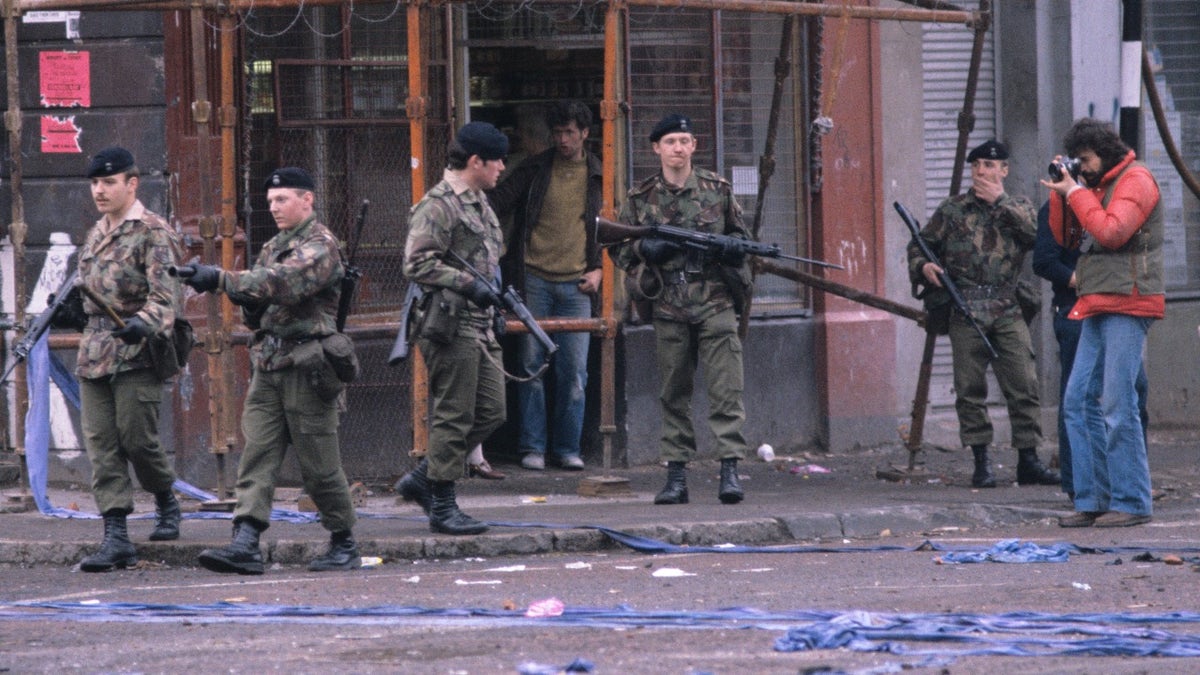
A photographer captures a scene of soldiers in front of a building in May 1981 in Northern Ireland. (Joe McNally/Getty Images)
The fighting largely ceased with a peace deal in 1998, but in the decades since, tensions remain between Protestants and Catholics in Northern Ireland.
A 2024 U.K. Parliament report found that 90% of students in Northern Ireland attend schools that «are effectively segregated along religious lines.»
The peace deal signed in 1998 — known as the Good Friday Agreement or the Belfast Agreement — set up a new government that had representation for both nationalists and unionists.
It also established that Northern Ireland will remain part of the U.K. unless a majority of citizens vote to leave through a referendum.
Brexit reignited debate over Ireland’s future, with Northern Ireland voting to remain in the European Union even as the U.K. as a whole voted to leave. Still, no referendum has been proposed or scheduled on whether Northern Ireland should leave the United Kingdom.
Reuters contributed to this report.
ireland, donald trump, uk politics, united kingdom
INTERNACIONAL
Los bloqueos por el alza de combustibles dejan seis agentes heridos y varios arrestos en Guatemala
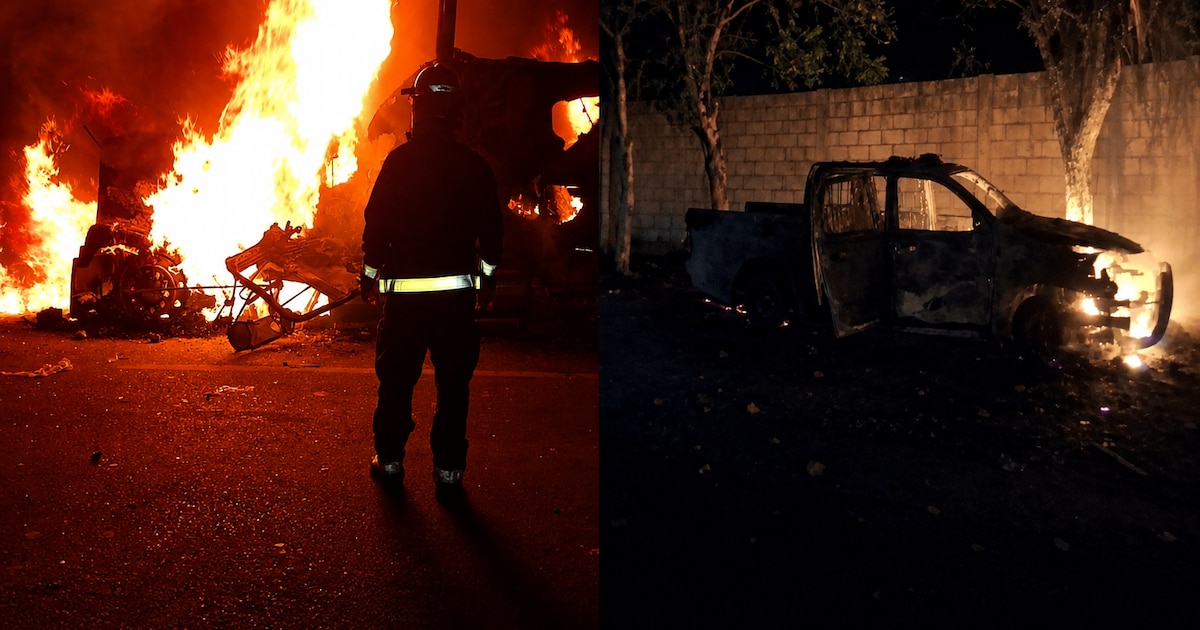
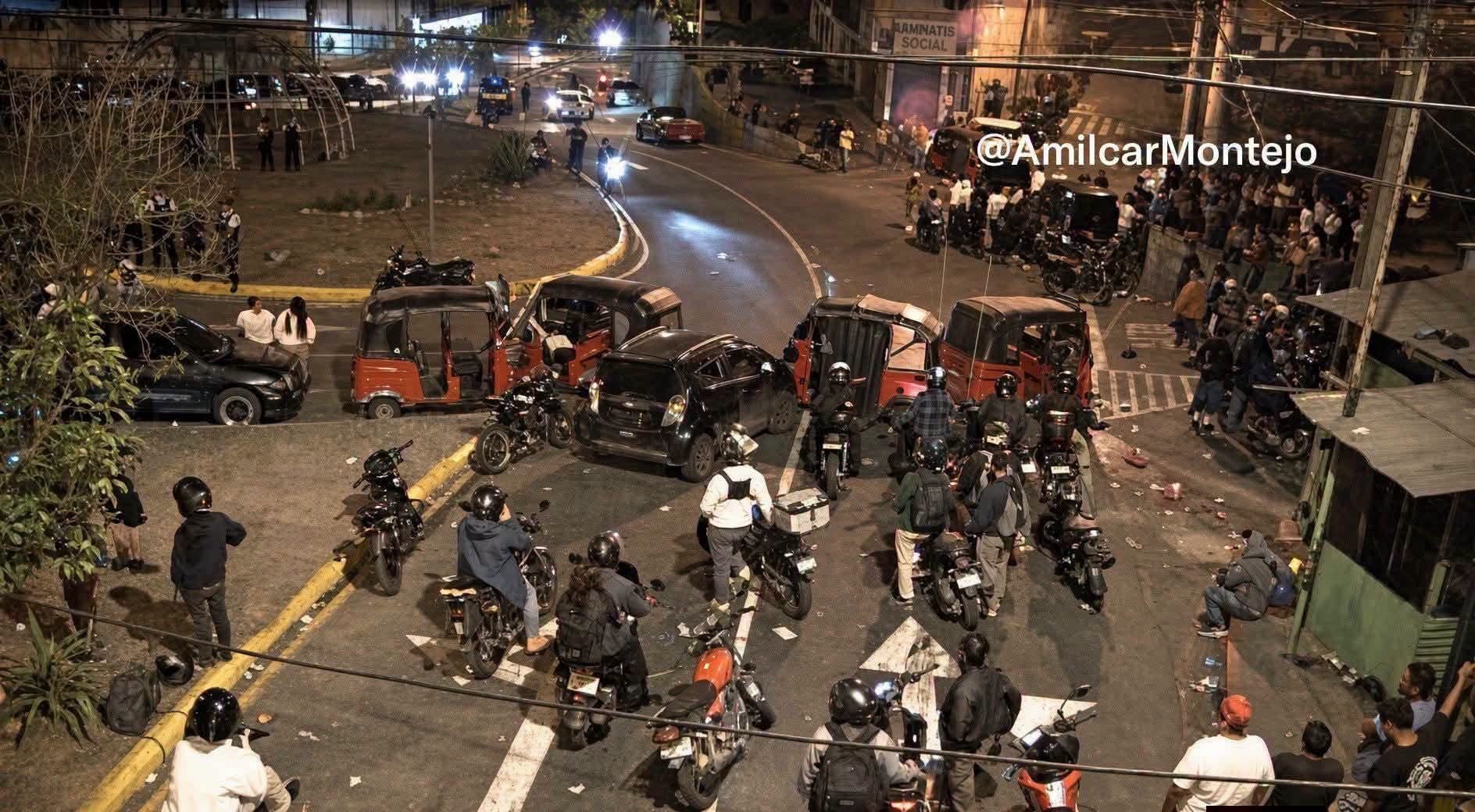
La Policía Nacional Civil (PNC) confirmó que seis agentes resultaron heridos durante el desalojo de un bloqueo el viernes 11 de septiembre, en el kilómetro 168 de la ruta a Cuyotenango, Suchitepéquez, en una jornada de protestas contra el aumento de los combustibles que también dejó vehículos incendiados en Zacapa y cortes en varios departamentos de Guatemala.
Un cierre continuaba activo el sábado 12 de septiembre a las 06:45 en el kilómetro 225 de la ruta departamental QUE-03, en la aldea Santo Domingo, Colomba Costa Cuca. El bloqueo había comenzado cuatro minutos antes, afectaba ambos sentidos de circulación y era el único punto cerrado en el reporte matutino de la Dirección General de Protección y Seguridad Vial (Provial); las demás rutas figuraban habilitadas.
El policía Ronal Gavino Morales Chávez sufrió un disparo en el estómago y fue trasladado en helicóptero a un centro asistencial de la Ciudad de Guatemala, después de ser estabilizado en el Instituto Guatemalteco de Seguridad Social de Mazatenango. Los otros cinco efectivos padecieron lesiones por explosiones de morteros, el impacto de una piedra en el cráneo y golpes en distintas partes del cuerpo.
La corporación indicó que sus Fuerzas Antidisturbios despejaron más del 90% de los puntos bloqueados en el país. El despliegue respondió a una orden de la Corte de Constitucionalidad para liberar las rutas con apoyo del Ministerio de Gobernación y el Ejército.
Dos focos de conflicto en Zacapa y Villa Nueva
Los incidentes persistían al cierre de la jornada en sectores de Zacapa y Villa Nueva, donde la PNC afirmó haber detectado la presencia de pandillas y estructuras del crimen organizado dentro de las manifestaciones. La institución acusó a esos grupos de usar a mujeres, adultos mayores y niños como escudos humanos.
La fuerza de seguridad solicitó la intervención de la Procuraduría de los Derechos Humanos y de la Procuraduría General de la Nación para proteger las garantías de los menores y las mujeres presentes en las zonas de conflicto. También pidió a los habitantes de los lugares donde continuaban los enfrentamientos que permanecieran en sus hogares mientras avanzaba el operativo.
“Atentar contra la paz en presencia de la niñez guatemalteca es un acto criminal que no quedará impune”, advirtió la policía. La institución requirió denuncias anónimas sobre actividades delictivas, instigación o presencia de personas infiltradas.
La PNC señaló que, con base en el artículo 257 del Código Procesal Penal, detendría en flagrancia a quienes obstruyeran las vías. Los vehículos y camiones utilizados deliberadamente para bloquear carreteras serían puestos a disposición de los tribunales para su comiso.
“Los promotores e instigadores de estos ataques violentos están debidamente perfilados e individualizados y enfrentarán todo el peso de la ley”, sostuvo la corporación.
Durante el operativo en Cuyotenango, las autoridades detuvieron a Armando Constancia Martínez, a quien le decomisaron piedras, hondas, morteros y otros objetos presuntamente utilizados para agredir a los agentes. El arresto se sumó a cuatro capturas previas por disturbios en San Miguel Petapa y Suchitepéquez.
En la zona cinco de Mixco, sobre la calzada San Juan, agentes de la comisaría 16 arrestaron a Juan “N”, de 44 años, y Joseline “N”, de 29, cuando arrojaban objetos contundentes contra policías que buscaban despejar la cuarta avenida.
Otros dos hombres fueron capturados en el kilómetro 19,5 de la ruta al Pacífico. William “N”, de 33 años, y Hugo “N”, de 28, estaban en un bloqueo que reunía a 150 personas, donde también se registró el lanzamiento de piedras contra los efectivos de seguridad.
La presencia policial fue reforzada en la colonia Bethania, el Anillo Periférico, Villa Nueva, la ruta al Atlántico y los sectores de Río Hondo y Zacapa, que concentraron algunos de los cierres más prolongados.
Camiones incendiados y reclamo de estado de excepción
La Cámara Guatemalteca de Transporte de Carga condenó los hechos de violencia, vandalismo y destrucción registrados durante las protestas, con especial referencia a la quema de vehículos y camiones de transporte pesado en la aldea Santa Cruz, en el kilómetro 124 de Zacapa.
“El derecho a manifestar nunca puede convertirse en una licencia para delinquir”, expresó la organización. El gremio sostuvo que ninguna causa justifica la destrucción de propiedad privada, las agresiones contra trabajadores ni la interrupción forzada de las principales vías de comunicación.
La cámara exigió al Gobierno de Guatemala el restablecimiento inmediato del orden y de la libre circulación en la carretera CA-9 y en todos los sectores afectados por bloqueos violentos. También reclamó al Ministerio Público una persecución penal inmediata contra los responsables materiales e intelectuales de la destrucción, los incendios de vehículos y las amenazas contra transportistas.
“Solicitamos respetuosamente, pero con absoluta firmeza”, al presidente que evalúe declarar un estado de excepción en los municipios donde la violencia haya superado la capacidad ordinaria de las autoridades, planteó el gremio.
Las movilizaciones surgieron después de que el Congreso de la República aprobara, con trámite de urgencia nacional, un decreto que establece precios máximos de referencia para el diésel y las gasolinas, además de un fondo de compensación para los importadores. Diversos sectores del transporte consideran insuficiente la medida frente al aumento de los combustibles registrado en los últimos meses.
Policía Nacional Civil,detención,seguridad pública

La Derecha Diario: militancia libertaria, agresiones y negocios oscuros

“En evaluación”: el Gobierno festejó los dichos de Trump sobre Malvinas y no lo descarta como mediador frente al Reino Unido

Guatemala declara alerta roja en el Trifinio por crisis de sequía: vicepresidenta Karin Herrera ordena medidas urgentes

Trump says he would ‘love’ to see Ireland unified as one nation

Las paradisíacas vacaciones de María Susini junto a India Arana en Bali: cascadas, playas y templos

Base Naval Integrada: el Gobierno asegura que la obra “pertenece 100% a la Argentina” y no incluye a otros países

El día que Owen Wilson se emocionó por el abrazo que le dio Lionel Messi tras un partido

La desafiante aventura de Carolina Baldini en moto por Europa: desde Edinburgo a Liverpool en dos ruedas

Berni se diferenció de Kicillof en la aplicación de la baja de la edad de imputabilidad

Cuánto cuesta comprar una pick up en la Argentina y cuáles son los modelos más baratos en septiembre

 POLITICA1 día ago
“¿Dónde está Kicillof?”: Patricia Bullrich cruzó al gobernador por la inseguridad en la Provincia
- POLITICA3 días ago
La intendenta de José C. Paz criticó a Kicillof por la inseguridad tras el crimen de un joven de 23 años
- ECONOMIA2 días ago
Así es la primera pickup compacta nacional: diseño, cuándo empezará a venderse y el novedoso sistema híbrido que tendrá