INTERNACIONAL
Vance says ‘United States wins either way’ as he defends Trump’s Iran deal against GOP skeptics

NEWYou can now listen to Fox News articles!
Vice President JD Vance pushed back Saturday on criticism that the deal signed between President Donald Trump and Iranian President Masoud Pezeshkian would hand Tehran economic benefits without requiring meaningful changes in the terror-sponsoring nation’s behavior.
In a morning interview on «Fox & Friends,» Vance brushed aside concerns raised by Senate Armed Services Committee Chairman Roger Wicker, R-Miss., and other Republicans who say Iran could eventually use the memorandum of understanding’s economic incentives to rebuild its military and nuclear programs. The MOU is meant to serve as a framework for a long-term peace agreement.
«I like Roger, he’s a friend of mine, but I think that he’s wrong on this,» Vance said. «What the MOU says is that if the Iranians behave over a long period of time, they could get some of the benefits of this bargain.»
Critics on both sides of the aisle have charged that the agreement signed earlier this week misses key objectives for the United States, including the dismantling of Iran’s nuclear weapons capabilities and enriched uranium stockpiles, limits on its ballistic missile program and a requirement that Tehran end its support for regional proxy groups such as Hamas, Hezbollah and the Houthis.
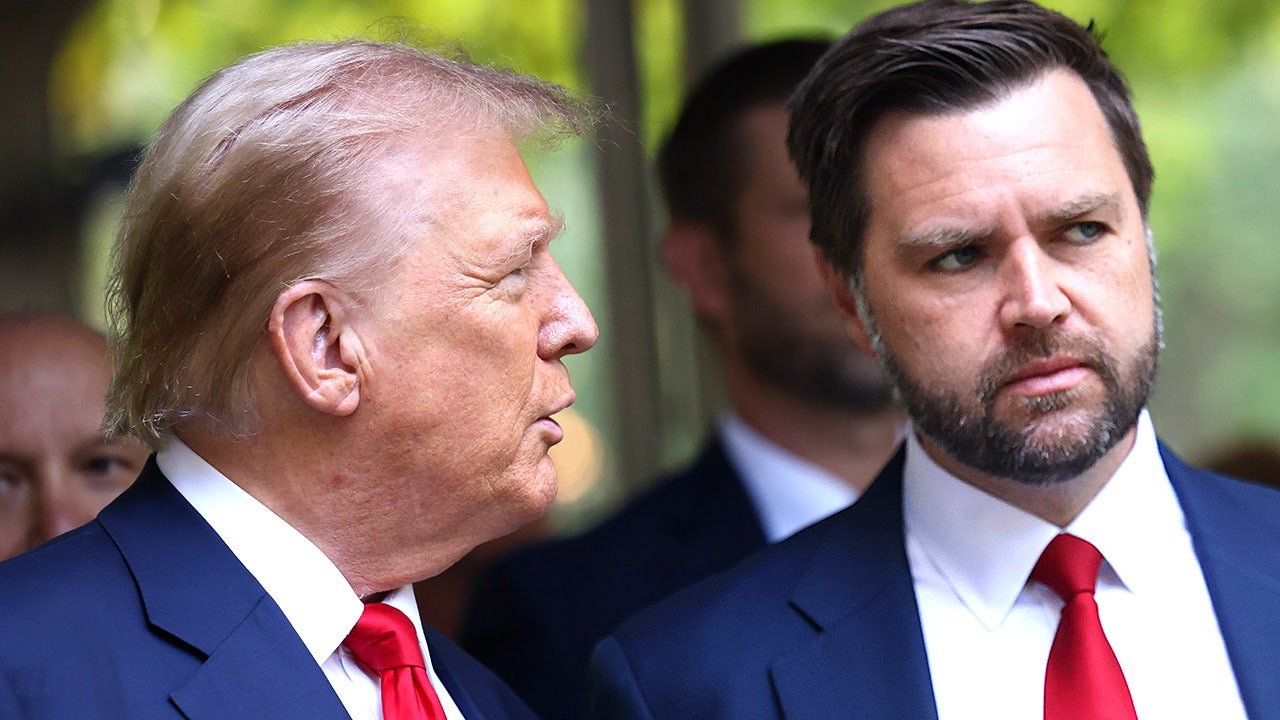
Republican presidential nominee Donald Trump and Sen. JD Vance joined family members at Ground Zero in New York City Sept. 11, 2024, to honor victims of the Sept. 11, 2001, terrorist attacks. (Michael M. Santiago/Getty Images)
TRUMP’S IRAN DEAL ‘GIVING A LOT MORE TO GET A LOT LESS’ THAN OBAMA’S, SENATOR SAYS
Wicker claimed the 60-day ceasefire agreement set forth in the MOU undermines the United States’ victories in Operation Epic Fury «in ways that are completely out of step with the president’s goals.»
«Specifically, the $300 billion fund for the reconstruction and economic development of Iran — though not funded by U.S. taxpayers — would make Iran’s payoff under President Obama’s 2015 deal look like a pittance by comparison,» Wicker said in a statement.
Wicker argued that easing sanctions on Iran while requiring Israel to cease military action against Hezbollah is misguided, given the group’s continued attacks on Israel’s northern border and its backing from Tehran.
VANCE TOUTS DESTRUCTION OF IRANIAN NUCLEAR PROGRAM AS TRUMP ANNOUNCES ISRAEL-IRAN CEASEFIRE
«The Iranian regime has not renounced its ultimate goal — ‘Death to America, Death to Israel,’» Wicker said. «The regime will invest every penny it receives to further that aim.»
But Vance said critics have incorrectly assumed Iran would receive economic benefits regardless of its conduct. Sanctions relief and regional economic aid would only be considered after Iran demonstrates sustained compliance with the agreement and abandons efforts to advance its nuclear program, Vance said.
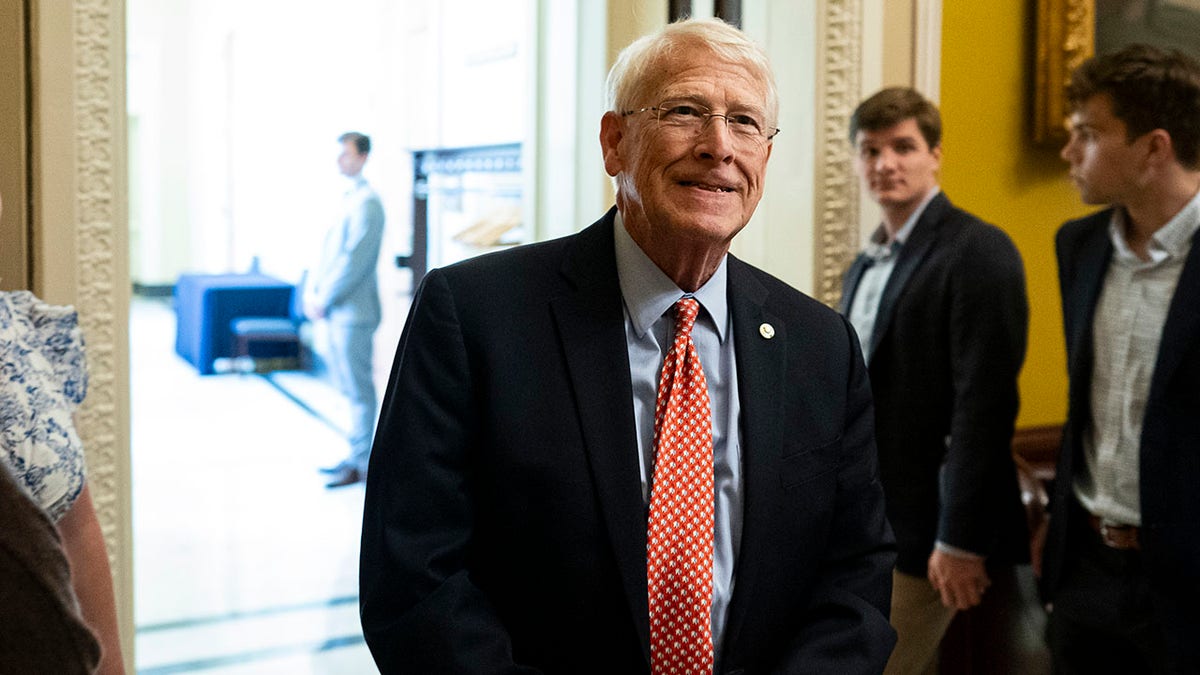
Senate Armed Services Committee Chair Sen. Roger Wicker, R-Miss., departs a meeting with Senate Republicans at the U.S. Capitol in Washington, D.C., on June 28, 2025, as lawmakers work to advance the 2026 National Defense Authorization Act. (Al Drago/Getty Images)
«The United States has all the cards,» Vance said. «The [Strait of Hormuz is] now open, the Iranian military is now destroyed. The Iranians have committed to, of course, destroying that stockpile of the rich material, but we have a lot of economic pressure applied to the Iranians that we would be willing to relieve if they do what we need them to do.»
Vance said the agreement is already delivering tangible results, citing the movement of 16 million barrels of oil through the Strait of Hormuz on Friday after the waterway reopened to commercial traffic. He said the administration is focused on ensuring Iran is permanently blocked from restoring its nuclear program.
«We’re going to go after that enriched stockpile of uranium,» Vance said. «We’re going to try to reset the situation that we have, so that the Iranians don’t just have a destroyed nuclear program now, but so that we can say with some confidence, through a combination of inspections and verification, that they’re never going to be able to rebuild that program.»
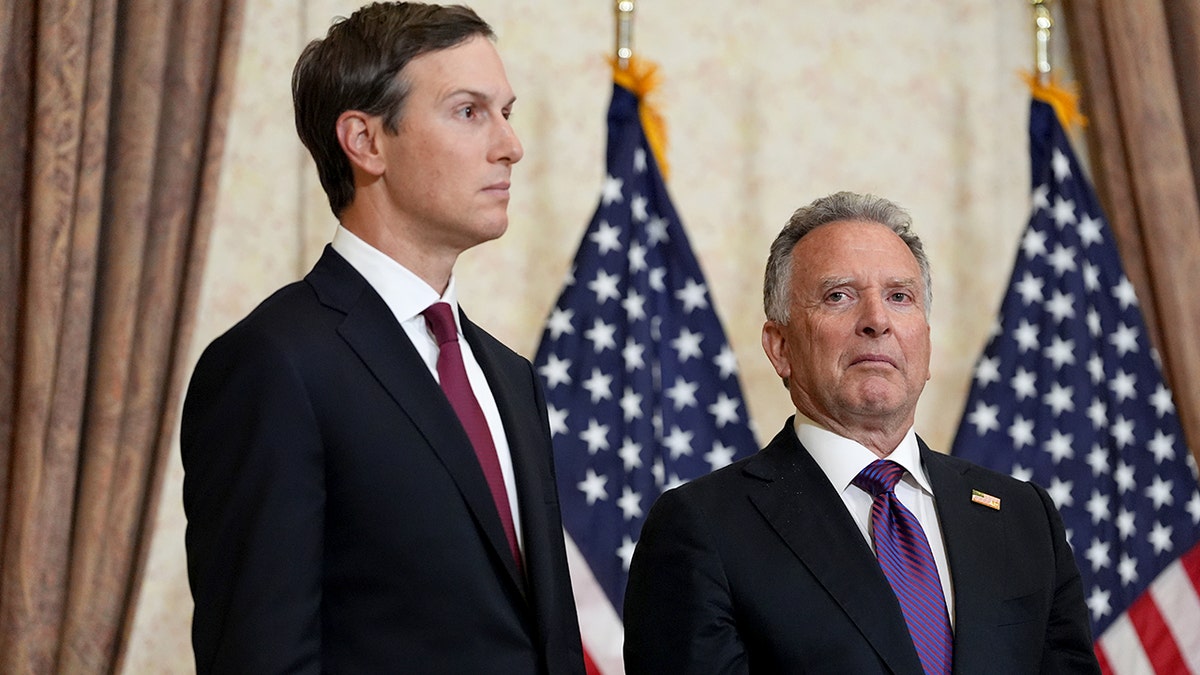
Jared Kushner and Steve Witkoff listen as Vice President JD Vance speaks during a news conference after meeting with representatives from Pakistan and Iran in Islamabad, Pakistan, April 12, 2026. (Jacquelyn Martin/Pool/Getty Images)
CLICK HERE TO DOWNLOAD THE FOX NEWS APP
Vance also expressed confidence that a ceasefire between Iran and Israel would hold long enough for negotiations to continue. U.S. officials are preparing for talks involving Iranian, Qatari and Pakistani representatives, which could begin within days, according to Vance.
«There’s a fork in the road here,» Vance said. «The United States wins either way, but I think that what ultimately happens from here is very much up to the Iranians.»
nuclear proliferation, treaties, iran, sanctions, jd vance














¿Por qué es importante el PIX?
¿Qué reclama Estados Unidos?
¿Cómo se defiende Brasil?
¿Por qué es sensible políticamente?
INTERNACIONAL
House passes daylight saving time reform as Trump signals support for ending clock change
NEWYou can now listen to Fox News articles!
A bipartisan effort to make daylight saving time permanent is one step closer to becoming law after the House of Representatives overwhelmingly approved the measure on Tuesday.
Lawmakers voted 308-117 to pass the Sunshine Protection Act, which would allow states to voluntarily observe daylight saving time year-round as a growing mass of lawmakers push to extend daylight into the evening hours.
«For decades, we have accepted this ritual of springing forward and falling back, even though it disrupts routines, throws off our sleep and creates unnecessary frustration for families across the country,» Rep. Kat Cammack, R-Fla., said Tuesday, detailing how the clock changes have disrupted her infant son’s sleep schedule.
«Let’s stop asking Americans to reset their clocks every March and November,» she continued. «Let’s provide some certainty and consistency and a little more sunshine at the end of the day.»
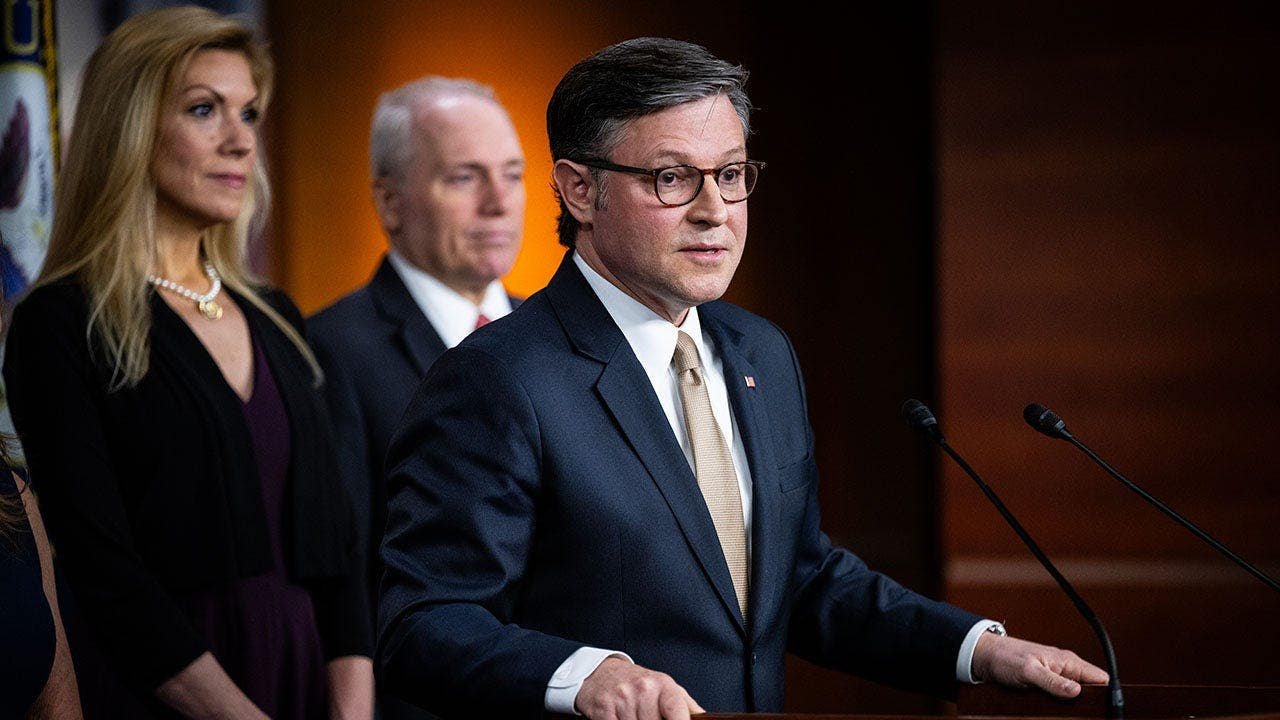
House Speaker Mike Johnson, R-La., attends a news conference at the U.S. Capitol in Washington, D.C. (Graeme Sloan/Bloomberg via Getty Images)
TRUMP-BACKED DAYLIGHT SAVING TIME BILL CLEARS KEY HOUSE HURDLE
The legislation divided lawmakers in both parties, with members largely from coastal areas, such as Louisiana, Florida and New Jersey, supporting permanent daylight saving time and others from the Midwest and agriculture-heavy states opposing it.
Democrats were nearly evenly split, with House Minority Leader Hakeem Jeffries, D-N.Y., opposing it. Just 22 Republicans voted in opposition, including Reps. Bryan Steil, R-Wis.; Rick Crawford, R-Ark.; Ryan Zinke, R-Mont.; and Harriet Hageman, R-Wyo.
The measure now heads to the Senate, where its prospects remain uncertain amid skepticism from members of both parties. President Donald Trump, who has long called for ending the twice-a-year clock changes, is expected to sign the bill if it reaches his desk.
The White House urged lawmakers to support the Sunshine Protection Act in an internal memo sent to Hill offices Tuesday, calling it a «popular, common-sense reform.»
Nearly every state follows the practice of setting clocks forward one hour in March to preserve more evening daylight before «falling back» one hour in November.
But nearly 20 states have already approved legislation to make daylight saving time permanent if Congress authorizes the practice. Hawaii and most of Arizona, however, do not observe daylight saving time.
Proponents argued the legislation, authored by Rep. Vern Buchanan, R-Fla., was necessary to end disruptions caused by switching clocks, including to children’s routines and road safety, while arguing longer daylight would boost tourism and outdoor recreation.
«More evening sunshine means more time with family and more time to enjoy our local restaurants, shops, and everything Florida has to offer,» Rep. Maria Elvira Salazar, R-Fla., wrote on social media. «It’s common sense. Let’s get it done.»
Some lawmakers, however, argue that year-round daylight saving time would delay winter sunrises until after 9 a.m. in some parts of the country, raising safety concerns about darker morning commutes and economic challenges for farmers who would likely have to start work later.
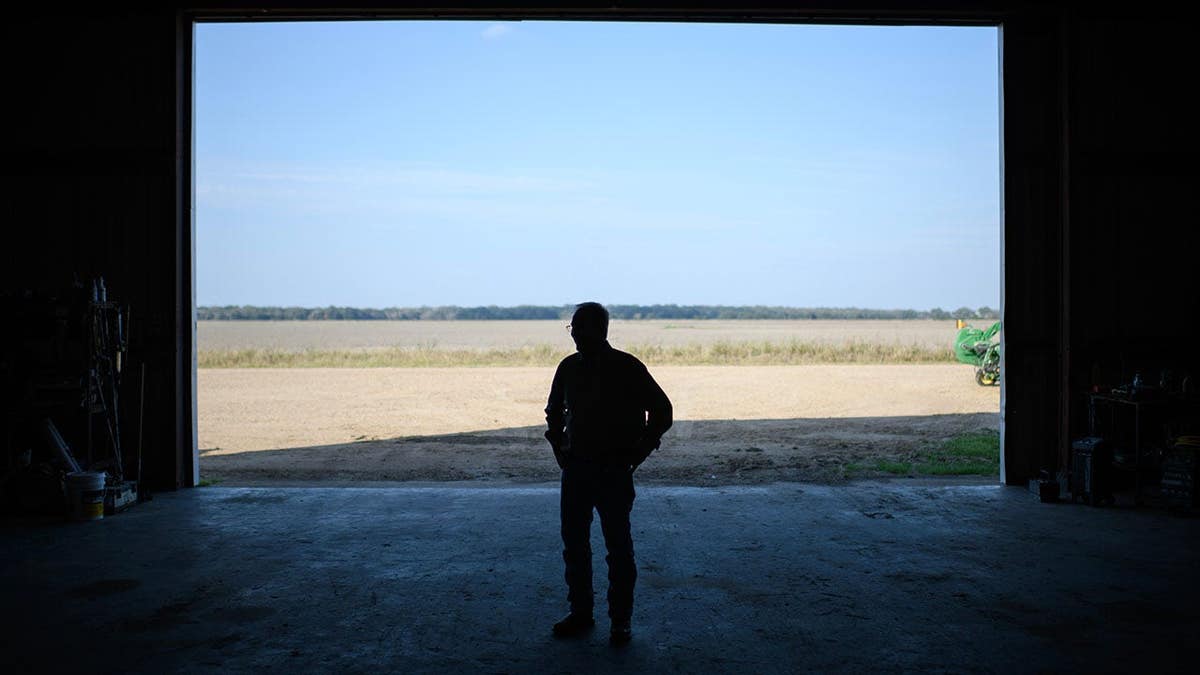
Texas rice farmer LG Raun stands in El Campo, Texas, Jan. 6, 2026. (Mark Felix/Bloomberg via Getty Images)
SLEEP DOCTOR REVEALS THE BRUTAL HEALTH DOWNSIDE OF DAYLIGHT SAVING TIME
Detractors have also stated that permanent standard time — meaning more light in the mornings — better aligns with circadian rhythms.
«If we’re going to make a permanent change that affects every American, we should follow the science and prioritize Americans’ health, particularly that of the children,» Rep. Mary Gay Scanlon, D-Pa., who favors permanent standard time, said during debate Monday.
Scanlon also pointed to the nation’s brief experiment with year-round daylight saving time in 1974, which Congress reversed after widespread public backlash.
Tuesday’s vote comes as the semiannual clock change remains widely unpopular with Americans, according to recent polling.
An AP-NORC survey released in December found that just 12% of Americans favor the current daylight saving time system, with nearly half opposed. Another 40% of respondents had no opinion.
The survey also found that more Americans support having daylight saving time year-round compared to standard time by a 14-point margin.
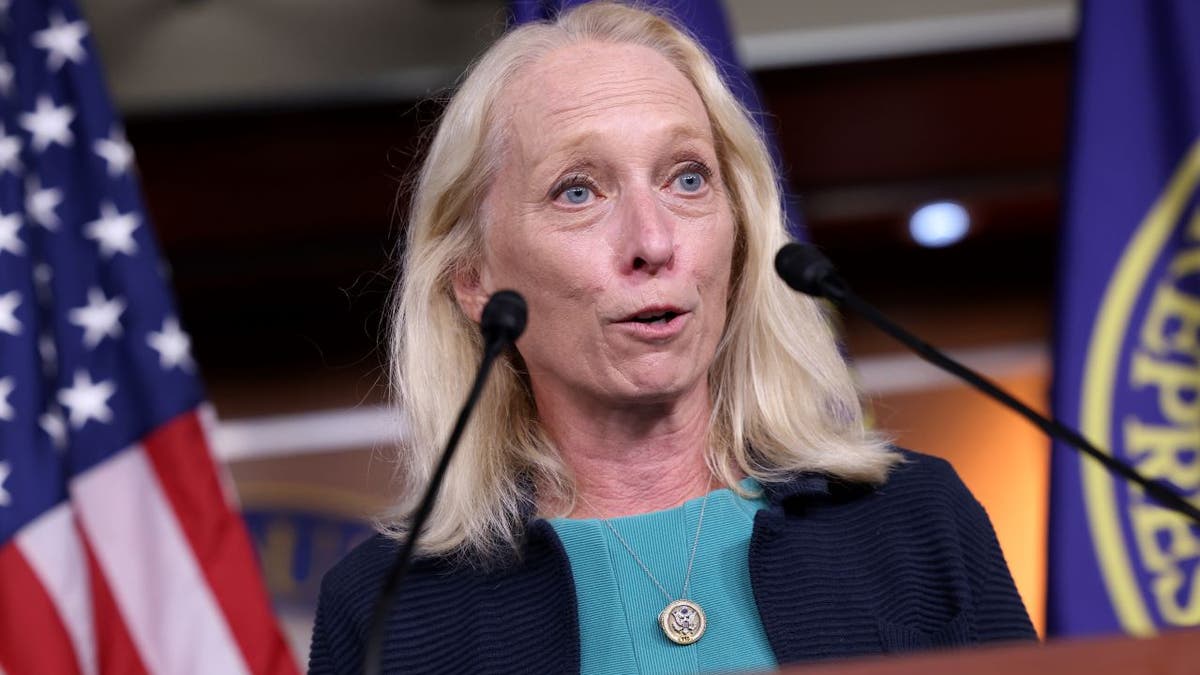
Rep. Mary Gay Scanlon, D-Pa., argued that permanent daylight saving time would create significant health and safety risks for children, who would likely go to school during darker morning hours. (Kevin Dietsch/Getty Images)
CLICK HERE TO DOWNLOAD THE FOX NEWS APP
The Senate previously passed year-round daylight saving time legislation in 2022, but the measure failed to clear the House.
politics, republicans, congress, donald trump, house of representatives politics
INTERNACIONAL
Tiene 67 millones de años, conserva el 63% de sus huesos y acaba de romper un récord mundial
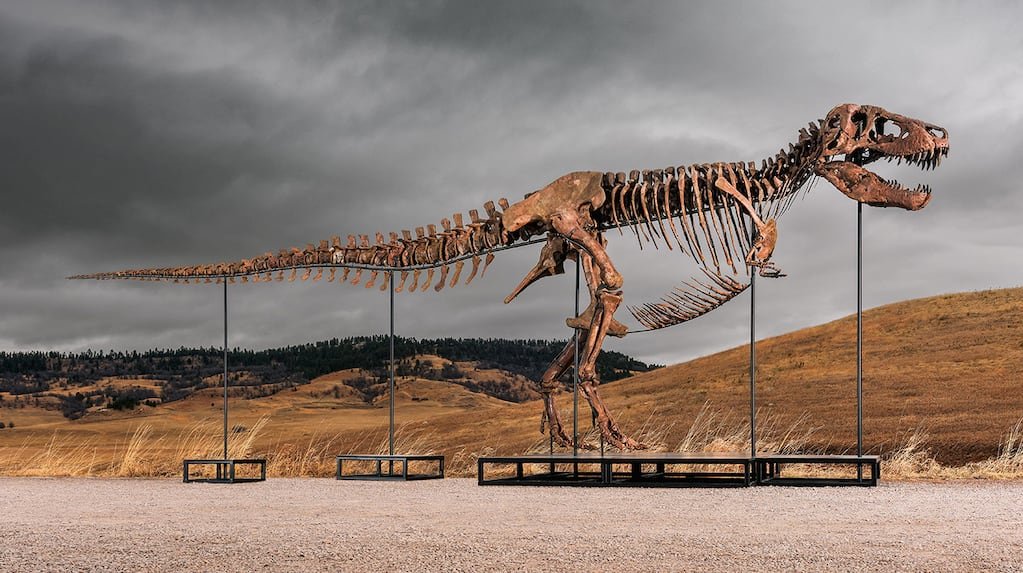
Un esqueleto de Tyrannosaurus rex de 67 millones de años hizo historia al convertirse en el fósil de dinosaurio más valioso jamás vendido en una subasta. La casa Sotheby’s confirmó este martes que el ejemplar, conocido como “Gus”, fue adquirido por 50,1 millones de dólares, una cifra que superó ampliamente la estimación inicial de entre 20 y 30 millones.
Con ese monto, el fósil desplazó al estegosaurio “Apex”, que hasta ahora ostentaba el récord tras haber sido vendido en 2024 por casi 45 millones de dólares. También dejó atrás a “Stan”, otro famoso T-Rex que había alcanzado cerca de 32 millones de dólares en 2020.
La puja se desarrolló durante unos diez minutos y enfrentó a siete interesados, tanto de manera presencial como virtual. Finalmente, un comprador cuya identidad permanece en reserva se quedó con la pieza tras una intensa competencia.
En uno de los momentos más llamativos de la subasta, la martillera Phyllis Kao alentó a los oferentes con una frase que despertó sonrisas entre los presentes: “Prueben con un mordisco más grande. Después de todo, es un T-Rex”. Gus fue excavado a lo largo de tres temporadas, de 2021 a 2023, y luego fue sometido a tres años más de trabajo de laboratorio para limpiar y montar los huesos. (Foto: Reuters)
El ejemplar vendido es considerado uno de los más importantes descubiertos en los últimos años. “Gus” mide aproximadamente 3,8 metros de altura y 11,5 metros de largo cuando se encuentra montado en posición erguida, con la cola extendida y una de su patas ligeramente elevada.
Según Sotheby’s, el fósil conserva alrededor del 63% de su estructura ósea original, un porcentaje muy elevado para un dinosaurio de estas características. Entre las piezas preservadas se destacan una mandíbula abierta repleta de grandes dientes, ambos pies con abundantes huesos originales y una fúrcula —conocida popularmente como “hueso de la suerte”—, un elemento anatómico poco frecuente en este tipo de hallazgos.
Tras concretarse la venta, Cassandra Hatton, vicepresidenta de Sotheby’s, destacó: “Gus no solo es un hallazgo excepcional, sino un ejemplar que fue excavado, documentado, preparado y preservado con un nivel extraordinario de excelencia. El mercado responde cuando estos grandes fósiles son tratados de la manera correcta”, afirmó.
Leé también: El elefante marino más famoso de Australia es un fenómeno viral que preocupa a los defensores de animales
Sin embargo, la operación volvió a poner sobre la mesa una discusión que divide a paleontólogos y coleccionistas privados.
La Society of Vertebrate Paleontology, una organización integrada por investigadores, docentes y estudiantes especializados en fósiles manifestó antes de la subasta que ejemplares de semejante importancia deberían permanecer en instituciones públicas, donde puedan ser estudiados y exhibidos para futuras generaciones.
Kristina Curry Rogers, vicepresidenta de la entidad, sostuvo que el verdadero valor científico de un fósil no termina cuando es extraído del suelo.
“El descubrimiento de un fósil importante es apenas el comienzo de su historia científica. Muchos de los avances más relevantes en paleontología ocurrieron años o incluso décadas después del hallazgo, gracias al desarrollo de nuevas tecnologías que permitieron responder preguntas que antes eran imposibles”, explicó. Con un 63% completo según el recuento óseo, Gus es uno de los fósiles de T. rex más completos jamás encontrados. (Foto: Reuters)
Existen antecedentes de grandes fósiles adquiridos por privados que luego terminaron en museos. El estegosaurio “Apex”, por ejemplo, se encuentra cedido en préstamo de largo plazo al Museo Americano de Historia Natural de Nueva York.
Algo similar ocurrió con “Sue”, el célebre T-Rex vendido por Sotheby’s en 1997, que hoy constituye una de las principales atracciones del Field Museum de Chicago.
Ahora, “Gus” suma un nuevo récord a esa historia: además de ser uno de los T-Rex más completos encontrados hasta el momento, pasó a ser el fósil de dinosaurio más caro adquirido en una subasta, con una venta que volvió a demostrar el enorme interés que despiertan estas piezas únicas en el mercado del coleccionismo y en el mundo de la ciencia.
fosiles, dinosaurio, Subasta

¿Por qué el sistema de pago brasileño PIX irrita a Donald Trump?

Cómo fue la única final que jugó España en un Mundial

Argentina-Inglaterra: preparan un operativo especial de seguridad y prevén un corte en la zona del Obelisco

House passes daylight saving time reform as Trump signals support for ending clock change

Cuánta plata necesitó una familia para no ser pobre en junio, según INDEC

ATE le pidió al Gobierno asueto administrativo para el partido de la selección contra Inglaterra

“Hablame bien”: el tenso cruce de Lionel Messi con el árbitro en la victoria de Argentina ante Suiza en el Mundial

El álbum de las vacaciones soñadas de Darío Barassi con su familia: “Ibiza, nos vas enamorando”

El petróleo sube más de 3% tras la reanudación de los ataques de EEUU contra Irán y la amenaza de cierre del estrecho de Ormuz

Mitch McConnell breaks silence on mystery hospitalization after Graham’s death

 DEPORTE3 días ago
“Hablame bien”: el tenso cruce de Lionel Messi con el árbitro en la victoria de Argentina ante Suiza en el Mundial
- CHIMENTOS2 días ago
El álbum de las vacaciones soñadas de Darío Barassi con su familia: “Ibiza, nos vas enamorando”
- ECONOMIA2 días ago
El petróleo sube más de 3% tras la reanudación de los ataques de EEUU contra Irán y la amenaza de cierre del estrecho de Ormuz