INTERNACIONAL
Israel signals readiness for another Iran strike as Trump declares ceasefire over

NEWYou can now listen to Fox News articles!
Israel’s leaders are publicly signaling that their country is prepared to strike Iran for a third time, while a U.S. official tells Fox News Digital that Washington remains closely coordinated with Jerusalem.
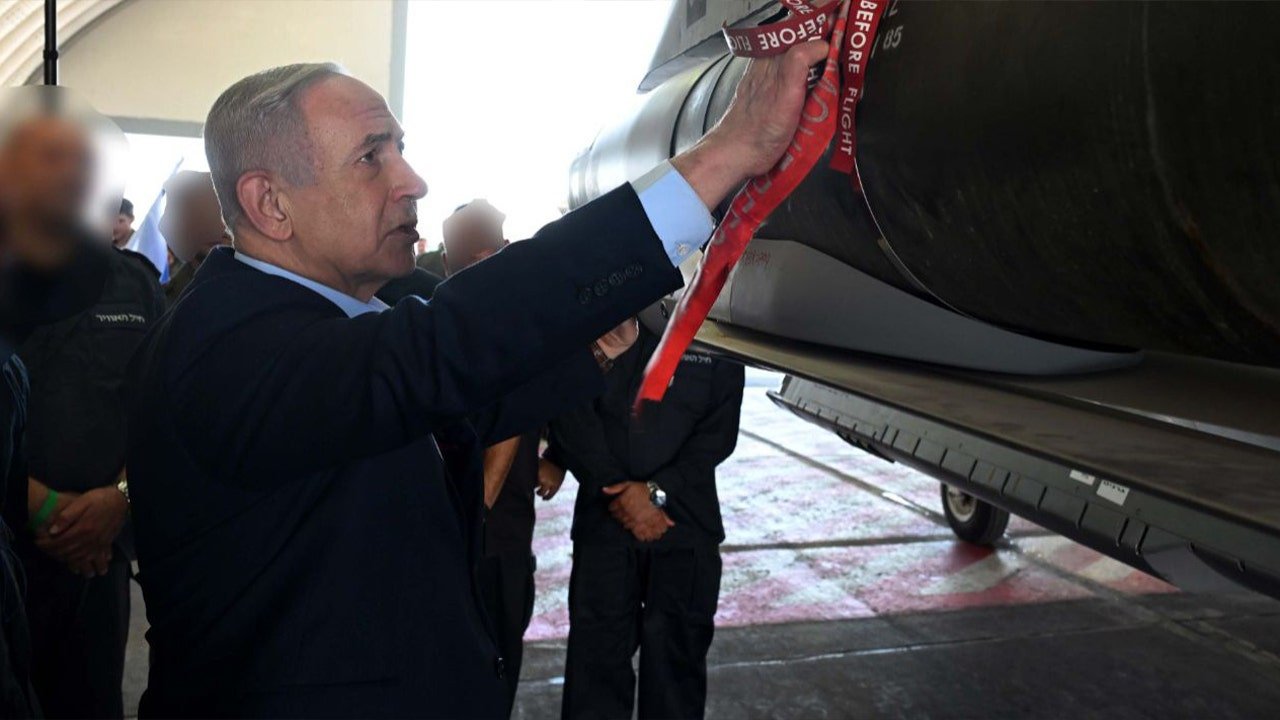
«The IDF is on high alert and prepared to resume the campaign, regain air superiority, and carry out an independent Israeli strike against Iran to eliminate threats — even for a third time,» Israel Defense Forces (IDF) Minister Israel Katz said Thursday at a graduation ceremony for the Israeli Air Force’s newest pilots.
«If we have to return, we will return with even greater force,» Katz added.
ISRAEL DEFENSE CHIEF WARNS STRIKES ON IRAN COULD RESUME SOON, SIGNALS CAMPAIGN NOT OVER
U.S. Central Command shared this footage in a July 8, 2026, press release about strikes against Iran. (CENTCOM)
Prime Minister Benjamin Netanyahu also warned Thursday that Israel’s campaign against Iran was not finished and said Tehran would not be permitted to obtain a nuclear weapon, regardless of any agreement reached with Washington.
«The war has not yet ended,» Netanyahu said at the air force ceremony. «Alongside the old challenges, new challenges are emerging. Axes are falling, and axes are rising. We are paying attention to this. We are prepared for every scenario.»
Two Israeli sources told CNN Friday that the Trump administration does not currently want Israel to participate in the latest U.S. strikes against Iran.
«Netanyahu would really want to join the U.S. strikes, but the U.S. doesn’t want Israel involved at the moment,» one of the sources told CNN.
A U.S. official denied the report, telling Fox News Digital, «This is fake news. The United States has a strong relationship with Israel, which contributed to the resounding success of Operation Midnight Hammer and Operation Epic Fury. We remain in close coordination with our Israeli partners.»
Israel first launched a major campaign against Iran in June 2025, with the United States later joining the fighting by striking the Fordow, Natanz and Isfahan nuclear facilities. On Feb. 28, the two allies launched a new, coordinated military campaign against Iran.
While Israeli leaders are openly presenting the military as ready for another campaign, some Israeli officials and analysts say there is little appetite for renewed fighting unless it produces a clear strategic result.
The public warnings may overstate Israel’s desire to reenter the fighting, said Israeli analyst and journalist for Israeli newspaper Yedioth Aharonoth, Nadav Eyal.
«On the record, Israel is signaling that it is prepared and even eager to strike Iran. But off the record, sources are saying that it is anything but that,» Eyal told Fox News Digital. «The reason is clear: Any Israeli strike in Iran will lead to Iranian ballistic missile attacks against Israel.»
US CLAWS BACK KEY CONCESSION TO IRAN AFTER FRESH ATTACKS ON COMMERCIAL SHIPS IN STRAIT OF HORMUZ
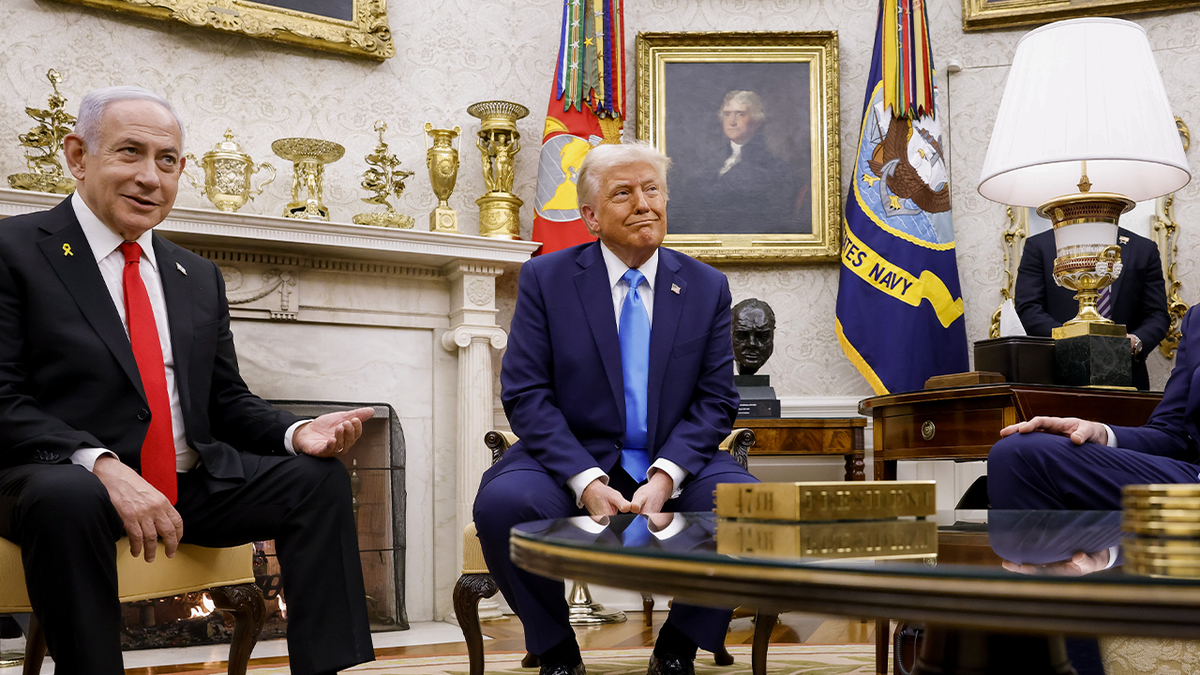
Benjamin Netanyahu, Israel’s prime minister, from left, US President Donald Trump and US Vice President JD Vance during a bilateral meeting in the Oval Office of the White House in Washington, DC, US, on Tuesday, Feb. 4, 2025. Trump insisted Egypt and Jordan will take in Palestinians from the Gaza Strip, dismissing the countries’ refusal to accept people from the war-shattered territory. Photographer: Shawn Thew/EPA/Bloomberg via Getty Images (Getty Images)
Eyal said the domestic political consequences could make Netanyahu reluctant to begin another round of fighting, particularly as Israel approaches another election.
«If these strikes are meant to provide meaningful, strategic change, it is something the prime minister can sell to the public,» Eyal said. «But if the intention is only to use Israel as leverage, why should Israelis again experience a couple of weeks or more of sitting in safe rooms and losing their summer vacations, children’s day camps and summer camps? That could play out badly for the prime minister politically.»
«The truth is that Israel was not really enthusiastic about another strike,» he added. «That doesn’t mean it is not going to happen. If President Trump demands that Netanyahu join, it is very hard to see the Israelis saying no. But right now, I don’t see any passion for it.»
The diplomatic outreach continued even as Trump declared that the ceasefire with Iran was over.
«The Islamic Republic of Iran has asked us to continue ‘talks.’ We have agreed to do so, but the United States has stated to them, in no uncertain terms, that the Cease Fire is OVER!» Trump wrote in a post on Truth Social.
A source with knowledge of the situation told Fox News that Qatari negotiators have traveled to Iran, in coordination with the United States, to meet with Iranian officials in an effort to de-escalate the situation and create the conditions for negotiations to resume.
On Thursday, Netanyahu and Trump spoke by phone, according to the Israeli prime minister’s office, which said the two agreed to continue coordinating across several regional fronts. Trump briefed Netanyahu on American operations in the Gulf, the statement said.
NETANYAHU REJECTS REPORTS OF A RIFT WITH PRESIDENT TRUMP, SAYS THE TWO REMAIN ALIGNED ON IRAN

A satellite image shows damage at the control tower in the port of Chabahar, Iran, July 9, 2026, after the U.S. military said July 8, 2026, it launched fresh strikes on Iran to keep the Strait of Hormuz open to shipping. ( 2026 PLANET LABS PBC/Handout via Reuters)
The military warnings came as the Wall Street Journal reported Friday that Israel had provided the United States with intelligence about what is described as a fresh Iranian plot to assassinate Trump.
The developments follow renewed attacks on commercial shipping in the Strait of Hormuz, where U.S. naval officials said the maritime threat remained «severe.» U.S. Naval Forces Central Command reminded commercial vessels Friday that an expanded southern route through the strait remained open and that no controlling authority could require ships to pay a fee for passage.
A U.S. official told Fox News on background that Iran’s attacks against commercial vessels were «acts of terrorism» and constituted failed performance under the memorandum of understanding between Washington and Tehran.
«The United States is still committed to finding a resolution, and technical talks continue,» the official said. «Iran can never possess a nuclear weapon.»
Brig. Gen. Yossi Kuperwasser, a former senior Israeli military intelligence officer who now heads the Jerusalem Institute for Strategy and Security, said Israel had never regarded the memorandum as an adequate guarantee.
«From Israel’s perspective, the MOU was never a good deal,» Kuperwasser told Fox News Digital, speaking of the memorandum of understanding between the U.S. and Iran.
CLICK HERE TO DOWNLOAD THE FOX NEWS APP

CENTCOM shared footage of strikes against airplanes amid Iran war (U.S. Central Command on X)
«Israel should be on high alert, ready to face an Iranian attack and prepared to strike back if necessary,» he added.
For now, Israel’s leaders appear to be leaving Iran — and Washington — with little doubt that they are prepared to act. Whether the United States allows Israel to join the renewed campaign, however, could determine whether the latest confrontation remains limited or develops into another full-scale regional war.
Fox News Digital reached out to the White House for comment.
war with iran, iran, benjamin netanyahu, donald trump, defense





INTERNACIONAL
Abdul El-Sayed touts ‘whole a–’ medical credentials while defending sex changes for children
NEWYou can now listen to Fox News articles!
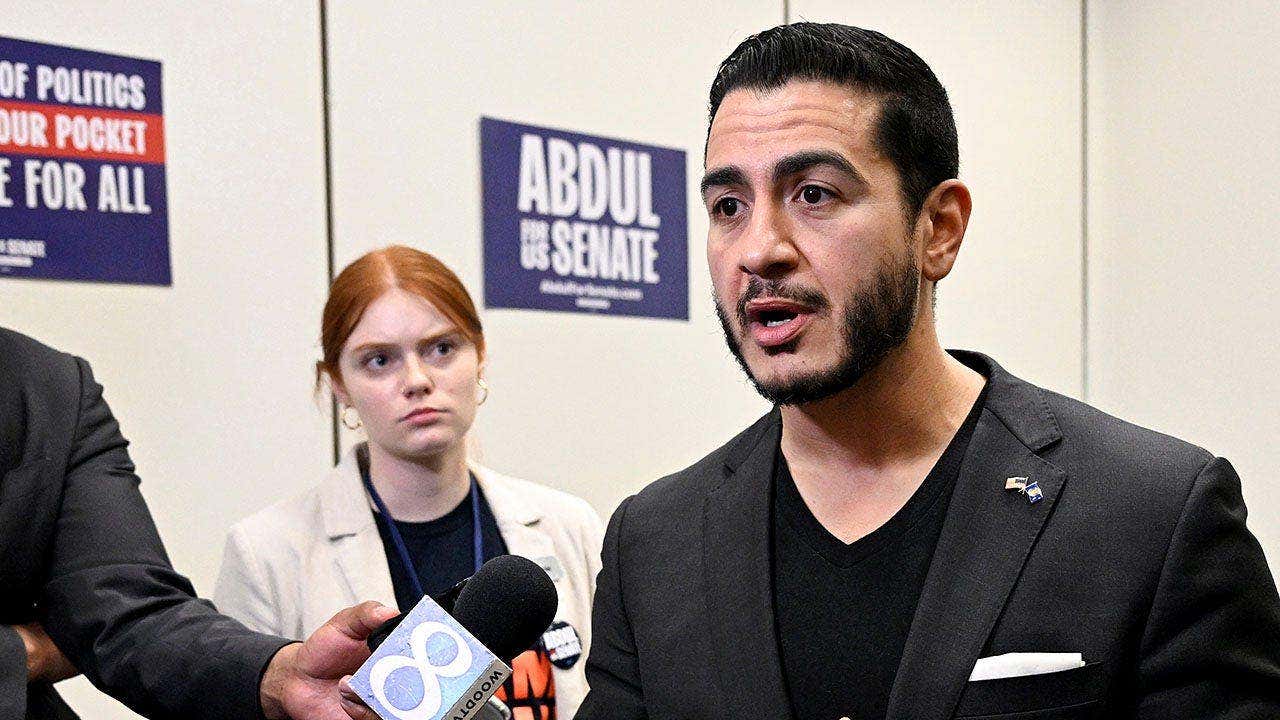
Michigan Democratic U.S. Senate candidate Abdul El-Sayed said the government should not restrict sex changes, arguing that «whole a–» doctors like himself should be allowed to make their own determinations for patients’ treatment plans.
The remarks came during El-Sayed’s Friday rally held at Michigan State University, during which the former Detroit Health Department head responded to a student’s question about protecting sex changes. Since launching his campaign, El-Sayed has flaunted that he is a «physician» and, if elected, he would be the first doctor to serve as a Democratic senator in 50 years. However, Fox News Digital previously reported El-Sayed has never held a medical license in Michigan or New York.
«I went to a whole a– medical school, everybody I graduated with also went to whole a– medical school,» El-Sayed said. «And then… they went to whole a– residency. Right? And some of them went to whole a– fellowship. They took whole a– exams to provide whole a– healthcare.»
DEM SENATE HOPEFUL’S ‘PHYSICIAN’ CAMPAIGN PITCH UNDER FIRE AFTER LICENSE RECORDS REVEAL KEY GAPS
Abdul El-Sayed answers a question during a press conference at the Michigan Democratic Party State Endorsement Convention in Detroit on April 19, 2026. El-Sayed has never held a medical license in Michigan or New York. (Jose Juarez/AP Photo)
«They are the experts that a patient wants to see when they seek care,» El-Sayed continued. «And the decision about what healthcare is necessary ought to be held between a patient — and or their parents if they’re under the age of 18 — and their doctor. That’s it.»
The remarks come as the Trump administration has made major strides in restricting minors’ access to «sex-rejecting» procedures, which include hormone therapy and surgeries.
Earlier this week, the Justice Department announced that Mount Sinai had joined other hospitals, like Texas Children’s Hospital, the Cleveland Clinic Foundation and Connecticut Children’s Hospital, to halt sex change procedures for children after reaching an agreement with the Trump administration.
MEDICAID ENDS FUNDING FOR CHILD SEX-CHANGE PROCEDURES AS TRUMP ADMIN SLAMS ‘EXPERIMENTAL’ TREATMENTS
El-Sayed has made the promise of «Medicare-for-all» — government-run healthcare — as the major selling point of his campaign; he said that even though the government will be covering the bill, it needs to stay out of the doctor’s decisions about a patient’s treatment plan.
«I don’t think the government gets to have a say about what healthcare is provided in what circumstances and why,» El-Sayed said. «And to me, that is the standard on which we decide how we make healthcare decisions.»
THE MEDICARE FOR ALL TRADE-OFFS SOCIALISTS AREN’T TALKING ABOUT, ACCORDING TO EXPERTS
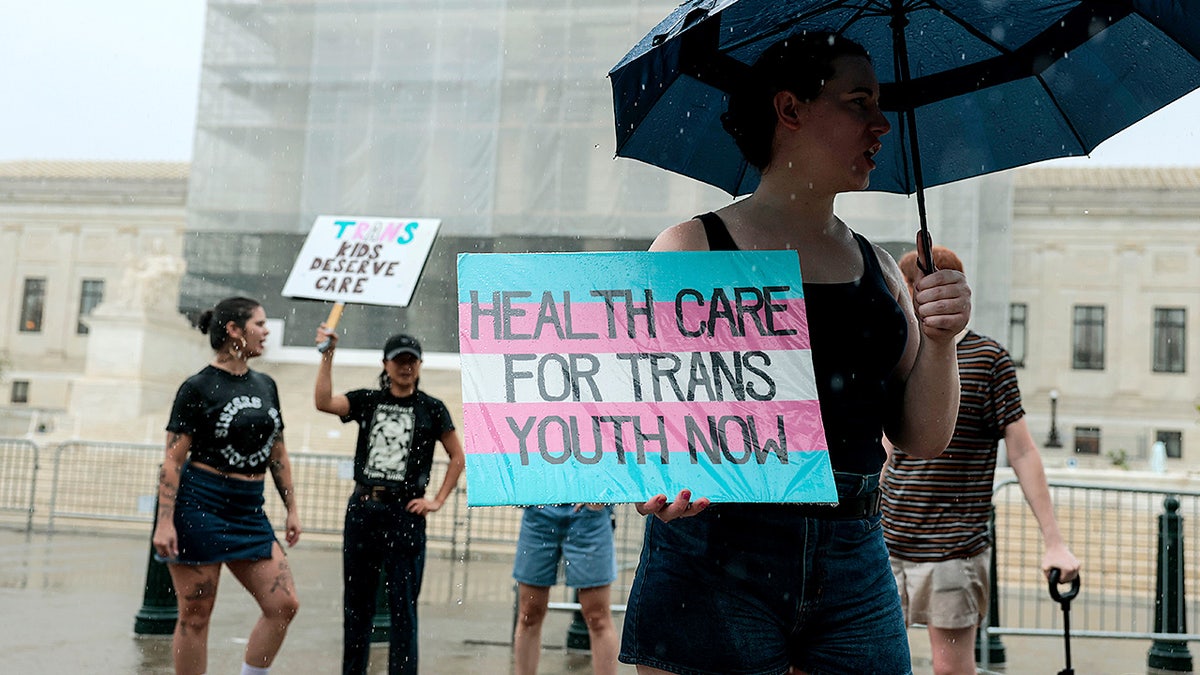
A protester holds a sign in support of sex changes for transgender children outside the U.S. Supreme Court in Washington, D.C., on June 18, 2025. (Anna Moneymaker/Getty Images)
«Not what the government says you can or can’t do, but what a patient and/or their parent, if they’re under 18, and their provider to decide. That’s the most important thing,» El-Sayed continued. «And there’s a lot of disinformation about us, what we’re talking about, when we talk about reproductive rights and when we’re talking about healthcare for the trans folks. But, in the end, the place where the rubber meets the rope is in that clinical room between a patient and a provider, and that to me is the center we should engage on.»
El-Sayed argued that Republicans agree with his belief that treatment decisions should be between a patient and their doctor, pointing to the Right to Try Act, which allows terminally ill patients to try experimental drug treatments that aren’t yet approved by the Food and Drug Administration after they have exhausted all other treatment options.
«Because conservatives fought for a very long time for this legislation called ‘Right to Try’ legislation, which is the idea that the government couldn’t tell you [that] you couldn’t have a certain medication,» El-Sayed said.
TRUMP ADMINISTRATION PROBE COULD UPEND WIDELY USED TRANSGENDER YOUTH TREATMENT GUIDELINES
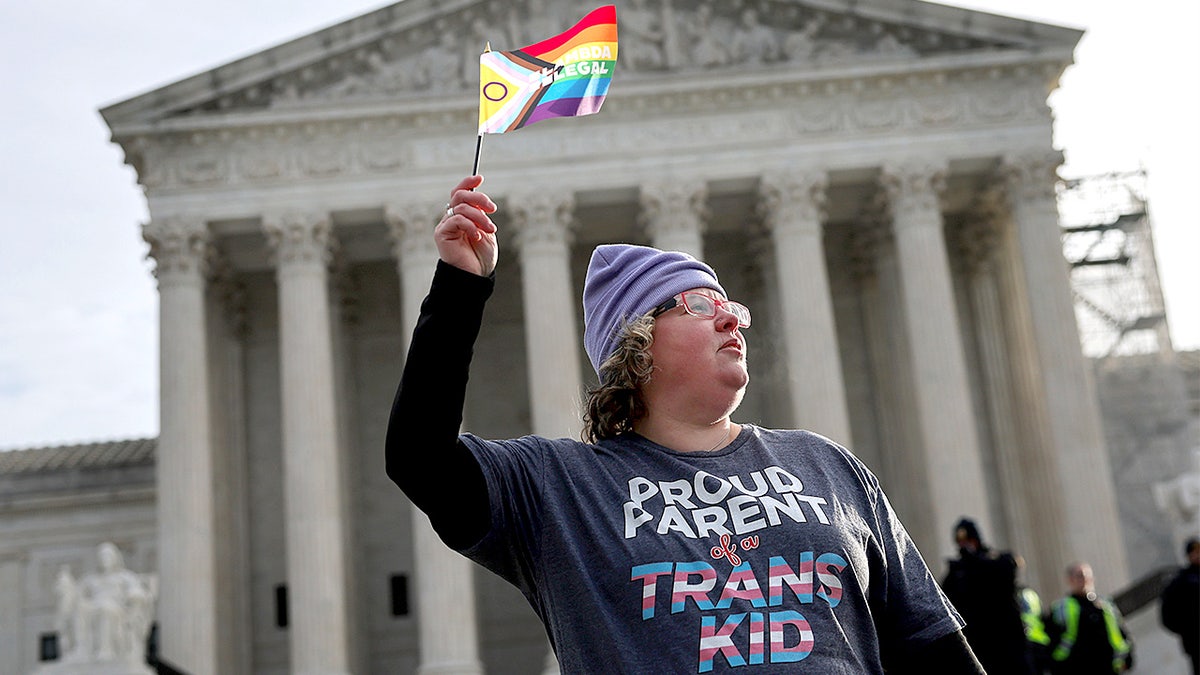
A transgender rights supporter takes part in a rally outside the U.S. Supreme Court as the justices hear arguments in a case on transgender health rights in Washington, D.C., on Dec. 4, 2024. (Kevin Dietsch/Getty Images)
«So they agree that the decision about healthcare ought to be between the person and their provider. That’s it. So let’s use that standard, and keep to that standard, and make sure the government doesn’t have the ability to tell you what you can or cannot do with your own life,» El-Sayed said.
However, the research on the efficacy of treating individuals with gender dysphoria by allowing them to change sexes with «cross-sex» hormones and puberty blockers is limited.
The World Professional Association for Transgender Health, whose guidelines are used by leading medical associations like the American Academy of Peditatrics, is currently facing a lawsuit from the Federal Trade Commission stemming from allegations that its guidelines misled parents about the «medical consensus and medical necessity, as well as the safety and effectiveness» of sex change procedures.
The FTC has accused WPATH of failing to disclose the side effects associated with some procedures, such as patients experiencing incontinence, erectile pain, mood disturbances, pelvic pain and vaginal pain stemming from «cross-sex» hormones.
Meanwhile, countries that have socialized medicine have put restrictions in place for minors seeking sex changes. In England, the National Health Service put a pause on «cross-sex» hormones for 16- and 17-year-olds in March after finding research was «really weak» to support it.
The country already had a ban in place restricting children under 16 years old from taking sex-change hormones.
El-Sayed’s office did not immediately respond to Fox News Digital’s request for comment regarding his medical credentials.
politics, health, health care, abdul el sayed, health care executive

NEWYou can now listen to Fox News articles!
Twenty-five years after a generation promised to «Never Forget,» that pledge now relies on education for the more than 100 million Americans with no memory of 9/11.
The Pentagon is preparing to help address that challenge by breaking ground this weekend on a long-awaited Visitor Education Center at the only one of the three 9/11 attack sites still without a dedicated museum or education center.
The new center is intended to fill the gap that has grown more pronounced with each passing year by helping Americans who never experienced the attacks understand not only what happened on Sept. 11, 2001, but why it continues to matter.
Joseph Kornhoff, executive director of the Pentagon Memorial Fund, told Fox News Digital that nearly one-third of the country was either not alive that day or has no recollection of it and therefore lacks the «personal connection» shared by those who watched the attacks unfold.
NEW 9/11 MUSEUM EXHIBIT AIMS TO CONNECT YOUNGER AMERICANS TO THE ATTACKS THROUGH POWERFUL ARTIFACTS
Members of the military and first responders watch as an American flag is unfurled on the side of the Pentagon to mark the 25th anniversary of the September 11th terrorist attacks on September 11, 2026 in Arlington, Virginia. The United States is marking the 25th anniversary of the terrorist attacks of September 11, 2001, when a group of al-Qaeda hijackers flew airplanes into the World Trade Center, Shanksville, Pennsylvania, and the Pentagon, killing nearly 3,000 people. (Photo by Finn Gomez/Getty Images)
«That’s what we’re trying to provide with the visitor education center experience,» Kornhoff said in an interview with Fox News Digital, explaining that the goal is to give visitors a personal connection that allows them to «start to understand the gravity of that day.»
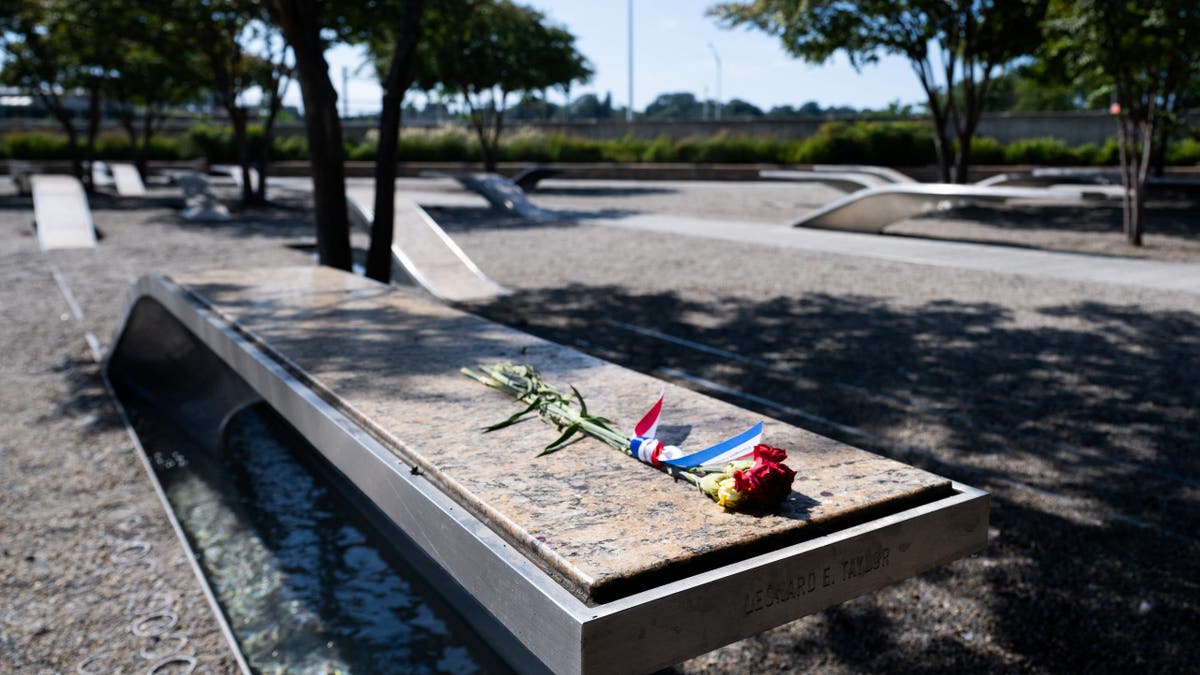
Flowers lay on a bench at the National 9/11 Pentagon Memorial, adjacent to the Pentagon, ahead of the 25th anniversary of the 9/11 attacks, in Washington, DC, on September 9, 2026. (Photo by SAUL LOEB / AFP via Getty Images)
Nearly 230 miles north, the National September 11 Memorial & Museum in New York is confronting the same generational divide.
Beth Hillman, president and CEO of the National September 11 Memorial & Museum, said the passage of time has only made the annual vow to «Never Forget» more important as the number of Americans with firsthand memories of the attacks declines.
«Many in my generation remember exactly where we were on that horrific day,» Hillman said during an Aug. 31 press preview outlining the museum’s plans for the 25th anniversary. «Yet, 100 million Americans were not even born or are too young to remember that day for themselves today.»
BROOKLYN TEACHERS WHO WITNESSED 9/11 AS CHILDREN REVEAL WHAT THEY WANT THE NEXT GENERATION TO REMEMBER
Noah Rauch, the museum’s senior vice president for education and public programs, said he has watched that transition unfold firsthand through the museum’s work with students and teachers. «I’ve seen this line creeping up between memory and history, between those who remembered the attacks and those who didn’t,» Rauch said during the Aug. 31 press event.
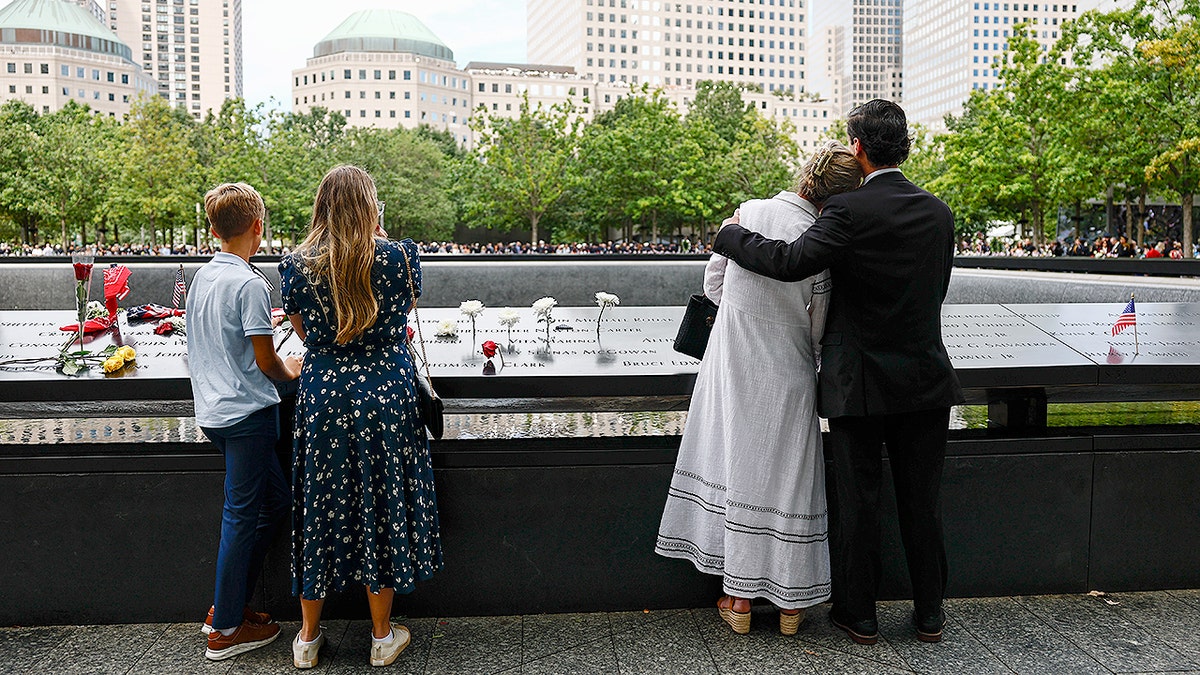
The United States is marking the 25th anniversary of the terrorist attacks of September 11, 2001, when a group of al-Qaeda hijackers flew airplanes into the World Trade Center, Shanksville, Pennsylvania, and the Pentagon, killing nearly 3,000 people. (Jeenah Moon – Pool/Getty Images)
That transition from memory to history also raises a more modern challenge. Americans too young to remember the attacks are increasingly learning about an event they never experienced firsthand, while conspiracy theories and false narratives about 9/11 run rampant online.
Kornhoff said that makes factual education increasingly important, pointing specifically to conspiracy theories surrounding the attack on the Pentagon and narratives suggesting that America «deserved 9/11.»
«That’s the need for the education center,» Kornhoff told Fox News Digital. «As a nation, we need to really take a step back, look at how we’re educating our young children to make sure that we’re providing them with the facts of the situation … and not these conspiracy theories and entertaining wild ideas that just simply are not true.»
REPORTER’S NOTEBOOK: 9/11 IS JUST A HISTORY CHAPTER FOR A NEW GENERATION OF AMERICANS

Flowers and American flags rest beside inscribed names at a reflecting pool at the National September 11 Memorial & Museum on Sept. 11, 2026, in New York City, as the nation commemorated the 25th anniversary of the 9/11 terrorist attacks. (Jeenah Moon – Pool/Getty Images)
The Pentagon center will include 10 exhibits telling the human stories of the attack, including the 184 people killed at the Pentagon and aboard American Airlines Flight 77, the first responders who rushed to the scene and the military and civilian personnel who aided the wounded.
«We are going to address the facts of the day,» Kornhoff said. «We are going to address the entire Pentagon story.»
The renewed focus on 9/11 education has also reached Capitol Hill. Reps. Elise Stefanik, R-N.Y., and Josh Gottheimer, D-N.J., introduced bipartisan legislation ahead of the 25-year anniversary, which aims to direct the Department of Education to examine how 9/11 is taught in schools nationwide and identify gaps in instruction.
Kornhoff praised the effort during his interview with Fox News Digital, saying the legislation reflects a growing recognition of the need to educate generations with no firsthand connection to the attacks.

Stainless-steel benches dedicated to victims are seen at the National 9/11 Pentagon Memorial in Washington, DC, on September 10, 2026, ahead of the 25th anniversary of the September 11 attacks. ((Photo by Alex WROBLEWSKI / AFP via Getty Images))
The Pentagon 9/11 Memorial Visitor Education Center is expected to open by the end of 2029 near the existing Pentagon 9/11 Memorial and Arlington National Cemetery in Arlington, Virginia.
The project received $12 million in federal funding this year, along with $1 million from Virginia and additional private donations raised by the Pentagon Memorial Fund. Once completed, the center is expected to include interactive exhibits, historic artifacts and firsthand accounts from survivors and victims’ families while providing visitors with additional context about the attack and its aftermath.
september 11, pentagon, politics, washington dc, historic sites, education
INTERNACIONAL
El Niño amenaza con encarecer alimentos, energía y logística en Centroamérica y República Dominicana durante 2027

El fenómeno de El Niño podría trasladar sus efectos a la economía de Centroamérica y República Dominicana, a través de un aumento en los precios de los alimentos y la electricidad, restricciones para el transporte marítimo y presiones sobre la actividad productiva.
El reporte “Perspectivas económicas de Centroamérica, Panamá y República Dominicana”, elaborado por Deloitte, advierte que el impacto más marcado puede concentrarse en 2027.
El fenómeno de El Niño comenzó oficialmente el 11 de junio de 2026. En julio, el Centro de Predicción Climática de la Administración Nacional Oceánica y Atmosférica de Estados Unidos estimó en 81% la probabilidad de que alcance una intensidad “muy fuerte” entre octubre y diciembre. Si se confirma, estaría entre los eventos más intensos registrados desde 1950.

La principal consecuencia climática prevista para la región es la sequía. La fase cálida del fenómeno ENOS, sigla de El Niño-Oscilación del Sur, suele asociarse con menores lluvias, temperaturas más altas y estrés hídrico, sobre todo en la vertiente del Pacífico y el Corredor Seco.
La menor disponibilidad de agua puede afectar tanto a la agricultura como a la generación de energía y la operación logística de Panamá.
Menor oferta de granos básicos
El reporte identifica a la producción agropecuaria como una de las primeras vías de consecuencias del fenómeno hacia los hogares.
La sequía puede reducir la oferta de granos básicos en el Corredor Seco, mientras que el encarecimiento de fertilizantes y diésel puede elevar los costos de producción y trasladarse a los precios finales de los alimentos.
El impacto sobre la canasta alimentaria podría extenderse hasta 2027, de acuerdo con las proyecciones incluidas en el estudio. El café también aparece entre las actividades expuestas a los efectos del menor régimen de lluvias y las temperaturas más elevadas.

El informe incluye entre los temas a seguir la persistencia de aumentos en alimentos y energéticos, junto con la evolución del conflicto en Medio Oriente y su incidencia sobre los precios internacionales del petróleo.
La sequía amenaza la energía hidroeléctrica y la operación del Canal de Panamá
La sequía también amenaza la generación hidroeléctrica. Si caen los niveles de agua disponibles para las plantas, los países deberán compensar parte de esa producción con fuentes térmicas, que implican mayores costos por el uso de combustibles.
El documento señala que una menor generación hidroeléctrica puede presionar las tarifas eléctricas al alza. El aumento de ese costo tendría efectos sobre los presupuestos familiares y sobre empresas que dependen de electricidad para sus procesos productivos.
A la vez, los gobiernos podrían enfrentar una mayor carga fiscal si aplican subsidios energéticos o programas de apoyo para contener el impacto de las tarifas. El reporte considera esos desembolsos como uno de los factores que podrían modificar el escenario económico de la región durante 2026 y 2027.
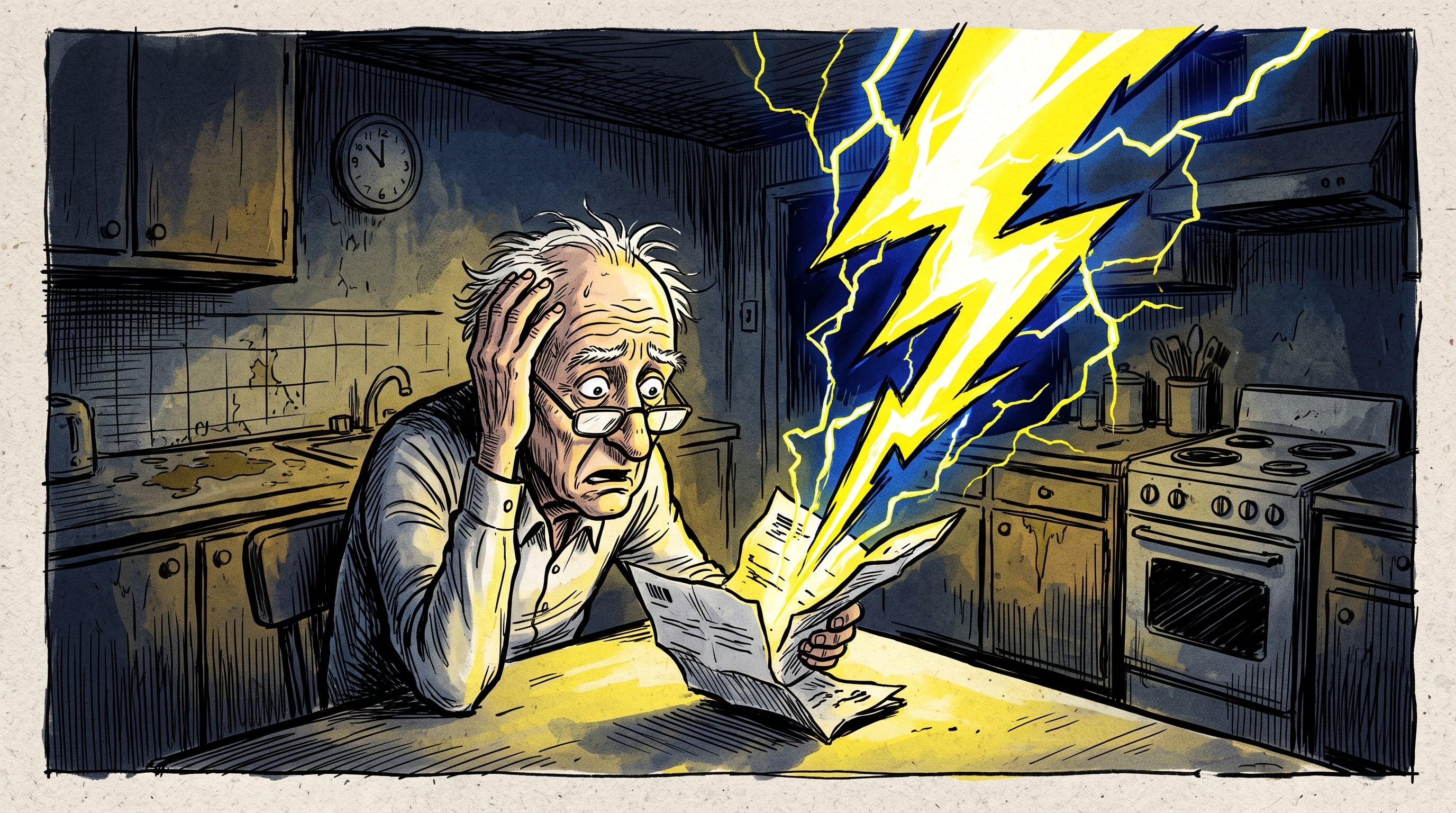
En Panamá, las condiciones de sequía pueden afectar los niveles de agua necesarios para la operación del Canal. El análisis contempla posibles restricciones de calado y dificultades logísticas como una de las cuatro vías principales por las cuales El Niño puede repercutir en la economía regional.
Las limitaciones sobre el calado de los buques podrían incidir en la actividad del Canal de Panamá y en las cadenas de suministro. El reporte sitúa a la logística y al transporte entre los sectores que deben monitorearse ante una eventual profundización del fenómeno.
La advertencia adquiere relevancia para una economía en la que el comercio y el transporte figuran entre las actividades que lideran el crecimiento.

El reporte diferencia dos etapas. Durante 2026 prevé la consolidación del fenómeno, alertas para el sector agrícola, ajustes tarifarios y las primeras posibles restricciones al tránsito marítimo. Para 2027, en cambio, anticipa que los efectos más fuertes pueden manifestarse sobre los embalses, las cosechas y el Canal de Panamá.
En todos los casos, el documento plantea que los efectos del clima se combinarán con otros factores económicos, como la evolución de las remesas, los precios de los combustibles, el desempeño de Estados Unidos y la trayectoria de la inflación.
sequía,Canal de Panamá,agricultura,energía hidroeléctrica,transporte marítimo

Un auto que voló contra el alambrado y siete pilotos fuera: el violento accidente en el GP de España de Fórmula 3 que detuvo media hora la carrera

A casi una semana de la primavera, nevó en Córdoba y hubo temperaturas bajo cero en varias provincias

«Tan buena y tan linda»: el audio íntimo entre la China Suárez y su hijo Amancio que emocionó a sus seguidores

El Gobierno sufre reveses en el Congreso y las fisuras con sus aliados complican la agenda de Malvinas y el Presupuesto

Mientras esperan el permiso para el Kily González, el Inter Miami de Lionel Messi recibirá al líder Nashville por la MLS: hora, TV y formaciones

El Gobierno celebró las declaraciones de Trump sobre Malvinas y analiza una posible mediación de EE.UU. en la disputa con el Reino Unido

El día que Owen Wilson se emocionó por el abrazo que le dio Lionel Messi tras un partido

La desafiante aventura de Carolina Baldini en moto por Europa: desde Edinburgo a Liverpool en dos ruedas

Cuánto cuesta comprar una pick up en la Argentina y cuáles son los modelos más baratos en septiembre

Berni se diferenció de Kicillof en la aplicación de la baja de la edad de imputabilidad

 POLITICA1 día ago
“¿Dónde está Kicillof?”: Patricia Bullrich cruzó al gobernador por la inseguridad en la Provincia
- POLITICA3 días ago
La intendenta de José C. Paz criticó a Kicillof por la inseguridad tras el crimen de un joven de 23 años
- ECONOMIA2 días ago
Así es la primera pickup compacta nacional: diseño, cuándo empezará a venderse y el novedoso sistema híbrido que tendrá