INTERNACIONAL
Waltz delivers blunt warning to nations defying Iran sanctions, touts Greenland deal

NEWYou can now listen to Fox News articles!
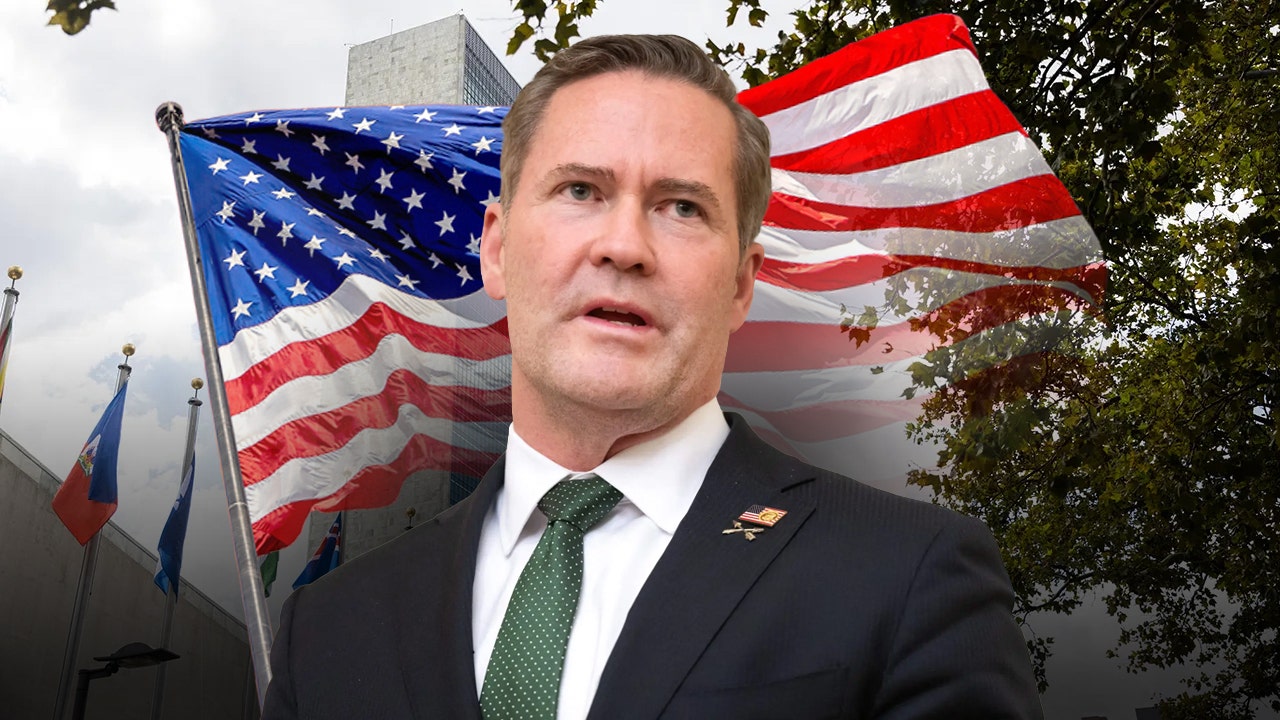
UNITED NATIONS, NEW YORK: President Donald Trump will return to the United Nations this week seeking greater international cooperation in confronting Iran, even as his administration moves to reshape the global institution hosting world leaders, U.S. Ambassador to the U.N. Mike Waltz told Fox News Digital in an exclusive interview ahead of the gathering.
US presses allies to enforce Iran sanctions ahead of the UN General Assembly
With the U.S.-Iran war entering its seventh month, Trump is expected to address the General Assembly on Tuesday and meet Gulf leaders whose countries have been directly affected by the conflict.
The gathering comes as Washington seeks to intensify economic pressure on Tehran, European allies confront Russia’s ongoing war in Ukraine, and the administration faces questions about whether its push to reduce the U.N.’s size and spending risks diminishing the organization’s ability to respond to international crises.
BESSENT WARNS IRAN’S OUTSIDE BACKERS TO ‘STAY AWAY’ AS TRUMP SEEKS TO ‘ASPHYXIATE’ TEHRAN’S ECONOMY
President Donald Trump delivers a speech during the 80th session of the General Assembly at U.N. headquarters in New York, Sept. 23, 2025. (Li Rui/Xinhua via Getty Images)
Waltz outlined what Washington expects from its partners on Iran: full enforcement of sanctions against Tehran, with consequences for countries that fail to comply.
«They will reinforce that message, but importantly, it’s all of these countries actually enforcing the sanctions and what they’re going to hear is there will be consequences for friend and foe,» Waltz said. «The president is doing this for the future security of the world.»
European and Asian allies have largely resisted Trump’s requests for assistance in the Iran conflict, which began with U.S. and Israeli strikes in February, Reuters reported on Sept. 18. The war has also disrupted energy markets, with Iran obstructing shipping through the Strait of Hormuz and its Houthi allies tightening their grip on a critical Red Sea shipping corridor.
Waltz said the administration intends to make sanctions enforcement a central part of its diplomatic push during UNGA.
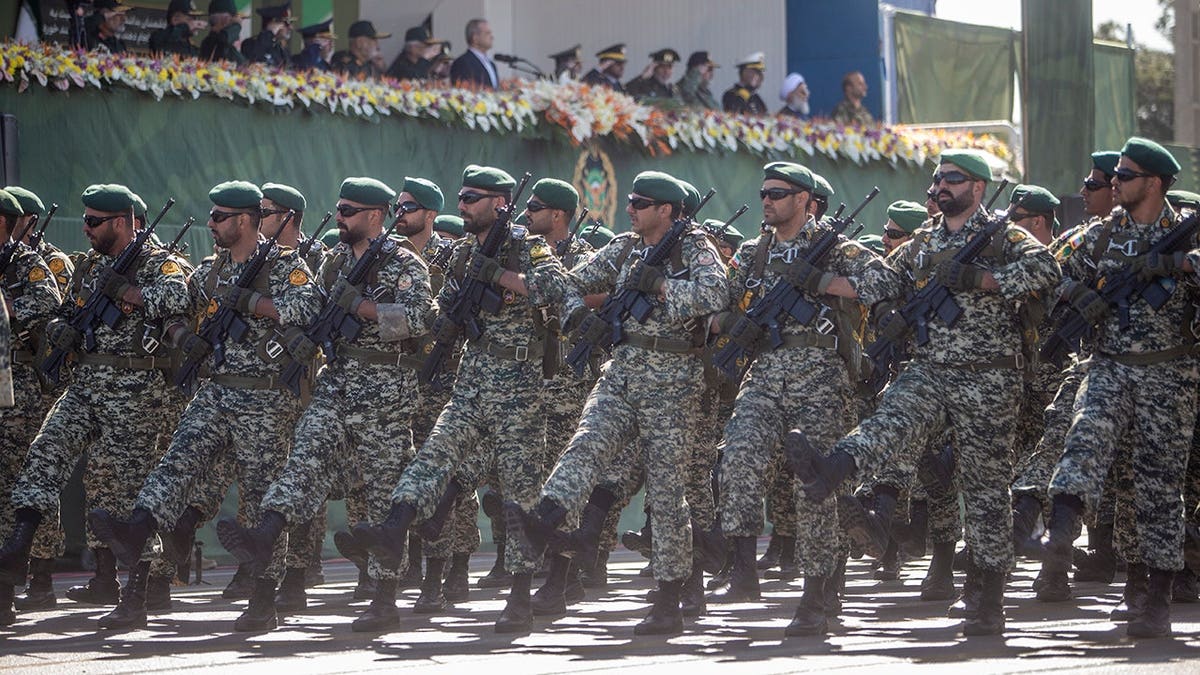
Members of Iran’s military parade during National Army Day on April 18, 2025, in Tehran. (Getty Images)
«The Iranian economy continues to crater,» Waltz said, pointing to the country’s currency, inflation and the U.S. naval blockade. «One way or another, the president has been crystal clear on our goals here that Iran cannot and will not have a nuclear weapon.»
His remarks follow a Sept. 17 U.N. Security Council vote in which Russia and China blocked an effort to continue independent monitoring of international sanctions on Iran.
Trump is also expected to meet Gulf leaders to discuss the conflict and regional security. Waltz said the administration wants to hear directly from its Gulf partners about their concerns, describing the collective meeting as an important diplomatic opportunity.
JEFF BARTOS SAYS UN REFORM IS NO LONGER AN ‘OXYMORON’ AFTER $570M IN CUTS
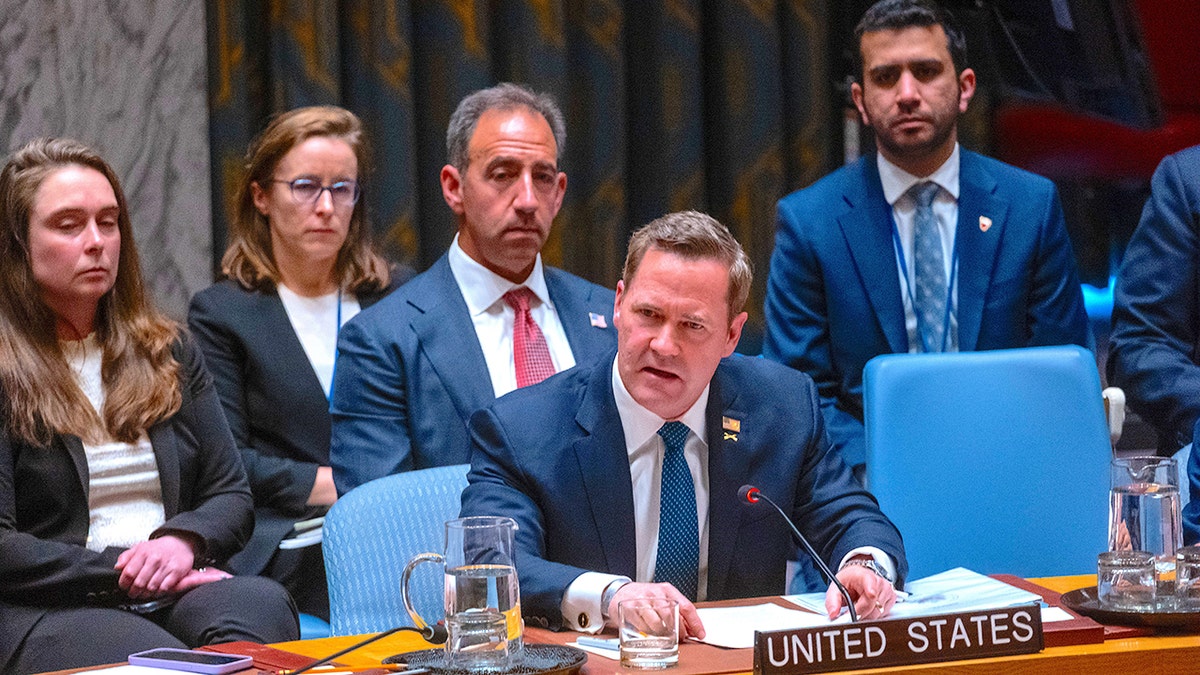
U.S. Ambassador to the United Nations Michael Waltz speaks at an emergency Security Council meeting on the situation in Iran on Feb. 28, 2026, in New York City. (Spencer Platt/Getty Images)
A UN the Trump administration wants to change — but not abandon
The Iran conflict is unfolding against a broader debate over the future of the United Nations, an institution Trump has repeatedly criticized and his administration has sought to substantially reform.
On Sept. 16, the United States paid $725 million toward the U.N.’s regular budget and another $102 million for peacekeeping operations. The payments reduced Washington’s outstanding debt and averted the immediate risk of losing its General Assembly voting rights in 2027. However, the U.S. still owed approximately $1.312 billion to the organization’s regular budget, according to the U.N.
Asked why American taxpayers should continue funding an organization the administration has repeatedly criticized for what it considers anti-American bias, Waltz pointed to efforts to reduce spending and redirect the institution toward its original mission.
«The president is clear about getting the U.N. back to basics and helping it realize its potential,» Waltz told Fox News Digital.
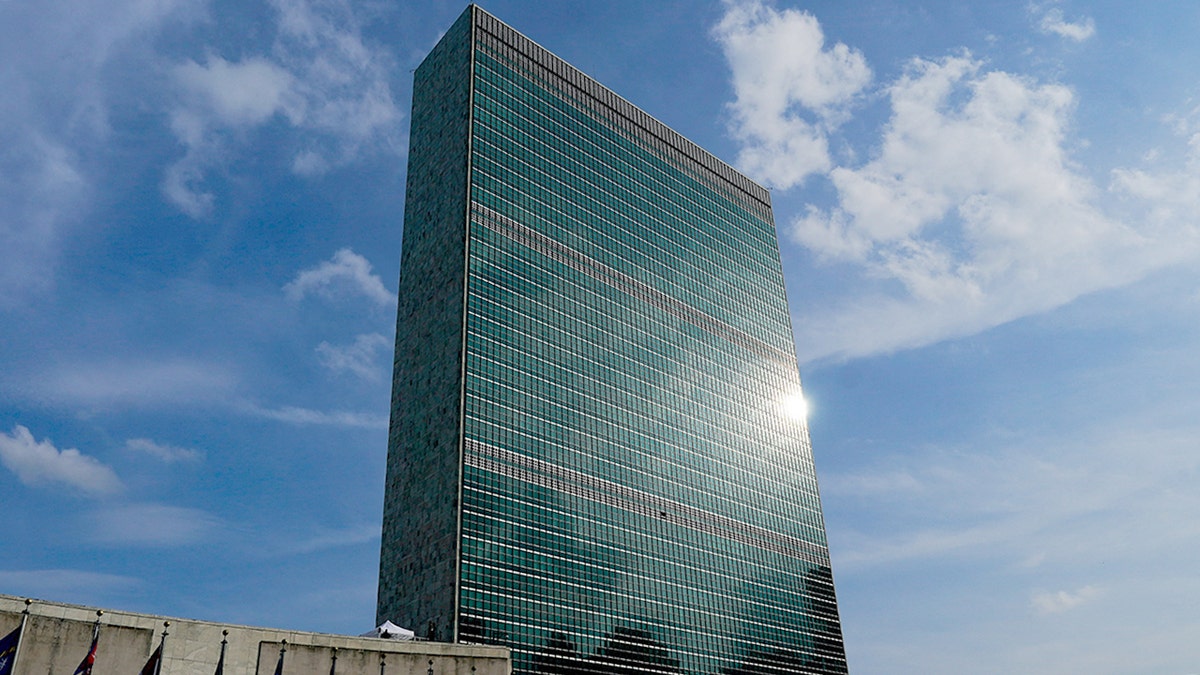
United Nations headquarters during the 80th General Assembly, in New York City, Sept. 23, 2025. (Reuters/Al Drago)
He said the administration had secured more than $1 billion in budget reductions, with roughly 3,000 headquarters positions being cut and a reduction of approximately 25% in peacekeeping personnel.
«We have the U.N. on a diet,» Waltz said.
But Waltz also made clear that the administration does not intend to abandon the United Nations.
«There’s got to be one place in the world where everyone can come together and put diplomacy first and can actually talk,» he said. «We don’t ever want to see a U.N. in Beijing or Moscow or Brussels.»
«If we just walked away, you’d have 192 countries talking without us,» Waltz added.
Gaza offers one example of how the administration intends to use the U.N. while limiting direct American military involvement. Waltz pointed to the U.N.-endorsed Board of Peace and the planned International Stabilization Force, which is intended to support security and a postwar transition in Gaza. The ambassador said he does not want American troops deployed there, arguing that international security operations should allow other countries to share the burden. The U.N. Security Council endorsed the Gaza peace plan and authorized the stabilization force in November 2025.
The State Department said Sept. 18 that Secretary of State Marco Rubio will be in New York from Sept. 20–23 to meet foreign counterparts, advance U.S. security and economic priorities and continue the administration’s campaign for U.N. reform.
WALTZ CALLS OUT IRANIAN DIPLOMAT AT UN FOLLOWING DRONE STRIKES ON BAHRAIN AND KUWAIT
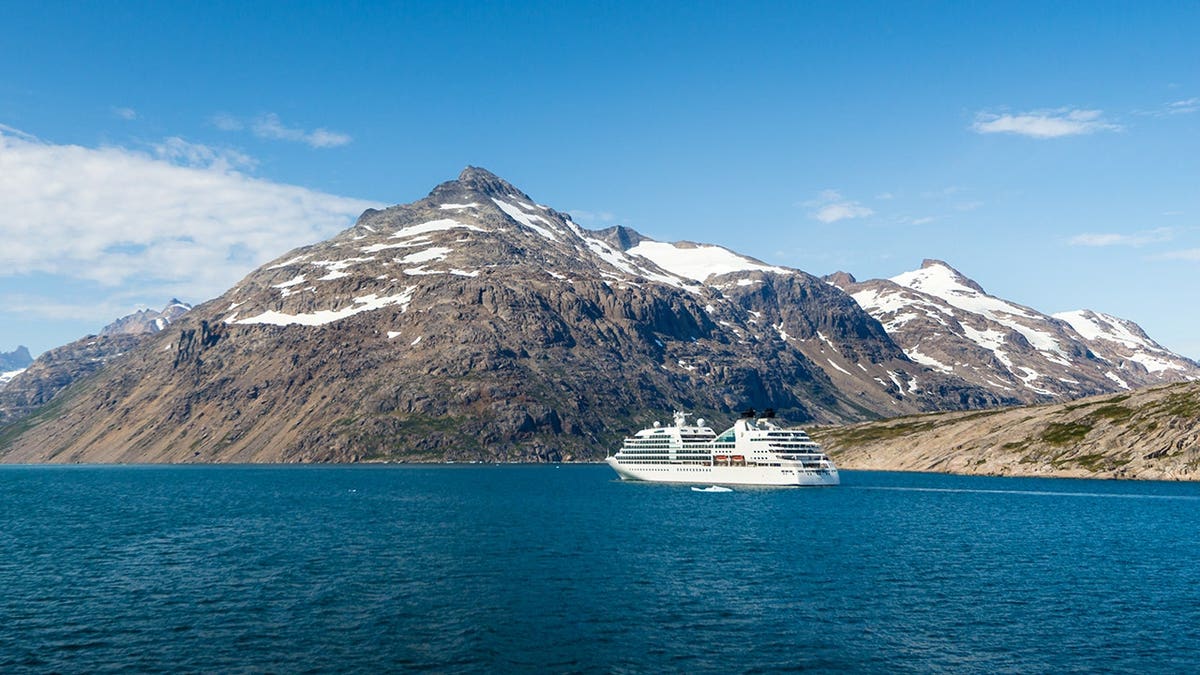
Denmark and Greenland have stressed that the new arrangement will not compromise the island’s sovereignty or right to self-determination. (iStock)
Greenland agreement adds another dimension to allied diplomacy
Trump arrives in New York days after announcing a new security agreement with Denmark and Greenland aimed at expanding the American military presence in the Arctic while restricting adversaries from establishing bases or making sensitive investments on the island.
The agreement falls short of Trump’s earlier ambition to acquire Greenland, which remains an autonomous territory within the Kingdom of Denmark. Denmark and Greenland have stressed that the arrangement will not compromise the island’s sovereignty or right to self-determination. Additional details of the agreement have yet to be made public.
Waltz told Fox News Digital that the deal reflects the Arctic’s growing strategic importance as melting ice opens new shipping routes and increases access to energy and mineral resources.
«It’s incredibly significant,» Waltz said, pointing to Russia’s Arctic military capabilities and the potential for new shipping routes to transform global trade.
«It took some tough tweets, maybe some tough language,» he said. «We now have an agreement with our ally Denmark.»
The agreement comes as European governments confront overlapping security challenges involving Russia’s war in Ukraine, Arctic defense and uncertainty over transatlantic security arrangements, while Washington seeks greater allied cooperation in its campaign against Iran.
TRUMP ARRIVES AT NATO SUMMIT AS IRAN RIFT LOOMS ABOVE ALLIANCE TALKS
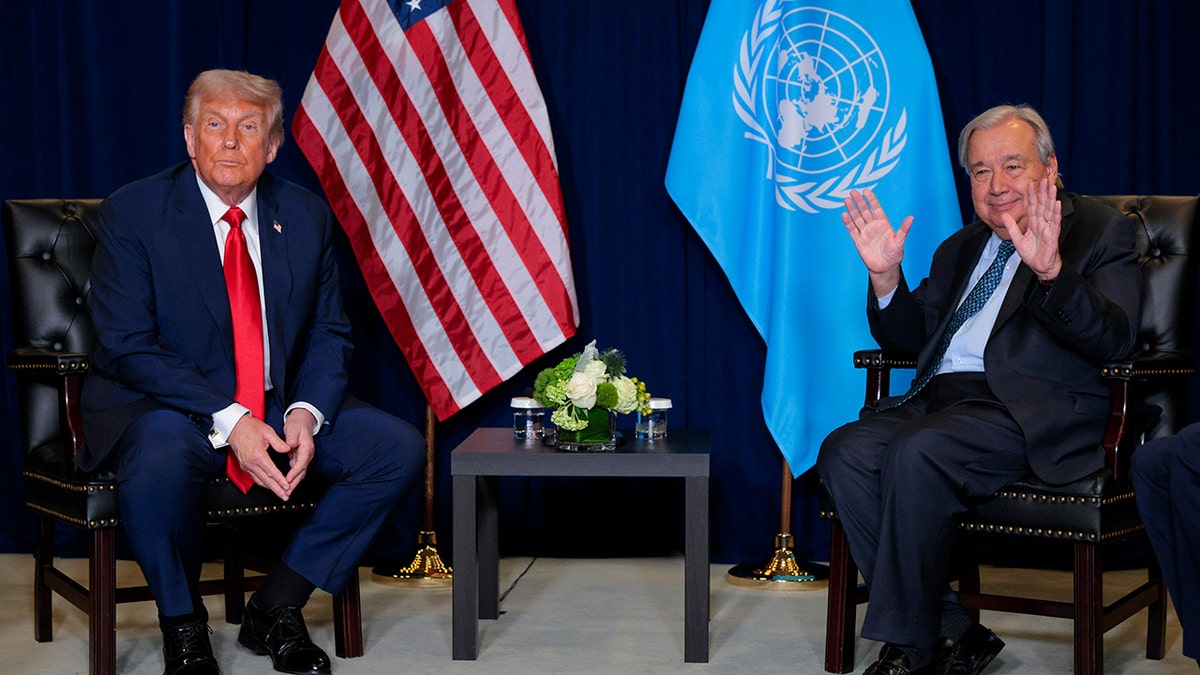
President Donald Trump meets with U.N. Secretary-General António Guterres during the 80th session of the General Assembly on Sept. 23, 2025 in New York City. (Chip Somodevilla/Getty Images)
World leaders converge on New York
The U.N. expects 73 heads of state and 45 heads of government, along with 49 ministers, 11 vice presidents and one crown prince, to attend High-Level Week, U.N. spokesperson Stéphane Dujarric told reporters Friday.
Member states have submitted approximately 1,000 requests for bilateral meetings, while about 168 events are scheduled alongside the official proceedings.
The 81st General Assembly’s General Debate begins Tuesday and runs through Sept. 28.
Beyond Iran, world leaders are expected to address Russia’s invasion of Ukraine, the future of Gaza, international security and the U.N.’s ability to respond to emerging global challenges.
Waltz described the administration’s approach with a slogan inspired by the president’s political branding: «Make the U.N. great again.»
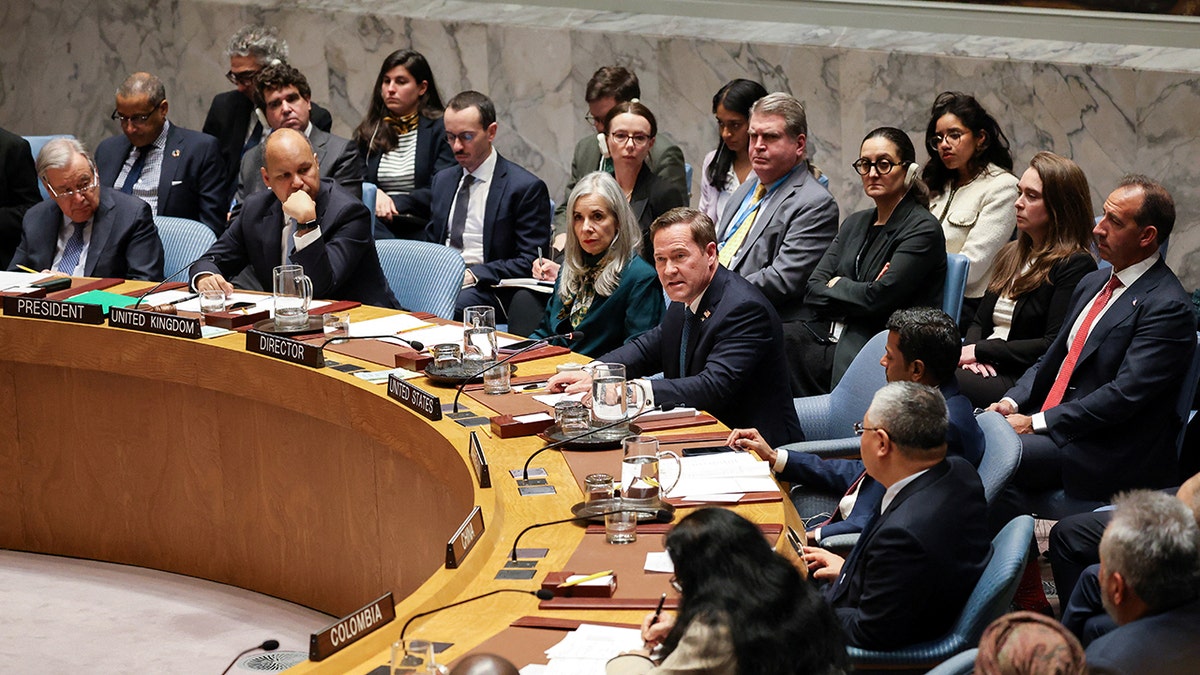
Ambassador Mike Waltz speaks during a Security Council meeting, after the U.S. and Israel launched strikes on Iran, at U.N. headquarters in New York City, Feb. 28, 2026. (Heather Khalifa/Reuters)
But the immediate diplomatic questions facing Washington are more concrete: whether allies will increase pressure on Iran, whether Gulf leaders can agree on a path toward ending the conflict and whether the administration’s push for a leaner U.N. can coexist with its efforts to use the organization to address international security challenges.
war with iran, united nations, donald trump, foreign affairs, greenland








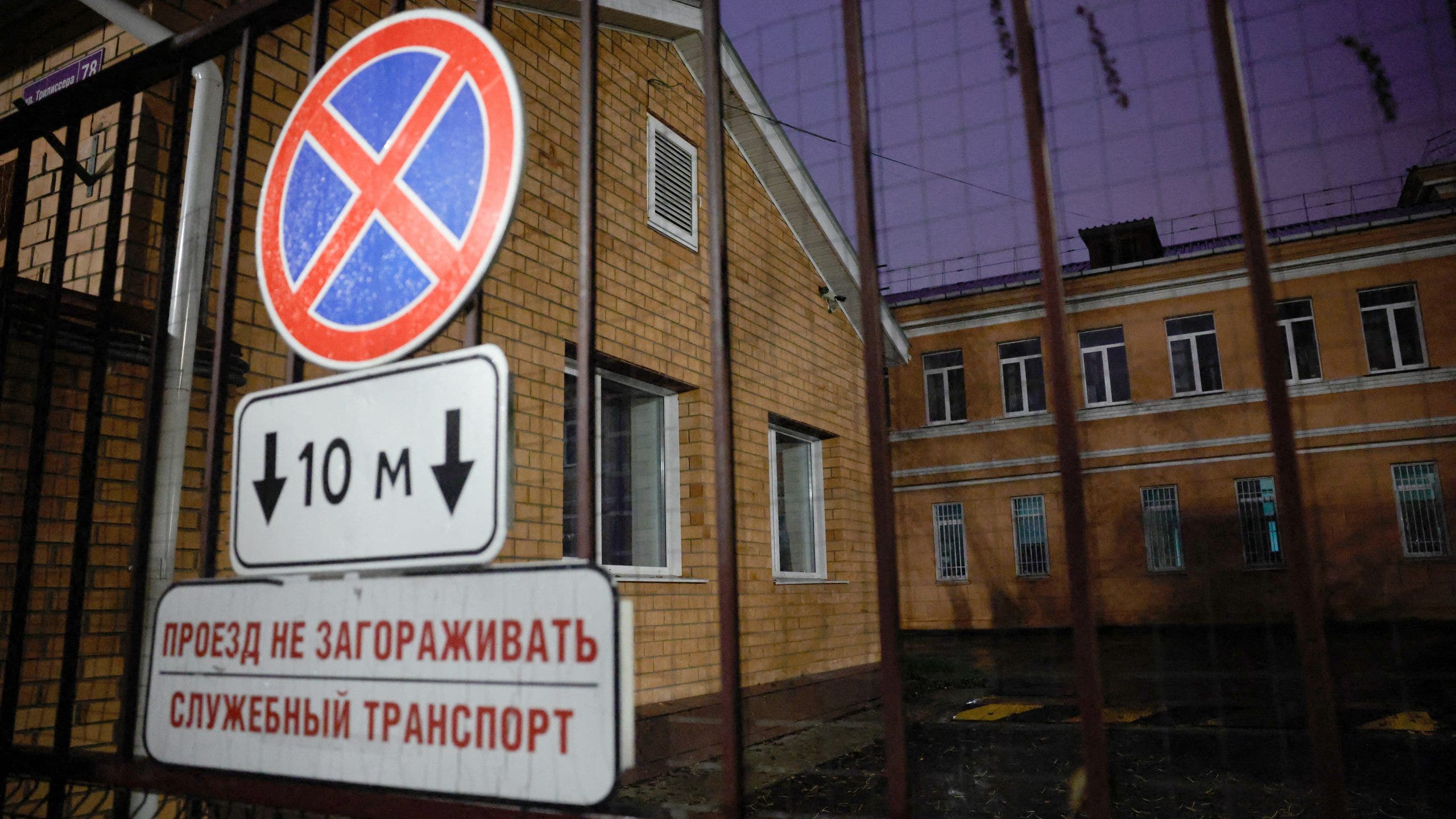
Marshall Billingslea was a Senate Foreign Relations Committee staffer in the 1990s when he sat down with one of the highest-ranking defectors from the Soviet biological weapons program and began learning the extent of what Moscow had secretly built.
And what he found out from Ken Alibek, the former No. 2 official in the Soviet biological weapons apparatus, is raising red flags for Billingslea over the Oct. 2, 2026, death linked to an anti-plague institute in Russia.
«I think one of the most important things that Ken shed light on was the sheer scale of the Soviet program, which then Russia inherited,» Billingslea told Digital. «Just mammoth.»
Three decades later, the mysterious death of a researcher at the Irkutsk Research Anti-Plague Institute of Siberia and the Far East has put new attention on what became of that program, and Billingslea argues the world should be demanding answers from Moscow.
MYSTERY DEATH AT RUSSIAN PLAGUE LAB TRIGGERS SWEEPING PRECAUTIONS AS US WATCHES CLOSELY
«It’s not acceptable in this day and age for the Russians to have a biological warfare program,» said Billingslea, who previously served as President Donald Trump’s special presidential envoy for arms control.
«They need to cut it out, and they need to tell us. They need to come clean about what they’re doing at this lab and whether this lab is still involved in their warfare program.»
The U.S. government says Russia’s offensive biological weapons program did not disappear with the Soviet Union.
«Russia maintains an offensive biological weapons program and is in violation of its obligations under the BWC,» a State Department official told Digital this week.
BWC, or Biological Weapons Convention, is an international treaty that prohibits the development, production and stockpiling of biological weapons.
State’s 2025 arms control compliance report assessed that the Soviet-era program was «absorbed, not dismantled» by Russia after the collapse and has «continued and evolved» since then.
There is no evidence linking the Irkutsk researcher’s death to Russia’s biological weapons program, and Billingslea told Digital he has seen no evidence that the institute remains involved in the program today.
But the unexplained death has revived scrutiny of the Soviet program’s work and the network of ostensibly civilian laboratories that Billingslea said Alibek identified as also performing classified work.
Alibek’s disclosures included Soviet efforts to alter pathogens to make them more lethal, transmissible or difficult to treat, Billingslea said, adding that some of the most troubling revelations involved plague.
BIOWEAPON THREAT EXPOSED AS ANTHROPIC SOUNDS ALARM ON FOREIGN ACTORS PLOTTING VIRUS EXPERIMENTS
«The goal was to render the plague bacteria far more resistant to antibiotics,» he said.
Billingslea said Soviet researchers also experimented with combining plague with toxin-producing pathogens, with the aim of making infections even harder to treat.
«They took the plague bacteria, and they merged it with a non-dangerous bacteria,» Billingslea said.
«The goal was to render the plague bacteria far more resistant to antibiotics.»
According to Alibek’s account, researchers also worked on combining plague with toxin-producing pathogens so that treating an infected person with antibiotics could trigger the release of toxins.
Billingslea said U.S. officials were not relying solely on Alibek for their understanding of the program and that there were «multiple other sources of information» that made him «very confident in the basics» regarding the disclosures regarding Soviet-era research.
«So, this doesn’t all derive from Ken Alibek,» he insisted when speaking with Digital.
By the time Billingslea was interviewing Alibek in the mid-1990s, he said, Washington had already confronted Moscow over its biological weapons work. «
We knew about the plague programs, we knew what they were up to and we knew where the sites were,» he said.
Among the sites Alibek identified were at least six Soviet Ministry of Health laboratories that had legitimate civilian public health missions while also performing classified work connected to the biological weapons program, according to Billingslea.
The Irkutsk institute was among the facilities Alibek identified, but Billingslea cautioned he does not recall the Soviet defector saying that antibiotic-resistant plague or plague chimeras were specifically developed there.
That distinction has become particularly important after the unexplained death of a 28-year-old researcher at the Irkutsk Anti-Plague Research Institute.
Russian authorities have said they found no microorganism linked to the woman’s professional activities, while the World Health Organization has sought additional information from Moscow about what caused her fatal pneumonia.
Billingslea said the pressure for answers — and for Russia to end its offensive biological weapons program — should not come from Washington alone.
«It’s very, very important that this is not viewed as a U.S.-versus-Russia discussion,» he said. «This is a topic of grave concern to the entire international community.»
He also said that Russia needs to release the genetic sequence of the pathogen that killed the researcher, along with information about contact testing, the timeline of her illness and the institute’s biosafety procedures.
The genetic sequence could allow outside experts to determine «what it was and whether it was modified,» he said.
Billingslea called on countries outside the traditional U.S. alliance system, including Brazil and Mexico, to press Moscow for greater transparency and pointed to a December meeting of parties to the Biological Weapons Convention as an opportunity for countries to confront Russia over the program.
«At the December meeting, Russia is going to get grilled,» he said. «And they should.»
russia, politics, foreign affairs, state department, national security, foreign policy
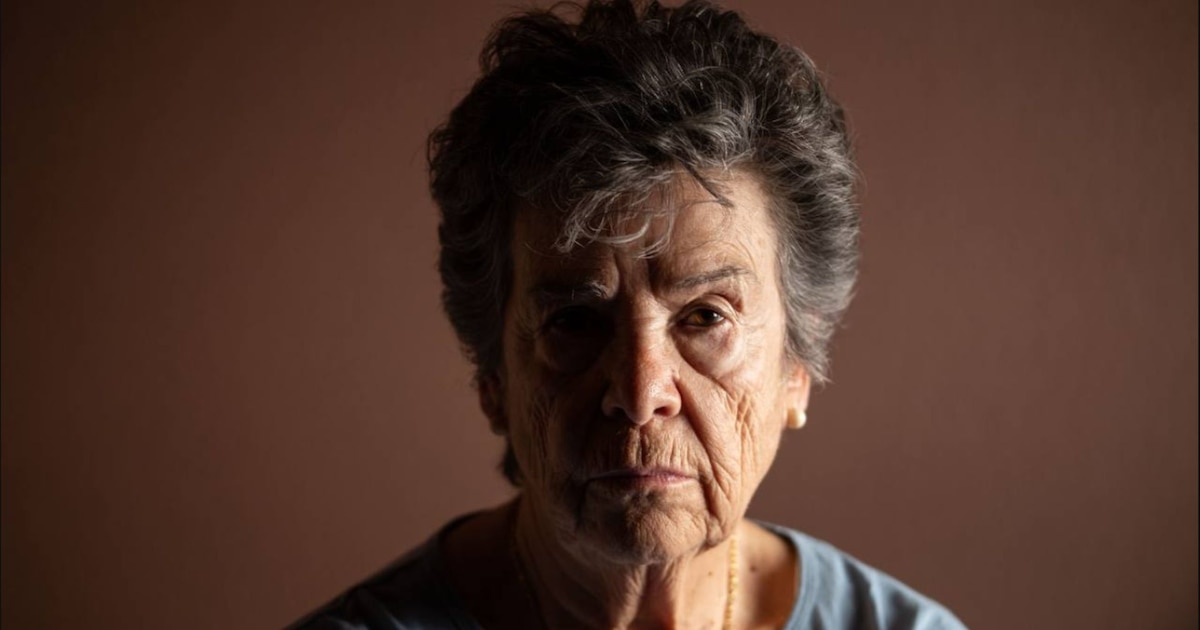
Maricarmen Abascal tenía 87 años, una discapacidad del 50% y siete décadas de vida en el mismo piso del barrio de Retiro, en Madrid. Setenta años en un hogar que no era solo un espacio físico, sino el soporte de su autonomía, su identidad y su continuidad vital. En septiembre de 2026, ese hogar dejó de ser suyo. Los nuevos propietarios le triplicaron el alquiler a un monto imposible de afrontar con su pensión. El 23 de septiembre fue desalojada. Quince días después murió en el hospital.
Su historia revela una vulnerabilidad que no nace sólo de la edad, sino de la interacción entre mercado inmobiliario, burocracias digitalizadas y políticas públicas que no alcanzan a quienes más las necesitan. Y muestra un fenómeno que excede a España: en la Argentina también se producen desalojos de personas mayores que quedan en la calle sin acompañamiento institucional, sin redes de apoyo y sin una evaluación real de su situación vital. No existen estadísticas oficiales que permitan dimensionar cuántas personas mayores pierden su vivienda cada año; esa ausencia de datos es, en sí misma, una forma de invisibilización institucional. Lo que sí se registra, a través de defensorías y organizaciones sociales, son casos reiterados de adultos mayores desalojados o en riesgo habitacional, lo que confirma que el fenómeno existe, pero no está medido. La falta de información pública impide diseñar políticas de prevención y construir estándares de tutela reforzada que respondan a las necesidades reales de quienes envejecen en contextos de precariedad.

La reacción política en España llegó tarde. Tras el cumplimiento de la medida judicial, el Gobierno emitió dos decretos-ley que buscaban frenar desalojos, limitar aumentos de alquiler y estabilizar contratos. Pero el Congreso los rechazó pocos días después. Quedaron derogados. Y el país entró en un clima de tensión que terminó en elecciones anticipadas.
Maricarmen quedó atrapada en ese vacío normativo: un espacio donde la protección depende de mayorías parlamentarias coyunturales y no de estándares estables. Su vida se volvió rehén de una disputa política. Y perdió.
Pero algo inesperado ocurrió entonces: los jóvenes ocuparon la Puerta del Sol. Lo hicieron para acompañarla, para denunciar su situación y, al mismo tiempo, para visibilizar las propias. Muchos viven en habitaciones compartidas, en alquileres temporarios, en contratos precarios que se renuevan por pocos meses. La plaza se transformó en un espacio de solidaridad intergeneracional donde la vejez y la juventud se encontraron en una misma demanda: el derecho a un hogar digno.

Ese gesto iluminó algo esencial: la vulnerabilidad habitacional no distingue edades. Y mostró que la protección constitucional no puede pensarse solo desde la lógica sectorial, sino desde un lazo siempre necesario entre generaciones. Cuando los jóvenes defienden a una mujer mayor desalojada, no solo la protegen a ella: protegen su propio futuro.
El caso de Maricarmen obliga a mirar de frente una tensión constitucional que suele quedar oculta detrás de tecnicismos: ¿cómo armonizar el derecho de propiedad con el derecho a una vivienda digna cuando la persona afectada es mayor y vulnerable?

La Constitución española protege la propiedad, pero la somete a su función social. Reconoce también el derecho a la vivienda y la suficiencia económica de la tercera edad. La Carta de Derechos Fundamentales de la Unión Europea hace lo mismo: propiedad, vida digna e independiente de las personas mayores, ayuda a la vivienda. Y el Tribunal Europeo de Derechos Humanos exige proporcionalidad entre propiedad y domicilio.
No se trata de sacrificar un derecho en nombre del otro. Se trata de evitar que la aplicación rígida del derecho de propiedad produzca daños irreparables en quienes ya enfrentan vulnerabilidades acumuladas. La vejez, en este sentido, no es un déficit: es una etapa del curso de vida donde las fragilidades pueden intensificarse según las condiciones materiales, las barreras del entorno y la calidad de las prácticas institucionales.
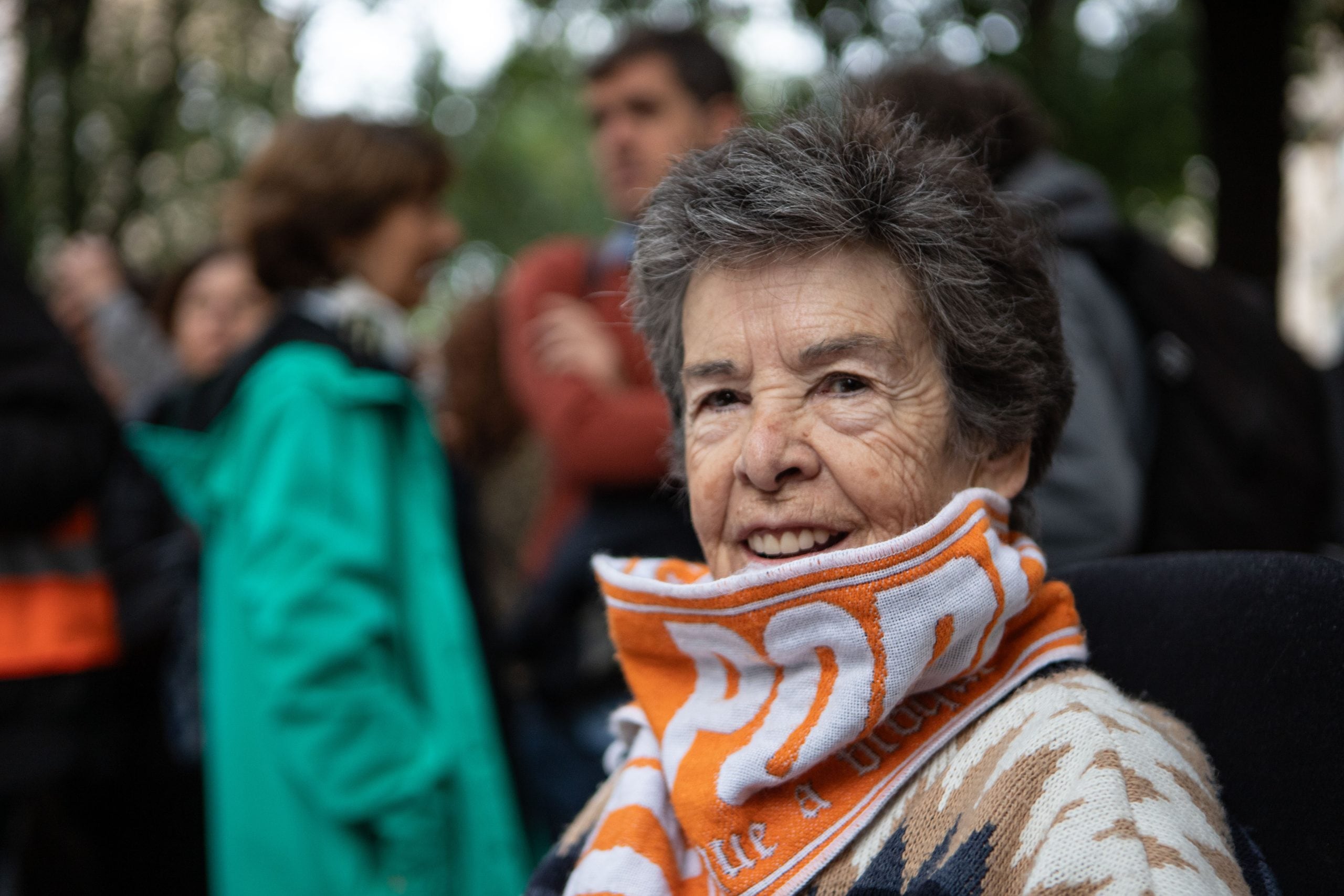
El hogar, para quienes envejecen, es mucho más que un techo. Es el lugar donde se sostiene la autonomía, donde se preserva la identidad, donde se anclan los vínculos y las rutinas que dan sentido a la vida cotidiana. Desarraigar a una persona mayor del espacio donde vivió toda su vida es un daño que excede lo económico: es un quiebre existencial. Por eso el derecho internacional habla de envejecer en el propio entorno. Y por esa razón la tutela constitucional debe ser reforzada cuando la persona enfrenta vulnerabilidades múltiples -por edad, género, discapacidad o pobreza- o precariedad habitacional.
Maricarmen quedó expuesta en el peor momento: sin vivienda, sin redes de apoyo, sin capacidad de gestionar trámites, sin un Estado que actuara a tiempo. Su vulnerabilidad se transformó en daño irreversible. Y ese daño, lejos de ser excepcional, se repite en distintos países, incluida la Argentina, donde la falta de políticas habitacionales sensibles al curso de vida deja a muchas personas mayores en situaciones límite.

Armonizar propiedad y vivienda no significa anular la propiedad. Significa ponderar caso por caso, con herramientas que ya existen: prórrogas obligatorias, realojo asistido, compensación justa al propietario, evaluación de vulnerabilidad por edad y discapacidad, acompañamiento institucional efectivo y accesibilidad digital real. La clave es incorporar una perspectiva de vejez y discapacidad en cada decisión judicial y administrativa. No es ideología: es constitucionalismo contemporáneo.
La propiedad es un derecho legítimo. Pero también tiene una función social. Cuando el sistema falla frente a quien es doblemente vulnerable -por edad y por discapacidad- el costo es irreparable. Maricarmen no debería ser un símbolo. Debería haber sido protegida.
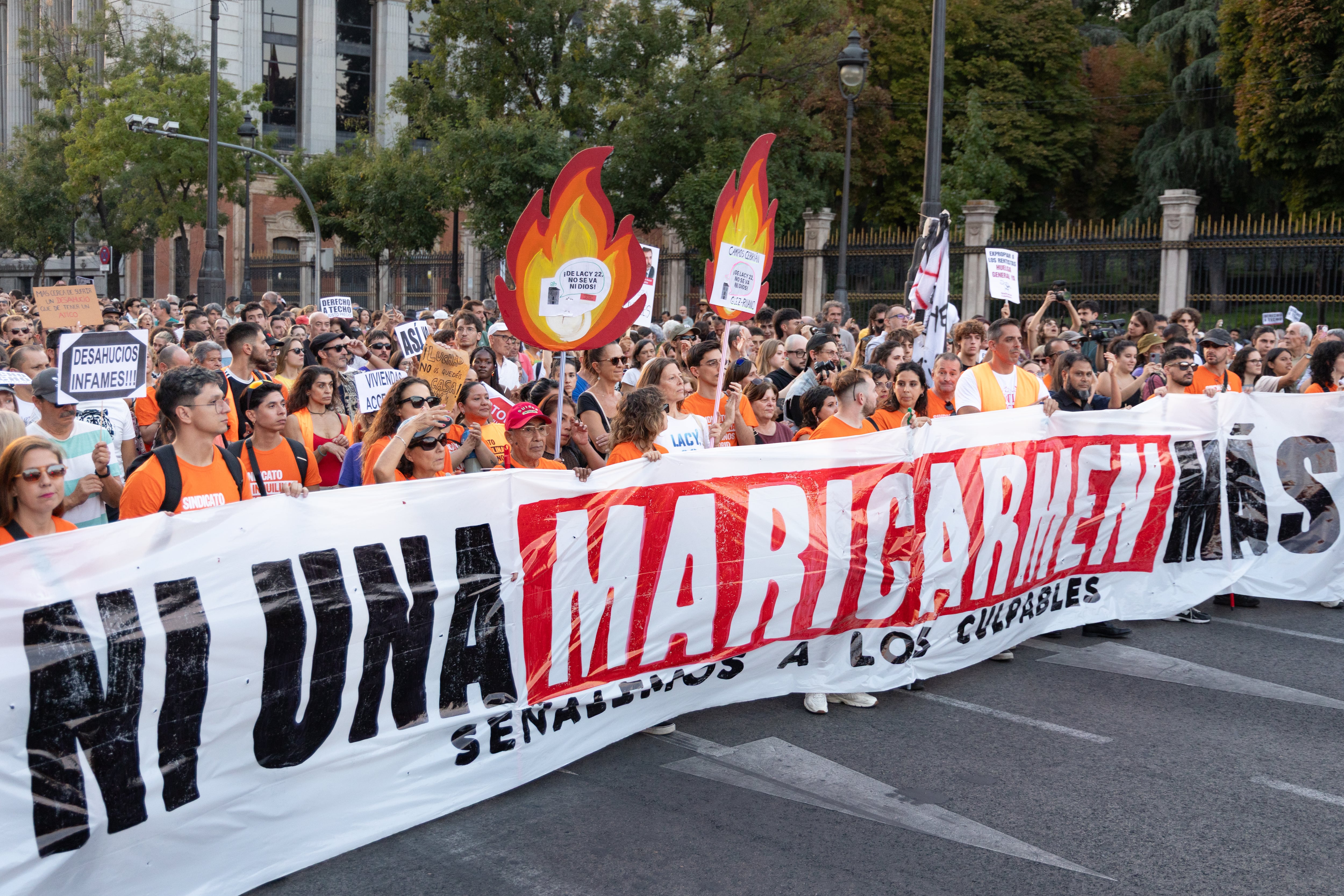
Su muerte obliga a revisar cómo España, Europa y América Latina están respondiendo a los desalojos de personas mayores en contextos de mercados tensionados, digitalización acelerada y políticas habitacionales insuficientes. La pregunta es simple y urgente: ¿cuántas Maricarmen más vamos a permitir?
Civil Conflict,Demonstrations,Riots,Top Picture,Europe,Civil Unrest
INTERNACIONAL
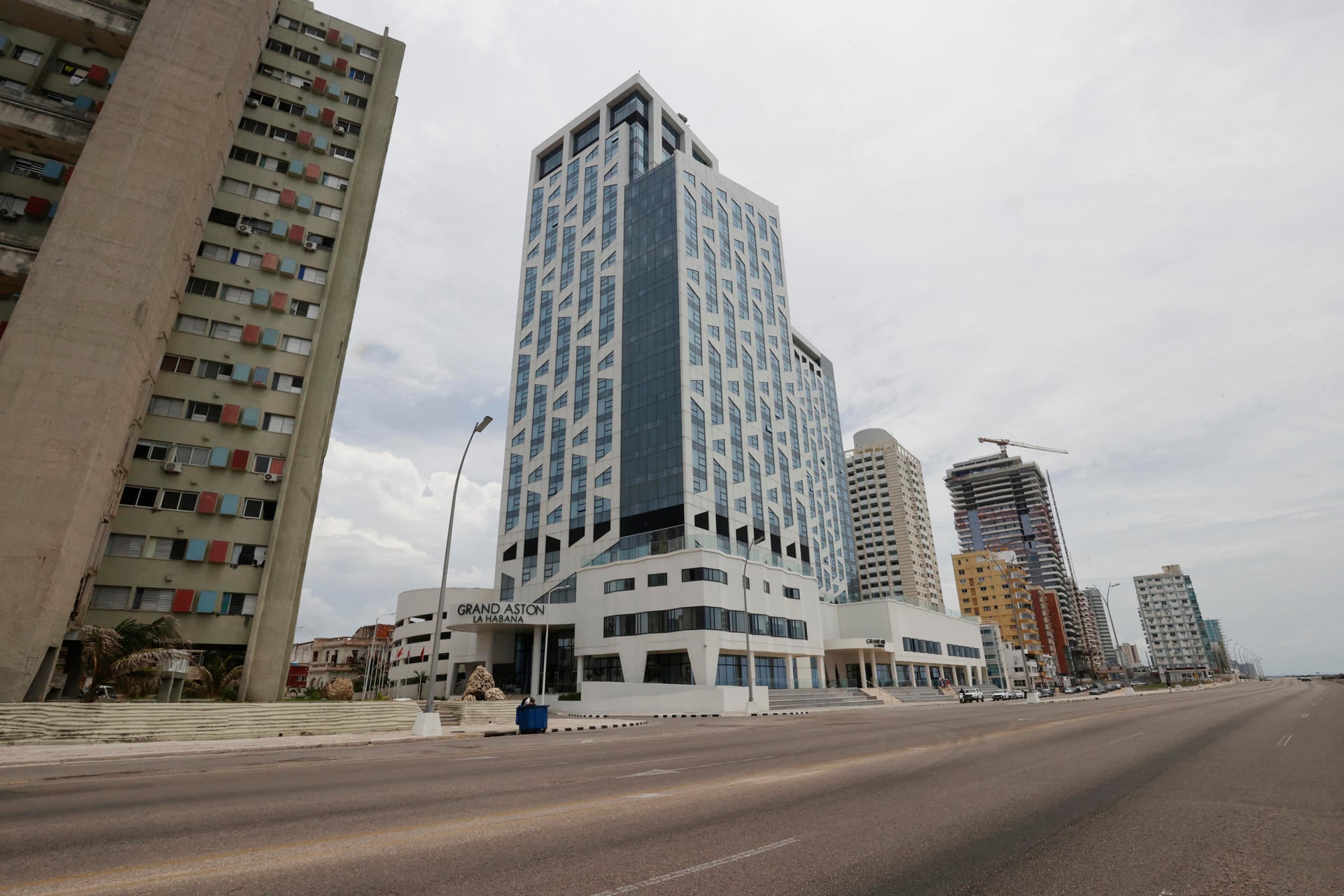
El grupo Gaviota mantiene inactivas casi nueve de cada diez habitaciones que declara poseer en Cuba
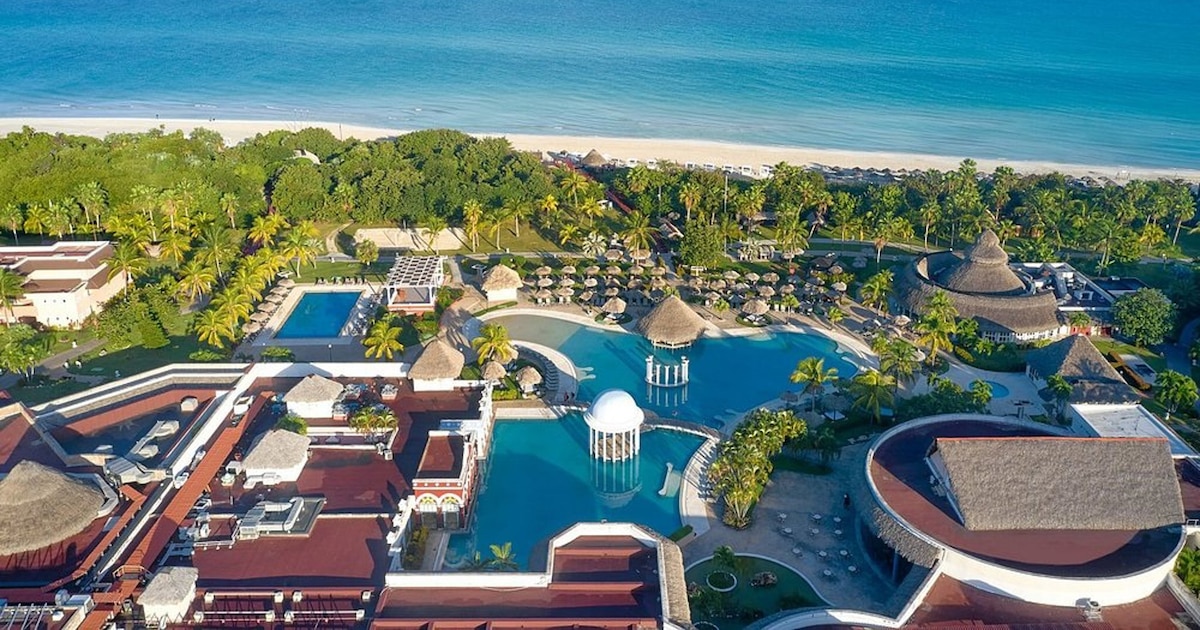
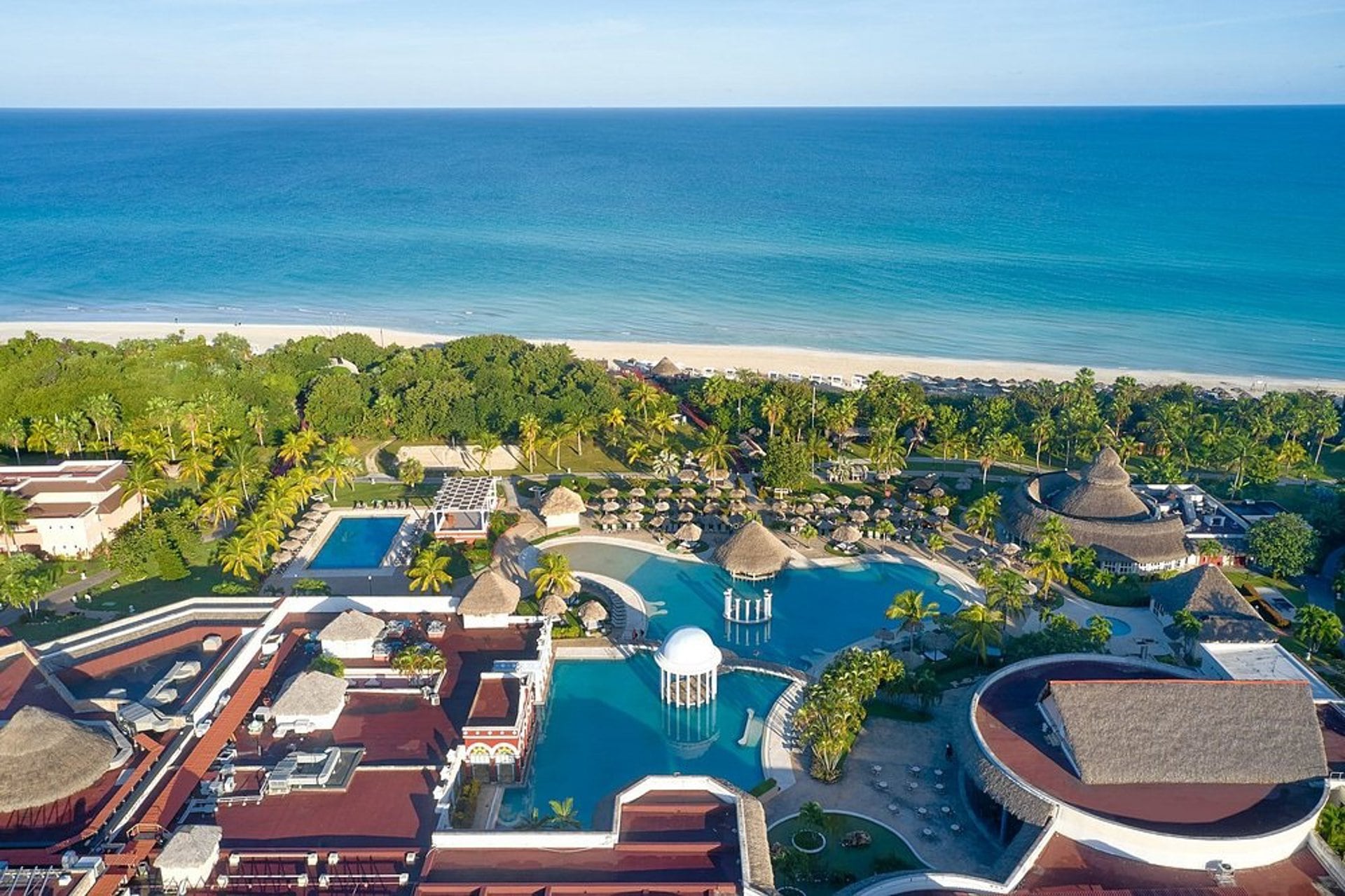
Gaviota, el grupo hotelero del Ejército cubano, mantiene fuera de servicio casi nueve de cada diez de sus habitaciones mientras promociona la reapertura de un hotel de lujo en Varadero.
La propia empresa reconoció el viernes que de las más de 30,000 habitaciones que dice poseer en toda la isla, solo 3,470 están operativas, según informó 14ymedio, sitio de noticias cubano independiente, en una nota sobre la situación del conglomerado turístico perteneciente a Gaesa.
El dato equivale apenas al 11.6% de la capacidad que el propio grupo exhibe en su página oficial, con instalaciones repartidas también por Holguín, Jardines del Rey, Baracoa y Santiago de Cuba.
La directora de Ventas de Gaviota, Elia Elena Cortés, detalló durante una presentación en el hotel Paseo del Prado, en La Habana, que las habitaciones activas se concentran en cuatro polos: La Habana, Varadero, Topes de Collantes y Cayo Santa María.
Según la ejecutiva, esa reducción ha permitido “mejorar la atención a los clientes” y “garantizar los suministros”, dijo ante 14ymedio.
El sector turístico en su peor momento en décadas
La isla recibió apenas 450,353 visitantes internacionales entre enero y agosto de 2026, un 64.4% menos que el año anterior.
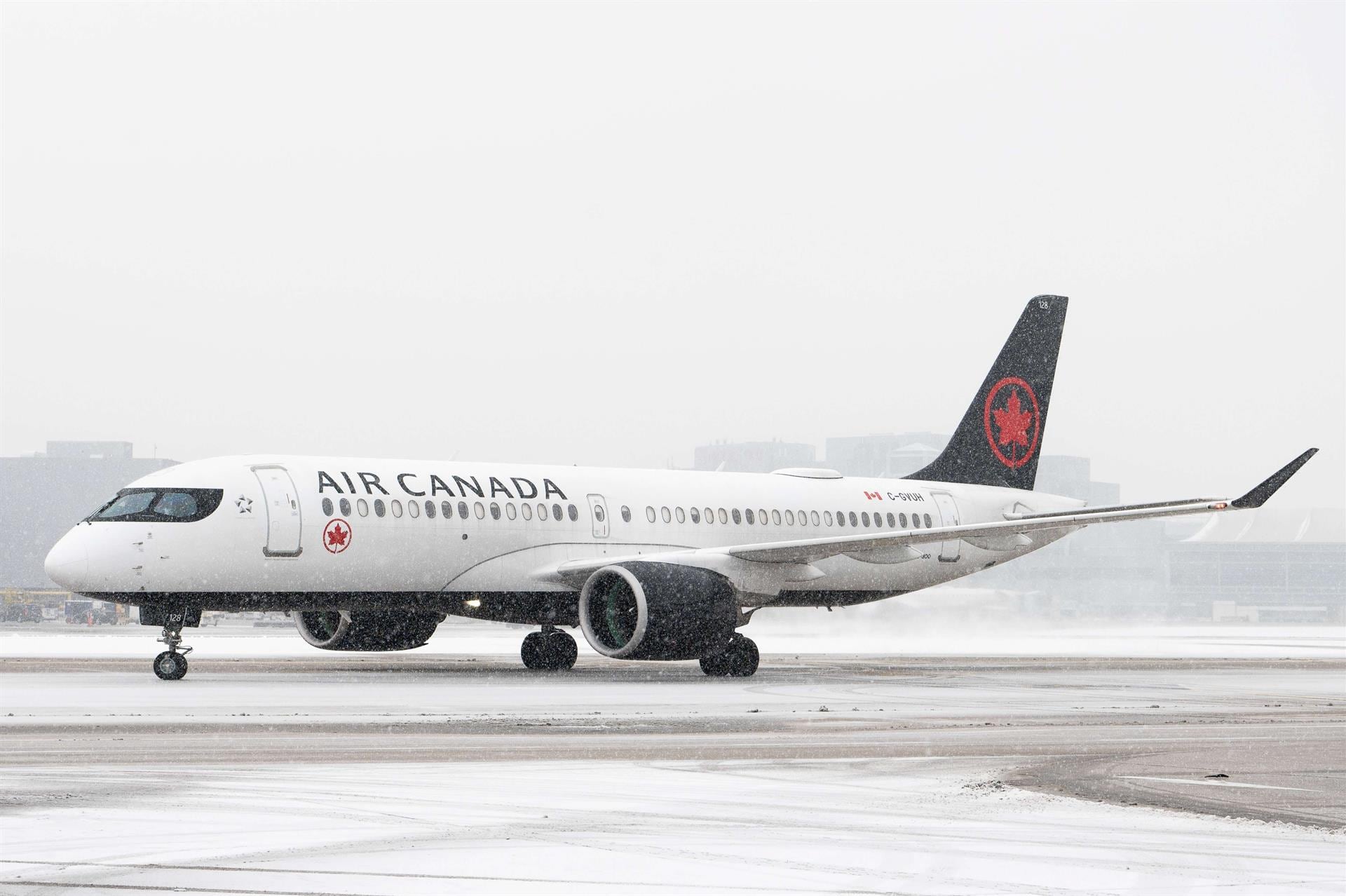
Siete cadenas hoteleras extranjeras abandonaron el país y aerolíneas como Air Canada, Iberia, Air France y Turkish Airlines suspendieron sus vuelos por la crisis de combustible y la caída de la demanda.

La contracción no se limita al turismo. La Comisión Económica para América Latina y el Caribe, organismo de las Naciones Unidas, proyecta una caída del producto interno bruto cubano del 10.3% para este año, la mayor contracción prevista entre los países de la región, según cifras divulgadas en los últimos días.
El desplome se agravó durante el verano. En agosto llegaron apenas 30,490 visitantes internacionales, por debajo de los 32,272 registrados en julio.
Los mercados emisores tradicionales también se derrumbaron: Canadá cayó más del 70% interanual y Rusia retrocedió una proporción similar, mientras España perdió cerca de dos tercios de sus visitantes respecto al año previo.
Un relanzamiento con nombre repetido en Cayo Libertad
En ese contexto, Gaviota presentó como una de las principales novedades de la temporada 2026-2027 la apertura, prevista para el 23 de octubre, del Playa Luxury Varadero. Se trata de un hotel de 85 habitaciones exclusivo para adultos, situado en Cayo Libertad, en el extremo de la península de Hicacos.
El establecimiento no es nuevo. Construido en 2005 como parte del complejo Marina Palace, funcionó primero como Cayo Libertad Royal Island y luego, bajo gestión de Barceló, como Cayo Libertad Club Premium.
Tras la salida de la cadena española pasó a manos de Blau, que lo explotó como Blau Privilege Cayo Libertad. Más tarde quedó integrado en la etapa de Posadas bajo la marca Fiesta Americana, hasta que Gaviota lo relanzó en agosto de 2025 con el mismo nombre que ahora vuelve a anunciar como “apertura”.
La propia plataforma de reservas de la empresa mantiene bloqueadas todas las fechas de octubre y solo ofrece disponibilidad a partir del 1 de noviembre.
Para entonces, una habitación cuesta desde USD 363 por noche, precio mínimo que confirma el posicionamiento de lujo del hotel en un mercado con escasa demanda.
Las sanciones estadounidenses y la salida de cadenas españolas
El golpe más reciente al sector llegó por la vía de las sanciones de Washington. La Administración estadounidense amplió este año las restricciones contra el Ministerio de Turismo cubano, lo que terminó por asfixiar a la estructura hotelera del Gobierno de la isla.

Ante ese escenario, Meliá comunicó el cese de toda su actividad en Cuba y alegó “notables dificultades” operativas, legales, económicas y financieras. Barceló e Iberostar también dejaron de operar y comercializar los hoteles que hasta entonces habían quedado al margen de las sanciones.
El primer ministro cubano, Manuel Marrero, reconoció en julio que el 73% de las instalaciones hoteleras del país permanecían cerradas y que alrededor de 25.000 trabajadores del sector se encontraban en situación de disponibilidad, es decir, sin actividad laboral asignada.
La reapertura de otros destinos, condicionada a las sanciones
Frank País Oltuski Rodríguez, vicepresidente del grupo, afirmó que la empresa estudia la reapertura de otros destinos durante la temporada alta. Sin embargo, reconoció ante 14ymedio que esa posibilidad dependerá de la situación del país y de las sanciones estadounidenses.
“Los clientes no se merecen perder Cuba”, lamentó el directivo.
Gaviota anunció además una edición especial del evento Cayotonazo, entre el 31 de diciembre y el 3 de enero, y aseguró que mantiene disponibles traslados privados y colectivos entre sus principales polos, además de excursiones y una flota de automóviles en puntos estratégicos del país.
El deterioro del destino, anterior a las sanciones de este año
El retroceso del turismo cubano no comenzó con las restricciones de este año. A finales de 2025, huéspedes de hoteles en Varadero, Holguín y otros polos denunciaban en Tripadvisor falta de variedad en la comida, instalaciones deterioradas, problemas de limpieza, restaurantes cerrados y fallos en servicios básicos.
A esos reclamos se sumaron los apagones y los problemas de transporte derivados de la crisis energética. La isla registró ocho desconexiones totales de su sistema eléctrico en lo que va de 2026, según constató la agencia EFE, un factor que también incide en la operación hotelera y en la experiencia de los visitantes.
Cuba fue además perdiendo competitividad frente a otros destinos del Caribe por sus precios, las dificultades cambiarias y las carencias de infraestructura fuera de los grandes complejos hoteleros.
A ello se añadieron la lenta recuperación tras la pandemia, la reducción de rutas aéreas y, a finales del año pasado, el impacto de las epidemias de dengue y chikunguña sobre la imagen del destino.
La isla cerró 2025 con algo más de 1,8 millones de visitantes internacionales, una cifra muy lejana a los más de cuatro millones anuales que recibía antes de la pandemia. Las nuevas sanciones de este año no originaron la crisis, pero sí profundizaron una caída que ya estaba en marcha desde antes.
Cuba,turismo,playa,desierto,Caribe,océano,palmeras,paisaje,calma,crisis

Plague mystery revives concerns over not-to-secret Russian bioweapons program

En plena puja con los aliados, el Gobierno busca acelerar un acuerdo en el Senado para cambiar la ley de salud mental

Hay alerta amarilla por nevadas para este domingo 11 de octubre: las provincias afectadas

Rosario Central vs. Independiente Rivadavia: formaciones, hora y dónde ver por tv

Diego Castro palpitó el debut de Dale Match y recordó su etapa de galán en el ciclo de Marcelo Tinelli: “No cierro la puerta al amor”

La vejez frente al desalojo: la muerte anunciada de Maricarmen Abascal

Escándalo total en la AFA: reventa millonaria, un homenaje paupérrimo a Messi y el pedido urgente de renuncia a Chiqui Tapia

El presidente de Burkina Faso, duro tras el amistoso con la Selección: «Nuestro fútbol está enfermo» :: Olé

100-shot Somali gang gun battle rocks Minnesota as sheriff warns ‘we’re in trouble’

Tobey Maguire se quedaba ciego con el traje de Spider-Man y casi se desmaya durante una prueba: fabricar su disfraz fue una pesadilla

 DEPORTE3 días ago
El presidente de Burkina Faso, duro tras el amistoso con la Selección: «Nuestro fútbol está enfermo» :: Olé
- INTERNACIONAL3 días ago
100-shot Somali gang gun battle rocks Minnesota as sheriff warns ‘we’re in trouble’
- SOCIEDAD3 días ago
Tobey Maguire se quedaba ciego con el traje de Spider-Man y casi se desmaya durante una prueba: fabricar su disfraz fue una pesadilla