INTERNACIONAL
‘Not a slam dunk’: Trump’s 2028 mail-vote push hinges on one big legal question

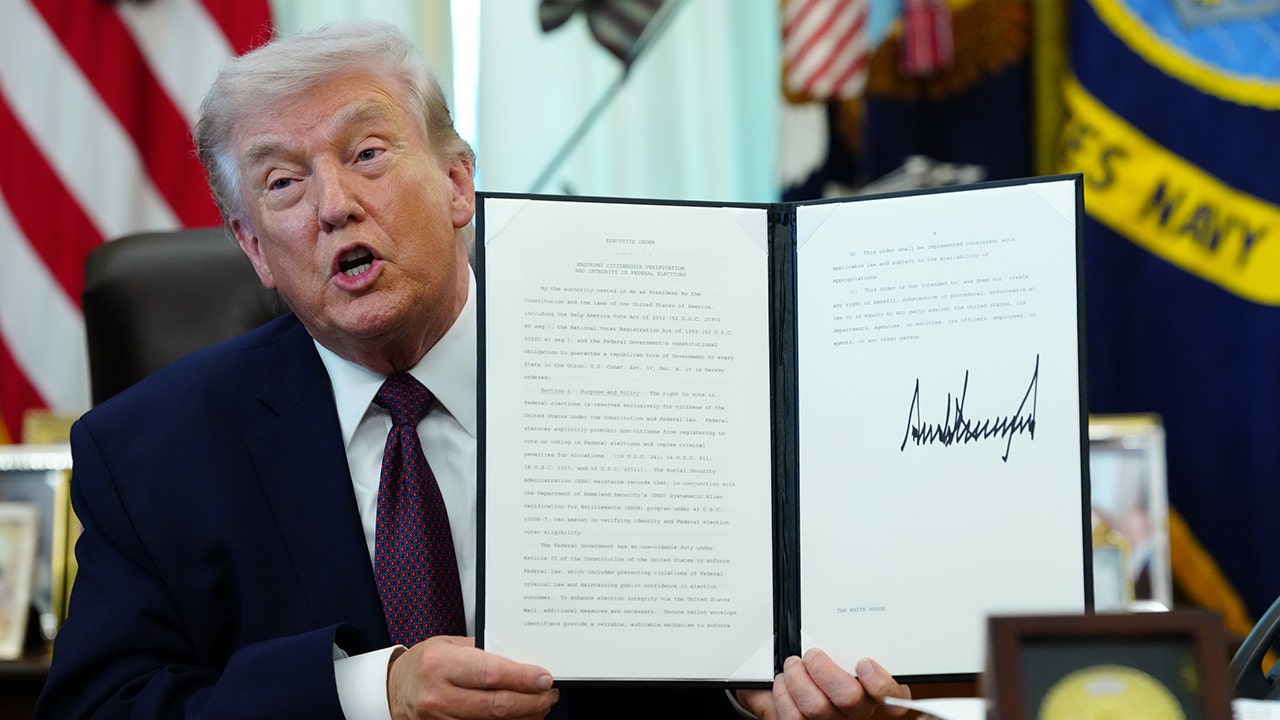
President Donald Trump faces legal uncertainty over whether his administration can put new federal mail-ballot rules in place ahead of the 2028 presidential election, legal experts told Digital.
The president issued an executive order in March directing the Postal Service to pursue new rules for federal mail ballots, including standardized ballot envelopes with an Official Election Mail designation and unique machine-readable barcodes. Per the order, the Postal Service would be empowered to turn away ballots that failed to meet its new standards, or those belonging to individuals who don’t appear on state-submitted lists of eligible mail voters.
On Sept. 14, the Supreme Court declined to lift a preliminary injunction blocking the rules from being implemented ahead of November’s midterm elections. Now, whether or not his changes can be implemented before the 2028 election looms large over Washington.
Experts who spoke to Digital argued that the ruling will hinge on how the Supreme Court parses competing claims to authority between the executive branch’s ability to regulate mail and the right of states to administer elections however they see fit.
USPS WOULDN’T DELIVER BALLOTS IN STATES THAT REFUSE TO FORK OVER MAIL-IN VOTER INFO UNDER PROPOSED RULE
«If the court views this primarily as an attempt by the president to regulate federal elections, the court is likely to invalidate it,» Florida State University law professor Michael Morley told Digital. «The president has no constitutional authority over federal elections and Congress has not delegated him broad statutory authority over the field.»
If the Supreme Court views the case through another lens, however, Morley says that could change things.
«In contrast, the court may instead view the new rules primarily as administrative requirements for the post office to ensure efficient operations and protect the integrity of the [mail],» he said. «Viewed from this perspective, the rule would be viewed as a much more prosaic matter and likely be upheld. It would be remarkable for the court to conclude the Postal Service lacks authority to regulate the process through which millions of parcels of important (i.e., election-related) mail are submitted for delivery.»
ALABAMA AG MARSHALL FIRES BACK AT USPS MAIL-BALLOT ORDER CRITICS: ‘THIS IS ABOUT SECURING ELECTIONS’
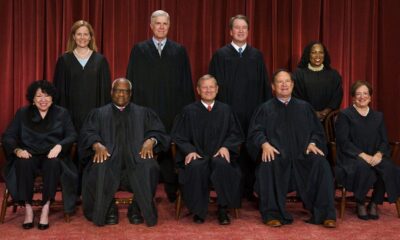
The Supreme Court ruled 7-2 to uphold the injunction preventing Trump’s executive order from being implemented ahead of the midterms. Justices Clarence Thomas and Samuel Alito dissented, while Justice Brett Kavanaugh voted to uphold the injunction, noting that, though the Post Office may have the authority to implement such a regulation, forcing its new rule to be implemented so close to an election likely runs afoul of federal law.
Some have attempted to use the ruling to predict how the court will ultimately rule on the merits of the post office’s ability to regulate election-related mail.
FEDERAL JUDGE BLOCKS TRUMP ADMINISTRATION FROM RESTRICTING MAIL-IN BALLOTS AHEAD OF MIDTERMS
«At least six justices seem to think that the administration will lose on the merits,» Stephen Richer, a legal fellow at the libertarian Cato Institute, told Digital. «The Constitution doesn’t vest authority to regulate elections to the president and I think that they would say that this effectively dictates how elections can be run.»
«The Constitution delegates brought authority to the Congress and to the states to administer elections. And having this requirement sure seems like an additional requirement for administering mail voting elections,» Richer, who was formerly a Republican election official in Arizona, continued.
Others, however, see the court’s ruling as primarily a procedural consideration rather than a proper rebuke of the administration’s efforts to regulate mail voting.
«Justice Kavanaugh, whose vote decided this outcome, was explicit that he believes the Postal Service likely has the statutory authority to require verified voter lists and tamper-resistant envelopes for federal ballot mail,» America First Policy Institute senior legal fellow Chad Mizelle told Digital.
«He concluded there simply wasn’t enough time left before the midterms to implement the rule responsibly. That’s a timing question, not a ruling on the underlying law,» Mizelle, who recently served as the chief of staff at the Justice Department, added. «What’s at issue here is pretty basic: verified voter lists and tamper-resistant envelopes for ballot mail. The kind of chain-of-custody standards most people would assume already exist for something as important as a ballot.»
Regardless of what the Supreme Court’s decision ultimately means for the rule’s future, the president has characterized the injunction blocking its implementation in the 2026 elections as a major defeat.
SKID ROW FORGERIES, ILLEGAL VOTES AND A MAYORAL CANDIDATE: ELECTION FRAUD CASES PILE UP NATIONWIDE
«Republicans just got another bad decision from the United States Supreme Court, one that the Court System took forever to give, and then blamed it, in part, on no time left to implement a solution to our totally CORRUPT and out of control Mail-In voting ‘disaster,’» the president wrote on Truth Social shortly after the court handed down its decision. «It is a big loss for Republicans, and America itself, and makes cheating by the Radical Left ‘Dumocrats,’ on Mail-In Ballots, a much easier thing to do.»
There have been individual cases of election and mail-ballot fraud, but they do not show that widespread fraud is occurring across U.S. mail voting.
If the president is right about the impact of his mail voting rule, however, that leaves a big question mark on the board as Election Day approaches.
«It’s an interesting issue. It’s not a slam dunk,» Ilya Shapiro, a former law professor and current senior fellow at the right-leaning Manhattan Institute, told Digital. «And it’s not about whether mail voting is good or bad. It’s about who gets to set the rule for it, whether it’s the state, Congress or federal agency acting under general postal statutes that are quite broad.»
The White House did not respond to a request for comment when reached by Digital on Friday.
constitution, law, donald trump, politics, voting, federal courts









INTERNACIONAL
El grupo Gaviota mantiene inactivas casi nueve de cada diez habitaciones que declara poseer en Cuba
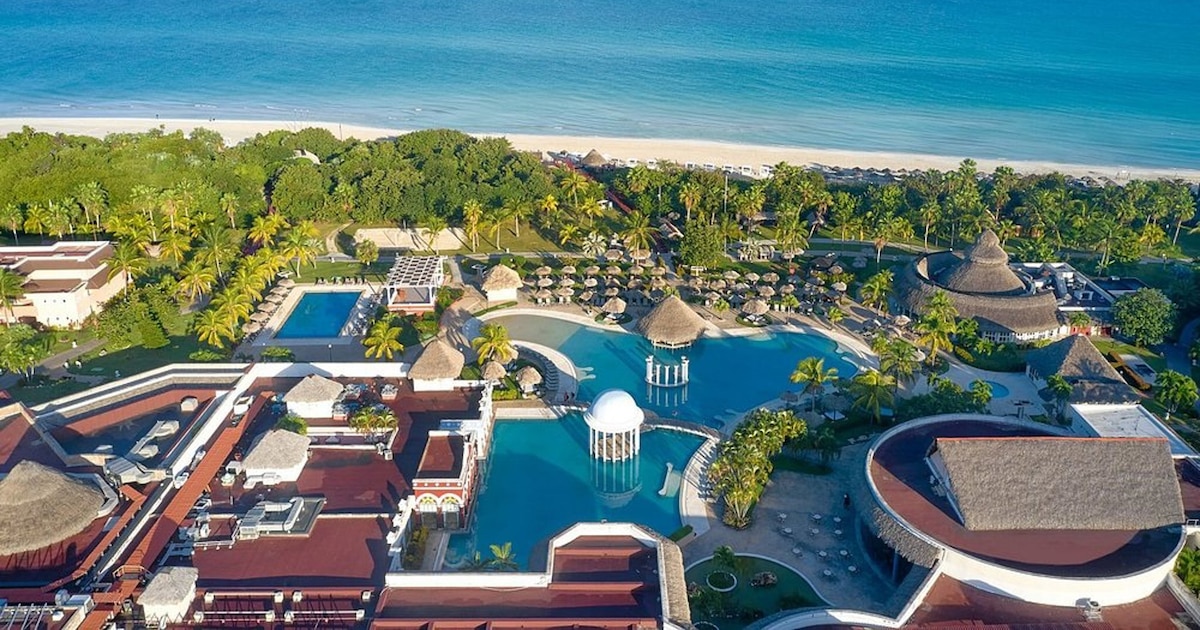
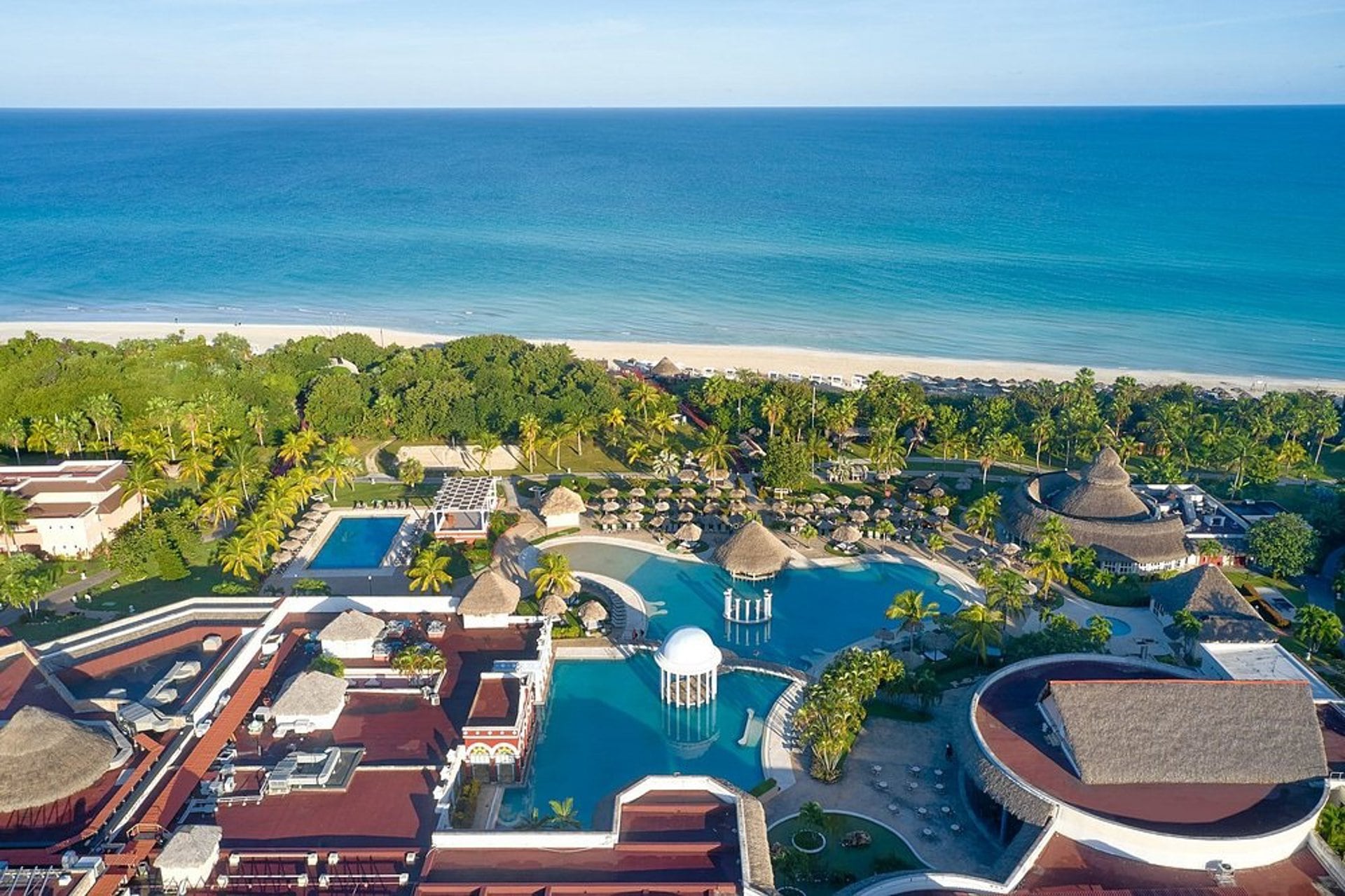
Gaviota, el grupo hotelero del Ejército cubano, mantiene fuera de servicio casi nueve de cada diez de sus habitaciones mientras promociona la reapertura de un hotel de lujo en Varadero.
La propia empresa reconoció el viernes que de las más de 30,000 habitaciones que dice poseer en toda la isla, solo 3,470 están operativas, según informó 14ymedio, sitio de noticias cubano independiente, en una nota sobre la situación del conglomerado turístico perteneciente a Gaesa.
El dato equivale apenas al 11.6% de la capacidad que el propio grupo exhibe en su página oficial, con instalaciones repartidas también por Holguín, Jardines del Rey, Baracoa y Santiago de Cuba.
La directora de Ventas de Gaviota, Elia Elena Cortés, detalló durante una presentación en el hotel Paseo del Prado, en La Habana, que las habitaciones activas se concentran en cuatro polos: La Habana, Varadero, Topes de Collantes y Cayo Santa María.
Según la ejecutiva, esa reducción ha permitido “mejorar la atención a los clientes” y “garantizar los suministros”, dijo ante 14ymedio.
El sector turístico en su peor momento en décadas
La isla recibió apenas 450,353 visitantes internacionales entre enero y agosto de 2026, un 64.4% menos que el año anterior.
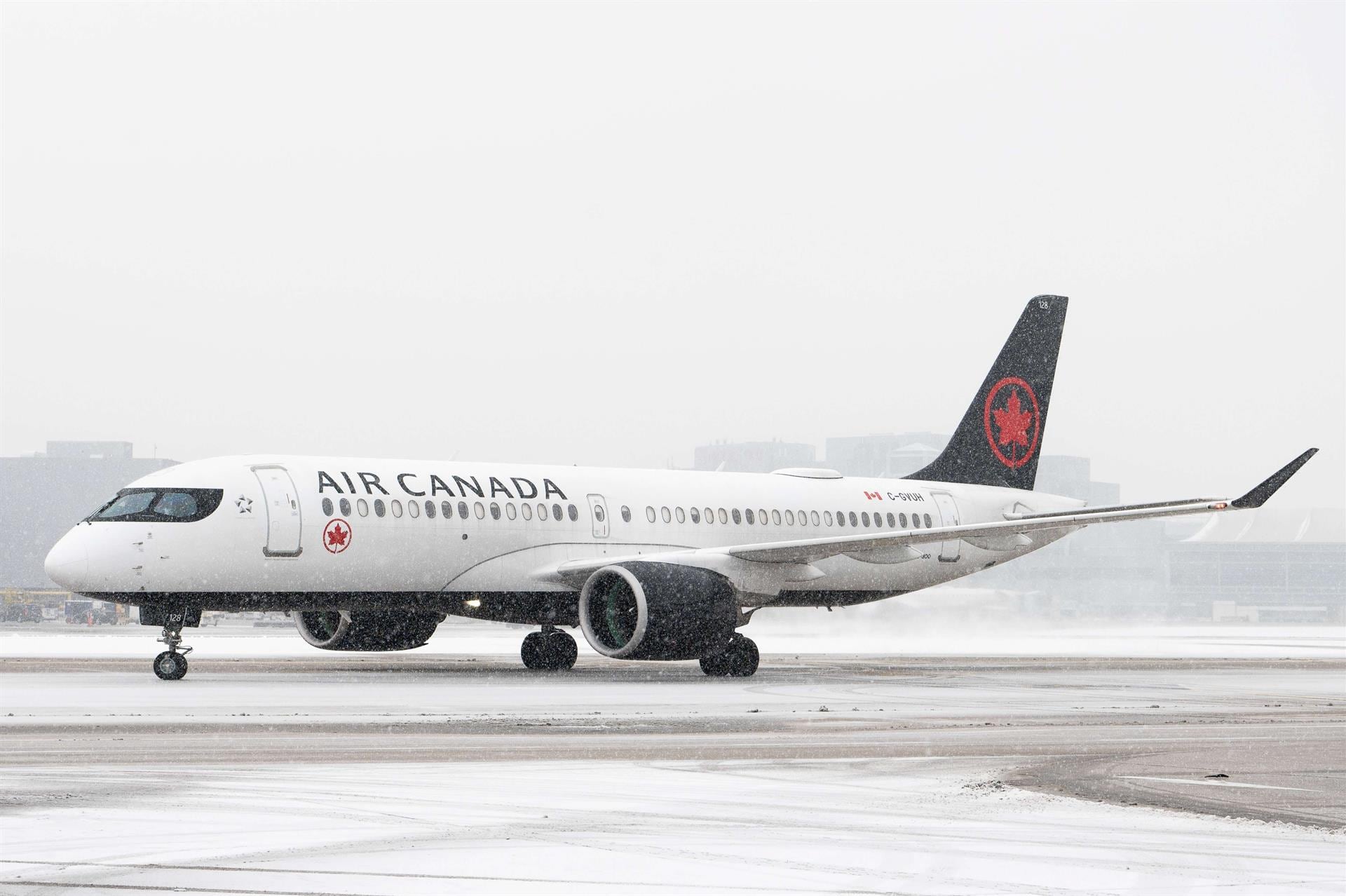
Siete cadenas hoteleras extranjeras abandonaron el país y aerolíneas como Air Canada, Iberia, Air France y Turkish Airlines suspendieron sus vuelos por la crisis de combustible y la caída de la demanda.

La contracción no se limita al turismo. La Comisión Económica para América Latina y el Caribe, organismo de las Naciones Unidas, proyecta una caída del producto interno bruto cubano del 10.3% para este año, la mayor contracción prevista entre los países de la región, según cifras divulgadas en los últimos días.
El desplome se agravó durante el verano. En agosto llegaron apenas 30,490 visitantes internacionales, por debajo de los 32,272 registrados en julio.
Los mercados emisores tradicionales también se derrumbaron: Canadá cayó más del 70% interanual y Rusia retrocedió una proporción similar, mientras España perdió cerca de dos tercios de sus visitantes respecto al año previo.
Un relanzamiento con nombre repetido en Cayo Libertad
En ese contexto, Gaviota presentó como una de las principales novedades de la temporada 2026-2027 la apertura, prevista para el 23 de octubre, del Playa Luxury Varadero. Se trata de un hotel de 85 habitaciones exclusivo para adultos, situado en Cayo Libertad, en el extremo de la península de Hicacos.
El establecimiento no es nuevo. Construido en 2005 como parte del complejo Marina Palace, funcionó primero como Cayo Libertad Royal Island y luego, bajo gestión de Barceló, como Cayo Libertad Club Premium.
Tras la salida de la cadena española pasó a manos de Blau, que lo explotó como Blau Privilege Cayo Libertad. Más tarde quedó integrado en la etapa de Posadas bajo la marca Fiesta Americana, hasta que Gaviota lo relanzó en agosto de 2025 con el mismo nombre que ahora vuelve a anunciar como “apertura”.
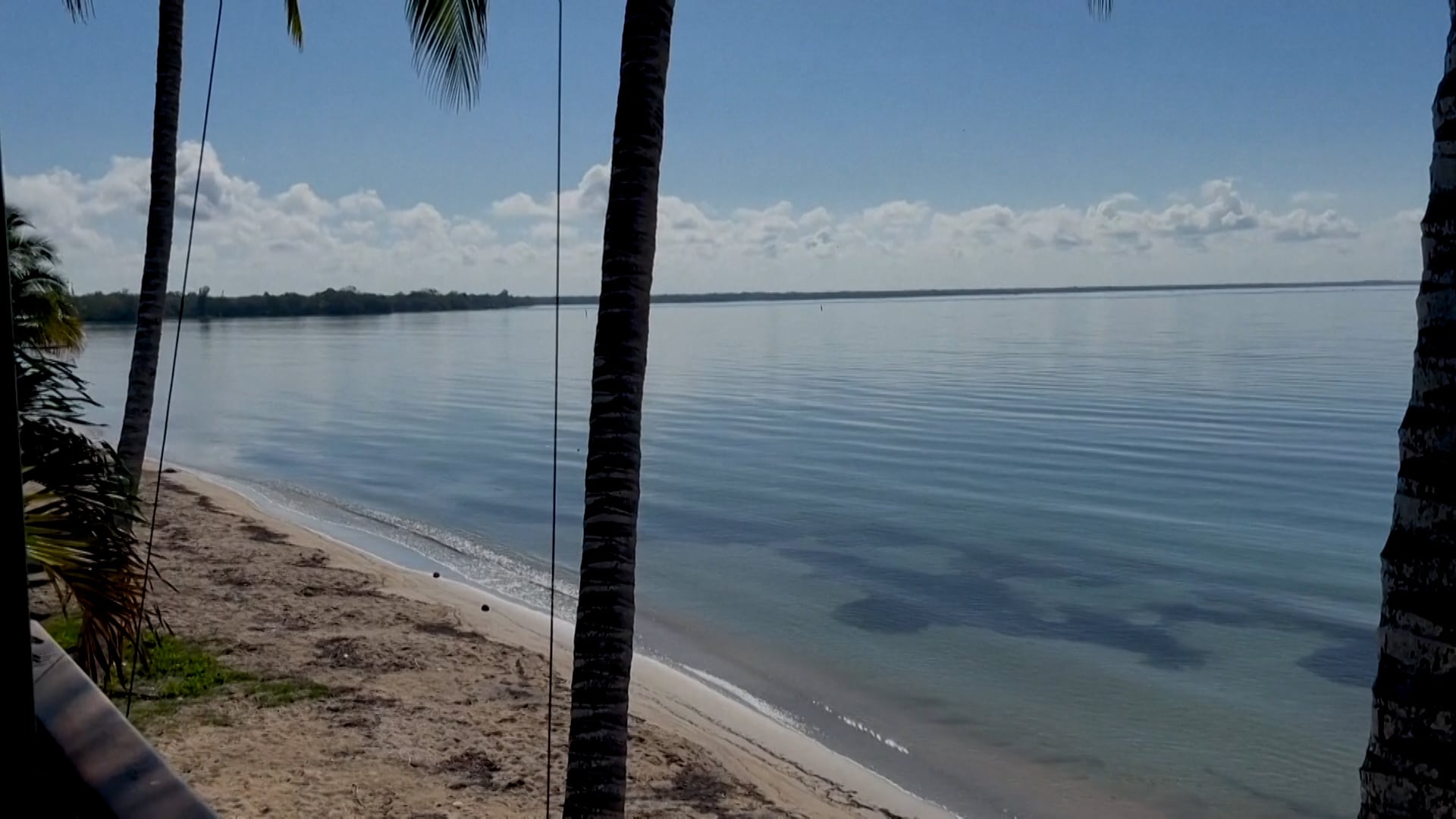
La propia plataforma de reservas de la empresa mantiene bloqueadas todas las fechas de octubre y solo ofrece disponibilidad a partir del 1 de noviembre.
Para entonces, una habitación cuesta desde USD 363 por noche, precio mínimo que confirma el posicionamiento de lujo del hotel en un mercado con escasa demanda.
Las sanciones estadounidenses y la salida de cadenas españolas
El golpe más reciente al sector llegó por la vía de las sanciones de Washington. La Administración estadounidense amplió este año las restricciones contra el Ministerio de Turismo cubano, lo que terminó por asfixiar a la estructura hotelera del Gobierno de la isla.

Ante ese escenario, Meliá comunicó el cese de toda su actividad en Cuba y alegó “notables dificultades” operativas, legales, económicas y financieras. Barceló e Iberostar también dejaron de operar y comercializar los hoteles que hasta entonces habían quedado al margen de las sanciones.
El primer ministro cubano, Manuel Marrero, reconoció en julio que el 73% de las instalaciones hoteleras del país permanecían cerradas y que alrededor de 25.000 trabajadores del sector se encontraban en situación de disponibilidad, es decir, sin actividad laboral asignada.
La reapertura de otros destinos, condicionada a las sanciones
Frank País Oltuski Rodríguez, vicepresidente del grupo, afirmó que la empresa estudia la reapertura de otros destinos durante la temporada alta. Sin embargo, reconoció ante 14ymedio que esa posibilidad dependerá de la situación del país y de las sanciones estadounidenses.
“Los clientes no se merecen perder Cuba”, lamentó el directivo.
Gaviota anunció además una edición especial del evento Cayotonazo, entre el 31 de diciembre y el 3 de enero, y aseguró que mantiene disponibles traslados privados y colectivos entre sus principales polos, además de excursiones y una flota de automóviles en puntos estratégicos del país.
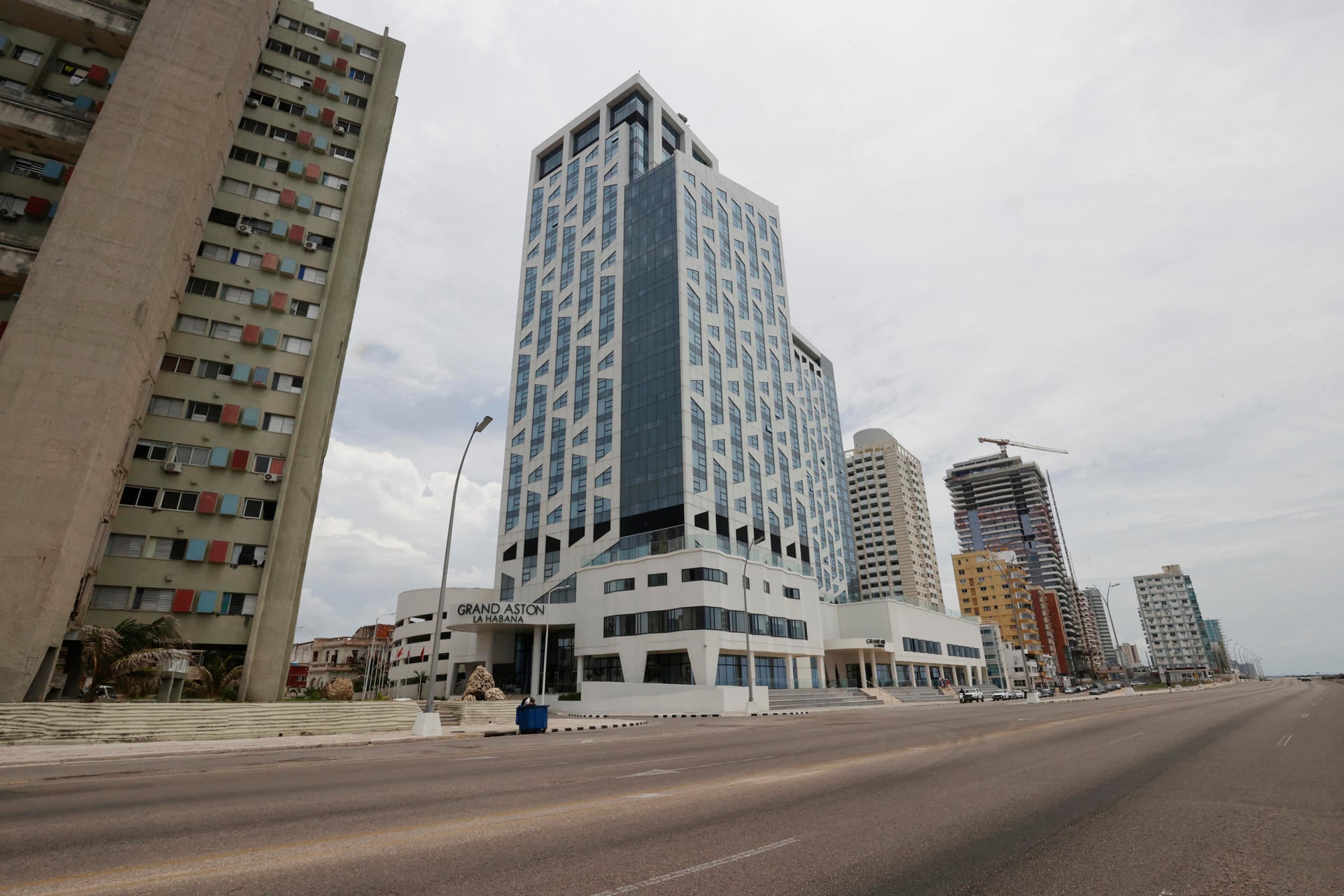
El deterioro del destino, anterior a las sanciones de este año
El retroceso del turismo cubano no comenzó con las restricciones de este año. A finales de 2025, huéspedes de hoteles en Varadero, Holguín y otros polos denunciaban en Tripadvisor falta de variedad en la comida, instalaciones deterioradas, problemas de limpieza, restaurantes cerrados y fallos en servicios básicos.
A esos reclamos se sumaron los apagones y los problemas de transporte derivados de la crisis energética. La isla registró ocho desconexiones totales de su sistema eléctrico en lo que va de 2026, según constató la agencia EFE, un factor que también incide en la operación hotelera y en la experiencia de los visitantes.
Cuba fue además perdiendo competitividad frente a otros destinos del Caribe por sus precios, las dificultades cambiarias y las carencias de infraestructura fuera de los grandes complejos hoteleros.
A ello se añadieron la lenta recuperación tras la pandemia, la reducción de rutas aéreas y, a finales del año pasado, el impacto de las epidemias de dengue y chikunguña sobre la imagen del destino.
La isla cerró 2025 con algo más de 1,8 millones de visitantes internacionales, una cifra muy lejana a los más de cuatro millones anuales que recibía antes de la pandemia. Las nuevas sanciones de este año no originaron la crisis, pero sí profundizaron una caída que ya estaba en marcha desde antes.
Cuba,turismo,playa,desierto,Caribe,océano,palmeras,paisaje,calma,crisis
INTERNACIONAL
Former MN state trooper tears into Dems as Somali gang violence terrorizes Minnesota: ‘Where is Ilhan Omar?’
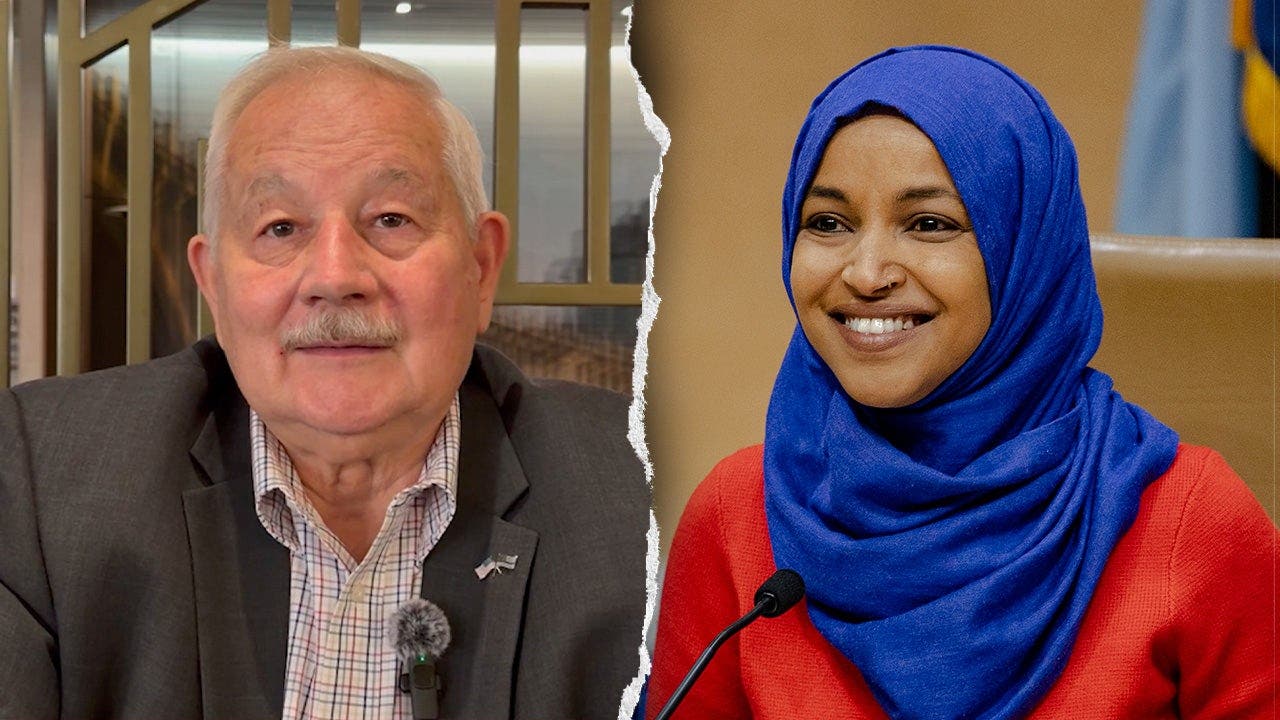
Former state trooper John Nagel pointed the finger at his opponent, Rep. Ilhan Omar, D-Minn., and the Democratic Party for allowing Somali American gang-linked violence to escalate in the Twin Cities.
Residents of Eden Prairie and surrounding Twin Cities suburbs have been left fearing for their safety after a string of gang-related incidents this month, including the shooting of two teens outside an Eden Prairie High School football game and more than 100 shell casings recovered in a Bloomington neighborhood.
«Where is Ilhan Omar in all of this?» Nagel, a Minnesota native who spent 30 years as a state trooper, asked in an interview with Digital.
«I would think that, as a congressman that represents this particular area, that she’d be at these meetings, or she’d have a statement, or she’d be sitting down and saying, ‘Hey, how can we help this? How could we stop this?’ And I don’t see her.»
OMAR’S GOP CHALLENGER COMES OUT FIRING WITH VOW TO CLEAN UP ‘MESS’ IN DEEP BLUE DISTRICT: ‘PEOPLE ARE FED UP’
Nagel accused other Minnesota Democrats, including Hennepin County Attorney Mary Moriarty, of having their «heads in the sand» and preventing law enforcement from stopping the violence before it got out of control.
«They’re being restrained by politicians, people that are trying soft on crime, people that are trying to send somebody other than a police officer to take care of issues, and it’s not working,» Nagel said.
Looking at the responses of statewide leaders, including Gov. Tim Walz and Attorney General Keith Ellison, Nagel said the majority of Democrats «don’t want enforcement.»
«The people do,» he said. «They’re tired of it.»
Democrats have been too lenient on crime for years, according to Nagel, which he said has «emboldened» gang members to break the law without serious consequences.
«Because of how the Democrats have run Minnesota over the years, these gang members and then just crooks in general, they’re emboldened by this,» he said.
ILHAN OMAR ON TRACK FOR FIFTH TERM AS MINNESOTA VOTERS MAINTAIN FAR-LEFT STREAK
Ramsey County Sheriff Bob Fletcher spoke at a news conference this week, highlighting that a «big chunk of the problem» is failing to hold gang members accountable, saying Moriarty’s office needs to be more «aggressive» with prosecuting juveniles.
In a statement to Digital, Daniel Borgertpoepping, a spokesperson for Moriarty’s office, said no cases related to the Bloomington incident have been submitted for charging consideration, but «they’ll be thoroughly reviewed» if they are.
Adam Abdihakeem Adam, 18, was charged Friday in the Eden Prairie homecoming football game shooting with two counts of second-degree assault with a deadly weapon and second-degree riot.
«Mr. Adam will be held accountable,» Moriarty said in a press release Friday. «Violence in our communities is completely unacceptable, and it requires a professional, coordinated response, which happened here.»
Fletcher also pushed back on «East African» being used to generalize the gang members’ ethnicity, adding that «98% of these gang members are Somali» and that the broader label isn’t «fair.»
«I think we just have to say what it is and not run away from the term,» he said.
AMY KLOBUCHAR CALLS FOR MAJOR ANTI-TERRORISM INVESTMENTS AFTER ALLEGED MALL OF AMERICA PLOT
Nagel said people are afraid of being called «racist» for referring to the gangs as Somalian, arguing that law enforcement is simply going after those committing the crimes rather than blaming an entire community.
«I mean, we have Latino gangs and Asian gangs and Black gangs, and we have Somali gangs. This is not being prejudicial.»
He said it’s a «Somali problem» because that’s «who’s showing up.»
«It’s ridiculous,» he said. «I’m a police officer. I don’t care who you are. I don’t care what color you are.»
Nagel said a «gang task force» could be part of the solution.
«We don’t need to pass any more laws,» he argued. «We don’t need any more people asking for money to help their group. We need to take the laws that we have and prosecute people.»
As gang violence spills into Minnesota communities, Nagel said it can’t continue to go on like it has.
«We need enforcement, we need arrests and we need incarceration,» he said. «Otherwise, this is going to continue to spiral.»
Nagel will face off against Omar and Independent candidate DeVelle Jackson in the upcoming midterm elections for the U.S. House seat representing Minnesota’s 5th Congressional District.
Digital reached out to Omar, Walz and Ellison’s offices for comment.
politics, blue city crime, ilhan omar, tim walz, minnesota, somali immigrant community
INTERNACIONAL
Estados Unidos desactivó un buque comercial que intentó violar el bloqueo a los puertos de Irán

Las fuerzas del Comando Central de Estados Unidos (CENTCOM) informaron que desactivaron un buque comercial de carga en el Golfo de Omán el sábado, después de que su tripulación ignorara advertencias e intentara sortear el bloqueo naval estadounidense al régimen de Irán.
Según el comunicado difundido por CENTCOM en la red social X, un avión militar estadounidense alcanzó la popa del M/V Ocean Molica, de bandera panameña y también identificado como “Arika Sun”, con una munición de precisión. El ataque dejó fuera de servicio por completo el sistema de propulsión de la embarcación, sin causar daños a los integrantes de la tripulación.
El carguero había salido antes de un puerto iraní e intentaba navegar por aguas de la región. CENTCOM sostuvo que el barco desoyó advertencias reiteradas antes de la intervención.
Las fuerzas estadounidenses retomaron el bloqueo contra los buques que ingresan o salen de puertos iraníes el 14 de julio. Desde entonces, cuatro embarcaciones comerciales quedaron desactivadas y 135 barcos regresaron durante tres meses de aplicación de la medida, de acuerdo con el mando militar.
CENTCOM también afirmó que Estados Unidos destruyó 10 petroleros vinculados a la red clandestina del Cuerpo de la Guardia Revolucionaria Islámica durante ese período. El organismo describió esa estructura como una red de varios miles de millones de dólares.
El Ejército estadoundiense recomendó a los navegantes prestar atención a las advertencias del bloqueo y seguir las transmisiones de Aviso a Navegantes. Además, pidió a las tripulaciones que operen en el Golfo de Omán que contacten a las fuerzas navales estadounidenses a través del canal 16 de comunicaciones entre puentes de mando.
En paralelo, la Guardia Revolucionaria de Irán informó también el sábado que un superpetrolero se incendió tras impactar contra una mina marítima en el estrecho de Ormuz, cuando intentaba abandonar esa vía por una ruta que Teherán considera no autorizada.
La fuerza militar aseguró que el buque transportaba crudo, aunque no difundió su nombre ni su bandera. También afirmó que la nave había desconectado sus sistemas de navegación y posicionamiento antes de la maniobra, mientras el humo del incendio podía verse desde la costa.
La Armada de la Guardia Revolucionaria detalló que “Un superpetrolero que transportaba crudo y que intentaba salir del estrecho de Ormuz por una ruta no autorizada sufrió una fuerte explosión tras chocar con una mina marina en una zona declarada de alto riesgo”.
El organismo sostuvo que el barco continuaba en llamas y advirtió que ampliará sus operaciones contra embarcaciones comerciales fuera de ese corredor marítimo. “Un incendio de grandes proporciones es el destino de cualquier petrolero infractor que pretenda ignorar la seguridad y las normas del estrecho de Ormuz”, señaló en el comunicado.
La agencia británica de vigilancia del comercio marítimo UKMTO no había informado sobre este episodio. Desde el 29 de septiembre, el organismo registró 10 incidentes con buques en el estrecho de Ormuz, entre ellos varios ataques con proyectiles de origen desconocido.
El anuncio iraní se conoció horas después de que la Guardia Nacional de Emiratos Árabes Unidos comunicara el rescate de 22 tripulantes de un petrolero incendiado en el golfo Pérsico. Las autoridades indicaron que los marineros, de distintas nacionalidades asiáticas, recibieron primeros auxilios y permanecían estables, sin establecer una relación entre ambos hechos.
La Guardia Revolucionaria reiteró que mantiene bajo su control el estrecho de Ormuz, una vía marítima por la que transita parte relevante del comercio energético mundial. El flujo de petróleo en esa zona regresó a niveles cercanos a los registrados antes del inicio de la guerra en febrero.
El régimen iraní cerró el estrecho de Ormuz tras el comienzo del conflicto iniciado por Estados Unidos e Israel y utilizó esa decisión como uno de sus mecanismos de presión. Washington respondió con un cerco naval sobre puertos y embarcaciones iraníes.
(Con información de EFE)
Middle East

La interna del Gobierno amenazó con reactivarse esta semana, pero intentan apaciguarla

El antes y el después de Cabo Verde a 100 días de haber puesto a la Argentina contra la pared

El horóscopo de hoy: domingo 11 de octubre

El Gobierno cede con discapacidad y tierras para no tensionar con los aliados por el Presupuesto y las PASO

6 frases de Leonardo Ponzio tras la victoria de River Plate: el juvenil que elogió y la deuda pendiente del equipo

El grupo Gaviota mantiene inactivas casi nueve de cada diez habitaciones que declara poseer en Cuba

Escándalo total en la AFA: reventa millonaria, un homenaje paupérrimo a Messi y el pedido urgente de renuncia a Chiqui Tapia

El presidente de Burkina Faso, duro tras el amistoso con la Selección: «Nuestro fútbol está enfermo» :: Olé

100-shot Somali gang gun battle rocks Minnesota as sheriff warns ‘we’re in trouble’

Tobey Maguire se quedaba ciego con el traje de Spider-Man y casi se desmaya durante una prueba: fabricar su disfraz fue una pesadilla

 DEPORTE3 días ago
El presidente de Burkina Faso, duro tras el amistoso con la Selección: «Nuestro fútbol está enfermo» :: Olé
- INTERNACIONAL3 días ago
100-shot Somali gang gun battle rocks Minnesota as sheriff warns ‘we’re in trouble’
- SOCIEDAD3 días ago
Tobey Maguire se quedaba ciego con el traje de Spider-Man y casi se desmaya durante una prueba: fabricar su disfraz fue una pesadilla