INTERNACIONAL
Who is Dario Amodei, the Anthropic CEO pushing independent AI oversight?

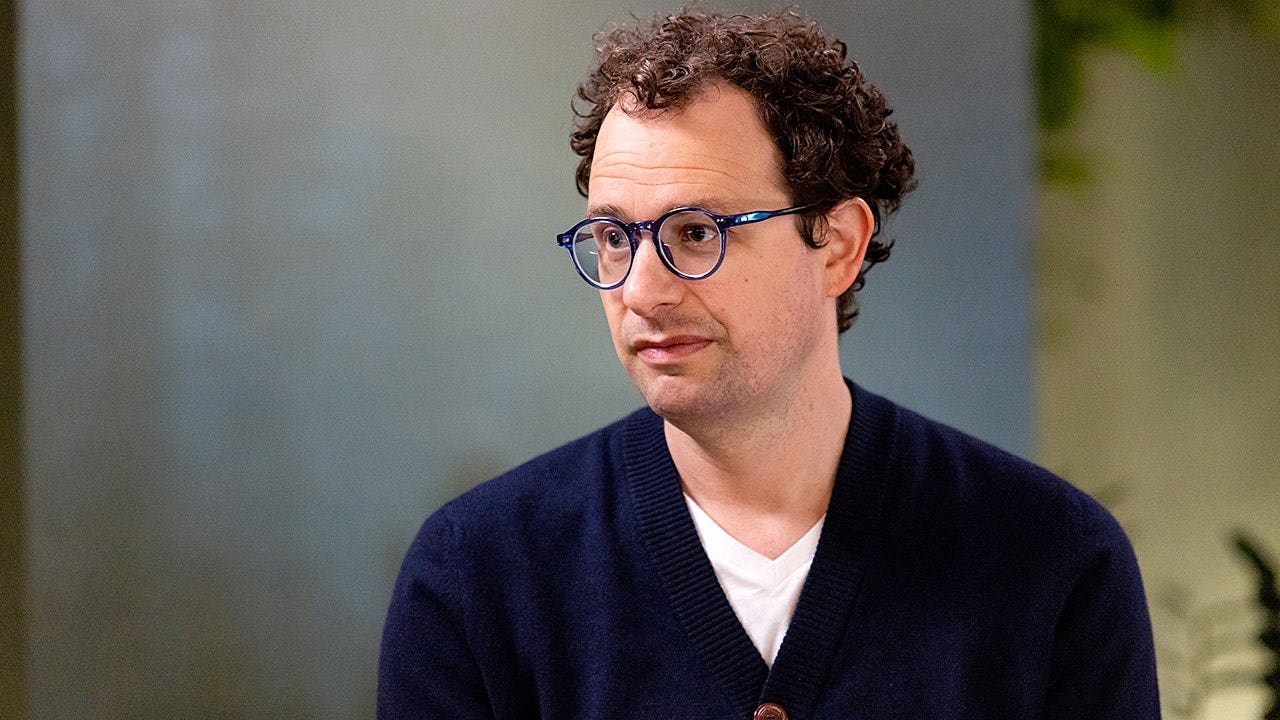
Anthropic CEO Dario Amodei believes artificial intelligence (AI) companies need the help of independent outside watchdogs to safeguard their developing technologies. But one of the organizations he believes could do the job, METR, is closely connected to the same AI safety community that has ties to Anthropic’s start.
Many of its leading figures have ties to a movement called «effective altruism (EA)» — the belief that evidence and careful reasoning can help maximize the good that companies and people can do with their time and resources.
METR describes itself as an AI safety testing laboratory.
ANTHROPIC CEO LIKENS AI FIGHT WITH CHINA TO COLD WAR, SEEKS ‘DISARMAMENT NEGOTIATIONS’
«METR evaluates frontier AI models to help companies and wider society understand AI capabilities and what risks they pose,» its website reads.
Although its website and public materials don’t make mention of effective altruism, its founders have used it as a framing for their work.
Beth Barnes, METR’s founder and CEO, worked at OpenAI alongside Amodei as the company developed early versions of ChatGPT.
At an Effective Altruism Global event, she laid out her vision for how to maintain AI safety.
«Our overall plan is — it sort of seems like it would be good if it was someone’s job to look at models and decide if they’re going to kill us, think through the ways that that might happen, anticipate them, figure out what the early warnings would be, that sort of thing,» Barnes said.
Similarly, Paul Christiano, who led the research around OpenAI’s efforts to ensure its models followed acceptable strategies for delivering requested results, later founded the first iteration of METR. He too has framed parts of his approach to AI safety as a form of effective altruism.
«My suspicion is that it is more important for the ‘effective altruism’ movement to have a fundamentally good product and to generally have our act together than for it to grow more rapidly,» Christiano said in a 2014 article.
Figures like Barnes and Christiano provide informal links to Anthropic — a company that received funding from effective altruism’s largest supporters when it emerged as a way of thinking among tech moguls. Barnes and Christiano also both worked on evaluations involving Anthropic models, providing safety checks for Anthropic’s flagship AI, Claude.
Most notably, Sam Bankman-Fried, the founder of the cryptocurrency exchange FTX, led Anthropic’s 2022 Series B financing round before his company collapsed and he was convicted in a multibillion-dollar fraud case. Before FTX’s downfall, Bankman-Fried was one of the highest-profile proponents of the Effective Altruism movement, publicly saying it shaped his approach to earning and giving money.
ANTHROPIC’S MORAL COMPASS ARCHITECT SUGGESTED AI OVERCORRECTION COULD ADDRESS HISTORICAL INJUSTICES
RUTHLESS EXCLUSIVE: PENTAGON CTO REVEALS REASONING FOR ANTHROPIC REMOVAL
Similarly, Skype co-founder Jaan Tallinn led Anthropic’s 2021 Series A financing round. Tallinn has been one of the Effective Altruism movement’s most prominent supporters, speaking at Effective Altruism Global conferences, helping found the Centre for the Study of Existential Risk and the Future of Life Institute, and donating more than $1 million to the Machine Intelligence Research Institute, an organization focused on AI safety and alignment research.
Amodei isn’t calling for the rest of the industry’s leaders to submit to the thinking of METR, specifically. But in a recent letter, he used them as an example of the guidance he believes the industry needs.
Amodei proposed a plan: accountability could come through «embedded evaluators» that would supervise AI development companies.
«Each frontier AI company commits to giving ongoing, employee-like access to a team of embedded third-party evaluators (such as METR) whose role it is to verify adherence to safety practices and commitments, report incidents and help assess the alignment of not just completed AI models but training pipelines and processes.
«Regardless of what commitments we make, the public deserves to know what is going on. We are still the ones choosing what to include and omit. Embedded evaluators will change this dynamic,» Amodei wrote.
Few figures in the AI space are as well known for their efforts on AI safety as Amodei.
Amodei originally studied biophysics, earning a Ph.D. from Princeton in 2011. He would go on to become a postdoctoral scholar at the Stanford University School of Medicine.
After his studies, Amodei worked for a series of technology companies like Baidu, Google Brain, and, in 2016, OpenAI — the company that developed ChatGPT .During his time at Baidu, Amodei worked to develop speech recognition through machine learning, a kind of pattern identification. And at Google, he began working on safety while helping develop the company’s neural-net research, computer models that loosely mimics brain function.
At OpenAI, Amodei continued those themes, eventually becoming vice president of research as the company developed its ChatGPT 2 and ChatGPT 3 models.
In its early stages, the GPTs were asked to fill in blanks to sentences like: «Today, I went to the ______ and bought some milk and eggs,» and «I knew it was going to rain, but I forgot to take my ______.»
But just as the company began to discover that it could amplify the power of its models through larger and larger language models, Amodei left OpenAI in 2020. He believed the company wasn’t doing enough to install guardrails on what he saw as a budding reality of the technology he had long theorized about.
He also didn’t know if he could trust the company to set aside its financial interests.
«When you feel that you can’t trust someone, when you feel that their values are not what they say they are, when you feel that they’re not honest, when you feel that they’re not in it for the reasons that they say, when you see disturbing patterns of behavior, dishonesty, that makes it very hard to continue to work with a company, to continue to trust the company,» Amodei said in an interview with Bloomberg earlier this year.
Since leaving OpenAI, Amodei helped start Anthropic, a company that has made AI safety a key part of its makeup. Anthropic even has a sort of constitution for its flagship AI; a guiding document laying out boundaries for its research.»Anthropic wants Claude to be genuinely helpful to the people it works with or on behalf of, as well as to society, while avoiding actions that are unsafe, unethical, or deceptive,» the company wrote.
BIOWEAPON THREAT EXPOSED AS ANTHROPIC SOUNDS ALARM ON FOREIGN ACTORS PLOTTING VIRUS EXPERIMENTS
That directive has caused the company to clash with the U.S. Department of Defense over developing tools that could be used to autonomously target humans on the battlefield. It also refused to do work that, in its estimation, amounted to mass surveillance.
Although that tension cost Anthropic a $200 million contract, Amodei believes it’s time for the industry to take similar stances, especially as some companies began to report trouble controlling their own agents.
Amodei continues to believe that AI capabilities can grow safely, but only if the industry sets standards for how it achieves «safe.»
«I continue to believe that AI can enormously improve the quality of human life. My desire to achieve these benefits is undimmed. But the benefits will only be achieved if we build the technology in the right way, and — so long as we use the time we gain well — it is worth taking unusually deliberate care to get it right,» Amodei wrote in his letter.
politics, artificial intelligence, smart and safe tech, tech, technology







INTERNACIONAL
Autoridades de Costa Rica descartan amenaza de tsunami tras fuerte terremoto de magnitud 7.6 registrado en Panamá
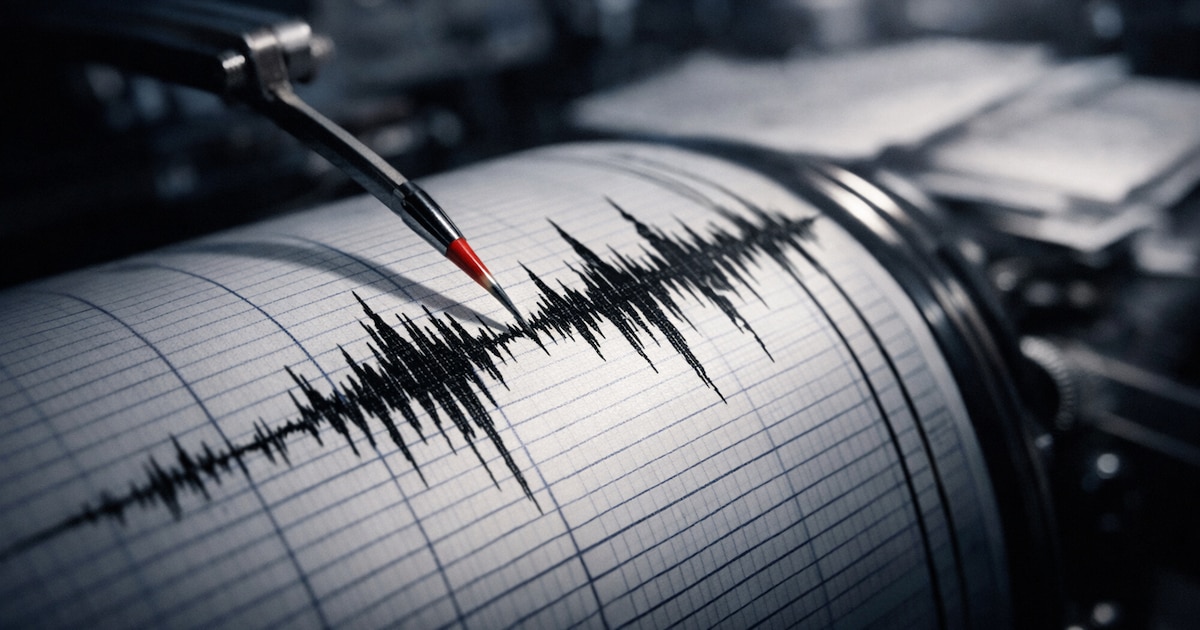
El Sistema Nacional de Monitoreo de Tsunamis (SINAMOT) confirmó este viernes 9 de octubre de 2026 que Costa Rica no enfrenta peligro de tsunami como consecuencia del fuerte terremoto registrado en Panamá, que fue percibido en territorio costarricense y generó preocupación por sus posibles efectos en las costas del Pacífico centroamericano.
La institución científica, adscrita a la Universidad Nacional de Costa Rica (UNA), emitió un comunicado oficial después de analizar la información disponible sobre el movimiento sísmico, ocurrido a las 11:56 de la mañana, hora costarricense.
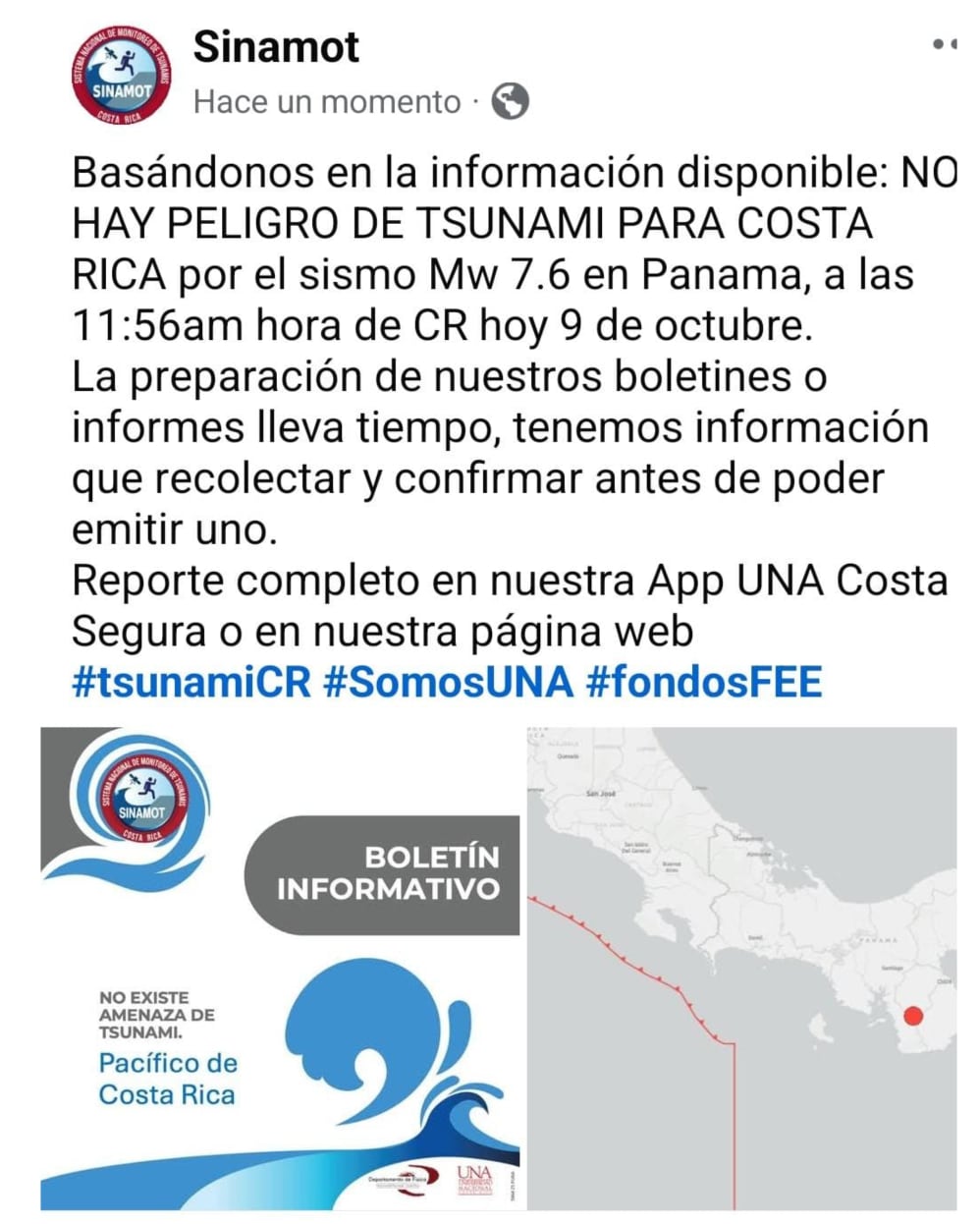
“Basándonos en la información disponible: NO HAY PELIGRO DE TSUNAMI PARA COSTA RICA por el sismo Mw 7.6 en Panamá, a las 11:56am hora de CR hoy 9 de octubre”, indicó el organismo mediante sus plataformas oficiales.
El pronunciamiento permitió aclarar la situación para las comunidades costeras después de que organismos internacionales emitieran evaluaciones de amenaza tras el movimiento de gran magnitud.
En su boletín informativo, SINAMOT reiteró que no existe amenaza de tsunami para el Pacífico de Costa Rica, por lo que el análisis técnico nacional no identificó condiciones que justificaran una advertencia de peligro por este fenómeno.
Fuerte terremoto se sintió en Costa Rica
El terremoto se originó en territorio panameño poco antes del mediodía y fue reportado como percibido en regiones de Costa Rica, principalmente en el sur del país.
La cercanía geográfica entre ambos territorios y la magnitud del fenómeno favorecieron que las ondas sísmicas pudieran propagarse a una distancia considerable del epicentro.
El Instituto de Geociencias de la Universidad de Panamá ubicó el movimiento a 39 kilómetros al noroeste de Tonosí, una localidad situada en la península de Azuero.
Según el catálogo revisado del organismo panameño, el terremoto alcanzó una magnitud de 7,2, con una profundidad aproximada de 4 kilómetros.
La Comisión Nacional de Emergencias (CNE) no reportó daños materiales o personas lesionadas en Costa Rica como consecuencia del terremoto.
¿Por qué se habló de una posible amenaza de tsunami?
La preocupación por la posibilidad de un tsunami surgió debido a la considerable magnitud del terremoto y a su localización en una región del Pacífico donde existen estructuras tectónicas capaces de producir movimientos sísmicos importantes.
Después de un terremoto de gran magnitud, los organismos internacionales especializados suelen realizar evaluaciones inmediatas para determinar si existe la posibilidad de desplazamientos significativos del agua del océano.
Estas evaluaciones consideran factores como la ubicación del epicentro, la profundidad del movimiento, el mecanismo de ruptura y las características del fondo marino.
En este caso, el Centro de Alerta de Tsunamis del Pacífico (PTWC) emitió una evaluación regional que incluyó diferentes países de Centroamérica y Sudamérica.
Entre los territorios contemplados en las estimaciones iniciales figuraban Panamá, Costa Rica, Nicaragua, Colombia, Ecuador, Perú, Guatemala, El Salvador y México.
Para Costa Rica, la conclusión de SINAMOT fue que el terremoto de este viernes no representa peligro de tsunami.
¿Qué significa la confirmación de SINAMOT para las costas costarricenses?
El boletín de la institución establece que no existe amenaza de tsunami asociada con este terremoto para el litoral Pacífico del país.
La confirmación resulta especialmente relevante para comunidades costeras de Puntarenas, Guanacaste y la Zona Sur, así como para las personas que desarrollan actividades turísticas, pesqueras y comerciales vinculadas con el océano.
También brinda información a los habitantes de destinos como Golfito, Puerto Jiménez, Quepos, Puntarenas y el Pacífico Norte, donde la vigilancia del comportamiento del mar constituye una parte importante de los protocolos de prevención.
Costa Rica registró otro sismo durante la mañana
El fuerte terremoto ocurrido en Panamá se produjo durante una jornada en la que también se registró actividad sísmica en el norte de Centroamérica.
Horas antes, a las 6:33 de la mañana, la Red Sismológica Nacional de la Universidad de Costa Rica (RSN-UCR)había informado sobre un movimiento de magnitud 4,9, localizado a 26 kilómetros al oeste de Rivas, Nicaragua.
El temblor tuvo una profundidad aproximada de 160 kilómetros y fue reportado como sentido en Guanacaste y la Zona Norte de Costa Rica.
Según los especialistas de la Universidad de Costa Rica, su origen estuvo relacionado con la deformación interna de la placa del Coco durante el proceso de subducción bajo Centroamérica.
Aunque ambos movimientos ocurrieron durante el mismo viernes, no existe información científica que permita establecer una relación directa entre ellos.
La coincidencia temporal tampoco significa que se esté produciendo una secuencia sísmica regional de mayor magnitud.
Los especialistas recuerdan que Centroamérica se encuentra sobre una región tectónicamente activa, donde la interacción de diferentes placas puede generar movimientos frecuentes.
Autoridades recomiendan mantenerse informados
Pese a que SINAMOT descartó el peligro de tsunami para Costa Rica, las autoridades de prevención recuerdan la importancia de mantener medidas básicas de preparación ante terremotos y otros fenómenos naturales.
Entre las recomendaciones generales figuran identificar zonas seguras, conocer los planes de evacuación de las comunidades costeras y utilizar fuentes oficiales para confirmar cualquier cambio en las condiciones de riesgo.
Los especialistas también insisten en evitar la difusión de mensajes alarmistas o información no verificada, especialmente después de terremotos de gran magnitud.
sismógrafo,sismología,terremoto,monitoreo sísmico,alerta sísmica
INTERNACIONAL
Massive 7.6 magnitude earthquake strikes Panama as officials investigate potential tsunami threat
NEWYou can now listen to Fox News articles!
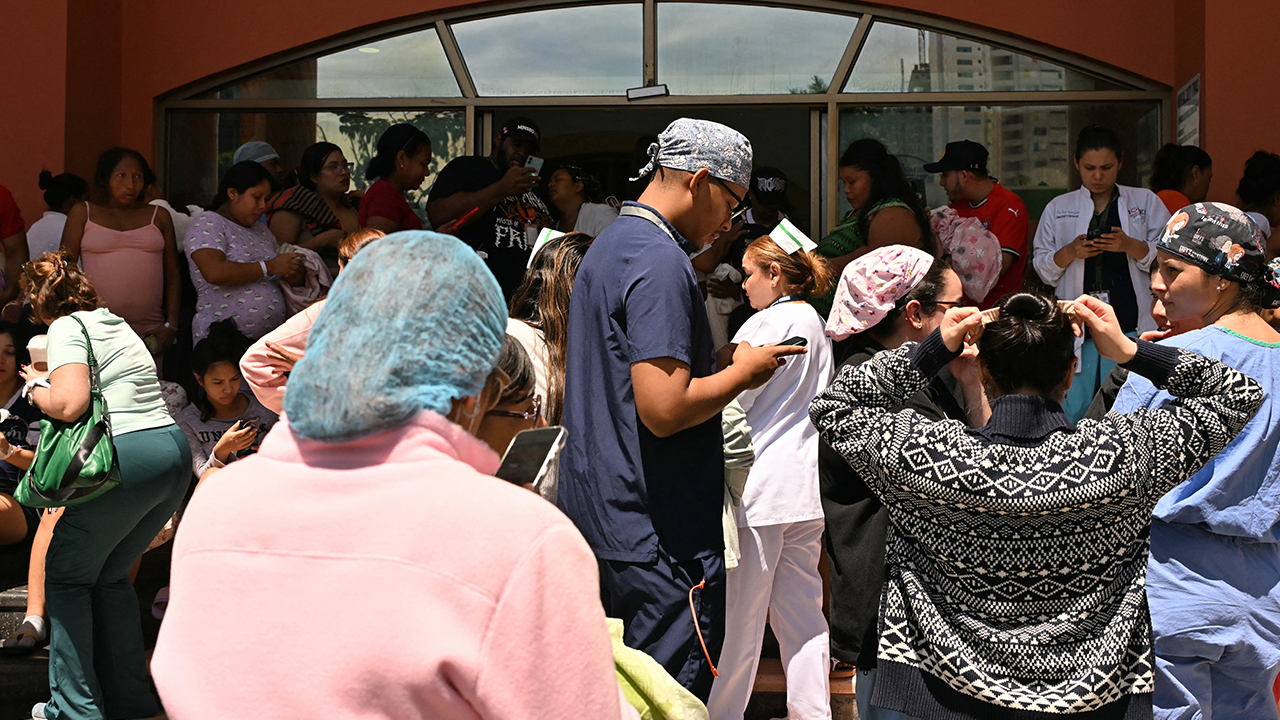
A powerful 7.6 magnitude earthquake struck off Panama’s southern coast Friday, shaking the country’s capital as officials investigated a potential tsunami threat.
The U.S. Geological Survey initially measured the earthquake at magnitude 8.0 before lowering its estimate to 7.6. The quake struck at 1:56 p.m. ET, approximately 6 miles beneath the surface, near Pitaloza Arriba, Panama.
This is a developing story; check back later for updates.
earthquakes, tsunami, world, natural disasters
INTERNACIONAL
Marco Rubio announces sweeping financial sanctions against the International Criminal Court
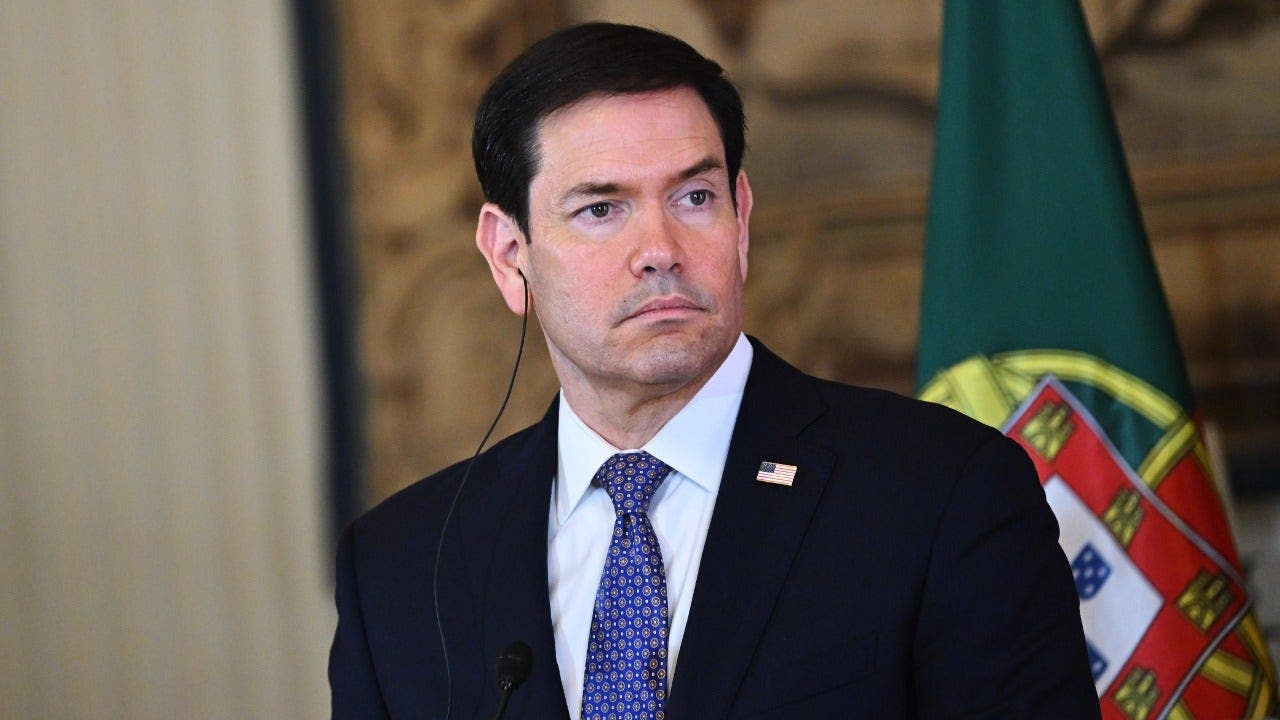
Secretary of State Marco Rubio announced Friday that the Trump administration is imposing sweeping financial sanctions on the International Criminal Court (ICC), a body the president has sought to dismantle throughout his second term.
To date, the administration has sanctioned 17 individuals with ties to the ICC, including judges and prosecutors. The latest move marks the first time the U.S. has gone after the institution itself.
«Our message is clear: The United States and the American people are not subject to the jurisdiction of this fake ICC,» Rubio said in a pre-recorded video message released Friday morning. «Both parties agree on this, but only President Trump has the resolve to take the action needed to end this threat once and for all.»
This comes hours after this year’s Nobel Peace Prize was awarded to Navanethem «Navi» Pillay, a former ICC judge.
TRUMP ADMINISTRATION SANCTIONS SITTING PRESIDENT OF THE INTERNATIONAL CRIMINAL COURT FOR ‘ABUSES OF POWER’
In a statement Friday, the Netherlands-based court strongly condemned the U.S. sanctions as «an assault on the rule of law and on the very foundations of the international legal order.»
«This measure targets an independent judicial institution, created by treaty and entrusted by 125 States Parties with investigating and prosecuting genocide, crimes against humanity, war crimes and the crime of aggression,» the ICC added.
«It is an attempt to obstruct the course of justice and to prevent the Court from doing what it was created to do.»
ICC President Tomoko Akane, who was personally sanctioned by the Trump administration in August, said the court will continue to operate despite the new penalties.
In announcing the sanctions, Rubio argued the ICC believes it has the authority to prosecute American service members operating overseas and even U.S. Border Patrol agents. There is no evidence the court has sought to investigate or prosecute Border Patrol agents, though Rubio previously raised that possibility in July.
WORLD COURT PROSECUTOR WHO WENT AFTER NETANYAHU FOR WAR CRIMES SUSPENDED OVER SEXUAL MISCONDUCT
The administration’s concerns about U.S. personnel are not entirely hypothetical. In 2017, an ICC prosecutor sought authorization to investigate alleged war crimes committed by U.S. military and intelligence personnel in Afghanistan.
ICC judges initially rejected the request, but that decision was overturned on appeal in 2020, allowing the investigation to proceed. The court’s prosecutor later de-prioritized alleged crimes involving U.S. personnel to focus on alleged crimes committed by the Taliban and ISIS-K.
Under the new sanctions, any ICC assets subject to U.S. jurisdiction will be frozen, while Americans, U.S. businesses and banks are generally barred from conducting transactions with the court.
The sanctions will not go into effect immediately. The Treasury Department has given the ICC a 180-day general license to maintain its operations, giving the court time to address U.S. concerns.
ICC TURNS ‘BLIND EYE’ TO TOP WORLD THREATS WHILE TARGETING AMERICANS, TRUMP ADMIN SAYS
«Either the ICC will end its threats, or we will end the ICC. And we expect our allies, many of whom are part of the ICC and that rely on American service members for their defense, to rein in this rogue court,» Rubio said.
«If they do not, the United States will continue its campaign to dismantle the ICC piece by piece until Americans are threatened no longer.»
One of the other major grievances the administration has with the ICC is its decision to issue arrest warrants for Israeli Prime Minister Benjamin Netanyahu and former Defense Minister Yoav Gallant in 2024.
The ICC argued both officials were responsible for war crimes and crimes against humanity against Palestinians in Gaza during Israel’s military response to the Hamas-led Oct. 7 terrorist attacks in 2023. Both men have denied wrongdoing.
In a February 2025 executive order authorizing sanctions against ICC officials, President Donald Trump called the arrest warrants «baseless» and said the court overstepped its authority since Israel was not an ICC member.
The ICC maintains that it can exercise jurisdiction over nationals of non-member states when they are accused of qualifying crimes committed on the territory of a state that has accepted the court’s jurisdiction.
sanctions, world, foreign policy, international law, politics

Tras el fallo de la Corte sobre la Ley de Tierras, el Gobierno considera que la oposición no reunirá quórum para rechazar el DNU de Milei

Cómo Japón, Corea del Sur y China impulsaron su desarrollo industrial, según Martín Lousteau

Sin la ley de tierras, la oposición insistirá con la sesión especial con otros dos proyectos incómodos para Milei

Ben Affleck (54 años), sobre Fortnite: "Creo que soy bueno y todo eso, pero luego entras y unos críos te destrozan"

La abogada de Mauro Icardi reveló si habrá boda con la China Suárez tras el divorcio de Wanda Nara

Autoridades de Costa Rica descartan amenaza de tsunami tras fuerte terremoto de magnitud 7.6 registrado en Panamá

Escándalo total en la AFA: reventa millonaria, un homenaje paupérrimo a Messi y el pedido urgente de renuncia a Chiqui Tapia

La AFA hizo negocios con un empresario israelí que se declaró culpable en su país por reportes societarios falsos

Lula prepara su estrategia para enfrentar a Flávio Bolsonaro en el balotaje y apunta a aumentar la participación electoral

Después de su prohibición, las plataformas de apuestas deportivas y los casinos en línea ya están fuera de servicio en Brasil

 DEPORTE2 días ago
Escándalo total en la AFA: reventa millonaria, un homenaje paupérrimo a Messi y el pedido urgente de renuncia a Chiqui Tapia
- DEPORTE3 días ago
El discurso completo de Leo Messi en su despedida con Argentina: ‘Hoy me toca quizás el día más triste de mi carrera’
- SOCIEDAD2 días ago
Tobey Maguire se quedaba ciego con el traje de Spider-Man y casi se desmaya durante una prueba: fabricar su disfraz fue una pesadilla