INTERNACIONAL
Dos años de condena para el mayordomo del Elíseo que robó parte de la vajilla del palacio presidencial francés



NEWYou can now listen to Fox News articles!
A Massachusetts federal judge has once again blocked the Trump administration from ending Temporary Protected Status (TPS) for Somalia, issuing a new administrative stay after plaintiffs rewrote their lawsuit around constitutional claims just days after a federal appeals court threw out similar stays terminating TPS for Ethiopia and South Sudan.
U.S. District Judge Allison Burroughs, appointed by former President Barack Obama, issued the administrative stay Friday after African Communities Together and other plaintiffs filed an amended complaint alleging the Trump administration violated the Fifth Amendment by terminating Somalia’s TPS designation based on racial and national-origin discrimination.
The plaintiffs filed an amended complaint and emergency motion on Thursday in a renewed bid to keep Somalia’s TPS protections alive after the Supreme Court’s June ruling in Mullin v. Doe sharply limited lower courts’ ability to block TPS terminations.
Burroughs’ latest order has intensified growing criticism over whether district judges are using administrative stays to work around higher court rulings. It comes just days after the U.S. Court of Appeals for the First Circuit reversed similar administrative stays issued by U.S. District Judges Brian Murphy and Patti Saris, who had temporarily delayed the Trump administration’s TPS terminations for Ethiopia and South Sudan.
LIBERAL COURT STUNS WITH RULING THAT HANDS TRUMP MAJOR IMMIGRATION WIN
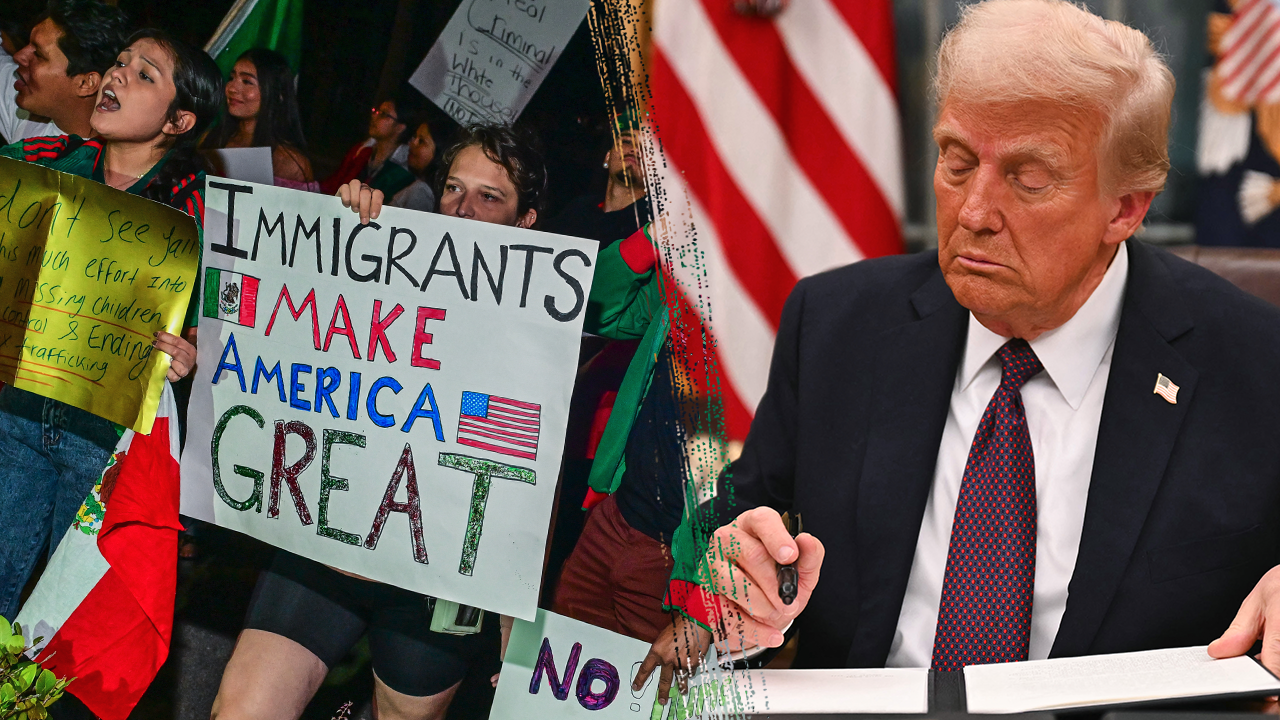
A side-by-side photo of protesters demonstrating against the Trump administration’s immigration policies, and a photo of U.S. President Donald Trump signing executive orders at the White House. The Supreme Court will hear oral arguments Thursday, May 14, in a case involving birthright citizenship in the U.S. Photos via Getty Images (Getty Images)
The First Circuit based its rulings on the Supreme Court’s Mullin decision, which ruled lower courts generally cannot block TPS terminations based on non-constitutional claims.
The latest order drew an immediate rebuke from DHS General Counsel James Percival, who accused Burroughs of continuing a pattern of judicial obstruction.
«Judge Allison Burroughs just entered yet another order preventing the termination of Somalia TPS. There is no serious debate about what is going on in these cases — defiance, obstruction, and delay,» Percival wrote on X.
Iowa Solicitor General Eric Wessan argued Burroughs’ order improperly grants emergency relief despite what he described as legally deficient claims.
«I looked at the amended complaint in the Somalia TPS case,» Wessan wrote on X. «The district judge has entered a novel ‘administrative stay’ to sort out the claims. She has declared the TPS termination ‘void’ for now, while deciding whether any of the claims can justify a more permanent pause.»
DHS EVISCERATES MEDIA FOR ‘ABSOLUTE ABSURDITY’ OVER CONCERN ABOUT ‘WORST OF THE WORST’ ACTIVIST JUDGES LIST
Wessan argued that the order «turns the law upside down,» writing that four of the lawsuit’s five claims are foreclosed by the Supreme Court’s decision in Mullin and describing the remaining claim as «frivolous.»
«Even if this was a fresh lawsuit without the baggage, the claims cannot justify any relief– much less meet the high bar for interim relief,» Wessan wrote. «This is very bad. I hope that, with time to review, Judge Burroughs vacates her administrative stay to allow the correct status quo to continue.»
The plaintiffs contend, however, that their amended complaint presents a fundamentally different case than those recently rejected by the First Circuit.
BIDEN JUDGE BLOCKING ETHIOPIAN DEPORTATIONS DESPITE SCOTUS RULING CLASHED WITH ICE BEFORE
The amended lawsuit argues the Department of Homeland Security’s decision to revoke Somalia’s TPS designation was predetermined, pointing to President Donald Trump’s November 2025 Truth Social post announcing the end of TPS months before DHS had completed the review process. Plaintiffs argue that deprived Somali TPS holders of the fair process guaranteed by the Fifth Amendment’s Due Process Clause because the decision had effectively already been made before the agency completed the review required by law.
The complaint also alleges the administration violated the Fifth Amendment’s Equal Protection guarantee by targeting Somali nationals based on race and national origin. It cites Trump’s past remarks describing Somali immigrants as «criminals,» «gang members,» and «low IQ,» as well as his statements that he doesn’t «want them in our country» and to «send them back.»

President Donald Trump announcing the establishing of the first ever self-deportation program which incentivizes illegal migrants to voluntarily leave the country. (@realDonaldTrump via Truth Social)
«These statements evince the Administration’s racist and xenophobic motivations to exclude Somali people from the country. At the same time, the Administration has expressed preferences for white immigrants as ‘nice’ and welcome in the U.S. and created protections for white Afrikaner refugees from South Africa,» the plaintiffs wrote.
Burroughs has presided over the Somalia TPS litigation since earlier this year. On March 13, she initially entered an administrative stay preventing the Somalia TPS termination from taking effect while the litigation proceeded.
Fox News Digital reached out to African Communities Together for comment.
refugees, judiciary, human rights, federal courts, homeland security
INTERNACIONAL
El Colegio de Abogados de Guatemala expresa preocupación por la violencia tras el desalojo de Juana Santiago Chel, en Nebaj

El Colegio de Abogados y Notarios de Guatemala expresó este sábado su preocupación por la violencia desatada tras el desalojo judicial de Juana Santiago Chel en Santa María Nebaj, Quiché, un operativo ejecutado el 30 de julio que derivó en el incendio de la vivienda de la jueza que emitió la orden y en la apertura de una investigación penal por parte del Ministerio Público.
El caso se originó en una disputa familiar por un inmueble. Uno de los hijos de Santiago Chel promovió el proceso que concluyó con la orden de desocupación, y la ejecución de esa resolución provocó una reacción violenta entre pobladores de la comunidad.
Según reportes de medios locales, los habitantes incendiaron la vivienda de la jueza responsable de la orden. También fue detenido un vecino que intentó auxiliar a la adulta mayor, un hecho que elevó la tensión en el municipio.
El Ministerio Público aclaró que no participó en la planificación ni en la ejecución del operativo, pero confirmó que abrió pesquisas al conocer posibles acciones delictivas vinculadas al procedimiento. La investigación incluye tanto lo ocurrido durante el desalojo como los hechos posteriores en la comunidad, entre ellos los eventos en los que se vio involucrada Santiago Chel y cualquier otra conducta que pueda derivar en responsabilidades penales.

En el Comunicado No. 15/2026, fechado el 1 de agosto de 2026, el Colegio de Abogados y Notarios de Guatemala manifestó solidaridad con las personas, familias, profesionales, autoridades y comunidades afectadas en su integridad, seguridad, patrimonio o tranquilidad. La institución rechazó el uso excesivo de la fuerza en el cumplimiento de órdenes judiciales relacionadas con desalojos y sostuvo que en esos procedimientos debe prevalecer el respeto al debido proceso, los derechos humanos y la dignidad de todas las personas involucradas.
El documento advirtió que ningún profesional, funcionario, autoridad comunitaria o ciudadano debe ser objeto de amenazas, intimidaciones, agresiones o represalias por el ejercicio legítimo de sus funciones o derechos. También remarcó que cualquier inconformidad con una resolución judicial debe canalizarse por los mecanismos legales correspondientes.
“La violencia, las agresiones y la destrucción de bienes no constituyen medios legítimos para resolver controversias”, señaló el comunicado. El colegio pidió a las autoridades competentes investigar los hechos de manera pronta, objetiva, imparcial y transparente, sin prejuzgar ni estigmatizar a personas o comunidades, con garantía de presunción de inocencia y derecho de defensa.
La entidad también exhortó a instituciones públicas, autoridades indígenas, autoridades locales y organizaciones comunitarias a fortalecer el diálogo y los mecanismos pacíficos de resolución de conflictos. El llamado incluyó promover una relación respetuosa entre la jurisdicción ordinaria, las formas propias de organización comunitaria y el marco constitucional vigente.

El abogado Gabriel Guzmán Matón, defensor de Santiago Chel, informó a Infobae que presentó acciones legales contra la Policía Nacional Civil, la Procuraduría de los Derechos Humanos y la jueza de Primera Instancia que autorizó el desalojo. El jurista identificó a la funcionaria como Ada Madaí López Morales, jueza pluripersonal de Primera Instancia Civil.
Guzmán Matón señaló que las principales denuncias contra la jueza son por prevaricato, resoluciones contrarias a la Constitución, abuso de autoridad e incumplimiento de deberes. También afirmó: “Ella jamás se presentó a ninguno de los lanzamientos en contra de mi clienta”.
El abogado sostuvo además que esta era la séptima ocasión en que Santiago Chel iba a ser desalojada de su vivienda. En las ocasiones anteriores, agregó, la mujer había logrado frenar el procedimiento mediante acciones legales.
En otra parte del caso, el texto señala que la jornada en Santa María Nebaj cambió de forma abrupta cuando las fuerzas de seguridad ejecutaron la orden judicial de desocupación en la casa de la adulta mayor, a quien el mismo material identifica en un tramo como de 72 años y en otro como de 77 años. La orden, según vecinos y autoridades locales citados en el relato, fue tramitada por su hijo Pedro Santiago López.
Las imágenes y transmisiones en vivo de medios locales mostraron que el operativo estuvo marcado por el uso de fuerza que dejó las pertenencias de la mujer en la calle. En esos registros también se observa cómo la hija de la anciana fue cargada por agentes de la Policía Nacional Civil cuando opuso resistencia al desalojo.
Guatemala,Desalojo,Violento,Nebaj,Quiché,PNC,Indignación,Ministro de gobernación,Marco Antonio Villeda,Juana Santiago Chel
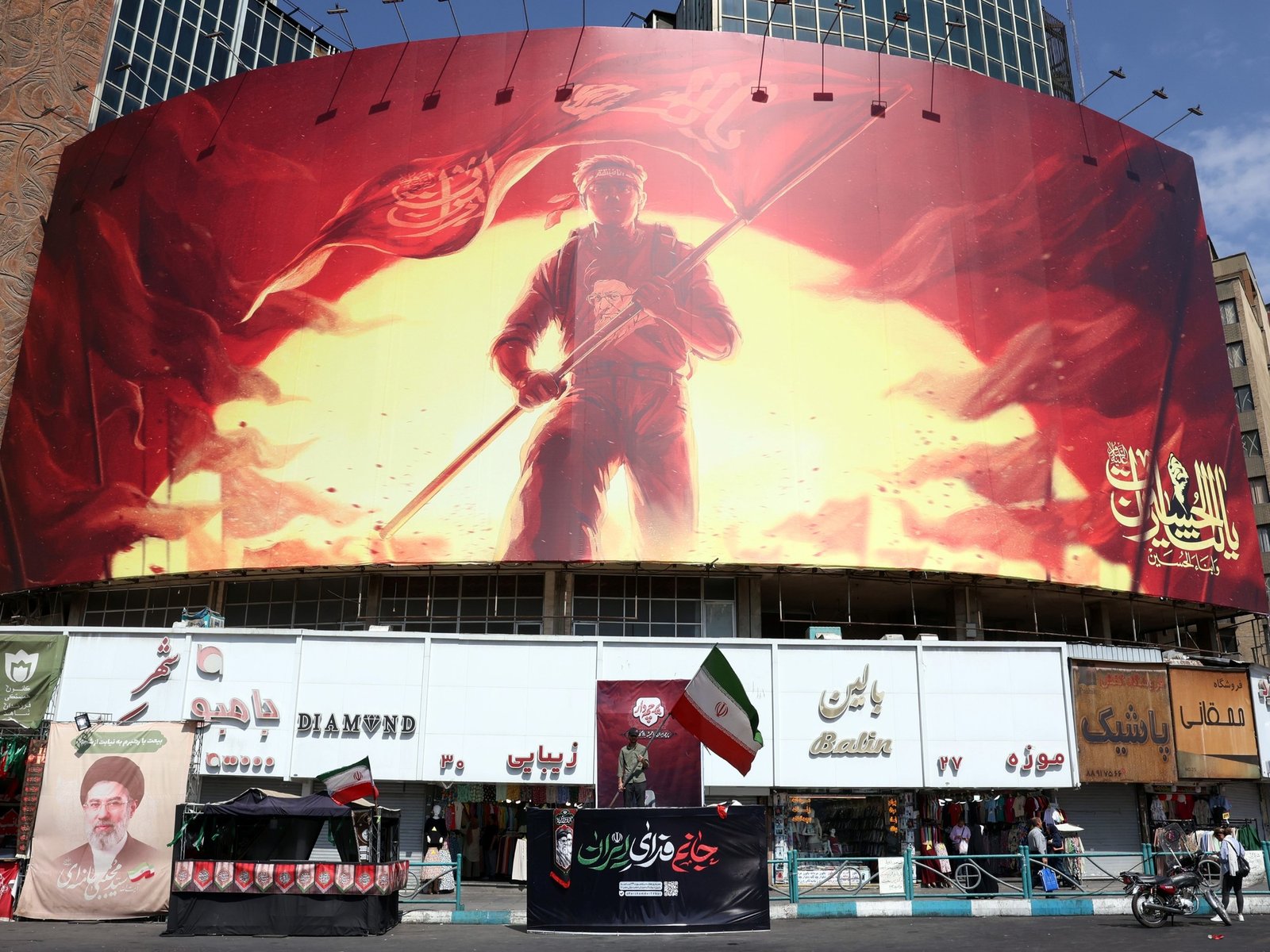
El presidente estadounidense Donald Trump amenazó con más ataques contra Irán en un momento en que Washington presiona para que se reabra el estrecho de Ormuz.
Kuwait afirmó horas después el sábado que respondió a una nueva ronda de ataques con drones procedentes de Irán, y un petrolero fue impactado en la estratégica vía marítima.
En declaraciones a reporteros durante una reunión con miembros de su gobierno en el retiro presidencial de Camp David, en Maryland, Trump dijo el viernes que “sólo queremos ganar” en Irán y dio a entender que esperaba que las medidas militares del Pentágono continúen por algún tiempo.
Afirmó que Estados Unidos golpeará a la República Islámica “muy duro” hasta que ya no puedan más.
Más tarde, la secretaria de prensa de la Casa Blanca, Karoline Leavitt, volvió a manifestar la frustración del gobierno estadounidense, acusando a Teherán de haber firmado un memorando de entendimiento con Washington para una tregua el mes pasado, que rápidamente “incumplió, disparando contra barcos comerciales y matando a soldados estadounidenses”.
“El presidente Trump no se va a quedar de brazos cruzados y permitir que se produzca este comportamiento terrorista”, apuntó Leavitt en un comunicado el viernes por la noche. “Irán seguirá pagando hasta que se sienten a la mesa de una forma que el Trump considere significativa”.
El sábado, el Departamento de Estado de Estados Unidos emitió nuevas alertas de seguridad para que los estadounidenses en 10 países de la región extremen las precauciones debido al aumento de las tensiones con Irán.
Las advertencias -que abarcan Bahréin, Israel, Irak, Jordania, Kuwait, Líbano, Omán, Qatar, Arabia Saudita y Emiratos Árabes Unidos- instaron a los ciudadanos estadounidenses a prepararse ante la posibilidad de cancelaciones de vuelos, cierres temporales del espacio aéreo y otras interrupciones de viaje.
El ejército de Kuwait informó el sábado que sus fuerzas estaban respondiendo a ataques con drones, que formaban parte de la campaña de agresión de Irán al país.
En un comunicado, el mayor general Saud Abdulaziz Al-Otaibi, portavoz del Ministerio de Defensa kuwaití, indicó que los aviones no tripulados impactaron “varias instalaciones vitales”, incluida una estructura gubernamental en el norte del país. Añadió que no hubo víctimas.
La Marina británica señaló el sábado que un petrolero fue alcanzado y que hubo otra explosión cerca de otra embarcación en el estrecho de Ormuz, frente a la costa de Omán. No se reportaron víctimas en ninguno de los incidentes, agregó. La Agencia de Operaciones de Comercio Marítimo (UKMTO, por sus siglas en inglés), que depende del ejército británico, explicó que un proyectil de origen desconocido impactó el viernes en el buque a 11 millas náuticas al noreste de Lima, Omán. El ataque dañó la sala de máquinas de la embarcación.
Según la agencia, el sábado se reportó y una explosión cerca de otro petrolero que navegaba a 21 millas náuticas al noroeste de la ciudad de Khasab.
Irán ha atacado repetidamente a buques que intentan transitar por el estrecho de Ormuz sin su autorización como parte de su conflicto en curso con Estados Unidos.
Los hutíes obligaron a ocho barcos saudíes a desviar su ruta desde el estrecho de Bab el-Mandeb después que los rebeldes respaldados por Irán anunciaran un bloqueo a la navegación saudí en ese punto. El general de brigada Yahya Saree, portavoz militar de los hutíes, indicó en un comunicado el viernes que las embarcaciones cambiaron de rumbo hacia el cabo de Buena Esperanza, rodeando África, para evitar el bloqueo.
En el sur de Líbano, fuerzas israelíes provocaron explosiones el viernes para destruir una red de túneles subterráneos bajo el castillo de Beaufort, construido por los cruzados, que Israel afirma que había sido utilizada por miembros del grupo político-paramilitar Hezbollah como centro de mando. El castillo del siglo XII, también conocido como Al-Shaqif, fue tomado por fuerzas israelíes en mayo. Recientemente fue añadido a la Lista del Patrimonio Mundial de la UNESCO pese a las objeciones de Israel.

Trump immigration agenda faces setback as Obama-appointed judge issues fresh TPS stay

Daniel Grinbank comparó la campaña contra Rosalía con la que sufrió Guns N’ Roses en su primera visita al país: “El mismo mecanismo”

Un motor central de la economía también opera “a dos velocidades” y condiciona la reactivación del consumo

El Colegio de Abogados de Guatemala expresa preocupación por la violencia tras el desalojo de Juana Santiago Chel, en Nebaj

Racing recibe a Tigre por la tercera fecha del Torneo Clausura: hora, TV y formaciones

Confirmado, Boca Juniors jugará en el Ducó ¿Cuántas veces jugó ahí de local y cómo le fue?

World-famous Catholic shrine torched, ‘Devil in a skirt’ scrawled on Virgin Mary statue

Cuánto cuesta vivir solo en Argentina y qué sueldo necesita un joven para independizarse

El Banco Central no compró dólares este martes y rompió una racha de 135 días consecutivos en los que había sumado reservas

La llave de la Copa Sudamericana 2026: Tigre avanzó de ronda

 INTERNACIONAL3 días ago
Trump admin invokes 30-year dormant terror court as it seeks to deport Afghan woman tied to Election Day plot
- INTERNACIONAL2 días ago
Dem senator swipes credit for bill he opposed amid heated reelection bid: ‘Disturbing pattern’
- ECONOMIA3 días ago
Cuánto cobran los trabajadores de la construcción de UOCRA en julio 2026