INTERNACIONAL
Libertad de prensa en Panamá enfrenta presiones legales y económicas, advierte la SIP

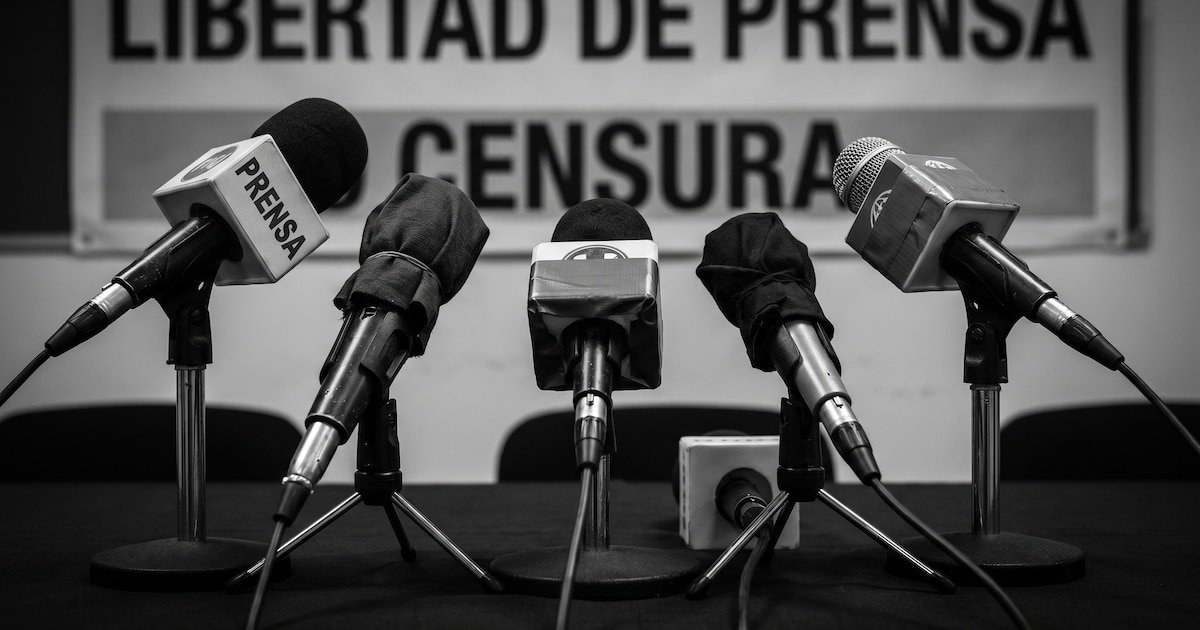
El ejercicio del periodismo en Panamá enfrenta presiones persistentes en los ámbitos judicial, político y económico, según el informe presentado durante la Reunión de Medio Año de la Sociedad Interamericana de Prensa (SIP), realizada el 23 y 24 de abril de 2026.
El documento advierte que, aunque no se registran agresiones físicas graves contra periodistas, se mantienen mecanismos indirectos que afectan la libertad de prensa y generan preocupación sobre el respeto a este derecho fundamental.
Uno de los principales desafíos identificados es el uso de demandas civiles y penales como herramienta de presión contra periodistas y medios, en un marco legal que permite incluso el secuestro de bienes desde etapas iniciales del proceso, sin que necesariamente existan pruebas concluyentes.
Este tipo de acciones no solo incrementa los costos operativos de los medios, sino que también afecta su sostenibilidad y limita la cobertura de temas sensibles, al generar un entorno de riesgo jurídico constante.
Hay medios en el país que enfrentan múltiples procesos judiciales y costos legales millonarios, con demandas que superan los $5millones en primera instancia y otras que han derivado en pagos significativos. A esto se suma el mantenimiento de fondos restringidos por más de $1.2 millones, lo que refleja cómo el sistema judicial puede convertirse en un factor de presión económica directa sobre los medios.

A nivel político, también se identifican tensiones relevantes. La asignación de publicidad oficial como mecanismo de presión ha sido denunciada por diversos actores del sector, señalando que la restricción o retiro de pautas estatales puede influir en las líneas editoriales. Este tipo de prácticas, aunque no constituyen censura directa, generan incentivos para moderar contenidos críticos, afectando la independencia informativa.
El ámbito judicial presenta además precedentes que preocupan a los gremios periodísticos. Hay casos donde periodistas han recibido una orden que le prohibía informar sobre determinados temas durante meses, evidencian la vulnerabilidad del ejercicio periodístico frente a decisiones judiciales que pueden limitar la cobertura de asuntos de interés público, incluso cuando posteriormente sean revocadas.
Otro foco de presión proviene de actores vinculados a investigaciones o figuras públicas, quienes han recurrido a amenazas de demandas, solicitudes de eliminación de contenido y argumentos como un supuesto “derecho al olvido”, inexistente en la legislación local.
En algunos casos, incluso se han detectado ofrecimientos económicos para retirar publicaciones, lo que evidencia una combinación de presión, desinformación jurídica e intentos de censura encubierta.

En el plano legislativo, iniciativas como la reforma al derecho a réplica han generado preocupación por su potencial impacto. La propuesta plantea obligaciones más estrictas para los medios, incluyendo la publicación de réplicas con igual prominencia, lo que podría traducirse en mayores cargas legales, administrativas y exposición a sanciones, reduciendo la capacidad de decisión editorial y ampliando los mecanismos de presión sobre el periodismo.
A esto se suma un entorno de limitaciones en el acceso a la información pública, donde funcionarios evitan responder o utilizan normativas de protección de datos para negar información que debería ser accesible.
La falta de avances en materia de transparencia refuerza un escenario en el que el periodismo enfrenta obstáculos estructurales para cumplir su función de fiscalización.
En el entorno digital, aunque el acoso ha disminuido en términos generales, persisten campañas de desprestigio coordinadas en redes sociales, junto con la proliferación de plataformas de origen incierto que amplifican ataques contra periodistas.
Este fenómeno dificulta la trazabilidad de las agresiones y contribuye a un clima de desinformación y desgaste reputacional para los medios tradicionales, indica la SIP.

Frente a este panorama, los expertos coinciden en que reformar el marco legal para evitar abusos en demandas, garantizar reglas claras sobre el uso de la publicidad estatal, fortalecer la transparencia institucional y proteger el ejercicio periodístico frente a decisiones judiciales desproporcionadas son pasos clave para reducir las amenazas.
Aunque Panamá mantiene condiciones básicas para la prensa, el desafío está en cerrar los espacios de presión indirecta que hoy afectan la libertad informativa y, en consecuencia, el derecho ciudadano a estar informado.
libertad de prensa,censura,periodismo,micrófonos,libertad de expresión,medios de comunicación,información,noticias,democracia,amenaza











INTERNACIONAL
Trump calls likely DC mayor Janeese Lewis George a ‘communist’ and vows to block her agenda
Democratic socialist pushes agenda in Washington, DC
Janese Lewis George, a prominent Democratic Socialist, is poised to become Washington D.C.’s next mayor, advocating for a far-left policy agenda. Her platform includes ending police cooperation with ICE, opposing youth curfews, implementing free buses, and promoting universal childcare. President Trump expressed concerns, while Senator Tim Kaine warns against federal intervention in the city.
NEWYou can now listen to Fox News articles!
President Donald Trump on Sunday called Washington, D.C., council member Janeese Lewis George a «communist» and vowed to block policies he said would undermine public safety and reverse his administration’s efforts to reduce crime in the nation’s capital.
In a lengthy post on Truth Social, Trump said he plans to meet with Lewis George and argued Washington has become safer under his administration. He also pledged to oppose any agenda he said would weaken immigration enforcement, policing or the city’s criminal justice system.
«Janeese Lewis George, the Communist who is almost certainly going to be elected Mayor of Washington, D.C., has stated that she wants to empty the prisons, make D.C. a Sanctuary City, oppose ICE, welcome Criminal Illegal Aliens back into our beloved Capital, resist Anti-Crime Crackdowns, Defund the Police, continue and expand Cashless Bail, and so many other Capital destroying ‘things,’» the president wrote on Truth Social.
SOCIALIST POISED TO LEAD DC AFTER DEM PRIMARY VICTORY, SETTING STAGE FOR CLASHES WITH TRUMP
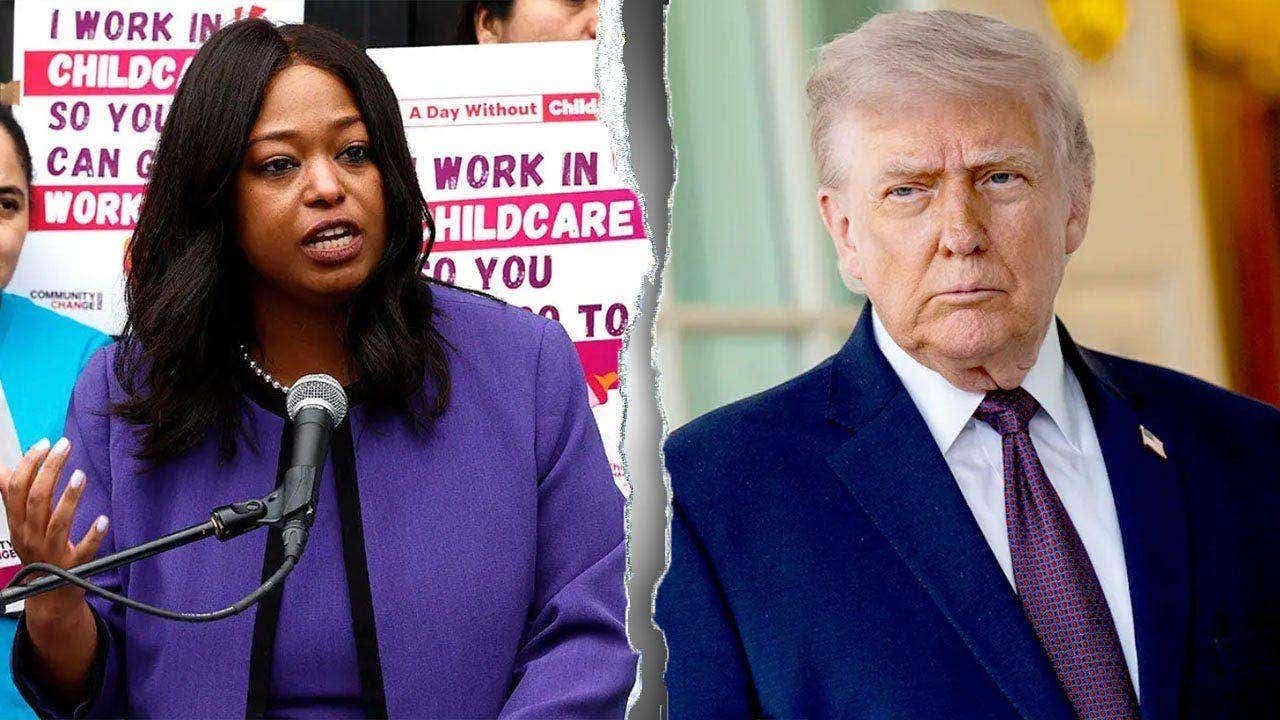
President Donald Trump and D.C. Council member Janeese Lewis George are shown in a split image. Trump criticized Lewis George in a Truth Social post over her policies and her bid to become Washington’s next mayor. (Paul Morigi/Getty Images for SPACEs in Action; Salwan Georges/Bloomberg via Getty Images)
«In the end, it will never work out, nor will I let it even have a chance because I have worked too hard to make Washington, D.C., the Envy of the World, with almost No Crime, and a Beautification process that has been second to none,» Trump continued. «I will meet with Janeese Lewis George, but must forewarn everyone that Washington, D.C., is again a Safe and Prestigious Community.
«Many people, including myself, have worked long and hard to get it there, and we will not let it be destroyed by a Communist adherent who has no intention to, MAKE WASHINGTON GREAT AGAIN!» he added.
Lewis George, a self-described Democratic socialist and member of the District of Columbia Council, defeated Kenyan McDuffie and five other candidates in the Democratic mayoral primary earlier this month, positioning her to succeed Mayor Muriel Bowser in a city where Democrats overwhelmingly dominate general elections.
SOCIALIST POISED TO LEAD DC AFTER DEM PRIMARY VICTORY, SETTING STAGE FOR CLASHES WITH TRUMP
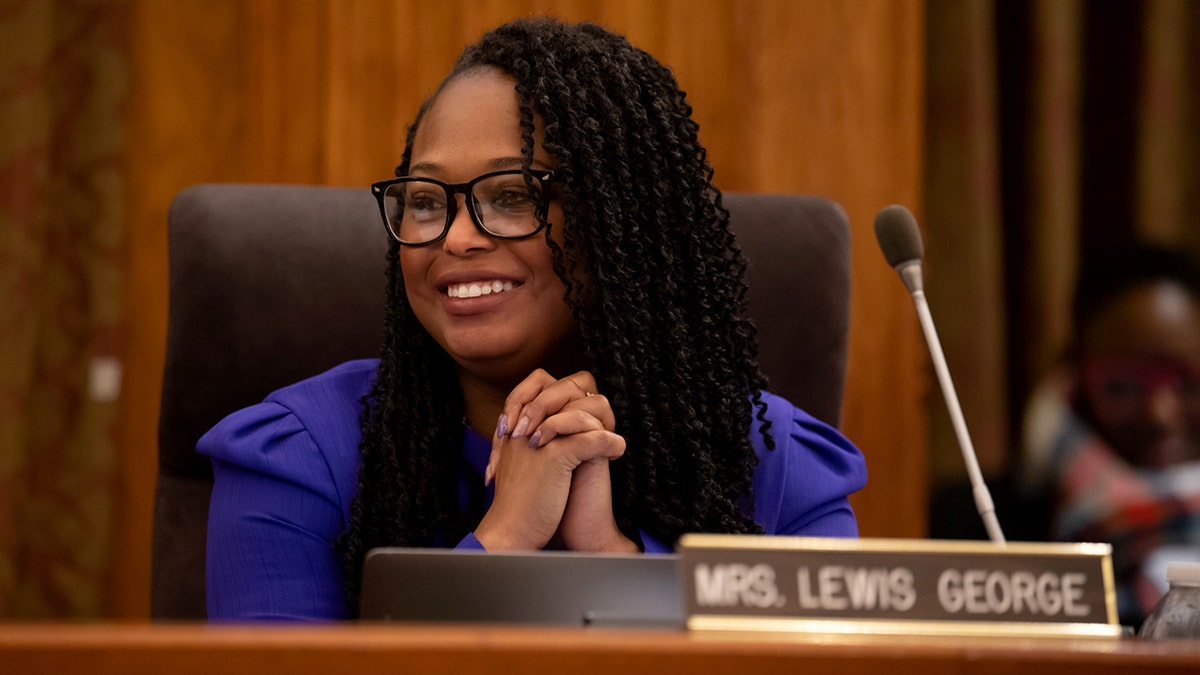
Councilmember Janeese Lewis George (D-Ward 4) is seen during a city council meeting in Washington, DC on February 7, 2023 (Craig Hudson for The Washington Post via Getty Images)
Her primary victory sets the stage for a likely clash with Trump, who has made reducing crime in Washington and reshaping the nation’s capital a central focus of his second term. The president has maintained a National Guard presence in the city and has repeatedly threatened to end the District’s home rule if he believes local leaders fail to keep crime under control.
Lewis George has sharply criticized Trump’s deployment of the National Guard and expanded federal law enforcement presence in Washington. Following the president’s decision to deploy the Guard last year, she called the move «a direct attack» on the city’s residents and accused Trump of weaponizing the Home Rule Act.
During the mayoral campaign, Lewis George argued that «federal troops» and «masked ICE agents» posed a greater threat to young Washington residents than juvenile crime and opposed relying on curfews and federal enforcement, instead advocating expanded youth programs and other community investments.
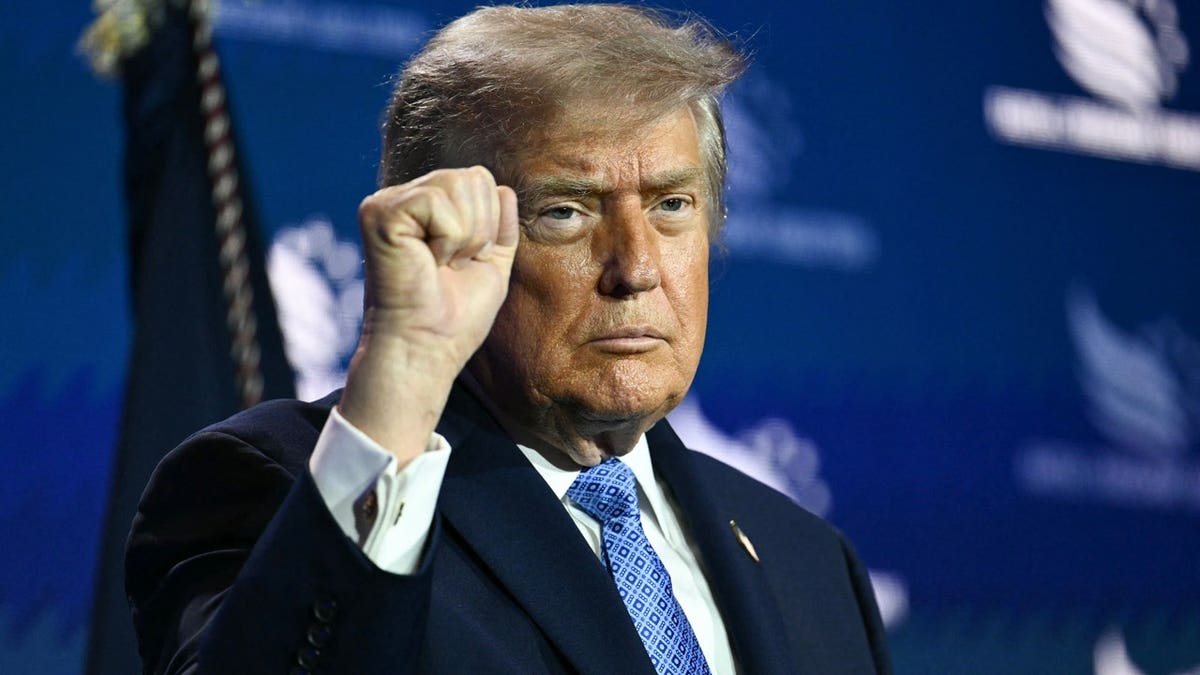
President Donald Trump pumps his fist after speaking at the Faith & Freedom Coalition’s 2026 Policy Conference at the Washington Hilton in Washington, DC, on June 26, 2026. (Kent NISHIMURA / AFP via Getty Images)
SOCIALIST POISED TO LEAD DC AFTER DEM PRIMARY VICTORY, SETTING STAGE FOR CLASHES WITH TRUMP
Trump has previously suggested he would consider placing Washington under greater federal control if Lewis George were elected mayor.
CLICK HERE TO DOWNLOAD THE FOX NEWS APP
«I wouldn’t like it — and maybe we take back Washington, run it on the federal basis,» Trump told reporters earlier this month. «We won’t put up with it. We’re not going to lose our businesses.»
Fox News Digital’s Peter D’Abrosca contributed to this report.
politics, donald trump, washington dc, blue city crime
INTERNACIONAL
Delcy Rodríguez habilitó una comisión para inspeccionar las viviendas afectadas por los terremotos en Venezuela
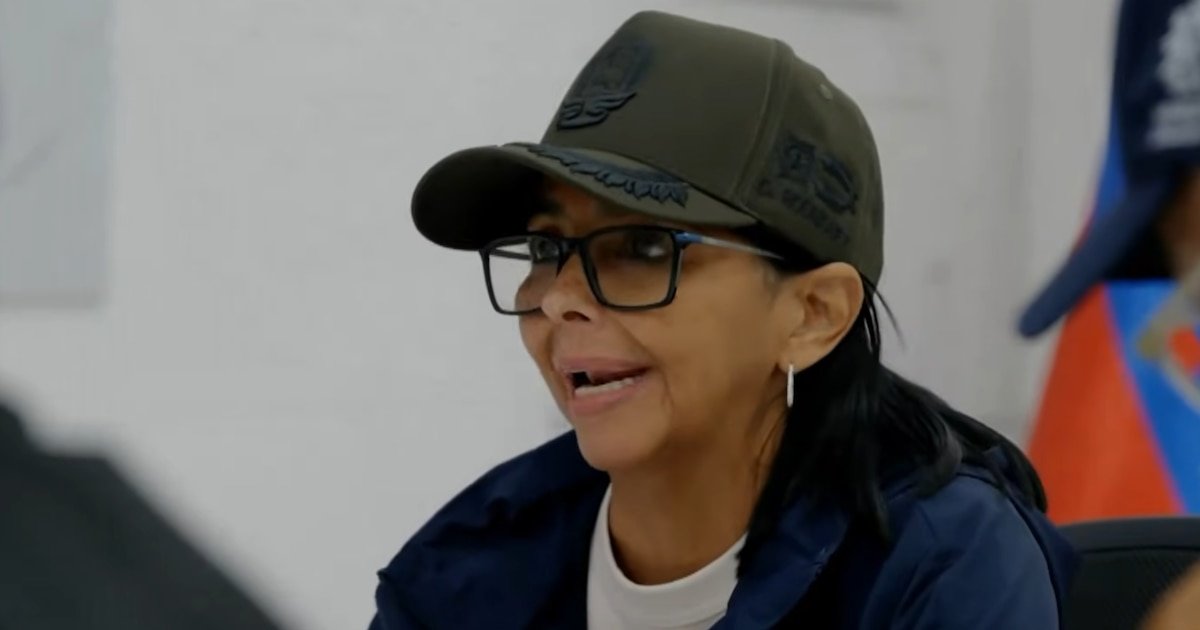
La jefa del régimen chavista, Delcy Rodríguez, anunció este domingo la creación de una comisión que tendrá la misión de inspeccionar las viviendas afectadas por los terremotos del pasado miércoles y determinar cuáles reúnen las condiciones necesarias para volver a ser habitadas.
Rodríguez explicó que el grupo estará integrado por organismos públicos, especialistas en ingeniería y universidades, y que su trabajo será clave para definir el futuro inmediato de miles de familias que permanecen fuera de sus hogares tras el desastre.
Durante una transmisión por el canal de propaganda Venezolana de Televisión (VTV), la designada del chavismo informó que el equipo comenzará de inmediato la evaluación de casas, edificios y otras infraestructuras dañadas por los sismos. El objetivo es establecer el nivel de riesgo de cada inmueble mediante un sistema de clasificación inspirado en un semáforo.
Explicó que las edificaciones serán identificadas con los colores verde, amarillo o rojo, de acuerdo con el estado de su estructura. Esa clasificación permitirá establecer si una vivienda puede seguir siendo utilizada, si requiere reparaciones antes de ser ocupada o si representa un peligro para sus habitantes.
“La comisión presidencial está ya trabajando para verificar las condiciones de habitabilidad, si las personas pueden ya regresar a sus hogares”, afirmó Rodríguez durante su intervención.

Además de las viviendas, la comisión revisará carreteras, puentes y otras obras de infraestructura que pudieron haber sufrido daños como consecuencia de los movimientos telúricos. Según indicó, la participación de colegios de ingenieros y universidades busca aportar evaluaciones técnicas independientes para agilizar el diagnóstico de las zonas afectadas.
Como parte de las medidas anunciadas, Rodríguez confirmó la prórroga de la suspensión de clases por una semana adicional mientras continúan las inspecciones en escuelas y edificios públicos. La decisión busca reducir riesgos hasta contar con un panorama más claro sobre el estado de las instalaciones educativas.
Rodríguez también informó la conformación de una segunda instancia encargada de atender a quienes perdieron sus viviendas. Ese grupo tendrá la responsabilidad de organizar campamentos temporales para los damnificados y preparar proyectos de construcción de nuevos inmuebles destinados a las familias que no puedan regresar a sus hogares.
Esa comisión estará presidida por Jorge Rodríguez, titular del Parlamento, e incluirá representantes del Ministerio de Hábitat y Vivienda, además de autoridades nacionales, regionales y municipales de Caracas y de los estados La Guaira, Aragua, Miranda, Carabobo y Falcón, las entidades con mayores afectaciones tras los terremotos.

La jefa del chavismo también presentó un balance de la recuperación de los servicios públicos en La Guaira, el estado más golpeado por los derrumbes. Según las cifras oficiales, el suministro eléctrico ya fue restablecido en un 75 %, mientras que el servicio de agua potable alcanza una recuperación del 68 %. Asimismo, aseguró que cerca del 90 % de la red vial ya se encuentra nuevamente operativa.
En relación con las tareas de emergencia, afirmó que continúan los operativos de búsqueda y rescate.
“Se han recuperado personas con vida”, sostuvo, al remarcar que las labores no serán suspendidas mientras exista la posibilidad de hallar sobrevivientes entre los escombros.
El balance oficial difundido este domingo señala que 33 personas han sido rescatadas con vida desde el inicio de la emergencia. Las autoridades mantienen desplegados equipos nacionales e internacionales especializados en búsqueda urbana, concentrados principalmente en el estado La Guaira.
Las cifras del oficialismo elevan a 1.450 el número de fallecidos y a 3.150 la cantidad de heridos por los terremotos de magnitudes 7,2 y 7,5 registrados el miércoles. Además, 12.721 familias permanecen damnificadas.

Mientras el régimen chavista anunciaba nuevas medidas, en las zonas más afectadas aumentó el malestar de vecinos y voluntarios por el ritmo de las tareas de rescate. En Tanaguarena, estado La Guaira, un grupo de pobladores reclamó a militares que dejaran de permanecer como fuerza de vigilancia y se incorporaran a la remoción de escombros.
“El país necesita de ustedes. Baja tu arma, baja los plomos”, gritó uno de los manifestantes a los uniformados, mientras decenas de personas intentaban localizar víctimas en un edificio colapsado.
Alexander Mijares, un comerciante que participaba como voluntario en la búsqueda de una amiga desaparecida, cuestionó que los militares hubieran llegado armados en lugar de hacerlo con herramientas para colaborar en las tareas de rescate.
“¿Por qué los trajeron con fusil y con armas? ¿Dónde está la guerra?”, expresó.

Tras los reclamos de vecinos y rescatistas, los militares tomaron picos y palas y comenzaron a colaborar en la remoción de escombros, en una escena que reflejó la creciente exigencia de las comunidades afectadas para acelerar las operaciones de búsqueda y recuperación de víctimas.
Accidents,Disasters,Natural Catastrophes,Disasters / Accidents,South America / Central America
INTERNACIONAL
Shipping giant warns Strait of Hormuz chaos is ‘new normal’ as Tehran shifts 4M barrels
Ceasefire between US and Iran being tested
Fox News anchor Shannon Bream covers the escalating conflict in the Middle East as Trey Yingst reports from Tel Aviv. The U.S. carried out strikes against Iranian missile and drone storage locations after Iran targeted shipping in the Strait of Hormuz. Additionally, Iran launched drones toward Kuwait and Bahrain, while Israel conducted strikes against Hezbollah in Lebanon. These events coincide with a diplomatic framework agreement between Israel and Lebanon.
NEWYou can now listen to Fox News articles!
A «new normal» of heightened risk and uncertain regulation is impacting the Strait of Hormuz, shipping firm Hapag-Lloyd warned Sunday, as military strikes escalated and conflicting routing directives plunged the waterway into operational chaos.
The remarks from the German shipping giant also came as Tehran «simultaneously» began moving millions of barrels of crude oil from Kharg Island for the first time in days, according to maritime intelligence firm Windward AI.
«At Kharg, the T-Jetty and Western Terminal loaded simultaneously for the first time in days; the East Waiting Area holds 28 tankers, 27 dark, signaling the Iranian crude export cycle restarting,» Windward AI said in a post on X.
The outbound cargo consists of an estimated 4.12 million barrels of wet cargo, including crude oil and other liquid hydrocarbons. Of that total, about 3.91 million barrels are crude oil, analytics firm Vortexa said.
GULF SHIPPING OPERATIONS GRIND TO HALT NEAR IRAN, US QUIETLY PREPARES FOR POSSIBLE STRIKE: ‘HEIGHTENED RISK’
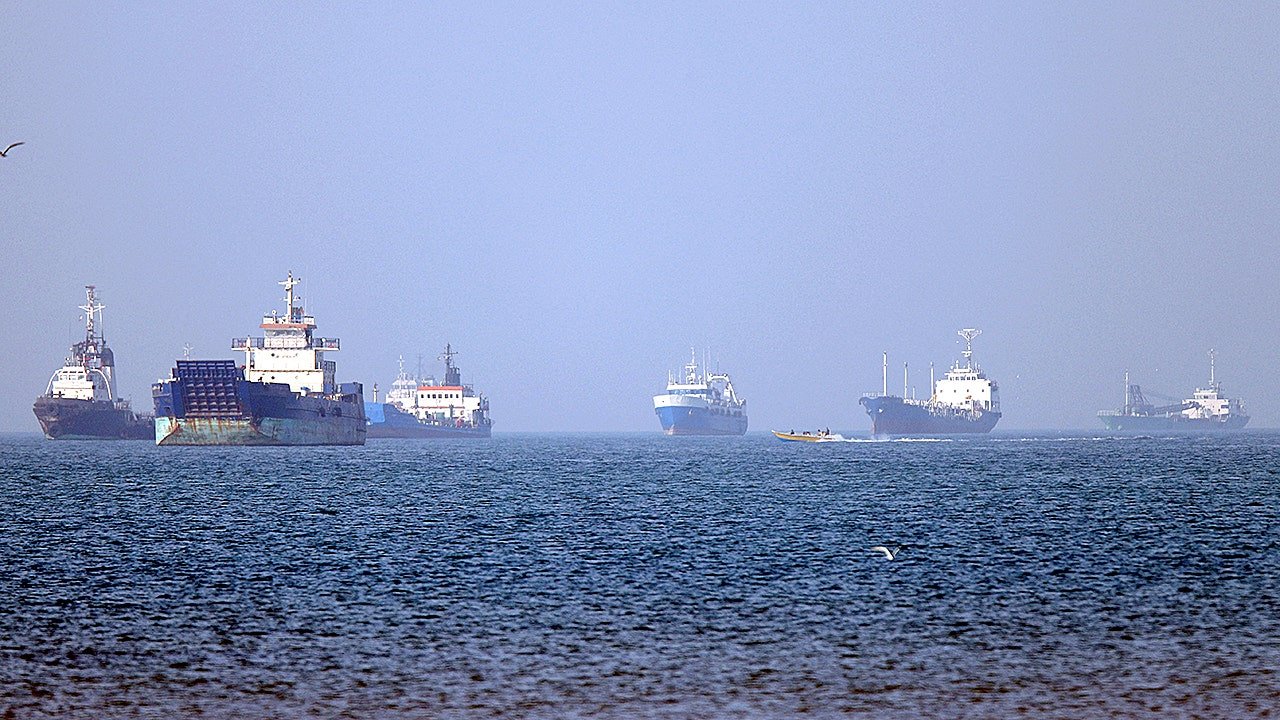
Commercial cargo vessels and crude oil tankers are anchored in the Gulf of Oman off the coast of Muscat, Oman, as they prepare to transit through the Strait of Hormuz, a critical global trade corridor. (Shady Alassar/Anadolu)
«We have to acknowledge that this is for some months the new normal in the Persian Gulf region,» Hapag-Lloyd AG spokesperson Hanja Maria Richter told Fox News Digital.
«The situation has been fluid for us since the beginning of the conflict,» she said before adding that constant vigilance has become essential to operating in the region.
«We have been making and still make regular risk and situation assessments with our security partners, all relevant authorities and our people on shore and, of course, on the vessels,» Richter said.
«It is a region in conflict, so we consider this with every single ship we move in the region and assess the risks for every vessel and its crew individually.»
IRAN STARTS ‘INDISCRIMINATE’ STRIKES ACROSS GULF OF OMAN, HITS SHADOW TANKER TIED TO REGIME
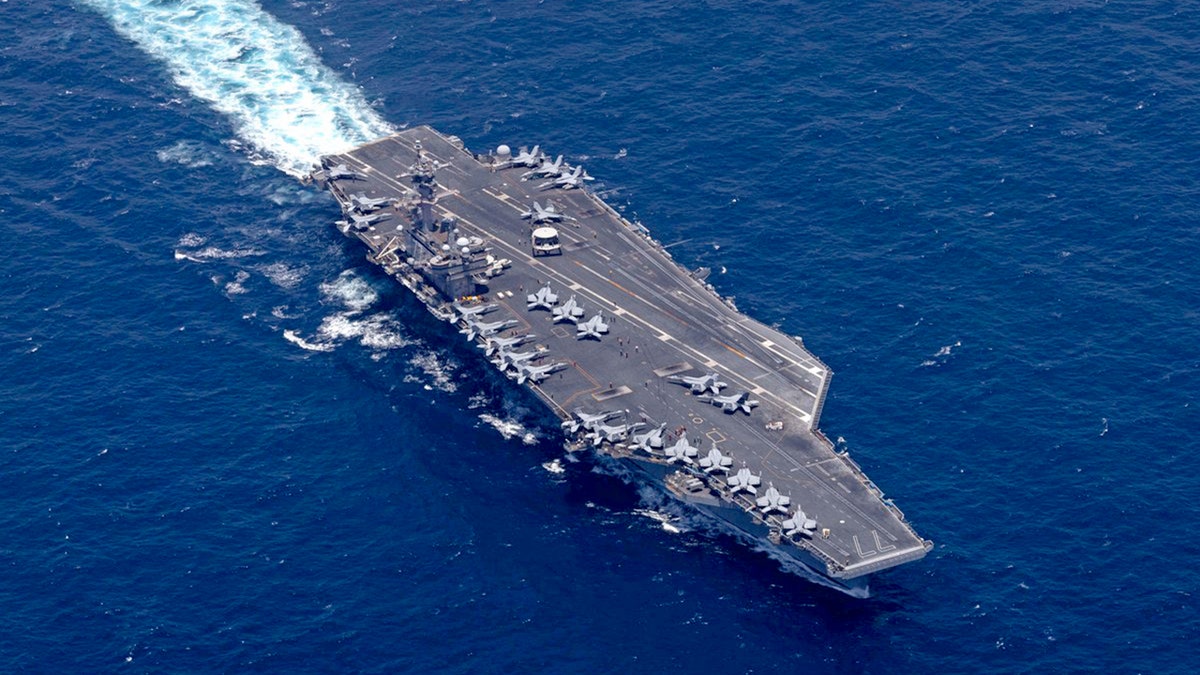
USS George H.W. Bush transits the Arabian Sea as U.S. forces enforce a naval blockade against Iran and support Project Freedom in the Strait of Hormuz, according to U.S. Central Command. (CENTCOM)
Richter’s remarks came as U.S. Central Command (CENTCOM) launched airstrikes against Iranian targets, including Qeshm Island on June 26 after a vessel was struck in the strait.
This prompted Iran’s Islamic Revolutionary Guard Corps (IRGC) to retaliate by targeting U.S. military sites in Kuwait and Bahrain.
Adding to the strike risk is a tug-of-war over control of the transit lanes.
Lloyd’s List described the fracturing of the waterway as a «confused, two-tier system now operating in the strait, which remains split between the Iran-controlled northern route and a U.S.-protected southern ‘highway,’ with the pre-war routes rendered unusable because of the risk of mines, separating them.»
Iran is responsible for managing and fully reopening maritime traffic through the Strait of Hormuz under recent understandings, Iranian Foreign Minister Abbas Araghchi said Sunday, according to Iran International.
EXPERTS URGE EXTREME CAUTION ON IRAN’S ‘CROWN JEWEL’ HEZBOLLAH — TERROR GROUP WITH US BLOOD ON ITS HANDS
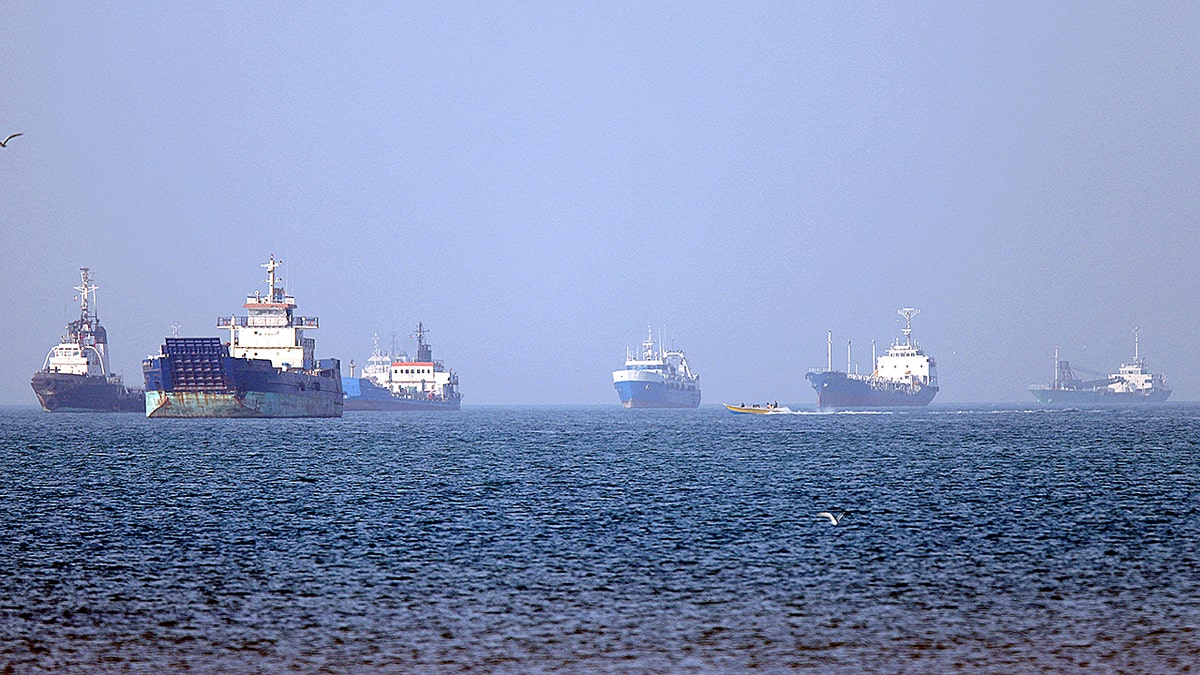
Ships are anchored in the Strait of Hormuz off Bandar Abbas in southern Iran on May 4. A report on May 15 said a ship was seized off the coast of the United Arab Emirates and is being brought to Iranian waters. (Amirhossein Khorgooei/ISNA/AFP via Getty Images)
Iranian state television said that passage through the Strait of Hormuz demands coordination with the IRGC.
Hapag-Lloyd pushed back against any future attempts to weaponize or monetize passage through the critical global chokepoint.
«It would be fundamentally wrong to impose fees for passage through international waters,» Richter said.
«Fees for infrastructure such as the Suez Canal or the Panama Canal are a different matter, as they reflect major infrastructure investments. That is not the case with the Strait of Hormuz.»
CLICK HERE TO DOWNLOAD THE FOX NEWS APP
While thousands of crew members remain caught by conflicting naval directives, Hapag-Lloyd said it had successfully navigated the initial bottleneck.
«Good news is that we were able to have all Hapag-Lloyd vessels that were affected by the temporary closure of the Strait of Hormuz and had been waiting in the Persian Gulf depart safely from the Gulf,» Richter noted before adding that «the safety of our crews is our highest priority.»
middle east, transportation, war with iran, iran, trade

El Gobierno busca a tres argentinos desaparecidos durante los terremotos en Venezuela

Alejandro Guyot, exmarido de Ernestina Pais, despidió a la conductora con una conmovedora foto

Santilli llega a la Jefatura de Gabinete con poderes amplios y retiene Interior para negociar con los gobernadores

El primer mensaje de Diego Santilli como jefe de Gabinete: “Creo en los proyectos colectivos, no en los individuales”

¿Se va al Real Madrid? Padre de Nicolás Paz confirmó el futuro de su hijo

Trump calls likely DC mayor Janeese Lewis George a ‘communist’ and vows to block her agenda

La bomba de Nico Occhiato tras el escándalo de Florencia Peña con Messi: “Lo más groso que pudimos haber logrado”

El punto de quiebre que sentó la suerte de Manuel Adorni y los preparativos que hace el Gobierno ante su inminente salida

Líderes mundiales ofrecieron ayuda humanitaria y equipos de rescate a Venezuela tras los devastadores terremotos

Una escena estremecedora: el dato más doloroso de los minutos posteriores a la muerte de Ernestina Pais

 CHIMENTOS1 día ago
La bomba de Nico Occhiato tras el escándalo de Florencia Peña con Messi: “Lo más groso que pudimos haber logrado”
- POLITICA1 día ago
El punto de quiebre que sentó la suerte de Manuel Adorni y los preparativos que hace el Gobierno ante su inminente salida
- CHIMENTOS2 días ago
Una escena estremecedora: el dato más doloroso de los minutos posteriores a la muerte de Ernestina Pais