INTERNACIONAL
El BCR registra crecimiento acelerado en las importaciones de scooters en El Salvador

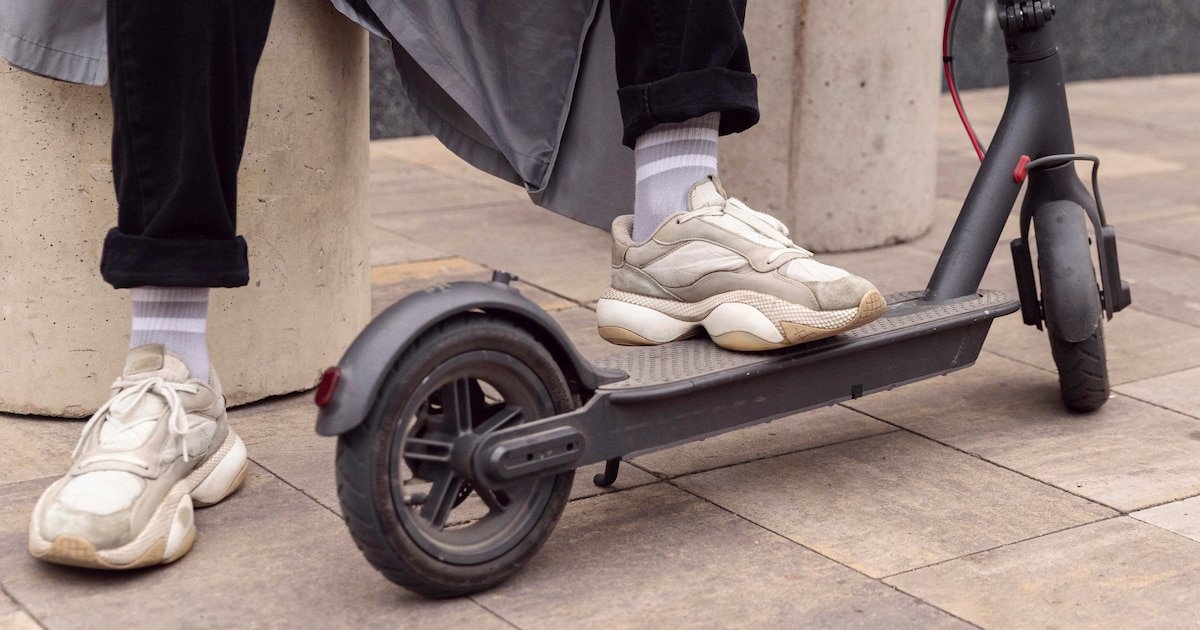
El Salvador ha experimentado un incremento notable en las importaciones de scooter y motocicletas, tendencia que refleja cambios en la movilidad urbana y el creciente interés de la población por alternativas de transporte.
La presencia cada vez más frecuente de estos vehículos en las principales arterias del país ha despertado la atención sobre la magnitud de las importaciones, así como sobre los desafíos regulatorios asociados a su circulación.
De acuerdo con la Dirección General de Aduanas de El Salvador, las scooter se encuentran clasificadas bajo el Sistema Arancelario Centroamericano (SAC) en la partida 87.11, la cual agrupa motocicletas —incluidos ciclomotores— y velocípedos equipados con motor auxiliar, con sidecar o sin él, así como los propios sidecares. Esta categorización es fundamental para el control de las importaciones y la elaboración de estadísticas comerciales.
Según los datos más recientes del Banco Central de Reserva (BCR) de El Salvador, correspondientes al periodo acumulado de enero y febrero de 2026, el país registró importaciones por un valor de USD 18.8 millones en la partida 87.11.
Este monto representa un crecimiento consistente frente a años anteriores y, en solo dos meses, ya se acerca al total alcanzado durante 2025, cuando las importaciones sumaron USD 20.2 millones.
La evolución histórica muestra una tendencia ascendente: en 2024, la cifra fue de USD 11.3 millones, mientras que en 2023 se ubicó en USD 8.7 millones.
El desglose de las importaciones por país de origen revela que China y la India ocupan las primeras posiciones como proveedores, con USD 9.1 millones y USD 8.7 millones respectivamente, seguidos a gran distancia por Tailandia, Japón y Colombia.
Por tipo de vehículo, las motocicletas y scooter con motor de cilindrada superior a 50 cm³ e inferior o igual a 250 cm³ concentran la mayor parte del valor importado, con USD 16.9 millones en el mismo periodo.

La acelerada expansión en la circulación de scooters responde a una serie de factores, entre los que destacan la búsqueda de soluciones ágiles frente al tráfico urbano, el bajo consumo de combustible y la facilidad de acceso a modelos de bajo costo importados principalmente de Asia.
No obstante, este dinamismo plantea interrogantes sobre la regulación y el control del parque vehicular de scooters y otros medios de transporte alternativos.
Recientemente, representantes de la Asociación Salvadoreña de Motociclistas (ASAMOTO) señalaron en una entrevista televisiva la urgencia de incluir a los nuevos tipos de movilidad en la Ley de Tránsito.
El marco legal salvadoreño aún no ha adaptado normativas que contemplen de manera específica la circulación, registro, homologación técnica y seguridad vial de estos vehículos.
En la actualidad, la mayoría de las regulaciones de tránsito se han desarrollado pensando en automóviles y motocicletas tradicionales, lo que genera vacíos legales y dificultades para la gestión ordenada de las nuevas formas de movilidad.
A pesar de que la presencia de scooters ha crecido de manera visible en ciudades como San Salvador y Santa Tecla, la ausencia de una legislación diferenciada para este segmento ha provocado debates sobre la seguridad de los usuarios, la convivencia vial y la necesidad de implementar requisitos claros sobre el uso de casco, portación de documentos y límites de velocidad.

Además, la falta de registros desagregados dificulta la elaboración de políticas públicas que respondan a la realidad del parque de scooters y su impacto en la movilidad sostenible.
El Salvador se encuentra así en una encrucijada: por un lado, el auge de importaciones y el uso masivo de scooters evidencian una transformación en la cultura del transporte; por otro, el país debe avanzar hacia un marco regulatorio que garantice tanto la seguridad vial como el orden en el espacio público.
El seguimiento de estas tendencias por parte de las autoridades y la adaptación normativa serán claves para que la expansión de las scooters contribuya a una movilidad más eficiente y segura.

INTERNACIONAL
American rescue teams pull infant alive from rubble in Venezuela days after devastating twin earthquakes
NEWYou can now listen to Fox News articles!
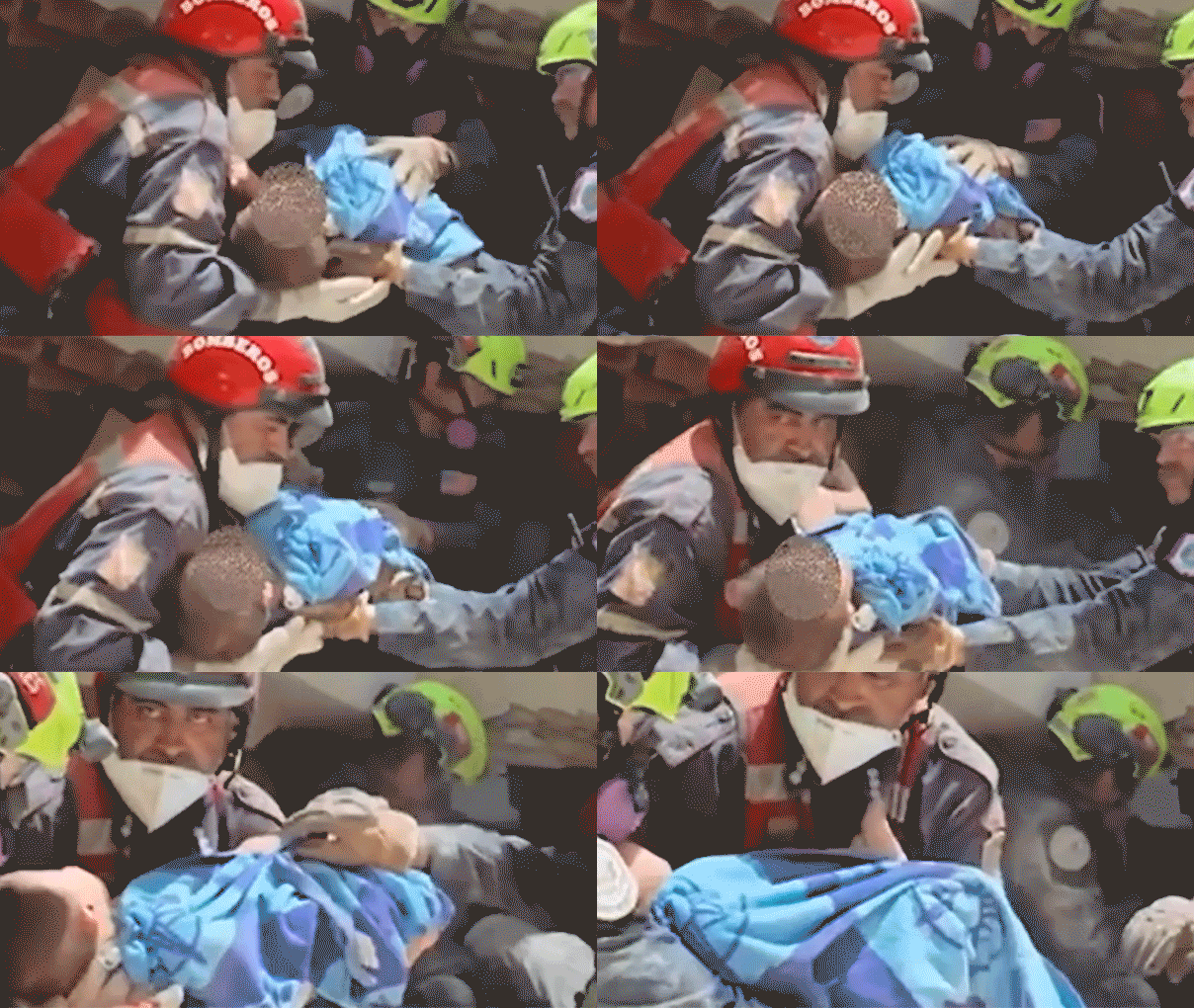
American search-and-rescue teams pulled an infant alive from beneath the rubble in Venezuela days after the country’s devastating earthquakes, the U.S. Department of State said Saturday.
The State Department shared video on social media showing U.S. personnel pulling the infant from the rubble as rescue crews continued searching for survivors more than 72 hours after two powerful earthquakes struck the South American country.
The rescue came as emergency crews raced against time to locate survivors before the critical rescue window closes.
«Against impossible odds, hope endures,» the State Department posted on X.
TRUMP SAYS VENEZUELA EARTHQUAKES LEFT ‘DEVASTATING NUMBER OF DEATHS’ AS US READIES AID
American search-and-rescue teams rescued an infant trapped beneath the rubble following this week’s deadly earthquakes in Venezuela, according to the State Department. (Department of State)
«American search and rescue teams rescued an infant from beneath the rubble following the earthquake in Venezuela,» the post continued. «Every life saved is a victory.»
The White House also shared the video, calling it «America at its best.»
«Thank you to the American search and rescue teams providing assistance in Venezuela,» the White House wrote.
PLAYERS, FANS FLEE STADIUM AS POWERFUL EARTHQUAKES STRIKE DURING VENEZUELA BASEBALL GAME
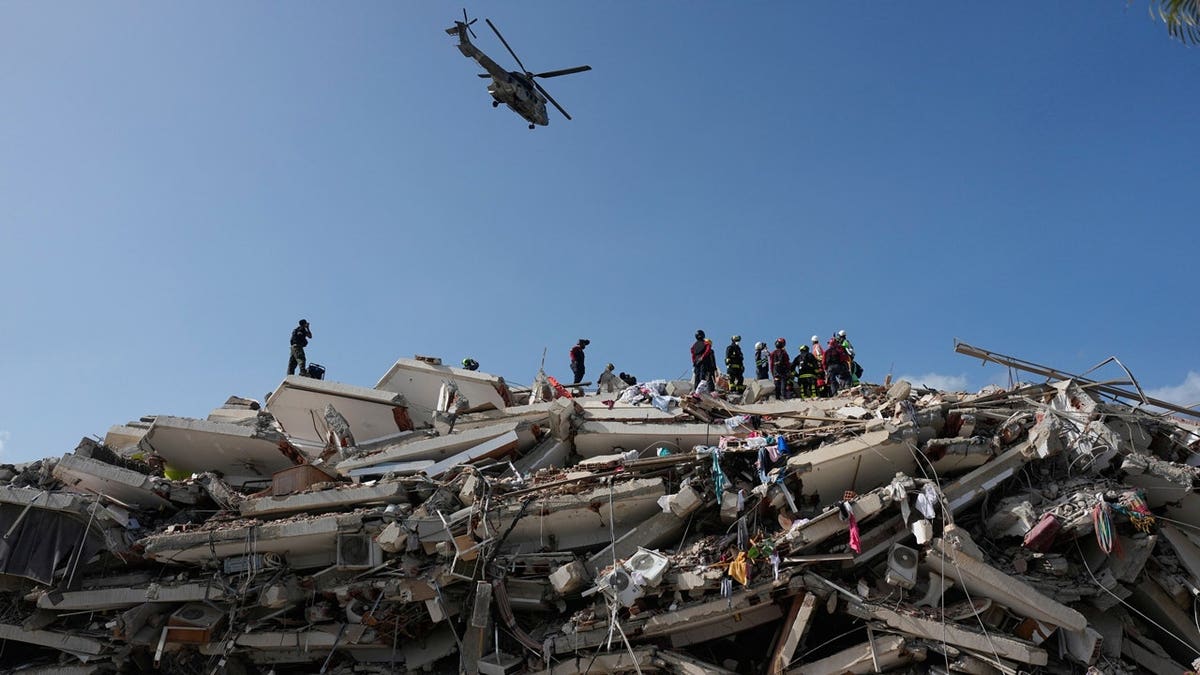
Rescue workers search through the rubble three days after earthquakes struck Catia la Mar, Venezuela. (AP Photo/Fernando Vergara)
Round-the-clock rescue efforts have continued since magnitude 7.2 and 7.5 earthquakes struck Venezuela’s northern coast Wednesday.
As of Saturday evening, officials said the death toll from the twin earthquakes had reached 1,430.
Earlier Saturday, officials reported that 243 people had been rescued.
FORMER METS PITCHER NARROWLY ESCAPES DEATH IN VENEZUELA EARTHQUAKES THANKS TO ELEVATOR MALFUNCTION
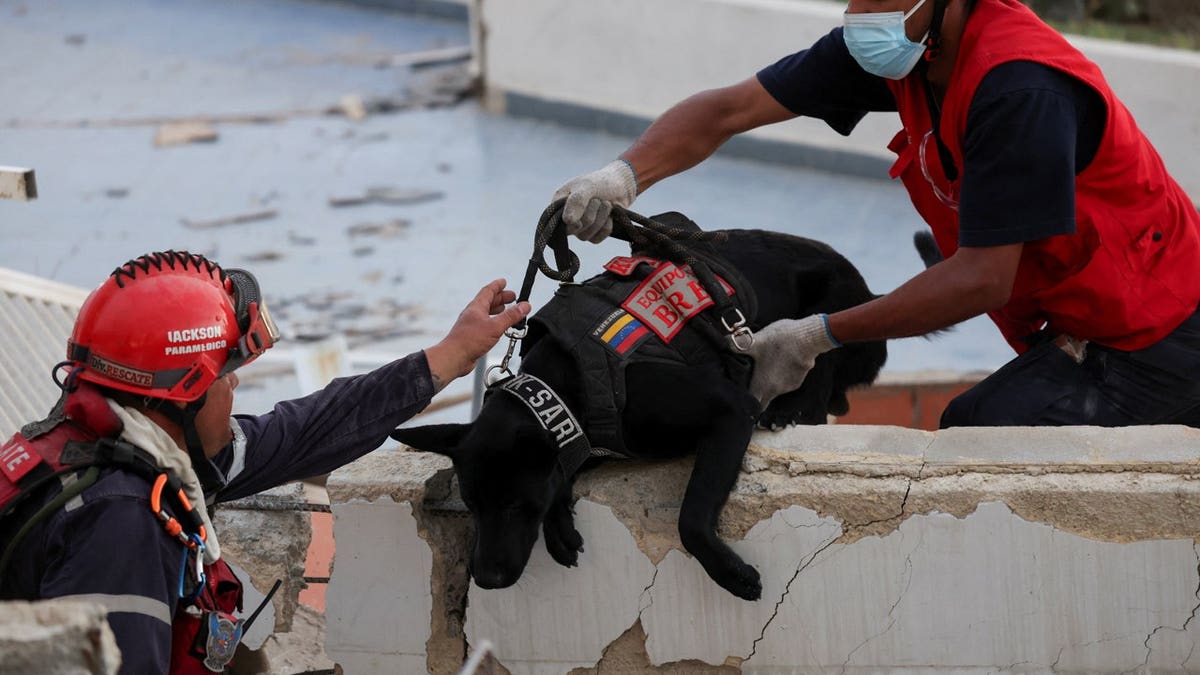
Rescue personnel with a rescue dog assist in rescue efforts after earthquakes hit the country, in La Guaira, Venezuela, Saturday. (REUTERS/Leonardo Fernandez Viloria)
According to The Associated Press, more than 68,000 people remain missing across the country.
Aid groups consider the first 48 to 72 hours after a disaster to be the most critical window for finding survivors, though access to food and water can extend that period.
Venezuelan officials said 17 flights carrying more than 1,600 rescue personnel had arrived Saturday to assist with search-and-rescue efforts.
US RESCUE TEAMS TO DESCEND ON HARD-HIT CARIBBEAN AFTER CATASTROPHIC HURRICANE MELISSA’S IMPACT
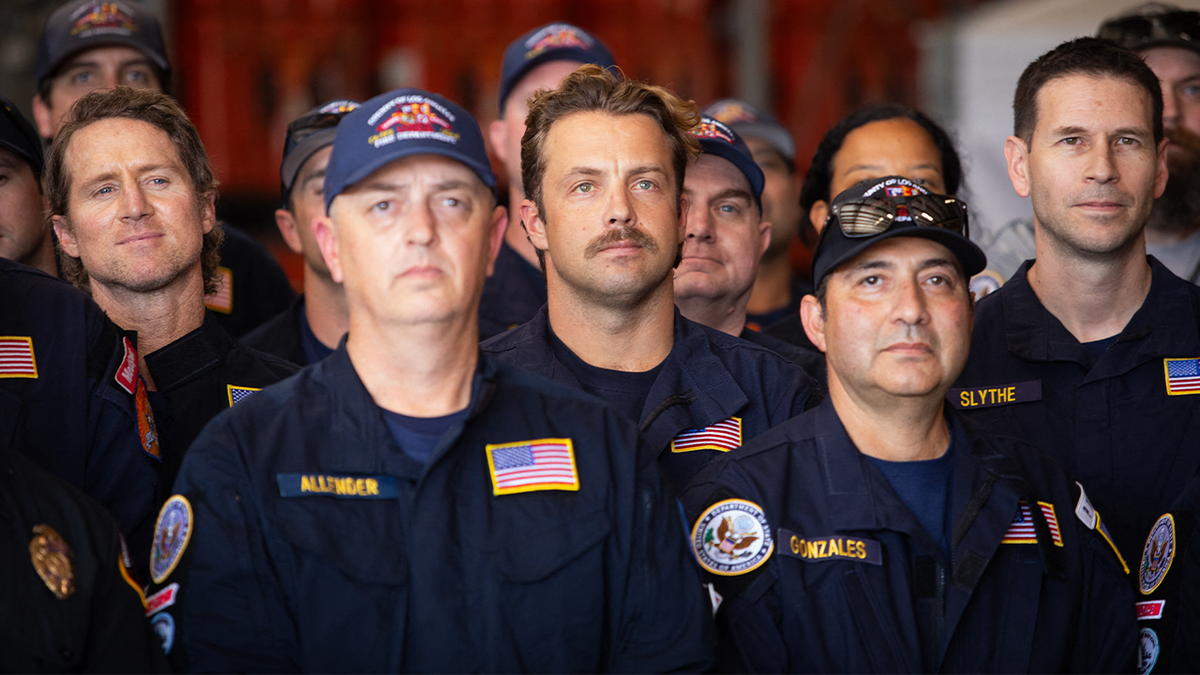
Members of the County of Los Angeles Fire Department’s international urban search and rescue team (USA-2) prepare to leave for Venezuela, in Pacoima, Calif., on Thursday. (Blake Fagan/AFP via Getty Images)
Urban Search and Rescue (USAR) teams from Virginia, California and Florida were dispatched to Venezuela on Friday to help search collapsed buildings.
According to the State Department, the three USAR teams include 312 personnel and 18 canine teams, including firefighters, physicians, structural engineers and canine search specialists. The teams also deployed more than 200,000 pounds of specialized rescue equipment.
The Los Angeles County team includes 73 members equipped with concrete-breaking equipment and specialized listening devices used to detect survivors trapped beneath debris.
COLORADO AVALANCHE VICTIM RESCUED IN DRAMATIC VIDEO
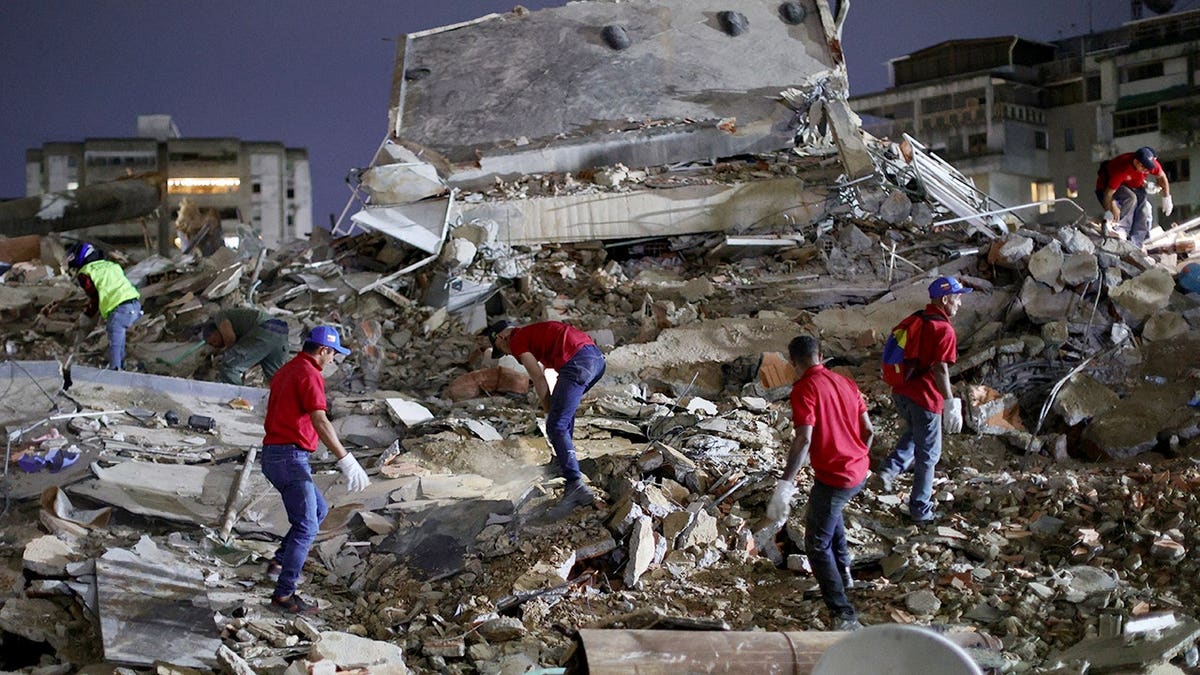
Responders search for victims in a demolished building in Caracas, Venezuela, after a magnitude 7.2 earthquake and a 7.5 aftershock struck the region. (Jesus Vargas/Getty Images)
Rescuers have fanned out across La Guaira, where the worst destruction occurred, and parts of Caracas, where families and volunteers have spent days pulling survivors and victims from the rubble.
The United States has pledged $150 million in emergency assistance and support for international relief organizations responding to the disaster.
CLICK HERE TO DOWNLOAD THE FOX NEWS APP
Fox News Digital has reached out to the State Department for additional information on the rescue.
Fox News Digital’s James Cirrone, and The Associated Press and Reuters contributed to this report.
aftermath disasters, aftermath, disaster response disasters, missing persons, virginia, earthquakes, world
INTERNACIONAL
La policía de Austin arresta a dos sospechosos por el asesinato de un mecánico nicaragüense
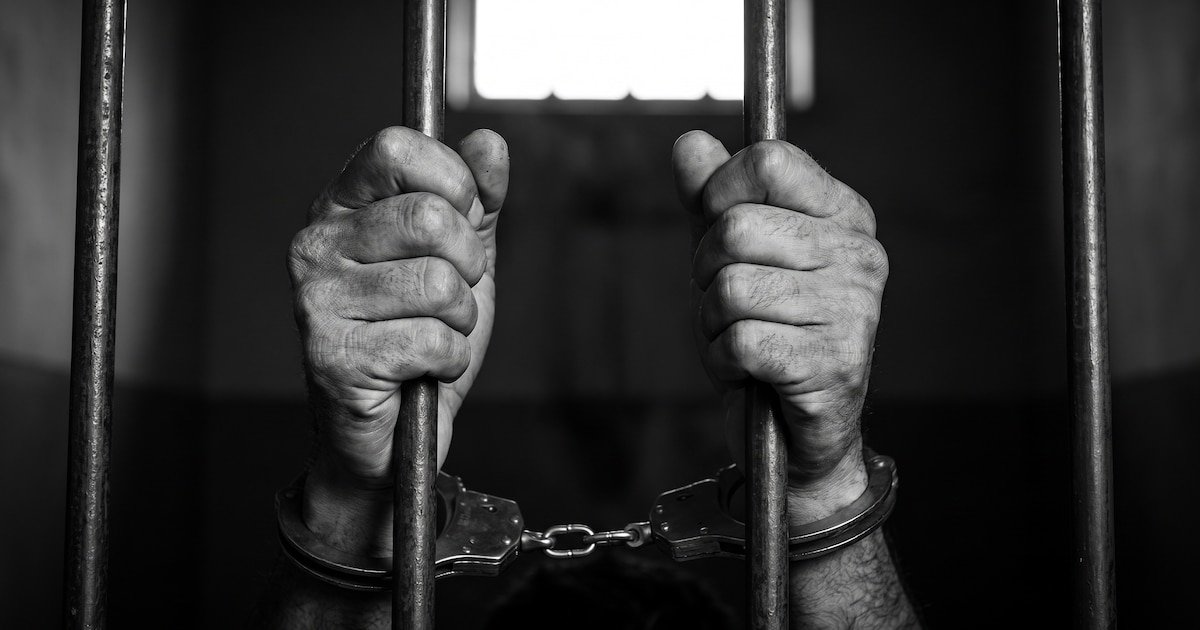
La Policía de Austin reportó la detención de dos hombres como presuntos responsables del asesinato de José Salgado Amador, un mecánico nicaragüense que falleció tras recibir un disparo durante un intento de robo en un estacionamiento de la ciudad.
La investigación por la muerte de José Salgado Amador, ocurrida el pasado 15 de junio en Austin, continúa bajo la supervisión de la Unidad de Homicidios del Departamento de Policía de Austin (APD). De acuerdo con la información divulgada por las autoridades y recogida por Univisión, Israel Medina, de 19 años, y David Pérez, de 26, fueron arrestados como sospechosos del crimen que sacudió a la comunidad nicaragüense en Texas.
Según informó Univisión, los hechos se registraron alrededor de las 22:47 horas en el estacionamiento de una tienda AutoZone situada en East Riverside Drive. Salgado Amador se encontraba realizando reparaciones mecánicas cuando uno de los agresores se le acercó y presuntamente intentó despojarlo de sus pertenencias. Tras el forcejeo, el sospechoso disparó contra la víctima y huyó del lugar antes de que llegaran los servicios de emergencia.
La policía de Austin detalló que Salgado Amador fue trasladado a un hospital cercano, donde falleció poco más de una hora después a causa de las heridas. El caso se convirtió en el homicidio número 27 registrado en la ciudad durante 2026, según los datos oficiales citados por Univisión.

De acuerdo con el reporte de las autoridades, Israel Medina enfrenta cargos de asesinato capital, una figura penal que en Texas contempla la posibilidad de pena de muerte o cadena perpetua sin libertad condicional. Medina se encontraba en libertad bajo fianza tras una acusación previa por robo de automóvil cuando ocurrió el homicidio. Por su parte, David Pérez está acusado de robo agravado.
El Departamento de Policía de Austin no ha confirmado si existen más personas vinculadas al caso ni ha proporcionado información adicional sobre el móvil del crimen, más allá del intento de robo señalado en las primeras diligencias. Las autoridades cuentan con grabaciones de cámaras de seguridad y han solicitado colaboración ciudadana para fortalecer la investigación.
La muerte de José Salgado Amador provocó conmoción entre quienes integran la comunidad nicaragüense en Texas. Según reportó Univisión, la familia del mecánico, que deja a una esposa y una hija de cuatro años, inició los trámites para la repatriación de sus restos a Nicaragua. El velatorio se programó para el 25 de junio en Austin, antes del traslado final al país de origen del fallecido. Univisión informó que los familiares esperan poder sepultarlo junto a sus padres y allegados en su ciudad natal.

La comunidad nicaragüense en Estados Unidos alcanza unas 839,600 personas, una cifra que integra tanto a residentes de larga data como a migrantes que han arribado en los últimos años por distintas vías, incluyendo programas migratorios y rutas irregulares. La distribución geográfica de esta población muestra una concentración destacada en dos estados principales:
Florida representa el principal destino para los nicaragüenses en el país. El área metropolitana de Miami y, en particular, la ciudad de Sweetwater —conocida popularmente como “Little Managua”— reúnen a una parte significativa de esta comunidad, que ha establecido una red social, cultural y económica sólida.
California acoge al segundo grupo más numeroso de nicaragüenses, con presencia relevante en ciudades como Los Ángeles, San Francisco, San Diego y San José. En estos centros urbanos, la población nicaragüense ha conformado comunidades activas, manteniendo tradiciones y vínculos con su país de origen.
El crecimiento reciente de la comunidad responde a factores migratorios y a la búsqueda de mejores oportunidades. Esta dinámica ha reforzado la presencia nicaragüense en el panorama migratorio de Estados Unidos, con un impacto notable en la vida social y económica de las regiones donde se asientan.
manos,esposas,prisión,barrotes,encarcelamiento,reclusión
NEWYou can now listen to Fox News articles!
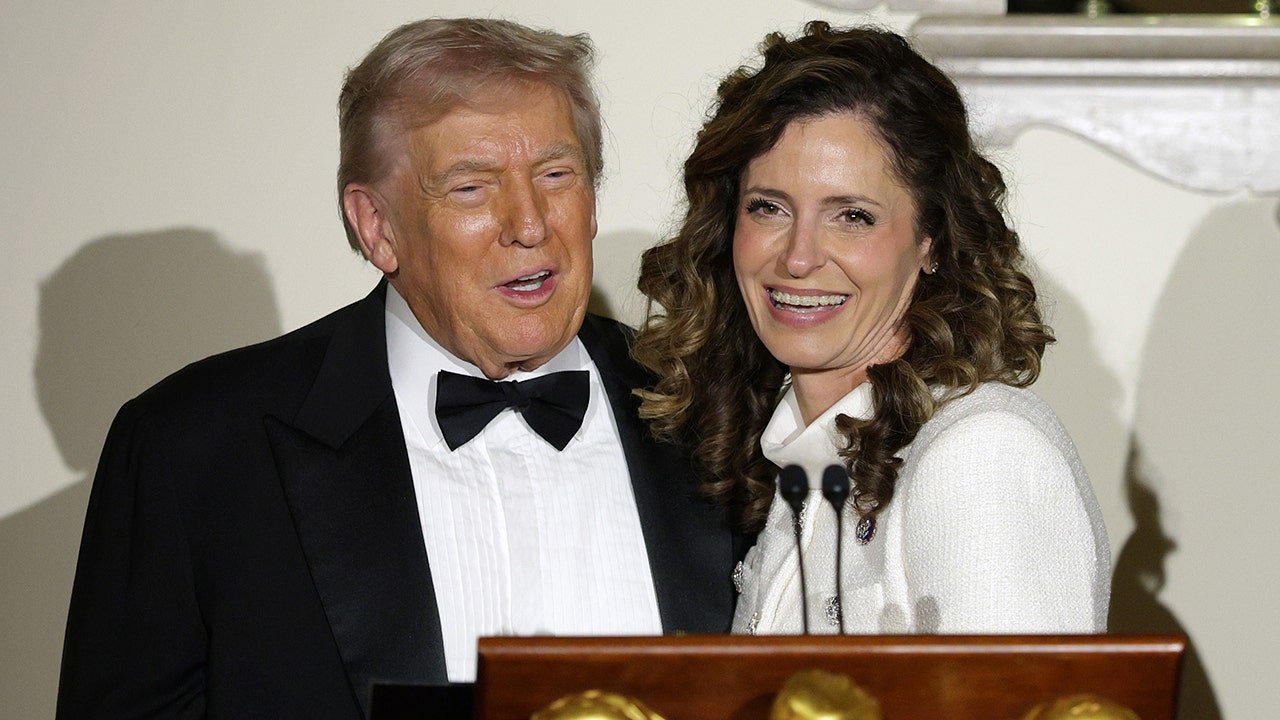
He wasn’t on the ballot, but President Donald Trump was a winner in Louisiana’s GOP Senate runoff election.
That’s because Trump-backed Rep. Julia Letlow defeated state Treasurer John Fleming to capture the Republican nomination, The Associated Press reported on Saturday.
Six weeks after denying Trump-targeted GOP Sen. Bill Cassidy a third six-year term in the Senate, a majority of Republican voters in the solidly red Gulf Coast state backed Letlow. Her victory in the runoff is seen as another victory for Trump as he works to fill the halls of Congress with loyal lawmakers for his final two years in the White House. And it’s another sign of the power of a Trump endorsement in Republican primaries.
Five years after he voted to convict Trump in his second impeachment trial, Cassidy was sent packing.
WATCH: CASSIDY DETAILS NEW BEHIND CLOSED DOORS CLASH WITH TRUMP
Sen. Bill Cassidy of Louisiana fist bumps a supporter during a campaign stop at a gun retailer and firing range in Baton Rouge on May 15, 2026, the eve of the state’s Senate primary. (Paul Steinhauser/Fox News)
Letlow, who was backed by Trump even before she entered the race in January, finished first in the primary, double digits ahead of Fleming, with Cassidy in third place. Since no candidate cracked 50% of the vote, Letlow and Fleming advanced to the runoff for the Republican nomination and Cassidy became the first elected Republican senator to lose renomination since Sen. Richard Lugar of Indiana in 2012.
Trump, celebrating Cassidy’s defeat, said on social media that «it’s nice to see that his political career is OVER!»
Cassidy, in a speech to supporters after conceding, took a jab at Trump, saying, «When you participate in democracy, sometimes it doesn’t turn out the way you want it to. But you don’t pout, you don’t whine. You don’t claim the election was stolen… You don’t manufacture some excuse.»
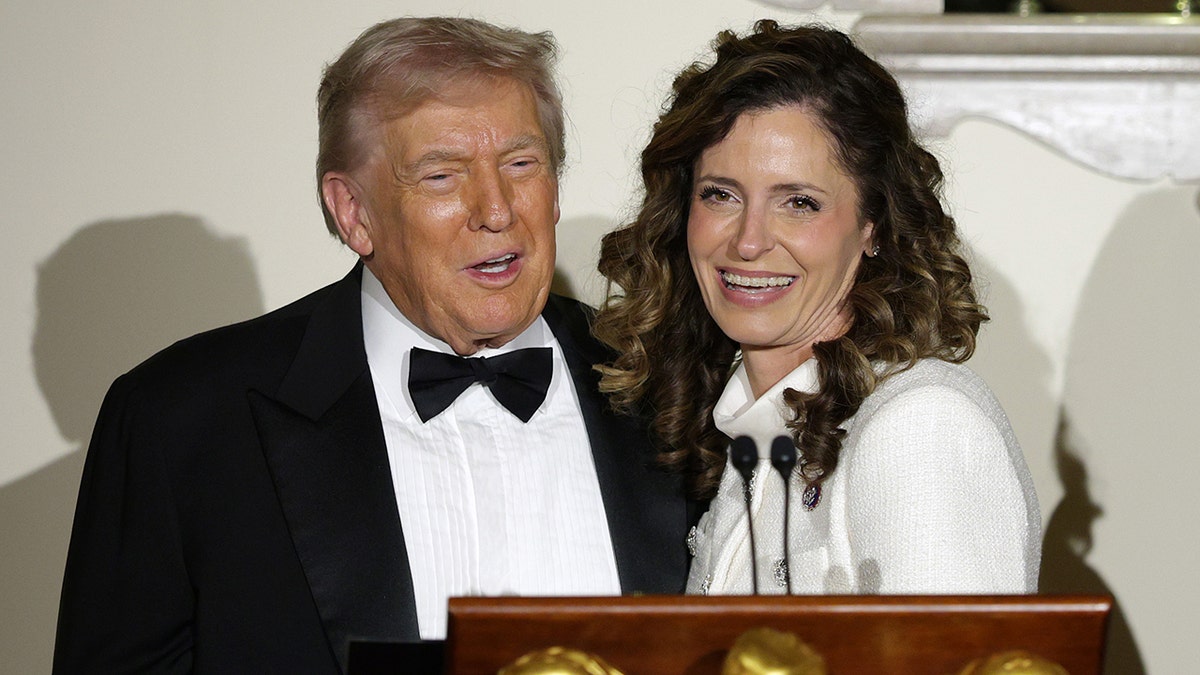
President Donald Trump stands with Rep. Julia Letlow during the Congressional Ball at the White House Grand Foyer in Washington, D.C., on Dec. 11, 2025. (Alex Wong/Getty Images)
Letlow, who was backed by Louisiana Gov. Jeff Landry, a top Trump ally, won her congressional seat in 2021, after her husband, Luke Letlow, died five days before being sworn into the U.S. House after his 2020 election victory for the seat she now holds. She highlighted her support from Trump throughout her Senate campaign.
Fleming, who spent eight years in Congress before serving as a White House deputy chief of staff during Trump’s first term, argued he was the most conservative candidate in the GOP Senate primary.
DEMOCRACY ’26: STAY UP TO DATE WITH THE FOX NEWS ELECTION HUB
Letlow will be considered the clear frontrunner in the midterm election against either farmer Jamie Davis or Navy veteran Gary Crockett, who are facing off in the Democratic Party runoff.
The brute force of the president’s endorsement power has been on display in GOP primaries over the past two months, with his candidates ousting incumbents he targeted in showdowns in Indiana, Kentucky and Texas, as well as the Louisiana primary.
But Trump’s endorsement streak in statewide and congressional Republican primaries was snapped three weeks ago when his last-minute endorsement of Republican Rep. Randy Feenstra of Iowa in the race to succeed retiring GOP Gov. Kim Reynolds wasn’t enough to propel the three-term congressman to victory.
Feenstra was narrowly edged by Zach Lahn, a businessman, farmer and former political strategist who was backed by the political wings of MAHA — the acronym for the Make America Healthy Again movement aligned with Trump’s Health Secretary Robert F. Kennedy Jr. — and Turning Point USA, the powerful conservative organization co-founded by the late Charlie Kirk.
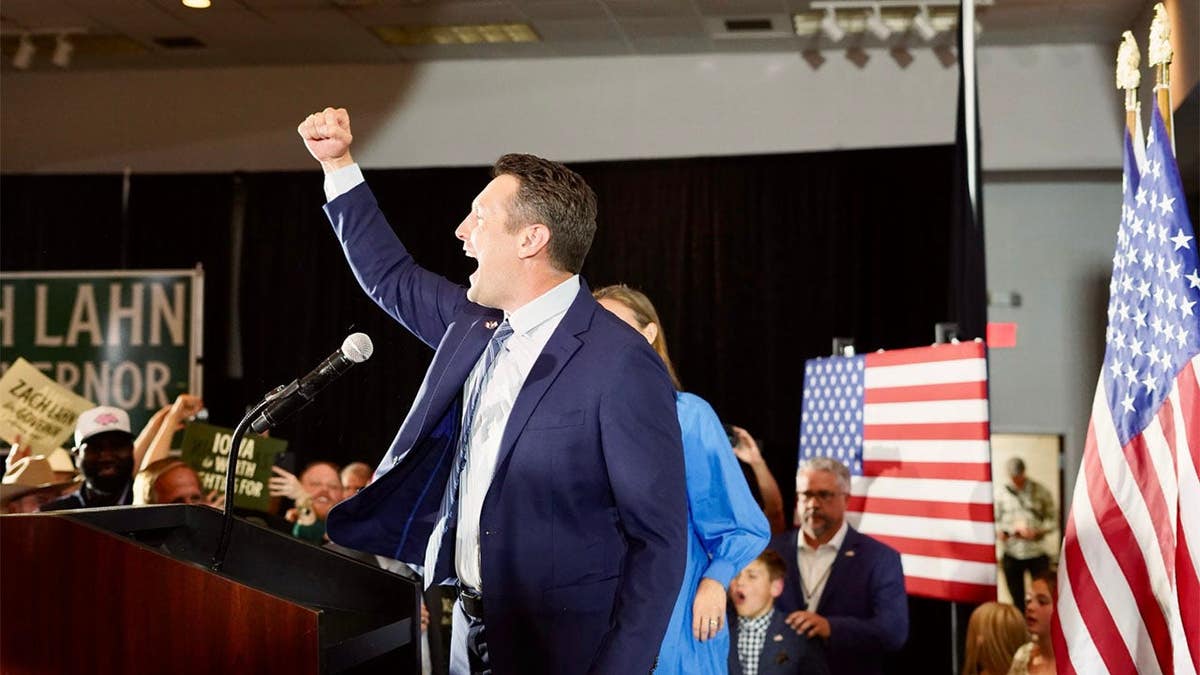
Zach Lahn raises his fist in celebration after defeating his primary opponent in Iowa’s GOP gubernatorial race on Tuesday, June 2, 2026. (Zach Lahn for Governor via Facebook)
The president rebounded three weeks ago in South Carolina, as Trump-backed Lt. Gov. Pam Evette finished first in the GOP gubernatorial primary and longtime Trump ally Sen. Lindsey Graham won a majority of the vote in the Republican Senate primary, and avoided a runoff.
Graham, who was endorsed by Trump, was facing primary challenges from five candidates, including conservative businessman Mark Lynch, who took aim at the senator over his support for the war in Iran. Lynch was backed by some MAGA leaders who have been critical of the president.
Two weeks ago, Trump-backed candidates won two of the three top races in Georgia and Alabama, with the one setback coming against a billionaire businessman who shelled out over $100 million of his own money to boost his campaign.
Rep. Barry Moore, a House Freedom Caucus member and longtime Trump supporter who was endorsed by the president, comfortably defeated rival Jared Hudson, a former Navy SEAL sniper who was supported by some top names on the right, in solidly red Alabama’s GOP Senate runoff.
In battleground Georgia’s Republican Senate runoff, an 11th-hour endorsement by Trump helped boost Rep. Mike Collins, a MAGA champion, to victory over former college football coach Derek Dooley, who was backed by popular conservative Gov. Brian Kemp.
TRUMP’S ENDORSEMENT FAILS TO SAVE MAGA CANDIDATE AS BILLIONAIRE ADVANCES IN KEY GOVERNOR RACE
Collins will face Democratic Sen. Jon Ossoff in the general election in a race that’s among a handful that will likely decide if the GOP holds its slim majority in the chamber in the midterms.
CLICK HERE TO DOWNLOAD THE FOX NEWS APP
But in Georgia’s GOP gubernatorial runoff, the candidate Trump backed, Lt. Gov. Burt Jones, who was also endorsed by Kemp this past weekend, was defeated by billionaire businessman Rick Jackson, who ran as an outsider.
On Tuesday, Trump-backed first-time candidate Anthony Constantino, a businessman and former boxer, defeated Robert Smullen, a retired Marine Corps colonel and New York Assembly member who had the backing of the state party, in the upstate New York race to succeed retiring GOP Rep. Elise Stefanik.
Meanwhile, in South Carolina’s Republican gubernatorial runoff, Trump couldn’t lose.
That’s because, besides backing Evette, he also gave a last-minute endorsement to state Attorney General Alan Wilson, who ended up winning the showdown in a landslide.
donald trump, republicans elections, elections, midterm elections, senate elections, louisiana

Qué pasó con Manuel Adorni este sábado 27 de junio

El PRO apoyó a Milei ante la renuncia de Manuel Adorni: “El Presidente tomó la decisión correcta”

ANSES: quiénes cobran hoy viernes 26 de junio de 2026

El gol de tiro libre de Lionel Messi ante Jordania en el Mundial: el efusivo festejo de Anto Roccuzzo con sus hijos

American rescue teams pull infant alive from rubble in Venezuela days after devastating twin earthquakes

Karina Milei agradeció a Manuel Adorni tras dejar su cargo: “Persona íntegra y valiosa”

Desesperación y burocracia: Pacientes con cáncer denuncian esperas de más de 20 días en PAMI para recibir su medicación

Nuevos controles a las devoluciones de 30% por gastos en el exterior: cómo pedir el reembolso del dólar tarjeta ante ARCA

El CEO de Epic Games tiene claro por qué fracasan los nuevos juegos multijugador, y el culpable puedes ser tú y tus amigos

Far-left surge: Mamdani-backed candidates oust Dem establishment incumbents

 INTERNACIONAL3 días ago
Líderes mundiales ofrecieron ayuda humanitaria y equipos de rescate a Venezuela tras los devastadores terremotos
- POLITICA3 días ago
El Gobierno le ofreció asistencia humanitaria a Venezuela por los terremotos: «Acá no hay ideología que nos separe»
- POLITICA2 días ago
El oficialismo hizo caer la sesión del Senado para evitar la interpelación a Manuel Adorni