
INTERNACIONAL
Trump admin warns Iraq over Iran terror proxies as US reportedly blocks cash payments

NEWYou can now listen to Fox News articles!
The Trump administration has reportedly ramped up its punitive measures to compel Iraq to disband Iranian regime-backed militias known as the Popular Mobilization Force (PMF) that form part of its government after sustained attacks on U.S. personnel and facilities.
Amid a tenuous ceasefire between the U.S. and the Islamic Republic of Iran, the administration tightened the screws on Iraq by stopping U.S. dollar shipments to Baghdad. The growing disagreements over policy between the U.S. and Iraq could lead to weakening Iran’s presence in the region and advance U.S. war aims against Tehran.
In a statement against Iraq’s government, a State Department spokesperson told Fox News Digital, «The United States has consistently been clear we will take all measures to counter Iran’s destabilizing activities in Iraq, protect U.S. interests against Iran-aligned terrorist militias in Iraq, and make clear our concerns about the Iraqi government’s failure to prevent this terrorism.»
US WARNS IRAQ MUST ACT AGAINST IRAN-BACKED MILITIA ATTACKS ON AMERICAN ASSETS
An explosion occurred near the U.S. Consulate and Erbil International Airport, where a U.S. military base is located, in Erbil, Iraq, on March 12, 2026, causing fire and thick smoke to rise following the blast. (Ahsan Mohammed Ahmed Ahmed/Anadolu)
The spokesperson added that «While we acknowledge the efforts of Iraqi Security Forces to respond to terrorist attacks by Iran-aligned militia groups, we continue to emphasize that the Iraqi government’s failure to prevent these attacks while some elements associated with the Iraqi government continue to actively provide political, financial, and operational cover for the militias adversely impacts the U.S.-Iraq relationship. The United States will not tolerate attacks on U.S. interests and expects the Iraqi government to immediately take all measures to dismantle the Iran-aligned militia groups in Iraq.»
The Wall Street Journal first reported last week about the security and financial penalties imposed on Iraq. According to the report, the U.S. halted security cooperation programs with Iraq’s military and stopped «a cargo-plane delivery of nearly $500 million in U.S. banknotes, the proceeds from Iraqi oil sales from Federal Reserve Bank of New York accounts.»
The newspaper said it was the second blocked delivery of dollars to the Central Bank of Iraq since the start of the U.S.-Israel war on Feb. 28 against Iran.
The Treasury Department declined to comment on the blocked payments.
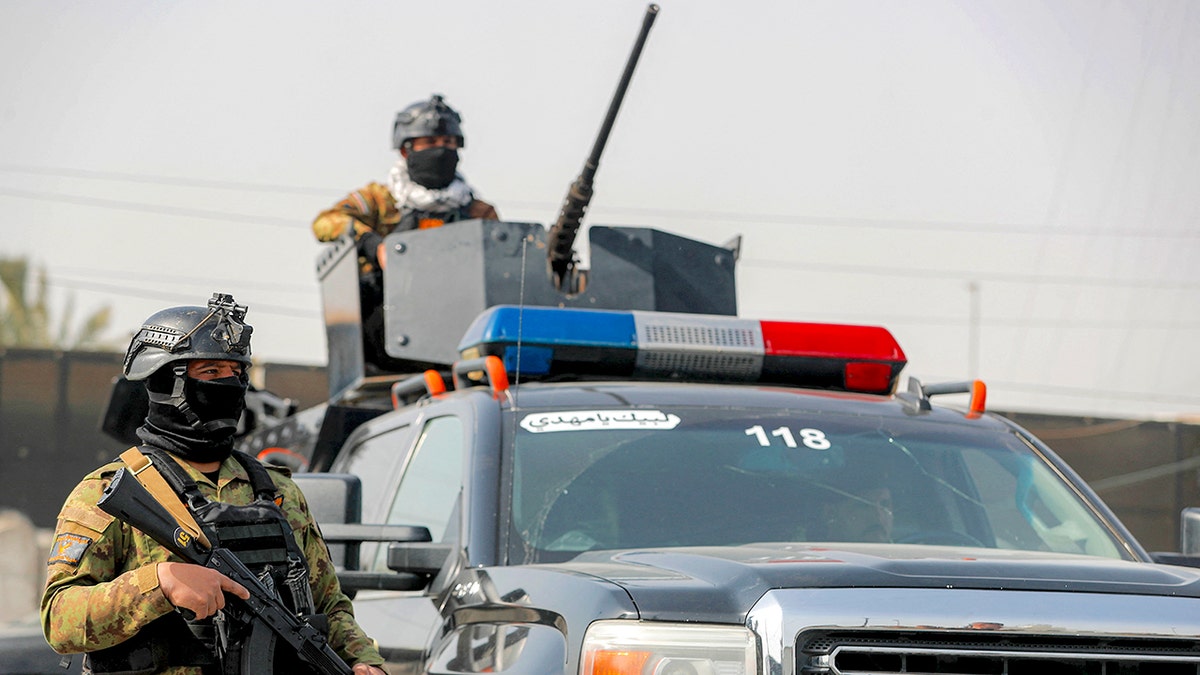
Iraqi security forces stand guard during a funerary procession in Baghdad on March 8, 2026, for a slain member of the Popular Mobilisation Forces killed in a U.S.-Israeli airstrike in Mosul the previous evening. (Ahmad Al-Rubaye/AFP)
An Iraqi official told Fox News Digital that «With regard to relations with the United States, Iraq views them as an important partnership based on shared interests and cooperation. The two sides have fought together in a decisive battle against ISIS, reflecting the depth and significance of this relationship.»
In reference to the pro-Iran militias, the Iraqi official said, «As for the issue of armed factions, it is important to note that the Iraqi reality is highly complex, with overlapping political, security and social dimensions. Some of these factions also possess political and popular influence. Accordingly, addressing this issue requires careful and gradual approaches grounded in a deep understanding of the domestic context, in a way that strengthens state authority and ensures that weapons are confined to the hands of the state while maintaining internal stability.»
TRUMP THREATENS TO END IRAQ SUPPORT OVER AL-MALIKI COMEBACK BID TIED TO IRAN INFLUENCE
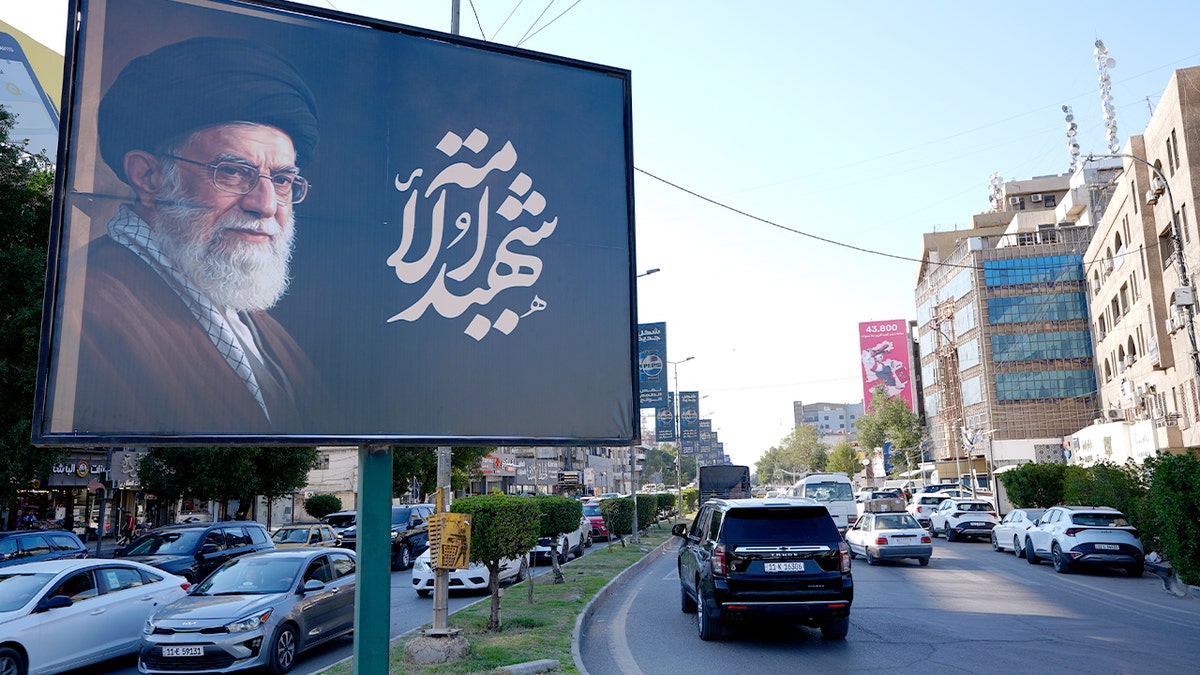
A billboard featuring a photo of Iran’s supreme leader Ali Khamenei is seen along a street in Baghdad on March 9, 2026. (Murtadha Al-Sudani/Anadolu)
The official added that «External measures that fail to take into account the particularities of this reality may lead to counterproductive outcomes and negatively affect internal balances, which would not serve the stability efforts undertaken by Iraq and its partners, foremost among them Washington.»
The PMF is an umbrella organization of militias largely loyal to the Islamic Republic of Iran — the world’s worst state-sponsor of terrorism, according to the State Department. Members of the PMF have launched attacks on U.S. assets in Iraqi Kurdistan and against Iraqi Kurds — a valuable U.S. ally in the Mideast.
A senior Kurdish official told Fox News Digital, «The dollar pause is part of the nuclear option in the Treasury Department, and the Americans have always been reluctant to leverage it. The Iraqis, meanwhile, have been cruel to their partners — Americans and the KRG [Kurdish Regional Government], as this war has shown — and now Washington is drawing a red line.»
The Kurdish official said, «They’ve made it clear things will only get worse for Iraq if militias resume attacks against U.S. interests, including in the Kurdistan Region. It’s high time the Americans pulled this lever; for too long, it has allowed Iran to pick a premier and dictate the rules, despite repeated encouragement to veto Iran’s cut-outs in Iraq.»
Both Iraqi and Kurdish officials said the government is in flux as the differnt sides position themselves to select a new Iraqi prime minister.
IRAQI STATE BANK ACCUSED OF PROCESSING PAYMENTS FOR HOUTHI TERRORISTS WHO DISRUPT RED SEA COMMERCE
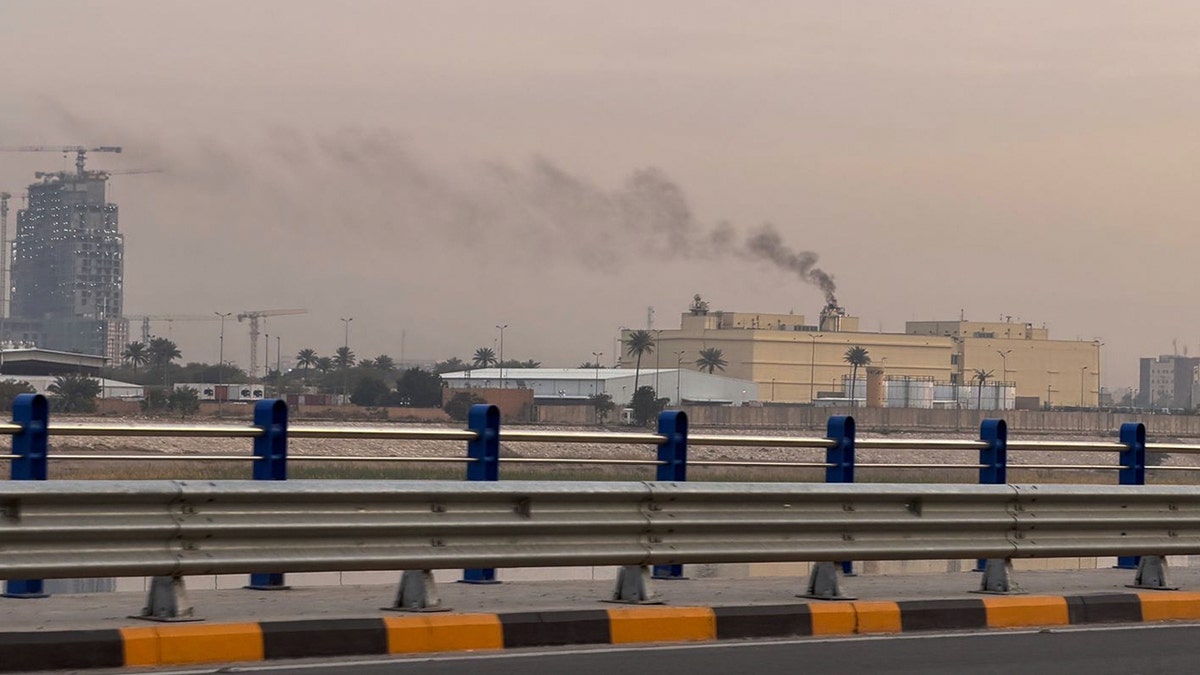
Smoke rises from the U.S. embassy building in Baghdad, Iraq, on March 14, 2026, following an attack on the diplomatic mission. (Ali Jabar/AP)
The Trump administration opposes the return of former Iraqi Prime Minister Nouri al-Maliki because of his close ties to Iran.
The Kurdish official stressed the role of the majority Shiite population in Iran: «In the end, though, it’s still the Shia house that chooses the premiership. They have some latitude, but ultimately, they will select a candidate acceptable to both Iran and the United States. That’s the game — and America has always reacted to Iran’s game. This time, however, Washington appears intent on influencing the outcome rather than just observing it.»
The official added, «This matters especially because Iraq depends on oil, and its proceeds are deposited in the U.S. Federal Reserve and American banks. How Washington behaves vis-à-vis those deposits influences the process and reconfigures the balance within the Shia house. It matters enormously.»
Entifadh Qanbar, a former spokesman for the deputy prime minister of Iraq, warned that there is a pressing need for the Iraqi Prime Minister Mohammed Shia’ al-Sudan to swiftly dismantle the PMF because they represent a clear and present danger to the U.S. Embassy in Baghdad.
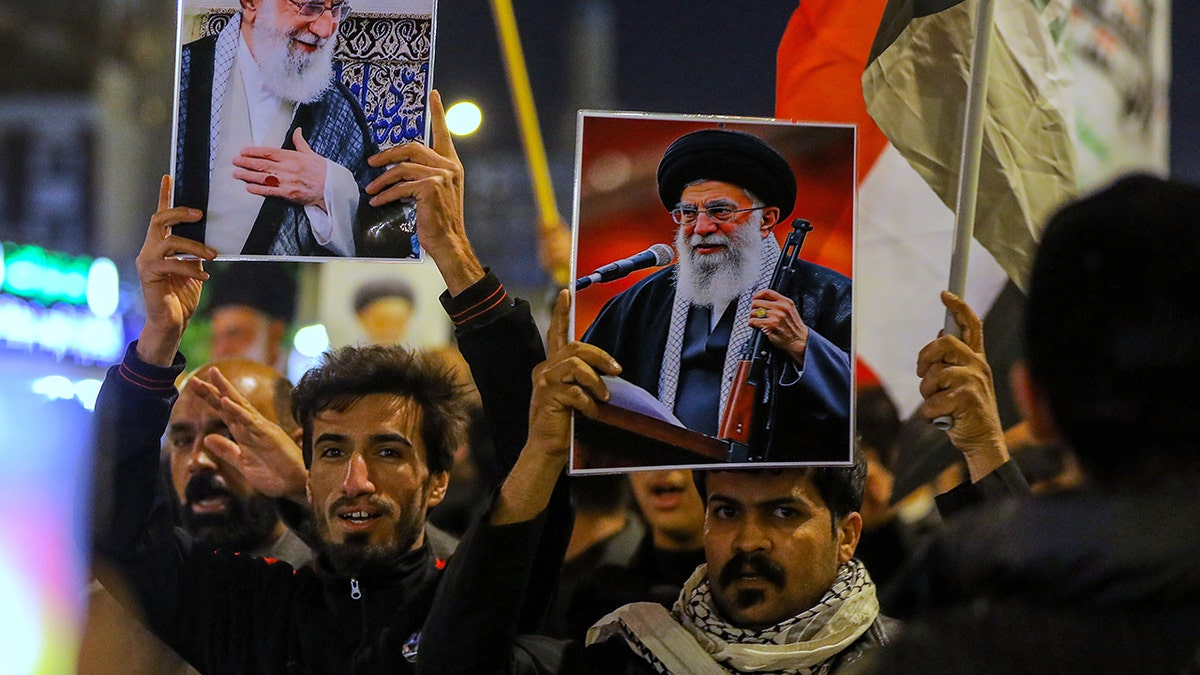
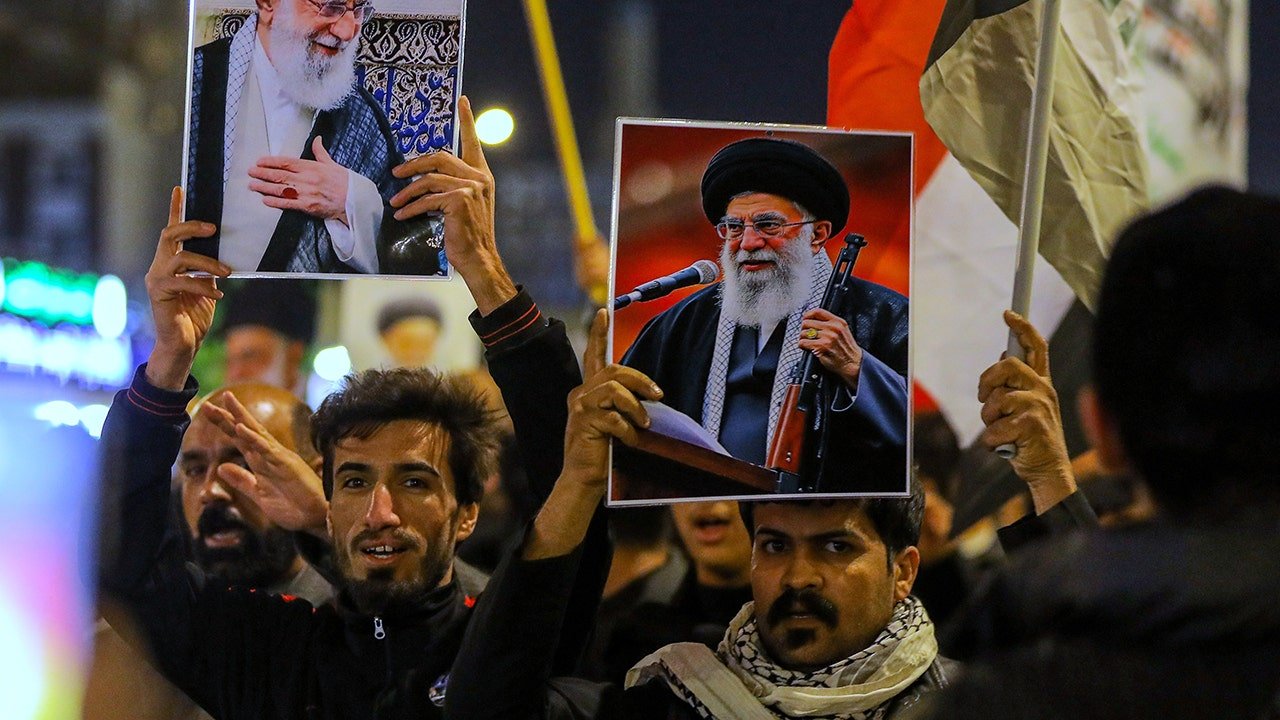
Iraqi Shiite men hold pictures of Iranian Supreme Leader Ayatollah Ali Khamenei during a symbolic funeral in Najaf, Iraq, on March 1, 2026. (Anmar Khalil/AP)
He told Fox News Digital, The Iraqi government also provides these groups with state identification cards, vehicles, and official government license plates under the cover of the PMF structure. This allows them to enter Baghdad’s high-security Green Zone at will and threaten the U.S. Embassy or any Iraqi state institution.»
CLICK HERE TO DOWNLOAD THE FOX NEWS APP
To underscore the dangers of the PMF, the U.S. Department of Justice announced on Monday a $10 million bounty on the terrorist leader of the pro-Iranian militia Harakat Ansar Allah al-Awfiya (HAAA).
The U.S. embassy on Monday wrote on X that the pro-Iran militia «Harakat Ansar Allah al-Awfiya (HAAA) terrorists have launched attacks across Iraq and the region, including the April 8 ambush of U.S. diplomats near the Baghdad International Airport. HAAA terrorists continue to undermine Iraqi sovereignty while threatening the safety and security of both Iraqi and U.S. civilians. We will not tolerate attacks on U.S. interests and expect all measures will be taken to dismantle Iran-aligned terrorist militia groups in Iraq.»
war with iran, iraq, counter terrorism, iran, sanctions







NEWYou can now listen to Fox News articles!
Pro-Israel college students who have watched socialism and anti-Israel activism gain ground on campus say the same political currents are now colliding with the Democratic Party — and the backlash is pushing some young Jewish voters to the right.
«Even before the craziness of the post-October 7 campus climate, it was already an underlying sense of, ‘America is bad and we’re gonna learn about that,’» University of Michigan rising senior Addison Stone told Fox News Digital.
Speaking at the Israel on Campus Coalition’s national summit in Washington this week, students said political currents they have watched spread on college campuses are increasingly surfacing in Democratic politics, particularly as the party’s progressive wing gains ground and clashes deepen over Israel.
Dylan Goldman, a rising senior at UC Berkeley, identified himself as «left leaning» and told Fox News Digital that Democratic lawmakers welcoming the popular socialist candidates – who overwhelmingly hold hostile postures toward Israel – are making a «really poor move.»
DEMOCRATS LURE ‘POLITICALLY HOMELESS’ GEN Z TOWARD SOCIALISM — A COUNTERATTACK IS TAKING SHAPE
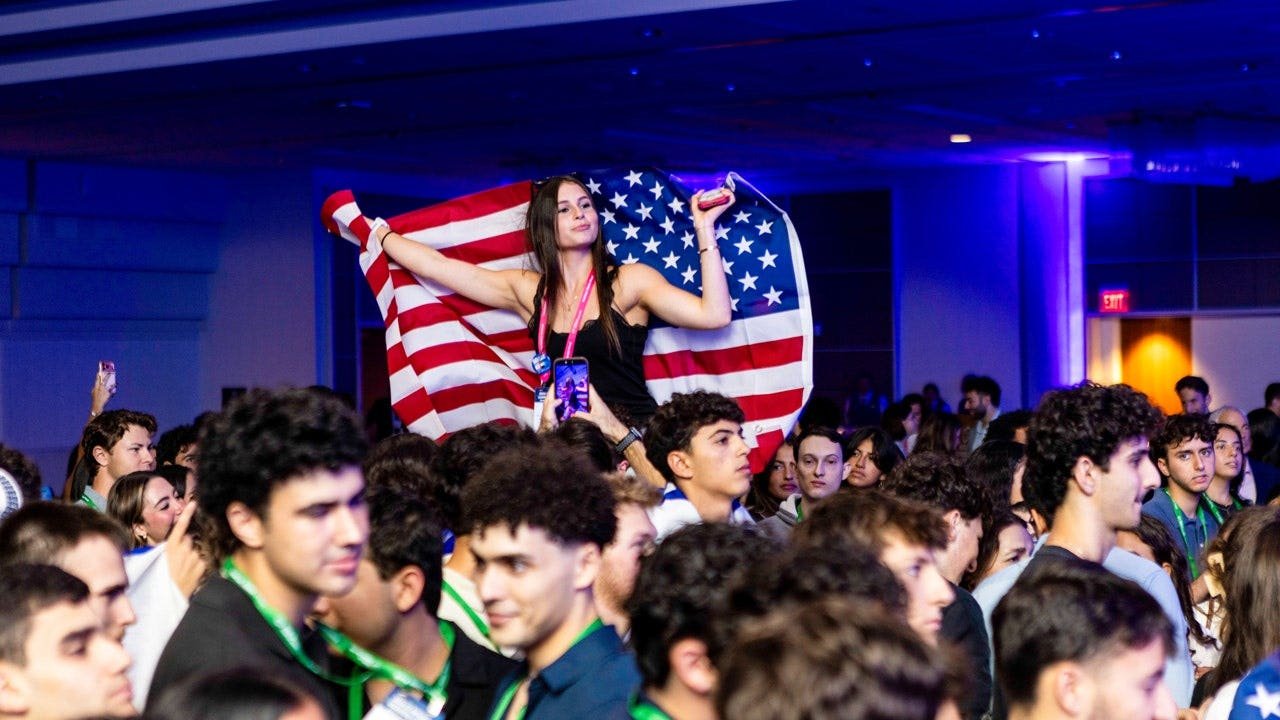
Israeli pop star Harel Skaat performs for students at the 2026 ICC National Leadership Summit in Washington, D.C. (Fox News Digital)
«Jewish Democrats who are not single-issue voters… now feel so alienated by our own party that it’s pushing us conservative. It’s pushing to go further right,» said Goldman.
Abdul El-Sayed, a progressive whose campaign drew support from the democratic socialist movement, won Michigan’s Democratic Senate primary Tuesday, adding to a string of victories for left-wing candidates challenging the Democratic establishment as the party battles for control of Congress in November’s midterm elections.
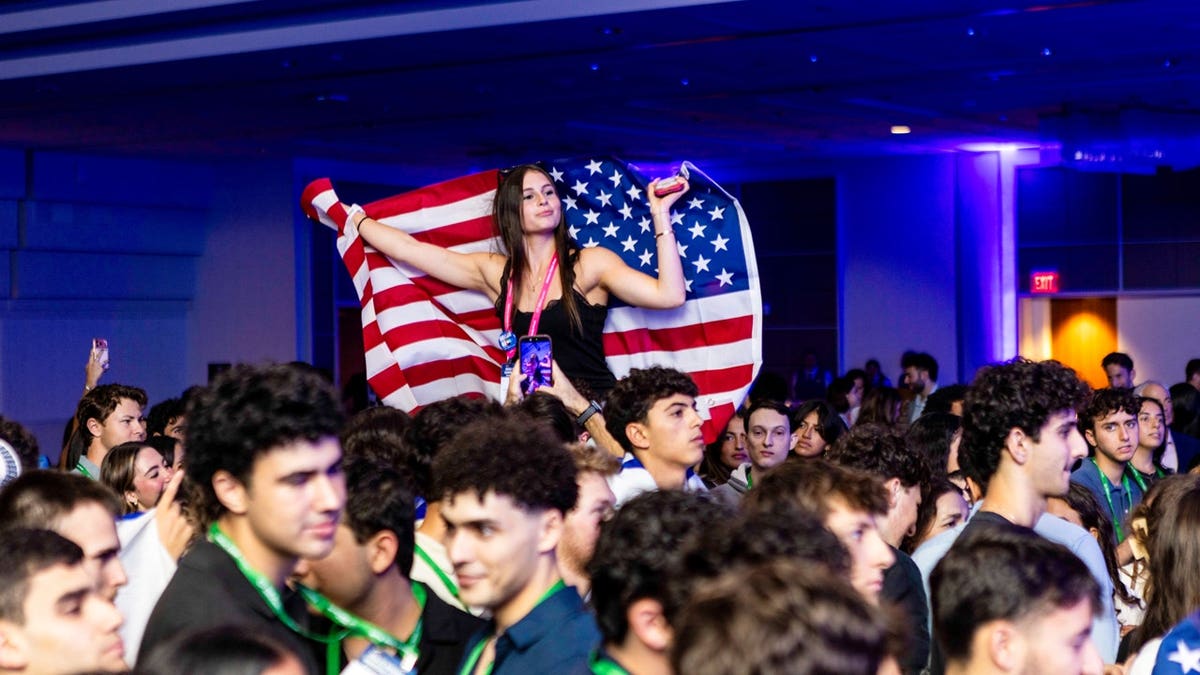
The conference brought hundreds of pro-Israel students to Washington for advocacy training, networking and discussions on supporting Israel, combating antisemitism and strengthening the U.S.-Israel relationship on college campuses.
«The academics don’t help, but they’re sort of helping indoctrinate the next generation and the next generation with the combination of learning about that in classes and going on social media and seeing it and the DSA trying to make everything cool with communism,» Stone said. «You’re really seeing the outcome of that on college campuses where they’re burning both American and Israeli flags.»
JEWISH MICHIGAN DEMOCRATS ADMIT THEY WILL VOTE REPUBLICAN IF ABDUL EL-SAYED BECOMES NOMINEE
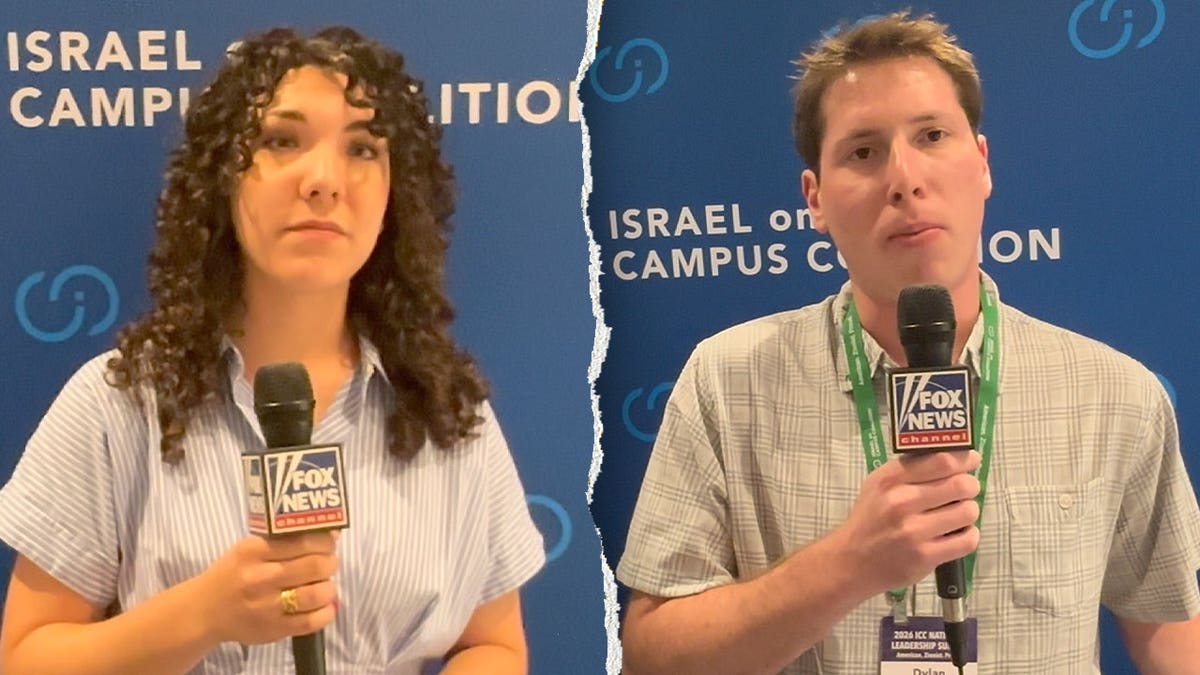
Student at a pro-Israel conference spoke with Fox News Digital about the ideologies finding support on college campuses. (Ashley DiMella/Fox News Digital)
As those political divisions play out nationally, organizers at the summit said Jewish students are still confronting the campus hostility that helped bring many of them to Washington.
«What’s happening to Jewish students on American campuses should alarm every American,» Israel on Campus Coalition CEO Jacob Baime told Fox News Digital. «The hostility is out in the open now: mobs on the quad, intimidation in the classroom, and harassment online. But here’s what the mob didn’t count on: this generation isn’t backing down.»
«These students are the proudest, toughest, most organized pro-Israel cohort we have ever seen. This week we brought more than 1000 campus leaders to Washington to train and equip them with the skills they need to go back to campus ready to fight for what they believe in,» he added.
FETTERMAN WINS PRAISE FOR ‘GUTS’ AFTER GOING TOE-TO-TOE WITH JON STEWART OVER ISRAEL SUPPORT
Israeli pop star Harel Skaat performs for students at the 2026 ICC National Leadership Summit in Washington, D.C. (Fox News Digital)
Fetterman, who spoke at the Israel on Campus Coalition’s flagship event, said the Democratic Party’s shifting posture toward Israel and the Jewish community is becoming increasingly consequential.
His support for Israel has repeatedly put him at odds with members of his own party, including over the broader conflict in the Middle East and his backing of President Donald Trump’s strikes on Iranian nuclear facilities.
«I think I was the only Democrat to support the Trump administration to bomb the Iranian nuclear facilities,» Fetterman told Fox News Digital. «If you don’t want them to acquire a nuclear bomb, it’s pretty reasonable to bomb their nuclear facilities.»
Fetterman argued the threat extends beyond Israel, casting the confrontation with Iran as a larger battle over American values and the West’s role in the region.
«The problem is Iran. That’s the problem,» he said, later adding, «I’m proud to stand for America, civilization, democracy, and Israel is our special ally that represents all of that in that region.»
campus radicals, socialism, gen z, campus controversy, democratic party, culture opinion, israel
INTERNACIONAL
Fiscalía pide 396 años de prisión para extesorero del Banco Nacional de Costa Rica acusado de sustraer ₡3,293 millones (USD 7.3 millones)
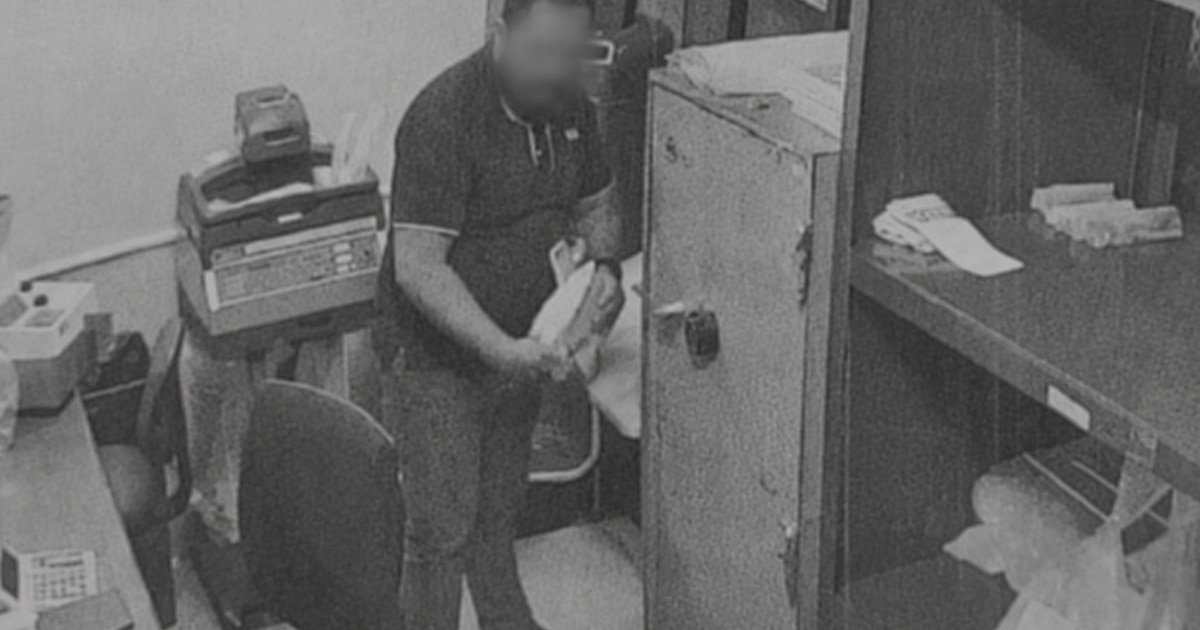
El juicio contra Ricardo Olivas Valle, extesorero del Banco Nacional de Costa Rica (BNCR), entró en su etapa final con la solicitud de la Fiscalía de una condena que suma 396 años de prisión por el supuesto desfalco de ₡3,293 millones (USD 7.3 millones) sustraídos de las bóvedas de la sede central de la entidad, en San José.
La Fiscalía Adjunta de Probidad, Transparencia y Anticorrupción (Fapta) inició la presentación de sus conclusiones ante el Tribunal Penal, donde expondrá por qué considera que el exfuncionario es responsable de los hechos que se le atribuyen y solicitará formalmente la pena de cárcel.
Olivas Valle enfrenta una acusación por 33 delitos de peculado, uno por cada extracción de dinero que, según el Ministerio Público, habría realizado entre 2021 y 2023 aprovechando los últimos minutos de la jornada laboral y los momentos de menor vigilancia dentro de la institución.
De acuerdo con la investigación, las sustracciones ocurrían principalmente entre las 4:16 p. m. y las 5:29 p. m., cuando el movimiento dentro de las instalaciones disminuía. La Fiscalía sostiene que el extesorero aprovechaba supuestos fallos en los controles internos para retirar millones de colones de las bóvedas.
Durante el juicio fueron analizadas decenas de grabaciones de seguridad que, según la acusación, muestran al exfuncionario colocando fajos de billetes en sobres de manila amarillos para luego salir de la entidad pasando por los controles de seguridad.

El caso fue denominado “Gallo Tapado” por el Organismo de Investigación Judicial (OIJ) y la Fiscalía debido al presunto mecanismo utilizado para ocultar el origen del dinero.
Según la tesis acusatoria, Olivas habría utilizado parte de los fondos sustraídos para comprar diariamente grandes cantidades de fracciones y billetes de lotería de la Junta de Protección Social (JPS). Cuando resultaba ganador, el dinero era depositado en sus cuentas bancarias, lo que habría permitido introducir los recursos al sistema financiero aparentando que provenían de una fuente legítima.
Durante los allanamientos realizados en su vivienda, las autoridades encontraron cerca de 3,000 fracciones de lotería, como parte de las evidencias incorporadas al expediente judicial.
El Ministerio Público sostiene que la prueba presentada durante el debate demuestra la participación del exfuncionario en las extracciones de dinero y solicitó una condena acumulada de 396 años.
Sin embargo, aunque la sumatoria de penas supera ampliamente la normativa nacional, la eventual sentencia deberá ajustarse al límite máximo establecido por la legislación costarricense, que actualmente es de 36 años de prisión.
Además de la Fiscalía, en el proceso participan como partes acusadoras la Procuraduría General de la República y el Banco Nacional, institución que reclama los recursos supuestamente sustraídos.
Durante su declaración ante el Tribunal, Olivas Valle reconoció que tuvo problemas relacionados con los juegos de azar, aunque afirmó que su adicción estaba limitada a la compra de lotería.
“Tuve adicción a los juegos, en algún momento, a la lotería solamente”, declaró el exfuncionario, quien aseguró que tras ingresar a prisión en 2023 su problema estaba relacionado únicamente con “ganas de jugar”.
El extesorero negó que su conducta estuviera vinculada con otros tipos de apuestas y afirmó que compraba principalmente tiempos y monazos, mientras que la lotería la adquiría en menor cantidad.

La investigación también reveló presuntas debilidades en los mecanismos de supervisión interna del Banco Nacional.
Según la acusación, desde 2019 no se realizaban arqueos físicos exhaustivos en las bóvedas, situación que habría permitido que las supuestas sustracciones continuaran durante varios años sin ser detectadas.
Además de Olivas Valle, otras personas fueron incluidas en investigaciones separadas por posibles omisiones, incumplimiento de deberes o encubrimiento. Entre ellas figuran supervisores, contadores, personal de seguridad y exdirectivos jurídicos de la entidad.
El juicio continuará con la etapa de conclusiones de las partes y posteriormente el Tribunal Penal deberá definir la responsabilidad del exfuncionario y la eventual sentencia.
INTERNACIONAL
Nigeria’s largest rescue operation frees 308 hostages held by militants in Kwara State
NEWYou can now listen to Fox News articles!
Victims held for six months in captivity at the hands of jihadi kidnappers in Nigeria detailed on Friday the harrowing conditions they were kept in after being liberated in what Nigerian officials are calling the largest rescue operation in the country’s history.
Nigerian forces rescued at least 308 victims from captivity in the past week, with the bulk of the victims coming from two distinct groups. 163 of the victims were taken from the Woro community in Nigeria’s Kwara State in a Feb. 3 raid that saw their jihadi kidnappers kill an additional 160 people in the Woro village.
The victims told the Associated Press that they believed they had been taken as punishment for refusing to accept and acquiesce to the religious preachings of the jihadis.
One woman, Hauwa Saliu, told the outlet that her captors constantly asked the victims if they had accepted jihad yet.
NIGERIAN PASTOR HIGHLIGHTED BY TRUMP SAYS HE’S NEXT AFTER MILITIA KILLS HIS RELATIVES
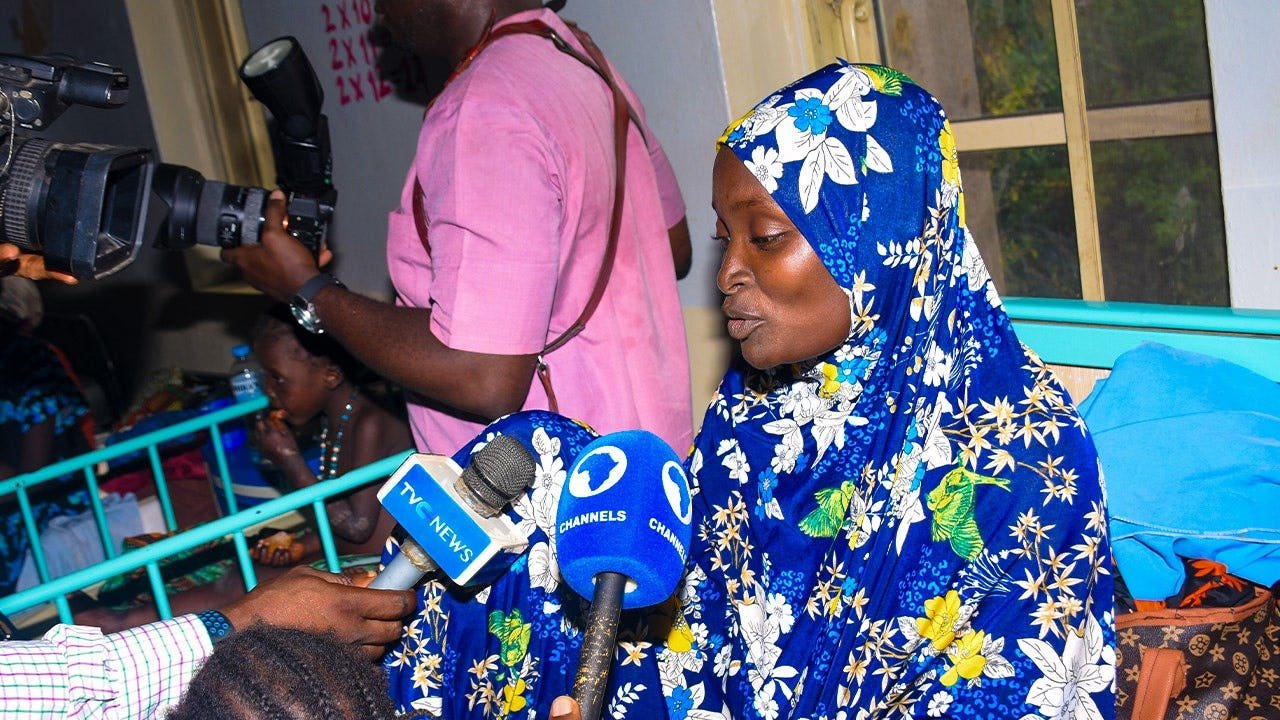
Hauwa Saliu, a woman who is among those rescued by Nigerian forces this week, about six months after being abducted by militants in February, speaks to journalist as she receives medical attention at a hospital in Ilorin, Nigeria, Friday, Aug. 7, 2026. (AP Photo/Abubakar Khadijat)
«We prayed to God to help us go back home, but it never really crossed our minds that we were going to go back home,» she told the outlet.
Another victim, Amira Saliu, described the conditions in which the women and children were being kept, explaining that they were held in a forest near a river, and forced to put out fires and hide when they heard helicopters nearby.
FREED HOSTAGE ROM BRASLAVSKI DETAILS ABUSE, STARVATION DURING 738 DAYS IN GAZA CAPTIVITY
Saliu, a nurse, also explained how she had to help 10 women give birth with no medical equipment or sanitary gloves.
«I had no choice but to use my bare hands,» she told the outlet.
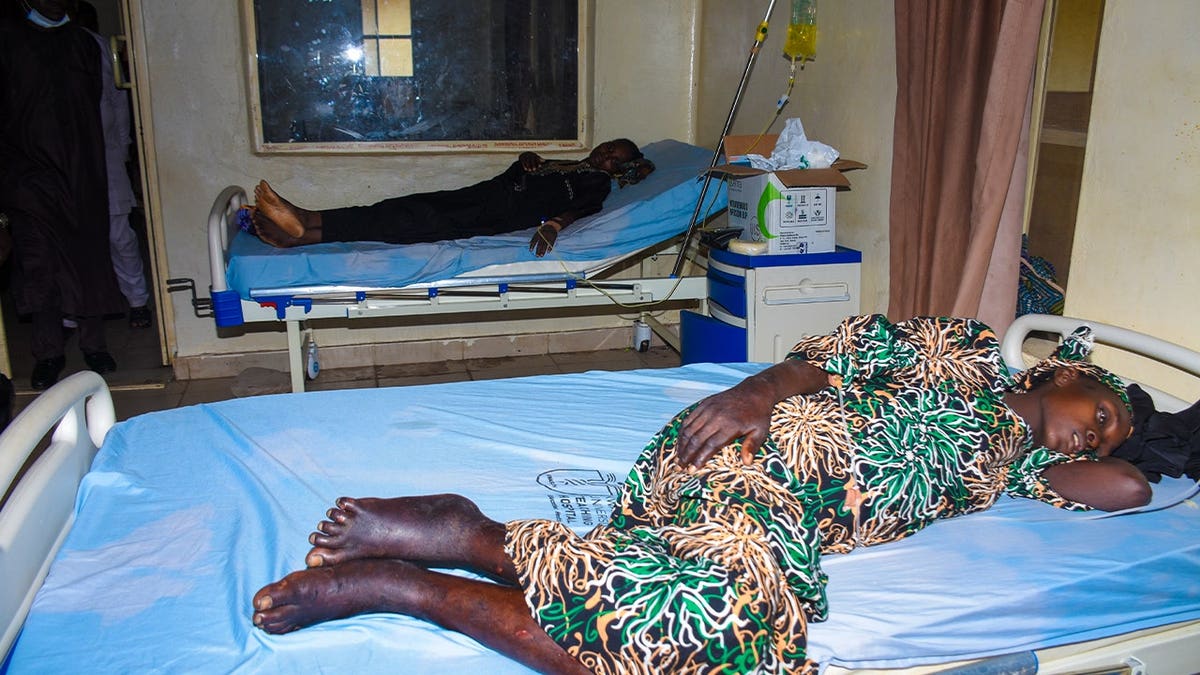
Women who were rescued after being held in a forest after they were abducted from the Woro community by gunmen in February receive medical attention at a hospital in Ilorin, Nigeria, Friday, Aug. 7, 2026. (AP Photo/Abubakar Khadijat)
Mary Ishaya, 44, told the outlet that the captives often went days without food and had to bury other captives who had died.
«I still cannot find the right words to describe what has happened to us. We saw death and suffering,» she said.

A woman who was rescued after being held in a forest after being abducted from the Woro community by gunmen in February receives medical attention at a hospital in Ilorin, Nigeria, Friday, Aug. 7, 2026. (AP Photo/Abubakar Khadijat)
The governor of Kwara State, AbdulRahman AbdulRasaq, told reporters during a news conference that 46 victims were being treated at a hospital.
«This is indeed, indeed a very sad situation. We’ve not yet come to terms with it. We’re still assessing the situation. As you can see, it’s just kids … children and women that are here today,» he said. «It’s truly a shame that this has happened.»
COULD THIS AFRICAN NATION BECOME TRUMP’S NEXT TERROR TARGET AS JIHADISTS CLOSE IN ON POWER?
The incident highlights the ongoing tensions between Nigeria’s militant Islamic insurgency in the north and the country’s large Christian population, who make up roughly 45% of Nigeria’s citizens.
On Christmas Day, President Donald Trump, in coordination with Nigeria’s government, authorized precision missile strikes on Islamic State-affiliated groups in northern Nigeria, citing the need to protect the country’s Christians.
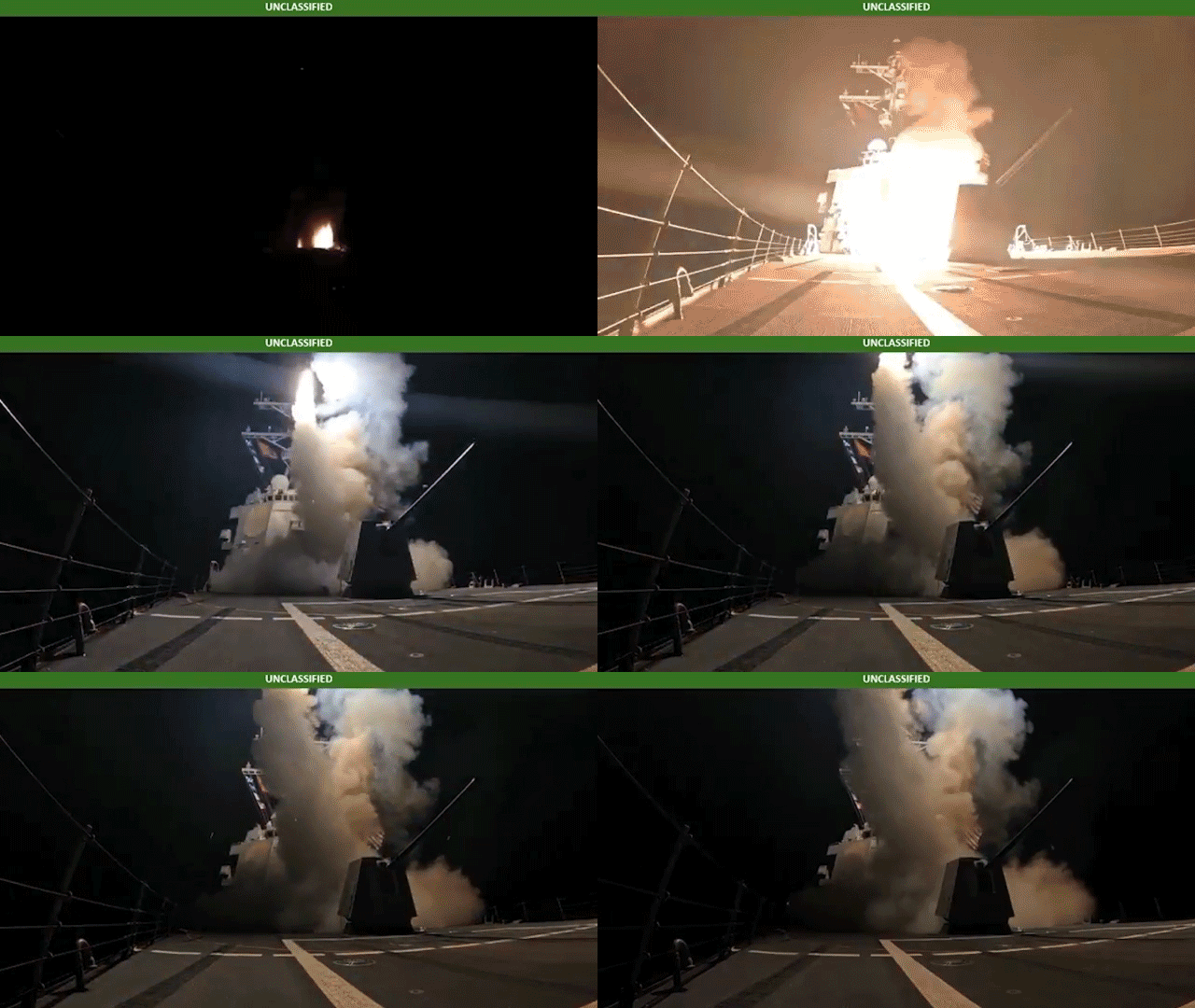
US launches strike against ISIS in Nigeria. (Department of War via X)
The U.S. followed up in May, launching coordinated joint military action that reportedly resulted in the death of senior Islamic State leader Abu Bakr al-Mainuk.
The Associated Press contributed to this report.
islam, africa, counter terrorism, terrorism, world, human rights

Socialism’s campus appeal meets Gen Z resistance as students keep score on communism

El Chelsea de Xabi Alonso ya carbura y golea al Milan de Amorim

El reemplazo del histórico FAL: cómo Brasil desarrolló un fusil propio y qué pasó con el FARA 83 argentino

La mañana a pura complicidad de la China Suárez y Mauro Icardi: “Confía en mí”

El Gobierno, en racha de costos políticos: mala praxis y cerrazón ideológica

Murió Jorge Messi, en vivo: la resolución de la AFA para los partidos de todas las categorías del fútbol argentino

La oposición cuestionó a Benegas Lynch por su empresa para vender campos a extranjeros y el senador libertario se defendió

Dólar hoy en vivo: a cuánto se negocian todas las cotizaciones minuto a minuto este miércoles 5 de agosto

Brasil retira a su embajador en la Argentina: qué consecuencias tiene la medida diplomática

Las centrales obreras y los movimientos sociales anunciaron dos días de conflicto callejero
-
 POLITICA2 días ago
La oposición cuestionó a Benegas Lynch por su empresa para vender campos a extranjeros y el senador libertario se defendió
-
 POLITICA3 días ago
Las centrales obreras y los movimientos sociales anunciaron dos días de conflicto callejero
-
 POLITICA2 días ago
El mapa de cortes por la movilización al Congreso contra la modificación a la "Ley de Tierras"