INTERNACIONAL
La migración nicaragüense a España cuadruplica su volumen en ocho años


En los últimos ocho años, el número de nicaragüenses que residen en España se ha multiplicado por cuatro, impulsados por crisis económica y represión interna, mientras que las remesas enviadas desde ese país hacia Nicaragua también han experimentado un salto sin precedentes desde 2018, confirmando el impacto estructural de la migración reciente.
Según cifras del Instituto Nacional de Estadística (INE) de España citadas por Confidencial, el incremento de la migración resultó en un 301 % más de ciudadanos nicaragüenses residiendo en territorio español, al tiempo que el monto de remesas creció un 216,5 % entre 2018 y abril de 2025.
En 2018, solo 31,180 personas nacidas en Nicaragua residían en España. Para el primero de enero de 2026, esa cifra ascendió a 93,905, de acuerdo con los registros del INE publicados por Confidencial. El aumento ha sido especialmente notable entre mujeres, quienes ahora representan la mayoría de este grupo migrante.
De acuerdo con el Banco Central de Nicaragua (BCN), el flujo de remesas procedentes de España alcanzó los 303,5 millones de dólares al cierre de 2024, frente a los 140,2 millones recibidos en 2017, último año previo a la Rebelión de Abril consignado por el BCN en el reportaje de Confidencial. Estos envíos han sostenido considerablemente a la economía familiar en Nicaragua, donde casi un millón de personas han abandonado el país entre 2018 y 2025, según cálculos de Manuel Orozco, experto en migración citado en el artículo.

En los años 2020 y 2021, las remesas enviadas desde España superaron a las que llegaban desde Costa Rica, según los registros del BCN que destaca el Confidencial.
Aunque Costa Rica recuperó el segundo puesto después de Estados Unidos como canal de envío en 2022 —con una diferencia inicial mínima (275,9 millones desde Costa Rica frente a 270,1 millones desde España)—, la brecha se amplió hasta superar los 92 millones de dólares en 2024.
El deseo de emigrar, según Jesús Téfel, presidente de Hagamos Democracia, responde a una “desesperanza ante la crisis económica” que ha persistido desde el inicio de las protestas de 2018, con un repunte en 2021 descrito a Confidencial. El economista Enrique Sáenz subraya que esta migración masiva “es la evidencia del fracaso económico, social y político de la dictadura”, ya que la población sigue buscando alternativas vitales fuera del país.
Historias como las de Gary Estrada y Javier —ambos nicaragüenses que decidieron establecerse en España tras la Rebelión de Abril y la pandemia de covid-19 respectivamente— ilustran los retos y mecanismos que emplean los migrantes para asegurar el sustento de sus familias en Nicaragua. Estrada envía mensualmente entre 150 y 200 euros (175 y 223 dólares) a su madre, y Javier remite cerca de 500 euros (585 dólares) mensuales a sus padres, siempre utilizando plataformas digitales, locutorios o transferencias bancarias para garantizar la llegada íntegra de estos fondos.
En España, de una población total de 49,6 millones, más de 10 millones han nacido fuera del país, de acuerdo a los datos revisados por Confidencial. Aplicaciones como Remitly y los servicios en locutorios se han convertido en herramientas frecuentes para los nicaragüenses, permitiendo envíos de dinero con costos que oscilan entre tres y cinco euros (3,50–6 dólares) por transacción.

La preferencia histórica por emigrar a Estados Unidos decayó tras las restricciones migratorias introducidas en la segunda administración de Donald Trump, obligando a muchos a considerar Europa —y España en particular— como nuevo destino, indica Téfel a Confidencial. La ausencia de barrera lingüística y la posibilidad de utilizar España como puerta de entrada a la Unión Europea han sido factores determinantes para ese cambio de tendencia.
Sáenz señala que existen obstáculos objetivos —la distancia geográfica y la falta de tradición migratoria hacia España— aunque este patrón está en transformación acelerada gracias al flujo reciente de nicaragüenses.
Efectivamente, los cambios políticos en España generan incertidumbre para la comunidad migrante. Gary Estrada, activista social, advierte del riesgo de nuevas políticas restrictivas si un cambio de gobierno trasladara al poder a fuerzas conservadoras, lo que podría afectar los derechos adquiridos por los migrantes nicaragüenses, incluso por quienes ya han obtenido la nacionalidad española. Sáenz coincide y alerta que un giro político “abriría una posición más hostil hacia la migración”, poniendo en entredicho el acceso de los aproximadamente 40,000 nicaragüenses indocumentados que podrían ser regularizados.
El fenómeno de la migración nicaragüense hacia España se inscribe, según Confidencial, en un contexto de profunda crisis social y política en Nicaragua desde 2018. Tanto los flujos humanos como el envío de remesas constituyen variables estructurales que transforman las relaciones entre ambos países y las estrategias de supervivencia de miles de familias nicaragüenses.
Society / Social Issues,Europe













INTERNACIONAL
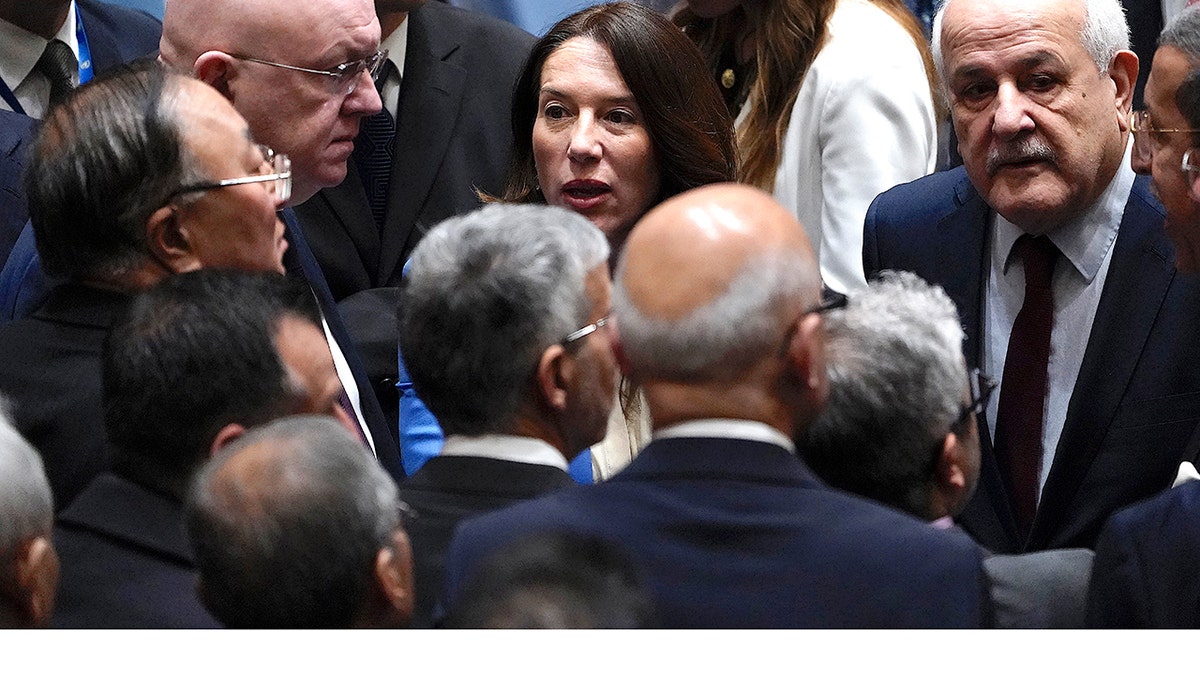
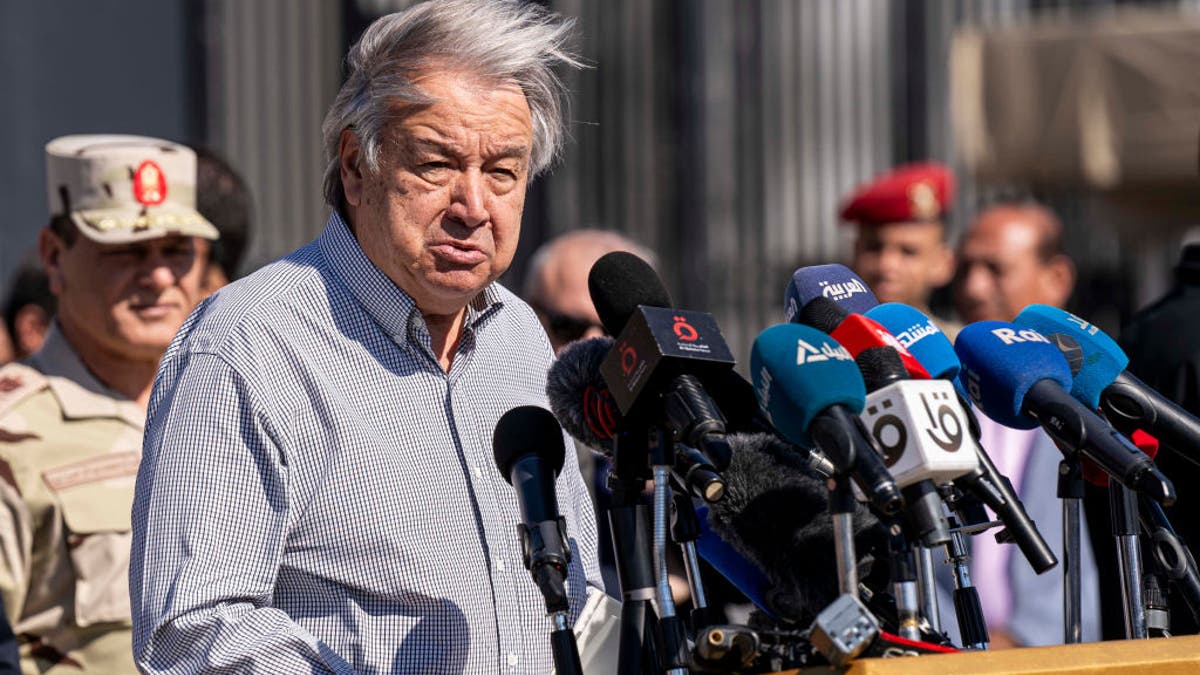
UN chief backs official who reposted anti-Israel activist’s claims amid calls for investigation




anti semitism, united nations, israel, hamas, terrorism
INTERNACIONAL
Estupor en Estados Unidos por el hallazgo de 16 chicos en estado «casi salvaje» en una casa rural: «Una escena repugnante»

“Una escena repugnante”


Los niños rescatados parecían «animales salvajes»
Un vecino no vio a ningún niño.


Condiciones inimaginables

Otros casos de abuso familiar
INTERNACIONAL
‘It’s insane’: GOP senator says Supreme Court birthright ruling hands China a citizenship loophole

NEWYou can now listen to Fox News articles!
FIRST ON FOX: In the midst of a blitz of Republicans shaking their fists at the Supreme Court, one Senate Republican is warning of national security consequences for the court’s bombshell birthright citizenship decision.
Sen. Eric Schmitt, R-Mo., worries that the court’s 6-3 decision leaves America vulnerable to threats, particularly from China. In an interview with Fox News Digital, he explained a multistep path that lawmakers and the administration could take to tackle the issue.
«I want to get this done because I really believe that the future of our country is on the line,» Schmitt said. «We can’t have Chinese generals sending their wives to this country to give birth and going back for 18 years and coming back and being citizens. It’s insane.»
ALITO WARNS SUPREME COURT MADE ‘SERIOUS MISTAKE’ THAT COULD HAVE NATIONAL SECURITY CONSEQUENCES
Sen. Eric Schmitt, R-Mo., questions FBI Director Kash Patel during a Senate Judiciary Committee hearing on Capitol Hill in Washington, DC on September 16, 2025. (AFP via Getty Images)
While some lawmakers want a constitutional amendment and others are pushing legislation, Schmitt has a foot in both camps. He contended that in all, there is «a short-term, medium-term and long-term solution.»
«The short-term is executive action, the medium-term is our legislative action that we could take, and then the long-term solution is the constitutional amendment,» Schmitt said. «I think we should pursue all of those.»
The clearest shot to counter the court’s decision would be through a constitutional amendment, but legislation may be the more realistic route, he said. He’s following the breadcrumb trail left by Supreme Court Justice Brett Kavanaugh to do it, too.
SUPREME COURT RULING SPARKS RACE TO KILL A MULTIBILLION-DOLLAR LOOPHOLE IN CONGRESS
«Congress could — consistent with the Fourteenth Amendment — amend or otherwise enact new legislation establishing exceptions to birthright citizenship for children born to foreign citizens unlawfully or temporarily in the country,» Kavanaugh wrote in the court’s decision. «But Congress has not yet done so.»
Schmitt’s legislation would clarify the language of the 14th Amendment. The court interpreted the words «subject to the jurisdiction thereof» within the text to effectively mean all children born in the U.S. are automatically granted citizenship.
His plan is to modify the language to include «not subject to a foreign power,» which he contended would return the 14th Amendment to its original intent and prevent foreign adversaries from quietly scoring citizenship.
REPUBLICANS DECLARE WAR ON ‘ORGANIZED THEFT’ WITH GOVERNMENT FRAUD CRACKDOWN

DF-17 Dongfeng medium-range ballistic missiles equipped with a DF-ZF hypersonic glide vehicle, shown during a military parade to mark the 70th anniversary of the Chinese People’s Republic. (Zoya Rusinova/TASS via Getty Images)
«That would get back to what the meaning was supposed to be, that the court got wrong, which would give us the opportunity, I think, for potentially the decision to be overturned, because Congress has clarified it,» Schmitt said.
But, like nearly every legislative push in the Senate, the 60-vote filibuster threshold is a barrier.
That means that Schmitt, or any Republican pushing a bill dealing with birthright citizenship, will need Democratic support to pass.
CLICK HERE TO DOWNLOAD THE FOX NEWS APP
Schmitt pointed to the late former Senate Majority Leader Harry Reid’s bill from 1993, the Immigration Stabilization Act, which among other things sought to tweak the 14th Amendment to prevent children of illegal immigrants born in the U.S. from gaining citizenship, as a marker that at one point, Democrats supported the same thing he and Republicans are pushing for.
«It wasn’t that long ago that Harry Reid actually had legislation to deal with this issue,» he said. «And so, you know, are the Democrats going to be a party that learned their lesson from the Biden years where they were open borders and they let 15 to 20 million people here illegally?»
«They don’t believe in sovereignty that we can tell people who can come and who can go,» Schmitt continued. «Is that who they are, or are they gonna make a shift more towards where the American people are at?»
politics, immigration, constitution, national security, senate

La Fiscalía pidió indagar a cuatro sospechosos por las amenazas contra el periodista Hugo Alconada Mon tras revelar el plan de inteligencia de la SIDE

Causa por los fajos de dólares: dos policías declararon y no pudieron confirmar que el vestidor que allanaron sea el de los videos de Cirio

UN chief backs official who reposted anti-Israel activist’s claims amid calls for investigation

Parque de la Costa en las vacaciones de invierno: a qué hora abre, cuánto cuesta la entrada y cómo llegar

Crisis total: así fue la fuerte pelea de la China Suárez con Mauro Icardi que los dejó al borde de la separación

En medio del Mundial, el Manchester City compró al 8 de Inglaterra por ¡135 millones de euros!

Tras haber dejado su cargo de jefe de Gabinete, Manuel Adorni también renunciará como director de YPF

Shipping giant warns Strait of Hormuz chaos is ‘new normal’ as Tehran shifts 4M barrels

Con la incorporación de Santilli al Gabinete, el Gobierno relanza su estrategia para las elecciones 2027

El método con billeteras y bancos para ahorrar más de $100.000 mensuales en compras clave

 POLITICA1 día ago
Con la incorporación de Santilli al Gabinete, el Gobierno relanza su estrategia para las elecciones 2027
- ECONOMIA3 días ago
Exportadores y el sindicato de aceiteros acordaron un aumento de sueldo para todo 2026
- ECONOMIA2 días ago
Comcast’s Breakup Is Overdue. It Shouldn’t Rush Into a New Marriage.