INTERNACIONAL
Major city bans ads for meat, fossil fuels in sweeping crackdown critics call overreach

NEWYou can now listen to Fox News articles!
Amsterdam has reportedly become the first capital city in the world to ban public ads for meat and fossil fuels — wiping burgers, gas-powered cars, and airline promotions from billboards, tram stops and metro stations.
Since May 1, the Dutch capital and tourist hotspot’s advertising landscape has undergone a dramatic shift. Ads once showcasing chicken nuggets, SUVs, and budget flights have been replaced with promotions for museums and concerts, according to BBC News.
Local politicians say the sweeping move is part of an aggressive climate agenda, with goals to reach carbon neutrality by 2050 and cut meat consumption in half, the outlet reported.
‘MEAT-CENTRIC’ MEALS LIKE THANKSGIVING CONTRIBUTE TO A CLIMATE CRISIS: BLOOMBERG
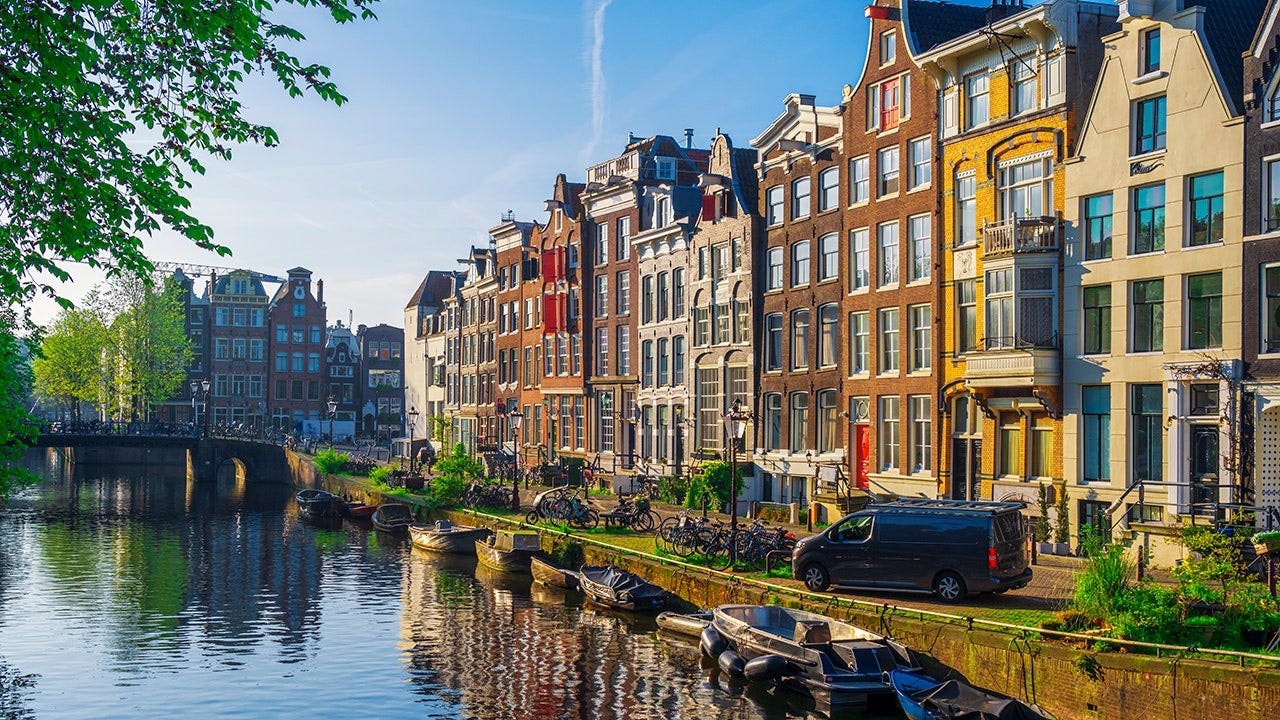
Boats are seen on the canal in downtown Amsterdam. (iStock)
«The climate crisis is very urgent,» Anneke Veenhoff from the GreenLeft Party said. «I mean, if you want to be leading in climate policies and you rent out your walls to exactly the opposite, then what are you doing?»
But critics argue the policy crosses a line — calling it an overreach that attempts to engineer personal choices, according to BBC News.
The Dutch Meat Association blasted the ban as «an undesirable way to influence consumer behavior,» warning that meat provides essential nutrients and should remain visible and accessible, the outlet reported.
Meanwhile, travel industry leaders say the restrictions unfairly target businesses.
FLARING CLIMATE PROTESTS BECOMING MORE CONFRONTATIONAL AS FREE SPEECH TESTED GLOBALLY
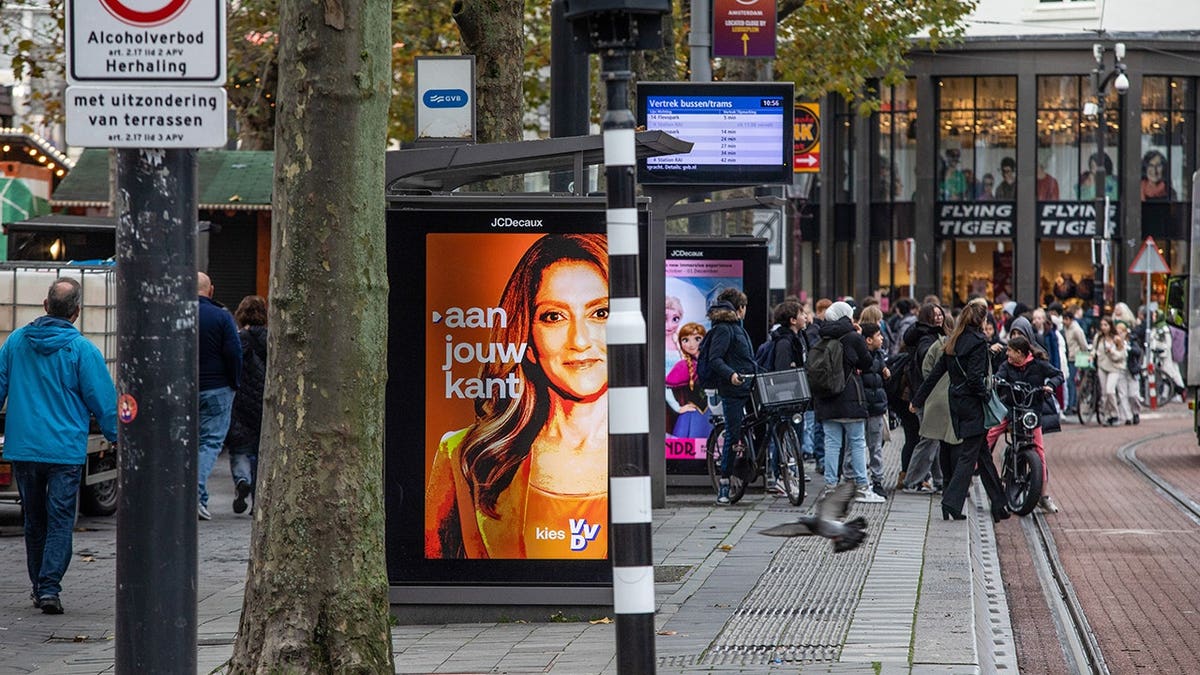
An ad is displayed at a tram stop in Amsterdam, Netherlands, on Nov. 16, 2023. (Peter Boer/Bloomberg)
The Dutch Association of Travel Agents and Tour Operators called the ban on airline advertising a disproportionate blow to commercial freedom, according to BBC News.
Supporters, however, are framing the policy as a broader cultural shift — even comparing meat ads to cigarette campaigns of decades past.
«Because if I look now back at like old pictures, you have Johan Cruyff,» Hannah Prins, a paralegal at Advocates for the Future, told the outlet. «The famous Dutch footballer. … He would be in advertisements for tobacco. That used to be normal. He died of lung cancer.»
Prins added, «I don’t think it’s normal to see murdered animals on billboards. So I think it’s very good that that’s going to change.»
CLIMATE GROUPS SUE TRUMP ADMINISTRATION OVER EPA’S BOMBSHELL DEREGULATION DECISION
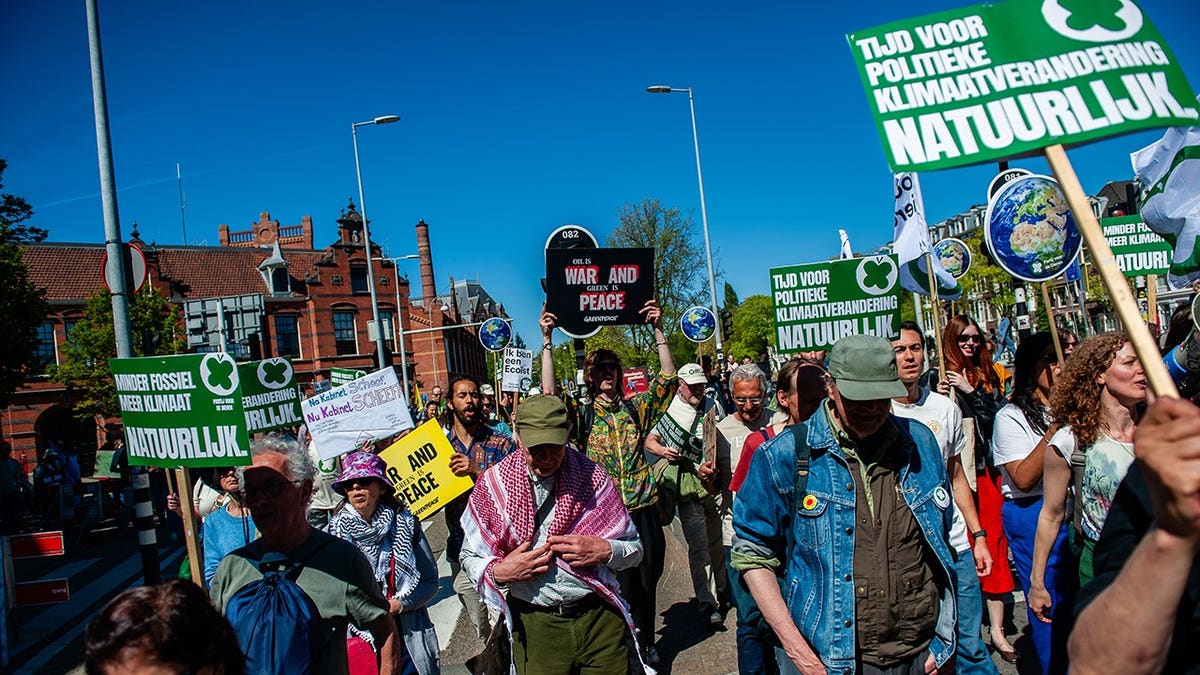
Climate activists hold posters demanding peace during a march in Amsterdam on May 1, 2026. (Ana Fernandez/SOPA Images/LightRocket/Getty Images)
CLICK HERE TO DOWNLOAD THE FOX NEWS APP
Other Dutch cities — including Haarlem, Utrecht and Nijmegen — have rolled out similar restrictions, while cities across Europe continue pushing to curb fossil fuel advertising, BBC News reported.
Meanwhile, in the United States, federal officials have taken a markedly different approach to food policy.
The Department of Health and Human Services earlier this year unveiled updated dietary guidance featuring an inverted food pyramid. The top of the pyramid, now the wider part of the structure, is built on meat, fats, fruits and vegetables, while whole grains are at the narrow bottom.
Fox News Digital’s Angelica Stabile contributed to this report.
world, advertisements, cities, airlines, food, lifestyle, climate









NEWYou can now listen to Fox News articles!
Leah Stewart, an Australian mother and teacher who lost an arm after a shark attack at Sydney’s Coogee Beach, has been reading messages from supporters around the world during sleepless nights as she continues her long recovery, her family said.
«We’ve been sharing some of the beautiful messages we’ve received with Leah and she’s loved them, finding inspiration from the care and love you’ve all shared,» her brother, Joshua Stewart, wrote in a GoFundMe update on Sunday.
«Leah has had some challenging days but has found real strength from your kindness and support,» he added.
Leah Stewart has struggled with sleep in her recovery and has leaned on the wave of support from family, friends and strangers.
AUTHORITIES IDENTIFY WOMAN KILLED IN ALLIGATOR ATTACK WHILE SWIMMING WITH FRIENDS IN CENTRAL FLORIDA
«Since the incident Leah has had difficulty sleeping, and on those nights she’s been reading back through your messages, not only from her family and community in Australia and her whānau in New Zealand, but also from people all across the world,» he wrote, using the Maori word for family. «They’ve given her real comfort and strength.»
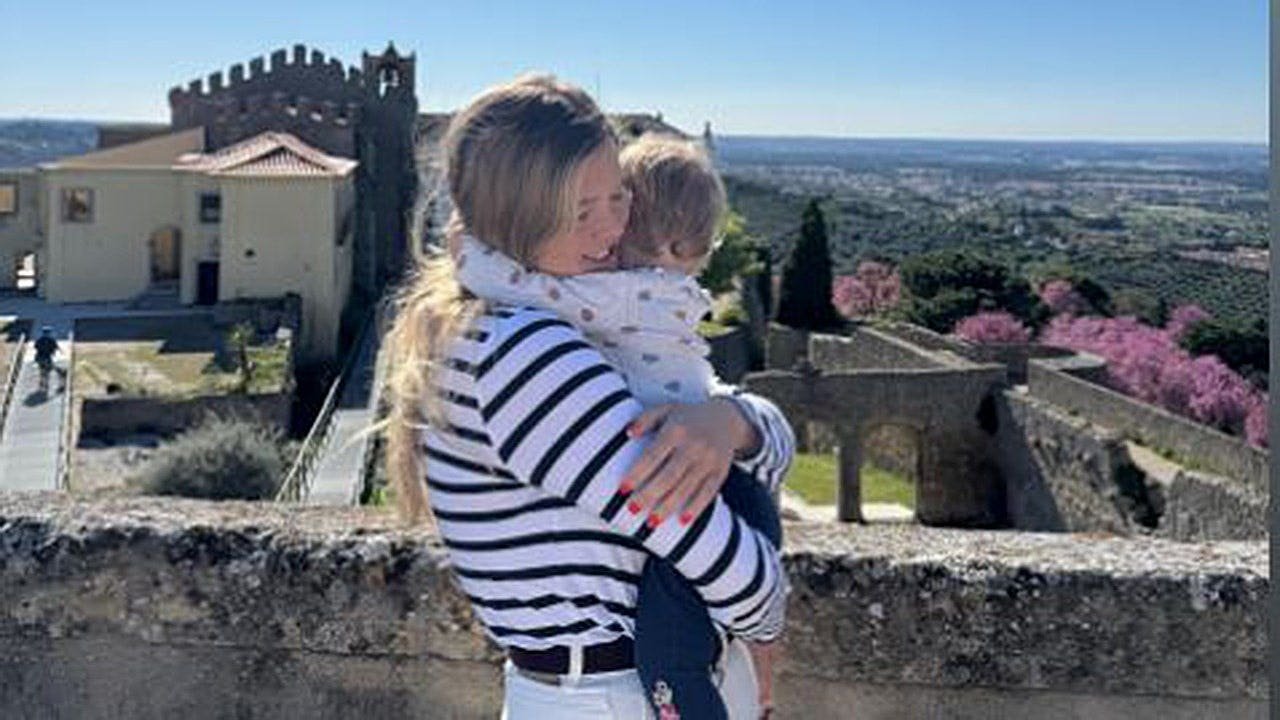
Stewart, mother to a 1-year-old daughter and passionate teacher, was attacked June 13 while on a morning swim close to shore and within the flags at Coogee Beach, according to her family. She suffered life-threatening injuries, including multiple bites across her arms and legs, lacerations, fractures and extreme blood loss.
She was placed on life support, put under a medically induced coma and underwent multiple surgeries in the days after the attack. Her treatment required the amputation of one arm, and the family said more surgeries were scheduled as doctors worked to save her life and stabilize her condition.
Stewart, who woke up from her 10-day coma after doctors reduced her sedation, told her mother and partner, Fernando, «I love you.» Her brother said at the time that her first thoughts were with her young daughter, August.
SHARK ATTACK SURVIVOR WAKES FROM 10-DAY COMA AND SHARES FIRST WORDS WITH FAMILY AT HER HOSPITAL BEDSIDE
«Leah has a long road ahead,» Joshua Stewart wrote after she briefly woke, calling the moment a hopeful first step in her recovery.
Joshua Stewart said the family wanted to apologize for delays in responding to supporters, explaining they have had issues with the GoFundMe messaging system.
«Leah is beyond overwhelmed at the amazing support she has received and that her story has resonated with so many people,» he wrote. «Thank you!»
The fundraiser was launched to help Stewart, her partner and their young daughter through what her family described as a heartbreaking situation. The money will support her recovery, prosthetics, rehabilitation, ongoing care and the major adjustments she will need as she works toward returning to life as a mother.
CLICK HERE TO DOWNLOAD THE FOX NEWS APP
Her family also thanked the lifesavers, first responders, helicopter crew and medical team at St. Vincent’s Hospital who helped care for Stewart after the attack.
«As a family we are shocked and devastated that this could happen to our beloved partner, daughter and mother who is so full of life and energy,» Joshua Stewart wrote.
sharks, australia, new zealand, travel safety, beach
INTERNACIONAL
República Dominicana: Nuevo grupo eleva a 171 personas retornadas desde Venezuela tras los terremotos
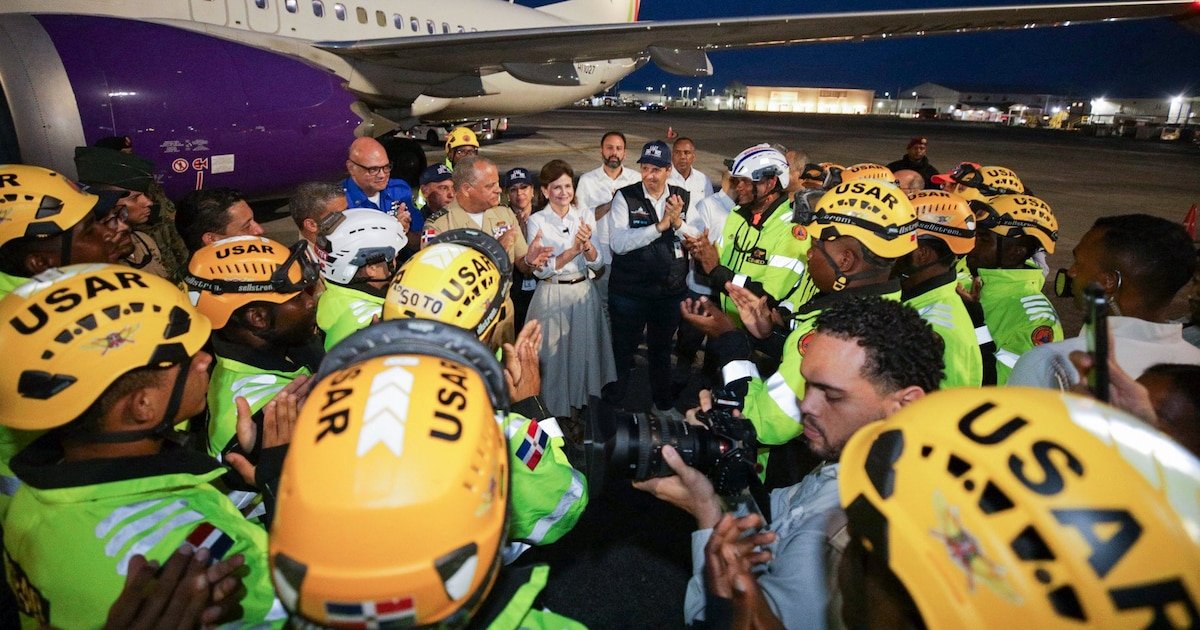
Un grupo de 84 personas llegó este sábado a República Dominicana, tras haber permanecido en Venezuela durante los recientes terremotos que afectaron ese país. Según datos del Ministerio de Relaciones Exteriores (MIREX), el total de personas retornadas hasta la fecha asciende a 171.
Por medio de un comunicado de prensa, el MIREX informó que el operativo, dispuesto por el presidente dominicano Luis Abinader, en el marco de la Operación Quisqueya Solidaria 2026, facilitó el retorno seguro de estos ciudadanos, entre los que se encuentran 19 rescatistas y la misión diplomática desplazada para asistir a los afectados.
En la terminal del Aeropuerto Internacional de las Américas, los repatriados fueron recibidos por la vicepresidenta Raquel Peña, el ministro de Defensa, teniente general Carlos Antonio Fernández Onofre, y el viceministro de Política Exterior Bilateral del MIREX, Francisco Caraballo, quien representó al canciller Roberto Álvarez.

El vuelo humanitario, gestionado por la Cancillería, trajo a 50 dominicanos y 12 venezolanos con vínculos familiares con ciudadanos dominicanos. Además, permitió el retorno del equipo dominicano de búsqueda y rescate en estructuras colapsadas (USAR), conformado por los 19 primeros rescatistas internacionales que arribaron a Venezuela después de los sismos.
Entre los pasajeros del vuelo también regresó la misión oficial del MIREX, encabezada por el director de Protección a Nacionales en el Exterior, Miguel Reyes, acompañado de otros dos funcionarios. Este grupo tuvo a su cargo la asistencia a los dominicanos que solicitaron regresar a la isla tras los movimientos telúricos.
La coordinación de la operación estuvo a cargo del viceministro para Asuntos Consulares y Migratorios de la Cancillería, Opinio Díaz, quien viajó junto al embajador Juan José Portorreal, director de Gabinete del MIREX, y el embajador Briunny Garabito, inspector del Servicio Exterior Dominicano. El operativo incluyó la logística para recibir y atender a los repatriados, así como la gestión de los trámites consulares necesarios.

En paralelo al retorno, la misión humanitaria dominicana llevó a Venezuela un nuevo cargamento de ayuda humanitaria y un equipo multidisciplinario del Ministerio de Salud Pública, encabezado por el ministro Víctor Atallah. El grupo, integrado por 40 profesionales entre médicos, ingenieros en agua, psiquiatras, psicólogos y técnicos, tendrá como función ofrecer atención especializada a los ciudadanos venezolanos afectados por los terremotos, a través de un hospital móvil EMT-1.
Durante la visita oficial, el director general de la Oficina Nacional de Evaluación Sísmica y Vulnerabilidad de Infraestructura y Edificaciones (ONESVIE), Leonardo Reyes Madera, realizó una evaluación estructural de los inmuebles de la Embajada y el Consulado de República Dominicana en Venezuela. Tras la inspección, señaló que las edificaciones no presentan daños importantes y recomendó mecanismos correctivos para algunas fisuras detectadas en paredes, información que será detallada en un informe técnico.
El MIREX reiteró su compromiso de mantener la asistencia y protección para los dominicanos en el exterior, así como de sostener el apoyo solidario al pueblo venezolano mediante iniciativas humanitarias y cooperación internacional. El organismo confirmó que seguirá coordinando acciones para atender emergencias que involucren a nacionales residentes fuera del país.
Ministerio de Relaciones Exteriores,MIREX,República Dominicana,Venezuela
INTERNACIONAL
9/11 Museum CEO reflects on lasting impact of terror attacks as America marks 250th birthday
NEWYou can now listen to Fox News articles!
As America marks its 250th anniversary, 9/11 Memorial and Museum President and CEO Elizabeth L. Hillman said this year’s milestone coincides with the 25th anniversary of the Sept. 11, 2001, terrorist attacks, highlighting the nation’s past and its resilience.
«This year, America’s 250th birthday coincides with the 25th anniversary of 9/11, which means that what’s happening at our site is very much connected to the history of the country and to the recognition of this important milestone,» Hillman told Fox News Digital.
«9/11 is an important part of our nation’s history, but especially now as the nation turns 250.»
Nearly 3,000 people were killed in the terrorist attacks when hijacked planes struck the World Trade Center, the Pentagon and a field near Shanksville, Pennsylvania.
SECRETS OF REVOLUTIONARY WAR BATTLEFIELDS EMERGE 250 YEARS AFTER AMERICA’S FOUNDING
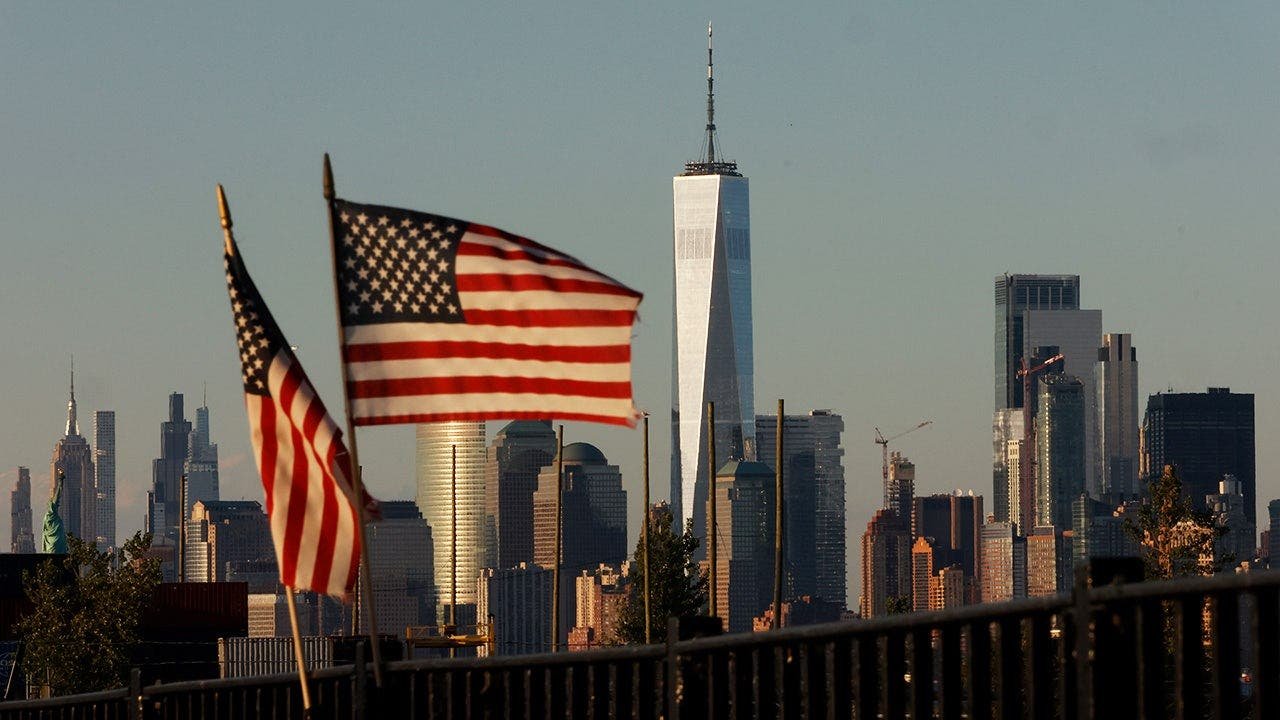
Two flags flutter on a fence in front of lower Manhattan and One World Trade Center at the Tear Drop 9/11 Memorial at sunset on June 13, 2026, in Bayonne, New Jersey. (Gary Hershorn/Getty Images)
Hillman said it is more important than ever for future generations to learn about the Sept. 11, 2001, terrorist attacks to understand how they helped shape the nation and «where we are today.»
«Now, 25 years have passed since that date, so if we don’t elevate 9/11 in the eyes of the 100 million Americans who were born since or were too young to remember 9/11 when it happened, we’ll lose the opportunity for them to understand what happened on that day and how the world came to heal, how the nation came together, and how this city and the other sites, the Pentagon and Shanksville, Pennsylvania, worked to recover afterward,» she said.
Hillman said the nation’s recovery after 9/11 shows that even after a devastating tragedy, people can come together, heal and rebuild.
«I think everyone’s hungry for evidence that we can survive things that are difficult,» she said. «There’s nothing like 9/11 to help people realize, given how the nation has recovered since, that it is possible to persevere, to heal, to recover, even in the face of really unfathomable loss, and that’s what 9/11 has the chance to teach us.»
Reflecting on the museum’s role, Hillman said the Sept. 11, 2001, terrorist attacks affected not only New York City but the entire country, calling the museum «a testament to the resilience of the city» and to «the perseverance that enabled us to actually rebuild.»
9/11 MUSEUM TO OFFER FREE ADMISSION FOR VETERANS AHEAD OF MEMORIAL DAY WEEKEND
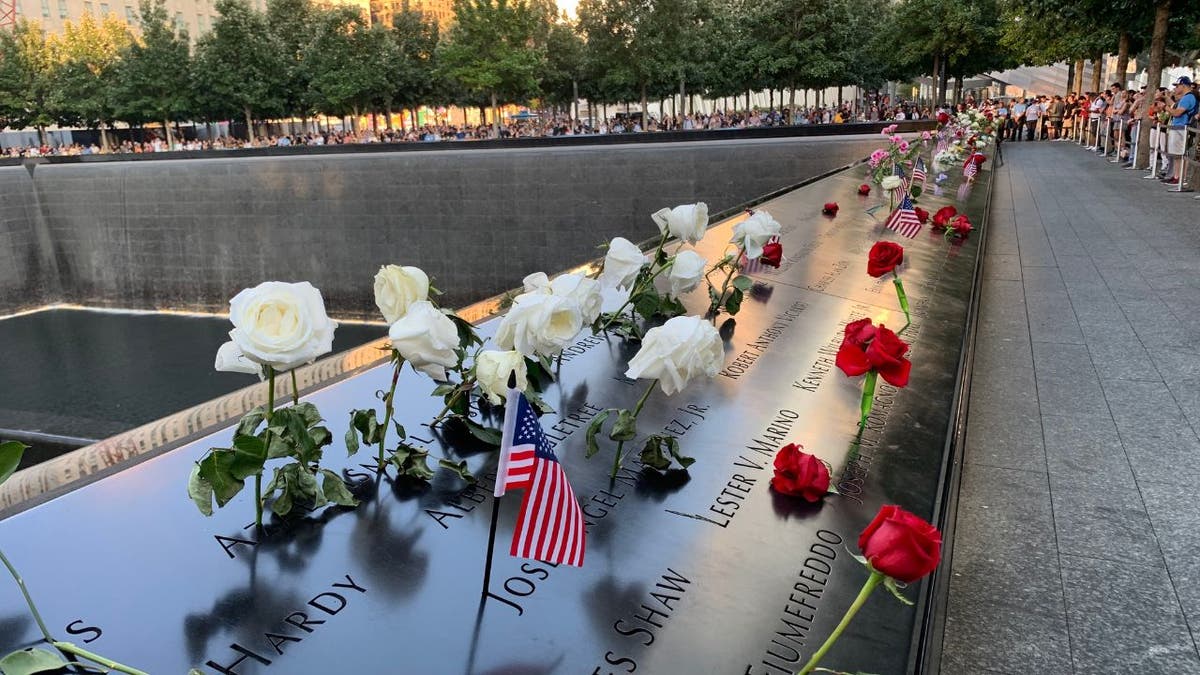
Colorful flowers are left by mourners at the 911 Memorial, offering gifts to remember those killed in the Sept. 11, 2001, terrorist attacks on New York City. (Getty Images)
«At the center of the rebuilt World Trade Center is a monument to the people who were killed that day and a testimony, really, to what we can do when we come together after that kind of catastrophe,» she said.
This year, the museum opened «Our Flag Was Still There,» an exhibition featuring flags, artifacts and photographs that tell stories of resilience from first responders, veterans and Americans who lived through 9/11. The exhibit includes the Ground Zero flag raised by FDNY firefighters, the flag draped over the Pentagon by soldiers and firefighters, a flag raised over the last column of the South Tower, and one carried during the mission that killed Usama bin Laden.
«It reveals how important the flag was in the healing and the coming together that happened after 9/11,» Hillman said.
Hillman said commemorating 9/11 is especially important at a time when «many things seem to be splitting us apart.»
TUNNEL TO TOWERS ANNOUNCES ‘STEEL ACROSS AMERICA’ TOUR TO MARK 25 YEARS SINCE 9/11 ATTACKS
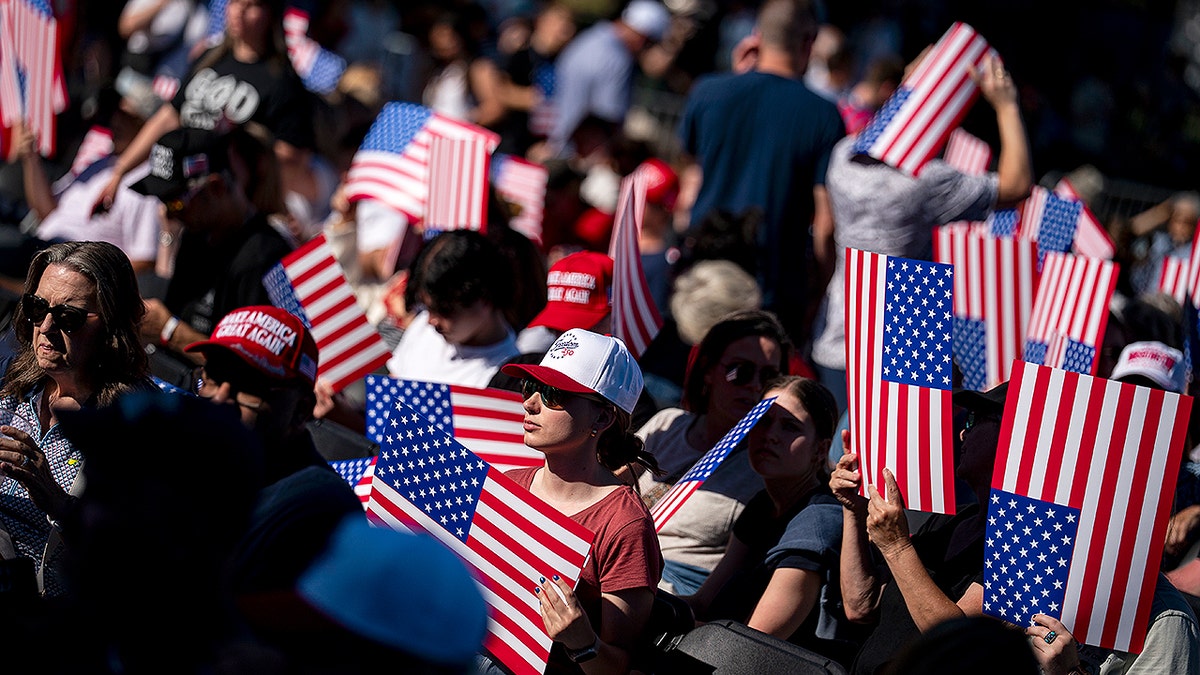
Attendees hold American flag posters during the Great American State Fair Kickoff Celebration on the National Mall on June 24, 2026, in Washington, DC. The Great American State Fair runs through July 10 celebrating the 250th anniversary of the United States of America. (Al Drago/Getty Images)
«The opportunity to bring people together around a symbol like the flag and around a symbol like the rebuilding of the World Trade Center after 9/11, it’s a great opportunity, especially right now,» she said.
On July 4, Hillman said the museum will place an American flag at each victim’s name on the memorial, «to recognize how important the flag was as a symbol of the country on its birthday, but also of the recovery from 9/11 that happened and continues to happen now as we remember that day at this site.»
CLICK HERE TO DOWNLOAD THE FOX NEWS APP
Looking ahead to fall, Hillman said the museum will also start offering free admission to veterans whose «willingness to serve after 9/11» helped rebuild the World Trade Center and unite the nation.
«If there’s one message that we feel we can elevate now that we couldn’t do 25 years ago because we didn’t know enough about what would happen afterward, it’s that so many people were inspired to serve their country, serving in the military,» she said.
politics, america 250, september 11, new york, america together

Ignacio Torres celebró la designación de Diego Santilli como jefe de Gabinete: “Se recuperó la iniciativa”

El emotivo posteo de Carolina Baldini a su hijo Giovanni Simeone por su cumpleaños: “Me hizo mamá por primera vez”

El modelo de BCRA que quiere Milei y las críticas a dos ex titulares del banco

La particular reacción del DT de Inglaterra cuando le preguntaron si iba a usar Viagra para enfrentar a México

Australian healing with ‘beautiful messages’ after losing arm to shark attack

Para emular a su madre: el oso hormiguero bebé que quedó huérfano y vive abrazado a un oso de peluche para sobrevivir

En medio de su separación, Magui Bravi contó por primera vez su traumático embarazo: «El parto fue de emergencia y…»

¿Se recupera el mercado de los autos?: qué muestran los números de las cinco marcas que más 0 km venden en el país

Construir los cimientos de la Inteligencia Artificial: los desafíos de la infraestructura del futuro