Connect with us

INTERNACIONAL

Donald Trump anunció que China comprará 200 aviones Boeing: silencio de Beijing

Published

on


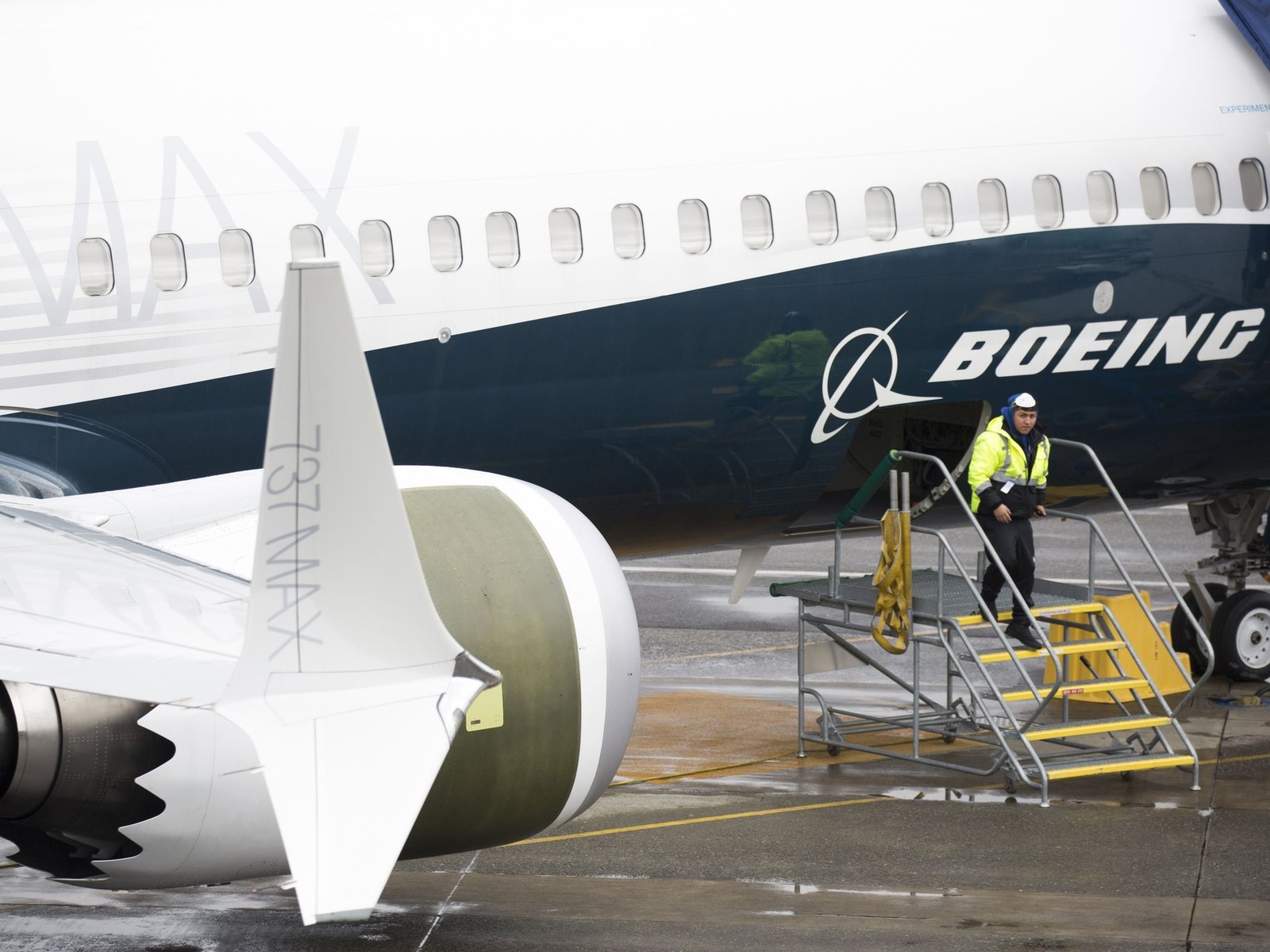
El presidente de Estados Unidos Donald Trump declaró el viernes que China había acordado encargar 200 aviones Boeing, lo que podría impulsar la posición del fabricante estadounidense en uno de los mercados aeronáuticos más importantes del mundo. Sin embargo, los funcionarios de Beijing se mostraron evasivos.

A bordo del Air Force One, de regreso tras dos días de conversaciones con Xi Jinping, el máximo líder chino, Trump afirmó que se realizaría un importante pedido de aviones Boeing y motores General Electric, y que podría seguir un pedido aún mayor de aeronaves.

Advertisement

«Se trata de aproximadamente 400 o 450 motores, 200 aviones y la promesa de hasta 750 si hacen un buen trabajo», declaró el jefe de la Casa Blanca a los periodistas a bordo del avión.

Pero la parte china no ha hecho ningún anuncio sobre si ha acordado la compra de los aviones o los motores. Cuando se le preguntó específicamente después de que Trump abandonara Beijing si existía algún acuerdo para la compra de aeronaves, Guo Jiakun, portavoz del Ministerio de Asuntos Exteriores de China, se limitó a responder que las relaciones comerciales sino-estadounidenses eran mutuamente beneficiosas.

«Ambas partes deben implementar conjuntamente el importante consenso alcanzado por los dos jefes de Estado e inyectar mayor estabilidad a la cooperación económica y comercial entre China y Estados Unidos, así como a la economía mundial», afirmó.

Advertisement

Xi hizo una declaración similar cuando, durante un encuentro con Trump antes de su partida, dijo que habían «logrado una amplia gama de resultados de cooperación».

Expectativas y realidad

Numerosas predicciones sobre un gran acuerdo con Boeing han precedido a las recientes cumbres entre los líderes de ambos países, pero ninguna se ha materializado. Sin embargo, los comentarios del presidente Trump representaron lo más cerca que un líder estadounidense ha estado en casi una década de afirmar que un gran acuerdo estaba en marcha después de una cumbre. En septiembre de 2024, la división de alquiler de aeronaves del Banco de Desarrollo de China, de propiedad estatal, encargó 50 Boeing 737 MAX 8, pero independientemente de la cumbre.

Advertisement

Pero este viernes, en medio de las especulaciones, Boeing confirmó el acuerdo. «Tuvimos un viaje muy exitoso a China y cumplimos nuestro objetivo principal de reabrir el mercado chino a los pedidos de aviones Boeing», afirmó la empresa en un comunicado.

Su director ejecutivo, Kelly Ortberg, formaba parte de la delegación estadounidense que visitó China junto a Trump.

«Esto incluyó un compromiso inicial de 200 aviones y esperamos que, después de este primer tramo, sigan nuevos compromisos», agregó la compañía.

Advertisement

La falta de confirmación por parte de Beijing generó dudas sobre el pedido, que podría estar supeditado a nuevas negociaciones, según Richard Aboulafia, director gerente de AeroDynamic Advisory, una consultora. «No tenemos forma de saber cuáles son las condiciones», afirmó.

La competencia por el desarrollo aerocomercial

Beijing ha buscado estratégicamente la autosuficiencia industrial y ha trabajado para reducir su dependencia de Occidente. Sin embargo, en algunos sectores, las empresas estadounidenses y europeas siguen siendo líderes. Uno de ellos es la aviación comercial, donde Boeing y la europea Airbus compiten por el enorme mercado chino.

Advertisement

Casi uno de cada siete aviones en uso actualmente vuela en China, según un análisis de cifras de Cirium, una empresa de datos aeronáuticos. Boeing proyecta que la flota de aviones a reacción de China se duplicará en los próximos 20 años, alcanzando casi las 10.000 unidades.

Las entregas de aviones Boeing a clientes chinos se ralentizaron significativamente tras dos accidentes fatales con aviones Boeing 737 MAX en 2018 y 2019.

Durante el primer mandato de Trump, ambos países alcanzaron un acuerdo en enero de 2020 que contemplaba un fuerte aumento de las compras chinas de productos estadounidenses, un objetivo que solo podía cumplirse mediante la compra de aviones Boeing a gran escala.

Advertisement

Semanas después, China declaró que no podía cumplir el acuerdo debido al brote de la pandemia de Covid-19 y, en abril de 2020, canceló la compra de 29 aviones 737 MAX que aún no se habían entregado.

Si bien el acuerdo de 2020 preveía que las compras a Estados Unidos continuaran aumentando hasta 2025, China no lo retomó y, desde entonces, las negociaciones para la compra de aeronaves han avanzado lentamente.

Las entregas a China se reanudaron con fuerza en 2024, pero se paralizaron nuevamente el año pasado cuando las aerolíneas chinas, aparentemente siguiendo instrucciones del gobierno, advirtieron de nuevos retrasos en respuesta a los aranceles de Trump. Los envíos finalmente se reiniciaron al disminuir las tensiones comerciales.

Advertisement

Los problemas de Boeing en China han beneficiado a Airbus, su rival europeo. Los clientes chinos tienen pedidos pendientes de casi 500 aviones Airbus, en comparación con menos de 200 de Boeing, según Cirium.

A diferencia de Boeing, Airbus cedió a la presión china y ensambla su avión de pasillo único A320 en Tianjin desde 2008. Esta decisión le ha ayudado a ganar cuota de mercado, pero a costa de impedir que China desarrolle la experiencia necesaria para construir sus propios aviones de pasajeros. El gobierno chino ha financiado a Comac, una empresa estatal en Shanghái que fabrica el C919, un avión que los analistas de aviación describen como prácticamente idéntico al A320.

Sin embargo, el C919 aún utiliza muchos componentes de empresas extranjeras, especialmente los motores y la aviónica.

Advertisement

Por ahora, el mercado aeronáutico chino, en rápido crecimiento, sigue dependiendo de Airbus y Boeing, y es probable que el país desee contar con aviones de ambos fabricantes para evitar una dependencia excesiva de uno solo.

Advertisement

INTERNACIONAL

Navy veteran Rocky Rochford seeks to turn Tampa Bay red, unseat 20-year House incumbent

Published

on


NEWYou can now listen to Fox News articles!

Navy veteran Rocky Rochford served his country for 33 years, holding the title of commodore. Now, he’s on a mission to flip Tampa Bay from blue to red, in the midst of a spirited campaign to unseat 20-year incumbent Kathy Castor in Florida’s 14th congressional district.

Advertisement

Rochford recently sat down to discuss his campaign with Fox News Digital.

«So in 20 years, Kathy Castor has been the author of two bills that became law. And both of those were to rename post offices. So I would say that Kathy Castor has been ineffective. She hasn’t really helped Tampa Bay in the ways that matter the most. Affordability is probably the biggest thing on everyone’s kitchen table list of discussion points. Gasoline, groceries, electricity, insurance. I mean, the list goes on and on and on.»

Rochford emphasizes that his leadership experience has prepared him to be ready to represent the people of Tampa Bay from day one.

Advertisement

RAYS AGREE TO $2.3B DEAL FOR NEW BALLPARK IN TAMPA

«So it’s about leadership. I have spent my entire adult life…33 years in the Navy, four years at Massachusetts Maritime Academy. I got to go back to the age of 18 for the first time before I was actually part of the military. So, it’s been entrenched in my being, it is in my soul, I’m very strong in my faith. 

And I believe that we need someone who is not only going to bring leadership to the process, but is going to bring their faith to the process up in D.C., and be part of the solution. People who are anti the other side, whether it doesn’t matter what side you’re sitting on, when they are against the other side to the point where they won’t even talk to them, that’s problematic. We’re not gonna get anything accomplished, we’re not going to get anything done. And that’s exactly what’s happening up in DC right now, we see a lot of that.»

Advertisement

Children’s rights is an issue at the forefront of Rochford’s campaign.

«I have three major bills that are the highlight of what I’ve been working on. And the first is my children’s bill of rights. I do believe that children are the future, and they need to be protected far better than they’re being protected now. So the laws that govern children are written amongst 11 different government agencies. Those agencies don’t overlap and they don’t talk to each other. This bill is designed to create a shield, an organization that oversees all of those laws. 

«This covers everything from AI for kids, online predators, and it provides new penalties with teeth. This is we’re going to get after those folks. The predators have been exploiting four different avenues on children across state lines. I’m going to close every one of those doors. Parental rights, no boys in girls sports. I mean, this bill covers adoption. It covers foster care, egg donor, IVF. It is complete.»

Advertisement

Rochford argues that foreign influence plays a large role in shaping electoral outcomes, and particularly singles out China-based political donor and activist Neville Roy Singham.

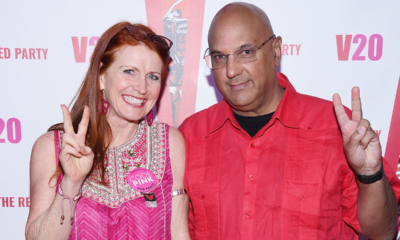
Neville Roy Singham at his wedding to CodePink co-founder Jodie Evans in Jamaica

Neville Roy Singham smiles at his wedding to Jodie Evans in February 2017 in Ocho Rios, Jamaica. (Osbourne Chin / Chinphotographic)

«There’s a lot folks who have nothing to do with the United States…that are influencing our elections, they’re influencing the people…We know that Neville Singham, who’s a U.S. citizen living in Shanghai, is taking money from the CCP to disrupt America from the inside. China calls this the smokeless war, and it really is and and they’re not the only ones. 

«Iran is doing the same thing, we know North Korea is involved, Russia so there’s a lot of influence happening in here that are that are causing wreaking havoc but we as a society need to see beyond that. We are one America, and I’m America first. I’m American first before politics, America first before party.»

Advertisement

LAWMAKERS RAISE ALARM OVER NEVILLE ROY SINGHAM’S $278M NETWORK SPREADING CCP PROPAGANDA IN THE U.S.

Florida’s 14th district is hardly politically monolithic, and Rochford emphasizes that he seeks to represent the entire district, not merely Republicans.

«I’m about listening. So I’m here to not only listen to the right, I’m here to listen to the center, and I’m here to listen the left. Because if we can’t come together and find the commonalities that will make us a better country, then we are doomed as a country. So we must support what we’re all after, which is a great America, a great society that takes care of its own and helps around the world.»

Advertisement
Rep. Kathy Castor, D-Fla.

Rep. Kathy Castor, D-Fla., takes her seat for the House Select Committee on the Strategic Competition Between the United States and the Chinese Communist Party hearing in the Cannnon House Office Building on Tuesday, January 30, 2024. 

He views energy policy and independence as the foundation of affordability for American workers and families.

«So I’ve been talking about affordability for some time. To me, the foundation of affordability for just about everything runs off of energy. The price of oil drives the price of gas, which is in our trucks, in our trains, in our airplanes, in ships. And so we need to get control. And so one of the bills that I have drafted will propose that…we first have to become energy independent. We’re the largest producer of energy in the world. So our people should be benefiting from it, not hurting from it.»

Among the most important policy issues for Rochford is the national debt, which he has spent a great deal of time researching. He has a plan that would retire America’s national debt by the 2060s:

Advertisement

«We don’t want to leave a legacy of debt to our children and grandchildren. So I had go back 40 years to try to figure out where this all started, and where we went off the tracks. And I now understand the entire policy. Balancing the budget is only treating a symptom. It does not treat the disease. So the disease is Congress, I’m sorry, but it’s true. 

CLICK HERE TO DOWNLOAD THE FOX NEWS APP

«Every bit of money that comes in that’s extra from Congress goes into the general pool and they spend it. And all of the great ideas that have been used in the past, because I studied them all in the past on how to get after the national debt, balance the budget, the things that’ll help us get there. They were only policy, they were never law. So this suite of bills is law and it has teeth. And so the very first bill will design, it will create a trust and it is the American National Debt Trust. And when the money goes in there, it cannot come out and it cannot be spent by Congress in any other way. So if we enacted [my legislation] it would still take us to the 2060s to retire the national debt, but if we do nothing, and we’re on the path of doing nothing, in 10 years the national debt will be $61 trillion.»

Advertisement

Florida’s primary election is August 18.

politics, florida, house of representatives politics, midterm elections

Continue Reading

INTERNACIONAL

La cumbre entre Donald Trump y Xi Jinping terminó sin grandes anuncios o avances sobre la crisis con Irán

Published

on


El presidente Donald Trump regresó este viernes a Estados Unidos tras su visita de dos días a China, con palabras elogiosas hacia su colega y “amigo” Xi Jinping, que también le dedicó pompas y honores, un signo de que la era confrontativa de los últimos tiempos entre las máximas potencias se había distendido.

Pero pese a las conversaciones “muy exitosas”, no hubo anuncios sobre acuerdos comerciales significativos ni avances para frenar la guerra con Irán y reabrir el estrecho de Ormuz, los objetivos principales del republicano.

Advertisement

Luego de reunirse con Xi por segunda vez en un té y un almuerzo de trabajo -el primer cara a cara había sido el jueves- Trump tomó este viernes el avión de regreso a Washington y en el vuelo dijo a los periodistas que lo acompañaban que la visita había sido “muy exitosa, de renombre mundial e inolvidable”, mientras que Xi la calificaba de “histórica y trascendental”.

A bordo del Air Force One, Trump dijo que no había hablado sobre aranceles con Xi, a pesar de la guerra comercial entre ambas potencias y que sí había conversado sobre la guerra en Irán. China tiene gran influencia sobre Teherán, se movió entre bambalinas para que se lograra un alto el fuego y es comprador de petróleo iraní, cuyo flujo permanece cortado por el cierre del Estrecho de Ormuz.

A ser preguntado sobre si Xi se comprometió a presionar a Irán para que reabra el estratégico estrecho, por donde transita el 20% del petróleo mundial, Trump dijo que no le pidió “ningún favor”. “Cuando pides favores, tienes que hacer favores a cambio”, dijo.

Advertisement

Gesto a las empresas chinas

Sin embargo, Trump tuvo un gesto importante al anticipar que analiza levantar las sanciones a las empresas chinas que compran petróleo iraní. “Tomaré una decisión en los próximos días”, dijo a bordo del avión.

En otro gesto, el jefe de la Casa Blanca se negó a llamar dictador a Xi. “El es el presidente de China, no me lo planteo”, dijo a un periodista que le preguntó si creía que el líder chino era un dictador, como lo consideraba su antecesor Joe Biden. “Biden fue un incompetente. El nos dio el acuerdo nuclear que permitía a Irán obtener un arma atómica”, replicó, aunque en realidad el pacto había sido firmado con Barack Obama.

Advertisement

A pesar de que no hubo resultados concretos, la visita de Trump al menos relajó el clima de tensión entre ambas potencias, una relación que comenzó extremadamente complicada cuando Trump llegó al poder por los aranceles impuestos por EE.UU. a China y a otros socios y que desataron una guerra comercial con Beijing, lo que llevó a ambos países a aumentar los aranceles mutuos que llegaron a superar el 100%.

También se enfrentaron por las tierras raras, semiconductores, visas de estudiantes, envío de precursores de fentanilo, importaciones de soja china y otros temas.

El presidente chino, Xi Jinping, y el estadounidense, Donald Trump, en el complejo de Zhongnanhai, en Beijing, este viernes. Foto: XINHUA

Las tensiones se han calmado desde entonces, con reducciones de aranceles de ambos países y con el acuerdo de China de suspender las restricciones a la exportación de tierras raras.

La visita logró mantener la estabilidad, con gestos amistosos. “Una relación bilateral estable es buena para el mundo», dijo Xi. «Deberíamos ser compañeros, no rivales», agregó. Trump enfatizó su relación personal con Xi, al que llamó “amigo” y «gran líder» y dijo que ambos siempre han sabido resolver sus desacuerdos.

Advertisement

Pero analistas destacan el hecho de que el líder chino había logrado sentarse de igual a igual con el jefe de la Casa Blanca, que está en un pozo de popularidad negativa y empantanado en la guerra con Irán. «Son los dos grandes países. Yo lo llamo el G-2», reconoció el propio Trump en una entrevista en Fox News, una rareza ya que el magnate siempre considera a EE.UU. como líder de todo.

“Durante dos días de reuniones aquí, la pompa cuidadosamente coreografiada y los gestos recíprocos de amistad y respeto entre los dos hombres más poderosos del mundo mostraron una dinámica geopolítica que los chinos han anhelado durante mucho tiempo y que los estadounidenses han resistido”, escribió The Washington Post.

El jefe de la Casa Blanca había dicho en una entrevista más temprano que China se mostró dispuesta a aumentar las compras de petróleo estadounidense, soja y 200 aviones Boeing, pero las autoridades chinas no han confirmado esos acuerdos.

Advertisement

Tensión por Taiwán

En uno de los temas más tensos, el jefe de la Casa Blanca confirmó que conversó sobre Taiwán con su homólogo chino, pero aseguró que no asumió ningún compromiso. «El presidente Xi y yo hablamos mucho sobre Taiwán», admitió y dijo que Xi “no quiere ver una lucha por la independencia», agregó. «Yo no hice ningún comentario al respecto, lo escuché». Trump añadió: «Yo no asumí ningún compromiso en ningún sentido».

Antes de la cumbre, Trump había dicho que hablaría con Xi sobre la venta de armas estadounidenses a Taiwán, algo que se alejaba de la postura histórica de Washington de no consultar a Beijing sobre ese asunto. Xi además advirtió a Trump que no intervenga en Taiwán. Hablando con los periodistas de camino a Washington, Trump dijo sobre el tema de la venta de armas: «Tomaré una decisión en un periodo de tiempo relativamente corto».

Advertisement

Estados Unidos solo reconoce a China, pero su legislación le exige proporcionar armas a la democracia autogobernada de Taiwán para su defensa. Beijing ha jurado recuperar la isla y no ha descartado el uso de la fuerza, incrementando la presión militar en los últimos años.

El jueves, en su primer encuentro con Trump, Xi remarcó que “la cuestión de Taiwán es el tema más importante en las relaciones entre China y Estados Unidos». Y advirtió: «Si se maneja mal, las dos naciones podrían chocar o incluso entrar en conflicto, lo que empujaría a toda la relación entre China y Estados Unidos a una situación muy peligrosa».

La última reunión de ambos líderes antes de que Trump partiera de regreso fue en Zhongnanhai, el complejo que alberga la residencia y oficinas de la cúpula del Partido Comunista Chino (PCCh), uno de los espacios más simbólicos y reservados del poder político chino.

Advertisement

La apertura de este lugar a un líder extranjero es poco habitual y se lo consideró como un gesto de Xi para su colega estadounidense. El presidente chino explicó que había sido la residencia y lugar de trabajo de Mao Tse Tung y otros líderes, y dijo que él también vivió y trabajó allí, y que eligió recibir a Trump en ese sitio emblemático porque Trump lo agasajó en su casa de Mar-a-Lago en 2017.

Optimista, Trump dijo que habían concretado “acuerdos comerciales fantásticos” (de los que no se conocieron detalles) y afirmó que ambos comparten una visión “muy similar” sobre Irán, que incluye el fin de la guerra, la reapertura del estrecho de Ormuz y que Teherán no obtenga una bomba nuclear. Pero tras la reunión no se supo nada más.

Advertisement
Continue Reading

INTERNACIONAL

New Ebola outbreak leaves 65 dead as officials warn of cross-border spread

Published

on


NEWYou can now listen to Fox News articles!

Africa’s top public health agency confirmed a new Ebola outbreak in Congo on Friday after 65 deaths and 246 suspected cases were recorded in the country’s remote Ituri province.

Advertisement

Health officials are now investigating whether the outbreak involves the Ebola Zaire strain — the deadliest and most well-known version of the virus — or a different variant, according to the Africa Centers for Disease Control and Prevention.

Neighboring Uganda also confirmed one Ebola-related death involving a Congolese man whose case officials said was imported from Congo.

The outbreak has been concentrated in the Mongwalu and Rwampara health zones in eastern Congo, an area near the borders of Uganda and South Sudan that officials warned could become a regional transmission risk because of mining-related travel, weak infrastructure and ongoing insecurity.

Advertisement

EBOLA OUTBREAK REPORTED IN AFRICAN COUNTRY — HERE’S WHAT YOU NEED TO KNOW

Health workers wearing protective suits tend to an Ebola victim in an isolation tent in Beni, Congo, on July 13, 2019. (Jerome Delay/AP)

Ebola is a highly contagious and often fatal disease spread through bodily fluids including blood, vomit and semen. Symptoms can include fever, vomiting, diarrhea, muscle pain and internal bleeding.

Advertisement

The Africa CDC said only four of the deaths have so far been laboratory confirmed, while testing and sequencing efforts continue to determine the exact strain involved in the outbreak.

Initial tests suggested the outbreak may not involve the Ebola Zaire strain, which was responsible for Congo’s devastating 2018-2020 epidemic that killed more than 1,000 people.

UGANDA STARTS CLINICAL TRIAL OF VACCINE FOR SUDAN STRAIN OF EBOLA AMID NEW OUTBREAK

Advertisement
Health workers walking with a boy suspected of having Ebola at a treatment center

Health workers walk with a boy suspected of having the Ebola virus at a treatment center in Beni, eastern Congo, on Sept. 9, 2018. (Al-hadji Kudra Maliro/AP)

The World Health Organization (WHO) said it sent a response team to the region last week to help local officials investigate the outbreak and collect samples.

WHO Director-General Tedros Adhanom Ghebreyesus said Congo has a «strong track record» responding to Ebola outbreaks and announced the agency is releasing $500,000 in emergency funding to support containment efforts.

Health authorities said Congo has stockpiles of Ebola treatments and approximately 2,000 doses of the Ervebo vaccine, though officials cautioned the vaccine is only effective against the Ebola Zaire strain and not against Sudan or Bundibugyo variants.

Advertisement
A health worker spraying disinfectant on a colleague at an Ebola treatment center

A health worker sprays disinfectant on a colleague after working at an Ebola treatment center in Beni, eastern Congo, on Sept. 9, 2018. (Al-hadji Kudra Maliro/AP)

CLICK HERE TO DOWNLOAD THE FOX NEWS APP

This marks Congo’s 17th recorded Ebola outbreak since the virus was first identified in the country in 1976.

The Associated Press contributed to this reporting.

Advertisement


ebola, world health organization, infectious disease, africa, outbreaks

Advertisement
Continue Reading

Tendencias