INTERNACIONAL
Trump pushed NATO to spend big — now comes the harder question: Can Europe actually fight?

NEWYou can now listen to Fox News articles!
By NATO’s traditional metrics, the alliance appears transformed.
After years of pressure from President Donald Trump and growing alarm over Russia’s war in Ukraine, NATO allies are spending more on defense than at any point since the Cold War. NATO leaders have agreed to move toward a new framework approaching 5% of GDP by 2035.
For years, Trump accused NATO allies of relying too heavily on U.S. military protection while underinvesting in their own defense. His repeated threats to reconsider U.S. commitments to allies that failed to meet spending targets transformed what had once been an obscure alliance benchmark into one of NATO’s central political metrics.
«What really woke everyone up were two things,» Jim Townsend, a former deputy assistant secretary of defense for Europe and NATO policy now at CNAS, told Fox News Digital. «One was the 2022 invasion by Putin … and the second was Trump, who came in and whether he scared them or he shamed them or whatever he did, that certainly added fuel to the fire as well.»
NATO leaders participate in a summit in The Hague, Netherlands, on June 25, 2025, where they pledged to increase defense spending to 5% of GDP by 2035 as requested by President Donald Trump. (Handout/Latin America News Agency)
TRUMP PRAISED FOR GETTING NATO ALLIES TO BOLSTER DEFENSE SPENDING: ‘REALLY STAGGERING’
Countries closest to Russia moved fastest.
Poland now spends a larger share of its economy on defense than any other NATO member. Estonia, Latvia and Lithuania all have sharply increased military budgets since 2022.
Germany, long viewed as a symbol of Europe’s post-Cold War military decline, launched a major rearmament push and created a 100 billion euro special fund aimed at rebuilding the Bundeswehr.
On paper, the numbers look like a historic turnaround.
European allies and Canada increased defense spending by 20% in 2025 compared with the previous year, according to NATO’s latest annual report. The alliance says European members and Canada have added hundreds of billions of dollars in defense spending since 2014.
UK, GERMAN DEFENSE OFFICIALS DEFEND MILITARY BUILDUP UNDER RUSSIAN THREATS
Across Europe, governments are buying tanks, air defenses, fighter jets and artillery systems while racing to replenish stockpiles depleted by the war in Ukraine.
But the spending surge also has exposed the limits of the ledger.
«You have to start off with spending more, and you’re not going to see the capability results for a while,» Townsend said.
EXAMINING NATO: INSIDE THE ‘COMMITMENT GAP’ AS US CARRIES ALLIANCE DETERRENCE
Ukraine exposed how quickly a major war can drain ammunition stockpiles, strain production lines and overwhelm peacetime defense industries.
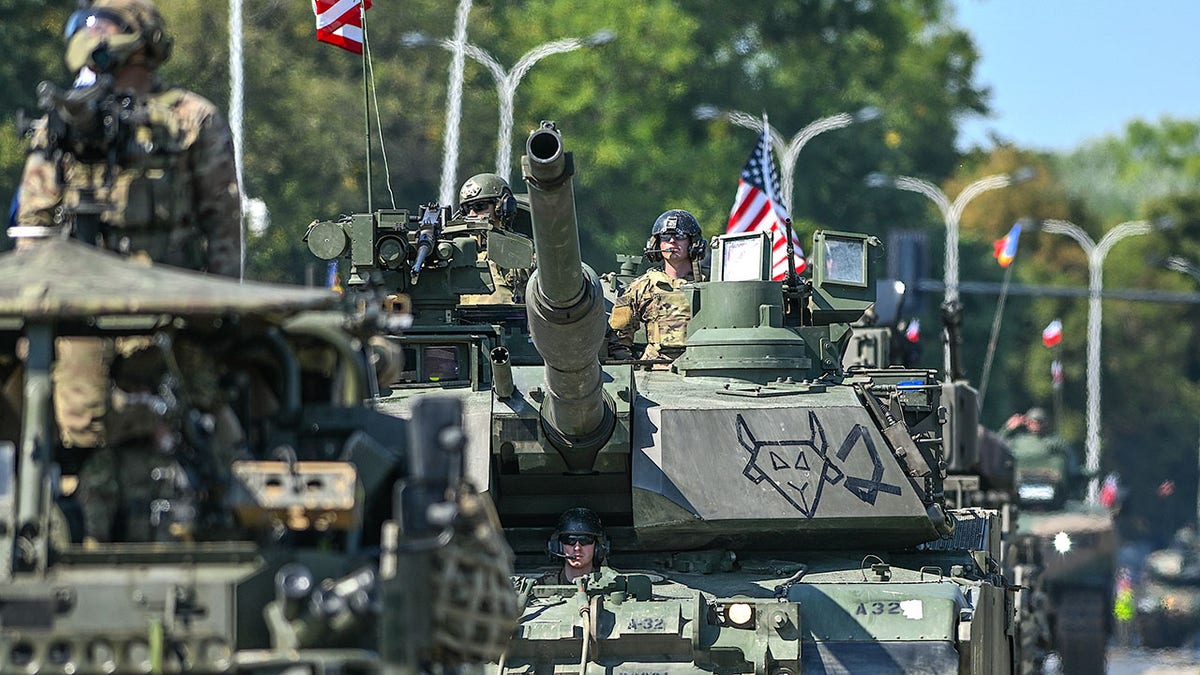
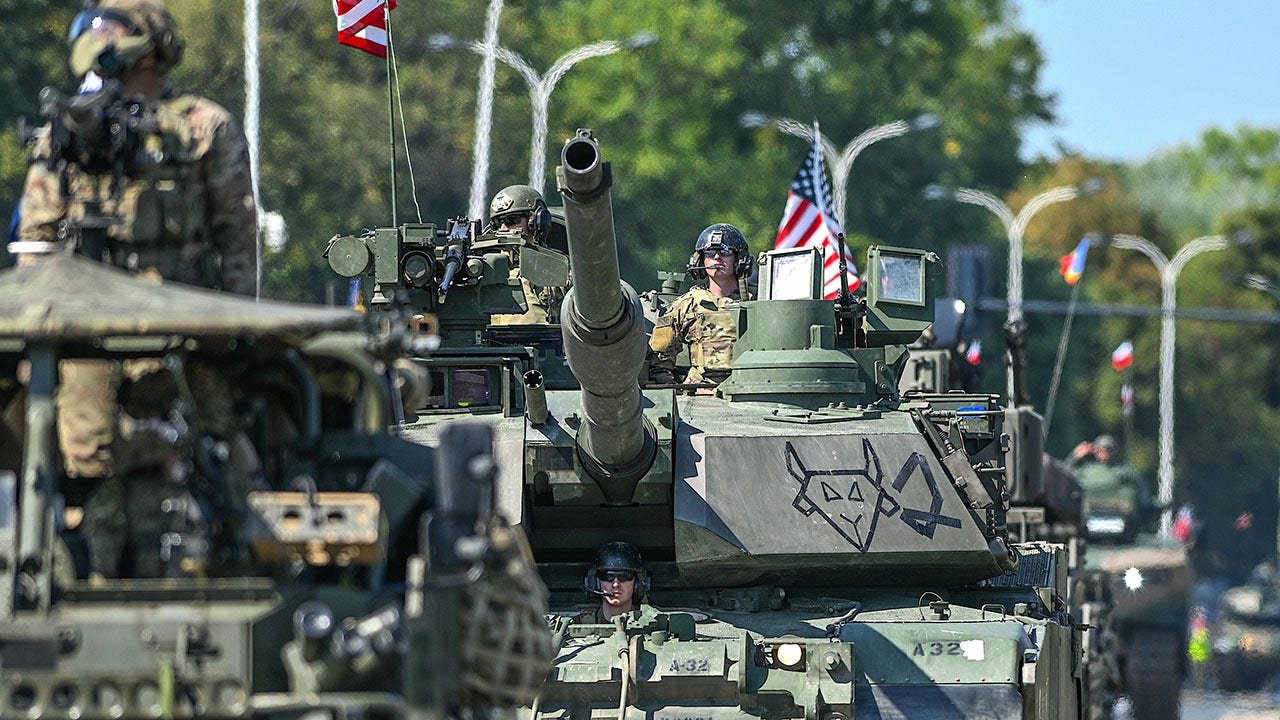
U.S. Army M1 Abrams tanks take part in the Armed Forces Day parade in Warsaw, Poland, on Aug. 15, 2025, commemorating Poland’s 1920 victory over the Soviet Red Army and marking the 105th anniversary of the Battle of Warsaw. (Artur Widak/NurPhoto)
A defense budget can show political commitment. It does not show how many brigades are ready to deploy, how much ammunition is on hand, how quickly weapons can be produced or whether a country can sustain combat once a war begins.
That is the gap now facing NATO.
For years, the alliance measured burden-sharing largely through the 2% benchmark. It was simple, public and easy to compare. Countries that hit it could claim they were doing their part. Countries that missed it became targets for U.S. criticism.
But Ukraine showed that a higher defense budget is only the first step.
A country can meet the benchmark while still lacking enough deployable forces. Another can announce a major weapons purchase that will not arrive for years. A third can spend heavily on personnel, pensions or infrastructure without immediately adding battlefield power.
Even NATO leaders increasingly acknowledge the distinction.
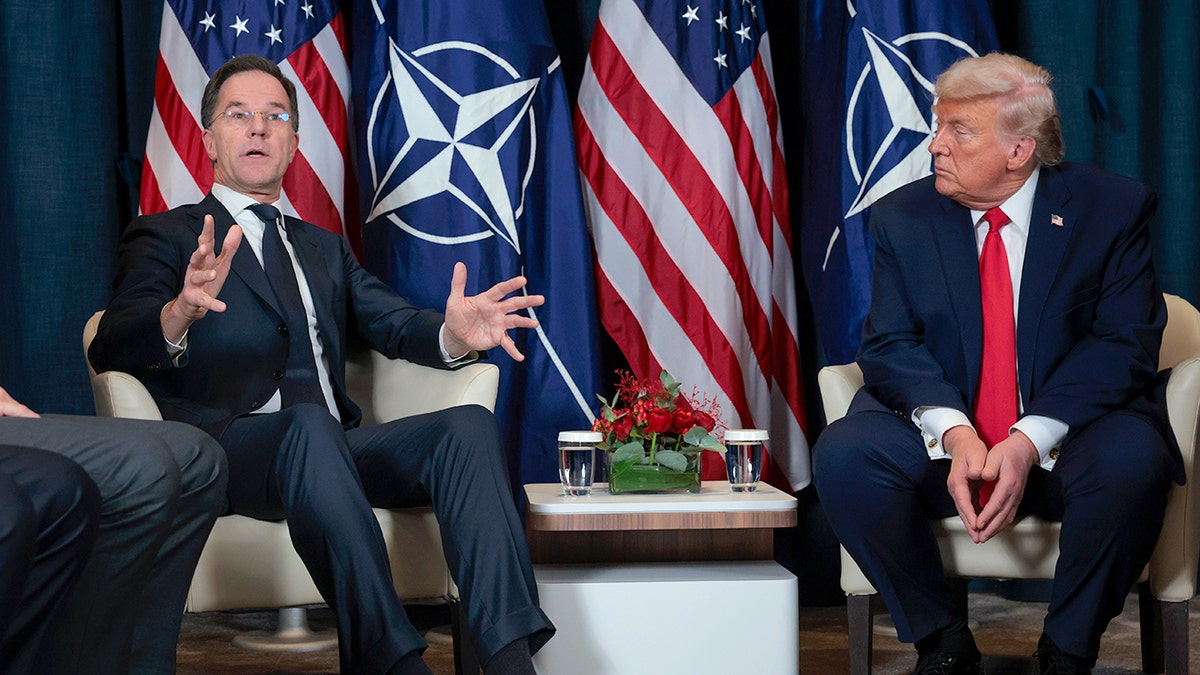
NATO Secretary General Mark Rutte speaks as U.S. President Donald Trump listens during a bilateral meeting at the World Economic Forum Annual Meeting in Davos, Switzerland, Jan. 21, 2026. (Chip Somodevilla/Getty Images)
«This is not just about more spending,» NATO Secretary-General Mark Rutte said earlier in 2026, calling for «smarter investment in the right capabilities.»
Rutte has also warned that rising defense budgets must be matched by expanded production capacity as the alliance scrambles to replenish stockpiles and prepare for long-term competition with Russia.
Townsend said both Europe’s and America’s defense industries shrank after decades of lower military spending following the Cold War.
«The defense industrial capability in Europe and the United States has atrophied,» he said. «They lost the scale to be able to surge a lot more production.»
Now, he said, governments are running into the reality that factories cannot instantly produce the weapons NATO says it needs.
«While the money is there and the orders are coming in, the producers are struggling to meet the requirements,» Townsend said.
The war in Ukraine exposed how quickly modern industrial warfare can overwhelm peacetime production systems. European governments that announced major procurement plans after 2022 have frequently encountered long delivery timelines, strained supply chains and shortages in key sectors ranging from artillery ammunition to air defense interceptors.
A recent McKinsey analysis warned that «structural constraints could slow the path from spending to military capabilities,» pointing to fragmented procurement systems, industrial bottlenecks and long production timelines across Europe’s defense sector.
Those delays have also highlighted how heavily Europe still depends on American military technology and production capacity.
NATO CHIEF WARNS EUROPE CAN’T DEFEND ITSELF WITHOUT US AS TENSIONS RISE OVER GREENLAND
«Europe right now is dependent on the United States and U.S. industry to provide a lot of the capabilities they know they need,» Townsend said.
Among the most difficult capabilities for Europe to rebuild quickly, he said, are air defense systems, long-range strike weapons, logistics networks, intelligence capabilities and deep ammunition stockpiles.
«Air defense is what they need and they need long-range fires,» Townsend said, pointing to systems such as Patriot missiles and High Mobility Artillery Rocket System launchers that European governments are scrambling to acquire.
But as demand for those systems surged following Russia’s invasion of Ukraine, production timelines stretched longer.
That already has pushed some NATO countries to look elsewhere. Poland, for example, turned to South Korea for major weapons purchases as governments searched for faster delivery timelines.
At the same time, European governments are trying to expand domestic production capacity to reduce dependence on U.S. suppliers. Germany has ramped up ammunition production, while some civilian industrial firms have begun shifting portions of their operations toward defense manufacturing.
Still, Townsend said, rebuilding Europe’s military capacity will take years.
CLICK HERE TO DOWNLOAD THE FOX NEWS APP
The larger question, he said, is whether NATO can close the gap quickly enough.
«Will the Russians take advantage of this gap?» Townsend said.
nato, ukraine, vladimir putin, spending, geopolitics









INTERNACIONAL
Far-left House candidate ripped for ‘disgusting’ vote on misgendering bill: ‘Disqualifying’
NEWYou can now listen to Fox News articles!
Manny Rutinel, a far-left state legislator and House candidate in Colorado’s 8th Congressional District, voted in support of a bill that instructed courts to take pronoun use into consideration as a factor when deciding child custody cases.
In particular, the Kelly Loving Act required courts to deem «deadnaming» and «misgendering» as a kind of coercive control
«A court shall consider reports of coercive control when determining the allocation of parental responsibilities in accordance with the best interest of the child,» the bill initially read when Rutinel voted for it.
MAMDANI COMPARISONS FOLLOW COLORADO DEMOCRAT INTO PIVOTAL HOUSE RACE AFTER PRIMARY WIN
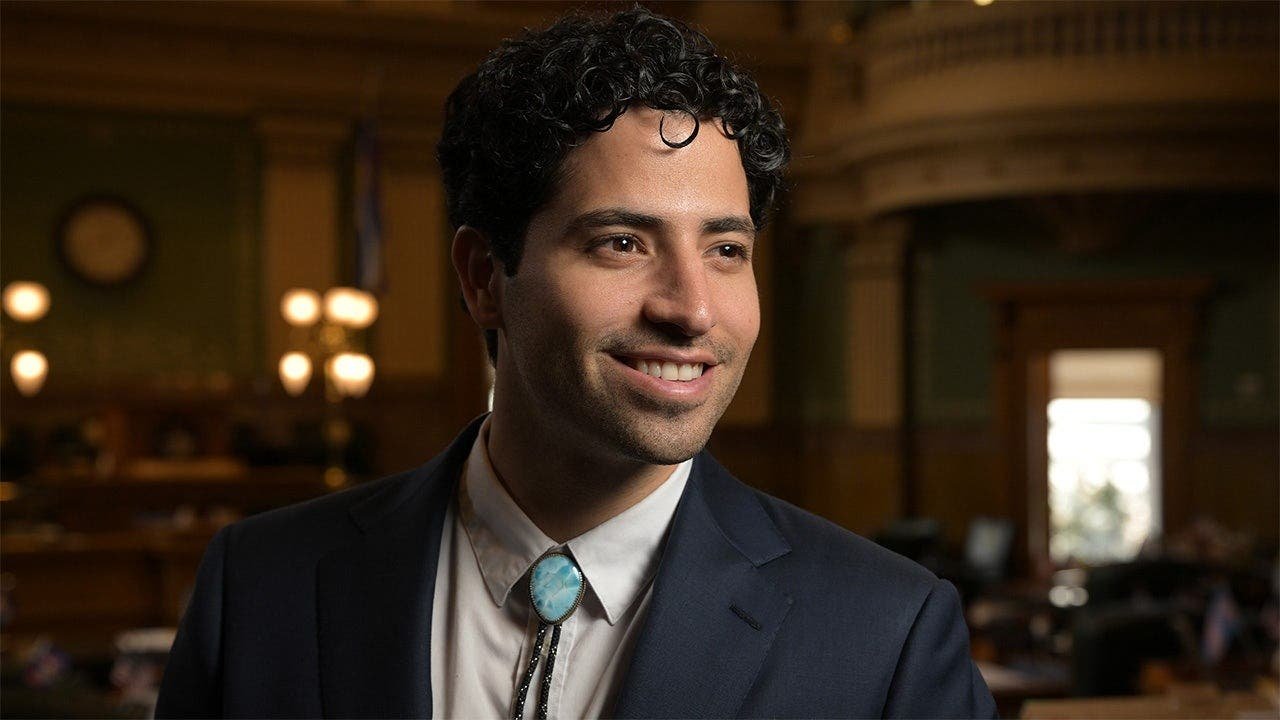
Rep. Manny Rutinel, democratic candidate for the 8th Congressional District, poses for a portrait at the house Chamber of Colorado State Capitol building in Denver, Colorado on Friday, February 20, 2026. (Hyoung Chang/The Denver Post)
Rutinel’s past vote in favor of the package is drawing scrutiny as he wages a bid to unseat incumbent Rep. Gabe Evans, R-Colo., in one of the country’s most competitive congressional races, raising questions about his position on parental authority when it comes to issues like gender.
To at least one Republican strategist, the vote speaks for itself.
«Far-left liberal Manny Rutinel wants the government to take away your kids if you don’t adopt his radical transgender agenda. Disgusting and disqualifying. Rutinel will be resoundingly rejected by Coloradans this fall,» Zach Bannon, a spokesperson for the National Republican Congressional Committee, said in a statement to Fox News Digital.
Rutinel’s office did not immediately respond to a request for comment on the bill or what led him to support it.
The Kelly Loving Act, named after a 40-year-old transgender woman who was one of the five victims in the 2022 Club Q mass shooting in Colorado Springs, deals largely with how the state plans to handle preferred pronouns.
It would allow residents to change the sex designation on official documents like birth certificates and state identification and, for schools that make policies about names, instruct education providers to include «all reasons» that a student might adopt a name different from their legal one.
BILL REPLACING ‘MOTHER’ AND ‘FATHER’ WITH GENDER-NEUTRAL TERMS PASSES IN NEW YORK, HEADS TO HOCHUL’S DESK
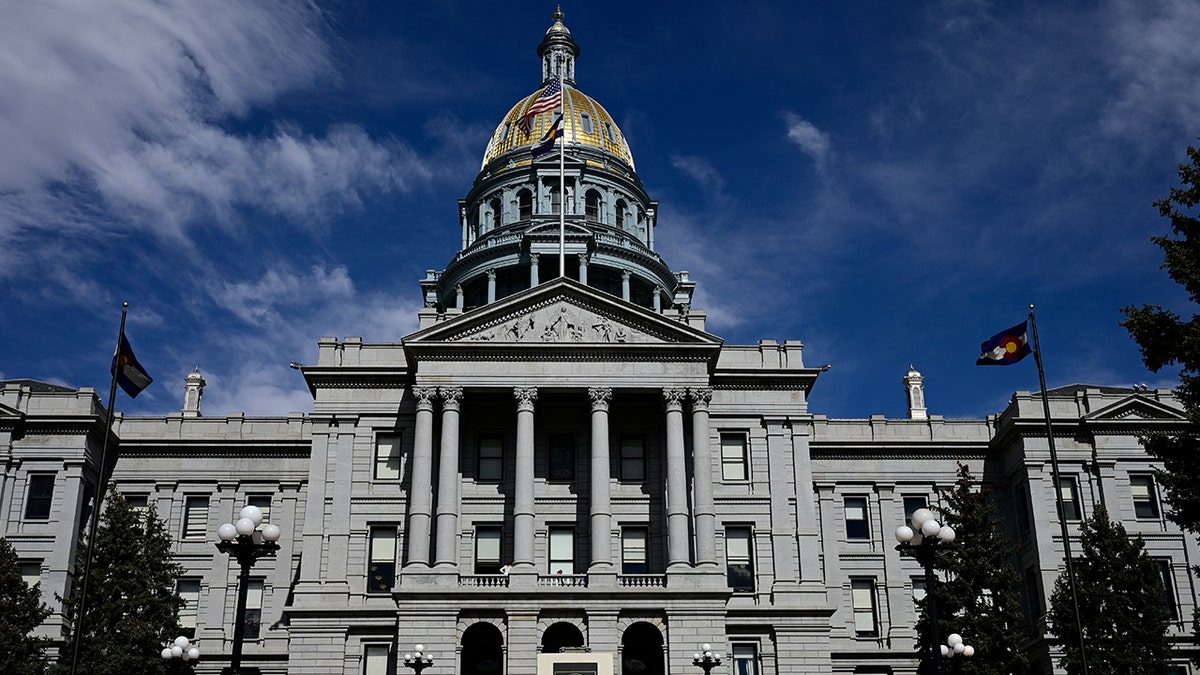
Colorado State capitol building photographed in Denver, Colorado on Wednesday, May 11, 2022. (Hyoung Chang/MediaNews Group/The Denver Post via Getty Images)
The bill would also make it a «discriminatory practice» and unlawful to publish materials that misgender a person.
The bill passed out of the Colorado House of Representatives in a 40-24 vote.
At the time of its passage, the bill drew criticism from groups like the Colorado Parent Advocacy Network that filed lawsuits against the bill, citing First Amendment concerns.
«The Act’s new definition of ‘gender expression’ is unconstitutionally overbroad,» their lawsuit read.
«Because it covers any treatment based on the use of a ‘chosen name’ or other forms of preferred ‘address,’ it punishes many forms of constitutionally protected speech.»
Notably, Colorado Gov. Jared Polis, like Rutinel, did not issue a statement at the time of its passage despite controversy that had made it a matter of national attention.
Although the bill passed both chambers of the Colorado State legislature and was signed into law in May 2025, some of the most controversial provisions, including misgendering, were stripped out weeks after Rutinel’s vote. A number of cases, including the one from Colorado Parent Advocacy Network, are still under consideration.
COLORADO SUPREME COURT ORDERS CHILDREN’S HOSPITAL TO RESUME GENDER TRANSITION TREATMENTS FOR MINORS
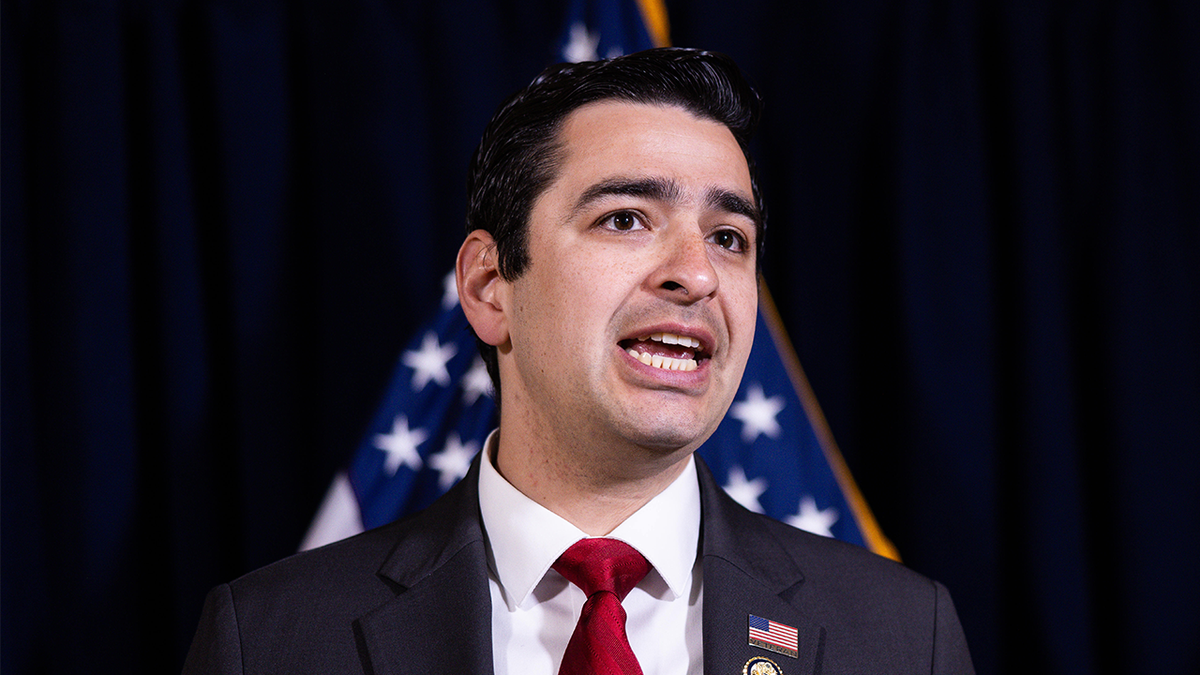
WASHINGTON, DC – MARCH 4: U.S. Rep. Gabe Evans (R-CO) speaks at a news conference at the Republican National Committee after a meeting of the House Republican Conference on March 4, 2025 in Washington, DC. Republicans discussed their party’s priorities ahead of President Trump’s first joint address to Congress since returning to the White House. (Photo by Tierney L. Cross/Getty Images)
CLICK HERE TO DOWNLOAD THE FOX NEWS APP
Having clinched the Democratic nomination for his congressional bid last week, Rutinel will face off against Evans in the state’s general election on Nov. 3.
Evans won his seat in 2024 in a 49.0% to 48.2% victory over Democratic incumbent Rep. Yadira Caraveo, D-Colo.
politics, house of representatives, democrats
INTERNACIONAL
Abdulrazak Gurnah, escritor tanzano: “Hay mezquindad y avaricia en las naciones prósperas que dicen: no queremos a esta gente”
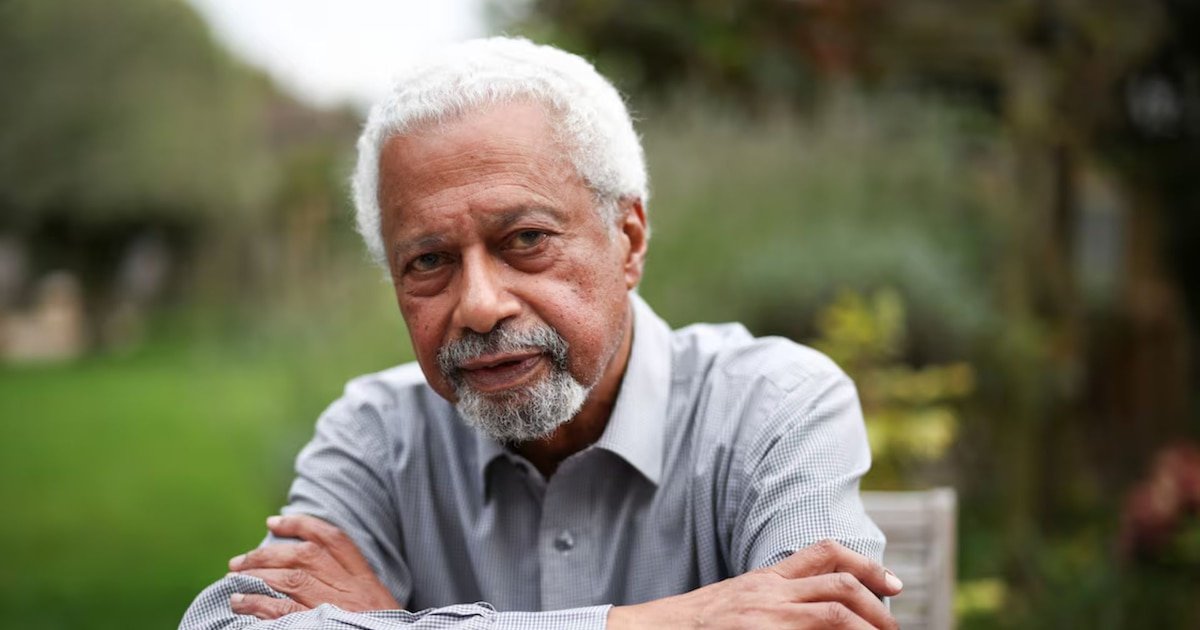
Pocas voces poseen la capacidad de Abdulrazak Gurnah para transformar el dolor del desarraigo en una radiografía geopolítica implacable. Cuando obtuvo el Premio Nobel de Literatura en 2021, el mundo occidental se vio obligado a mirar hacia una realidad que prefería mantener bajo la alfombra de la burocracia fronteriza. “Hay una especie de mezquindad y avaricia por parte de estas naciones prósperas que dicen: no queremos a esta gente”, dijo poco después en una entrevista con The New York Times.
La frase no fue un exabrupto; fue la destilación de una vida entera dedicada a observar cómo los imperios cierran sus puertas a las mismas vidas que previamente desarticularon. Para comprender el peso de estas palabras, es necesario viajar al territorio donde Gurnah mejor despliega sus herramientas: la ficción de su celebrada novela A orillas del mar. Publicada originalmente en 2001, es considerada por la crítica internacional como la obra más política, filosófica y madura del autor.
La trama sigue el cruce de dos vidas rotas: Saleh Omar, un comerciante de Zanzíbar de 65 años que llega al aeropuerto de Gatwick con un pasaporte falso y una caja de incienso, y Latif Mahmud, un poeta e intelectual de su misma tierra exiliado en Londres hace décadas. El libro posee una importancia fundacional en la literatura poscolonial porque invierte la mirada tradicional del viajero: aquí el territorio europeo no es un espacio de libertad o iluminación, sino un laberinto kafkiano de hostilidad.

En las primeras páginas de A orillas del mar, Saleh Omar describe los centros de detención británicos con una sobriedad asfixiante, donde la “amabilidad” no existe como un valor humano, sino como una transacción económica racionada por el Estado. Es precisamente en ese escenario de ficción donde la famosa frase del autor encuentra su genealogía. La “mezquindad” que Abdulrazak Gurnah denunció ante la prensa en 2021 es la misma que Saleh Omar experimenta en la novela veinte años antes.
No se trata únicamente de un rechazo físico en una frontera, sino de una avaricia moral: la negativa de las naciones ricas a compartir el bienestar económico y la seguridad que, paradójicamente, construyeron expoliando los recursos del hemisferio sur. La idea que transmite la frase resume de manera perfecta el corpus ideológico de su autor por tres razones fundamentales. La primera, la denuncia de la amnesia colonial: para el escritor, la s potencias occidentales padecen una pérdida de memoria selectiva.
En segundo lugar, el desmontaje del lenguaje burocrático: al utilizar palabras con tanta carga ética como “mezquindad” y “avaricia”, el Nobel le quita a la política migratoria su disfraz técnico. De este modo, no se trata de un problema de “capacidad de absorción” o de “cuotas migratorias”; se trata de una decisión moral de exclusión. Y en tercer lugar, la restitución de la complejidad humana: al refugiado le devuelve su historia, sus contradicciones, sus secretos y su dignidad frente al desprecio institucional.

El valor de la literatura de Abdulrazak Gurnah —y la razón por la cual su voz sigue siendo una referencia incómoda— radica en que sus textos no envejecen porque las fronteras reales del mundo continúan cerrándose con la misma violencia silenciosa. La potencia de sus palabras nos deja una advertencia filosófica: la verdadera decadencia de una sociedad próspera no se mide por la caída de sus mercados, sino por el tamaño de la mezquindad con la que protege sus privilegios frente al llamado de auxilio del otro.
Abdulrazak Gurnah nació en 1948 en Zanzíbar, una región semiautónoma de Tanzania que comprende un par de islas alejadas de la costa oriental de África. Es un reconocido escritor y académico afincado en el Reino Unido desde los 18 años, donde se exilió debido a la persecución política y desarrolló una carrera como profesor de literatura poscolonial en la Universidad de Kent. Galardonado con el Nobel de Literatura en 2021, su obra se centra en el impacto del colonialismo y la experiencia de los refugiados.
Su consagración literaria se construyó a través de una decena de ficciones imprescindibles, entre las que destacan Paraíso (1994), una obra fundamental nominada al Premio Booker que narra la pérdida de la inocencia en una África Oriental al borde de la colonización, y Precario silencio (1996), que explora el peso psicológico de un inmigrante que regresa a su tierra natal. A estas piezas se suman novela A orillas del mar (2001), de El desertor (2005), El último regalo (2011), y La vida, después.
INTERNACIONAL
Zelenskyy pressures US and Europe for more ‘air defense’ assistance amid ongoing war with Russia
Former NATO ambassador credits Trump for historic NATO defense spending
Former U.S. Ambassador to NATO Kurt Volker discusses the upcoming NATO Summit in Turkey, which President Donald Trump will attend. Volker highlights Trump’s focus on increased defense spending from allies and the challenges of promoting unity within the alliance, especially following the Iran operation. He emphasizes NATO’s historical role in deterring aggression and its support for the U.S. after 9/11.
NEWYou can now listen to Fox News articles!
Ukrainian President Volodymyr Zelenskyy is pressuring the U.S. and Europe to provide more missiles to help Ukraine defend against Russian attacks.
«Last night, Kyiv came under a massive Russian attack. Russia launched 68 missiles and 351 attack drones,» Zelenskyy noted in part of a Monday post on X.
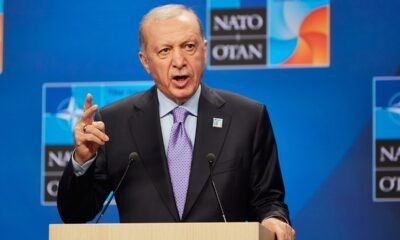
President Donald Trump is slated to attend the North Atlantic Treaty Organization (NATO) summit in Ankara, Turkey, this week.
Zelenskyy is calling for the U.S. and European allies to emerge from the meeting «with strong decisions in support of» Ukraine’s «air defense.»
TRUMP CALLS OUT NATO AHEAD OF SUMMIT, CALLING IT ‘RIDICULOUS’ FOR US TO PERSIST ON ‘ONE SIDED PATH’
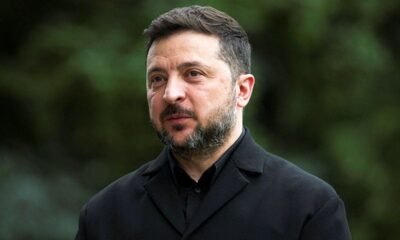
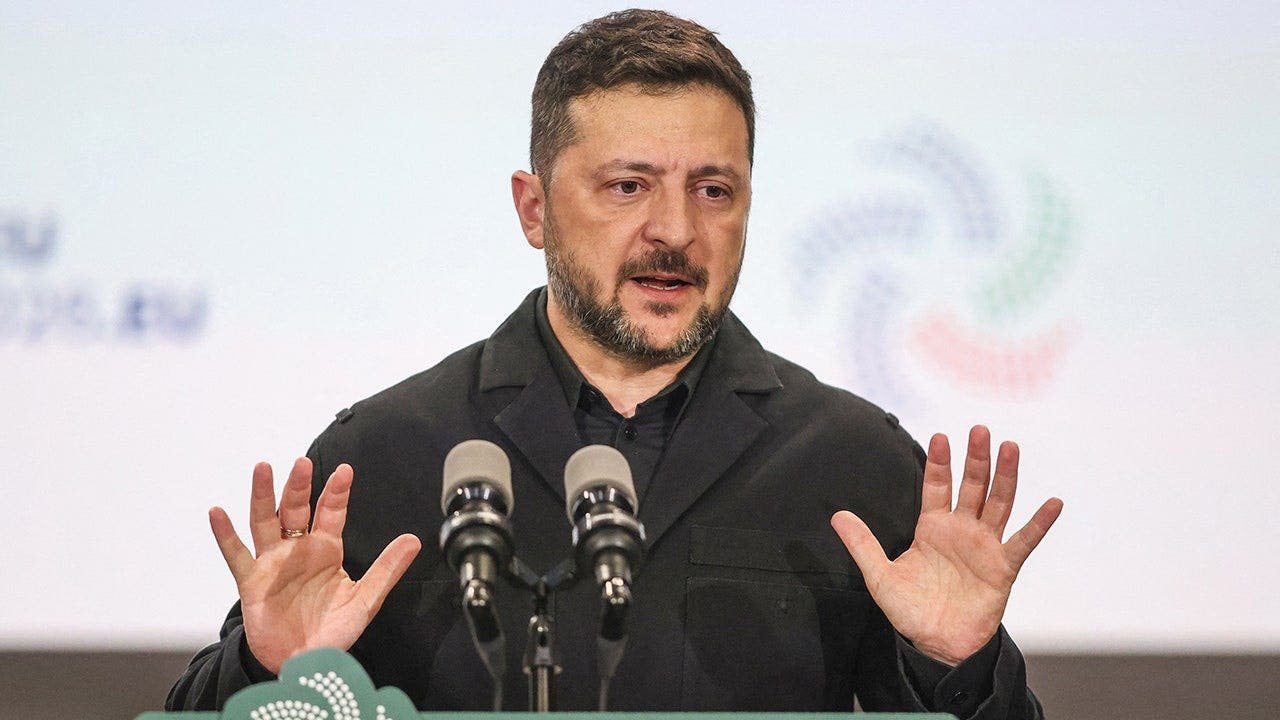
Ukraine’s President Volodymyr Zelensky speaks at a press conference after meetings with the heads of the EU and Ireland, following a formal ceremony to mark the launch of Ireland’s eighth EU presidency, at Dublin Castle in Dublin on July 1, 2026. (Paul Faith / AFP via Getty Images)
«Our warriors performed well today in intercepting drones and cruise missiles, but unfortunately not Russian ballistic missiles. And the reason lies in the insufficient supply of interceptor missiles. It is critically important that the world – first and foremost the United States and our European partners – come out of the NATO Summit in Ankara with strong decisions in support of our air defense, and thus the protection of ordinary people’s lives,» he noted in the post.
WORLD LEADERS, DIGNITARIES PAY TRIBUTE TO AMERICA ON HISTORIC 250TH BIRTHDAY
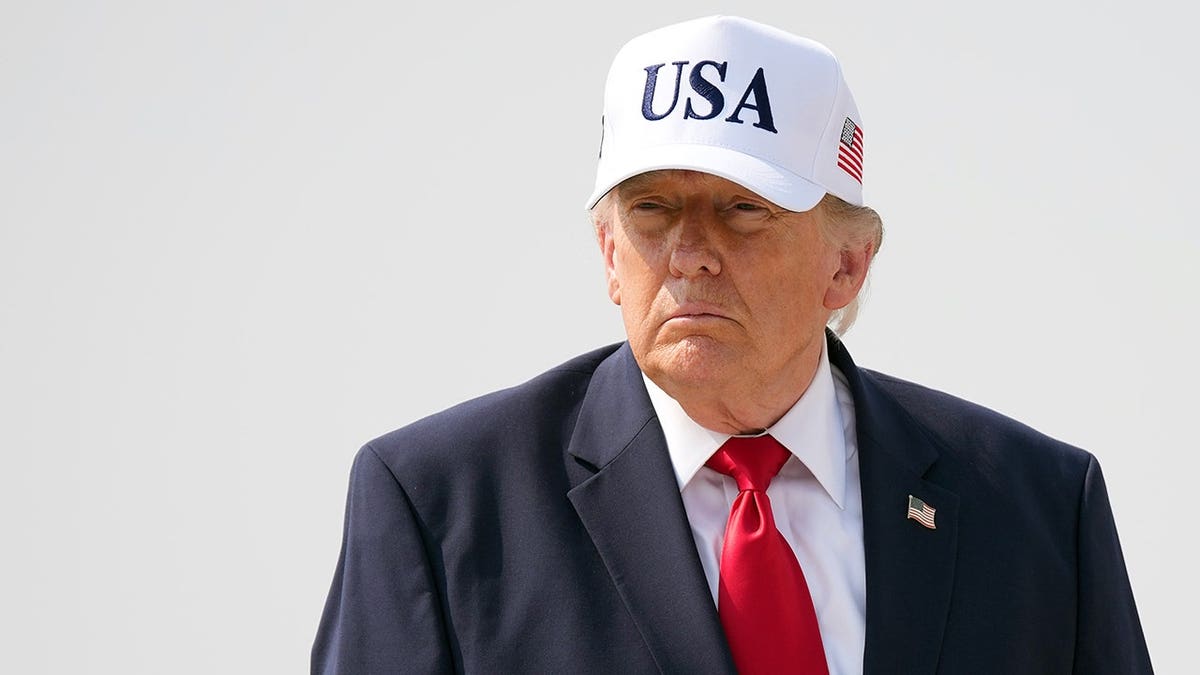
U.S. President Donald Trump walks to board Air Force One as he departs Bismarck Municipal Airport on July 01, 2026 in Bismarck, North Dakota. (Andrew Harnik/Getty Images)
«As long as Patriot missiles remain in our allies’ stockpiles, Russia is only encouraged to keep ‘vanquishing’ residential buildings. The United States and Europe have enough strength to stop this terror,» he asserted.
Zelenskyy’s comments come amid the ongoing, years-long war between Russia and Ukraine.
RUSSIAN GENERALS’ ASSASSINATIONS EXPOSE GROWING RIFT INSIDE PUTIN’S SECURITY APPARATUS
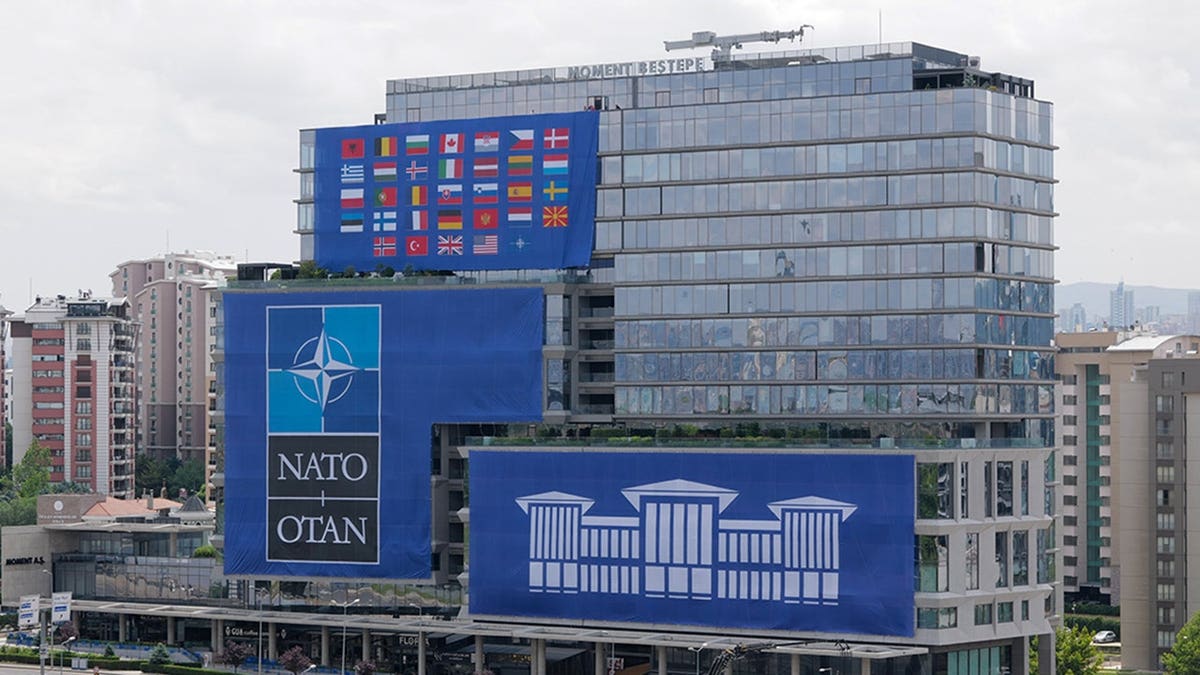
Large banners on an office complex near the Presidential Palace, the venue for the North Atlantic Treaty Organisation (NATO) summit, in Ankara, Turkey, on Monday, July 6, 2026. (Kerem Uzel/Bloomberg via Getty Images)
CLICK HERE TO DOWNLOAD THE FOX NEWS APP
Reuters reported that Zelenskyy, new South Korean President Lee Jae Myung, European Council President Antonio Costa and European Commission President Ursula von der Leyen are expected to have dinner with NATO leaders on Tuesday.
world, volodymyr zelenskyy, russia, ukraine, nato

Far-left House candidate ripped for ‘disgusting’ vote on misgendering bill: ‘Disqualifying’

Caso Balogun: la Unión Europea advirtió que las decisiones deportivas “no corresponden a los políticos”

Otro fallo contra la reforma laboral, en defensa del convenio colectivo del Sindicato de Camioneros

El fuerte cruce entre Yanina Latorre y Mauro Icardi sumó otro capítulo: “Lo demás es cotillón”

Abdulrazak Gurnah, escritor tanzano: “Hay mezquindad y avaricia en las naciones prósperas que dicen: no queremos a esta gente”

Cómo cambió el físico de los futbolistas de élite en los últimos 50 años

Uno por uno, los gremios que cobrarán aumento de sueldo en julio 2026

Russia unleashes nearly 600 missiles and drones on Kyiv in deadliest strike since May

La jugada del juez más temido por la AFA que inquieta a Chiqui Tapia y Pablo Toviggino

De qué se trata la reforma electoral que negocia Santilli con los gobernadores

 POLITICA3 días ago
Javier Milei y sus medidas, EN VIVO: denunciaron al Presidente por los ejercicios militares conjuntos de Argentina y EE.UU.
- DEPORTE3 días ago
Guido Rodríguez renovó con Valencia: firmó hasta 2028 y algo más
- INTERNACIONAL3 días ago
El Salvador, segundo país más dependiente de importaciones alimentarias, según la Mesa por la Soberanía Alimentaria