INTERNACIONAL
Russian generals’ assassinations expose growing rift inside Putin’s security apparatus

NEWYou can now listen to Fox News articles!
For the second time in little more than a year, a blast tore through the Moscow suburb of Balashikha, Russia, and left a Russian military figure dead.
On June 9, explosives planted under a BMW detonated as the driver began leaving a parking lot, according to independent Russian outlet The Insider. The outlet identified the man killed as Lt. Gen. Damir Davydov, a Russian Defense Ministry official responsible for supplying missiles and artillery ammunition to Russian forces fighting in Ukraine.
The location was striking. The explosion occurred roughly 1,150 feet from the site where Lt. Gen. Yaroslav Moskalik, deputy chief of the Main Operations Directorate of Russia’s General Staff, was killed in a car bombing in April 2025, according to the French newspaper Le Monde.
‘PURE HELL’ IN MOSCOW AS UKRAINIAN DRONES STRIKE MAJOR REFINERY SUPPLYING CAPITAL’S FUEL MARKET
A screen grab from a video shows the car in which Russian Gen. Yaroslav Moskalik was killed, confirmed by Russia’s Investigative Committee, on April 25, 2025, in the Moscow region. (Russian Investigative Committee / Handout/Anadolu via Getty Images)
Months before Moskalik’s death, another senior Russian officer was assassinated in Moscow.
Lt. Gen. Igor Kirillov, the head of Russia’s nuclear, biological and chemical protection troops, was killed when a bomb hidden in an electric scooter exploded outside an apartment building. A source in Ukraine’s Security Service, known as the SBU, told Reuters the agency carried out the operation.
Together, the attacks are part of a broader pattern of assassinations and attempted assassinations targeting senior Russian military figures — a campaign that a European intelligence source says is now exposing tensions inside Putin’s own security system.
Since Russia launched its full-scale invasion of Ukraine in February 2022, senior Russian military figures have been killed in missile strikes, drone attacks, car bombings, crashes and frontline combat — a toll that, according to a European intelligence source, is now fueling internal tensions between Russia’s military and the FSB, Russia’s powerful domestic security service and successor to the Soviet KGB.
«There are internal frictions between Russian security institutions,» a European intelligence source told Fox News Digital. «The Russian military wants the FSB to guarantee physical protection for Russian generals, but the FSB is opposed to taking responsibility for the military.»
The dispute reflects a deeper rivalry inside Russian President Vladimir Putin’s system, where the security services have long held a privileged position over the armed forces, according to multiple sources.
‘PURE HELL’ IN MOSCOW AS UKRAINIAN DRONES STRIKE MAJOR REFINERY SUPPLYING CAPITAL’S FUEL MARKET
«This goes back to Soviet times,» the European intelligence source said. «The security services do not like the military, and the military does not like the security services.»
The central tension, according to the European intelligence source and Russian opposition figure Maxim Katz, is inside Putin’s own system: the war has elevated the importance of the military on the battlefield, while the political structure in Moscow still treats generals as a potential threat.
The result is a paradox for the Kremlin. Russia needs its military commanders to sustain the war, but the security services that dominate Putin’s system appear reluctant to take responsibility for protecting them.
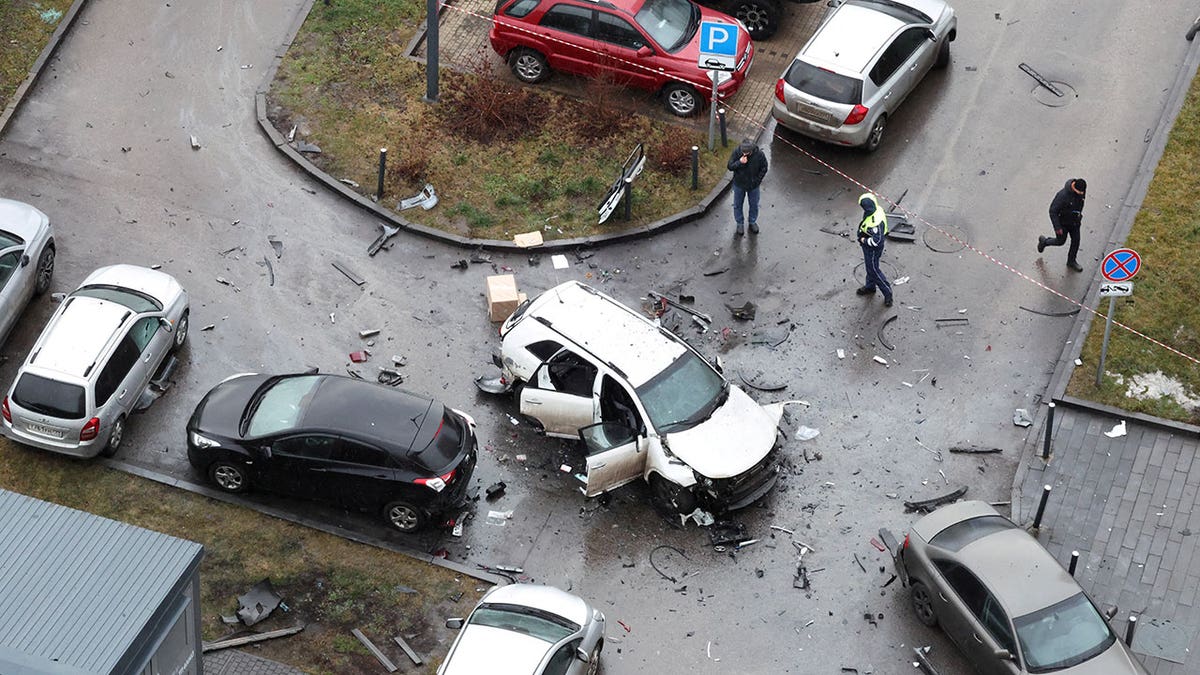
The damaged Kia Sorento lies at the scene where Lt. Gen. Fanil Sarvarov, head of the Russian General Staff’s army operational training directorate, was killed in a car bomb in Moscow, Dec. 22, 2025. (Anastasia Barashkova/Reuters)
At least 15 Russian generals have been confirmed killed since the full-scale invasion began, according to independent Russian outlet Mediazona.
The toll includes five lieutenant generals, seven major generals and three former generals.
Some died far from Moscow, closer to the battlefield.
Lt. Gen. Oleg Tsokov, deputy commander of Russia’s Southern Military District, was killed in July 2023 in a Ukrainian Storm Shadow missile strike on the Russian-occupied city of Berdiansk. Maj. Gen. Sergei Goryachev, chief of staff of the 35th Combined Arms Army, was killed in June 2023 during Ukraine’s counteroffensive in the Zaporizhzhia region. Maj. Gen. Vladimir Zavadsky, deputy commander of the 14th Army Corps, was killed near Krynky in southern Ukraine in November 2023.
Others were struck inside Russia or in Russian-controlled territory.
Lt. Gen. Alexander Otroshchenko, a senior Russian air force commander, died in a military transport plane crash over occupied Crimea in March 2026. Retired Maj. Gen. Kanamat Botashev, flying for the Wagner Group, was killed in May 2022 after his Su-25 was shot down over Ukraine’s Luhansk region.
‘PURE HELL’ IN MOSCOW AS UKRAINIAN DRONES STRIKE MAJOR REFINERY SUPPLYING CAPITAL’S FUEL MARKET
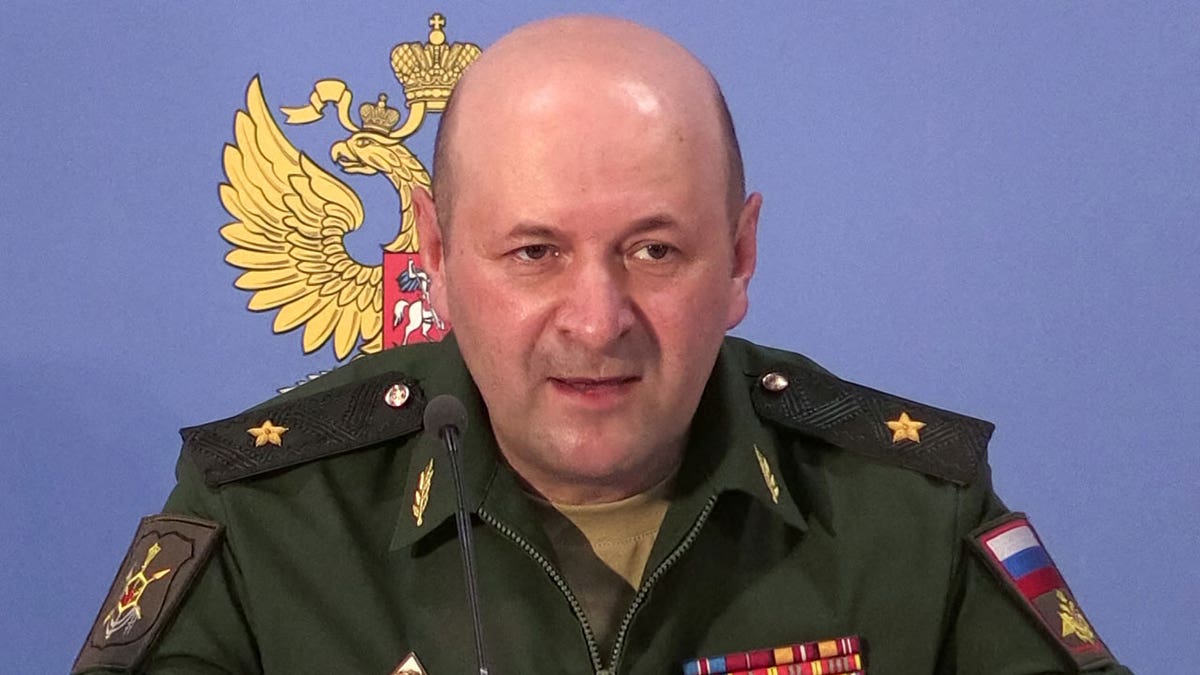
Igor Kirillov was killed Dec. 17, 2024, when an explosive device hidden in a scooter went off outside a building in Moscow, officials said. (AFPTV/AFP via Getty Images)
The losses began in the opening weeks of the invasion of Ukraine, when Maj. Gen. Andrei Sukhovetsky, deputy commander of Russia’s 41st Combined Arms Army, and Maj. Gen. Vladimir Frolov, deputy commander of the 8th Army, were killed.
Katz said the military has long occupied a vulnerable position inside the Russian power structure.
«In Russia, the FSB is the biggest and most powerful security organization, and Putin himself comes from that system,» Katz told Fox News Digital. «The army, on the other hand, has always been viewed by these people as a threat.»
Katz said the Kremlin historically has feared popular military figures because the army is one of the few institutions with the capacity to challenge political power.
«You will not find Russian military men in senior government positions,» Katz said. «Since Stalin, they have been afraid of the army. Whenever there is a relatively well-known military figure with a name of his own, they deal with it somehow — legally, or like with Prigozhin, or like with other generals. In Russia, there is no such thing as a popular general.»
Katz argued that even during wartime, when the military might be expected to gain status, Putin’s system keeps the army politically weak.
«The army does not take part in decision-making,» Katz said. «It is funded now, but everything goes to the war. The generals are rich, but not like ministers or FSB people. Among the elites, they are the most deprived.»
UKRAINE LAUNCHES WHAT APPEARS TO BE ONE OF ITS LARGEST DRONE ATTACKS AGAINST RUSSIA: REPORT
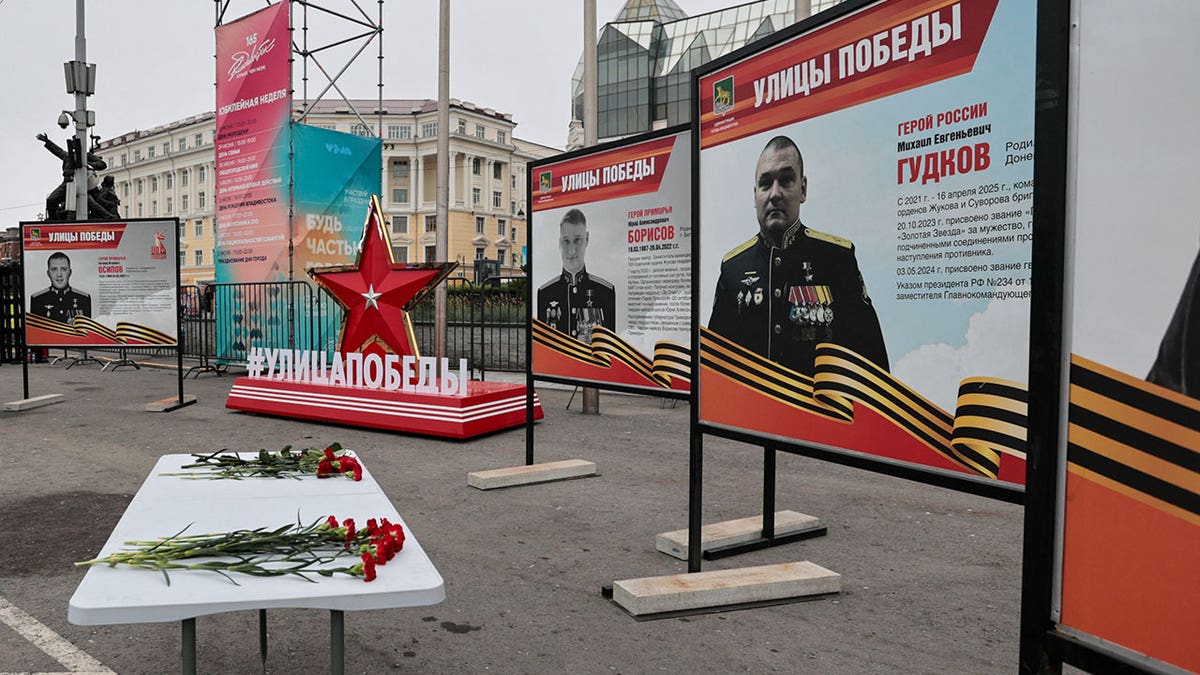
A view shows flowers placed on a table in front of a board with a photograph of Maj. Gen. Mikhail Gudkov, who, according to local authorities, was recently killed in the Kursk region amid Russia-Ukraine conflict, during an exhibition of soldiers’ portraits in the far eastern city of Vladivostok, Russia, July 3, 2025. (Tatiana Meel/Reuters)
That dynamic, Katz said, helps explain why Russian generals may not want the FSB responsible for their protection.
«For them, the FSB is a much bigger threat than the Ukrainian army,» Katz said. «The Ukrainian army kills a general once in a while. The FSB puts generals in prison much faster.»
The European intelligence source said the killings matter not only because of the operational losses, but because of the psychological effect inside the Russian army.
«Putin understands that losing prominent Russian generals can affect morale within the Russian army, which is already low from the Russian perspective,» the source said.
The apparent compromise, according to the European intelligence source, was to shift responsibility away from the FSB.
«The FSB did not want to deal with military protection, so the security service of the Russian presidential administration would take care of those generals,» the source said.
Katz said the internal pressure on Putin may also collide with Russia’s parliamentary elections in September — a moment he believes Western observers are largely ignoring.
RUSSIAN DRONES TEST NATO’S ARTICLE 5 DEFENSE GUARANTEE AHEAD OF FRIDAY SANCTIONS DEADLINE
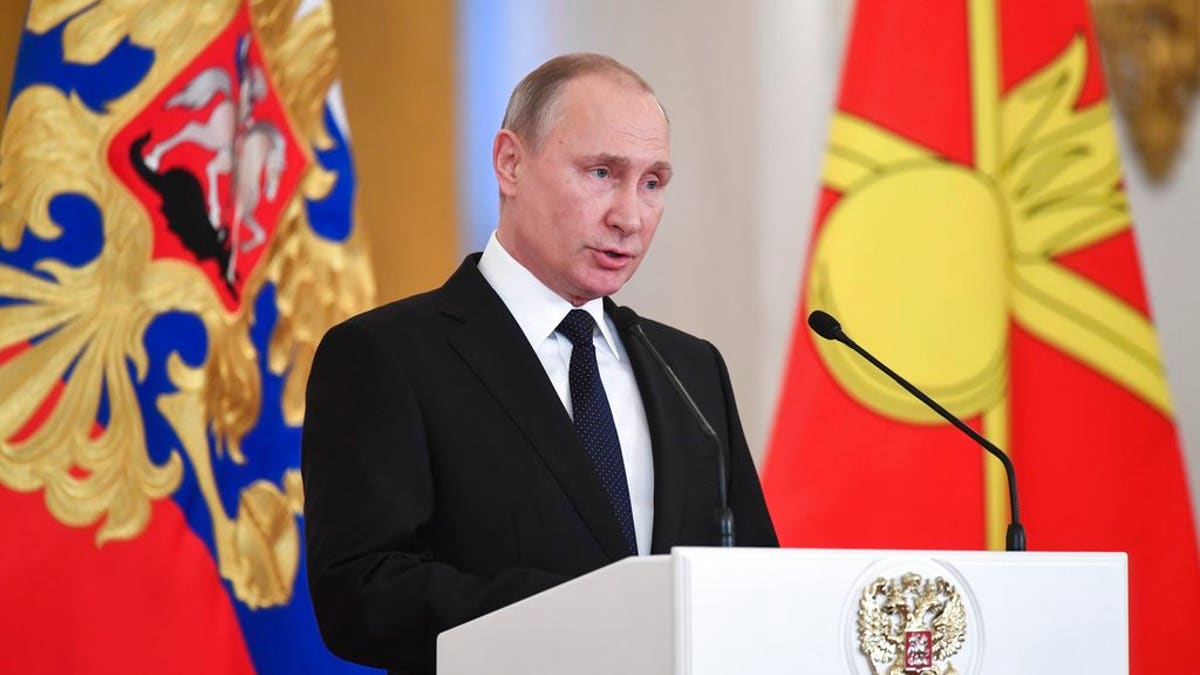
Russian President Vladimir Putin has been blamed for ordering numerous assassinations of critics and defectors. ( )
He said the vote will not be free, and the Kremlin is expected to manipulate the results.
But he argued that if public support for Putin’s United Russia party has fallen sharply, it may become harder for the regime to make the official results appear believable.
«Everyone already knows what results they will announce,» Katz said. «The question is whether anyone will believe those results.»
Katz said Putin’s system has long depended not only on control, but on the perception that the Kremlin still commands broad public support.
«Putin has never ruled in a situation where he does not have a majority,» Katz said. «His legitimacy rests on everyone believing that he has majority support. Once everyone believes he does not have a majority, and that he did not just cheat a little but simply drew the results, that is a different story.»
CLICK HERE TO DOWNLOAD THE FOX NEWS APP
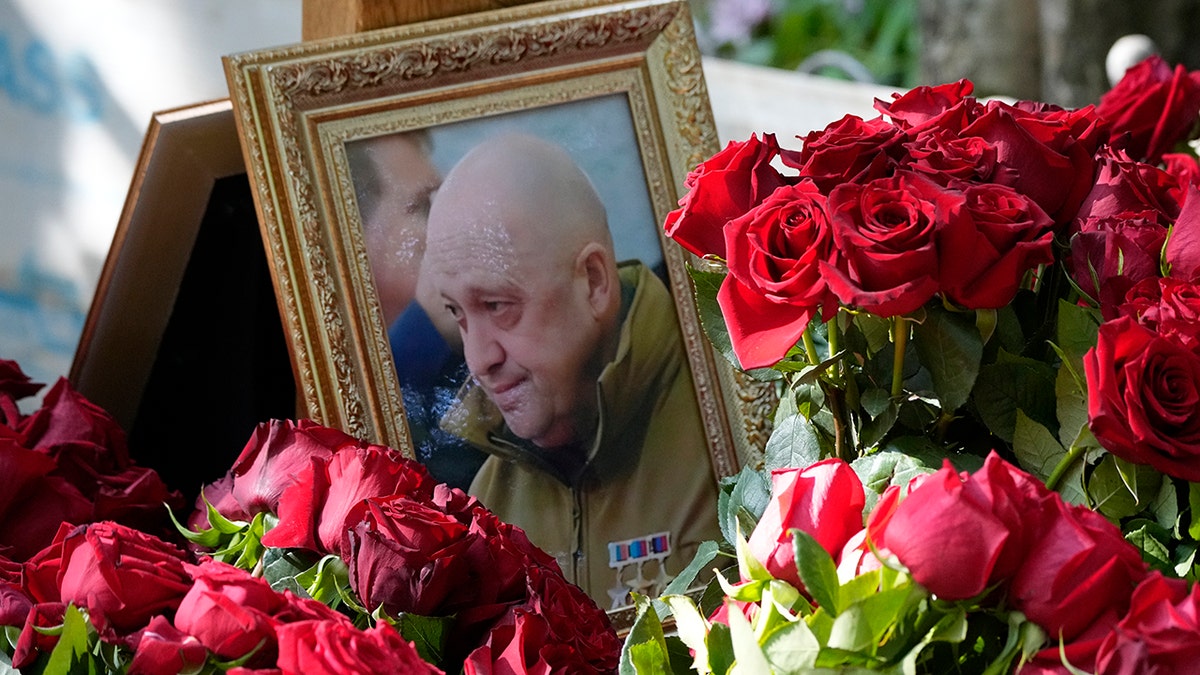
A portrait of Wagner Group’s chief Yevgeny Prigozhin, who died in a plane crash two months after launching his brief rebellion, lies on flowers on the grave at the Porokhovskoye cemetery in St. Petersburg, Russia, on Aug. 30, 2023. (AP Photo/Dmitri Lovetsky)
He compared the potential challenge to authoritarian systems that are forced to move from managed popularity to open coercion.
«Putin cannot lose like Orban,» Katz said. «But if everyone in Russia knows that everyone voted against him and he drew the results in his favor, that would be a new situation. He has never been in that position before.»
Fox News Digital reached out to the Russian and Ukrainian governments for comment but did not receive responses in time for publication.
russia, vladimir putin, ukraine, wars












INTERNACIONAL
State of play: Dems battle for shot at crucial Arizona House seat amid GOP’s razor thin majority
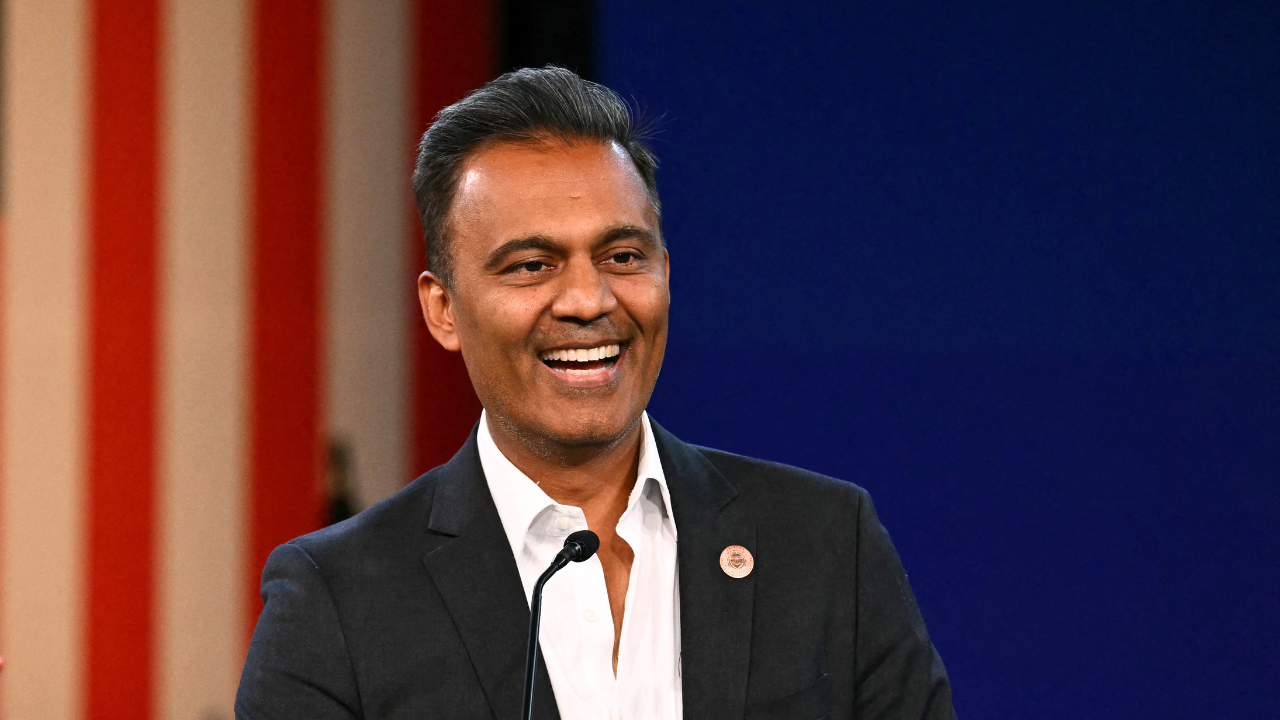
Socialist surge rocks Arizona Democratic primary
RNC senior advisor Danielle Alvarez highlights the growing influence of Democratic Socialists in primaries, citing the Arizona House 4 race where incumbent Greg Stanton faces Kai Newkirk. Alvarez criticizes Newkirk’s platform, including abolishing ICE, and points to the DSA’s surging membership as a «disaster» for mainstream Democrats and the nation.
NEWYou can now listen to Fox News articles!
Two Democratic candidates remained locked in a battle as of early Wednesday morning to claim their party’s nomination in Arizona’s 1st Congressional District for a chance to face former NFL kicker Jay Feely.
Former television news anchor Marlene Galán-Woods and former state Rep. Amish Shah, the two frontrunners, fell shy of capturing enough of the vote to win the nomination outright by early Wednesday morning.
The winner of the primary will go on to have a rare opportunity to flip a seat in the Canyon State and, more broadly, potentially decide the balance of power in Washington, D.C. Feely, who received President Donald Trump’s «complete and total endorsement» in the final stretch of the race, won his GOP primary late Tuesday night.
TRUMP-BACKED FIREBRAND WINS ARIZONA GOP GOVERNOR PRIMARY, SETTING UP HIGH-STAKES SHOWDOWN
Republican Rep. David Schweikert has repeatedly fended off well-funded Democratic challengers in Arizona’s competitive 1st Congressional District, winning reelection in 2024 (Stefani Reynolds/Bloomberg/Getty Images)
The seat could very well decide whether Republicans hold on to a slim majority in the House of Representatives or whether Democrats break a Republican governing trifecta come the November midterms.
Although the district has favored Republicans since 2020, incumbent Rep. David Schweikert, R-Ariz., has only narrowly hung on to the seat in the past two cycles, beating out Shah in a 51.9% to 48.1% victory in 2024.
Schweikert announced that he would not pursue reelection last year, announcing that he would instead pursue a gubernatorial bid. Trump-backed Rep. Andy Biggs, R-Ariz., won his primary and was ahead of Schweikert by over 50 points early Wednesday.
VULNERABLE REPUBLICAN WINS GOP PRIMARY IN ARIZONA TOSS-UP DISTRICT DEMS AIM TO FLIP BLUE
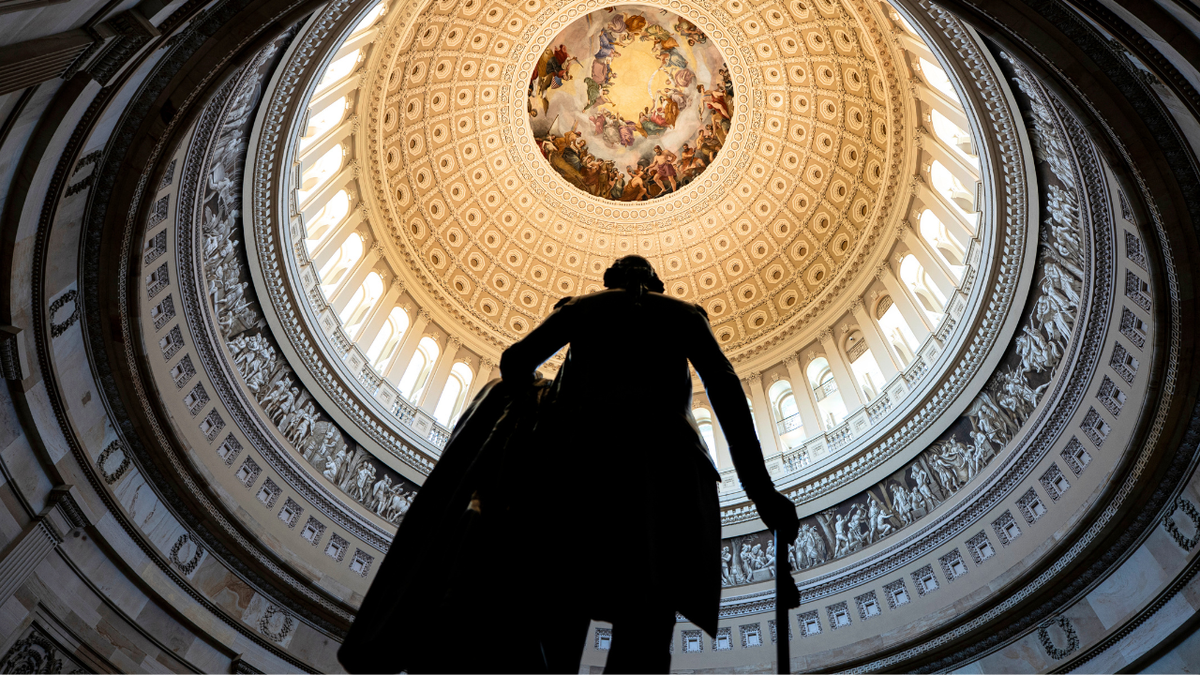
The 2026 midterms will determine control of the House and Senate, shaping President Donald Trump’s legislative agenda during the final two years of his term. (Al Drago/Getty Images)
«I’ve grown to believe Washington is unsavable. I do believe Arizona is savable,» Schweikert told Axios.
This isn’t the first time Amish Shah and Marlene Galán-Woods have competed against each other for their party’s nomination, having clashed in the Democratic 2024 primary for the district.
At that time, Shah narrowly defeated Galán-Woods before advancing to the 2024 general election, where he lost to Republican Rep. David Schweikert, who has represented the Phoenix-area seat since 2013 despite Democrats investing heavily to flip the district blue.
HOUSE DEMOCRATS’ CAMPAIGN ARM DRAWS PROGRESSIVE FURY FOR TRYING TO ‘TIP THE SCALES’ IN KEY HOUSE PRIMARY
He is seeking a second consecutive nomination after arguing he remains the strongest candidate to challenge Feely in the general election. Galán-Woods, meanwhile, is expected to emphasize her background as a longtime Arizona television journalist and her ability to appeal to independent and suburban voters.
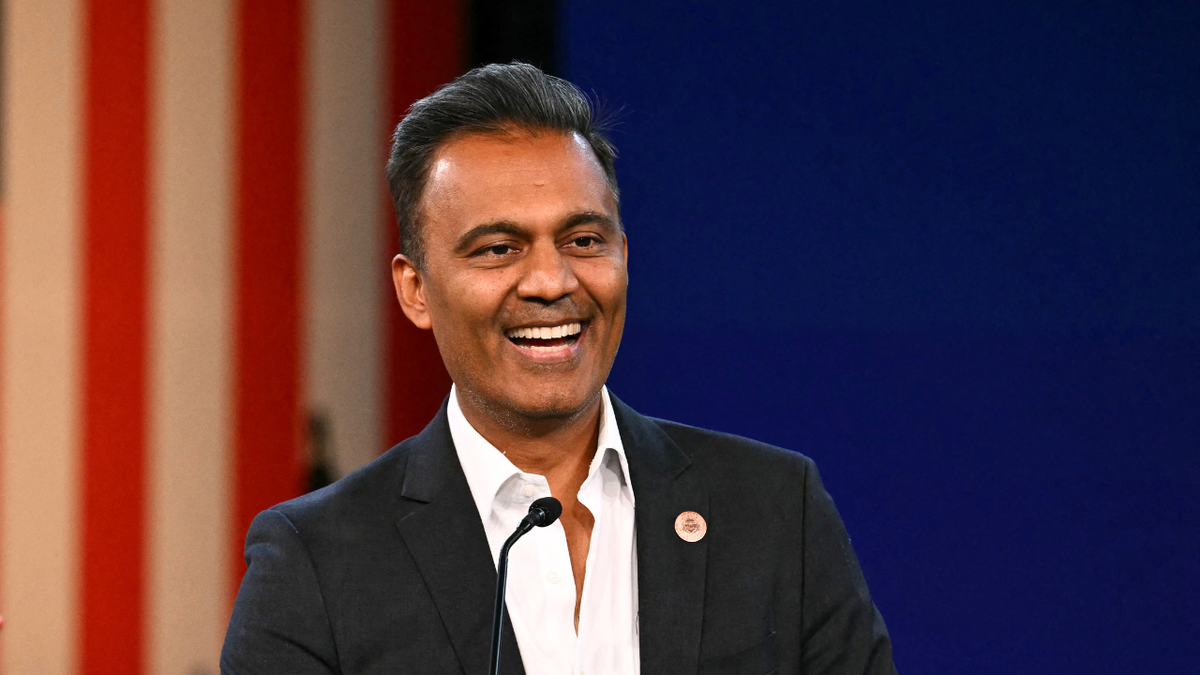
Former Arizona state Rep. Amish Shah, an emergency room physician who was the Democratic nominee in the district in 2024, is seeking another chance to flip the seat after narrowly losing to Republican David Schweikert in the general election. (Patrick T. Fallon/AFP/Getty Images)
CLICK HERE TO DOWNLOAD THE FOX NEWS APP
Galán-Woods is making another bid for the nomination with support from several national Democratic organizations, which view Arizona’s 1st District as one of the party’s best pickup opportunities in 2026.
The winner will go on to the general election on Nov. 3.
politics, arizona, democrats elections
INTERNACIONAL
Guerra en Medio Oriente: el petróleo superó los USD 92 por barril y alcanzó su nivel más alto desde junio

El precio del petróleo volvió a superar los USD 92 por barril este miércoles, impulsado por la escalada militar entre Estados Unidos e Irán, mientras los mercados financieros siguieron de cerca la evolución del conflicto en Medio Oriente.
El Brent del Mar del Norte subió alrededor de un 1,2% hasta USD 92,09 por barril, su nivel intradiario más alto desde el 11 de junio, después de que el presidente de Estados Unidos, Donald Trump, advirtiera que Washington “no terminó” con sus ataques contra Irán. En paralelo, el West Texas Intermediate (WTI) avanzó un 1% y cotizó en USD 85,19.
La suba del petróleo respondió a la persistencia de la incertidumbre sobre el suministro energético mundial. El ejército estadounidense informó que completó una undécima noche consecutiva de bombardeos con el objetivo de “degradar aún más la capacidad de Irán para amenazar el transporte marítimo comercial en el estrecho de Ormuz”, una de las principales rutas para las exportaciones mundiales de crudo.
Trump también elevó el tono contra los rebeldes hutíes de Yemen, aliados de Irán. El mandatario afirmó que “se ocupará de” ese grupo si concreta la amenaza de bloquear los puertos sauditas, un escenario que los inversores consideran un riesgo adicional para el comercio internacional de petróleo.
Los analistas advirtieron que una interrupción efectiva de las rutas marítimas podría provocar un nuevo salto de los precios. Jay Hatfield, de Infrastructure Capital Management, sostuvo que “nuestra visión es que estaremos en un rango de entre 80 y 90 dólares, dependiendo del flujo de noticias”. Sin embargo, agregó que “si realmente tenemos un Mar Rojo cerrado, eso representa una amenaza. Todavía no lo vimos. Eso podría llevarnos por encima de los 100 dólares”.

Mientras el mercado energético permaneció atento a las noticias provenientes de Medio Oriente, las bolsas asiáticas registraron una segunda jornada consecutiva de ganancias impulsadas por el sector tecnológico.
Las acciones tecnológicas recuperaron parte del terreno perdido después de varias semanas de volatilidad vinculada a las expectativas sobre la inteligencia artificial. Los inversores buscaron oportunidades tras las ganancias registradas el martes en el índice Nasdaq de Wall Street.
En Tokio, el índice Nikkei 225 avanzó 1,9% hasta los 67.511,13 puntos, mientras que el mercado de Seúl, con fuerte presencia de empresas de semiconductores, saltó 5,4%. En contraste, el índice Hang Seng de Hong Kong retrocedió 0,9%, mientras que la bolsa de Shanghái ganó 0,4%.
Los operadores también aguardaron los balances trimestrales de algunas de las principales compañías tecnológicas de Estados Unidos. Los resultados de Tesla y de Alphabet, la empresa matriz de Google, se conocieron más tarde, mientras que la próxima semana publicarán sus cuentas Microsoft, Meta, Apple y Amazon.
El comportamiento del sector tecnológico reflejó un cambio parcial en el ánimo de los mercados, después de las dudas sobre las valuaciones de las empresas vinculadas con la inteligencia artificial.

En el mercado cambiario, el yen japonés volvió a debilitarse frente al dólar después de caer por debajo de las 163 unidades por dólar, su nivel más bajo desde 1986. Los operadores atribuyeron parte de esa presión al encarecimiento del petróleo, un factor que afecta especialmente a Japón por su elevada dependencia de las importaciones de energía.
Al mismo tiempo, el euro cotizó en USD 1,1407, la libra esterlina se ubicó en USD 1,3386 y la relación entre ambas monedas permaneció prácticamente sin cambios.
(Con información de AFP)
Asia / Pacific,Corporate Events,Energy Markets
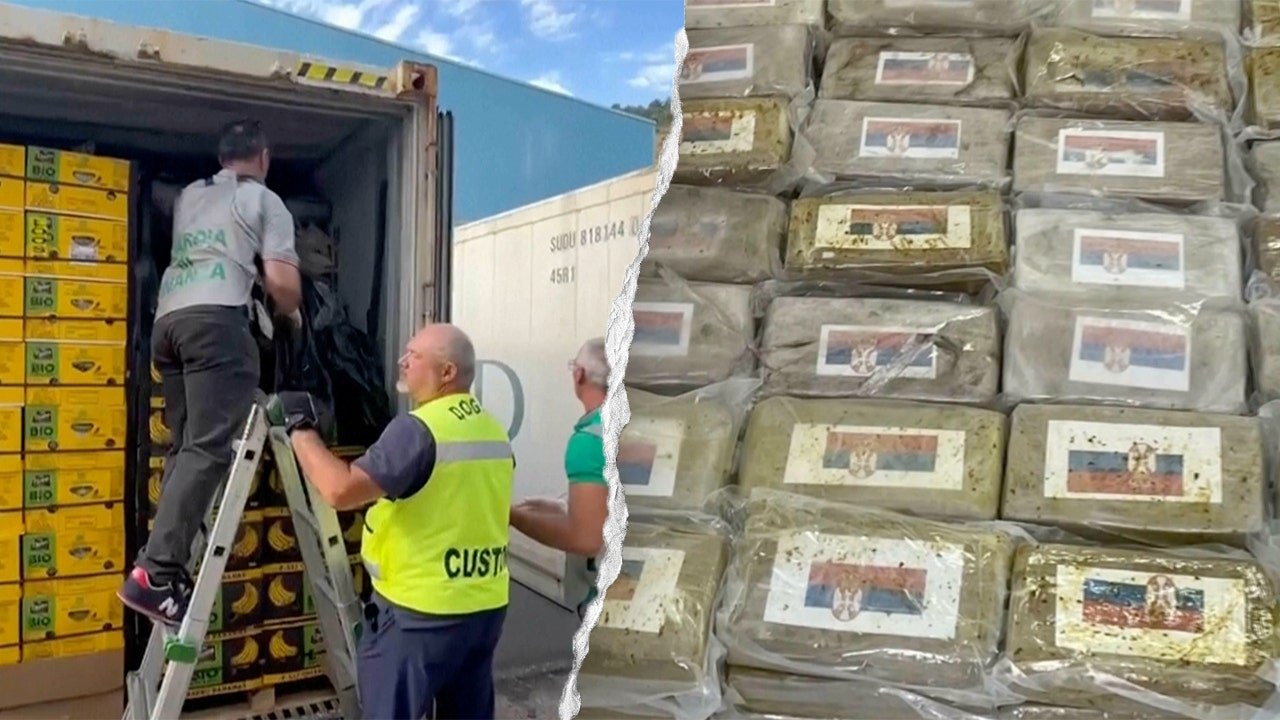
NEWYou can now listen to Fox News articles!
Italian authorities seized roughly 1,700 pounds of cocaine hidden among pallets of bananas at a major port, officials said Tuesday.
The drugs were divided into 650 packages and «skillfully concealed» inside a refrigerated shipping container that arrived at the port of Vado Ligure from one of Ecuador’s main ports, according to Italy’s Guardia di Finanza.
A field test conducted during the inspection determined the substance was «extremely pure cocaine,» officials said.
BORDER OFFICERS CRACK OPEN CABBAGE SHIPMENT HIDING MULTIMILLION-DOLLAR SECRET AT TEXAS BORDER
The drugs were divided into 650 packages and «skillfully concealed» inside a refrigerated shipping container. (Italy Border Police / AP)
Authorities said the bust was one of the largest anti-drug operations carried out at the port in recent years.
The shipment could have generated an estimated 250 million euros, or nearly $290 million, if it had reached the street market.
MASSIVE MEXICO-CALIFORNIA BORDER BUSTS UNCOVER EYE-POPPING AMOUNT OF DRUGS: ‘REMAIN VIGILANT’
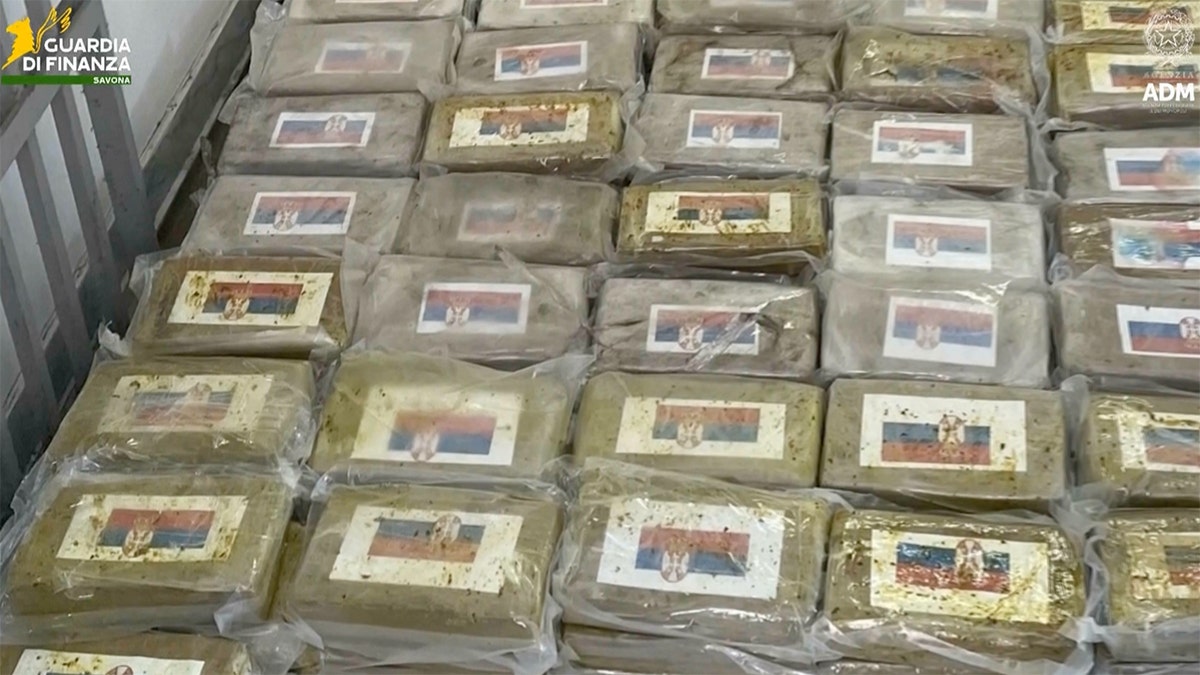
Authorities said the bust was one of the largest anti-drug operations carried out at the port in recent years. (Italy Border Police / AP)
The seizure followed an extensive analysis of commercial shipping routes linking South America with Vado Ligure, an important gateway for goods entering Europe — and an «attractive» target for international drug traffickers, according to officials.
«The operation forms part of an ongoing and targeted effort to combat the international trafficking of narcotics, including efforts to protect the most vulnerable segments of the population, who are often exposed to the harmful effects of this type of criminal activity,» Guardia di Finanza said.
JEANINE PIRRO CALLS OUT ‘DIRTBAGS’ AFTER 14 CHARGED IN ALLEGED COCAINE RING OPERATING FEET FROM A SCHOOLYARD
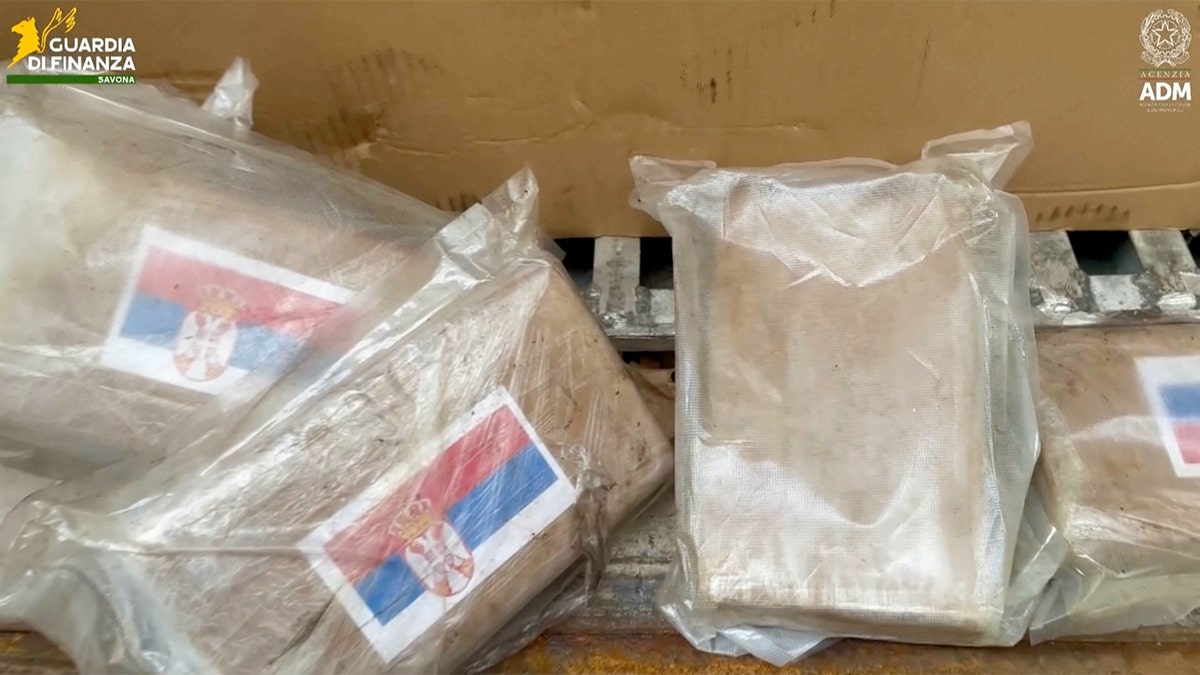
The shipment could have generated an estimated 250 million euros, or roughly $290 million, if it had reached the street market. (Italy Border Police / AP)
The seizure comes weeks after U.S. Customs and Border Protection (CBP) officers discovered more than 1,100 pounds of cocaine hidden in a commercial tractor-trailer carrying cabbage at the Pharr Port of Entry in Texas.
CLICK HERE TO DOWNLOAD THE FOX NEWS APP
A canine inspection and nonintrusive imaging scan alerted officers to the concealed load, CBP said. A physical search of the trailer uncovered 477 packages containing 1,173 pounds of cocaine with an estimated street value of nearly $10.8 million.
Fox News Digital’s Leo Briceno contributed to this report.
world, italy, drugs, crime

Independiente está cerca de cerrar a dos nuevos refuerzos para este mercado de pases

Juli Poggio y Dani Celis en “Lo de Pampita”: “Cuando estamos juntas nos quemamos un poco y es peligroso”

Los hermanos Passaglia preparan su expansión para el 2027 por fuera del PRO y La Libertad Avanza

State of play: Dems battle for shot at crucial Arizona House seat amid GOP’s razor thin majority

Tras mejorar la calificación de Argentina, Moody’s alertó por el riesgo del regreso de un “gobierno intervencionista” en 2027

Nacional recibió a Tigre con la canción que utilizó España tras consagrarse campeón del mundo

Sin la Copa y sin Messi en el avión, vuelve Tapia y deberá enfrentar tres frentes de tormenta tras la pausa del Mundial

Estados Unidos cambia una regla histórica del jugo de naranja vigente desde 1963 y afecta a toda la industria

Un diseño que pasó a la historia: quién fue el creador del trofeo de la Copa del Mundo

Antes de la clasificación, Franco Colapinto afrontará la última práctica libre del GP de Bélgica: hora, TV y todo lo que hay que saber

 POLITICA2 días ago
Sin la Copa y sin Messi en el avión, vuelve Tapia y deberá enfrentar tres frentes de tormenta tras la pausa del Mundial
- POLITICA1 día ago
Le ganan a la inflación: los senadores pasarán a cobrar $12 millones brutos a partir de agosto
- CHIMENTOS1 día ago
Samuel L. Jackson llamó a Argentina “el país más racista del mundo”: la contundente respuesta que le dejó Bárbara Lombardo