INTERNACIONAL
$290M cocaine haul found ‘skillfully concealed’ in massive banana shipment


NEWYou can now listen to Fox News articles!
Italian authorities seized roughly 1,700 pounds of cocaine hidden among pallets of bananas at a major port, officials said Tuesday.
The drugs were divided into 650 packages and «skillfully concealed» inside a refrigerated shipping container that arrived at the port of Vado Ligure from one of Ecuador’s main ports, according to Italy’s Guardia di Finanza.
A field test conducted during the inspection determined the substance was «extremely pure cocaine,» officials said.
BORDER OFFICERS CRACK OPEN CABBAGE SHIPMENT HIDING MULTIMILLION-DOLLAR SECRET AT TEXAS BORDER
The drugs were divided into 650 packages and «skillfully concealed» inside a refrigerated shipping container. (Italy Border Police / AP)
Authorities said the bust was one of the largest anti-drug operations carried out at the port in recent years.
The shipment could have generated an estimated 250 million euros, or nearly $290 million, if it had reached the street market.
MASSIVE MEXICO-CALIFORNIA BORDER BUSTS UNCOVER EYE-POPPING AMOUNT OF DRUGS: ‘REMAIN VIGILANT’

Authorities said the bust was one of the largest anti-drug operations carried out at the port in recent years. (Italy Border Police / AP)
The seizure followed an extensive analysis of commercial shipping routes linking South America with Vado Ligure, an important gateway for goods entering Europe — and an «attractive» target for international drug traffickers, according to officials.
«The operation forms part of an ongoing and targeted effort to combat the international trafficking of narcotics, including efforts to protect the most vulnerable segments of the population, who are often exposed to the harmful effects of this type of criminal activity,» Guardia di Finanza said.
JEANINE PIRRO CALLS OUT ‘DIRTBAGS’ AFTER 14 CHARGED IN ALLEGED COCAINE RING OPERATING FEET FROM A SCHOOLYARD

The shipment could have generated an estimated 250 million euros, or roughly $290 million, if it had reached the street market. (Italy Border Police / AP)
The seizure comes weeks after U.S. Customs and Border Protection (CBP) officers discovered more than 1,100 pounds of cocaine hidden in a commercial tractor-trailer carrying cabbage at the Pharr Port of Entry in Texas.
CLICK HERE TO DOWNLOAD THE FOX NEWS APP
A canine inspection and nonintrusive imaging scan alerted officers to the concealed load, CBP said. A physical search of the trailer uncovered 477 packages containing 1,173 pounds of cocaine with an estimated street value of nearly $10.8 million.
Fox News Digital’s Leo Briceno contributed to this report.
world, italy, drugs, crime











INTERNACIONAL
Guerra en Medio Oriente: el petróleo superó los USD 92 por barril y alcanzó su nivel más alto desde junio

El precio del petróleo volvió a superar los USD 92 por barril este miércoles, impulsado por la escalada militar entre Estados Unidos e Irán, mientras los mercados financieros siguieron de cerca la evolución del conflicto en Medio Oriente.
El Brent del Mar del Norte subió alrededor de un 1,2% hasta USD 92,09 por barril, su nivel intradiario más alto desde el 11 de junio, después de que el presidente de Estados Unidos, Donald Trump, advirtiera que Washington “no terminó” con sus ataques contra Irán. En paralelo, el West Texas Intermediate (WTI) avanzó un 1% y cotizó en USD 85,19.
La suba del petróleo respondió a la persistencia de la incertidumbre sobre el suministro energético mundial. El ejército estadounidense informó que completó una undécima noche consecutiva de bombardeos con el objetivo de “degradar aún más la capacidad de Irán para amenazar el transporte marítimo comercial en el estrecho de Ormuz”, una de las principales rutas para las exportaciones mundiales de crudo.
Trump también elevó el tono contra los rebeldes hutíes de Yemen, aliados de Irán. El mandatario afirmó que “se ocupará de” ese grupo si concreta la amenaza de bloquear los puertos sauditas, un escenario que los inversores consideran un riesgo adicional para el comercio internacional de petróleo.
Los analistas advirtieron que una interrupción efectiva de las rutas marítimas podría provocar un nuevo salto de los precios. Jay Hatfield, de Infrastructure Capital Management, sostuvo que “nuestra visión es que estaremos en un rango de entre 80 y 90 dólares, dependiendo del flujo de noticias”. Sin embargo, agregó que “si realmente tenemos un Mar Rojo cerrado, eso representa una amenaza. Todavía no lo vimos. Eso podría llevarnos por encima de los 100 dólares”.

Mientras el mercado energético permaneció atento a las noticias provenientes de Medio Oriente, las bolsas asiáticas registraron una segunda jornada consecutiva de ganancias impulsadas por el sector tecnológico.
Las acciones tecnológicas recuperaron parte del terreno perdido después de varias semanas de volatilidad vinculada a las expectativas sobre la inteligencia artificial. Los inversores buscaron oportunidades tras las ganancias registradas el martes en el índice Nasdaq de Wall Street.
En Tokio, el índice Nikkei 225 avanzó 1,9% hasta los 67.511,13 puntos, mientras que el mercado de Seúl, con fuerte presencia de empresas de semiconductores, saltó 5,4%. En contraste, el índice Hang Seng de Hong Kong retrocedió 0,9%, mientras que la bolsa de Shanghái ganó 0,4%.
Los operadores también aguardaron los balances trimestrales de algunas de las principales compañías tecnológicas de Estados Unidos. Los resultados de Tesla y de Alphabet, la empresa matriz de Google, se conocieron más tarde, mientras que la próxima semana publicarán sus cuentas Microsoft, Meta, Apple y Amazon.
El comportamiento del sector tecnológico reflejó un cambio parcial en el ánimo de los mercados, después de las dudas sobre las valuaciones de las empresas vinculadas con la inteligencia artificial.

En el mercado cambiario, el yen japonés volvió a debilitarse frente al dólar después de caer por debajo de las 163 unidades por dólar, su nivel más bajo desde 1986. Los operadores atribuyeron parte de esa presión al encarecimiento del petróleo, un factor que afecta especialmente a Japón por su elevada dependencia de las importaciones de energía.
Al mismo tiempo, el euro cotizó en USD 1,1407, la libra esterlina se ubicó en USD 1,3386 y la relación entre ambas monedas permaneció prácticamente sin cambios.
(Con información de AFP)
Asia / Pacific,Corporate Events,Energy Markets
INTERNACIONAL
Estados Unidos ahora pone el foco en Nicaragua y dice que «no se quedará de brazos cruzados» ante la avanzada del régimen de Ortega para eliminar las elecciones
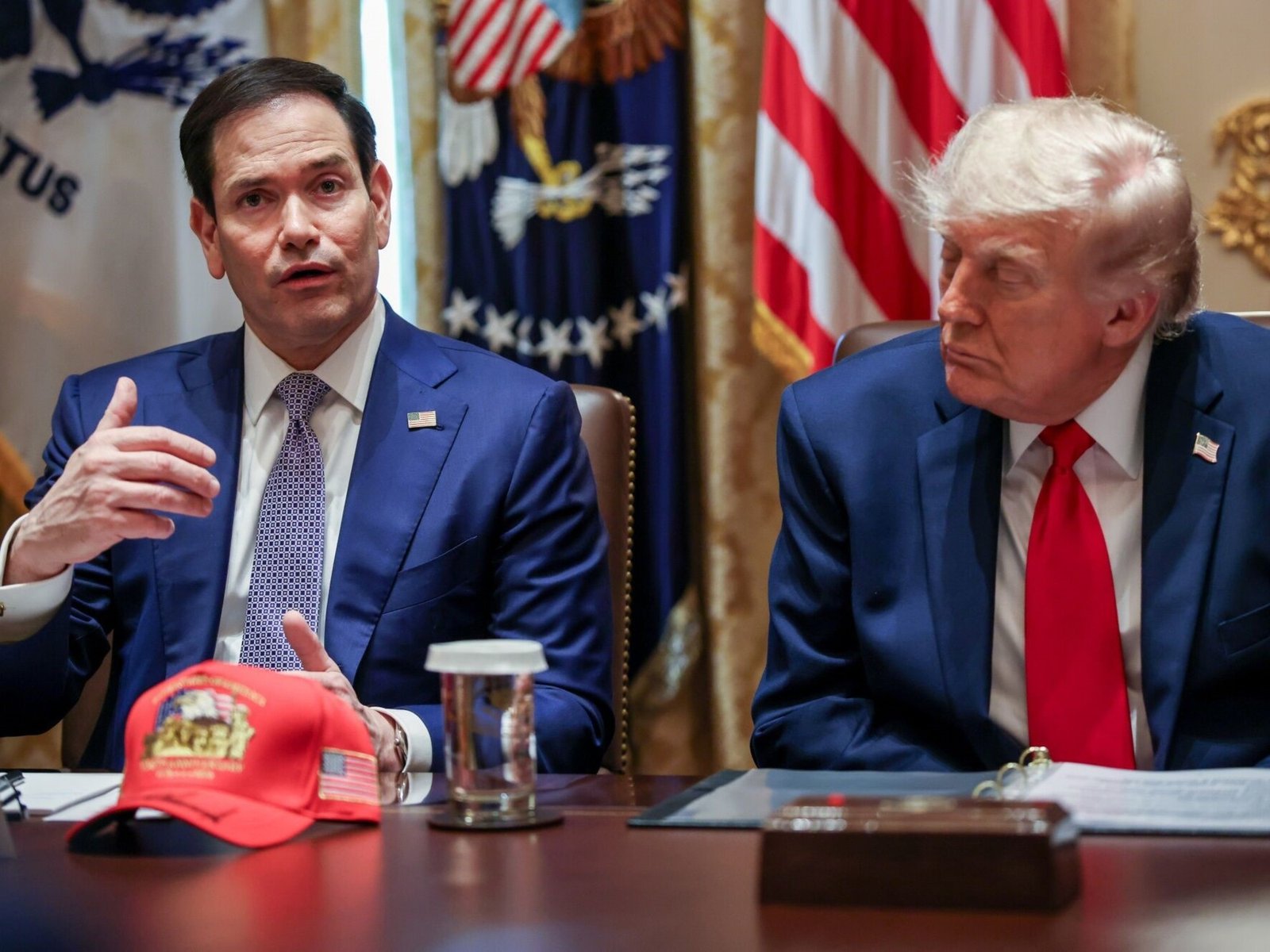
Estados Unidos advirtió este martes que no se quedará «de brazos cruzados» luego del polémico anuncio del presidente Daniel Ortega, que sostuvo que Nicaragua no tendrá más elecciones. La declaración hace temer un avance más del régimen que gobierna hace más de 20 años el país centroamericano hacia una autocracia con modelo de partido único y de allí la reacción internacional.
Fue el secretario de Estado norteamericano, Marco Rubio, quien en una publicación en la red social X, aseguró que la Administración del presidente Donald Trump y la comunidad internacional «no se quedarán de brazos cruzados mientras la dictadura (…) profundiza la represión y fabrica inestabilidad que amenaza la seguridad nacional de Estados Unidos».
«Abolir» las elecciones «demuestra su cobardía y miedo a la voluntad del pueblo nicaragüense», agregó Rubio en el posteo.
The Trump Administration and the international community will not stand by as the Murillo-Ortega dictatorship deepens repression at home and manufactures instability that threatens U.S. national security. Ortega’s pledge to abolish elections in Nicaragua proves his cowardice and…
— Secretary Marco Rubio (@SecRubio) July 21, 2026
El anuncio de Ortega también fue rechazado por el secretario general de la OEA, Albert Ramdin, quien sostuvo que «el régimen abandonó la democracia«, y por el gobierno de Costa Rica, que llamó a consultas a su embajador en Managua.
Ortega, de 80 años, advirtió este último domingo – en el 47° aniversario de la revolución sandinista -, que «en Nicaragua no volverá a haber elecciones» en las que «partidos puestos por los yanquis (Estados Unidos)» puedan tomar el poder.
En tanto, la Asamblea Nacional nicaragüense informó este martes que inició el «análisis» de reformas para cumplir con las «orientaciones presidenciales» anunciadas este domingo, con evidente sesgo antidemocrático.
Ortega y su esposa Rosario Murillo gobiernan con poder absoluto desde hace 30 años, incluido su primer período y 19 en forma consecutiva. Además, aniquilaron a la oposición interna a pesar de las masivas protestas durante el 2018, que dejaron unos 300 muertos, consideradas por ellos un intento de golpe de Estado patrocinado por Estados Unidos.
Washington aplica sanciones al gobierno nicaragüense como la restricción de visado a más de 2.350 funcionarios y sus familiares, pero evitaron ir tan lejos como en Cuba, sometida a una dura presión que tiene su economía al borde del colapso.
Tras una reforma constitucional aprobada a fines de 2024 que amplió el mandato presidencial de cinco a seis años y elevó el rango de Murillo a copresidenta, Nicaragua debería celebrar elecciones generales durante el año que viene.
En los últimos comicios, celebrados en noviembre de 2021 tras el encarcelamiento de opositores con posibilidad de disputar la presidencia, Ortega ganó ampliamente con el Frente Sandinista de Liberación Nacional (FSLN), ex-guerrilla que en julio de 1979 derrocó al dictador Anastasio Somoza.
Con la reforma constitucional, Nicaragua fue definida como un Estado «revolucionario» y «socialista», y elevó a símbolo patrios la bandera rojinegra del FSLN.
Dirigentes opositores consultados por la Agencia de Noticias, AFP coinciden en que el anuncio de Ortega esconde el temor a perder en una elección competitiva, por lo que decidió avanzar hacia un régimen como el de Cuba, donde el Partido Comunista es el único reconocido legalmente y los candidatos son nominados por asambleas vecinales u organizaciones civiles afines al gobierno.
«Ortega confiesa lo que más le inquieta: no ha conseguido neutralizar a la oposición (…), sabe que la voluntad de cambio sigue viva y que aún le disputa el país», declaró Félix Maradiaga, exaspirante presidencial y ex-preso político, despojado de su nacionalidad y exiliado en Estados Unidos.
Por su parte, activistas opositores, intelectuales, periodistas y religiosos partieron al exilio, muchos tras estar en prisión durante años. Unos 450 fueron despojados de su nacionalidad y bienes.
Hace dos semanas, el gobierno eliminó los permisos de trabajo a unos 2.000 abogados, según medios nicaragüenses en el exilio.
Opositores aseguran que Murillo realiza una purga interna, que mantiene en prisión a unos 200 copartidarios, ante un eventual fallecimiento de Ortega, quien sufre lupus (una enfermedad crónica en la que el sistema inmunológico ataca por error los tejidos y órganos sanos) e insuficiencia renal, que ocurre cuando los riñones pierden su capacidad para filtrar adecuadamente los desechos de la sangre..
INTERNACIONAL
House narrowly backs allowing troops, Pentagon workers to carry personal guns on military bases

NEWYou can now listen to Fox News articles!
The House voted 215-214 Tuesday night to make approval the default when qualified service members and Pentagon civilian employees ask commanders for permission to carry personal firearms on military installations.
Three Democrats joined most Republicans to approve the measure, while three Republicans and independent Rep. Kevin Kiley of California opposed it.
The amendment from Rep. Jeff Crank, R-Colo., would not automatically authorize personnel to carry firearms on military property. It would establish a presumption that installation commanders approve requests from qualified service members and civilian employees.
The vote came less than a year after an Army sergeant allegedly used a personal handgun to shoot five fellow soldiers at Fort Stewart, Georgia, in August 2025. Other soldiers tackled and disarmed him, and all five victims survived. Personal firearms were prohibited on post at the time, military officials said.
MAJOR APPEALS COURT DECLARES NEW JERSEY AR-15 BAN UNCONSTITUTIONAL IN LANDMARK SECOND AMENDMENT RULING
A picture of an entrance to Fort Bragg in North Carolina. (AP Photo/Chris Seward, File)
The National Defense Authorization Act has become law every year for more than six decades and is traditionally one of Congress’ most bipartisan major bills, but the firearms and transgender-policy provisions adopted Tuesday threatened to erode Democratic support, potentially forcing Republican leaders to rely on their narrow majority for final passage and creating new sticking points in eventual negotiations with the Senate.
Lawmakers approved an amendment from Rep. Nancy Mace, R-S.C., prohibiting TRICARE from covering transition-related hormones, puberty blockers and surgeries for service members and military dependents.
The provision passed 219-208, with five Democrats voting yes and one Republican voting no. It would broaden existing Trump administration restrictions and write the prohibition into federal law.
SENATE REPUBLICAN PUSHES MERIT-BASED MILITARY PROMOTIONS, TARGETS BIDEN-ERA DEI POLICIES
The House also voted 221-203 to approve a second Mace amendment barring transgender girls from participating in girls’ sports at Department of Defense Education Activity schools serving military families.
But lawmakers rejected a separate amendment from Rep. Lauren Boebert, R-Colo., that would have codified President Donald Trump’s 2025 executive order barring transgender troops from military service and requiring personnel to serve according to their biological sex.
The amendment failed 217-212, with four Republicans joining all voting Democrats in opposition.
Lawmakers also rejected an effort from Rep. Eli Crane, R-Ariz., to largely eliminate funding for the Pentagon’s Ukraine Security Assistance Initiative. The amendment would have permitted funding only for security at the U.S. Embassy in Kyiv.
Seventy-six Republicans supported the proposal, highlighting continued opposition within the GOP conference to military assistance for Ukraine.
The House rejected another proposal that would have barred foreign nationals from attending U.S. military academies in a 360-61 vote. The amendment would have ended longstanding programs that train officers from allied and partner nations at institutions including West Point, the Naval Academy and the Air Force Academy.
Among other amendments, lawmakers voted to eliminate a proposed pilot program that would have used voice-based risk-assessment technology to identify service members for drug testing.
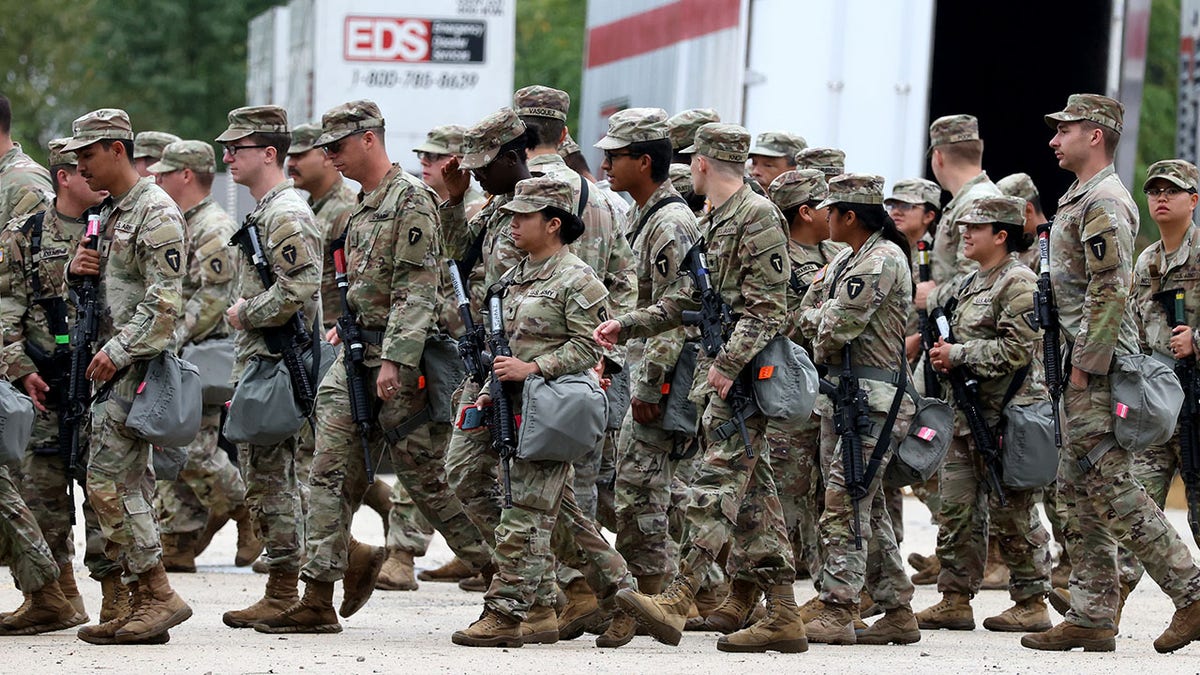
Members of the Texas National Guard assemble in Elwood, Illinois, at the Army Reserve Training Center in the southwest suburb of Chicago, on Oct. 7. 2025. (Getty Images)
The House also narrowly approved language intended to ensure the continued operation of California’s Santa Ynez Pipeline System, which transports crude oil to refineries supplying military installations. That measure passed 215-214.
The votes came as lawmakers began working through amendments to the fiscal year 2027 National Defense Authorization Act. The House made 320 amendments eligible for consideration, eight more than were included in the procedural package that collapsed last month amid a Republican revolt over the SAVE America Act.
Amendment debate is expected to resume Wednesday, with a vote on final passage after lawmakers finish considering the remaining proposals.
The underlying bill would authorize roughly $1.15 trillion for national defense, about $252 billion more than Congress appropriated for defense programs in fiscal year 2026. It would provide pay raises ranging from 5% to 7% for service members, expand weapons and munitions production and accelerate investment in missile defense, autonomous systems, hypersonics and other emerging technologies.
The NDAA sets defense policy and authorizes spending levels, but it does not provide the money itself. Congress must separately pass defense appropriations legislation to fund the programs and priorities included in the bill.
The legislation would also formally change the Department of Defense’s name to the Department of War, deeming references to the defense secretary and department in federal law to mean the secretary and Department of War.
Consideration of the legislation had been delayed for three weeks by a separate Republican fight over the SAVE America Act, Trump’s election legislation requiring documentary proof of citizenship to register to vote and identification to cast a ballot in federal elections.
The House approved the SAVE America Act in February by a 218-213 vote, but the measure stalled in the Senate, where Republicans lacked the 60 votes needed to overcome a filibuster.
Republican leaders initially sought to revive the election legislation by directing the House clerk to merge it with the NDAA after the defense bill passed but before the combined package was sent to the Senate. That approach would transmit the two measures as a single bill without making the SAVE America Act part of the NDAA text debated on the floor.
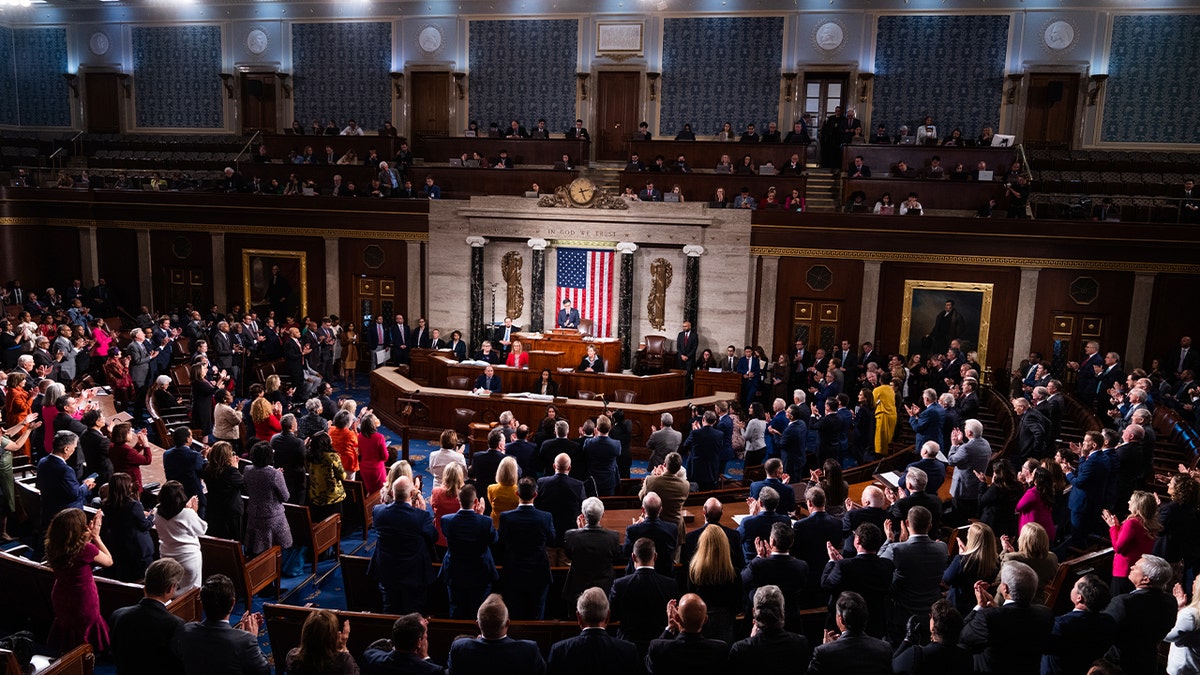
Speaker of the House Mike Johnson, R-La., addresses the House chamber of the U.S. Capitol after winning the speakership on Wednesday, Oct. 25, 2023. (Tom Williams/CQ-Roll Call, Inc via Getty Images)
But the procedural rule authorizing that plan failed 198-224 on June 30, when 13 Republican holdouts joined Democrats in opposition. House Majority Leader Steve Scalise, R-La., also voted against the rule for procedural reasons.
Rep. Anna Paulina Luna, R-Fla., argued that attaching the election measure through the procedural maneuver would make it easier for the Senate to remove and demanded that lawmakers add it directly to the NDAA.
Luna later accepted the original approach after Speaker Mike Johnson committed to attaching the SAVE America Act to appropriations and other must-pass legislation.
The House approved a replacement rule Tuesday that again directed the clerk to merge the election legislation with the NDAA before sending it to the Senate while expanding the number of defense amendments eligible for consideration from 312 to 320.
The SAVE America Act was still expected to face opposition in the Senate and could be removed when lawmakers reconcile the House and Senate versions of the defense bill.
The Senate’s NDAA has faced problems of its own. Senate Democrats blocked consideration of their chamber’s defense bill last week in protest of the Trump administration’s war with Iran, leaving both chambers with work to do before they can negotiate a final package.
CLICK HERE TO DOWNLOAD THE FOX NEWS APP
The debate comes as the Pentagon seeks additional money to cover the Iran war and replenish weapons stockpiles. The White House has requested an $87.6 billion supplemental package, including $67.1 billion for defense needs.
House Republicans are also considering a new reconciliation package that could provide $60 billion through the Armed Services Committee and $13 billion for intelligence programs. Reconciliation would allow the package to bypass a Senate filibuster and pass without Democratic support, but the proposal still faces resistance from GOP fiscal hawks and an uncertain path through Congress.
military, spending, congress, defense

Tras mejorar la calificación de Argentina, Moody’s alertó por el riesgo del regreso de un “gobierno intervencionista” en 2027

Nacional recibió a Tigre con la canción que utilizó España tras consagrarse campeón del mundo

La paradoja del resurgimiento de la UCR: recupera terreno tras la crisis de identidad, pero enfrenta dilemas cruciales

Guerra en Medio Oriente: el petróleo superó los USD 92 por barril y alcanzó su nivel más alto desde junio

Incendios en Salta: una nena de 12 años sufrió quemaduras en el 70% de su cuerpo y fue trasladada al Hospital Garrahan

Las fotos y videos del ataque a balazos a los micros de los hinchas de Tigre tras el triunfo ante Nacional en Uruguay

Sin la Copa y sin Messi en el avión, vuelve Tapia y deberá enfrentar tres frentes de tormenta tras la pausa del Mundial

Estados Unidos cambia una regla histórica del jugo de naranja vigente desde 1963 y afecta a toda la industria

Un diseño que pasó a la historia: quién fue el creador del trofeo de la Copa del Mundo

Antes de la clasificación, Franco Colapinto afrontará la última práctica libre del GP de Bélgica: hora, TV y todo lo que hay que saber

 POLITICA2 días ago
Sin la Copa y sin Messi en el avión, vuelve Tapia y deberá enfrentar tres frentes de tormenta tras la pausa del Mundial
- DEPORTE3 días ago
La tabla de títulos de los campeones de la Copa del Mundo y el listado de las selecciones más ganadoras de la historia
- POLITICA1 día ago
Le ganan a la inflación: los senadores pasarán a cobrar $12 millones brutos a partir de agosto