
INTERNACIONAL
Arizona school board member gets backlash after mocking board president with Nazi salute


NEWYou can now listen to Fox News articles!
An Arizona school board member is facing calls to resign after appearing to make a Nazi salute during a contentious public meeting before later comparing the board president to a dictator and saying, «All I could think of tonight was Hitler.»
Video from a May 26 Deer Valley Unified School District Governing Board meeting appears to show board member Kimberly Fisher raising her right arm and saying, «Heil, heil» during a dispute with board President Paul Carver Jr.
The exchange occurred near the end of the meeting during a disagreement over scheduling a community study session related to district boundary discussions.
According to video of the meeting, Fisher objected to holding the session during the afternoon, arguing that community members would have difficulty attending.
NJ COUNCILWOMAN CONDEMNS ‘IGNORANCE’ OF COMPARING ICE AGENTS TO NAZIS DURING HEATED MEETING
A still image from a Deer Valley Unified School District board meeting shows board member Kimberly Fisher during a contentious exchange with board President Paul Carver Jr. over meeting procedures. (DVUSD)
«The whole point of having a study session with our community is that we can get their input and they can hear our discussions,» Fisher said during the meeting.
Carver later said he moved to adjourn the meeting because the discussion involved an item that was not on the posted agenda and could have raised concerns under Arizona’s Open Meeting Law.
«The reason for calling for the adjournment was simply that, as the question turned into discussion concerning an item that was not on the agenda, the board was moving into an area that could have been considered a violation of Arizona’s Open Meeting Law,» Carver said in a Facebook video posted after the meeting.
BYRON DONALDS REBUKES ‘SQUAD’ MEMBER OVER ‘FASCIST’ SLUR: ‘DO I LOOK LIKE A MEMBER OF THE THIRD REICH?’
Carver said Fisher made the gesture and comment after the motion to adjourn.
«The point behind this post is that there’s a lot of noise being made that she may have been justified in making that statement because she felt like I was being a dictator,» Carver said. «I was simply following the rules of the state of Arizona.»
He added that «it is never okay to make those gestures and make that statement with those gestures in any environment.»
MARYLAND TEACHER FACES CALLS FOR RESIGNATION OVER CONTROVERSIAL CHARLIE KIRK MEME
The incident prompted condemnation from district officials, who said Fisher was acting independently and did not represent the views of the district.
«The District does not condone, support, or endorse gestures or language associated with hate, discrimination, intimidation or violence in any form,» Deer Valley Unified School District said in a statement. «Such actions do not reflect the mission or vision of Deer Valley Unified School District.»

Kim Fisher took to Facebook hours after the board meeting to explain her side of the story. (Facebook/@kim.fisher.233417)
The district added that Fisher’s «views and actions do not reflect and should not be attributed to other board members, staff, other members of the school community or the District.»
TENNESSEE SCHOOL BOARD MEMBER CENSURED AFTER CALLING STUDENT ‘HOT’ AT MEETING
The Deer Valley Educators Association also condemned Fisher’s conduct and called for her resignation.
«DVEA was horrified and disgusted to see DVUSD Governing Board Member Kimberly Fisher deliver a Nazi salute during the Tuesday, May 26, 2026, board meeting,» association president Kelley Fisher said in a statement.
«Any leader who uses a Nazi salute during a School Board meeting is unfit for public service. There is no justification for this behavior. Kimberly Fisher should resign before she does more harm to our students and the community at large.»
WOMAN DISROBES AT CALIFORNIA SCHOOL BOARD MEETING IN PROTEST OF LOCKER ROOM POLICIES
Hours after the meeting, Fisher posted a Facebook livestream in which she doubled down on her criticism of Carver, repeatedly describing his leadership as dictatorial.
«We have been living or operating under virtually a dictatorship for a long time,» Fisher said.
She also accused Carver of acting like «a dictator» and urged voters not to support him in future elections.
DEMOCRATIC CONGRESSMAN HURLS PROFANITY-LACED MESSAGE AT STEPHEN MILLER
Near the end of the livestream, Fisher appeared to connect her thinking during the meeting to historical dictators.
«What was it? Pol Pot, you know, was the most egregious dictator I’ve heard of,» Fisher said. «All I could think of tonight was Hitler.»
Fisher did not directly address the gesture or comment from the meeting during the livestream.
VIRGINIA SCHOOL BOARD MEMBER SUED FOR ALLEGEDLY EMBEZZLING $175K FOR STRIP CLUBS, VACATIONS, CAMPAIGN EXPENSES
In a separate video posted to social media, Carver said community members had asked why the board was not taking action against Fisher. He argued Arizona law limits the ability of school boards to discipline elected members.
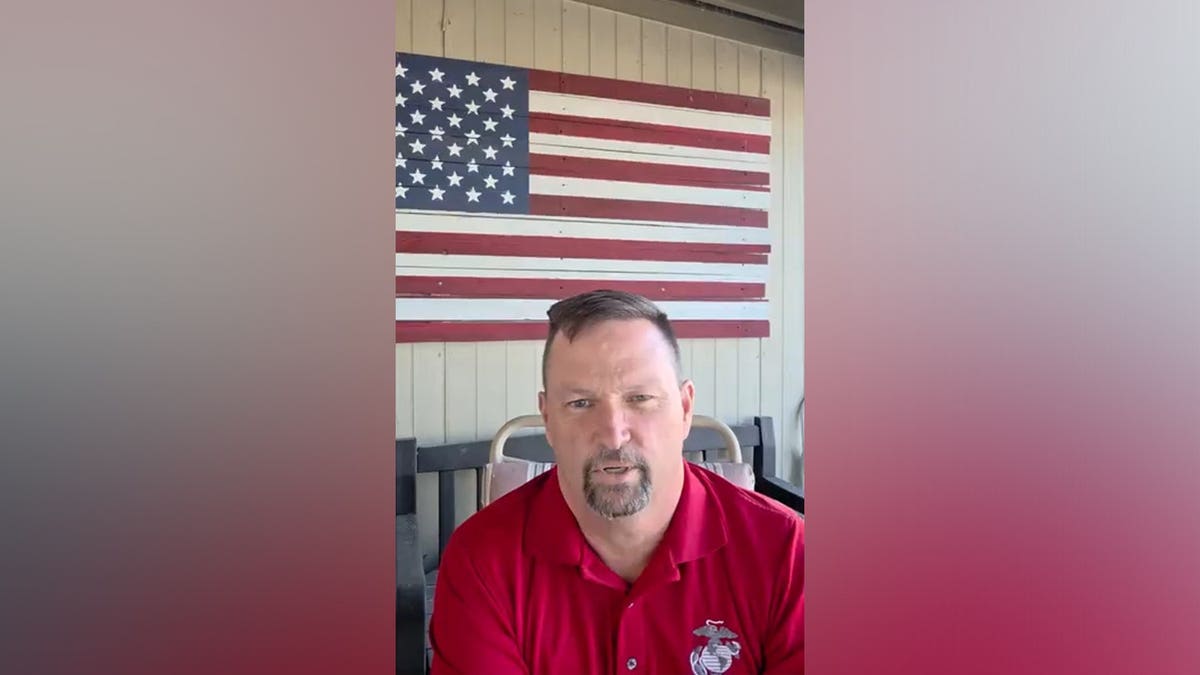
Deer Valley Unified School District Governing Board President Paul Carver Jr. addresses community questions in a Facebook video after a May 26 board meeting during which board member Kimberly Fisher appeared to make a Nazi salute and say «heil, heil.» (Facebook/@paul.carver.264650)
«I need the community to understand that in the state of Arizona, the school district and the board do not have the ability to discipline board members,» Carver said.
Carver called Fisher’s behavior «rampant and repetitive» and said her actions were «totally unacceptable and unprofessional.»
CLICK HERE TO DOWNLOAD THE FOX NEWS APP
Deer Valley Unified School District serves more than 33,000 students across northern Maricopa County, including communities in north Phoenix, Glendale, Peoria, Cave Creek and New River, according to the district.
Fox News Digital reached out to Fisher for comment.
curriculum, fox news, high school, arizona, teachers











INTERNACIONAL
Honduras cuestiona audiencia de la CIDH sobre denuncias relacionadas con el juicio político
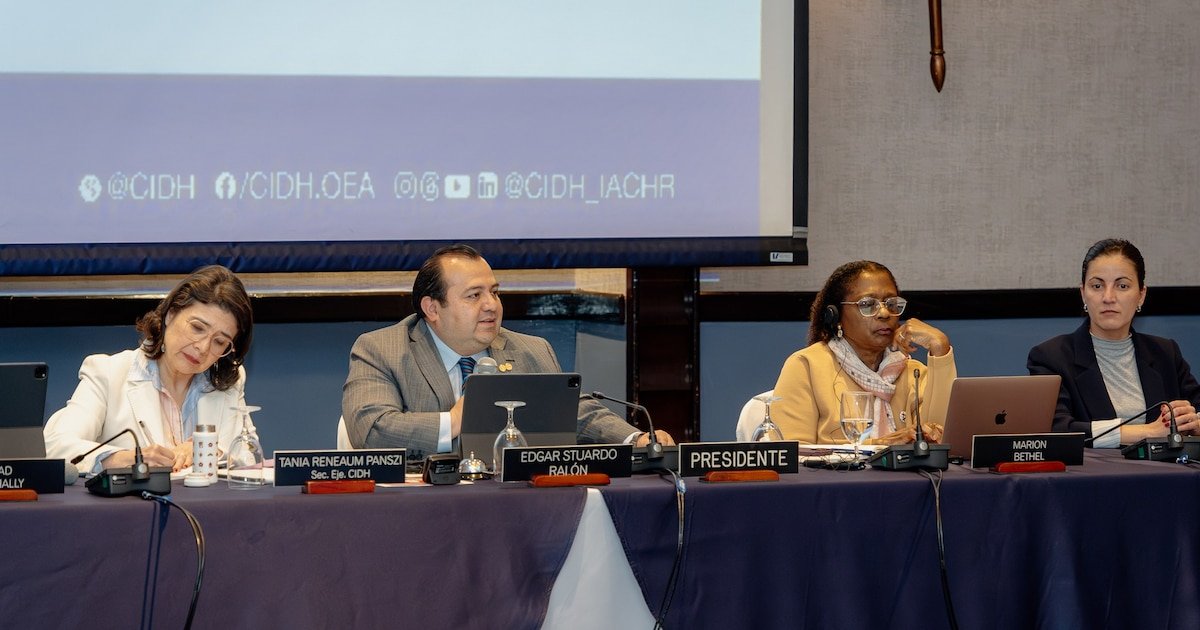
La representante del Estado de Honduras, Marlen Talbott reiteró durante la audiencia que el país mantiene su compromiso con la promoción y protección de los derechos humanos y aseguró que continuará cooperando con la Comisión Interamericana de Derechos Humanos (CIDH) dentro de las competencias establecidas por el Sistema Interamericano.
Sin embargo, explicó que, tras analizar la solicitud presentada, el Estado concluyó que esta excede la finalidad prevista en los artículos 66 al 70 del Reglamento de la CIDH. Informó que Honduras presentó formalmente su inconformidad ante la Comisión y que los argumentos oficiales serán remitidos a la Secretaría de Relaciones Exteriores para su respuesta por los canales diplomáticos correspondientes.
Talbott sostuvo que las modalidades de audiencia contempladas en el artículo 62 del Reglamento de la CIDH tienen objetivos específicos, entre ellos el seguimiento de recomendaciones y la recepción de información general sobre la situación de los derechos humanos en un Estado. Desde esa perspectiva, señaló que este mecanismo no debería utilizarse para debatir controversias individuales o procesos judiciales concretos.
La representación del Estado argumentó además que utilizar una audiencia pública para analizar sentencias de la Corte Interamericana de Derechos Humanos, emitir valoraciones sobre actuaciones estatales o referirse a procesos de supervisión en curso no corresponde a la naturaleza de este mecanismo. Según la postura oficial, ello resulta incompatible con el artículo 66 del reglamento de la Comisión y podría interferir con los procedimientos institucionales del Sistema Interamericano.
Honduras expresó que el uso de una audiencia de monitoreo para abordar controversias individuales, contraviene el principio de subsidiariedad, que establece que los mecanismos internacionales actúan de forma complementaria a las instituciones nacionales. El Gobierno también sostuvo que la CIDH debió examinar previamente la compatibilidad de la solicitud con su reglamento antes de admitir la audiencia.

En esa línea, el procurador general de la República, Dagoberto Aspra, declaró a Infobae que Honduras mantiene una posición de respeto hacia la CIDH, aunque manifestó que el Estado no comparte el enfoque adoptado para la convocatoria y considera que la actuación del organismo debe ajustarse a las disposiciones de su reglamento y a la jurisprudencia del Sistema Interamericano.
En contraste, el abogado y analista en derechos humanos Joaquín Mejía cuestionó la postura del Gobierno y defendió las atribuciones de la Comisión Interamericana. A su juicio, el Estado hondureño debería actuar con mayor cuidado al designar a sus representantes en este tipo de audiencias internacionales.

Mejía calificó como “un ridículo” la estrategia del Estado de intentar, según su criterio, deslegitimar la audiencia y poner en duda las facultades de la CIDH. El analista sostuvo que la Comisión tiene la potestad de convocar este tipo de espacios para conocer información sobre posibles afectaciones a los derechos humanos y afirmó que el debate debería centrarse en responder al contenido de las denuncias presentadas y no en cuestionar la competencia del organismo.
El procurador Aspra, reiteró a Infobae , que “Honduras no contempla desligarse de la Comisión Interamericana de Derechos Humanos y reiteró que el Estado mantiene una posición de respeto hacia el organismo”. A su vez señala que, la postura presentada responde a una diferencia sobre el enfoque de la audiencia y no a un desconocimiento de las funciones de la CIDH,
Corresponsal:Desde Tegucigalpa, Honduras
INTERNACIONAL
SEE IT: Michigan Dem predicts far-left El-Sayed will win Senate race after backing his primary rival
NEWYou can now listen to Fox News articles!
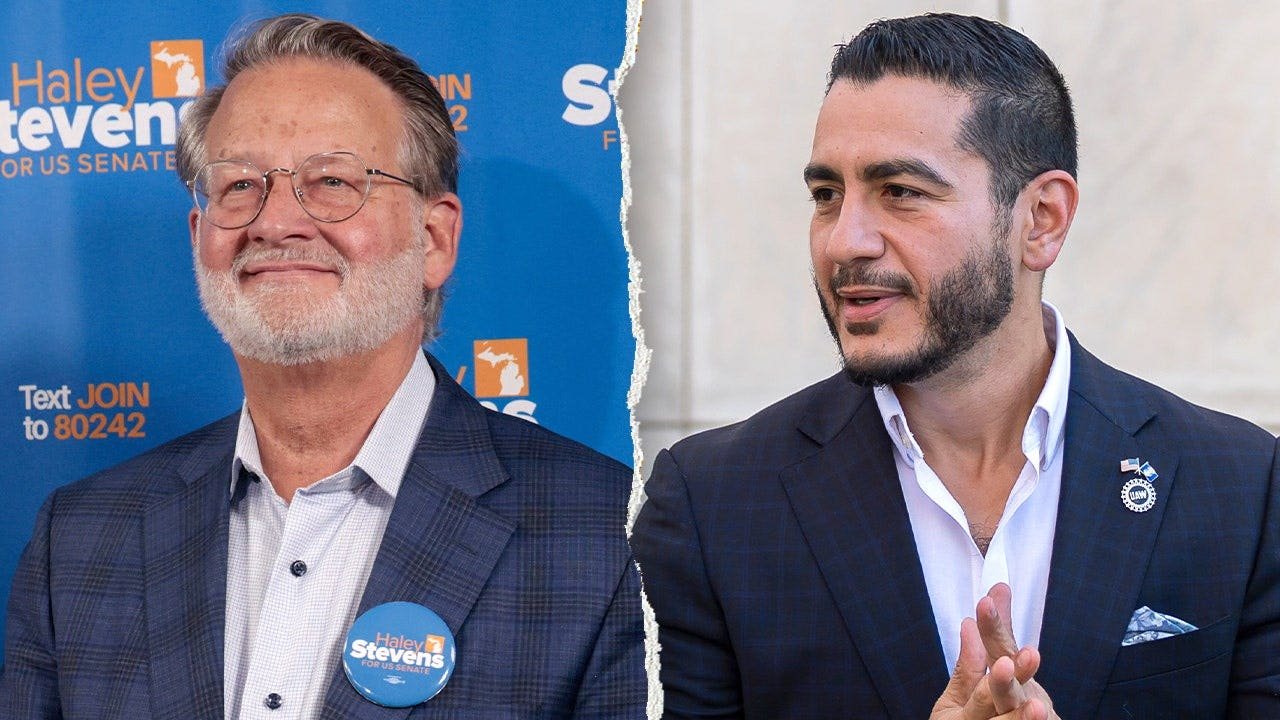
Sen. Gary Peters, D-Mich., is confident that far-left Democratic Senate nominee Abdul El-Sayed will defeat Republican nominee Mike Rogers in the race to replace him in the Senate, despite having endorsed El-Sayed’s primary rival, Rep. Haley Stevens.
El-Sayed, known as a progressive insurgent, will go head-to-head with Michigan’s Republican Senate nominee Mike Rogers in the upcoming midterm elections. El-Sayed’s victory marks yet another win for the left-wing Democrats in this year’s primaries that have been battling to defeat the current Democratic establishment.
«I think if you look at the issues broadly, the differences between Abdul El-Sayed and Rogers when it comes to fighting for families in Michigan, it’s pretty broad,» Peters said to Fox News Digital when asked if his far-left positions could give Republicans a boost in Michigan.
2026 MIDTERMS STATE OF PLAY: KEY RACES UNFOLD AS STEVENS, EL-SAYED BATTLE IN MICHIGAN
Abdul El-Sayed, a progressive candidate in the Democratic primary for U.S. Senate in Michigan, films a social media video at a pool party for content creators supporting his campaign, Monday, Aug. 3, 2026, in Detroit. (AP Photo/Julia Demaree Nikhinson)
He continued, «And in the end, that’s why he will prevail.»
Peters’ endorsement of Stevens over El-Sayed was part of a broader effort by mainstream Democrats to beat out another progressive candidate, as Republicans largely viewed El-Sayed winning as a boost for their party’s chances to flip Michigan’s Senate seat. Rogers told Fox News Digital in an interview prior to the primary results that he would «beat either one of those candidates,» but that El-Sayed has «his own special sauce of crazy.»
The race between Stevens and El-Sayed was strenuous as it became a determining factor of whether Democrats could win the majority back in the Senate. More than $80 million was poured into this primary, qualifying it as the most expensive Democratic Senate nomination race in history.
DEMS’ LEFTWARD LURCH GETS LEGS AS EL-SAYED’S MICHIGAN SENATE VICTORY SPARKS PARTY DEBATE
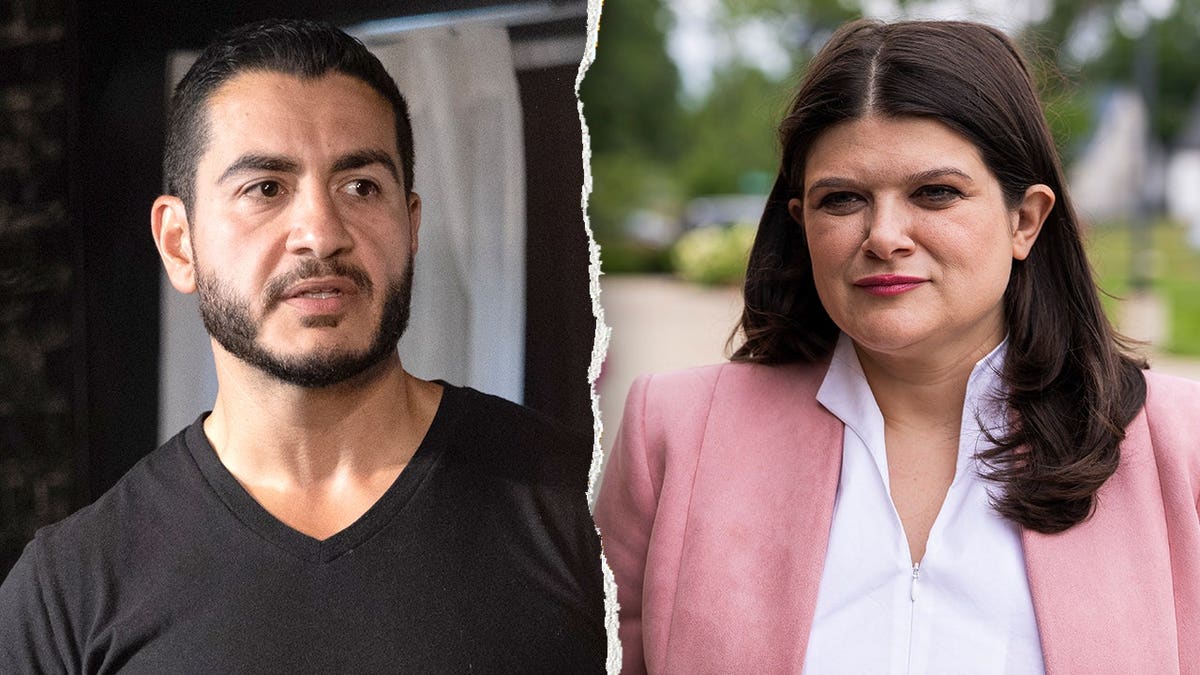
Rep. Haley Stevens and former public health official Abdul El-Sayed are vying for the Democratic nomination for U.S. Senate in Michigan. (Scott Olson/Getty Images; Finn Gomez/Getty Images)
Republicans have speculated that the turn to nominating Democratic socialist candidates indicates that the current Democratic establishment is losing its grip in these congressional races.
Peters pushed back on this claim, arguing that the results aren’t reflective of the entire party as this is «nothing new» for the state.
«Michigan is a very diverse state, and if you recall, Bernie Sanders beat Hillary Clinton many years ago in a primary in Michigan, so this is nothing new,» Peters said.
Peters argued the result was consistent with Michigan’s political history, pointing to Bernie Sanders’ upset over Hillary Clinton in the state’s 2016 Democratic presidential primary. Sanders endorsed El-Sayed in his Senate primary to defeat Stevens.
HASAN PIKER UNLOADS ON ‘ISLAMOPHOBIC PIECES OF S—‘ DEMOCRATS AS EL-SAYED FACES PARTY UNITY TEST

U.S. Rep. Alexandria Ocasio-Cortez, D-N.Y., Michigan Democratic U.S. Senate primary candidate Abdul El-Sayed and U.S. Sen. Bernie Sanders, I-Vt, greet the crowd after El-Sayed spoke at The People V. The Powerful rally at the Detroit Opera House on July 18, 2026 in Detroit, Mich. (Sarah Rice/Getty Images)
El-Sayed, a former Wayne County Health Department Director, would be the first Muslim senator. He has has previously called for defunding the police and Immigration and Customs Enforcement (ICE). He is also a strong critic of Israel, labeling the country’s actions as genocide against Palestinians in Gaza.
Peters declined to weigh in on where he falls on El-Sayed’s policy positions — like defunding the police — despite expressing confidence the Democratic nominee will defeat Rogers.
«I’m not on the ballot, so I don’t have to make those kinds of statements,» Peters said.
El-Sayed and Rogers, who ran uncontested in his primary, will compete for the swing state’s Senate seat on Nov. 3 in midterm elections.
Fox News Digital’s Paul Steinhauser contributed to this report.
midterm elections, democrats senate, bernie sanders, michigan, democrats elections

Una primaria ajustada en Michigan
Un triunfo con señales ambiguas

Michigan, uno de los territorios más disputados del país

Analistas descartan que Milei atenúe sus insultos por el viaje de León XIV, salvo por un paréntesis durante la visita

El dólar registró una leve suba y se mantiene cerca de su récord nominal

El duro dardo desde un país que organizó el Mundial para Infantino: «A partir de ahora no le tengo confianza» :: Olé

Ley de propiedad privada: en el Gobierno reconocen que la oposición se impuso al frenar la venta de tierras a extranjeros

Honduras cuestiona audiencia de la CIDH sobre denuncias relacionadas con el juicio político

SEE IT: Michigan Dem predicts far-left El-Sayed will win Senate race after backing his primary rival

“Vamos a acelerar con todo”: el objetivo del Gobierno por las reformas y la agenda electoral de cara al 2027

Javier Milei cruzó a Victoria Villarruel y elevó la tensión: “Es una opositora, replica los argumentos kirchneristas”

Reelecciones indefinidas: el oficialismo bonaerense niega que busque ampliar la Legislatura como parte de una reforma política para beneficiar a los intendentes

¡Chau Luck Ra! La salida de soltera de La Joaqui, muy bien acompañada, a días de su separación
-
 POLITICA2 días ago
Javier Milei cruzó a Victoria Villarruel y elevó la tensión: “Es una opositora, replica los argumentos kirchneristas”
-
 POLITICA3 días ago
Reelecciones indefinidas: el oficialismo bonaerense niega que busque ampliar la Legislatura como parte de una reforma política para beneficiar a los intendentes
-

 CHIMENTOS3 días ago
Zaira Nara realizó un topless en Formentera y un comentario de un seguidor generó debate: “¿Nunca vestida?»