INTERNACIONAL
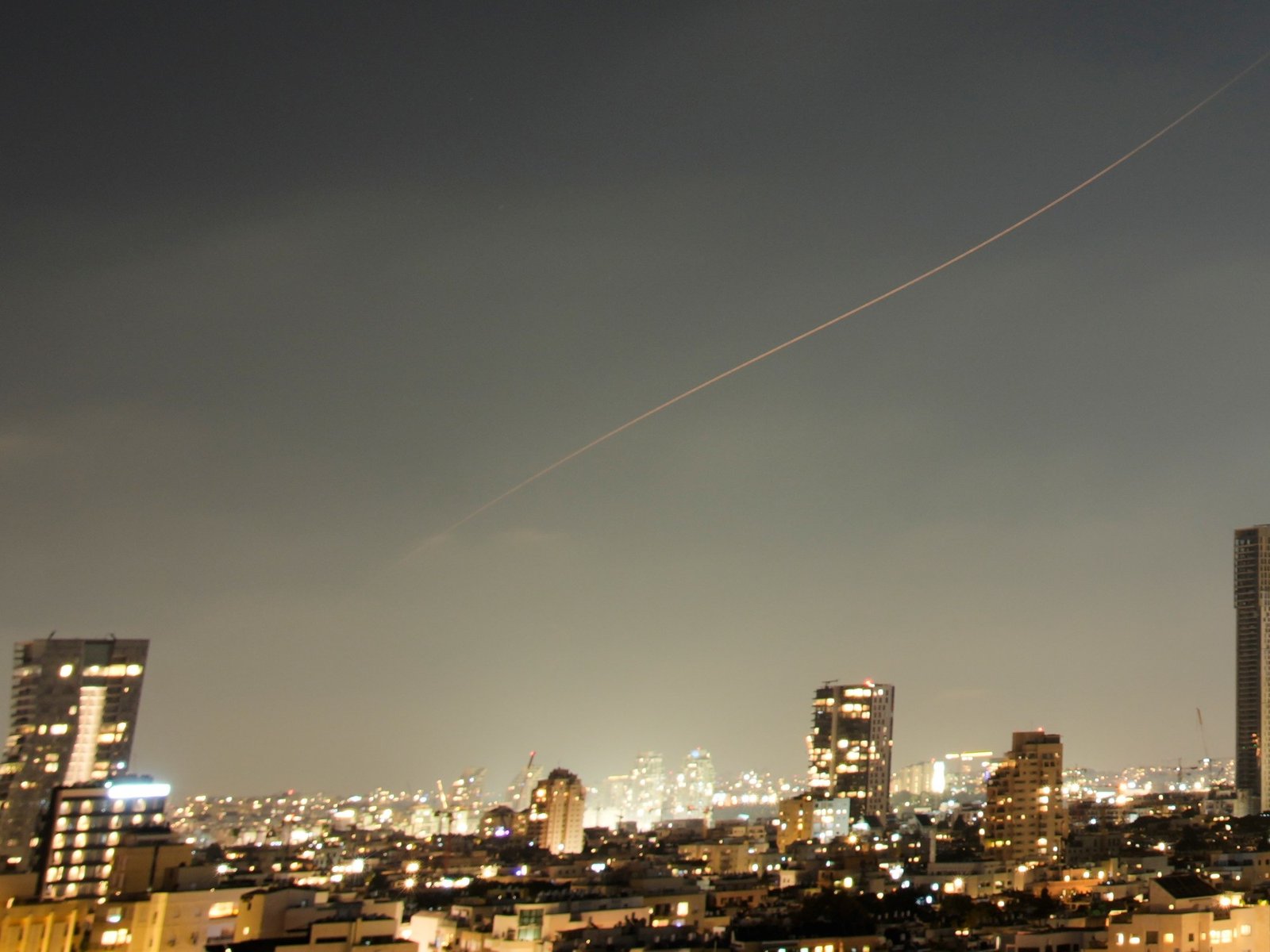
A cien días del inicio de la guerra, escalan las hostilidades entre Irán e Israel: el régimen iraní lanzó once misiles contra territorio israelí



INTERNACIONAL
Hezbollah’s secret ‘kill, wound and maim’ bomb network exposed as Israel strikes Beirut
NEWYou can now listen to Fox News articles!
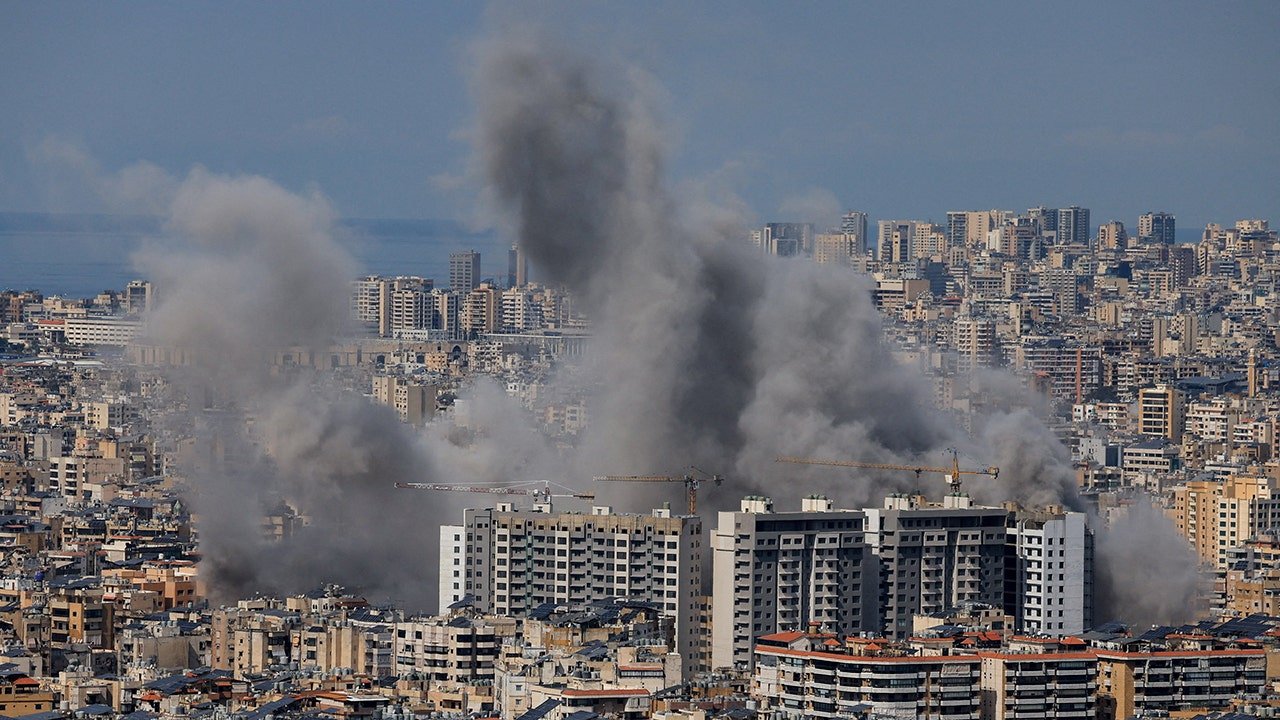
Israel launched retaliatory airstrikes on sites it described as Hezbollah command centers in Beirut’s southern suburbs Sunday, hours after Israeli officials said Hezbollah fired rockets into northern Israel. Hezbollah did not immediately claim responsibility.
The escalation came days after the U.S., Israel and Lebanon announced a renewed conditional ceasefire framework requiring Hezbollah to halt fire and withdraw from parts of southern Lebanon. It also followed the release of IDF footage that Israel said showed troops dismantling a Hezbollah explosives facility, where an outside expert said components appeared consistent with anti-personnel shrapnel devices designed to wound or kill people on foot.
The strikes mark a major cross-border escalation days after the U.S., Israel and Lebanon announced a renewed conditional ceasefire framework requiring Hezbollah to halt fire and withdraw from parts of southern Lebanon.
Israeli Prime Minister Benjamin Netanyahu’s office announced the military action was direct retaliation for the group’s violation earlier in the day.
HEZBOLLAH FIRES BARRAGE OF ROCKETS INTO ISRAEL AFTER IDF TARGETS HEZBOLLAH COMMAND CENTERS IN BEIRUT
An explosion erupts from a building following an Israeli strike in central Beirut, Lebanon, on March 18, 2026. (Hussein Malla/AP Photo)
Concurrently, footage released by the Israel Defense Forces (IDF) showed troops locating and dismantling a hidden, booby-trapped explosives warehouse.
The multipurpose assembly hub appeared to contain materials that could be used in makeshift shrapnel and propane tanks to create a distributed, lethal network.
Nick Reese, an adjunct professor at NYU’s Center for Global Affairs and a former U.S. national security adviser, told Fox News Digital that the captured weapons cache suggests a deliberate emphasis on personnel casualties, which could be military or civilian targets.
«Given the current situation, they probably targeted more military personnel. Shrapnel bombs are intended to hurt and kill people on foot,» Reese said.
«The video cuts between the IDF entering the building and showing the contents. It’s at this moment that they probably cleared any booby traps,» Reese added. «It would be standard practice to look for and disable any booby traps in a facility like this before going inside and before filming anything.»
«It’s possible the booby traps could be using shrapnel methods, but I can’t see evidence of that in the video. It shows what appears to be a shrapnel bomb, but it is not hidden so likely not a booby trap unless the IDF disarmed it off camera,» he said.
HEZBOLLAH ‘HUMAN SHIELD’ STRATEGY BEHIND LEBANON AMBUSH, BOMB DETONATION – MACRON DRAWN IN
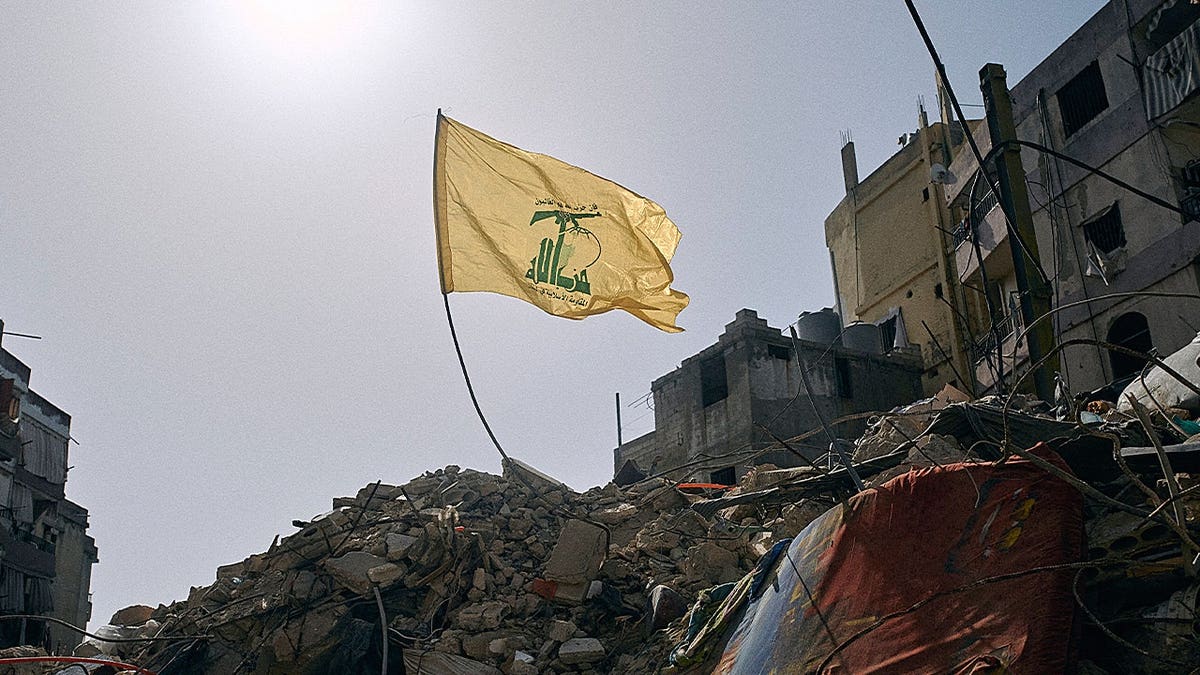
Hezbollah worked to build facilities below private residential buildings and houses. (Benoît Durand / Hans Lucas / AFP via Getty Images)
Among the items found in the raid was a container filled with nails and other sharp objects, which Reese noted are specific indicators of anti-personnel targeting.
«This video shows what appears to be a container with nails or other sharp implements in it,» Reese noted. «This is likely for creating shrapnel bombs intended to kill, wound, and maim targets.»
«Such devices are both effective and cause significant fear among the population, which was likely the intent,» Reese continued. «The method is not particularly sophisticated but shows that they were targeting humans, not simply hardware or infrastructure.»
«Making shrapnel bombs also tends to be cheap, easily concealed, and effective, especially against personnel. These types of bombs would likely have been in significant use.»
«The video shows a variety of materials that could have been used to create bombs, from makeshift shrapnel to what appears to be a propane tank,» Reese explained.
«These components would be used for very different purposes, so the location seems to have been a central general-purpose explosives-making facility.»
«Propane tanks would be used for larger targets like tanks or buildings, while shrapnel would be used against infantry or in public places,» Reese said.
US, ISRAEL ANNOUNCE TARGETED KILLINGS OF TERROR LEADERS IN SYRIA AND LEBANON
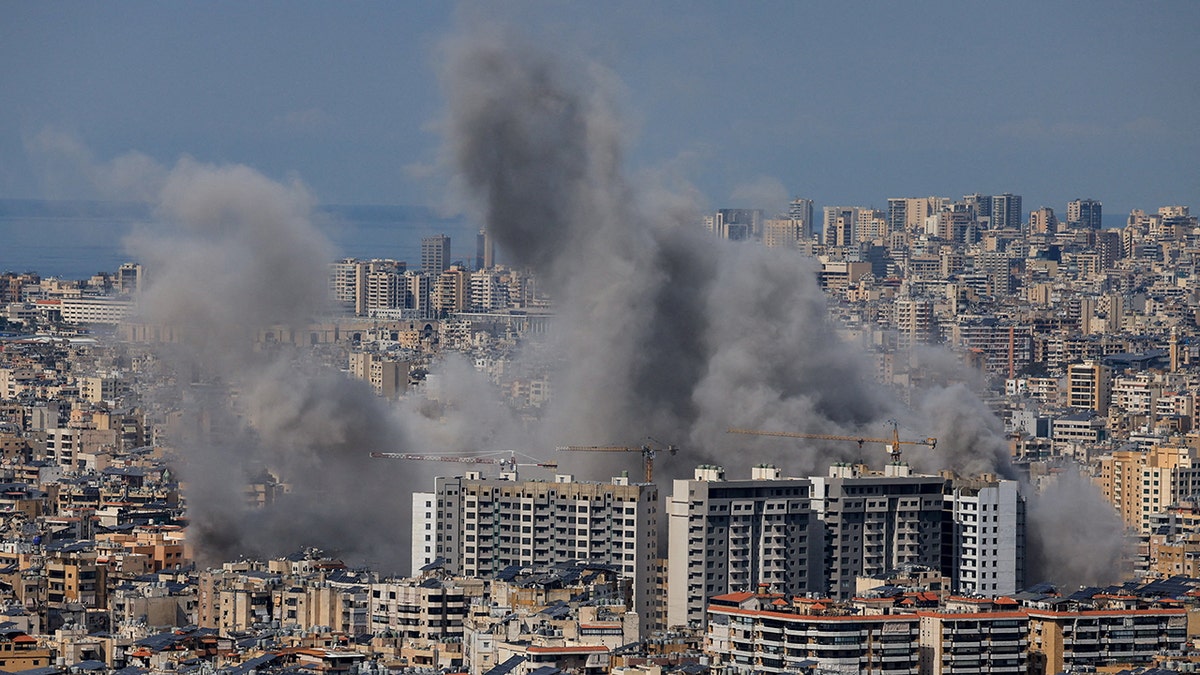
Smoke billows over Beirut’s southern suburbs following reported strikes amid escalating conflict involving Hezbollah and Israel, as seen from Baabda, Lebanon, on March 6, 2026. (Mohamed Azakir/Reuters)
The dismantling of the factory follows a high-profile decapitation strike against the leadership running these hidden networks.
The IDF announced Friday that an airstrike in Lebanon killed Hezbollah’s chief explosives engineer, Abed Harb, the commander of Hezbollah’s engineering unit, after he «attempted to harm» Israeli soldiers.
The military said Harb was a veteran commander responsible for «numerous attacks against IDF soldiers» over the decades.
When considering the expertise required to manage such operations, Reese observed: «Over a 20-year career, this is difficult to say. Given Iran’s well-known funding and support to Hezbollah and its experience fighting the Israelis in multiple conflicts, he likely had a mix of internal and external training combined with combat experience.»
«Harb was targeted as part of an effort to disrupt Hezbollah’s war-making infrastructure and limit its ability to continue to plan and execute large bombing operations against the IDF and civilian targets.»
«The loss of Abed Harb by Hezbollah is not just a loss of leadership but of institutional knowledge,» Reese added.
«His two decades of battlefield experience were significant to Hezbollah not only because of his bomb-making abilities but because of how he understood the IDF, Hezbollah, and the junior ranks.
CLICK HERE TO DOWNLOAD THE FOX NEWS APP
«As a member of Hezbollah since 2006, Harb likely had significant skills in making and disguising bombs over a 20-year career, which will be a blow to Hezbollah’s operational capabilities and infrastructure,» Reese said.
benjamin netanyahu, lebanon, iran, israel, bombings
INTERNACIONAL
Zelensky contó que el magnate ruso Roman Abramovich viajó a Kiev para ofrecerse como mediador con Putin
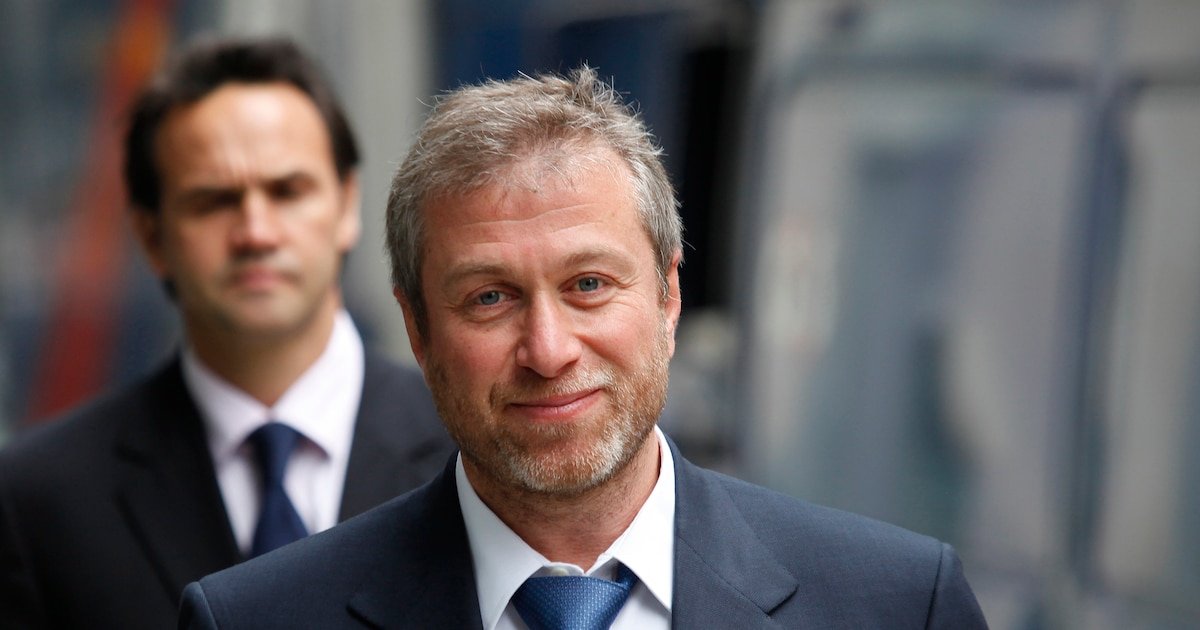
El presidente de Ucrania, Volodimir Zelensky, confirmó este domingo que el empresario ruso Roman Abramovich viajó a Kiev en mayo para actuar como intermediario entre los gobiernos ucraniano y ruso, y que le encomendó transmitir a Vladímir Putin un mensaje inequívoco: Ucrania no abandonará el Donbás ni bajo presión militar ni bajo presión diplomática.
Zelensky hizo la revelación durante una entrevista con la cadena británica Sky News, concedida en el marco de su visita a Londres para reunirse con los líderes del llamado E3 —Reino Unido, Francia y Alemania— en plenas negociaciones multilaterales para poner fin a la guerra. Fue la primera vez que el mandatario ucraniano reconoció públicamente la visita de Abramovich a la capital ucraniana y su participación en los contactos diplomáticos informales.
Según Zelensky, Abramovich se presentó en Kiev con un encargo del Kremlin: sondear qué estaba dispuesta a ceder Ucrania para avanzar hacia un acuerdo. “Llegó y dijo que tenía un mensaje directo para mí y que quería llevarse un mensaje mío para dárselo a Putin”, relató el presidente ucraniano. Abramovich insistió en que el intercambio debía mantenerse en estricta reserva, sin declaraciones públicas. Zelensky accedió, pero con una condición: la respuesta que envió a Moscú no dejaba margen a la interpretación. “No vamos a abandonar nuestro territorio. No les daremos una victoria de esa forma. Y no la van a obtener”, dijo.

Zelensky precisó, además, que durante ese encuentro planteó su disposición a reunirse directamente con Putin, aunque descartó de antemano las ciudades de Moscú y Minsk como sede de un eventual cara a cara.
La confirmación de Zelensky llegó días después de que el propio Putin aludiera públicamente a la visita de “un oligarca ruso” a Kiev sin mencionar su nombre, en respuesta a una carta abierta que el presidente ucraniano le había enviado proponiéndole una cumbre bilateral. Según fuentes citadas por el Financial Times, Putin rechazó la propuesta y acusó a Zelensky de haber sido irrespetuoso en la misiva. El mensaje enviado a través de Abramovich habría sido de tono algo más moderado que la carta pública, aunque con idéntico contenido de fondo.
Roman Abramovich, empresario nacido en Rusia y durante años propietario del Chelsea Football Club inglés, lleva más de una década entre los hombres de negocios más cercanos al Kremlin. Desde la invasión rusa a gran escala de febrero de 2022, está sujeto a sanciones económicas impuestas por la Unión Europea, el Reino Unido y Ucrania, que congelaron sus activos en Occidente y lo forzaron a vender el club londinense. Pese a ello, su nombre apareció desde las primeras semanas de la guerra como el de un intermediario tolerado por ambas partes.

En la primavera de 2022, Abramovich participó activamente en las negociaciones de paz que se celebraron en Turquía e Israel entre delegaciones ucraniana y rusa. Kiev llegó incluso a posponer la entrada en vigor de sus propias sanciones contra él en reconocimiento a ese papel. Más tarde intervino en las gestiones que hicieron posible la Iniciativa de Granos del Mar Negro, el acuerdo negociado por la ONU y Turquía en julio de 2022 que permitió la exportación de cereales ucranianos durante más de un año, hasta que Rusia lo abandonó en julio de 2023. Su perfil se fue diluyendo a medida que las negociaciones pasaron a involucrar directamente a Washington, sobre todo tras el regreso de Donald Trump a la Casa Blanca.
Fuentes cercanas a Abramovich citadas por el Financial Times describieron su utilidad con una frase escueta: es la única persona rusa que los ucranianos toleran porque se lleva bien con todos. Esa singularidad —la de ser aceptado por Kiev como interlocutor válido pese a sus vínculos con el Kremlin— explica que siga siendo convocado cuando los canales formales se atascan.
El regreso de Abramovich a la primera línea de los contactos informales refleja el estado actual de un proceso negociador que avanza a trompicones. Las conversaciones directas entre Rusia y Ucrania celebradas a principios de 2026 concluyeron sin acuerdo, y Zelensky acusó a Moscú de alargar deliberadamente las negociaciones para consolidar posiciones sobre el terreno. La pregunta que queda abierta es si Putin, que hasta ahora ha evitado comprometerse con una hoja de ruta concreta, está dispuesto a responder a través del mismo canal con algo más que silencio.
INTERNACIONAL
Iran admits extraordinary new detail in Khamenei strike, Trump offered ‘way out’: expert
NEWYou can now listen to Fox News articles!
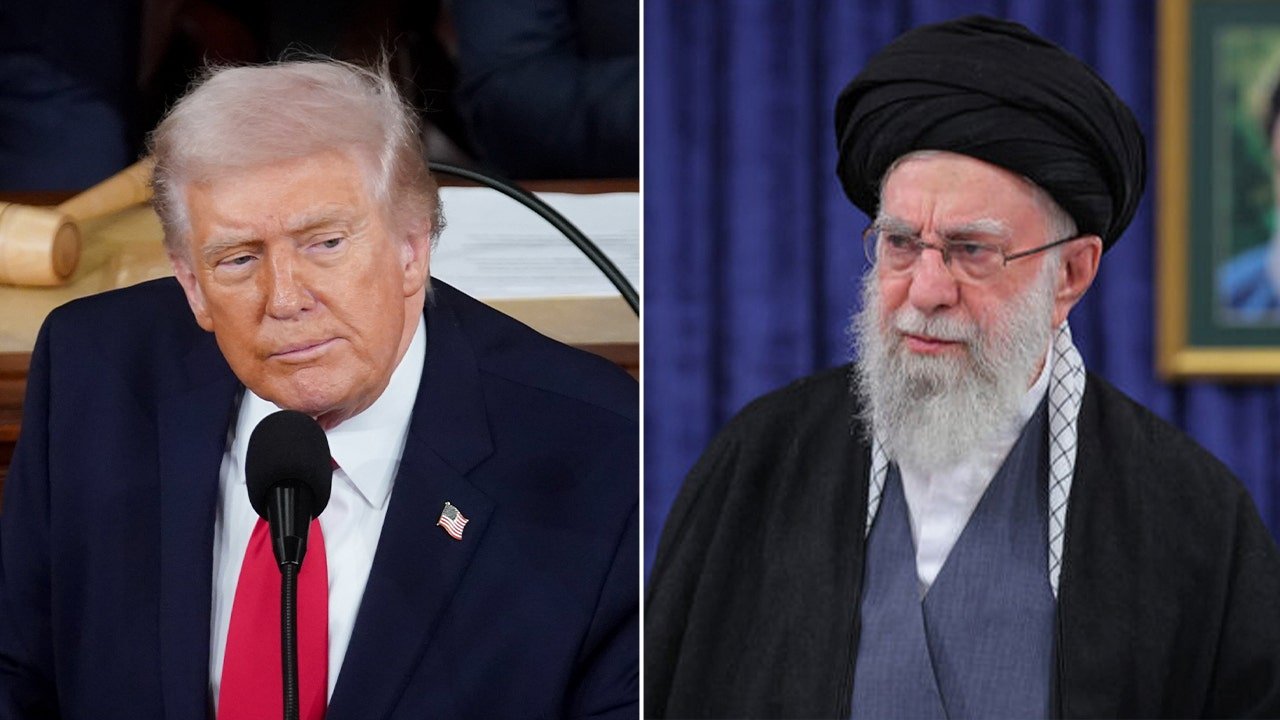
New details from Iran’s top diplomat about the strike that killed Supreme Leader Ali Khamenei provide some of the clearest evidence yet of the precision and strategy behind the joint U.S.-Israeli operation that launched Operation Epic Fury, counterterrorism experts said Sunday.
The account, revealed by Iranian Foreign Minister Abbas Araghchi in a new television interview, also highlights what analysts describe as a defining feature of President Donald Trump’s national security doctrine: using a decapitation strike against a hostile regime while simultaneously creating an off-ramp to end the conflict.
«Well, the building we were sitting in was targeted, but the wing we were in remained intact while the other wing of the building was destroyed,» Araghchi said in an interview that aired June 4 on the Lebanon-based, Hezbollah-backed Al Mayadeen television network.
While Araghchi survived the Feb. 28 strike because he was in a different wing of Khamenei’s compound when the attack occurred, he went on to detail how Khamenei was in his office and how others survived.
BEFORE-AND-AFTER SATELLITE IMAGERY OFFERS A RARE LOOK AT DAMAGE INSIDE IRAN
Iranian Foreign Minister Abbas Araghchi arrives at the government palace to meet Lebanon’s Prime Minister Nawaf Salam in Beirut on Jan. 9, 2026. (Joseph Eid/AFP via Getty Images)
Reviewing the original segment, counterterrorism expert Dr. Omar Mohammed told Fox News Digital that Araghchi’s account confirms the operation targeted a specific section of the complex rather than flattening the entire site.
«In the Arabic version, Araghchi says he was in a different wing of the compound, briefing another official, and his wing survived while the leader’s office was destroyed,» Mohammed explained.
Araghchi also told the interviewer that he had an appointment that day with an official at the compound regarding the Geneva negotiations and that, based on the usual workflow, Khamenei «had to be present in his office.»
Mohammed, director of the Antisemitism Research Initiative at the Program on Extremism at George Washington University, added that if Araghchi’s account is accurate, this was Iran’s glaring acknowledgment of U.S. strategic capabilities.
«They did not flatten a building; they took one wing and left the one next to it standing. That is President Trump’s whole doctrine in a single strike — he does not want a war of occupation, he wants to show the United States can reach the center of a hostile regime with precision and then offer it a way out,» Mohammed said.
DOZENS OF TOP IRANIAN REGIME OFFICIALS, SUPREME LEADER KILLED IN ISRAELI STRIKES
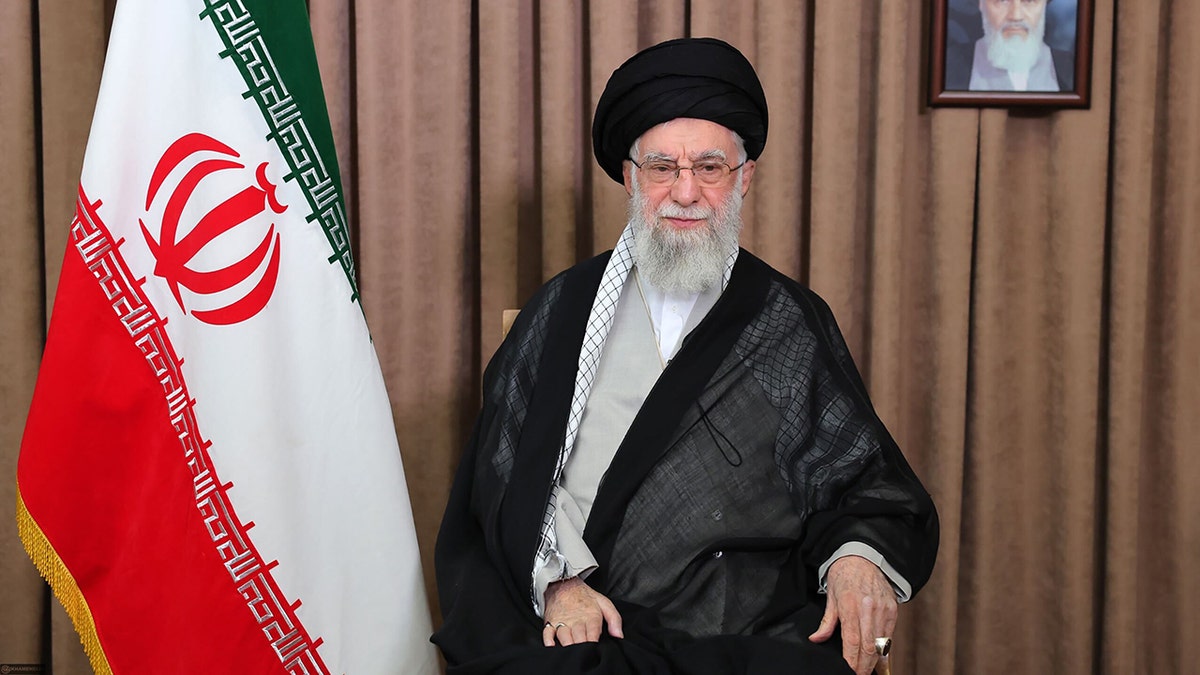
Iranian Supreme Leader Ali Khamenei addresses the nation in a state television broadcast in Tehran on June 18, 2025. (Office of the Supreme Leader of Iran/Getty Images)
The daylight strike on elder Khamenei’s compound was carried out by Israeli jets targeting the site with 30 precision munitions alongside Sparrow air-launched ballistic missiles.
Military officials confirmed that a precise strike sequence killed Khamenei, 86, alongside Defense Minister Amir Nasirzadeh, IRGC Commander Mohammed Pakpour and multiple top security leaders.
Trump confirmed U.S. involvement in Khamenei’s killing in a post on social media at the time.
«He was unable to avoid our intelligence and highly sophisticated tracking systems, and, working closely with Israel, there was not a thing he or the other leaders killed alongside him could do,» the president wrote.
«Iran was handed the clearest message an adversary can get — we can reach your leader in his own office, and here is the off-ramp,» Mohammed noted. «A rational state takes the exit. Tehran did the opposite. It fired on Israel, killed a civilian in Bahrain, struck Kuwait, Qatar and the United Arab Emirates, and closed the Strait of Hormuz, setting off a global energy crisis. The surgical strike was American. The months-long war that followed was Iran’s choice.»
Following the leadership transition, Ali Khamenei’s son, Mojtaba Khamenei, became Iran’s new supreme leader.
IRAN’S NEW SUPREME LEADER IS ‘HIS FATHER ON STEROIDS,’ EXPERTS WARN OF HARDLINE RULE
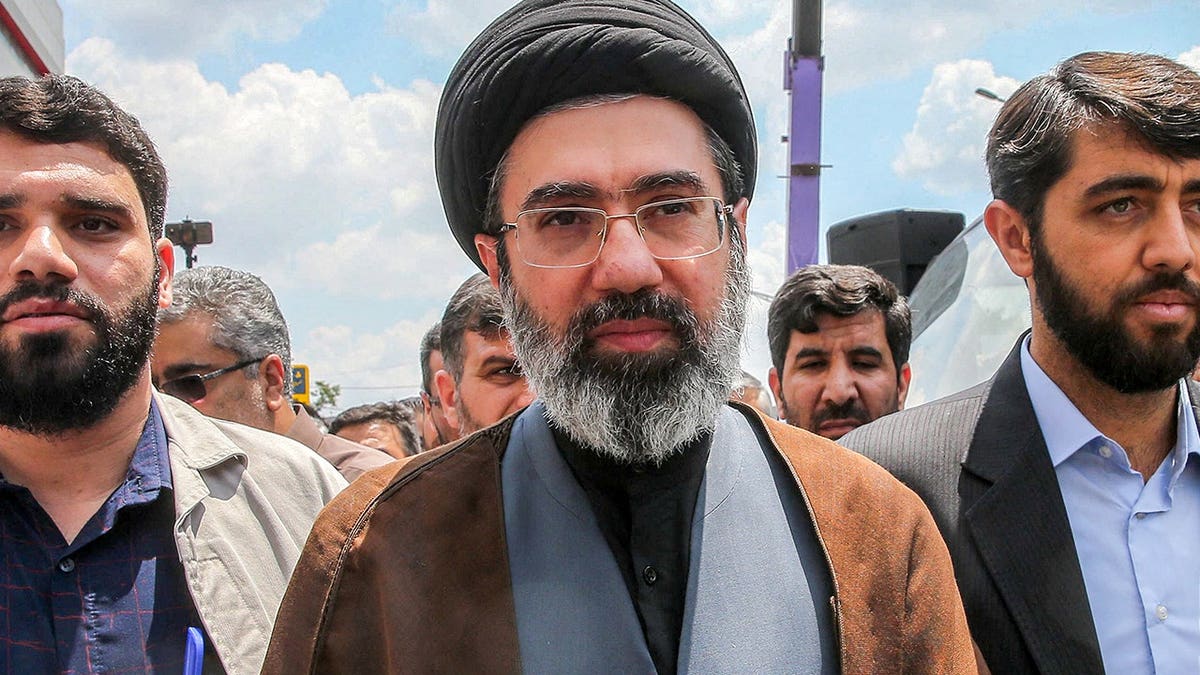
In this picture obtained from Iran’s ISNA news agency, Mojtaba Khamenei (C), son of Iran’s supreme leader Ayatollah Ali Khamenei, walks along a street in Tehran on May 31, 2019. (Hamid FOROUTAN / ISNA / AFP via Getty Images)
He has since been involved in back-channel discussions with the U.S. while maintaining a confrontational public stance.
«In Arabic, Araghchi calls the new leader ‘the young Khamenei in place of the elderly Khamenei.’ That is the language of a monarchy, not a republic of clerics,» Mohammed observed. «They are rewriting the theology on air to fit a son who lacks the religious rank, who was wounded in the same strike and who then vanished for weeks. A revolution that came to power by ending a monarchy is handing the throne from father to son.»
CLICK HERE TO DOWNLOAD THE FOX NEWS APP
«The real story is not that Iran is strong,» Mohammed continued. «It was shown the precision of American power and the door was held open, and it chose to widen the war instead.»
mojtaba khamenei, ali khamenei, counter terrorism, iran, israel

Hezbollah’s secret ‘kill, wound and maim’ bomb network exposed as Israel strikes Beirut

Junto a un exmilitar de Israel, Milei encabezará un tributo a una figura del judaísmo en el Palacio Libertad

La UCR bonaerense dirimió nueve internas municipales, tras sellar la unidad provincial

Nancy Dupláa y Pablo Echarri estuvieron en la multitudinaria despedida al Indio Solari: “Gracias”

La racha de compra de dólares del Banco Central ya es la tercera más larga de la historia

Por qué Chicago llenó Soldier Field con 63.636 personas y aun así no será sede del Mundial 2026

Desde Neuquén, Myriam Bregman pidió “organizar la bronca para terminar con Milei y su legado”

Cuantas reservas internacionales quieren acumular Milei y Caputo para evitar el riesgo K en 2027

Murió el Indio Solari, mítico cantante de Los Redonditos de Ricota

Senado: postergan el proyecto de propiedad privada por dudas de los bloques aliados sobre compras de tierras por extranjeros

 POLITICA1 día ago
Desde Neuquén, Myriam Bregman pidió “organizar la bronca para terminar con Milei y su legado”
- ECONOMIA1 día ago
Cuantas reservas internacionales quieren acumular Milei y Caputo para evitar el riesgo K en 2027
- CHIMENTOS3 días ago
Murió el Indio Solari, mítico cantante de Los Redonditos de Ricota