
INTERNACIONAL
US official says JD Vance made ‘great progress’ in Iran talks, calls snub reports ‘foreign propaganda’

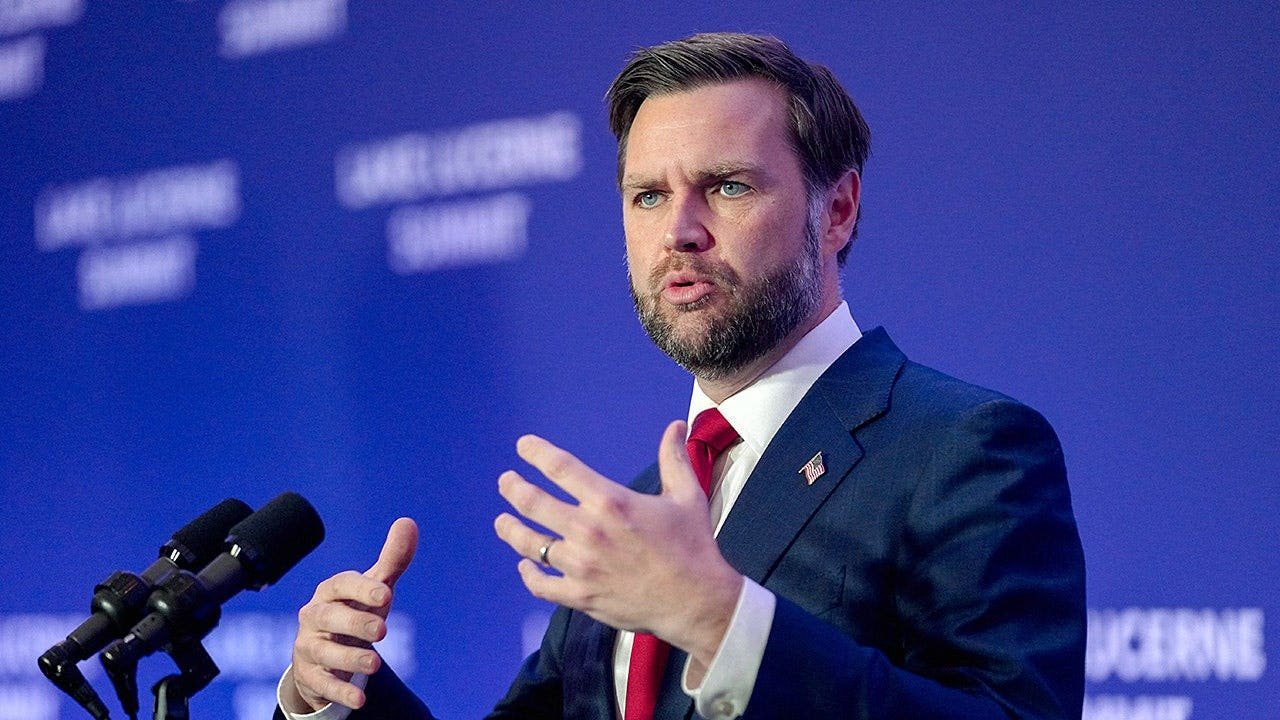
Vance touts agreements on open Hormuz Strait, IAEA inspections
Vice President JD Vance announces significant breakthroughs in US-Iran peace talks held in Switzerland, highlighting Iran’s agreement to readmit International Atomic Energy Agency nuclear inspectors. Vance also proposed using Iran’s unfrozen assets to purchase U.S. agricultural products and established a deconfliction mechanism to maintain ceasefire stability. ‘Outnumbered’ panelists raise questions about enforcement and long-term regional impact.
NEWYou can now listen to Fox News articles!
FIRST ON FOX: A U.S. official involved with the U.S.-Iran peace negotiations said that Vice President JD Vance made «great progress» in the talks, adding that «foreign propaganda» spread a falsehood that the prime minister of Qatar snubbed Vance.
The U.S. official told Fox News Digital that Iranian state media originated reports of Vance being snubbed by the Qatari prime minister and Iranian leadership threatening to walk away from the negotiating table.
«The vice president and the U.S. delegation departed Switzerland today after making great progress and engaging in historic talks that lasted well into the late hours over the weekend,» a U.S. official present at the talks told Fox News Digital. «The negotiations set the framework for continued talks so that the unmatched efforts of the president can lead to a deal that’s best for the American people.»
«Those parroting foreign propaganda serve no one except the bad faith actors that want to derail negotiations,» the official added.
IRAN’S UNPRECEDENTED ‘WHOLE-REGIME’ DELEGATION AT US DEAL TALKS SIGNALS ONE GOAL: EXPERT
Vice President JD Vance speaks to members of the media after the U.S. and Iran held high-level talks aimed at advancing a deal to end the Middle East conflict at the Lake Lucerne Summit, near Lake Lucerne, Switzerland, on June 22, 2026. (Nathan Howard / POOL / AFP via Getty Images)
As Vance and White House officials deliberated a peace agreement at the Bürgenstock resort on Lake Lucerne in Switzerland, a CBS poll on Sunday showed that an overwhelming 78% of Americans say that the conflict between the U.S. and Iran should come to an end.
Reports from Iranian state media created confusion about the progress of the peace talks in Switzerland, with critics alleging the Qataris snubbed Vance after Qatar’s prime minister and chief negotiator, Sheikh Mohammed bin Abdulrahman Al Thani, walked past Vance and warmly greeted Pakistani Prime Minister Shehbaz Sharif instead.
«The U.S. delegation had just spent hours with the Qataris and there was no need to re-greet someone having just spent hours with,» a U.S. official said. «The decision to give statements together before the meeting was done impromptu, which is why it wasn’t a staged greeting.»
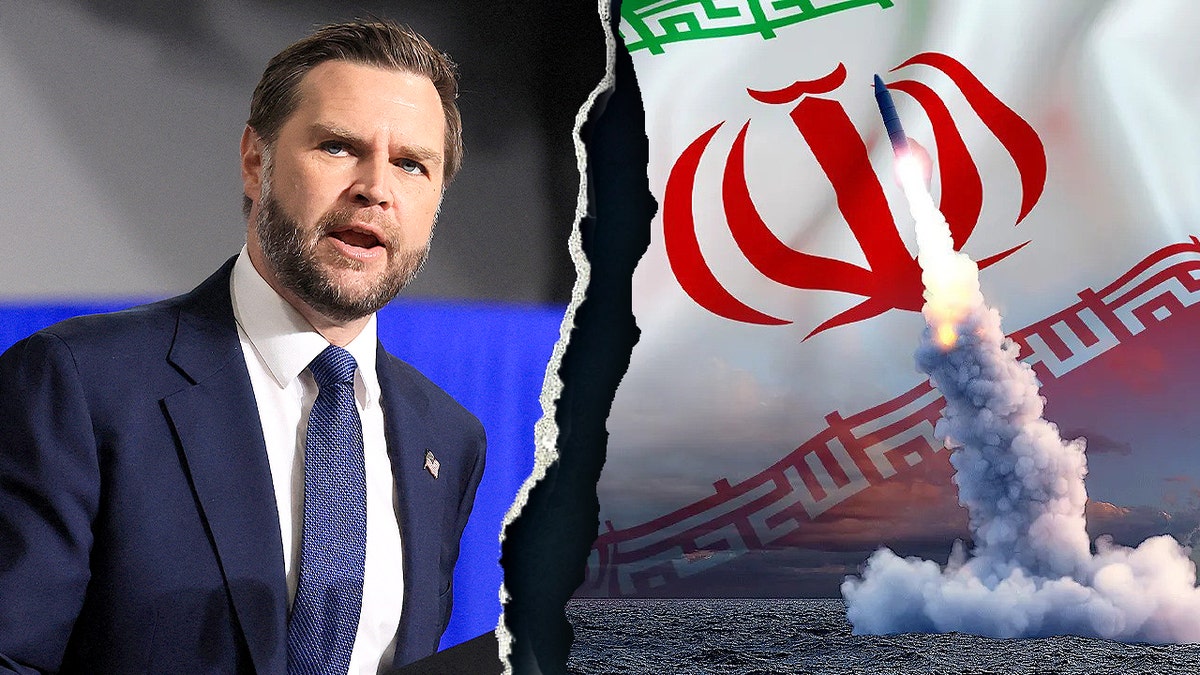
Vice President JD Vance said the Iranians have agreed to allow nuclear inspectors back into their country. (Spencer Platt/AFP via Getty Images)
TRUMP AGAIN SAYS DEAL IS CLOSE, THEN CONFIRMS A LAST-MINUTE AGREEMENT WITH IRAN, BUT DETAILS STILL SECRET
In an interview today with Qatar’s official media outlet, Al Jazeera, Al Thani denied snubbing Vance, saying he had just spent hours with Vance and hadn’t yet greeted Sharif. He blamed the media for misrepresenting the encounter. «And they just made the issue too big,» he said.
Prospects of a peace agreement have already shown signs of life in the U.S., even without a final deal. The New York Times reported oil prices dipping on Monday amid expectations Vance would secure peace during the talks in Switzerland.
Critics of Vance have been vocal in the media about the vice president’s handling of the talks, echoing a sentiment among protesters that have been supporting the Islamic Republic of Iran since the onset of hostilities earlier this year. Some critics allege that Vance is surrendering to the Iranians and that the Iranians are getting more out of the peace deal than the U.S.
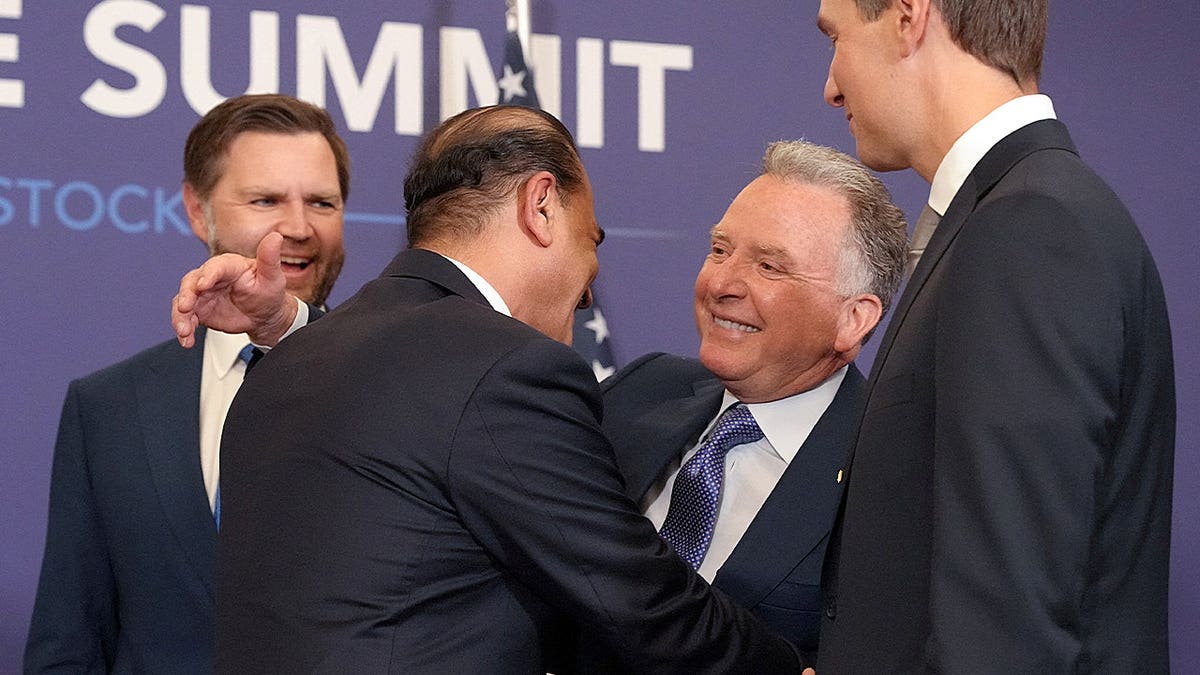
The U.S. delegation, including Steve Witkoff, JD Vance and Jared Kushner, arrived in Switzerland on Sunday. (Nathan Howard/Pool/REUTERS)
FAR-LEFT NETWORK ACTIVATES TO FLY IRAN’S FLAG OVER AMERICA IN VICTORY AND WAGE A ‘SMOKELESS WAR’ ON THE US
A Fox News Digital investigation found that a network of pro-communist groups funded by Neville Roy Singham, an American-born tech tycoon living in China, supporting the Chinese Communist Party and allies, like the Islamic Republic of Iran, has been behind most of the protests that have taken place.
In April, nonprofits in Singham’s network mobilized to protest President Donald Trump’s «criminal war,» painting blood on their hands to symbolize what they called the «genocidal threats» the administration was making against Iran.
The Party for Socialism and Liberation, a self-declared pro-China communist group, communicated to its followers through its propaganda platform, «Liberation News,» to «keep up the pressure» in combatting the war.

Medea Benjamin (right) and Olivia DiNucci (center) of CodePink protest against the U.S. war in Iran. (Fox News Digital)
VANCE SAYS US-IRAN TALKS END WITHOUT DEAL AFTER 21 HOURS OF NEGOTIATIONS
In 2017, Singham married a co-founder of CodePink, Jodie Evans, and started pouring a documented $278 million into a network of groups that fuel anti-American protests in the United States, support the People’s Republic of China and now back the Islamic Republic of Iran, a strategic partner of China and a major source of its oil imports.
Despite the coordinated propaganda defending Iran, the administration has maintained its intention to rid Iran of nuclear capabilities. For more than three months, U.S.-Israeli forces have been fighting Iranian forces, a conflict which Americans have expressed concerns about.
Vance’s trip to Switzerland marks his second attempt to bring the conflict to an end. In April, he traveled to Islamabad, Pakistan, alongside Special Envoy Steve Witkoff and Special Peace Envoy Jared Kushner to negotiate peace. The talks failed and Vance returned home, but he has remained a key figure in finalizing a ceasefire.
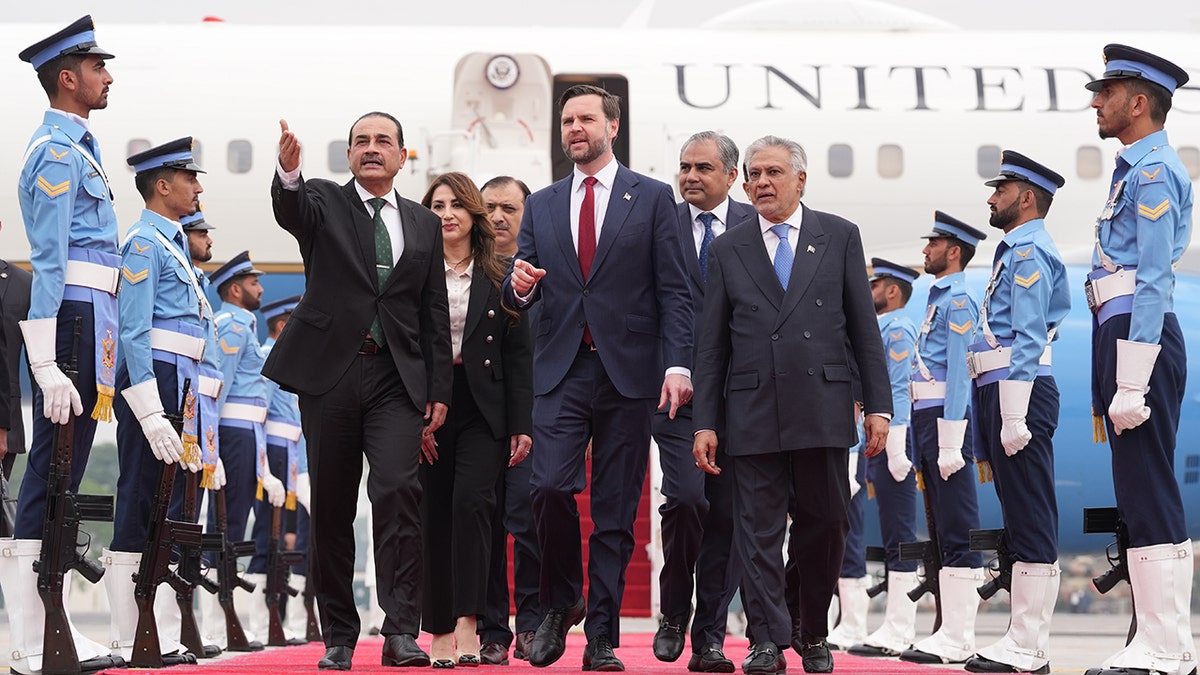
Vice President JD Vance walks with Pakistan’s Chief of Defense Forces Field Marshal Asim Munir and Deputy Prime Minister Mohammad Ishaq Dar after arriving for talks with Iranian officials in Islamabad, Pakistan, on April 11, 2026. (Jacquelyn Martin/AP)
CLICK HERE TO DOWNLOAD THE FOX NEWS APP
His involvement with the negotiations has also led to a surge in bettors placing wagers on the vice president winning the presidency in 2028.
In March, Kalshi showed Vance being beaten out for president in 2028 by both Secretary of State Marco Rubio and California Governor Gavin Newsom. Since Vance has been facilitating the peace deal this month, he surged to the top spot for the next presidential election cycle.
treaties, white house, war with iran, iran, jd vance









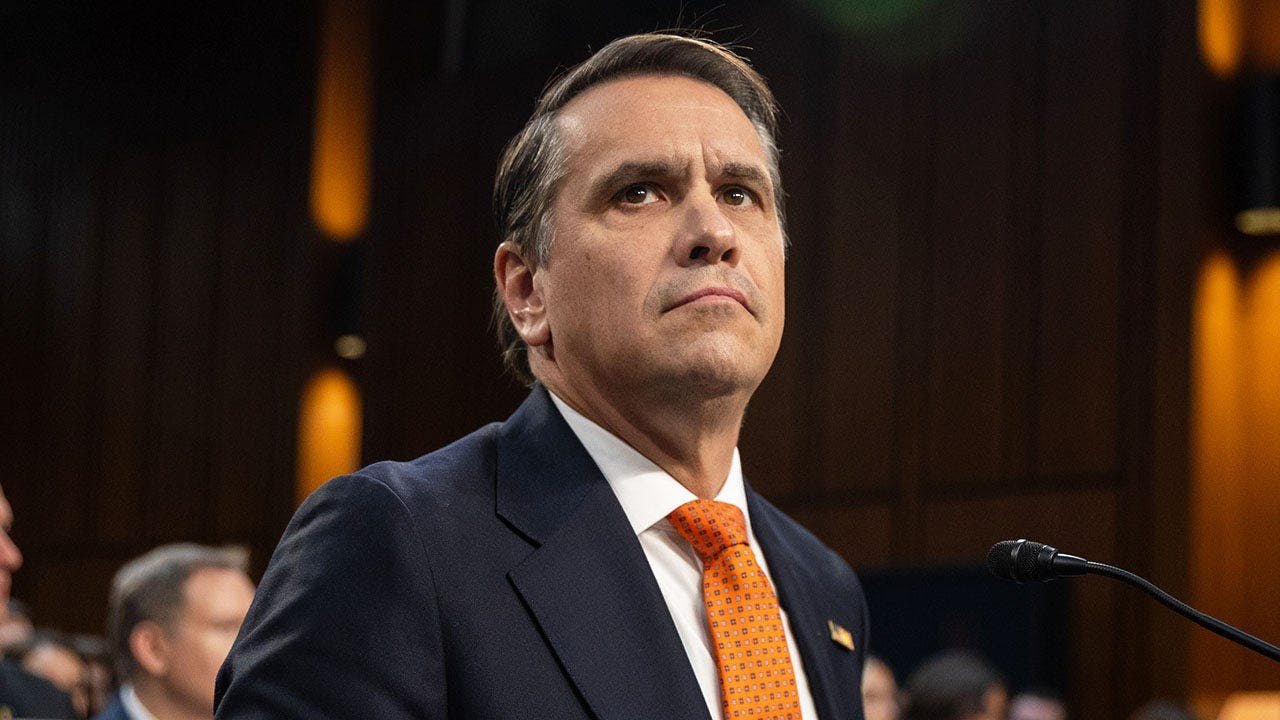
Sen. Bill Cassidy announces ‘yes’ vote on Todd Blanche nomination
Sen. Bill Cassidy, Republican from Louisiana, secures support for Todd Blanche’s nomination as attorney general by announcing his critical yes vote on the Senate floor. Chief congressional correspondent Chad Pergram breaks down how Cassidy’s decision impacts the upcoming Department of Justice confirmation process.
NEWYou can now listen to Fox News articles!
Once thought doomed, President Donald Trump’s pick to lead the Justice Department has survived the Senate and now will take the helm as the nation’s top law enforcement official.
Acting Attorney General Todd Blanche was confirmed early Saturday morning as part of a mad blitz by lawmakers to wrap up their work and jet from Washington, D.C. Now, he’ll officially replace Pam Bondi as attorney general.
Blanche, who is Trump’s former personal lawyer, nearly saw his confirmation hopes go up in smoke as Republicans struggled to swallow his role in rolling out the nearly $2 billion anti-weaponization and sweeping IRS audit immunity for the president and his family.
TRUMP’S AG PICK SURVIVES — FOR NOW — AS REPUBLICANS QUESTION IF WHITE HOUSE DEAL WILL HOLD
Acting Attorney General Todd Blanche appears before a Senate Judiciary Committee confirmation hearing for his nomination to be attorney general at the Dirksen Senate Office Building in Washington, D.C., on July 15, 2026. (Anadolu via Getty Images)
However, a last-minute ally emerged: Sen. Bill Cassidy, R-La., who announced on Friday that he would back Blanche’s confirmation after spending days keeping tight-lipped on his decision.
Though he was concerned about weaponization at the Department of Justice (DOJ) and just how binding an agreement to nix the anti-weaponization fund and limit Trump’s audit immunity would be, he argued that having a Senate-confirmed attorney general was a better option than a placeholder.
«Mr. Blanche is not perfect, and he will tell you this,» Cassidy said on the Senate floor. «But the choice is not between perfection and Mr. Blanche. It is between Mr. Blanche and another acting attorney general, who may not run the department effectively under President Trump.»
TRUMP’S PICK FOR TOP LAW ENFORCEMENT OFFICIAL GETS CRUCIAL LAST-MINUTE LIFELINE FOR CONFIRMATION
Still, Sens. Lisa Murkowski, R-Alaska, and Susan Collins, R-Maine, joined all Senate Democrats to oppose Blanche’s confirmation.
Murkowski announced her opposition hours before Cassidy’s lifeline. She contended that despite Blanche’s trek to Alaska and numerous meetings with him, she could not support him to be the next attorney general.
She was worried about his connection to the anti-weaponization fund, a weaponized Justice Department, Blanche’s role in the Epstein Files release, and the uncertain future of the fund, which several Republicans have raised concerns about over whether taxpayer dollars would flow to rioters who stormed the Capitol on Jan. 6, 2021.
TRUMP ADMIN PUSHES BACK ON ‘SLUSH FUND’ ATTACKS AGAINST ANTI-WEAPONIZATION FUND AND LAYS OUT WHO QUALIFIES
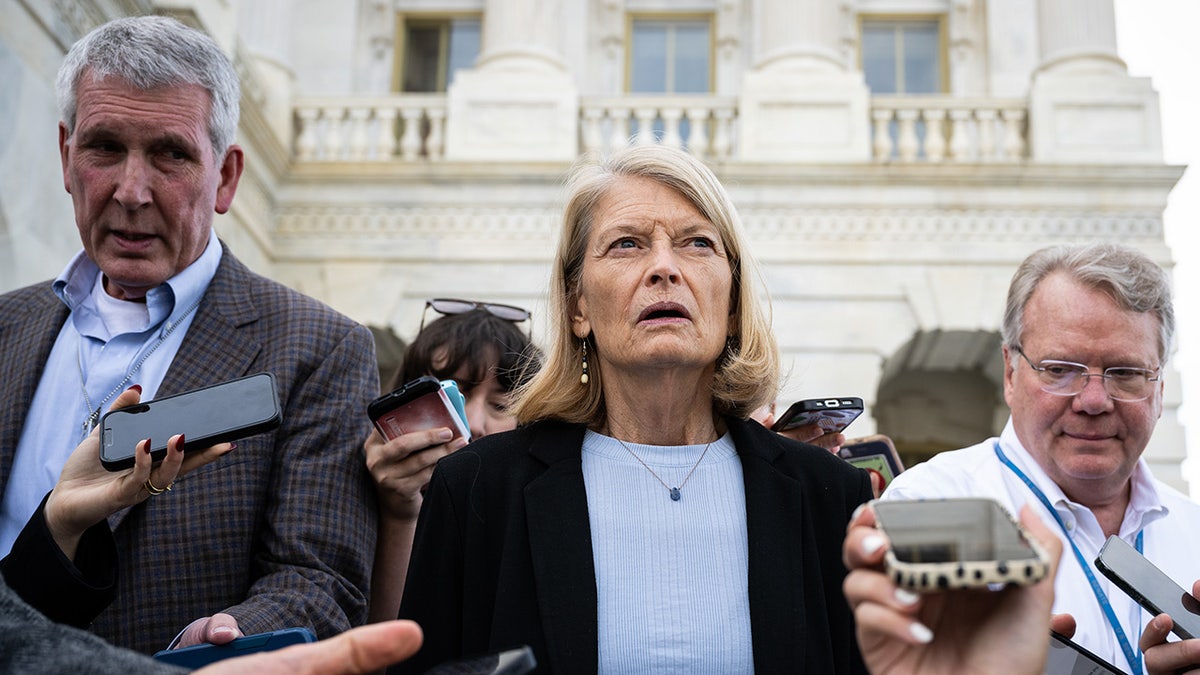
Senator Lisa Murkowski, a Republican from Alaska, speaks to members of the media following a vote outside the US Capitol in Washington, DC, US, on Friday, Oct. 3, 2025. (Graeme Sloan/Getty Images)
«The country needs an Attorney General who will check the worst impulses of this administration,» Murkowski said. «I hope Mr. Blanche is able to achieve that, if confirmed, but I simply do not have confidence that will be the case.»
Collins raised similar concerns earlier in the week, and was the first Republican out of the gate to cast doubt on Blanche’s chances of confirmation.
«While I believe Mr. Blanche is a capable lawyer, the Department of Justice has become increasingly political,» Collins said. «Mr. Blanche has taken several actions that have further eroded the Department’s independence, and that is the basis for my vote to oppose his confirmation.»
politics, todd blanche, justice department, senate elections, attorney general
INTERNACIONAL
Año a año: así cayeron las exportaciones de gas en Bolivia que derivaron en la peor crisis económica de la era democrática
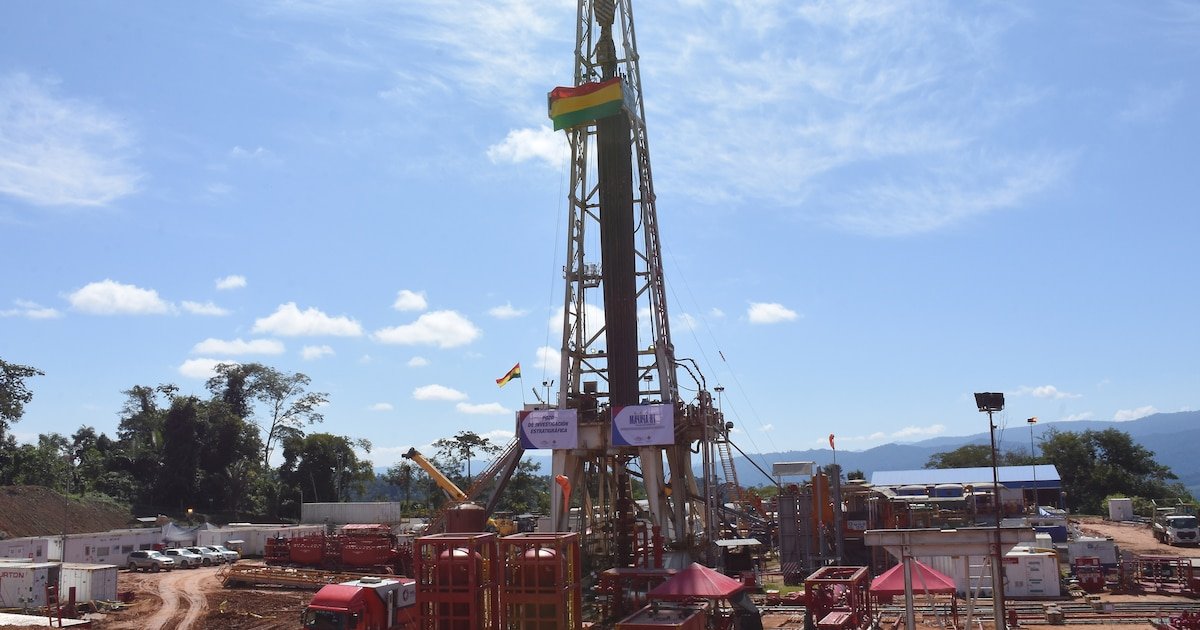
Bolivia vivió más de una década de bonanza económica gracias al auge la industria de los hidrocarburos: entre 2006 y 2014 recibió cerca de USD 30.000 millones por exportaciones de gas natural, impulsadas por los contratos con Brasil y Argentina y los elevados precios internacionales.
Ese ciclo de ingresos fue posible gracias a los descubrimientos de grandes campos gasíferos y la infraestructura de exportación desarrollados en las décadas previas, mientras que la nacionalización de los hidrocarburos, decretada en 2006, incrementó la participación del Estado en la renta extraordinaria.
El pico más alto, entre 2012 y 2014, hizo que el país tuviera la mayor cantidad de reservas internacionales en relación con su Producto Interno Bruto (PIB) de toda la región y la economía creció a tasas cercanas al 6% anual. En esos años Bolivia registró superávits externos, circulación regular de divisas y un tipo de cambio estable, lo que permitió financiar bonos sociales, inversión pública y expandir el gasto estatal.
Diez años después de la época dorada, el panorama es opuesto: las reservas internacionales se redujeron a una fracción de aquel récord, las exportaciones de gas se desplomaron y el país enfrenta una escasez crónica de dólares, dificultades para importar combustibles, presiones inflacionarias, un déficit fiscal persistente y una inflación que alcanzó niveles no vistos en décadas.

Un informe del Instituto Nacional de Estadística (INE) difundido esta semana revela que las exportaciones de gas del primer semestre volvieron a caer: 498,1 millones de dólares, una reducción del 12,9% en comparación con el mismo periodo el año anterior.
Aunque los efectos de la crisis se sintieron hace un par de años, la desaceleración de la economía inició después de 2014 cuando se alcanzó un pico de 6.011 millones de dólares por las exportaciones de gas natural.
Los años siguientes fueron una disminución sostenida que durante algunos años, como en 2015, se agravó por la caída de los precios internacionales o situaciones excepcionales como la pandemia de 2020. Los datos del INE, procesados por el Instituto Boliviano de Comercio Exterior (IBCE), reflejan esta caída:
· 2014: USD 6.011millones
· 2015: USD 3.770 millones (Hubo una fuerte caída de los precios internacionales)
· 2016: USD 2.049 millones
· 2017: USD 2.581 millones
· 2018: USD 2.970 millones
· 2019: USD 2.719 millones
· 2020: USD 1.989 millones (Efecto pandemia mundial)
· 2021: USD 2.249 millones
· 2022: USD 2.973 millones (Alza temporal por la crisis energética global)
· 2023: USD 2.049 millones
· 2024: USD 1.614 millones
· 2025: USD 1.082 millones

Esta baja continua se debe a la declinación natural en la capacidad de producción de los principales pozos petroleros, a la falta de exploración y ausencia prolongada de nuevos yacimientos y a la finalización del contrato con Argentina, luego de que lograra la autosuficiencia energética con el campo Vaca Muerta.
Las exportaciones bolivianas de gas natural, cuyos mercados principales eran Brasil y Argentina, se vieron severamente afectadas en septiembre de 2024 cuando concluyó el contrato con Argentina que se había extendido a lo largo de 18 años y representaba entre el 40% y el 45% del total del gas exportado.
Tras el fin del contrato, el gas boliviano tocó mínimos históricos y aunque en junio de 2025 se reanudaron algunos envíos marginales bajo la modalidad de contratos interrumpibles con empresas privadas, el negocio no sustituye a su antiguo comprador.

En este escenario, el Estado que por años dependió de la renta hidrocarburífera busca nuevas fuentes de financiamiento para sostener el gasto público y evitar un ajuste más severo de la economía.
El expresidente Luis Arce, que como ministro de Economía manejó las cuentas de un país con prosperidad efímera y como presidente vio explotar la crisis a inicios de 2023, impulsó una política de industrialización que nunca llegó a despegar, con empresas estatales deficitarias que hoy enfrentan cierres inminentes o ajustes en su organización administrativa para sobrevivir sin generar costos al Estado.
El nuevo gobierno de Rodrigo Paz busca estabilizar las cuentas fiscales mediante el acceso a créditos externos y nuevas fuentes de ingresos. El ministro de Economía, José Gabriel Espinoza, señaló en varias entrevistas que no se puede reemplazar los ingresos de los hidrocarburos con otro recurso natural sino con una economía diversificada que incluya la exploración de nuevos campos, mayor productividad, inversión privada y el desarrollo simultáneo de sectores exportadores como la minería, la agroindustria y los servicios.
Ese proceso, que se anticipa largo y requiere la modificación de una serie de leyes estratégicas, avanza bajo la presión de una eventual crisis energética que diversos especialistas sitúan entre 2027 y 2028 si no se revierte el declive de la producción de gas.
La discusión, por tanto, trasciende la búsqueda de nuevas reservas: implica definir un marco regulatorio que combine incentivos para la inversión, seguridad jurídica y ambiental, mecanismos que aseguren la repatriación de divisas, protección del medioambiente y una distribución equilibrada de la renta de los recursos naturales.
INTERNACIONAL
Como respuesta a Meloni, España estableció controles fronterizos a viajeros desde Italia
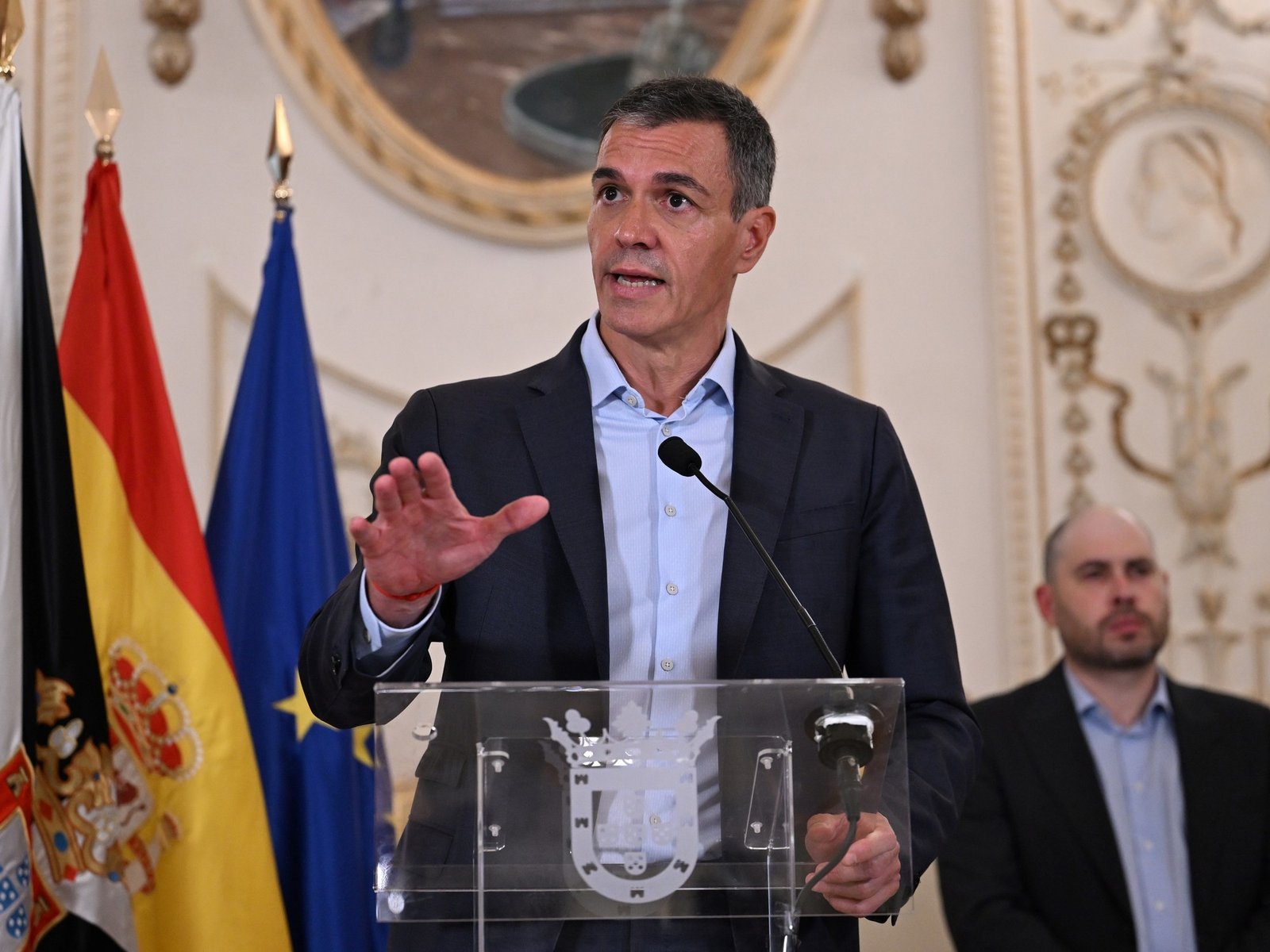
España anunció este viernes controles fronterizos temporales para los viajeros procedentes de Italia, en respuesta a medidas similares impuestas por el gobierno de Giorgia Meloni tras la entrada masiva de migrantes a Ceuta.
Estos controles, que se aplican «ante la persistente presión migratoria irregular» que afronta Italia, comenzarán a regir el sábado 8 de agosto a las 00H00 (02H00 GMT) y se prolongarán hasta el 7 de septiembre, indicó el Ministerio del Interior en un comunicado.
Más temprano, el gobierno español había amenazado con «medidas proporcionales» a Italia, que cerró temporalmente a España el espacio Schengen, la zona de libre circulación de la Unión Europea, hace una semana, tras la llegada de unos 72.000 migrantes al enclave español en el norte de África desde el vecino Marruecos.
El episodio levantó críticas de otros países de la Unión Europea cuyos gobiernos, a diferencia del Ejecutivo español de Pedro Sánchez, promueven políticas de mano dura hacia la migración.
Italia encabezó ese frente y desde el 1 de agosto aplica controles fronterizos en puntos de entrada marítimos y aéreos para ciudadanos de terceros países que lleguen desde España.
El gobierno español había arremetido más temprano el viernes contra la decisión de Roma, que considera «injusta, contraria a los intereses de la UE, y discriminatoria para la población española».
El ministro de Asuntos Exteriores, José Manuel Albares, la describió como «un torpedo en la línea de flotación de la unidad europea». La Moncloa pidió que Italia levantara las restricciones de inmediato.
«Si no lo hiciera antes de que concluya el domingo 9 de agosto, España se verá obligada a adoptar medidas proporcionales para proteger los intereses y la dignidad de sus ciudadanos», indicó el Gobierno en un comunicado.
Sin embargo, poco después decidieron adelantar la entrada en vigencia de la medida, que comenzó a regir este viernes 7 de agosto a la medianoche local.
Las impactantes imágenes de la masiva llegada de migrantes a Ceuta dieron la vuelta al mundo y provocaron fuertes tensiones en la Unión Europea.
De las 72.000 personas que entraron a Ceuta, 70.000 han regresado a Marruecos, según cifras oficiales españolas. Los migrantes que siguen en la ciudad autónoma, entre ellos cientos de menores solos, disponen de poco acceso a comida, agua o techo.
Comunicado oficial del Gobierno de España sobre los injustificados controles de Italia a viajeros de España.
— Ministerio de Asuntos Exteriores, UE y Cooperación (@MAECgob) August 7, 2026
Las autoridades españolas indicaron que 80 personas murieron durante los cruces. El Ministerio del Interior marroquí, reportó 11 fallecidos en su lado de la frontera, todas salvo una por ahogamiento.
Sin embargo, ONGs en Marruecos afirmaron el viernes que se habían registrado al menos 141 muertes y que el balance probablemente iba a aumentar.
Italia justificó la suspensión de la libre circulación, uno de los grandes logros de la Unión Europea, como una «decisión necesaria para proteger la seguridad» de sus ciudadanos «y defender las fronteras de Europa».
La oficina de la primera ministra Giorgia Meloni dijo no tener intención de «revisar la decisión» antes del 15 de agosto. «Solo cuando haya certeza de que no hay riesgos de seguridad o terrorismo para Italia, de que no ocurre una nueva oleada y de que no hay migrantes irregulares dirigiéndose a territorio europeo, reconsideraremos», indicó en un comunicado.
El gobierno de Meloni ha intentado contener la llegada de los decenas de miles de migrantes que desembarcan cada año en pequeñas barcas en las costas de la península.
El gobierno español le reclamó en su ultimátum evitar «crear fracturas y conflictos estériles impulsados por motivaciones electorales» y confió en que «el europeísmo, el sentido común y la buena fe se impongan».
Según medios españoles, la policía vigila rumores que circulan en internet y mensajes en redes sociales ante otra posible llegada masiva de migrantes.
Por su parte, la Comisión Europea instó a Meta y TikTok a «actuar de manera contundente» para frenar la desinformación, indicando que mantuvo conversaciones con ambas plataformas el viernes.
«Las plataformas deben actuar de manera contundente para preservar la integridad del espacio digital, especialmente en situaciones de crisis», afirmó Henna Virkkunen, comisaria europea de soberanía tecnológica, seguridad y democracia.

Blanche survives Republican defectors as Trumps gets his new attorney general

Qué muestran los datos sobre el rendimiento y la productividad de los profesionales mayores de 50 años en las empresas

Silvina Escudero está de novia a 4 meses de separarse de su esposo: quién es el hombre que la enamoró

Los pases de factura en la mesa chica del Gobierno tras la última votacion en el Senado y los secretos de la visita del Papa

Tiene 99 años, Evita la eligió como su enfermera y le hizo un pedido especial antes de morir: “No lo deje solo”

Año a año: así cayeron las exportaciones de gas en Bolivia que derivaron en la peor crisis económica de la era democrática

Dólar hoy en vivo: a cuánto se negocian todas las cotizaciones minuto a minuto este miércoles 5 de agosto

La oposición cuestionó a Benegas Lynch por su empresa para vender campos a extranjeros y el senador libertario se defendió

Brasil retira a su embajador en la Argentina: qué consecuencias tiene la medida diplomática

Las centrales obreras y los movimientos sociales anunciaron dos días de conflicto callejero
-
 ECONOMIA3 días ago
Dólar hoy en vivo: a cuánto se negocian todas las cotizaciones minuto a minuto este miércoles 5 de agosto
-
 POLITICA1 día ago
La oposición cuestionó a Benegas Lynch por su empresa para vender campos a extranjeros y el senador libertario se defendió
-
 POLITICA3 días ago
Brasil retira a su embajador en la Argentina: qué consecuencias tiene la medida diplomática