INTERNACIONAL
Montana Dem running as blue-collar smokejumper spent years lobbying for far-left groups


NEWYou can now listen to Fox News articles!
A Democrat running in a key Montana House race as a «smokejumper» and working-class outsider previously worked as a registered lobbyist opposing state-level bills that would have restricted drag performances in public schools and libraries, banned gender-transition procedures for minors and cracked down on sanctuary policies, records reviewed by Fox News Digital show.
Sam Forstag, the Democratic nominee in Montana’s 1st Congressional District, has leaned into a blue-collar campaign message, saying constituents like him «know how to work» and «know how to swing a tool.»
His campaign has focused on affordability, corruption and working-class frustrations, but his lobbying record puts him on the record on several hot-button issues that could undercut his effort to appeal to more centrist voters in a heavily Republican state.
Between 2021 and 2023, Forstag was listed as a registered lobbyist for groups and entities such as the American Civil Liberties Union, Planned Parenthood, the Montana Library Association and the City of Missoula. During that time, he testified against or was tied through lobbying records to opposition against bills involving drag performances in schools and libraries, transgender-related medical treatments for minors, boys competing in girls’ sports, voter ID and local cooperation with federal immigration authorities.
FOUR MONTHS TO MIDTERMS: 12 RACES THAT WILL DETERMINE THE SENATE MAJORITY
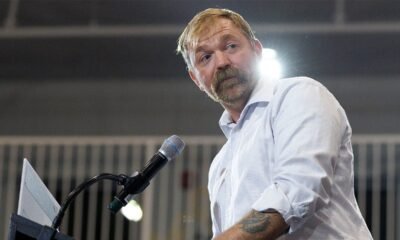
Sam Forstag, who is running for Congress on a working-class image in one of Montana’s two House districts, has a lobbying career steeped in left-wing culture war issues. (Sam for Montana)
«This bill is the latest of a series that I expect you’ll see that are intended to stir up fear and distrust of our fellow citizens,» Forstag told Montana lawmakers in 2023 as Republicans considered a bill restricting minors from attending drag performances in public schools and libraries. Forstag argued the measure was overly broad and could affect people who are transgender or nonbinary participating in library programming, saying he hoped lawmakers did not intend to «prohibit an entire class of people» from serving in public libraries.
Forstag also opposed SB 99, a bill banning certain gender-transition procedures and medications for minors. In testimony on the bill, Forstag urged lawmakers to «leave personal and medical decisions to families and their chosen health care providers.»
While representing the ACLU of Montana, Forstag was tied to opposition against HB 112, which required student athletes to compete based on biological sex, and SB 169, a measure to increase scrutiny around voter ID protocols.
TRUMP HOLDS WASHINGTON HOSTAGE OVER SAVE ACT AS MIDTERM CLOCK TICKS ON GOP CONTROL
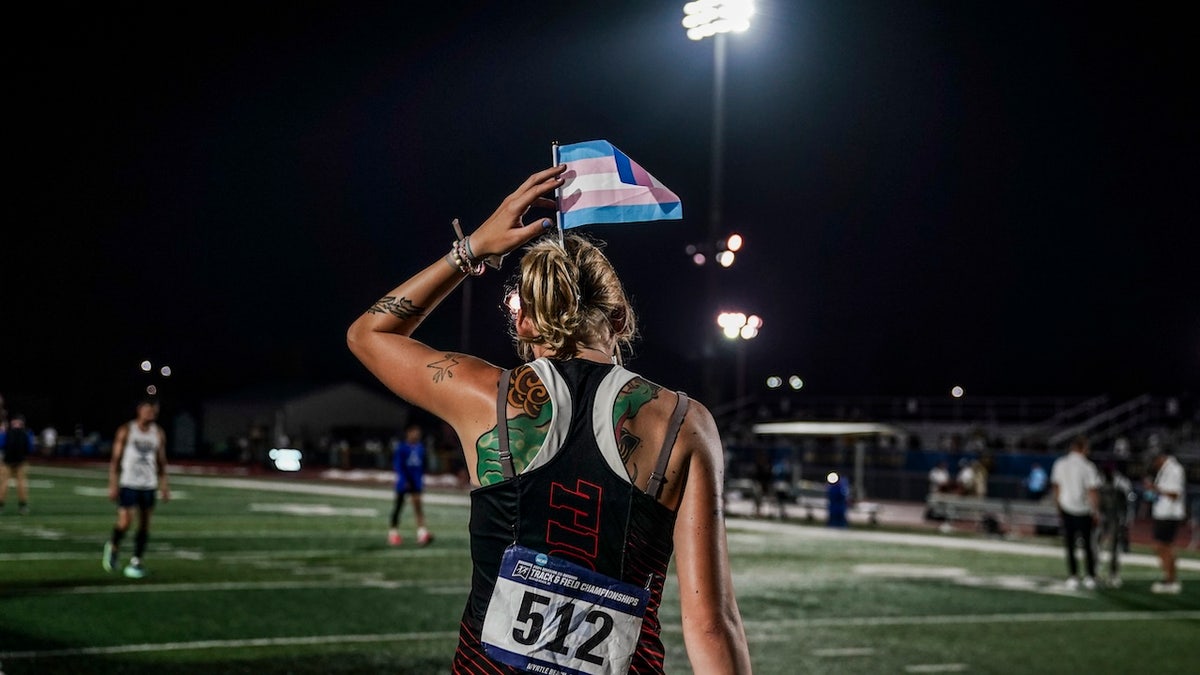
While representing the ACLU of Montana, Forstag was tied to opposition against HB 112, which required student athletes to compete based on biological sex. (Jahi Chikwendiu/The Washington Post via Getty Images)
Forstag also opposed bills involving sanctuary policies and local law enforcement cooperation with federal immigration authorities, including measures aimed at requiring local officials to comply with immigration detainers.
Forstag did not directly dispute the lobbying record when asked by Fox News Digital, instead defending his work in the state capital as a fight for working people and individual freedom.
«Between fire seasons, I fought for working people in a state capital that too often ignores us,» Forstag told Fox News Digital. «Instead of accepting a system where the extremes and the rich have the loudest voice, I worked my tail off to defend Montanans’ constitutional rights and freedoms and fight for policies that actually improve our lives.»
Forstag framed his opposition to bills involving transgender medical procedures as part of a broader belief that government should stay out of personal decisions.
UNEARTHED RECORDS REVEAL DEM MAYOR SOUGHT TAX HIKE TO FUND DEI ROLE AHEAD OF KEY HOUSE RACE
«I believe the government’s got no place getting involved in peoples’ private, personal decisions,» he said. «Politicians have no place coming for our guns, and no place inserting themselves into medical decisions that should be up to patients, parents, and doctors.»
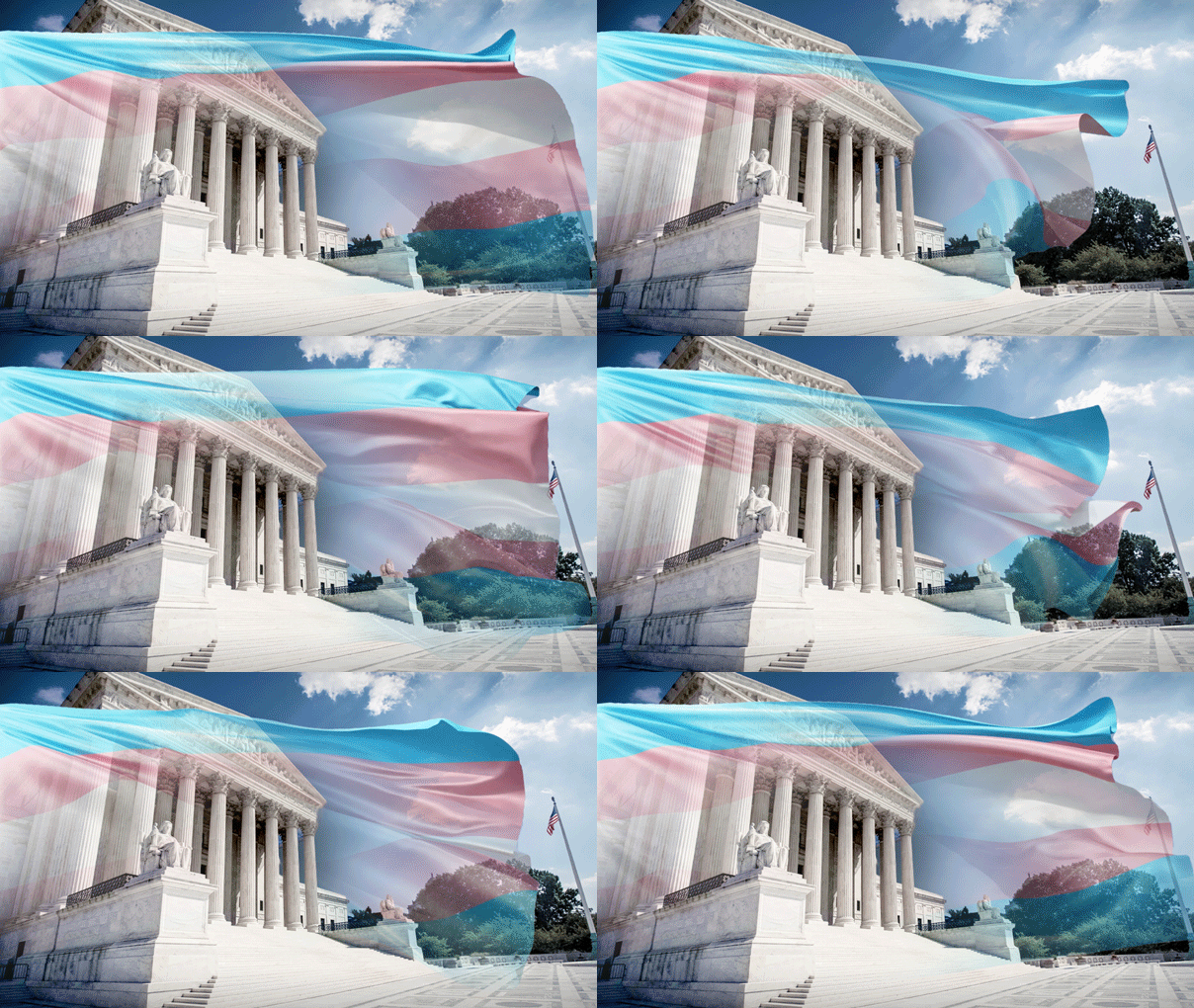
Forstag framed his opposition to bills involving transgender medical procedures as part of a broader belief that government should stay out of personal decisions. (istock)
On immigration, Forstag, who is backed by Rep. Alexandria Ocasio-Cortez, D-N.Y., and Sen. Bernie Sanders, I-Vt., said local police should not be forced to carry out federal immigration responsibilities.
«Laws that force local law enforcement to do the federal government’s bidding make our communities less safe and put police in a bad spot,» he said. «Immigration enforcement should be left to federal officials so our local police can keep Montanans safe.»

Forstag said local police should not be forced to carry out federal immigration responsibilities. (Victor J. Blue/Bloomberg via Getty Images)
Jake Eaton, a longtime Montana Republican strategist whose clients have included Gov. Greg Gianforte and Attorney General Austin Knudsen, told Fox News Digital that Forstag’s lobbying record could undercut his effort to appeal to blue-collar and swing voters in the district, noting that issues involving transgender policies, schools and immigration «cut across» demographics.
RED-STATE SENATOR DROPS HAMMER ON DEM MAYOR OVER NEW ‘WOKE’ DEI ORDINANCE WHILE VIOLENT CRIME SURGES
Meanwhile, Eaton described Forstag as emblematic of the leftward shift of Montana Democrats.
«There aren’t a lot of moderate Democrats, if any, left,» Eaton said. «The days of Brian Schweitzer, when you had Democrats that were pro-gun and pro-coal, they don’t really exist anymore.»
But Eric Koch, a longtime Democratic consultant, rejected that criticism, arguing that Forstag’s record fits his broader message about keeping government out of personal decisions.

Forstag will face Flint, an Army veteran and conservative radio host, in the Nov. 3 general election for the open western Montana seat. (OutKick/Screencaps/Montana Tim)
«Sam’s record is about keeping government out of your business,» Koch told Fox News Digital. «No amount of divide-and-distract will change that.» The consultant argued Republicans would rather focus on culture-war issues than Forstag’s economic contrast with his Republican opponent Aaron Flint.
CLICK HERE TO DOWNLOAD THE FOX NEWS APP
Forstag will face Flint, an Army veteran and conservative radio host, in the Nov. 3 general election for the open western Montana seat currently held by GOP Rep. Ryan Zinke, who announced earlier this year he would not seek re-election.
Forstag won the Democratic primary after defeating former 2024 gubernatorial nominee Ryan Busse, Russell Cleveland and Matt Rains, while Flint emerged from a Republican primary field that included Montana Secretary of State Christi Jacobsen, former state Sen. Al Olszewski and educator Ray Curtis.
midterm elections, house of representatives, montana, elections, house of representatives politics







DHS calls Walz’s pardon for sex offender ‘disgusting’
Minnesota Gov. Tim Walz faces strong criticism for pardoning Tou Lue Vang, an illegal immigrant child rapist, a decision DHS calls ‘disgusting.’ Angel Mom Jessica Gorman emotionally testifies on Capitol Hill, accusing Democrats of prioritizing sanctuary policies over American lives, following her daughter Sheridan Gorman’s murder by an illegal alien. The segment also addresses extreme heat and Iran nuclear talks.
NEWYou can now listen to Fox News articles!
EXCLUSIVE: Senate Republicans are naming the centerpiece of a 12-figure anti-fraud package after Minnesota Gov. Tim Walz, arguing his administration’s handling of massive welfare fraud schemes made him the symbol of government waste they hope to eliminate.
Sen. Joni Ernst, R-Iowa., is dropping the legislation just as fraud-exposing journalists, such as Nick Shirley, testify to the Homeland Security Committee about videotaped discoveries in the «Feeding Our Futures» scandal in Minnesota and other similar alleged rackets elsewhere on Wednesday.
The «Welfare Abuse and Laundering Zillions (WALZ) Act» from Sen. Roger Marshall, R-Kan., is at the core of the broader anti-fraud package targeting Minnesota-style violations, COVID fraud, foreign remittance abuse and repeat offenders; projected to save taxpayers roughly $240 billion, Fox News Digital learned.
WALZ A NO-SHOW AT KEY FRAUD HEARING DESPITE BEING IN THE BUILDING ON OTHER BUSINESS: GOP LEADER
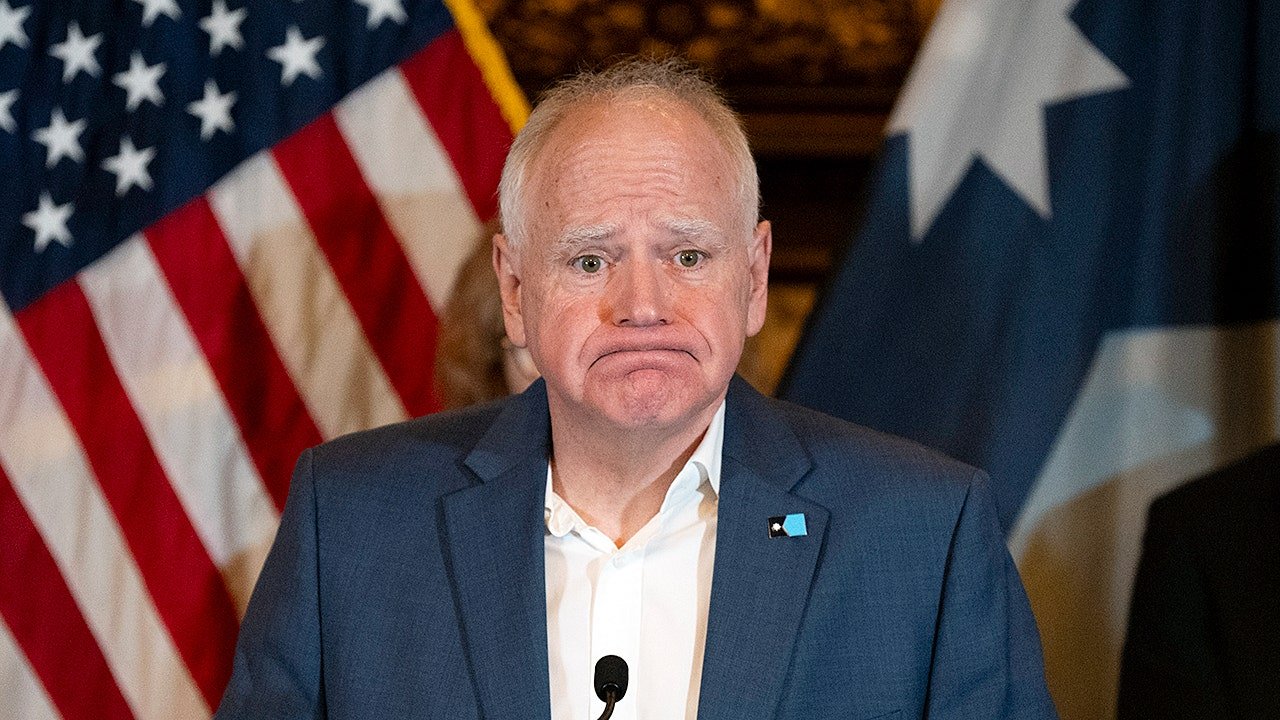
Minnesota Gov. Tim Walz fields questions during a press conference about federal detention of children at the State Capitol building on February 3, 2026 in St. Paul, Minnesota. Trump administration officials intend to appeal a judges decision to release 5-year-old Liam Conejo Ramos who returned to Minnesota over the weekend after being held in a Texas immigration detention facility. (Photo by ) (Stephen Maturen/Getty Images)
The WALZ Act requires federal payments be made as reimbursements to states only after a service is proven to have been provided – a process critics say Minnesota failed to police adequately.
It also requires that if a state program receiving federal funding sees a six-month increase in disbursements of more than 10 percent, the HHS inspector general must investigate that program.
FTC CHIEF ACCUSES DEMOCRATS OF ‘TRYING TO PROTECT THE FRAUDSTERS’ BY WITHHOLDING DATA FROM TRUMP ADMIN
One of Ernst’s pieces of the package, the Returning Unspent COVID Funds Act would claw back more than $65 billion in federally-disbursed COVID funds – now six years after the height of the pandemic – to avoid future abuse of those funds.
«While hardworking Americans are struggling to make ends meet, fraudsters are getting away with ripping off $1.4 billion of taxpayer money every single day,» Ernst told Fox News Digital on Wednesday.
«Government grift and graft is endless, but the public’s patience isn’t and neither is mine. The Senate will have an opportunity to bring this crime spree to an end by passing my Protecting American Taxpayers Act. This bill stops fraud before it happens and takes back the loot that’s already been stolen. As for the scammers, they’re going to the slammer.»
DAVID MARCUS: FLORIDA SENATOR’S WAVE OF ANTI-FRAUD BILLS SHOULD BE SLAM DUNK
Fox News Digital reached out to Walz for comment on lawmakers using his name.
Sen. James Lankford, R-Okla., also contributed legislation to the package that would extend the statute of limitations for the government to prosecute COVID fraudsters.
Keen-eyed federal employees would also be able to claim monetary rewards from the federal government under the package – as part of the «Bonuses for Cost-Cutters Act» from Sen. Rand Paul, R-Ky., that instructs inspectors general to pay out sums to those who uncover fraud or waste.
The anti-fraud package also goes far beyond America’s borders to protect U.S. taxpayers, according to Ernst.
Sen. Tim Sheehy’s, R-Mont., No Tax Dollars for Terrorists Act would instruct the State Department to implement a process to discourage NGOs and foreign nations from financially supporting the Taliban, including via U.S.-provided foreign assistance that Washington gives to such groups or governments.
Outside the oft-reported welfare scams and social services fraud operations, the package also brings attention to other ways the federal taxpayer has purportedly been defrauded over the years.
Suspected abuse of remittances – or funds sent by U.S.-resident foreigners to their home countries – has been a thorn in the side of some conservatives for years.
PENNSYLVANIA REPUBLICANS SEEK TO LEVY ILLEGAL IMMIGRANTS’ REMITTANCES TO FUND PROPERTY TAX RELIEF
Part of Ernst’s package also includes a bill from Sen. Bernie Moreno, R-Ohio, that would require people who send wire transfers and remittances abroad to certify that they are not already on public assistance; essentially protecting the taxpayer from their welfare funds being shifted to other countries.
«For decades, Washington’s failed welfare program rewarded dependency while enabling fraudsters and criminals to exploit the system to take advantage of American taxpayers,» Moreno said in a January statement after initially drafting the legislation. «If an individual has enough cash to send money overseas, they have no business taking welfare benefits from hardworking Americans. The abuse ends now.»
In Ernst’s package, a proposal by Sen. Todd Young, R-Ind., called the Assisting Small Businesses Not Fraudsters Act, would prevent previously convicted fraudsters from receiving Small Business Administration funds.
SIGN UP TO GET THE POLITICS NEWSLETTER
A source familiar with Senate procedure said Senate Majority Leader John Thune, R-S.D., could tee up a vote by filing cloture – ending debate – on the legislative process for the massive package as early as late this week.
CLICK HERE TO DOWNLOAD THE FOX NEWS APP
Co-sponsors of the greater anti-fraud package include GOP Sens. David McCormick of Pennsylvania, Charles Grassley of Iowa, Jim Justice of West Virginia, John Kennedy of Louisiana and Senate Majority Whip John Barrasso of Wyoming among several others.
Fox News Digital’s Emma Colton contributed to this report.
tim walz, minnesota fraud exposed, rand paul, senate elections, iowa, republicans, republicans elections, coronavirus
INTERNACIONAL
El ejército colombiano libera a 39 personas secuestradas por el ELN: hay soldados muertos y la transición se tensa



Is «Trade Over Aid» replacing USAID?
Fox News Digital gets exclusive access to the U.S. Mission’s «Trade Over Aid» forum in New York as Trump officials, including U.S. Ambassador to the U.N. Mike Waltz, push private investment over traditional foreign aid.
NEWYou can now listen to Fox News articles!
EXCLUSIVE: The Trump administration is laying out its clearest blueprint yet for what comes after decades of traditional U.S. foreign aid, arguing that private investment, trade and American business — not taxpayer-funded assistance — should become America’s primary engine for development abroad.
At a U.S. Mission to the United Nations «Trade Over Aid» forum in New York Monday, Ambassador Mike Waltz, the U.S. permanent representative to the United Nations, told Fox News Digital in an exclusive interview that the administration is «completely reforming how we do aid» by moving away from taxpayer-funded programs and toward private-sector-led development.
«For too many years, the United States and other countries have poured billions and billions of dollars into these aid programs and got very little in return,» Waltz said. «You go to these forums at the United Nations and at development agencies around the world, and you never find the private sector. You find NGOs and academics and governments, but you don’t find the creators of growth and the creators of jobs.»
U.S. URGES DONORS TO ABANDON U.N.R.W.A. FUNDING AS U.N. DEFENDS AGENCY’S MISSION
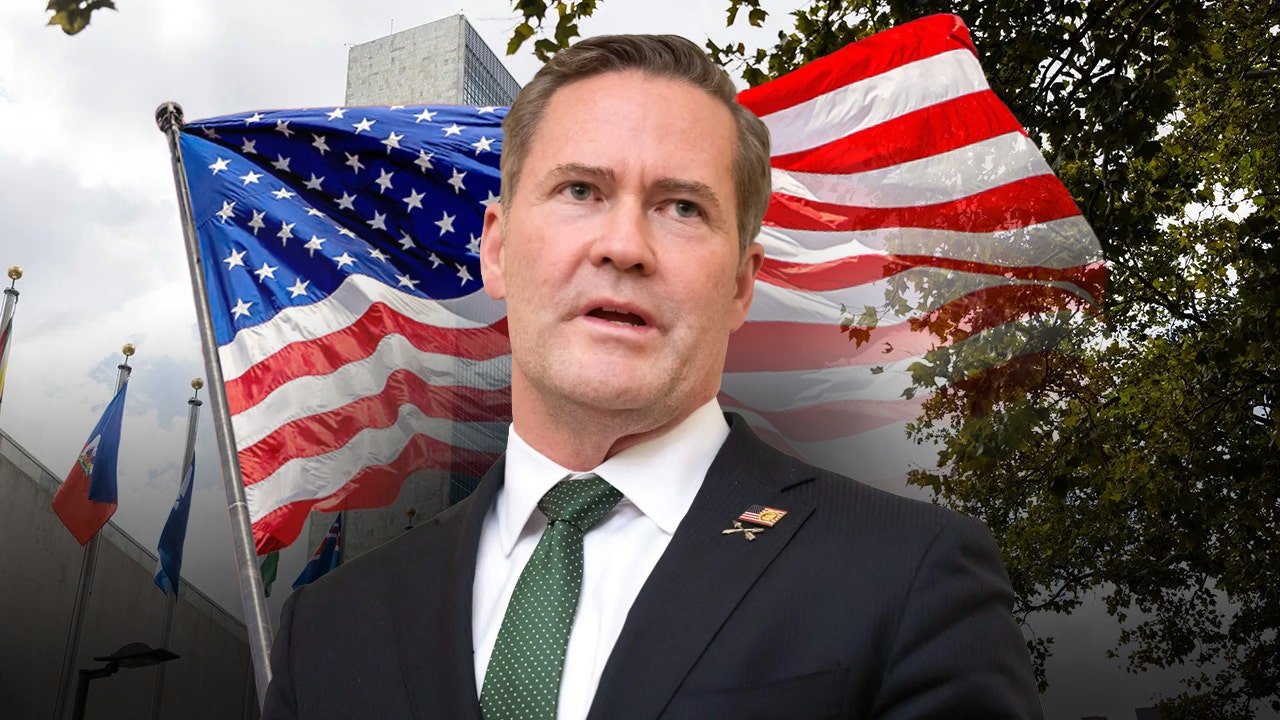
Ambassador Mike Waltz speaks at the U.S. Mission to the United Nations’ «Trade Over Aid» forum in New York, where Trump administration officials pitched private investment as a new engine of global development. July 14, 2026. (Donald Conahan/ U.S. mission to the U.N.)
Waltz said the new model is designed to «create jobs, to create business for American companies in line with America First,» while also raising living standards abroad and reducing instability that can fuel terrorism and poverty.
The administration moved to dismantle USAID in 2025, arguing the agency was inefficient and too often disconnected from U.S. foreign policy. Asked directly whether «Trade Over Aid» is replacing USAID, Waltz said USAID’s functions had been folded into the State Department as part of a broader efficiency effort, but insisted the initiative is about something larger than one agency.
«What we’re doing, this isn’t about USAID or what replaces it,» Waltz said. «That was an efficient effort to get our aid to serve our foreign policy, not the other way around. But what I think is more important is how do we help American businesses and how do (we) help create jobs around the world and reduce dependency.»
The stakes are immediate: with USAID reorganized under the State Department and aid budgets under pressure, the Trump administration is trying to show that it has a replacement model for how the U.S. helps poorer and fragile countries. The answer it is pitching is not more traditional aid, but more private capital, more trade, more deals for American companies and fewer open-ended taxpayer commitments.
EXCLUSIVE: SERBIAN PRESIDENT VUČIĆ SAYS SUPPORT FOR US ‘SURGED’ UNDER TRUMP, INVITES HIM TO VISIT BELGRADE
The forum brought together representatives from dozens of countries, U.N. agencies, international financial institutions and major private-sector players, including Microsoft, Google, JPMorgan, Goldman Sachs, Boeing, Walmart, Mastercard, Meta and others.
Czech Environment Minister Igor Cerveny, who attended the forum, said the idea resonated with his country’s own post-communist experience.
After communism, he said, the Czech Republic had to rebuild through work, business, industry and innovation rather than dependency.
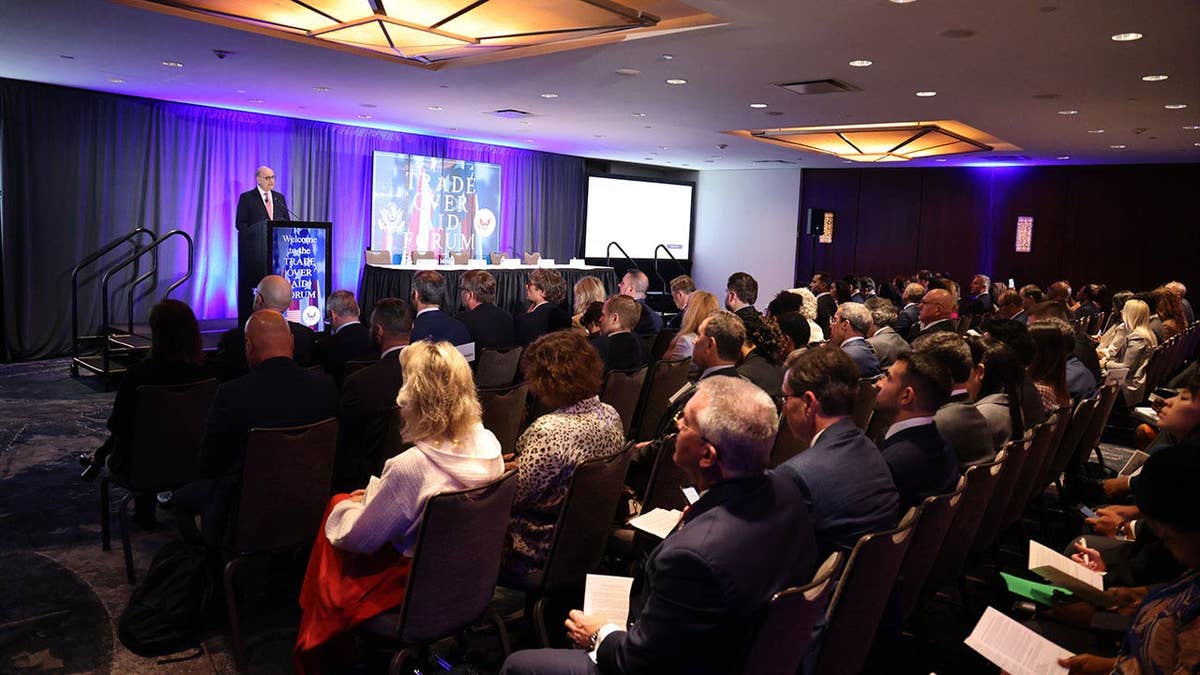
Ambassador Dan Negrea addresses the U.S. Mission to the United Nations’ «Trade Over Aid» forum in New York, July 13, 2026. (Donald Conahan/ U.S. mission to the U.N.)
«If you work on your economy, on your industry, on your society, on nature as well, probably two, three, five years later, (you will) be in a better position,» Cerveny told Fox News Digital. «You have your own money. You are not now the slave of (asking). You are now the master of your destiny.»
Cerveny said trade gives countries an «opportunity to cooperate» rather than forcing them to return again and again with the same request: «Please give me some money.»
Ambassador Dan Negrea, who is spearheading the initiative in the U.S. Mission, told Fox News Digital that shrinking aid budgets around the world make a new model necessary.
«We need to think differently about how we help developing countries in an environment in which, in the United States, we are indebted and we cannot continue to spend money on helping other countries the way we used to,» Negrea said. «Development aid is going down not only in the U.S., but in countries around the world.»
Negrea said the initiative has received less resistance from developing countries than from traditional donor nations.
«Interestingly, there is less pushback from countries receiving aid than from some donor countries that like to continue in this attitude of charity, being magnanimous to other countries,» he told Fox News Digital. «For years and years and for decades, many developing countries are saying that they want to end this status of recipient of charity and move to a much more dignified relationship of partners and development.»
But some leaders from developing countries also warn that trade cannot replace aid overnight, especially in emergency settings. The Democratic Republic of Congo’s Minister of State for Foreign Affairs, International Cooperation, and Francophonie, Thérèse Kayikwamba Wagner, told Fox News Digital that aid remains critical in crises such as the Ebola outbreak in eastern DRC.
«Aid sometimes can transform dramatically a situation,» she said. «This is not something you can change overnight with trade. But yes, over a long term, trade is the pathway to create greater growth, greater economic prosperity, and therefore also more equal relationships between countries.»
Kayikwamba Wagner added that the shift must be «adapted to circumstances» and not be «too abrupt.»
The initiative already has drawn 46 countries, and launched a digital library with 63 capacity-building offers from private companies, governments, NGOs, philanthropies, academic institutions and international organizations.
But when pressed on what those offers have produced so far, Negrea acknowledged the initiative is still in its early stages. The library was inaugurated last week, he said, and the goal now is to turn offers into concrete outcomes.
«We want to see more deliverables,» Negrea said. «We want to see actual transactions that were done. We want to see countries using the digital library to see usable capacity building offers coming from around the world. So we want to help without the cost to the U.S. taxpayers, but at the same time creating opportunities for American companies.»
The central challenge facing the effort is whether private capital will go where aid has traditionally been most needed: fragile countries with weak institutions, unreliable infrastructure, corruption, conflict or markets too risky for major investors.
WALTZ CALLS U.N. A ‘CESSPOOL FOR ANTISEMITISM’ AS TRUMP ADMINISTRATION PUSHES MAJOR REFORMS
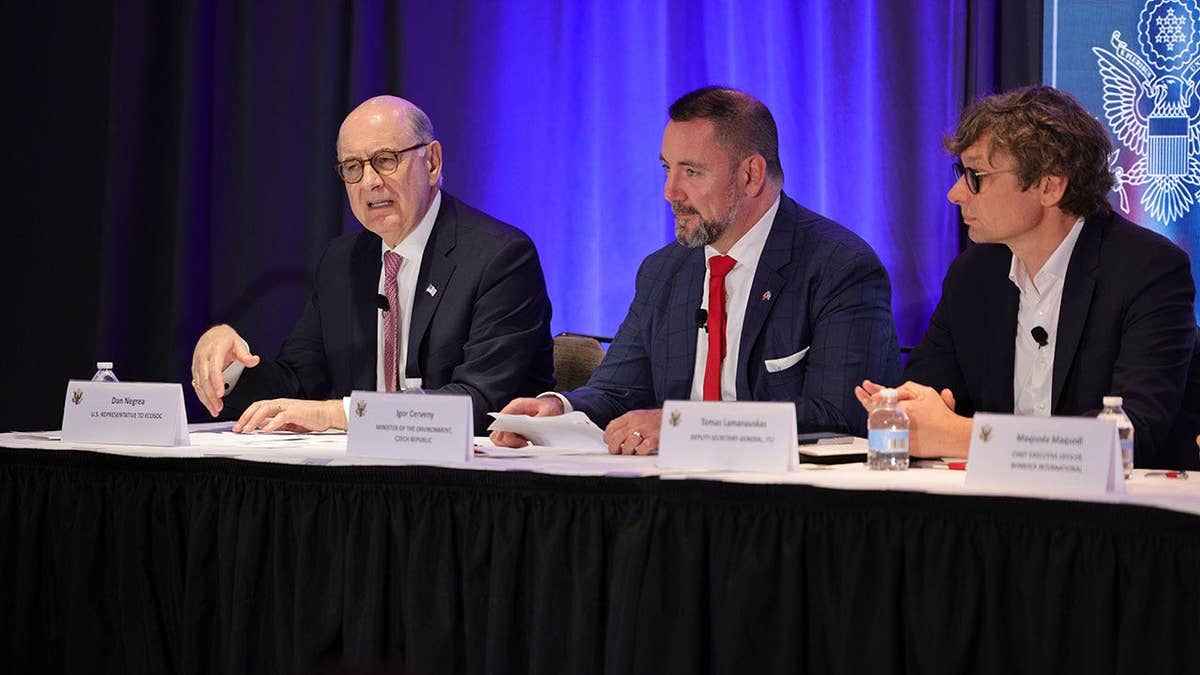
Ambassador Dan Negrea moderates a panel at the U.S. Mission to the United Nations’ «Trade Over Aid» forum in New York, joined by Czech Environment Minister Igor Cerveny and other participants. (Donald Conahan/ U.S. mission to the U.N.)
Waltz argued that is exactly where institutions such as the U.N. Development Program, the World Bank and the U.S. International Development Finance Corporation can play a role.
«When we talk to organizations like J.P. Morgan, Goldman Sachs and others, they’re saying, we want to invest hundreds of millions into these industries abroad, but they need better laws, they need better arbitration,» Waltz said. «We need to know that we can get our money out for our investors here in the United States.»
He said the U.S. International Development Finance Corporation (DFC) and U.S. contributions to the World Bank can provide «risk insurance and guarantees» for investments in riskier markets, including critical minerals projects needed by the U.S. technology sector.
«It is incredibly risky,» Waltz said. «Sometimes these capital providers like on Wall Street and in New York are only going to go to the safest place. Sometimes it makes sense, for example, as we’re looking for critical minerals for our tech industry, to go into risky places, but they need a little help.»
The strongest note of caution came not from critics outside the room, but from inside the forum itself.
Alexander De Croo, the former Belgian prime minister who now leads United Nations Development Programme (UNDP), said trade and aid should not be treated as enemies.
«Trade is a destination, but development is how we get to that destination,» De Croo said. «Markets do not build themselves. They have to be built.»
De Croo said investment flows when rules are predictable, institutions are trusted and workers have the skills to seize opportunity. He described UNDP’s role as helping countries build those foundations. «There is no country over the past decades that has successfully developed without a strong private sector and without trade being a big part of that,» he said.
Christopher Sharrock, Microsoft’s vice president for United Nations and international organizations, also warned that aid still has a role that markets cannot fully replace.
«Aid does do an essential job and it does a job that possibly nothing else can do,» Sharrock said, pointing to vaccination campaigns, famine response and natural disasters as areas where assistance remains critical.
CLICK HERE TO DOWNLOAD THE FOX NEWS APP
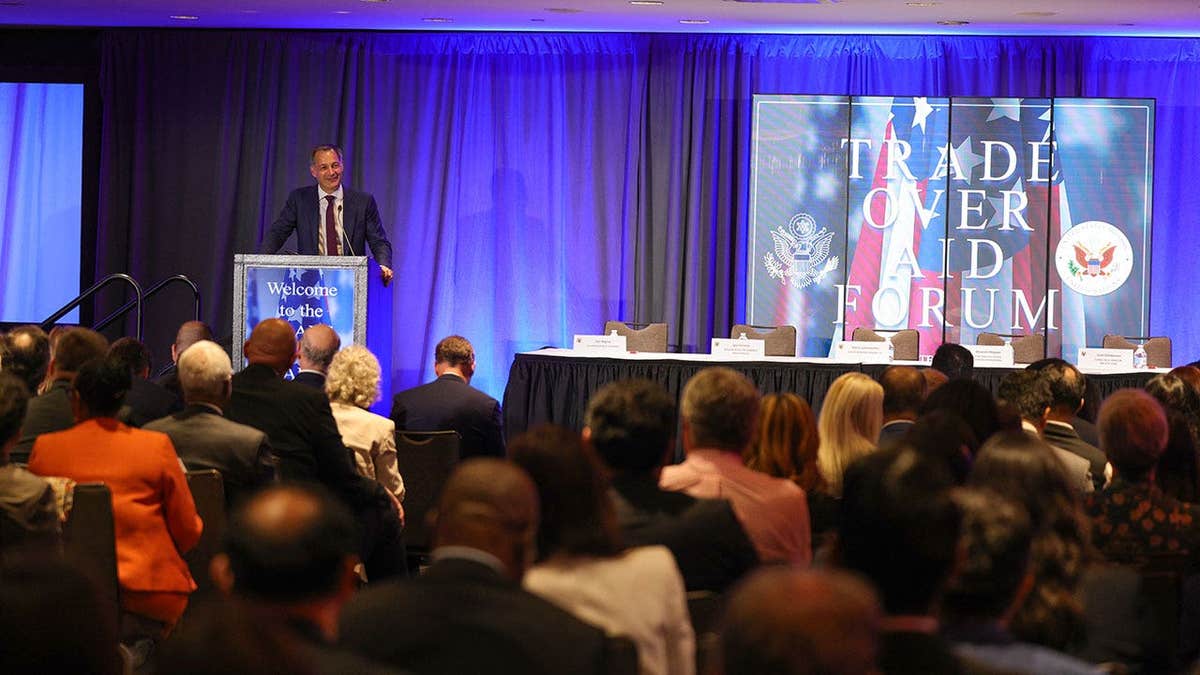
Alexander De Croo, UNDP administrator and former Belgian prime minister, speaks at the U.S. Mission to the United Nations’ «Trade Over Aid» forum in New York, July 13, 2026. (Donald Conahan/ U.S. mission to the U.N.)
For the Trump administration, «Trade Over Aid» is being pitched as a more disciplined, America First answer to development: fewer handouts, more deals, less dependency, more jobs for American companies and foreign partners alike.
But the test will be whether it can deliver not only in countries already ready for investment, but in the hardest places — the places where aid has long filled the gap because markets would not.
united nations, aid, trade, world

Un titular de la Selección lidera la lista para reforzar la defensa del Barcelona

Santilli gana poder y acumula nuevas áreas bajo su órbita: los otros movimientos subterráneos que decidió el Gobierno

Tim Walz becomes GOP punchline in sweeping new war on welfare fraud

La Argentina participa de una cumbre convocada por Estados Unidos sobre el “resurgimiento del terrorismo político”

Ya hubo piñas por el partido…pero no con los ingleses sino entre argentinos: la feroz batalla entre las barras de San Lorenzo y Huracán que recorre el mundo

Expulsaron del país a 5 ciudadanos chinos que ingresaron de manera ilegal

El álbum de las vacaciones soñadas de Darío Barassi con su familia: “Ibiza, nos vas enamorando”

“Hablame bien”: el tenso cruce de Lionel Messi con el árbitro en la victoria de Argentina ante Suiza en el Mundial

El petróleo sube más de 3% tras la reanudación de los ataques de EEUU contra Irán y la amenaza de cierre del estrecho de Ormuz

Cámara de Comercio panameña cierra filas y llama a fortalecer la Zona Libre de Colón

 CHIMENTOS3 días ago
El álbum de las vacaciones soñadas de Darío Barassi con su familia: “Ibiza, nos vas enamorando”
- ECONOMIA3 días ago
El petróleo sube más de 3% tras la reanudación de los ataques de EEUU contra Irán y la amenaza de cierre del estrecho de Ormuz
- INTERNACIONAL3 días ago
Cámara de Comercio panameña cierra filas y llama a fortalecer la Zona Libre de Colón