
INTERNACIONAL
Trump won’t rule out Kharg Island takeover: What a US assault could look like

NEWYou can now listen to Fox News articles!
Hundreds of U.S. Marines storm ashore as helicopters thunder overhead, Navy warships and fighter jets establish overwhelming air and sea superiority, and commanders issue one final warning to Iranian forces: surrender or be overrun.
That is how military experts envision the opening hours of a potential U.S. operation to seize Iran’s Kharg Island—the tiny but strategically vital island that handles roughly 90% of the Islamic Republic’s crude oil exports and has become the centerpiece of Washington’s economic pressure campaign against Tehran.
The scenario was thrust back into the spotlight Tuesday after President Donald Trump declined to rule out taking the island. «I can’t say that to you because if I did, it would be foolish,» Trump told Fox News chief foreign correspondent Trey Yingst during an exclusive interview on ‘Special Report’ when asked directly whether he planned to seize Kharg island. He added that previous U.S. strikes intentionally avoided the island’s oil facilities because they are «a chunk of the world economy.»
TRUMP HAS 3 CHOICES TO DEFINE VICTORY IF HE WANTS TO BEAT IRAN. NONE OF THEM ARE EASY
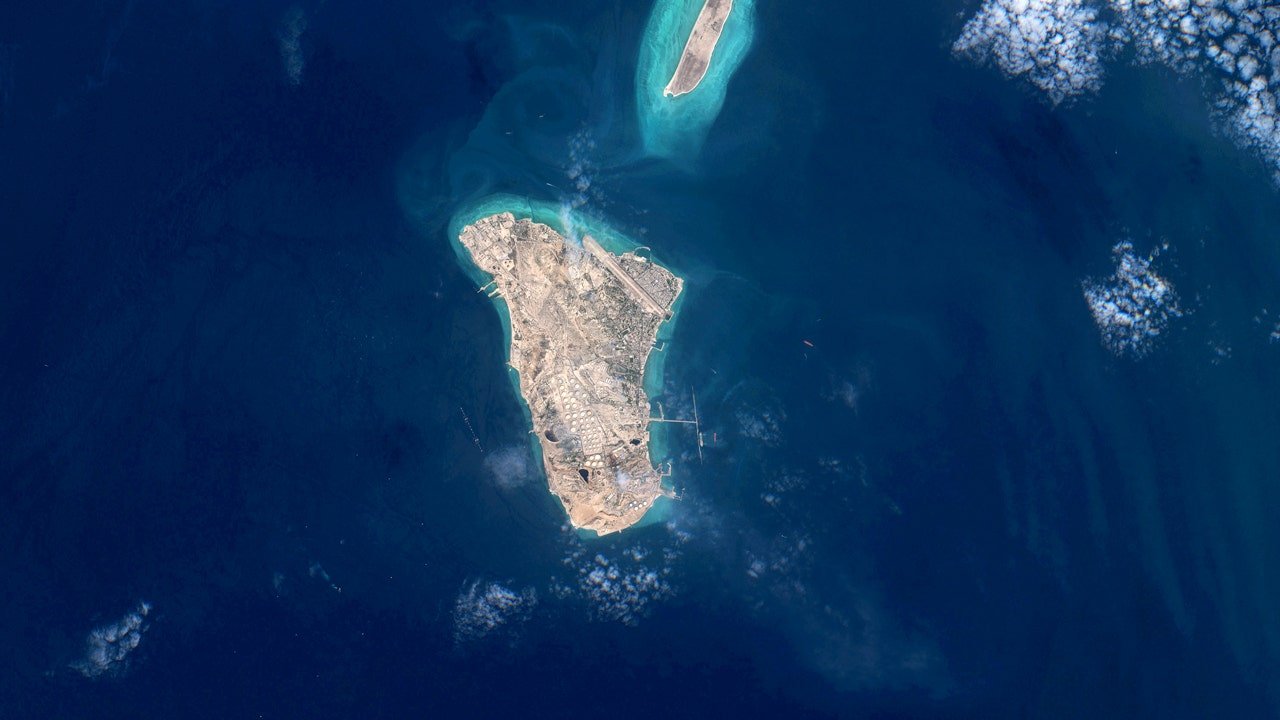
Satellite view of Kharg Island, located in the Persian Gulf off the coast of Iran. (Gallo Images/Orbital Horizon/Copernicus Sentinel Data 2024)
«There are a lot of ways to skin this cat,» Vice Adm. (Ret.) Robert Harward, former deputy commander of U.S. Central Command, told Fox News Digital in an interview.
Harward explained a Marine Expeditionary Unit could conduct an amphibious assault while U.S. naval and air forces establish complete control over the battlespace, giving Iranian defenders an opportunity to surrender before major fighting begins. The goal, he said, would not simply be to capture the island but to preserve the oil infrastructure that could one day serve a post-Islamic Republic government.
«The real objective at the end of the day is to minimize risk,» said Harward. «Not only to your own forces, but to the people you’re coming in contact with,» while also limiting damage to facilities that could eventually be handed over to «a government of Iran that is focused on supporting its people, as opposed to proliferating the Islamic Revolution.»
Trump’s remarks echoed Harward’s assessment that preserving Kharg’s oil facilities would likely be a key military objective. Trump said he had instructed U.S. forces during previous strikes to «hit everything, but the oil,» explaining that damaging the export terminal could have significant consequences for the global economy.
HOW IRAN ATTACKS ARE FORCING THE PENTAGON TO RETHINK ITS DECADES-OLD MIDDLE EAST BASE STRATEGY
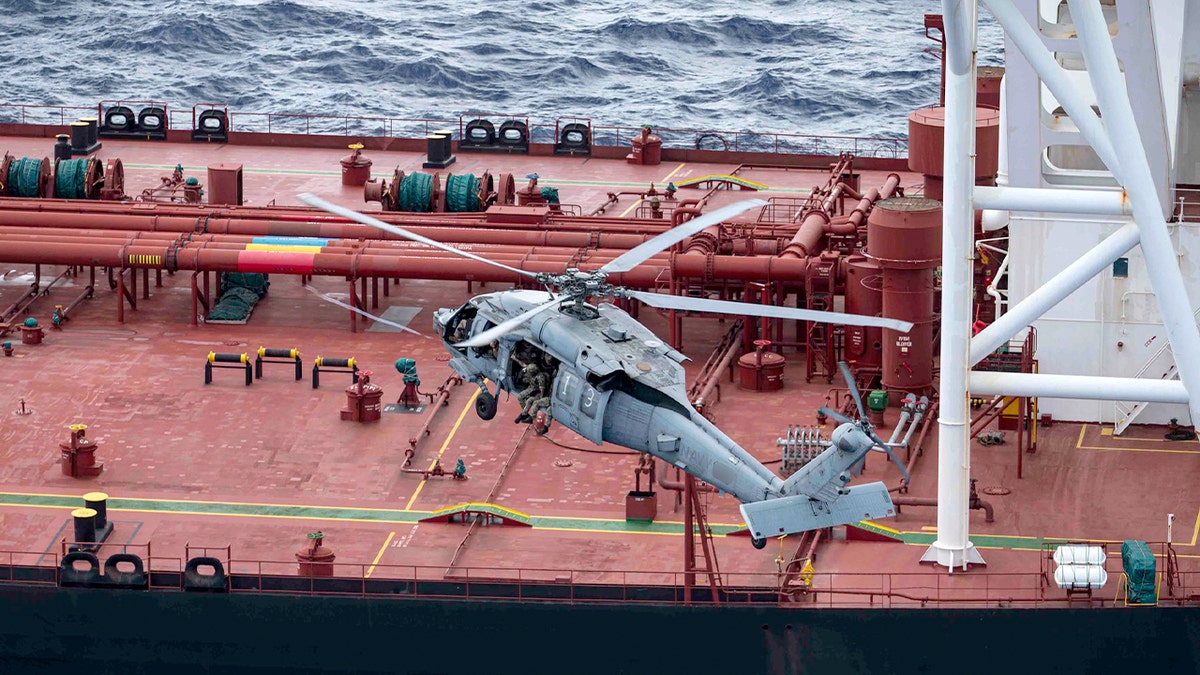
U.S. forces conduct a right-of-visit, maritime interdiction and boarding of the Veronica III without incident in the INDOPACOM area of responsibility after the vessel allegedly tried to defy President Trump’s quarantine, Feb. 15, 2026. (X/@DeptofWar)
But military experts say capturing Kharg may be the easiest part of the mission.
Located just 16 miles off Iran’s Gulf coast, the eight-square-mile island sits well within range of Iranian missiles, drones and shore-based anti-ship weapons. While analysts believe U.S. forces could likely seize the island within hours, holding it against sustained retaliation from the nearby mainland could require a far larger and longer military commitment—raising the risk of direct war with Iran itself.
Kharg’s strategic importance predates Iran’s modern oil industry. British forces briefly occupied the island during confrontations with Persia over Herat in 1838 and again during the Anglo-Persian War in 1856, using its location near the Iranian coast to apply pressure on Tehran. Nearly a century later, Iran selected Kharg as a deep-water oil terminal because its sheltered waters could accommodate large tankers. Construction began in the late 1950s, and the terminal entered service in 1960, transforming the island into the principal outlet for Iranian crude.
«Everybody talks about seizing Kharg,» Nicholas Carl, assistant director of the Critical Threats Project at the American Enterprise Institute, told Fox News Digital. «Iran has spent decades investing in denial capabilities designed specifically to keep U.S. forces away from its shores.» Those capabilities include anti-ship cruise missiles, drones, naval mines and hundreds of fast attack craft designed to overwhelm superior naval forces.
IRAN’S BIGGEST WEAPON AGAINST THE US MAY BE SLIPPING AWAY, EXPERTS SAY
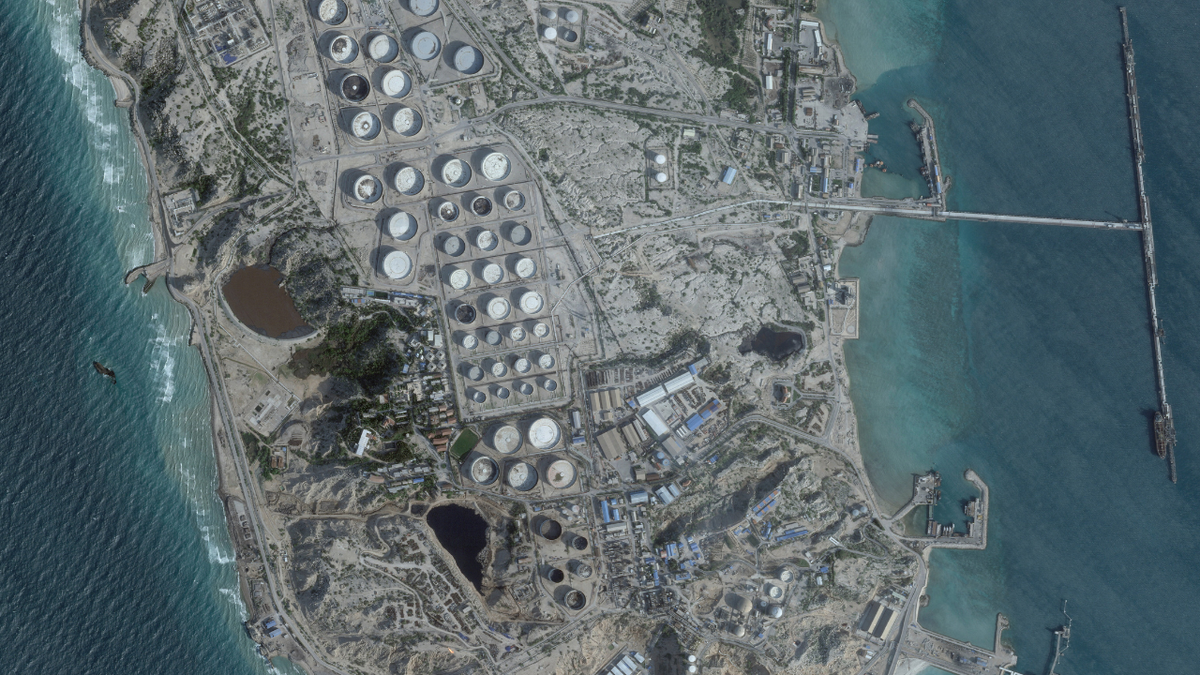
A satellite image shows an oil terminal at Kharg Island, Iran, February 25, 2026. (2026 Planet Labs PBC/Handout via Reuters)
Military planners have long viewed Iran’s anti-access strategy as one of the most sophisticated in the Middle East. Rather than matching the U.S. Navy ship for ship, Tehran has invested heavily in asymmetric weapons intended to make any amphibious assault costly.
Harward, a former member of the National Security Council and current member of the Jewish Institute for National Security of America’s Iran Policy Project, acknowledged that once American forces were on Kharg, the primary danger would shift from conventional naval combat to missile and drone attacks launched from the nearby mainland.
«Iran doesn’t really have air power,» Harward said. «The concern is whether they launch missiles and drones at the island with U.S. forces on the ground. That’s the biggest risk.»
Harward said the viability of the operation would ultimately depend on intelligence about the number and disposition of Iranian forces, whether they had prepared booby traps or improvised explosive devices, and how Tehran might respond once American troops were ashore.
Still, he argued, such retaliation would come at a price for Tehran.
«If they start striking Kharg itself, they become accountable for damaging their own economic lifeline,» he said.
The challenge illustrates the distinction between tactical success and strategic success. Seizing an eight-square-mile island is one military problem. Defending it against sustained attacks only a short distance from Iranian territory is another.
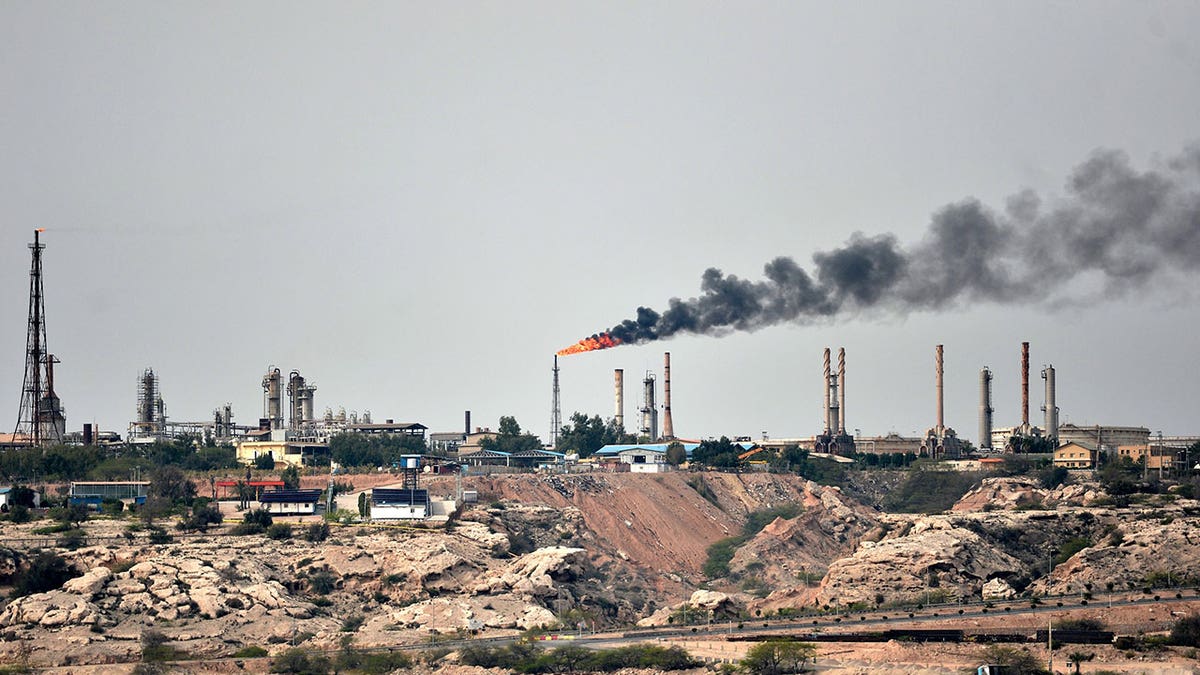
A general view of the Port of Kharg Island Oil Terminal, 25 km from the Iranian coast in the Persian Gulf and 483 km northwest of the Strait of Hormuz, in Iran on March 12, 2017. (Fatemeh Bahrami/Anadolu Agency/Getty Images)
Harward suggested Washington still has several options short of launching an amphibious assault.
With the U.S.-led blockade, reinforced Tuesday, already constraining Iran’s oil exports, he argued that additional economic pressure could target overland transportation routes, border crossings and air traffic instead of committing ground troops.
«There is still a lot you could do to enhance the economic challenges to Iran,» Harward said. «Synchronizing military, economic and political pressure is really the strategy.»
Some strategists have also questioned whether Kharg is the most valuable military objective.
Mark Fox, a retired Vice Admiral and a former commander of the 5th Fleet, previously told Fox News Digital that Kharg is fundamentally an oil terminal rather than a military fortress. Instead, he argued, smaller islands such as Greater Tunb, Lesser Tunb and Abu Musa—disputed islands near the Strait of Hormuz—could present more manageable military objectives while creating a significant strategic dilemma for Tehran because of their location along one of the world’s most important shipping lanes.
For Harward, however, the larger question extends beyond any single island.
CLICK HERE TO DOWNLOAD THE FOX NEWS APP
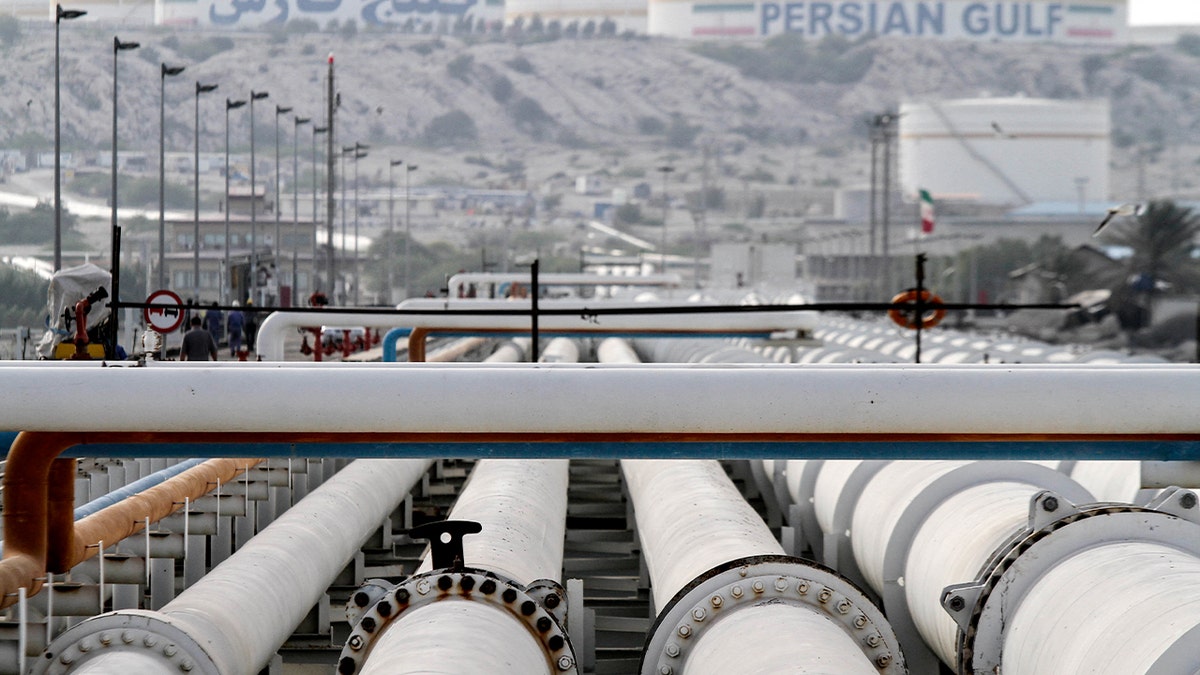
Export oil pipelines are seen at an oil facility on Kharg Island, on the shore of the Gulf, Feb. 23, 2016. (Str/AFP Via Getty Images)
«I think the only real end state to ensure long-term stability and security in the region is a government of Iran that renounces the Islamic Revolution and focuses on the Iranian people,» he said. That would require ending Tehran’s nuclear ambitions, halting support for proxy groups, protecting freedom of navigation through the Strait of Hormuz and ending the regime’s domestic repression.
Whether Washington ever decides to seize Kharg, military planners agree on one point: Capturing Iran’s economic lifeline would likely be measured in hours, but successfully holding it—and managing the regional escalation that could follow — would be a far longer and more complex campaign.
war with iran, military, us air force, us navy








INTERNACIONAL
¡Histórico! Kevin Mejía conquista el oro y hace vibrar a Honduras en Santo Domingo 2026
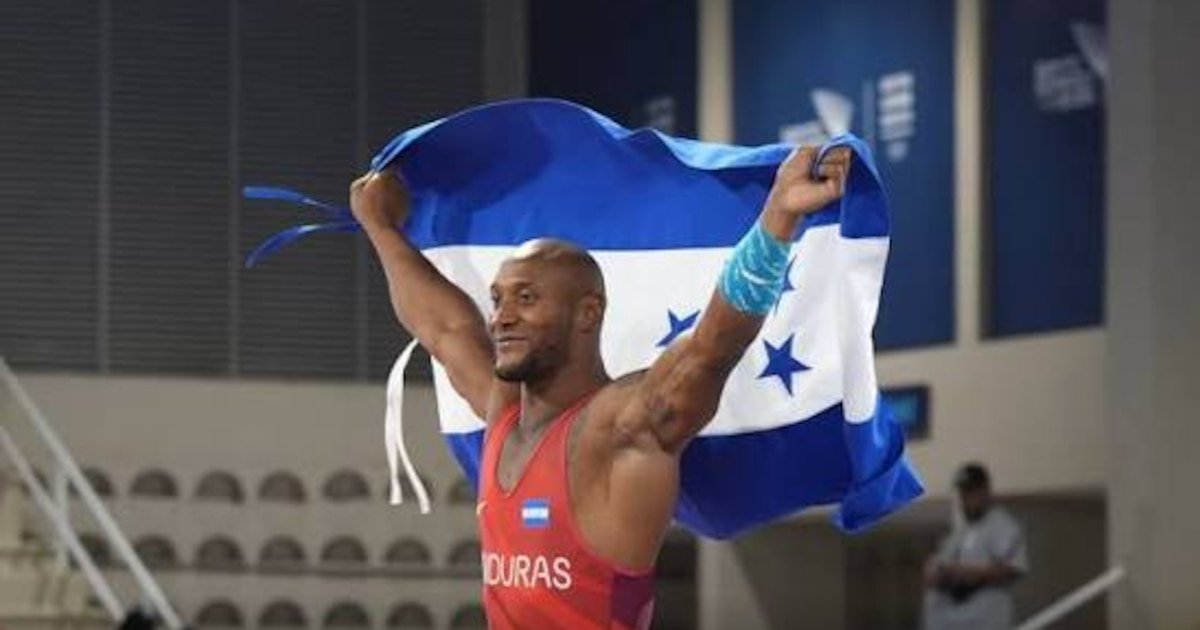
Kevin Mejía ganó la medalla de oro en lucha grecorromana, en la división de 97 kilogramos, y le dio a Honduras su primer oro en los Juegos Centroamericanos y del Caribe Santo Domingo 2026.
El luchador hondureño firmó un torneo sólido desde sus primeros combates. En el camino hacia la final superó al mexicano Dorian Trejo y al cubano Gabriel Rosillo, dos de los favoritos de la competencia.
La conquista tiene un valor especial para el deporte hondureño, ya que convierte a Kevin Mejía en el primer atleta del país en alcanzar una medalla de oro en lucha grecorromana en este evento regional. Además, representa el primer oro para Honduras en la presente edición de los Juegos.
Nacido el 5 de mayo de 1995 en Tela, departamento de Atlántida, Kevin Mejía ha construido una de las carreras más exitosas del deporte hondureño. Segundo de cinco hermanos, encontró en la lucha grecorromana el camino para convertirse en uno de los atletas más destacados del país.
Su desarrollo deportivo dio un salto en 2011, cuando ingresó al Centro de Alto Rendimiento del Comité Olímpico Hondureño. Ese mismo año comenzó a mostrar su potencial al conquistar una medalla de bronce en el Campeonato Mundial Juvenil de Lucha, disputado en Hungría.
Desde entonces, su crecimiento ha sido constante. En 2015 logró una medalla de plata en los Juegos Panamericanos, con lo que se convirtió en el primer hondureño en obtener una presea individual de ese color en la competencia. Además, fue el único medallista nacional en aquella edición.
Su trayectoria continuó con la incorporación al club alemán SC-Oberlsbach en 2016, experiencia que le permitió competir al más alto nivel internacional y seguir acumulando resultados.

Entre sus mayores conquistas figuran la plata en 2018 en los Juegos Centroamericanos y del Caribe, el bronce en los Juegos Panamericanos de Lima 2019 y otro tercer lugar en el Gran Premio de Francia en 2020.
Uno de los momentos más importantes de su carrera llegó en 2021, cuando se proclamó campeón del Campeonato Panamericano de Lucha y se convirtió en el primer hondureño en alcanzar ese título continental.
En 2023 volvió a confirmar su protagonismo al conquistar el oro en los Juegos Deportivos Centroamericanos y sumar dos medallas de bronce en los Juegos Centroamericanos y del Caribe. Ese mismo año también obtuvo otra medalla de bronce en los Juegos Panamericanos y volvió a ser el único representante hondureño que logró subir al podio.
Kevin Mejía también marcó un precedente para Honduras rumbo a los Juegos Olímpicos de París 2024. Su clasificación directa mediante el Torneo Clasificatorio Olímpico Panamericano lo convirtió en el primer luchador hondureño en conseguir el boleto olímpico por mérito deportivo, sin depender de una plaza de reasignación.

Durante la ceremonia inaugural fue designado coabanderado de la delegación nacional, un reconocimiento reservado para los atletas más destacados del país. Aunque su participación olímpica terminó en la primera ronda frente al uzbeko Rustam Assakalov, su clasificación ya representaba un logro para el deporte hondureño.
A sus 31 años, Kevin Mejía continúa ampliando un palmarés que lo ubica entre los deportistas más exitosos que ha tenido Honduras. Su disciplina, constancia y capacidad para competir frente a las principales potencias de la lucha grecorromana lo han convertido en un referente para las nuevas generaciones.
Con la medalla de oro obtenida en Santo Domingo 2026, el atleta volvió a colocar el nombre de Honduras en la élite del deporte regional.
Corresponsal:Desde Tegucigalpa, Honduras
INTERNACIONAL
Ceuta migrant surge exposes Spain-Morocco tensions as Islamist groups reportedly seek to exploit border crisis
NEWYou can now listen to Fox News articles!
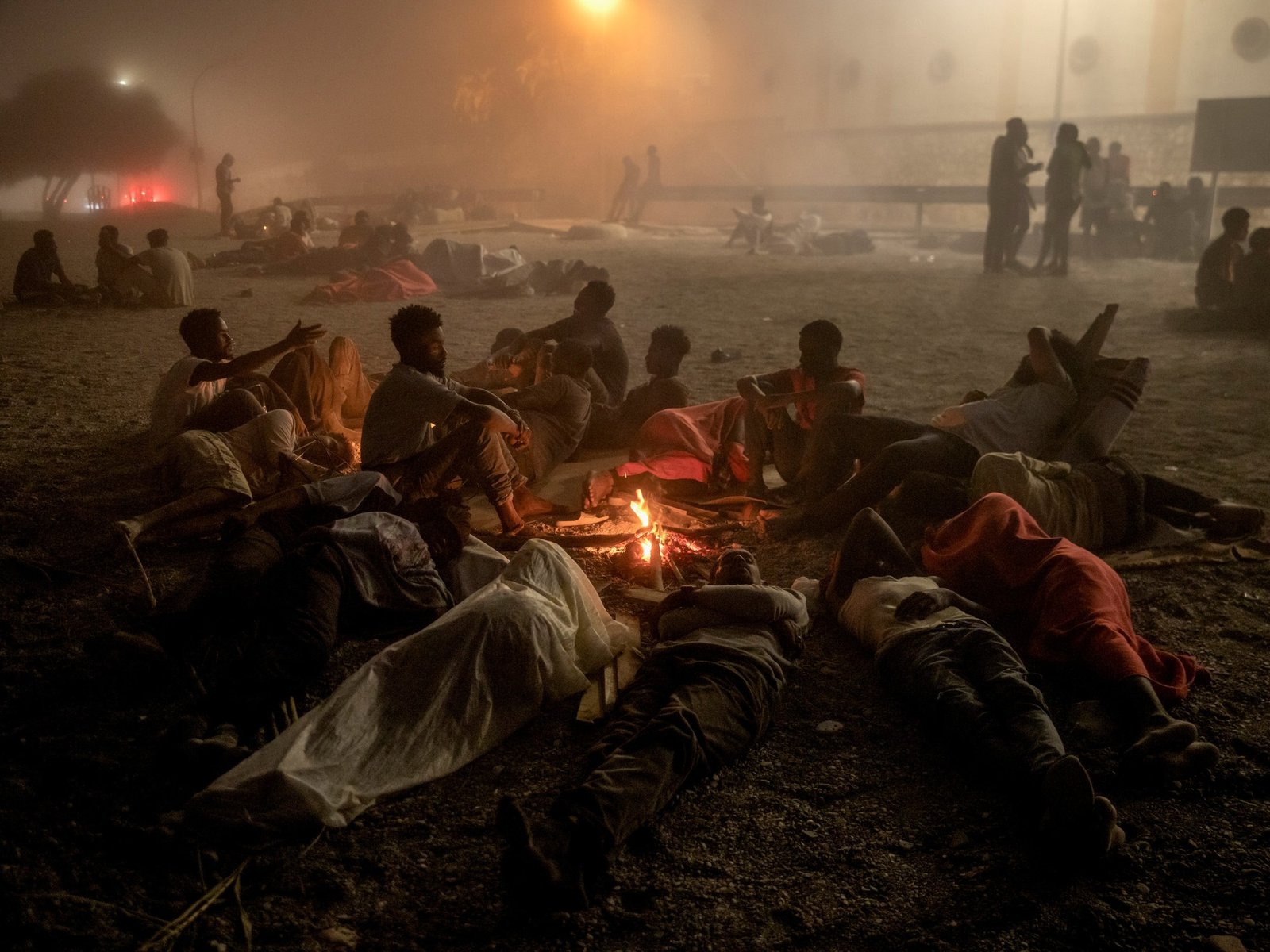
Thousands of migrants remained stranded in Spain’s North African city of Ceuta on Tuesday as the European Union offered emergency assistance to reinforce the enclave’s border and Spanish authorities investigated whether criminals or suspected jihadists used last week’s chaotic mass crossing to enter European territory.
Approximately 72,000 people entered Ceuta from Morocco, and about 70,000 have since returned, Spanish officials said Tuesday, leaving roughly 2,000 people in the small territory. Reception facilities remained overwhelmed as authorities struggled to shelter hundreds of migrant minors and determine the status of those who remained.
Local authorities were processing 862 migrant minors, who receive special protections under Spanish law and cannot be summarily returned. The Associated Press reported that children were begging for food or sleeping outside after the youth shelter became overwhelmed.
SPAIN DEPLOYS MILITARY AFTER THOUSANDS OF MIGRANTS OVERWHELM BORDER ENCLAVE, AT LEAST 18 DEAD
Migrants who crossed into Spain return to Morocco from the Spanish enclave of Ceuta, Saturday, Aug. 1, 2026. (AP Photo/Bernat Armangue)
The EU offered Spain assistance, including emergency financial support, to strengthen protection of its external border in Ceuta, European Commissioner for Internal Affairs and Migration Magnus Brunner said Tuesday following an emergency meeting of the bloc’s ministers in Brussels.
Brunner said the unprecedented crossing was fueled by criminal smuggling networks and disinformation spread through social media, as Spanish authorities were examining whether known criminals or suspected jihadists exploited the scale and disorder of the crossing to enter Ceuta undetected.
Spain’s National Police and Guardia Civil were reviewing video of the crossings and checking people who remained in the territory against criminal and counterterrorism databases, according to El Confidencial, which cited Spanish Interior Ministry sources.

Map depicting Spain, Morocco, and Spain’s Cueta, which borders Morocco. (2026 EarthStar Geographics, OpenMapTiles, OpenStreetMap contributors)
The Spanish outlet reported that authorities were searching for known criminals and possible jihadists who may have entered among the tens of thousands who crossed. Interior Ministry sources acknowledged that the sheer scale of the surge created a genuine infiltration risk, according to the report.
El Confidencial said the concern was heightened by Ceuta’s proximity to Fnideq, also known as Castillejos, a Moroccan border town that has figured in previous jihadist recruitment investigations. Authorities have previously dismantled extremist cells operating across the Ceuta-Fnideq border area, while hundreds of people from northern Morocco traveled to join ISIS and other terrorist groups in Syria and Iraq during the mid-2010s, the outlet reported.
TRUMP BLASTS SPAIN MIGRANT SURGE AS ‘CATASTROPHE,’ WARNS US COULD FACE WORSE IF DEMOCRATS REGAIN POWER

Escorted by the Spanish army, migrants who crossed into Spain return to Morocco from the Spanish enclave of Ceuta on Saturday, Aug. 1, 2026. (AP Photo/Antonio Sempere)
The crisis is also creating an opening for Islamist movements seeking to weaken confidence in Morocco’s government, according to Zineb Riboua, a research fellow at the Hudson Institute.
Riboua said in an article that Moroccan Islamists have spent years portraying the monarchy as overly secular and pro-Western, attacking its relationships with the United States and Israel and encouraging the belief that young Moroccans have little future at home.
At the same time, she wrote, Islamist voices have promoted an idealized image of Europe as a place where prosperity and legal status can be easily obtained.
Riboua said the Ceuta crisis allows those movements to transform public frustration over migration, unemployment and economic conditions into a broader political attack on the Moroccan state ahead of the national elections in September.
Evidence has separately emerged that the mass crossing was preceded by an extensive online mobilization campaign.
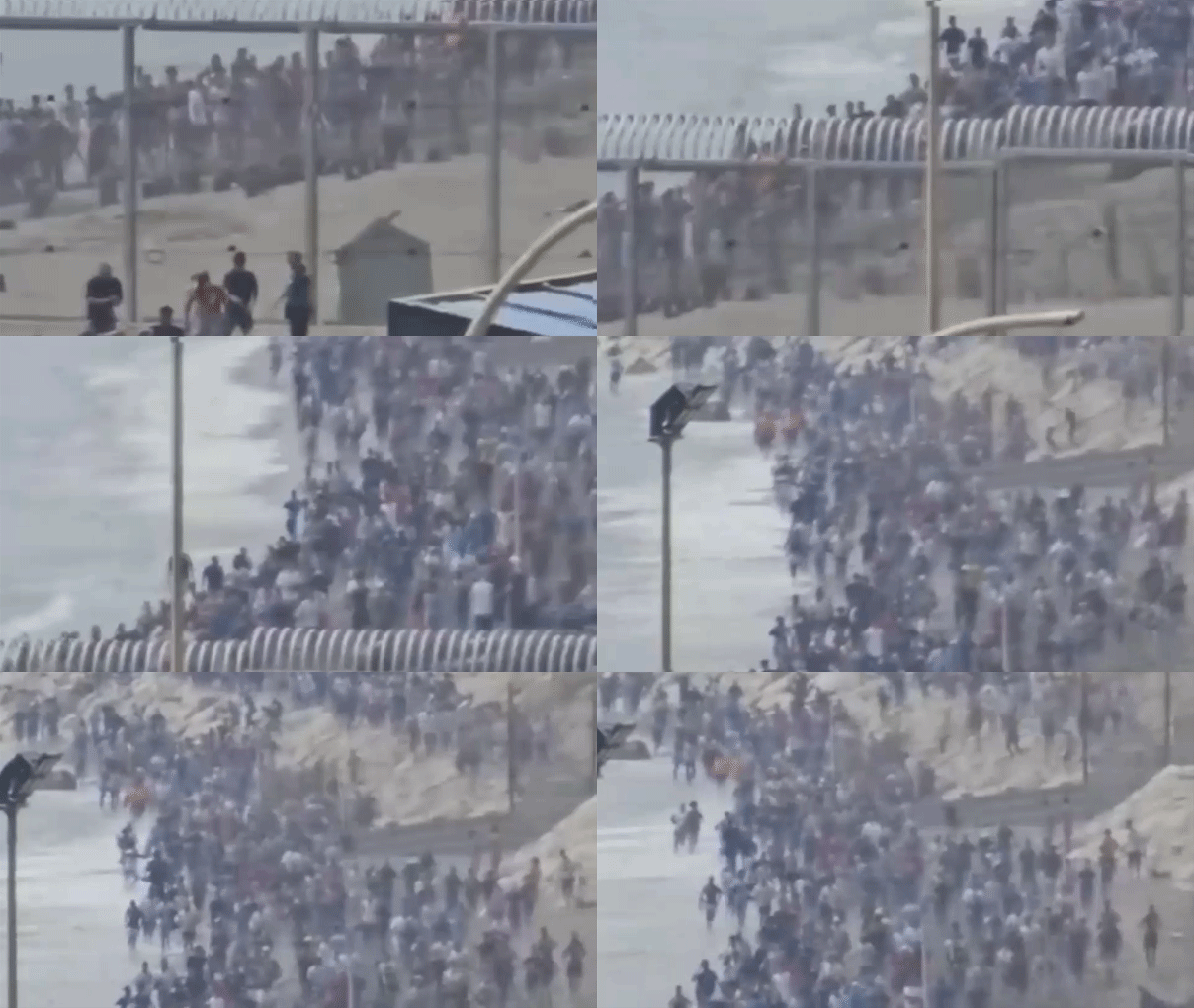
Migrants inundating Spain’s Ceuta. (FARO DE CEUTA via AP)
An open-source intelligence report prepared by Golden Owl Intelligence traced weeks of activity across TikTok, Facebook, Instagram and WhatsApp, including misleading interpretations of Spanish immigration law and practical information about routes, meeting points and recommended crossing times.
The report estimated that the content generated more than 11 million potential impressions through posts, videos, comments and interactions. It also identified messaging groups administered through telephone numbers carrying Algerian international codes.
The campaign accelerated after Spain’s Supreme Court issued a July 8 ruling concerning the immediate return of migrants intercepted at sea near Ceuta and Melilla, according to the report. Simplified and misleading interpretations of the decision, combined with confusion surrounding Spain’s policy to regularize hundreds of thousands of undocumented migrants, were presented online as evidence that people who reached Spanish territory would be allowed to remain and eventually obtain legal status.
The investigation documented the later circulation of maps, swimming routes, transportation information and suggested departure points as tens of thousands of people began moving toward the border.
MIGRANT CRISIS PUSHES ITALY TO RESTORE BORDER CHECKS WITH SPAIN, TESTING EUROPE’S OPEN-BORDER SYSTEM
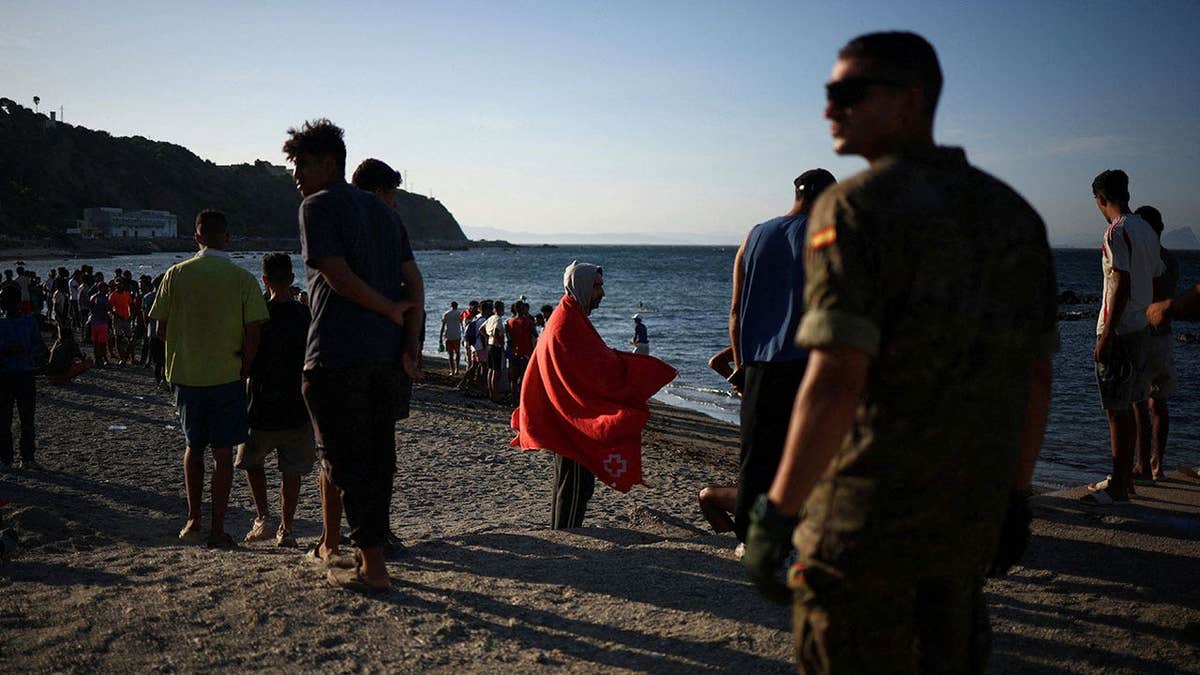
Migrants wait outside Ceuta’s temporary migrant center (CETI), which is currently at full capacity, following mass crossings of migrants on foot and by sea from Morocco into Spanish territory, in Ceuta, Spain, August 3, 2026. (Pedro Nunes/Reuters)
Morocco’s Interior Ministry spokesman Rachid El Khalfi said at a news conference Sunday that the surge resulted from several overlapping factors, including the exploitation of digital platforms, misleading information, human-trafficking networks and inaccurate interpretations of legal and administrative developments.
Khalfi said the messaging created the false impression that the border was open and that people could reach European territory without legal consequences. He said Moroccan prosecutors had opened investigations to identify those responsible and determine the appropriate legal consequences.
Reuters and the Associated Press have independently documented cases in which online claims influenced people to travel toward Ceuta. Reuters interviewed a Moroccan teenager who said Instagram videos inspired him and his cousin to make the journey, while a Moroccan human-rights activist told the AP that social-media posts initially claimed the border was open and later promoted a misleading interpretation of the Supreme Court ruling.
The crisis has also placed Spain’s intelligence services and its relationship with Morocco under scrutiny.
El País and Cadena SER reported, citing officials familiar with Spain’s intelligence assessment, that Morocco did not plan the mass crossing but allowed it to unfold after border controls were gradually relaxed.
Spanish Interior Minister Fernando Grande-Marlaska said Spain’s foreign intelligence agency had not warned him of an imminent surge of that magnitude.
WHITE HOUSE BLASTS SPANISH GOVERNMENT AS THOUSANDS OF MIGRANTS SURGE FROM MOROCCO, EMERGENCY REQUEST DENIED
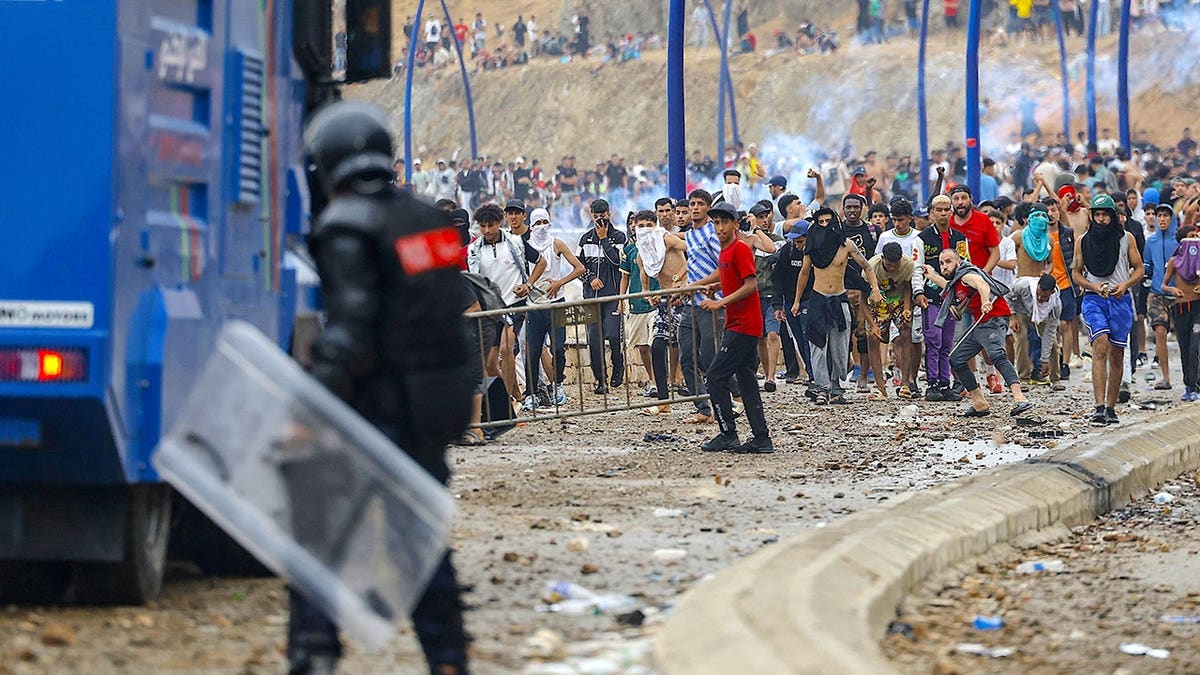
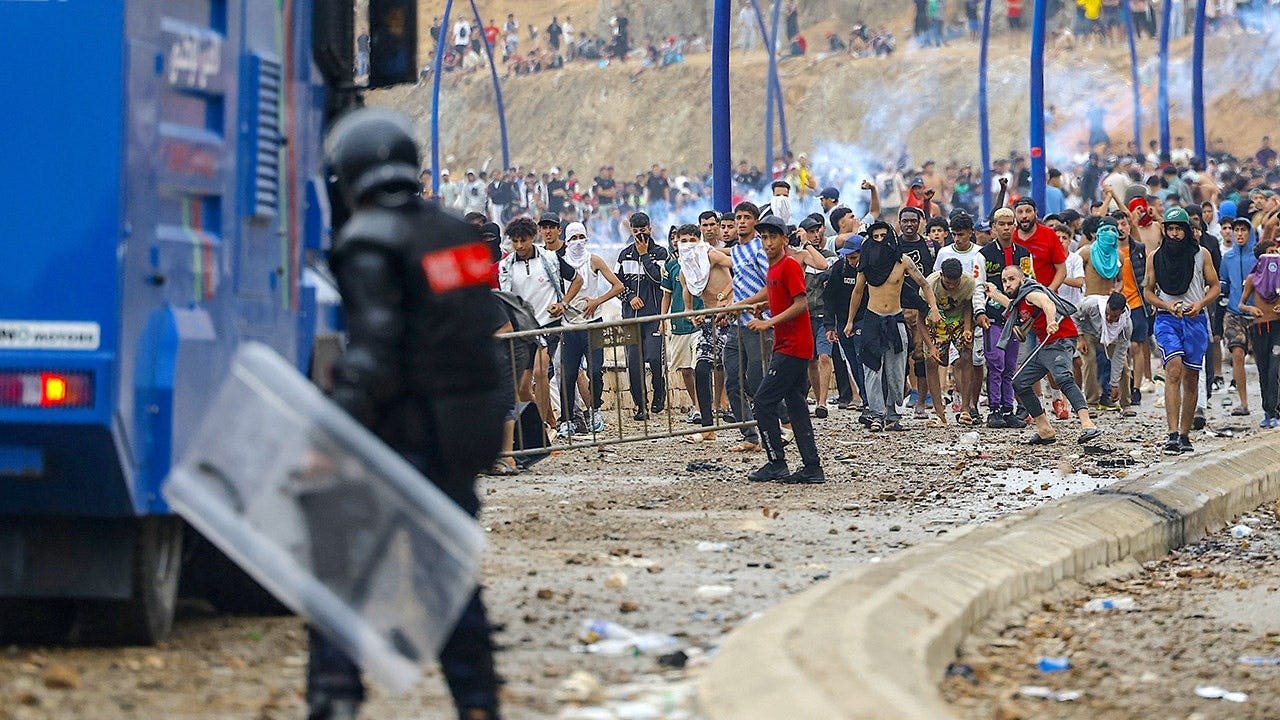
Moroccan security forces clash with migrants attempting to cross into Spain’s North African enclave of Ceuta near the town of Fnideq, on the Morocco-Spain border, on July 31, 2026. (Abdel Majid Bziouat / AFP via Getty Images)
Morocco has denied deliberately orchestrating the crossing. Interior Ministry spokesman Rachid Khalfi blamed the surge on online misinformation, human-trafficking networks and distorted interpretations of Spanish legal and administrative developments, according to The Jerusalem Post. The ministry said Morocco remained committed to international cooperation against irregular migration and human trafficking.
Spanish Foreign Minister José Manuel Albares defended Rabat’s response, saying Moroccan authorities quickly provided police support and helped facilitate the return of most of those who crossed.
Juan Jesus Vivas Lara, president of the autonomous city of Ceuta, offered a sharply different assessment, telling El País that many Ceuta residents believed Morocco had allowed, if not orchestrated, the surge.
«Morocco has shown us that it isn’t reliable,» Vivas said. «There’s no alternative but to put in place whatever means are necessary to ensure it cannot do this again.»
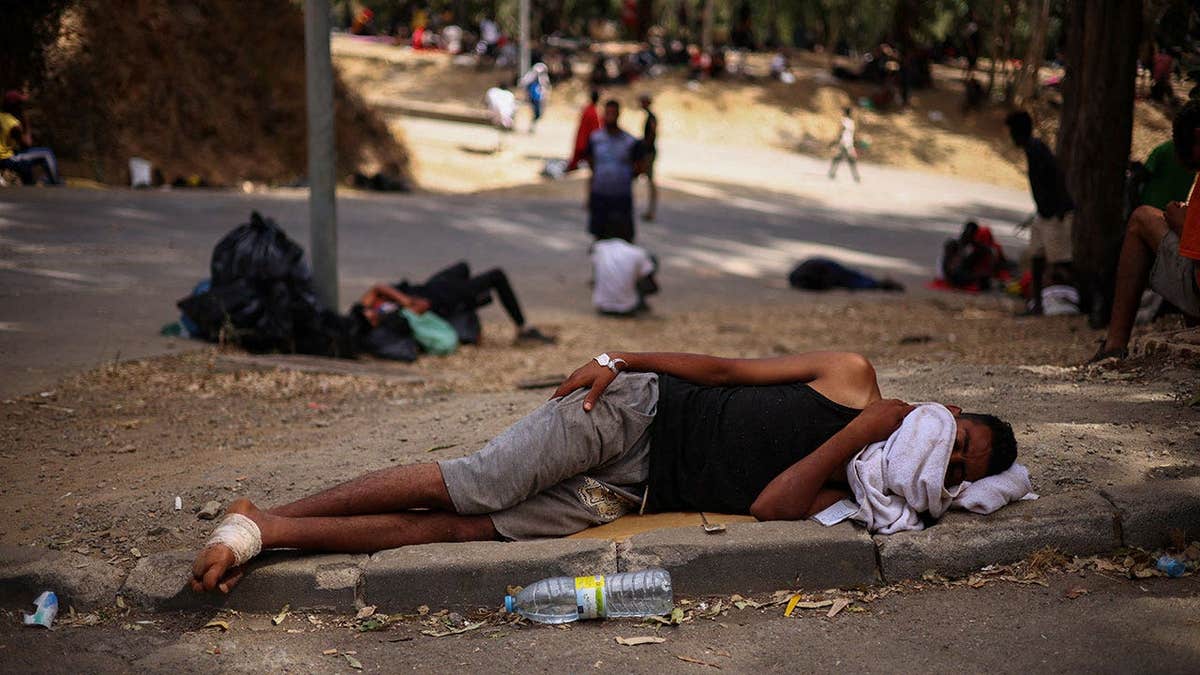
Migrants wait outside Ceuta’s temporary migrant center (CETI), which is currently at full capacity, following mass crossings of migrants on foot and by sea from Morocco into Spanish territory, in Ceuta, Spain, August 3, 2026. (Pedro Nunes/Reuters)
Fox News Digital reached out to the Moroccan government for comment but did not receive a response by the time of publication.
Reuters and the Associated Press contributed to this report.
spain, illegal immigrants, europe, world
INTERNACIONAL
La extrema derecha europea, antes marginal, ahora marca la pauta en la crisis migratoria española


Fentanilo contaminado: la causa avanza y la Justicia fue por documentación al Ministerio de Salud

¡Histórico! Kevin Mejía conquista el oro y hace vibrar a Honduras en Santo Domingo 2026

Javier Milei: “No tengo contacto con Tapia, hay cosas en el manejo de la AFA que no me gustaron”

Declaró la presunta víctima de Facundo Moyano: dijo que no fue golpeada ni encerrada

Wanda Nara resumió su agitado viaje por Europa: postales familiares, moda y un mensaje de resiliencia

Miguel Angel Broda: “La economía estaría mejor con un dólar más alto, pero la obsesión por bajar la inflación no lo permite”

“Vamos a acelerar con todo”: el objetivo del Gobierno por las reformas y la agenda electoral de cara al 2027

Reelecciones indefinidas: el oficialismo bonaerense niega que busque ampliar la Legislatura como parte de una reforma política para beneficiar a los intendentes

Javier Milei cruzó a Victoria Villarruel y elevó la tensión: “Es una opositora, replica los argumentos kirchneristas”

¡Chau Luck Ra! La salida de soltera de La Joaqui, muy bien acompañada, a días de su separación
-
 POLITICA2 días ago
“Vamos a acelerar con todo”: el objetivo del Gobierno por las reformas y la agenda electoral de cara al 2027
-
 POLITICA2 días ago
Reelecciones indefinidas: el oficialismo bonaerense niega que busque ampliar la Legislatura como parte de una reforma política para beneficiar a los intendentes
-
 POLITICA17 horas ago
Javier Milei cruzó a Victoria Villarruel y elevó la tensión: “Es una opositora, replica los argumentos kirchneristas”