
INTERNACIONAL
Crowded Russian beach descends into chaos after alleged Ukrainian drone incident kills 7, including 4 children


NEWYou can now listen to Fox News articles!
Vacationers were sent scrambling for safety Monday after a projectile struck a crowded beach in a Russian Black Sea resort town, killing seven people, including four children, and injuring dozens more, officials said.
Video footage captured the incident in the village of Arkhipo-Osipovka near Gelendzhik, where the beach was packed with visitors at the time of the strike.
The Russian Mission in Geneva said in a post on X that the «bloody attack» was carried out by a drone launched by Ukraine, accusing Kyiv of targeting civilians.
UKRAINE LAUNCHES WHAT APPEARS TO BE ONE OF ITS LARGEST DRONE ATTACKS AGAINST RUSSIA: REPORT
A projectile flies overhead near Arkhipo-Osipovka, Russia, on Monday. (Social media via Reuters)
«The attack targeted civilian infrastructure. Emergency and special services are working at the crash site,» regional Gov. Veniamin Kondratyev said in a post on Telegram.
«What happened today is a targeted attack by the Kyiv regime against civilians who have no connection to the military infrastructure. This cynical and inhumane terrorist attack against children cannot be justified.»
UKRAINE UNLEASHES MORE THAN 400 DRONES NEAR MOSCOW IN ONE OF WAR’S BIGGEST ATTACKS

A fiery explosion rocks a Black Sea beach resort in Russia on Monday. (Social media via Reuters)
Andriy Kovalenko, an officer with Ukraine’s Defense Forces, disputed Russia’s account, saying the deaths were directly caused by Russian air defenses that intercepted a drone, sending debris onto the beach.
«Russian air defense shot down a drone over people lying on the beach,» Kovalenko said on Telegram.
In the video, sounds resembling gunfire were heard just seconds before a drone struck the beach, causing a fireball explosion that sent bystanders screaming. As the gunfire was heard, the drone appeared to veer sharply before diving toward the beach.
Preliminary Russian reports also found that several of the deaths were caused by «falling drone debris,» Kondratyev said.
ZELENSKYY SAYS PUTIN ‘LOST THE INITIATIVE’ AS UKRAINE’S TECH INDUSTRY RESHAPES THE WAR
In another Telegram post, Kovalenko indicated that Ukraine uses its weapons against Russian military-industrial infrastructure to affect Moscow’s ability to finance the war.
He further accused Russian President Vladimir Putin of creating an «illusion» that Russia would remain safe from the war by downplaying daily explosions as falling debris, limiting air raid warnings, and positioning air defenses near populated areas such as the Black Sea resort.
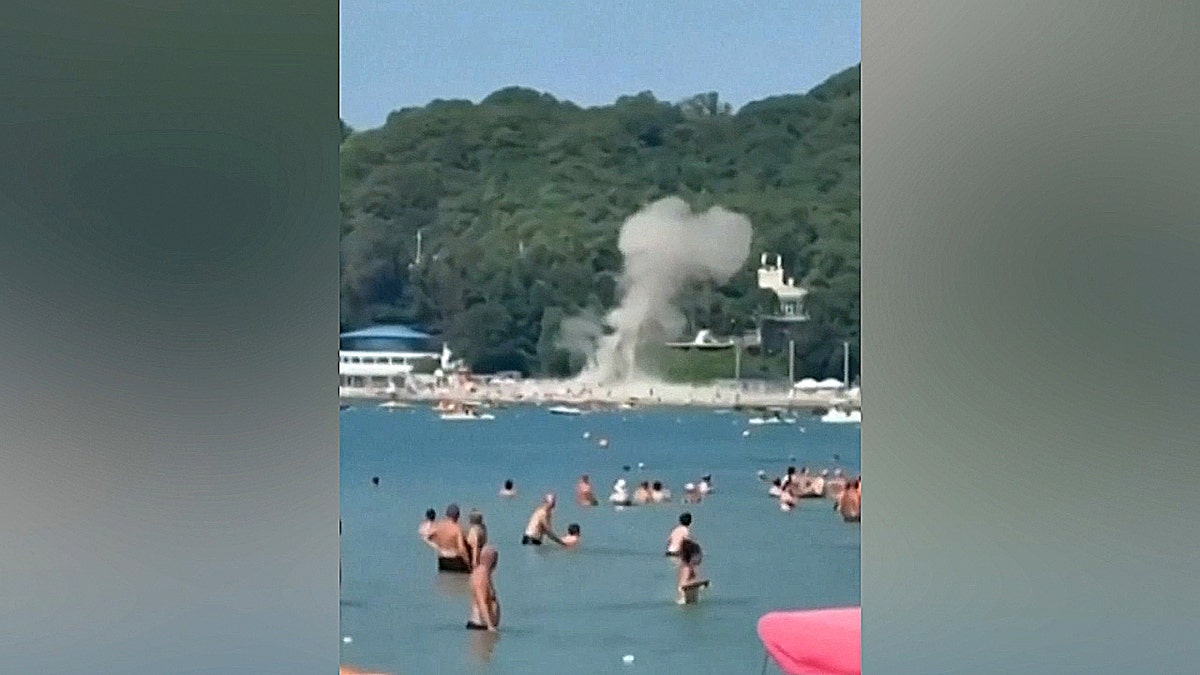
Smoke rises after a deadly blast along a Russian resort beach on Monday. (Social media via Reuters)
«Putin deliberately killed these people. Because if he had not started the war and struck Ukraine, they would be alive,» Kovalenko said.
«It was Putin, his air defense, who killed these Russians. His decisions in response to their decisions launched a chain of death for Russians.»
russia, conflicts, ukraine, wars












INTERNACIONAL
Alertan por un posible desastre ambiental en Omán tras el derrame de petróleo de un buque vinculado a la flota fantasma rusa
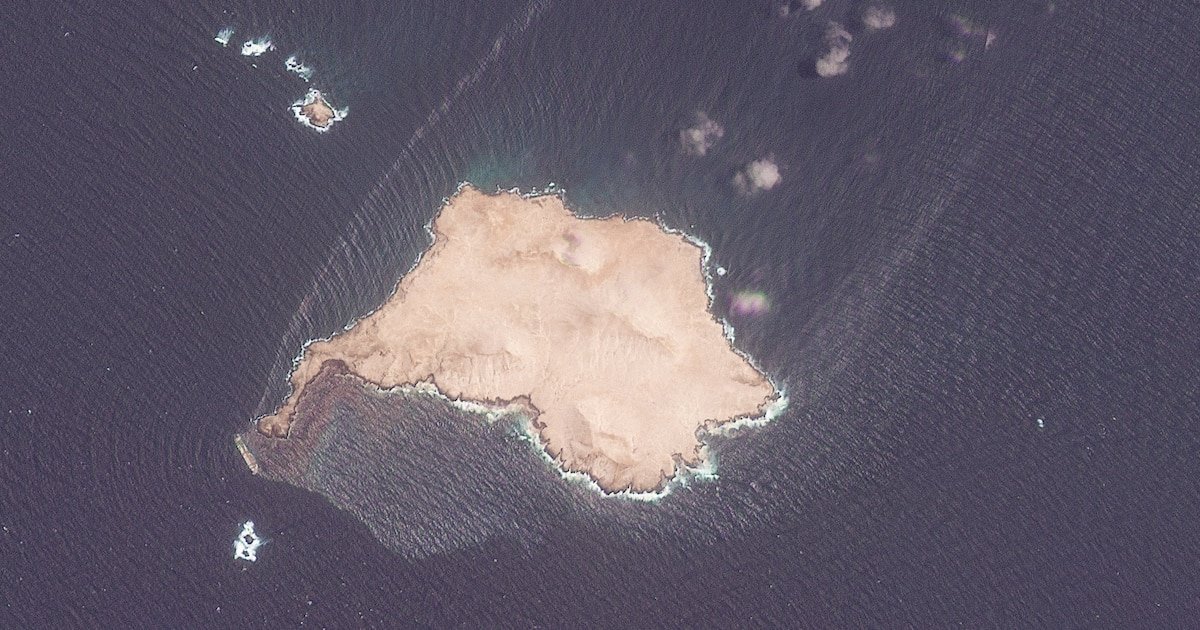
Una fuga de petróleo procedente de un petrolero presuntamente vinculado a la denominada “flota fantasma” de Rusia amenaza una extensa zona marina frente a la costa sur de Omán, cerca de una reserva natural protegida. Organizaciones ambientalistas advirtieron que el derrame se expandió hasta cubrir unos 600 kilómetros cuadrados, mientras expertos alertaron sobre el riesgo de una catástrofe ambiental de mayor magnitud si la embarcación se rompe por completo.
Imágenes satelitales verificadas por AFP muestran una extensa mancha de petróleo que se extiende desde un buque encallado desde hace más de un mes cerca de la isla al-Qibliyyah, integrante del archipiélago de al-Hallaniyat, una zona que Omán declaró reserva marina el año pasado por su elevada biodiversidad.
La embarcación identificada como Caroline Bezengi cargó un millón de barriles de petróleo crudo el 11 de mayo en la terminal rusa de Sheskharis, sobre el mar Negro, según datos de la firma Kpler. El buque todavía transportaba esa carga cuando emitió su última señal de localización un mes después.
La organización Greenpeace sostuvo que la superficie afectada aumentó de unos 20 kilómetros cuadrados el 24 de julio hasta aproximadamente 600 kilómetros cuadrados el 4 de agosto, de acuerdo con el análisis de imágenes satelitales.
“Con el petróleo aparentemente todavía en fuga y el buque encallado en un lugar de difícil acceso, el riesgo de un desastre ambiental aún mayor sigue siendo grave”, declaró a AFP Nina Noelle, integrante de Greenpeace.
La especialista también advirtió que las consecuencias podrían ser “graves y duraderas” para el ecosistema de la región.

El investigador ambiental Wim Zwijnenburg, de la organización neerlandesa PAX, coincidió con la estimación sobre la magnitud del derrame y alertó sobre el escenario más crítico. “Una ruptura completa del buque puede provocar una catástrofe ambiental regional, que afecte tanto la vida de las comunidades pesqueras de Omán como la biodiversidad marina y de las islas”, afirmó.
Zwijnenburg también subrayó la necesidad de una intervención inmediata. “La intervención oportuna y el rescate del petrolero son esenciales para evitar un escenario peor”, sostuvo.
Las advertencias se concentran sobre la reserva marina de las islas al-Hallaniyat, donde habitan especies de alto valor ecológico. Según Greenpeace, la contaminación amenaza arrecifes de coral, praderas marinas y hábitats costeros que sirven de refugio para tortugas marinas en peligro, aves migratorias y mamíferos marinos.
Noelle explicó que las tortugas utilizan las playas de estas islas para anidar y depositar sus huevos, mientras numerosas aves marinas se reproducen en el archipiélago. Además, las aguas cercanas albergan la rara ballena jorobada del mar Arábigo.
La especialista también recordó que incluso los derrames de menor magnitud pueden provocar daños persistentes. “La contaminación por petróleo en las islas Hallaniyat amenaza los arrecifes de coral, las praderas marinas y los hábitats costeros que sostienen tortugas marinas en peligro, aves marinas migratorias y mamíferos marinos”, señaló.
Además, agregó: “Incluso derrames de petróleo relativamente pequeños pueden permanecer durante años en los sedimentos marinos y comprometer la resiliencia ecológica de este ecosistema marino protegido”.

El incidente se produjo lejos del estrecho de Ormuz, una zona que registró numerosos ataques contra petroleros durante la guerra en Medio Oriente. Sin embargo, hasta el momento no existe confirmación sobre el origen de las explosiones que sufrió el buque.
La empresa de seguridad marítima Vanguard Tech informó a AFP que el 6 de junio tres explosiones sacudieron la embarcación e inundaron varios compartimentos, entre ellos la sala de bombas y el compartimiento del sistema de gobierno.
La compañía precisó que tanto el motor principal como el sistema de dirección quedaron fuera de servicio y confirmó que toda la tripulación estaba localizada. No informó la causa de las explosiones ni indicó si el buque sufrió un ataque.
Según sitios especializados de seguimiento marítimo revisados por AFP, el Caroline Bezengi emitió su última transmisión de radio el 11 de junio, cuando navegaba frente a la costa de Yemen. Posteriormente dejó de transmitir su señal del sistema AIS, utilizado para identificar y localizar embarcaciones.
Las imágenes del programa europeo Copernicus sugieren que el barco quedó encallado frente a la isla al-Qibliyyah entre el 18 y el 23 de junio. Su tamaño, forma y color de cubierta coinciden con observaciones satelitales previas del Caroline Bezengi.
En febrero, el Reino Unido sancionó al buque por su presunta participación en el transporte de petróleo ruso. Expertos sostienen que Rusia recurrió a una red de petroleros antiguos, con estructuras societarias opacas, para mantener sus exportaciones de crudo pese a las sanciones occidentales impuestas tras la invasión de Ucrania en 2022.

Para Greenpeace, este caso refleja los riesgos asociados a esa denominada flota fantasma. “Las sanciones están siendo eludidas mediante petroleros antiguos y con mantenimiento deficiente, lo que pone en riesgo las costas y los ecosistemas marinos”, concluyó Noelle.
La Organización Marítima Internacional informó a AFP que “actualmente ofrece asistencia a Omán”, aunque no brindó más detalles sobre las tareas en desarrollo. Las autoridades omaníes no respondieron a la solicitud de comentarios formulada por la agencia.
(Con información de AFP)
Accidents,Business,Disasters,Natural Catastrophes,Corporate Events,Disasters / Accidents,Middle East
INTERNACIONAL
Federal judge acknowledges Supreme Court ruling clearing path for Trump to end Haiti TPS
NEWYou can now listen to Fox News articles!
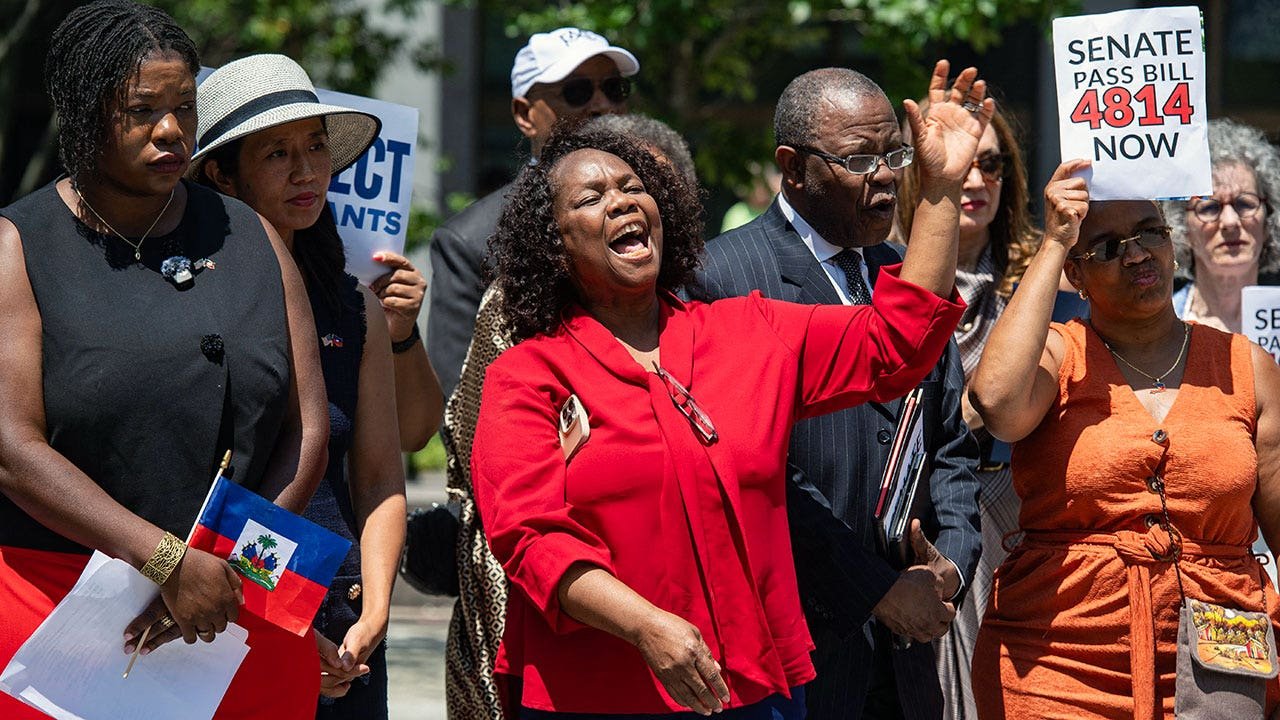
President Donald Trump on Wednesday notched a major immigration victory after a federal judge acknowledged that the court order blocking the administration from ending temporary protected status (TPS) for hundreds of thousands of Haitians is no longer in effect after the Supreme Court’s ruling in Mullin v. Doe.
The ruling marks the culmination of a yearslong legal battle over the Biden administration’s expansion of Haiti’s TPS designation and delivers a significant immigration victory for Trump, who repeatedly campaigned on ending the Biden administration’s expanded TPS protections for Haitians.
The issue became a centerpiece of the 2024 election after Trump and running mate JD Vance blamed the Biden administration’s Haiti TPS policies for the influx of Haitian migrants into Springfield, Ohio, where residents raised concerns about traffic safety, strained public services and cultural clashes.
BLUE STATE LEADERS ERUPT AFTER SUPREME COURT’S DECISION ENDING TPS PROTECTIONS FOR HAITIANS, SYRIANS
A federal judge acknowledged that the court order blocking the Trump administration from ending temporary protected status for hundreds of thousands of Haitians is no longer in effect. (Joseph Prezioso/AFP via Getty Images, File)
The controversy later exploded onto the national stage after Trump referenced residents’ claims that migrants were taking ducks and geese from parks and eating household pets.
The White House did not respond to Fox News Digital’s request for comment by publication time.
U.S. District Judge Ana Reyes wrote Wednesday that her earlier order staying the Department of Homeland Security’s (DHS) termination of Haiti’s TPS designation «is no longer in effect» after the Supreme Court’s decision and the D.C. Circuit’s subsequent mandate.
While the underlying lawsuit will continue, the administration is no longer barred by the injunction from moving forward with ending TPS protections for an estimated 330,000 to 350,000 Haitians living in the U.S.
The remaining litigation centers on whether the administration acted with unconstitutional racial animus in terminating the designation.
LIBERAL COURT STUNS WITH RULING THAT HANDS TRUMP MAJOR IMMIGRATION WIN
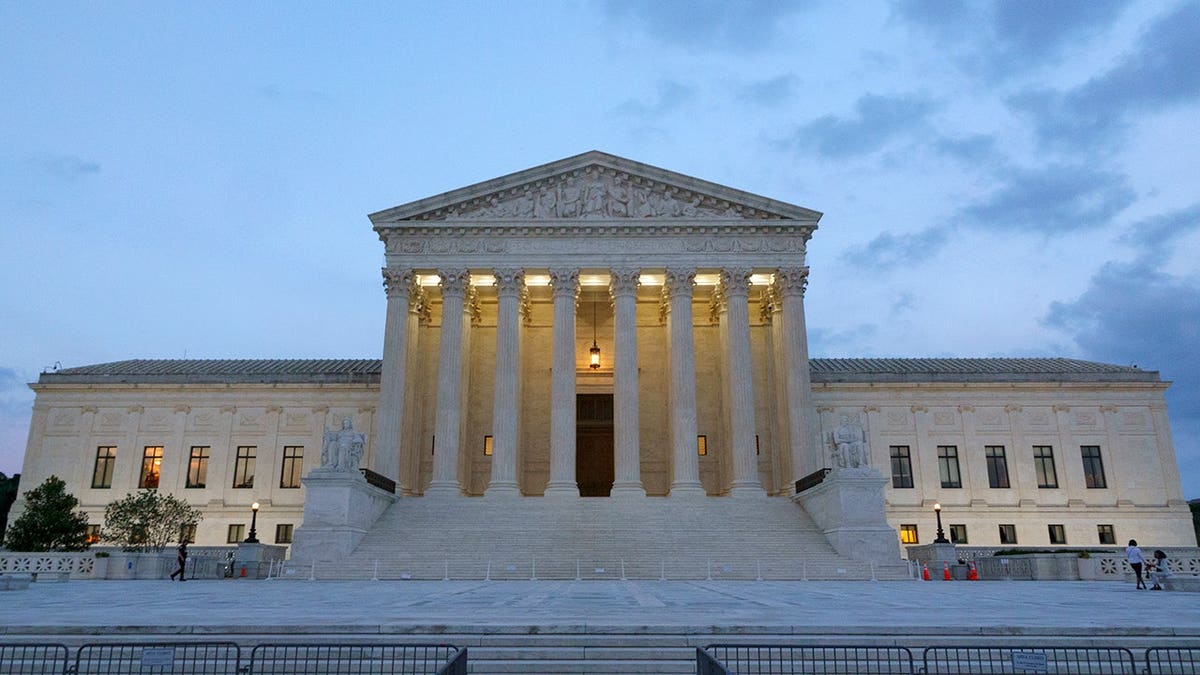
The Supreme Court ruling in Mullin v. Doe ended TPS for Haitian migrants. (Kevin Carter/Getty Images, File)
The Supreme Court ruled in June that the TPS statute bars judicial review of the administration’s non-constitutional decisions to terminate TPS designations and found the plaintiffs’ equal protection challenge was unlikely to succeed. The court reversed the lower courts and remanded the case for further proceedings.
DHS General Counsel James Percival pushed back on reports suggesting Wednesday’s order itself ended Haiti’s TPS designation, arguing the protections effectively expired when the Supreme Court’s mandate was issued July 27 and that Reyes’ order merely acknowledged that legal reality.
«Haiti TPS ended when the Supreme Court mandate issued on July 27,» Percival wrote on X. «I will give Judge Reyes kudos though for taking the L with grace and not doing something bonkers like many of her colleagues.»
Haiti first received TPS after the country’s devastating 2010 earthquake, but the designation remained in place for 16 years through multiple administrations. The Biden administration later expanded and extended protections for hundreds of thousands of Haitians already living in the U.S.
MORE THAN 100 HAITIAN IMMIGRANTS WITH VIOLENT OFFENSE AND SEX CRIME CONVICTIONS DEPORTED: DHS
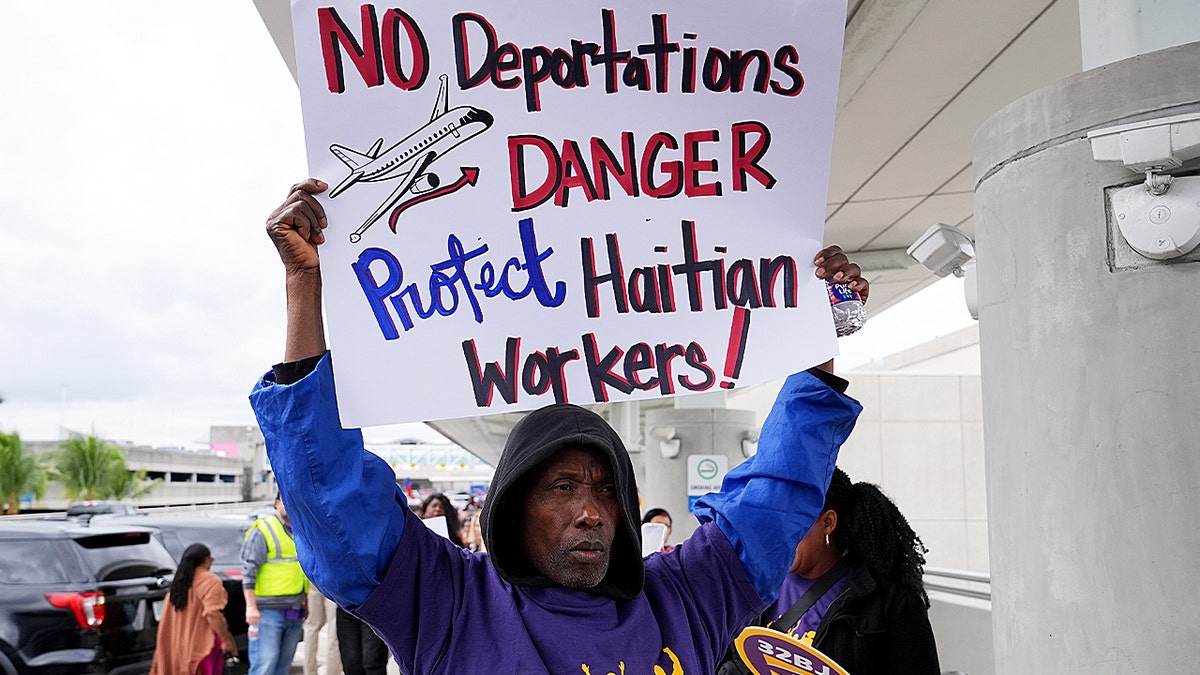
Temporary protected status for Haitian immigrants was lifted late last month. (Lynne Sladky/AP Photo, File)
After reviewing conditions in Haiti, former DHS Secretary Kristi Noem determined the country no longer met the statutory requirements for TPS and announced the administration’s decision to terminate the designation, arguing the humanitarian program had been extended well beyond its intended temporary purpose. The move triggered the legal challenge that ultimately reached the Supreme Court.
After the SCOTUS decision, the DHS announced Haiti’s TPS designation would be terminated, effective July 27, and that employment authorization documents issued under the designation were no longer valid. The department instructed employers to reverify the work authorization of affected employees.
The State Department maintains a Level 4 «Do Not Travel» advisory for Haiti because of widespread gang violence, kidnappings and civil unrest.
Fox News Digital’s Danielle Wallace and Michael Lee contributed to this report.
immigration, donald trump, homeland security, federal judges, federal courts, supreme court, politics
INTERNACIONAL
Rusia y Ucrania luchan ahora por el control del espacio aéreo: el futuro de la guerra se juega en el cielo


Alertan por un posible desastre ambiental en Omán tras el derrame de petróleo de un buque vinculado a la flota fantasma rusa

Qué participantes quedaron en la placa de nominados en Gran Hermano Generación Dorada: la jugada que lo cambió todo

La Anmat retiró del mercado un producto de una reconocida marca de crema antiinflamatoria tras un robo

YPF vendió dos bloques petroleros en Mendoza por USD 405 millones para financiar su expansión en Vaca Muerta

Los árbitros para la fecha 4 del Torneo Clausura de la Liga Profesional

Federal judge acknowledges Supreme Court ruling clearing path for Trump to end Haiti TPS

“Vamos a acelerar con todo”: el objetivo del Gobierno por las reformas y la agenda electoral de cara al 2027

Javier Milei cruzó a Victoria Villarruel y elevó la tensión: “Es una opositora, replica los argumentos kirchneristas”

Reelecciones indefinidas: el oficialismo bonaerense niega que busque ampliar la Legislatura como parte de una reforma política para beneficiar a los intendentes

¡Chau Luck Ra! La salida de soltera de La Joaqui, muy bien acompañada, a días de su separación
-
 POLITICA2 días ago
Javier Milei cruzó a Victoria Villarruel y elevó la tensión: “Es una opositora, replica los argumentos kirchneristas”
-

 ECONOMIA15 horas ago
Dólar hoy en vivo: a cuánto se negocian todas las cotizaciones minuto a minuto este miércoles 5 de agosto
-

 POLITICA3 días ago
Inédito boicot a un decreto para bajar costos portuarios: el Gobierno envió intimaciones con Prefectura