INTERNACIONAL
Panamá destaca con un crecimiento de 4.4% y una reducción del déficit, afirma ministro de Economía y Finanzas

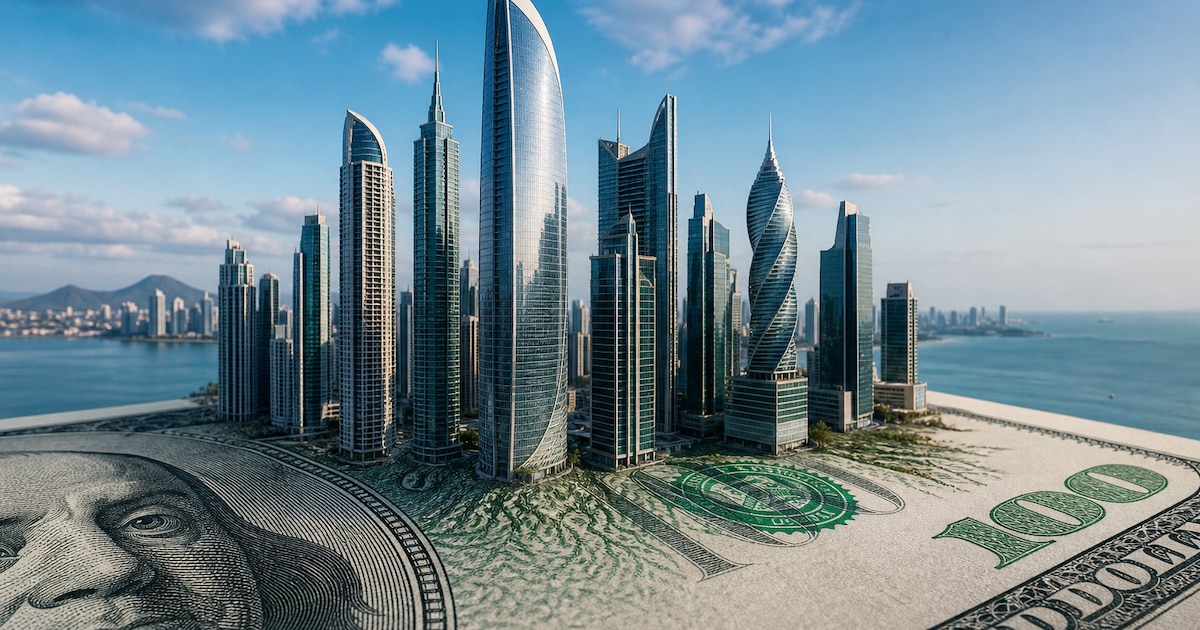
El Gobierno panameño propuso un presupuesto de $35.112 millones para 2027, con una meta de déficit de 2,97% del producto interno bruto (PIB) y una partida de B/.12.564 millones para inversión.
La propuesta busca, según los voceros gubernamentales, sostener la actividad económica mientras avanza el ajuste de las cuentas públicas.
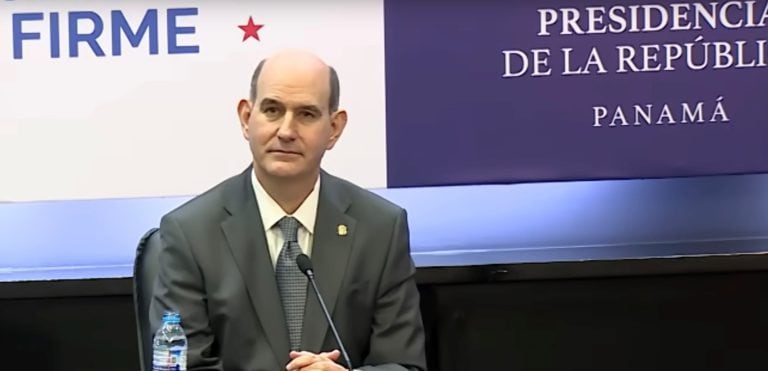
El ministro de Economía y Finanzas, Felipe Chapman, presentó este panorama durante el Foro de Inversionistas Latinex 2026, denominado “Panamá: crecimiento, confianza y consolidación fiscal”. El encuentro convocó a inversionistas, emisores, reguladores y autoridades.
Panamá busca mantener el crecimiento, atraer capital privado y reducir el desequilibrio fiscal sin recortar los recursos destinados a infraestructura, servicios públicos y proyectos de inversión.
Esa es la línea expuesta por Chapman, quien sostuvo que el Estado debe preservar la estabilidad macroeconómica y crear condiciones para que las empresas inviertan y generen empleo.
El funcionario ubicó esa política en un escenario regional de menor dinamismo. La Comisión Económica para América Latina y el Caribe (CEPAL) proyectó una expansión de 2,2% para América Latina y el Caribe durante este año, en un contexto de incertidumbre geopolítica, mayores precios de la energía y condiciones financieras exigentes.
Para Panamá, la previsión del organismo es distinta. La CEPAL estimó un crecimiento de 4,4% en 2026 y de 4,6% en 2027, luego de elevar su cálculo para este año, que antes era de 4,0%.
La actividad económica acumuló un aumento de 5,4% a junio, de acuerdo con el Índice Mensual de Actividad Económica. Durante ese mes, el indicador subió 8,2%.
Chapman atribuyó el resultado al desempeño del comercio, el transporte y la logística, el turismo, la recuperación gradual de la construcción y los avances de la agroindustria. “Una economía más diversificada es también una economía más resiliente”, afirmó el ministro.
La actividad de la plataforma logística panameña tuvo una participación central en los resultados expuestos por el titular de Economía y Finanzas. El Aeropuerto Internacional de Tocumen movilizó 11,5 millones de pasajeros durante el primer semestre, con un alza interanual de 14,8%.
El movimiento de carga aérea creció 9,2%, mientras que la carga portuaria total aumentó 3,1%. La Zona Libre de Colón registró, a su vez, un incremento de 24,9% en sus reexportaciones.
Para Chapman, esos datos muestran una recuperación de la capacidad del país para conectar y movilizar personas, mercancías, capital y servicios. Esa condición figura entre las ventajas que el Gobierno busca trasladar a nuevos proyectos productivos.
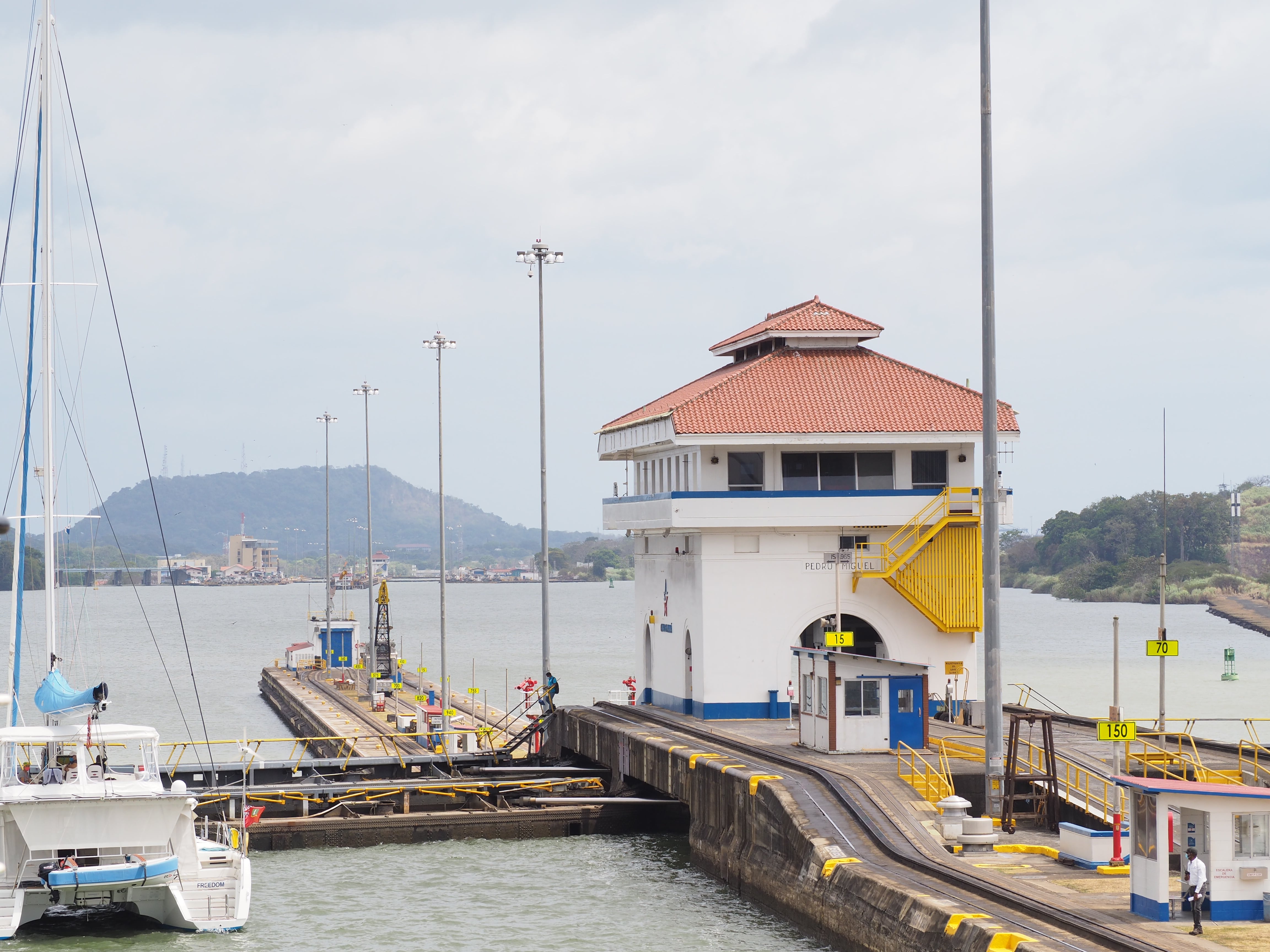
El Canal de Panamá también elevó sus indicadores durante la primera mitad del año. Los ingresos por peajes llegaron a $2.207 millones, 9,5% más que en igual período anterior.
Las toneladas netas transportadas por la vía interoceánica aumentaron 9,2% y los tránsitos avanzaron 7,1%. El ministro incluyó esos resultados entre los elementos que sostienen la perspectiva de expansión de la economía.
El mercado laboral registró 174.379 contratos de trabajo en el primer semestre. La cifra superó en 31.461 los registros del mismo período de 2025 y representó una variación de 22%.

El incremento alcanzó a las contrataciones por tiempo definido, indefinido y por obra determinada. Chapman vinculó esa evolución con la recuperación económica y con la inversión pública y privada.
La inflación se ubicó en 1,4% a junio, pese al aumento internacional de los precios del petróleo. El Gobierno aplicó medidas temporales y focalizadas ante el encarecimiento de los combustibles.
Al cierre de julio, el subsidio al combustible había recibido $32,3 millones. La medida alcanzó a más de 50.000 vehículos ligados al transporte público, colectivo y colegial, el transporte de carga y la pesca artesanal.
El Ejecutivo sostuvo que ese apoyo busca contener los costos de distribución y transporte de alimentos, con el objetivo de reducir la presión sobre los precios que pagan los hogares.
El déficit del Sector Público No Financiero se situó en $2.642 millones a julio. El resultado implicó una disminución de $313 millones frente al mismo período de 2025.
Como proporción del PIB, el indicador pasó de 3,27% a 2,78%. En ese lapso, los ingresos totales aumentaron 8%, mientras que el gasto total tuvo un crecimiento de 2,8%.
“La consolidación fiscal no significa simplemente gastar menos. Significa administrar mejor los recursos públicos”, sostuvo Chapman. El ministro planteó que esa gestión debe mejorar los ingresos y habilitar inversiones que generen bienestar y crecimiento.
El déficit primario también se redujo. A julio de 2025 equivalía a 1,39% del PIB y este año descendió a 0,96%, una mejora de 0,44 puntos porcentuales, equivalente a $351 millones.
El ahorro corriente del Sector Público No Financiero mejoró en $82 millones, respecto del año anterior. El ahorro total tuvo una variación favorable de $275,5 millones y redujo su saldo negativo en más de 30%.
Ciudad de Panamá,dólar estadounidense,rascacielos,centro financiero









Supreme Court issues split decisions on presidential firing power
Chief legal correspondent Shannon Bream details the Supreme Court’s latest rulings, including a decision in Trump v. Slaughter affirming the president’s power to dismiss a Federal Trade Commission commissioner. However, in Trump v. Cook, the court states the president cannot unilaterally fire a Federal Reserve governor. These opinions shape executive power and independent agencies.
NEWYou can now listen to Fox News articles!
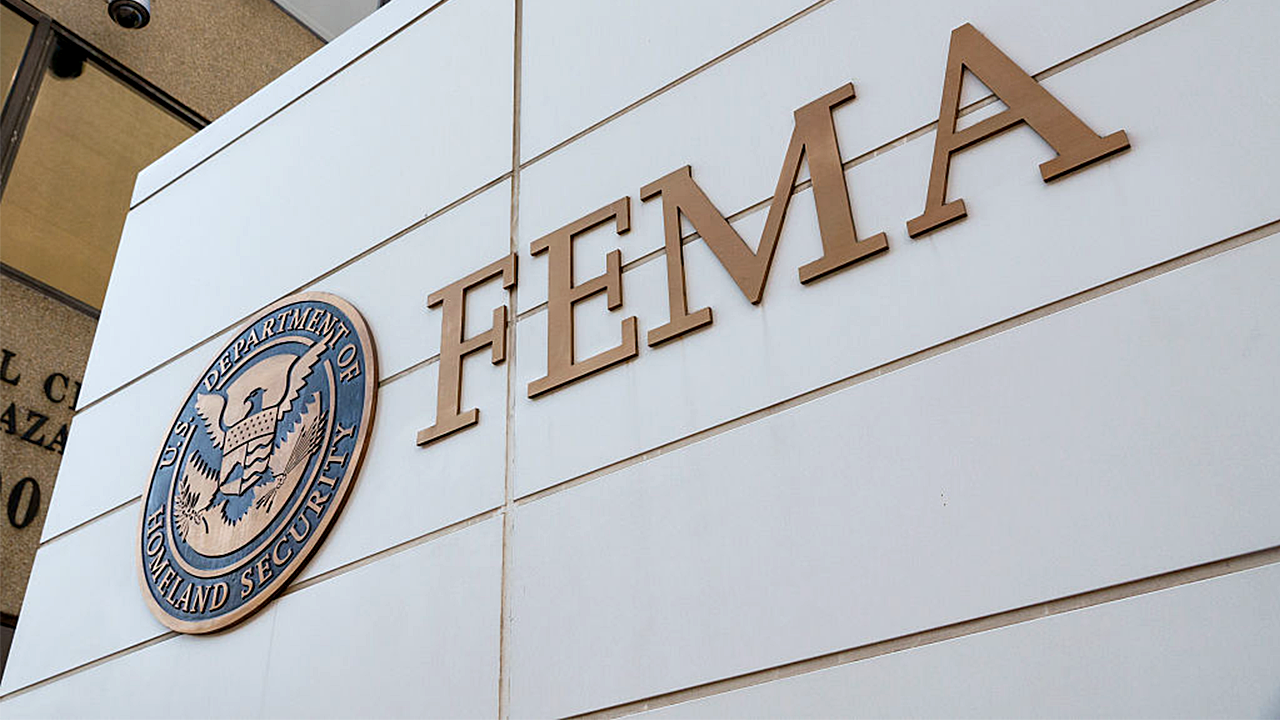
A federal judge ruled that the Trump administration’s directive for the Federal Emergency Management Agency to cut its workforce in half was unlawful.
U.S. District Judge Susan Illston found on Friday that the Department of Homeland Security acted unlawfully by taking control of FEMA’s authority over its own personnel and pushing the agency to slash thousands of disaster-response jobs.
Although FEMA is under DHS, a federal law adopted after Hurricane Katrina in 2005 states that the department «may not substantially or significantly reduce (FEMA’s) authorities, responsibilities, or functions.»
Illston said the department violated the law last year when it sought to stop FEMA from renewing the temporary contracts of thousands of on-call reservists who respond to disasters.
DHS PLANS COSTLY CRACKDOWN ON STATES THAT DON’T COOPERATE ON ELECTION SECURITY
A federal judge ruled that the Trump administration’s order for the Federal Emergency Management Agency to cut its workforce in half was unlawful. (Kevin Carter/Getty Images)
«There is no evidence in the record reflecting reasoned decision-making for this about-face or for the subsequent conditions DHS placed on FEMA’s renewal authority,» Illston wrote.
Illston’s ruling did not include remedies or penalties, noting that those would be addressed in a separate ruling next month.
The judge said the parties have until Oct. 9 to submit briefings on «what relief remains outstanding» in this case.
The unions that sued argued that the planned cuts are unlawful because they would undermine FEMA’s core disaster‑response mission, were not approved by Congress and were ordered by then-Homeland Security Secretary Kristi Noem instead of FEMA officials.

President Donald Trump has suggested that FEMA should be eliminated and that states should handle their emergency preparedness. (Kevin Dietsch/Getty Images)
The administration has contended that FEMA has considerable flexibility to determine proper staffing levels. President Donald Trump has suggested that FEMA should be eliminated and that states should handle their emergency preparedness.
In June, Illston declined to immediately block the job cuts, ruling that FEMA had at least temporarily abandoned its planned layoffs.
But on Friday, the judge wrote that FEMA appeared to be moving forward with the job cuts. She said FEMA projected its staffing levels for the upcoming fiscal year at 11,383 employees, or about half of previous levels, without any basis for picking that figure.
DEM GOV LASHES OUT AS TRUMP HUD SCRUTINIZES NEARLY $2B IN DISASTER FUNDS OVER FRAUD CONCERNS
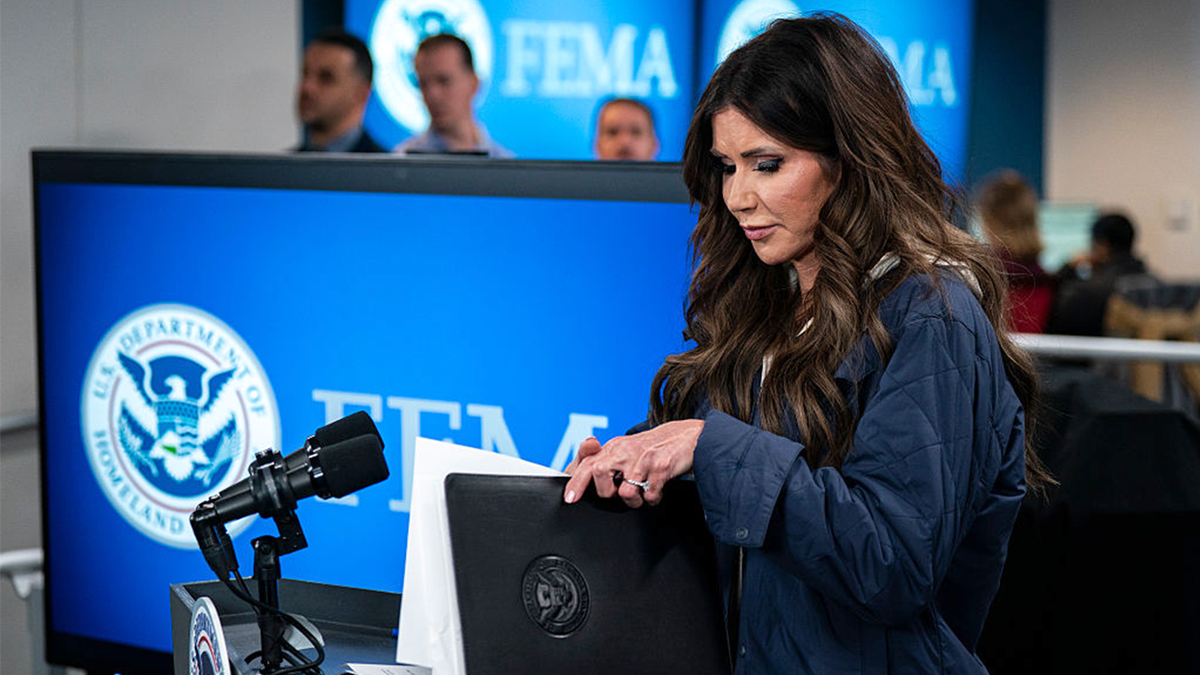
The unions that sued argued that the planned cuts are unlawful because they would undermine FEMA’s core disaster‑response mission, were not approved by Congress and were ordered by then-Homeland Security Secretary Kristi Noem instead of FEMA officials. (Al Drago/Getty Images)
Fox News Digital reached out to DHS and FEMA for comment but they did not immediately respond.
«Under President Trump and [DHS] Secretary [Markwayne] Mullin’s leadership, DHS and FEMA are ready for the 2026 hurricane season,» a FEMA spokesperson said in a statement to The Hill. «FEMA continues to maintain a roster of experienced leadership and support staff across headquarters and regional offices. No position is without experienced leadership.»
In a separate ruling, the judge also faulted FEMA and DHS officials for using the Signal messaging app on their personal cell phones to discuss staffing cuts and deleting the messages.
Illston said the messages would have been relevant to the lawsuit and that she would now presume «that the lost Signal messages would have been unfavorable to Defendants because they would have been further evidence» of unlawful conduct.
Reuters contributed to this report.
fema, politics, homeland security, federal courts, donald trump
INTERNACIONAL
La belleza de la semana: por qué nos atrapan tanto los personajes que nos dan la espalda

Por definición, el retrato en la historia del arte nació para buscarnos la cara. El rostro es el espejo del alma, el mapa de las emociones y el centro de gravedad de cualquier lienzo. Sin embargo, existe un puñado de obras maestras que deciden activar el mecanismo inverso: ocultarnos el rostro del protagonista y obligarnos a mirarlo por detrás.
En la tradición pictórica alemana esto se conoce como Rückenfigur (literalmente, “figura de espaldas”). Cuando un pintor decide darnos la espalda, no nos está rechazando; al contrario, nos está invitando a entrar al cuadro. Al no poder descifrar los ojos del personaje, nos vemos obligados a ponernos en sus zapatos y mirar el mundo a través de su mirada oculta. Dejamos de ser simples espectadores para convertirnos en sus cómplices silenciosos. A continuación, recorremos cuatro pinturas inolvidables donde un único personaje solitario, de espaldas al mundo, nos demuestra que a veces el mayor misterio del arte se esconde justo detrás de la mirada.
El manifiesto del abismo
En el año 1818, el pintor Caspar David Friedrich dio vida a Caminante sobre el mar de nubes, el punto de partida obligatorio y el ícono absoluto del Romanticismo alemán. Friedrich creó esta obra en una época marcada por el fin de las guerras napoleónicas, un momento histórico donde el ser humano buscaba reconectar con la espiritualidad y la inmensidad de la naturaleza tras la devastación. El lienzo nos muestra a un viajero solitario que, subido a una roca escarpada, contempla un indómito océano de niebla que cubre los picos montañosos.

Si el artista hubiera pintado a este hombre de frente, estaríamos atrapados analizando sus facciones, su edad o la épica de su expresión. Al ocultarnos su rostro, el caminante deja de ser un individuo específico para convertirse en un símbolo de toda la humanidad. Esa espalda rígida y esa melena al viento nos interpelan directamente: somos nosotros los que estamos parados frente al abismo de la existencia, proyectando nuestros propios miedos, dudas y asombros sobre ese paisaje infinito.
La melancolía azul
Mucho antes de convertirse en el excéntrico líder del surrealismo, un joven Salvador Dalí de apenas 21 años pintó Muchacha en la ventana en 1925 durante unas vacaciones familiares en Cadaqués. La modelo es su hermana Ana María, quien fue su musa más importante antes de la llegada de Gala. El cuadro captura un instante doméstico y suspendido en el tiempo: una adolescente que asoma su cuerpo hacia la luz del Mediterráneo, rodeada por los tonos azules y grises de una habitación austera.

La obra nos atrapa porque la espalda de Ana María funciona como una barrera de intimidad que el espectador viola silenciosamente. No podemos ver si sonríe, si llora o si simplemente sueña despierta, pero la sutil tensión física de sus hombros y la caída de su cabello nos contagian inmediatamente una calma nostálgica. Al darnos la espalda, ella no nos mira; nos obliga a mirar con ella, convirtiéndonos en compañeros de su añoranza por el mar abierto.
El misterio de la fragilidad
En 1948, el pintor Andrew Wyeth concibió El mundo de Christina, una de las cumbres del realismo estadounidense del siglo XX, ambientada en su granja de Maine. La protagonista está inspirada en Christina Olson, una vecina de Wyeth que padecía una enfermedad neuromuscular degenerativa y se negaba a usar silla de ruedas, prefiriendo arrastrarse por los campos. El cuadro nos ubica a ras del suelo, mostrando a una mujer delgada, vestida de rosa, que mira hacia una casa gris y distante en el horizonte.

La genialidad del artista radica en que no necesitamos ver el rostro demacrado por el esfuerzo para entender el drama de la escena. Su espalda, tensa y arqueada sobre la hierba seca, transmite una fuerza y una vulnerabilidad sobrecogedoras. Esta postura interpela al espectador desde la intriga y la empatía: la silueta nos oculta su dolor físico para enfocarse en su meta, transformando una pose de aparente derrota en una batalla monumental por alcanzar su hogar.
El silencio de las habitaciones vacías
Vilhelm Hammershøi, el maestro absoluto de la luz grisácea y el realismo danés, pintó en 1898 su célebre Interior con mujer de espaldas, construyendo su carrera al retratar los rincones silenciosos de su propia casa en Copenhague. En esta pintura, la protagonista es su esposa, Ida Ilsted, quien aparece sola en un salón de estética minimalista, rodeada de paredes desnudas y una sobria vajilla. La luz invernal entra de lado, recortando la silueta de la mujer, que nos da la espalda de forma impecable y matemática.

Esta obra provoca una fascinación casi magnética porque nos convierte en voyeurs de una soledad radical. La nuca expuesta de Ida y su figura inmóvil generan una atmósfera densa, casi fantasmal, donde el tiempo parece haberse detenido. Al negarnos su rostro, Hammershøi transforma la espalda de su mujer en un enigma psicológico: nos interpela dejándonos afuera de sus pensamientos, obligándonos a habitar ese vacío y a escuchar el silencio absoluto que inunda la habitación.
Caspar David Friedrich,Salvador Dalí,Andrew Wyeth,Vilhelm Hammershøi,pintura
INTERNACIONAL
Houthis enter US ‘kill box’ after seizing Red Sea ‘cork,’ former Pentagon official warns
NEWYou can now listen to Fox News articles!
Iran-backed Houthi rebels captured Perim Island in the Bab el-Mandeb Strait Sept. 11, opening a new front at a vital global shipping chokepoint as a former Pentagon official warned Sunday the militants had entered a «kill box.»
The island’s capture came after a month-long offensive along Yemen’s western coast that killed more than 1,500 soldiers and forced Yemen’s government to acknowledge a «painful» defeat, according to The Associated Press.
«With Perim, they have gained what we could call the cork in the Red Sea bottle,» Morgan Murphy, a former Pentagon press secretary and retired Navy captain, told Fox News Digital.
«But they’ve put themselves into a kill box. They’re nowhere near the capability of the United States and if the president so chooses, he can wipe them off the face of that rock pretty easily,» Murphy warned.
SAUDI ARABIA TELLS TRUMP NOW IS THE TIME FOR MILITARY ACTION AS IRAN-BACKED HOUTHIS ADVANCE
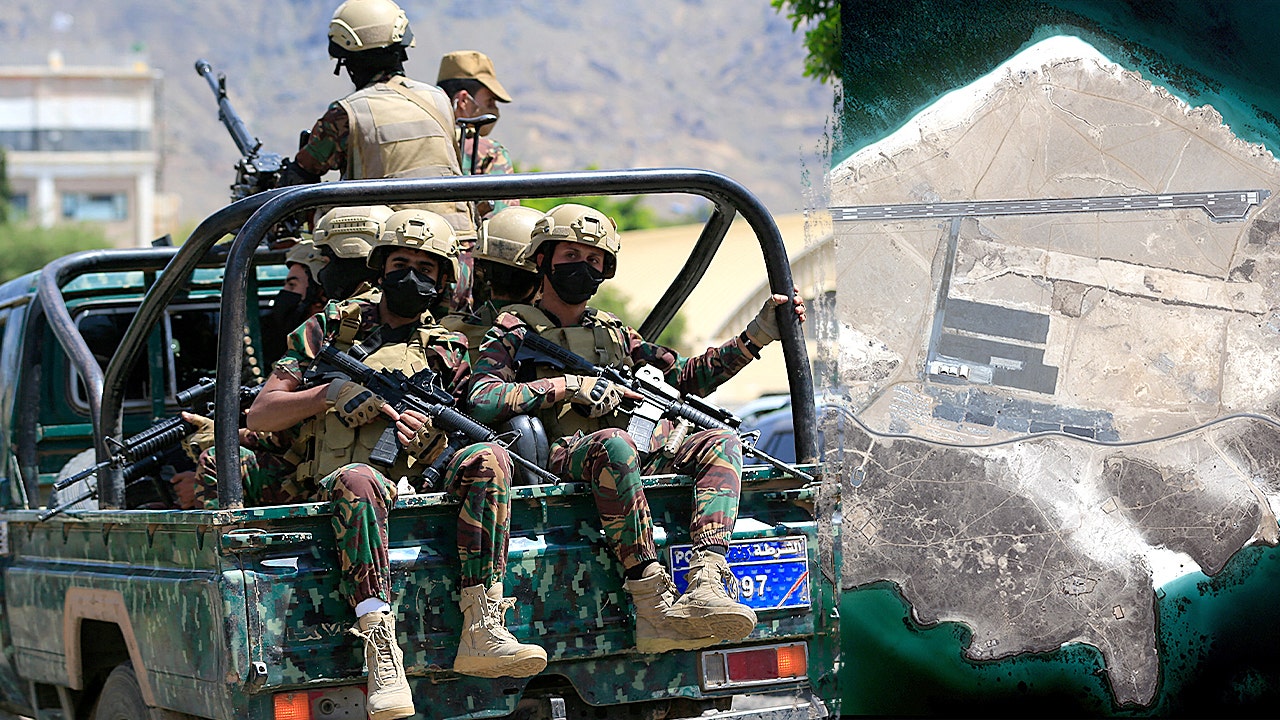
The Houthis reached the strategic island of Perim in the Bab el-Mandeb Strait on September 11 in a move to tighten their grip on a vital global shipping route. (Reuters)
Despite Perim sitting in the middle of the narrow maritime passage, Murphy detailed how the Houthis had effectively placed themselves in an area that is vulnerable to concentrated fire.
«Perim cuts that chokepoint right in half, and it’s only 18 miles wide there,» Murphy said.
He said the island has served as a pivotal maritime vantage point for hundreds of years, previously targeted for control by French forces and held by the British Empire for over a century.
Perim — a desolate volcanic island also known as Mayun — also sits roughly 20 miles off the Horn of Africa, placing it in proximity to Camp Lemonnier in Djibouti, home to one of the largest U.S. military installations on the continent.
«We have incredible firepower in that region, and that’s a little rock in the middle of that strait. It’s a volcanic rock. It doesn’t have any water. It’s uninhabitable,» Murphy warned.
«There’s no vegetation to speak of. And the Houthis have just massed their troops on that rock. So what that is, what we would call that in the Navy, is a kill box.»
Satellite imagery of the island shows a 1.85-kilometer (6,070-foot) runway alongside three military hangars, which regional intelligence reports attribute to past construction by the United Arab Emirates.
«There’s a 6,000-foot airstrip on that island. I think that Emiratis built it,» Murphy said.
‘GATE OF TEARS’ AT RISK: IRAN THREATENS MAJOR NEW GLOBAL CHOKEPOINT IF US MOVES ON HORMUZ
«It’s nice to have an airstrip, and especially a long runway, but we don’t know the condition of that runway. We don’t know how they could possibly use that runway, and they certainly don’t have the sophisticated air power that the United States and its allies have to project power from that runway.»
He added that the U.S. military holds overwhelming force options if commanders elect to target the island.
«We could wipe that rock into glass, just blast it into a smooth glass surface, put skates back on our feet, and skate all over it,» Murphy said.
«That’s why the Houthis have kind of played coy with the president, and they know that even if they fortify that rock they’re not going to be able to hold it in the face of the United States Navy.»
The developments come amid diplomatic maneuvering between Washington, Riyadh and the Houthis in recent days.
Sources confirmed to Fox News Digital that Saudi Crown Prince Mohammed bin Salman had called President Donald Trump twice Sept. 10 to urge him to authorize U.S. military strikes against Houthi positions.
Trump declined direct intervention, with U.S. officials noting the administration has no immediate plans for direct combat involvement but will continue offering intelligence assistance.
IRAN AND HOUTHI TERROR PROXY FACING RED SEA THREAT FROM PRO-US AFRICAN NATION
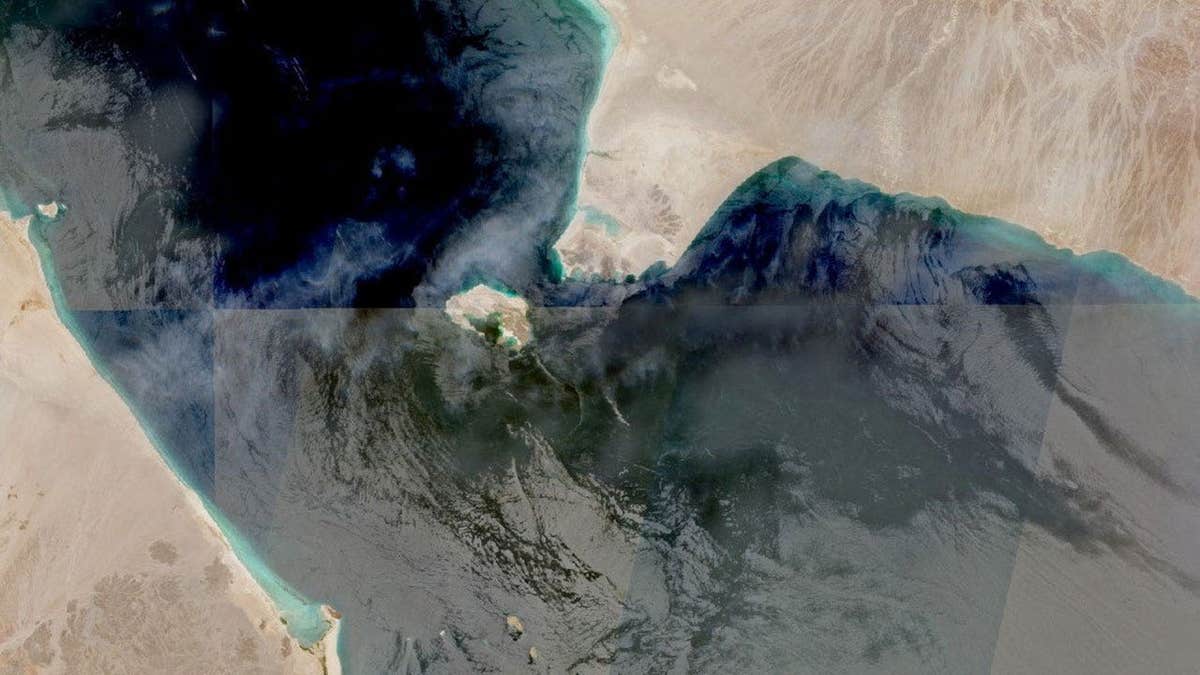
Satellite imagery shows Bab el-Mandeb Strait, a key shipping waterway and the gateway to the Red Sea, as Iran threatens using Yemen’s Houthi allies to shut the Bab el-Mandeb gateway to the Red Sea, in this handout picture dated July 12, 2026. (Nasa Worldview/Handout via Reuters)
Speaking to reporters in Dublin on Sept. 12, Trump also indicated the Houthis had signaled a desire to avoid direct confrontation with American forces.
«The Houthis called us, and they don’t want to fight with us. They let us know, they don’t want to fight with us… they don’t want us to go after them,» Trump said.
Murphy suggested, however, that Washington’s restraint should not be mistaken for inaction.
«I can’t speak for the president. But this administration has not shown a lack of resolve to use force,» Murphy said.
«I wouldn’t doubt at all if the president took steps to pound some of these folks into the sand if they continue to really disrupt the global energy supply.»
Yemeni government, regional and Iranian sources told Reuters the Houthi advance was sustained by Iranian weaponry and tactical direction from the Islamic Revolutionary Guard Corps, or IRGC, with U.S. officials estimating hundreds of IRGC officers remain active in Yemen.
Murphy noted that Tehran’s strategy appears designed to drive up global fuel prices by choking critical shipping lanes.
TRUMP THREATENS ‘MAJOR MILITARY PUNISHMENT’ FOR IRAN OVER FUTURE HOUTHI ATTACKS
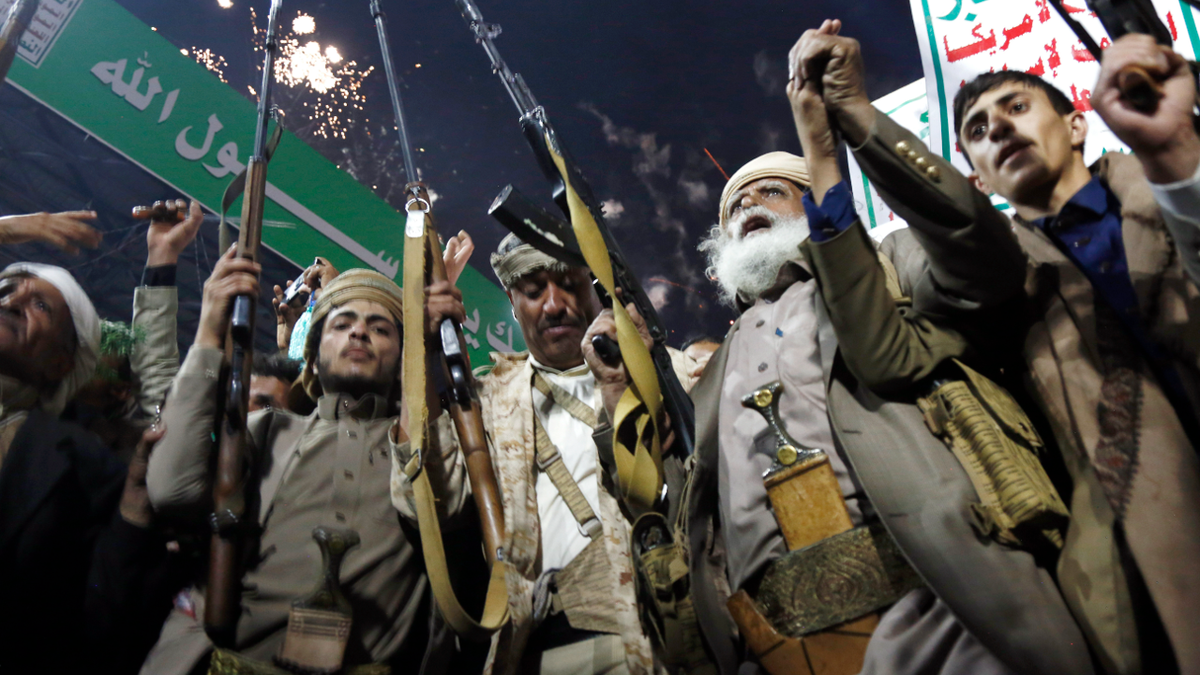
Protesters who support Yemen’s Houthi group brandish weapons and shout slogans as they celebrate the ban imposed against the maritime shipping of Saudi Arabia on July 20, 2026, in Sana’a, Yemen. (Mohammed Hamoud/Getty Images)
Comparing the conflict to historical naval power struggles, Murphy emphasized the strategic mismatch.
«We’re in a different era. They are nowhere near the sophistication of the world’s major powers. The Houthis are using a 19th-century playbook. They are not using 21st-century warfare,» he said.
«So, yes, they’ve caught a critical cork in the Red Sea bottle, but how they use it remains to be seen,» Murphy concluded.
«This is an example of why great powers really have to have a strong Navy. This is why Great Britain had a strong navy. This is why the United States has a strong navy, because there’s so many regional powers who want to try to bottle up shipping, whether it is in the Strait of Malacca, whether it is in the Strait of Hormuz, and here, in this case, in the Red Sea.»
«I think what we’re going to see in the next several days and weeks is a coordinated effort by the Trump administration to make sure our allies are on board in helping us keep these critical waterways open, free, and clear for freedom of navigation,» he said.
middle east, geopolitics, us navy, world, foreign policy, military, saudi arabia, iran

Jorge Tartaglione: “La mejor posición para dormir es de costado y del lado izquierdo”

El PRO avanza con el pedido de juicio político a la jueza que suspendió el Régimen Penal Juvenil

Federal judge rules Trump admin plan to cut FEMA workforce in half is unlawful

Comienza una de las semanas más complicadas del año: debate entre empresarios de IA con Trump y casi segura suba de tasas en Estados Unidos

Una exparticipante de Gran hermano demandará al programa a días de la gran final: los insólitos motivos

Milei busca ordenar la agenda legislativa y acelerar la reforma electoral, el Presupuesto 2027 y Malvinas

Así es la primera pickup compacta nacional: diseño, cuándo empezará a venderse y el novedoso sistema híbrido que tendrá

Alarmante frase de Pierre Gasly antes del estreno del circuito de Fórmula 1 en Madrid

El Como de Nico Paz hace su debut en la Champions League en el cierre de la fecha 1: la agenda completa de la jornada

El oficialismo explicó su estrategia en Diputados: por qué acompañó las iniciativas de la oposición

 POLITICA3 días ago
“¿Dónde está Kicillof?”: Patricia Bullrich cruzó al gobernador por la inseguridad en la Provincia
- POLITICA3 días ago
El Gobierno suma una función a Cancillería: alinear la política exterior al reclamo por Malvinas
- DEPORTE3 días ago
La cima de la Zona A del Torneo Clausura se pondrá en juego con dos compromisos: hora, TV y formaciones