INTERNACIONAL
Un documental israelí recibe ovaciones en el extranjero pero rechazo en su país


Cuando NAZA, un documental sobre la muerte de civiles palestinos a manos de las fuerzas israelíes en Gaza, se estrenó en el Festival Internacional de Cine de Venecia la semana pasada, sus directores israelíes recibieron una ovación de pie de 25 minutos. La película también ganó el Premio Especial del Jurado.
Pero en Israel, la película ha desatado una tormenta de críticas oficiales, además del rechazo del ejército, que rara vez opina sobre cine. El lunes, el jefe del ejército israelí, el teniente general Eyal Zamir, consultó con generales de alto rango sobre cómo responder a la película, a la que calificó de estar “basada en libelos de sangre” y “distorsiones deliberadas de la realidad”. Dijo que el ejército estudiaría posibles medidas legales contra quienes fueran sospechosos de difundir acusaciones falsas y revelar información clasificada.
El ministro de Cultura de Israel, Miki Zohar, llegó al extremo de pedir a las autoridades que investigaran si los directores, Yuval Abraham y Rachel Szor, podrían ser despojados de su ciudadanía israelí por “traición al Estado de Israel”.
Los representantes de Abraham y Szor declinaron responder de manera específica a la acusación y amenaza de Zohar, pero Abraham respondió a las críticas de su país el domingo en una declaración en video, en la que dijo que era importante que la sociedad israelí se enterara de las acciones del ejército en Gaza y que los soldados habían hablado en hebreo “porque quieren llegar al público israelí”.
El documental de 80 minutos, coproducido por The Guardian, consiste en entrevistas con 24 personas descritas como oficiales de inteligencia y soldados israelíes que, según la sinopsis de la película, revelan en detalle “los sistemas detrás de la matanza masiva y calculada de civiles palestinos en Gaza por parte de Israel”.
Los entrevistados, que podrían enfrentar consecuencias legales en Israel y en el extranjero, no fueron identificados.
Casi tres años después del ataque encabezado por Hamas contra Israel el 7 de octubre de 2023, que desató la devastadora guerra en Gaza, la reacción en Israel cristaliza el marcado contraste entre la imagen que el país tiene de sí mismo y la manera cada vez más frecuente en que se le ve desde el exterior.
El ambiente sobrecargado de una campaña política de cara a las elecciones nacionales en octubre ha intensificado aún más el rechazo.
Los israelíes están profundamente divididos a la hora de asignar la culpa de los fracasos políticos, militares y de inteligencia que precedieron al ataque y a la guerra. Pero aún se ven a sí mismos, en gran medida, como las víctimas del 7 de octubre. El ataque de los militantes causó la muerte de unas 1200 personas en Israel, y unas 250 más fueron tomadas como rehenes, según las autoridades israelíes. Fue el día más mortífero en la historia del país.
Solo una pequeña minoría de israelíes ha protestado contra la conducta del ejército en la guerra; la mayoría la ve como una campaña justa de defensa.
Por el contrario, muchos en el extranjero ven la contraofensiva de Israel como excesiva. Más de 70.000 palestinos han muerto, incluidos miles de niños, según el Ministerio de Salud de Gaza, cuyos datos no distinguen entre combatientes y civiles. Gran parte de Gaza ha quedado en ruinas y grupos de derechos humanos y gobiernos extranjeros han acusado a Israel de crímenes de guerra.
La indignación por la película estalló en Israel a pesar de que aún no ha sido distribuida y pocos en el país la han visto.
NAZA es un acrónimo de nezek agavi, que significa daño colateral en hebreo. En la película, este se utiliza para referirse a la flexibilización de las restricciones para seleccionar objetivos, lo que aumentó el número de civiles no involucrados que podían quedar expuestos a los ataques militares israelíes en Gaza, llevados a cabo a partir de una vigilancia masiva con ayuda de inteligencia artificial.
gaza









INTERNACIONAL
EXCLUSIVE: Haitian illegal alien gang member who went viral yelling ‘Biden forever’ during ICE arrest deported

EXCLUSIVE: A Haitian gang member and illegal alien who defiantly told cameras «I’m not going back to Haiti» and shouted «Biden forever» during his viral U.S. Immigration and Customs Enforcement (ICE) arrest has been deported to Haiti by the Trump administration after spending 19 months in federal custody.
Wisteguens Jean Quely Charles was deported on an ICE flight originating in Louisiana, the Department of Homeland Security (DHS) confirmed to Fox News.
Sources told that Charles was extremely combative aboard the aircraft and made crude, profane and threatening remarks about President Donald Trump and his family during the deportation flight.
DHS CHIEF MULLIN CLASHES WITH TAPPER OVER HAITI DEPORTATIONS AFTER SUPREME COURT TPS RULING
An image obtained exclusively by shows Charles aboard the plane. The photo was provided by an ICE source and was not included among the images officially released by DHS.
The deportation completes a dramatic reversal from Charles’ arrest in Massachusetts on Jan. 22, 2025, when cameras captured him insisting he would not be returned to Haiti.
«I’m not going back to Haiti … you feel me?» Charles said during the arrest. «F— Trump,» he added. «Biden forever bro.»
witnessed the arrest as ICE Enforcement and Removal Operations officers took Charles into custody in Massachusetts, just days after Trump returned to the White House.
EXCLUSIVE: ICE NABS MULTIPLE CONVICTED KILLERS IN SINGLE DAY AMID NATIONWIDE IMMIGRATION SWEEP
DHS identifies Charles as a member of the Back Block Money Gang and says he had accumulated 17 criminal convictions.
His criminal history included convictions for assault and battery on a public employee, resisting arrest, assault and battery with a dangerous weapon, possession with intent to distribute a Class D controlled substance, possession of controlled substances, carrying a dangerous weapon, carrying ammunition without a firearm identification card and trespassing, according to DHS.
Charles remained in federal custody for approximately 19 months after his arrest as his immigration case proceeded.
A Department of Justice (DOJ) immigration judge issued Charles a final order of removal on Nov. 7, 2025, according to DHS.
ICE MAKES NATIONWIDE ARRESTS OF ILLEGAL IMMIGRANTS, MURDERERS, PEDOPHILES IN HOLIDAY BLITZ
DHS publicly announced Charles’ deportation after obtained details of his removal, specifically referencing the viral video of Charles praising former President Joe Biden during his arrest.
«This illegal alien gang member from Haiti had quite the rap sheet,» DHS Secretary Markwayne Mullin said in a statement, citing Charles’ convictions for assault and battery on a public employee, resisting arrest and drug trafficking.
Mullin also criticized the immigration policies of the Obama and Biden administrations and credited the Trump administration with carrying out Charles’ removal.
«Once again: if you’re here illegally, we will find you, arrest you, and remove you from the United States of America,» Mullin said.
HOUSE REPUBLICAN BREAKS WITH TRUMP, SAYS ENDING HAITIAN TPS RISKS US HEALTHCARE ‘CRISIS’
DHS said Charles had originally received Temporary Protected Status (TPS) during the Obama administration in February 2013, and was admitted to the U.S. in July of that year, according to DHS.
U.S. Citizenship and Immigration Services terminated his TPS in July 2022, according to DHS.
The White House separately provided with a statement following Charles’ deportation.
«This gang member and criminal illegal alien loved Obama, Biden, and open-border Democrats who let him enter our country with TPS and allowed him to terrorize American citizens,» White House spokeswoman Lauren Bis said.
«Thanks to the Trump administration, he is now off our streets and back in Haiti,» she continued, while contrasting Trump’s immigration enforcement policies with those of Democrats.
DHS also posted a tongue-in-cheek photo of President Donald Trump at his viral McDonald’s campaign trail stop waving goodbye to accompany the news.
The deportation came more than a year and a half after Charles predicted the opposite as ICE officers placed him under arrest in front of cameras.
«I’m not going back to Haiti,» he said at the time.
Charles was deported by ICE to Haiti on Thursday, DHS said.
deportation, illegal immigrants, migrant crime, homeland security, donald trump, massachusetts, politics
INTERNACIONAL
El movimiento de contenedores creció en Panamá 2.8% hasta agosto pese al retroceso de los puertos de Balboa y Cristóbal
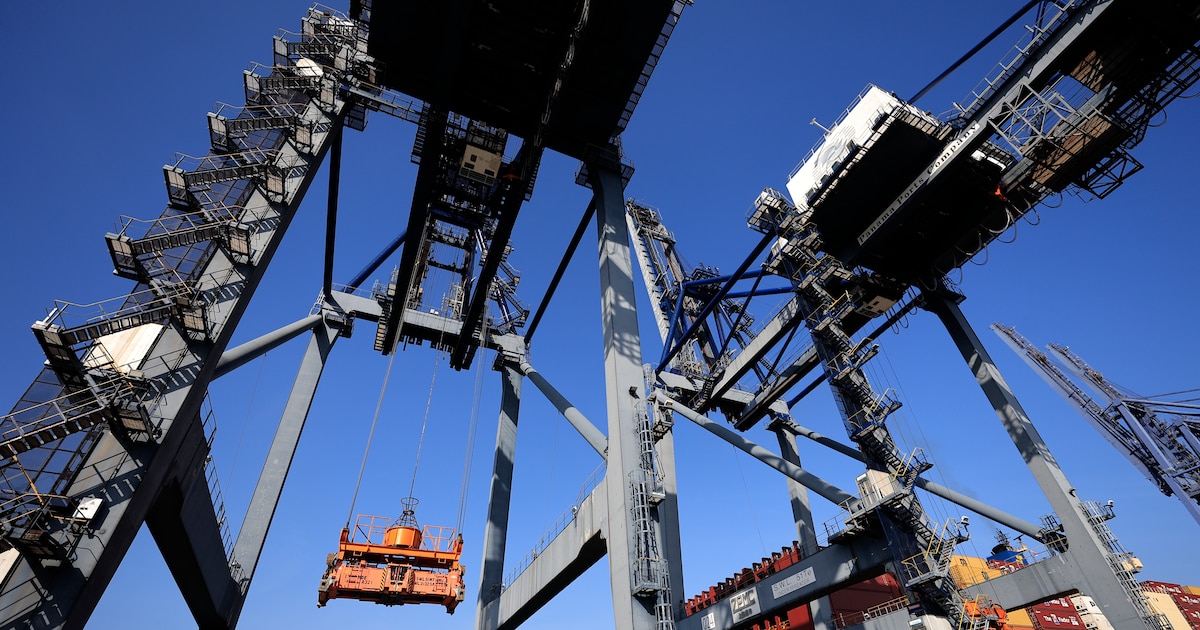
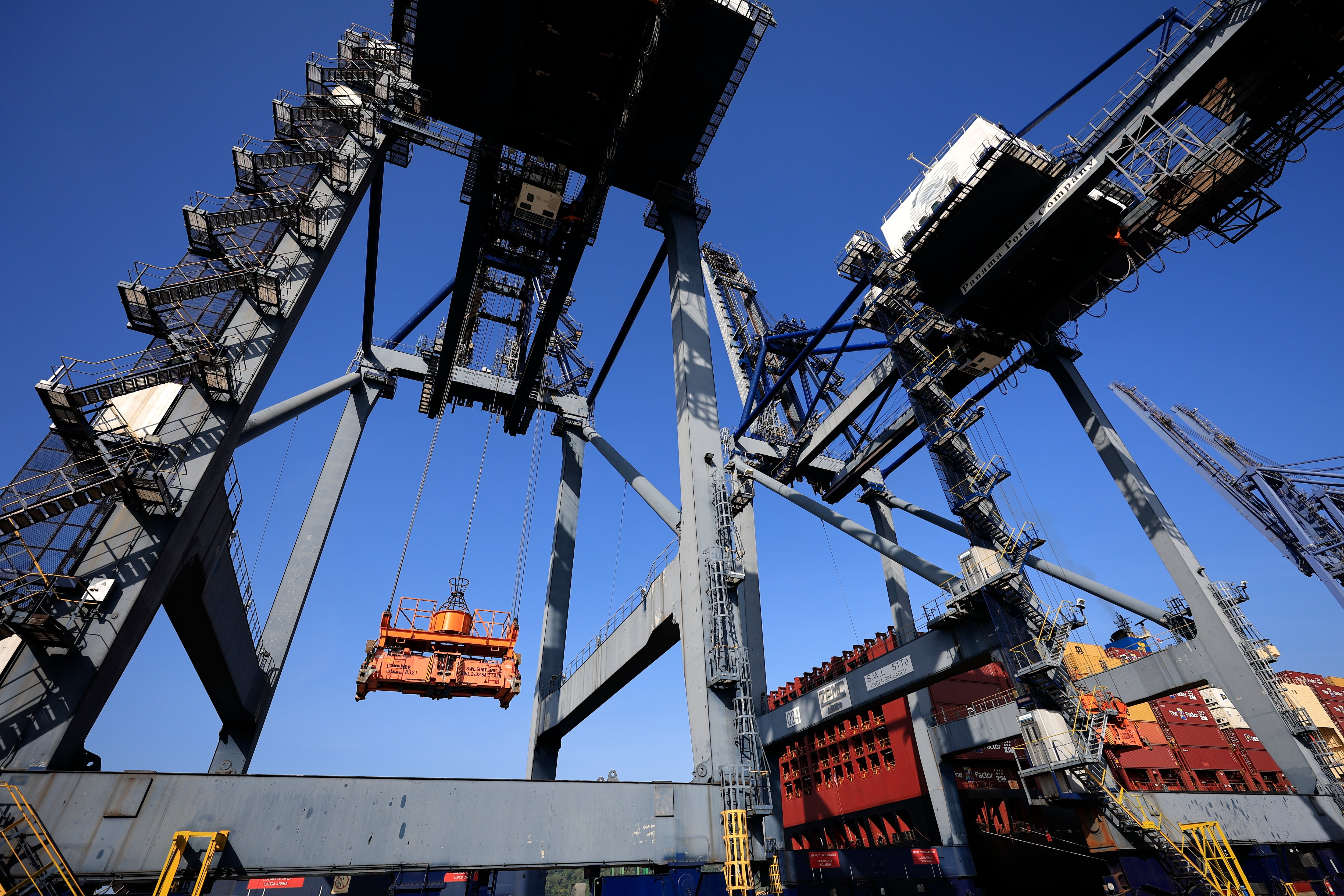
El sistema portuario panameño mantuvo un crecimiento moderado durante los primeros ocho meses de 2026, pese a los cambios administrativos registrados en dos terminales estratégicas. Entre enero y agosto, los puertos movilizaron 6.74 millones de TEU, un aumento de 2.8% frente al mismo periodo de 2025.
El resultado también superó los 6.43 millones contabilizados durante igual periodo de 2024. Esto significa que la actividad avanzó 4.9% en comparación con dos años atrás, aunque el desempeño fue desigual: algunas terminales crecieron con fuerza, mientras Balboa y Cristóbal registraron retrocesos durante un año de transición operativa.
Un TEU es una unidad equivalente a un contenedor estándar de 20 pies de largo. La industria utiliza esta medida porque las cajas pueden tener diferentes dimensiones: un contenedor de 20 pies representa un TEU y uno de 40 pies equivale normalmente a dos TEU.
Esta fórmula permite comparar terminales, rutas y periodos sin limitarse a contar unidades físicas. Panamá movilizó 3.72 millones de contenedores entre enero y agosto, pero su capacidad conjunta fue equivalente a 6.74 millones de TEU, una diferencia explicada principalmente por la utilización de cajas de mayor tamaño.
Las estadísticas de la Autoridad Marítima de Panamá muestran que 5.98 millones de TEU correspondieron a operaciones de trasbordo, equivalentes a cerca del 89% del total. Otros 722,900 estuvieron vinculados con carga local y 40,923 con movimientos relacionados con la Zona Libre de Colón.
El trasbordo ocurre cuando un contenedor llega en un buque, es descargado y posteriormente colocado en otra embarcación para continuar hacia su destino. Esta actividad refleja la función de Panamá como centro regional de distribución, aunque la mercancía no necesariamente ingrese al mercado nacional ni forme parte de las importaciones del país.
El movimiento comenzó enero con 865,677 TEU y cayó a 697,585 en febrero, el registro mensual más bajo del periodo analizado. La actividad se recuperó gradualmente hasta alcanzar 937,957 TEU en julio, antes de cerrar agosto con 891,616, un 4.7% más que un año antes.
SSA Marine MIT presentó el mayor crecimiento absoluto entre las principales terminales. Sus operaciones alcanzaron 2.16 millones de TEU, con un incremento aproximado de 19.2% frente a 2025. El resultado estuvo impulsado tanto por los trasbordos como por la carga vinculada con el mercado local.
Colon Container Terminal también amplió su actividad hasta aproximadamente 1.31 millones de TEU. La terminal aumentó 17.2%, favorecida por un crecimiento de 15.4% en los trasbordos y de 38% en la carga local, mientras los movimientos de Zona Libre avanzaron 7.3% durante el periodo.
PSA Panama International Terminal movilizó poco más de un millón de TEU, alrededor de 7.8% por encima del año anterior. En contraste, Bocas Fruit Company redujo considerablemente sus operaciones, con cerca de 37,800 TEU, afectada principalmente por la caída del componente de trasbordo.
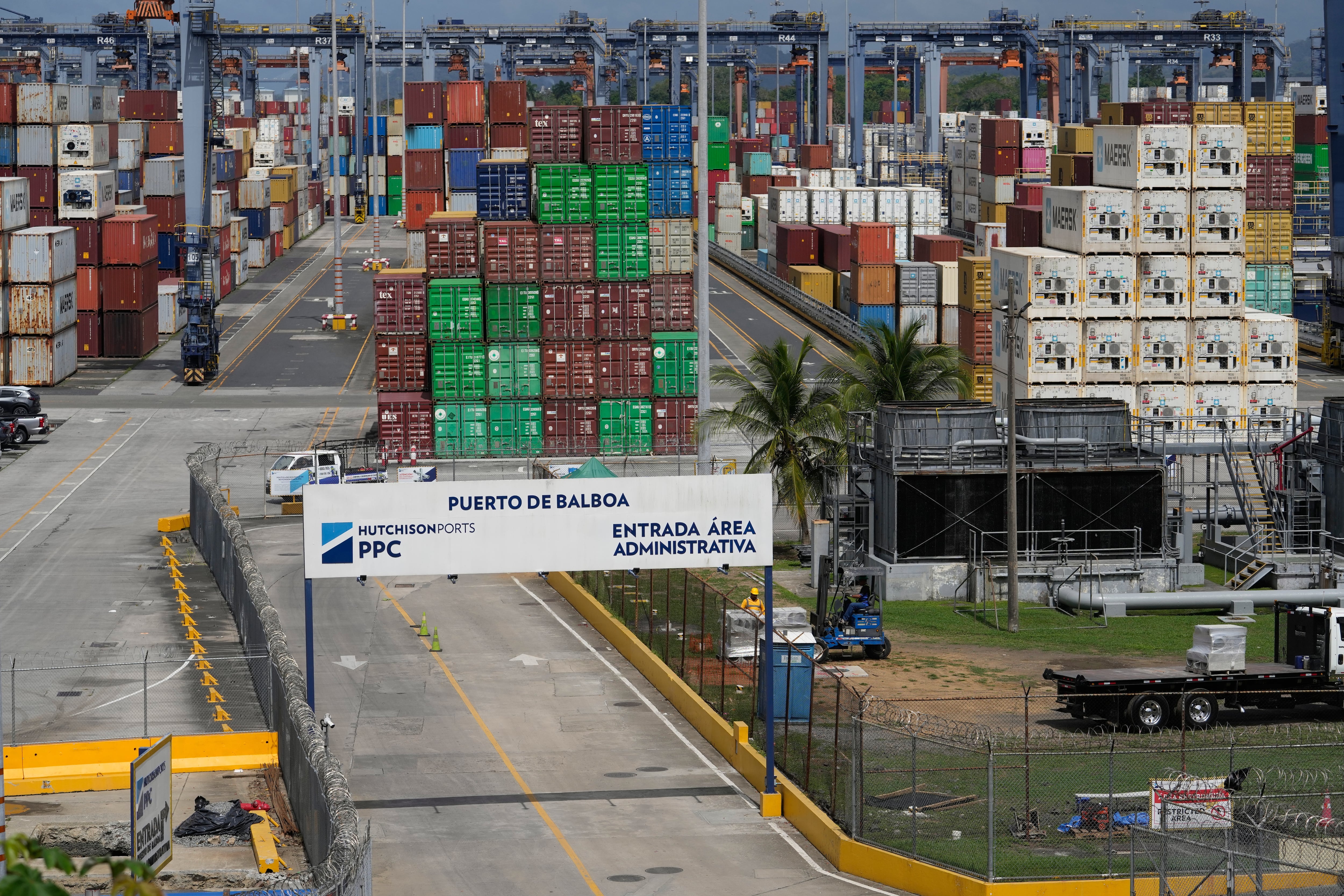
Balboa terminó agosto con 1.57 millones de TEU, una disminución cercana al 11.1% frente a 2025. Cristóbal contabilizó alrededor de 642,400 TEU y registró una contracción de 23.9%, convirtiéndose en la terminal con el retroceso porcentual más pronunciado entre los principales complejos.
Ambos descensos coincidieron con el relevo de sus administradores. La Corte Suprema declaró inconstitucional en enero la concesión otorgada a Panama Ports Company, subsidiaria de CK Hutchison, y el Gobierno tomó el control de las instalaciones en febrero para garantizar la continuidad de los servicios portuarios.
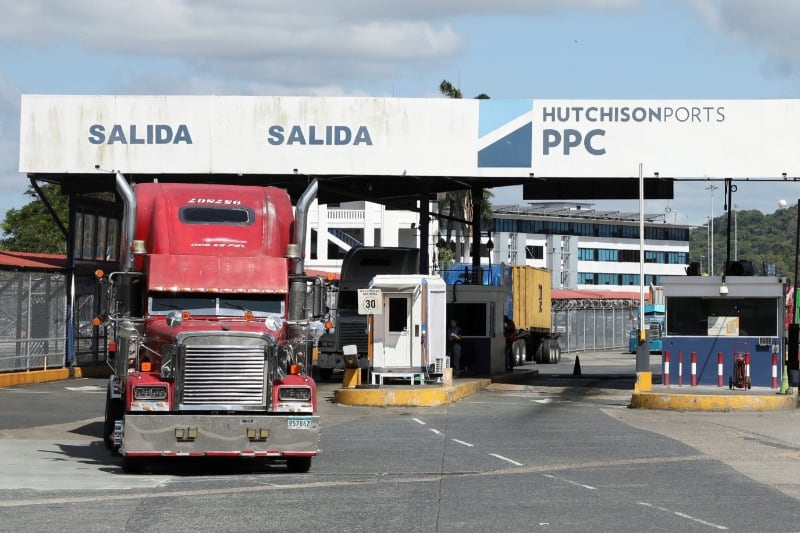
El Consejo de Gabinete aprobó concesiones transitorias por un plazo máximo de 18 meses. Desde entonces, APM Terminals Panama, subsidiaria del grupo Maersk, administra temporalmente el puerto de Balboa, mientras TIL Panama, vinculada con Mediterranean Shipping Company, asumió la operación provisional de Cristóbal.
El relevo abrió además una disputa internacional. Panama Ports Company inició el 3 de febrero un arbitraje bajo las reglas de la Cámara de Comercio Internacional y posteriormente elevó su reclamación a más de $2,000 millones. La empresa cuestiona la terminación de su concesión y reclama compensaciones por los daños alegados.
El proceso continúa pendiente y podría prolongarse durante varios años. Mientras se resuelve, el Gobierno mantiene que las operaciones no fueron interrumpidas y prepara un nuevo esquema de concesiones. El presidente José Raúl Mulino adelantó que Balboa y Cristóbal no volverán a entregarse conjuntamente a un solo administrador.
El sistema portuario también movilizó 110,409 vehículos entre enero y agosto, un crecimiento de 15.2% respecto de los 95,850 registrados en 2025. El volumen superó además en 5.4% los 104,792 automóviles contabilizados durante el mismo tramo de 2024.

SSA Marine MIT concentró aproximadamente 70,900 vehículos y aumentó su actividad en alrededor de 23.3%. Balboa manejó cerca de 39,500 unidades, con un avance aproximado de 3.1%, mientras Cristóbal no reportó movimiento vehicular durante los primeros ocho meses, después de una participación prácticamente inexistente el año anterior.
Junio fue el mes de mayor actividad automotriz, con 22,191 unidades, seguido por enero con 16,920 y abril con 16,842. El crecimiento acumulado estuvo relacionado principalmente con los embarques y trasbordos realizados por MIT, que compensaron las variaciones mensuales observadas en Balboa y la ausencia de operaciones en Cristóbal.
El balance hasta agosto confirma que Panamá conservó su peso como plataforma logística para carga contenerizada y automóviles, pero también muestra una redistribución entre terminales. El sistema creció en conjunto mientras los dos puertos sometidos a transición perdieron volumen y otros operadores captaron una proporción mayor del movimiento.
Corporate Events
INTERNACIONAL
Pentagon reveals secret space weapons are already in orbit — but won’t say what they do
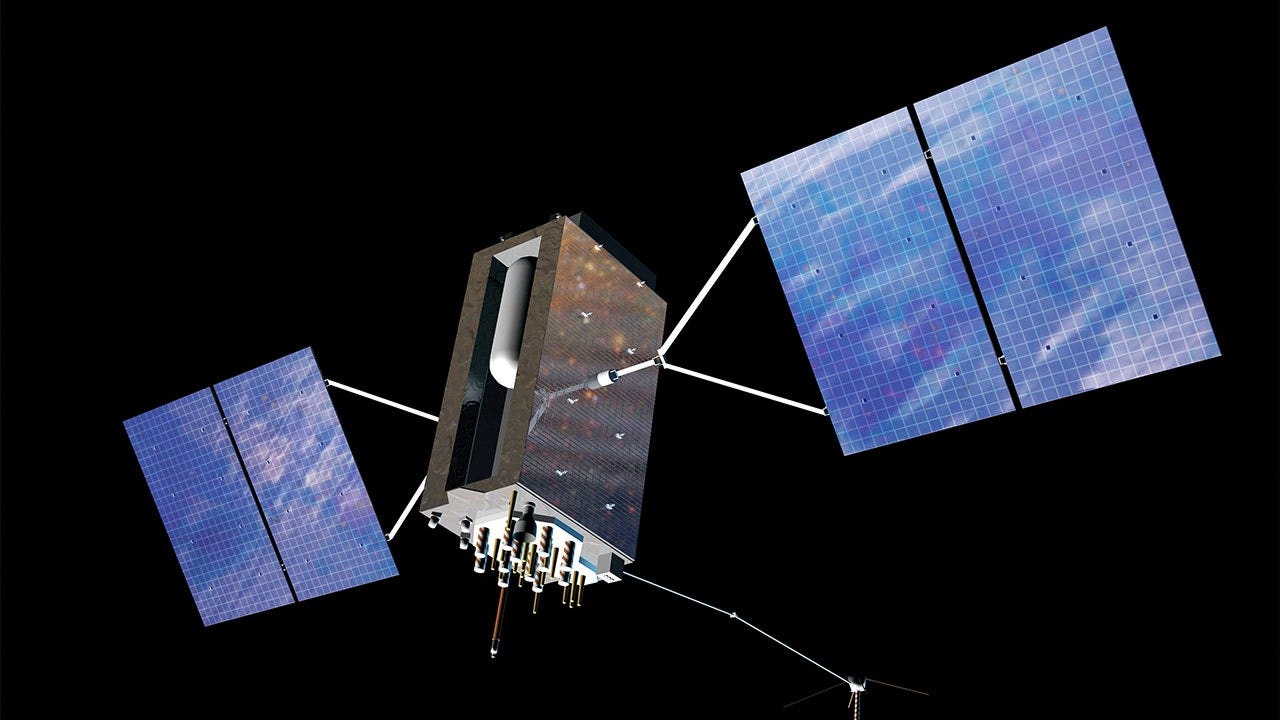
The U.S. has weapons orbiting Earth that can be used to defend American forces from attacks in space, the Air Force secretary revealed this week in a rare public acknowledgment of capabilities the Pentagon has largely kept secret.
Air Force Secretary Troy Meink said Monday that the Space Force now has «on-orbit space control weapons capable of defending the joint force against hostile adversary action,» but declined to say what the weapons are, how they work or when they were deployed.
The carefully worded disclosure marks a shift in how openly the U.S. military talks about weapons in orbit as China and Russia develop their own capabilities to disrupt, disable or destroy satellites.
TRUMP TO TRANSFORM SPACEFLIGHT FROM SPECTACLE TO STATUS QUO TARGETING 3 LAUNCHES PER DAY
«Is there any question in the room, by anybody, about whether or not the Chinese or Russians have been developing these sorts of weapons?» Meink told reporters after his remarks at the Air & Space Forces Association’s Air, Space & Cyber Conference in National Harbor, Maryland — right outside of Washington, D.C.
«For over a decade, we’ve been talking about the fact, and we have expressed concern, that the Chinese and Russians were developing weapons for space,» he continued. «We need to focus on making sure we can protect ourselves operating in that environment.»
Exactly what the U.S. has put into orbit remains a mystery.
The U.S. has previously discussed placing weapons in space, including plans to deploy space-based interceptors capable of destroying incoming missiles as part of President Donald Trump’s Golden Dome missile defense system.
But Meink’s disclosure goes a step further: The Space Force already has weapons in orbit for «space control,» a mission aimed at protecting U.S. access to space and, if necessary, denying an adversary the ability to use it.
The Pentagon has historically revealed little about the weapons developed for that mission, with publicly known U.S. counter-space capabilities largely based on the ground.
«What the U.S. is going for is a wow factor here,» Clayton Swope, deputy director of the Aerospace Security Project at the Center for Strategic and International Studies, told Digital. «Wow. The U.S. has never talked about space weapons like this before.»
«That’s really what is exceptional and newsworthy about this revelation,» Swope said. «The U.S. is saying we’re putting weapons in space to make sure that our adversaries can’t use space, or to make sure that we can continue to use space.»
Meink appeared to make clear that the ambiguity surrounding the weapons is intentional. He told reporters his language was «very well thought out» and declined to say whether the systems are kinetic or non-kinetic. Kinetic weapons physically strike or destroy a target — think bombs, bullets and missile — while non-kinetic systems can disrupt or disable it without blowing it up — like cyber attacks or radio jams.
«There are a lot of factors that roll into how we talk about these things,» Meink said, explaining that publicly revealing a capability can contribute to deterrence while disclosing too much about it can undermine that advantage.
«We’re not going to talk about the specifics of what we’re doing, whether we’ve tested it, not tested it, or anything else,» he said. That leaves a wide range of possibilities.
Digital did not hear back from the Space Force when reached for details of the weapon.
INSIDE AMERICA’S LASER REVOLUTION AS THE MILITARY NEARS BIG BATTLEFIELD BREAKTHROUGH
Swope said «space control weapons» could encompass everything from kinetic systems capable of firing missiles or projectiles at another satellite to jammers that interfere with satellite communications or lasers designed to temporarily overwhelm imaging sensors.
«We really don’t have enough information to know precisely which one of these types of capabilities we’re talking about,» Swope said. «It’s really anybody’s guess what type of weapon we’re talking about.»
FATAL AIR AMBULANCE CRASH EXPOSES GROWING GPS DANGER FACING US FLIGHTS
But whatever the Pentagon has deployed, putting a weapon in orbit rather than launching it from Earth could offer one potentially significant advantage: speed and surprise.
A weapon launched from Earth toward a satellite could potentially give an adversary warning that an attack was underway. A capability already positioned in orbit could dramatically shorten that window.
«Maybe something measured at dozens of minutes could be compressed into just mere minutes,» Swope said.
«And you wouldn’t have any indication that maybe a jammer was turned on, on the satellite, other than all of a sudden your signal is being interfered with,» he added.
«If you can act fast without your adversary knowing, if you can have surprise, that gives you a strategic or an asymmetric advantage in combat,» Swope said. «And having systems in orbit do just that.»
Even observing the spacecraft itself may offer few clues about what it can do.
«Space is a very transparent place,» Swope said, noting that governments and civilian observers can track where satellites are, how fast they are moving and what orbits they occupy.
«But what you’ll see often is, oh, it’s a satellite,» he said. «It’s a lot of technology with solar panels and antenna on it. And you don’t really know much beyond that.»
A satellite equipped to jam another spacecraft’s signals, for example, might look much like an ordinary communications satellite.
«Any signal can be a jamming signal,» Swope said. «It just depends on if it’s the one you want to receive, or the one that someone’s trying to use to jam you.»
The concept of weapons operating in orbit is not new. Swope pointed to the Soviet Union’s work on co-orbital anti-satellite weapons dating to the 1960s. Russia has continued developing counterspace capabilities, including systems designed to operate in orbit near other satellites.
China has also developed and tested technologies that could threaten spacecraft, including satellite-servicing and debris-removal systems that have legitimate civilian uses but could potentially be repurposed to interfere with another satellite.
Other forms of interference are already widespread.
«When we talk about jamming and spoofing and cyberattacks against space systems, these happen all the time, both from Russia and China and other countries like North Korea and Iran,» Swope said. «There is so much jamming and spoofing happening around the world right now, it’s almost ubiquitous.»
Those attacks can target systems such as GPS and satellite communications without physically destroying a spacecraft.
That distinction could become critical during a conflict. Jamming, spoofing or cyberattacks may remain below the threshold that prompts a major military response, while physically destroying a satellite could represent a significant escalation.
«If you drop a bomb on a satellite ground station or you shoot a missile at a satellite in space, that’s a big difference,» Swope said. «That’s a huge escalation.»
The stakes are particularly high because modern U.S. warfare is deeply dependent on space-based systems for communications, navigation, intelligence, missile warning and targeting.
«Space is an enabler of joint operations,» Swope said. «We can’t do military operations the way that we do them today without satellites, without systems in space.»
China increasingly faces the same dependency, making control of space potentially decisive in a conflict between the two powers.
«Whoever has space and can deny that to their adversary has a huge asymmetric advantage in a conflict,» Swope said.
«China depends on space as well, and their use of space for joint operations looks very much like the United States,» he added. «Both countries, I would go so far as to say, depend on space to conduct military operations on Earth.»
military, air and space, air force, armed forces topics, pentagon, national security, politics

Tras su detención, Sergio Urribarri enfrentará nuevas causas por corrupción en la Justicia de Entre Ríos

EXCLUSIVE: Haitian illegal alien gang member who went viral yelling ‘Biden forever’ during ICE arrest deported

De gira en EE.UU., Jorge Macri destacó el respaldo a una eventual alianza entre Pro y LLA en 2027

Una adolescente de 16 años murió en la previa del recital de Stray Kids

El movimiento de contenedores creció en Panamá 2.8% hasta agosto pese al retroceso de los puertos de Balboa y Cristóbal

Jornada financiera: la suba del petróleo impulsó a las acciones energéticas y el riesgo país volvió a superar los 500 puntos

Entre arroyos y countries: vecinos intentan salvar el último pulmón rural del conurbano antes de que cambie para siempre

Trump habló de una posible guerra por Malvinas y dijo que podría intervenir para resolverla

Más allá de la música, el nuevo negocio de Pablito Lescano, el líder de Damas Gratis

El polémico video de Tiago PZK con La Joaqui cuando ella aún estaba de novia con Luck Ra que desató un escándalo

 SOCIEDAD2 días ago
Entre arroyos y countries: vecinos intentan salvar el último pulmón rural del conurbano antes de que cambie para siempre
- POLITICA2 días ago
Trump habló de una posible guerra por Malvinas y dijo que podría intervenir para resolverla
- ECONOMIA2 días ago
Más allá de la música, el nuevo negocio de Pablito Lescano, el líder de Damas Gratis