INTERNACIONAL
World leaders descend on New York for UNGA — but who really has America’s ear?

NEWYou can now listen to Fox News articles!
UNITED NATIONS, NEW YORK — More than 100 presidents and prime ministers will descend on New York this week for one of the busiest gatherings on the diplomatic calendar, arriving at a United Nations confronting wars in the Middle East and Ukraine, economic pressure from disrupted energy markets and fresh questions about the institution’s ability to respond to an increasingly fractured world.
The U.N. expects 73 heads of state and 45 heads of government, alongside 49 ministers, 11 vice presidents and one crown prince, U.N. spokesperson Stéphane Dujarric told reporters Friday. Member states have already submitted roughly 1,000 requests for bilateral meetings, while 168 events are scheduled during high-level week, according to Dujarric.
Asked Friday to characterize the atmosphere inside U.N. headquarters as the delegations prepare to arrive, Dujarric described it simply as «high stress.»
INDIA’S MODI-IRAN MEETING COMES AMID US WARNINGS OF SANCTIONS ON TEHRAN’S TRADING PARTNERS
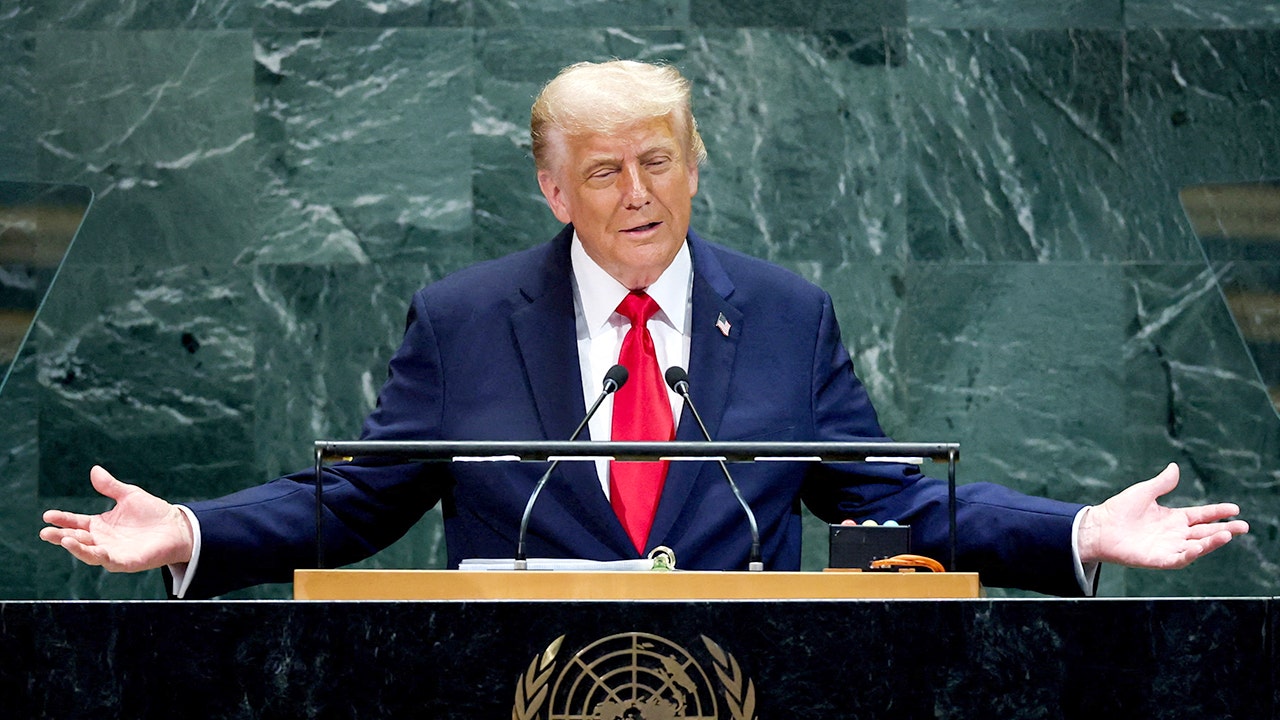
President Donald Trump addresses the 80th United Nations General Assembly at U.N. headquarters in New York City, Sept. 23, 2025. (REUTERS/Mike Segar)
The General Debate of the 81st U.N. General Assembly begins Tuesday, Sept. 22, under the theme, «Restoring trust, managing transformation: A United Nations that delivers for all.»
But beneath the speeches, motorcades and closed-door meetings across Manhattan is another competition: nearly every government represented in New York will be trying, in one way or another, to capture the attention of the United States.
«This is their moment to grab a piece of American mindshare for sure,» Frank Ahrens, head of BGR Analytics, told Fox News Digital.
A new analysis released ahead of UNGA attempts to measure which countries already have it.
The 2026 BGR Impact Index, produced by BGR Analytics, the data practice of Washington-based BGR Group, ranks 197 countries and economies according to their overall footprint in the United States, combining economic, cultural, diplomatic, institutional and geopolitical measures. Japan holds the top position for a third consecutive year, followed by Germany, Canada, the United Kingdom and South Korea.
That competition is especially consequential this year.
TRUMP THREATENS ‘MAJOR MILITARY PUNISHMENT’ FOR IRAN OVER FUTURE HOUTHI ATTACKS
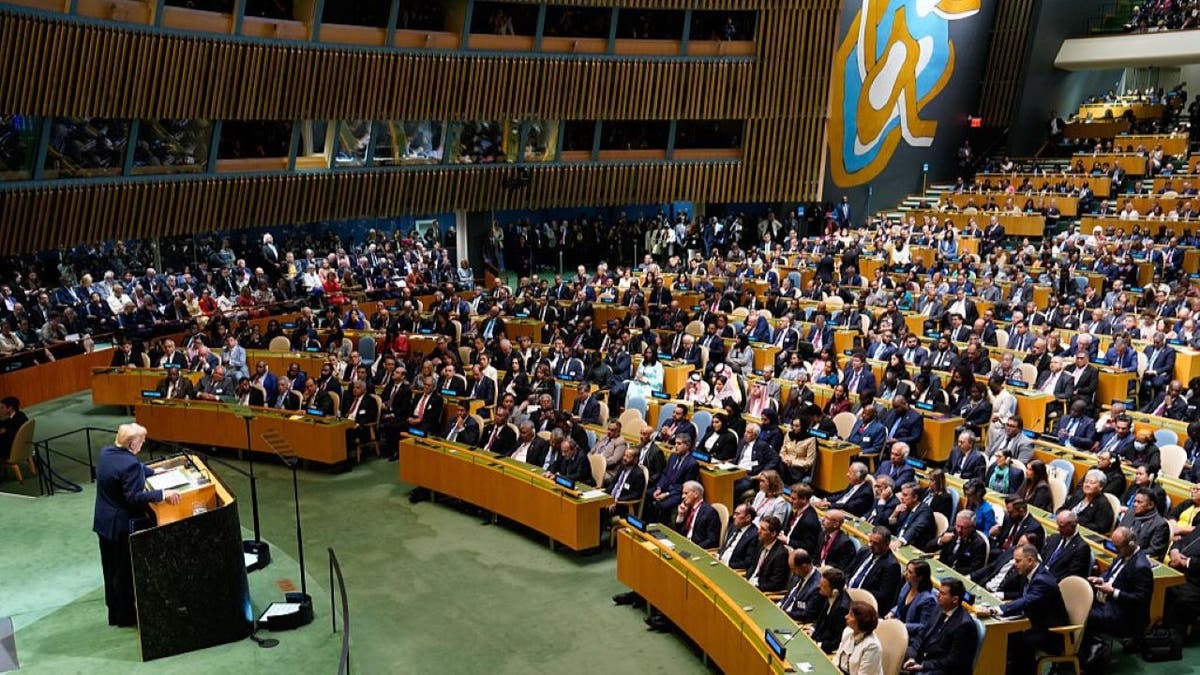
President Donald Trump during the United Nations General Assembly (UNGA) in New York on Tuesday, Sept. 23, 2025. (David Dee Delgado/Bloomberg via Getty Images)
President Donald Trump will return to the General Assembly on Tuesday with the US-Iran war entering its seventh month, while fighting involving the Iran-backed Houthis has placed new pressure on shipping through the Red Sea and raised fresh concerns among Gulf states about regional security. Reuters reported Sept. 18 that European and Asian allies have largely resisted U.S. calls to become more directly involved in the Iran conflict and that the prolonged war has strained Washington’s relationships with some partners.
The stakes extend well beyond Iran. The General Assembly agenda is expected to be dominated also by Russia’s war against Ukraine, Israeli-Palestinian tensions, Sudan, climate change and artificial intelligence. Iranian President Masoud Pezeshkian, Ukrainian President Volodymyr Zelenskyy, Israeli Prime Minister Benjamin Netanyahu and Russian Foreign Minister Sergei Lavrov are among the prominent leaders or representatives expected to speak.
That combination of military power, diplomatic access and public perception gets at the central question behind BGR’s index: what does influence actually mean?
BGR compiled more than 100 indicators, ranging from GDP, population and foreign investment to international students, cultural presence and lobbying activity in Washington.
But one of the most consequential variables in this year’s analysis came from a much newer arena: social media.
«We looked at 4.9 trillion pieces of data across an entire year because we know that a social media campaign can really move a country’s perception in the U.S.,» Ahrens said. «And that was really the big takeaway from this year’s index.»
Social-media sentiment accounts for 20% of the index, second only to cultural imprint at 24%. Institutional ties and outward orientation each make up 16%, geopolitical nexus accounts for 10%, economic size 8% and lobbying and Washington influence 6%. BGR says its underlying data comes from publicly available sources, primarily the U.N., U.S. government agencies and established research institutions, while its social-media data is supplied by Meltwater.
For smaller countries, the analysis suggests reputation can produce particularly large swings.
Bahrain was the biggest riser, climbing 22 places, from No. 97 in 2024 to No. 75 in 2026. BGR attributed much of that increase to improved U.S.-facing online sentiment and increased visibility tied to Bahrain’s election to a rotating U.N. Security Council seat, its Arabian Gulf Cup victory and a USS Nimitz port call.
TRUMP ADMINISTRATION TOUTS MORE THAN $1B IN UN BUDGET CUTS AS REFORM PUSH GAINS MOMENTUM
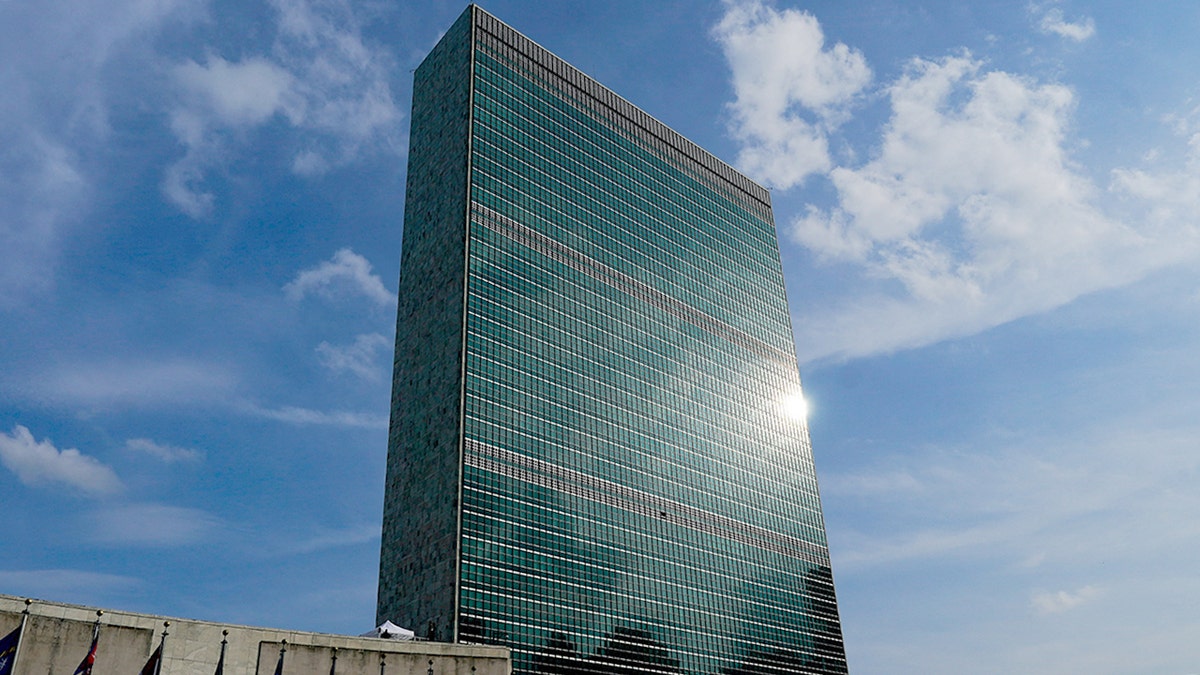
United Nations headquarters during the 80th United Nations General Assembly, in New York City, New York, U.S., September 23, 2025. (REUTERS/Al Drago)
Georgia moved in the opposite direction, falling 31 positions, from No. 73 to No. 104. BGR said its deteriorating U.S.-facing online sentiment coincided with political unrest and arrests of journalists and opposition leaders.
Ahrens acknowledged that generating attention is not the same as wielding political influence. «Countries that make a lot of noise about themselves do get on the radar, but to stay on the radar, you have to have real accomplishments.»
The index attempts to address that distinction by combining sentiment with harder measures such as economic links, institutional rankings, lobbying expenditure and participation in international organizations.
Perhaps BGR’s most unusual example of how national perception can change did not come from a president, diplomat or lobbying operation.
It came from a German soccer fan.
BGR calls it the «Freddy Effect,» after a German World Cup visitor whose enthusiastic posts about traveling through the United States went viral this summer.
Ahrens said BGR found that positive sentiment toward Germany increased 13% over roughly three weeks during Freddy’s rise online. BGR links a substantial part of that increase to the reaction generated by his posts, although the data does not independently establish that he alone caused the change.
«Can you recreate a Freddy? I don’t know if you can reverse engineer him to that effect,» Ahrens said. «But what it shows you is how authentic communication really breaks through on social media.»
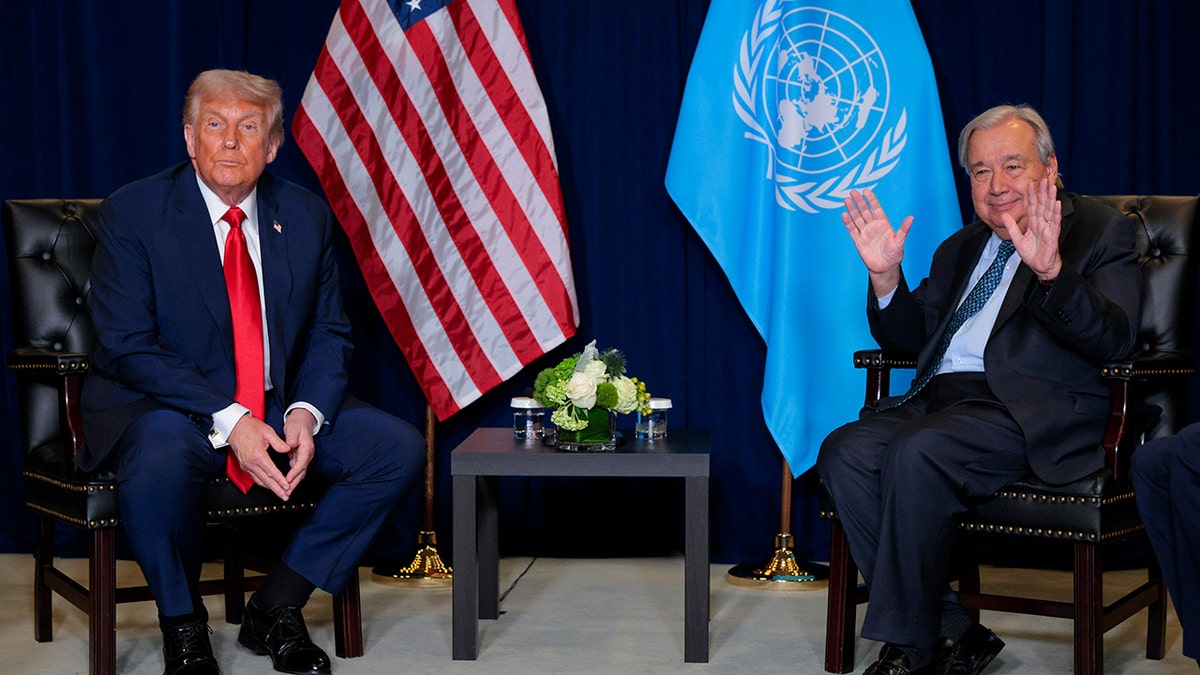
President Donald Trump (L) meets with United Nations Secretary-General António Guterres during the 80th session of the U.N. General Assembly (UNGA) at the United Nations headquarters on September 23, 2025, in New York City. World leaders convened for the 80th Session of UNGA, with this year’s theme for the annual global meeting being «Better together: 80 years and more for peace, development and human rights.» (Chip Somodevilla/Getty Images)
It is a lesson that may resonate with delegations arriving in New York this week, where hundreds of leaders will have only a few days to secure meetings, shape headlines and make their country’s case.
united nations, general assembly, world, foreign affairs, geopolitics









INTERNACIONAL
Honduras: padres exigen respuestas a Secretaría de la niñez mientras una denuncia por presunta agresión sexual sacude a la institución
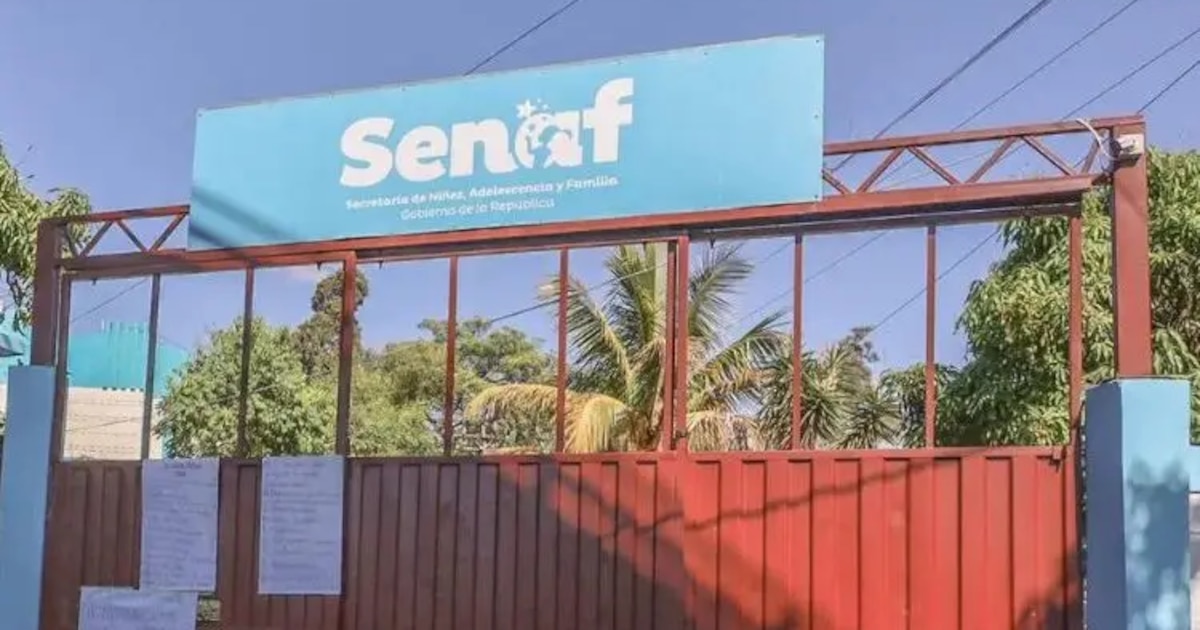
La Secretaría de Niñez, Adolescencia y Familia (SENAF) enfrentó una jornada marcada por reclamos públicos de familiares y por una grave denuncia que volvió a poner bajo escrutinio los mecanismos de protección dentro de la institución.
En Tegucigalpa, varios padres llegaron a las instalaciones de SENAF para exigir información sobre sus hijos, quienes, según sus testimonios, fueron separados de sus hogares por decisiones de protección.
Uno de los casos más visibles fue el de un padre que, de rodillas y entre lágrimas, pidió que le devolvieran a su hijo. Aseguró que el menor fue retirado de su hogar con carácter “temporal” hace casi tres años y sostuvo que todavía espera una respuesta definitiva sobre su situación.
Otros familiares también reclamaron falta de información y cuestionaron que no se les explique con claridad qué deben hacer para recuperar el cuidado de sus hijos.
En paralelo, una joven que estuvo bajo protección de SENAF denunció públicamente que habría sido víctima de una presunta agresión sexual por parte de un psicólogo de la institución.
Según su relato, el supuesto hecho habría ocurrido el 28 de julio, después de que el profesional le ofreciera una bebida. La joven afirmó que posteriormente perdió el conocimiento y despertó desnuda.
También aseguró que, tras recibir atención médica, se enteró de que estaba embarazada y actualmente tendría unas siete semanas de gestación.
La denuncia permanece bajo investigación y no existe hasta ahora una resolución que establezca responsabilidad penal del trabajador señalado.
Uno de los elementos más delicados del caso es la existencia de versiones contradictorias sobre la edad de la joven.
Durante su declaración pública, ella afirmó tener 17 años. Sin embargo, el Ministerio Público indicó que las diligencias que mantiene corresponden a una ciudadana mayor de 18 años, mientras autoridades de SENAF también han señalado que no sería menor de edad.
Por esa razón, este punto debe mantenerse abierto hasta que los documentos oficiales permitan establecerlo con certeza.
La diferencia no es menor: la edad determina qué fiscalías y mecanismos especiales de protección resultan aplicables y puede modificar el tratamiento jurídico e institucional del caso.
La titular de SENAF, Ada María Mejía Signorelli, afirmó que la institución activó protocolos de atención y que ofrecerá acompañamiento médico, psicológico y legal a la denunciante.
También aseguró que se abrió una investigación interna y sostuvo que SENAF no encubrirá a ningún funcionario si se determina alguna responsabilidad.
La institución confirmó además que en la sede señalada existe un psicólogo hombre, aunque la identidad del trabajador no ha sido divulgada públicamente mientras avanzan las investigaciones.
El Ministerio Público informó que el Módulo de Atención Integral Especializado (MAIE) tuvo al menos tres intervenciones relacionadas con la joven.
Según la Fiscalía, se intentó practicar evaluaciones médicas y psicológicas, pero estas no pudieron completarse debido a la falta de colaboración de la denunciante, quien además no habría proporcionado información que permitiera ubicarla posteriormente.
El MP negó que se le haya cerrado el acceso a la justicia y aseguró que la Fiscalía de Protección a la Mujer continuará investigando.
Los reclamos de los padres y la denuncia contra el psicólogo no forman parte necesariamente del mismo expediente ni deben mezclarse como si tuvieran una causa común.
Sin embargo, ambos episodios convergen en una pregunta central: qué tan transparente, rápida y supervisada es la actuación del Estado cuando una persona queda bajo protección de SENAF.
En el caso de los padres, será necesario conocer qué resoluciones judiciales o administrativas justifican la separación familiar y qué condiciones deben cumplirse para una eventual reunificación.
En la denuncia de la joven, corresponderá esclarecer si ocurrió la agresión, quién podría ser responsable y si los protocolos de protección funcionaron correctamente.
La jornada dejó así a SENAF bajo una presión distinta a la de un simple reclamo administrativo: las familias exigen respuestas y una investigación penal deberá determinar si la propia institución encargada de proteger a personas vulnerables falló en esa obligación.
Corresponsal:Desde Tegucigalpa, Honduras
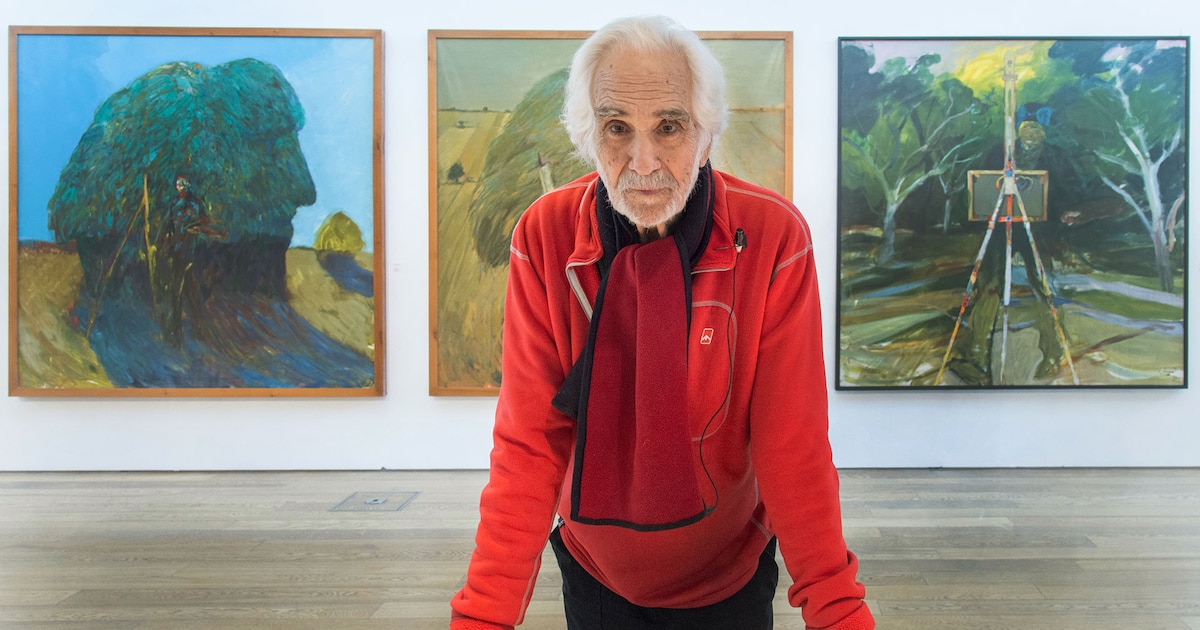
El pintor argentino Carlos Alonso murió a los 97 años, anunció su familia en redes sociales, tras una trayectoria marcada por el expresionismo, la memoria de la dictadura, el exilio y la desaparición de su hija Paloma.
Tras el fallecimiento de Julio Le Parc y, hace apenas unos meses, de Juan Carlos Distéfano, con la partida de Alonso se nos va el último gran pintor argentino, que atravesó gran parte de los vaivenes políticos del siglo XX, que vio nacer y morir utopías. Se cierra así, tristemente, una mirada del mundo desde el arte, un episodio de la memoria nacional.
Murió Carlos Alonso, en su casa de Unquillo, Córdoba, donde se había mudado porque el clima y, especialmente, por la luz del sol sobre los cerros le ayudaban a pintar mejor, donde ayudó a fundar esa rara avis que es el Museo De Arte Contemporaneo Unquillo, donde -justamente- tuvo su última muestra en 2025.
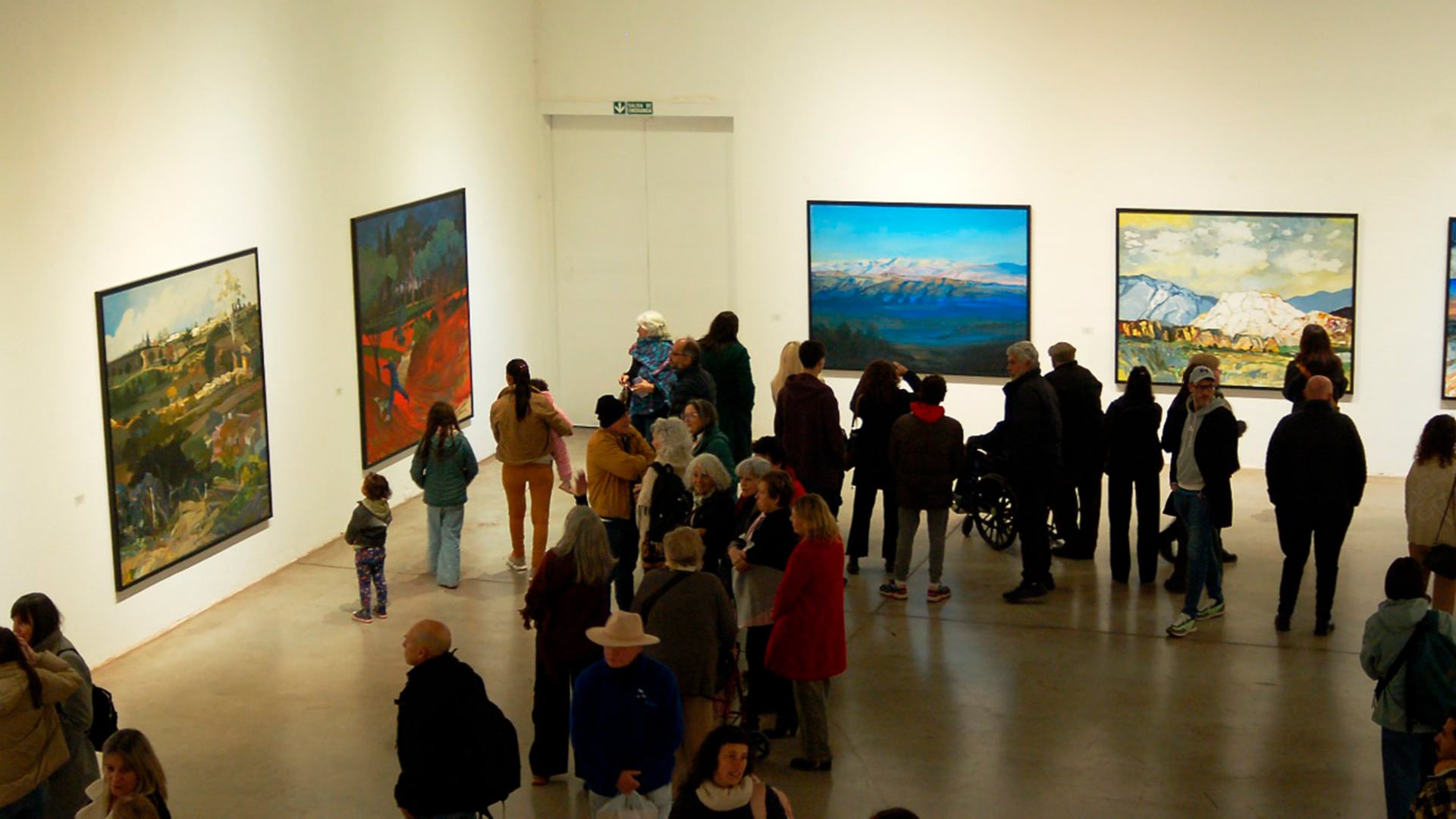
En su producción abordó la pobreza, la violencia y las emergencias sociales y políticas del país. Fue un artista que enfrentó a la maquinaria de la dictadura desde el arte, que debió marchar al exilio y que vivió el dolor de la pérdida cuando su hija Paloma, en 1977, fue detenida y desaparecida, evento que produjo un cambió muy profundo en su plástica.
Nacido el 4 de febrero de 1929 en Tunuyán, Mendoza, volvió a Argentina en 1980 y se instaló en Unquillo, Córdoba, después de vivir en Roma con su esposa e hijo.
El artista recibió el Premio Konex de Platino en 1982 y 1992. En 2019, el Museo Nacional de Bellas Artes de Buenos Aires presentó la exposición Carlos Alonso. Pintura y tradición, dedicada a revisar su obra y sus vínculos con la tradición pictórica.
Alonso inició su formación en 1944 en la Academia de Bellas Artes de la Universidad Nacional de Cuyo, donde estudió con Sergio Sergi, Lorenzo Domínguez y Francisco Bernareggi. En 1950 se mudó a Tucumán para incorporarse al grupo de Spilimbergo en la universidad local.
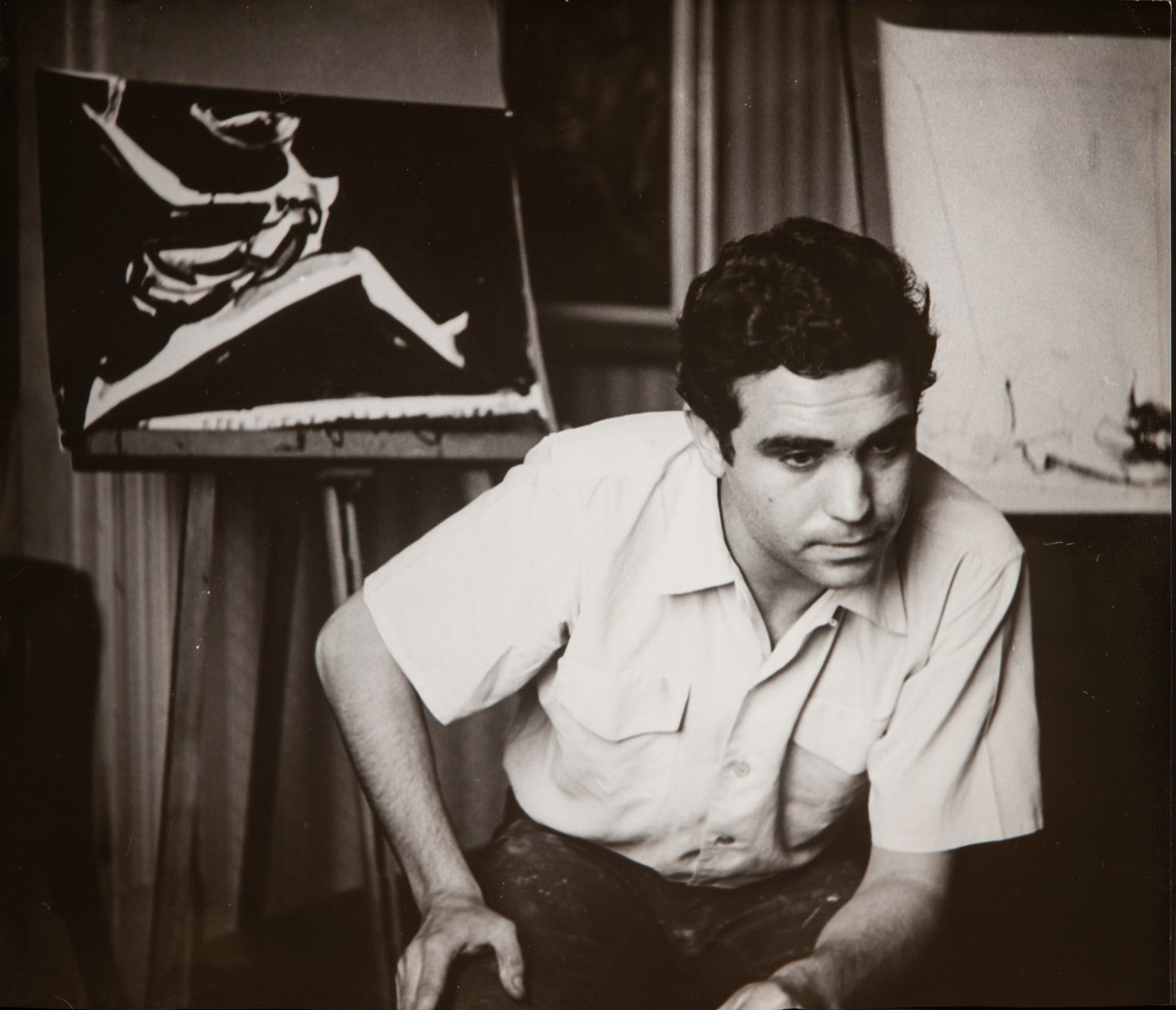
Una exposición en Buenos Aires le permitió viajar a Europa en 1953. Allí entró en contacto con las obras de Diego Velázquez y Vincent van Gogh, referencias que influyeron en su estilo y su mirada artística, y a quienes homenajeó un múltiples pinturas.
En 1957 obtuvo el Primer Premio del concurso para ilustrar la segunda parte de Don Quijote de la Mancha, de Miguel de Cervantes Saavedra. La primera parte de la novela había sido ilustrada por Salvador Dalí.
En 1968 viajó a Florencia para trabajar en las ilustraciones de La Divina Comedia, de Dante Alighieri, serie que se presentó en el Bellas Artes en 2021. Al año siguiente comenzó la icónica serie Lección de anatomía, inspirada en una obra de Rembrandt y dedicada, entre otros temas, a la ejecución del Che Guevara, donde comienza a revelar su mirada sobre lo político.
Nunca fue un pintor del mercado, de hecho. Su obra era directa, visceral por momentos y de una maestría irrepetible, pero no gozó, en gran parte de su carrera, de ser el preferido de los coleccionistas y tampoco de las instituciones: hay piezas suyas en el Bella Artes, en el Moderno, el Museo de Arte Tigre, en Centro Cultural Haroldi Conti, cerrado por el gobierno actual, en el Museo Superior de Bellas Artes Evita – Palacio Ferreyra (Cba), en el MBA Juan R. Vidal de Corrientes y, por su puesto, en el Museo Carlos Alonso – Mansión Stoppel, en Mendoza.
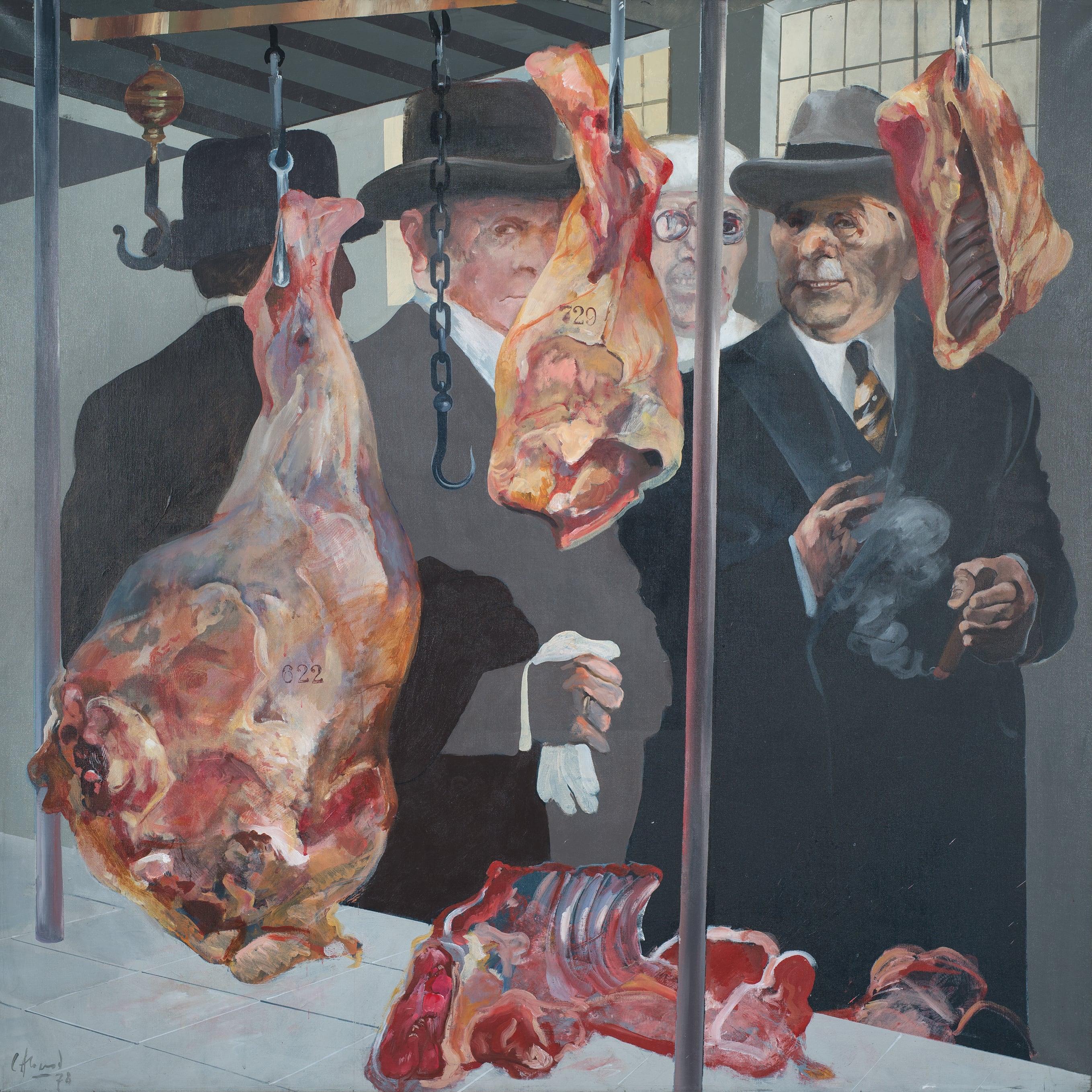
“La mitad de los cuadros de esta muestra los tenía yo, no porque me interesara guardarlos: en general tuve un alto grado de marginación. No lo he sufrido como una persecución, sino como una situación legítima de quien enfrenta ciertas problemáticas que son incómodas”, dijo Alonso, en el marco de la muestra Vida de Pintor, en el Museo Amalita en 2018.
A mediados de la década de 1960, Alonso incorporó la simbiosis entre vaca y hombre y la violencia ejercida sobre el cuerpo. El tema había comenzado con tres collages de 1965, realizados mientras preparaba ilustraciones para El matadero, de Esteban Echeverría.
Retomó esa línea en 1972 con una exposición en la Galería Giulia de Roma. La serie llegó a su punto final en abril de 1976, cuando presentó El ganado y lo perdido en la Art Gallery International, un mes después del golpe de Estado en Argentina.
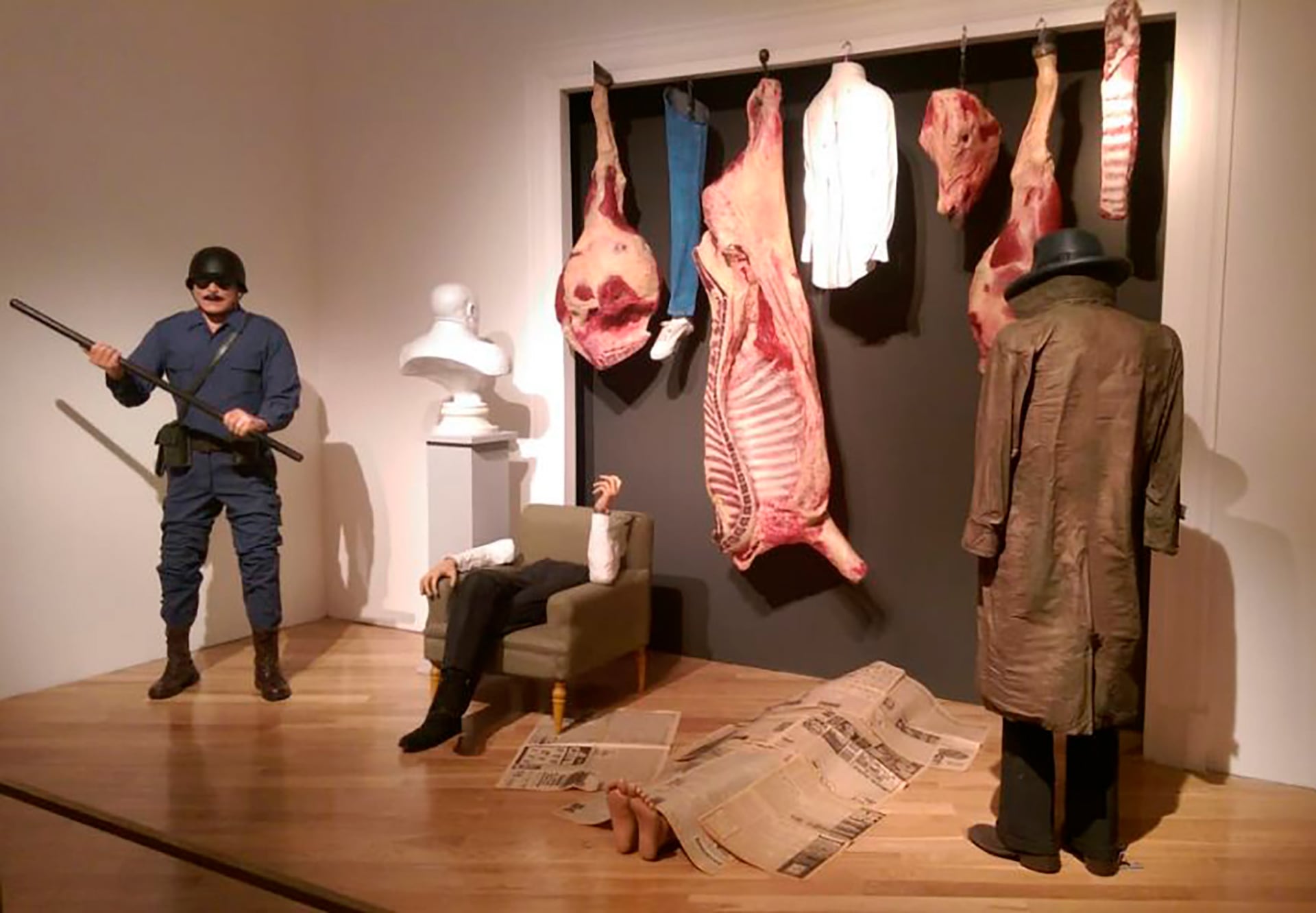
Ese año partió al exilio junto con su esposa e hijo. En 1977, su hija Paloma fue desaparecida, una pérdida que atravesó de manera decisiva su vida y su producción artística.
Alonso describió la desaparición de Paloma, detenida desaparecida en 1977 a los 21 años, como uno de los momentos más trágicos de su vida y explicó que llevó el dolor a la pintura para preservar su memoria.
Durante los primeros años mantuvo la ilusión de que Paloma reaparecería. Tras regresar a Argentina, constató que la ausencia sería permanente: “Lo único que podía mitigarlo era mantenerlo y, sobre todo, trabajar para que quedara memoria de eso”.
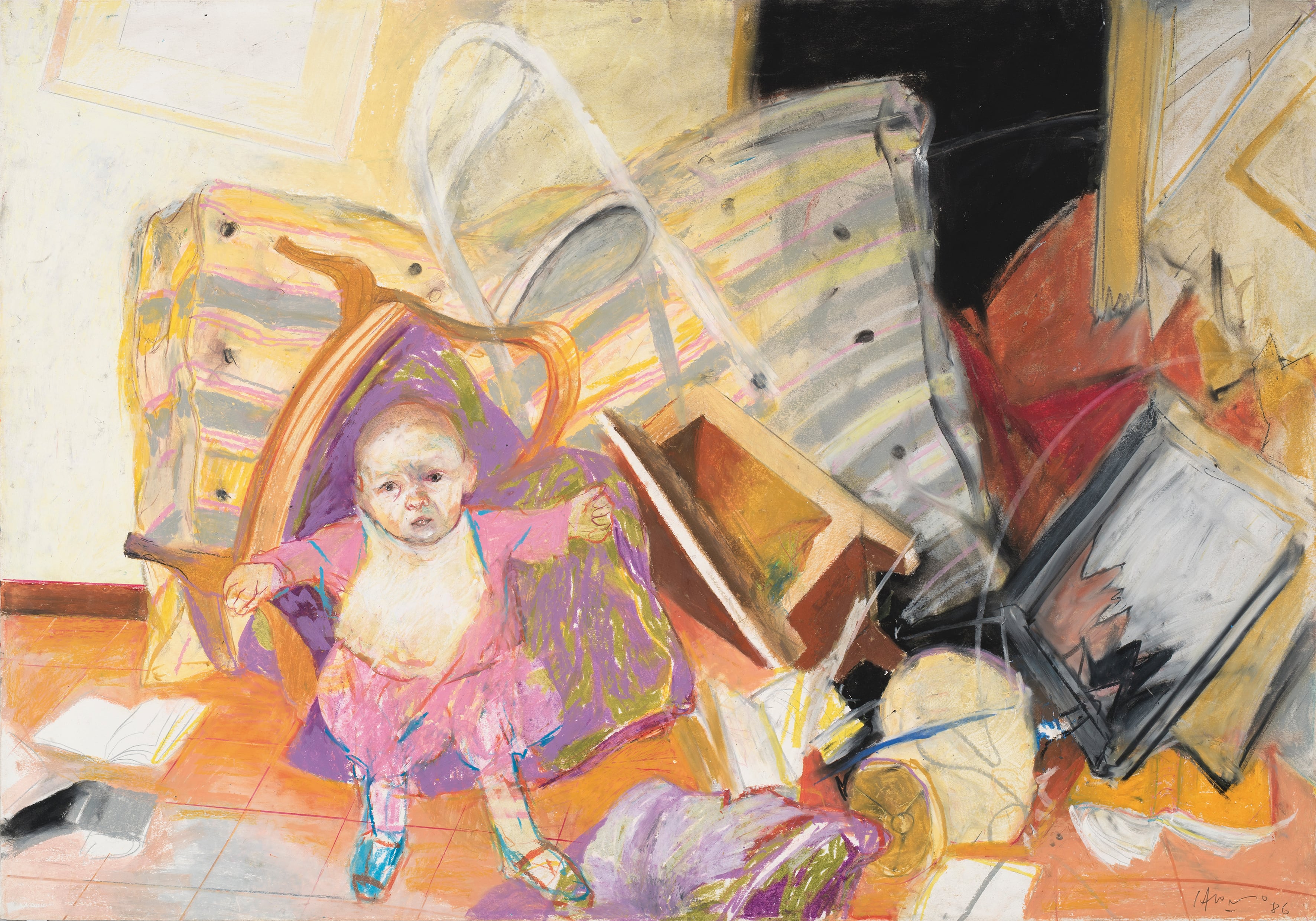
Alonso realizó retratos de Paloma durante su infancia. También hay fotografías tomadas por Anatole Saderman y Annemarie Heinrich. “La pintura siempre fue el campo donde se debatía mi situación”, dijo. Entonces, se mantuvo seis años sin pintar hasta que pudo retomar su actividad.
La obra de Alonso fue exhibida en salas internacionales y sostuvo un interés social persistente. Su pintura, dibujo y grabado reunieron las marcas de la experiencia política argentina, el dolor personal y una exploración técnica que atravesó varias generaciones.
Noticia en desarrollo
INTERNACIONAL
House GOP not done with ActBlue after bombshell internal memos raise foreign cash questions
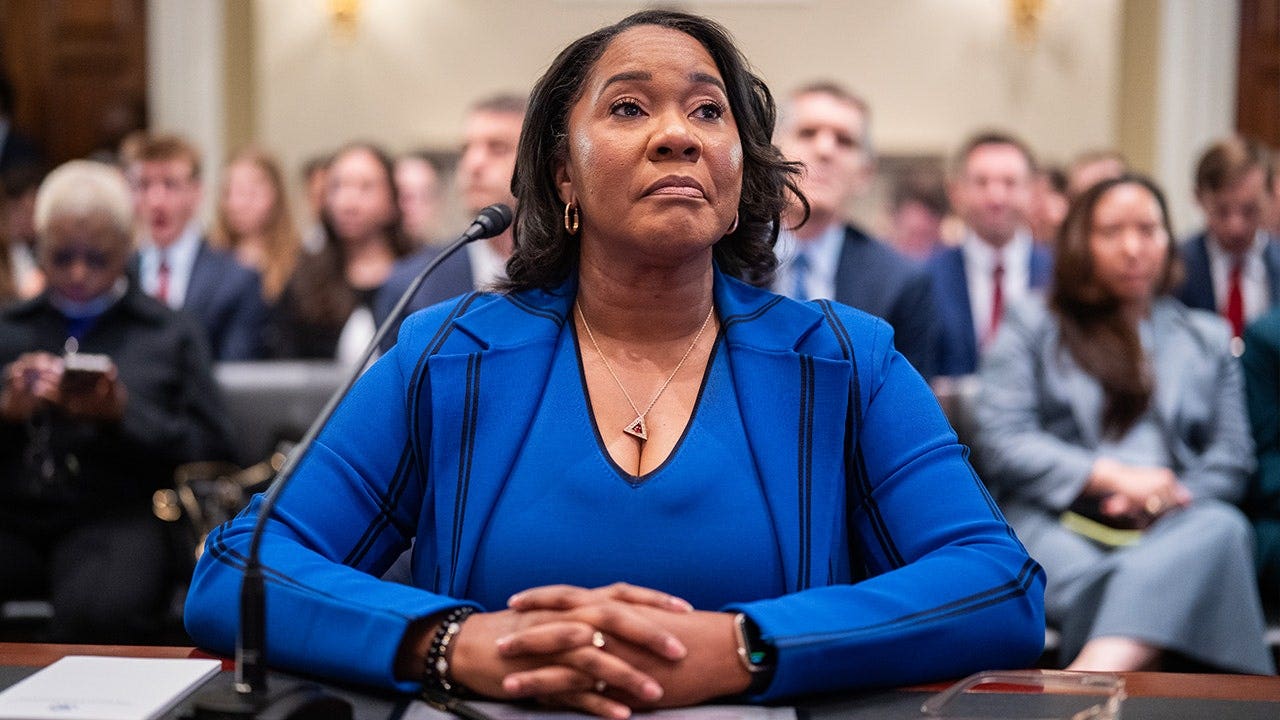
FIRST ON FOX: House GOP investigators are warning that they are not done with ActBlue after a bombshell report fueled questions over whether the Democrat fundraising giant is accepting foreign cash and lying to Congress about it.
«Whether it’s allowing fraudsters to steal taxpayer dollars or accepting illegal foreign donations through ActBlue, Democrats have proven themselves to be the party of fraud. Our investigation into ActBlue is far from over. We expect more documents and testimony in the weeks ahead,» House Oversight Committee Chairman James Comer, R-Ky., told Digital.
ActBlue is a massive platform for campaigns to raise money that’s used by Rep. Alexandria Ocasio-Cortez, D-N.Y., Michigan Senate candidate Abdul El-Sayed and the Democratic leaders of the House and Senate, among others.
Republican lawmakers have long accused the company of having lax verification standards for donors, something ActBlue has said it actively improved since the start of the GOP’s probe. But new findings, first reported by Digital, appear to show employees green-lighting donations despite some questions about where they came from.
FAR-LEFT POLITICIANS STILL USING ACTBLUE AS 88-YEAR-OLD DISPUTES DONATING NEARLY $150,000 TO FUNDRAISING GIANT
But the company maintains it did nothing wrong and signaled in comments to Digital that it has no plans to return any donations raised in the report.
HOUSE DEM LASHES OUT AT GOP EFFORTS TO PROBE FOREIGN DONATIONS WITH STUNNING CLAIM ON MOTIVE
Committee on House Administration Chairman Bryan Steil, R-Wis., told Digital on Friday, «ActBlue’s own admissions raise serious questions about its fraud prevention practices, including a so-called passport verification process that did not actually verify or check entries against any government database. All options are on the table to ensure we get to the bottom of what is going on at ActBlue.»
And a spokesperson for Chairman Jim Jordan, R-Ohio, and the House Judiciary Committee confirmed to Digital that the panel «will continue aggressive oversight of ActBlue, including additional depositions.»
All three committees have been responsible for investigating the left-wing fundraising giant.
It’s not clear how much those depositions will yield, however. The Judiciary Committee revealed through a series of transcripts on Thursday that all 10 ActBlue employees and board members who appeared for closed-door depositions invoked the Fifth Amendment to avoid answering questions.
That includes co-founder Matt DeBergalis, whose invocation was first reported by Digital.
ActBlue CEO Regina Wallace-Jones similarly opted to plead the Fifth during a public hearing.
The GOP report cited a letter by Wallace-Jones to Steil, which maintained that donations on the platform made by people with addresses outside the U.S. required a passport number for verification.
But the Republicans’ report alleged that the verification «only ensures that the entered passport number contains a certain number of characters, not that it is a valid U.S. passport number,» rendering it an essentially meaningless step.
TEXAS AG PAXTON SUES DEM FUNDRAISING PLATFORM ACTBLUE, ALLEGING ‘FRAUDULENT AND FOREIGN DONATIONS’
The report also included excerpts purporting to show ActBlue supervisors green-lighting donations despite «red flags,» including a memo lauding a donation as a «great accept,» but noting, «Donor sometimes has an IP in Hong Kong, but none of their other signals raise any eyebrows.»
Another communication appears to show an ActBlue supervisor maintaining that a denied contribution «should have been accepted.» The rest of the memo stated, «It is a foreign contribution, but the name/email match, the IP/billing match, a full address with the correct country code, and there were previously accepted and successful contributions.»
«The donor uses an Arkansas state code, which isn’t great, but [the] system can be wonky with requiring state codes for foreign donors,» the rest of the message stated.
ACTBLUE SUES TEXAS AG KEN PAXTON, ALLEGING POLITICAL RETALIATION OVER DEMOCRATS’ FUNDRAISING
An ActBlue supervisor also allegedly said a contribution «set off a lot of» alarms, but argued the donor should be given the «benefit of the doubt.»
Yet another appeared to show an ActBlue employee acknowledging that a donor using a Missouri billing address had «all signs point to this person being from Canada,» but that X (then Twitter) was used to confirm their identity.
But despite the GOP’s accusations, the report’s evidence also appears to show ActBlue employees standing by the platform.
An email from ActBlue employees shows they believe the company to be «the target of bad-faith political attacks at the hands of ill-intentioned operators.» ActBlue also previously told the committee «there is no evidence that foreign donations through online or small-dollar contributions are a problem in U.S. elections.»
The communications excerpts were included in the report and not independently verified by Digital.
It’s prompted a firestorm on the right, with House Republicans’ campaign arm demanding that Democrats return donations made through ActBlue.
«House Democrats cannot claim ignorance while continuing to rely on a fundraising platform facing serious allegations. The [National Republican Congressional Committee] officially calls on every House Democrat to cut ties with ActBlue and return any illegal contributions funneled to their campaigns through the platform,» spokesman Mike Marinella said.
But when asked if ActBlue would return any donations, the company pointed Digital back to its statement on the House GOP report.
«There’s nothing to see here. After we released findings of a third-party forensic analysis that completely undermined a central claim that they have made against ActBlue, Republicans are refusing to move on,» ActBlue said.
«Instead, they are orchestrating another political stunt before rushing out of town weeks early to go campaign. This coordinated campaign against ActBlue isn’t about the facts, or legislating, it’s about Republicans’ efforts to silence organizations they believe threaten their agenda.»
politics, fox news investigates, investigations, hearings house of representatives politics, congress

El Gobierno busca despolitizar la visita de León XIV al Cottolengo Don Orione y mantiene bajo análisis decretar feriado o asueto

¿Cuándo habla Javier Milei frente a la Asamblea de las Naciones Unidas este 2026?

Dólar hoy: a cuánto operan todas las cotizaciones minuto a minuto este lunes 21 de septiembre

Honduras: padres exigen respuestas a Secretaría de la niñez mientras una denuncia por presunta agresión sexual sacude a la institución

Sergio Uñac se sostiene como precandidato del PJ, en medio de las especulaciones sobre Cristina Kirchner

Se lanzó Axel Kicillof para el 2027: “Estamos trabajando para ganarle a Milei”

La Justicia confirmó las fechas de los juicios contra Cristina y Máximo Kirchner por las causas Los Sauces y Hotesur

"Atendiendo a los kukas mentirosos": el presidente Javier Milei opinó sobre las reservas en el oro del Banco Central

Tras los cruces por Discapacidad, Javier Milei y Patricia Bullrich se reencuentran en la reunión de Gabinete para delinear la agenda legislativa

Provocativo gesto de Patricia Bullrich: publicó un video con una canción de Lali Espósito tras sus críticas al interior del Gobierno

 POLITICA3 días ago
La Justicia confirmó las fechas de los juicios contra Cristina y Máximo Kirchner por las causas Los Sauces y Hotesur
- POLITICA2 días ago
Tras los cruces por Discapacidad, Javier Milei y Patricia Bullrich se reencuentran en la reunión de Gabinete para delinear la agenda legislativa
- POLITICA2 días ago
Pablo Moyano reapareció en la paritaria de Camioneros después de cuatro años: el trasfondo de la reconciliación con su padre Hugo