INTERNACIONAL
Murió Carlos Alonso, el gran pintor argentino que enfrentó a la dictadura con arte

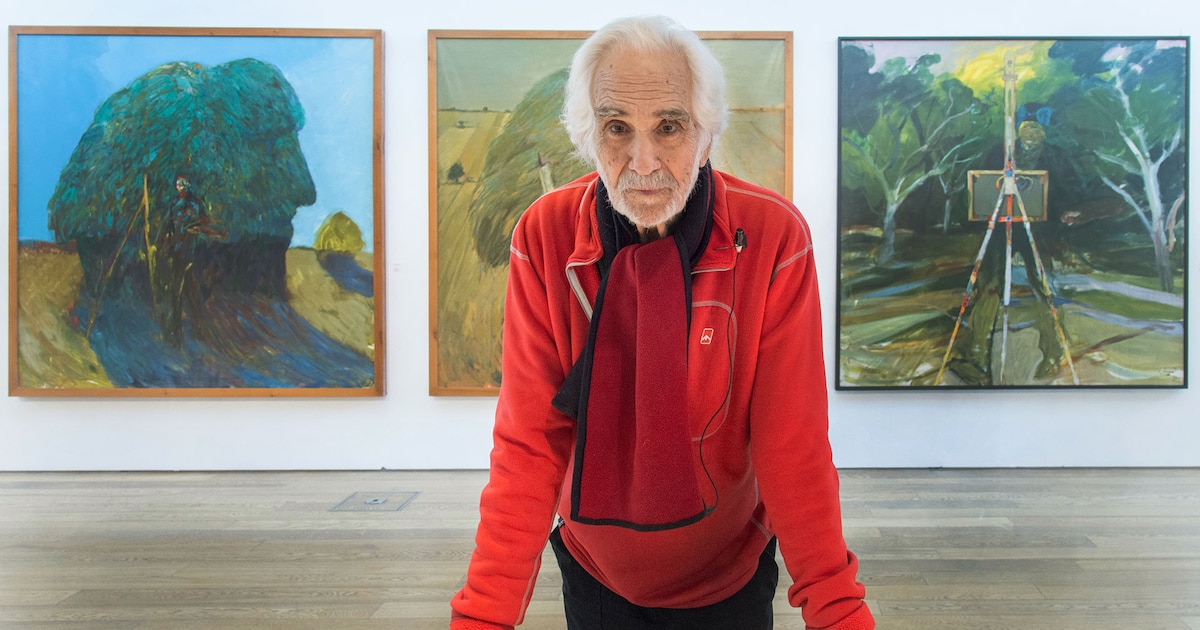
El pintor argentino Carlos Alonso murió a los 97 años, anunció su familia en redes sociales, tras una trayectoria marcada por el expresionismo, la memoria de la dictadura, el exilio y la desaparición de su hija Paloma.
Tras el fallecimiento de Julio Le Parc y, hace apenas unos meses, de Juan Carlos Distéfano, con la partida de Alonso se nos va el último gran pintor argentino, que atravesó gran parte de los vaivenes políticos del siglo XX, que vio nacer y morir utopías. Se cierra así, tristemente, una mirada del mundo desde el arte, un episodio de la memoria nacional.
Murió Carlos Alonso, en su casa de Unquillo, Córdoba, donde se había mudado porque el clima y, especialmente, por la luz del sol sobre los cerros le ayudaban a pintar mejor, donde ayudó a fundar esa rara avis que es el Museo De Arte Contemporaneo Unquillo, donde -justamente- tuvo su última muestra en 2025.
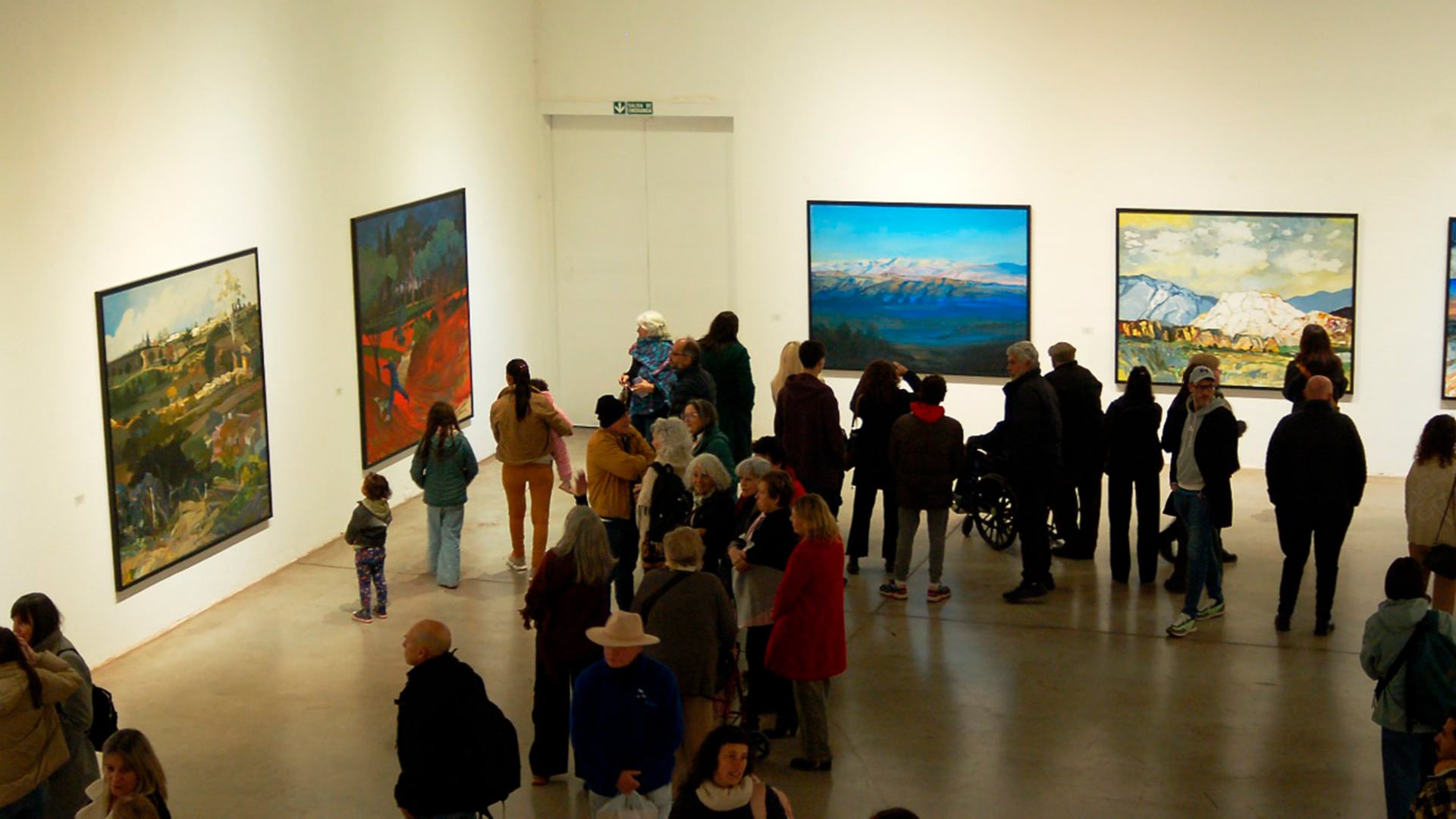
En su producción abordó la pobreza, la violencia y las emergencias sociales y políticas del país. Fue un artista que enfrentó a la maquinaria de la dictadura desde el arte, que debió marchar al exilio y que vivió el dolor de la pérdida cuando su hija Paloma, en 1977, fue detenida y desaparecida, evento que produjo un cambió muy profundo en su plástica.
Nacido el 4 de febrero de 1929 en Tunuyán, Mendoza, volvió a Argentina en 1980 y se instaló en Unquillo, Córdoba, después de vivir en Roma con su esposa e hijo.
El artista recibió el Premio Konex de Platino en 1982 y 1992. En 2019, el Museo Nacional de Bellas Artes de Buenos Aires presentó la exposición Carlos Alonso. Pintura y tradición, dedicada a revisar su obra y sus vínculos con la tradición pictórica.
Alonso inició su formación en 1944 en la Academia de Bellas Artes de la Universidad Nacional de Cuyo, donde estudió con Sergio Sergi, Lorenzo Domínguez y Francisco Bernareggi. En 1950 se mudó a Tucumán para incorporarse al grupo de Spilimbergo en la universidad local.
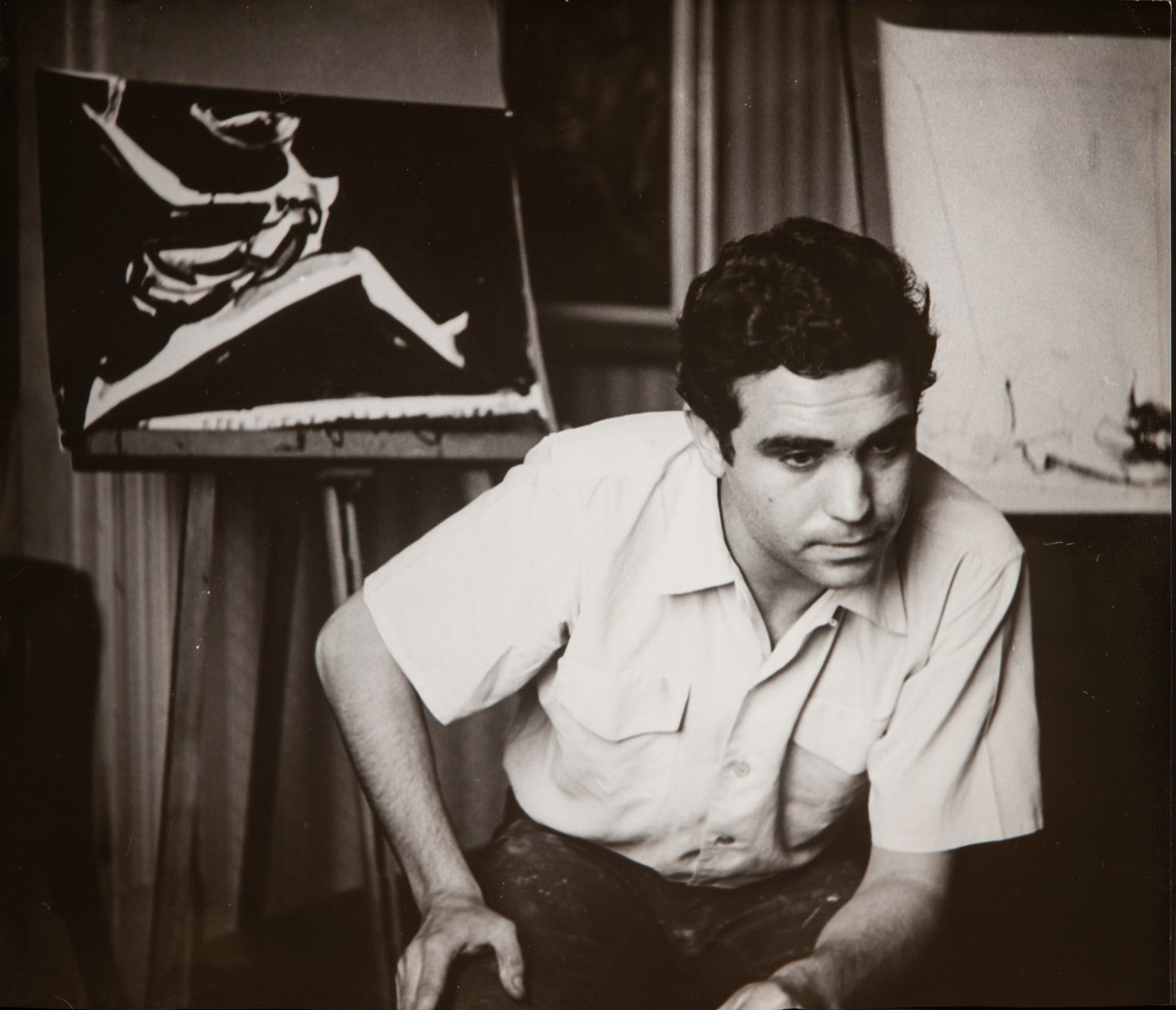
Una exposición en Buenos Aires le permitió viajar a Europa en 1953. Allí entró en contacto con las obras de Diego Velázquez y Vincent van Gogh, referencias que influyeron en su estilo y su mirada artística, y a quienes homenajeó un múltiples pinturas.
En 1957 obtuvo el Primer Premio del concurso para ilustrar la segunda parte de Don Quijote de la Mancha, de Miguel de Cervantes Saavedra. La primera parte de la novela había sido ilustrada por Salvador Dalí.
En 1968 viajó a Florencia para trabajar en las ilustraciones de La Divina Comedia, de Dante Alighieri, serie que se presentó en el Bellas Artes en 2021. Al año siguiente comenzó la icónica serie Lección de anatomía, inspirada en una obra de Rembrandt y dedicada, entre otros temas, a la ejecución del Che Guevara, donde comienza a revelar su mirada sobre lo político.
Nunca fue un pintor del mercado, de hecho. Su obra era directa, visceral por momentos y de una maestría irrepetible, pero no gozó, en gran parte de su carrera, de ser el preferido de los coleccionistas y tampoco de las instituciones: hay piezas suyas en el Bella Artes, en el Moderno, el Museo de Arte Tigre, en Centro Cultural Haroldi Conti, cerrado por el gobierno actual, en el Museo Superior de Bellas Artes Evita – Palacio Ferreyra (Cba), en el MBA Juan R. Vidal de Corrientes y, por su puesto, en el Museo Carlos Alonso – Mansión Stoppel, en Mendoza.
“La mitad de los cuadros de esta muestra los tenía yo, no porque me interesara guardarlos: en general tuve un alto grado de marginación. No lo he sufrido como una persecución, sino como una situación legítima de quien enfrenta ciertas problemáticas que son incómodas”, dijo Alonso, en el marco de la muestra Vida de Pintor, en el Museo Amalita en 2018.
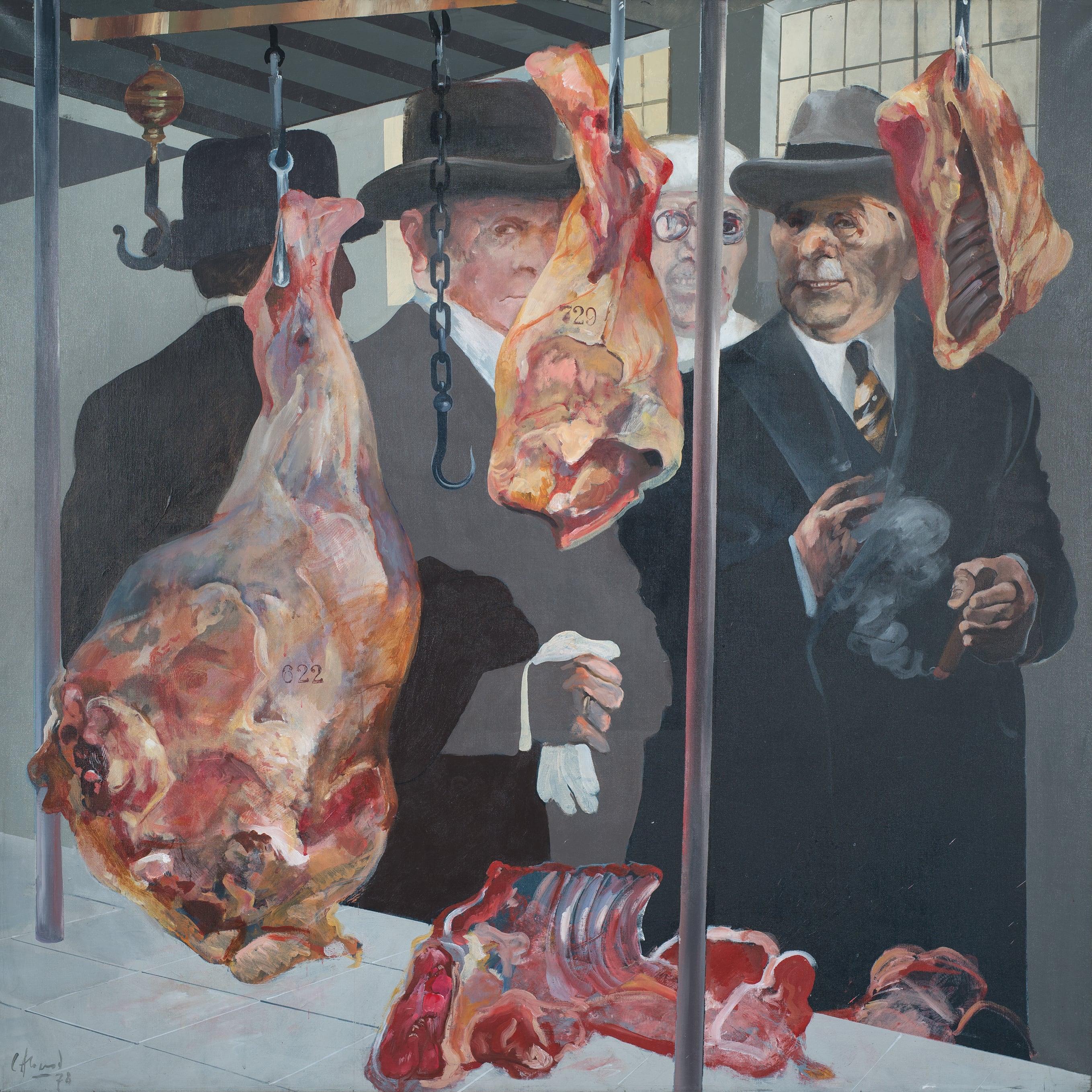
A mediados de la década de 1960, Alonso incorporó la simbiosis entre vaca y hombre y la violencia ejercida sobre el cuerpo. El tema había comenzado con tres collages de 1965, realizados mientras preparaba ilustraciones para El matadero, de Esteban Echeverría.
Retomó esa línea en 1972 con una exposición en la Galería Giulia de Roma. La serie llegó a su punto final en abril de 1976, cuando presentó El ganado y lo perdido en la Art Gallery International, un mes después del golpe de Estado en Argentina.
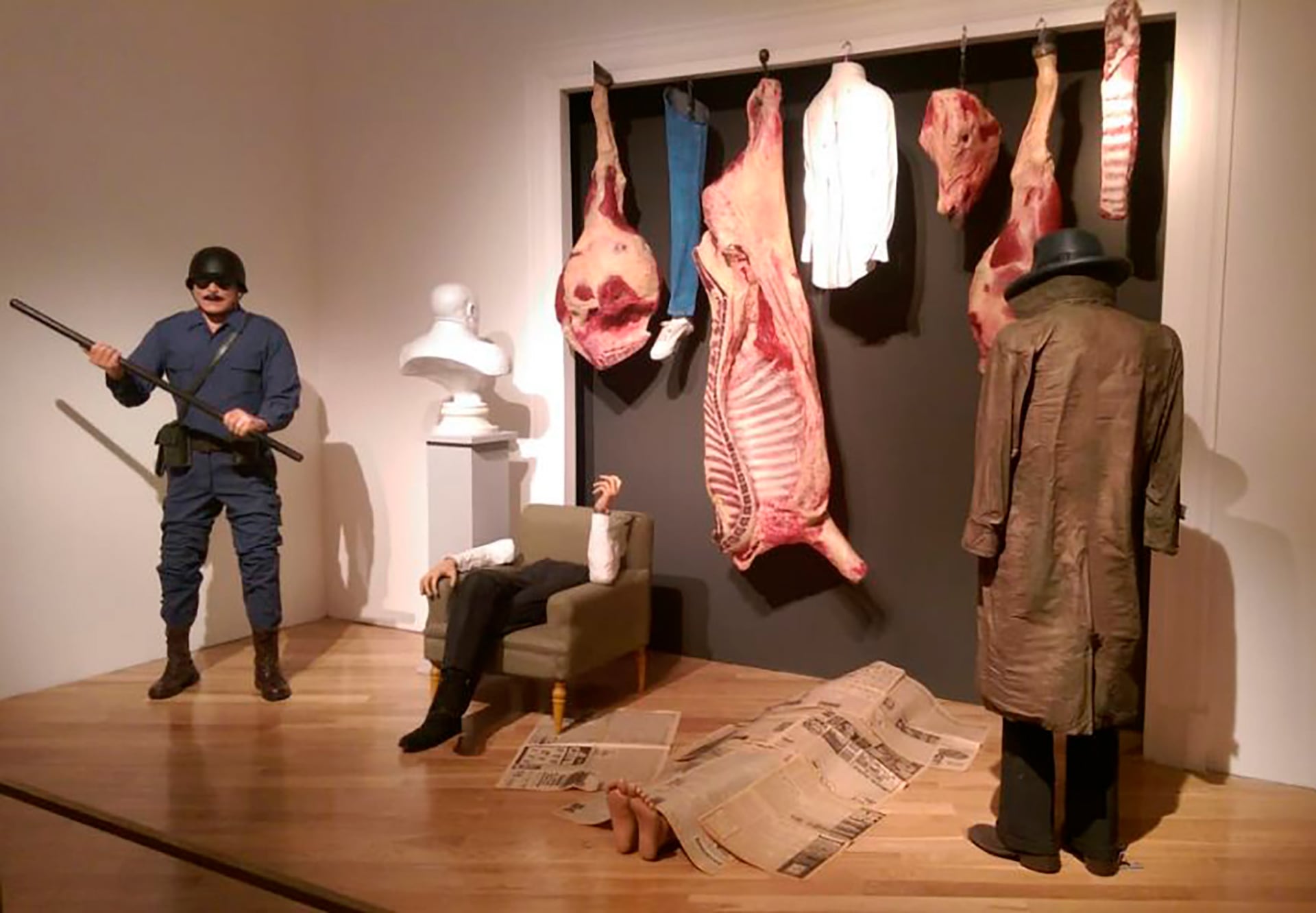
Ese año partió al exilio junto con su esposa e hijo. En 1977, su hija Paloma fue desaparecida, una pérdida que atravesó de manera decisiva su vida y su producción artística.
Alonso describió la desaparición de Paloma, detenida desaparecida en 1977 a los 21 años, como uno de los momentos más trágicos de su vida y explicó que llevó el dolor a la pintura para preservar su memoria.
Durante los primeros años mantuvo la ilusión de que Paloma reaparecería. Tras regresar a Argentina, constató que la ausencia sería permanente: “Lo único que podía mitigarlo era mantenerlo y, sobre todo, trabajar para que quedara memoria de eso”.
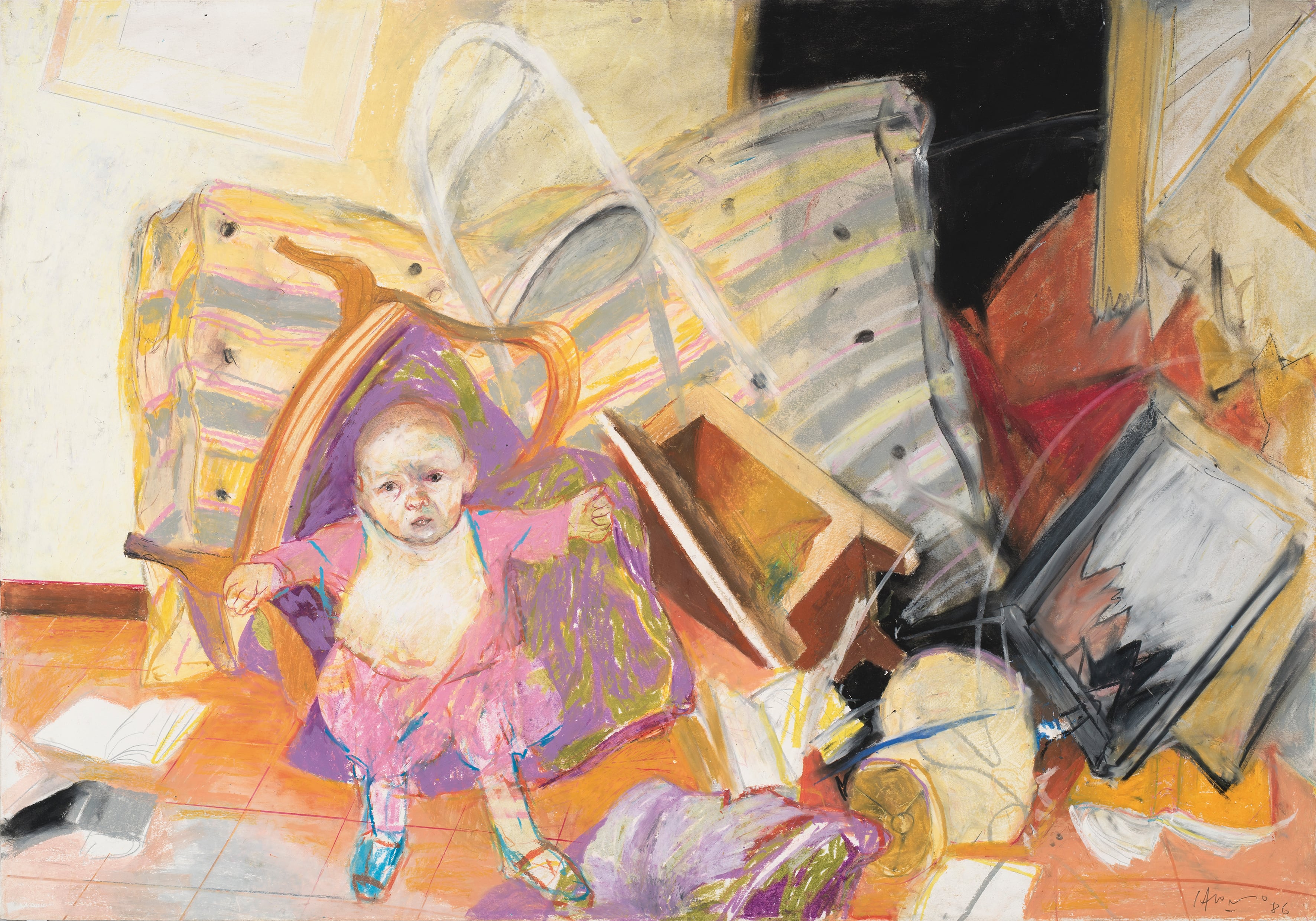
Alonso realizó retratos de Paloma durante su infancia. También hay fotografías tomadas por Anatole Saderman y Annemarie Heinrich. “La pintura siempre fue el campo donde se debatía mi situación”, dijo. Entonces, se mantuvo seis años sin pintar hasta que pudo retomar su actividad.
La obra de Alonso fue exhibida en salas internacionales y sostuvo un interés social persistente. Su pintura, dibujo y grabado reunieron las marcas de la experiencia política argentina, el dolor personal y una exploración técnica que atravesó varias generaciones.
Noticia en desarrollo

INTERNACIONAL
El presidente Mulino confirma una llamada con Delcy Rodríguez tras el terremoto que sacudió Panamá
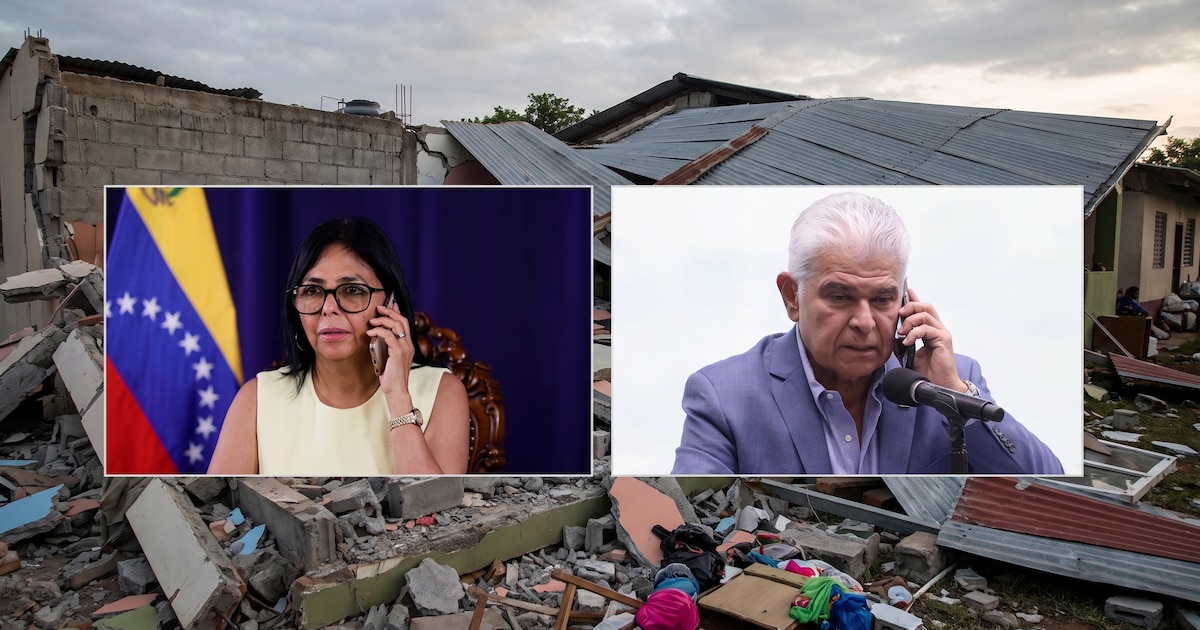
José Raúl Mulino confirmó que habló por teléfono con Delcy Rodríguez, quien se puso a su disposición con la experiencia venezolana en gestión de terremotos, apenas un día después de que un sismo de magnitud 7.7 sacudiera el centro de Panamá, según detalló la agencia EFE. El gesto llama la atención porque el Gobierno panameño nunca reconoció a la mandataria interina venezolana.
“Hoy tuve una conversación con la presidenta interina de Venezuela, Delcy Rodríguez, que me puso a disposición por toda la experiencia”, declaró el presidente panameño este sábado durante un recorrido por las zonas del interior golpeadas por el movimiento telúrico, destacó EFE.
Fue la primera vez que el mandatario informó públicamente de un contacto con la vicepresidenta y excanciller del depuesto Nicolás Maduro, capturado por Estados Unidos el 3 de enero pasado.
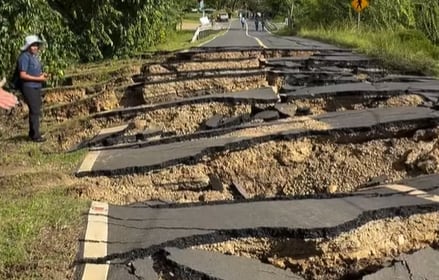
El terremoto dejó daños materiales pero ninguna víctima fatal
El sismo de magnitud 7.7 azotó Panamá el viernes 9 de octubre y provocó el colapso de una iglesia colonial y de un hotel en la región central del país. Las autoridades informaron 27 heridos, ninguno de gravedad, y descartaron muertes.
El daño se concentró en tres de las diez provincias panameñas, todas cercanas al epicentro, ubicado junto a la localidad de Pitaloza Arriba, en Herrera. El reporte oficial más reciente contabilizó 426 viviendas afectadas, donde habitan 2,130 personas, además de 419 escuelas y varios tramos de carretera dañados.
El Gobierno panameño decretó el estado de emergencia nacional y habilitó hasta USD 100 millones para atender la crisis. Por el momento no existe una cifra oficial de pérdidas materiales totales.
Venezuela enfrentó en junio su propia tragedia sísmica
La oferta de Rodríguez remite a un antecedente reciente y mucho más letal. El 24 de junio pasado, un doblete sísmico de magnitud 7.2 y 7.5 devastó el litoral central venezolano y dejó, según cifras del propio Gobierno de Rodríguez, al menos 6,509 muertos, 14,239 viviendas con daños moderados y 11,001 con afectaciones graves.
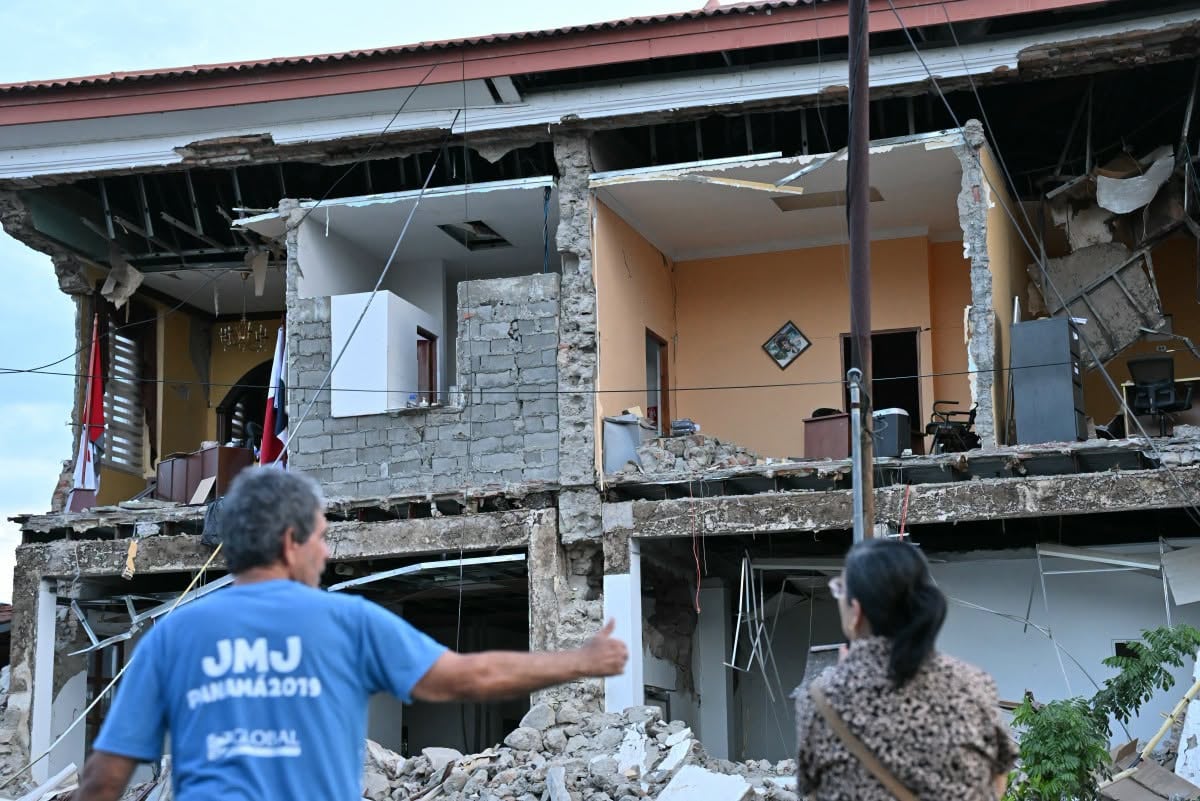
El Ejecutivo venezolano no entregó cifras consolidadas de desaparecidos y recibió fuertes cuestionamientos por su manejo de la emergencia.
La iniciativa ciudadana Desaparecidos Terremoto Venezuela denunció más de 29,000 personas en paradero desconocido tras el episodio.
Esa experiencia, con todo lo controvertido de su gestión, es la que ahora Caracas pone sobre la mesa para asistir a Panamá.
Una llamada inédita en medio de una relación diplomática congelada
Rodríguez asumió la presidencia interina el 5 de enero, dos días después de que fuerzas estadounidenses capturaran a Maduro y a su esposa, Cilia Flores, en un operativo militar en Caracas.
El Tribunal Supremo de Justicia venezolano la designó para cubrir la “ausencia forzosa” del mandatario, mientras Maduro y Flores enfrentan en Nueva York cargos por narcoterrorismo, de los que se declararon no culpables.
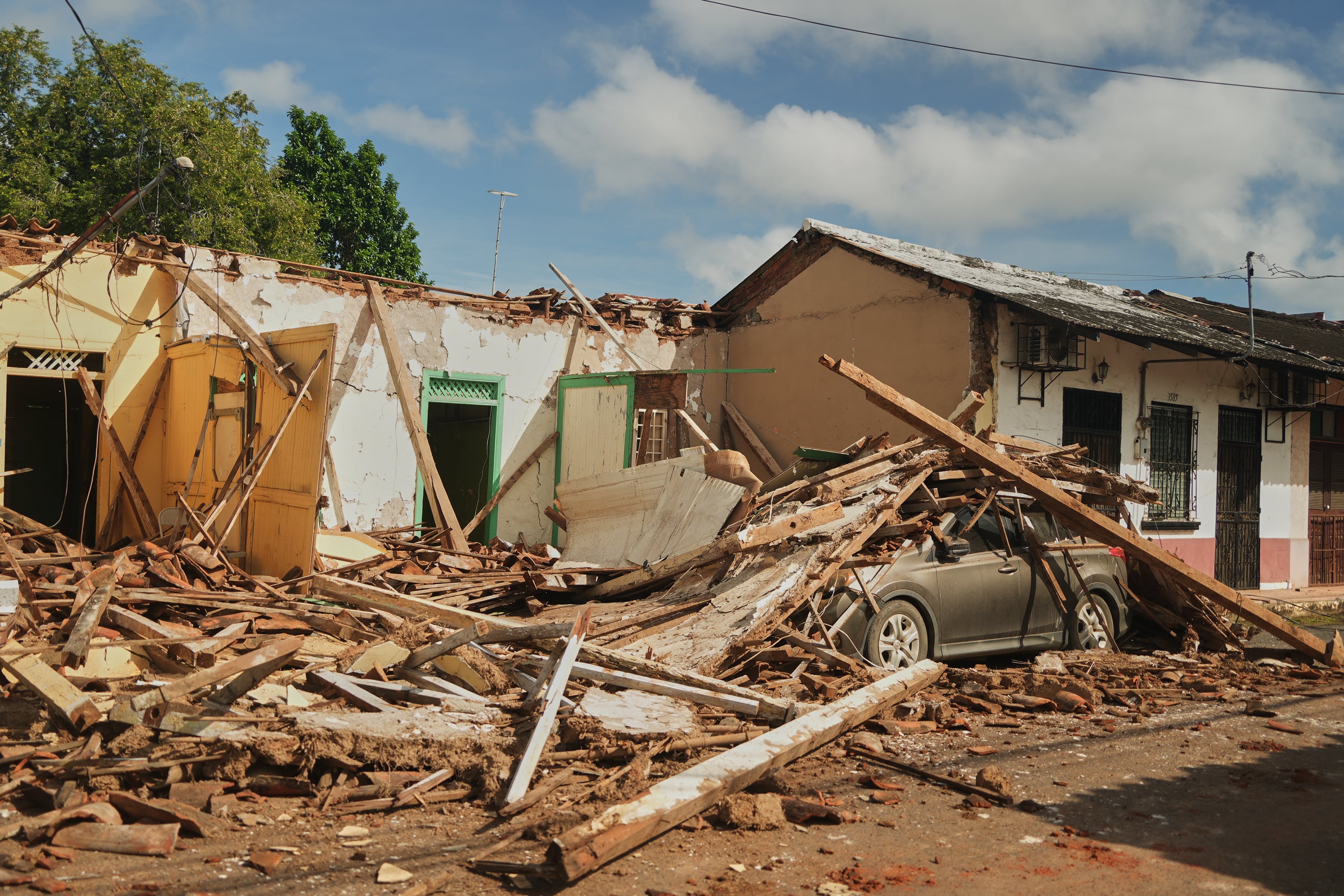
Panamá nunca reconoció ese gobierno interino. Por eso, la conversación revelada por Mulino marca un giro en el vínculo bilateral, aunque el mandatario no detalló si la llamada implica algún tipo de acercamiento político más allá de la asistencia humanitaria.
Rodríguez, al frente del país tras la captura de Maduro, gestionó en junio un sismo doble que dejó miles de muertos, y esa experiencia reciente —aunque muy cuestionada— fue lo que trasladó en su llamada con Mulino.
La región y Estados Unidos se volcaron a asistir a Panamá
Mulino detalló que también conversó por teléfono con la presidenta de Costa Rica, Laura Fernández, y que el viernes recibió mensajes de apoyo del presidente de Israel, Isaac Herzog, y de Donald Trump, canalizados a través de sus secretarios de Estado, Marco Rubio, y de Guerra, Pete Hegseth. Según el mandatario, también se comunicaron “todos los presidentes del área centroamericana”.
“Lo importante aquí es que vamos a trabajar. Los gobiernos de Ecuador, de Colombia, de Chile, que son países pues que pueden poner a disposición nuestra, y rápido, la ayuda”, afirmó Mulino ante los periodistas.
El presidente agregó que varios organismos multilaterales “han ayudado y que van a seguir ayudando financieramente al Estado” panameño, sin precisar montos ni nombres de esas entidades.
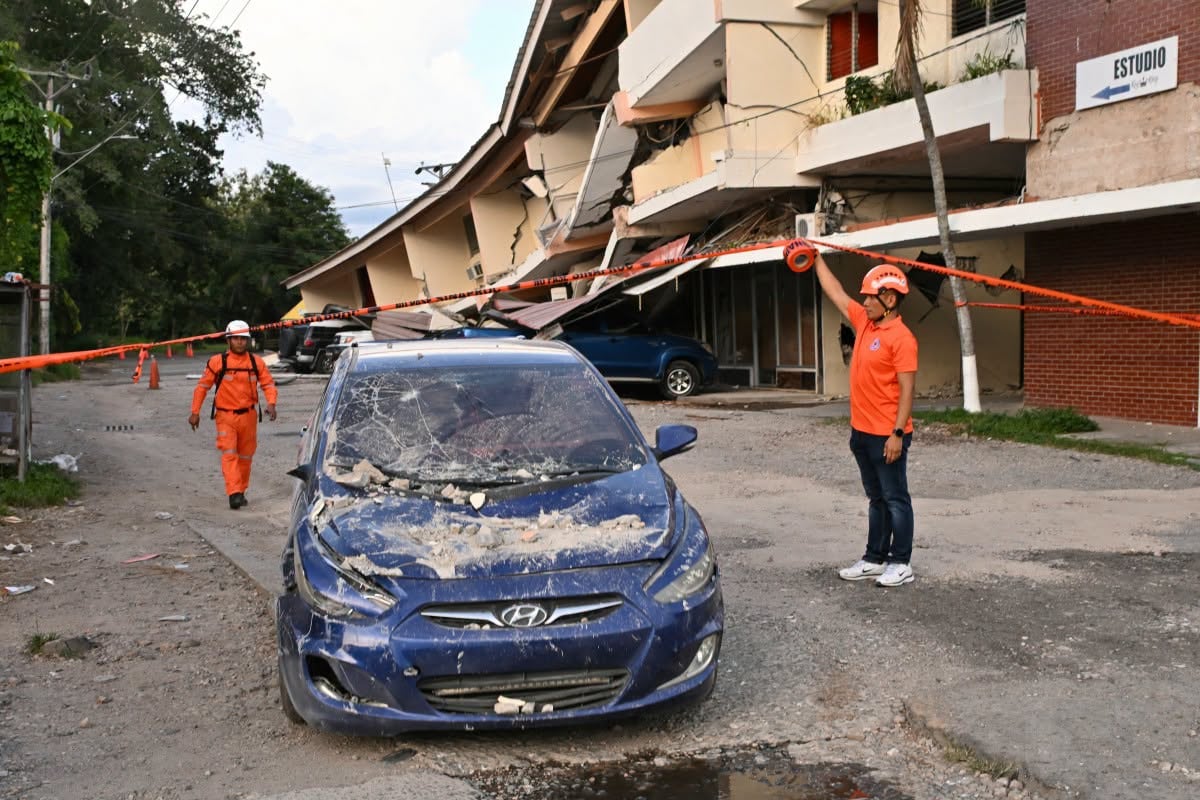
Las réplicas no cesan y la alerta de tsunami ya fue levantada
El sismo del viernes generó más de 100 réplicas, según el Instituto de Geociencias de Panamá, incluidas varias de magnitud superior a 5.5.
El Sistema de Alerta de Tsunamis de Estados Unidos había emitido una alerta para las costas de Panamá, Colombia, Ecuador, Nicaragua y Guatemala, que fue desactivada horas después al no confirmarse riesgo real de olas destructivas.
El Aeropuerto Internacional de Tocumen suspendió brevemente sus operaciones por protocolo de seguridad y las retomó una vez verificadas las condiciones de las instalaciones.
El Canal de Panamá, por su parte, mantuvo su funcionamiento con normalidad mientras equipos técnicos inspeccionaban la infraestructura.
Delcy Rodríguez,José Raúl Mulino,Venezuela,Panamá,terremoto
INTERNACIONAL
Mojtaba Khamenei defies ‘malicious’ attacks as US Army zeroes in on Iran’s 350,000 troops
Trump: Every Iranian ship is at the bottom of sea
President Donald Trump says Iran’s military capabilities have been significantly degraded following U.S. strikes, claiming the country has fewer drones and missiles and asserting that Iran’s navy and air force have been destroyed.
NEWYou can now listen to Fox News articles!
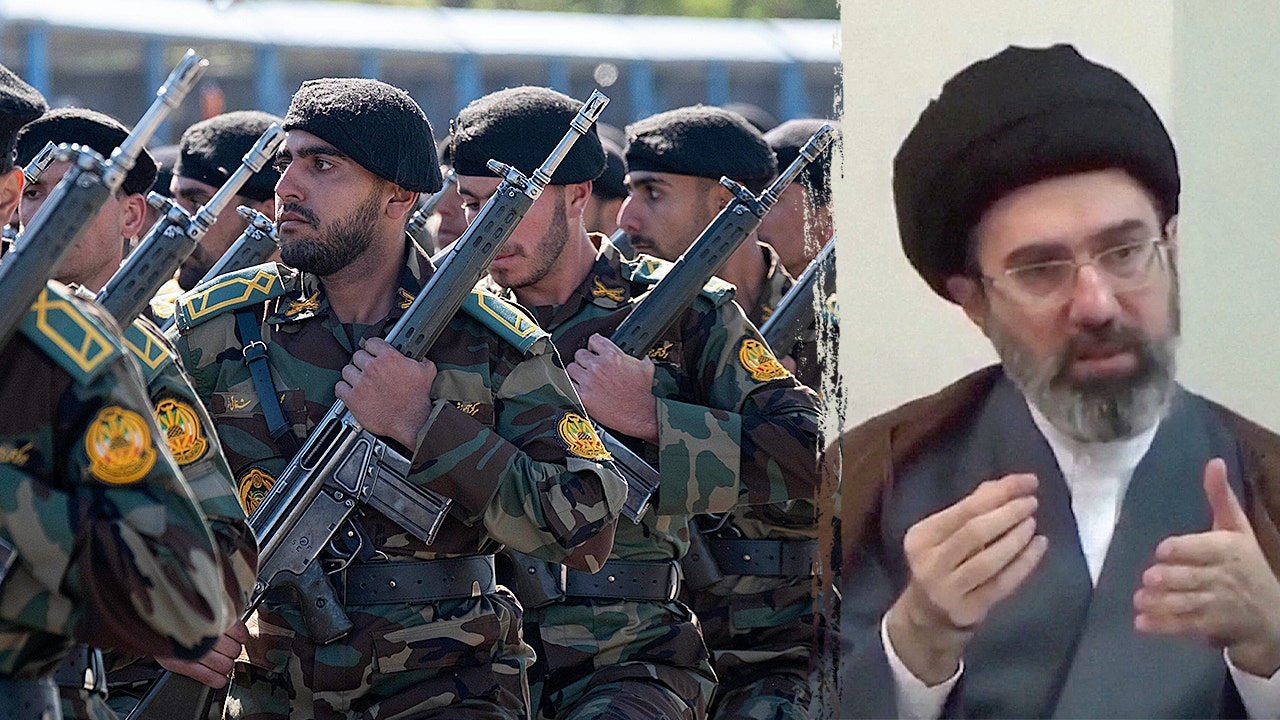
Iranian Supreme Leader Mojtaba Khamenei claimed Oct. 8 that U.S. and Israeli strikes had failed to undermine Iran’s domestic security forces, praising police personnel for resisting attacks launched in February under Operations Epic Fury and Roaring Lion.
Khamenei’s remarks on X also came as the U.S. Army released a new battlefield identification guide to help American troops recognize members of Iran’s conventional military, known as the Artesh, whose ground forces were estimated by the Jerusalem Institute for Strategy and Security in June at 350,000 personnel.
«The criminal US-Zionist enemy’s desperate efforts and malicious attacks on the pillars of social order and security, which are unparalleled throughout history, have not caused the courageous personnel of the Police Force to waver even a fraction in their mission,» Khamenei wrote in a statement.
Khamenei specifically praised Iran’s Law Enforcement Command, known as FARAJA, accusing the United States and Israel of targeting the institution responsible for maintaining domestic order.
«The focus and persistence of the criminal US-Zionist enemy in striking at the Police Force at its various levels, from its highest command levels down to those who are on the frontline, has only served to underscore the paramount importance of this institution more than ever,» he wrote.
IRAN PROVES THAT IT MIGHT CHANGE ITS MILITARY LEADERS, BUT IT’S NOT CHANGING STRATEGY
Khamenei specifically praised Iran’s Law Enforcement Command, known as FARAJA, accusing the United States and Israel of targeting the institution responsible for maintaining domestic order. (Photo by Fars News Agency / Handout/Anadolu via Getty Images)
Iran’s security apparatus comprises three principal branches: the Artesh, responsible primarily for conventional territorial defense; the Islamic Revolutionary Guard Corps (IRGC), tasked with protecting the Islamic Republic and projecting military power; and FARAJA, responsible for domestic law enforcement and internal security.
IRAN’S GUTTED RANKS LEAVE LOYALISTS FILLING CRITICAL POSTS — WITH ONE GLARING PROBLEM
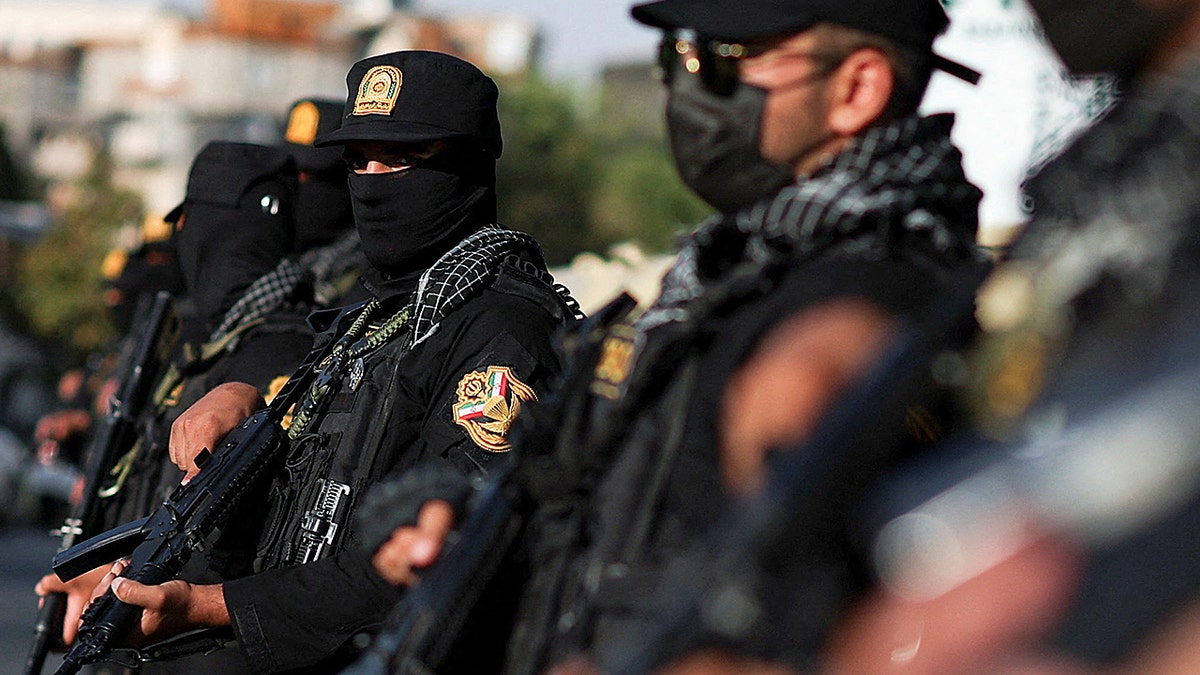
Iran’s FARAJA is responsible for domestic law enforcement and internal security. (REUTERS/Mohammed Salem Foreign media)
FARAJA, commanded by Brig. Gen. Ahmadreza Radan, is responsible for maintaining public order, enforcing the country’s laws and responding to civil unrest.
According to Iran Human Rights Monitor, the force has evolved into a powerful internal security institution involved in suppressing anti-government demonstrations, monitoring political activity and enforcing the regime’s ideological restrictions.
IRAN INSTALLS NEW WAR CHIEFS AS TEHRAN SIGNALS ‘PROLONGED CONFRONTATION,’ EXPERT WARNS
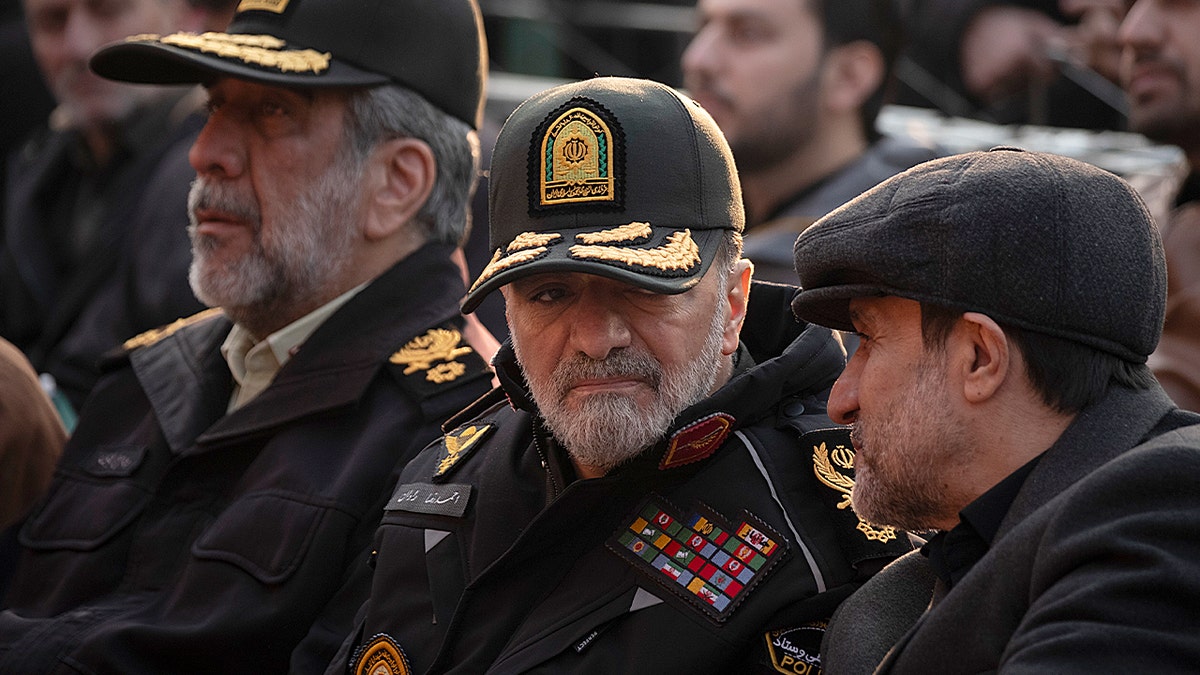
FARAJA is commanded by Brig. Gen. Ahmadreza Radan and is Iran’s principal domestic police organization, responsible for maintaining public order, enforcing the country’s laws and responding to civil unrest. ((Photo by Morteza Nikoubazl/NurPhoto via Getty Images)
Radan has also been sanctioned by the United States for his role in human rights abuses.
The Treasury Department designated him in September 2010, citing his responsibility for beatings, killings and arbitrary arrests of protesters following Iran’s disputed 2009 presidential election.
Khamenei also called for strengthening FARAJA on Oct. 8 through additional personnel, equipment and technology, including the use of artificial intelligence for data analysis.
AFTER 47 YEARS OF CONFRONTING IRAN, DOES AMERICA HAVE A STRATEGY FOR ENDING THIS WAR?
His remarks come as the U.S. Army’s Training and Transformation Command published a «Know the Threat» recognition guide Sept. 24, highlighted by Defense News on Oct. 9.
The guide shows an Iranian special forces soldier and identifies weapons American troops could encounter, including AKM rifles, Iranian-made Masaf-2 rifles, German-designed G3 rifles, MG3 machine guns and RPG-7 rocket-propelled grenade launchers.
The Artesh, Iran’s regular military, is separate from the IRGC and its affiliated Basij militia. Its forces operate across four branches: the Ground Forces, Navy, Air Force and Air Defense Force.
A June assessment by the Jerusalem Institute for Strategy and Security estimated the Artesh’s Ground Forces at approximately 350,000 personnel, including 220,000 conscripts.
The report found that the Artesh had suffered severe losses across its air, naval and air defense components during the opening phase of the U.S.-Israeli military campaign, while its ground forces remained structurally intact because there had been no ground invasion.
TRUMP OPENS HORMUZ UNDER FIRE WITH ‘PROJECT FREEDOM’ AS IRAN WARNS OF ATTACKS
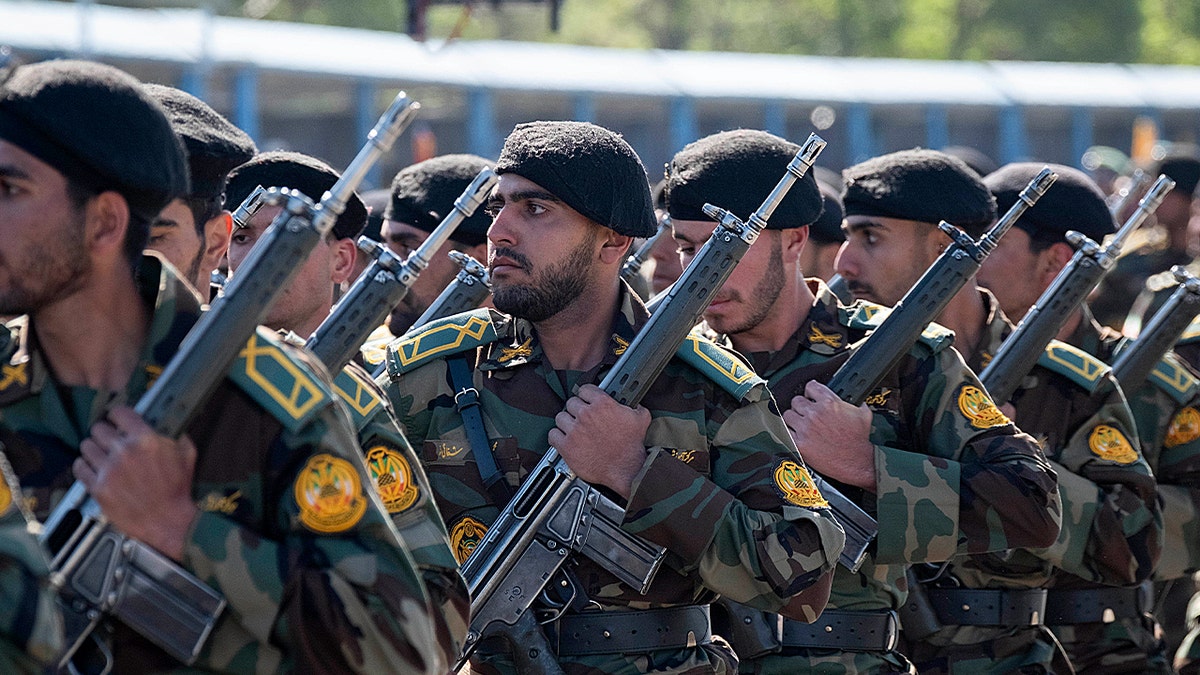
The Artesh, Iran’s regular military, is separate from the IRGC and its affiliated Basij militia. Its forces operate across four branches: the Ground Forces, Navy, Air Force and Air Defense Force. (Photo by Morteza Nikoubazl/NurPhoto via Getty Images)
The Artesh is commanded by Maj. Gen. Amir Hatami, a former Iranian defense minister who assumed command in June 2025.
Aside from Khamenei, Hatami issued his own warning Oct. 6, claiming Iran’s adversaries faced «historic confusion» after failing to halt military production during the conflict.
Hatami also claimed that Iranian defense production continued despite American and Israeli attacks, saying the country’s military production lines had continued operating during the conflict.
The extent of Iran’s military recovery remains unclear. The Jerusalem Institute for Strategy and Security assessed in June that the country’s conventional air, naval and air defense forces had suffered severe damage during the conflict.
President Donald Trump, meanwhile, said Oct. 8 that Washington would not resume military strikes against Iran before the Nov. 3 midterm elections, citing «productive discussions» between the two countries.
world, mojtaba khamenei, war with iran, military, iran, us army, armed forces, national security
INTERNACIONAL
Quiet part out loud: Anti-Israel mobs want one state called ‘Palestine,’ erasing Israel
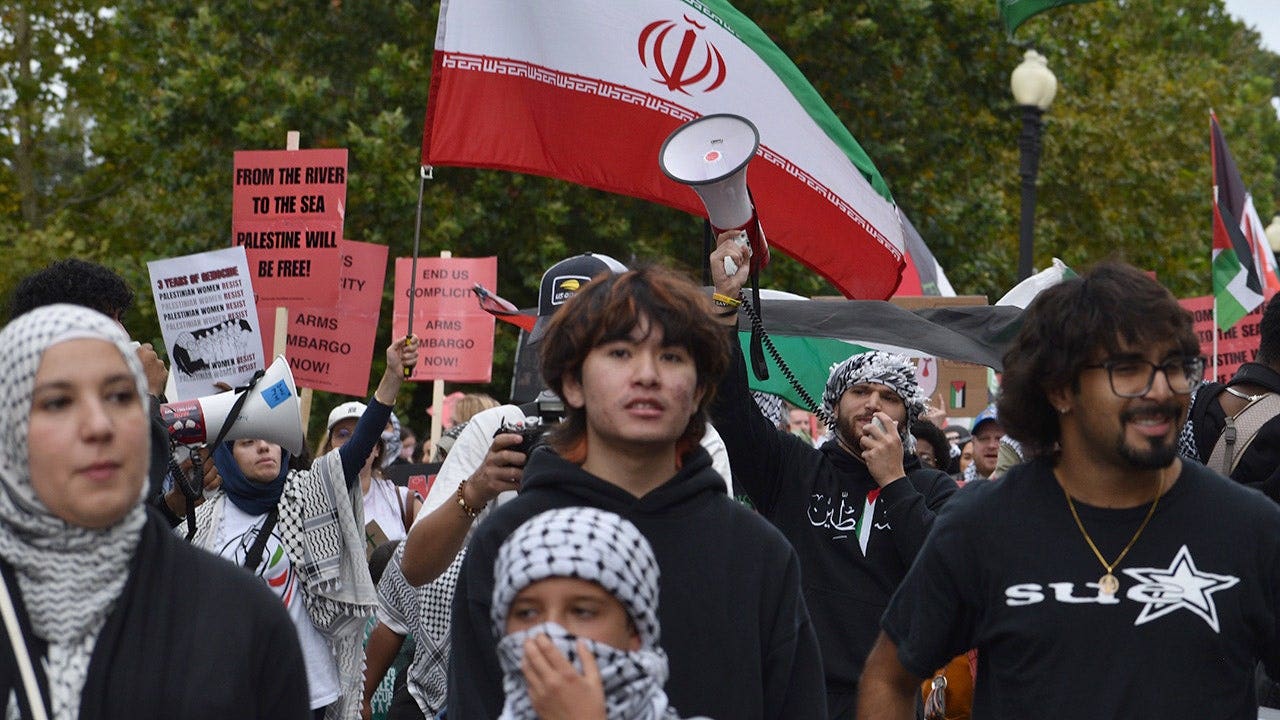
WASHINGTON, D.C. — This weekend, millions of anti-Israel activists marched through the streets of cities in coordinated actions from America’s capital to London, Paris, Madrid and Kuala Lumpar, Malaysia, chanting the familiar refrains of «Free, free Palestine» and «From the river to the sea, Palestine will be free.»
But for the first time, communicated frankly in exclusive interviews with Digital, three anti-Israel leaders acknowledged the goal: one state called «Palestine» encompassing modern-day Israel, the West Bank and Gaza, with a Palestinian «right of return» to the new country and equal political, voting and citizenship rights for Palestinians alongside Jews currently living in Israel.
Most significantly, in the political vision they described, Israel would legally cease to exist as a separate Jewish nation-state and Jews would be quickly overwhelmed demographically.
INSIDE THE PROTEST PLAYBOOK TO VILIFY ISRAEL ON ‘GLOBAL DAY OF ACTION’
The current population of Israel is about 10 million, including about 7.8 million Jews, 2 million Palestinian Arabs (including Palestinians and most of them Muslim), and 200,000 people from other communities. There are another estimated 10.2 million Jews worldwide.
There are about 5.5 million Palestinians in the West Bank and Gaza and about 8 million Palestinians in the diaspora, totaling about 13.5 million.
The candor of the anti-Israel leaders lays bare the political conclusion of an argument that activists have spent years advancing on the streets, through sympathetic media outlets and in legal forums: that Israel is a «settler colonial» state practicing «apartheid» and «genocide,» and therefore should not continue to exist in its current form as a Jewish state. Israeli leaders have fiercely rejected those allegations, disputing accusations of «genocide» and «apartheid» and maintaining that Israel is the nation-state of the Jewish people with equal civil and political rights for citizens that include Jews, Christians and Muslims.
Advocates for Israel note that the nation’s critics rarely apply the same historical lens of human-rights analysis to Arab and Muslim-majority states, many of which emerged from the collapse of empires, wars and population upheavals that displaced millions, including Jews expelled from their countries, today often restricting political, religious and minority rights.
NOBEL PEACE PRIZE AWARDED TO UN JURIST WHO ACCUSED ISRAEL OF COMMITTING GENOCIDE IN GAZA
In Chicago, Hatem Abudayyeh, the Palestinian-American founder of the U.S. Palestinian Community Network and a Muslim, said the new nation would be «one democratic secular state of Palestine.» Jewish Israeli-born community leader Miko Peled, founder of the Palestine House in Washington, D.C., said «the proper name would be Palestine.» And Maryland congressional candidate Sam Husseini, a Palestinian-American Christian, floated another name for the vision of the one state: «1948,» marking the year Israel declared independence and Palestinians commemorate as the «Nakba,» or catastrophe, but he said even Israeli Jews would one day accept another name: «Palestine.»
Their answers provide a striking interpretation from inside a movement where activists have traditionally danced around their demands with euphemisms about «liberation» and media outlets have obscured their answers even when they have been transparent.
On Washington, D.C.’s First Avenue SE, Digital asked Olivia DiNucci, local coordinator for CodePink, a far-left nonprofit, what her group sees as a solution to the Israeli-Palestinian conflict. In her work for CodePink, DiNucci disrupts hearings, restaurant meals and town halls to shout at lawmakers and policymakers who support the state of Israel.
‘TROJAN HORSES’ IN AMERICA: CONGRESS PROBES INFLUENCE NETWORKS TIED TO CHINA, IRAN AND CUBA
«Palestinians in Palestine will decide, DiNucci said.
Asked if «Palestine» includes modern day Israel, she spun around and walked away. Later, she posted a message on social media, saying she was asked «gotcha questions.»
This weekend, protesters signaled their position with certainty, explicitly rejecting the two-state solution that has dominated international diplomacy for decades.
In New York City, the Party for Socialism and Liberation circulated video of protesters marching through the streets chanting: «1-2-3-4. Occupation no more. 5-6-7-8. Israel is a terrorist state.»
ISRAEL, JEWS TARGETED WORLDWIDE AS WELL-FUNDED LEFTIST, ISLAMIST GROUPS JOIN FOR ‘NAKBA 78’ PROTESTS
Then came the point: «We don’t want no two state!»
In London, the Palestine Solidarity Campaign promoted a 15-second video of a woman with a megaphone shouting: «There is only one state!»
«Palestine, ’48!» protesters responded.
«Say it loud, say it clear!» she continued. «Palestine, you make us proud!»
Back in Washington, D.C., protesters carried signs declaring, «LAND YOU HAVE 2 KILL FOR IS NOT YOURS,» a message that challenged Israel’s claim to the land itself, while a banner proclaiming, «THE FIGHT FOR LIBERATION IS OURS,» framed the struggle as one for the territory. The demonstrators yesterday didn’t address the Hamas attacks on Israel on Oct. 7, 2023, but many have called them justified.
ANTI-ISRAEL GROUPS RALLY ACROSS US ON OCTOBER 7 ANNIVERSARY, CHANTING ‘LONG LIVE THE INTIFADA’
The one-state demand is being amplified within a powerful protest infrastructure. The broader «red-green» alliance brings socialist and communist groups together on the streets with Palestinian and Muslim activist organizations, while organizations including the Democratic Socialists of America and nonprofits in the network funded by Neville Roy Singham, an American-born tech tycoon living in Shanghai, help organize, promote and amplify anti-Israel demonstrations.
Singham, has poured $278 million into a pro-communist network, including CodePink, the People’s Forum, the Party for Socialism and Liberation, BreakThrough News and the ANSWER Coalition, which have become major organizing, media and logistical hubs for the protest movement. The result is a powerful infrastructure amplifying slogans such as «Free Palestine» and «from the river to the sea,» even when the organizations and activists doing the amplifying don’t themselves explicitly spell out the one-state political vision described to Digital.
From Chicago, Abudayyeh told Digital that the U.S. Palestinian Community Network advocates for one democratic state across the territory that today encompasses Israel, the West Bank and Gaza.
«Our points of unity, from the very beginning of our existence, included one democratic secular state of Palestine,» he said.
«And for decades and decades, we’ve been saying that…the only true solution that can bring peace and justice to all that live there is … one democratic state,» which includes the West Bank, Gaza and «1948 Palestinian territories,» a term used to describe the land that Israel claimed as a nation in 1948.
This can only happen, he said, if «the racist system of Zionism is dismantled.»
The ADL, a leading Jewish organization based in New York, describes Zionism as a «movement for the self-determination and statehood for the Jewish people in their ancestral homeland, the land of Israel.»
Abudayyeh said the new state would include a «right of return» for Palestinian refugees and their descendants. «Our points of unity from day one included the right of return,» he said.
Activists from a U.S.-based network of groups called «Al-Awda: The Palestine Right to Return Coalition» joined the protest in Los Angeles and posted a message online: «OUR PEOPLE WILL RETURN, PALESTINE WILL BE FREE!
«If all of our refugees, who have the internationally recognized right to return to Palestine, are able to return, and the system, the racist system is dismantled, then all the people there can live in peace and justice,» Abudayyeh told Digital. «That’s our position. It’s always been our position. We’re not going to abandon the five to seven million refugees that we have.»
«They have the right to go back to the homes and lands in which they were exiled,» he explained.
Abudayyeh said that wouldn’t mean removing the people – most of them Jewish – living in Israel.
«It doesn’t mean that we’re going to kick people out,» he said. «It just means that these folks have an internationally recognized right, and you will never get peace and justice there unless you uphold that right.»
«I believe, very clearly, USPCN believes very clearly that there can be peace and justice as long as that system, that racist system of Zionism is dismantled,» Abudayyeh said. «That’s the essence of it.»
Abudayyeh compared the Palestinian movement’s objective to the international campaign against apartheid South Africa. «And we’re getting close to having international consensus today on the question of Israel and Zionism, where Israel doesnt have the «right to exist as a racist, Zionist, apartheid, white supremacist state.»
«That’s what we say,» he continued. «We’re adamant about that. We’re clear about it. Unabashed.»
Digital asked Abudayyeh whether «Palestine» includes modern-day Israel when protest leaders and activists chant «Palestine will be free» or «Free, free Palestine.»
«The majority of the majority of the people, especially in the past period, have moved to that conclusion,» Abudayyeh said.
Husseini, a Palestinian-American journalist running for Congress in Maryland’s 4th Congressional District, offered a similar one-state vision and an unusual proposal for what the country might be called.
Standing on First Avenue SE, between the U.S. Supreme Court and the U.S. Capitol, Husseini told Digital that his long-term vision is «one person, one vote,» coupled with a Palestinian right of return.
«Ultimately, long-term, I that it should be one person, one vote,» Husseini said.
«Why aren’t they allowed back into their homes? So I think that they should,» he said of Palestinian refugees. «I mean, that includes myself. I don’t know that I would actually move back there, but as a descendant of a Palestinian who was forcibly displaced, I should have that right or compensation.»
Husseini offered another possibility for the country’s name.
«I’ve often thought of a novel proposal because people get hung up on the names. Are they going to call it Israel or are they going call it Palestine?» Husseini said.
«I’ve toyed with the idea of calling it 1948, having a country with a number signifying the year of this cataclysm, which should be the last gasp of imperialism.»
If the new state is called Palestine, Husseini said, «I think a lot of Jews, when they think about it, will say, so long as they have equal rights and all are protected, will adopt the term Palestine.»
Standing on Pennsylvania Avenue SE, the roar of the demonstrators getting closer as they marched from the U.S. Capitol to talks at the Palestine House of Freedom, Miko Peled, an Israeli-born Jewish activist, was equally blunt about what a «Free Palestine» means to him.
«Well, our vision, our mission, and our vision is to educate people to see that a free Palestine, which means a post-Zionist, post-apartheid Palestine with equal rights and the right of the Palestinians to return, is the best vision that will benefit everybody who lives there currently, which means Israelis and Palestinians,» he said.
Asked whether that meant one state, he answered yes.
«It’s already one state, it’s just an apartheid state,» Peled said.
«So that’s our vision, to create a real democracy, free Palestine, with equal rights.»
Digital asked what that country would be called.
«Well, historically the country was called Palestine for thousands of years and so it should be called Palestine,» Peled said. «Israel is a new name. They renamed the country 78 years ago, so the proper name would be Palestine.»
For Peled, the familiar protest demand «Free Palestine» has a literal political meaning: One state with the new name «Palestine.»
fox news investigates

Miguel Merentiel dejó un emotivo mensaje para el Manteca Martínez

El presidente Mulino confirma una llamada con Delcy Rodríguez tras el terremoto que sacudió Panamá

Legisladores peronistas pidieron suspender la privatización de AySA: reclaman conocer la tasación

Supermercados que abren este feriado del lunes 12 de octubre: horarios en Carrefour, ChangoMás, Jumbo, Día y Disco

El debate en el Gobierno rumbo a 2027: las dudas sobre polarizar con Kicillof y la opción que los puede “hacer transpirar”

¡Felicidad absoluta! Jesica Cirio fue mamá por segunda vez

Escándalo total en la AFA: reventa millonaria, un homenaje paupérrimo a Messi y el pedido urgente de renuncia a Chiqui Tapia

El presidente de Burkina Faso, duro tras el amistoso con la Selección: «Nuestro fútbol está enfermo» :: Olé

Tobey Maguire se quedaba ciego con el traje de Spider-Man y casi se desmaya durante una prueba: fabricar su disfraz fue una pesadilla

100-shot Somali gang gun battle rocks Minnesota as sheriff warns ‘we’re in trouble’

 DEPORTE2 días ago
Regresos importantes y una duda clave: Arruabarrena definió el equipo de Boca Juniors para visitar a Instituto
- INTERNACIONAL2 días ago
Conciliaciones entre comercios y consumidores resuelven reclamos por más de $12.5 millones en Panamá
- ECONOMIA2 días ago
El nuevo mapa del mercado automotor: qué marcas ganaron y cuáles perdieron con la apertura de las importaciones