INTERNACIONAL
Ex-Democrat shares abortion pill experience that left her ‘hemorrhaging in the bath’

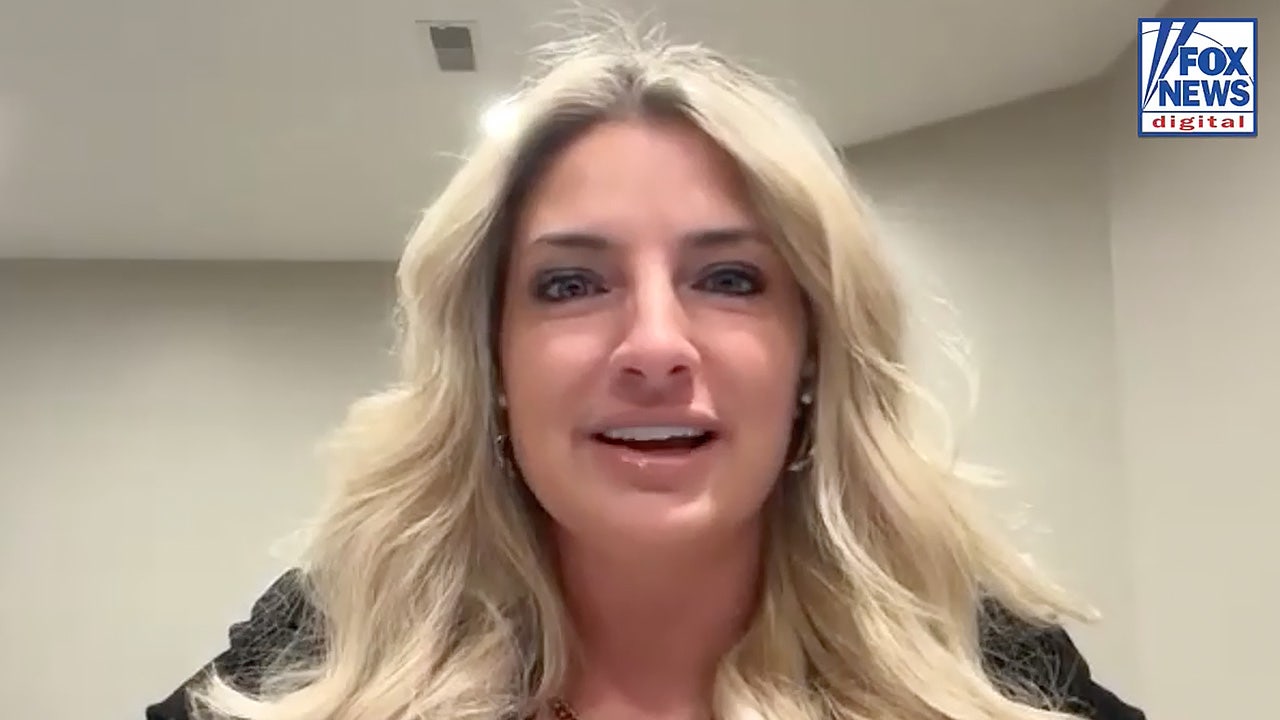
Nebraska resident Haile McAnally believes it was «divine intervention» that saved her from bleeding to death in her own bathroom shortly after high school.
She told Digital that abortion medication, in the form of pills, was to blame for her having «hemorrhaged in the bath,» and that she is now focused on sparing other women the same possible fate.
«Planned Parenthood told us that this is what is women empowerment. This is what women do when they can’t handle it. They take this route, and they don’t acknowledge the pain it causes,» McAnally said.
«The same pills I took under direction of medical professionals, they can be shipped anywhere at any time,» she continued. «I can’t imagine being a young woman in college and maybe finding herself in this position, ordering these pills online, not knowing what kind of maybe pre-medical condition she has, and she finds herself in the same position.»
FIRST ON FOX: TOP REPUBLICANS TAKE ABORTION PILL FIGHT TO SUPREME COURT, CITING COERCION AND SAFETY RISKS
McAnally said the experience is also part of what motivated her to switch parties from a pro-choice «registered Democrat» to a pro-life Republican.
«I had always been on the left because I thought they were the side that was more open to having these conversations, the free-thinkers,» she recalled.
McAnally said her questions about how and why her ordeal happened were met with, «You can’t talk about it. You can’t talk about it because it’s not part of our agenda. It’s not a part of our platform to talk about any complications this may have.»
«I noticed the more I asked questions, the people on the right were more willing to talk about it, which, in the pro-life space, I thought I was gonna be condemned. I thought it was gonna like, ‘You’re gonna go to hell. This is horrible. You’re a murderer.’ These things that you always hear from the left that the right is gonna call you,» she said.
And I was like, ‘I’m gonna talk about it and see what happens.’ And the right was so forgiving and so loving and really embraced my story and really said, ‘This is horrible, I’m glad you seek forgiveness and counsel for this.’»
McAnally told Digital that it had always been her dream to become a mother. When she got pregnant by her boyfriend, however, she said he had a very different response.
«He asked me what I was gonna do about it and hung up the phone, and I haven’t talked to him since,» she said.
She recalled being fearful of going through the experience alone and turning to pro-choice groups for guidance.
«I remember seeing the pink signs everywhere and the marketing that says … the sisterhood will take care of you,» she said. «And as someone in that position where you’re scared, and you are looking for answers somewhere, and you don’t wanna be alone and being so young at the time, that was a very enticing message.»
PLANNED PARENTHOOD ACROSS MIDWEST AT RISK DUE TO LACK OF FEDERAL FUNDS AFTER 3 FACILITIES CLOSE IN MICHIGAN
McAnally described the clinic as being «cold,» «dark,» and smelling of rubbing alcohol.
«They took my money, and they sent me back to this room where … this doctor was going to walk me through everything that was going to happen that day. That’s the consent kind of happened, in that room, and he didn’t know me from Adam. He really didn’t ask about my background and anything medical that’s ever happened,» she recalled.
ABORTION PILL FIGHT HEADS TO SUPREME COURT AS MANUFACTURER WARNS OF ‘CHAOS’ AFTER RULING
But as an «emotional and scared» young woman, McAnally said she signed the consent forms and was given one abortion pill and told to take a second one at home. She said medical staff warned her it would feel like «a more intense period,» recommending a heating pad and tea for comfort.
«I followed that protocol, went home, took the second pill, and I found myself on the toilet in the bathroom where bleeding occurred, which was exactly what they said. But after about two hours, I was still bleeding out. And I started feeling really weak. I knew that what was happening was not right, but I couldn’t really comprehend what was going on,» McAnally said.
I CHOSE ABORTION, THEN CHANGED MY MIND — CALIFORNIA WANTS THAT CHOICE GONE
She said she dragged herself into the bathtub before realizing her condition had quickly become serious — but that her phone was out of reach.
«I just laid there and thought that was the moment that everything was over, and, partially, I felt like it was punishment for me making that decision,» she said. «But at the end of the day, I remember waking up, and I was in the hospital and my friend had come home, and she had realized that I was laying in the bathtub unconscious at the time, and she called 911, and I had a blood transfusion done.»
McAnally said she now feels like it’s her duty to warn other women of the potential dangers of unfettered access to mifepristone.
That’s why she and several other women allied with anti-abortion group Susan B. Anthony Pro-Life America are heading to Capitol Hill on Thursday to meet with lawmakers and staffers. Their plea: curb access to mail-order abortion pills.
«Women who’ve suffered the devastating effects of abortion drugs who are clear-eyed about the lies of the Big Abortion industry are the most effective advocates,» said SBA Pro-Life America President Marjorie Dannenfelser. «Their lives are forever changed, but they’re standing strong and having a powerful impact on Capitol Hill and beyond.»
A study in JAMA Internal Medicine observed that 0.6% of women who get mail-order abortion pills experience medical emergencies that leave them hospitalized. A conflicting study by the Ethics and Public Policy Center said one in 10 women have a «serious adverse event.»
It’s a testament to the volatile, often emotional politics that have consumed the abortion debate in the wake of the Supreme Court overturning Roe v. Wade.
Digital reached out to Planned Parenthood for comment.
politics, abortion, womens health, reproductive health, pregnancy, health












INTERNACIONAL
Exportadores uruguayos optaron por cargar mercadería en otros puertos de la región por conflicto en Montevideo

El puerto de Montevideo está en conflicto desde abril, cuando comenzaron las negociaciones entre la Terminal Cuenca del Plata y su sindicato por un nuevo convenio colectivo. Las más de 40 paralizaciones que dispuso el gremio de trabajadores generó preocupación en empresarios, que advierten por una posible pérdida del prestigio de Uruguay. El gobierno se negó a declarar la esencialidad de este servicio, pero sí resolvió requerir “servicios mínimos” para asegurar la continuidad operativa.
El sector empresarial ha advertido por el daño reputacional que generan las constantes paralizaciones de la actividad.
La Terminal Cuenca del Plata (TCP) es la única especializada en contenedores del puerto de Montevideo. Su concesión está otorgada hasta el 2081 a la empresa belga Katoen Natie, que es la accionista de la terminal en un 80%. El restante 20% lo controla el Estado uruguayo, a través de la Administración Nacional de Puertos (ANP).

El convenio entre TCP y su sindicato venció en abril y en ese momento se inició una conflictiva negociación que está lejos de ver luz verde. La cantidad de jornales mensuales que se le aseguran a los trabajadores es una de las principales trabas del conflicto.
El lunes hubo un paro nacional en todos los puertos, lo que significó que el conflicto escaló de TCP. Esto motivó una declaración de 28 cámaras empresariales, en la que expresaron que la situación desatada por las continuas interrupciones en los servicios hace “insostenible” la producción, el comercio y la economía del país. “La situación ha alcanzado un punto que exige una respuesta urgente y definitiva”, decía la declaración.
El conflicto ha llevado a que exportadores salteen el puerto de Montevideo.

“Como medida de contingencia y de emergencia hay empresas que ante la duda están tomando la decisión de salir por otro puerto. Esperamos y buscamos que no sea una medida permanente”, dijo la presidenta de la Unión de Exportadores, Carmen Porteiro, a Canal 12.
Esto se da en un contexto de caída de las exportaciones, algo que no se explica solamente por el conflicto portuario.
“Lo que necesitamos es que la puerta de salida de la producción nacional y la puerta de entrada de los insumos esté abierta para que las empresas permanezcan en Uruguay”, agregó Porteiro.
La intervención del Poder Ejecutivo
El gobierno, a través de los ministerios de Trabajo y de Transporte, ha intervenido de forma directa en las negociaciones. Muchas de las instancias, de hecho, ocurren ante estas autoridades.
El 11 de septiembre, el gobierno declaró los “servicios mínimos”.
En la resolución, los ministros Juan Castillo (Trabajo) y Lucía Etcheverry (Transporte) expresaron su preocupación por el conflicto. “Las medidas gremiales adoptadas en el curso del conflicto han afectado seriamente la normalidad del funcionamiento de la única terminal especializada de contenedores del país”, dice el documento oficial.
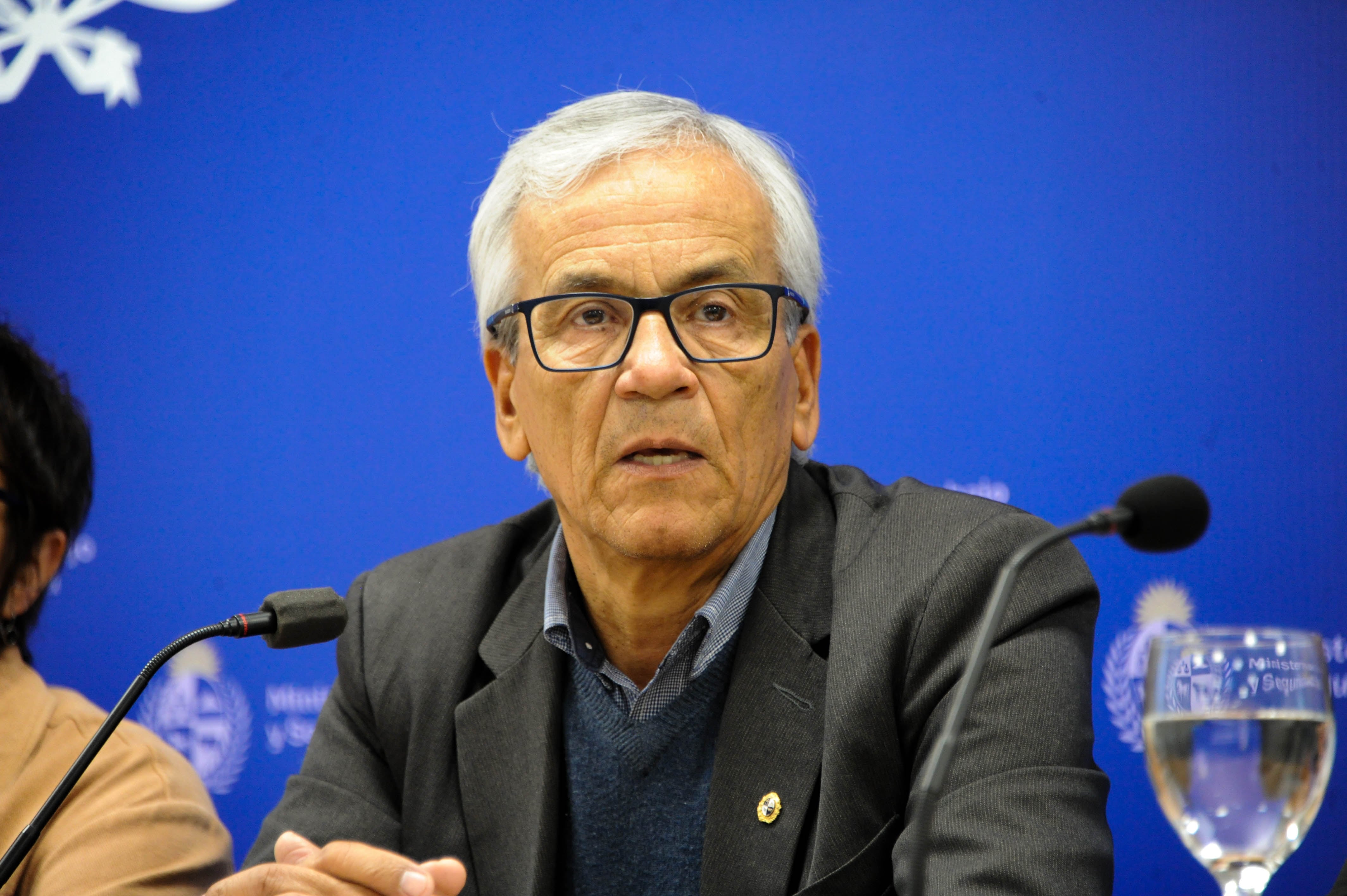
Para tomar la decisión, el gobierno consideró que la paralización pone “en inminente riesgo a un servicio de importancia trascendental, en atención a la afectación que provoca en la producción nacional y en el comercio exterior del país”.
“Resulta necesario asegurar servicios mínimos de funcionamiento y operación en la Terminal Cuenca del Plata, de forma de mitigar los efectos derivados de la situación del conflicto y preservar un nivel indispensable de continuidad operativa”, argumentó el gobierno de Orsi.
Estos “servicios mínimos” implican que en el puerto continúen funcionando las actividades indispensables aun cuando haya paralizaciones. La medida es de carácter “transitorio y limitado”, en el marco de este conflicto. Es decir, se aplicará mientras continúen las negociaciones por el nuevo convenio colectivo.

¿Qué servicios están asegurados en el puerto? La resolución del gobierno detalla que obligatoriamente deben atenderse los servicios de carga y descarga de buques, de recepción de contenedores (sea por transporte carretero o fluvial –se deben atender unos 25 contenedores por hora que llegan en camiones) y el almacenamiento y depósito.
Además, la resolución detalla la cantidad de trabajadores que deben haber área por área.
El martes hubo una nueva instancia tripartita en el Ministerio de Trabajo y el Poder Ejecutivo quedó en enviar una propuesta a las partes.
INTERNACIONAL
El Alzheimer puede comenzar 20 años antes de los síntomas, según especialista salvadoreño


Si una persona empieza a tener problemas de memoria a los 60 años, los cambios cerebrales asociados con el Alzheimer podrían haber comenzado de manera silenciosa desde los 40, según explicó Ricardo López Contreras, neurólogo especialista en enfermedad de Alzheimer.
López sostuvo que el proceso vinculado con la enfermedad puede iniciar al menos 20 años antes de que aparezcan los primeros síntomas. Durante esa etapa pueden acumularse depósitos de beta-amiloide en el cerebro sin que la persona advierta cambios en sus capacidades.
Años después comienza a acumularse la proteína tau, que, según explicó el médico, está asociada con la neurodegeneración, el daño neuronal y la aparición de síntomas propios del deterioro cognitivo leve y la demencia.
El hipocampo, una estructura cerebral vinculada con la memoria, es una de las primeras regiones donde se concentran esas alteraciones. Por eso, indicó López, las dificultades para recordar hechos recientes suelen figurar entre las primeras señales de la enfermedad.
Con el paso del tiempo, los depósitos de beta-amiloide y proteína tau pueden extenderse hacia las regiones frontal, parietal y occipital. En las fases más avanzadas, afirmó López, el proceso se generaliza y se acompaña de pérdida de neuronas, conexiones y tejido cerebral.
El especialista explicó, durante la entrevista en Frente a Frente, que la reducción del hipocampo puede observarse a través de estudios de resonancia magnética. Esa estructura se vuelve cada vez más pequeña conforme avanza la neurodegeneración.
López también se refirió a las tomografías por emisión de positrones. Según indicó, estos estudios permiten observar el consumo de oxígeno y glucosa en el cerebro, mientras que la disminución de los tonos rojos, verdes y amarillos hasta llegar al azul refleja una menor actividad en las regiones afectadas.
La reserva cognitiva y la capacidad de compensar pérdidas
“Nunca es demasiado tarde, pero tampoco demasiado temprano”, afirmó López al hablar sobre prevención. El neurólogo sostuvo que las medidas para proteger el cerebro deben comenzar desde la infancia y mantenerse durante toda la vida.
El médico mencionó los cuidados prenatales y neonatales, además de las condiciones necesarias para preservar la salud cerebral durante el crecimiento. Su planteamiento fue que una persona debería llegar a la adultez mayor con una mayor reserva cognitiva.
López definió esa reserva como la cantidad de sinapsis o conexiones entre neuronas. Esas redes se forman a lo largo de la vida mediante el aprendizaje, los nuevos retos y las actividades que exigen un esfuerzo mental sostenido.
El especialista sostuvo que el cerebro puede crear nuevas conexiones y que, en zonas como el hipocampo, algunos factores pueden favorecer la aparición de nuevas neuronas. Cuanto mayor es el trabajo cognitivo y más exigente resulta una tarea, dijo, mayor puede ser la formación de redes neuronales.
López comparó la reserva cognitiva con el dinero disponible ante una crisis. Según explicó, una persona con más conexiones neuronales tendría una mayor capacidad para compensar las pérdidas provocadas por enfermedades neurodegenerativas.
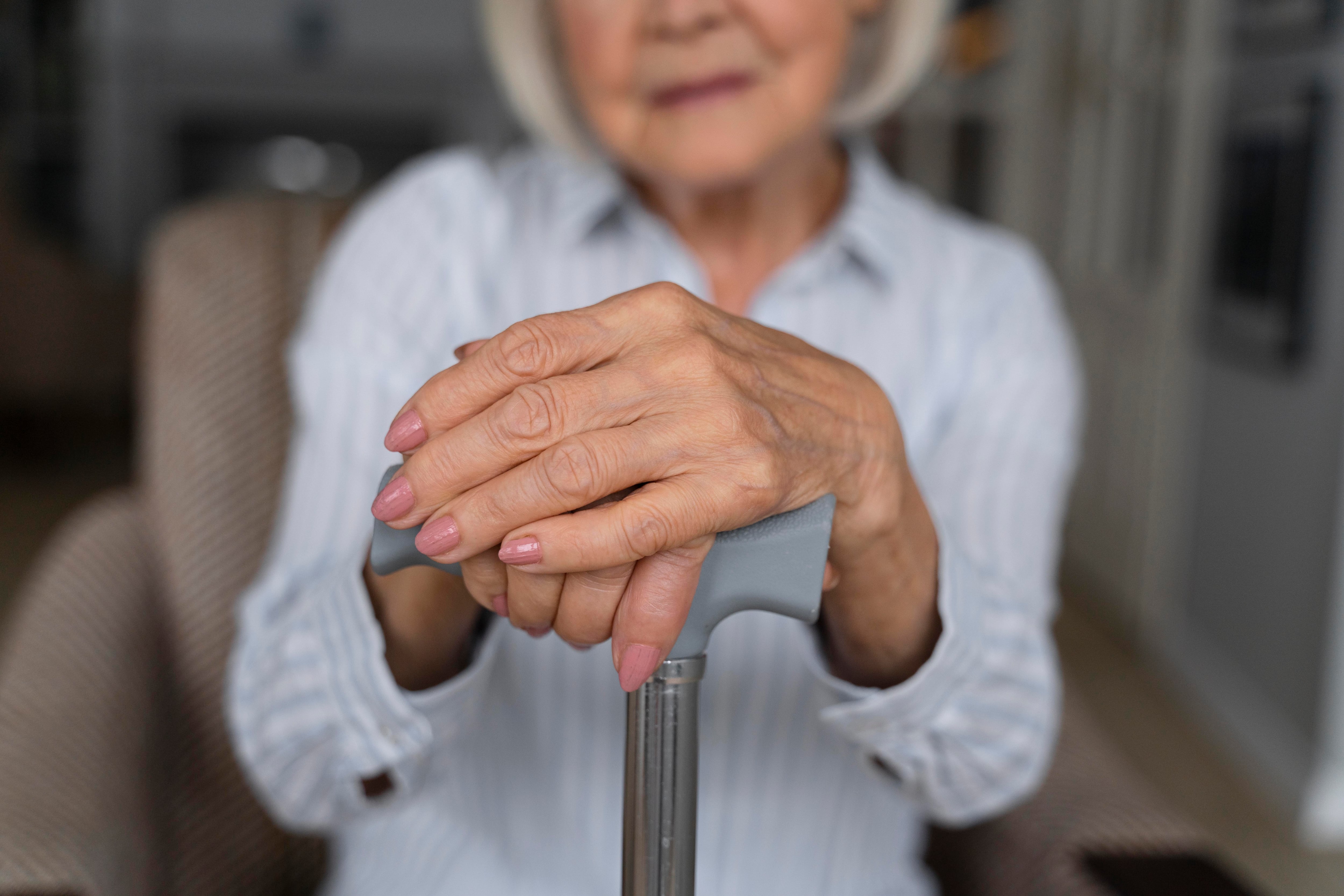
El neurólogo vinculó esa capacidad con la neuroplasticidad. Explicó que el cerebro puede recurrir a otras áreas para asumir parcialmente funciones de regiones que se deterioran, siempre que tenga una reserva suficiente para compensar las conexiones que se pierden.
Hipertensión, diabetes y colesterol LDL
López sostuvo que la prevención también implica controlar los factores cardiovasculares. Entre los principales riesgos mencionó la hipertensión arterial, la diabetes, la obesidad, los triglicéridos elevados y el colesterol alto.
El especialista puso énfasis en el colesterol LDL, conocido como colesterol malo. Afirmó que, aunque el colesterol total esté dentro de parámetros normales, un LDL elevado debe reducirse por el riesgo que puede representar a largo plazo para el desarrollo de demencia.
El médico indicó que muchas de estas enfermedades son silenciosas y que una parte de las personas desconoce que tiene hipertensión, diabetes, obesidad o trastornos metabólicos. Por ello, planteó que los controles médicos no deberían comenzar únicamente cuando ya aparece una enfermedad.
López propuso revisiones preventivas desde la niñez hasta la adultez mayor. Habló de controles de niño sano, adolescente sano, joven sano, adulto en edad media sano y adulto mayor sano, para detectar y tratar factores de riesgo antes de que provoquen consecuencias años después.
En países de Latinoamérica, África y otras naciones de ingresos bajos y medianos, donde los factores cardiovasculares son más frecuentes, la disminución del riesgo de padecer demencia puede llegar hasta 56% si esas condiciones se corrigen de forma adecuada, según la cifra citada por el neurólogo.

Alimentación y ejercicio para cuidar el cerebro
López recomendó una dieta similar a la mediterránea, con menor consumo de carnes rojas y mayor presencia de pescado, carnes blancas, frutas, frutos rojos, vegetales y aceite de oliva. También aconsejó reducir los alimentos ultraprocesados y la comida chatarra.
El especialista sostuvo que el ejercicio físico debe entenderse “como una medicina” y no como una alternativa secundaria. Mencionó los ejercicios aeróbicos, de fuerza y de estiramiento como prácticas que favorecen la salud cerebral y cardiovascular.
Sobre los ejercicios de fuerza, afirmó que pueden generar sustancias que estimulan la formación de nuevas redes neuronales. Según explicó, ese proceso contribuye a aumentar la reserva cognitiva y a proteger el cerebro.
La recomendación que citó fue de al menos 150 minutos semanales de ejercicio. Como alternativas, mencionó 30 minutos diarios o una hora tres veces por semana, aunque afirmó que una mayor cantidad de actividad física puede aportar más beneficios.
López agregó que el ejercicio puede disminuir los niveles de glucosa, mejorar la presión arterial y contribuir al control del colesterol y los triglicéridos. “Todo lo que es bueno para tu corazón es bueno para tu cerebro”, expresó durante la entrevista.
Socialización, salud oral y sueño profundo

El neurólogo resumió sus recomendaciones en cinco hábitos: cuidar el corazón, mantenerse activo, llevar una alimentación saludable, desafiar al cerebro y socializar. Para López, los retos mentales exigentes pueden aumentar las redes neuronales y elevar la reserva cognitiva.
El especialista advirtió que el aislamiento social puede favorecer la depresión y la pérdida de conexiones cerebrales. Explicó que el cerebro elimina las redes que no se usan, en un proceso que denominó poda sináptica, por lo que consideró necesario mantener actividades y vínculos, especialmente entre los adultos mayores.
López también incluyó la salud oral entre los factores que deberían ganar espacio en las estrategias preventivas. Señaló que una mala higiene dental, la gingivitis y la enfermedad periodontal pueden causar inflamación crónica, que puede favorecer procesos relacionados con el Alzheimer y otras enfermedades neurodegenerativas.
El médico recomendó controles y limpiezas dentales cada seis meses. Además, destacó la necesidad de dormir bien, tanto por los efectos que tiene la falta de descanso sobre la atención, la concentración, la memoria y el estado de ánimo, como por los procesos que ocurren en el cerebro durante el sueño profundo.
Durante esas fases, según explicó, interviene el sistema glinfático, que permite eliminar toxinas acumuladas durante el día. López mencionó entre esas sustancias la beta-amiloide y la proteína tau, relacionadas con la enfermedad de Alzheimer.
El neurólogo señaló que una mala calidad del sueño constituye otro factor de riesgo para el deterioro cognitivo y la demencia.
pareja,matrimonio,cuidado,Alzheimer,amor,hogar,tercera edad,ancianos,dependencia,ternura

Six weeks before the midterms, President Donald Trump is complicating one of Republicans’ central campaign arguments against Democrats — warmly praising New York City Mayor Zohran Mamdani after repeatedly warning voters about the rise of socialism and communism on the left.
«I want him to be a great mayor, and he’s certainly got potential, got great potential,» Trump told reporters as he patted Mamdani on the back after the two leaders met Monday at New York City’s Gracie Mansion.
The meeting, where the two leaders discussed cost of living and housing issues, isn’t sitting well with some Republicans fighting to keep control of the House and Senate in the midterms.
«All of it is self-inflicted, off-message, not helpful,» a GOP strategist who asked to remain anonymous to speak freely told Digital. «None of these candidates out in these states, where these races are tighter and more competitive than they should be, are helped by any of this.»
MAMDANI TELLS TRUMP BANNED NEWS OUTLETS ARE WELCOME AT NYC MEETING
Another Republican consultant, who also asked for anonymity, argued, «This is a president who is in a fully self-indulgent period. It doesn’t seem like he really cares about winning. It’s all off key.»
Less than two weeks ago, Trump told Republicans gathered in Dallas at the GOP’s first-ever midterm convention that there is a «communist» takeover of the Democratic Party.
«In state after state, the Democrat establishment has been overthrown and replaced by crazed lunatics and radicals. They call themselves Democrat socialists, but actually, they’re communists,» the president said.
THE GOP’S ‘SOCIALIST’ MIDTERM PLAYBOOK
Fast-forward to Monday, and Trump held his third meeting with Mamdani since he won election last year as the first socialist and first Muslim mayor of the nation’s most populous city.
A third GOP strategist, who was also granted anonymity, argued, «It seems he keeps on stepping on the message, making the election about how crazy the left is and communists and socialists and then appearing with them and yukking it up.»
A top Trump supporter quickly took to social media to blast the encounter.
«I am a die hard Trump supporter and today I am feeling demoralized because Mamdani is a full blown communist jihadist. He is the spiritual leader of the communists in America and he met with the President today in NYC less than 45 days before the midterms,» right-wing activist and MAGA champion Laura Loomer argued on social media.
Loomer, an internet personality who has carved out an influential unofficial role as Trump confidant, emphasized, «How is this supposed to make Trump’s most loyal supporters feel? We don’t feel very happy today. We were told to FIGHT communism. But when we fight communism, we see the communist get rewarded… The base is very angry today.»
DEMOCRACY ’26: STAY UP TO DATE WITH THE ELECTION HUB
Alex Bruesewitz, a longtime Trump aide who now serves as a leading outside adviser to the president, shot back on X, writing, «I don’t understand the «Republicans» who are upset about the President having a friendly relationship with the Mayor of New York @ZohranKMamdani. It’s not wrong to have friendly relationships with people you disagree with. In fact, it’s healthy and good for you!»
Republicans are fighting against traditional political headwinds facing the party in power and a rough political climate fueled by persistent inflation, surging gas and diesel prices, what polls show is a very unpopular war with Iran, and Trump’s underwater approval ratings.
To flip the script, a key part of the GOP playbook aims to turn what’s normally a referendum on the party in power into a choice election by painting all Democrats on the ballot as far-left radicals.
While some Republican strategists say Trump is stepping on the message, others are not concerned.
SIGN UP TO GET THE POLITICS NEWSLETTER
«I don’t think it’s that big a deal,» veteran GOP consultant Dave Carney told Digital.
Carney said that Trump’s meeting with Mamdani «goes with his role» as president «and it’s not a political role. The federal government and the president and the city have to work together.»
But Carney, pointing to left-wing Democrats on the midterm ballot, said «these other candidates out there who advocate these really radical crazy positions aren’t elected yet.»
Longtime Republican strategist and communicator Ryan Williams, referring to Trump, said the meeting «has the ability to make some on the right angry when he praises, Mamdani, but I don’t think it has really has any political implications.»
«Trump appreciates talent and whatever you think of Mayor Mamdani, the guy is politically talented,» Williams added. «I think the president appreciates that.»
reached out to the White House for comment, but didn’t receive a response at the time this report was published.
politics, donald trump, zohran mamdani, midterm elections, new york city, democratic party, republicans elections

“El plan económico está terminado, es un fracaso total”: la dura crítica de Carlos Maslatón al Gobierno de Milei

Caputo en Nueva York: inversores inquietos por el escenario político y económico de Argentina

Exportadores uruguayos optaron por cargar mercadería en otros puertos de la región por conflicto en Montevideo

Darío Barassi descubrió a un primo entre el público de Ahora Caigo que nunca había visto en su vida

La Matanza: un policía antinarco de la Federal que trabajaba como remisero fue baleado por ladrones

La Libertad Avanza bonaerense pidió el juicio político contra Marta Elba Pascual, la jueza que frenó el Régimen Penal Juvenil

Tras los cruces por Discapacidad, Javier Milei y Patricia Bullrich se reencuentran en la reunión de Gabinete para delinear la agenda legislativa

Alejada de la fama, así vive hoy a los 55 años Ana Paul Dutil con un nuevo trabajo y priorizando su salud mental, tras la polémica con Julieta Prandi y Emanuel Ortega

Nicaragua: dictadura, revolución, transición, cuasi-democracia, des-transición, dictadura

Enrique Szewach: “El apretón monetario afecta a la actividad, al salario real y a los márgenes”

 POLITICA1 día ago
Radiografía del ajuste: Los flancos más criticados de la gestión de Javier Milei entre recortes sociales, crisis previsional y salarios de miseria
- POLITICA3 días ago
¿Inflación a la baja pero bolsillos vacíos?: por qué los precios en el supermercado trepan hasta un 20% mientras los índices oficiales dan otro
- ECONOMIA2 días ago
El mercado ya detectó cuál es el bono estrella para posicionarse de cara a las elecciones