INTERNACIONAL
Woke megachurch pastor, Dem nominee called on congregation to repent for driving, eating beef

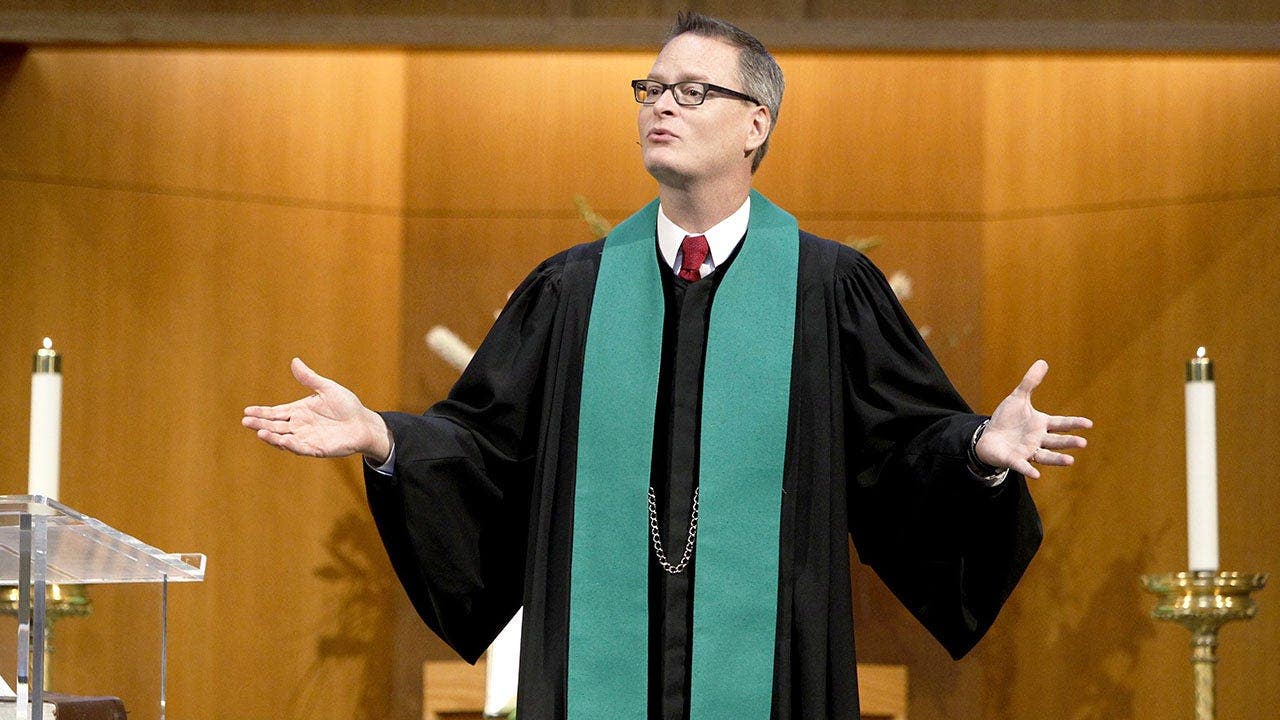
FIRST ON FOX: In Kansas, cows are king, but a Democrat trying to seize power once told his congregation to repent for eating beef and raising cattle.
Adam Hamilton, the Democratic nominee running to unseat Sen. Roger Marshall, R-Kan., in the Sunflower State, for years led the largest United Methodist church in the nation. He would give sermons that Marshall charged were «woke,» and counter to Kansans’ values.
One such sermon, reviewed by Digital, saw Hamilton call on his congregation to repent over their carbon footprints.
GOP SENATOR ALLEGES SCHUMER BEHIND ‘HIT JOB’ REPORT ON FORMER PATIENTS
«That’s what repentance means — I saw things differently, it changed my heart, and it changed my behavior,» Hamilton said during a January 2020 sermon called, «What would Jesus say about climate change?»
«So what I’m calling you to today, and I’m calling myself to it, because I’ve been wasteful, I’ve done things that wasn’t, you know, I didn’t think about it, how it wasn’t really good stewardship of the earth around me,» he continued. «I’m calling us to repentance to say, ‘I realize that this has impact, even if it seems small, it has an impact on the world and future generations. And I feel badly about that, and I’m going to do something different from this time forward.’»
Despite Kansas’ 94-year history of being a ruby-red bastion for the GOP in the Senate, the race between Hamilton and Marshall has unexpectedly tightened in recent months as Republicans across the country face a sobering political environment.
BIG MONEY PROPELS DEM MEGACHURCH PASTOR TO VICTORY IN LONGSHOT KANSAS SENATE BID
Kansas slipped from «Likely R» in Fox News’ Power Rankings to «Lean R,» and Cook Political Report echoed the same shift, too.
«In a state with more cattle than people, Hamilton saying that Kansans need repent for eating too much beef and flip flopping on the Farm Bill proves he’d be just like every other liberal Democrat in the Senate,» Marshall told Digital in a statement.
High fuel prices, particularly diesel in an agriculture-centric state like Kansas, spurred by President Donald Trump’s Iran war are giving voters anxiety, and expanding the map of battleground states that Republicans need to defend to maintain their majority in the Senate.
Hamilton’s campaign countered to Digital that Marshall has «repeatedly introduced legislation to reduce emissions from cattle and claimed ‘everyone’s concerned about the methane production in the cattle industry.’»
«Marshall even bragged how the decline of the herd ‘eliminated half of the methane gas produced from cattle already,’» Tyson Brody, a spokesperson for Hamilton, said. «As Adam said at the debate, Roger should repent for failing to stand up for Kansas cattle producers on tariffs, foreign imports, and skyrocketing diesel prices, and now he should repent for attacking Adam for something Roger Marshall said himself in the Senate. Kansas producers don’t need lectures from someone who voted to put warning labels on hot dogs and bacon.»
Meanwhile, Hamilton’s sermon was part scripture, part PowerPoint presentation on how greenhouse gases occur and their impact on the environment. And during his 44-minute talk, Hamilton suggested that one of Kansas’ staple economic drivers, beef, was a major contributor to the problem.
‘WHY WOULD HE DO THIS TO US?’: ONE CRUCIAL TRUMP DECISION IS HURTING HIS BASE, REPUBLICANS WARN
«Some of the things that we grow, because we like to eat them, like cattle, end up producing more carbon dioxide than other crops that we could grow, other forms of food that we could have,» Hamilton said. «And so, in all of these ways, we are creating or adding to the amount of greenhouse gases in our world.»
Cattle is a major industry for Kansas, which is the nation’s third-largest producer of beef, according to the Kansas Livestock Association. There are more heads of cattle in the state, just over 5.8 million, than people, with the state’s population sitting at roughly 2.9 million.
It provides a major cash influx for the state’s economy, too, with cattle farming and ranching producing tens of billions of dollars and employing over tens of thousands of Kansans.
«It is disappointing that a candidate for the U.S. Senate in Kansas, one of the nation’s top beef-producing states, would make a statement like this to his parishioners about beef’s impact on the climate,» Kansas Livestock Association Chief Executive Officer Matt Teagarden told Digital in a statement. «Beef is an important, nutritious part of the American diet, and cattle play a significant role in maintaining grassland health and conservation, while accounting for only 2% of total U.S. greenhouse gas emissions.»
Still, six years ago, Hamilton was calling on his congregation to change their habits to reduce their carbon footprint.
«Now, you got to do everything you can to reduce your own usage of fossil fuels, but maybe changing your diet so that the things that you eat are requiring less production that creates methane and carbon dioxide and everything else,» Hamilton said.
politics, kansas, climate change environment, midterm elections, woke









“Mi madre fue para nosotros una extensa llanura por la que caminamos largo tiempo sin averiguar sus dimensiones. No la veo en modo alguno con ese halo de dulzura y de vigilancia que acompaña estos recuerdos cuando los seguimos. Es una gran caminata que nunca terminó, escribió Marguerite Duras”. Este es solo uno de los tantos testimonios, acerca de las madres de autores alrededor del mundo, que encontraremos en Entre otras (Seix Barral, 2026), de Adriana Riva. “Estoy escribiendo sobre mi madre –dice- y tengo la esperanza de que si junto suficientes notas voy a poder construir una madre”. Y lo cierto es que sí, que lo logra. O al menos algo parecido. Porque a través de la lectura de sus 131 páginas y de la sinfonía de comentarios y definiciones de otras personas, podremos encontrarnos, al fin, con la mamá de ella y capaz que con la nuestra también. Es como un enorme rompecabezas que Riva gestiona y administra con mucho cuidado hasta que pone la última ficha y ¡zas! aparece finalmente una madre, que podría acercarse mucho o poco a cualquiera de las que andan por ahí. Como sea, la autora convierte un interrogante personal en un viaje literario. ¿Cómo se explica una madre?: a través de un mosaico de recuerdos, de contradicciones y de vínculos de otros que le permitirá, de alguna manera, contar la propia.
Riva no pretende explicar a su madre ni darnos una respuesta unívoca a la pregunta qué significa ser madre. La cosa va por otro lado: va por los bordes, junta pedacitos, bucea en las historias ajenas aquello que pueda acercarse a una experiencia propia. ¿El resultado?, un libro hecho con retazos de vidas, delicadamente armado con un dispositivo literario creado por el novelista estadounidense David Markson. Piezas que, en principio, pertenecen a vidas diferentes y que, sin embargo, hablan entre sí. Lo cierto es que, en la obra, pareciera que una madre lleva a la otra y así sucesivamente. Y es encantador, se los aseguro.
¿Mi mamá me mima?
La madre de la narradora aparece y desaparece. Y lo hace a través de los propios comentarios de la periodista y escritora que, a la misma vez, se alimentan de las otras anécdotas. Así, la mamá de Riva, aparece filtrada por la existencia de otras, por la literatura que las retrató y por los recuerdos de los autores. Entonces, la búsqueda de una mujer concreta se transforma en una exploración de la maternidad como idea, como función y como vínculo. Riva escribe desde esa tensión: entre lo particular y lo general, entre la madre que cada uno conoce y esa figura casi abstracta que parece existir antes de cualquier experiencia personal. “Mamá, tanto que hemos peleado y nos hemos querido, que después de que te fuiste yo pensaba ¿cómo puede ser que todo eso que existió ya no exista más y que ahora ella ignore todo lo que me pasa, que de lo mismo blanco que negro? Del cuento “Querida mamá” de Hebe Uhart”. Y hay más, mucho más. Por eso las madres de los escritores no funcionan como simples ejemplos. Son una suerte de orquesta donde todos los instrumentos juntos consiguen apenas darnos algunas pistas: madres protectoras y distantes, amorosas y difíciles, presentes y ausentes, mujeres capaces de convertirse en refugio, pero también en misterio. Hay algo de investigación en ese recorrido, pero también algo de colección.

Entre otras reúne pequeñas porciones de una realidad demasiado grande y al final resuelve un acertijo. Sin embargo, cada fragmento revela solo una parte y nos obliga a leer de otra manera. Es que el texto avanza por asociaciones. Saltamos de un párrafo al otro y, casi sin darnos cuenta, empezamos a reunir algunos indicios que podrían llevarnos hacia un posible significado. Pero no. Porque, cuando lo que estamos buscando narrar resulta difícil y lleno de matices, la única manera de acercarse es aceptar la fragmentación. Entonces comprendemos que la madre puede ser varias cosas: una persona concreta, un recuerdo, una presencia, una ausencia, un dolor, una herencia, una incógnita. ¿Será por eso que la autora de Ruth se acerca a las madres de los demás para tantear de qué está hecha la propia? Me parece que algo de eso hay. Igual, en ese punto se produce una paradoja: cuantas más madres aparecen, menos posible es encontrar una definición única. Complicado, ¿no?
Hay lazos que están destinados a vivir en los márgenes de las palabras y. la relación entre una hija y su madre podría ser uno de ellos. Se puede contar una infancia, reconstruir escenas, enumerar gestos, recordar frases o intentar ordenar los episodios de una vida compartida. Pero siempre quedará algo sin decir, algo que se escapa. Una zona gris, contradictoria, imposible de nombrar. Y es sobre esa dificultad que se elabora esta singular propuesta, tan cautivante como provocadora. A por ella.
¿Quién es Adriana Riva?
Adriana Riva nació en Buenos Aires. Publicó el libro de cuentos Angst (Tenemos las Máquinas, 2017), la novela La sal (Odelia, 2019) -traducida al inglés, por Veliz Books en 2024-, el poemario Ahora sabemos esto (Rosa Iceberg, 2022) y la novela Ruth (Seix Barral, 2024) que obtuvo una mención especial (mención honorífica) en el Premio de Literatura Sor Juana Inés de la Cruz 2025. Entre 2005 y 2014 trabajó como periodista en el diario La Nación. Es cofundadora de la editorial infantil Diente de León Juegos, para la que escribió libros ilustrados. Es coeditora de la revista literaria El gran cuaderno. Tiene tres hijas.
Adriana Riva,Entre otras,Seix Barral
INTERNACIONAL
La sequía que golpea a 577 mil familias en Guatemala, pero sin partidas en el Presupuesto de 2027
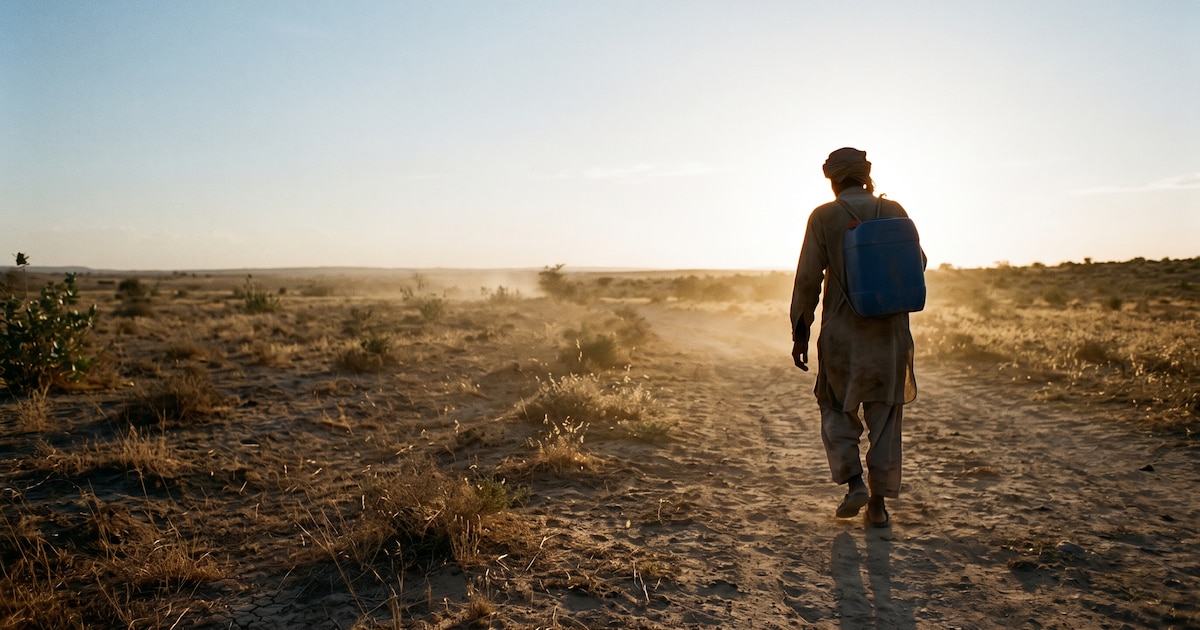
La sequía afecta a 577 mil familias en Guatemala, según los registros de daños atendidos por el Ministerio de Agricultura, Ganadería y Alimentación (MAGA), que prepara una nueva fase de asistencia alimentaria ante la posibilidad de que las consecuencias se prolonguen hasta abril de 2027.
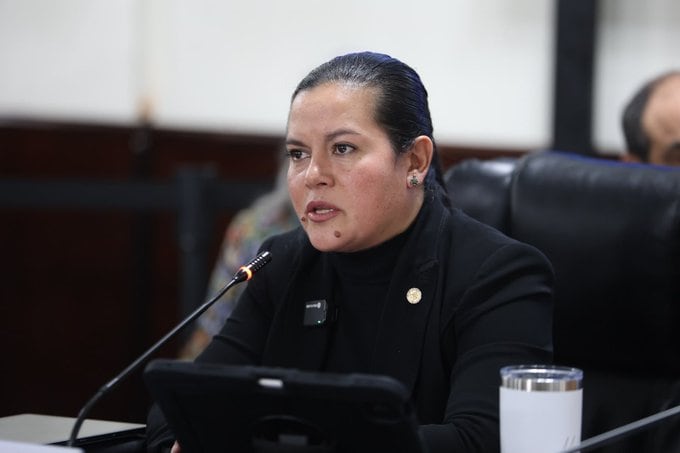
La ministra María Fernanda Rivera informó durante una reunión en la instancia de jefes de bloques del Congreso que la institución proyecta distribuir 1.234.676 raciones de alimentos entre enero y febrero de 2027.
El plan contempla además la gestión de recursos para sostener el apoyo durante los meses posteriores, cuando habrá mayor certeza sobre la evolución climática y los resultados de las próximas cosechas.
El MAGA también prevé entregar otras 671.140 raciones en diciembre de 2026, antes del período de mayor demanda estimado para el inicio del año siguiente.
El MAGA actualizará cada ocho días los daños en los cultivos
La cifra de 577 mil familias corresponde a los reportes ya atendidos por el ministerio, aunque podría aumentar conforme avance la evaluación de las pérdidas agrícolas. La cartera actualizará los datos cada ocho días para identificar nuevas comunidades afectadas y ajustar la respuesta alimentaria.
Durante una comparecencia con los diputados, Rivera atribuyó la situación a una sucesión de anomalías agroclimáticas. Mencionó el inicio tardío del invierno, lluvias intensas con distribución irregular, dos meses de canícula prolongada y la posibilidad de un cierre anticipado de la época lluviosa.
A ese escenario se suma la llegada del fenómeno de El Niño, que, según las previsiones expuestas por la funcionaria, podría mantenerse hasta abril de 2027. El comportamiento de las lluvias y la producción agrícola durante los próximos meses definirá el volumen definitivo de la ayuda.
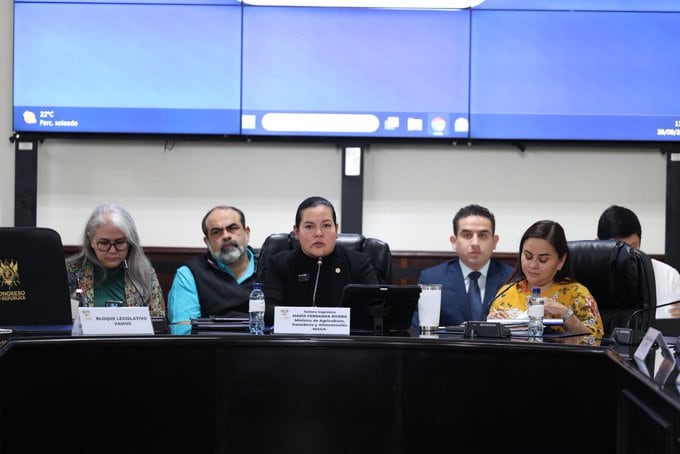
Rivera sostuvo que el operativo proyectado tendrá una escala superior a la de emergencias anteriores. “Es 10 veces más grande que la de cualquier operación en una época de sequía y es cuatro veces más grande que la de COVID que se dio en el 2020 y parte de 2021”, afirmó.
Agua, semillas y capacitaciones para reducir las pérdidas
Además de la entrega de alimentos, el MAGA busca limitar los daños en los cultivos mediante el programa Suelos de Agua para el Futuro, cuya cobertura pasó de 181 a 340 municipios.
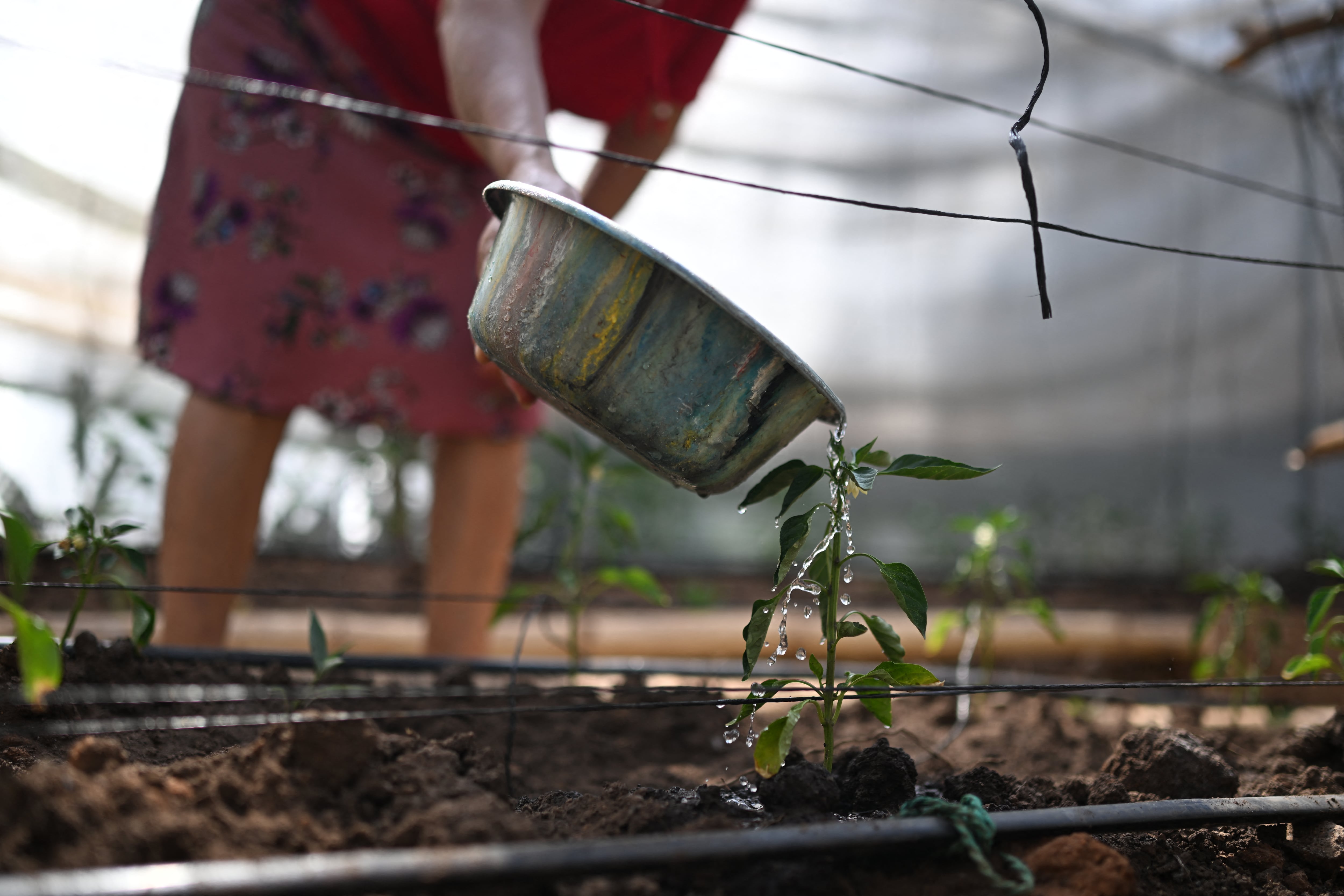
La iniciativa capacita a productores para captar agua de lluvia y conservar la humedad de los suelos, con prioridad en comunidades que no tienen acceso cercano a ríos o pozos. El ministerio prepara también nuevas entregas de semillas y jornadas de capacitación para pequeños agricultores.
Rivera indicó que la institución busca ampliar la disponibilidad de variedades adaptadas a las condiciones del altiplano. Para seleccionar a las familias que recibirán asistencia, el MAGA coordina con la Secretaría de Seguridad Alimentaria y Nutricional (SESAN) y las Comisiones Municipales de Seguridad Alimentaria y Nutricional (COMUSAN).
El proceso incluye el cruce de listados y la verificación de las zonas afectadas. La ministra añadió que las raciones para niños con desnutrición aguda cuentan con Q20 millones (unos USD 2.3 millones) asignados.

El proyecto de presupuesto no prevé fondos específicos para la sequía
El presidente de la Comisión de Finanzas Públicas y Moneda, Julio Héctor Estrada, advirtió que el proyecto de Presupuesto General de Ingresos y Egresos del Estado para 2027 no asigna recursos específicos para atender una eventual emergencia por sequía.
Aunque el proyecto aumenta los fondos para el MAGA, Estrada señaló que no incorpora partidas dirigidas a comprar alimentos, semillas mejoradas o raciones alimentarias. “El presupuesto no incluye absolutamente nada”, afirmó.
El diputado sostuvo que el Congreso podría readecuar recursos durante la discusión presupuestaria y evaluar un bono extraordinario para personas en situación de hambre, con mecanismos similares a las transferencias aplicadas en 2020.
Las proyecciones de asistencia deberán revisarse en noviembre y enero, de acuerdo con la evolución de la sequía y las cosechas.
escasez de agua,sequía,zona rural,recursos hídricos,bidón
INTERNACIONAL
Far-left legal ‘cartel’ in the hot seat as Trump admin decides its law school gatekeeper status
The future of the nation’s primary law school accreditor now rests in the hands of the Trump Education Department after a federal panel deadlocked 8-8 on whether to strip the American Bar Association (ABA) of its gatekeeper status following dozens of federal compliance failures.
The deadlock hands the decision to Under Secretary of Education Nicholas Kent, who has up to 90 days to decide whether to revoke the ABA’s decades-long accreditation monopoly over roughly 200 law schools nationwide. In a statement to Digital, a Department of Education spokesperson confirmed that staff had already recommended stripping the ABA’s gatekeeper status after finding the group out of compliance with «more than 26 recognition criteria.»
The advisory body — known formally as the National Advisory Committee on Institutional Quality and Integrity (NACIQI) — advises the Education Department on whether higher education accreditors meet federal standards. NACIQI Chairman Jay Greene told Digital that while the panel split 8-8 on what action to take, committee members across the board shared a core concern over how the ABA is structured.
«The primary issue that troubled all members of NACIQI is that the ABA accrediting body is clearly not separate and independent from the ABA as a whole,» Greene said, noting that federal law requires institutional accreditors to operate independently of trade associations. «Everyone on the committee agreed that this was a problem that required changes. The main divide was over whether the ABA was willing and able to take those steps to remedy the problem or not.»
WATCH: BRANDON GILL CORNERS LAW SCHOOL GATEKEEPER WITH DEI QUESTION SHE WON’T ANSWER
Responding to panel criticisms of chronic noncompliance, Melissa Hart, chair of the ABA Accreditation Council, defended the organization’s historic track record.
«The Council has been continuously recognized by the Department of Education since 1952, being found in compliance during every regular recognition cycle for the past 74 years,» Hart said in a statement. «We take accreditation and our recognition as an accreditor very seriously, and we continue to be a reliable authority for accrediting J.D. programs.»
However, legal advocacy groups argue the ABA’s structural defects and recent policy shifts render it unfit to serve as an industry gatekeeper. Reed Rubinstein, senior vice president of America First Legal and former general counsel at the Department of Education, told Digital that the ABA has «disqualified itself and undermined public faith and trust in the legal profession.»
EXPLOSIVE REPORT EXPOSES ‘DANGEROUS IMBALANCE’ IN LAW SCHOOL PIPELINE SHAPING HOW ELECTION CASES ARE DECIDED
Rubinstein also dismissed the ABA’s recent move to repeal its controversial diversity, equity and inclusion (DEI) accreditation standard as a «ruse to retain power,» arguing it does not cure the underlying legal flaws.
«The DEI accreditation standard, from the moment it was adopted, conflicted with controlling Supreme Court rulings and the plain text of the Civil Rights Act,» Rubinstein said, urging the Trump administration to permanently strip the ABA of its federal status. «The ABA’s leadership has made it clear, publicly and otherwise, that it will return to its unlawful ideological agenda at its first opportunity.»
For more than 70 years, the ABA has operated as the sole federally recognized accreditor for U.S. law schools, granting the organization a near-monopoly over the legal profession. In almost every state, students must graduate from an ABA-accredited law school to be eligible to sit for the bar exam. Furthermore, the federal government uses the ABA’s accreditation as the gatekeeper for Title IV federal student aid, meaning law schools must secure the group’s stamp of approval for their students to receive federal loans.
BEAUTY SCHOOL MOMS CAUGHT IN ACCREDITATION CROSSFIRE AS TRUMP ADMINISTRATION WEIGHS CONSEQUENTIAL DECISION
If Under Secretary Kent ultimately moves to strip the ABA of its recognition, the decision would effectively break that national monopoly. While law schools affiliated with larger universities could rely on their broader institutional accreditors to maintain access to federal financial aid, roughly a dozen stand-alone law schools would be forced to scramble for alternative accreditation. State supreme courts would also face immediate pressure to rewrite their bar admission rules to allow graduates from non-ABA schools to take the exam.
Some states have already begun taking matters into their own hands to bypass the ABA’s grip. Because the legal profession is regulated directly by the judicial branch, state supreme courts hold the ultimate authority to set educational requirements for bar admission.
TRUMP ADMIN URGES RETURNING EDUCATION TO STATES, CITING $3 TRILLION OF TAXES SPENT AND POOR PROFICIENCY SCORES
In January, Texas became the first state in the nation to eliminate its reliance on the ABA for law school accreditation, with the Texas Supreme Court finalizing a rule to take over the approval process itself. Just nine days later, the Florida Supreme Court followed suit.
By cutting ties with the organization, the Texas high court announced it would judge law schools on «simple, objective, and ideologically neutral criteria» rather than the ABA’s mandates deemed by many as politically-driven.
Other states are now catching on to the rebellion against the ABA. The Ohio Supreme Court formally proposed amendments in May to establish a state-run accreditation process, while supreme courts in Tennessee, Alabama and Washington have all recently taken steps to bypass the organization’s monopoly.
«The ABA’s cartel-like control over law school accreditation drives up costs, limits access, and pushes ridiculous ideological mandates over merit,» Trump’s DOJ said earlier this year. «Ending the Tennessee Supreme Court’s exclusive reliance will expand opportunity AND lower costs.»
Rubinstein noted that transferring authority back to the states marks a long-overdue correction for legal education.
«State supreme courts are ultimately responsible for certifying and disciplining attorneys—there is arguably no need for a middleman,» Rubinstein told Digital. «By returning actual authority over legal education directly to the courts themselves… the result should be a better-quality education for attorneys and more accountability and transparency for the public.»
education, politics, law, regulation, reform, state, college

Moria Casán rompió el silencio sobre Facundo Moyano y reveló qué pasó después de la polémica entrevista: «No estaba en eje»

Neuquén terminará un camino clave en Villa La Angostura a pesar de un conflicto mapuche que sigue abierto

Para Milei, el infierno son los otros

La advertencia del presidente de una automotriz: “A la Argentina le está costando entender las nuevas reglas de juego”

Tales of Eternia Remastered detalla su edición game key card, no tendrá paquete de mejora a Nintendo Switch 2 Edition y más – Nintenderos

Malvinas: qué puede pasar si el Reino Unido no frena el proyecto petrolero Sea Lion en dos semanas

El kirchnerismo muestra encuestas que dan a CFK competitiva para condicionar a Kicillof en el armado del PJ

Javier Milei y sus medidas, en vivo: “Netanyahu es uno de los mayores líderes de la historia del mundo”, afirmó el Presidente

Qué autos importados pagan el arancel del 35% en la Argentina y por qué son clave para las marcas nuevas

Sofía Gonet habló sobre su custodia policial y contó cómo se adaptó a la rutina: “Voy al baño y hay un seguridad”

 INTERNACIONAL2 días ago
El secretario de Defensa británico dijo que el Reino Unido está preparado para defender militarmente las Malvinas
- INTERNACIONAL3 días ago
Trump’s Greenland deal shadows Xi visit after years of Beijing eyeing Arctic influence
- ECONOMIA3 días ago
El viento de frente internacional no pone freno al apetito por riesgo argentino