INTERNACIONAL
Dramatic footage shows alleged narco boat erupt in fireball during US military strike

NEWYou can now listen to Fox News articles!
The U.S. military on Sunday announced a lethal strike on another vessel in the Caribbean carrying alleged narco-traffickers, killing four people on board.
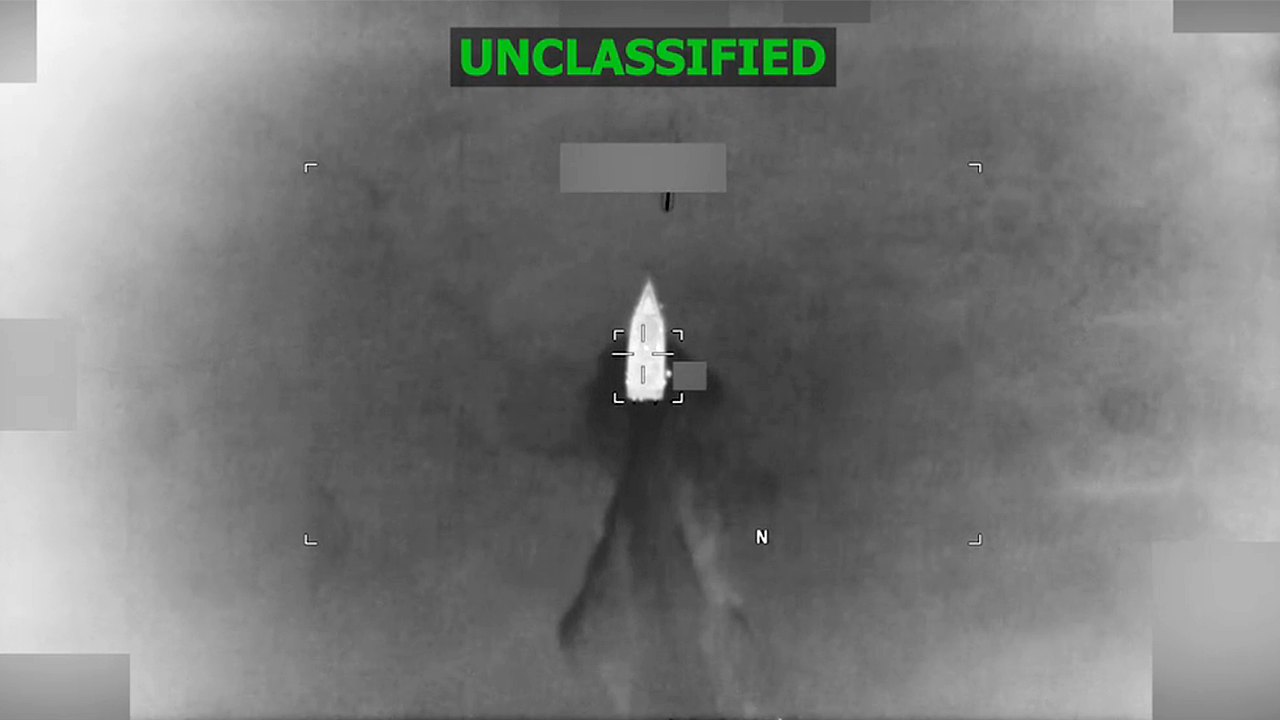
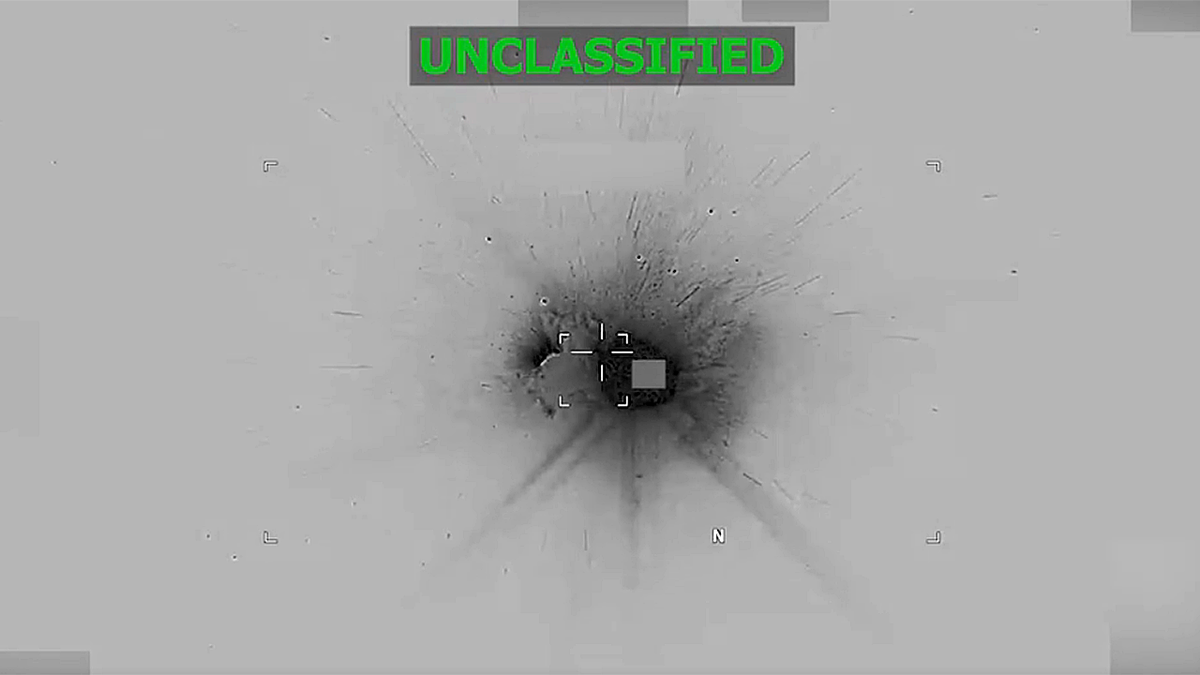
The U.S. Southern Command said the vessel was traveling along «established narco-trafficking routes» in the Caribbean. The military shared a video that showed what appeared to be an explosion destroying a moving boat it described as a go-fast vessel.
«Under the direction of U.S. Southern Command, Joint Task Force Western Hemisphere executed a lethal, kinetic strike on a go-fast vessel operating along established narco-trafficking routes in the Caribbean,» the military said in a statement.
US FORCES OBLITERATE SUSPECTED ‘NARCO-TERRORIST’ VESSEL IN LETHAL EASTERN PACIFIC STRIKE, KILLING 3
The U.S. military announced a lethal strike on another vessel in the Caribbean that it alleged was involved in drug trafficking, killing four people on board. (U.S. Southern Command)
Southern Command claimed that intelligence revealed the vessel’s «active involvement in narco-trafficking.» The military did not provide evidence to back up this allegation.
«The operation killed four narco-terrorists,» the statement added.
This is the latest attack that the Trump administration has argued was launched in an attempt to eliminate alleged narco-terrorists, with the death toll in these strikes carried out since September 2025 sitting at more than 235.
The U.S. Southern Command said the vessel was traveling along «established narco-trafficking routes» in the Caribbean. (U.S. Southern Command)
The Pentagon has refused to release the identities of those killed in the strikes since last year. It has also refused to provide evidence of drugs on board.
The administration has been scrutinized in the past year by Democrats and even some Republicans, including Sen. Rand Paul, R-Ky., who has raised concerns about killing people without due process and the possibility of killing innocent people.
The attacks have also been denounced by human rights groups as «extrajudicial killings.»
US KILLS 4 ALLEGED DRUG SMUGGLERS ON BOAT IN CARIBBEAN, BRINGING TOTAL TO 227 IN 68 STRIKES
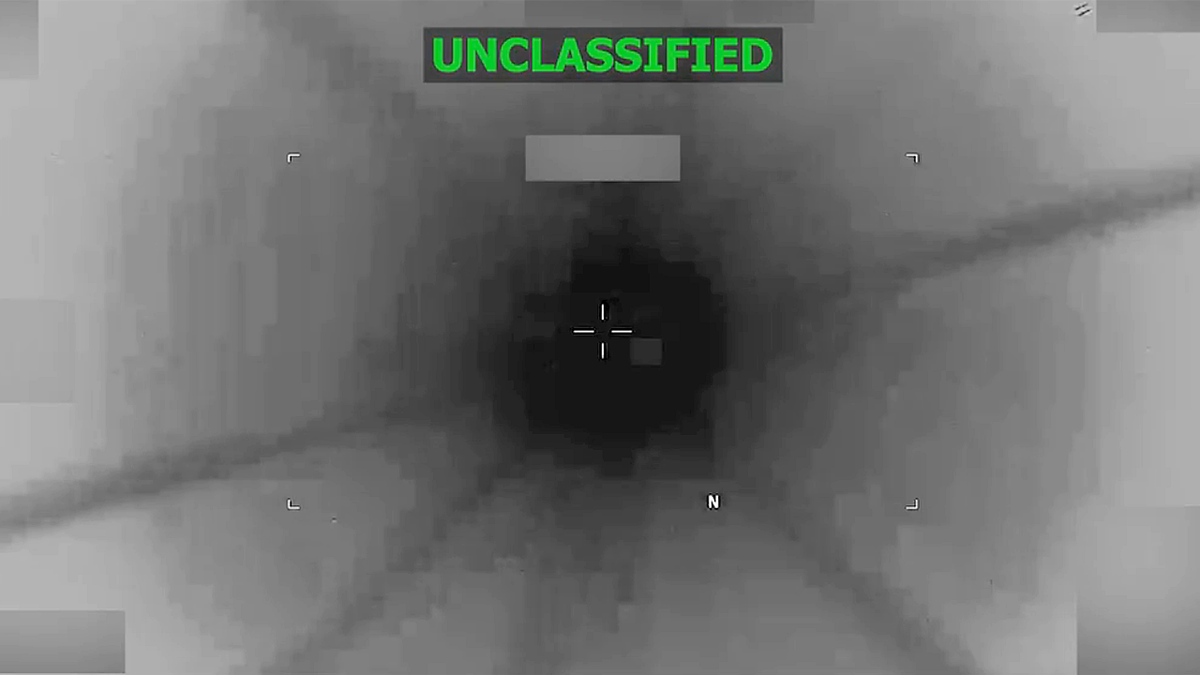
The military shared a video that showed what appeared to be an explosion destroying a moving boat it described as a go-fast vessel. (U.S. Southern Command)
The administration is pursuing deals with allied nations to extend its military attacks to land in multiple Latin American countries. Pentagon chief Pete Hegseth said during a visit to Panama in August that Colombia, Guatemala and Honduras had agreed to allow the U.S. to carry out joint military operations against criminal groups on their soil, although Guatemala denied reaching a deal.
Ecuador launched similar operations with the U.S. in March.
The Associated Press contributed to this report.
military, narco terror, world, caribbean region, donald trump, pete hegseth











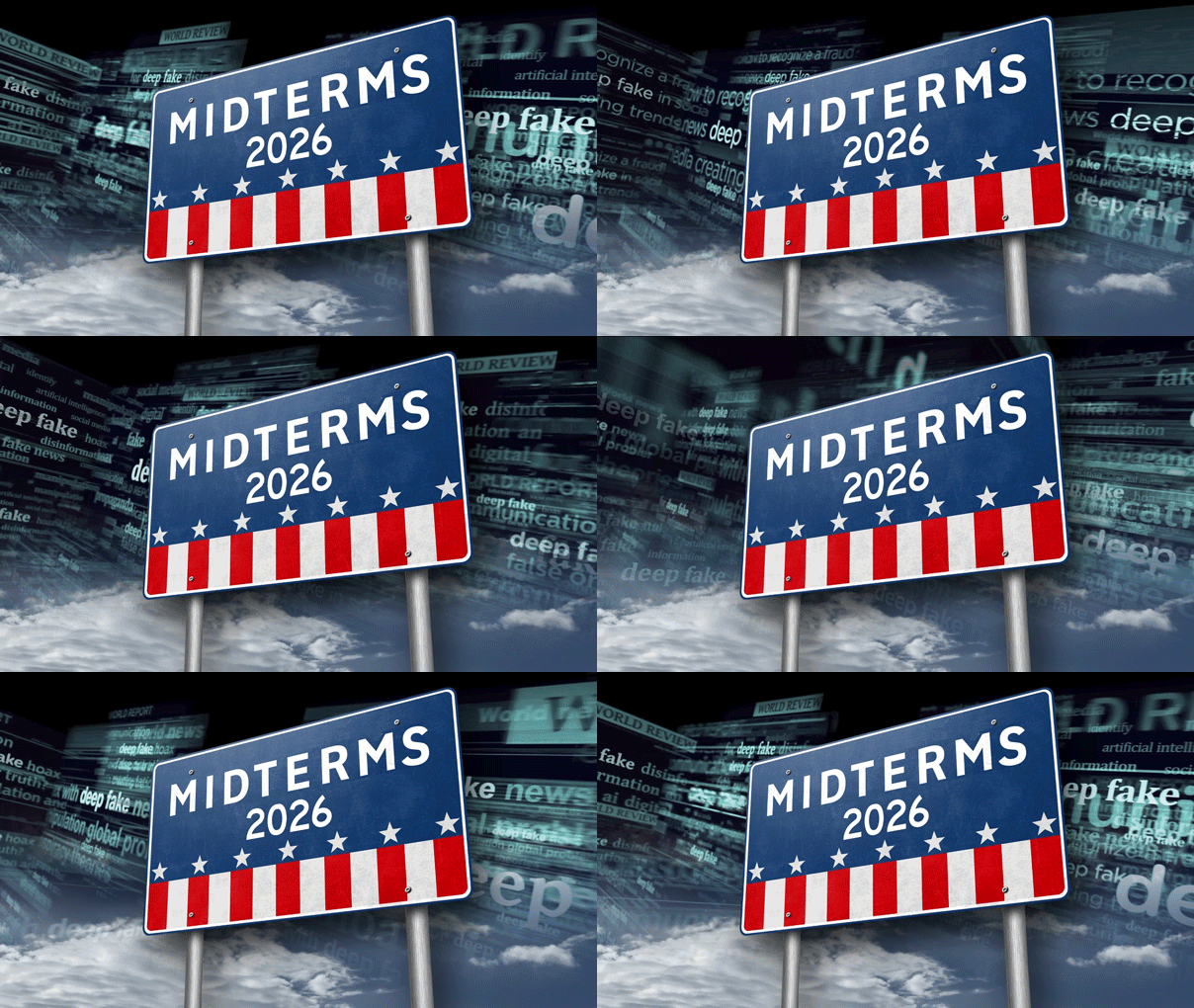
Artificial intelligence is dramatically lowering the cost of political advertising, allowing campaigns to churn out attack ads, memes and other targeted messages at a pace that would have been prohibitively expensive just a few years ago.
In the political ad wars, campaign operatives can now use generative AI to produce in minutes or hours what once required days by a team of writers, voice talent, video shoots and production teams.
The shift is turning political creative from an expensive campaign asset into something much more affordable and closer to disposable content, potentially giving candidates and outside groups the ability to flood voters with more messages.
While the exact number is difficult to identify, the ad-tracking firm AdImpact had identified 29 campaign ads in federal and gubernatorial contests that disclosed using AI content, as of two weeks ago. Meanwhile, the Wesleyan Media Project, which also counted ads that did not make AI disclosures, has identified at least 164 AI-influenced ads this cycle.
HEAD HERE FOR THE LATEST AI REPORTING AND ANALYSIS
But the jury is still out on whether the use of AI for campaign messaging can help produce the ultimate objective: an election victory.
«It certainly allows you to produce more content in varying styles and more cost effective,» veteran Republican consultant Jesse Hunt told Digital, as he pointed to the creative and economic appeals of using AI in political advertising.
Democratic strategist Chris Moyer said that «AI gives campaigns more tools for less cost. So there is a democratizing of the tools that campaigns used to have to spend valuable resources on….You can get access to things with a smaller budget.»
Will Ritter, a longtime Republican ad maker and media and political strategist, told Digital that the creative advertising and political strategy agency he co-founded, Poolhouse, «went from last cycle doing basically doing nothing with AI to most of our ads now have some AI component.»
«The good news is that it’s really cool technology. It allows a lot of people to make stuff. You can make almost anything,» Ritter said.
But he added, «You still need to able to know what you’re doing with the tools.»
Pointing to his agency, Ritter noted «we have professionals who know how to use and integrate them, and they also know the point of this is to have a good ad that can be done faster and cheaper now but still maintains the main point, which is to communicate a message, not to show off cool visual tech.»
Campaign veterans say that if you’re not using AI to produce messaging content and other key tasks, including voter outreach, you are already behind the eight ball, and that will only increase going forward.
«We are running the most organized and sophisticated congressional campaign in the country, and we utilize every legitimate tool that helps our team improve productivity. Any campaign that doesn’t would be foolish,» Ciro Riccardi, a top campaign adviser for Republican Rep. Mike Lawler of New York, told Digital.
POLL: VOTERS QUESTION WHETHER AI’S PROMISE OUTWEIGHS ITS RISKS
Lawler is running for re-election in a key swing district in New York City’s northern suburbs that Democrats are targeting as they aim to win back the House majority. Lawler’s campaign is one of hundreds of campaigns across the country that have reported spending on AI technology vendors in their Federal Election Commission (FEC) disclosure reports.
While spending by campaigns on AI is expected to increase, Riccardi noted that Lawler’s 2026 re-election team will «spend more money on pizza for volunteers» than it will on AI tools.
But are AI-generated ads helping candidates win at the ballot box?
Republican gubernatorial candidate Brian Shortsleeve of Massachusetts grabbed attention in February with an AI-generated radio ad that used an AI-generated version of Gov. Maura Healey’s voice in which the Democratic governor made disparaging comments about her administration and the economy.
«We have one of the highest electricity rates in the nation,» the AI-generated voice said in the spot. «Thanks to me slapping on excessive fees to fund my climate agenda.»
DEMOCRACY ’26: STAY UP TO DATE WITH THE ELECTION HUB
The deepfake – an AI-generated video, image, or audio recording created or altered using artificial intelligence to make a real person appear to say or do something they never actually did – raised questions about the legal limits of AI technology in elections. Thirty-one states have enacted laws regulating political deepfakes, but the Federal Election Commission has not implemented any AI rulemaking.
The attention surrounding the Shortsleeve ad did appear to boost the business executive and former acting general manager of the Massachusetts Bay Transportation Authority in his bid to win the GOP gubernatorial nomination. He was defeated in the September primary in a landslide by former medical device executive Mike Minogue.
In Los Angeles, reality TV star and online influencer-turned mayoral candidate Spencer Pratt used AI-generated videos that went viral to significantly boost his visibility and his campaign’s online momentum.
The videos, which Pratt shared and reposted, humorously and dramatically portrayed him as a superhero saving a dystopian, burning Los Angeles, while depicting incumbent Democratic Mayor Karen Bass and other officials as villains.
The videos grabbed millions of views on social media platforms like X, TikTok, and Instagram, and appeared to help to turn Pratt from a longshot mayoral candidate into one of the three top contenders.
But the AI-generated messaging wasn’t enough to help Pratt, a Republican who ran for mayor as an independent, advance to the general election in the blue-leaning city. Pratt was eliminated as he came in third in the city’s June 2 primary.
SIGN UP TO GET THE POLITICS NEWSLETTER
The National Republican Senatorial Committee earlier this year targeted Democratic Senate nominee in Texas state Rep. James Talarico with a ad showing an AI-generated version of the candidate reading controversial old social media posts.
Meanwhile, an AI-generated image of former Rep. Mike Rogers, the GOP nominee in battleground Michigan’s Senate race, as a super hero figure rescuing people from a collapsing building, went viral.
Whether such AI-generated messaging in the Michigan and Texas Senate races made an impact is uncertain, and the electoral outcomes in the two showdowns won’t be determined until next month.
Campaign veterans point to positives and negatives when it comes to AI-generated content.
«AI has really revolutionized the industry and the groups and companies, I think like, like ours that are taking advantage of the tools and are willing to take risks will be the ones that have the most success,» Ritter said.
«There are so many things we can do now – save time,» Ritter added. «It’s a huge opportunity but you still need people who can use the tools correctly and you have to some restraint.»
But he said, «Spencer Pratt made some unbelievable cool ads we’ve never seen before. They went super viral. Then he came in third.»
«The people that win tend have a message that resonates and is communicated clearly and consistently and just getting attention doesn’t do the whole job,» Ritter emphasized.
Moyer warned that as AI «becomes more widespread, there’s going to be a lot more cynicism and doubt that ads are actually real. The tactic used to be ‘just put opponents in their own words to make an ad against them.’ Now I think a lot of voters are really skeptical – ‘did he or she really say that or are they making it up.’»
Hunt, a veteran of presidential and statewide campaigns, highlighted that «authenticity is incredibly important.»
He said that while AI has leveled to playfield to a degree, campaign ads have «got to feel as real as possible and you do not sacrifice that by going the most cost effective route because the cheapest does not always mean the most persuasive, the most meaningful, the most memorable.»
politics, campaigning, elections, technology, tech, midterm elections
INTERNACIONAL
Sin propiedades fijas ni verdad absoluta: el físico que convirtió la incertidumbre cuántica en una filosofía de vida

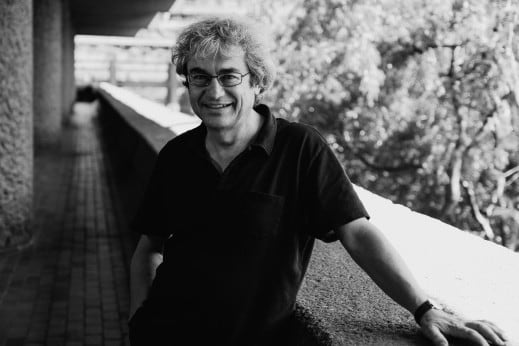
El físico italiano Carlo Rovelli propone en Sobre la igualdad de todas las cosas que la mecánica cuántica relacional permite pensar el universo como una trama de procesos, perspectivas y vínculos, sin propiedades fijas ni un punto de referencia absoluto. El investigador, que dirige un grupo de investigación sobre gravedad cuántica en Marsella, extiende principios de la física hacia una visión en la que “electrones y mentes, piedras y leyes, juicios y galaxias no difieren esencialmente en su naturaleza”.
El libro desarrolla esa idea en seis capítulos, presentados como lecciones, y reúne referencias que van desde Francis Bacon, los murciélagos y el conductismo hasta Henri Bergson y el big bang. Su índice refleja el alcance de una obra que combina física, filosofía, tradiciones antiguas y preguntas sobre la experiencia humana.
Rovelli, autor del éxito internacional Siete breves lecciones de física, sostiene que los sistemas físicos adquieren propiedades solo en relación con otros sistemas físicos. Nada permanece inmóvil y no existe un centro fijo alrededor del cual todo lo demás se desplace.
La primera lección parte de la teoría de la gravedad cuántica relacional para cuestionar la noción de un mundo formado por objetos con rasgos permanentes. La realidad estaría compuesta por relaciones entre sistemas, y esas relaciones cambiarían de acuerdo con la perspectiva desde la que se las observe.

La linealidad es otro de los supuestos que el físico pone en discusión. En lugar de buscar un fundamento final de las cosas, plantea aceptar una circularidad sin término último: cada explicación remite a otra, sin alcanzar una base definitiva.
El mundo tampoco estaría hecho de cosas aisladas, sino de procesos. “Incluso una piedra es un proceso”, afirma Rovelli, quien incluye a los seres humanos dentro de esa condición cambiante.
El tiempo forma parte de esa transformación. No transcurre a la misma velocidad en todos los lugares y el conocimiento de cualquier fenómeno solo puede ser parcial, porque depende de la posición desde la que se observa.
La consecuencia puede resultar inquietante. “La imagen resultante de la realidad es perturbadora. Todo hecho es solo un hecho relativo a otra cosa, e incluso el hecho de que un hecho sea relativo a otra cosa es, a su vez, relativo. No existe un nivel de base”, escribe el autor.
Sin embargo, esa falta de certeza no invalida la experiencia humana. “Nada de esto nos impide describir el mundo desde una perspectiva. La nuestra”, señala Rovelli, aunque la física obliga a reconocer que existen otras miradas posibles.
La propuesta se inscribe en una corriente que concibe el mundo como un conjunto de relaciones interconectadas. El enfoque dialoga con trabajos del micólogo Merlin Sheldrake, la botánica Robin Wall Kimmerer, el fisiólogo Denis Noble y el escritor de naturaleza Robert Macfarlane.
La importancia otorgada a la perspectiva y a las relaciones en la física coincide con cambios intelectuales en la antropología social, la ecología y la biología. Esas disciplinas cuestionan la idea de que los seres humanos observan la naturaleza desde afuera y proponen comprenderlos como parte de ella.
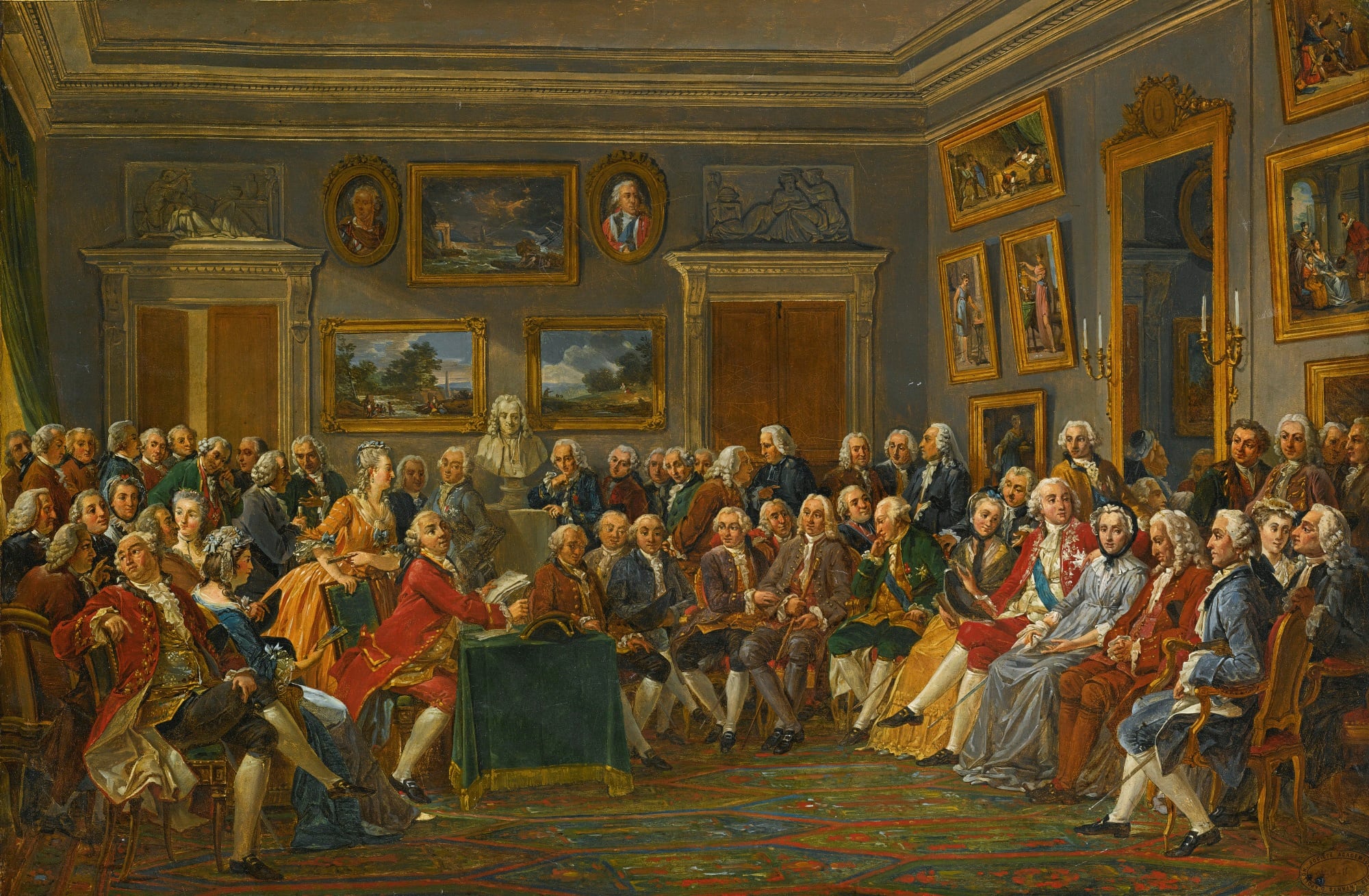
Rovelli se distancia de aspectos de la Ilustración asociados con la certeza, la linealidad y una confianza excesiva en la razón. Frente a esos principios, propone asumir “la ágil ligereza de la circularidad, la complejidad, la ambigüedad, las metáforas, las emociones, la aceptación de la incertidumbre y el cambio”.
El físico tampoco considera que la cultura humana sea inferior o incompatible con las ciencias exactas. Observa que el término “conciencia” reemplazó a “alma” por parecer más científico, aunque ambos conceptos conservan una dimensión imprecisa.
Mientras se reconozca que los procesos físicos sostienen todo lo existente, Rovelli no ve impedimentos para “hablar tranquilamente del alma y las emociones, como hablamos de las mesas, incluso si las mesas son conjuntos de átomos”.
La explicación de conceptos como la gravedad cuántica de bucles y la granularidad del espacio-tiempo exige una base previa de física. Aun así, el libro presenta una reflexión coherente sobre la realidad y concluye que los seres humanos son sistemas físicos que danzan entre otros sistemas físicos: el mundo “es nuestro hermano de sangre”.
Venus,atmósfera,espacio exterior,luz solar
INTERNACIONAL
La lucha del aguará guazú en Argentina: por qué el gigante de los humedales enfrenta una amenaza diaria

Cada vez que un aguará guazú cruza una ruta, la supervivencia de una especie vulnerable queda a merced de unos segundos. Sus patas largas, adaptadas para caminar entre pastizales y bañados, también lo llevan a atravesar caminos que partieron su territorio en dos.
Este 5 de octubre, el Día Internacional del cánido más grande del continente vuelve a poner el foco sobre un animal amenazado por la pérdida de hábitat, los siniestros viales y el mascotismo en los pastizales, sabanas y humedales de Sudamérica.
En Argentina, el aguará guazú (Chrysocyon brachyurus) habita en Corrientes, Formosa, Chaco, Santa Fe, Entre Ríos, Córdoba, Buenos Aires, Santiago del Estero y Misiones. Su silueta, alta y delgada, forma parte del paisaje rural y alimenta relatos populares desde hace generaciones. Aun así, continúa como una especie poco conocida fuera de los territorios que recorre.
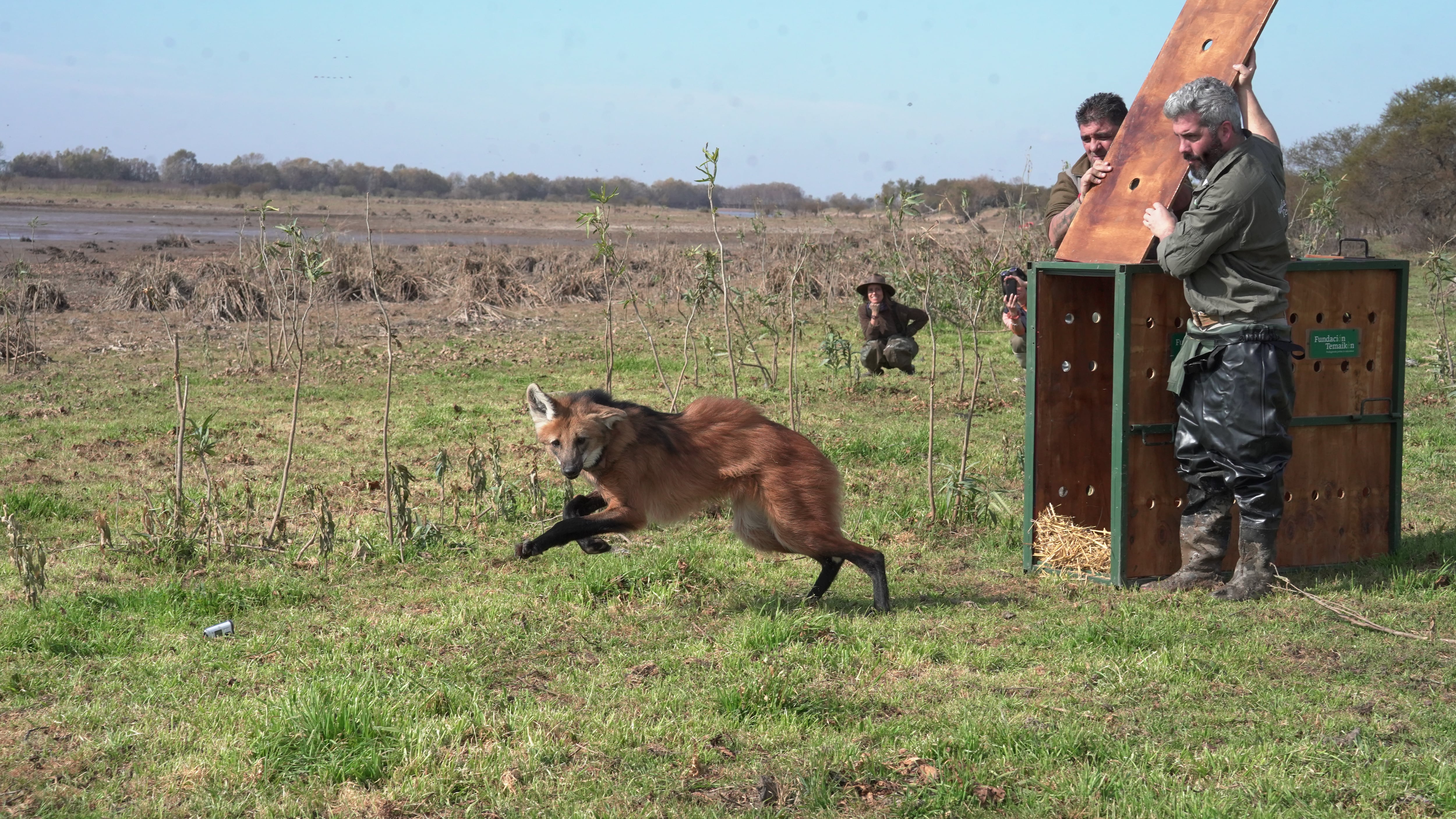
A nivel nacional, está categorizado como Vulnerable. En la Lista Roja de la Unión Internacional para la Conservación de la Naturaleza (UICN), figura como Casi Amenazado. La expansión agropecuaria y urbana redujo y fragmentó los ambientes que necesita para desplazarse, alimentarse y reproducirse.
A esa presión se suma una amenaza visible sobre el asfalto. En Santa Fe, 211 aguará guazú murieron en siniestros viales durante los últimos siete años, según datos de la Dirección de Manejo Sustentable de Fauna Silvestre provincial.
El aguará guazú necesita grandes extensiones conectadas para encontrar alimento, refugio y pareja. Cuando los pastizales, bañados y montes quedan separados por cultivos, urbanizaciones, alambrados o caminos, sus recorridos se transforman en trayectos de riesgo.

La pérdida de continuidad no solo achica el espacio disponible. También puede aislar poblaciones, reducir el intercambio entre animales y obligarlos a cruzar sectores con circulación vehicular. Para una especie de baja densidad poblacional, la muerte de cada ejemplar tiene un impacto que va más allá de una estadística.
La respuesta requiere 5 medidas sostenidas
- Implementar corredores de fauna.
- Instalar señalización en puntos críticos.
- Mantener a los conductores atentos en los caminos que atraviesan ambientes naturales.
- Identificar los lugares y horarios de mayor circulación de animales para orientar parte de esas acciones.
- Avisar a las autoridades ante el hallazgo de un ejemplar herido.
La convivencia con la fauna silvestre exige, además, evitar intervenciones apresuradas. Un cachorro solo no siempre está abandonado: los adultos pueden alejarse durante un tiempo para buscar alimento o trasladar a las crías entre refugios. Ante un hallazgo, la recomendación es no tocarlo ni alimentarlo y comunicarse con organismos de fauna o equipos especializados.
El rescate existe, pero las posibilidades son escasas
Los equipos de rescate pueden asistir a algunos animales que sobreviven a un impacto. El margen de recuperación, sin embargo, es limitado. Según los registros oficiales de Santa Fe, apenas el 0,9% de los aguará guazú atropellados logra rehabilitarse y volver a su ambiente natural.

El escenario se completa con otras amenazas: la captura ilegal de cachorros para mantenerlos como mascotas y la caza, impulsadas en parte por prejuicios sobre su comportamiento. El aguará guazú no representa una amenaza para el ganado. Su dieta se compone, sobre todo, de frutos, insectos, pequeños roedores y anfibios.
“El aguará guazú es una especie clave para el equilibrio de los ambientes donde vive, y a la vez una de las más golpeadas por los atropellamientos y la pérdida de hábitat”, afirmó Guillermo Delfino, coordinador del Programa de Especies Amenazadas de Fundación Temaikèn.
La organización trabaja desde hace más de dos décadas en investigación, rescate, rehabilitación y producción de información para orientar medidas de conservación.
Un caminante que también siembra
La protección del aguará guazú está unida a la conservación de los ambientes que habita. Al consumir frutos y trasladar semillas en sus recorridos, participa en la regeneración de pastizales y humedales.

Su presencia también tiene un lugar en la cultura popular. Para los pueblos toba y mocoví, es un animal protector. En la tradición criolla, su figura quedó ligada a la leyenda del Lobizón. Entre el mito y la amenaza concreta, el aguará guazú persiste como una de las especies más singulares de la fauna sudamericana.
El programa de Fundación Temaikèn reúne estudios de salud y ecología, rescate, rehabilitación y reinserción. Los ejemplares liberados pueden ser monitoreados con collares satelitales con tecnología GPS, que permiten reconstruir sus desplazamientos e identificar zonas críticas.
La fundación también co-lidera el programa S.A.F.E. (Saving Animals From Extinction) de la Asociación de Zoológicos y Acuarios de Estados Unidos (AZA) y coordina el manejo poblacional bajo cuidado profesional desde la Asociación Latinoamericana de Parques Zoológicos y Acuarios (ALPZA).
Cuatro cachorros en Ansenuza, una señal entre los humedales
Uno de los tantos monitoreos que existen ya aportó una escena poco frecuente en Córdoba. En septiembre, cámaras trampa confirmaron el nacimiento de cuatro crías de aguará guazú en el entorno del Parque Nacional Ansenuza.

El registro fue posible a partir del seguimiento de Cucusa, una hembra equipada con un collar de rastreo. Los cambios en sus movimientos llevaron a instalar ocho cámaras en el área. Las imágenes mostraron a la familia sin interferir en su comportamiento y aportaron datos sobre los refugios que utiliza durante la crianza.
La experiencia, desarrollada por Aves Argentinas, la Administración de Parques Nacionales y la Secretaría de Ambiente de Córdoba, ofrece información para proteger a la especie en una etapa decisiva de su ciclo de vida. También deja una señal: mientras haya humedales conectados y rutas más seguras, el aguará guazú todavía tendrá caminos para recorrer.
AGUARÁ GUAZÚ:

AI is supercharging political ad wars. But viral doesn’t mean victorious

Medio mundo pierde la cabeza con GTA 6 menos el cofundador de Rockstar, que por ahora no lo quiere ni ver

Cuáles son los municipios bonaerenses con mayor presión tributaria

El llamativo gesto de Ian Lucas cuando le recordaron su romance fugaz con Evangelina Anderson en MasterChef

Sin propiedades fijas ni verdad absoluta: el físico que convirtió la incertidumbre cuántica en una filosofía de vida

Javier Milei se entusiasma con tener a Bolsonaro como nuevo aliado en la región, pero todavía hay cautela: el mensaje para el 2027

Milei volvió a dar un discurso en la Argentina Week de París y se emocionó en el cierre

Caso Mariaca: un ministro paraguayo acusó a funcionarios bolivianos de proteger al narco Sebastián Marset

Argentina Week: la francesa Total Energies anunció inversiones por cerca de USD 10.000 millones

Habló Andrea Vera, la diputada libertaria que filmó a Grabois durante su fuerte cruce en Diputados

 POLITICA3 días ago
Milei volvió a dar un discurso en la Argentina Week de París y se emocionó en el cierre
- CHIMENTOS3 días ago
Difunden un nuevo parte médico sobre la salud de Mirtha Legrand, a dos semanas de su internación
- INTERNACIONAL2 días ago
DHS exposes dilemma behind SCOTUS deportation fight: ‘We have two choices’