INTERNACIONAL
Perros robot reforzarán los controles de Aduanas en El Salvador

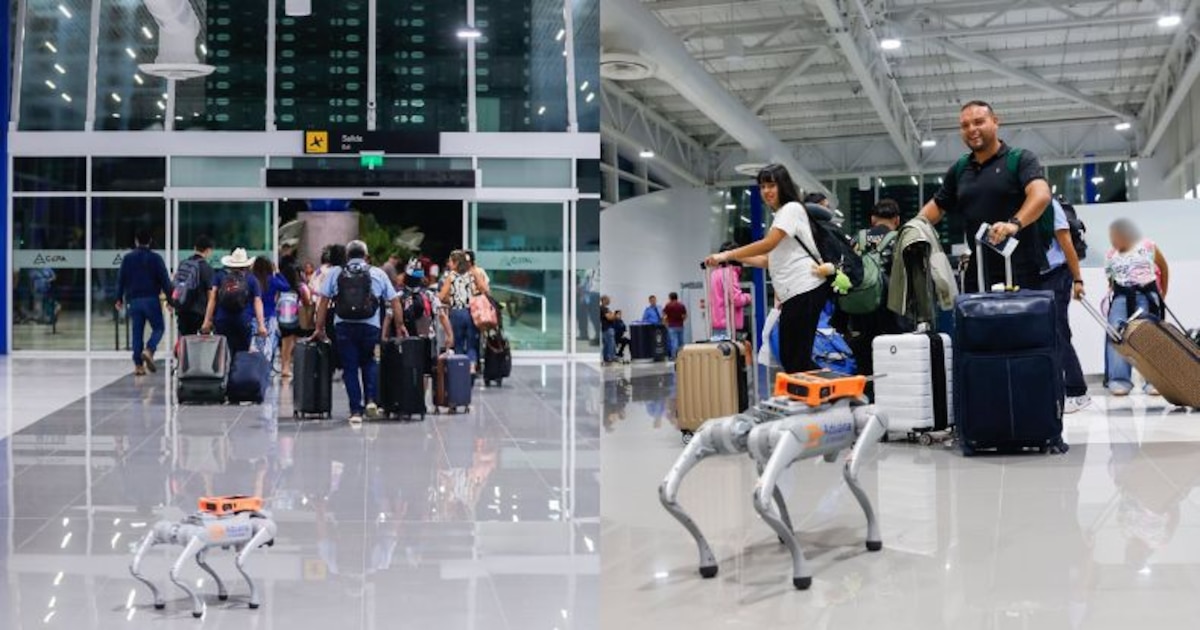
Más de cinco perros robot ya fueron adquiridos por la Dirección General de Aduanas y otros equipos llegarán para operar en puntos fronterizos, según afirmó José Benjamín Mayorga, director general de Aduanas.
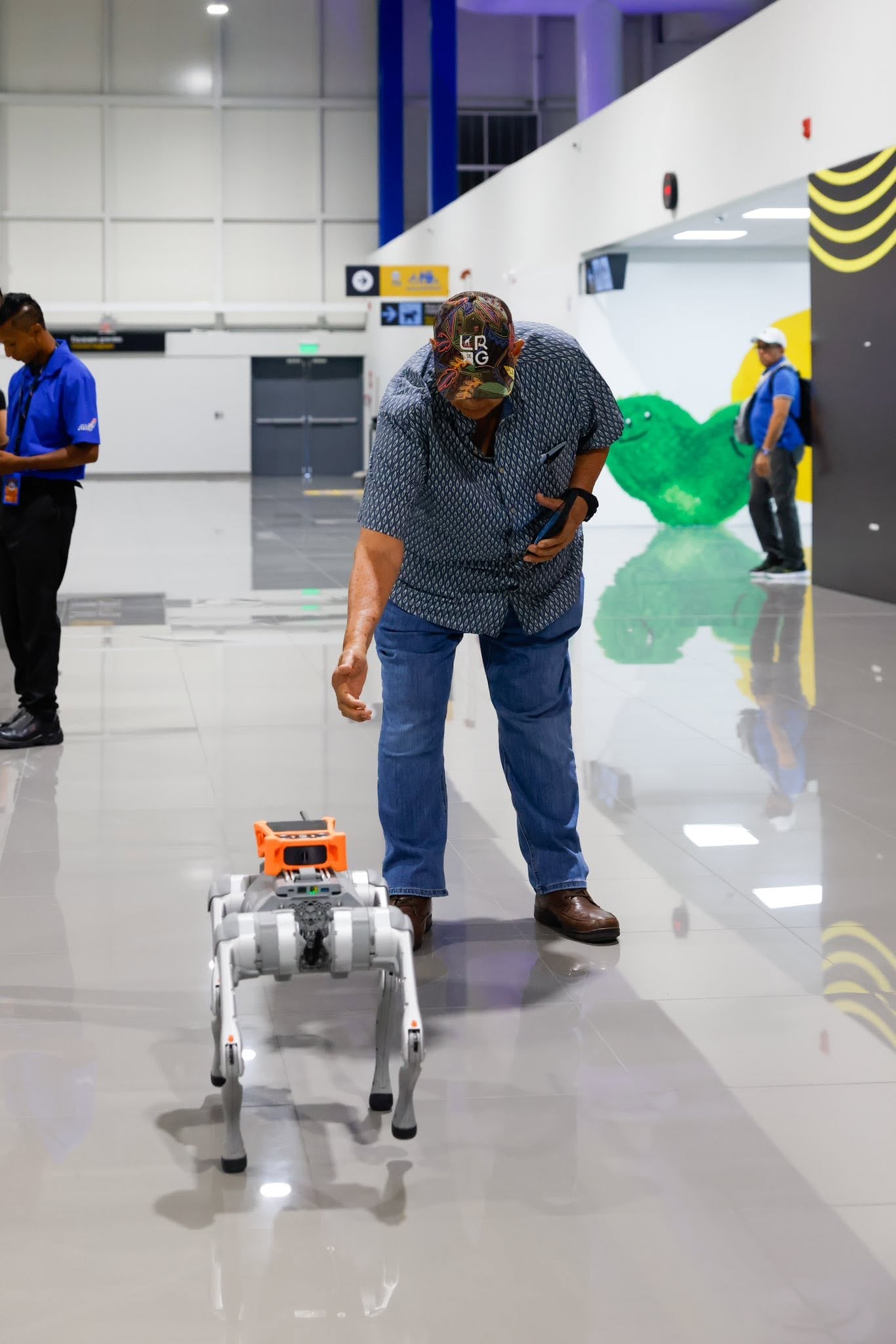
Entre ellos está Bartolito, un perro robot que ya opera en la nueva terminal del Aeropuerto Internacional de El Salvador San Óscar Arnulfo Romero y Galdámez. La institución prevé conformar un grupo de estos dispositivos dentro de su estrategia tecnológica.
La incorporación ampliará las herramientas disponibles para las áreas de videovigilancia y gestión de riesgos. También exigirá personal técnico para operar y dar mantenimiento a los dispositivos.
“Vamos a tener una escuadra de perritos robot”, afirmó el director al referirse a los equipos que se utilizarán en los puntos de control fronterizo.
Bartolito será la insignia de ese grupo tecnológico. Los demás equipos llegarán para apoyar las operaciones de Aduanas en las fronteras.
Los dispositivos no sustituirán al personal de Aduanas. Sin embargo, su incorporación requerirá capacitar a los trabajadores en robótica, inteligencia artificial, operación técnica y mantenimiento de equipos.
Esa necesidad de formación está ligada a un plan más amplio de modernización. La institución no busca limitarse a adquirir tecnología, sino preparar personal capaz de utilizarla en las operaciones diarias.
Aduanas proyecta una escuela aduanera de logística para capacitar a sus empleados. El plan también prevé abrir espacios para integrantes del gabinete económico y empresarios vinculados con el comercio y la logística.
Escáneres reducen las revisiones de 10 minutos a 10 segundos
Otra de las tecnologías implementadas por Aduanas son los escáneres de alta energía, utilizados para revisar el transporte de carga sin abrir los contenedores.
10 segundos es el tiempo de revisión que requieren los nuevos equipos para procesar un medio de transporte en puntos fronterizos y portuarios de El Salvador.
Los escáneres redujeron un procedimiento que antes tomaba, en promedio, 10 minutos. La tecnología permite obtener imágenes de ambos lados de un contenedor durante una sola revisión.
Los equipos operan en El Amatillo, La Hachadura y el puerto de Acajutla. La Dirección General de Aduanas prevé instalarlos también en otros puntos fronterizos.
Los conductores ya no deben descender de los vehículos para completar el escaneo. El cambio permite revisar más medios de transporte durante la jornada y disminuir las esperas en las aduanas.
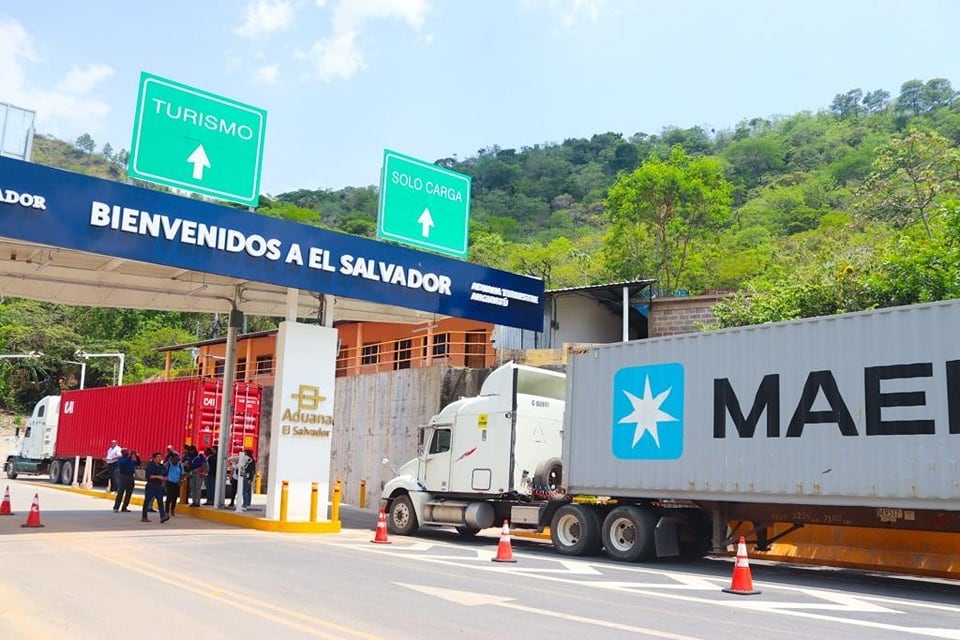
El sistema permite comprobar si los productos declarados corresponden con la mercancía que cruza la frontera. También fortalece los controles sobre ilícitos y seguridad ciudadana.
El Salvador es el segundo país de América en contar con esos escáneres, después de Estados Unidos, según el funcionario. Añadió que los equipos fueron utilizados en un evento internacional de fútbol, aunque no identificó al proveedor ni la competencia.
Cámaras corporales y tabletas respaldan los controles
La estrategia tecnológica incorpora herramientas para registrar los procedimientos del personal y automatizar la información de las operaciones aduaneras.
Los funcionarios cuentan con cámaras corporales y trabajan en espacios cubiertos por circuitos cerrados de video con captación de audio. Esos recursos permiten supervisar cómo se realizan los procedimientos y prevenir actos de corrupción.
Las imágenes de Acajutla, el aeropuerto y otros puntos operativos pueden ser revisadas desde el despacho de la dirección. Además, Aduanas remite encuestas a empresarios por medio de las gremiales para conocer su evaluación sobre la atención del personal.
Parte de los registros manuales fue sustituida por tabletas conocidas como “cebras”. Desde esos dispositivos, los funcionarios reciben declaraciones e información de carga que se incorpora a los sistemas institucionales.
Las fronteras cuentan con conexión inalámbrica para respaldar estos procedimientos. El sistema evita que los trabajadores copien datos desde documentos en papel y permite automatizar la captura de información.
Acajutla combina escáneres y despacho en línea
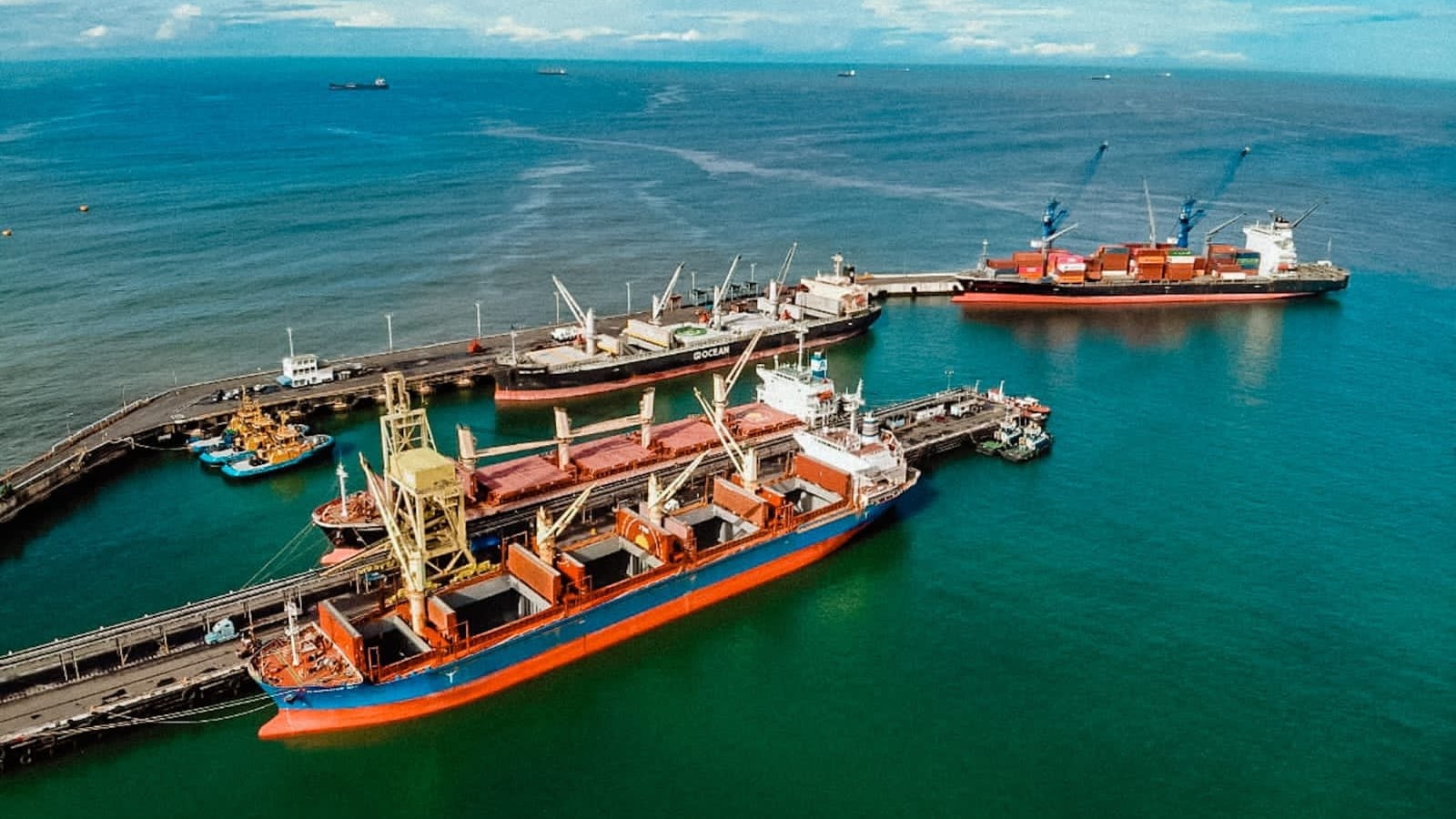
La aplicación de estos controles forma parte de la operación del puerto de Acajutla, donde Aduanas trabaja con Yilport, empresa encargada de administrar el recinto.
Recibe la carga de los buques, tramita los documentos y permite el desembarque de los contenedores. También se ejecuta un proyecto de camiones para el traslado de contenedores dentro del puerto.
En esa operación se ha contratado a mujeres, de acuerdo con lo expuesto durante la entrevista en Panorama. La Corporación de Exportadores de El Salvador ha acompañado ese proceso, según Mayorga.
Una vez descargado, cada contenedor pasa por los escáneres de alta energía. En Acajutla, se revisa el 100% de las mercancías que salen del país y el 100% de las que ingresan.
Después de ese control, la carga puede recibir selectividad verde o selectividad roja, según los criterios de gestión de riesgo. Si recibe verde, el despacho se realiza en línea y Yilport pone la mercancía a disposición del empresario.
Cuando un envío recibe selectividad roja, el contenedor pasa desde las instalaciones de Yilport al área física de Aduanas para una revisión adicional. Este procedimiento se aplica cuando el sistema identifica elementos que requieren verificación.
La intervención presencial de Aduanas en Acajutla es limitada porque los escáneres y los documentos electrónicos resuelven parte de los trámites sin abrir contenedores ni trasladar la carga hacia otras zonas.
El aeropuerto aplica semáforos para pasajeros y carga
En el Aeropuerto Internacional de El Salvador San Óscar Arnulfo Romero y Galdámez, Aduanas utiliza equipos de baja energía y un sistema de selección para atender a pasajeros y controlar la carga aérea.
Los viajeros presentan su pasaporte en un lector que procesa los datos y genera una señal interna de riesgo. El sistema muestra los colores verde, amarillo o rojo en la pantalla que utilizan los funcionarios.
Si aparece amarillo, el personal consulta al pasajero sobre los bienes que transporta. Cuando se activa el rojo, el equipaje pasa por un escáner antes de que se defina si corresponde una revisión física.
Los controles buscan identificar perfiles comerciales entre pasajeros que transportan productos destinados a la venta. Medicamentos, cosméticos, alimentos u otras mercancías deben contar con los permisos exigidos.

Los bienes de carácter comercial también deben pagar los tributos aplicables. Las revisiones buscan impedir el ingreso de productos que puedan afectar la salud de la población.
En el área de carga, Aduanas trabaja con Adimex, empresa que recibe las mercancías de los aviones y las traslada a sus bodegas. La carga pasa por los escáneres antes de que se determine el despacho y los impuestos.
Una declaración incorrecta puede activar la selectividad roja. El director puso como ejemplo un envío declarado como galletas cuando el escáner identifica teléfonos celulares.
Los controles también incluyen la protección de la propiedad intelectual. La institución verifica que quien importe productos bajo una marca tenga autorización para comercializarlos en El Salvador.
El sistema se apoya en información de aerolíneas, documentos de carga emitidos en los países de origen, otras administraciones aduaneras y fuentes de inteligencia. También existe intercambio de datos con la Oficina de Aduanas y Protección Fronteriza de Estados Unidos.
La Hachadura tendrá más de 10 carriles
La modernización tecnológica se complementa con proyectos de infraestructura en La Hachadura, San Cristóbal y El Poy, además de los preparativos para el futuro Aeropuerto Internacional del Pacífico.
La Hachadura es el punto terrestre con mayor tránsito de carga entre El Salvador y Guatemala. Por esa frontera ingresan productos desde México, mercancías procedentes de puertos guatemaltecos y envíos en tránsito hacia Sudamérica.
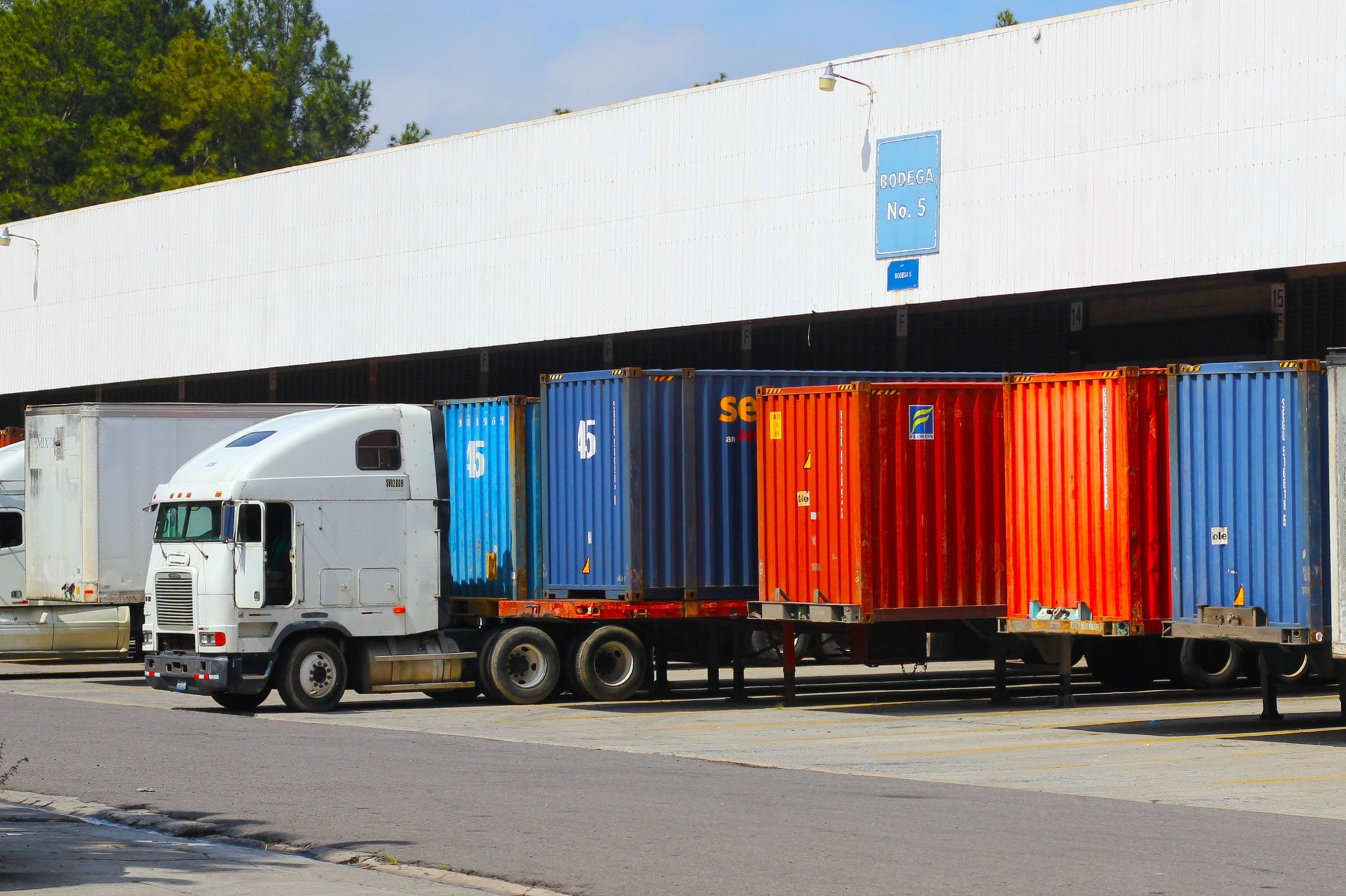
Por ese punto circulan más de 1,500 medios de transporte diarios. Las instalaciones actuales tienen límites de espacio porque el entorno de viviendas impide ampliar la operación.
Aduanas adquirió inmuebles para construir una nueva instalación en La Hachadura. El proyecto contempla una frontera con capacidad para atender el flujo de los próximos 50 años.
La infraestructura tendría más de 10 carriles para importaciones y exportaciones. También incluiría escáneres, básculas y herramientas de registro mediante códigos QR.
La institución también busca adquirir propiedades para transformar la aduana San Cristóbal. El Poy terminó una etapa de obras y será mejorado en su totalidad.
Las intervenciones buscan mejorar las condiciones de trabajo para el personal de Aduanas, Policía Nacional Civil y Ministerio de Agricultura que opera en las fronteras.
El Amatillo reduce los tiempos de despacho con Honduras
La modernización de las fronteras incluye coordinación con autoridades de los países vecinos para realizar controles en instalaciones compartidas.
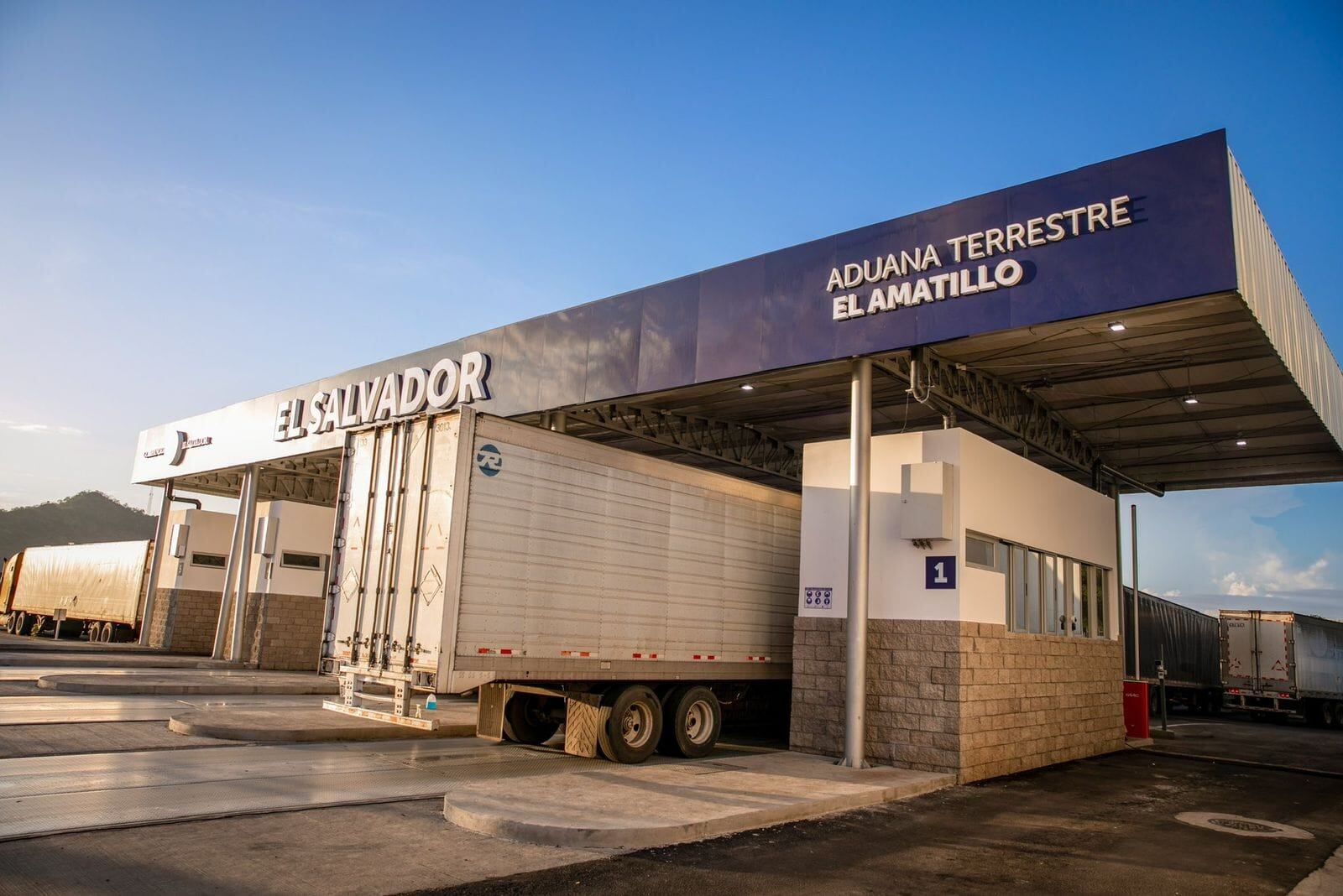
En La Hachadura, Aduanas ha conversado con la Superintendencia de Administración Tributaria de Guatemala para que sus funcionarios trabajen dentro del recinto salvadoreño.
El mismo modelo se proyecta en El Poy con autoridades hondureñas. La coordinación ya funciona en El Amatillo, donde comparten instalaciones funcionarios de Aduanas y Migración de El Salvador y Honduras.
Antes de esa integración, un transporte podía completar el trámite en El Salvador, pero luego esperar más de 72 horas en la aduana hondureña, según la explicación ofrecida.
Con la operación conjunta, el despacho puede tomar cerca de 20 minutos entre lunes y miércoles, cuando el flujo de carga es menor. Entre miércoles y viernes, cuando aumenta la demanda, el procedimiento puede llegar a dos horas.
“Estamos reduciendo de las 72 horas a dos horas los días que hay más mapas de calor”, afirmó Mayorga. La operación integrada también redujo denuncias por cobros ilegales y multas administrativas en el tránsito hacia Honduras.
aeropuerto el salvador,nueva terminal aeropuerto,turismo el salvador,vuelos el salvador

INTERNACIONAL
Autoridades de seguridad y justicia acuden al Congreso de Guatemala: piden fondos récord para 2027

Las autoridades de Gobernación, Defensa y el Organismo Judicial solicitaron al Congreso de Guatemala más de Q 23 mil millones para 2027, con el objetivo de incorporar agentes policiales, construir cárceles de máxima seguridad, ampliar la cobertura de juzgados y modernizar la infraestructura estatal.
La Comisión de Finanzas Públicas y Moneda, presidida por el diputado Willy Ralda, del bloque Cabal, recibió las exposiciones de las tres instituciones durante una audiencia transmitida por el Canal del Congreso bajo la política de Congreso de Puertas Abiertas.
El Ministerio de la Defensa Nacional planteó un presupuesto de Q 6.374 millones, frente a los Q 4.643 millones asignados para 2026. La propuesta contempla Q 5.076 millones para funcionamiento y Q 1.298 millones para inversión.

Más patrullas, armas y nuevos agentes para la Policía Nacional Civil
El ministro de Gobernación, Marco Antonio Villeda, pidió Q 10.490 millones para 2027, Q 1.349 millones más que los Q 9.753 millones vigentes. El 95,7% de esos recursos se destinaría a gastos de funcionamiento y el 4,3% a inversión.
La cartera prevé asignar Q 444 millones al Bono de Bienestar Policial, Q 95 millones para adquirir cinco mil armas y Q 365 millones para comprar 800 patrullas y mil motocicletas. Otros Q 64 millones financiarían mobiliario y equipos como casilleros, cámaras y neumáticos.
Villeda sostuvo que la inversión busca enfrentar la falta de movilidad de la Policía Nacional Civil, que no realiza una compra significativa de vehículos desde 2019. El ministro relató el caso de una vecina de Mazatenango que no recibió asistencia durante una emergencia porque no había patrullas disponibles.
El funcionario indicó que el proceso para adquirir 540 patrullas ya concluyó y que los vehículos serían entregados durante la primera quincena de noviembre. También afirmó que la meta del Gobierno es incorporar 13.500 agentes de la PNC durante el período presidencial, 1.375 más que el objetivo inicial fijado por el presidente Bernardo Arévalo.
“Preferimos hacer una pausa, reordenar los temas, mejorar el tema de la carrera penitenciaria y continuar ya con unas bases sólidas”, señaló el ministro.
La cartera prevé concluir entre noviembre y diciembre de 2027 el Centro de Cumplimiento de Condena de Máxima Seguridad de Masagua, Escuintla. La obra forma parte de 13 proyectos de inversión registrados en el Sistema Nacional de Inversión Pública, entre ellos la mejora del Centro de Cumplimiento de Condenas de Flores, Petén, y el remozamiento de comisarías, con 60 intervenciones ya terminadas.
Villeda también pidió aumentar en 110% los fondos destinados a los servicios de gobierno departamental. La medida busca acompañar una modificación al reglamento orgánico interno de las gobernaciones, aún pendiente ante la Oficina Nacional de Servicio Civil.
“Los gobernadores están involucrados en todo, pero no mandan absolutamente nada, ni tienen el personal correspondiente para lograr el propósito que requiere su función”, afirmó.

El Organismo Judicial busca duplicar sus recursos y crear 25 juzgados
La presidenta saliente de la Corte Suprema de Justicia y del Organismo Judicial, Claudia Paredes, solicitó Q 6.500 millones para 2027, casi el doble de los Q 3.308,8 millones asignados durante el ejercicio vigente. La magistrada asistió junto con Jenny Alvarado Tení, presidenta electa de ambas instituciones.
El Ministerio de Finanzas Públicas estimó Q 4.359 millones para el Organismo Judicial dentro del proyecto presupuestario. Paredes reclamó Q 2.141 millones adicionales para aplicar leyes aprobadas recientemente, entre ellas la Ley de Competencia, la Ley Antipandillas, reformas al Código Civil y la Ley de Insolvencias.
La planificación incluye 12 nuevas salas, 14 juzgados y tribunales, siete proyectos administrativos, 42 iniciativas tecnológicas y siete obras de infraestructura judicial en Villa Nueva, Izabal, Petén y Jutiapa. En total, el organismo proyecta habilitar 25 juzgados, de los cuales 23 estarían ubicados fuera de la capital.
“Hay una asignación de Q 777 millones orientados principalmente a fortalecer los órganos jurisdiccionales, unidades administrativas existentes, implementar nuevos órganos jurisdiccionales, ampliar la cobertura institucional, modernizar y fortalecer la infraestructura tecnológica e incrementar la capacidad para mejorar la eficiencia de prestaciones judiciales”, explicó Paredes.
La magistrada advirtió que, sin los recursos adicionales, el presupuesto alcanzaría únicamente para pagar la nómina actual y servicios básicos como electricidad, agua y telecomunicaciones, necesarios para desarrollar audiencias virtuales. Guatemala cuenta con ocho jueces por cada 100.000 habitantes, mientras que los estándares internacionales citados por Paredes recomiendan 18.
La propuesta de Defensa financiaría el equipamiento de unidades militares, el mantenimiento de caminos, obras de infraestructura y el refuerzo de capacidades estratégicas. El viceministro de la Defensa Nacional, Jorge Lemus, detalló la compra prevista de 2.600 fusiles, 59 ametralladoras, 11.220 tolvas y 57 lanzagranadas.
La institución también proyecta ampliar las operaciones terrestres, aéreas y marítimas, además de ejecutar 300.000 metros de dragado. Sus estimaciones contemplan acciones de gestión de riesgos para 6,3 millones de guatemaltecos, tareas de protección marítima, lacustre y fluvial para 2,9 millones, y operaciones de seguridad interior y exterior para 18,49 millones de habitantes.
Lemus confirmó retrasos en la construcción del Centro de Prevención El Triunfo, en Morales, Izabal. El Cuerpo de Ingenieros del Ejército prevé entregar la cárcel entre agosto y septiembre de 2027, si las condiciones climáticas permiten mantener el ritmo de las obras.
Congreso de la República de Guatemala,Guatemala,reunión de trabajo,diputados
INTERNACIONAL
Key American industry seeing blue-collar jobs boom as Trump’s re-shoring policies pay off
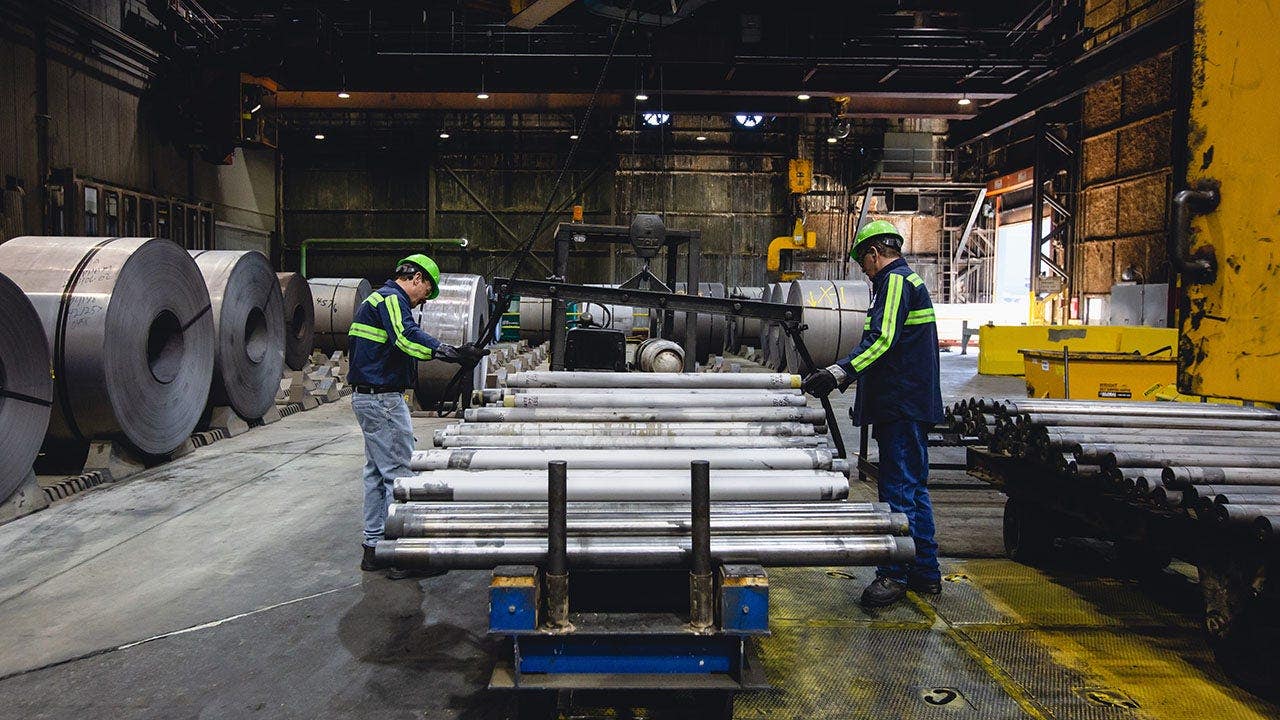
FIRST ON FOX: Critical blue collar manufacturing jobs in the U.S. are making inroads after years of Biden-era offshoring hollowed out the workforce, according to a new economic report.
A Council of Economic Advisors (CEA) report says 72,000 manufacturing jobs have been added in 2026 alone, many of them due to a rise in the manufacturing of durable goods like metal and transportation equipment. The advisors say this is a reverse of a Biden-era trend that saw 200,000 manufacturing jobs disappear in the last two years of the former president’s administration.
Not only is the current administration’s focus on re-shoring jobs contributing to the uptick, but so are his tariff policies, according to the CEA, a White House agency responsible for providing President Donald Trump with economic analysis.
AMERICA’S NEW BLUE-COLLAR JOB BOOM IS ONE NOBODY SAW COMING — AND IT’S JUST GETTING STARTED
In particular, Trump’s landmark One Big Beautiful Bill Act (OBBB) has laid the groundwork for American companies to expand in the United States, instead of shipping jobs overseas, according to the report. The bill’s provisions include allowing manufacturers an immediate 100% tax deduction on expenses related to new factory building, and purchasing machinery and equipment.
The report highlights success stories from corporations that are reinvesting in Americans and expanding their businesses.
LARGEST-EVER US STEEL PLANT IS COMING TO A KEY RED STATE AS TRUMP UNVEILS $15B INVESTMENT
For example, the 100% expensing provision in the OBBB has helped Jergens, a manufacturing company based in Ohio, expand to Illinois.
«Since the passage of the bill [OBBB], our employees are voluntarily working additional hours,» the company’s CEO, Jack Schron, said. «They are keeping more of what they earn, putting more money back into the American economy and Jergens has a ready workforce. It is a win-win-win: a win for the employee, for Jergens and for the United States economy.»
BESSENT CREDITS TRUMP IMMIGRATION POLICIES WITH HELPING RETURN JOBS TO AMERICANS AS WAGE GAINS RESUME
Schron added that 83% of his workers are picking up overtime after the OBBB provision established no taxes for overtime work.
In another example touted in the CEA report, a company in North Carolina, Ketchie Inc., has expanded its workforce by 25% after taking advantage of the 100% expensing provision to purchase new machinery. The report says the company waited to buy the equipment until the OBBB passed.
As for wages, manufacturing workers are seeing benefits, too, with their pay increasing by 7.9% since January 2025.
«Adjusted for inflation, this means that blue-collar manufacturing workers are earning nearly $2,500 more per year, on average, since President Trump took office,» the report says.
It also touts figures from the construction industry, including 100,000 construction jobs added since Trump took office.
Semiconductor chip manufacturing, an industry in which the United States typically competes with China, is on the rise in the United States too.
Micron is building memory chip plants in Idaho, Virginia and New York, which the report says is a $250 billion investment in the United States. Apple is investing $600 billion in American semiconductor production, too.
The report also says that major pharmaceutical companies like GSK and Gilead are investing billions of dollars in the United States, along with automakers like Stellantis.
PESSIMISTS SAY THE ECONOMY IS WEAK. THE GOOD NEWS IS, THEY ARE WRONG
All told, the reshoring and tariff policies have resulted in $11 trillion in investments in the United States during Trump’s second term in office, according to the report.
Meanwhile, the economy is on everyone’s mind with only a few weeks left until the midterm elections. Inflation, particularly high gas and grocery prices, continue to impact Americans before they head to the polls.
According to a Poll, the cost of everyday items is a hardship for voters: 61% say gas prices are a major problem, up from 48% two years ago, while 52% say the same for healthcare costs, up from 44%. Majorities also view housing costs (54%, down from 60%) and grocery prices (62%, down from 66%) as major problems.
Nearly two-thirds of Americans say the economy is worse under the Trump administration than before.
politics, donald trump, economic policy, economy
INTERNACIONAL
France is devouring itself as school riots reveal a crisis far bigger than broken classrooms
NEWYou can now listen to Fox News articles!
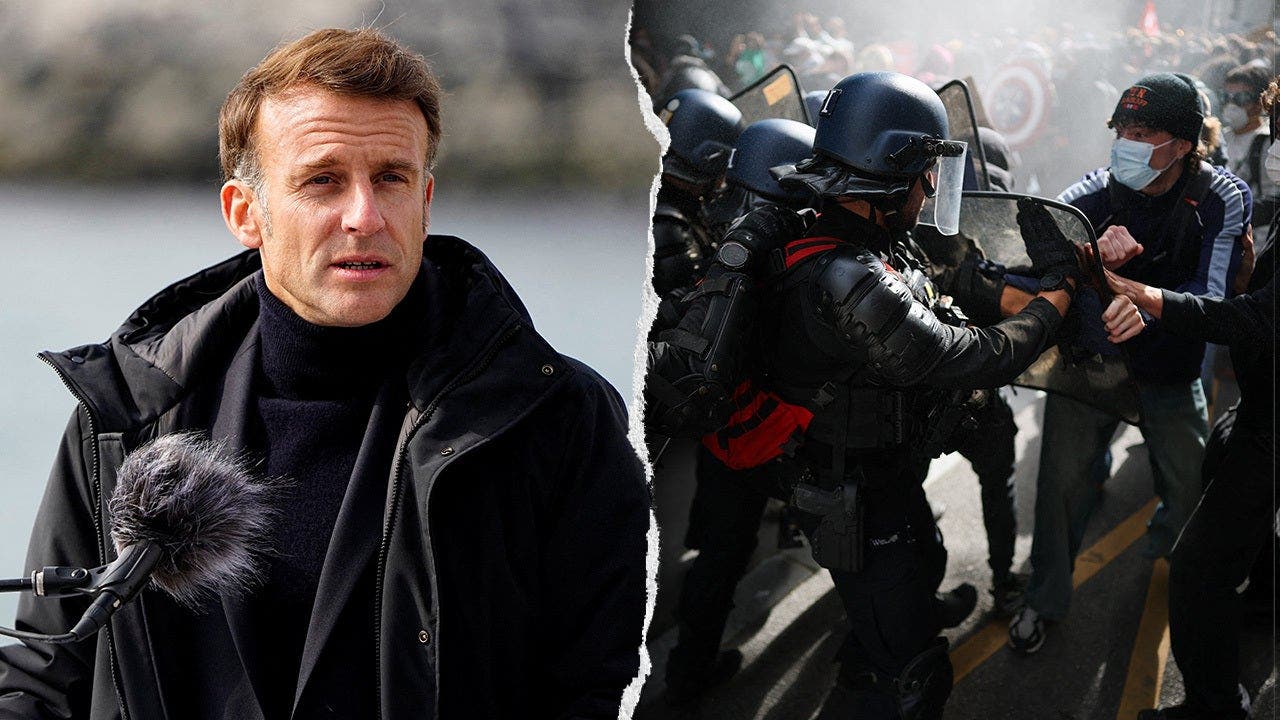
Student protests over crumbling schools despite billions in public spending are fueling a broader crisis in France, as experts warn that the country’s mounting financial troubles, President Emmanuel Macron’s weakened political center and radical movements are pushing the unrest far beyond its original educational grievances.
Simone Rodan-Benzaquen, the Foundation for Defense of Democracies’ senior envoy for Europe, told Fox News Digital in an interview from Paris that what began in September with legitimate complaints about school conditions has increasingly been exploited by political forces seeking confrontation with the state.
«Overall I’d say the anger is real but the violence I would say is organized,» she said, adding that destroying schools would do nothing to improve the education system.
FRANCE EXPLODES AGAIN AS STUDENTS RIOT OVER EDUCATION
FRANCE-POLITICS-EDUCATION-DEMO A protesting student feeds a burnt barrier during a blockading action outside the secondary school Le Corbusier, in Aubervilliers, northern Paris on October 1, 2026. Since late September, students have staged protests outside schools over grievances ranging from timetables, class sizes and a shortage of teachers to overheated classrooms during this year’s heatwaves. The protests started in the Ile-de-France region around Paris but have now spread to other cities nationwide. (Photo by LOU BENOIST / AFP via Getty Images) ( )
Seventy-two percent of education expenditure went toward salaries, social contributions and pensions for teaching and non-teaching personnel, while just 8.5% went toward investment, including infrastructure and equipment. The figures cover the entire education system, not just high schools, according to France’s Education Ministry’s 2026 statistical overview.
Harvey Feigenbaum, a professor of political science and international affairs at George Washington University and an expert on French politics, told Fox News Digital that France’s underlying problem is a government caught between expensive social commitments, sluggish economic growth and mounting pressure to cut spending.
«France is in deep debt. It wants to cut its expenses,» Feigenbaum said, explaining that years of financial pressure and neglected school facilities have fueled frustration among students.
The scale of the financial predicament is striking. According to Eurostat, French public debt stood at 117.6% of GDP in the first quarter of 2026, the third-highest ratio in the European Union, behind Greece and Italy.
Reuters reported October 8 that rising borrowing costs and investor concerns have severely limited the government’s ability to resolve unrest through additional spending, a strategy employed during previous waves of French protests.
The financial squeeze has collided with an increasingly fragmented political system, creating opportunities for parties at both ends of the political spectrum to capitalize on public dissatisfaction.
FRENCH SCHOOL RIOTS DEEPEN AS EXPERTS POINT TO FAR-LEFT ALLIANCE FUELING ‘BROADER CONFRONTATION’
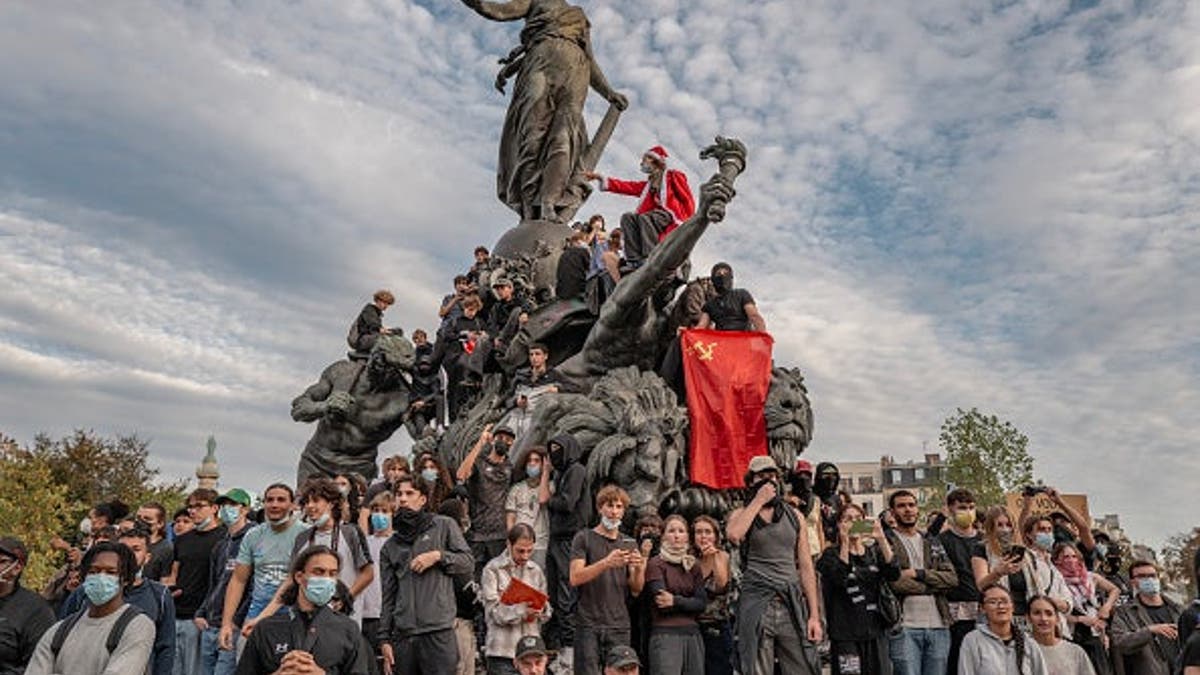
Protestors gather around the Monument à la République in Place de la République in Paris on Oct. 4, 2026, during nationwide demonstrations against an overcrowded, ill-equipped and understaffed education system. A masked protestor holds a red flag of the Soviet Union with the communist hammer and sickle. (Veronique de Viguerie/Getty Images)
Macron’s political center collapses
For Feigenbaum, the long-term roots of the crisis lie in Macron’s political legacy.
When Macron won the presidency in 2017, he promised to move beyond France’s traditional left-right divide, combining policies from both sides into a new centrist political movement.
But Feigenbaum argues that the strategy produced an unintended consequence: weakening France’s established moderate parties without creating a durable governing coalition to replace them.
«What he ended up doing was attracting the moderate voters from the parties of the moderate left and the parties from the moderate right, and essentially destroyed those parties,» Feigenbaum said.
He argued that the collapse of the traditional political center helped create space for more ideologically polarized movements. «Macron is a smart man, but he’s a terrible politician,» the professor added.
Macron’s controversial pension reforms illustrate the difficulty of persuading French voters to accept reductions in longstanding public benefits, Feigenbaum argued. Those efforts triggered widespread protests, while implementation of the 2023 retirement changes has since been suspended until 2028.
The situation became especially difficult after Macron called snap parliamentary elections in 2024, producing a deeply divided National Assembly without a governing majority.
«Even if the government wanted to do something coherent, they simply don’t have the votes to do it,» Feigenbaum said.
That paralysis has left Prime Minister Sébastien Lecornu handling the immediate unrest while Macron faces questions about the stability of the political system he helped reshape.
FRENCH PM REJECTS POLICE BRUTALITY CLAIMS AFTER TEENS SEVERELY INJURED IN PROTESTS: ‘ACCIDENTS HAPPEN’

Protesters hold a Palestinian flag on the day French high school and university students attend a demonstration in Strasbourg as part of a nationwide day of protests and blockades, voicing anger over overcrowded classrooms, teacher shortages and dilapidated school buildings, which students blame on years of underinvestment, France, October 6, 2026. REUTERS/Kai Pfaffenbach ( )
Why are France’s schools struggling despite billions in spending?
The protests began in the Paris suburbs in September amid complaints about overcrowded classrooms, inadequate heating and cooling, aging buildings and teachers who were not replaced when absent.
Rodan-Benzaquen said the anger reflected years of educational instability, frequent ministerial changes and reforms that have failed to resolve persistent school problems.
She also pointed to a broader sense of anxiety among young people about their economic future, artificial intelligence, climate change and international conflicts.
According to the OECD’s September 2026 Education at a Glance report, France spent $16,674 in funding per student in general upper-secondary education in 2023, compared with an OECD average of $12,421, adjusted for purchasing power.
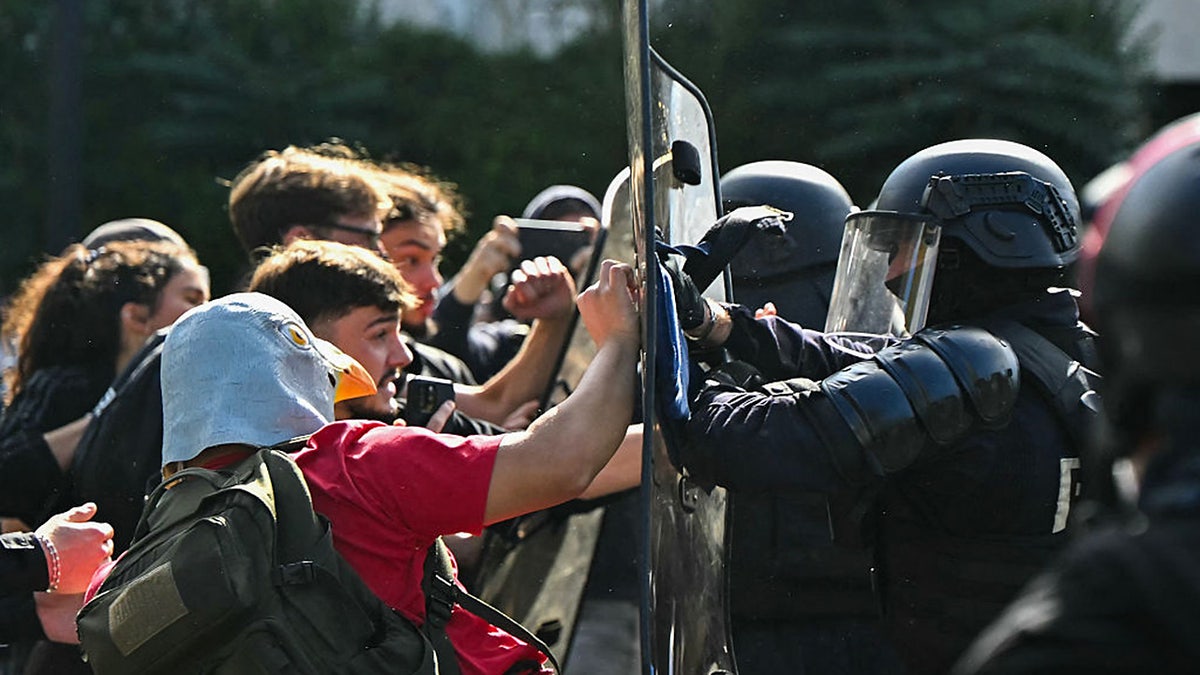
TOPSHOT – Anti-riot police officers face protesting students carrying out blockading action outside the secondary school Le Corbusier, in Aubervilliers, northern Paris on October 1, 2026. Since late September, students have staged protests outside schools over grievances ranging from timetables, class sizes and a shortage of teachers to overheated classrooms during this year’s heatwaves. The protests started in the Ile-de-France region around Paris but have now spread to other cities nationwide. ( )
Yet teachers and students continue to complain about basic shortages.
Responsibility for public high school buildings and equipment falls to regional authorities, while the national government oversees much of the education system, including teacher staffing.
Feigenbaum said France’s centralized education structure makes national leaders the focus of public anger when schools fail to deliver.
The pressure has already forced a concession.
Reuters reported Friday that Education Minister Édouard Geffray announced an emergency plan to deploy 3,000 qualified educators to particularly affected schools, costing several dozen million euros.
Student unions welcomed the measure as an initial victory but pledged to continue demonstrating.
The spending figures raise broader questions about whether France’s financial and political priorities have left sufficient resources for maintaining school infrastructure and meeting students’ needs. They do not, however, establish that teachers’ unions or other organized constituencies have improperly diverted funding.
TEEN’S HAND BLOWN OFF BY POLICE GRENADE DURING FRENCH STUDENT PROTESTS: REPORT
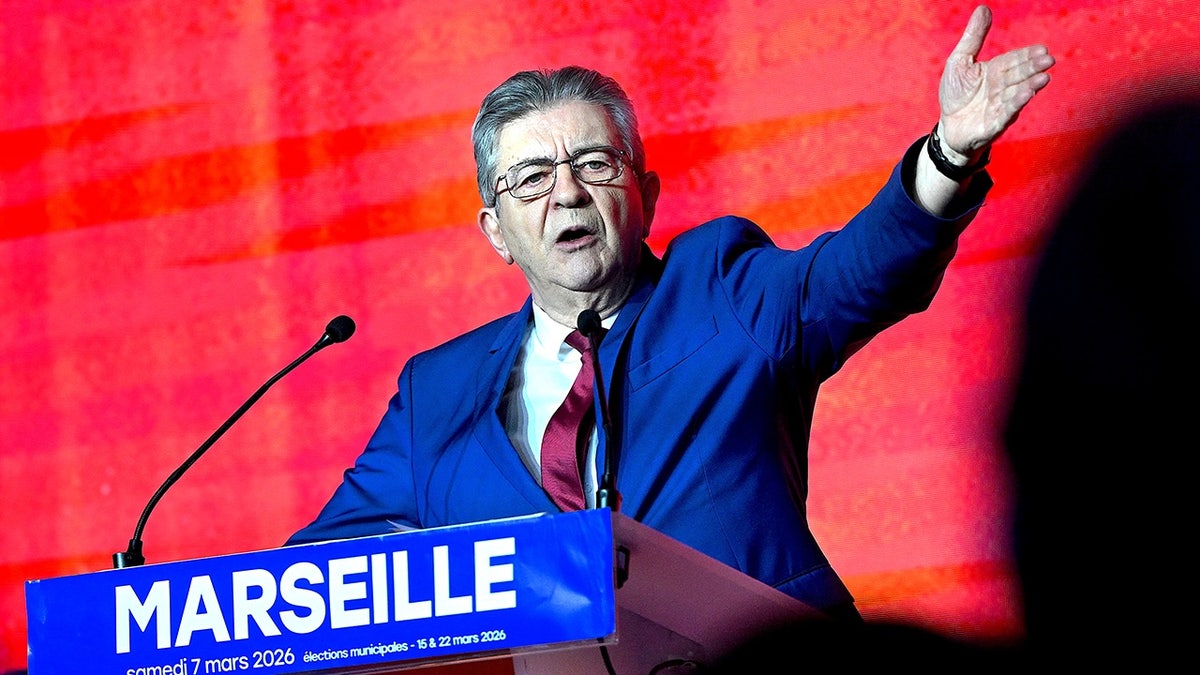
Leader of French left-wing La France Insoumise (LFI) party Jean-Luc Melenchon delivers a speech during an electoral campaign meeting of the local LFI candidate for French municipal elections in Marseille, southern France, on March 7, 2026. (Miguel Medina / AFP via Getty Images)
How the far left entered the unrest
As the demonstrations expanded, the involvement of France’s hard-left La France Insoumise party, known as LFI, led by Jean-Luc Mélenchon, became an increasingly contentious issue.
Reuters reported October 1 that French intelligence agencies had told a government crisis meeting that LFI and affiliated activists played a role in fomenting the unrest. Interior Minister Laurent Nuñez also cited agitators moving between schools to encourage violence.
LFI has denied responsibility and accused authorities of aggravating tensions through their response.
Rodan-Benzaquen said far-left movements were capitalizing on students’ frustration.
«There is an obvious instrumentalization, obvious manipulation,» she said, arguing that activists were seeking to push some protesters toward violence.
She linked the unrest to what she described as Mélenchon’s broader political strategy ahead of France’s 2027 presidential election.
«His idea is that on the one hand he will scare voters on the right and on the far right, who will then go to vote for the far-right, and on the other hand he would mobilize his own camp,» she said.
Rodan-Benzaquen argued that intensifying political confrontation could help Mélenchon consolidate his support among younger voters and immigrant communities, while portraying the far right as an increasingly serious threat.
She described it as a calculated political strategy rather than a spontaneous response to students’ concerns.
The involvement of LFI politicians has been documented by French media, although there is disagreement over whether the party helped initiate the demonstrations or became involved after the protests began.
An October 2 investigation by Le Monde examined a police intelligence assessment describing radical-left activity around schools in Seine-Saint-Denis but questioned whether the evidence established that the movement itself was politically orchestrated.
Feigenbaum offered a more cautious interpretation, describing some of the violent perpetrators as fringe provocateurs who exploit broader demonstrations without necessarily directing them.
«They’re not being organized by some, you know, some mastermind at the national level, at least as far as anyone knows,» he said.
FRANCE ROCKED BY STUDENT RIOTS AS HUNDREDS ARRESTED, VIOLENCE SPREADS NATIONWIDE

Protesters hold Palestinian and Antifa flags as French high school and university students attend a demonstration in Strasbourg, France, on Thursday, Oct. 6, 2026. (Kai Pfaffenbach/Reuters)
Islamist influence or political solidarity?
The demonstrations have also raised questions about whether Islamist groups and pro-Palestinian activists are seeking to use the unrest to advance broader ideological causes.
Rodan-Benzaquen argued that Mélenchon’s emphasis on Gaza and the Palestinian cause has helped bring together political constituencies that might otherwise have little in common.
«It’s sort of the idea of sort of an intersection of different movements where they manage to bring together the different groups, the far left, Islamist movements, pro-Palestinian activists,» she said.
She pointed to Palestinian flags appearing during the demonstrations as an indication of how the movement has expanded beyond its original educational demands.
The FDD expert argued that Islamist elements were attempting to capitalize on the turmoil, although she cautioned against reducing the entire crisis to immigration or religion.
«But this goes far beyond the issue of immigration, it goes far beyond the issue of Islamism, it goes far beyond the issue of Islam,» she said.
EUROPE’S LEFT COURTS MUSLIM VOTERS AS ANTI-ISRAEL POLITICS RESHAPE CONTINENT
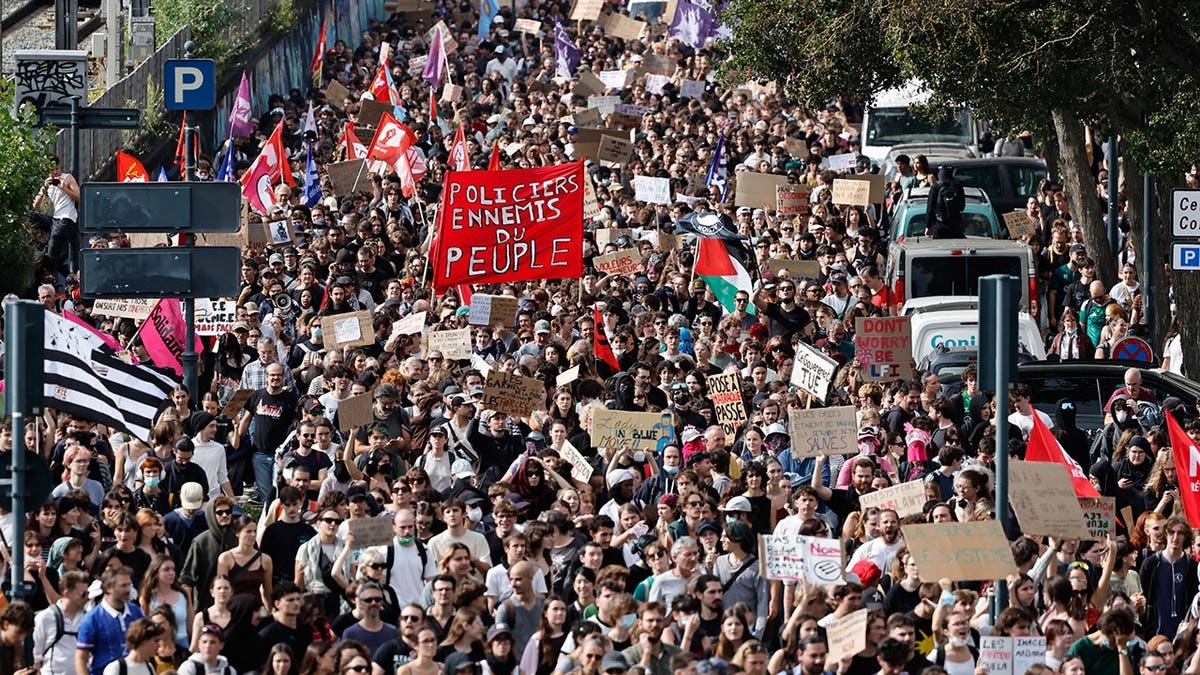
Students march with a large red banner reading «Police officers, enemy of the people» during a protest against under-resourced schools in Rennes, western France, on Tuesday, Oct. 6, 2026. (Jeremias Gonzalez/AP)
A crisis France cannot simply spend its way out of
The government’s latest concessions have not ended the protests.
According to Reuters on Friday, 141 schools remained closed while students continued demanding broader reforms. Nearly 10% of teaching hours in French public high schools remained unstaffed.
For Rodan-Benzaquen, one of the greatest dangers is that the demonstrations reflect a society increasingly divided into competing political realities.
She described how her 17-year-old son created separate left-wing and right-wing Instagram accounts and encountered radically different portrayals of the same unrest: one emphasizing police violence and the other violence by protesters.
«Now, if you live in two drastically different realities, it is very complicated to come to any form of dialog and end agreement,» she said.
Her warning extends beyond France’s current protests.
«We are in an extremely polarized environment,» Rodan-Benzaquen said, noting that social media can deepen divisions and allow confrontations to escalate rapidly.
Feigenbaum sees an additional structural danger: a government burdened by accumulated financial obligations and deprived of the political consensus needed to reform them.
The result is a country spending heavily to sustain its public institutions while struggling to deliver the services citizens expect — and a political system increasingly consumed by conflict over how to fix them.
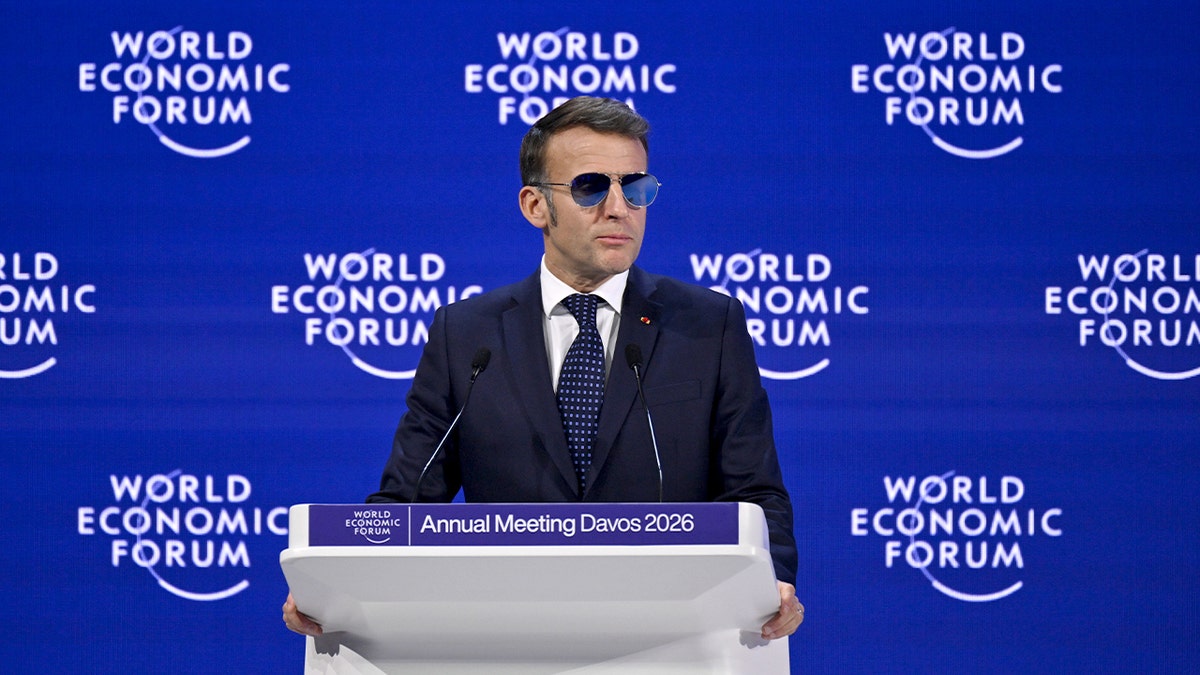
French President Emmanuel Macron delivers a speech during the World Economic Forum annual meeting in Davos, Switzerland, Jan. 20, 2026. (Harun Ozalp/Anadolu via Getty Images)
What began as a rebellion against broken classrooms has become a test of whether France can reconcile its costly promises with its financial reality before the divisions consuming its schools deepen further.
world protests, emmanuel macron, high school, france, world

Diez días de vértigo y desconcierto en la Corte

¿Dónde ver EN VIVO y ONLINE el Colegiales vs Tristán Suárez?

Llevo 20 años buscando una peli de artes marciales que me guste más que Ong Bak 2 y no la he encontrado

Las prioridades internacionales de Milei que contrastan con un calendario que se agota

Autoridades de seguridad y justicia acuden al Congreso de Guatemala: piden fondos récord para 2027

La familia de Piero publicó fotos inéditas y lo despidió con una carta: «Sabía muy bien en qué consistía amar»

Escándalo total en la AFA: reventa millonaria, un homenaje paupérrimo a Messi y el pedido urgente de renuncia a Chiqui Tapia

Después de su prohibición, las plataformas de apuestas deportivas y los casinos en línea ya están fuera de servicio en Brasil

Marcha contra la Corte: sectores del PJ, la izquierda, gremios y piqueteros protestan por el fallo que libera la venta de tierras para extranjeros

El discurso completo de Leo Messi en su despedida con Argentina: ‘Hoy me toca quizás el día más triste de mi carrera’

 DEPORTE3 días ago
Escándalo total en la AFA: reventa millonaria, un homenaje paupérrimo a Messi y el pedido urgente de renuncia a Chiqui Tapia
- SOCIEDAD2 días ago
Tobey Maguire se quedaba ciego con el traje de Spider-Man y casi se desmaya durante una prueba: fabricar su disfraz fue una pesadilla
- DEPORTE2 días ago
El presidente de Burkina Faso, duro tras el amistoso con la Selección: «Nuestro fútbol está enfermo» :: Olé