INTERNACIONAL
El Monte Blanc retrocede y los glaciares suizos pierden casi el 30% de su volumen en una década

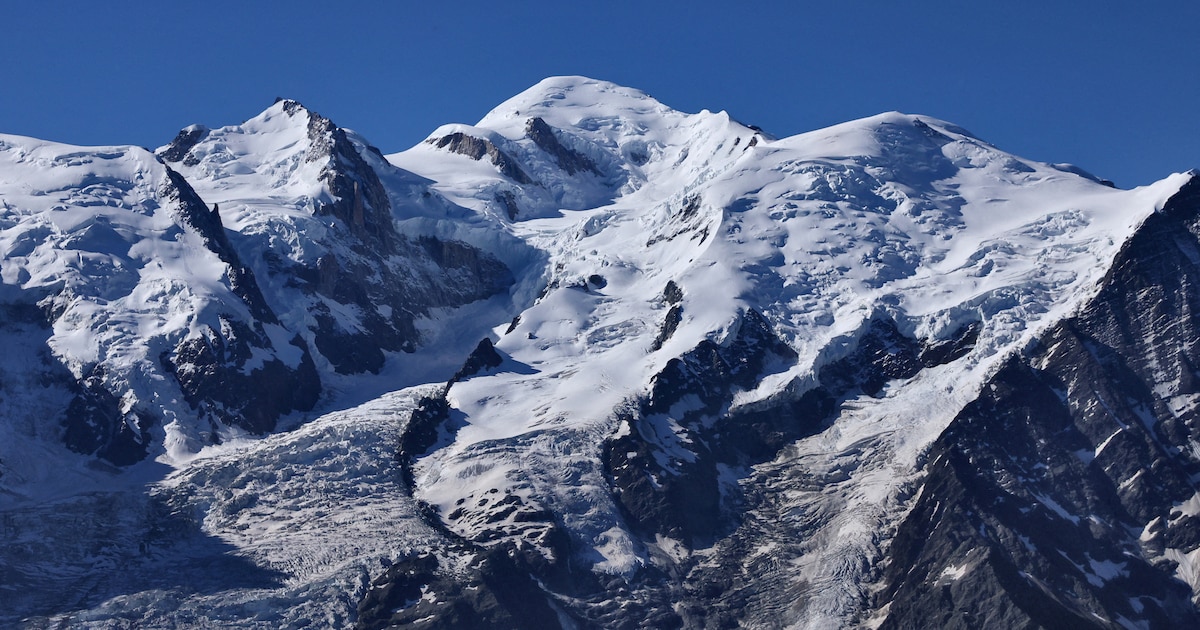
El calentamiento global altera el ciclo del agua y transforma paisajes que durante siglos parecían estables. El aumento de la temperatura acelera el retroceso de glaciares, reduce la cobertura de nieve en las montañas y debilita masas de hielo en las regiones polares. Esos cambios afectan las reservas de agua dulce, modifican el caudal de los ríos y elevan los riesgos de aludes, deslizamientos e inundaciones en zonas de montaña.
El deshielo también tiene consecuencias lejos de las cumbres. El agua procedente de glaciares y mantos de hielo se suma a los océanos, que además se expanden al calentarse. El nivel del mar gana terreno sobre las costas, agrava las inundaciones durante tormentas y favorece la intrusión de agua salada en acuíferos, cultivos y sistemas de abastecimiento. Las comunidades costeras, los pequeños Estados insulares y las grandes ciudades situadas en zonas bajas quedan expuestos a un problema que combina pérdida de territorio, daños a la infraestructura y presión sobre los recursos hídricos.
En las cordilleras, las variaciones de nieve y hielo ofrecen una señal visible de un proceso de alcance global. No todas responden con la misma velocidad ni cada cambio anual permite explicar por sí solo la tendencia climática, pero el retroceso sostenido de los glaciares y la disminución de la nieve en numerosas regiones muestran cómo el aumento de la temperatura modifica tanto las alturas como el agua disponible en los continentes, destaca France 24.
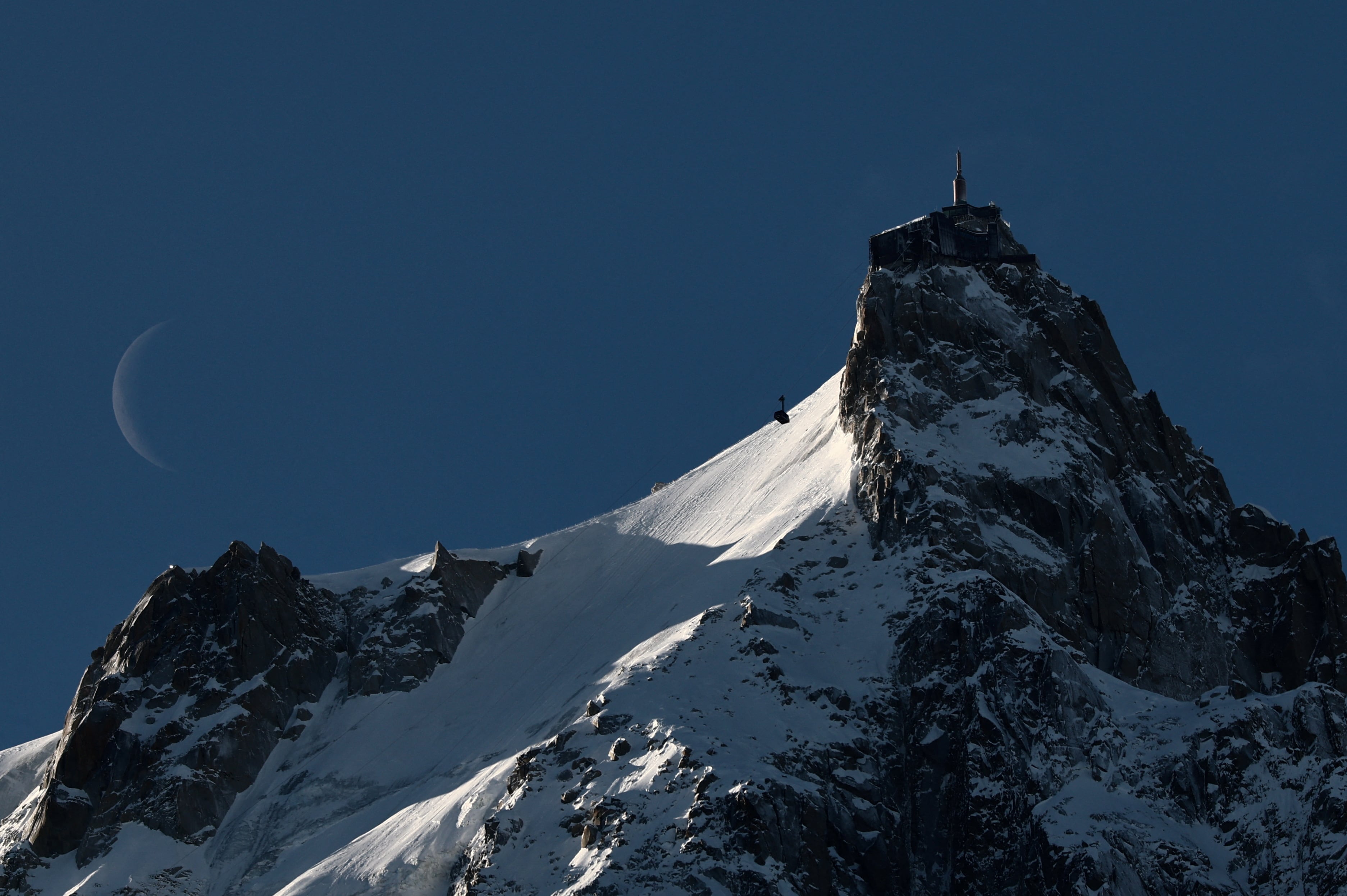
El Monte Blanc y una tendencia descendente
La última medición situó al Monte Blanc en 4.807 metros, 1,88 metros por encima del registro difundido en 2023. El dato podría sugerir una recuperación, pero la comparación con una serie más amplia muestra otra trayectoria: la montaña se ubicó 1,29 metros por debajo de la altura informada en 2025 y 3,43 metros por debajo de su máximo reciente, de 4.810,90 metros, medido en 2007.
La cifra de 2026 no implica que la montaña haya crecido en sentido geológico. También conocido como el “Techo de Europa”, se encuentra a unos 4.792 metros sobre el nivel del mar; lo que varía es la capa de nieve y hielo que la cubre.
Su volumen y su forma dependen de las precipitaciones, el viento, la temperatura, la radiación solar y las condiciones meteorológicas de los meses previos a cada expedición.

“La cima está en movimiento constante”, afirmó Jean des Garets, presidente de la Cámara Departamental de Agrimensores Expertos de Alta Saboya, durante la presentación de los nuevos datos, según recogió France 24.
Los especialistas realizan estas campañas desde 2001 y advierten que las variaciones de varios metros entre una medición y otra forman parte de la dinámica de esa cobertura de nieve y hielo.
Aun con esas oscilaciones, la referencia de largo plazo apunta a un descenso. Des Garets explicó a Franceinfo que el promedio de las mediciones realizadas durante 25 años ronda los 4.808,80 metros. “Siempre estuvimos por encima durante los primeros 13 años y, desde entonces, siempre por debajo”, señaló.

El comportamiento de la cumbre debe interpretarse con cautela frente al calentamiento global. Una medición puntual no permite determinar cuánto incidió el cambio climático, porque una temporada con más nieve o vientos menos intensos puede elevar transitoriamente la capa superficial. “Cada medición aislada no es significativa por sí misma” en ese contexto, sostuvo Des Garets, aunque añadió que los registros permiten construir una serie que los científicos pueden analizar con el paso del tiempo.
Los agrimensores midieron la cima el 17 de septiembre con sistemas de posicionamiento satelital, drones y, por primera vez, un georradar capaz de examinar el espesor del hielo y la roca bajo la superficie. Esa tecnología busca separar las fluctuaciones de la cubierta estacional de los cambios que puedan afectar la estructura de la montaña.
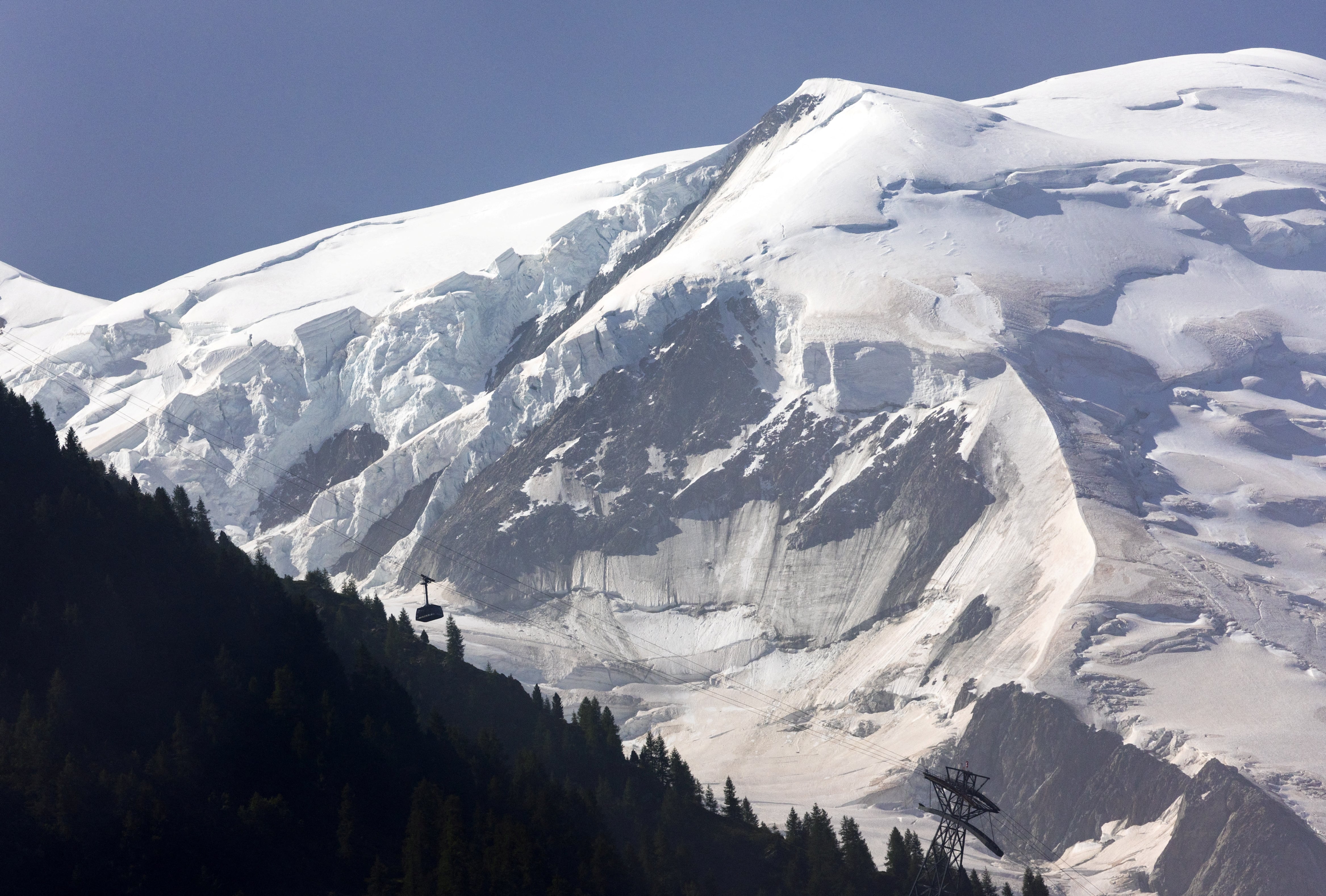
La tendencia de la cima convive con un deterioro más amplio de los glaciares alpinos. El aumento de 2026 no contradice ese proceso: refleja la variabilidad de una capa expuesta al clima de cada año. La secuencia de mediciones, en cambio, permite observar que el punto más alto de Europa occidental permanece por debajo de los niveles que superaban los 4.810 metros a comienzos de este siglo.
La situación de los glaciares alpinos en 2026
Los glaciares de los Alpes atraviesan otro año de pérdidas aceleradas. En Suiza, donde se concentra la mayor superficie glaciar de la cordillera, el hielo perdió 5,5% de su volumen en 2026, según la red Glacier Monitoring Switzerland (GLAMOS) y la Academia Suiza de Ciencias. Fue la segunda mayor caída anual desde que comenzaron los registros, solo por detrás de 2022.
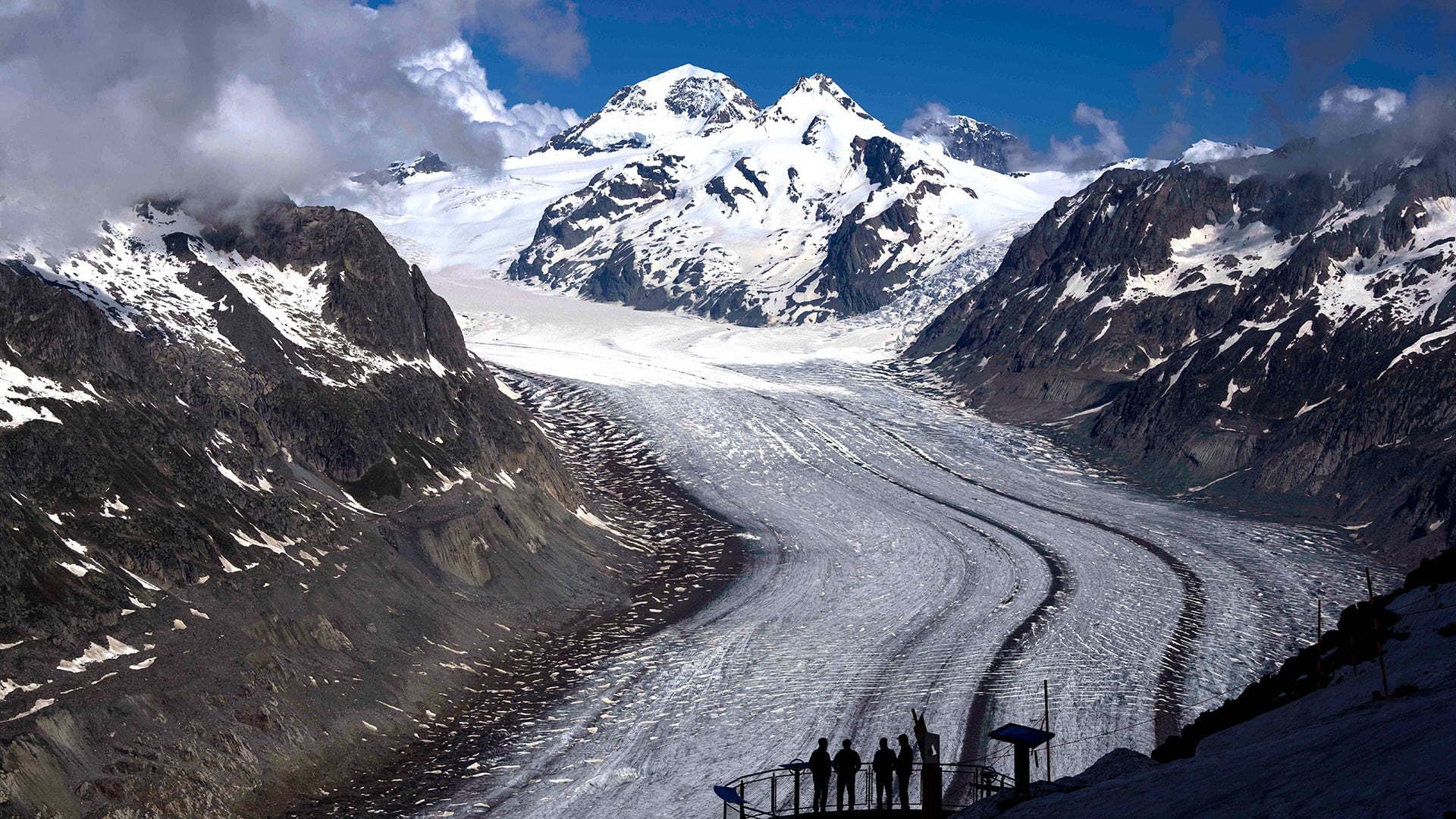
El dato cobra otra dimensión al observar la evolución reciente: los glaciares suizos perdieron cerca de una quinta parte de su volumen en los últimos cinco años. Entre 2016 y 2026, la reducción acumulada alcanzó el 27%, de acuerdo con los balances de GLAMOS. La disminución respondió a un invierno con pocas nevadas y a una sucesión de olas de calor entre mayo y septiembre, que dejaron al hielo expuesto antes de lo habitual.
La nieve cumple una función de protección porque refleja parte de la radiación solar y demora el deshielo. En 2026, esa cobertura desapareció en algunos sectores antes de que terminara junio. El nivel de congelación superó los 4.000 metros durante 76 días, más del doble del promedio, mientras que al final del verano ya no quedaba nieve incluso a 3.500 metros de altitud, según datos recogidos por la BBC.

Las consecuencias se vieron en el espesor de las masas de hielo. Algunos glaciares perdieron entre 2,5 y 4 metros de grosor medio; en las lenguas glaciares más expuestas, la reducción llegó a 10 metros. El glaciar Aletsch, el mayor de los Alpes, registró una pérdida de 13 metros de hielo en uno de sus puntos de control más bajos, informó Swissinfo.
“Los glaciares alpinos no tienen posibilidad de sobrevivir a largo plazo bajo estas condiciones”, advirtió Matthias Huss, director de GLAMOS. El calentamiento no afecta solo a Suiza: en Austria, los equipos del Club Alpino Austríaco también informaron pérdidas importantes de longitud y masa, con señales de un retroceso excepcional en el glaciar Pasterze, al pie del Grossglockner.

INTERNACIONAL
Félix Savón buscando comida en un basurero, un exboxeador con artrosis sin respaldo y el sistema cubano que «recicla personas»
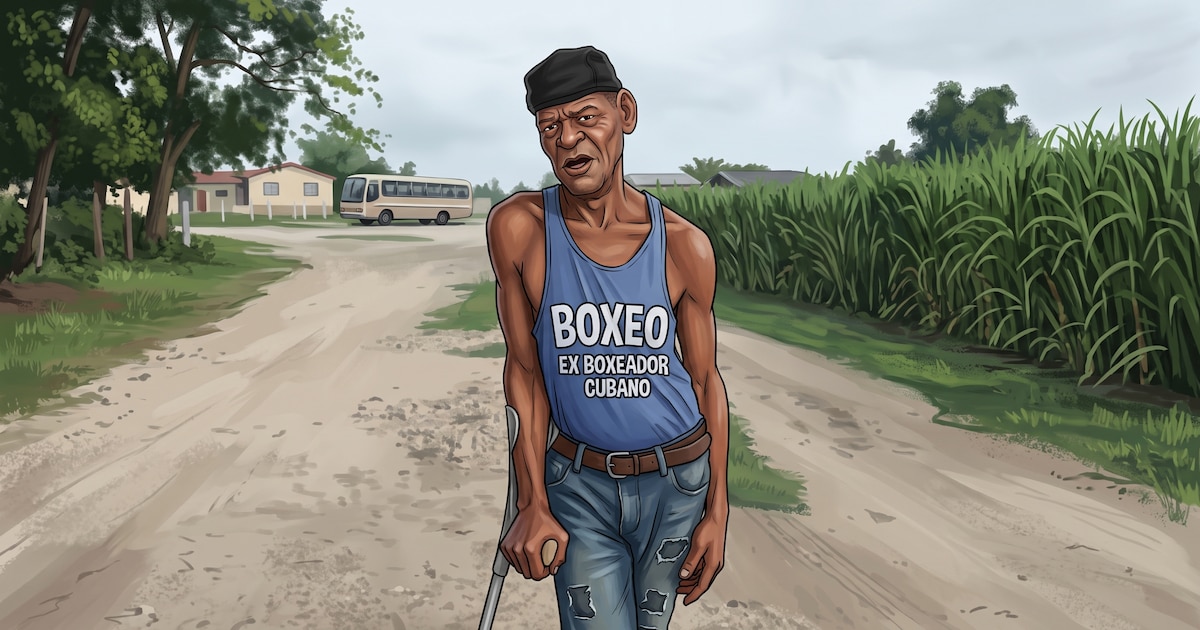
Félix Savón, tricampeón olímpico de boxeo, fue filmado hace unos días mientras buscaba comida en un basurero de Cuba. La escena, difundida el 11 de octubre, reavivó el debate sobre el abandono estatal a los deportistas retirados de la isla, entre ellos el boxeador Leonardo Winter Echeverría.
Según detalla el Periódico Cubano, Winter Echeverría integró el boxeo competitivo cubano durante la década de 1980. Hoy vive en Banes, Holguín, con una artrosis en la rodilla que le dificulta caminar y asegura no recibir respaldo del Instituto Nacional de Deportes, Educación Física y Recreación (INDER).
207 combates sin respaldo institucional
Su historia salió a la luz a través de un video difundido en redes sociales por el perfil Cuba Independiente y Democrática (CID), movimiento opositor que documentó su testimonio.
En la grabación, el expúgil recuerda que disputó 207 combates y sumó alrededor de 150 victorias a lo largo de su carrera. También menciona haber enfrentado a figuras destacadas del boxeo nacional, aunque no identifica a todos sus rivales.
Winter Echeverría participó además en torneos internacionales en Venezuela y Guyana, donde obtuvo al menos un triunfo dentro del sistema deportivo cubano. Esa trayectoria contrasta, según su relato, con la falta de atención que recibe en la actualidad por parte del INDER.
La denuncia sobre la precariedad de los exatletas cubanos describe un patrón reiterado: deportistas que representaron al país en competencias internacionales y que, tras el retiro, quedan sin cobertura médica ni económica estatal, obligados a subsistir con pensiones mínimas o con la ayuda de terceros.
CID cerró su publicación con una frase de la propia grabación: “Los hombres que fueron no se pueden olvidar”. Hasta el momento no existe una respuesta pública del INDER sobre la situación particular de Winter Echeverría, ni datos que confirmen si solicitó asistencia por los canales institucionales.
Otros exboxeadores que denunciaron precariedad
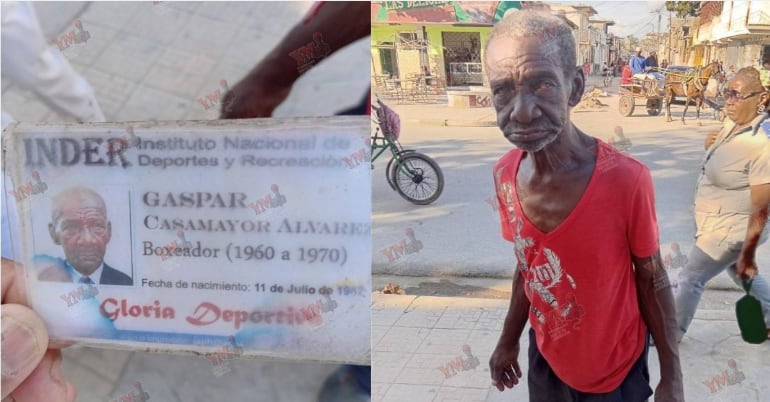
El caso del residente en Banes guarda semejanzas con el de Gaspar Casamayor Álvarez, exboxeador de Santiago de Cuba. Su precariedad fue documentada por Periódico Cubano en marzo pasado.
Pese a contar con una credencial que lo identifica como “Gloria Deportiva”, Casamayor Álvarez se vio obligado a vender objetos personales y pedir ayuda económica para alimentarse, según consignó el diario.
Ariel Hernández, doble campeón olímpico de boxeo, relató por su parte que la remuneración recibida por sus resultados internacionales no cubría sus necesidades. El expugilista explicó que tuvo que trabajar como custodio tras abandonar la competición.
A ese listado se suman otros nombres difundidos en los últimos meses. El excampeón mundial Bernardo Comas, de 65 años, vive en Camagüey con demencia senil y una pensión de 8,000 pesos cubanos mensuales.
El exboxeador Félix Lemus cultiva la tierra para sobrevivir con poco más de 3.000 pesos al mes, de acuerdo con CiberCuba, sitio de noticias cubano.
En abril de 2025, el exlanzador Omar Ajete criticó durante una transmisión televisiva las condiciones de atención a los deportistas retirados en Pinar del Río. Su intervención quedó interrumpida cuando abordaba las deficiencias del apoyo institucional.
El video de Savón y el reclamo en octubre
La página de Facebook BoxeoCubano publicó el clip de 17 segundos donde se ve a Savón responder a quien lo filmaba desde un automóvil: “Recogiendo comida, comida para comer”. La grabación superó el millón de reproducciones en un día, según registró CiberCuba.
El comediante Limay Blanco localizó al tricampeón olímpico y le entregó alimentos, dinero en efectivo y una Biblia donados por su iglesia. El encuentro, también difundido en video, disipó las dudas sobre la identidad del hombre filmado.
El ajedrecista cubano Lázaro Bruzón, emigrado de la isla en 2018, reaccionó ante CiberCuba: “Todos los deportistas fueron cifras útiles mientras producíamos resultados. Una vez retirados, se acabó el negocio para ellos”.
Bruzón amplió ante el medio que el sistema deportivo cubano “recicla personas, exprime almas y descarta” a quienes dejan de ser útiles, y responsabilizó del trato a quienes gobiernan la isla desde 1959.
El INDER ha negado en reiteradas ocasiones que exista una desatención institucional generalizada, aunque no presentó pruebas concretas de la asistencia que brinda a sus antiguos atletas, según reportó CiberCuba. Hasta ahora, ni el organismo ni las autoridades deportivas cubanas emitieron una respuesta pública sobre el caso de Winter Echeverría ni sobre el de Savón.
exboxeador,boxeo,Cuba,muleta,ilustración
INTERNACIONAL
Former Border Patrol chief recalls Biden migrant surge chaos as Trump crackdown delivers historic turnaround
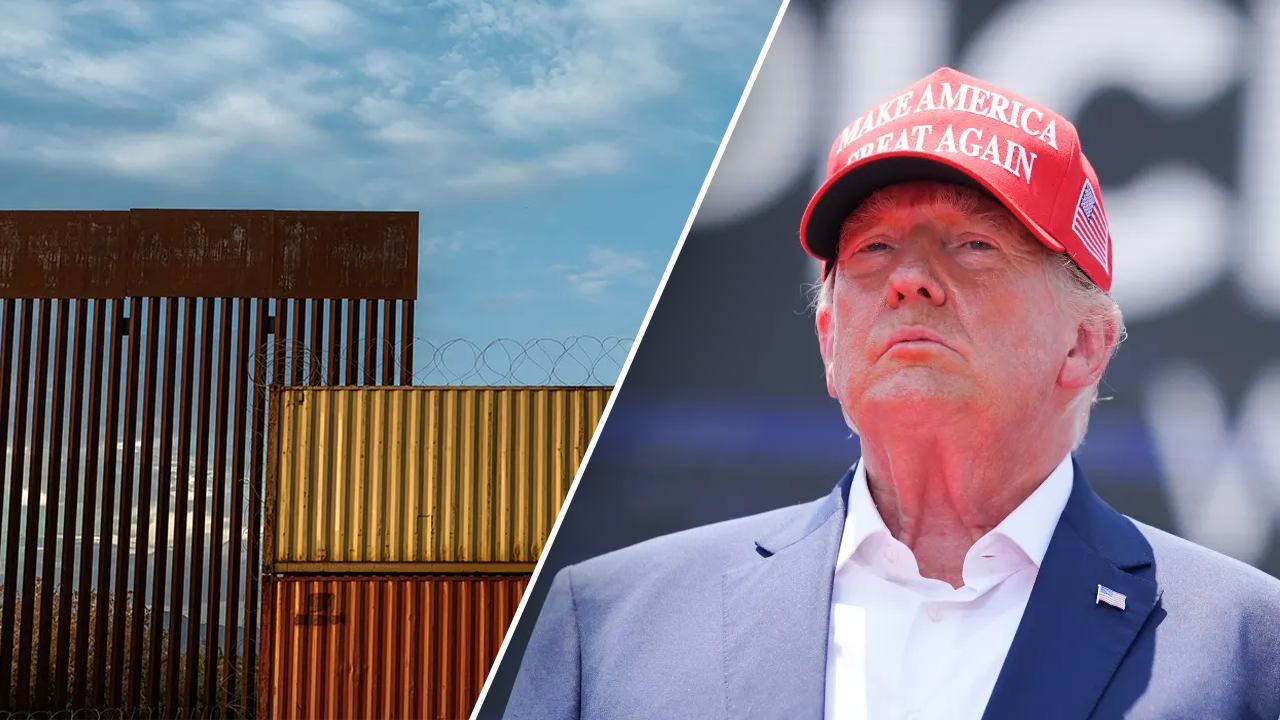
President Donald Trump’s border crackdown has sharply reduced the illegal crossings that overwhelmed agents under former President Joe Biden, with the Department of Homeland Security (DHS) reporting Thursday historic lows in apprehensions and a full fiscal year without Border Patrol releasing migrants into the country.
For retired Yuma Arizona Sector U.S. Customs and Border Protection (CBP) Border Patrol Chief Chris Clem, the turnaround stands in sharp contrast to days when his agents could not pick up migrants fast enough and the consequences spilled into neighborhoods, farms and local businesses.
«They just started walking through the agriculture fields. They started running through town,» Clem told Digital, recalling the surge in December 2021. «They started going to the food bank. They started knocking on people’s doors at all hours of the nights.»
TRUMP ADMIN MARKS 15 STRAIGHT MONTHS WITH ZERO BORDER RELEASES AS APPREHENSIONS PLUNGE 94%
But while Clem said he credits stronger enforcement and the prospect of deportation with helping drive the decline, he warned that the gains could face another threat — a political shift in Washington.
«There are a lot of policy decisions that can be really jammed up by a Congress that’s gung-ho to overturn what this president has done,» said Clem, who warned that changes in congressional control could complicate enforcement through funding decisions and policy restrictions, while a future presidential administration could pursue broader reversals.
Preliminary DHS figures released Thursday show Border Patrol recorded 98,708 southwest border apprehensions in fiscal year 2026, roughly 95% below the annual average of more than 1.8 million during the Biden administration.
That translates to about 270 apprehensions a day across the southwest border, compared with roughly 5,000 using the department’s Biden-era annual average.
In Yuma alone, Clem recalled daily arrivals climbing from roughly 25 in December 2020, to more than 1,000 by December 2021. During a particularly difficult three-day stretch that month, he said, daily arrivals approached 1,500.
TRUMP HITS DRAMATIC MILESTONE IN MASSIVE DEPARTURE FROM BIDEN BORDER PLAN: ‘WHAT A DIFFERENCE’
Weather problems and a shortage of resources compounded the strain, leaving agents struggling to transport people from the border, he said.
«That was really when it, you know, was the most critical for me because we had the true community impact of a failed border security policy out of Washington, D.C.,» Clem said.
His agents remained committed to the mission, he said, but the volume was overwhelming.
«The agents, their heads were in the right place. They knew they had to do the job,» Clem said. «But when you’re outnumbered, literally 100 to one, it’s very difficult.»
The new DHS figures put an entire fiscal year of southwest border apprehensions below half the 249,740 recorded during the Biden administration’s single busiest month.
DHS also said September marked the 17th consecutive month without Border Patrol releasing migrants into the country, completing what it described as the agency’s first full fiscal year with zero releases.
DHS TOUTS MILLIONS OF ILLEGAL IMMIGRANT DEPARTURES AS BORDER CROSSINGS DROP 94% UNDER TRUMP
Clem said the prospect of being released had given smugglers a powerful selling point during the previous administration.
«If you get to the border, you’re gonna be processed, and you’ll be let go,» he said, describing the pitch.
He argued that changing that expectation is central to discouraging illegal crossings.
«They know that they’re not gonna be processed and released, which was the status quo under the Biden-Harris administration,» Clem said.
TRUMP ADMINISTRATION’S IMMIGRATION PUSH FUELS ICE’S BIGGEST ARREST MONTH IN AGENCY HISTORY
He credited a combination of personnel, infrastructure, technology and consequences for illegal entry, rather than any single measure.
The enforcement effort also extends beyond the border itself.
Clem said U.S. Immigration and Customs Enforcement (ICE) operations inside the country add another layer, making clear that getting past Border Patrol does not eliminate the possibility of arrest and removal.
«When you combine the strong border posture, as well as the strong and robust interior enforcement, it’s a recipe for success,» he said.
Border czar Tom Homan pointed to that interior enforcement push Thursday, saying ICE had recorded its highest single-day deportation total since Trump returned to office.
TRUMP DHS HITS 16 STRAIGHT MONTHS WITH 0 RELEASES AT THE BORDER
«We are deportation-maxxing—firing on all cylinders while still expanding our capabilities to ramp up removals beyond current record-breaking levels,» Homan wrote on social media.
Homan said he visited ICE Air Operations in Alexandria, Louisiana, to observe removal operations, including a flight returning Haitians he said had criminal records involving aggravated assault, sexual assault, kidnapping, battery and other offenses.
He also said ICE conducted more removals in September than in any other month, though his post did not provide totals or specify the comparison period. Fiscal year 2026 figures were still being finalized, he said.
The ICE removal figures measure a separate part of the immigration system from Border Patrol apprehensions and releases.
«President Trump promised the American people a secure border, and the data proves he delivered,» DHS Secretary Markwayne Mullin said in a statement announcing the border figures. «The results could not be clearer: strong enforcement works.»
Still, Clem cautioned that lower numbers do not eliminate threats from smugglers or people trying to evade detection.
«There are always gonna be that risk where somebody does sneak through. Who is that person?» he said.
He argued that mixed political messages can also give smugglers an opening to lure people into dangerous journeys with promises that U.S. policies will change.
«When our policies aren’t clear and transparent, and we’re not holding ourselves accountable, it’s a marketing tool for the smuggling organizations,» he said.
For Clem, the distinction between debating immigration policy and maintaining border security is essential.
«We have an immigration issue we need to address,» he said. «We need to find a way to retain and recruit those that are here, that are foreign nationals that want to contribute.»
«But none of that should matter when it comes down to securing the border,» Clem added. «We should always be looking at keeping America safe.»
border security, homeland security, immigration, illegal immigrants, deportation, donald trump, joe biden, politics

MINNEAPOLIS — Members of Minnesota’s growing Somali community, including a city council member, tore into President Donald Trump and his administration when speaking with Digital after Monday’s raid on Rep. Ilhan Omar’s Washington, D.C., residence.
«Somalis — we all feel attacked by President Trump,» Jamal Osman, the Somali-born vice president of the Minneapolis City Council, said of the impact of the raid carried out by Homeland Security Investigations (HSI) agents.
«Our president has broken the law many times. ICE [is] terrorizing our community … and we’re not surprised such action has taken place,» Osman continued in reference to the search of Omar’s home.
FEDERAL AGENTS RAID ILHAN OMAR’S DC HOME AMID IMMIGRATION FRAUD INVESTIGATION
«We have seen the threats, the horrific language he uses against my community. It’s unacceptable, and we’re hoping this could stop,» Osman said.
A 37-year-old social worker and Minneapolis resident named Abdi, who declined to give his last name or be interviewed on camera, had even harsher words for the president. He, like Osman, said he was born in Somalia.
«I feel like raiding a congresswoman — it feels like Donald Trump and his regime wanted to use their power to dehumanize and also humiliate someone that is part of the Congress,» Abdi said.
He claimed that Trump «hates Somali people because of Ilhan Omar.»
Abdi said Trump created «hate» and a «fight» with Somalis in America and claimed that they are being followed and harassed in the streets because of the president.
TRUMP RALLY CROWD CHANTS ‘DEPORT’ AS PRESIDENT RIPS ILHAN OMAR AFTER FEDERAL RAID
«It’s personal,» he said. «And Ilhan Omar — he doesn’t treat her as a congressmember — he treats her as someone who’s below him.»
«If they take the citizenship away from her, then I will say, ‘Are we in a dictatorship?’ That’s using power to use against an American citizen, then maybe the thinking we have for the United States is completely different.»
Osman said the raid is proof of what the Trump administration is willing to do.
«We live in the United States, which is the land of the laws. I don’t expect Trump or anyone in this matter to break the U.S. Constitution,» he continued. «There’s laws. He can, of course, threaten, but there’s a court process, there’s due process. He can’t say he’s gonna deport her, he’s gonna deport me, thousands of Somalis.»
OMAR RAID OUTRAGE GOES FROM BAD TO WORSE WHEN INTERNET NOTICES HER PAST 6-WORD CLAIM: ‘COULDN’T AGREE MORE’
Osman’s message to the president was simple: «Stop it.»
«We’re American citizens like everyone else,» he said.
A third person, a 22-year-old Somali American woman who declined to be named or filmed, told Digital that she wasn’t surprised about the raid on Omar’s home.
«I thought it was bound to happen soon enough,» she said. «They’ve been talking about her in a negative manner. The government [has been] constantly questioning her immigration status and her naturalization in the country. So it was bound to happen for them to investigate her soon enough.»
When reached about the comments from the Minneapolis Somali community, the White House pointed Digital to the president’s public reaction to the raid on Monday.
«I’ve always found her to be totally crooked, personally, but that has nothing to do with me,» Trump brushed off. «I think she’s a terrible person. Just a complainer. She comes from a country that is a non-country, and then she comes over here, and she complains about our Constitution.»
«I think she’s a terrible person, but that’s really up to the DOJ. I have nothing to do with it.»
ILHAN OMAR’S HUSBAND INSISTS HE HAS ‘NO CONCERNS’ AMID FEDERAL IMMIGRATION INVESTIGATION
HSI, the principal investigative arm of the Department of Homeland Security (DHS), executed a search warrant at Omar’s home in the nation’s capital early Monday morning, as first reported by Digital.
Sources confirmed to Digital that the raid stems from an investigation into whether Omar or her late father, Nur Mohamed, fraudulently filled out her citizenship paperwork decades ago. The investigation, the sources note, could lead to the congresswoman’s denaturalization.
The Wall Street Journal reported Wednesday that Omar’s phone, passport and computers were seized in the raid — it is not clear which other items or materials were taken from her residence, if any.
Omar has not been seen since the raid, but offered her reaction to the unfolding investigation on social media Monday afternoon.
«This raid by Trump’s DHS is an outrageous abuse of power and an unprecedented escalation in the weaponization of federal law enforcement to target political enemies. For a decade, Donald Trump has relentlessly targeted Congresswoman Ilhan Omar with inflammatory rhetoric, repeatedly putting a target on her back,» she said.
«Now, those attacks have escalated to a pointless federal raid. The Congresswoman has done nothing wrong. No president should be able to use the power of the federal government to intimidate his political enemies.»
ilhan omar, politics, somali immigrant community, homeland security, white house

Paquetá explotó por la polémica ante Estudiantes: «No era ni para amarilla» :: Olé

Empleadas domésticas: cuánto hay que pagar por hora y por mes en octubre

Ley de Financiamiento Universitario: el Gobierno descarta flexibilizar su postura y los rectores advierten que el ciclo lectivo 2027 está en riesgo

Apuñalaron a un adolescente durante un intento de robo en San Juan y escaparon

Félix Savón buscando comida en un basurero, un exboxeador con artrosis sin respaldo y el sistema cubano que «recicla personas»

Así anunció Mario Massaccesi la noticia de la muerte de Fernando Confessore: “Estamos en shock”

Milei viajará a EE.UU. para reunirse con empresarios y con el hermano de Flávio Bolsonaro antes del balotaje en Brasil

Más de 2.000 islas sin hospitales: así funciona la red de clínicas flotantes de India

La angelita de LAM que reveló la peor infidelidad que sufrió en un matrimonio: «Encontré mensajes con otras mujeres y…»

Autos chinos en Argentina: el caso de Noruega reaviva las alertas por espionaje y riesgos para la seguridad nacional

 INTERNACIONAL3 días ago
Más de 2.000 islas sin hospitales: así funciona la red de clínicas flotantes de India
- CHIMENTOS2 días ago
La angelita de LAM que reveló la peor infidelidad que sufrió en un matrimonio: «Encontré mensajes con otras mujeres y…»
- POLITICA2 días ago
Autos chinos en Argentina: el caso de Noruega reaviva las alertas por espionaje y riesgos para la seguridad nacional