INTERNACIONAL
Fox News/NORC Study: Voters look to 2028 focused on the economy

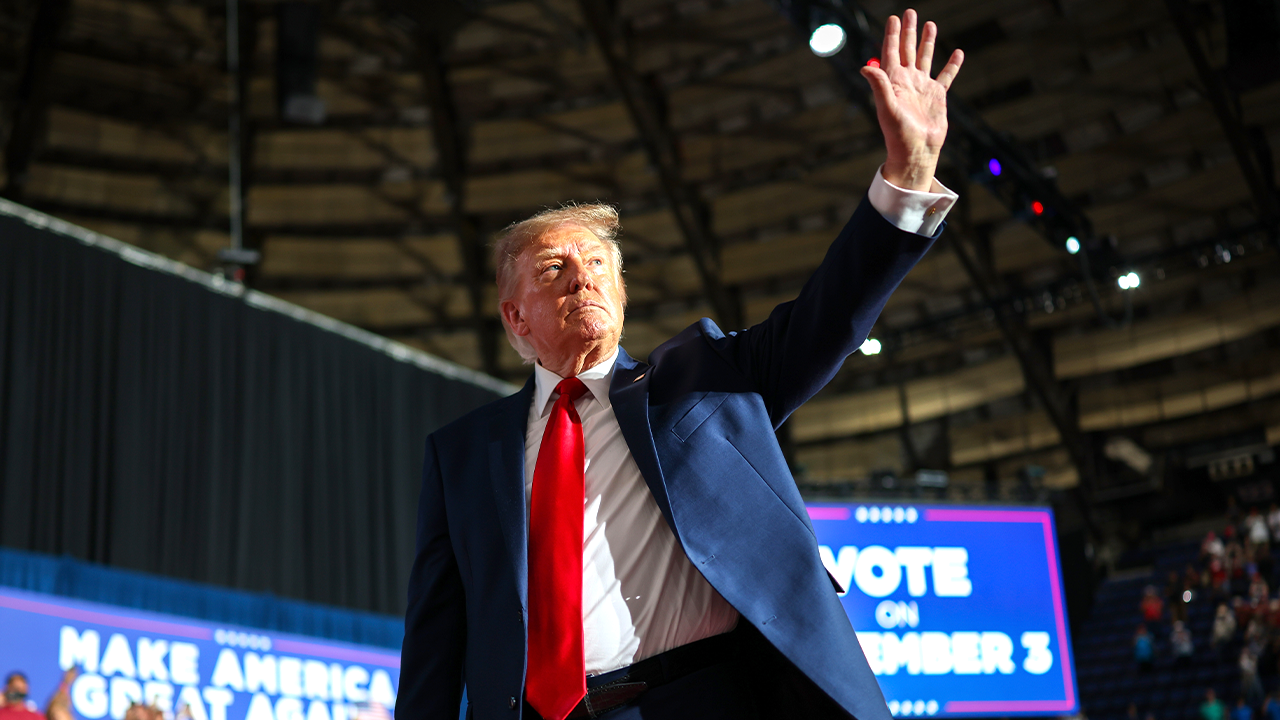
After the midterm elections, attention will turn to the 2028 race for the White House. What is on voters’ minds as they look ahead to the next presidential election?
Most Republicans want the next president to follow President Donald Trump’s policies, if not his style. Nearly 4 in 10 MAGA Republicans want Trump’s successor to emulate both, and about half want the next president to follow his policies alone. Non-MAGA Republicans are less enthusiastic: 45% want his policies to continue, but only about 15% of non-MAGA Republicans want a president with the same style.
Independents prefer something entirely different: 6 in 10 want the next president to break with both Trump’s policies and his style. Likewise, few Democrats want to see either his style or his policies repeated.
Even as the Democrats have won control of the Senate and the House of Representatives, and Trump finds his approval rating at 39%, a bloc of voters remains loyal to the president and is likely to influence the 2028 campaign. While half of voters want a successor who does not emulate his style or follow his policies, 26% want a president who will carry on his policies, and another 12% want the next president to copy his policies and his style.
VOTER POLL: 2026 MIDTERM ELECTIONS USHER IN A BLUE WAVE AS DEMOCRATS WIN CONTROL OF CONGRESS
Looking ahead, voters across party lines say improving economic conditions is the most important issue for the country to address over the next five years. Six in 10 voters feel they are holding steady financially while about 3 in 10 feel they are falling behind. Few, about 1 in 10 voters, feel they are getting ahead financially. Voters who describe their own financial situation as less than satisfactory, or say they are falling behind, are more likely to name the economy as the top issue.
What should Tuesday’s winners prioritize once sworn into office? When asked what is most important for newly elected officials to work on first in 2027, 3 in 10 voters want elected officials to address grocery costs. About 2 in 10 want action on gas prices, and a similar share say they should work on healthcare and prescription drug costs.
Slightly fewer are concerned about housing costs, while about 1 in 10 want officials to address electricity and other utility costs.
Voters are closely divided on whether the country can look forward to better days or if the good days are behind us. And it’s linked to how they’re feeling financially. About two-thirds of those who say they are getting ahead financially are optimistic about the future. However, about two-thirds of voters who are falling behind financially think the country’s best days are in the past.
Beyond the economy, priorities diverge. About 1 in 5 Democrats point to access to affordable healthcare, while about a similar share of Republicans say protecting individuals from government overreach is the top issue. About 1 in 10 independents say the country should address the affordability of healthcare, and about the same share say government overreach.
Voters are divided over AI’s effect on the U.S. economy during the next 10 years. About 4 in 10 say it will be harmful, while 3 in 10 expect benefits. About 1 in 10 expect AI to make no difference, while slightly more, about 2 in 10, are unsure. About 4 in 10 expect AI to negatively affect the environment and the arts and entertainment industry.
About half of voters want substantial changes in how the country is run. Party identification shapes how much change voters want and which branches of government they think most need reform. Democrats are about three times as likely as Republicans to want complete upheaval of how the country is run. Half of democratic socialists favor complete and total upheaval, compared with about 1 in 10 MAGA Republicans.
In the 2024 Voter Analysis conducted for the presidential election, most Republican voters said they wanted substantial change or total upheaval. Now, with a Republican in the White House and their party controlling both houses of Congress, they are less eager for major change.
VOTER POLL: HOW DEMOCRATS TOOK CONTROL OF THE SENATE
Overall, 4 in 10 voters think Congress should be substantially reformed, including three-quarters of MAGA Republicans and half of non-MAGA Republicans. Democrats are less likely to say Congress needs reform, but half say the executive branch should be improved. Few voters in either party want changes to the Constitution. Democrats are more likely than Republicans or independents to say the Supreme Court needs reform.
Voters across party lines support term limits for Congress and Supreme Court justices. Democrats favor abolishing the Electoral College, but Republicans and independents are less enthusiastic. Most Republicans support limiting mail voting to people physically unable to vote in person. MAGA Republicans are more supportive of limiting mail voting than non-MAGA Republicans (63% vs 40%). Democrats oppose the idea, regardless of whether they support the Democratic Socialists of America.
AMERICANS CLASH OVER SUPREME COURT EXPANSION AS FIGHT OVER 9 JUSTICES HEATS UP: ‘LET’S PACK IT NOW’
The expansion of artificial intelligence has triggered some public backlash against AI data centers. Voters are divided on whether AI will help or hurt during the next 10 years. More Democrats say the technology will be harmful while more Republicans expect benefits.
Among Republican voters, MAGA Republicans are more enthusiastic about AI than non-MAGA Republicans. Forty-five percent of MAGA Republicans believe AI will help the U.S. to compete with other countries, and another 4 in 10 feel AI will do more to help the economy.
Among Democrat voters, supporters of democratic socialism and those who do not support the movement are similarly likely to feel AI will help aspects of American society. However, supporters of democratic socialism are more likely than other Democrats to feel AI will do more to hurt than help.
Overall, 6 in 10 voters are extremely or very concerned about the effect of data centers on the price of utilities in the communities where they are being built. About half are concerned about the effect of data centers on pollution of natural resources, land development or the health of the local population, regardless of whether they live near a data center. Democrats are more concerned about the effects of data centers than Republican voters, again, regardless of their proximity to the facilities.
Voters across party lines support requiring companies to pay for electric grid upgrades needed for their data centers, increasing government regulation of AI, and limiting AI in schools. Most Democrats and independents oppose building a data center in their community. Most voters also oppose local construction, whether their county already has a data center.
AMERICA’S MULTI-BILLION TECH BOOM COMES INTO FOCUS AS 7 KEY STATES PUT IT TO A MIDTERM TEST
The economy is a top issue for most voters, yet 4 in 10 say they could support a candidate whose economic views differ from their own.
After the economy and jobs, nearly 6 in 10 voters see healthcare as an important issue, and about 6 in 10 would not support a candidate who disagrees with them on healthcare policy. About half could not back a candidate whose views on Israel and the Palestinians differ from theirs. Overall, about 6 in 10 say they could never support a candidate they disagree with on abortion, guns, or immigration.
Explore the results here: https://civichealth.norc.org/crosstabs.html
The NORC Civic Health & Elections Project (CH&EP) is a national survey of registered voters conducted Oct. 26 through Nov. 3, 2026, with 113,020 interviews. Interviews were conducted in English and Spanish. The margin of sampling error for the national sample, including the design effect, was ±0.5 percentage points for voters and ±1.2 percentage points for nonvoters. Margins of sampling error for individual states and subgroups vary based on sample size.
politics, polls, donald trump, republicans elections, economy, midterm elections











INTERNACIONAL
Cámara periscópica de 50 MP y tecnología NXTPAPER en pantalla AMOLED: así es el nuevo smartphone que llega a Perú

TCL anunció la llegada al Perú de su nueva Serie P80, integrada por los modelos P80 Ultra y P80 Pro. El primero, presentado oficialmente en IFA 2026, es el modelo principal de la nueva familia.
Cámara periscópica de 50 MP y zoom de hasta 100x
El P80 Ultra incorpora un sistema de triple cámara compuesto por una principal de 50 MP, una ultra gran angular de 8 MP y un teleobjetivo periscópico de 50 MP para capturar objetos y escenas a distancia.
El teleobjetivo ofrece zoom óptico 3x, zoom sin pérdidas 6x y un alcance de hasta 100x, de acuerdo con las especificaciones proporcionadas por TCL, además de estabilización electrónica y óptica de imagen (EIS y OIS).
La inteligencia artificial también interviene en el apartado fotográfico. AI Super Night Mode está orientado a escenas con poca iluminación, mientras que AI Motion Capture busca mejorar la captura de sujetos en movimiento. El dispositivo incluye además filtros MuseFilm con diferentes estilos predeterminados para las fotografías.

NXTPAPER llega a un panel AMOLED
Otra de las novedades del P80 Ultra es la incorporación de NXTPAPER a una pantalla AMOLED, una combinación que TCL utiliza por primera vez en uno de sus smartphones, según la información proporcionada por la compañía.
El panel tiene 6,83 pulgadas, resolución 1.5K y hasta 3200 nits de brillo máximo local. También incorpora Nano Crystal Shield Glass, un acabado nanograbado antirreflejo, baja luz azul a nivel de hardware y atenuación sin parpadeo. A estas funciones se suma un sistema que adapta automáticamente el brillo y la temperatura de color durante el uso.
Según pruebas internas de TCL, la denominada luz azul dañina se sitúa por debajo del 3 % y la tasa de polarización circular alcanza hasta el 95 %. El panel cuenta además con certificaciones de SGS relacionadas con bajo resplandor y confort visual similar a la luz natural, así como con la certificación Full Care Display de TÜV Rheinland.
El teléfono incorpora un botón físico NXTPAPER Key, que permite alternar entre distintas opciones de visualización. Entre ellas figuran el Modo Papel, disponible en cuatro estilos, y el Modo Tinta Máxima, una configuración de lectura en blanco y negro que permite priorizar determinadas aplicaciones.
Rendimiento, autonomía e inteligencia artificial
El P80 Ultra utiliza un procesador MediaTek Dimensity 7400 Elite de 4 nanómetros, acompañado de 8 GB de RAM física, hasta 16 GB de expansión de RAM y configuraciones de almacenamiento interno de hasta 512 GB.
El dispositivo incorpora una batería de 5800 mAh con carga rápida de 45 W y clasificación IP68 de protección frente al polvo y el agua. TCL señala además que el equipo fue sometido a pruebas bajo condiciones controladas de laboratorio conforme a las normas MIL-STD-810H y advierte que el rendimiento real puede variar según las condiciones de uso.

Entre las funciones de inteligencia artificial figuran un Intérprete Inteligente con IA, que ofrece subtítulos en tiempo real, traducción presencial e interpretación simultánea, y Voice Memo, herramienta que permite transcribir y resumir grabaciones. El dispositivo incorpora además funciones destinadas a la escritura y comprensión de textos.
El equipo integra Google Gemini para realizar consultas mediante conversaciones naturales y una función de búsqueda mediante círculo, resaltado o garabato sobre elementos que aparecen en pantalla.
P80 Pro completa la serie
La Serie P80 se completa con el TCL P80 Pro, que mantiene la pantalla AMOLED con tecnología NXTPAPER, el botón NXTPAPER Key y el procesador MediaTek Dimensity 7400 Elite. Cuenta con 8 GB de RAM física, hasta 16 GB de expansión, 256 GB de almacenamiento, batería de 5800 mAh y carga rápida de 45 W.
En fotografía, este modelo incorpora una cámara principal de 50 MP con estabilización EIS y OIS, una ultra gran angular de 8 MP y una cámara frontal de 32 MP.
El P80 Pro estará disponible en Sunlit Gold y Midnight Blue, mientras que el P80 Ultra se ofrece en Burgundy, Sunlit Gold y Midnight Blue.
TCL informó que el P80 Ultra y el P80 Pro ya están disponibles en los principales puntos de venta a nivel nacional.
INTERNACIONAL
El Niño ya cambia la vida bajo el océano: detectan especies tropicales inesperadas en el Pacífico

Medusas peine, sifonóforos, peces y cangrejos propios de aguas más cálidas comenzaron a aparecer frente a la costa central de California. Científicos del Instituto de Investigación del Acuario de la Bahía de Monterey (MBARI) vincularon esos avistamientos con el avance de un El Niño de gran intensidad, que ya modifica las condiciones del océano en el Pacífico.
El respaldo de esa transformación llegó desde una boya oceanográfica instalada frente a Monterey Bay: un instrumento situado a 60 metros de profundidad registró 18,18 ℃ (64,72 ℉), la cifra más alta en casi cuatro décadas de mediciones en ese punto.
El hallazgo combina una señal física —el aumento inusual de la temperatura— con otra biológica: la llegada de fauna que suele habitar latitudes tropicales o más australes. Para los investigadores, ambas observaciones muestran que el fenómeno ya está alterando el ecosistema marino de California.

El episodio adquiere relevancia más allá de las costas de California porque El Niño es un patrón del Pacífico con efectos sobre la atmósfera, el nivel del mar, las lluvias y los recursos marinos en distintos puntos del planeta. En Sudamérica, y particularmente en la Argentina, su evolución suele ser seguida por la incidencia que puede tener sobre los regímenes de precipitaciones, la producción agropecuaria y la planificación ante eventos climáticos extremos.
El agua profunda superó el máximo que había dejado El Niño de 1997
La serie de observaciones de MBARI comenzó en 1989. Desde entonces, una boya llamada M1 registra en forma casi continua datos del océano y la atmósfera en el centro de la Bahía de Monterey, sobre la entrada del cañón submarino del mismo nombre. El punto de anclaje se encuentra a unos 1.100 metros de profundidad, mientras que los instrumentos distribuidos a lo largo del cable miden temperatura, salinidad, oxígeno, clorofila, corrientes y otras variables.
El nuevo registro, obtenido a 60 metros bajo la superficie, superó la marca anterior del 19 de noviembre de 1997, durante otro evento fuerte de El Niño. De acuerdo con el científico senior Francisco Chávez, los valores se ubicaron más de 7 ℃ por encima del promedio de largo plazo y el calentamiento estuvo acompañado por un incremento de 16 centímetros en el nivel del mar local.
Chávez sostuvo que los instrumentos de la boya M1 confirman para Monterey Bay una previsión que ya anticipaba un evento excepcional en el Pacífico ecuatorial. “Los datos oceanográficos y las observaciones biológicas muestran con claridad que un El Niño fuerte llegó a la costa central de California”, señaló el especialista.
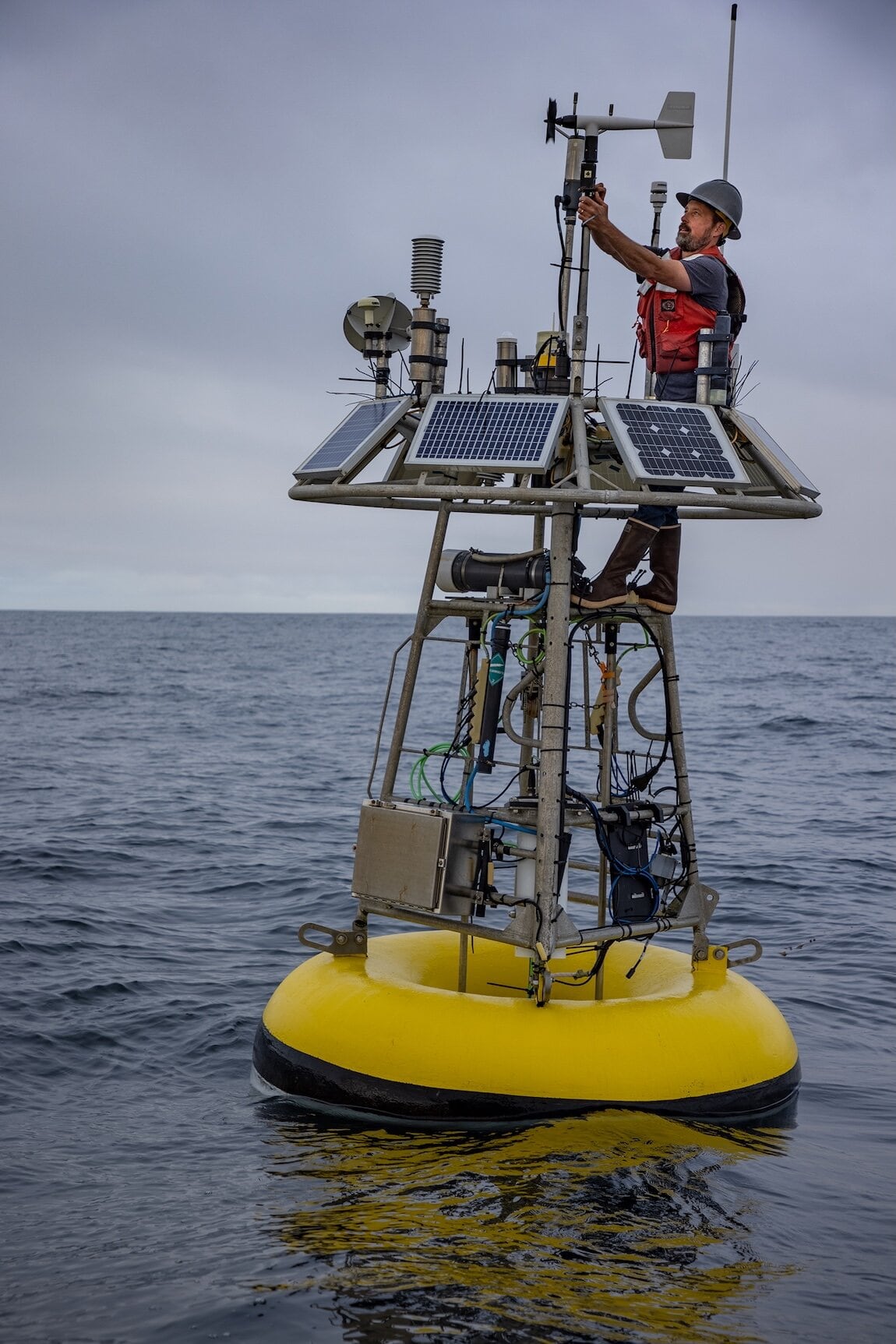
El aumento de temperatura en profundidad tiene una explicación física. Durante El Niño, se debilitan los vientos alisios que habitualmente empujan las aguas superficiales cálidas del Pacífico hacia Asia. Parte de esa masa de agua retorna hacia América y modifica la estructura vertical del mar. La termoclina —la franja que separa las capas más cálidas de las frías— se hunde, con consecuencias directas sobre la disponibilidad de nutrientes.
La menor llegada de nutrientes puede reducir el alimento en la cadena marina
En condiciones normales, el ascenso de aguas profundas y frías aporta nutrientes a la superficie, donde alimentan al fitoplancton. Esa base microscópica sostiene buena parte de la red alimentaria marina. Cuando la termoclina se profundiza, el aporte pierde fuerza y baja la productividad en superficie.

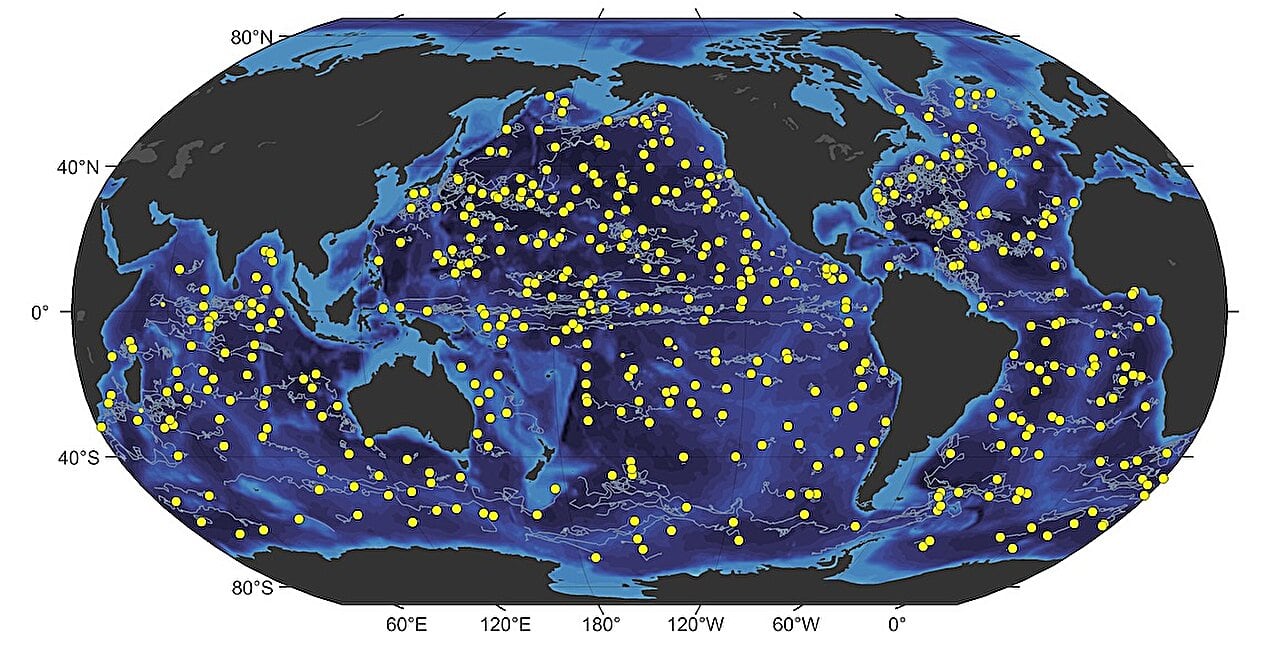
Los investigadores siguieron ese proceso con una red internacional de flotadores robotizados del programa Global Ocean Biogeochemistry Array (GO-BGC). Los dispositivos toman mediciones en tiempo real sobre la salud del océano y permitieron advertir, hacia fines de septiembre, una combinación que suele anticipar el fortalecimiento de El Niño: agua más cálida, menos dióxido de carbono disuelto y una reducción de nitratos.
A esos cambios químicos se sumó una caída pronunciada de la clorofila, utilizada como indicador de biomasa de fitoplancton. Ken Johnson, uno de los responsables de GO-BGC, explicó que los flotadores permiten comparar el estado de los ecosistemas antes, durante y después del fenómeno, una secuencia clave para comprender transformaciones de mayor alcance en el océano.
El efecto puede prolongarse varios meses. En Monterey, el calentamiento máximo suele coincidir con el invierno, cuando la productividad del mar ya es menor. Sin embargo, las consecuencias biológicas más marcadas pueden sentirse en primavera, cuando la escasez de nutrientes impacta sobre organismos que dependen de las floraciones de plancton.
Las especies tropicales ya comenzaron a aparecer frente a California
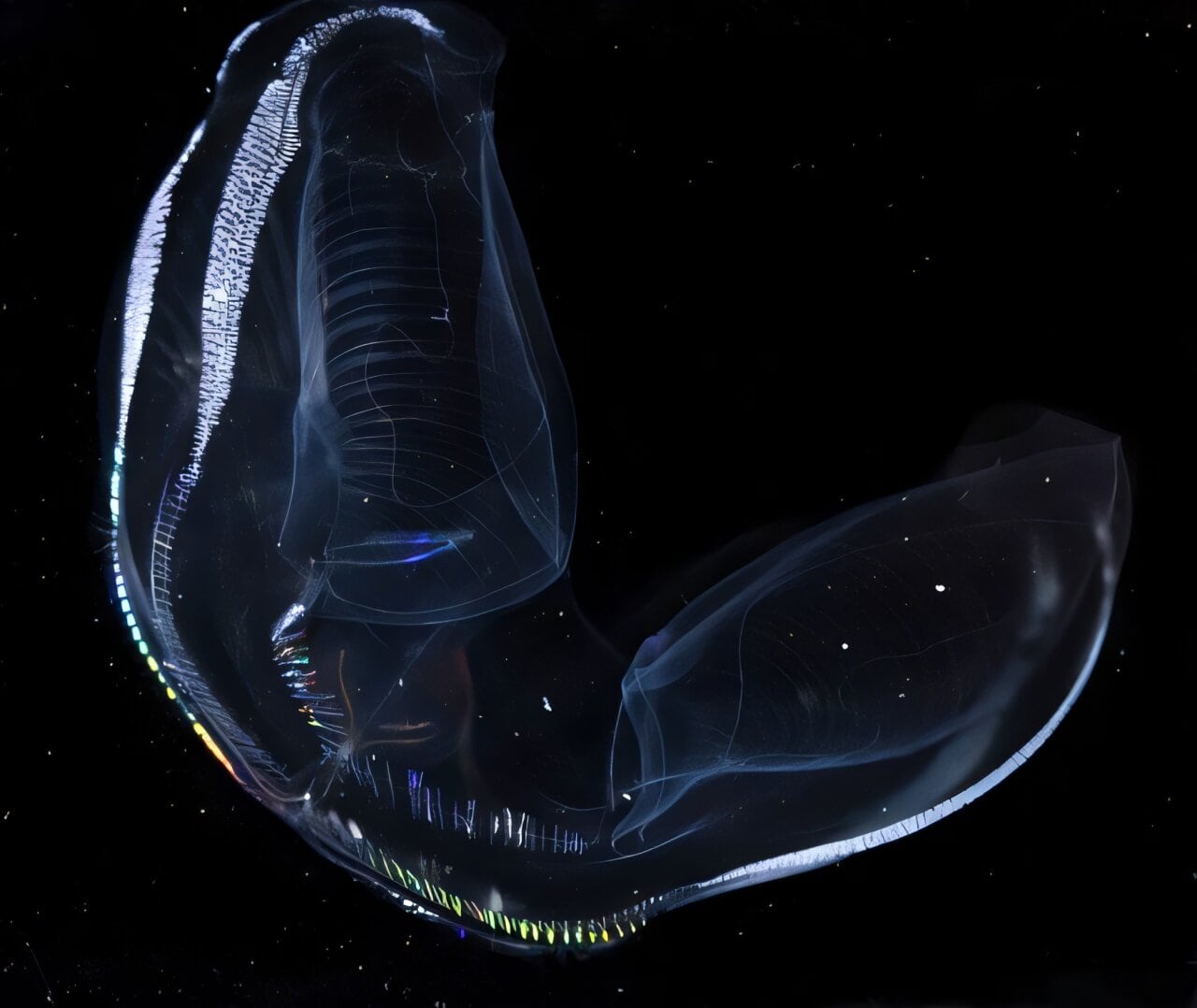
Los indicios biológicos fueron visibles antes de que el fenómeno alcance su punto máximo. En una expedición cerca del monte submarino Davidson, un equipo de MBARI observó una medusa peine alada del género Ocyropsis y un sifonóforo rosado, Athorybia rosacea. Son especies más frecuentes en aguas tropicales, como las de Hawái o México, y poco habituales frente a la costa central californiana.
Durante tareas de mantenimiento de la boya M1, los buzos también encontraron cardúmenes de peces media luna, una especie asociada con mayor frecuencia al sur de California. A mayor profundidad, el vehículo operado a distancia Doc Ricketts detectó juveniles de cangrejo rojo pelágico, Grimothea planipes, una presencia que el equipo no había registrado tan al norte.
También hubo una observación breve de varios calamares de Humboldt. El desplazamiento de esa especie resulta relevante porque, en episodios anteriores, su expansión modificó la composición de la fauna pelágica y afectó poblaciones de merluza del Pacífico, de interés comercial. La llegada de aguas cálidas puede comprimir las áreas de alimentación de ballenas cerca de la costa y alterar la disponibilidad de presas para aves marinas.
Los cambios alcanzan incluso el fondo oceánico, según antecedentes de monitoreos realizados a unos 4.000 metros de profundidad frente a California. El alimento que llega a esas zonas —partículas orgánicas que descienden desde la superficie— depende de la productividad de las capas superiores. Por eso, una alteración iniciada en el fitoplancton puede trasladarse con el tiempo a comunidades de aguas profundas.
El Niño tiene efectos que exceden la biología marina. Las anomalías de temperatura y nivel del mar pueden aumentar los riesgos de inundaciones costeras, mientras que los cambios en distribución y abundancia de especies inciden sobre las pesquerías y las economías vinculadas al mar.
MBARI y otros sistemas de observación de California comenzaron a centralizar datos de boyas, planeadores submarinos e instrumentos costeros en un tablero específico sobre El Niño. La iniciativa reúne a investigadores de la costa norte y central californiana con el objetivo de aportar información actualizada a autoridades, planificadores costeros y comunidades pesqueras.
El Niño
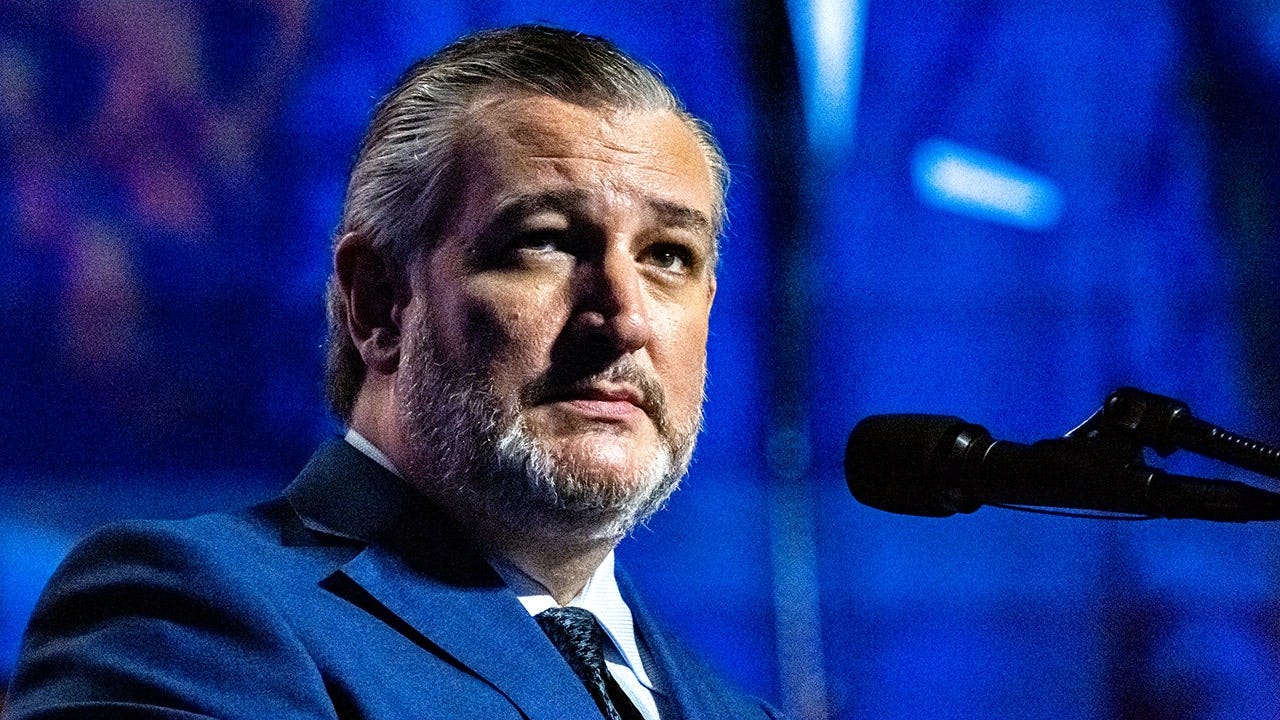
Sen. Ted Cruz, R-Texas, delivered a scathing assessment on Wednesday of Republicans’ sweeping midterm election losses, describing the results as a «blue tsunami» and warning that his party had lost touch with voters, particularly in the Lone Star State.
In a lengthy post on X, Cruz acknowledged that Republicans had suffered historic defeats, losing control of both chambers of Congress while Democrats swept statewide races in Texas.
«2026 was not simply a blue wave; it was a blue tsunami. It was an ass kicking,» Cruz wrote. «It was not simply a bad 2006 midterm election. It was a Watergate-level repudiation.»
His blunt assessment came after a landmark Democratic breakthrough in traditionally Republican strongholds across the country, including in his home state, where Democrats won every statewide race, ending decades of Republican dominance.
FLORIDA’S DESANTIS DESCRIBES GOP MIDTERMS WIPEOUT AS ‘CLOSE TO AN EXTINCTION-LEVEL EVENT’ FOR REPUBLICANS
«Nowhere are the consequences of this election greater than Texas,» Cruz wrote. «In the Lone Star State, we lost every single statewide election.»
«Texas is blue. That is a hard sentence to utter. But Texas, today at least, is blue,» he continued.
Democrats scored two major victories in Texas, with James Talarico defeating Republican Attorney General Ken Paxton in the U.S. Senate race — marking the first Democratic Senate victory in the Lone Star State in nearly four decades — and state Rep. Gina Hinojosa unseating longtime Republican Gov. Greg Abbott, according to the Decision Desk.
TRUMP’S GAMBLE ON KEN PAXTON BACKFIRES AS DEMOCRAT PULLS OFF HISTORIC TEXAS SENATE UPSET
Cruz argued that Republicans’ political defeat stemmed from their failure to address growing frustration over the cost of living, as voters continued struggling with everyday expenses.
«Food is too high, gas is too high, diesel is too high, insurance is too high, life is too high,» he wrote.
«Understandably, people were pissed off, and elected Republicans didn’t do enough to address their very real pain,» Cruz said.
He also criticized tariffs and the prolonged war with Iran, arguing that both had contributed to voter frustration.
CONSERVATIVES STUNNED BY ‘CATASTROPHIC’ MIDTERM BLUE TSUNAMI, BLAME TRUMP’S IRAN WAR, HIGH GAS PRICES
He said Republicans had lost support among blue-collar workers, young voters, farmers, ranchers and Hispanic voters, while evangelical Christians failed to turn out with the same enthusiasm as in previous elections, concluding that his party had «alienated rural America.»
Cruz said he called Talarico after the election to congratulate him on his victory.
«Last night, I called James Talarico. I congratulated him on his very impressive victory,» Cruz wrote, adding that the two had a «pleasant conversation» and that he was willing to work with the Democrat on issues benefiting Texas.
Despite the sweeping losses, which also included Democratic wins in the state’s lieutenant governor and attorney general races, Cruz expressed optimism that Republicans could regain ground in Texas.
DEMS SEIZE THE SENATE AS BLUE TIDAL WAVE CRASHES DEEP INTO TRUMP COUNTRY, TOPPLES GOP STRONGHOLDS
«But hear me now: we will bring Texas back,» he wrote. «Texas will be red again.»
Throughout the campaign, Talarico cast himself as a moderate dedicated to representing Texans rather than Democratic interests in Washington.
Paxton, along with President Donald Trump and other national Republicans, labeled Talarico a «communist» and a vegan in barbecue-loving Texas, pointing to his support for the transgender community while in the Texas Legislature and a floor speech in which he said God was «nonbinary.»
«We have not suddenly become a bunch of tofu-eating, gun-banning, tutu-wearing pinko commie liberals,» Cruz wrote. «That ain’t us. Texas is still Texas.»
«We will rebuild as a true blue-collar party, not by embracing socialism, but by being real free-market conservatives,» he continued, predicting a political comeback for Republicans.
«It is dark right now, but it is always darkest before the dawn, and morning is coming,» he said.
Digital’s Alex Miller, Elizabeth Elkind and Amanda Macias contributed to this report.
politics, ted cruz, midterm elections, texas, greg abbott, republicans elections

Cámara periscópica de 50 MP y tecnología NXTPAPER en pantalla AMOLED: así es el nuevo smartphone que llega a Perú

De ser una estrella del fútbol a montar un imperio de USD 12.000 millones: “Algunos jugadores prefieren la PlayStation, yo elegí aprender”

Fentanilo mortal: la Fiscalía rechazó los planteos de nulidad de García Furfaro y pidió continuar con la instrucción

¿Dónde ver EN VIVO y ONLINE el AEK Athenas vs Real Madrid por la Champions League?

El “efecto Lula” condiciona a los activos argentinos: por qué el mercado mira con cautela las elecciones de 2027

Robo y fuga: Lali Espósito sufrió un alarmante episodio a días de su casamiento con Pedro Rosemblat

Qué pasó con el Refugio de Eli y por qué hizo enfurecer a Santi Maratea: «Fue un desastre, él nunca más le contestó y le prohibió…»

La oposición cuestionó la suspensión de embargos a las pymes y criticó el plan económico: “Llegaron tarde”

Agustín Caulo: “El Gobierno sigue trabajando para que no se politice la visita de León XIV a la Argentina”

Milei parte nuevamente a España y en el gobierno dicen que no bajará el tono de sus críticas a Pedro Sánchez

 CHIMENTOS3 días ago
Qué pasó con el Refugio de Eli y por qué hizo enfurecer a Santi Maratea: «Fue un desastre, él nunca más le contestó y le prohibió…»
- POLITICA23 horas ago
La oposición cuestionó la suspensión de embargos a las pymes y criticó el plan económico: “Llegaron tarde”
- POLITICA1 día ago
Milei parte nuevamente a España y en el gobierno dicen que no bajará el tono de sus críticas a Pedro Sánchez