INTERNACIONAL
Israeli president taps Netanyahu rival to form government as coalition battle looms

Israeli government deadlocked after inconclusive election
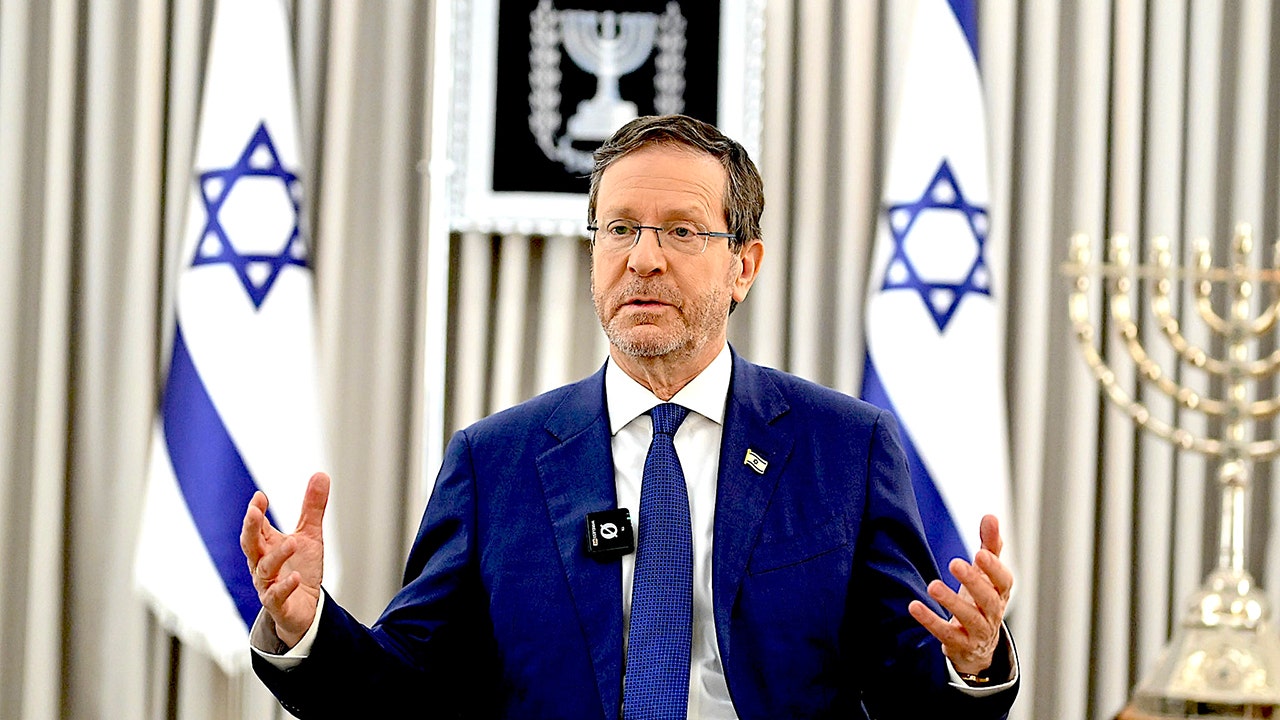
Chief correspondent Jonathan Hunt reports from Tel Aviv, Israel, on deadlocked coalition negotiations as political factions meet with President Isaac Herzog. Following the elections, Benjamin Netanyahu and political rival Gadi Eisenkot make bids to secure the recommendations needed to form a government.
NEWYou can now listen to Fox News articles!
Israeli President Isaac Herzog announced Saturday that he has chosen opposition leader Gadi Eisenkot to form the country’s next government, handing Prime Minister Benjamin Netanyahu’s chief rival the first opportunity to build a coalition following an inconclusive national election.
Herzog announced his decision on Nov. 7, but the formal presentation of the mandate is scheduled for Sunday, November 8, at 5 p.m. Israeli time. Eisenkot will then have 28 days to assemble a government, with a possible 14-day extension.
The decision could mark a significant step toward ending Netanyahu’s tenure, but it would also launch a difficult round of coalition negotiations, with deep disagreements among parties seeking to replace him.
NETANYAHU DEFIES EXIT POLLS AS VOTE SHIFTS IN HIS FAVOR, BUT MAJORITY REMAINS ELUSIVE
Gadi Eisenkot, leader of the Yashar («Straight») party, waves an Israeli flag onstage following the release of the first exit poll results in Israel’s general election in Tel Aviv, Israel, Wednesday, Oct. 28, 2026. (Ariel Schalit/AP Photo)
Following two days of consultations with Israel’s newly elected parliament, Herzog announced Thursday that factions representing 67 of the Knesset’s 120 members had recommended Eisenkot, chairman of the Yashar party, to form the next government. Netanyahu received the backing of 46 lawmakers, while seven members of the ultra-Orthodox United Torah Judaism party declined to endorse either candidate.
«The results of the consultations may appear clear,» Herzog said in his Nov. 5 statement, but cautioned that competing political demands and vetoes have left the prospects for forming a government uncertain.
The challenge facing Eisenkot is that the 67 endorsements do not translate into a 67-seat governing coalition.
In the October 27 election, Netanyahu’s Likud emerged as the largest single party with 27 seats, while his wider political bloc won 53. The four-party alliance seeking to replace him secured just 48 seats.
The remaining endorsements for Eisenkot came from two Arab-led parties, the Joint List and Ra’am, which together hold 19 seats. Although both recommended Eisenkot to the president, their support presents a dilemma for some of his prospective coalition partners, who have ruled out depending on Arab parties to establish a government.
NETANYAHU GAINS OVERNIGHT AS ISRAEL ELECTION HEADS TOWARD POLITICAL DEADLOCK
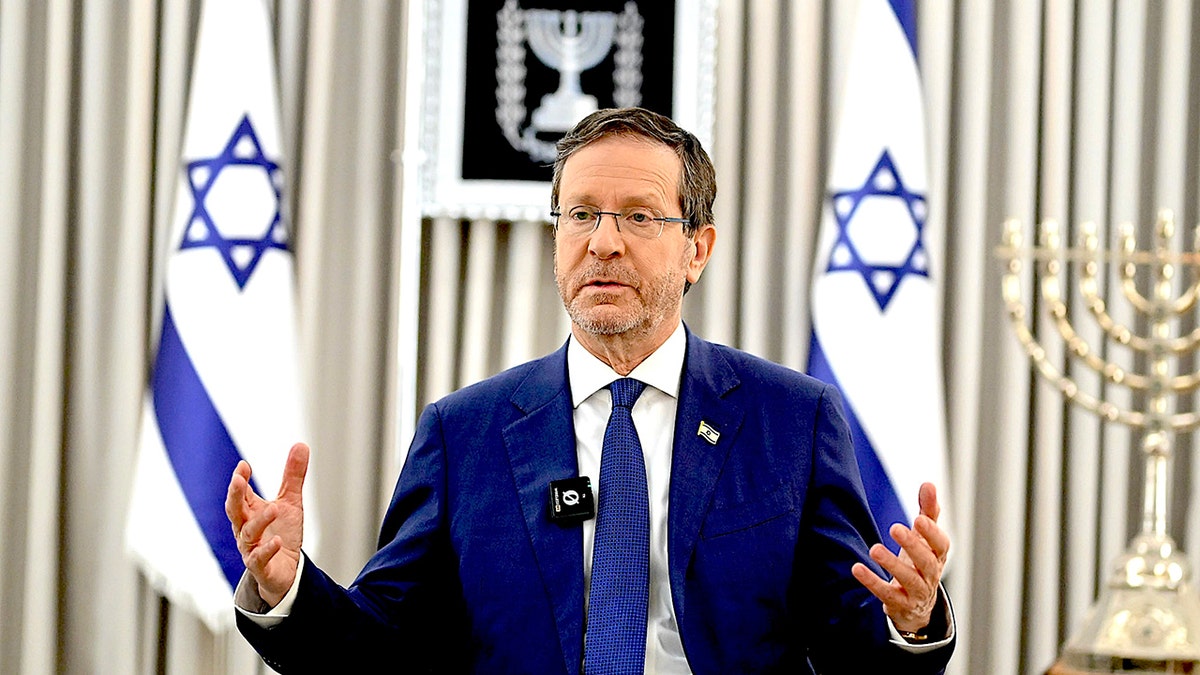
Israeli President Isaac Herzog during an interview with Fox News Digital in Jerusalem, Israel. (Yoav Dudkevitch/TPS-IL for Fox News Digital)
In a lengthy statement Friday, Eisenkot outlined his plan to establish what he called a National Emergency Government, initially based on the four parties committed to replacing Netanyahu, while leaving the door open for additional parties and lawmakers to join.
«Israel is facing a genuine, tangible and dangerous national emergency,» Eisenkot said. He accused the outgoing government of threatening Israeli democracy and warned that continued political instability could deepen the country’s security and diplomatic challenges.
Eisenkot said negotiations with his political partners had already produced significant progress and that further talks were underway.
His proposed government would be based on four founding principles: recognition of Israel as a Jewish and democratic state; acceptance of the values of Israel’s Declaration of Independence; universal military, national or civilian service; and recognition of Hamas as a terrorist organization, alongside a commitment to dismantle its military and governing capabilities.
ISRAEL HEADS INTO DEEPLY DIVIDED ELECTION AS OCT. 7 RECKONING LOOMS: WHAT TO KNOW
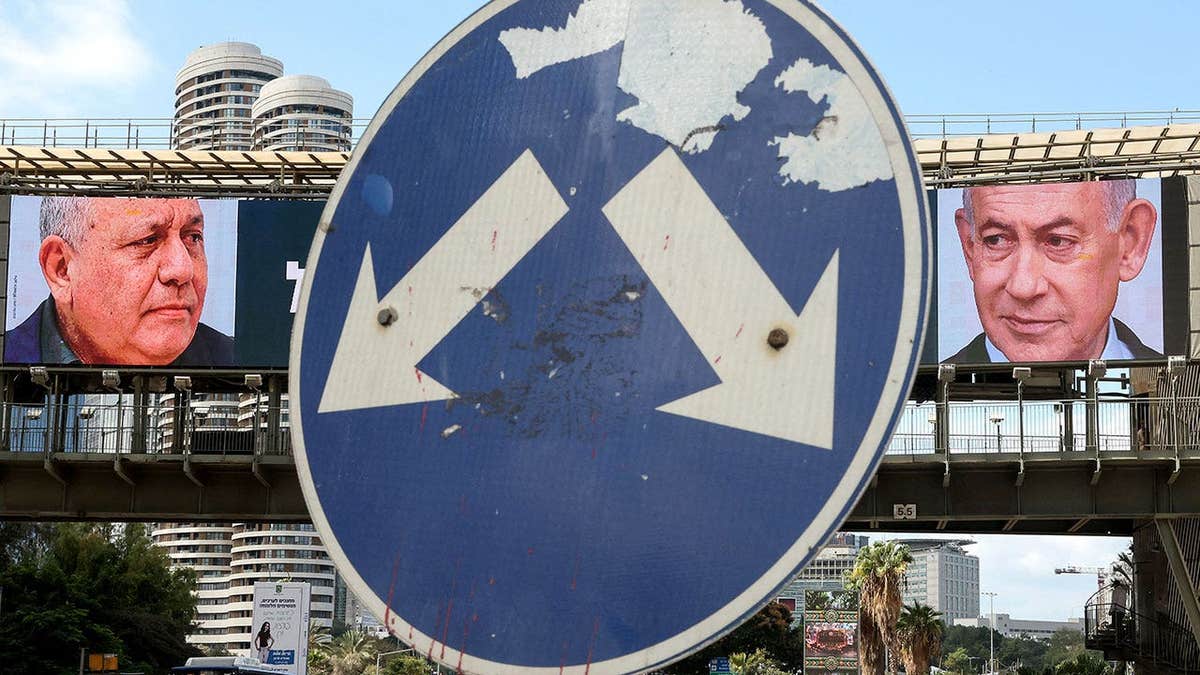
A road sign stands in front of a large billboard featuring Israel’s Prime Minister Benjamin Netanyahu (R) of the Likud party and former military chief and leader of the centrist Yashar party, Gadi Eisenkot, in Ramat Gan on October 20, 2026. Israel heads to the polls on October 27 in its first election since the October 7, 2023, Hamas-led attack, in what is seen as a referendum on the prime minister. (Jack Guez / AFP via Getty Images)
Eisenkot said he would invite lawmakers from across the political spectrum to join his government if they accepted those principles.
But even within the bloc seeking to replace Netanyahu, disagreements remain over how to secure the parliamentary support needed to govern.
One potentially significant development came Friday when Avigdor Lieberman, leader of the secular nationalist Yisrael Beitenu party, signaled a willingness to compromise on military conscription for ultra-Orthodox Jews, reversing a position that had long prevented political cooperation with religious parties.
In a statement posted on X, Lieberman argued that preventing another election and ending Netanyahu’s time in office would require difficult political compromises.
He identified three conditions: ending the Netanyahu era, avoiding another election and refusing to establish a government dependent on the abstention of the Joint List and Ra’am.
On other matters, including the contentious military draft law, Lieberman said political leaders must be prepared to compromise.
BENJAMIN NETANYAHU’S LEGACY AND POLITICAL FUTURE ON THE LINE IN ISRAEL’S OCT 27 ELECTION
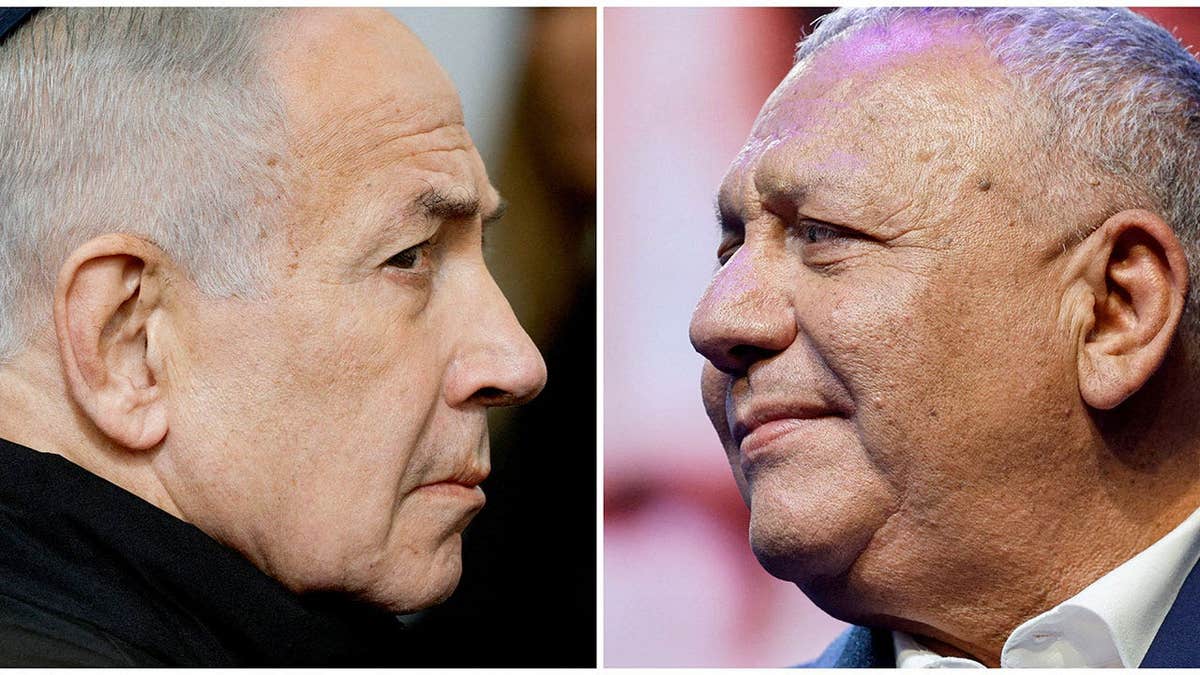
A combination picture shows Israeli Prime Minister Benjamin Netanyahu as he attends a memorial service held for Ran Gvili, an off-duty police officer who was killed fighting militants that had infiltrated Israel during the deadly October 7, 2023, attack by Hamas, and the last hostage recovered from Gaza, in Meitar, Israel, January 28, 2026, and Israeli opposition leader and former military chief, Gadi Eisenkot, as he launches an election campaign for Yashar, his new political party, at an event near Hod Hasharon, Israel, June 30, 2026. (Amir Cohen/Reuters)
The shift could open a path to negotiations with United Torah Judaism, whose seven lawmakers withheld their recommendation from Netanyahu despite the party’s long standing political alliance with him.
United Torah Judaism leader Yaakov Asher welcomed Lieberman’s flexibility Friday, but said his party had not yet received a concrete proposal and that any agreement would require approval from its religious leadership.
The conscription dispute remains a major obstacle. Ultra-Orthodox parties have sought legal protections for yeshiva students who study religious texts rather than serve in the military, while Eisenkot and several of his partners campaigned on expanding the obligation to serve.
Even bringing United Torah Judaism into the four-party opposition bloc would leave Eisenkot short of the 61 seats needed for an outright parliamentary majority. The religious Shas party, which holds six seats, recommended Netanyahu to Herzog.
A different possibility would be a minority government established with the help of abstentions from parties outside the coalition, an option discussed by Eisenkot’s allies but explicitly rejected by Lieberman if it depends on the Arab factions.
The disagreement exposes the central difficulty facing Eisenkot: although a majority of lawmakers recommended that he receive the first opportunity to form a government, they have not agreed on how such a government should be constituted.
Meanwhile, Netanyahu remains caretaker prime minister as the political negotiations continue.
The prime minister has also challenged aspects of the election results amid an investigation into suspected voting irregularities. However, Israel’s Central Elections Committee said the integrity of the election had not been compromised, according to Reuters on November 5.
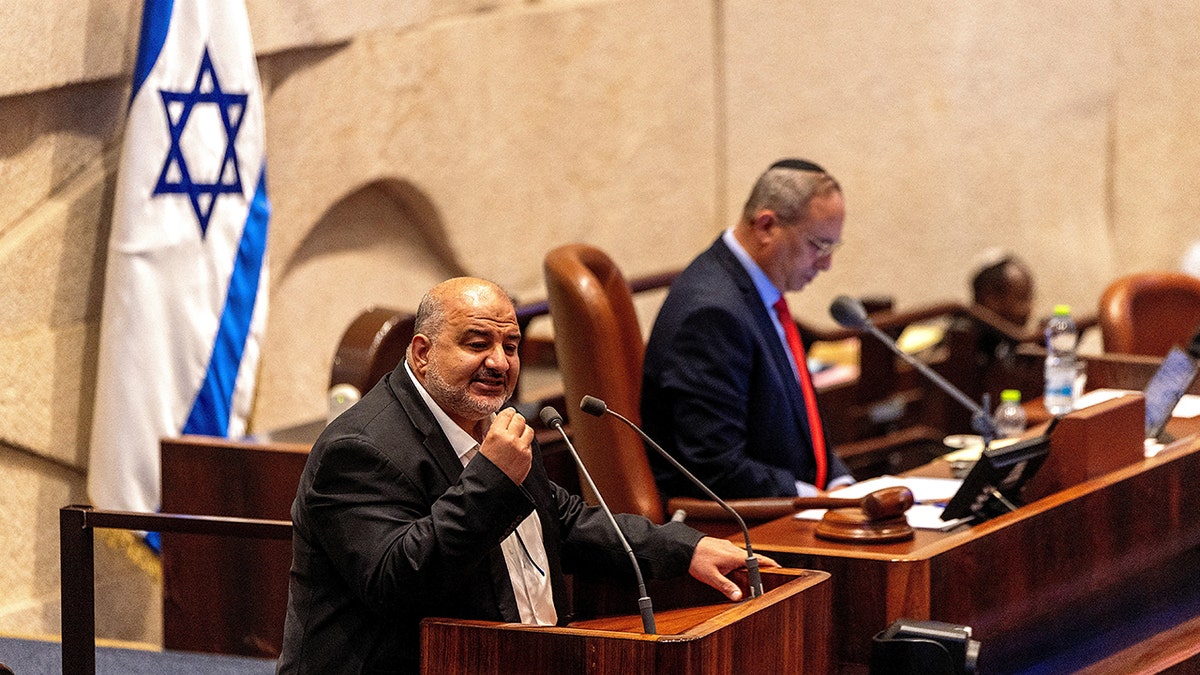
Mansour Abbas, leader of the Ra’am party, speaks at the plenum at the Knesset, Israel’s parliament, in Jerusalem, July 13, 2026 (Ronen Zvulun/Reuters)
For Eisenkot, receiving the presidential mandate would be an important political milestone. But turning his broad parliamentary endorsement into a functioning government will require agreements among parties divided over some of Israel’s most contentious domestic issues, particularly military service and cooperation with Arab lawmakers.
Failure to bridge those divisions could leave Israel facing further political deadlock — and potentially another election.
israel, elections, world, politics










INTERNACIONAL
Qué dijeron los medios internacionales sobre la visita de León XIV a la Argentina: “Hay cordialidad a pesar de las divergencias”

La llegada del papa León XIV a la Argentina tuvo una amplia repercusión internacional, con el foco puesto en las “tensiones” y “desacuerdos” del gobierno libertario de Javier Milei con la Iglesia.
Incluso, la prensa italiana destacó que Robert Prevost “reprendió” al mandatario en su dicurso en el Palacio Libertad.
En Brasil, el diario Folha de San Pablo afirmó que “el papa León XIV llega a una Argentina que quedó huérfana tras la visita de Francisco”.
El periódico dijo que Milei “confía en la magnitud del evento para disimular las evidentes tensiones en el encuentro” y recordó que “en los últimos años, el (presidente) ultraliberal calificó al Papa Francisco de ‘imbécil’, ‘representante del maligno en la Tierra’ y ‘basura socialista’“.
El diario OGlobo dijo a su vez que “se espera que la visita ponga al descubierto desacuerdos con las políticas de Javier Milei”.
“Tras despedirse de Uruguay con un mensaje de respeto a las mujeres, el Papa llega al país este domingo con una agenda marcada por las diferencias entre las posiciones de la Iglesia y el gobierno en temas sociales, políticos y económicos”, indicó.
Según afirmó, ambos “intentarán despolitizar la visita, pero tras los gestos conciliadores subyacen dos visiones del mundo diametralmente opuestas en tensión, lo cual se hará evidente en los discursos de León XIV, en las misas populares y en otros compromisos de la agenda”.
XIV
INTERNACIONAL
Iran vows ‘astonishing’ strikes and lifts missile-range limit as US targets land routes
Iran reportedly resumes ballistic missile production
Iran proxy attacks target a key Saudi Arabian oil pipeline as host Kayleigh McEnany reports on the expanding conflict. Former Navy SEAL Jack Carr joins the program to discuss ballistic missile production and Chinese satellite intelligence linked to a strike killing three American troops. Carr warns that Houthis threaten global shipping chokepoints near the Red Sea.
NEWYou can now listen to Fox News articles!
Iran lifted its self-imposed ballistic missile-range limit and threatened to unleash new, homegrown weapons that would «astonish the entire world,» within hours of the U.S. military launching a new task force aimed at choking off Tehran’s weapons shipments and illicit trade Nov. 7.
Islamic Revolutionary Guard Corps (IRGC) spokesperson Brig. Gen. Hossein Mohebbi confirmed that Iran was now abandoning its previous 2,000-kilometer, or roughly 1,240-mile, ballistic missile-range restriction, according to The Associated Press.
«That restriction has been lifted for us,» Mohebbi clarified in the wake of the task force announcement.
RUSSIA SECRETLY BOLSTERED IRAN’S MISSILE ARSENAL BEFORE WAR WITH US, RECORDS UNCOVER
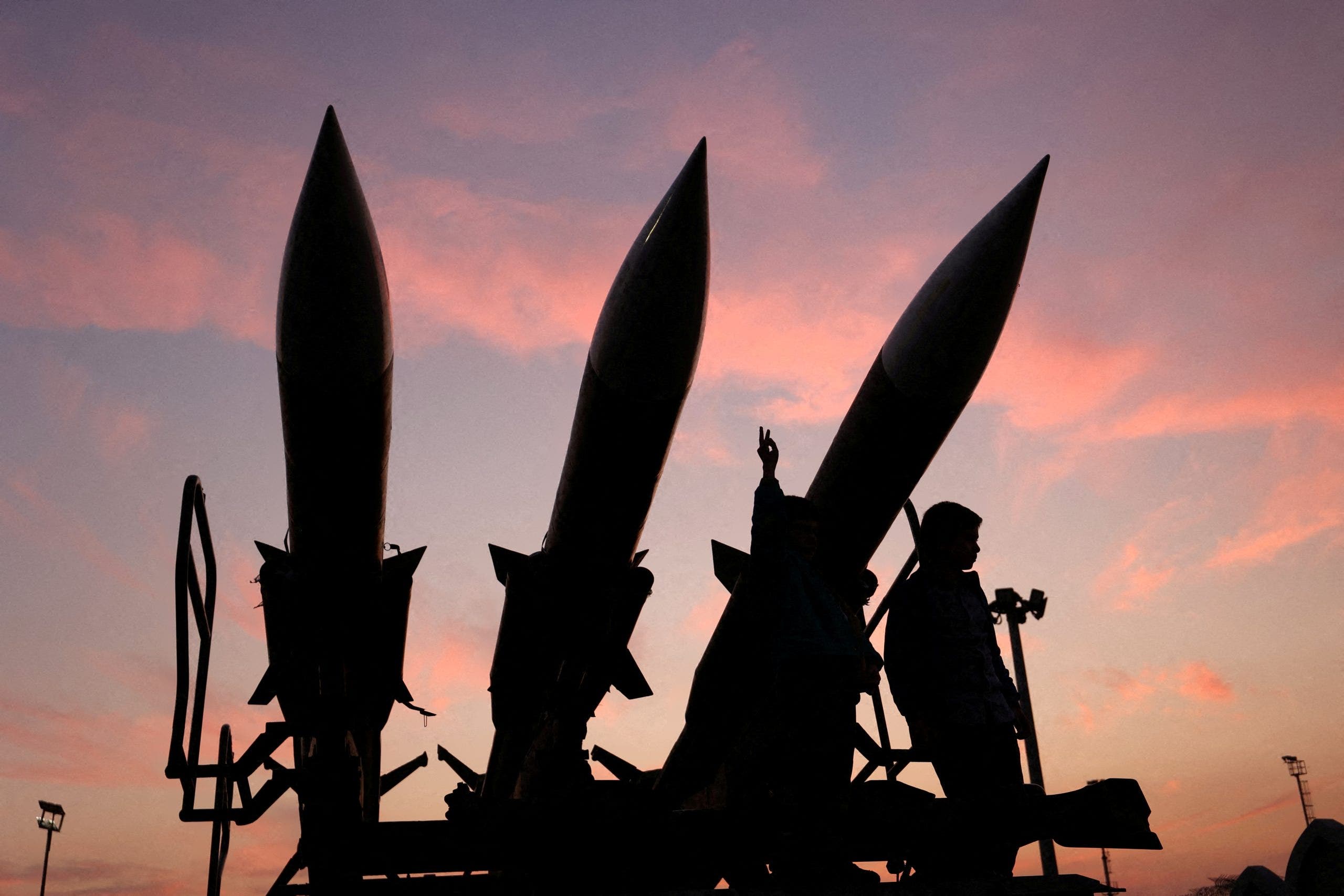
FILE PHOTO: Iranian missiles are displayed at the Islamic Revolutionary Guard Corps (IRGC) Aerospace Force Museum in Tehran, Iran, November 15, 2024. Majid Asgaripour/WANA (West Asia press Agency) via REUTERS
U.S. Central Command established «Task Force Iron Gate», an initiative targeting the movement of advanced Iranian weapons systems, dual-use materials and illicit revenue across Iran’s land borders and the Caspian Sea.
«Strengthening CENTCOM’s collaboration with US Interagency partners will further constrain Iran’s ability to finance terrorism, rebuild weapons factories, and replenish their military,» Adm. Brad Cooper, commander of U.S. Central Command, said in a statement shared on X.
According to Behnam Taleblu, senior fellow at the Foundation for Defense of Democracies (FDD), the U.S. may now carry out «targeted strikes» against facilitators while putting «political pressure on bordering states, as well as market and sanctions pressure against institutions underwriting Iran’s illicit trade.»
«It speaks volumes, of course, that this effort is being stood up within CENTCOM headquarters,» Taleblu told Fox News Digital.
Meanwhile, Iran’s IRGC quickly dismissed the new initiative as «wordplay,» claiming Tehran had already made preparations and coordinated with neighboring countries to withstand additional pressure, Fars News Agency reported.
Mohebbi also warned that Iran was developing new weapons capable of delivering devastating blows in another confrontation with the U.S. and Israel.
IRAN INSTALLS NEW WAR CHIEFS AS TEHRAN SIGNALS ‘PROLONGED CONFRONTATION,’ EXPERT WARNS
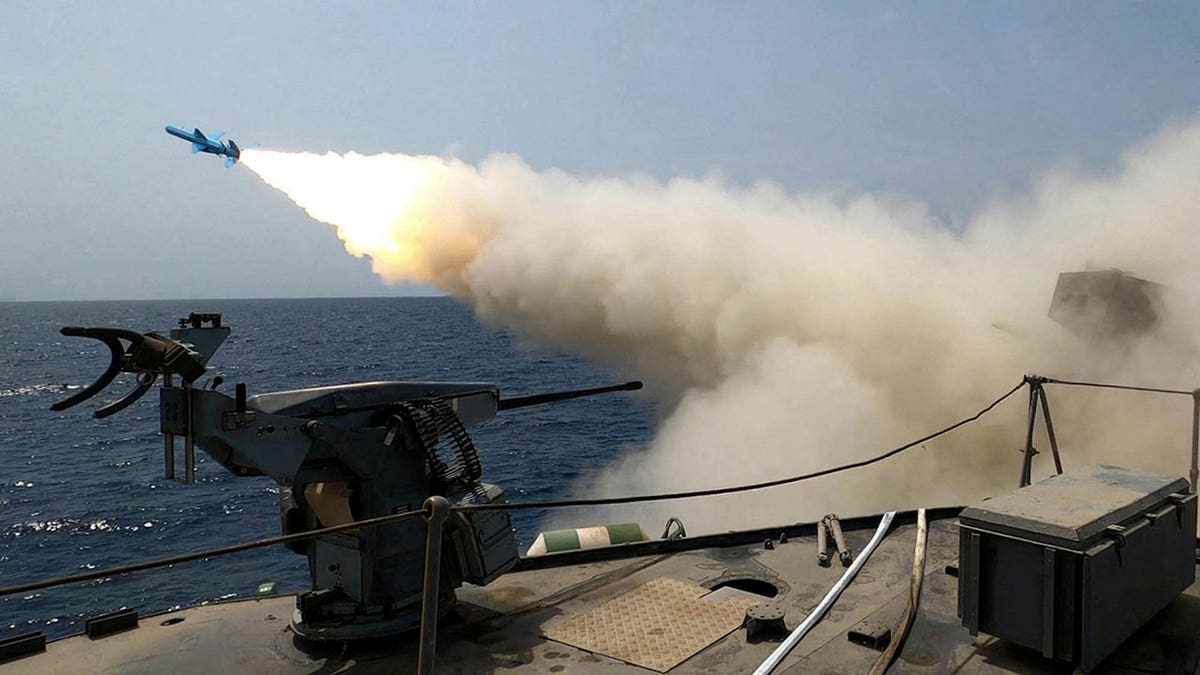
An Iranian missile is launched during a military exercise in an undisclosed location in Iran, August 20, 2025. (Iranian Army/WANA (West Asia News Agency)/Handout via REUTERS)
«There are surprises that will be unveiled and deployed on the battlefield if a third wave of confrontation with the enemy erupts. These surprises will astonish the entire world,» Mohebbi said during a news conference in Tehran on Saturday, according to Iran’s state-run Islamic Republic News Agency (IRNA).
«If they once again miscalculate, or if the Zionists, in pursuit of their own interests, lead the criminal United States into another miscalculation, they should know that Iran’s next blows will be even harder and will leave them crippled for years to come,» he added.
Iran’s previous 2,000-kilometer limit already placed the entire Arabian Peninsula, the Levant, most of Egypt and parts of Greece and the Balkans within range.
In March, Iran unsuccessfully attempted to strike the joint U.S.-British military base on Diego Garcia in the Indian Ocean, roughly 2,500 miles from the Islamic Republic.
Mohebbi also claimed Iran was preparing to unveil new underground missile facilities, as Tehran seeks to shield its weapons production from future attacks.
The installations, described by Iranian officials as «missile cities,» are designed to allow the IRGC to continue manufacturing weapons during wartime, according to IRNA.
TRUMP’S MOAB THREAT COULD PUT IRAN’S DEEPEST BUNKERS IN AMERICA’S CROSSHAIRS
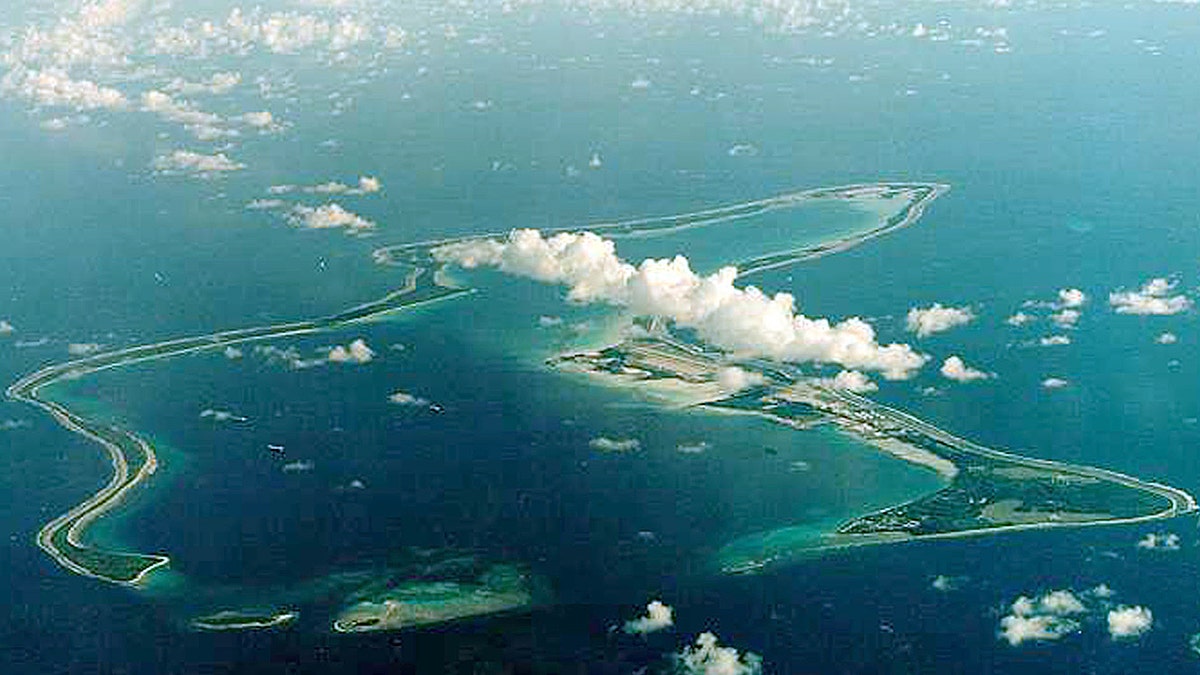
Diego Garcia, the largest island in the Chagos archipelago and site of a major United States military base in the middle of the Indian Ocean leased from the U.K. in 1966. (reuters)
The IRGC spokesman claimed Iran’s Aerospace Force continued producing missiles and drones during recent fighting, using domestic expertise without importing foreign weapons or relying on «reverse engineering of weapons captured from the enemy.»
Mohebbi also described Iran’s growing self-sufficiency in weapons production as a «very big achievement.»
Taleblu meanwhile emphasized the significance of the Caspian Sea basin, saying the world’s largest lake has «turned into a two-way sanctions-busting hub for both Iran and Russia.»
«Iranian officials always claim self-sufficiency in their military industries,» he said.
«But with domestic missile production significantly constrained due to the 40-Day War, the regime will be reliant on imports to build back, and especially at scale and at a faster rate.
«This is why efforts to constrain both land and sea trade in and out of Iran are a one-two punch for the regime.»
The warnings come as Washington intensified pressure on Iran’s regional trade routes, including its land crossings with Iraq, where Baghdad has reportedly resisted U.S. demands for full and broader border restrictions.
According to the Institute for the Study of War (ISW), Iraq has closed only one border crossing with Iran so far, despite reported American pressure to shut down most crossings between the two countries.
FRESH ACTIVITY EMERGES AT IRAN’S DEEPLY BURIED NUCLEAR SITE AS TRUMP WARNS IRAN NOT TO ‘GET CUTE’
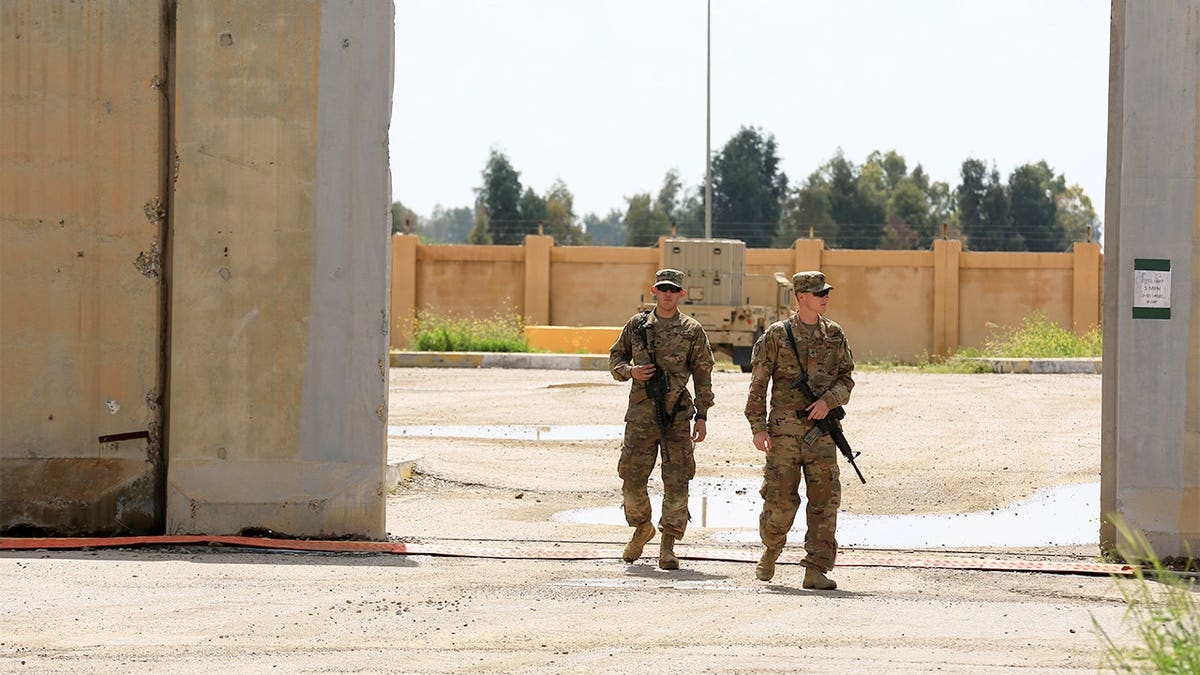
Soldiers from the US-led coalition forces are seen during the handover of the K1 Air Base to the Iraqi Army from the US-led coalition in Kirkuk, Iraq on March 29, 2020. (Associated Press)
On Sunday, the U.S. Treasury pressed Iraq to close all border crossings with Iran except for two as part of Washington’s policy of increasing economic pressure on Tehran, Iraqi Foreign Minister Fuad Hussein said, according to Reuters.
The Iraqi government had closed the al-Shayeb crossing in southeastern Iraq on Oct. 21, to review security and install equipment to prevent smuggling of prohibited materials.
Iraqi political sources told Agence France-Presse that Washington had pressured Baghdad to close most Iran-Iraq border crossings to restrict trade and financial exchanges that could help Tehran withstand U.S. sanctions, ISW reported.
ISW also said that Iranian Ambassador to Iraq Mohammad Kazem al-Sadegh was pressuring tribal leaders in Iraq’s Maysan province to push Iraqi officials and leaders of the Shiite Coordination Framework to reopen al-Shayeb.
Al-Sadegh is reportedly a member of the IRGC’s Quds Force, which oversees the organization’s foreign operations.
The institute assessed that Baghdad’s limited response likely reflects efforts to balance its relationship with Washington against the influence of Iranian-backed political factions.
world, iran, war with iran, national security, middle east, foreign affairs, geopolitics, military
INTERNACIONAL
Ataque en Polonia: la Justicia abrió una investigación por terrorismo tras el tiroteo en el centro de Cracovia

Polonia investiga como un acto terrorista el tiroteo del sábado en la plaza del Mercado de Cracovia perpetrado por un joven polaco presuntamente fanatizado con la ideología de extrema derecha, que disparó desde un auto y asesinó a seis personas. Se sospecha que probablemente también mató a sus padres y su hermana en la casa familiar, según la Fiscalía.
La investigación, a cargo de un fiscal de la sección de Cracovia de la Fiscalía Nacional, abarcará el asesinato de cuatro mujeres y dos hombres, incluidos un británico de 32 años y una austríaca de 51, según Krzysztof Jan Kleczar, el gobernador de Pequeña Polonia, cuya capital es Cracovia, así como el intento de asesinato de “muchas” otras personas.
“Los hechos constituyen un delito de carácter terrorista”, indicó la Fiscalía en un comunicado.
Cómo fue el ataque
En el ataque, que se produjo el sábado, resultaron heridas 15 personas, entre ellas dos suboficiales de la Policía que persiguieron al tirador cuando huía del lugar, lo abatieron y detuvieron.
El sospechoso se encuentra en estado crítico en un hospital de Cracovia, mientras que los dos agentes, considerados “héroes” por haber impedido que hubiera más víctimas mortales, despertaron ambos este domingo del coma inducido tras ser operados de heridas de bala. Uno de ellos está grave.
Según el gobernador, el resto de los 14 heridos se encuentra estable.
La mayoría de las víctimas mortales y heridas son de nacionalidad polaca, pero también hay ciudadanos de Alemania, Rusia y Portugal afectados, además del Reino Unido y Austria, según dijo este domingo la portavoz del Ministerio del Interior, Karolina Galecka.
Las autopsias de los fallecidos, tanto las víctimas del ataque como los familiares del detenido hallados sin vida con heridas de arma de fuego en su domicilio de Ostrowiec Swietokrzyski, a unos 110 kilómetros de Cracovia, comenzarán el lunes, indicó a la agencia de noticias PAP el fiscal Eryk Stasielak, de la Fiscalía Nacional de Cracovia.
EFE)
Polonia

La cronología del primer día del papa León XIV en su histórica visita a la Argentina: del encuentro con Milei a un discurso marcado por la economía

El horóscopo de hoy: lunes 9 de noviembre

El discurso completo de León XIV en el Palacio Libertad: un mensaje de fuerte contenido político y económico

Así les fue a los convocados de la Selección Argentina antes de la doble fecha de amistosos

Los gobernadores y la oposición destacaron el mensaje del papa León XIV sobre la economía y la justicia social

Miguel Merentiel publicó una foto inédita de su infancia y causó furor tras la consagración de Boca Juniors

El embajador de EEUU ratificó el apoyo de Trump a la Argentina tras la derrota republicana: “Nuestro compromiso es firme”

Santiago Peña renunció a la Presidencia de Paraguay por el escándalo del Ueno Bank

Intendentes reclaman al Gobierno una mejor distribución de los subsidios al transporte y amenazan con ir a la Corte Suprema

Una estrella mundial sorprendió al revelar su fanatismo extremo por Boca: el increíble pedido que le hizo su hijo al cumplir 18 años

 POLITICA7 horas ago
Así fue el saludo entre Javier Milei y el papa León XIV en Aeroparque tras la llegada a la Argentina
- POLITICA3 días ago
El Ministerio de Economía pasó a disponibilidad a más de diez empleados de planta permanente
- INTERNACIONAL3 días ago
Artemis IV: los detalles de cómo será la misión de la NASA que busca llevar astronautas a la superficie lunar en 2028