INTERNACIONAL
Iran’s shadow operations stretch across Europe as chilling spy convictions expose Tehran’s reach

NEWYou can now listen to Fox News articles!
Two Iranian men were convicted in Britain on Thursday of spying on journalists and critics of Tehran, the latest case raising alarm over Iranian operations beyond the Middle East, as France accuses the IRGC of unprecedented cyberattacks and a senior UAE official warns of Iranian sleeper cells abroad.
The developments come as the Trump administration continues its campaign of economic pressure against Tehran while leaving the door open to diplomatic negotiations, raising questions about how Iran’s overseas intelligence networks and alleged covert activities might factor into any future agreement.
A jury at Woolwich Crown Court in London found Mostafa Sepahvand, 41, and Farhad Javadi Manesh, 46, guilty of engaging in conduct likely to assist a foreign intelligence service after prosecutors said they carried out surveillance of journalists and other individuals critical of the Iranian government, according to Reuters.
IRAN TURNS CITIZENS INTO INFORMANTS AS CHILLING CRACKDOWN SPREADS BEYOND ITS BORDERS
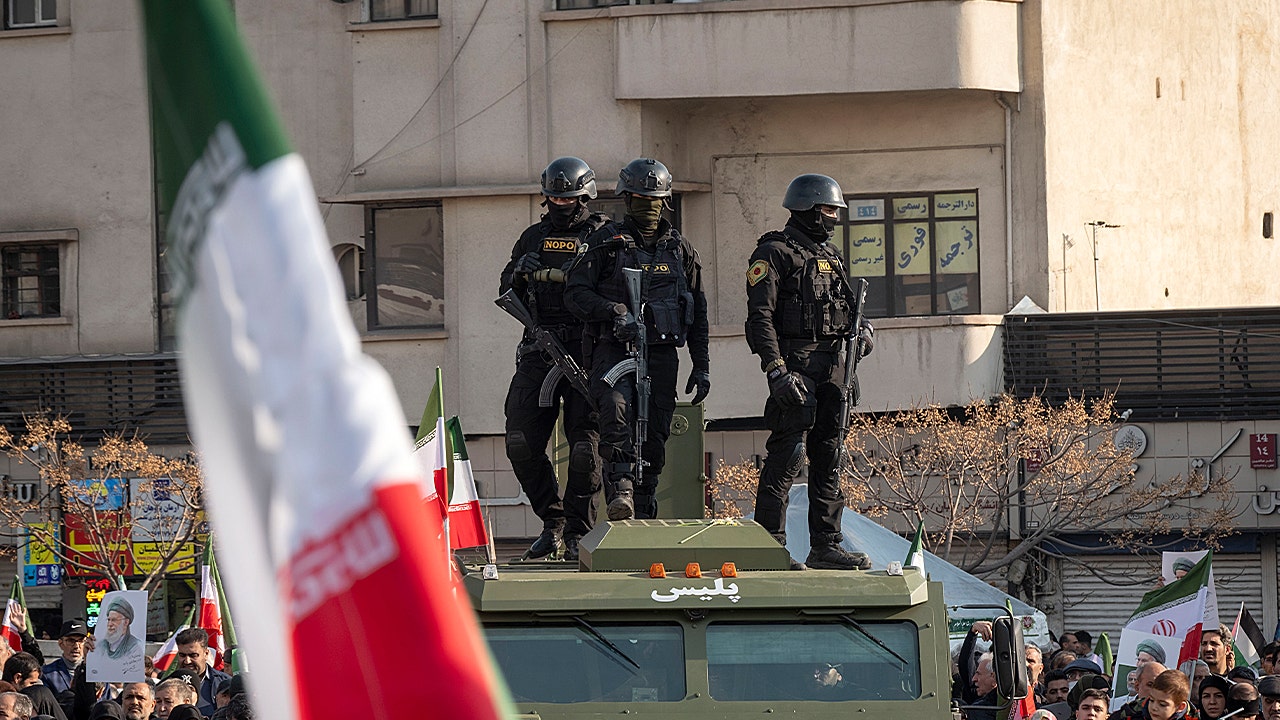
EU designates Iran’s Islamic Revolutionary Guard Corps as a terrorist organization as Ursula von der Leyen pledges rapid implementation following a violent crackdown. (Morteza Nikoubazl/NurPhoto via Getty Images)
The targets included journalists working for Iran International, a London-based Persian-language news outlet critical of Tehran, and a prominent figure associated with UK Lawyers for Israel.
According to prosecutors, the surveillance operation took place between August 2024 and March 2025 and involved visits to locations associated with the targets, photographs, videos and online research.
Sepahvand was also convicted of engaging in preparatory conduct with the intention of committing serious violence against a person in Britain, while Manesh was acquitted of that charge and a third defendant was cleared of all charges.
British authorities described the case as the first convictions of Iranian nationals under the National Security Act of 2023, warning that the verdicts underscored an ongoing threat from Iranian intelligence operations. Iran has denied involvement.
Similar concerns have emerged in the United States. Just two days before the British verdicts, the U.S. Justice Department announced terrorism charges against three alleged Iranian-backed operatives accused of involvement in nearly 20 attacks and attempted attacks across Europe and the United States.
The three men allegedly supported Iran’s Islamic Revolutionary Guard Corps (IRGC) and Kata’ib Hezbollah, targeting Jewish communities and plotting an attack on RAF Fairford, a British air base housing American military personnel, according to the Nov. 10 indictment. Prosecutors allege that one defendant, Mohammad Baqer Saad Dawood al-Saadi, continued coordinating terrorist activities through coded messages while imprisoned in New York. The network was also allegedly involved in planning an attack on a Manhattan synagogue.
FRENCH SUPERMARKETS FACE MILLIONS IN LOSSES AFTER CYBERATTACK HITS REFRIGERATORS NATIONWIDE

Mohammad Ali Al-Hassani, left, and Mohsen Mohajeri appear in an April 2026 video that prosecutors say shows them planning terrorist attacks. (Department of Justice)
In France, authorities on Monday accused Iran’s IRGC of orchestrating a major cyberattack against the country’s food supply infrastructure.
According to a Nov. 9 report by France’s Cyber Crisis Coordination Centre, Iranian-linked hackers targeted refrigeration controllers at approximately 700 retail locations across France on Oct. 11 and 12.
Investigators said the attackers remotely altered defrost settings, causing refrigeration equipment to reach abnormally high temperatures, spoiling significant quantities of food and triggering at least 15 reported fire outbreaks.
The operation affected major supermarket chains, including Carrefour, Leclerc and Intermarché, as well as other businesses in the food industry.
French investigators attributed the operation to Shahid Kaveh, a cyber-offensive unit operating under the IRGC’s electronic and cyber command.
French Foreign Minister Jean-Noël Barrot described the attack as unprecedented in its scale and aggression, while authorities announced plans to pursue European sanctions against those responsible.
Iran’s Foreign Ministry rejected what it described as baseless and malicious allegations in a statement issued Tuesday strongly condemning the «persistent practice» of directing accusations toward Tehran.
‘KEEP A LOW PROFILE’: STATE DEPARTMENT WARNS AMERICANS OVERSEAS THEY COULD BE TARGETED

A woman walks past empty fresh-food refrigerators at an Intermarché supermarket in Névez, western France, on Oct. 12, 2026, following a cyberattack that caused supermarket refrigerators to defrost. Some 150 to 200 Intermarché stores were targeted, along with nearly 100 Coopérative U outlets. (Fred Tanneau/AFP via Getty Images)
The European cases echo warnings from the Gulf, where officials have raised concerns that Iran’s regional operations extend beyond missiles, drones and armed proxy groups.
Dr. Ali Rashid Al Nuaimi, chairman of the Defense, Interior and Foreign Affairs Committee of the UAE’s Federal National Council, told Fox News Digital in an exclusive interview that Iranian-linked sleeper cells were operating both within the region and elsewhere.
«They created these sleeping cells in the region and also in other places,» Al Nuaimi said. «We were fortunate to find out about these cells, to act and to implement the law, our law, the UAE law, against them.»
Al Nuaimi previously disclosed during an Oct. 15 briefing that hundreds of suspected Iranian sleeper-cell members had been arrested in the UAE, including individuals he said helped direct Iranian missile and drone attacks against the country.
Speaking separately to Fox News Digital, Al Nuaimi argued that negotiations with Tehran should address not only its nuclear program and regional proxies, but also covert networks operating in other countries.
«This is where it should be part of the negotiation with the Iranians: you have to stop not only the proxies that we know, but also using these sleeping cells in other countries,» he said.
Beyond the criminal investigations, Iranian-American journalist and foreign policy analyst Lisa Daftari described the personal toll of what she believes to be Iranian intelligence operations on U.S. soil. In an earlier interview with Fox News Digital, Daftari said she had been followed in Los Angeles and New York, repeatedly hacked and approached in person. She said the FBI informed her that she was on a list of potential Iranian regime targets after hackers gained access to her accounts. «The message they want to send is very clear, that we know where you are, we can reach you,» she said.
TRUMP’S FIRST IRAN WAR ESCALATION POST-MIDTERM LOSSES SEEKS TO CHOKE OFF TEHRAN’S TRADE

A 2024 photo released by the Justice Department shows Mohammad Baqer Saad Dawood Al-Saadi in a conference room with weapons and a map of the United States. (Department of Justice)
In a joint declaration issued Wednesday following a meeting in Paris, G7 foreign ministers expressed grave concern about Iranian involvement in violent plots targeting people and territory in their countries.
Secretary of State Marco Rubio, speaking to reporters following the G7 meeting on Tuesday, accused Tehran of being responsible for much of the instability across the Middle East.
«They are behind all the instability in the region; they are the source of instability in the region,» Rubio said, referring to Iran’s support for armed groups, including Hezbollah, Hamas and the Houthis.
Rubio argued that the Trump administration’s economic pressure campaign was significantly weakening the Iranian government and reducing its ability to finance activities abroad, including terrorism and cyber operations.
He said Washington remained open to diplomacy but would not accept what he described as unrealistic Iranian demands.
The G7 declaration also pledged to continue coordinating economic and political measures designed to constrain Tehran’s ability to destabilize countries both inside and outside the Middle East.
The British convictions, French cyberattack findings and UAE allegations involve different types of activity, and no evidence has been presented establishing that they formed part of a single coordinated operation.

G7 foreign ministers and officials pose for a photograph at the start of their summit in Paris, where they are gathered to discuss support for Ukraine and stabilization efforts in the Middle East, on Nov. 9, 2026. (Christophe Petit Tesson/Pool/AFP via Getty Images)
Taken together, however, they illustrate the range of threats Western and Gulf authorities are attributing to Iran — from surveillance of dissidents and alleged sleeper networks to attacks on civilian infrastructure — even as diplomatic efforts seek to prevent another round of military escalation.
war with iran, iran, foreign affairs, world, terrorism, national security










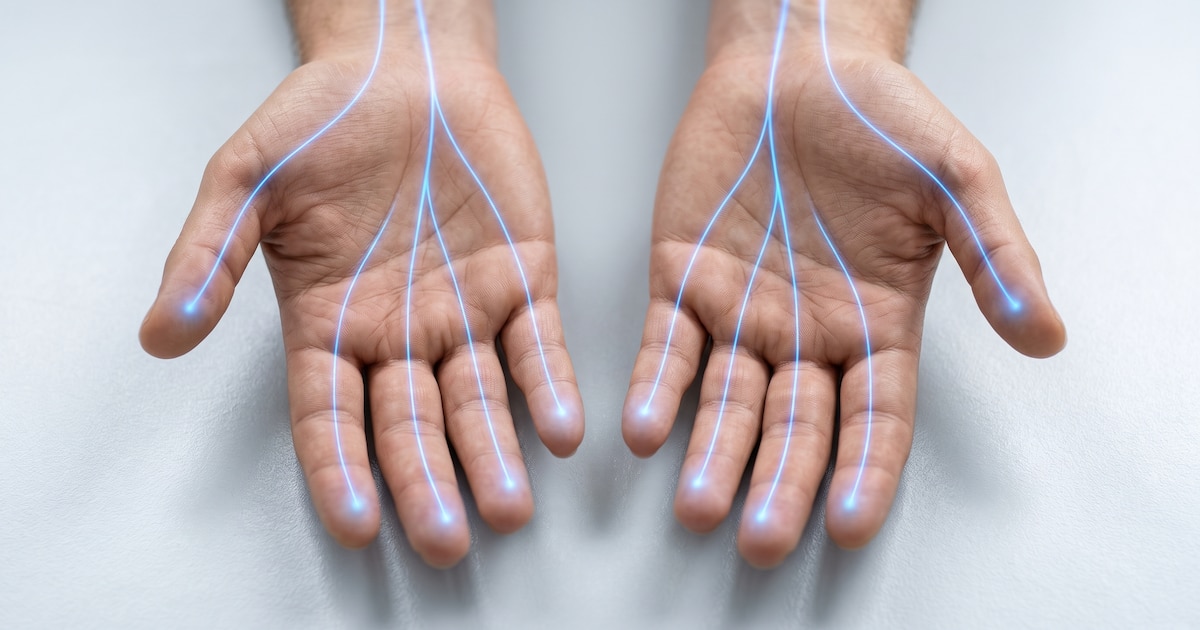
El hormigueo en las manos puede aparecer después de dormir sobre un brazo, mantener la muñeca doblada o sostener una misma postura durante varios minutos. En muchos casos, la sensación desaparece al cambiar de posición. Pero si se repite con frecuencia, despierta durante la noche o se acompaña de dolor, debilidad o pérdida de sensibilidad, puede estar relacionado con una alteración de los nervios o de la circulación y requiere una evaluación médica.
La sensación de “pinchazos”, cosquilleo o manos dormidas se conoce como parestesia. Puede afectar unos pocos dedos, una mano completa o extenderse hacia el antebrazo. Para identificar una posible causa, los profesionales consideran la duración de los episodios, la zona afectada, las actividades que los desencadenan y otros síntomas asociados.
Por qué sentimos hormigueo en las manos
Las manos cuentan con una red de nervios que envía al cerebro información sobre el tacto, la temperatura y el dolor. También intervienen en el movimiento de los dedos y la fuerza de agarre. Cuando uno de esos nervios queda sometido a presión, se irrita o sufre una lesión, la transmisión de señales se altera y puede aparecer entumecimiento, hormigueo o ardor.
La compresión no siempre ocurre en la mano. Una lesión en el cuello, la presión sobre nervios que salen de la columna o problemas a lo largo del brazo pueden producir síntomas en los dedos. También puede influir una reducción temporal del flujo sanguíneo. La enciclopedia médica de MedlinePlus señala que las alteraciones de nervios y circulación figuran entre las causas posibles de esta sensación.
El cuadro puede incluir ardor, dolor punzante, torpeza al manipular objetos o debilidad muscular. Si se dañan nervios periféricos, los síntomas pueden comenzar de modo gradual y avanzar desde las manos hacia los brazos; en otros casos, la molestia se concentra en una zona precisa. Por eso, la ubicación de la parestesia aporta datos relevantes para el diagnóstico.

Posibles causas del hormigueo en las manos
Una de las causas más frecuentes es el síndrome del túnel carpiano, que se produce cuando el nervio mediano se comprime al atravesar un conducto estrecho de la muñeca. Puede causar adormecimiento, dolor u hormigueo en el pulgar, el índice, el dedo medio y parte del anular. Las molestias suelen empeorar durante la noche o al mantener la muñeca flexionada.
Los movimientos repetitivos, el uso de herramientas que vibran, lesiones de muñeca y algunas enfermedades pueden favorecer esa compresión. No obstante, la relación entre el uso habitual de computadora y el túnel carpiano no está establecida de forma concluyente, según MedlinePlus. También existe el síndrome del túnel cubital, vinculado a la presión sobre el nervio cubital cerca del codo, que suele sentirse sobre todo en el meñique y el anular.
La neuropatía periférica es otro grupo de causas. Se produce cuando los nervios situados fuera del cerebro y la médula espinal sufren daño. La diabetes es una de las condiciones más asociadas, especialmente cuando la glucosa se mantiene elevada durante un tiempo prolongado. Mayo Clinic indica que más de la mitad de las personas con diabetes desarrollan algún tipo de neuropatía.
También deben considerarse la deficiencia de vitamina B12 y de otras vitaminas del grupo B, el consumo problemático de alcohol, las enfermedades de tiroides, trastornos renales o hepáticos, algunas infecciones y enfermedades autoinmunes. Ciertos medicamentos, entre ellos algunos tratamientos de quimioterapia, pueden dañar los nervios como efecto adverso. Una lesión, un traumatismo o la presencia de una estructura que comprima un nervio son otras posibilidades que el profesional puede valorar.
Los episodios vinculados al frío o al estrés, acompañados de dedos blancos o azulados y sensación de frío, pueden relacionarse con el fenómeno de Raynaud. En esta afección, los vasos sanguíneos se estrechan de forma exagerada y disminuye el flujo de sangre hacia los dedos. Al recuperarse la circulación, puede sentirse hormigueo, latido o enrojecimiento, de acuerdo con MedlinePlus.

Cuándo consultar al médico
Es conveniente solicitar una consulta si el hormigueo persiste, empeora, reaparece sin una causa evidente o se extiende a otras partes del cuerpo. También conviene hacerlo si afecta las dos manos, interrumpe el descanso, se vincula con movimientos repetitivos o se acompaña de dolor en el cuello, el antebrazo o los dedos.
La consulta permite valorar antecedentes médicos, hábitos laborales, lesiones previas y medicamentos en uso. De acuerdo con los síntomas, el profesional puede solicitar análisis de sangre para evaluar glucosa, función tiroidea o niveles de vitaminas, además de otros estudios que permitan identificar una compresión nerviosa u otra enfermedad de base.
Hay señales que exigen atención de urgencia. El adormecimiento de inicio repentino junto con debilidad o parálisis, dificultad para hablar, confusión, alteraciones visuales, pérdida de coordinación, mareos intensos o dolor de cabeza súbito e intenso debe motivar una consulta inmediata. Mayo Clinic advierte que estos síntomas pueden relacionarse con una afección neurológica aguda.
El tratamiento dependerá de la causa identificada. Por ese motivo, no es recomendable automedicarse, suspender fármacos ni consumir suplementos en dosis elevadas sin indicación profesional. Un diagnóstico temprano puede ayudar a tratar el origen del síntoma y a prevenir un daño nervioso persistente.
sistema nervioso periférico,anatomía de la mano,neurología

Texas Democrats are opening their incoming state House majority with a push to clear the way for DEI offices and programs to return to public universities across the state — a move state Republicans are expected to block but that puts the culture-war issue front and center after massive Democratic Party gains in the state.
HB 358 and SB 125 would repeal a 2023 law banning diversity, equity and inclusion (DEI) offices and programs at public universities, but the bills face steep odds with Republicans still retaining control of the Texas Senate. Still, the effort signals Democrats’ broader intent to roll back one of the GOP’s signature education policies after campaigning heavily on the war in Iran, immigration and affordability.
Even if the repeal effort fails, conservative policy experts in Texas warn that Democratic appointments to university governing boards could weaken enforcement of the state’s DEI restrictions without changing the law.
«With Republicans in firm control of the Texas state Senate, it’s highly unlikely that any bill seeking to bring back the corrosive and wasteful higher ed DEI regime will make it to the Governor’s desk,» Chuck DeVore, chief national initiatives officer for the Texas Public Policy Foundation (TPPF), told Digital. «What will likely happen is that relabeled and disguised DEI programs and classes will make a comeback over the next four years as the Governor’s board of regents appointees gradually get a majority. We look forward to suing to ensure adherence to Texas law.»
FEDERAL JUDGE KICKED OFF ‘BOTCH JOB’ ANTI-DEI CASE AFTER STUNNING APPEALS COURT REBUKE
The 2023 anti-DEI law, signed by Republican Gov. Greg Abbott, barred public universities from maintaining DEI offices or assigning employees or contractors to perform their duties. It also prohibited compelling or soliciting DEI statements from faculty or students, restricted certain preferences based on race, sex, color, ethnicity or national origin and banned mandatory DEI training for students and employees. The law includes exceptions for academic instruction, scholarly research and registered student organizations.
After the law took effect Jan. 1, 2024, UT Austin closed its Multicultural Engagement Center and discontinued its Monarch program, which provided advising, mental-health support and scholarships to illegal immigrants and other noncitizen students. The University of Houston System stopped requiring DEI statements in hiring and promotions, while UT Health San Antonio ended a faculty loan-repayment program for professors from «underrepresented backgrounds.»
VP VANCE TOUTS TRUMP ADMINISTRATION’S DISMANTLING OF DEI
At a May 2024 Texas Senate higher education subcommittee hearing, UT System Chancellor J.B. Milliken told lawmakers the system had closed 21 DEI offices, eliminated 311 full- and part-time positions focused on DEI and canceled 681 contracts, programs and training sessions. Critics have nevertheless accused some universities of preserving DEI initiatives under different names or organizational structures.
Texas A&M University drew scrutiny after dissolving its Office for Diversity but transferring six of its eight employees to other campus positions. Former Vice President for Diversity Annie McGowan received a 10% raise, a new position and nine months of paid leave. Critics accused the university of preserving DEI operations under different titles. Texas A&M maintained that the office and its DEI-related duties had been eliminated and that the raises were unrelated to DEI.
Kate Bierly, a higher education campaign director at TPPF, told Digital that Democrats could undermine Texas’ 2023 anti-DEI law without repealing it. She warned that newly appointed university regents could weaken enforcement through administrative inaction, potentially allowing prohibited practices to resume.
She observed that numerous university regents’ terms expire Feb. 1, 2027, giving Democratic Gov.-elect Gina Hinojosa an opportunity to nominate replacements who could influence how universities enforce the DEI ban.
CONGRESS TO PUT AMERICAN BAR ASSOCIATION IN HOT SEAT OVER DEI RULES TIED TO LAW SCHOOL ACCREDITATION
But Hinojosa would face another obstacle: Republican control of the Texas Senate, which must confirm university regent appointments. Bierly said the Texas Constitution allows certain unpaid gubernatorial appointees, including regents, to remain in office after their terms expire. Because the 90th Legislature convenes in January 2027, before the regents’ terms expire, she said incumbents could remain in place until the end of the 91st Legislature’s regular session in 2029 if their successors are not confirmed.
«If the Senate declines to confirm nominees who would undermine the state’s DEI reforms, existing regents can continue serving rather than automatically surrendering their seats when their terms expire,» Bierly said. «This holdover period ends on the last day of the first regular legislative session that begins after the term expires. So as a result, the current regents can hold over to 2029 if no successor has qualified by then. After that, the office becomes vacated.»
DeVore said the holdover provision could become a political liability for Senate Republicans, giving Democrats «an actual useful campaign cudgel» if the chamber refuses to confirm Hinojosa’s nominees. Democrats could accuse Republicans of obstructing the governor’s appointments to university governing boards, he said.
That pressure could force a compromise at some point, DeVore added, but also warned that DEI is «a death issue for a Republican primary» and that any Republican who supports a compromise could be «toast in the primary.»
DEMOCRAT GINA HINOJOSA STUNS ABBOTT, MAKES HISTORY AS FIRST LATINA TEXAS GOVERNOR
Texas’ restrictions reflect a broader national effort to dismantle DEI programs in government and higher education.
The Supreme Court’s 2023 ruling against race-based admissions preferences at universities preceded a broader federal crackdown on DEI. After returning to office in 2025, President Donald Trump moved to dismantle DEI programs across the federal government and directed federally funded schools to end race-based preferences in admissions, hiring, scholarships and other programs.
Republican-led states have pursued similar restrictions at public universities, making Texas’ fight part of a broader national backlash against institutional DEI.
Texas’ political landscape has shifted dramatically following Republican election losses. Abbott, Lt. Gov. Dan Patrick and Attorney General Ken Paxton are leaving office, while Sen. John Cornyn, R-Texas, lost his Republican Senate primary to Paxton.
Democrats won the governorship, attorney general’s office and a U.S. Senate seat while reclaiming the state House for the first time in more than two decades. Republicans retained control of the state Senate, giving them a potential veto over both the DEI repeal legislation and Hinojosa’s university regent nominees.
«Ultimately, Texas lawmakers must decide whether they want the DEI ban to be more than a law on paper,» Bierly said. «Protecting the reforms requires attention not only to legislation, but also to the university leadership responsible for implementing it.»
SIGN UP TO GET THE POLITICS NEWSLETTER
Digital sought comment from the repeal bills’ sponsors, Democratic state Rep. John Bucy and Democratic state Sen. José Menéndez, as well as former Republican state Sen. Brandon Creighton, who authored the 2023 anti-DEI law and now serves as chancellor of the Texas Tech University System. None responded before publication. The University of Texas System, Texas Higher Education Coordinating Board and Texas Students for DEI also did not respond to requests for comment.
dei, texas, state and local, politics, legislation, education, bills, democratic party
INTERNACIONAL
El Museo Nacional de Arte Moderno Carlos Mérida en Guatemala reabrirá parcialmente en enero de 2027 tras cuatro años cerrado
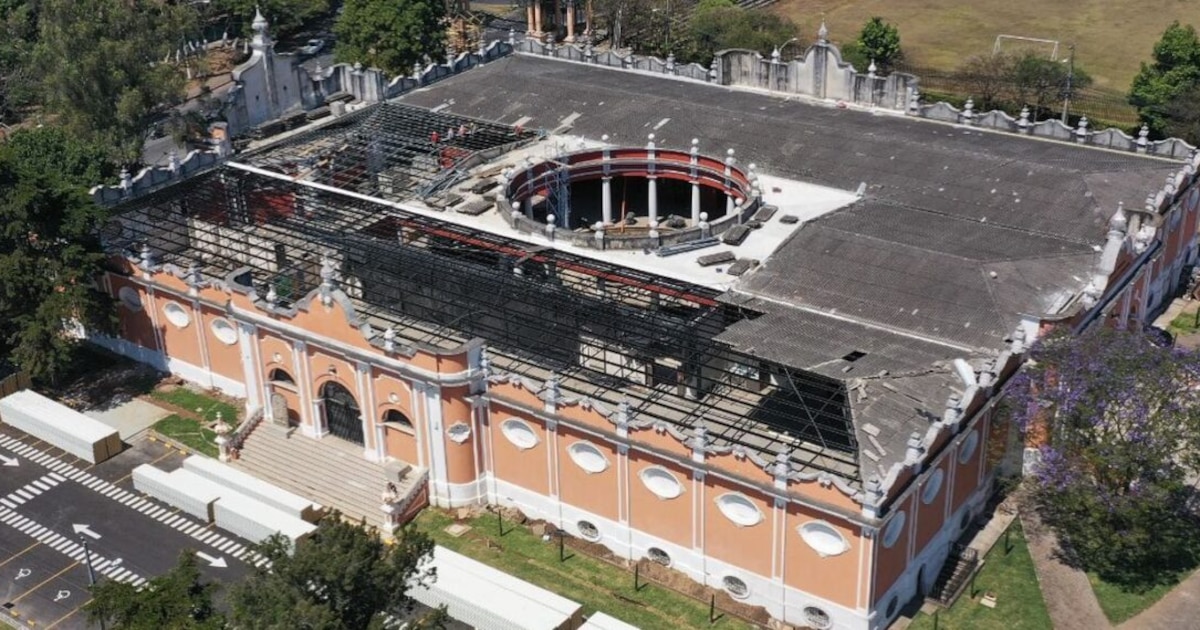
El Museo Nacional de Arte Moderno “Carlos Mérida” (MUNAM) iniciará una reapertura progresiva en enero de 2027, tras permanecer cerrado durante más de cuatro años por daños en su sistema hidráulico y otros problemas detectados en la infraestructura. La primera etapa habilitará salas de la exposición permanente dedicadas al arte guatemalteco.
El Ministerio de Cultura y Deportes (MCD) informó que la recuperación abarca la restauración del edificio, la conservación de las colecciones y una nueva propuesta arquitectónica y museográfica.
El plan busca mejorar las condiciones de resguardo del patrimonio artístico nacional y preparar nuevamente el museo para recibir visitantes.
El MUNAM cerró el 9 de noviembre de 2022, luego del colapso de su sistema hidráulico. La intervención prevista en un principio se amplió después de que los diagnósticos identificaron otras deficiencias en el inmueble y en las condiciones de exhibición de las obras.
El cierre reveló daños que excedían el sistema hidráulico
Las evaluaciones posteriores al cierre detectaron problemas de infraestructura que requerían obras adicionales. También señalaron fallas en la museografía anterior, en especial en los sistemas de soporte, los niveles de humedad y la circulación dentro de las salas.
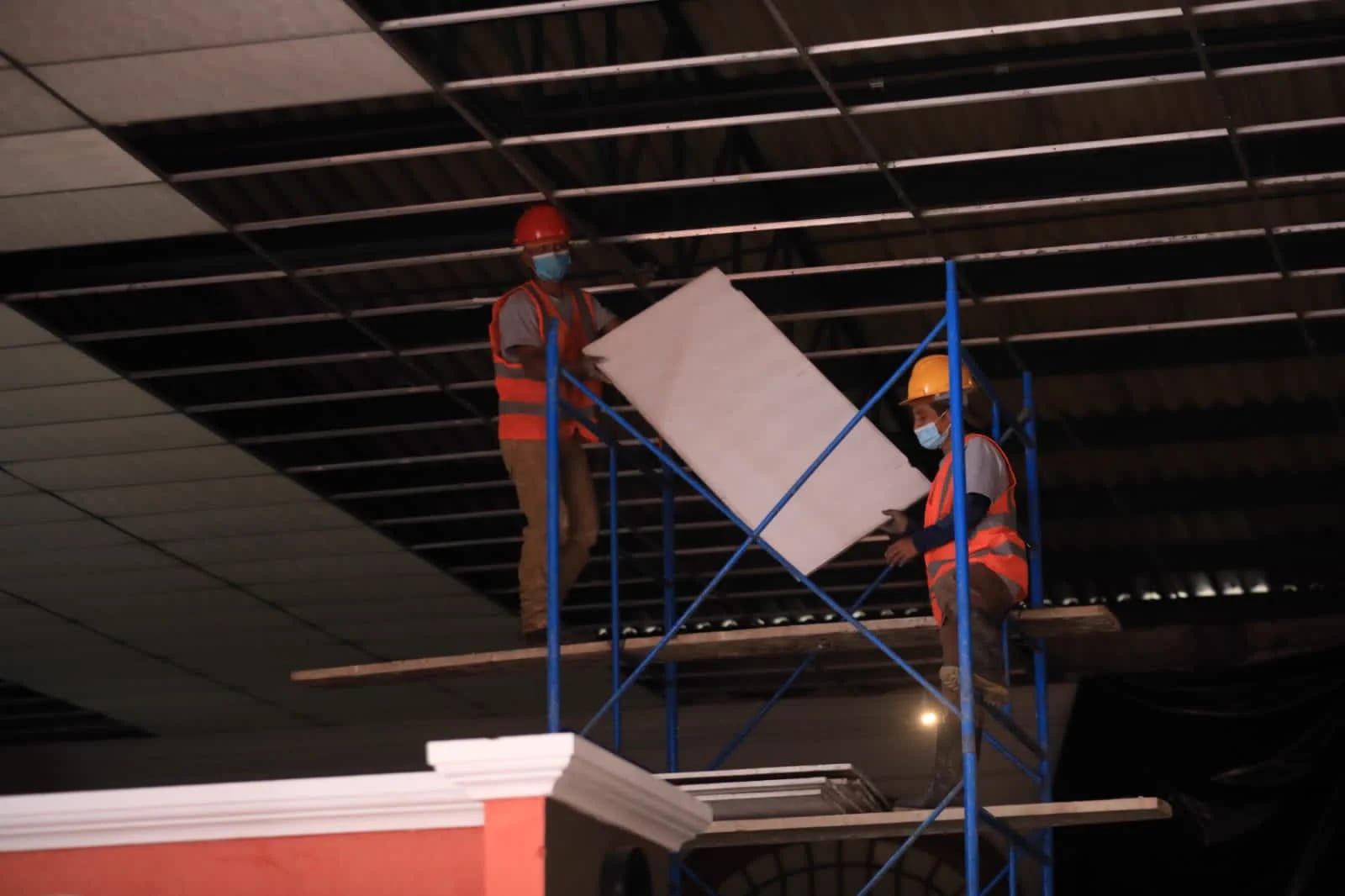
Según el MCD, esas condiciones representaban riesgos para la preservación de las piezas y obligaron a diseñar una recuperación integral. El proceso no se limitó a reparar las instalaciones afectadas en 2022, sino que incorporó tareas de conservación y una reorganización de los espacios de exhibición.
La recuperación del inmueble cuenta con el acompañamiento de personal especializado de la Dirección de Conservación y Restauración de Bienes Culturales (DECORBIC). Esta dependencia participa en las labores de restauración del edificio, que alberga parte de la colección de arte moderno guatemalteco.
A la vez, el Departamento de Conservación y Restauración de Bienes Culturales Muebles (CEREBIEM) desarrolla diagnósticos, procesos de desinfección y medidas de conservación preventiva para las obras.
Entre los procedimientos previstos figura el uso de una cámara de anoxia, un tratamiento especializado que permite controlar agentes que pueden afectar los bienes culturales.
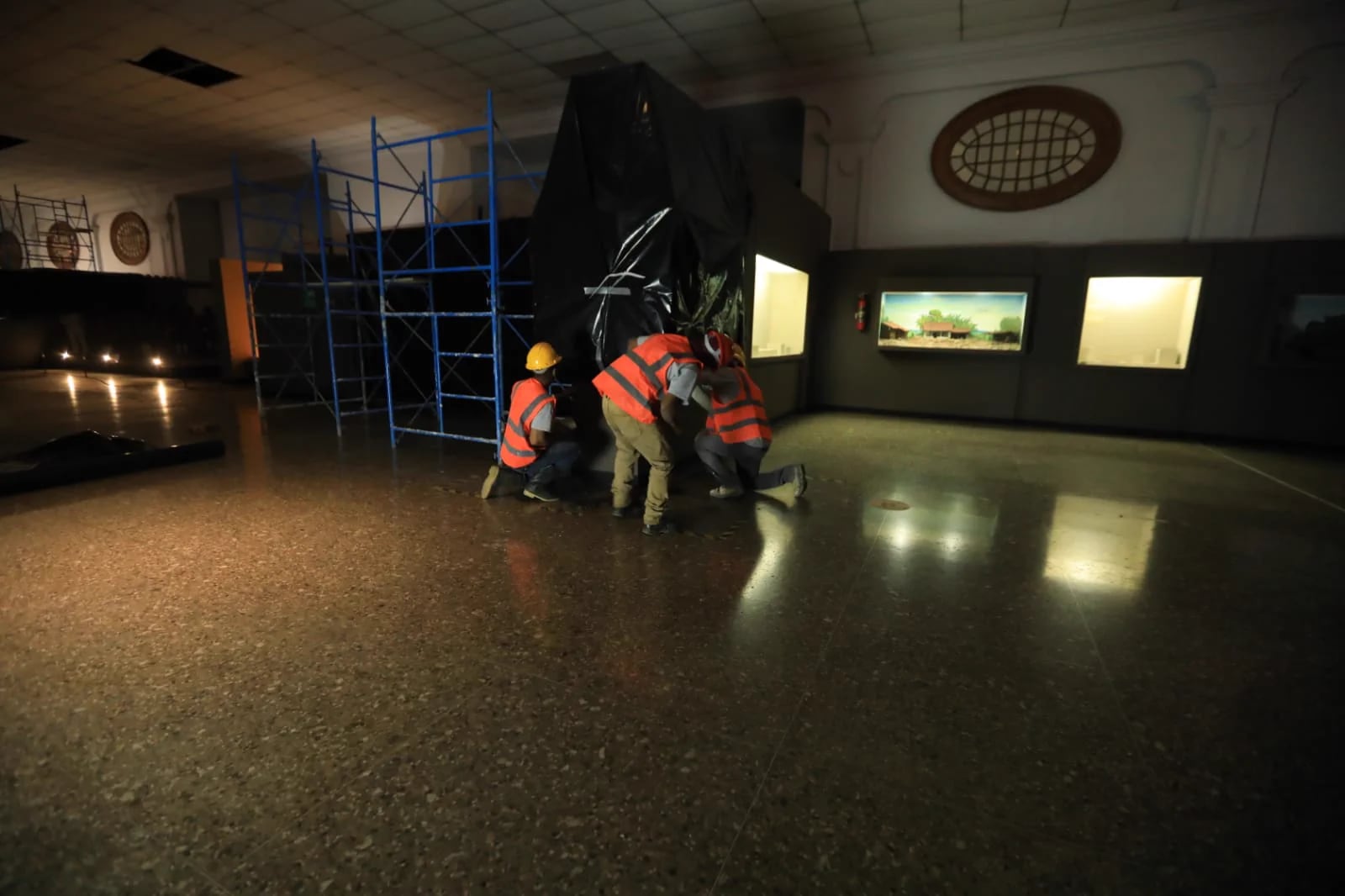
La primera etapa abrirá salas de la exposición permanente
La primera fase de reapertura está prevista para enero de 2027. Incluye la habilitación de las primeras salas de la exposición permanente y la continuidad de las labores de conservación de la colección.
El objetivo de esta etapa es recuperar un espacio para la exhibición pública del arte guatemalteco mientras avanzan las obras en otras áreas del museo. La apertura será gradual, por lo que el resto del inmueble continuará bajo intervención después del regreso inicial de los visitantes.
La segunda fase contempla la remodelación del sistema de iluminación, la impermeabilización de la terraza y la apertura de salas para exhibiciones temporales. Estas tareas buscan ampliar las condiciones de uso del edificio y corregir aspectos que incidían en el cuidado de las obras.
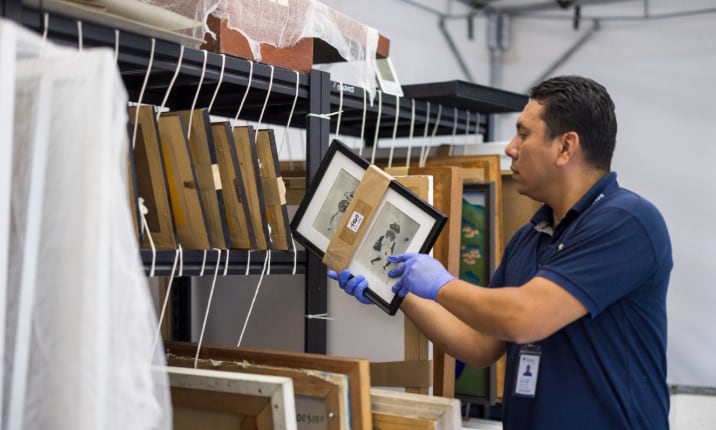
La tercera y última etapa prevé concluir la restauración del inmueble, construir una biblioteca e implementar un programa de conservación y restauración para las piezas de la colección. El proceso combinará obras físicas y acciones permanentes de preservación del acervo.
Una nueva museografía buscará reorganizar el recorrido
El plan incluye una nueva propuesta arquitectónica y museográfica con el apoyo de la Agencia Española de Cooperación Internacional para el Desarrollo (AECID). La iniciativa apunta a mejorar la distribución de los espacios, las condiciones de exhibición y el recorrido de los visitantes, sin modificar las características patrimoniales del inmueble.
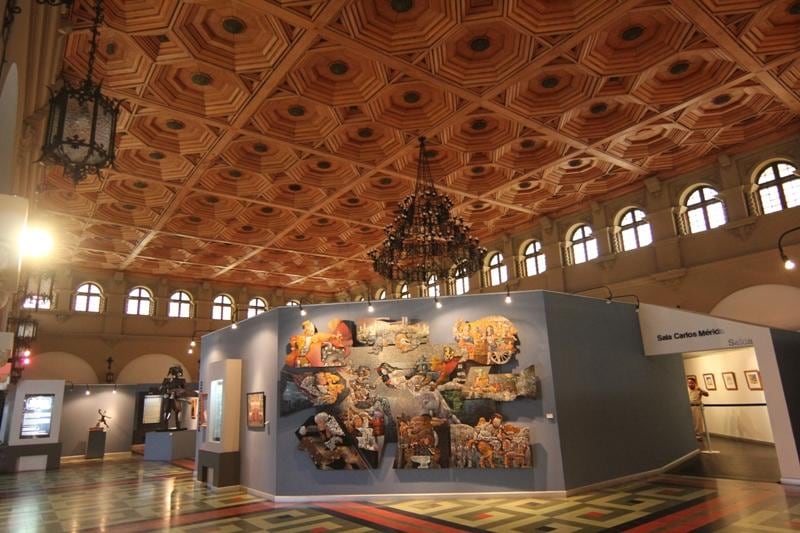
También se actualiza el guion curatorial de la exposición permanente. La nueva organización procurará presentar distintas etapas y expresiones del arte guatemalteco mediante un recorrido distinto al que ofrecía la museografía anterior.
Con la apertura inicial prevista para enero de 2027, el MUNAM retomará de forma parcial su actividad pública mientras continúan los trabajos en las áreas pendientes del edificio y en la conservación de sus colecciones.
Guatemala,Museo Nacional de Arte Moderno Carlos Mérida,Patrimonio cultural,Museos,Museo de Arte Moderno

Estudiantes de La Plata e Independiente Rivadavia disputarán la Supercopa Argentina: hora, TV y todo lo que hay que saber

El Gobierno advirtió que podría iniciar acciones penales contra las petroleras británicas en Malvinas – Nexofin

La FIFA inspeccionó el Santiago Bernabéu en una visita clave para el Mundial 2030

La visita del papa León XIV movilizó el turismo en la Ciudad de Buenos Aires: cuál fue el impacto económico

Mauro Icardi declaró tras la denuncia por lesiones a su hija con Wanda Nara: su polémico pedido ante el fiscal

Llaman a debatir la eliminación de las PASO y se profundiza la interna en el oficialismo en el Senado

La queja de Yanina Latorre tras asistir al VIP de la misa del papa León XIV: “Estuve al rayo del sol haciendo nada y…”

Así fue el saludo entre Javier Milei y el papa León XIV en Aeroparque tras la llegada a la Argentina

Elecciones desdobladas y lejos de las nacionales: la estrategia de los gobernadores patagónicos en 2027

Cuándo volverá a correr Franco Colapinto en la Fórmula 1 tras su participación en el GP de Brasil

 CHIMENTOS3 días ago
La queja de Yanina Latorre tras asistir al VIP de la misa del papa León XIV: “Estuve al rayo del sol haciendo nada y…”
- SOCIEDAD2 días ago
PILIPOM: UNA NUEVA HERRAMIENTA EDUCATIVA PARA QUE LOS MÁS CHICOS APRENDAN JUGANDO
- SOCIEDAD1 día ago
Papa León XIV en la Argentina, EN VIVO: la misa en Luján y la despedida en Ezeiza hoy, minuto a minuto