
INTERNACIONAL
Anti-cartel candidate ‘The Tiger’ channels Trump and Bukele in Colombia election shocker


NEWYou can now listen to Fox News articles!
Colombia’s first-round presidential election, won by tough-talking conservative Abelardo de la Espriella, signaled what analysts describe as a growing backlash across Latin America against leftist governments.
The presidential election could carry significant implications for U.S. interests in the region, including drug trafficking, migration and regional stability, as voters increasingly prioritize security, counternarcotics policies and economic stability ahead of a June 21 runoff between de la Espriella and leftist candidate Ivan Cepeda.
«For the Trump administration, a Colombia that recommits itself to security cooperation, counternarcotics efforts, and stronger democratic institutions would be a major win and an important step forward towards restoring stability across the Western Hemisphere,» Melissa Ford Maldonado of the America First Policy Institute (AFPI) told Fox News Digital from Colombia.
ANTI-CARTEL HARDLINER CHANNELS TRUMP IN BID TO END COLOMBIA’S LEFTIST ERA IN PIVOTAL ELECTION
Colombian presidential candidate Abelardo De La Espriella of the political movement Defenders of the Homeland reacts after the results of the first round of the presidential election, in Barranquilla, Colombia May 31, 2026. (Sergio Acero/reuters )
«What happens in Colombia affects the flow of drugs into American communities, the strength of transnational criminal networks, migration pressures and the broader balance between democratic governments and criminalized regimes throughout the region,» she added.
The first-round winner, de la Espriella, a conservative lawyer and political outsider known as «El Tigre» («The Tiger»), has emerged as the face of Colombia’s security-focused shift.
An admirer of President Donald Trump and El Salvador’s President Nayib Bukele, won 43.7% of the vote Sunday, outperforming most polls and advancing to a runoff against left-wing Cepeda, the candidate backed by President Gustavo Petro.
His campaign has centered on a hardline crackdown on criminal organizations, which he argues have flourished under Petro’s «Total Peace» policy.

Supporters of Colombian presidential candidate Abelardo De La Espriella of the political movement Defenders of the Homeland react to the results of the first round of the presidential election, in Barranquilla, Colombia May 31, 2026. (Charlie Cordero/Reuters)
In an interview with the Associated Press, de la Espriella pledged to open mega-prisons and take a far more aggressive approach toward criminal groups. «Criminals will either surrender or leave the country,» he said.
The vote comes as Colombia faces rising violence, expanding criminal organizations and growing criticism of President Gustavo Petro’s «Total Peace» strategy, which sought negotiations with armed groups and criminal networks.
AT LEAST 80 PEOPLE KILLED IN NORTHEAST COLOMBIA AS PEACE TALKS FAIL, OFFICIAL SAYS
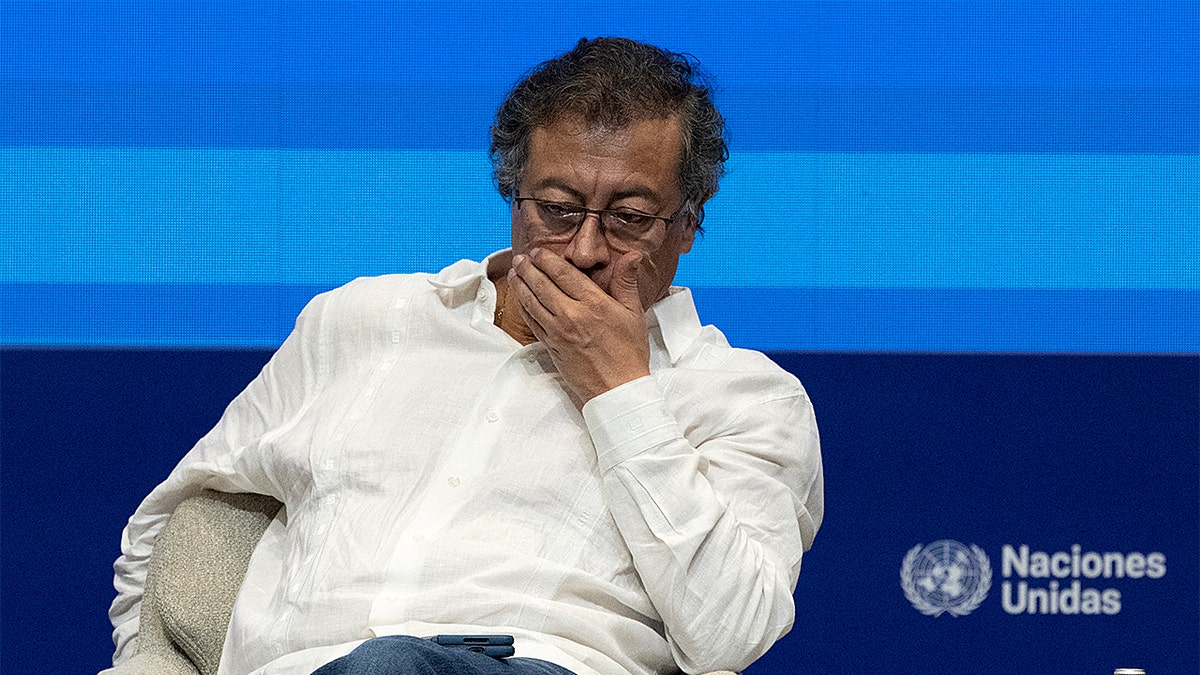
Colombia’s President Gustavo Petro attends the COP16 Summit in Cali, Valle del Cauca, on Oct. 29, 2024. (Luis Acosta/AFP)
«Colombia heads into a June 21 runoff with armed groups controlling vast stretches of the country, a failed ‘Total Peace’ negotiating strategy leaving communities more exposed than when it began, and a Venezuelan refugee crisis that has overwhelmed the state’s already thin capacity to govern its own territory,» Daniel Swift, senior research analyst at the Foundation for Defense of Democracies told Fox News Digital.
Maldonado said Colombia’s election reflects a wider political shift taking place across Latin America.
«This election is part of a broader trend across Latin America, where voters are increasingly rejecting the failed promises of the left in favor of security, sovereignty and economic opportunity,» she said.
ECUADOR’S PRESIDENTIAL ELECTION GOES TO RUNOFF BETWEEN CONSERVATIVE INCUMBENT, LEFTIST LAWYER
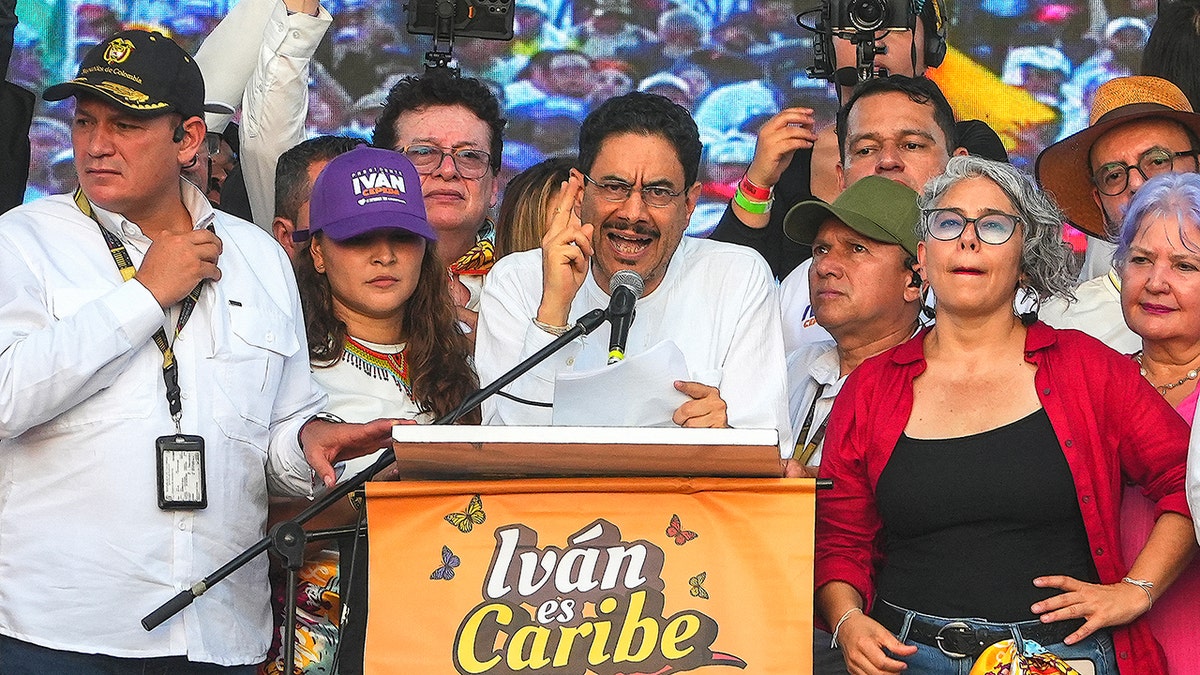
Colombia’s presidential candidate Ivan Cepeda of the Pacto Historico party speaks to supporters during his final campaign rally in Barranquilla, Atlántico department, on May 24, 2026. (Vanessa Romero/AFP)
«We’ve seen it in Argentina, Ecuador, Bolivia, Chile, Honduras, Costa Rica and now increasingly in Colombia.»
Swift agreed the election results reflect a broader regional trend.
He said with de la Espriella outperforming «every poll, with security at the top of every voter’s mind — confirms that Colombia is part of a broader regional reckoning: Latin Americans are losing patience with governments that cannot provide security,» Swift said.
Maldonado said the results reflected mounting frustration with the country’s direction under Petro.
CLICK HERE TO DOWNLOAD THE FOX NEWS APP

A supporter of Colombia’s presidential candidate for the Defensores de la Patria party, Abelardo de la Espriella, takes a selfie as she awaits his arrival to his last campaign rally in Barranquilla, Colombia, on May 23, 2026. (Vanessa Romero/AFP via Getty Images)
«Years of growing insecurity, rising coca cultivation, expanding criminal organizations, and concessions to armed groups have left many Colombian people frustrated with the direction of the country,» she added.
The June 21 runoff is expected to focus heavily on security policy, organized crime and Colombia’s future relationship with the United States under the Trump administration. Maldonado argues it «offers Colombia an opportunity to begin reversing course and reestablish a principle that should have never been up for debate: criminal organizations should be confronted, not negotiated with.»
colombia, elections, latino, national security










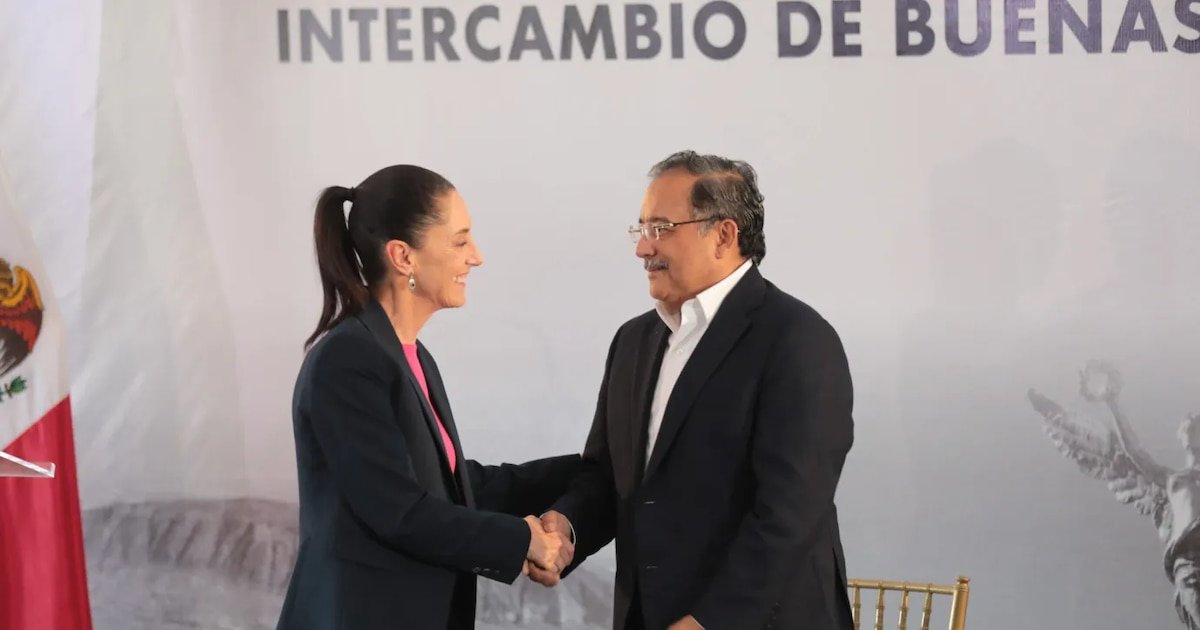
Durante las últimas semanas he recorrido Nuevo León de punta a punta. He estado en ciudades industriales, comunidades rurales, ejidos y cabeceras municipales. He escuchado a trabajadores, madres de familia, empresarios, productores, comerciantes y jóvenes. Y en todos esos kilómetros encontré una misma realidad: en nuestro estado, la distancia no siempre se mide en kilómetros. A veces se mide en abandono.
Hay lugares a los que el gobierno llega con discursos, pero no con médicos. Comunidades a las que les prometieron agua en las redes sociales y todavía dependen de un pozo. Municipios donde los jóvenes tienen que irse porque el empleo, la educación y las oportunidades se concentran lejos de su casa. Familias que ven cómo se anuncian grandes obras mientras los servicios más elementales siguen sin funcionar.
En El Salitre, Zaragoza, encontramos un dispensario sin lo necesario para atender a la gente. En Las Palomas, Mier y Noriega, las familias siguen esperando la red de agua potable que les prometieron. En Presa de Maltos, Doctor Arroyo, escuchamos a una comunidad que rara vez recibe la visita de las autoridades estatales. En Mina, Marín, Cerralvo, Anáhuac y tantos otros municipios se repite la misma pregunta: ¿cuándo nos va a tocar a nosotros?
Esa pregunta debería incomodarnos a todos. Nuevo León no puede presumir crecimiento si ese crecimiento no llega a la vida diaria de las familias. No puede hablar de prosperidad mientras una madre busca medicamentos que no encuentra, un estudiante abandona su comunidad para continuar sus estudios o un trabajador pierde horas enteras atorado en el tráfico o esperando un camión para llegar a su empleo.
Lo que hemos encontrado no es solamente una lista de carencias. Es el resultado de gobernar sin una visión completa del estado. Durante demasiado tiempo se pensó que atender Nuevo León era atender sólo una parte de la Zona Metropolitana. Y aun dentro de ella, el tráfico, la contaminación, la falta de agua y las obras inconclusas demuestran que tampoco basta con inaugurar proyectos o acumular anuncios.
Gobernar es planear, coordinar, terminar y cumplir. Y yo sé lo difícil que es gobernar porque ya lo he hecho en condiciones complejas, con limitaciones reales y problemas que no desaparecen con una publicación en redes sociales. También sé que, con capacidad, honestidad y trabajo constante, sí se pueden obtener resultados concretos en las cosas que importan a las familias.
Cuando enfrentamos la inseguridad, profesionalizamos a la policía. Cuando faltaban oportunidades, facilitamos la inversión sin extorsionar a quien quería producir y generar empleo. Cuando la burocracia frenaba el crecimiento, digitalizamos los trámites, porque las computadoras no piden moche. Cuando el crecimiento acelerado debilitó la convivencia, llevamos educación, cultura, deporte y trabajo comunitario a las colonias para reconstruir el tejido social.
No son recetas que puedan copiarse mecánicamente de un municipio a todo el estado. Sin embargo, sí son pruebas de algo más importante: los problemas difíciles se enfrentan con método, coordinación y capacidad. Y los resultados aparecen cuando el gobierno deja de improvisar y se concentra en cumplir.
Ésa es la esencia de la 4T Norteña: capacidad realista.
Y la Presidenta ha marcado un rumbo al que ese realismo debe aplicarse sin titubeos fortalecer la industria nacional, atraer inversiones, generar empleos y hacer que la prosperidad alcance a quienes durante años fueron dejados atrás.
Eso exige dejar de administrar al estado como si fuera una colección de municipios aislados. Necesitamos coordinación metropolitana, planeación regional y una verdadera alianza entre gobierno, empresas, universidades, trabajadores, campo y sociedad civil. También exige cambiar la manera de recorrer y escuchar. No basta llegar, tomarse una fotografía y seguir adelante. Cada visita debe dejar un problema entendido, una solución viable y un compromiso que pueda medirse.
La cercanía no consiste en estar un día junto a la gente. Consiste en regresar con resultados. Por eso, después de recorrer el estado, mi convicción es más firme: no hay dos Nuevo León, uno moderno y otro condenado al olvido; existe un solo Nuevo León y debe avanzar unido. El progreso de la zona industrial tiene que abrir oportunidades en el campo; la inversión metropolitana debe fortalecer las regiones; y cada peso público debe convertirse en agua, seguridad, movilidad, salud, educación y futuro.
Lo que encontramos en el camino duele, pero también obliga. Frente al abandono, presencia. Frente a la improvisación, capacidad. Frente a la promesa, cumplimiento. Y frente a un crecimiento que deja gente atrás, la Transformación.
Nuevo León no necesita que le cuenten otra historia. Necesita un gobierno con los pies en la tierra, que conozca sus problemas, que sepa enfrentarlos y que convierta el rumbo de la Presidenta en resultados para cada familia, desde la Zona Metropolitana hasta la comunidad más apartada.
Porque nadie vive demasiado lejos en el ejido más remoto, se esfuerza en la colonia más compleja o emprende en la empresa recién instalada, cuando el gobierno entiende que su primera obligación es llegar con resultados.
*El autor es Alcalde, con licencia, del Municipio de General Escobedo y aspirante a Coordinador de la Defensa de la Transformación y la Soberanía Nacional en Nuevo León, México.
INTERNACIONAL
A días del inicio de las maniobras anuales Han Kuang, Taiwán aseguró que la cooperación militar con EEUU supera lo imaginado

Taiwán aseguró que los intercambios militares con Estados Unidos son “estrechos” y se desarrollan en “todos los niveles”, a pocos días del inicio de la fase con fuego real de las maniobras Han Kuang, los ejercicios anuales de las Fuerzas Armadas taiwanesas destinados a evaluar la preparación de la isla ante un eventual intento de invasión por parte del régimen de China. Las declaraciones pertenecen al ministro de Defensa, Wellington Koo, y fueron publicadas este lunes por la agencia oficial CNA.
Koo sostuvo que la cooperación entre Taipéi y Washington supera la percepción pública. “(La cooperación militar con EEUU) es incluso mayor de lo que ustedes imaginan”, afirmó el ministro durante la entrevista. Además, expresó su reconocimiento al Comando del Pacífico de Estados Unidos por su aporte al fortalecimiento de las capacidades defensivas de las fuerzas taiwanesas.
El funcionario también destacó el papel estratégico que Estados Unidos asigna a Taiwán dentro de la denominada primera cadena de islas del Pacífico, una franja geográfica que se extiende desde Japón hasta Borneo, con paso por Taiwán y Filipinas, y que constituye un elemento central de la estrategia de contención frente al régimen chino.
Según Koo, la estrategia estadounidense para el Indopacífico promueve los principios de “defensa colectiva y responsabilidad compartida”, por lo que consideró necesario que los países de la región incrementen sus presupuestos de defensa y fortalezcan sus capacidades militares para consolidar una capacidad de disuasión conjunta.
En ese contexto, el ministro planteó que un mayor nivel de preparación regional modificaría los cálculos estratégicos de Beijing. “Una vez que se consolide esa postura de disuasión colectiva, cuando el líder del Partido Comunista chino (PCCh), Xi Jinping, quiera adoptar medidas que socaven la paz en el estrecho, los cálculos que deberá sopesar se volverán extremadamente complejos”, sostuvo.

Las declaraciones también incluyeron referencias al proceso de modernización de las Fuerzas Armadas de Taiwán. El jefe del Departamento de Planificación Estratégica del Ministerio de Defensa, Huang Wen-chi, explicó que buena parte de la cooperación bilateral permanece bajo reserva, aunque aseguró que sus resultados pueden apreciarse en la preparación de las tropas.
“Si bien los intercambios entre ambas partes no pueden hacerse públicos, basta con observar cómo adiestraban las tropas taiwanesas hace cinco años y cómo lo hacen ahora para hacerse una idea de todo lo que han aprendido”, señaló Huang.
El funcionario agregó que las modificaciones implementadas en la preparación militar responden a objetivos concretos. “Todos ellos son cambios concretos fruto del entrenamiento orientado al combate real”, afirmó.
Las manifestaciones de ambos funcionarios se conocieron dos días antes del comienzo de la etapa con fuego real de las maniobras Han Kuang, consideradas los principales ejercicios militares anuales de Taiwán. Los simulacros buscan comprobar la capacidad operativa de las fuerzas de la isla frente a distintos escenarios de conflicto, incluido un eventual intento de invasión por parte del régimen chino.
En los últimos años, el Gobierno taiwanés incrementó el presupuesto destinado a Defensa como respuesta a la creciente presión militar de Beijing. La dictadura china considera a Taiwán una “parte inalienable” de su territorio y sostiene que la reunificación constituye un objetivo irrenunciable. Las autoridades chinas tampoco descartan el uso de la fuerza para asumir el control de la isla.

La relación entre Washington y Taipéi constituye uno de los principales factores de tensión entre Estados Unidos y China. Aunque Estados Unidos no mantiene relaciones diplomáticas formales con Taiwán, permanece como el principal proveedor de armamento de la isla y conserva una política que contempla la posibilidad de asistirla en caso de un conflicto con China.
(Con información de EFE)
Asia / Pacific,Defense,KAOHSIUNG
NEWYou can now listen to Fox News articles!
Acting Attorney General Todd Blanche moved closer to Senate confirmation Sunday after formally rescinding a controversial $1.8 billion «anti-weaponization fund» and narrowing tax protections included in President Donald Trump’s IRS settlement.
A spokeswoman for Sen. John Cornyn, R-Texas, confirmed an agreement had been reached after Cornyn and Sen. Thom Tillis, R-N.C., held up Blanche’s nomination. The agreement could clear the way for Cornyn to support Blanche at a Senate Judiciary Committee meeting Tuesday. Tillis had not publicly commented on the agreement as of Sunday night.
The committee is scheduled to vote on the nomination Tuesday, needing all Republicans on board to counter Democrats, who remain entirely opposed to Blanche’s confirmation. An earlier committee vote was postponed after Cornyn and Tillis said they needed a written commitment from the administration.
Blanche formally met the senators’ demands by terminating the fund and clarifying that tax-related protections in the settlement apply only retroactively and do not cover future tax filings.
TRUMP BLASTS ROGUE GOP SENATORS FOR BLOCKING BLANCHE NOMINATION, VOWS ANTI-WEAPONIZATION BILL FIGHT
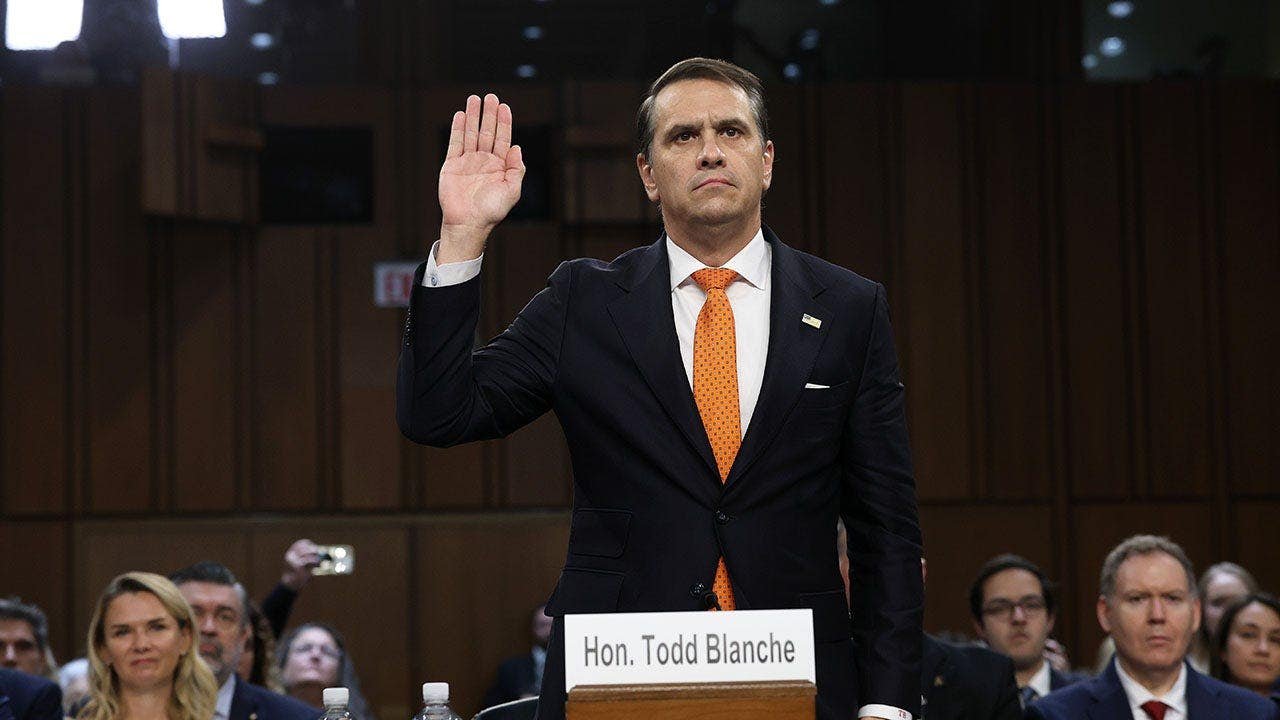
Acting Attorney General Todd Blanche is sworn in during his confirmation hearing before the Senate Judiciary Committee on Capitol Hill in Washington, D.C. (Win McNamee/Getty Images)
The fund never became operational: no members were appointed, no money was transferred, no claims process was established and no payments were made, according to the Justice Department.
«My team and I have met with committee members and Senators over the past several weeks and addressed any concerns or outstanding questions,» Blanche said in a post on X Sunday.
«We have enjoyed good faith discussions, and as a result issue the following order and update with regard to the May IRS settlement. The Department always welcomes and appreciates productive engagement with all members of Congress,» he added.
Blanche’s order formally rescinded the May 18 directive establishing the fund and clarified that tax-related protections in the settlement apply only retroactively, not to future filings.
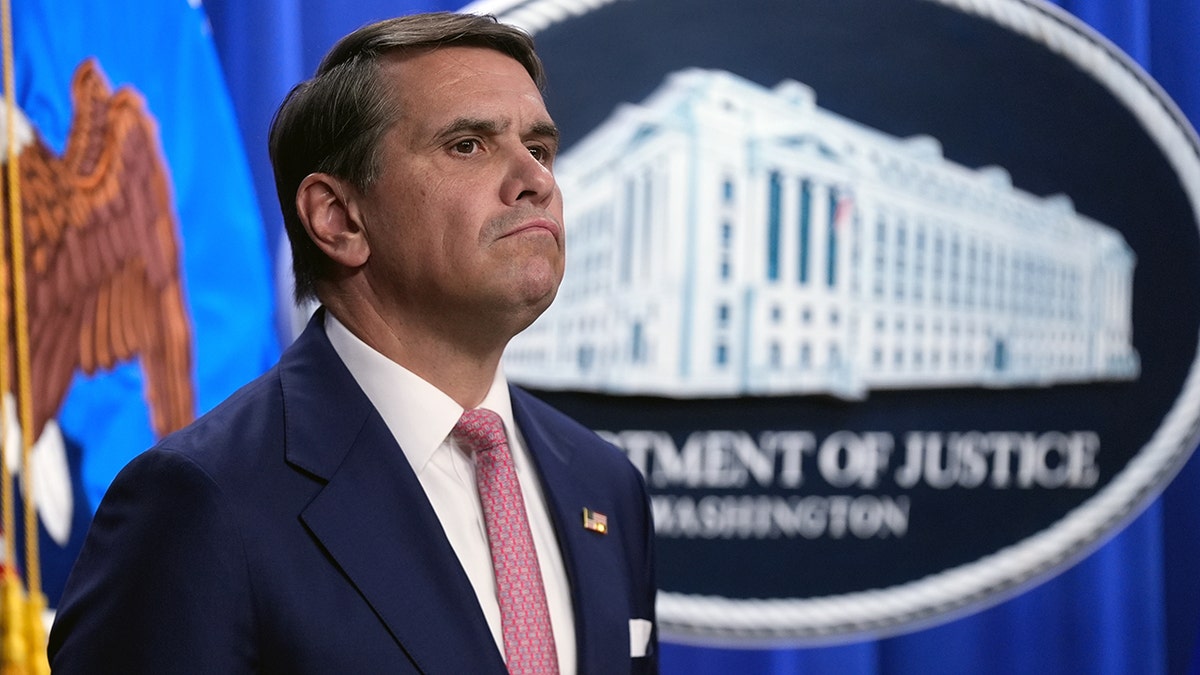
Acting Attorney General Todd Blanche listens during a news conference at the Justice Department on Wednesday, July 1, 2026, in Washington, D.C. (Manuel Balce Ceneta/AP)
Cornyn and Tillis had sought the commitment in writing amid concerns that the fund could be revived, particularly as Trump continued to publicly support the idea. Lawmakers had also raised concerns that people convicted in connection with the Jan. 6, 2021, Capitol riot could be eligible for payments.
«Sen. Cornyn has reached an agreement with the Department of Justice, which will be issuing a formal order permanently terminating the anti-weaponization fund and making clear in a binding written document that the scope of the audit settlement is limited to only the plaintiffs, including the President, and the IRS,» Natalie Yezbick, a Cornyn spokesperson, told Politico.
Tillis had not announced whether the agreement was enough to secure his support.
Tills is expected to follow Cornyn in backing Blanche on Tuesday after saying on Saturday, before the agreement was reached, that Trump «clearly intends to resurrect the payout pot for punks either by inappropriately establishing another bogus fund or pushing Congress to vote for a bill that the majority of Republicans in the Senate would be against.»
TRUMP THREATENS TO YANK HIS OWN AG NOMINEE AS GOP REVOLT GROWS

Sen. John Cornyn, R-Texas, talks with Sen. Thom Tillis, R-N.C., during a Senate Finance Committee hearing in the Dirksen Senate Office Building on Capitol Hill on July 30, 2026, in Washington, D.C. (Win McNamee/Getty Images)
«It’s unfortunate that Todd Blanche, who I consider qualified for the job, will not be confirmed because of this reversal. Hopefully, we can resolve this by Tuesday,» Tillis said at the time.
Blanche has been serving as acting attorney general since he took over for Pam Bondi in April.
Senate Republicans hope to advance Blanche’s nomination before the end of the week.
todd blanche, justice department, politics, donald trump

El Gobierno acordó cambios en el proyecto de Propiedad Privada para destrabar el tratamiento en el Senado

Lali Espósito se confesó con Rosalía en Argentina, recordó al ex que incendió un hotel y le declaró: “Este pueblo te ama”

Central Córdoba vs San Lorenzo: formaciones, hora y dónde ver por tv

Vuelven las lluvias y el frío al AMBA: día por día, cómo estará el tiempo esta semana

Nuevo León no está lejos

Otorgaron un bono de 50 mil pesos para las Fuerzas Armadas y de seguridad federal

“Vamos a acelerar con todo”: el objetivo del Gobierno por las reformas y la agenda electoral de cara al 2027

Reelecciones indefinidas: el oficialismo bonaerense niega que busque ampliar la Legislatura como parte de una reforma política para beneficiar a los intendentes

“Casta”, “parásito” y “sea democrático”: fuerte respuesta de Victoria Villarruel a Diego Santilli

Dem senator swipes credit for bill he opposed amid heated reelection bid: ‘Disturbing pattern’
-
 POLITICA21 horas ago
“Vamos a acelerar con todo”: el objetivo del Gobierno por las reformas y la agenda electoral de cara al 2027
-
 POLITICA10 horas ago
Reelecciones indefinidas: el oficialismo bonaerense niega que busque ampliar la Legislatura como parte de una reforma política para beneficiar a los intendentes
-
 POLITICA2 días ago
“Casta”, “parásito” y “sea democrático”: fuerte respuesta de Victoria Villarruel a Diego Santilli