INTERNACIONAL
Aprehenden a 23 personas señaladas de integrar una presunta red de falsificación y venta de diplomas en Panamá

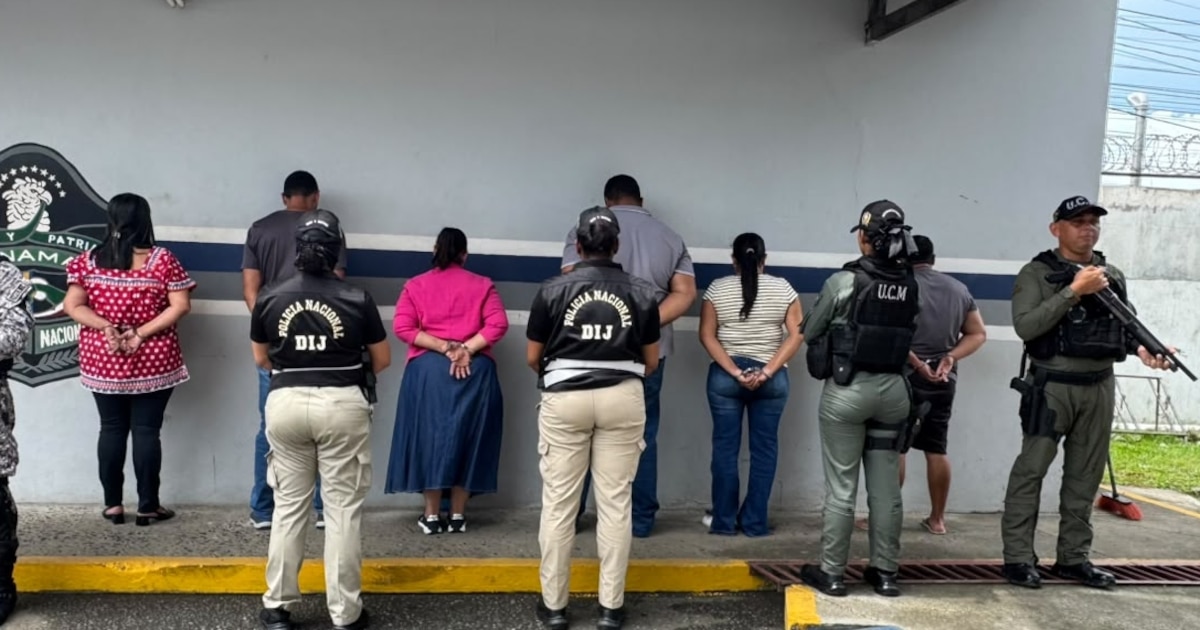
La Policía Nacional de Panamá aprehendió a 23 personas señaladas de integrar una red dedicada a la venta ilegal de plazas de trabajo en el Ministerio de Educación (Meduca) y a la falsificación de diplomas y otros documentos académicos.
Entre los detenidos figuran funcionarios administrativos, docentes, exdocentes y particulares. Todos permanecen a disposición de las autoridades competentes tras el operativo, denominado Credenciales 2.0.
La Dirección de Investigación Judicial (DIJ), en coordinación con el Ministerio Público, ejecutó más de 25 diligencias de allanamiento de manera simultánea.
Los procedimientos se desarrollaron en las provincias de Panamá Oeste, Bocas del Toro, Chiriquí, Veraguas y Los Santos.
La Operación Credenciales 2.0 es un operativo policial y judicial en Panamá que derivó en la aprehensión las personas descritas por su presunta vinculación con la venta irregular de plazas docentes en el Meduca y la falsificación de diplomas usados para ejercer funciones educativas sin cumplir los requisitos exigidos.
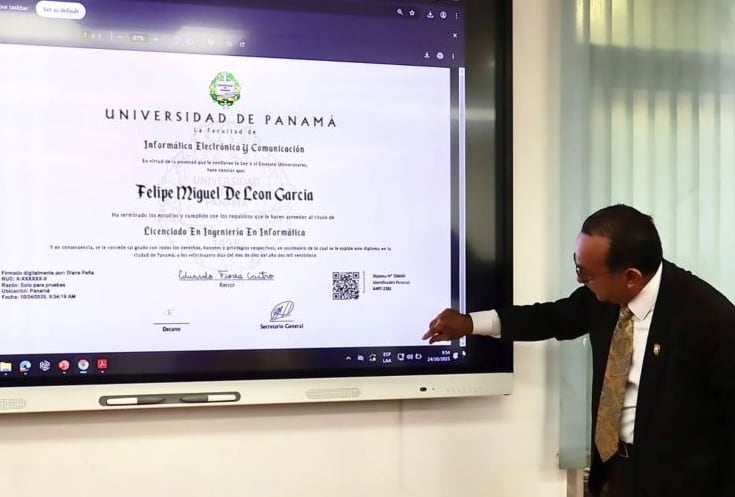
La estructura investigada habría operado con un esquema doble. Por un lado, comercializaba de forma irregular plazas laborales dentro del Meduca.
Por otro, falsificaba diplomas y certificados que servían para acreditar a personas que, según las sospechas, ejercían funciones docentes sin contar con la formación requerida.
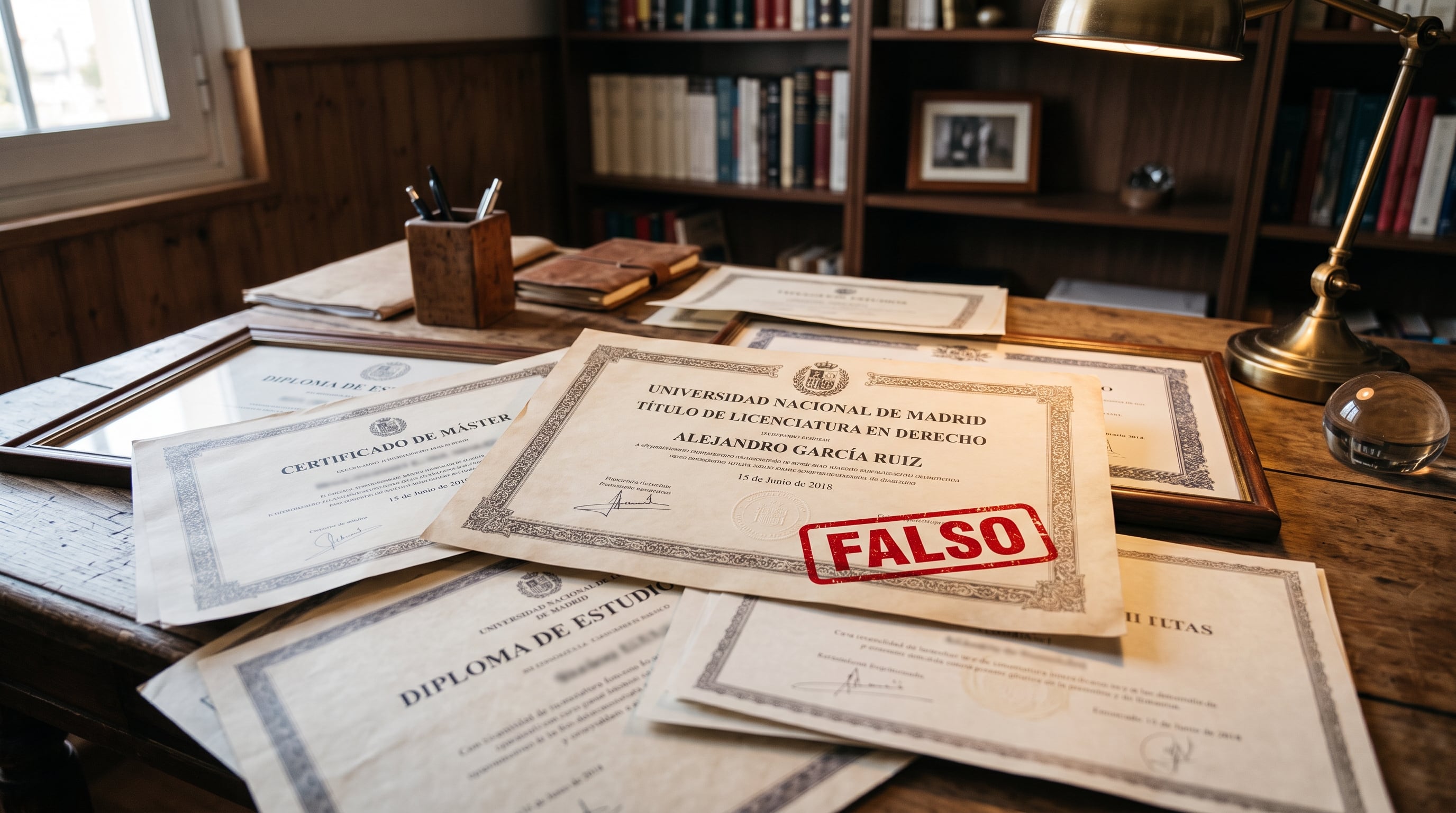
Durante las diligencias, los investigadores recabaron diversos indicios de interés para el expediente. Entre los elementos incautados hay diplomas, certificados y otros documentos vinculados a la presunta falsificación.
Ese material quedó a disposición de la causa para su análisis dentro del proceso judicial en curso.
Las personas aprehendidas enfrentan investigaciones por presuntos delitos contra la fe pública, en la modalidad de falsificación de documentos.
También se les atribuyen posibles actos de corrupción de servidores públicos, encuadrados como delitos contra la administración pública.
El expediente incluye además una línea por presunto blanqueo de capitales, considerado un delito contra el orden económico. A esto se suman los señalamientos por ejercicio ilegal de la profesión y por delincuencia organizada.
La combinación de estos cargos apunta a una estructura organizada que habría operado de forma sostenida dentro del sistema educativo.
La Policía Nacional y el Ministerio Público mantienen la investigación abierta para determinar el alcance completo de la red.
El grupo de aprehendidos combina perfiles con acceso directo al sistema educativo y personas externas a la institución. Entre ellos, se reiteró que hay funcionarios administrativos del Meduca, docentes en ejercicio, exdocentes y particulares sin vínculo laboral formal con el ministerio.
Esa mezcla de perfiles sugiere, según la línea de la investigación, una red que habría combinado el acceso interno a los procesos de nombramiento con la producción externa de documentación falsa. Las autoridades no precisaron cuántas personas corresponden a cada categoría dentro del total de aprehendidos.
En su primera etapa de investigación la operación se llamó Credenciales 1.0 y dejó más de 15 personas aprehendidas por su presunta vinculación con una organización dedicada a confeccionar y vender títulos, créditos y diplomas falsos utilizados para obtener cargos dentro del sistema educativo público.
Las autoridades efectuaron en esa oportunidad más de 21 allanamientos autorizados judicialmente y advirtieron que las diligencias continuaban.
Durante los allanamientos, los investigadores decomisaron diplomas, facturas y equipos tecnológicos que serán sometidos a análisis. La Fiscalía buscaba establecer cómo funcionaba la supuesta estructura, quiénes elaboraban los documentos y qué personas pagaron para incorporarlos a sus expedientes profesionales.
Los antecedentes de esta operación se encuentran en abril de 2025, cuando la Dirección Regional de Educación de San Miguelito denunció que varios aspirantes presentaron supuestos diplomas universitarios falsos. Las instituciones consultadas confirmaron que no habían expedido esas credenciales.

En febrero de 2026, los controles incorporados al proceso de vacantes permitieron identificar aproximadamente 50 posibles irregularidades relacionadas con diplomas, según reportó Infobae.
falsificación,título universitario,fraude académico,documentos










INTERNACIONAL
El Ministerio Público de Guatemala respalda las designaciones terroristas de Estados Unidos contra las estructuras criminales de Los Lorenzana, Los Huistas y Los Mendonza
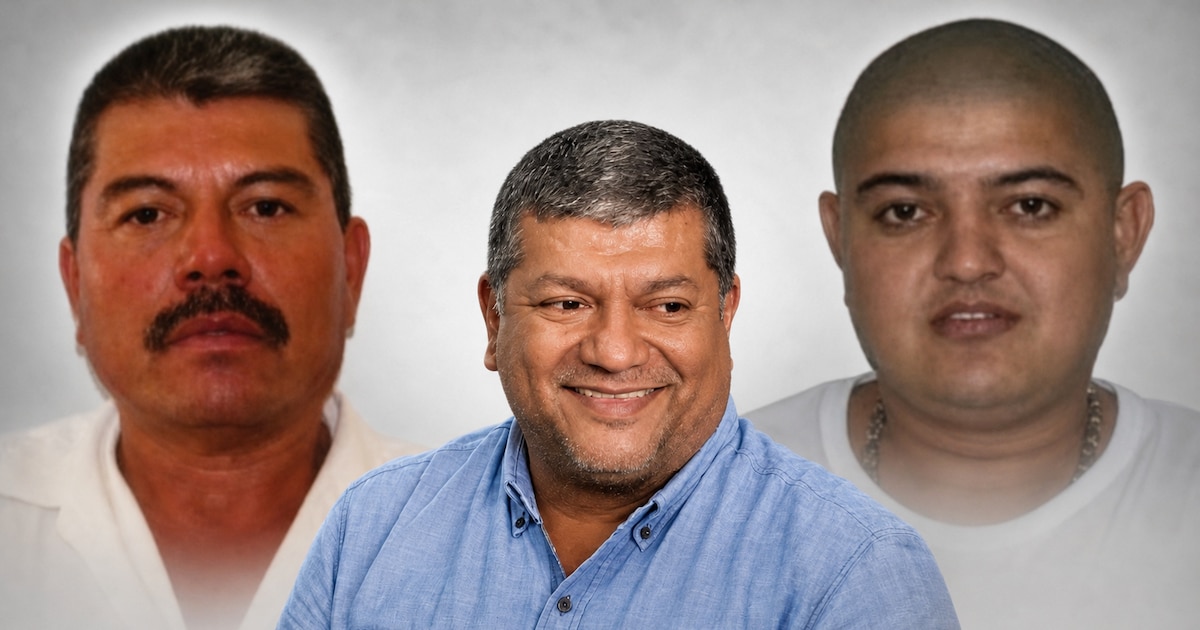
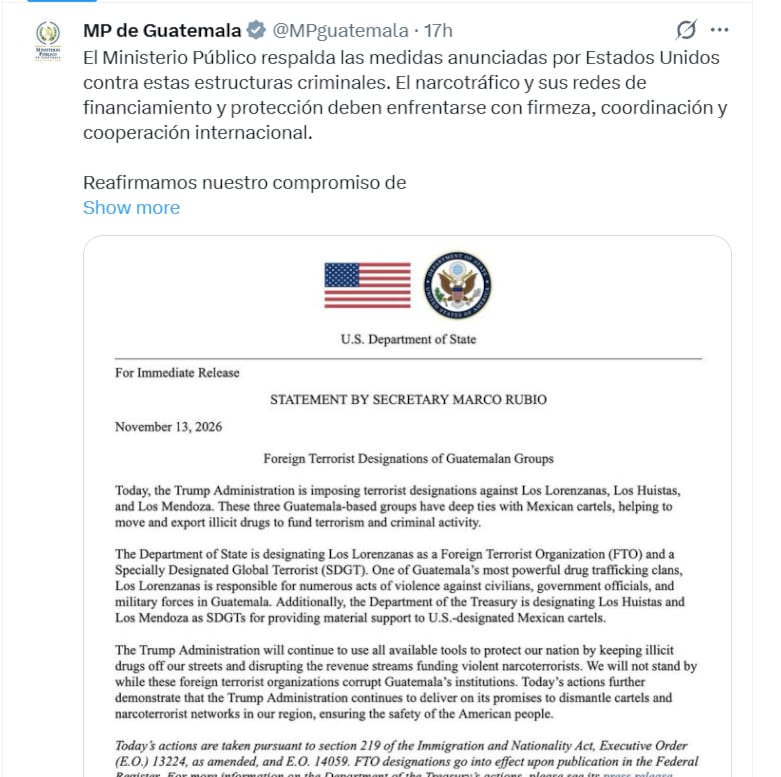
El Ministerio Público de Guatemala respaldó este viernes la designación de Lorenzana, Huistas y Mendoza como organizaciones terroristas por parte de Estados Unidos, una medida vinculada a sus presuntos nexos con cárteles mexicanos y al transporte de drogas ilícitas para financiar actividades criminales. La fiscalía sostuvo que las redes de narcotráfico, financiamiento y protección deben enfrentarse “con firmeza, coordinación y cooperación internacional”.
La coordinación de Guatemala con Washington permitió la captura de 41 personas solicitadas en extradición durante este año, la mayoría por causas de narcotráfico, y el desmantelamiento de 58 bandas criminales, según el presidente Bernardo Arévalo. El mandatario presentó esos resultados como parte de un trabajo continuo entre ambos países.
A través de sus redes sociales, la institución guatemalteca reafirmó su compromiso de investigar y perseguir penalmente a quienes integran, financian o facilitan las tres estructuras. También afirmó que la protección de la población y el combate contra la penetración del crimen organizado en las instituciones requieren actuar “sin distinciones ni privilegios, con estricto apego a la ley”.
Dos categorías de sanciones para las estructuras criminales
Estados Unidos aplicó dos clases de designaciones contra los grupos señalados. El secretario de Estado, Marco Rubio, afirmó que “estos tres grupos guatemaltecos tienen estrechos vínculos con los cárteles mexicanos y ayudan a transportar y exportar drogas ilícitas para financiar el terrorismo y la actividad delictiva”.
El Departamento de Estado clasificó a Los Lorenzana como Organización Terrorista Extranjera y como Terrorista Global Especialmente Designado, una categoría dirigida contra personas o entidades vinculadas a actividades terroristas. La cartera estadounidense justificó la doble designación por los “numerosos actos de violencia contra civiles, funcionarios gubernamentales y fuerzas militares” atribuidos al clan.
El Departamento del Tesoro incorporó a Los Huistas y Los Mendoza a la categoría de Terrorista Global Especialmente Designado por proporcionar apoyo material a cárteles mexicanos que ya habían recibido sanciones de Washington. La Oficina de Control de Activos Extranjeros relacionó a Los Huistas con los cárteles de Sinaloa y Jalisco Nueva Generación, mientras que vinculó a Los Mendoza con el cartel de Sinaloa.
Las medidas implican el bloqueo de los bienes e intereses patrimoniales de los sancionados que estén bajo jurisdicción estadounidense. También prohíben, salvo excepciones, que ciudadanos de Estados Unidos realicen transacciones con esas organizaciones.
La cooperación con Estados Unidos y las operaciones conjuntas
El Ministerio Público planteó que la relación bilateral debe traducirse en acciones para desarticular las redes criminales. La institución reiteró que, dentro de sus competencias, busca fortalecer ese esfuerzo conjunto en favor de la seguridad y la justicia de ambos países.
El pronunciamiento de la fiscalía se produjo un día después de que Arévalo vinculara las designaciones con los acuerdos de seguridad vigentes entre Guatemala y Estados Unidos. Durante su conferencia de prensa semanal, el presidente indicó que la decisión ocurrió en el marco de una reciente visita del fiscal general a Washington.
Arévalo sostuvo que la cooperación operativa con las agencias estadounidenses se multiplicó y se fortaleció desde que el Ministerio Público dejó de estar “cooptada por la corrupción”. La asistencia, detalló, incluye capacitación para fiscales y unidades especializadas, renovación de equipos operativos y fronterizos, e intercambio de inteligencia.
El presidente también mencionó la llegada a Guatemala de 14 fiscales de distintos distritos de Estados Unidos hace un mes. Consideró que esa presencia resulta poco habitual dentro de la práctica diplomática estadounidense.
La embajada de Estados Unidos en Guatemala afirmó en la red social X que la Oficina de Control de Activos Extranjeros “ha tomado medidas contra los narcoterroristas que desestabilizan el hemisferio occidental”. Arévalo citó además una declaración del Departamento de Justicia estadounidense que, según relató, define a Guatemala como “uno de nuestros grandes aliados en la lucha contra el narcotráfico”.
La nueva clasificación no alteró los mecanismos de cooperación ya existentes entre ambos países, de acuerdo con Arévalo. Guatemala y Estados Unidos mantienen acuerdos firmados, canales operativos con el FBI y reuniones entre el ministro de la Defensa guatemalteco y el Comando Sur estadounidense.
Tribunal Supremo Electoral,Guatemala,Alfonso Portillo,elecciones
INTERNACIONAL
White House lawyer’s hardball warning to Dems has legal experts on both sides questioning one key threat
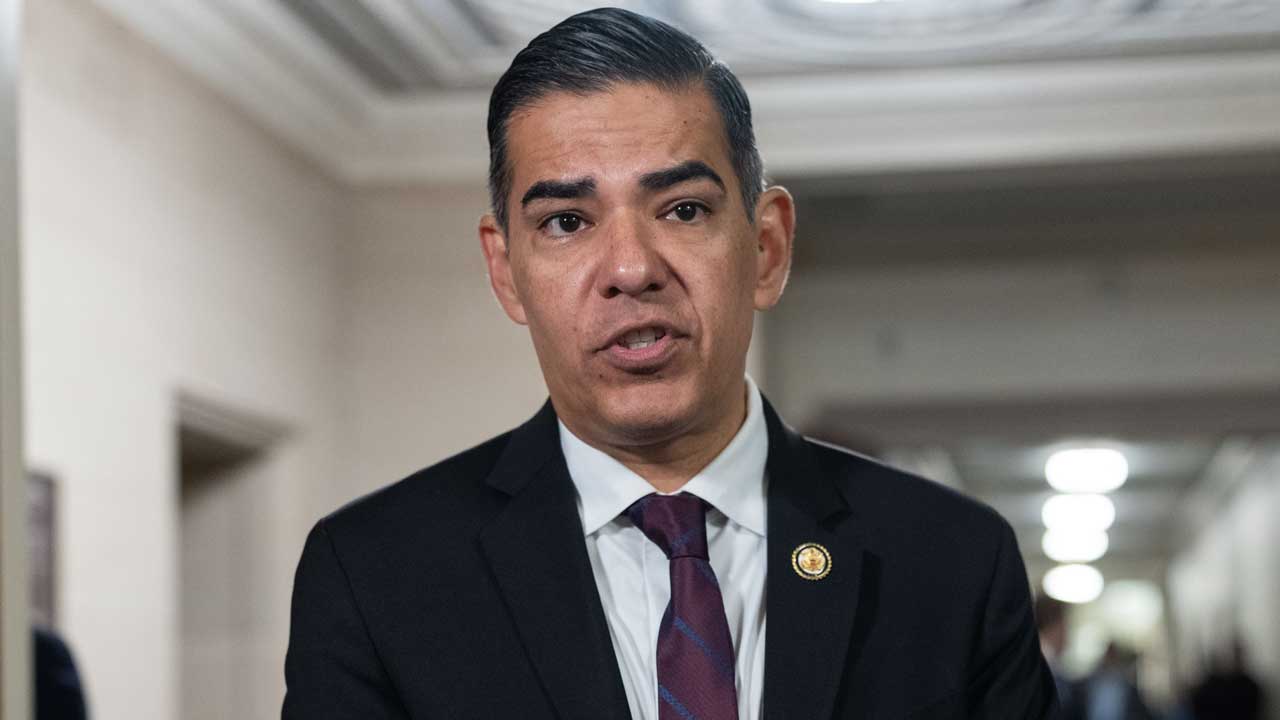
Counsel to the president William Scharf sent a letter to House Committee on Oversight and Government Reform ranking member California Democratic Rep. Robert Garcia Nov. 9, warning Democrats against running afoul of their allotted powers pertaining to investigations and subpoenas.
The letter put Democratic lawmakers on notice to remind them of the «foundational limits that the Constitution imposes on congressional investigations and subpoenas» and suggesting that their actions could cross the line of criminal misconduct. Garcia, who is poised to chair the committee next year when Democrats gain the House majority, responded to the letter suggesting that the president has «something to hide.»
Legal experts from across the political spectrum who spoke to Digital suggested that, while the White House is within its rights to challenge individual subpoenas, it faces significant obstacles if it decides to seek criminal indictments related to Garcia’s oversight activities.
«In short, the administration can assert privileges, negotiate over requests and challenge particular subpoenas through the appropriate legal process, but criminal prosecutions are, to mix metaphors, a very different animal that face a higher bar,» Ilya Shapiro, director of constitutional studies at the right-of-center Manhattan Institute, told Digital.
AG BLANCHE CLASHES WITH ANCHOR ASKING WHETHER IT’S HIS ‘JOB’ TO DEFEND THE TRUMP ADMINISTRATION
Congressional investigations also enjoy protections under the Constitution’s Speech or Debate Clause, which the Supreme Court has held shields lawmakers from judicial interference when their investigative activities fall within the legitimate legislative sphere.
Shapiro explained that Democrats who are «promising indiscriminate subpoenas are inviting challenges to their demands» as congressional committees «must act within their jurisdiction, respect witnesses’ constitutional rights and connect investigations to a legitimate legislative purpose.»
Garcia, however, maintains that his calls for investigation are totally consistent with his constitutional authority as a lawmaker.
«Let’s be clear: Congress’ authority comes from Article I of the Constitution, not from the permission of the White House. Congress has wide latitude to conduct investigations and oversight, an authority inherent in the power to legislate,» Garcia said in his statement.
«The American people voted overwhelmingly for us to pass laws to root out corruption and abuse. The Trump Administration continues to weaponize the government with threats of unconstitutional attacks on Congress. We are a co-equal branch of government and will not be deterred by baseless threats from a weaponized DOJ or from the President’s lawyers,» Garcia stated.
Scharf sent the letter a week after Democrats issued statements and social media posts on calling for subpoenas and impeachment trials for Trump administration officials after Republicans suffered a major loss during the 2026 midterms. At the time, some pointed out that Republicans used similar language to call for investigations into Democratic officials.
Hans von Spakovsky, a senior legal fellow at Advancing American Freedom and a constitutional law expert, told Digital that Scharf is correct in his assertion that Garcia’s investigations cannot be motivated by simple spite, but suggested that the White House may run into problems if they try to get criminal charges to stick.
«Scharf is correct in his citation of Watkins v. U.S. that the Supreme Court has held that congressional investigations not connected to a legitimate legislative purpose and whose only intent is harassment and trying to seize personal, private information are unconstitutional and beyond the power of Congress,» von Spakovsky wrote in an email. «Problem is that I am not sure what criminal statutes, if any, could be applied. There are statutes over harassment of federal officials, 18 U.S.C. 111, 115, but those require physical threats. What the Watkins precedent holds is that the courts cannot enforce subpoenas issued by Congress that are part of an improper, unconstitutional investigation.»
TOP DEM ON COMMITTEE FIRES BACK AFTER WHITE HOUSE COUNSEL WARNS AGAINST OVERREACH AMID INVESTIGATION THREATS
«No statute makes oversight a crime, and Scharf’s letter doesn’t say one does. Its point is that a committee’s process doesn’t shield conduct that would be a crime for anyone else. Conspiring to intimidate federal officers out of doing their jobs falls under 18 U.S.C. 372,» Will Chamberlain, senior counsel at the right-of-center Article III Project, told Digital. «Congress’s oversight authority is broad but not unlimited. There is no congressional power to expose for the sake of exposure and any investigation requires a valid legislative purpose. Congressional investigative activity conducted in an official capacity wouldn’t be prosecutable.»
He added that, what could be prosecutable, would be a separate conspiracy to intimidate federal officials «evidenced by threats, press releases, things of that nature.»
Molly Nixon, a senior fellow at the libertarian Cato Institute, had broadly similar thoughts.
«White House Counsel is correct that courts have required congressional investigations to serve a legitimate legislative purpose, though the constitutional boundaries of that requirement are not as clear as Scharf asserts. I don’t think the letter is on solid ground when it makes the leap to suggesting potential criminality,» she told Digital.
DEMS PIVOT FROM ‘AFFORDABILITY’ PITCH TO DHS PROBE THREATS AFTER MIDTERM WINS
«We are monitoring the abusive and capricious threats that are now proliferating from Democrat legislators who seek to abuse the legislative process to intimidate and to interfere with the lawful functioning of government. Recent public statements underscore these concerns. You and your congressional colleagues have asserted that they will issue subpoenas to harass, threaten, and deter dedicated members of the Administration from further service,» wrote Scharf.
«Compulsory process is a power Congress has for oversight functions, and only for oversight functions. Abusive threats and public statements about the indiscriminate issuance of subpoenas, along with threats directed at prospective targets within the Administration make it abundantly clear that any forthcoming investigative processes will be deployed to harass and aggrandize, rather than to advance any legitimate legislative end,» the letter continued.
«Beyond being inconsistent with the clear, well-recognized constitutional limitations on your investigative functions, threats to executive branch officials designed to deter them from public service, or process designed merely to abuse or instill fear in the recipient may cross the line into blatant criminality,» the letter continued. «And issuing unlawful subpoenas with the intention of depriving citizens of their constitutional rights and privileges may warrant further investigation.»
Those further investigations, however, are unlikely to result in criminal charges, according Devon Ombres, senior director for courts and legal policy at the left-of-center Center for American Progress.
«You know, I don’t think that there is any reasonable basis for the administration to argue that Congress cannot undertake its constitutional obligations of conducting oversight, and I can’t imagine that there’s any type of criminal statute that would apply in this context,» he said in a phone call. «That’s not to say that this DOJ won’t try and shoehorn something in, as they’ve already done, but I don’t think that Scharf has a legal leg to stand on.»
While criminal charges would face significant legal obstacles, Ombres says he fully expects the Trump administration to try blocking the subpoenas through lawsuits.
«The White House and the DOJ is going to throw everything, including the kitchen sink, at subpoenas,» said Ombres.
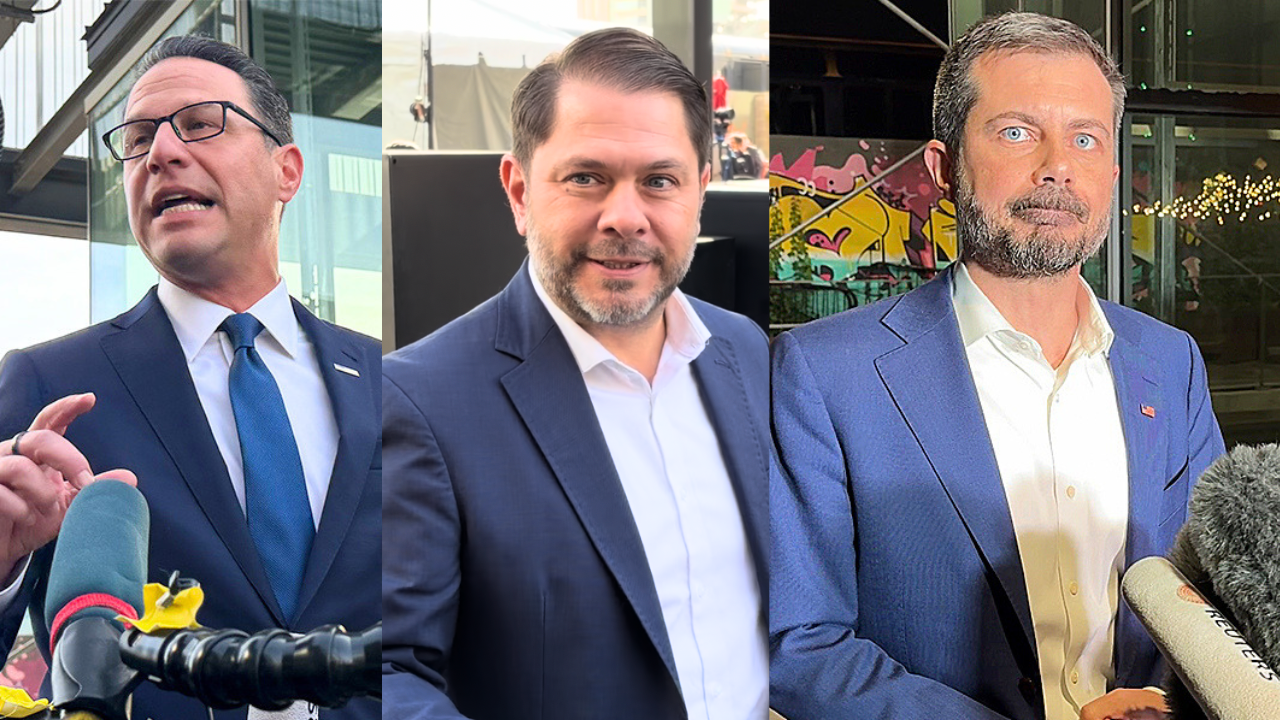
DENVER — Democrats are already making their case for 2028.
Fresh off sweeping midterm victories, party leaders and rising stars descended on Denver for the «What’s Next» conference. Several potential presidential contenders tested their 2028 messaging before a crowd of activists, strategists and operatives.
The conversations offered an early look at who may be considering a run and who is already stepping aside.
Less than 24 hours after announcing a challenge to longtime Senate Democratic leader Sen. Chuck Schumer, D-N.Y., Sen. Chris Van Hollen, D-Md., told reporters he was «no longer pursuing» a presidential bid.
SCHUMER’S LEADERSHIP RIVAL REVEALS MAJOR SENATE RULE CHANGE HE’D PURSUE IF ELECTED
«I believe that the size and scale of these majorities, provides an opportunity for the United States Senate to answer the call of the American people,» Van Hollen told reporters in Denver, as he pointed what will be at least a 55-seat Democratic majority in the chamber.
Van Hollen’s comments came as Sen. Cory Booker, D-N.J., weighed whether to make another run for the White House in 2028.
Booker said he is giving «a lot of hard thought» to a potential 2028 presidential campaign, though he said his focus now is pushing for what he called an «American renewal.»
«My purpose right now, I want to see America in the next five years have the biggest renewal, the biggest resetting of the economic table so it works for all Americans,» Booker told Digital.
He pointed to the cost of housing, healthcare and childcare as evidence that many Americans are struggling to get ahead. «The gap I’m concerned about is not the gap between left and right anymore, it’s a gap between the American people and the American dream, and I want to see that gap close,» he said.
Asked what he might do differently if he ran again after his unsuccessful 2020 campaign, Booker said candidates should be «their authentic self.» He also warned that political divisions are pulling the country apart, saying, «We are not each other’s enemies. We are our fellow patriots. And we all need to start pulling in the same direction.»
While Van Hollen ruled out a presidential bid, former Transportation Secretary Pete Buttigieg, a 2020 Democratic candidate, told reporters in Denver he would not have «any news to make about that anytime soon.»
Even so, Buttigieg has not ruled out another run.
Pennsylvania Gov. Josh Shapiro, fresh off of major victories in his home state, said, «I’ve decided to be a loud voice in this process that we’re going through right now as a party to put ourselves in the best position to compete.»
When asked about his 2028 timeline, Shapiro said «that would be a personal decision my wife and my kids and I make.»
«When we’re ready to say something, we’ll let you know,» he added.
Sen. Elissa Slotkin of Michigan told reporters that she was «seriously» considering a 2028 presidential run.
«I haven’t made any decisions. Whether it’s me or somebody else, I just want to be a part of that next generation of leaders going forward that does things differently and understands who they serve,» she added.
Pointing to a new crop of Democrats elected in the midterms, Slotkin said «we had an amazing election night that elected a whole bunch of new folks who represent that.»
Meanwhile, Sen. Ruben Gallego of Arizona said his young family will be a major consideration in his decision.
«I have three kids, nine, three and a one-year-old. You know, it’s hard to manage that schedule and I have to figure out how to still be a good dad and run for office,» he said.
«If I run I’ll probably be the only one that has kids that age that doesn’t necessarily come from a lot of money. So I’m going to have to figure all that out,» he added.
THE MISTAKE NEWLY ELECTED DEMS ADMIT THEY CAN’T AFFORD TO MAKE WITH TRUMP AFTER SWEEPING 2026 WINS
Sen. Raphael Warnock, D-Ga., who has not said whether he will seek the 2028 nomination, used his speech at «What’s Next» to argue Democrats can build a winning coalition across the country.
«In America, all things are possible,» he said, pointing to Democratic victories from New Hampshire to Mississippi.
California Rep. Ro Khanna said he is «certainly considering» a 2028 presidential run but has not made a decision.
Khanna, one of the few leaders on the progressive left attending a conference organized by a centrist Democratic group, added «I think after the reception here, I’m, more likely to consider it. I mean, but I’m going around the country seeing whether the message will resonate.»
Asked about his timetable, Khanna told Digital, «I think starting next year people will be running.»
«Imagine this, we’ve had three 80-year-old presidents in a row and suddenly you’re going to have a new generation on both sides. I think that’s fantastic for this country,» he said. «I’m excited about some of the people if I do run who would be competitors. It’s going to be great. It’s going to showcase America’s talent.»
With no clear frontrunner in sight, the Denver conference offered an early look at Democrats testing their messages and weighing whether to seek the party’s nomination.
politics, cory booker, democrats senate, democrats elections, elections

El Ministerio Público de Guatemala respalda las designaciones terroristas de Estados Unidos contra las estructuras criminales de Los Lorenzana, Los Huistas y Los Mendonza

Portugal homenajeó a Cristiano Ronaldo luego de su retiro de la selección

Elisa Carrió cuestionó a Javier Milei y analizó la interna con Patricia Bullrich: “Ella busca el poder”

Para el mercado, el Gobierno deberá revisar su plan financiero para afrontar los pagos de deuda de 2027

Marilina Bertoldi reveló que el beso con Lali y Tini en River no iba a suceder y ella lo propuso: «Era raro que no pasara»

Un futbolista de San Martín de Burzaco recibió un balazo en la pierna y está internado: habría intentado separar una pelea entre amigos

PILIPOM: UNA NUEVA HERRAMIENTA EDUCATIVA PARA QUE LOS MÁS CHICOS APRENDAN JUGANDO

El Gobierno toma distancia de los mensajes del papa León XIV, mientras el peronismo intenta capitalizarlos

Es millonario, tiene apenas 22 años, heredó una fortuna enorme, se quedó afuera del VIP del Papa León XIV y la gente ovacionó su actitud

Harry Kane, el gran olvidado

 DEPORTE3 días ago
El juego de la butaca: Haas volvería a cambiar de piloto para el cierre del año en la Fórmula 1 tras el escándalo con Ocon
- CHIMENTOS2 días ago
Escándalo íntimo en el cumpleaños de Emilia Mernes: un número uno, el mejor amigo, la novia del mejor amigo y una confesión que hizo estallar todo: «Me tocó y…»
- ECONOMIA2 días ago
Banco Santander anunció aumento de precio en sus paquetes y esto valdrá desde enero