INTERNACIONAL
Aves en peligro en los pastizales pampeanos: qué descubrieron los científicos sobre su futuro

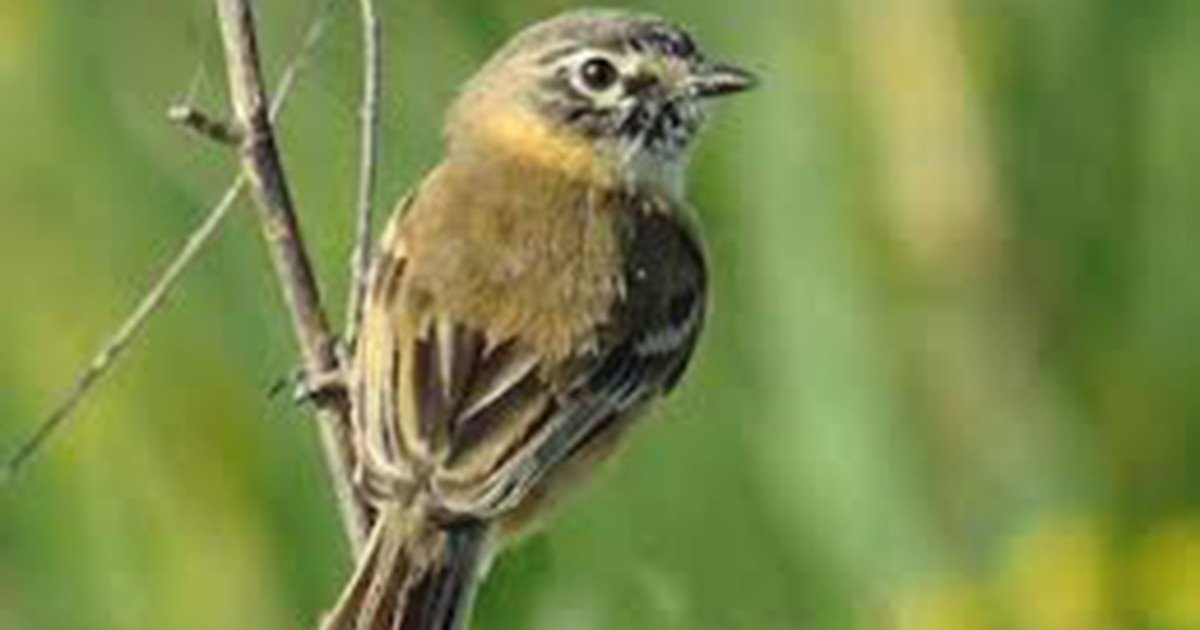
En 1892, el escritor William Henry Hudson publicó su libro El Naturalista en La Plata y describió a los pastizales de la región pampeana de la Argentina como “una gran llanura cubierta de hierba, donde la tierra y el cielo parecen unirse en el horizonte”.
Destacó la importancia de esos pastizales como refugios para numerosas especies de aves y mamíferos. Sin embargo, hoy enfrentan una fuerte reducción y fragmentación debido a la agricultura y la ganadería intensiva.

Esa transformación de los pastizales pone en riesgo también a las aves muy vulnerables como el tachurí canela, el cauquén colorado, el espartillero enano, el espartillero pampeano, la loica pampeana y el ñandú.
Ahora, científicos del Instituto de Investigaciones Marinas y Costeras (IIMyC), que depende de la Universidad Nacional de Mar del Plata (UNMdP) y el CONICET, y el Instituto de Limnología Dr Raúl Ringuelet de La Plata descubrieron cómo la conservación de pastos altos y la gestión ganadera adecuada pueden ser fundamentales para revertir esa tendencia y ofrecer un futuro más seguro a las especies amenazadas que dependen de la integridad del ecosistema de pastizal.
Los pastizales altos que tapizan la región pampeana son mucho más que paisajes: representan la base de vida para miles de aves que dependen de su refugio para criar y sobrevivir.
Revelaron que la clave para que los nidos prosperen está en la presencia de matas de pastos nativos altos. “Los nidos rodeados por más matas de pastos altos nativos tienen mayor éxito de anidación”, contó a Infobae la bióloga y primera autora del estudio Sofía Martín-Sirito.

El resultado es contundente: cuando el ganado reduce la altura de la vegetación, las aves pierden esa capa protectora esencial contra depredadores y el clima.
No se trata solo del pisoteo directo, sino de la transformación completa del hábitat. El manejo ganadero puede inclinar la balanza entre la vida y la desaparición de muchas especies.
Detrás de esos resultados estuvieron también Stella Román, Martin Colombo, Daniel Cardoni y Juan Pablo Isacch. Publicaron los resultados en la revista Journal of Ornithology, una de las revistas más reconocidas en el mundo de la biología de aves.
Por qué importan los pastizales pampeanos

Los campos pampeanos cambiaron radicalmente en las últimas décadas. La agricultura y la ganadería recortaron la extensión de pastizales naturales y desdibujaron la variedad de especies que los habitaban.
Esta región se volvió un mosaico de cultivos y potreros. En ese contexto, las aves que dependen del camuflaje y el resguardo de la vegetación ven cómo su mundo se achica.
Para ellas, una mata de pasto alto puede ser la diferencia entre criar con éxito o perder la nidada. La presión sobre estos ambientes crece cada año.

Los investigadores quisieron entender cómo la pérdida de cobertura vegetal y los diferentes tipos de manejo ganadero afectan la supervivencia de los nidos. Compararon zonas con pastoreo y otras donde el ganado no ingresa.
Dos especies sirvieron como modelos: el Misto (Sicalis luteola) y el Pico de Plata (Hymenops perspicillatus). Se plantearon como hipótesis si la supervivencia de los nidos sería menor en áreas pastoreadas debido a la reducción de la cobertura de pastos altos.
Qué encontraron

El trabajo se desarrolló en el sudeste de la región pampeana, en la Pampa Deprimida. Se eligieron dos campos sin pastoreo dentro de la Reserva de Biosfera Mar Chiquita y dos predios privados donde el ganado rota entre potreros.
Durante tres temporadas de cría, el equipo de científicos recorrió los pastizales y localizó los nidos de las dos especies elegidas.
Se tomaron notas precisas sobre la altura de los pastos, la cantidad de matas nativas, la ubicación y el momento del año en que empezaba cada nidada. Se analizaron 68 nidos en sitios pastoreados y 42 en áreas protegidas.
Tras analizar los datos, los resultados mostraron que la cobertura de pastos altos y la altura de la vegetación aumentan las posibilidades de que los nidos lleguen a buen puerto.
“Nuestro estudio dejó en claro que el porcentaje de cobertura de pastos altos a escala de paisaje tuvo un efecto positivo significativo sobre la supervivencia diaria de los nidos de ambas especies estudiadas”, resaltó la bióloga Martin-Sirito.

En los campos con ganado, la vegetación alta escasea y la tasa de éxito disminuye. El modelo estadístico más sólido confirmó que “la supervivencia diaria de los nidos fue significativamente mayor en los sitios sin pastoreo”.
La principal causa de fracaso, tanto en potreros ganaderos como en la reserva, fue la depredación, que afectó más del 60% de los nidos.
El trabajo también exploró cómo los depredadores y el microambiente influyen en la elección del sitio del nido.
Uno de los resultados destacados fue que los mistos pueden enfrentar una mayor presión de depredación por aves. Eso favorece que los nidos estén ubicados más bajos dentro del rango observado, pero protegidos por vegetación alta.
Qué hacer, qué falta saber y por qué importa

Los investigadores piden que se conserven parches de pastos altos en los campos, y se ajusten la carga de ganado para que la vegetación tenga tiempo de recuperarse.
El manejo rotativo y la reducción de la presión ganadera permiten que la producción y la conservación vayan de la mano.
Conservar entre el 30% y el 50% de la superficie total del campo con pastos altos resulta fundamental para mantener la estructura del pastizal y favorecer la supervivencia de las aves.

Admitieron que el tamaño de los parches y la presencia de depredadores pueden variar en otras zonas. Hace falta investigar más para definir “valores umbral” de cobertura vegetal y conocer cómo afecta a otras especies de aves.
La conclusión de los investigadores es sencilla pero poderosa. “Proteger la estructura y la diversidad de los pastizales es fundamental para que las aves de la región puedan seguir criando y por ende se asegure su supervivencia”, enfatizó el doctor Isacch, en diálogo con Infobae.
Con su equipo, recalcaron que la cobertura de pastos altos “es una característica crítica del hábitat que debe priorizarse en el manejo ganadero”.

En tanto, consultado por Infobae, Pablo Grilli, coordinador del Programa Pastizales de la organización no gubernamental Aves Argentinas, comentó: “Este estudio confirma que, cuando se conserva una matriz de pastos altos, aumenta la cantidad de pichones que logran dejar el nido”. En cambio, en campos donde el pasto está bajo por el sobrepastoreo ganadero, el éxito reproductivo es menor.
“Muchas aves especialistas de pastizal requieren esa cobertura alta para anidar o refugiarse. Si el pastizal desaparece, su reproducción se ve afectada negativamente. Los científicos aportaron pruebas concretas de que esa relación también se da en el misto y el pico de plata”, concluyó Grilli.
aves,pastizal pampeano,dimorfismo sexual,macho,hembra,ornitología,biodiversidad,Argentina,naturaleza,fauna











INTERNACIONAL
Trump amenazó a la Unión Europea con más aranceles por la multa a Google: “Pagará un precio muy alto”
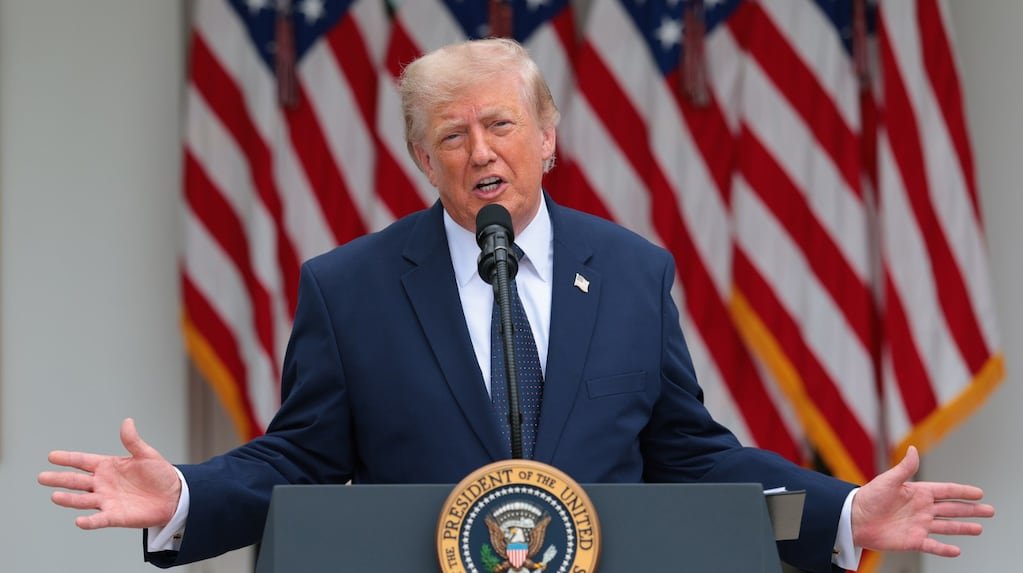
La tensión comercial entre Estados Unidos y la Unión Europea volvió a escalar este viernes después de que el presidente Donald Trump amenazara con imponer nuevos aranceles al bloque europeo como represalia por la reciente multa antimonopolio aplicada contra Google.
A través de un mensaje publicado en su red social Truth Social, el mandatario aseguró que Bruselas “pagará un precio muy alto” por una decisión que calificó como “ilegal” y “muy poco ética”.
Trump adelantó además que su administración avanzará “lo antes posible” con la aplicación de un “arancel considerable” sobre productos europeos y dejó abierta la puerta a iniciar una investigación comercial formal contra la Unión Europea.
El presidente sostiene desde hace años que las autoridades europeas utilizan las normas de competencia para perjudicar deliberadamente a las grandes compañías tecnológicas estadounidenses.
La advertencia se produce apenas semanas después de la entrada en vigor del nuevo acuerdo comercial alcanzado entre Washington y Bruselas, un pacto que había sido presentado por ambas partes como un paso para reducir la incertidumbre y evitar una nueva guerra de aranceles entre las dos mayores economías occidentales.
Trump adelantó además que su administración avanzará “lo antes posible” con la aplicación de un “arancel considerable” sobre productos europeos. (Foto: AP)
Sin embargo, el escenario volvió a complicarse en las últimas horas. Estados Unidos anunció un nuevo paquete arancelario que alcanza a unas 60 economías y que establece gravámenes de hasta un 12,5% para determinados productos provenientes de la Unión Europea. Aunque ese porcentaje se mantiene por debajo del límite máximo del 15% acordado previamente entre ambas partes, la decisión reavivó las tensiones políticas.
Desde la Comisión Europea señalaron que esos nuevos aranceles respetan, en términos generales, los compromisos asumidos durante la negociación que Trump mantuvo con la presidenta del organismo, Ursula von der Leyen, en Escocia. No obstante, también expresaron reparos sobre los fundamentos utilizados por Washington para justificar las nuevas medidas comerciales.
Uno de los principales cuestionamientos europeos apunta a que la Casa Blanca argumentó que los nuevos gravámenes buscan combatir el trabajo forzado a nivel mundial. Bruselas respondió que la Unión Europea ya dispone de una legislación robusta sobre esa materia y consideró que ese motivo carece de sustento para imponer nuevas barreras comerciales.
Pese a esas diferencias, el Ejecutivo europeo insiste en que el acuerdo firmado hace apenas un año sigue cumpliendo su objetivo principal: impedir una escalada comercial entre ambos bloques. De hecho, Bruselas busca ampliar el listado de productos exentos de aranceles y mantiene negociaciones para incorporar nuevos sectores estratégicos.
Leé también: La Casa Rosada relativizó los aranceles dispuestos por Trump y espera definiciones de EE.UU. para avanzar con el acuerdo comercial
Entre las principales preocupaciones de la Unión Europea continúa el tratamiento que reciben las exportaciones de acero y aluminio. Actualmente Estados Unidos mantiene un arancel del 50% sobre esos productos, mientras que Bruselas aspira a reducir esa carga hasta el 15%, en línea con el resto del acuerdo comercial.
La Comisión Europea ya advirtió que podría revisar o incluso suspender el pacto si Washington mantiene esas condiciones más allá del 31 de diciembre de 2026 o si las preferencias otorgadas a Estados Unidos terminan afectando seriamente a la economía del bloque.
En paralelo, la relación comercial entre ambas potencias sigue marcada por cifras de enorme magnitud. El superávit comercial de bienes de la Unión Europea con Estados Unidos ronda los 20.000 millones de euros, aproximadamente el 1% del intercambio bilateral. Además, como parte del acuerdo, los países europeos se comprometieron a adquirir bienes energéticos estadounidenses por 750.000 millones de dólares antes de 2028, incluyendo mayores compras de gas natural licuado, petróleo y proyectos vinculados a la energía nuclear.
Estados Unidos, Donald Trump, Bruselas, Unión Europea

NEWYou can now listen to Fox News articles!
The Trump administration is hammering a federal judge for temporarily blocking its effort to end Temporary Protected Status (TPS) for South Sudan despite a recent Supreme Court decision that significantly narrowed lower courts’ authority to intervene.
U.S. District Judge Patti Saris on Thursday granted an administrative stay in African Communities Together v. Mullin , preserving TPS protections for South Sudanese nationals while she considers whether plaintiffs may amend their lawsuit and seek renewed relief on constitutional grounds.
The order temporarily freezes the administration’s Nov. 6, 2025, decision ending South Sudan’s TPS designation, keeping it «null, void, and of no legal effect» until jurisdiction returns to the 1st Circuit. Saris stressed that the order is a procedural measure to preserve the status quo while the court considers the plaintiffs’ latest filings and is not a ruling on the merits.
«Another rogue district judge just postponed the termination of TPS for South Sudan,» DHS general counsel James Percival wrote on X, slamming the decision. «This is open defiance of the Supreme Court, plain and simple!»
SUPREME COURT WEIGHS TRUMP EFFORT TO TERMINATE TEMPORARY PROTECTIONS FOR HAITIAN, SYRIAN MIGRANTS
Sen. Markwayne Mullin, R-Okla., arrived to testify during a confirmation hearing to be secretary of the Department of Homeland Security in the Dirksen Senate Office Building on March 18, 2026, in Washington, D.C. President Donald Trump nominated Mullin to replace Kristi Noem as DHS secretary. (Chip Somodevilla/Getty Images)
Hans von Spakovsky, a senior legal fellow at Advancing American Freedom, echoed that criticism, arguing Saris lacked authority to issue any relief after the Supreme Court’s recent TPS ruling.
«She has no right to ‘maintain the status quo,’» von Spakovsky told Fox News Digital. «No jurisdiction means no jurisdiction and under the applicable law, the only proper course of judicial action is to dismiss the lawsuits, explaining that based on the law and the Supreme Court’s decision, she has no jurisdiction to entertain any claims in her courtroom.»
He said the Supreme Court’s June decision in Mullin v. Doe reaffirmed that federal law largely bars courts from reviewing or blocking the government’s decisions to end Temporary Protected Status.
Although Mullin involved TPS terminations for Syrian and Haitian nationals, von Spakovsky said the Supreme Court’s interpretation of the TPS statute applies equally to South Sudan.
SUPREME COURT’S LATEST IMMIGRATION RULING WILL CAUSE AMERICANS TO ‘DIE AND SUFFER’ ATTORNEY WARNS
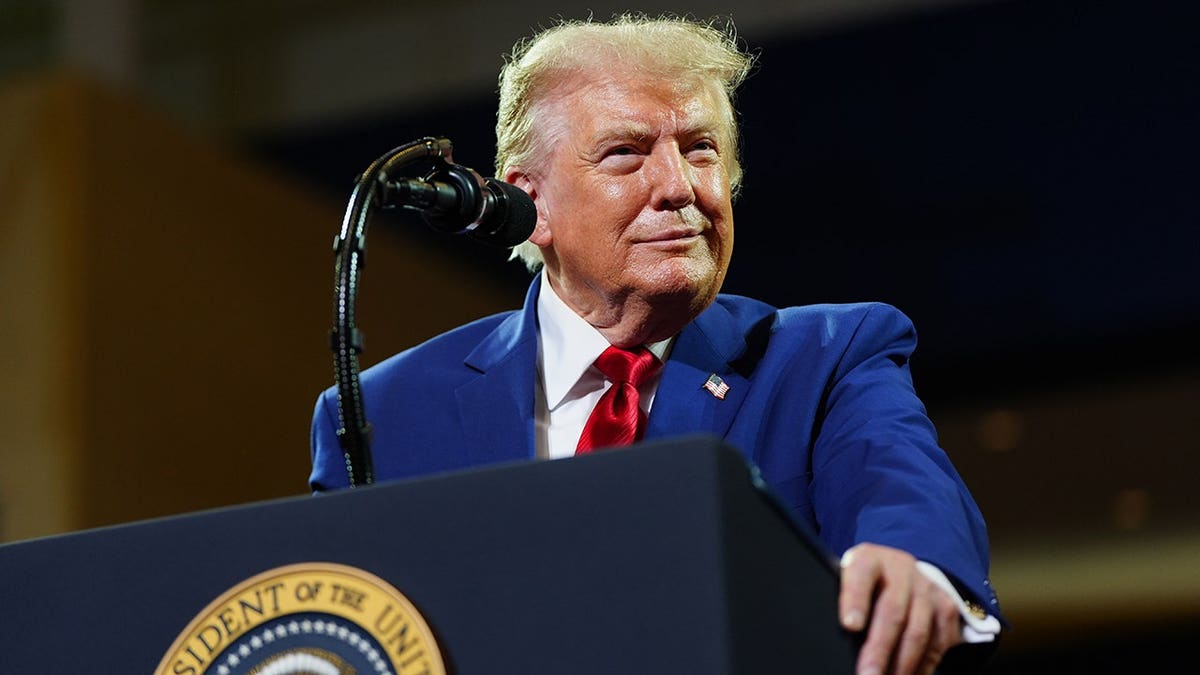
President Donald Trump speaks at Wheeler High School on Wednesday, July 22, 2026, in Marietta, Ga. (Julia Demaree Nikhinson/AP)
«These decisions on Sudanese nationals need to be overturned by the Supreme Court in emergency appeals and the judges need to be disciplined for their misconduct in refusing to follow the Supreme Court decision and the federal law that bans them from questioning decisions made by the executive branch on TPS status,» he said.
The criticism stems from the Supreme Court’s June 25 decision in Mullin v. Doe, in which a 6-3 majority held that the TPS statute bars courts from reviewing Administrative Procedure Act (APA) challenges to decisions designating or terminating Temporary Protected Status.
The ruling allowed constitutional Equal Protection claims to continue but blocked the APA claims that Saris had relied on in February to delay South Sudan’s TPS termination.
«The Supreme Court ruled that district courts lack jurisdiction to review terminations of temporary protected status. I’m confused why some district courts have not yet removed any remaining road blocks,» Eric Wessan, Iowa’s solicitor general, told Fox News Digital.
Following the Supreme Court’s decision, the Justice Department asked the 1st Circuit to reverse Saris’ February ruling. The plaintiffs did not oppose the request, instead asking the appeals court to return the case to the district court so they could amend their complaint and pursue only the constitutional claims the Supreme Court left intact. They then asked Saris to temporarily preserve South Sudan’s TPS protections while those claims moved forward, a request she granted Thursday.
BLUE STATE LEADERS ERUPT AFTER SUPREME COURT’S DECISION ENDING TPS PROTECTIONS FOR HAITIANS, SYRIANS
The lawsuit was filed in December 2025 by African Communities Together and four South Sudanese immigrants protected by TPS. They allege the Department of Homeland Security unlawfully ended South Sudan’s TPS designation without following required procedures and that the decision was motivated by unconstitutional discrimination.
Before the Supreme Court weighed in, Saris repeatedly ruled in favor of the plaintiffs. She first temporarily blocked the TPS termination in December 2025 before issuing a broader postponement in February, finding the plaintiffs were likely to succeed because DHS allegedly failed to follow required procedures, had already decided to end the designation, and offered what the court described as pretextual reasons for doing so.
The Trump administration appealed to the 1st Circuit in March, but Saris declined to stay her own order while the appeal proceeded. The case was later paused pending the Supreme Court’s resolution of related TPS disputes involving Haiti and Syria.
SIGN UP TO GET THE POLITICS NEWSLETTER
Saris, who was nominated to the U.S. District Court for the District of Massachusetts by President Bill Clinton in 1993, has presided over a number of high-profile immigration disputes involving both the Trump and Biden administrations.

DHS says Ahmed was first spotted on April 14 by an off-duty Royal Canadian Mounted Police officer. (Andrew Harrer/Bloomberg via Getty Images)
CLICK HERE TO DOWNLOAD THE FOX NEWS APP
The temporary order keeps South Sudan’s TPS protections in place for now, but the 1st Circuit and potentially the Supreme Court could soon weigh in on whether the district court has the power to do so after the justices’ recent TPS decision.
Fox News Digital reached out to the White House and to plaintiffs African Communities Together for comment.
judiciary, markwayne mullin, supreme court, justice department, federal courts
INTERNACIONAL
Más de 200.000 personas huyeron de los devastadores incendios forestales en Francia y España
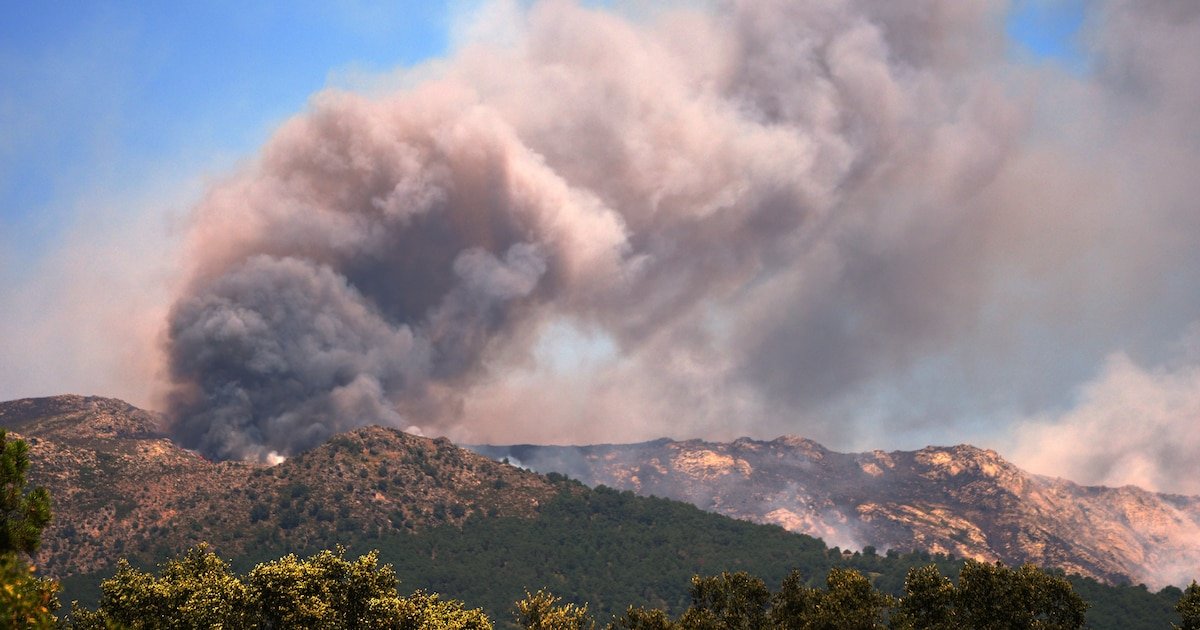
Los enormes incendios forestales obligaron el viernes a la evacuación de unas 200.000 personas en el suroeste de Francia y el centro de España, y los residentes huyeron de pueblos cercanos a Madrid y Burdeos mientras las llamas se extendían sin control.
Los bomberos y las autoridades de ambos países europeos se vieron sorprendidos por la virulencia de los incendios, avivados por las altas temperaturas y los efectos a largo plazo del cambio climático. Los bomberos españoles admitieron que los incendios fueron tan rápidos y violentos que no pudieron ser combatidos directamente. Algunas personas incluso huyeron en barco cuando las llamas arrasaron la zona turística de la costa atlántica francesa.
Según el Ministerio del Interior francés, unas 141.000 personas huyeron de sus hogares en los departamentos de Gironda y Landas. En el centro de España, 60.000 personas se vieron obligadas a abandonar sus viviendas, según el Ministerio del Interior español.
Decenas de bomberos franceses resultaron heridos, según informaron las autoridades, pero no se registraron muertes en ninguno de los dos países, a pesar de las escenas de pánico que se vivieron cuando los habitantes huyeron en coche y la policía fue de puerta en puerta pidiendo a la gente que evacuara mientras grandes columnas de humo se elevaban desde los bosques vecinos.
El ministro del Interior francés, Laurent Núñez, declaró que el gran incendio forestal que asoló amplias zonas del suroeste de Francia se dirige hacia la ciudad de Burdeos.
En declaraciones al canal de televisión francés Tf1, Núñez afirmó que el incendio forestal que horas antes había obligado a evacuar la península de Cap Ferret arrasó 140 kilómetros cuadrados, con 110.000 personas huyendo de sus hogares en la región de la Gironda.

“A media tarde supimos que, tras el cambio de dirección del viento, se había convertido en un gran incendio autosostenible, extremadamente difícil de controlar”, declaró Núñez. “Ahora se dirige hacia el este, hacia el área metropolitana de Burdeos. Vamos a reorganizar nuestra respuesta para combatirlo desde tierra e impedir que avance hacia Burdeos”.
Mientras tanto, el presidente francés, Emmanuel Macron, solicitó al primer ministro Sébastien Lecornu que active la unidad de respuesta a la crisis del Gobierno y ordenó a las fuerzas armadas que se movilicen para proporcionar el máximo refuerzo posible a los servicios civiles de emergencia.
“Este incendio, con el que llevamos tres días conviviendo y luchando aquí en Gironda, alcanzó una magnitud sin precedentes”, declaró Sophie Brocas, prefecta de Nueva Aquitania. “Para combatirlo, recibiremos refuerzos nacionales de suma importancia”.
El incendio se originó el miércoles cerca de la península de Cap Ferret, en la costa atlántica francesa, a 60 kilómetros de Burdeos. Las autoridades locales del departamento de Gironda informaron que 53 viviendas y un camping quedaron destruidos, y que 42 bomberos resultaron heridos. Alrededor de 1.500 personas que huyeron de la península llegaron por mar a la ciudad de Arcachon, algunas a bordo de pequeños taxis acuáticos y otras en embarcaciones más grandes.
“Es bastante impresionante e incluso aterrador”, dijo Laurent Moretti, residente de Arès. “Nunca antes se había producido una evacuación de esta magnitud. Lo único que esperamos es que los bomberos puedan controlarlo rápidamente».
Otro incendio forestal se desató en Landes, provocando la evacuación de 31.000 personas. Las autoridades creen que ambos incendios en Francia fueron accidentales.
El jueves ya se habían evacuado más de 20.000 personas de pueblos y centros turísticos, pero esa cifra se disparó el viernes cuando Francia y España pidieron ayuda a otros miembros de la Unión Europea.

Macron anunció que Francia recibirá refuerzos de la UE, entre ellos dos aviones de extinción de incendios Canadair croatas, dos aviones Air Tractor portugueses y dos helicópteros Black Hawk de carga pesada procedentes de la República Checa y Eslovaquia. El ministro del Interior español, Fernando Grande-Marlaska, informó que Italia y Grecia enviarán cada una dos aviones Canadair para el lanzamiento de agua, mientras que mil soldados españoles colaboraron en las labores de extinción de incendios.
El Gobierno español declaró por primera vez el estado de emergencia nacional por incendios forestales, ya que los incendios en Madrid y la cercana provincia de Ávila provocaron la evacuación de unas 60.000 personas de localidades al oeste de la capital.
“Quiero enviar un mensaje de apoyo a las miles de familias que se enfrentan a una noche difícil”, escribió en la red social X el presidente español, Pedro Sánchez, que visitará la zona devastada por el fuego el sábado. Los incendios se ven avivados por una ola de calor con temperaturas que se prevé superen los 39°C (102° F).
Dos grandes incendios cerca de Madrid se fusionaron en uno solo que, para la tarde del viernes, había arrasado rápidamente 30 kilómetros cuadrados (11,5 millas cuadradas). La presidenta regional, Isabel Díaz-Ayuso, lo calificó como el peor incendio en la historia de Madrid.

Francisco Martín, representante del gobierno central para la Comunidad de Madrid, informó que otras 20.000 personas recibieron la orden de permanecer en sus hogares. Martín indicó que podrían producirse más evacuaciones y que la prioridad ahora era proteger la localidad de San Lorenzo, donde se encuentra El Escorial, el palacio real y monasterio del siglo XVI de Felipe II.
Mientras tanto, un incendio en Ávila, a menos de dos horas al noroeste de Madrid, arrasó 90 kilómetros cuadrados. La Guardia Civil española detuvo a un hombre e investiga a otro por presuntamente haber utilizado maquinaria pesada en una zona donde estaba prohibido por riesgo de incendio. La policía cree que una chispa provocó el incendio el jueves.
“Había humo y fuego por todo el pueblo, tenía miedo. Todo era fuego y humo, la gente estaba nerviosa”, dijo Joaquín Espinosa, de 33 años, antes de que él y sus vecinos fueran evacuados del pueblo de Chapinería.
En una semana, España ha sufrido los peores incendios de su historia tanto en la región de Castilla-La Mancha como en la de Madrid.
Los bomberos seguían intentando extinguir el segundo mayor incendio de la historia de España, en la provincia de Castilla-La Mancha, cerca de Guadalajara, que había arrasado unos 320 kilómetros cuadrados (120 millas cuadradas) durante la última semana. Trece personas también perdieron la vida en un incendio en el sur de España a principios de este mes, el incendio más mortífero que se recuerda en el país en los últimos tiempos.

La ministra española para la Transición Ecológica, Sara Aagesen, afirmó que España ya vio quemarse 1.140 kilómetros cuadrados este año, más de cinco veces la superficie quemada durante la primera mitad de 2025. España experimentó temperaturas récord en los últimos veranos e incendios forestales de creciente violencia.
El analista de incendios forestales Raúl Quilez afirmó que, además del impacto del cambio climático, las zonas rurales de España se han vuelto más vulnerables a los incendios debido al abandono de las tierras de cultivo que tradicionalmente servían de zonas de protección alrededor de los pueblos. Ahora, explicó, los árboles y la maleza a menudo llegan hasta las viviendas, poniéndolas en peligro.
“Esa es la combinación perfecta para este tipo de incendios”, dijo Quilez a The Associated Press por teléfono desde Valencia, donde trabaja como analista para los bomberos regionales.
(Associated Press)
europe battles fast-moving wildfires sweeping across spain and f

Trump amenazó a la Unión Europea con más aranceles por la multa a Google: “Pagará un precio muy alto”

Flavio Mendoza, el creador y artífice de sus sueños, estrena La Cúpula: “Mi pasión es coleccionar espectáculos”

En una fecha clave, el PJ exhibirá su interna y por ahora no habrá foto entre Kicillof y Máximo Kirchner

DHS accuses ‘rogue’ Clinton judge of open defiance of Supreme Court

Colo Colo confirmó el acuerdo con Vozinha

Política y economía: el repetido imaginario del “derrame” y el arrastre del Congreso

Escándalo Mundial: Las presiones secretas, la amenaza de la FIFA por Malvinas y la verdad detrás del partido contra España

Jorge Berredo, general retirado de las FFAA, asumió como Secretario de Seguridad en San Isidro

Sin la anestesia mundialista, aflora la crisis del conurbano y Milei necesita reconectar con lo popular
Marc Stanley destacó el potencial de Vaca Muerta para “estabilizar la economía” y evitó hablar de política interna

 POLITICA2 días ago
Jorge Berredo, general retirado de las FFAA, asumió como Secretario de Seguridad en San Isidro
- POLITICA2 días ago
Sin la anestesia mundialista, aflora la crisis del conurbano y Milei necesita reconectar con lo popular
- POLITICA2 días ago
Marc Stanley destacó el potencial de Vaca Muerta para “estabilizar la economía” y evitó hablar de política interna