INTERNACIONAL
Caso Mariaca: un ministro paraguayo acusó a funcionarios bolivianos de proteger al narco Sebastián Marset

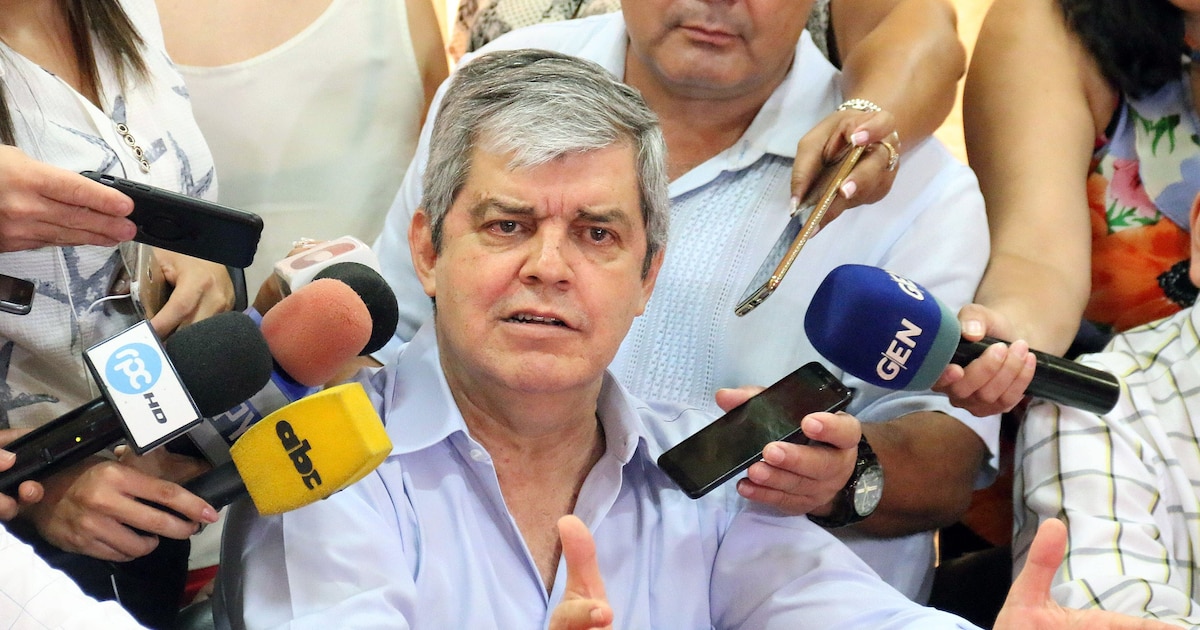
Horas después de que el Gobierno de Bolivia acusara al fiscal general del Estado, Roger Mariaca, de liderar una “organización criminal” dentro del Ministerio Público que protegía al “narcoterrorismo” en el país, un ministro de Paraguay recordó que la administración de Santiago Peña había denunciado la presencia de narcotraficantes en territorio boliviano.
Así lo aseguró el titular de la cartera del Interior de Paraguay, Enrique Riera Escudero, quien afirmó a la prensa: “Nosotros en su oportunidad hicimos una denuncia pública que generó casi un conflicto diplomático. Dijimos que Marset estaba en Bolivia, que estaba en Santa Cruz. Eso fue corroborado con una operación conjunta de la policía de la DEA y otras fuerzas internacionales”.
Consultado sobre la relación entre Marset y las autoridades bolivianas, dijo que el narco tenía colaboración de integrantes del Gobierno de Luis Arce y del actual: “Creo que Mariaca era amigo de Marset y le protegían. Nosotros le pedimos a Eduardo del Castillo (ministro de Luis Arce) que proceda. Se está haciendo justicia, ahora se confirma todo lo que dijimos en público. Cuando me enteré de la noticia no hice más que confirmar lo que habíamos dicho”.
En octubre del año pasado, Riera Escudero había dicho que era “casi un hecho” que el narcotraficante Sebastián Marset estaba oculto en Bolivia y que y “las autoridades lo están cercando”.
Este jueves, el Gobierno de Bolivia acusó al fiscal general del Estado, Roger Mariaca, detenido la víspera en la región de Santa Cruz, de liderar una organización criminal que presuntamente operaba dentro del Ministerio Público para proteger el narcotráfico en el país.
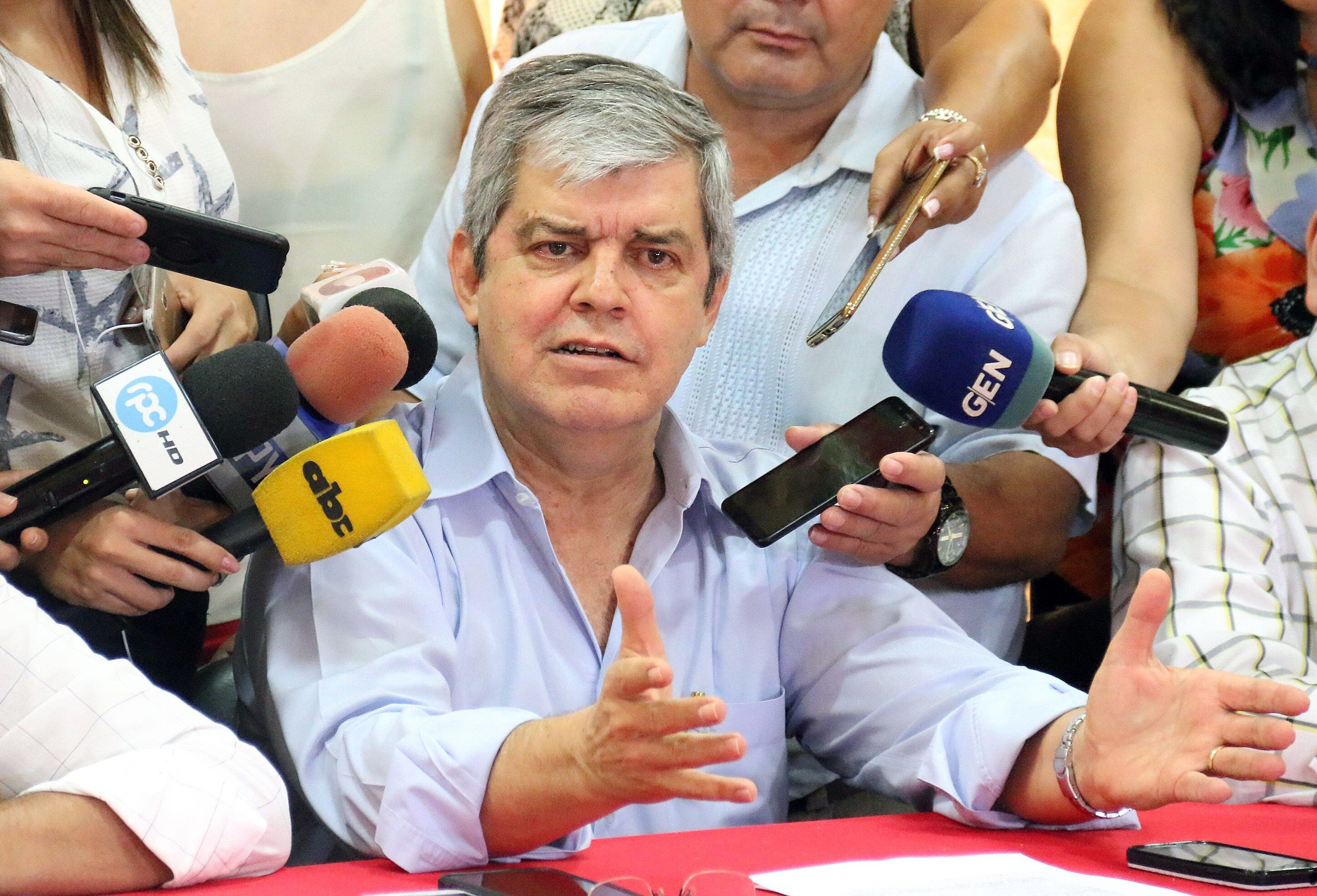
El ministro de Gobierno, Marco Antonio Oviedo, confirmó en una rueda de prensa en La Paz que durante la noche del miércoles y la madrugada de este jueves “se ha desmontado una organización criminal enquistada en la Justicia y en la administración” del Ministerio Público, que según el funcionario estaba “encabezada por Roger Mariaca”. La estructura, agregó, estaba “destinada a incentivar y proteger el narcoterrorismo en el país”.
Oviedo estuvo acompañado en la conferencia por el ministro de Defensa, Ernesto Justiniano, el ministro de la Presidencia, Fernando Aramayo, y jefes policiales. El funcionario precisó que las operaciones desarrolladas en las últimas horas derivaron en la detención de catorce personas, cuatro de ellas con cargos jerárquicos en la Fiscalía General y en las fiscalías de Santa Cruz y La Paz.
Entre los aprehendidos figuran el fiscal departamental de Santa Cruz, Alberto Zeballos, un fiscal superior y un mayor de la Policía. También fueron detenidas cuatro personas interceptadas en el condominio donde vivía Mariaca, en el que se hallaron “ingentes cantidades de dinero”, y seis funcionarios de la Fiscalía señalados de intentar retirar documentación de la vivienda del fiscal general.
Según medios locales, los fiscales aprehendidos en Santa Cruz fueron trasladados a La Paz y permanecen en oficinas de la fuerza antidrogas en la vecina ciudad de El Alto. El Gobierno boliviano acusa a Mariaca de los delitos de organización criminal, legitimación de ganancias ilícitas y tráfico ilícito de sustancias controladas.
Oviedo justificó la detención del fiscal general al señalar que “el delito que ha cometido esta narcoestructura en la Fiscalía ha sido continuo y permanente” y que se trataba de “una organización criminal que protegía, participaba y se enriquecía por el tráfico de sustancias controladas”.
El ministro citó como ejemplo el caso del narcotraficante uruguayo Sebastián Marset, capturado en marzo pasado en Bolivia y enviado a Estados Unidos, donde permanece detenido. De acuerdo con Oviedo, Marset había sido detenido por primera vez en 2023, cuando Mariaca ejercía como fiscal departamental de Santa Cruz, pero en esa ocasión el uruguayo fue liberado rápidamente.
“Ese es el tipo y el modelo del narcoterrorismo que se apoderó del Ministerio Público en Bolivia”, afirmó Oviedo durante la conferencia de prensa.
El ministro también negó que el exministro de Gobierno y ex candidato presidencial del Movimiento al Socialismo (MAS), Eduardo del Castillo, haya sido detenido, aunque confirmó que “se lo está buscando”.
Las aprehensiones se produjeron después de que el lunes el Gobierno de Estados Unidos informara que decidió revocar los visados de altos funcionarios de Bolivia, Colombia y Perú, a quienes acusa de “corruptos” y de “socavar gobiernos elegidos democráticamente”. Bolivia resultó el país con más ciudadanos incluidos en la lista publicada por el Departamento de Estado estadounidense, entre ellos Mariaca y Zeballos.
Mariaca rechazó las acusaciones en su contra y vinculó la decisión de Washington con las “implicaciones” que tuvieron, dentro y fuera de Bolivia, algunas investigaciones realizadas por el Ministerio Público. Entre ellas mencionó los casos penales contra el consultor político argentino Fernando Cerimedo, acusado, entre otros delitos, de presunta tentativa de feminicidio contra su expareja.
jura de cargo,juristas,justicia e interior,toma de posesión





INTERNACIONAL
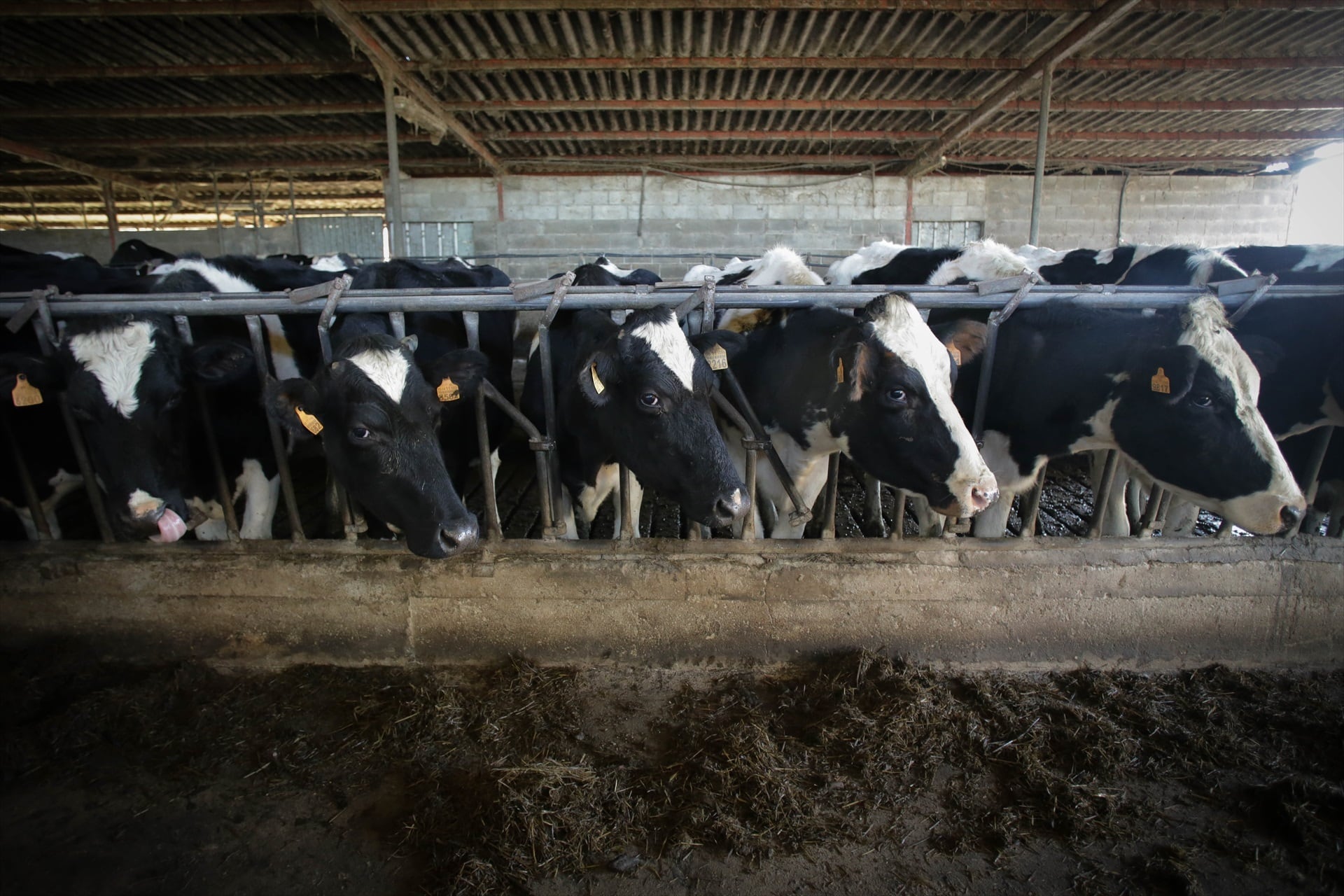
Casi medio millón de botellas de leche se perdieron diariamente en oriente de El Salvador debido a la sequía
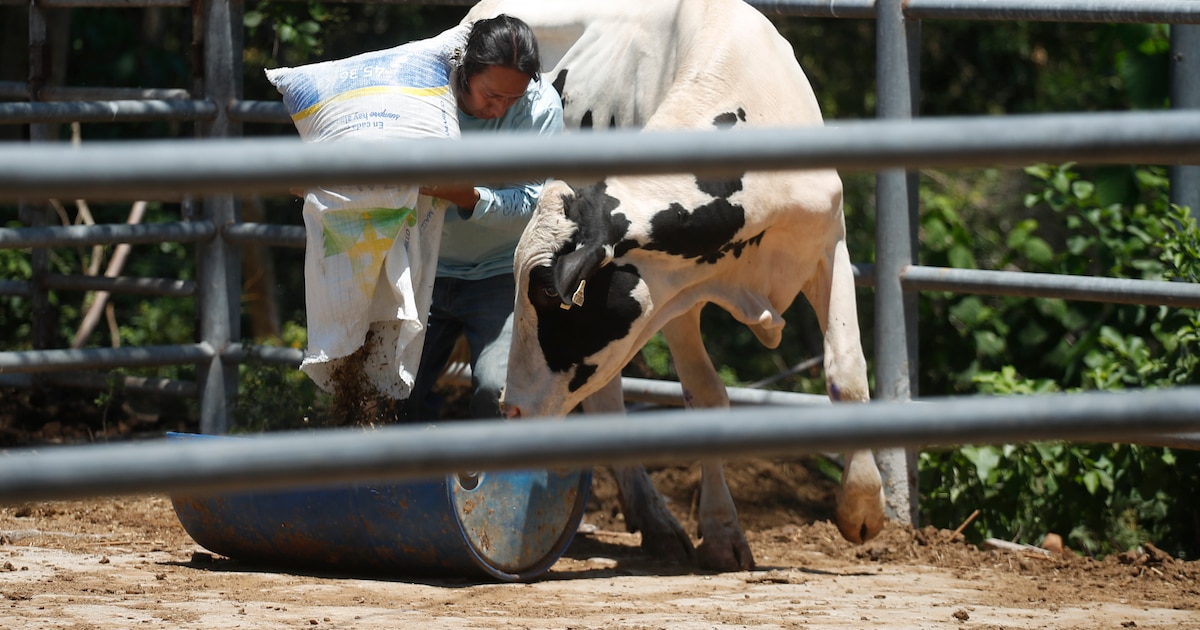
La producción de leche cayó cerca de 40% en el oriente de El Salvador durante la sequía prolongada, según estimó Mateo Rendón, coordinador nacional de la Mesa Agropecuaria Rural e Indígena, durante una entrevista con Infobae El Salvador.
En el oriente del país se producen diariamente 1.2 millones de botellas de leche. Una caída de 40% equivale a unas 480,000 botellas diarias menos durante el período de mayor afectación.
El representante ubicó el mayor impacto en La Unión, San Miguel, Morazán y Usulután. También incluyó parte de San Vicente y Cabañas, aunque remarcó que la afectación más marcada se registró en la zona oriental del país.
Según explicó, el problema principal fue la falta de pastos para alimentar al ganado. Esa escasez redujo el ordeño y llevó a algunos productores a dejar de extraer leche, ante el deterioro físico de las reses.
“Hay lugares que la gente no ordeñó porque ya era una lástima ordeñar el ganado”, afirmó. Añadió que las ganaderías estabuladas y las pequeñas empresas tenían mayores posibilidades de responder, pero sostuvo que la duración de la sequía excedió las previsiones del sector.
Oriente concentró la falta de pastos
Rendón afirmó que julio y agosto fueron los meses más difíciles para los ganaderos del oriente, pero señaló que agosto fue el más crítico. Según explicó, los potreros se secaron y las lluvias fueron escasas durante ese período.
Ante la falta de alimento, ganaderos de La Unión, Morazán y San Miguel buscaron pastos en otros departamentos. Rendón mencionó traslados de animales hacia Sonsonate, Zapotitán y Chalatenango, donde había disponibilidad de lluvia y forraje.
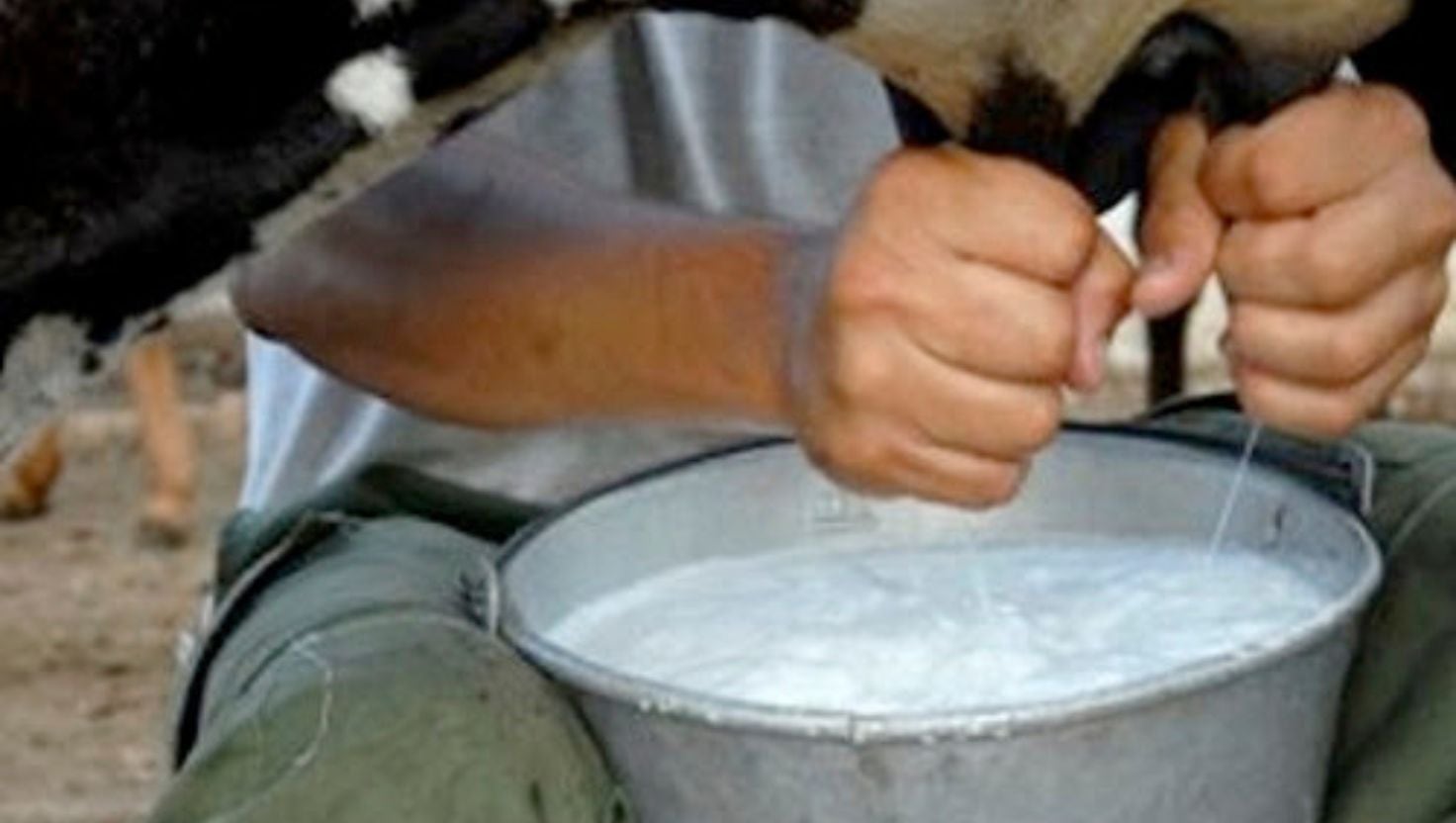
Sostuvo que la alimentación del ganado fue el efecto más severo de la sequía. La situación obligó a los productores a mover animales o a comprar comida para mantenerlos.
Rendón diferenció el escenario del oriente frente al de otras áreas. Según dijo, Sonsonate, La Paz, Cuscatlán, Chalatenango y buena parte de Santa Ana recibieron más agua, aunque hubo localidades de esos departamentos con problemas puntuales.
También indicó que el sur de San Miguel y de Usulután tuvo una afectación menor porque cuenta con riego. El impacto se concentró en los territorios que dependen principalmente de las lluvias para sostener los potreros.
Ganaderos vendieron reses para mantener al resto
La falta de alimento llevó a algunos propietarios a desprenderse de una parte de sus animales. Rendón explicó que la venta de reses permitió a varios ganaderos reunir recursos para alimentar a las que conservaron en sus fincas.
“Yo tenía 20 reses, vendí cinco para darle de comer a las 15”, ejemplificó Rendón. Con ese caso describió una decisión que, según indicó, enfrentaron productores pequeños y medianos ante la prolongación del período seco.
Los animales que habían perdido peso se vendieron por debajo de su valor habitual. Rendón afirmó que la condición del ganado y la necesidad de conseguir dinero con rapidez redujeron los precios en los mercados y tiangues del oriente.
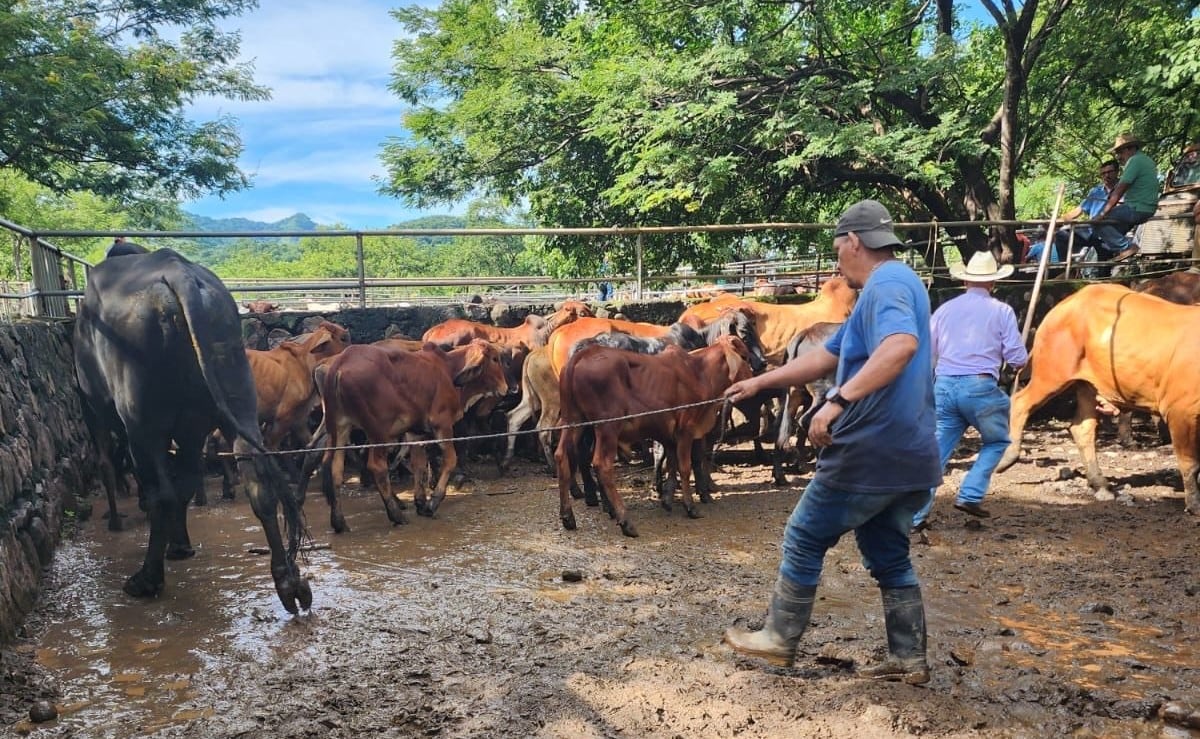
Como ejemplo, señaló que una res cuyo valor podía ser de USD 800 llegó a venderse entre USD 450 y USD 500. El dirigente estimó que, en algunos casos, la reducción rondó 40% frente al precio original.
Rendón sostuvo que los propietarios debían elegir entre sostener animales sin comida suficiente o venderlos para recuperar una parte de su inversión. Productores de occidente y Chalatenango compraron ganado en el oriente porque tenían potreros en mejores condiciones, agua o riego.
El alimento para ganado aumentó de precio
La sequía también elevó el costo de alimentar a las reses, según Rendón. El dirigente afirmó que una camionada de zacate verde, cuyo precio usual oscilaba entre USD 450 y USD 500, llegó a costar USD 1,000 durante la emergencia.
Ese alimento no estaba destinado a que los animales ganaran peso ni a elevar la producción. Rendón explicó que los ganaderos compraban comida de mantenimiento, con el propósito de que las reses pudieran sobrevivir mientras continuaba la falta de pastos.
“El alimento era para que no se murieran, que comieran algo”, afirmó. Bajo esas condiciones, algunos productores redujeron el ordeño o lo suspendieron, ya que el ganado no contaba con la alimentación necesaria para mantener su rendimiento.
Rendón cuestionó el comportamiento del mercado durante la crisis. Dijo que algunos productores con disponibilidad de agua compraron animales a menor precio, mientras otros vendían por la urgencia de financiar la comida del ganado que mantenían.
El ganado de engorde perdió cuatro meses
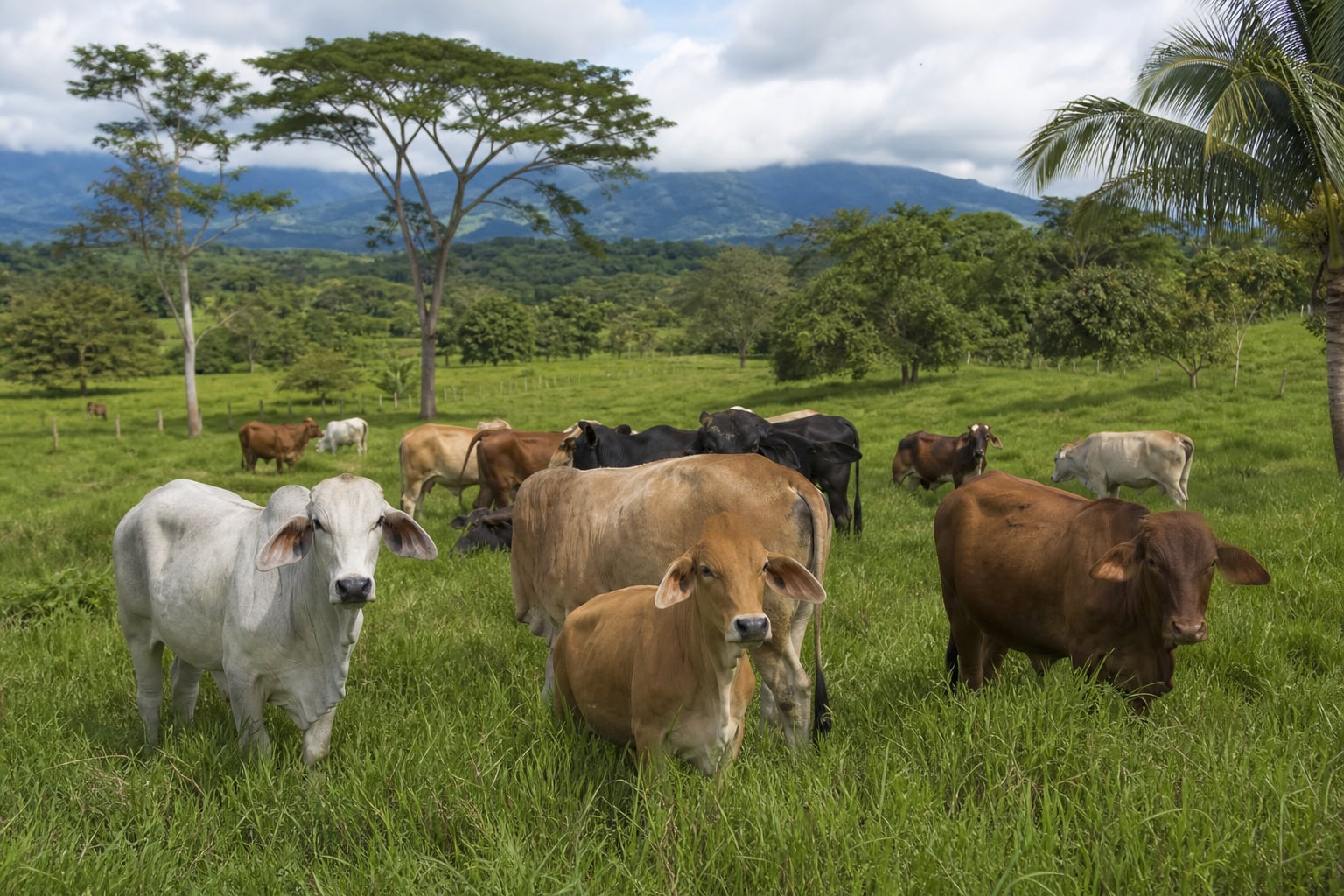
El período seco también afectó a quienes se dedican al ganado de engorde. Rendón estimó que, entre mayo y agosto, hubo cuatro meses en los que los novillos no alcanzaron el peso previsto para su comercialización.
“Lejos de engordarse, se secó”, señaló Rendón sobre la condición de los animales en las zonas afectadas. Según explicó, el ganado de engorde suele mantenerse en pastoreo durante el invierno, cuando los potreros tienen suficiente alimento.
El dirigente calculó que entre 10% y 15% de los ganaderos se dedica de forma especializada a producir carne. Diferenció a esos productores de quienes tienen uno o dos novillos y los venden ocasionalmente.
Los ganaderos especializados manejan lotes de 50, 100 o 200 animales en distintas etapas. Rendón explicó que suelen comprar terneros o novillos durante el verano, desparasitarlos y vitaminizarlos antes de llevarlos a potreros con pasto durante el invierno.
Ese proceso no se completó por la falta de lluvias. Los animales recibieron alimento para mantenerse con vida, pero no la cantidad ni las condiciones necesarias para ganar el peso con el que normalmente salen al mercado en tres o cuatro meses.
Rendón no presentó una estimación del impacto económico de la reducción en la producción de carne. Sin embargo, afirmó que el atraso en el crecimiento de los animales generó pérdidas para los productores que tenían programada su venta.
Enfermedades en el ganado durante la sequía
Además de la falta de alimento, Rendón se refirió a enfermedades que, según dijo, se presentaron entre el ganado durante el período de altas temperaturas. Mencionó casos de carbunco o ántrax y pierna negra.
El dirigente afirmó que no tuvo conocimiento de ganado muerto por hambre. Sin embargo, sostuvo que hubo muertes asociadas al ántrax y que esa fue una de las enfermedades que más afectó a los productores.
“Hubo mucho ganado muerto por ántrax”, declaró Rendón.
El coordinador sostuvo que la vacunación es una medida de prevención frente a estas enfermedades. Según su explicación, algunos ganaderos no aplican de forma regular la vacuna triple, lo que deja a los animales más expuestos ante este tipo de padecimientos.
Rendón dijo que la sequía llevó a los productores a replantear su preparación para los períodos secos. Mencionó la necesidad de reunir reservas de maíz, maicillo y zacate, además de vacunar y vitaminar al ganado con anticipación.
Según relató, las lluvias comenzaron en septiembre y permitieron que los pastos recuperaran su color y crecimiento. Añadió que, al momento de la entrevista, el oriente acumulaba alrededor de un mes y medio con lluvias.
Costa Rica,ganado vacuno,finca,ganadería,pastizal
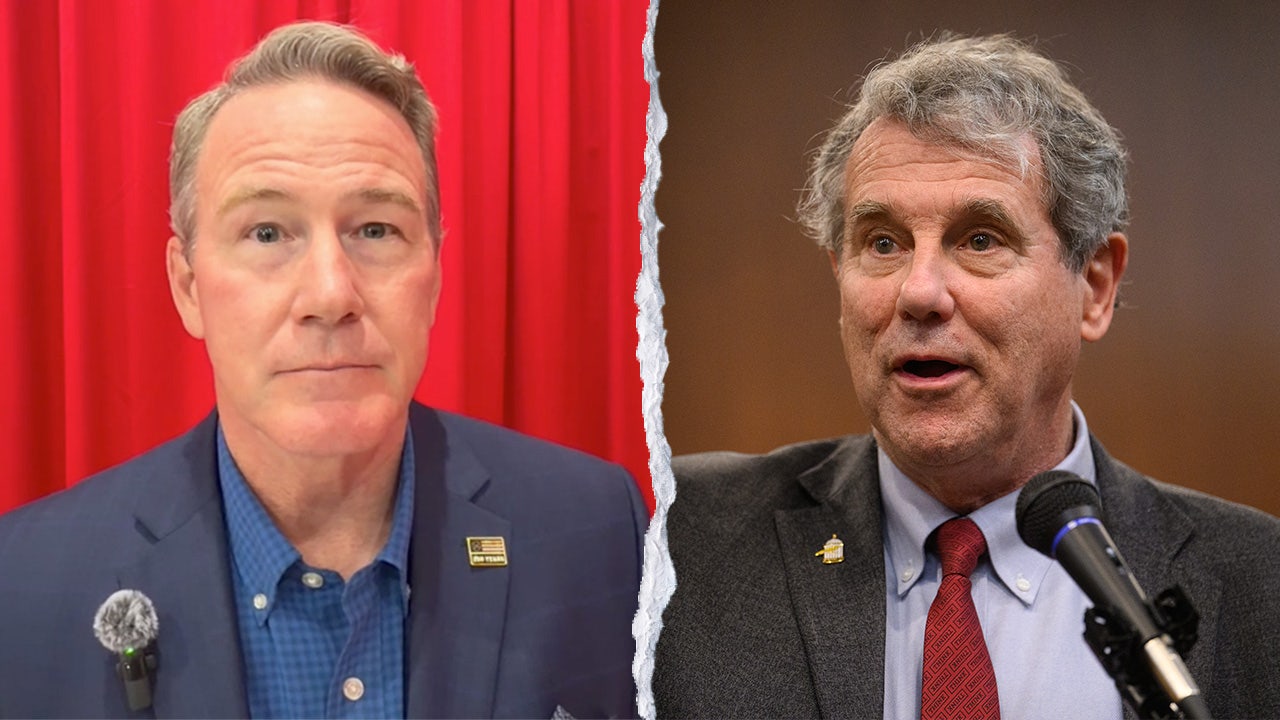
Powered by a clear favorability advantage, a large gender gap and voter discontent with both household finances and President Donald Trump, former Democratic Sen. Sherrod Brown has the edge over appointed Republican Sen. Jon Husted in the Ohio Senate race.
A survey of likely Ohio voters finds Brown leads Husted, 52% to 47%.
Brown’s advantage is anchored by his stronger personal standing, with his favorability rating 2 points above water (50% favorable, 48% unfavorable), while Husted’s rating sits 13 points underwater (42% favorable, 55% unfavorable).
POLL: COST-OF-LIVING CONCERNS WEIGH ON GOP IN MIDTERMS
More Brown supporters (88%) than Husted backers (83%) say they’re certain of their vote.
POLL: IT’S A LONE STAR SENATE SHOWDOWN BETWEEN TALARICO AND PAXTON
Economic unease creates another headwind for Husted because about 2½ times as many voters say their financial situation is worse than two years ago rather than better (46% vs. 19%). Those who say things are worse favor Brown by 49 points, while those who say their finances are better or the same favor Husted by 51 and 24 points, respectively.
The president’s standing in Ohio adds to Husted’s difficulties. Trump won the Buckeye State with 55% of the vote in 2024, but just 43% now approve of his job performance. A 57% majority disapproves, with 46% saying they «strongly» disapprove.
Meanwhile, 52% express concern that Husted is too close to Trump, including 38% who are extremely concerned. Brown faces similar concerns about being too liberal, as 50% are worried, though fewer, 30%, are extremely concerned.
In the matchup, women favor Brown by 14 points, while men support Husted by 4, an 18-point gender gap. Brown also has advantages among voters under 35, voters with a college degree, union voters and those living in urban and suburban areas. Husted relies on rural communities, non-college White men and married voters and has a narrow edge among those ages 65 and up.
Partisan crossovers further tilt the field toward the challenger. While Husted receives 90% of Republicans, 9% cross over to back Brown. Some 97% of Democrats support Brown, while just 2% choose Husted, and Brown carries independents by nearly two to one.
Voters who view both Senate candidates unfavorably prefer Husted by nearly 20 points.
Brown is up by 9 points among those who are extremely interested in the election and leads by 29 points among the 15% of Ohioans who say they have already voted.
Legislative preference tilts toward the Democrats, with Ohioans dividing 50% for Democratic control of the U.S. Senate and 48% for Republican control.
In the governor’s contest, likely voters favor Democrat Amy Acton over Republican Vivek Ramaswamy by 50% to 48%. Women favor Acton by 10 points, while men back Ramaswamy by 7, a nearly identical gender gap to the Senate race.
CLICK HERE FOR CROSSTABS AND TOPLINE
Ticket splitting goes in both directions: 8% of Brown supporters cross over to Ramaswamy, while 6% of Husted supporters back Acton.
The survey was completed before a negative television ad from Ramaswamy’s campaign featuring Acton’s estranged mother became public.
Conducted October 15-19, 2026, under the joint direction of Beacon Research (D) and Shaw & Company Research (R), this Poll includes interviews with a sample of 2,005 Ohio registered voters randomly selected from a statewide voter file. Respondents spoke with live interviewers on landlines (219) and cellphones (1,306) or completed the survey online after receiving a text message (480). Results based on the registered voter sample have a margin of sampling error of ±2 percentage points, and, for the subsample of 1,592 likely voters, it is ±2 percentage points.
Sampling error for results among subgroups is higher. In addition to sampling error, question wording and order can influence results. Sources for developing weight targets include the most recent American Community Survey, Voter Analysis and voter file data. Weights are generally applied to age, race, education and area variables to ensure the demographics of respondents are representative of the registered voter population. Likely voters are based on a probabilistic statistical model that relies on past vote history, interest in the current election, intention to vote, age, education, race, ethnicity, and marital status. Results among subgroups are only shown when the sample size is at least N=100.
Fox News’ Victoria Balara contributed to this report.
fox news poll, politics, midterm elections, republicans, democratic party, donald trump, senate
INTERNACIONAL
La psicooncóloga Rebeca Salandra habla del acompañamiento desde el diagnóstico de cáncer de mama hasta el final del proceso

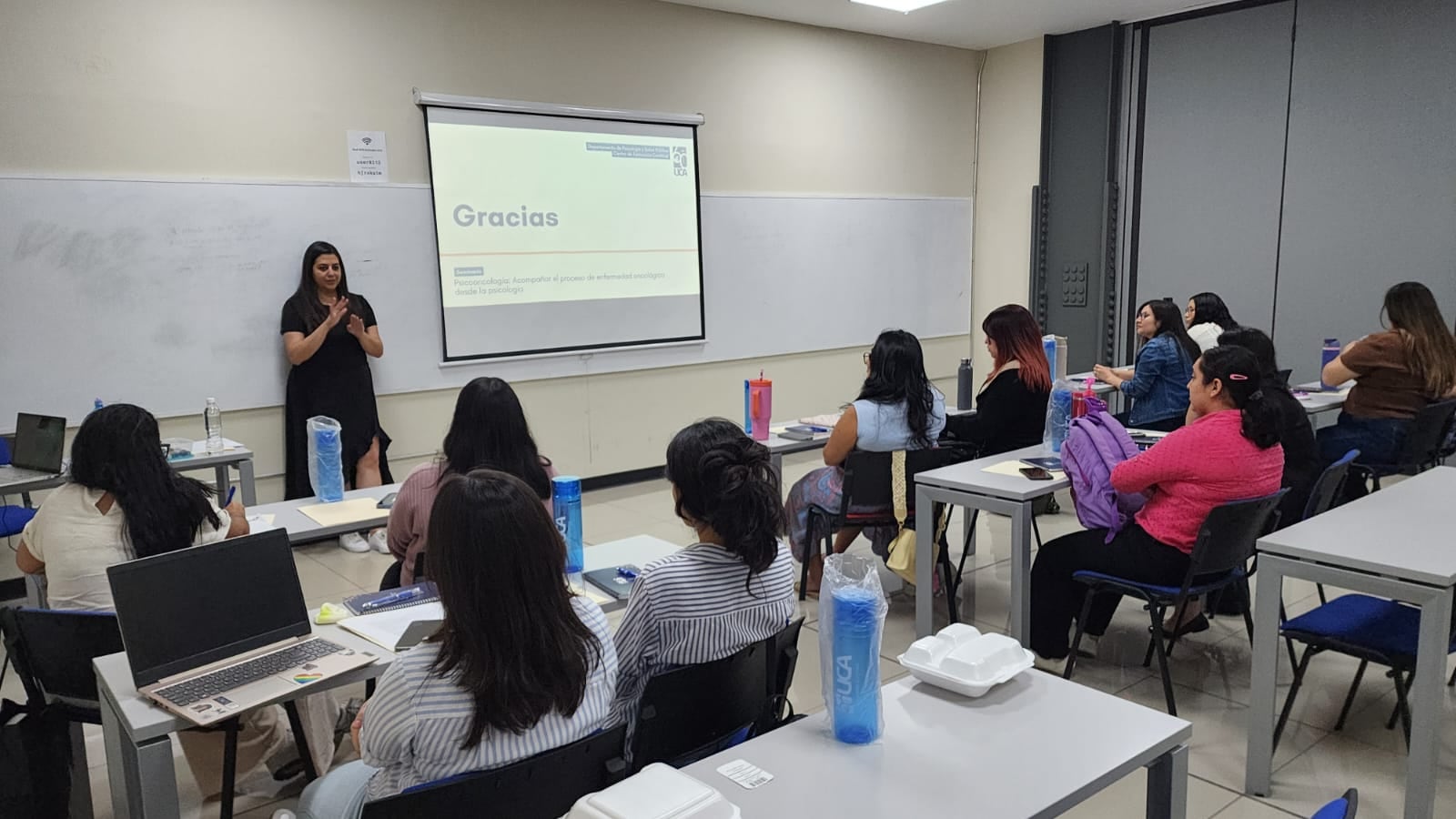
Rebeca Salandra, psicooncóloga y psicóloga de la salud, explicó que un diagnóstico de cáncer de mama provoca un impacto emocional que no equivale necesariamente a un trastorno psicológico, pero requiere acompañamiento desde la noticia inicial hasta el final del tratamiento o, según cada caso, el final de la vida. La especialista, que lleva alrededor de 13 años, también coordinadora nacional de los psicólogos de Instituto Salvadoreño del Seguro Social (ISSS), trabajando con pacientes oncológicos, sostuvo que la atención debe combinar el conocimiento de la enfermedad con la evaluación individual de cada persona.
La primera asociación suele ser inmediata: “Tengo cáncer igual a muerte”. En las madres, ese temor suele trasladarse a sus hijos y a la posibilidad de no poder cuidarlos, mientras que quienes tienen pareja piensan en su esposo y en el entorno familiar más cercano.
El cáncer de mama puede tener una alta posibilidad de curación si se detecta a tiempo, pero el miedo no desaparece automáticamente con esa información. Salandra señaló a Infobae que la psicooncología busca educar a las pacientes sobre el tipo específico de tumor, los tratamientos indicados y las emociones que pueden surgir durante el proceso.
Alrededor del 40% de los pacientes puede desarrollar depresión, trastornos de ansiedad o dificultades de adaptación tras el diagnóstico. Sin embargo, la reacción inicial de tristeza, incertidumbre o temor puede ser una respuesta normal frente a una amenaza para la salud y no implica por sí misma una enfermedad mental.

El impacto emocional de los cambios físicos
La quimioterapia, la radioterapia, las intervenciones quirúrgicas y los controles frecuentes modifican la rutina y pueden afectar la imagen corporal. La pérdida del cabello, el descenso de peso, una mastectomía o el uso de una prótesis no tienen el mismo significado para todas las mujeres, porque el impacto depende de la personalidad, la edad, la historia personal y el valor que cada paciente atribuye a su cuerpo.
“Todas las emociones que cada una de las personas vive son naturales y normales, son reacciones ante una amenaza”, afirmó Salandra. La ansiedad puede aumentar al comienzo del tratamiento, cuando aparecen dudas sobre la quimioterapia, la radioterapia o la inmunoterapia y sus posibles efectos secundarios.
La pérdida del cabello puede convertirse en un recordatorio visible de la enfermedad. Aunque vuelva a crecer, la especialista indicó que algunas pacientes atraviesan ese cambio como una pérdida relevante y necesitan despedirse simbólicamente de su cabello antes de que comience a caer.
El abordaje incluye el trabajo sobre la autoimagen y la adaptación a los cambios físicos. También contempla la pérdida de la salud, de la sensación de normalidad y de la autonomía cotidiana, ya que la vida empieza a organizarse alrededor de hospitales, estudios médicos y controles.
La situación económica puede añadir otra fuente de tensión. Por eso, la evaluación psicológica considera el impacto de la enfermedad en la paciente, su familia, su autoestima, la red de apoyo social y posibles antecedentes de depresión u otros trastornos previos al diagnóstico.
Educación sobre la enfermedad y decisiones de tratamiento
La herramienta más utilizada en la atención psicológica oncológica es la educación sobre la enfermedad y las emociones. Salandra explicó que una paciente necesita comprender, por ejemplo, qué implica un cáncer de mama triple negativo, por qué determinado tratamiento puede ser hormonal o por qué otra persona recibe una terapia diferente.
El objetivo es que las decisiones no dependan únicamente de búsquedas en internet, conversaciones con vecinos o información obtenida mediante herramientas digitales. Cuando la paciente recibe explicaciones de profesionales que conocen su caso, puede disminuir la ansiedad y adaptarse mejor a las pérdidas y a los cambios que atraviesa.
El acompañamiento tampoco sigue un esquema idéntico para todas las personas. Algunas mujeres pueden preocuparse principalmente por los cambios físicos, mientras que otras reviven el recuerdo de familiares o conocidos que murieron por cáncer de mama y enfrentan ese antecedente como una fuente adicional de miedo.
El cansancio acumulado puede llevar a una paciente a pensar en abandonar el tratamiento. La especialista consideró que esa decisión debe analizarse a partir de sus causas: efectos secundarios mal controlados, agotamiento, tristeza, temor, conflictos familiares o un objetivo terapéutico paliativo, orientado a aliviar síntomas y no a curar la enfermedad.

“Ellas tienen el derecho de cansarse, de tirar la toalla, pero luego levantarla”, sostuvo Salandra. La intervención psicológica no busca obligar a continuar, sino ayudar a que la decisión se tome con conciencia y no desde un bloqueo emocional.
En algunos casos, el malestar está relacionado con la preocupación por los hijos. La profesional relató que trabajó con una paciente que pensaba abandonar el tratamiento porque no quería que su hijo presenciara el proceso; la respuesta fue involucrarlo para normalizar la situación dentro del hogar.
El miedo después de terminar la terapia
La etapa posterior al tratamiento puede concentrar emociones que quedaron relegadas durante los meses de consultas, cirugías y terapias. Mientras el tratamiento está en marcha, predomina la ansiedad y la incertidumbre; al finalizar, pueden aparecer con más fuerza el miedo y la tristeza.
Salandra definió ese proceso como un duelo oncológico. La rapidez de las decisiones médicas y las exigencias de cada terapia pueden dejar poco espacio para procesar lo vivido, por lo que el impacto emocional puede hacerse más visible durante la fase de vigilancia y los controles posteriores.
El temor a una recaída puede ser natural, especialmente antes de realizarse estudios médicos. La situación requiere una intervención específica cuando ese miedo impide asistir a los controles, altera el sueño, bloquea la vida cotidiana o se vuelve desproporcionado.
La familia también puede influir en la continuidad de los tratamientos. La psicooncóloga advirtió que, en algunas zonas rurales, existen esposos que se oponen a que sus parejas reciban atención médica por mitos sobre la quimioterapia o la radioterapia, aunque esas creencias también aparecen en personas con formación universitaria.

Las reuniones familiares permiten explicar qué ocurre, desarmar temores y abordar las decisiones desde información clínica. La enfermedad puede avanzar aunque al principio no produzca síntomas, por lo que el rechazo al tratamiento necesita ser trabajado junto con la paciente y su entorno.
Salandra planteó que los equipos oncológicos deberían incluir desde el inicio a profesionales de la salud mental formados en cáncer. Cuando eso no ocurre, recomendó buscar ayuda si el llanto se vuelve frecuente, la tristeza se profundiza, los conflictos familiares crecen, el dolor se vuelve difícil de afrontar, aparece insomnio por ansiedad o surge la intención de abandonar la terapia.
Ser fuerte, resumió la especialista, no significa evitar la tristeza, el enojo o el miedo. Significa continuar el proceso pese a esas emociones, identificarlas, validarlas y buscar apoyo en personas de confianza o en un profesional especializado cuando la situación deja de ser manejable.
psicooncología,cáncer,apoyo emocional,El Salvador

El encendido discurso de Luis Ventura en el Martín Fierro de Radio: “¿Quién dijo que está muerta? ¡Tenemos vida!”

Tigre vs Atlético Tucumán: formaciones, hora y dónde ver por tv

El Gobierno explicó por qué Milei apareció con una venda en el cuello durante su viaje a España

Los enredos inesperados de la causa Malvinas

Fracasaron las negociaciones del gobierno francés con los sindicatos: habrá huelga general a partir del 5 de noviembre

Impacto en la F1: la drástica medida de la FIA que podría afectar a Alpine y Franco Colapinto

El Gobierno pone en marcha un nuevo plan de retiros voluntarios y busca que haya 20.000 empleados menos en el Estado

Alerta roja en Sudamérica por el Súper Niño: cambio climático, inundaciones extremas y el hallazgo de microplásticos y metales en el granizo

“Feliz día a la mejor mamá del mundo”: el doble gesto del Chato Prada con Lourdes Sánchez y la reacción de ella

De cara al debate por el endeudamiento familiar, el Gobierno sostiene un discurso duro y considera que funciona para la imagen de Milei

 POLITICA2 días ago
El Gobierno pone en marcha un nuevo plan de retiros voluntarios y busca que haya 20.000 empleados menos en el Estado
- CLIMA2 días ago
Alerta roja en Sudamérica por el Súper Niño: cambio climático, inundaciones extremas y el hallazgo de microplásticos y metales en el granizo
- POLITICA2 días ago
El Gobierno reconoció que “está bajo análisis” la postura argentina en el Comité de Descolonización de la ONU