
INTERNACIONAL
Contradicciones, suspicacias y cruce de declaraciones por la presencia de dos agentes de la CIA muertos en México en un operativo antidrogas

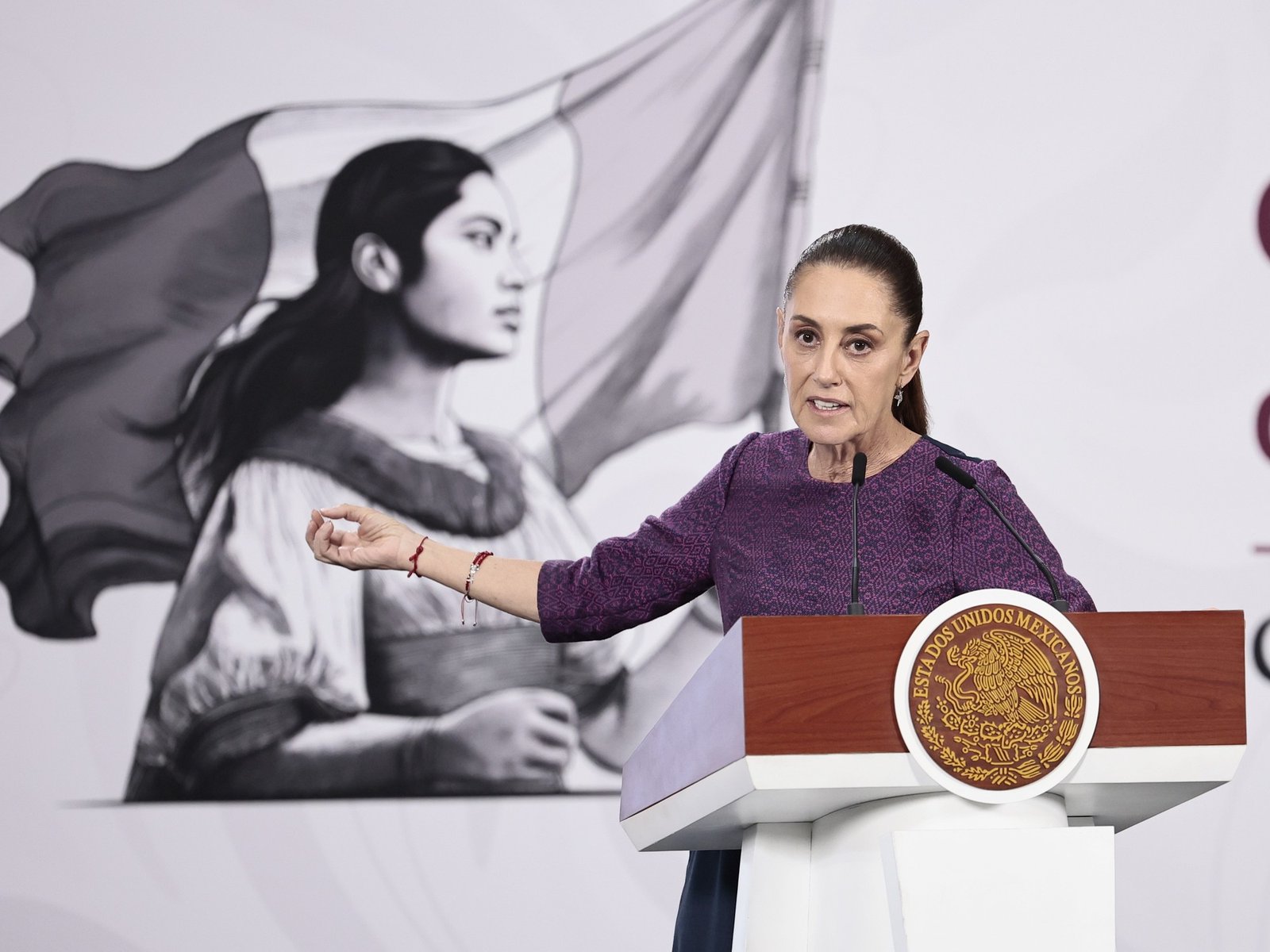
La labor que realizaban dos agentes de la CIA muertos en un accidente al regresar supuestamente de un operativo antidrogas en el estado mexicano de Chihuahua no solo sigue provocando contradicciones y dudas sobre quién autorizó su actividad, sino que ha empezado a generar suspicacias en la administración de Donald Trump.
El suceso avivó las especulaciones sobre el alcance de las acciones estadounidenses en suelo mexicano pese a la reiterada defensa de la soberanía hecha por la presidenta Claudia Sheinbaum y su negativa a aceptar las ofertas de Trump de intervenir contra los carteles narco.
Sheinbaum dijo este miércoles en su conferencia de prensa que analiza posibles sanciones contra el gobierno de Chihuahua porque cualquier colaboración de miembros de agencias de Estados Unidos en México debe ser aprobada por el gobierno federal, cosa que no ocurrió.
Horas después, la portavoz de la Casa Blanca, Karoline Leavitt, pidió a la mandataria en declaraciones a Fox News “un poco más de empatía” ante la muerte de dos estadounidenses “teniendo en cuenta todo lo que Estados Unidos está haciendo con este presidente para detener el flagelo del tráfico de drogas a través de México».
Los dos agentes murieron el domingo junto a dos miembros de la fiscalía estatal cuando su camioneta derrapó y cayó por un barranco en las escarpadas montañas que unen Chihuahua —fronteriza con Texas—y Sinaloa, donde se desmanteló un enorme laboratorio de drogas sintéticas.
Su pertenencia a la agencia central de inteligencia de Estados Unidos (CIA) fue confirmada el martes a The Associated Press por un funcionario estadounidense y otras dos personas familiarizadas con el asunto que hablaron bajo condición de anonimato para poder abordar cuestiones de inteligencia.
“No se informó de la participación de estas personas», afirmó Sheinbaum sin mencionar expresamente a la CIA. “No puede haber agentes de alguna institución del gobierno de Estados Unidos operando en campo… Esto no es parte del protocolo de seguridad que hemos acordado, del entendimiento que tenemos con ellos”.
Desde hace décadas, la presencia en México de la CIA —con un legado turbio en América Latina ligado a golpes de Estado y dictaduras militares— al igual que la de la DEA, la agencia antidrogas, y de otros agentes estadounidenses ha estado marcada por los claroscuros y controversias, como por ejemplo sobre la portación de armas. Sus actividades suelen salir a la luz pública cuando hay problemas, como ocurrió en 2012 cuando una camioneta de la embajada fue baleada en las afueras de Ciudad de México dejando a dos agentes de la CIA heridos.
Durante la administración de Andrés Manuel López Obrador (2018-2024), sus movimientos fueron restringidos con una ley que exige a los agentes informar previamente al gobierno mexicano de sus acciones, que sigue vigente. Sheinbaum ha incrementado la cooperación con Washington y endurecido su estrategia de seguridad.
Hasta las declaraciones de Leavitt, la administración Trump no había hecho comentarios públicos sobre los sucesos en Chihuahua y la CIA declinó el miércoles comentar sobre el tema. Sin embargo, las autoridades mexicanas han abundado en contradicciones.
César Jaúregui, fiscal de Chihuahua, dijo el domingo que el ejército mexicano y su fiscalía habían participado en el desmantelamiento del mayor laboratorio de drogas sintéticas ubicado hasta el momento y que los “oficiales instructores” de la embajada murieron en un accidente al regresar de esa acción. Al día siguiente se retractó y dijo que los funcionarios de la embajada se unieron al grupo después del operativo.
Según la presidenta, la Secretaría de Defensa no sabía que algunos de los participantes en la acción «no eran ciudadanos mexicanos y que no eran parte de las agencias de seguridad del estado de Chihuahua”.
Por eso, envió una carta “de extrañamiento” por lo sucedido al embajador estadounidense para que dé toda la información disponible y prevé hablar en breve con la gobernadora de Chihuahua, la opositora María Eugenia ‘Maru’ Campos. “Es muy importante que no se deje pasar algo así”, agregó Sheinbaum.
Horas más tarde, el secretario de Seguridad, Omar García Harfuch, fue tajante al asegurar que “nunca” ha habido agentes extranjeros participando físicamente en un operativo federal. «No nos lo permite la ley”.
También dijo que el ejército recibió una solicitud “específicamente de acompañamiento” para dar seguridad a las fuerzas de Chihuahua. “Es muy distinto ir en apoyo de una operación a ser parte de, como tal, de la planeación”, agregó.
Pero según explicó el fiscal de Chihuahua el domingo, la investigación que llevó a desmantelar el enorme laboratorio había comenzado meses atrás y se había realizado en colaboración con la Secretaría de Defensa. “Cuando ya tuvimos la certeza mediante drones de la ubicación del lugar, acudimos en conjunto a realizar el aseguramiento de las instalaciones”.
El Senado pidió a la gobernadora que acuda la semana que viene a explicar lo ocurrido.

INTERNACIONAL
Tartessos, la civilización de España que selló sus templos antes de desaparecer sin dejar rastro
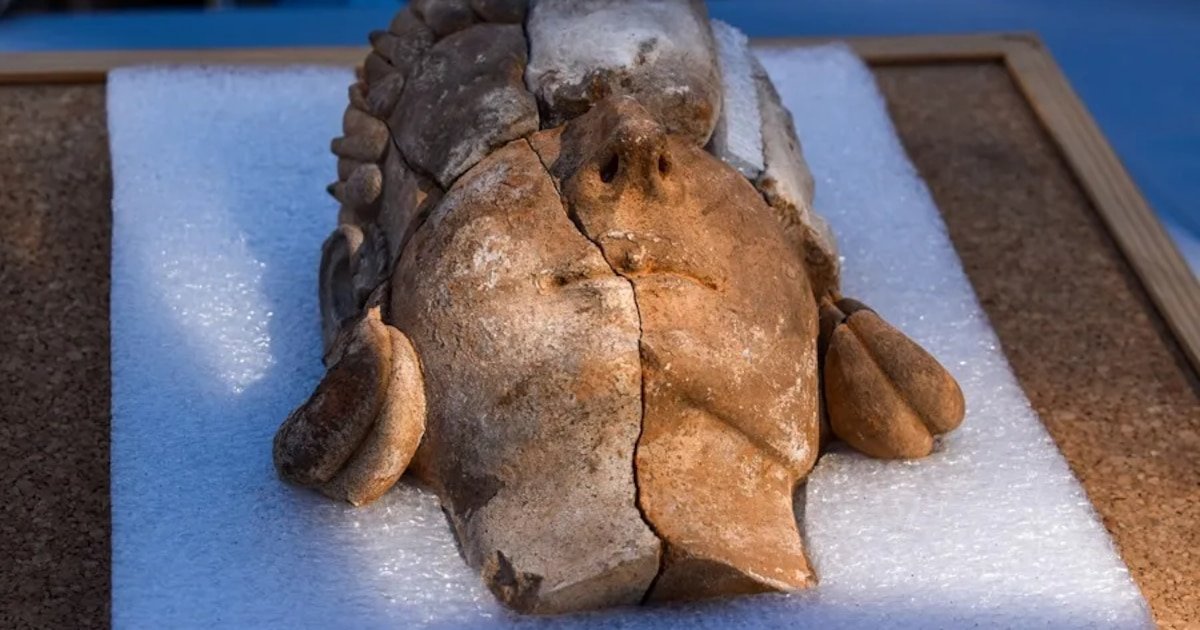
El valle del Guadiana, en la árida llanura del suroeste de España, guarda bajo su suelo un secreto que nunca se logró borrar. Templos sellados, joyas de oro y cenizas de rituales sin explicación: lo que hoy parece tierra fue, hace más de 2.500 años, el corazón de Tartessos, una civilización que comerció con medio Mediterráneo y dejó su huella en la costa atlántica y en la ciencia.
Los historiadores griegos y romanos la conocían, o creían conocerla. Heródoto, geógrafo, escribió sobre una ciudad portuaria más allá de las Columnas de Hércules, ese límite del mundo conocido que hoy se conoce como estrecho de Gibraltar. El Antiguo Testamento menciona un lugar llamado Tarsis, desde donde las naves del rey Salomón regresaban cargadas de oro, plata y marfil.
Cada fuente describía a Tartessos de forma distinta: un río, un puerto, un reino, una isla, pero nadie coincidía.
Sin embargo, las excavaciones del último siglo fueron sumando piezas a un rompecabezas enorme y generando respuestas a historiadores. Pero recién en las últimas décadas la tecnología permitió empezar a ver la imagen completa de un mundo que fue protagonista del mercado miles de años atrás.

Tartessos floreció entre los siglos IX y V a. C. en el sur de la península ibérica, y surgió de la fusión entre poblaciones indígenas y colonizadores fenicios y griegos. No fue una cultura aislada: su ubicación geográfica, próxima al estrecho de Gibraltar, la convirtió en un punto de conexión e intercambio entre el Atlántico y el Mediterráneo, dos mundos que hasta entonces habían operado con escaso contacto directo.
Su base económica descansaba en los metales. El subsuelo del sur peninsular era extraordinariamente rico en oro, plata, cobre y estaño, y los tartesios lo explotaron con una organización que impresionó a los viajeros de la Antigüedad. Según recoge History National Geographic, Eforo, historiador del siglo IV a. C., los describió como “un mercado muy próspero, regado por un río que lleva gran cantidad de estaño, oro y cobre».

El rey Argantonio se convirtió en la figura por antonomasia de la civilización. De acuerdo con History National Geographic, las fuentes antiguas lo presentan como un gobernante longevo y opulento, símbolo de la abundancia que caracterizó a esta sociedad durante su apogeo. Su figura condensó, con el tiempo, todo el aura de prosperidad que rodeaba al mundo tartesio.
Además del comercio y la metalurgia, registraron el primer sistema de escritura conocido de la península ibérica. La escritura tartésica, que data de alrededor del siglo VIII a. C., deriva del alfabeto fenicio y presenta una particularidad: es palindrómica, puede leerse de derecha a izquierda o de izquierda a derecha. Según informó la BBC, los sonidos exactos que representan sus símbolos aún están bajo estudio.
Una estela con inscripciones de este sistema se conserva en el Museo Arqueológico de Badajoz, dentro de la Alcazaba.

La relación con los fenicios es uno de los debates más activos en la arqueología actual. La postura tradicional sostuvo durante décadas que ambas culturas, pese a la cercanía geográfica, se mantuvieron sustancialmente separadas. Pero investigaciones más recientes plantean que entre ellas se produjo una fusión cultural tan profunda que en muchos yacimientos resulta difícil distinguir qué elementos son de cada uno.
Lo que sí permanece fuera de discusión es la extensión geográfica de la civilización. Los primeros hallazgos apuntaban al valle del Guadalquivir, en Andalucía, como el núcleo tartesio. Pero descubrimientos posteriores en el valle del Guadiana, más al oeste, ampliaron ese mapa considerablemente.
Hasta la fecha, según relevó la BBC, se han identificado más de 20 yacimientos tartesios en toda España, que incluyen sitios en las provincias de Huelva, Sevilla, Córdoba, Badajoz e incluso en Portugal.
La desaparición hacia el siglo V a. C. continúa siendo uno de los enigmas sin resolver de la arqueología ibérica. La civilización no se apagó de forma gradual: los registros materiales indican una ruptura abrupta, sin señales claras de una transición hacia otra cultura o una retirada ordenada.

Una de las teorías con mayor respaldo reciente apunta a un desastre natural. Según informó el investigador científico del Instituto de Arqueología de Mérida, Sebastián Celestino Pérez, “parece que pudo haber habido un terremoto a mediados del siglo VI antes de Cristo, seguido de un tsunami que podría haber afectado a los principales puertos”, reveló en diálogo con la BBC.

Pero los factores económicos y políticos también pesan en el análisis. De acuerdo con History National Geographic, Eduardo Ferrer-Albelda, catedrático de arqueología de la Universidad de Sevilla, señaló que la riqueza metálica era tanto su mayor fortaleza como su punto más vulnerable.
“También se documenta una crisis minera, pero la violencia debió desempeñar un papel importante”, afirmó. El investigador también planteó que “la connivencia entre las aristocracias fenicia e indígena podría haber terminado abruptamente, de modo que cabe suponer un movimiento entre las poblaciones de la zona tartésica”.
Lo que sí documentan con precisión los yacimientos es el ritual con el que los tartesios cerraron sus espacios sagrados antes de abandonarlos. Según relevó la BBC, en todos los sitios excavados se repitió el mismo patrón: los habitantes vaciaban los recipientes y ánforas, quemaban el edificio y lo sellaban con arcilla, dejando en su interior herramientas de hierro, joyas de oro y restos de animales sacrificados.
Ana Belén Gallardo Delgado, historiadora y guía del yacimiento de La Mata, resumió esa conducta para la BBC: “Lo que más me sorprende es la peculiar costumbre de destruir sus viviendas; en todos los yacimientos encontrados se ha seguido el mismo comportamiento“.
Tartessos,bronce,orfebrería,colgante,figura alada,aves acuáticas
INTERNACIONAL
La increíble historia de los trillizos que fueron separados al nacer para un experimento científico y descubrieron la verdad 19 años después

Durante casi dos décadas, Edward Galland, David Kellman y Robert Shafran vivieron sin saber que eran hermanos. Nacieron el mismo día, compartían el ADN y, sin embargo, fueron entregados en adopción a tres familias diferentes que jamás fueron informadas de la existencia de los otros chicos.
El reencuentro ocurrió por una serie de casualidades que convirtió la historia en algo increíble. Rápidamente, los tres hicieron furor en Estados Unidos, protagonizaron programas de televisión, abrieron un restaurante y se convirtieron en celebridades.
Sin embargo, detrás de aquella historia que parecía sacada de una novela de ficción había un secreto oscuro: los habían separado a propósito para formar parte de un experimento científico que nunca fue informado a sus familias.
Décadas después, el caso cobró relevancia gracias al documental Three Identical Strangers, dirigido por Tim Wardle, que reconstruyó una de las historias más impactantes sobre adopciones y ética científica.
Tres idénticos desconocidos
Los tres hermanos nacieron el 12 de julio de 1961 en Nueva York. Su madre biológica era una adolescente soltera que decidió darlos en adopción. Lo que ni ella ni las familias adoptivas sabían era que los bebés serían separados intencionalmente.
Cada uno fue enviado a un hogar distinto a través de la agencia de adopciones Louise Wise Services. La decisión no fue aleatoria, ya que según se supo muchos años después, los responsables del estudio buscaban que crecieran en familias con diferentes niveles socioeconómicos y distintos estilos de crianza para observar cuánto influían la genética y el ambiente en el desarrollo de una persona.
Uno de los hermanos fue criado en una familia trabajadora, otro en un hogar de clase media y el tercero en un entorno con una posición económica más acomodada. Todos crecieron creyendo que eran hijos únicos.
Los trillizos que fueron separados al nacer por un experimento científico. (Foto: Three Identical Strangers)
La historia de los trillizos dio un giro en 1980, cuando Robert Shafran llegó a estudiar en el Sullivan County Community College, ubicado en Nueva York.
Desde el primer momento ocurrió algo que le pareció raro: alumnos que nunca había visto lo saludaban y lo llamaban “Eddy”. Algunos incluso mantenían una breve conversación con él convencidos de que era otra persona.
Por otra parte, un compañero conocía a Edward Galland, un chico que había estudiado allí el año anterior y que era idéntico al recién llegado. Cuando ambos se encontraron cara a cara quedaron completamente sorprendidos: tenían las mismas facciones, la misma voz y la misma fecha de nacimiento.
La posibilidad de que fueran hermanos adoptados apareció enseguida. Poco después confirmaron que eran gemelos idénticos separados al nacer.
La similitud física entre los hermanos era innegable. (Foto: CNN)

Pocos días después de que los medios publicaran la historia del sorprendente reencuentro, David Kellman vio una foto de los dos jóvenes en el diario local y no pudo creer lo que veía: ellos eran iguales a él.
Fue así que David logró contactarlos por teléfono y organizó un encuentro. Cuando los tres estuvieron juntos comprobaron que no eran gemelos, sino trillizos.
De un fenómeno mediático a una verdad inesperada
El reencuentro de los trillizos causó un impacto inmediato en Estados Unidos. En cuestión de semanas, Robert Shafran, David Kellman y Eddy Galland pasaron de ser tres jóvenes desconocidos a ser protagonistas de programas de televisión, entrevistas y portadas de revistas y diarios.
Su parecido físico era increíble, pero lo que más llamaba la atención era la cantidad de rasgos que compartían a pesar de haber crecido por separado: fumaban la misma marca de cigarrillos, tenían gustos similares para la comida, practicaban lucha libre e incluso utilizaban expresiones y gestos casi idénticos.
Después de que se diera a conocer el caso, los trillizos se volvieron famosos en Estados Unidos. (Foto: BBC)

Las imágenes de los tres vestidos iguales y respondiendo preguntas al mismo tiempo dieron la vuelta al país. Por eso, aprovechando la enorme repercusión, decidieron mudarse juntos a Nueva York y abrieron un restaurante en el barrio del SoHo llamado Triplets, que rápidamente se convirtió en furor entre turistas y curiosos que querían conocer a los hermanos.
Sin embargo, mientras disfrutaban de esa inesperada fama, todavía desconocían el motivo por el que habían sido separados al nacer. La respuesta llegaría años después y transformaría para siempre la manera en que entendían su propia historia.
Un experimento oculto
En la década de los 90, investigaciones periodísticas dieron a conocer la existencia de un estudio secreto encabezado por el psiquiatra infantil Peter Neubauer, que había desarrollado junto a la agencia de adopciones Louise Wise Services.
El objetivo del proyecto era averiguar cuánto influye la herencia genética y cuánto pesa el entorno social en la formación de la personalidad.

Peter Neubauer, el psiquiatra infantil que estuvo a cargo del experimento científico que involucró a los hermanos trillizos. (Foto: Daily Mail)
Durante la infancia de los chicos, investigadores visitaban con frecuencia las casas donde estaban alojados con la excusa de realizar controles de rutina sobre la adaptación. En esas reuniones hacían preguntas, filmaban a los menores, evaluaban su comportamiento y registraban su desarrollo.
Años después, los propios trillizos aseguraron que jamás fueron informados de la existencia del estudio y que crecieron sin saber que dos hermanos idénticos vivían a pocos kilómetros de distancia.
“Nos trataban como sujetos de estudio, pero nosotros éramos víctimas. Hay una gran diferencia”, dijo Robert Shafran en una entrevista en el documental Three Identical Strangers. En otra oportunidad resumió ese sentimiento con una frase que se volvió emblemática: “Nos trataron como ratas de laboratorio”.
La muerte de Eddy Galland
La verdad sobre haber sido parte de un experimento científico afectó en gran parte a los tres hermanos, que atravesaron distintos problemas de salud mental.
Sin embargo, fue Eddy Galland quien se llevó la peor parte, ya que fue diagnosticado con trastorno bipolar y estuvo internado en instituciones psiquiátricas. Finalmente, se quitó la vida el 31 de marzo de 1995 cuando tenía 33 años.
Uno de los hermanos, Eddy Galland, se quitó la vida a la edad de 33 años. (Foto: Three Identical Strangers)

Este trágico hecho marcó un punto de quiebre para la familia y afectó profundamente a David y Robert. Si bien nunca se pudo establecer una relación directa entre el experimento y el suicidio de Galland, ambos sostuvieron que la separación al nacer y todo lo que descubrieron después tuvo un fuerte impacto emocional en sus vidas.
Peter Neubauer murió en 2008 sin publicar los resultados completos de su investigación. Antes de morir, dejó el archivo del estudio depositado en la Universidad de Yale, donde permanecerá bajo reserva hasta 2065.
Estados Unidos, trillizos, experimento
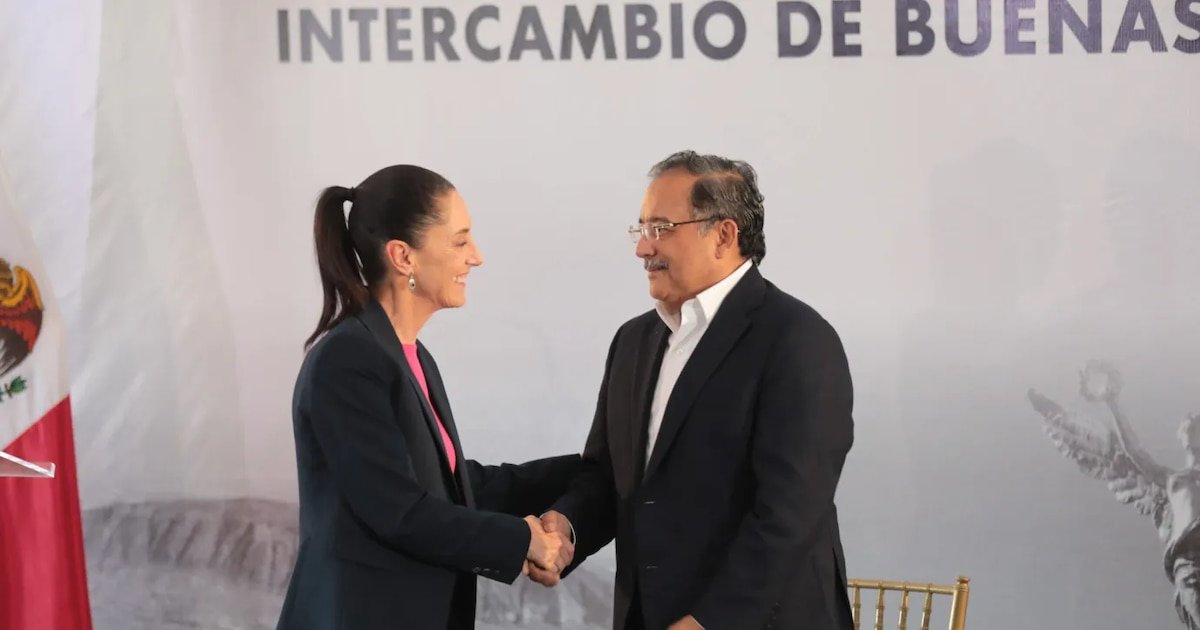
Durante las últimas semanas he recorrido Nuevo León de punta a punta. He estado en ciudades industriales, comunidades rurales, ejidos y cabeceras municipales. He escuchado a trabajadores, madres de familia, empresarios, productores, comerciantes y jóvenes. Y en todos esos kilómetros encontré una misma realidad: en nuestro estado, la distancia no siempre se mide en kilómetros. A veces se mide en abandono.
Hay lugares a los que el gobierno llega con discursos, pero no con médicos. Comunidades a las que les prometieron agua en las redes sociales y todavía dependen de un pozo. Municipios donde los jóvenes tienen que irse porque el empleo, la educación y las oportunidades se concentran lejos de su casa. Familias que ven cómo se anuncian grandes obras mientras los servicios más elementales siguen sin funcionar.
En El Salitre, Zaragoza, encontramos un dispensario sin lo necesario para atender a la gente. En Las Palomas, Mier y Noriega, las familias siguen esperando la red de agua potable que les prometieron. En Presa de Maltos, Doctor Arroyo, escuchamos a una comunidad que rara vez recibe la visita de las autoridades estatales. En Mina, Marín, Cerralvo, Anáhuac y tantos otros municipios se repite la misma pregunta: ¿cuándo nos va a tocar a nosotros?
Esa pregunta debería incomodarnos a todos. Nuevo León no puede presumir crecimiento si ese crecimiento no llega a la vida diaria de las familias. No puede hablar de prosperidad mientras una madre busca medicamentos que no encuentra, un estudiante abandona su comunidad para continuar sus estudios o un trabajador pierde horas enteras atorado en el tráfico o esperando un camión para llegar a su empleo.
Lo que hemos encontrado no es solamente una lista de carencias. Es el resultado de gobernar sin una visión completa del estado. Durante demasiado tiempo se pensó que atender Nuevo León era atender sólo una parte de la Zona Metropolitana. Y aun dentro de ella, el tráfico, la contaminación, la falta de agua y las obras inconclusas demuestran que tampoco basta con inaugurar proyectos o acumular anuncios.
Gobernar es planear, coordinar, terminar y cumplir. Y yo sé lo difícil que es gobernar porque ya lo he hecho en condiciones complejas, con limitaciones reales y problemas que no desaparecen con una publicación en redes sociales. También sé que, con capacidad, honestidad y trabajo constante, sí se pueden obtener resultados concretos en las cosas que importan a las familias.
Cuando enfrentamos la inseguridad, profesionalizamos a la policía. Cuando faltaban oportunidades, facilitamos la inversión sin extorsionar a quien quería producir y generar empleo. Cuando la burocracia frenaba el crecimiento, digitalizamos los trámites, porque las computadoras no piden moche. Cuando el crecimiento acelerado debilitó la convivencia, llevamos educación, cultura, deporte y trabajo comunitario a las colonias para reconstruir el tejido social.
No son recetas que puedan copiarse mecánicamente de un municipio a todo el estado. Sin embargo, sí son pruebas de algo más importante: los problemas difíciles se enfrentan con método, coordinación y capacidad. Y los resultados aparecen cuando el gobierno deja de improvisar y se concentra en cumplir.
Ésa es la esencia de la 4T Norteña: capacidad realista.
Y la Presidenta ha marcado un rumbo al que ese realismo debe aplicarse sin titubeos fortalecer la industria nacional, atraer inversiones, generar empleos y hacer que la prosperidad alcance a quienes durante años fueron dejados atrás.
Eso exige dejar de administrar al estado como si fuera una colección de municipios aislados. Necesitamos coordinación metropolitana, planeación regional y una verdadera alianza entre gobierno, empresas, universidades, trabajadores, campo y sociedad civil. También exige cambiar la manera de recorrer y escuchar. No basta llegar, tomarse una fotografía y seguir adelante. Cada visita debe dejar un problema entendido, una solución viable y un compromiso que pueda medirse.
La cercanía no consiste en estar un día junto a la gente. Consiste en regresar con resultados. Por eso, después de recorrer el estado, mi convicción es más firme: no hay dos Nuevo León, uno moderno y otro condenado al olvido; existe un solo Nuevo León y debe avanzar unido. El progreso de la zona industrial tiene que abrir oportunidades en el campo; la inversión metropolitana debe fortalecer las regiones; y cada peso público debe convertirse en agua, seguridad, movilidad, salud, educación y futuro.
Lo que encontramos en el camino duele, pero también obliga. Frente al abandono, presencia. Frente a la improvisación, capacidad. Frente a la promesa, cumplimiento. Y frente a un crecimiento que deja gente atrás, la Transformación.
Nuevo León no necesita que le cuenten otra historia. Necesita un gobierno con los pies en la tierra, que conozca sus problemas, que sepa enfrentarlos y que convierta el rumbo de la Presidenta en resultados para cada familia, desde la Zona Metropolitana hasta la comunidad más apartada.
Porque nadie vive demasiado lejos en el ejido más remoto, se esfuerza en la colonia más compleja o emprende en la empresa recién instalada, cuando el gobierno entiende que su primera obligación es llegar con resultados.
*El autor es Alcalde, con licencia, del Municipio de General Escobedo y aspirante a Coordinador de la Defensa de la Transformación y la Soberanía Nacional en Nuevo León, México.

Paro docente: el Gobierno va a controlar las escuelas, pero ya se prepara para un conflicto con los sindicatos

Tartessos, la civilización de España que selló sus templos antes de desaparecer sin dejar rastro

Rumbo a Chile, la agenda de Vozinha en Colo Colo

OpenAI vs. Hugging Face: qué pasó y por qué pasó

Catherine Fulop le dedicó una carta abierta a Gia, su nieta: “Abuelar es un amor distinto”

Tras el receso invernal, el Gobierno retoma la actividad legislativa y encara un agosto clave para las reformas

“Vamos a acelerar con todo”: el objetivo del Gobierno por las reformas y la agenda electoral de cara al 2027

Reelecciones indefinidas: el oficialismo bonaerense niega que busque ampliar la Legislatura como parte de una reforma política para beneficiar a los intendentes

“Casta”, “parásito” y “sea democrático”: fuerte respuesta de Victoria Villarruel a Diego Santilli

Dem senator swipes credit for bill he opposed amid heated reelection bid: ‘Disturbing pattern’
-
 POLITICA24 horas ago
“Vamos a acelerar con todo”: el objetivo del Gobierno por las reformas y la agenda electoral de cara al 2027
-
 POLITICA12 horas ago
Reelecciones indefinidas: el oficialismo bonaerense niega que busque ampliar la Legislatura como parte de una reforma política para beneficiar a los intendentes
-
 POLITICA2 días ago
“Casta”, “parásito” y “sea democrático”: fuerte respuesta de Victoria Villarruel a Diego Santilli